
- The Secret Origins of America’s Oldest Music Festivals - October 20, 2026
- Historic Disasters That Inspired American Novels - October 20, 2026
- How Protest Songs Helped End Major U.S. Wars - October 20, 2026
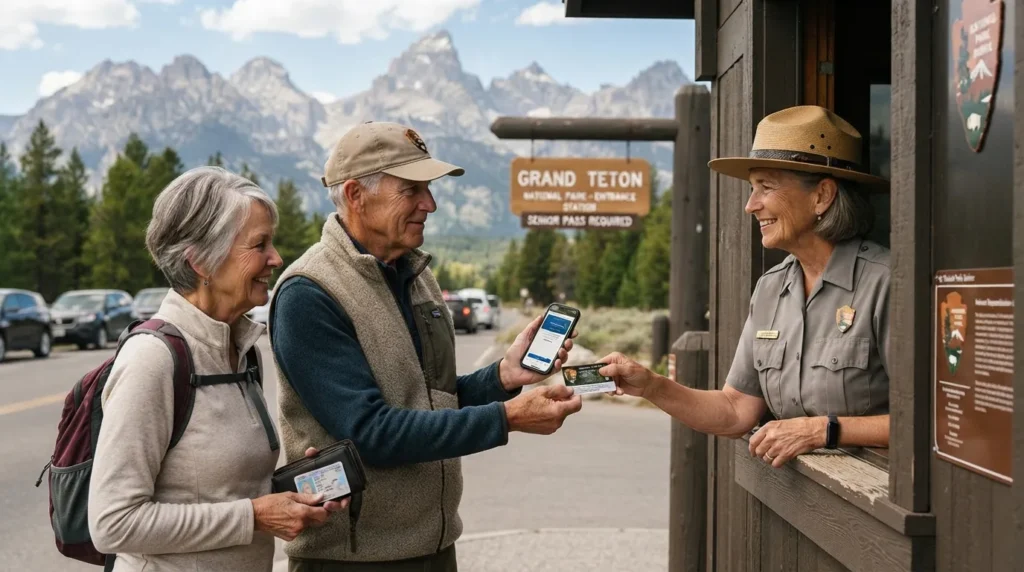
Most people think the Senior Pass is a simple deal: turn 62, buy the card, and walk into any national park for free. The real picture is wider and fussier than that. Here are 15 benefits, limits, and access details worth knowing before you pull up to the gate.
Some are genuine perks that stretch further than you’d expect. A few are quiet exclusions that catch travelers off guard at the campground or the boat ramp. One habit on this list will save you more headaches than any discount.
#15 – One Pass Opens Gates at Six Federal Agencies
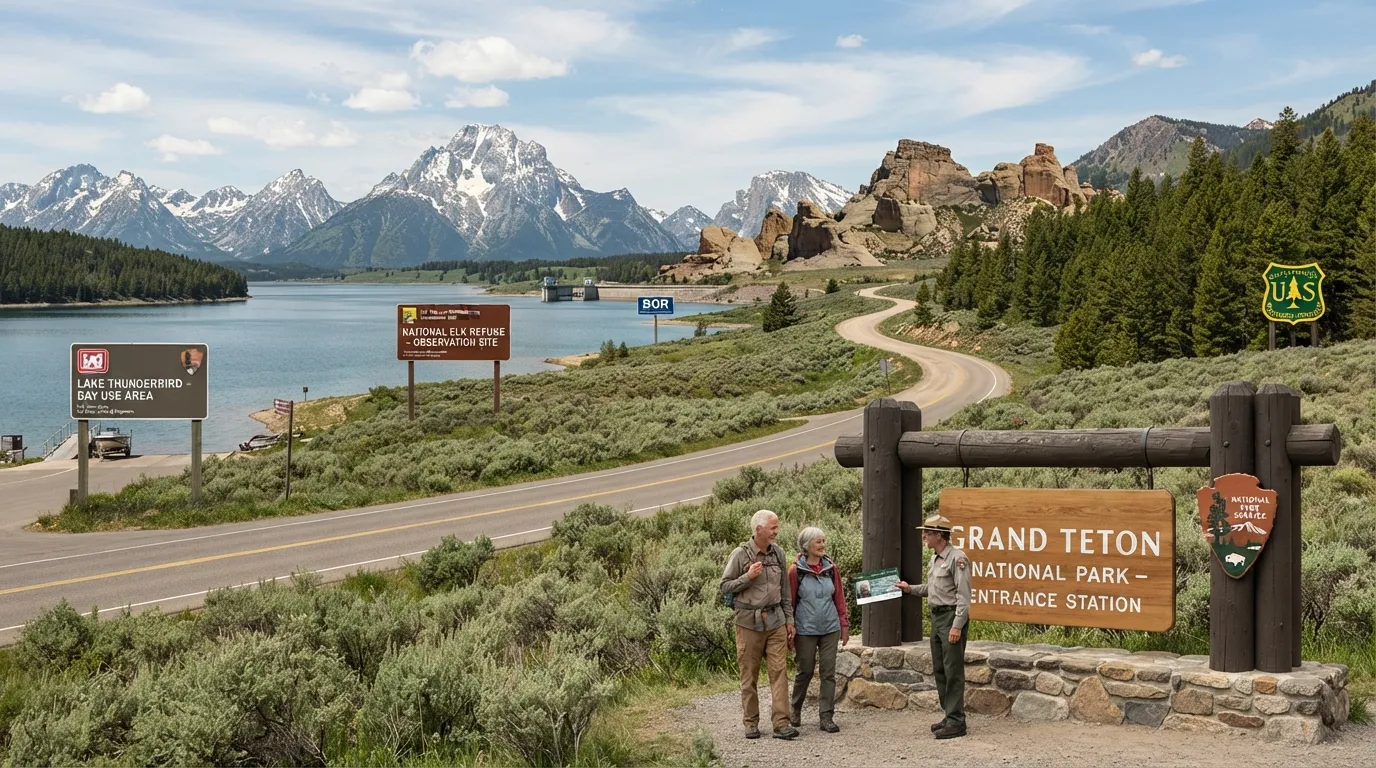
The Senior Pass isn’t only a national park card. It covers entrance fees and standard amenity day-use fees at sites run by the National Park Service, U.S. Fish and Wildlife Service, Bureau of Land Management, Bureau of Reclamation, U.S. Forest Service, and U.S. Army Corps of Engineers.
That adds up to more than 2,000 federal recreation sites. Coverage applies only where those fees are actually charged, and some partner-managed areas sit outside the program entirely.
#14 – One Carload, One Pass at Per-Vehicle Sites
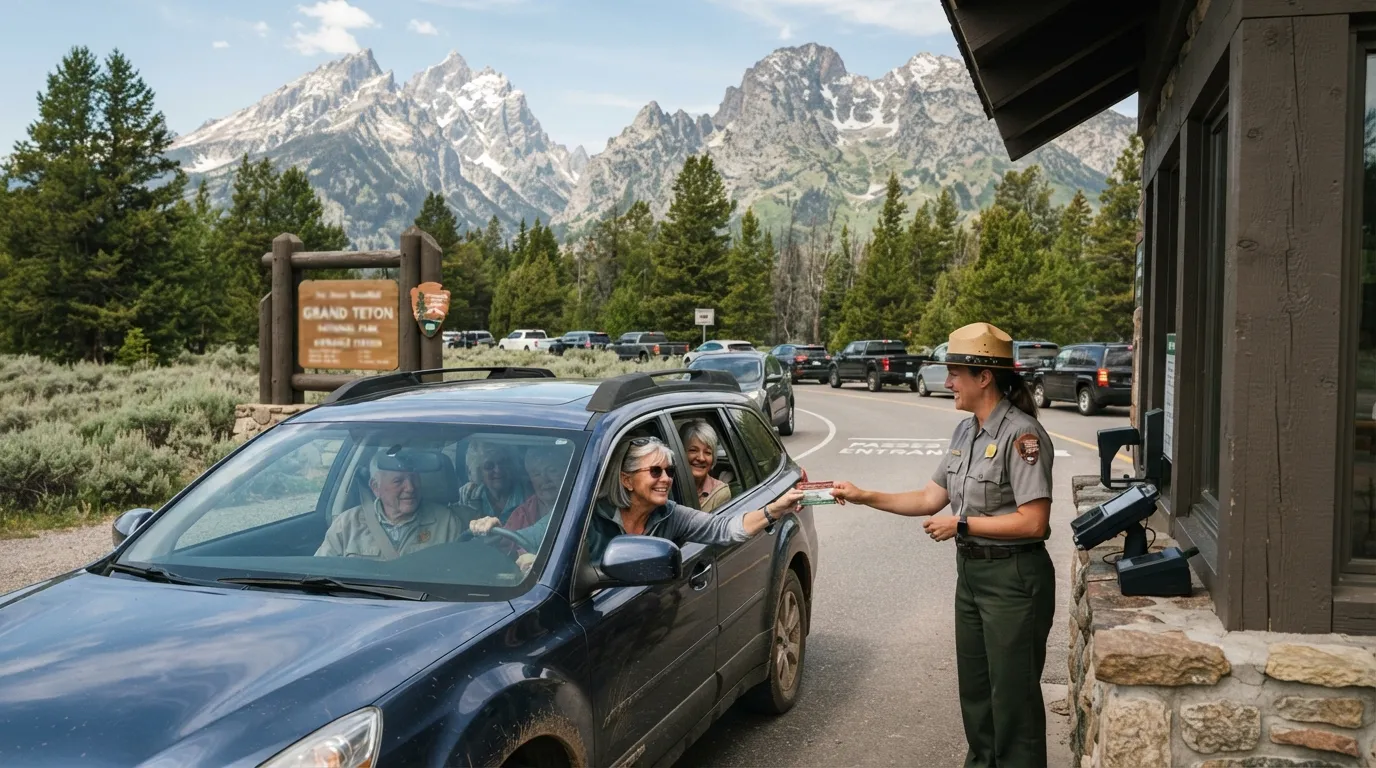
At sites that charge by the vehicle, the pass covers the passholder and everyone riding in a single private, non-commercial vehicle. Everybody in the car gets in on one card.
It doesn’t stretch to commercial vehicles or a second car. If you’re arriving in something other than a standard passenger vehicle, check the park’s signage or ask at the entrance station.
#13 – Passholder Plus Three Adults at Per-Person Sites
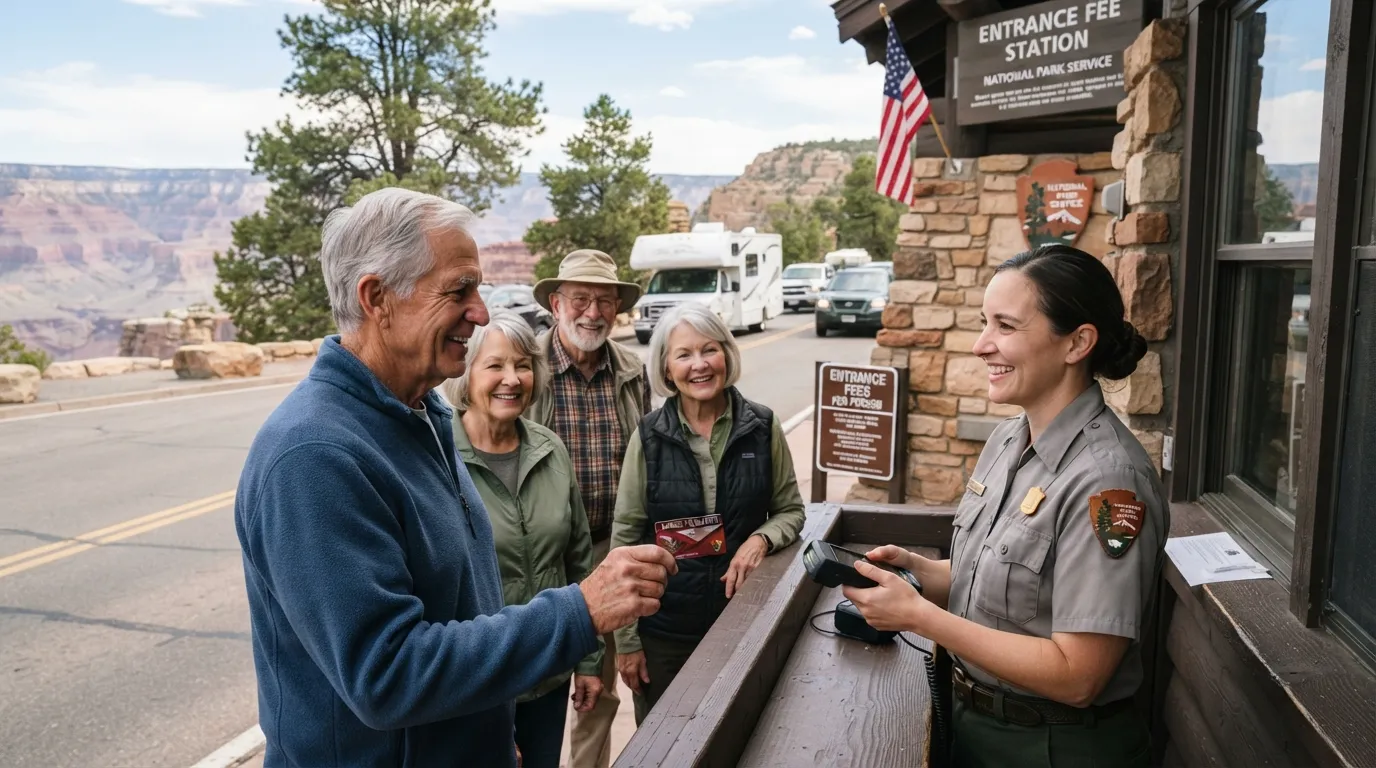
Where fees are charged per person, the Senior Pass covers the passholder and up to three other adults, for a total of four adults. Children under 16 enter free whether or not anyone has a pass.
That makes it a quiet money-saver for a small group of adult friends or relatives. A party of six adults, though, will pay for the extras.
At a Glance
- Per-vehicle sites: the passholder and everyone in one private, non-commercial vehicle.
- Per-person sites: the passholder plus up to three other adults.
- Children under 16: free, with or without a pass.
- Group of six adults: the two beyond the first four pay their own way.
#12 – Half-Price Discounts on Select Extras
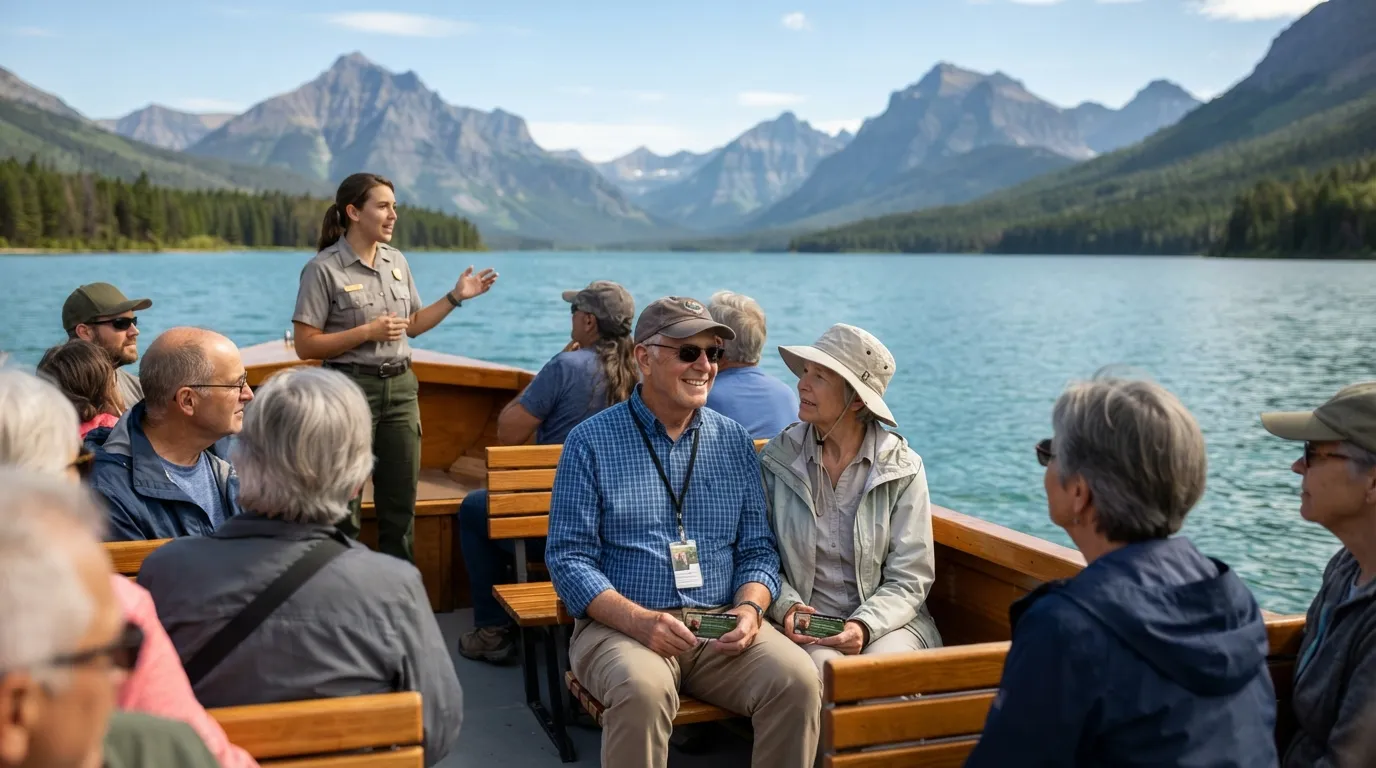
Beyond entry, the pass may bring a 50 percent discount on certain expanded amenity fees. Think swimming, boat launching, and some guided tours.
The discount belongs to the passholder alone, not the whole group. Concessioner-operated services often don’t honor it, so acceptance varies from one site to the next.
#11 – Two Price Tags: $80 Lifetime or $20 Annual
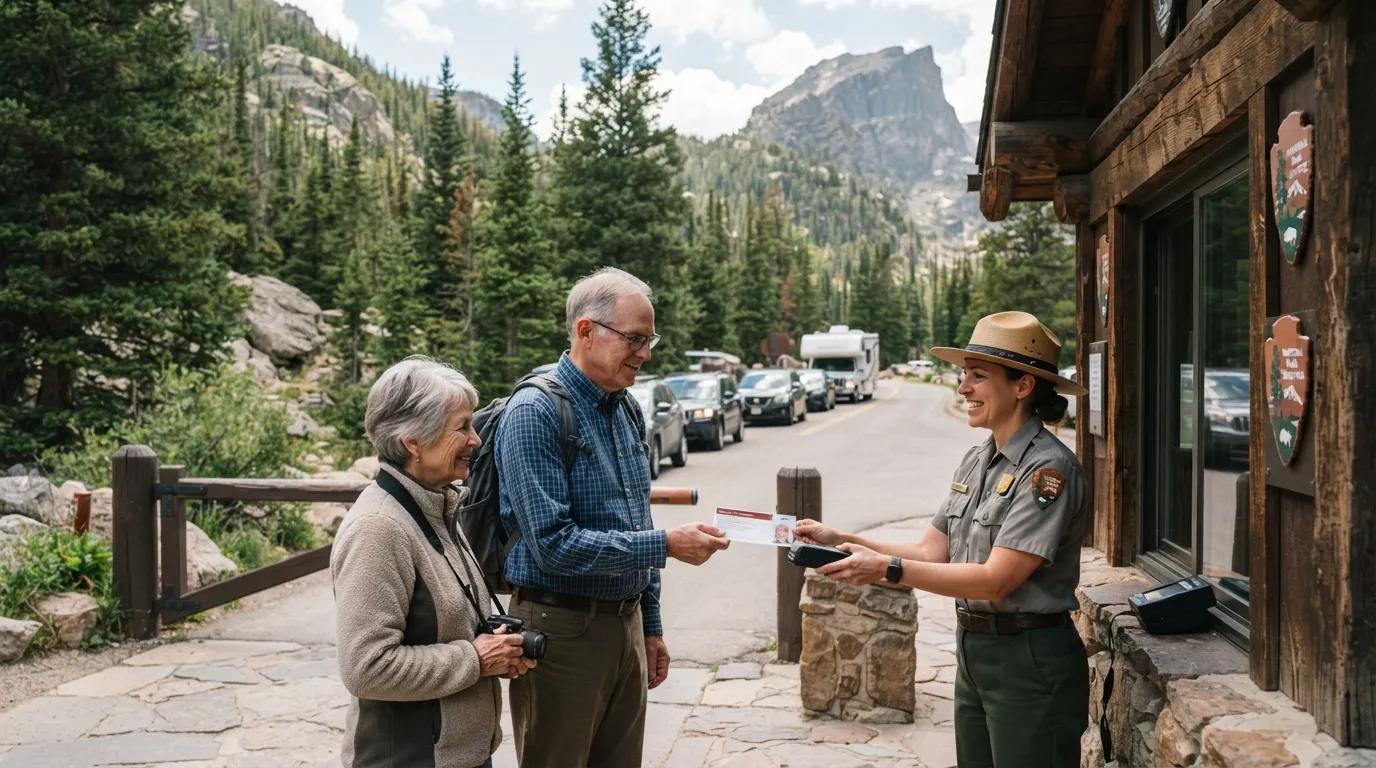
Eligible travelers can choose a lifetime pass for $80 or an annual pass for $20. The annual pass runs for one year from the month of purchase.
Frequent visitors tend to prefer the lifetime option. Annual works well for a single big road trip. Some sites allow an annual pass to be upgraded to lifetime, so ask the issuing location how it handles that.
#10 – Photo ID Is Part of Every Use
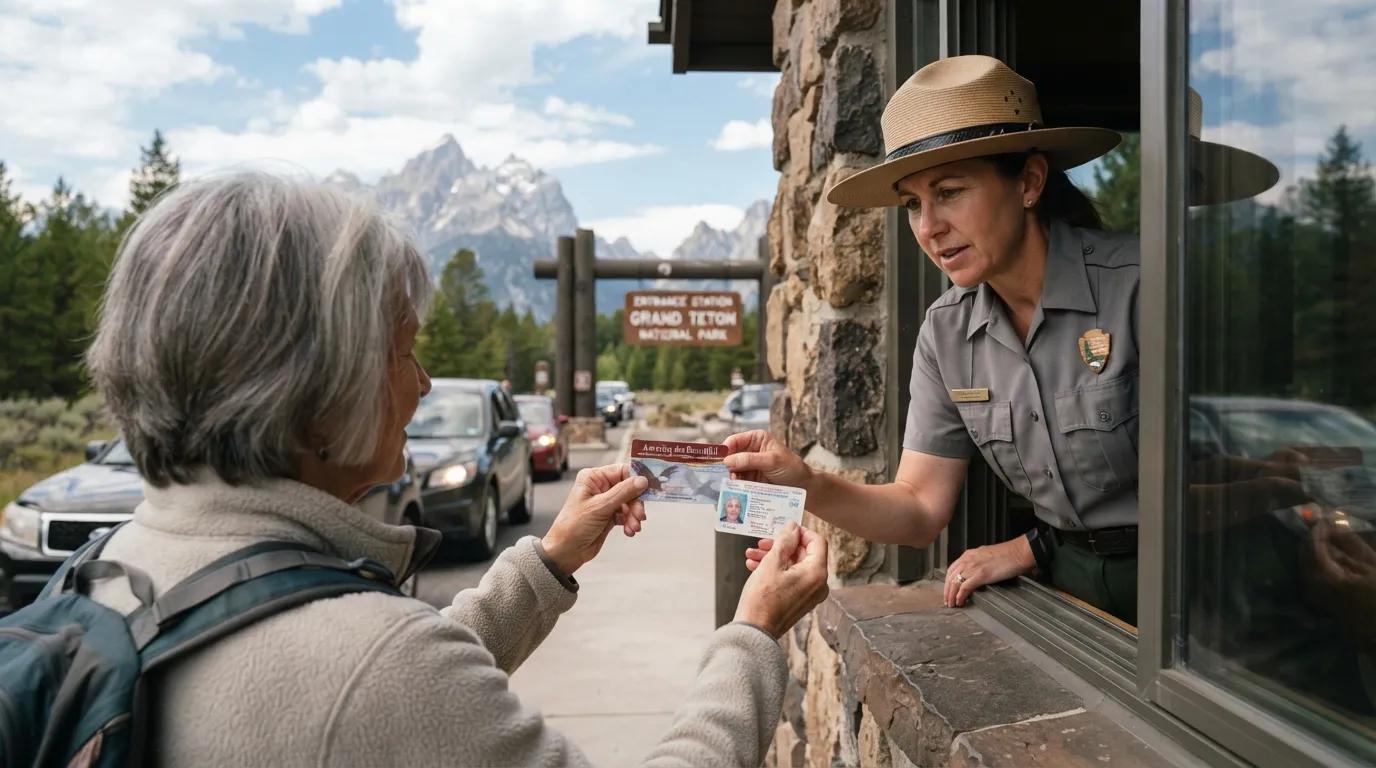
Staff may ask for photo identification each time you present the pass, to confirm it belongs to you. That applies to physical cards and digital passes alike.
Picture reaching the entrance station with the pass but no ID. That’s the kind of delay that can sour the first hour of a trip. Keep the pass and your ID together.
#9 – Refuges, Forests, and Reservoirs Count Too

The pass works at national wildlife refuges, national forests, grasslands, and Bureau of Land Management and Bureau of Reclamation lands, in addition to national parks. A trip can mix a wildlife-viewing morning, a forest trailhead, and a lakeside afternoon.
The catch is that plenty of these places charge no fee at all, so the pass saves money only where a fee exists. Check the official fee-site listings before you map your route.
#8 – Every Park Adds Its Own Fine Print
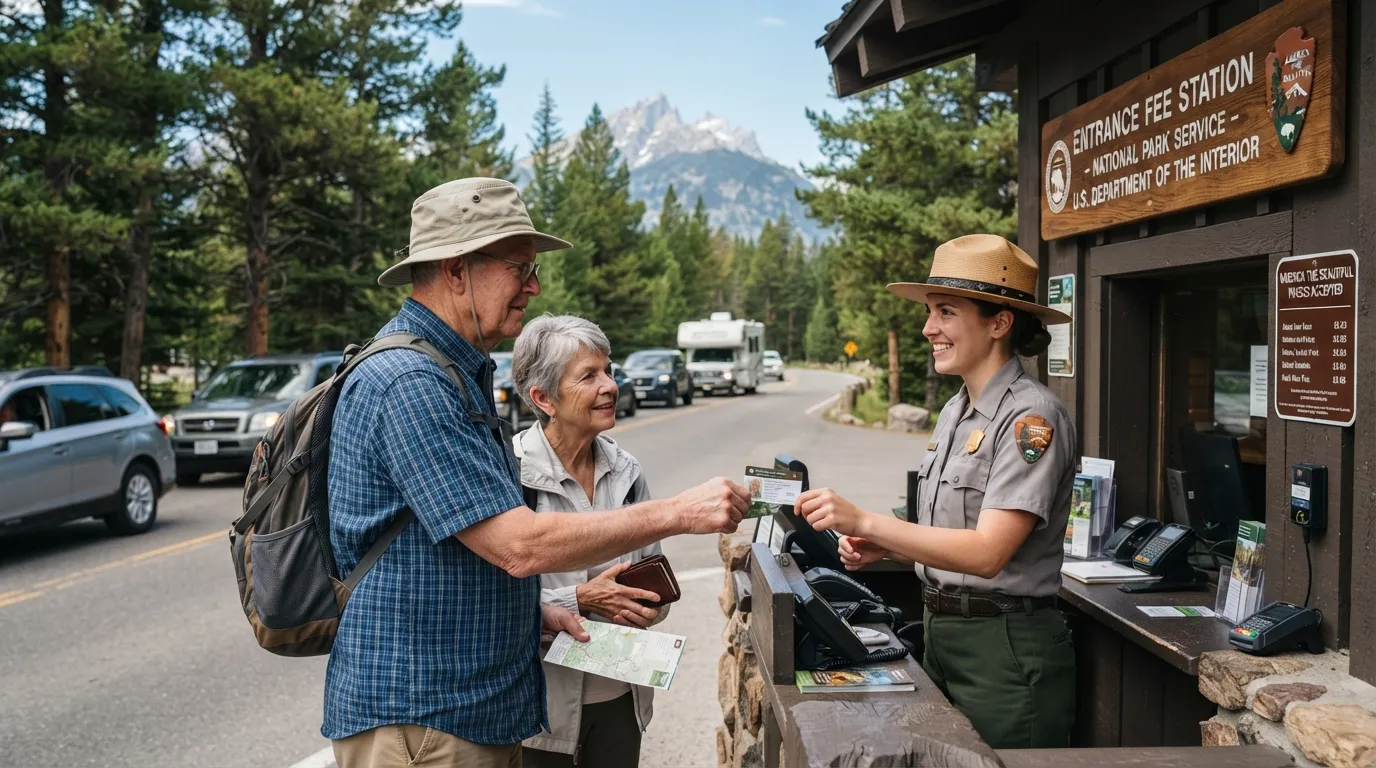
The pass follows interagency rules, but individual sites can have their own local requirements and limits. Some honor the expanded discounts readily, and others don’t.
Concessioner-run services inside parks typically don’t accept the pass for discounts. A quick look at the park’s website, or a phone call, can spare you an awkward moment at the counter during peak season.
#7 – Special Permits and Concessioner Fees Stay Full Price
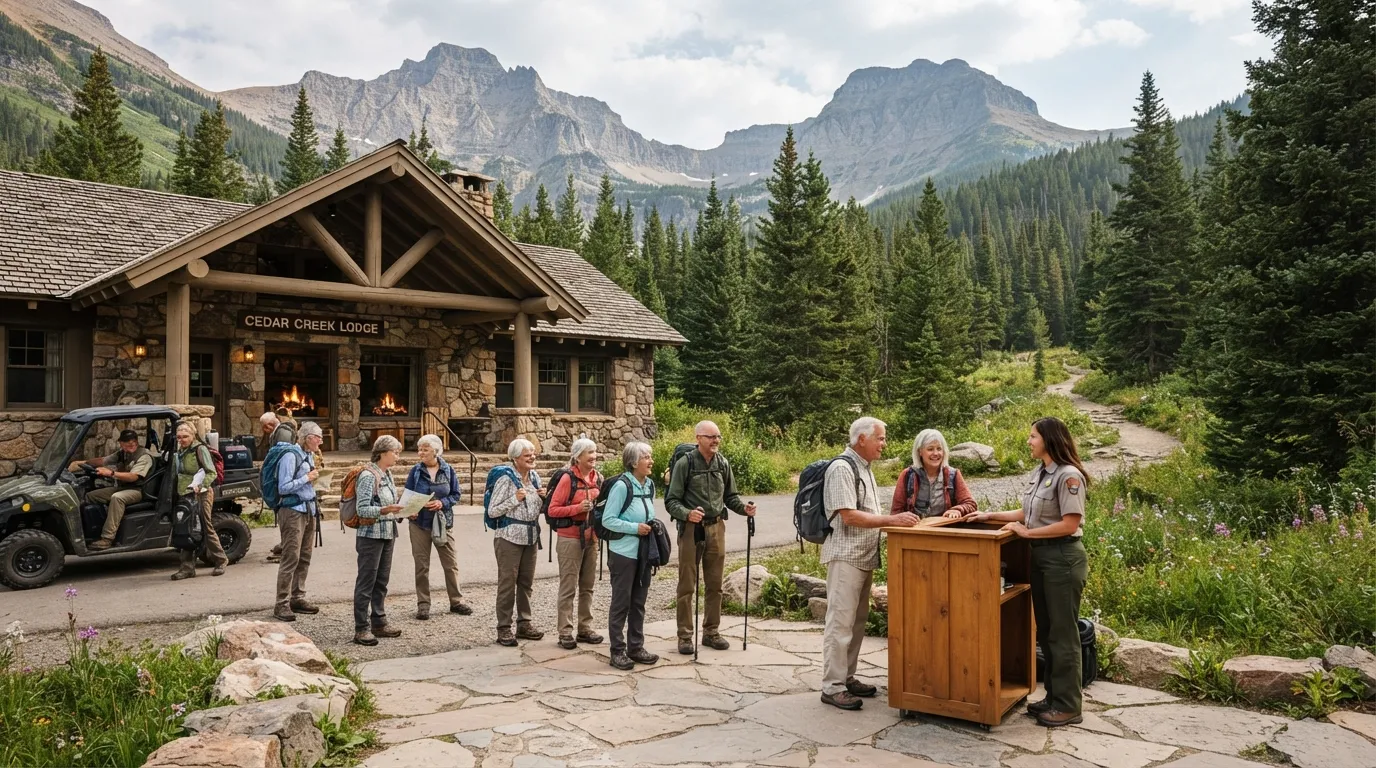
The pass doesn’t waive special recreation permit fees or charges collected by private concessioners working on federal land. That can include permits for certain activities, guided concession trips, and lodging run by partners.
Budget for those separately. The pass mainly covers entrance fees and standard amenity fees, and that’s where its power ends.
Worth Knowing
- Usually covered: entrance fees and standard amenity day-use fees.
- Not waived: special recreation permit fees.
- Not waived: charges collected by private concessioners.
- Plan ahead: guided concession trips and partner-run lodging belong in a separate budget line.
#6 – The Camping Discount Follows the Passholder’s Site
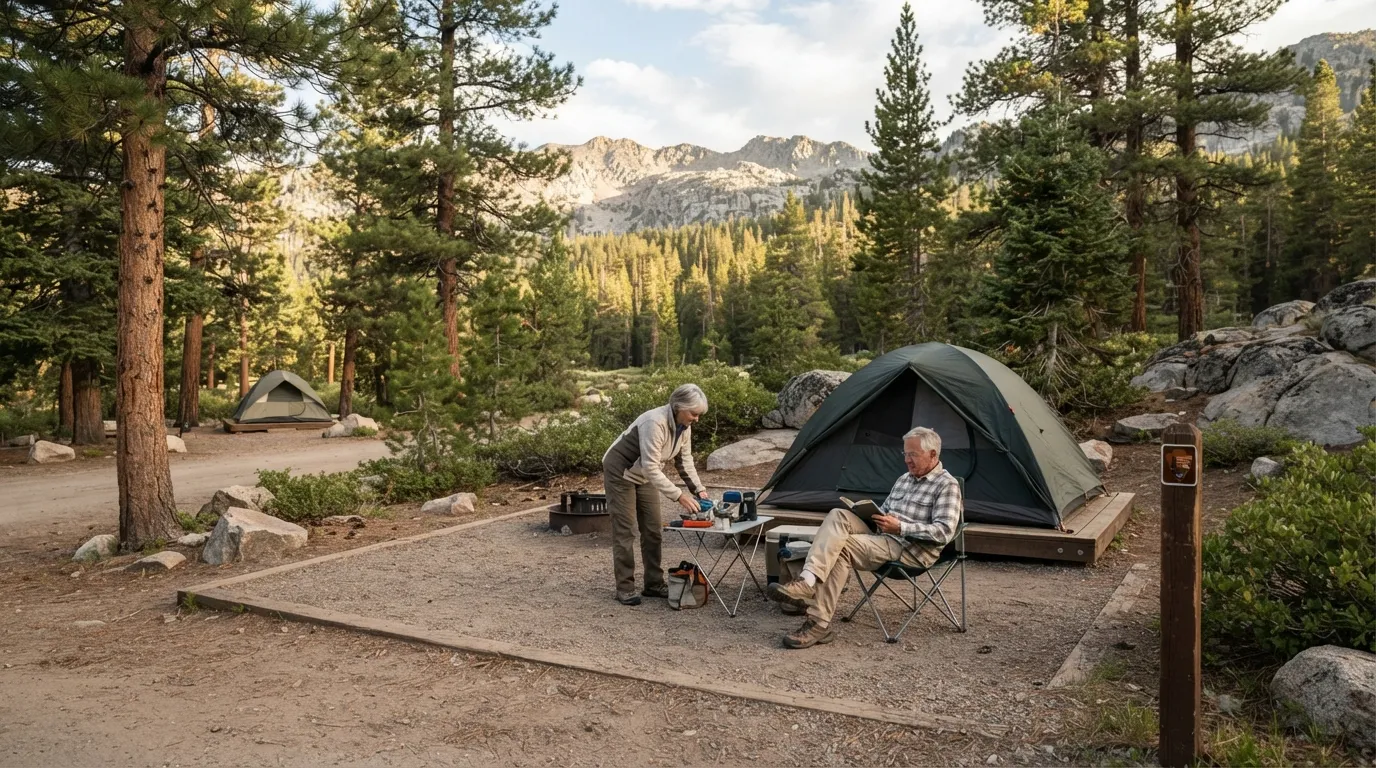
When a campground offers the 50 percent discount, it applies to the site the passholder occupies. Extra sites for relatives or friends don’t get a reduction.
Some campgrounds may also apply it only to the basic fee and not to premium sites or hookups. Confirm the details with the specific campground before you book a big family group.
#5 – Digital or Physical: Pick the Format That Fits Your Trip
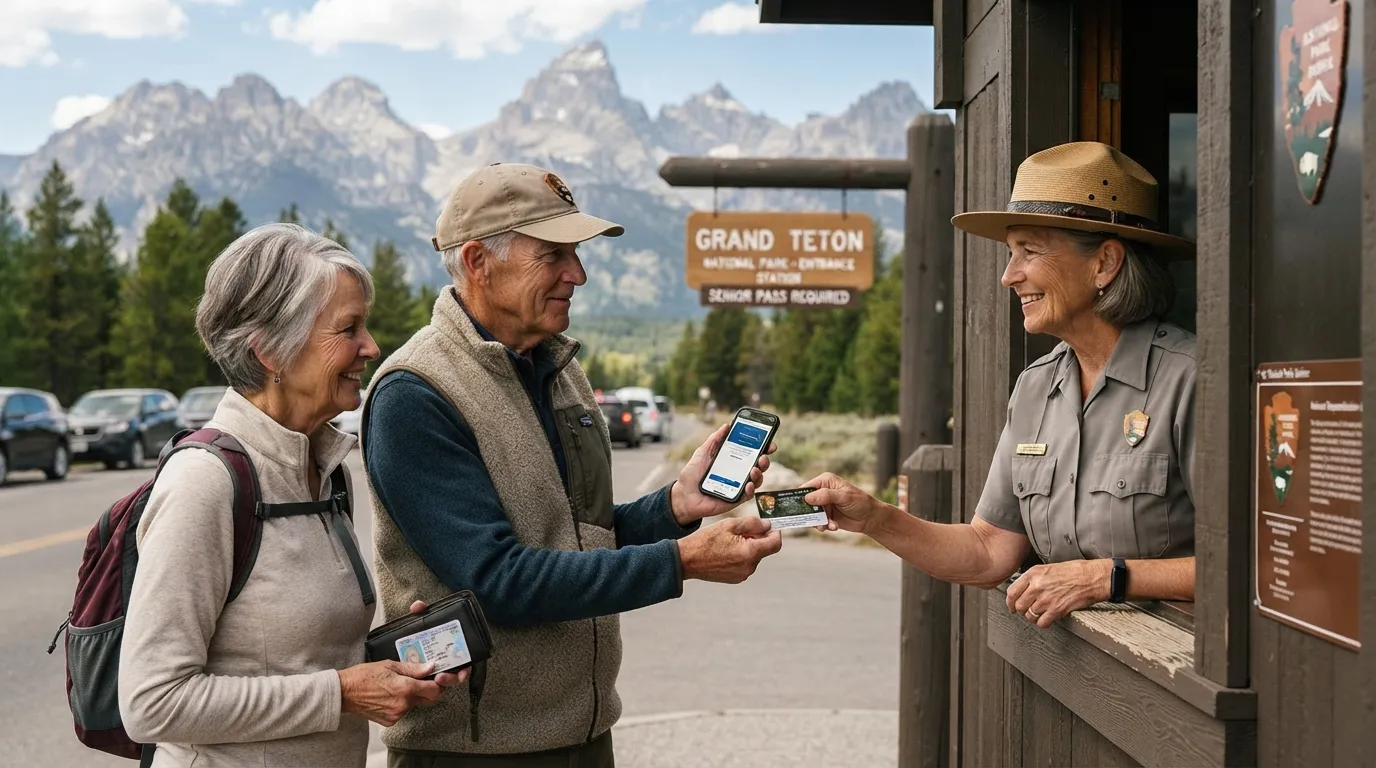
You can get the Senior Pass as a digital pass through Recreation.gov or as a physical card. A digital pass on your phone suits a spur-of-the-moment trip.
A physical card is the safer bet in places with spotty cell service. If you go digital, make sure the pass is saved on your phone before you lose signal. Processing or shipping fees may apply to a mailed card.
Quick Compare
- Digital: bought through Recreation.gov, no waiting on the mail, best for last-minute plans.
- Physical card: more reliable where signal is weak, though mailing may add fees.
- Either way: be ready to show photo ID.
#4 – It’s Non-Transferable, So Treat It Like Cash
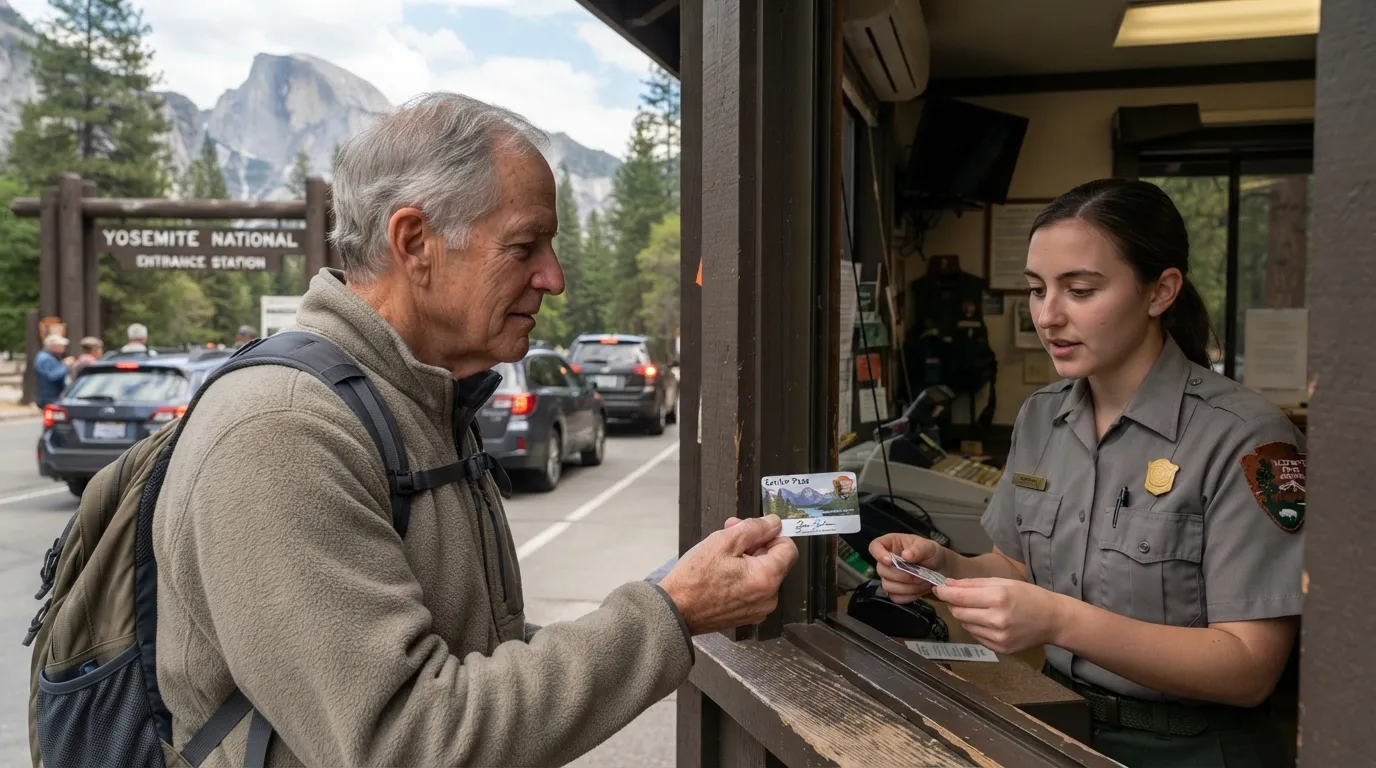
The pass belongs to the person who qualified for it. It can’t be passed to a spouse, a friend, or a grown child, and it isn’t refundable after purchase.
Check the replacement rules for lost or stolen passes before you rely on one. If you’re unsure how often you’ll travel, the $20 annual option limits the risk.
#3 – Your Purchase Helps Fund the Places You Visit
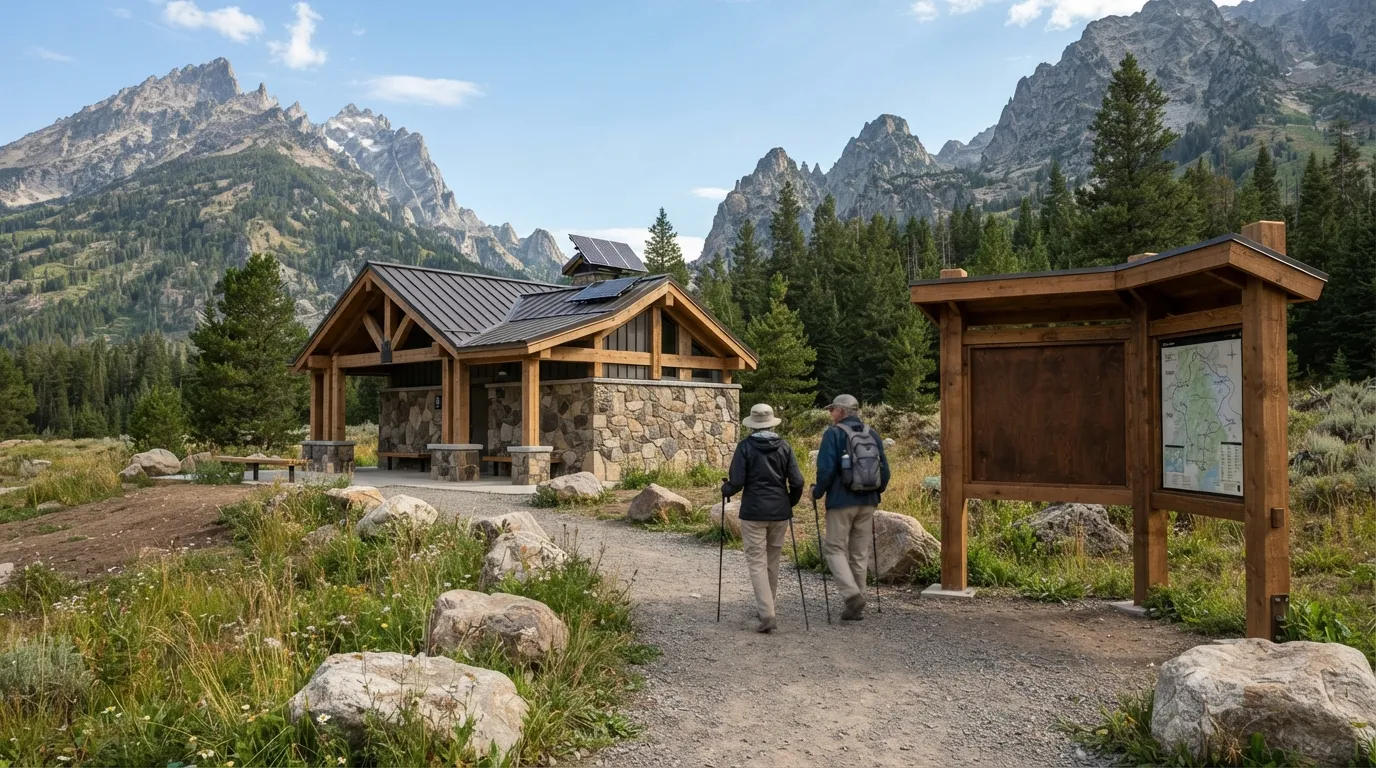
Senior Pass sales help support visitor services and recreation improvements on federal lands. In a small way, the card you buy goes back into the trailheads, restrooms, and facilities you’ll use.
It’s a benefit you can’t see at the gate, but it’s baked into how the program works.
#2 – Eligibility Starts at 62, and Paperwork Comes With It
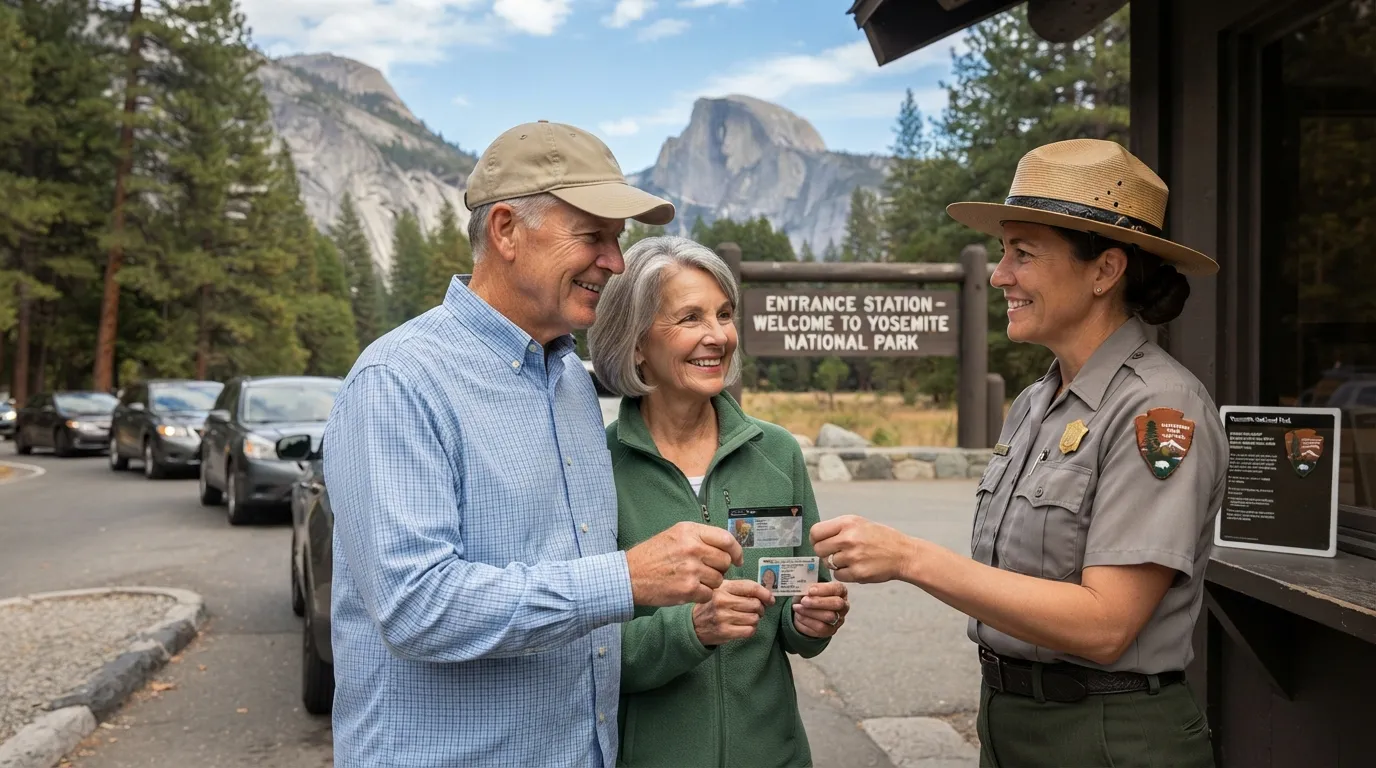
The pass is for U.S. citizens and permanent residents age 62 or older. You’ll need to show proof of age and of citizenship or residency when you buy it. A driver’s license, passport, or permanent resident card are the kinds of documents that can work.
Turning 62 is the starting line, and you can’t buy the pass before it. Plan around your birthday if a big trip is on the calendar.
Fast Facts
- Minimum age: 62.
- Who qualifies: U.S. citizens and permanent residents.
- Bring: proof of age plus proof of citizenship or residency.
- Price: $80 lifetime or $20 annual.
#1 – Check Acceptance Before You Leave Home
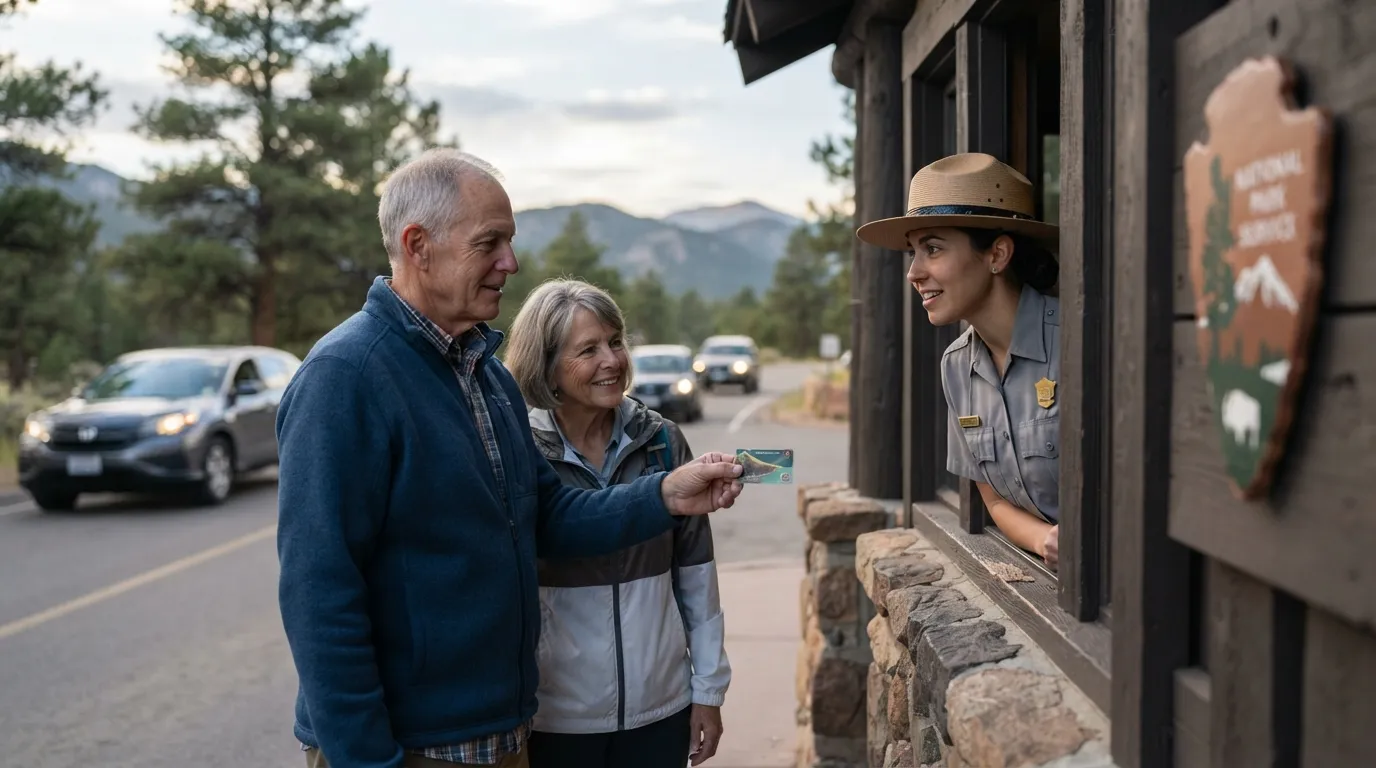
Of everything on this list, this step matters most. Confirm that each stop on your route honors the pass, and ask what discounts it actually gets you on your dates.
Policies can shift with the season or a change in management. Recreation.gov, agency websites, and visitor center phone numbers are the quickest ways to get current answers.
The pass pays off most for travelers who match its rules to their exact itinerary.
The Senior Pass covers more than most people expect: more than 2,000 sites across six federal agencies, group admission by vehicle or by adult, and possible half-price discounts that apply only to the passholder. It also leaves gaps around concessioners and special permits, so one phone call before departure can be the difference between a smooth arrival and a surprise at the window.
CEO-Co-Founder