- The Secret Origins of America’s Oldest Music Festivals - October 20, 2026
- Historic Disasters That Inspired American Novels - October 20, 2026
- How Protest Songs Helped End Major U.S. Wars - October 20, 2026
We like to picture a big hit being born under studio lights, with expensive gear, a room full of experts, and a dozen takes. For the 16 songs below, the first draft was much smaller: a cassette, a four-track, a rough take made before anyone knew what the song would become.
Some of those demos were handed off and passed over. Some were rebuilt from the ground up. A few were barely touched. Start with the tape that got a London band signed, then keep going to find the demo a rock star turned down and the one Quincy Jones argued with.
#16 – Sultans of Swing: Dire Straits’ Pathway Demo That Landed a Deal
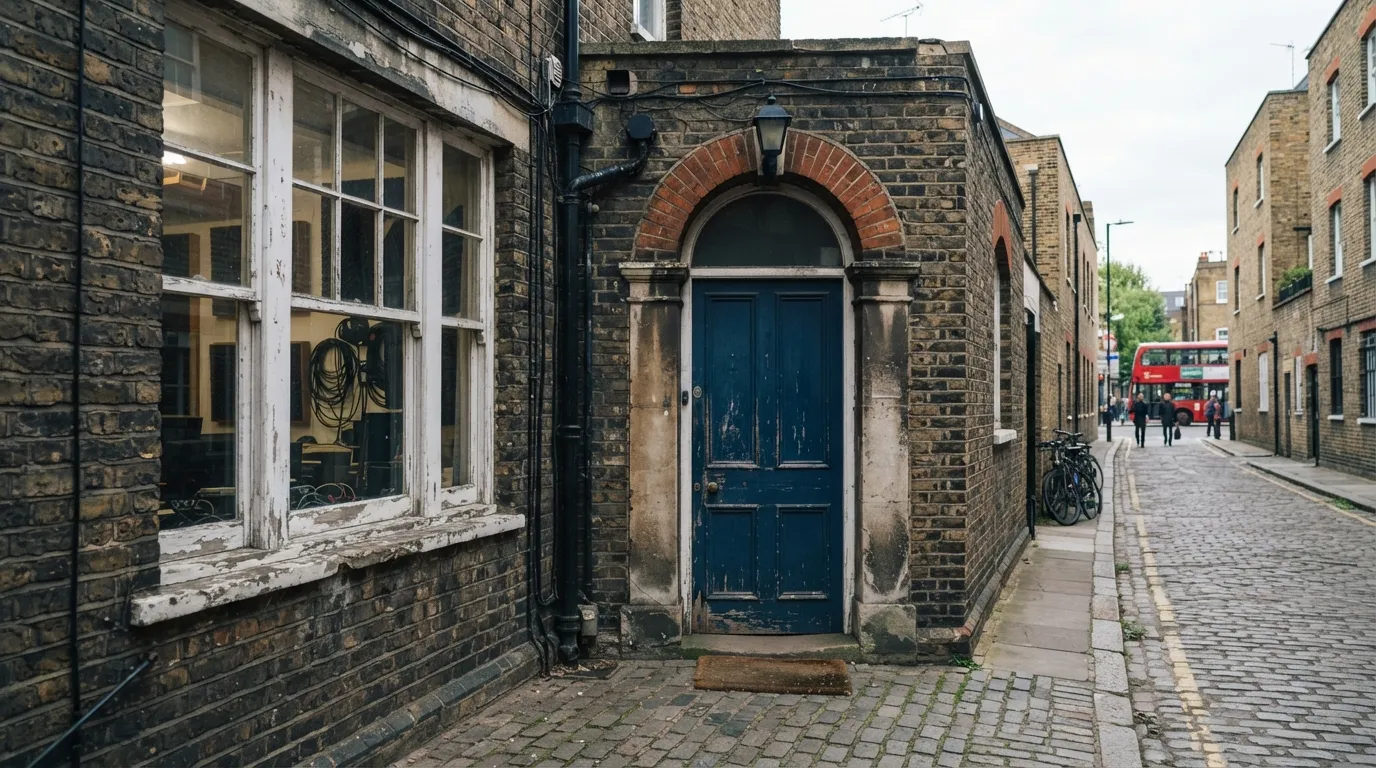
Dire Straits cut a five-song demo tape at Pathway Studios in London in July 1977. One track was an early “Sultans of Swing,” Mark Knopfler’s sketch of a jazz band playing in a scruffy south London pub.
In August, BBC DJ Charlie Gillett began playing the tape on the air. Listeners reacted, labels noticed, and a record deal followed.
The band later re-recorded the song for its debut album, but the demo is what opened the door. The finished single peaked at No. 4 on the Billboard Hot 100 in 1979 and No. 8 in the UK.
One rough tape and one DJ with good ears did what plenty of polished pitches couldn’t.
#15 – Hey Ya!: André 3000’s Solo Home Demo
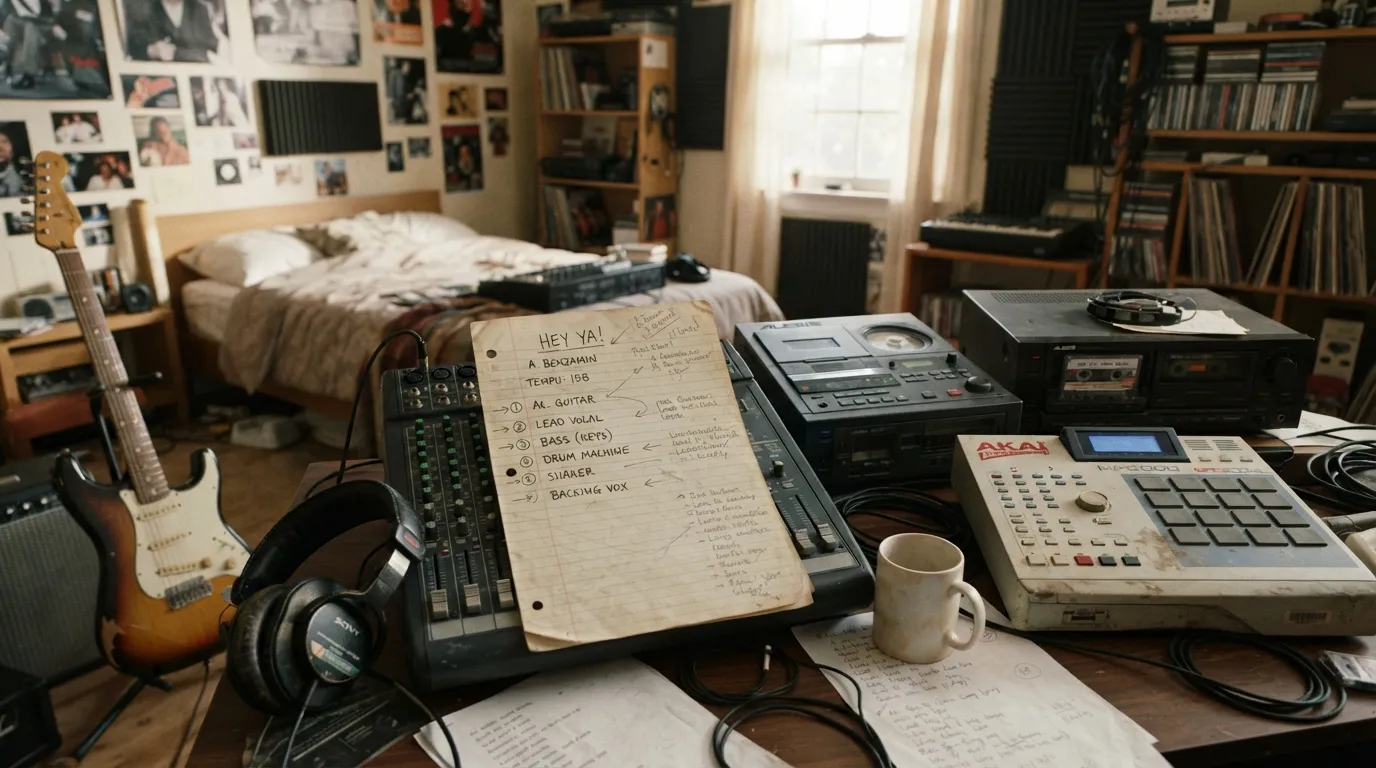
Before “Hey Ya!” became a wedding-floor emergency, it was a demo André 3000 recorded largely on his own. He worked out the bouncing chords and the sing-along hook himself before it ever reached a full OutKast session.
The finished single came out in 2003 and went to No. 1 on the Billboard Hot 100. Few chart-toppers sound so much like one person’s idea of fun, and that is the point.
The song’s happy bounce also hides a much more wistful set of lyrics, which makes it one of the odder smashes of the 2000s.
#14 – Hotel California: Don Felder’s Home Demo Cassette
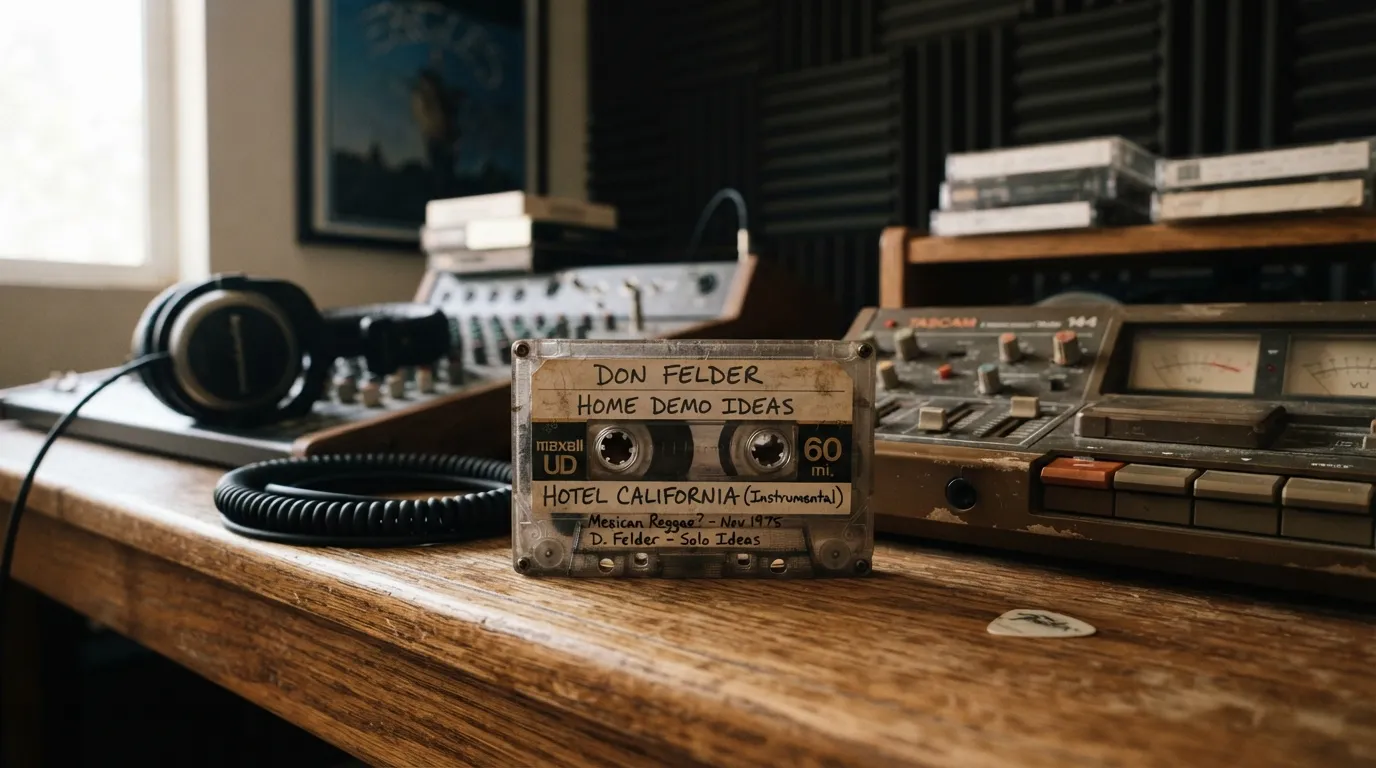
The Eagles’ signature song began as an instrumental Don Felder recorded at home in the mid-1970s. He passed a cassette of musical ideas to Don Henley and Glenn Frey, and Felder has said he thought of that piece as “Mexican Reggae.”
Henley and Frey heard something darker in it and wrote the lyrics. The finished “Hotel California” went to No. 1 on the Billboard Hot 100 in 1977.
Think about that for a second. One of rock’s most analyzed songs started as a guitarist’s private tape of chords.
Fast Facts
- The demo: a home cassette of instrumental ideas from Don Felder
- The handoff: Henley and Frey took it and wrote the lyrics
- The peak: No. 1 on the Billboard Hot 100 in 1977
- The honor: Record of the Year at the 1978 Grammy Awards
#13 – Heart of Glass: Blondie’s “Once I Had a Dream” Demo
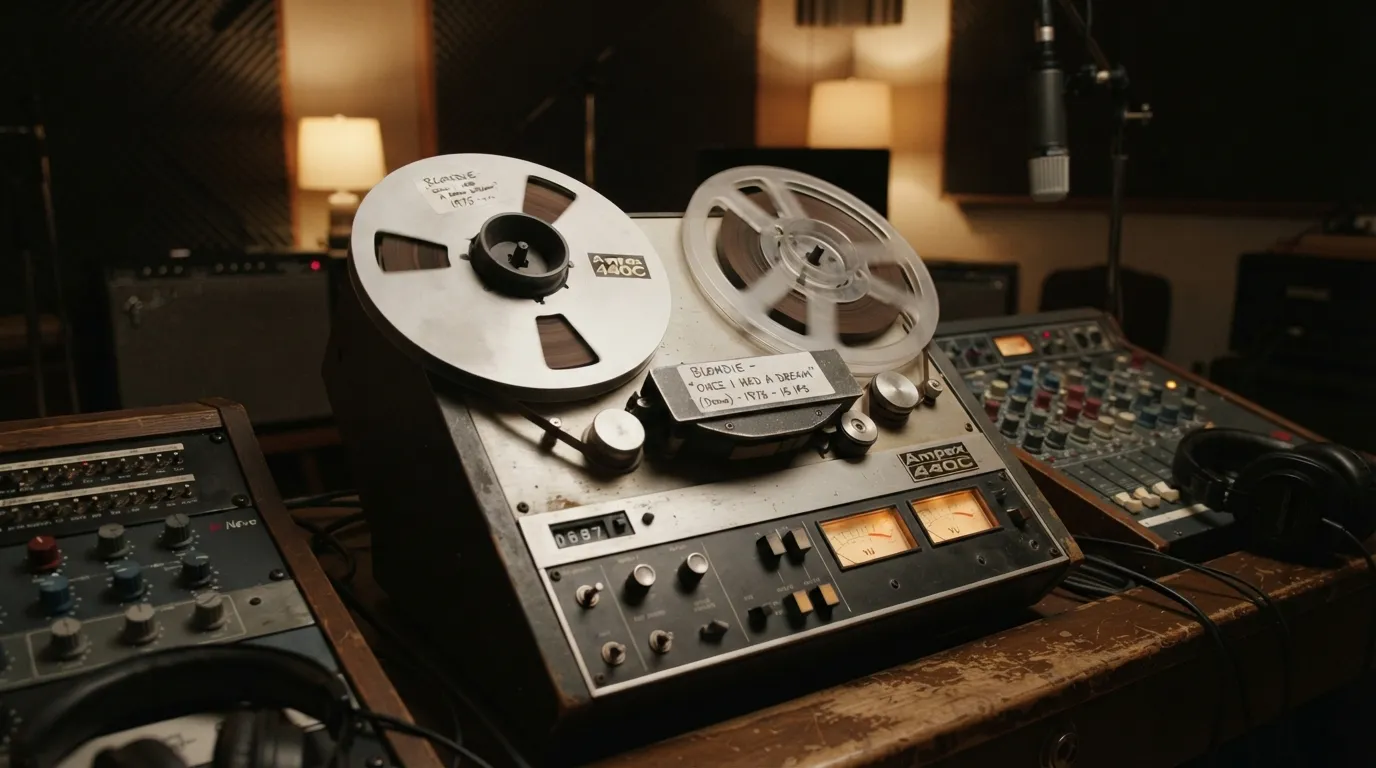
Blondie recorded an early version of “Heart of Glass” in 1975 under the title “Once I Had a Dream.” It was slower and looser than the finished record, with a groove that leaned toward disco. At one point the band even joked about it as “The Disco Song.”
The band came back to the idea years later and rebuilt it for the 1978 album Parallel Lines. The sleek version that came out of those sessions went to No. 1 in both the U.S. and the UK in 1979.
It is a rare case of a band’s unfinished early idea turning out to be its biggest song.
#12 – Girls Just Want to Have Fun: Robert Hazard’s Demo Gets a Gender Flip
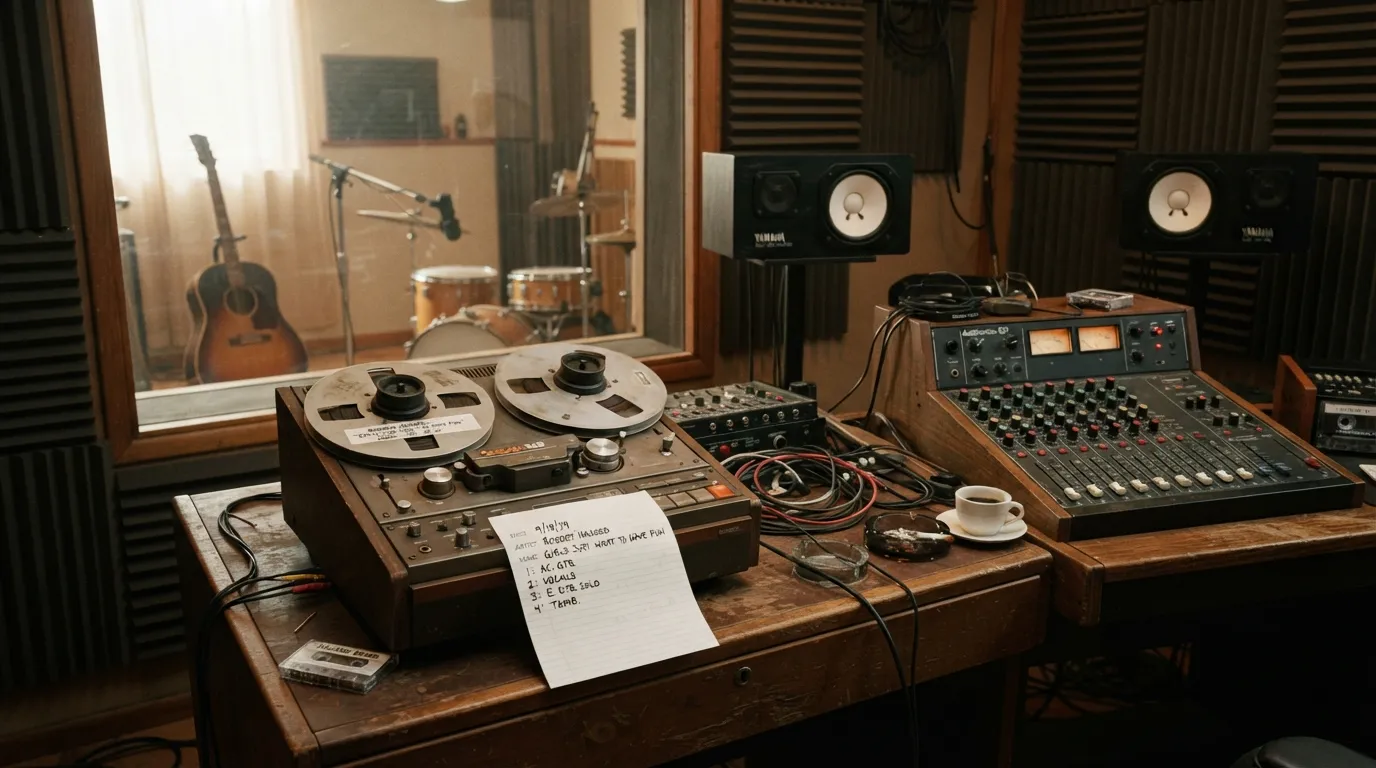
Robert Hazard wrote and demoed “Girls Just Want to Have Fun” in 1979, and his version was sung from a male point of view. Years later, producer Rick Chertoff came across that demo while working on Cyndi Lauper’s debut album.
Lauper reworked the lyrics and flipped the perspective. The catchy chorus survived the rewrite almost intact.
Her version reached No. 2 on the Billboard Hot 100 in 1984 and turned a songwriter’s demo into an anthem that Lauper made her own.
Worth Knowing
- Hazard’s 1979 demo was written and sung from a male perspective
- Lauper’s single arrived in 1983 and climbed to No. 2 in 1984
- The chorus stayed; the lyrics and point of view changed
#11 – Runaway: Bon Jovi’s Studio Demo That Became the Debut Single
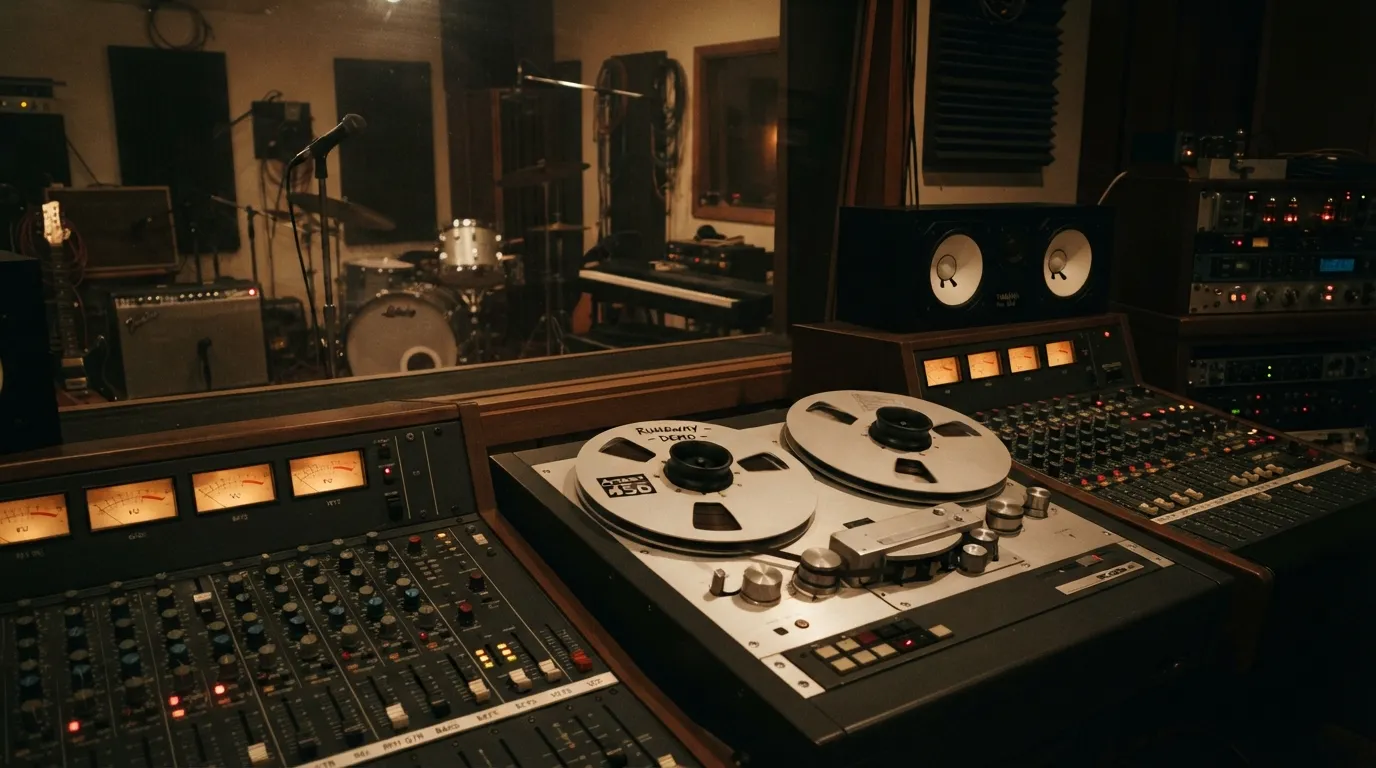
Jon Bon Jovi recorded “Runaway” in 1982 as a demo with a group of session musicians, well before the band had its lineup or its deal. The recording picked up airplay on New York-area radio and helped get the band noticed.
That early recording became the version people know. It opened the band’s 1984 debut album and reached No. 39 on the Billboard Hot 100.
It wasn’t a chart-topper, but it was the song that put the name Bon Jovi on the map.
#10 – Come and Get It: Badfinger Copies McCartney’s 30-Minute Demo
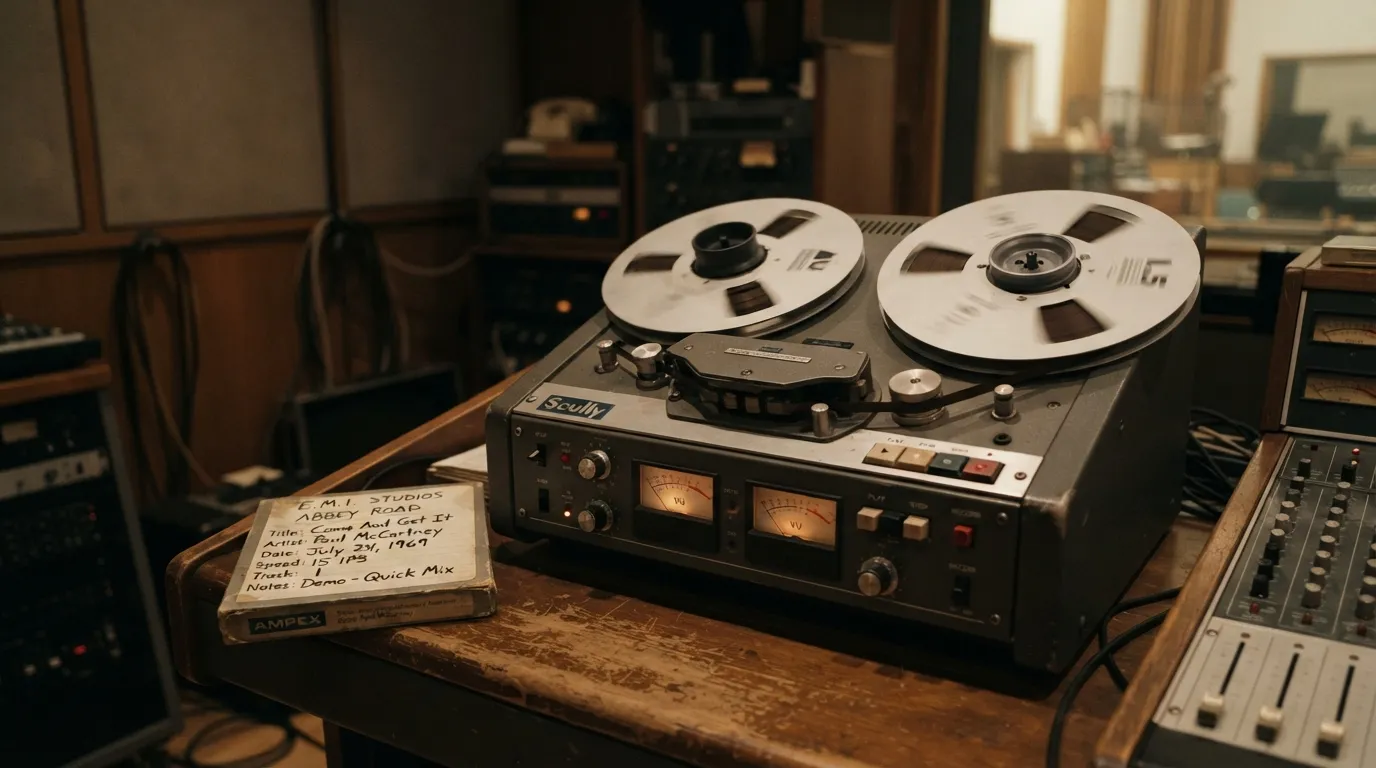
Paul McCartney recorded a demo of “Come and Get It” in about 30 minutes at Abbey Road in July 1969, playing the parts himself. Then he handed the job to Badfinger, with one instruction: copy it exactly.
The band did. Their single became a top-five hit in the UK and reached No. 7 on the Billboard Hot 100 in 1970.
For a young band, it was both a gift and a strange kind of pressure. They were recreating a Beatle’s quick sketch, note for note.
#9 – Billie Jean: Michael Jackson’s Home Demo
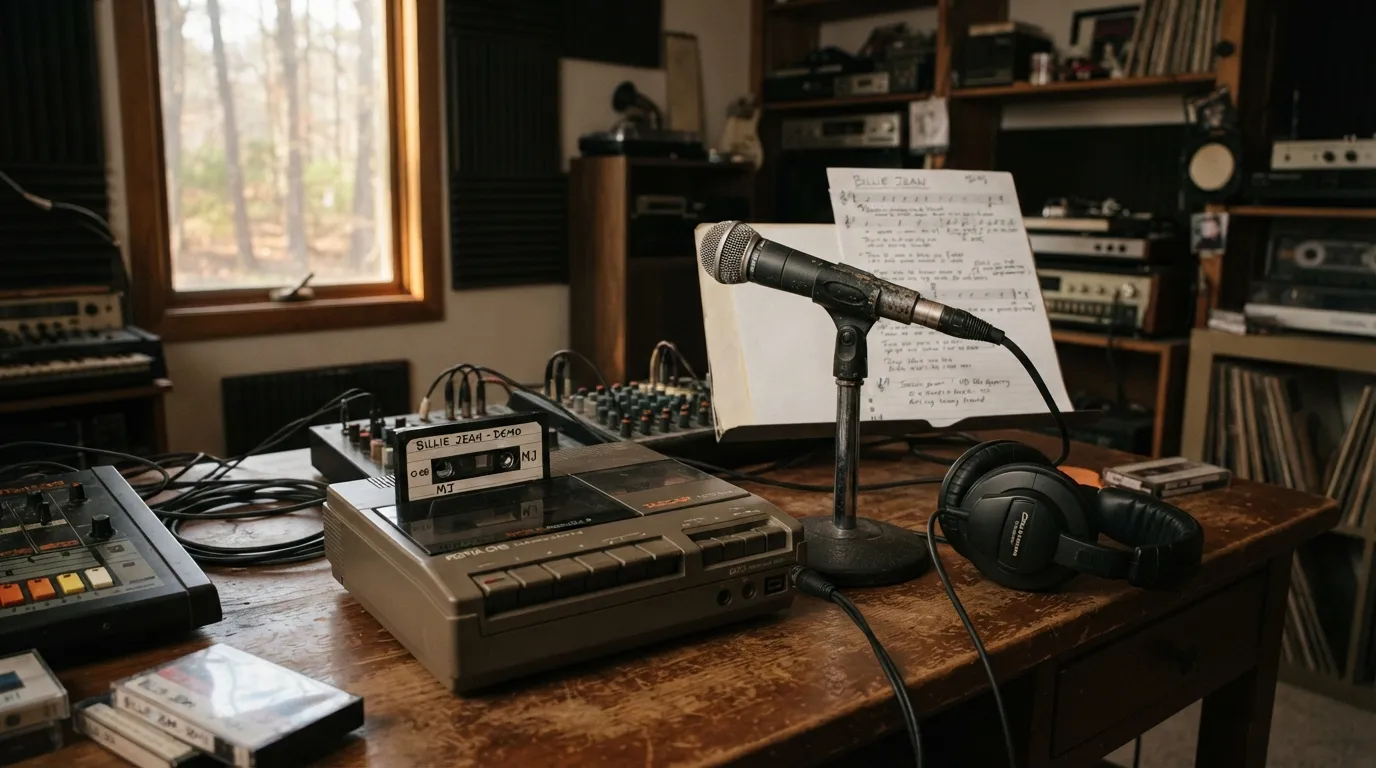
Michael Jackson worked out “Billie Jean” at home, and his demo already had the pulsing bassline that defines the record. The home demo has since surfaced on official releases.
Producer Quincy Jones has said he wanted to change the title to “Not My Lover.” Jackson refused. The song went to No. 1 on the Billboard Hot 100 in 1983.
The title that nearly got changed is now one of the most recognizable in pop.
#8 – Take On Me: a-ha’s Long Road From “Lesson One”
“Take On Me” grew out of an earlier track called “Lesson One,” from the early 1980s, when the band’s founders were still working in Norway. Magne Furuholmen’s keyboard riff was at the center of it.
The first single version, released in 1984, flopped. The band regrouped with producer Alan Tarney, and the 1985 re-recording went to No. 1 in the U.S. and in many other countries.
Same riff, same song, a very different outcome. It is proof that a strong demo idea can survive a failed first try.
Quick Compare
- 1984 single: the first attempt, and it flopped
- 1985 re-recording: reworked with Alan Tarney, No. 1 in the U.S. and No. 2 in the UK
- What never changed: Furuholmen’s keyboard riff
#7 – Thriller: Rod Temperton’s “Starlight” Demo
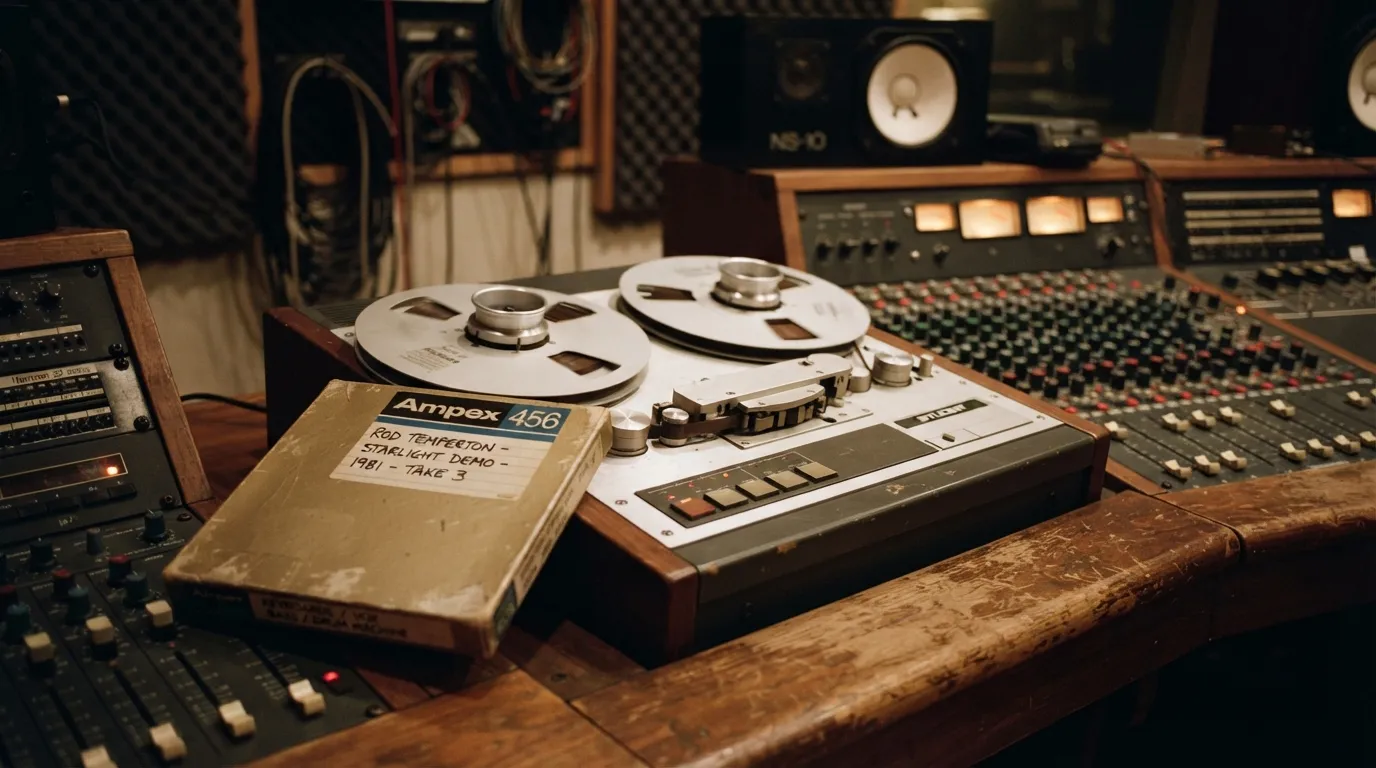
Rod Temperton first demoed the song under the title “Starlight.” Quincy Jones felt the name wasn’t strong enough for a Michael Jackson record and asked for something better.
Temperton came back with “Thriller.” The title track of the 1982 album became a major single, reaching No. 4 on the Billboard Hot 100.
The melody didn’t change much. The title did, and it made all the difference.
#6 – Smells Like Teen Spirit: Nirvana’s Rehearsal Tapes
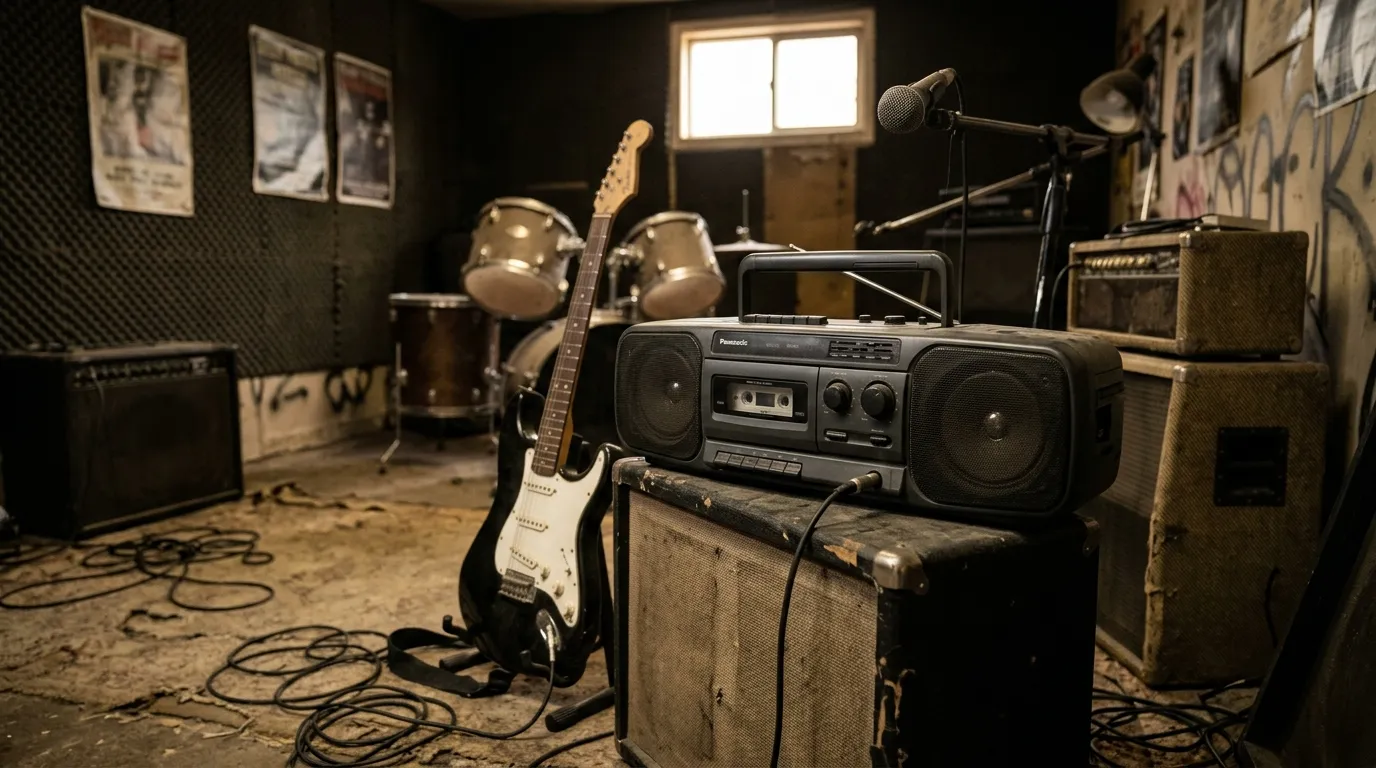
Before the song ever reached a studio, Nirvana worked it up in the rehearsal room in spring 1991. The riff and the loud-quiet structure were already there, but the lyrics were still being settled.
In the Nevermind sessions, producer Butch Vig captured the finished version. “Smells Like Teen Spirit” reached No. 6 on the Billboard Hot 100.
The demo-stage version shows how much of the song’s punch was already in place before any studio polish.
#5 – Strawberry Fields Forever: Lennon’s Home Demos
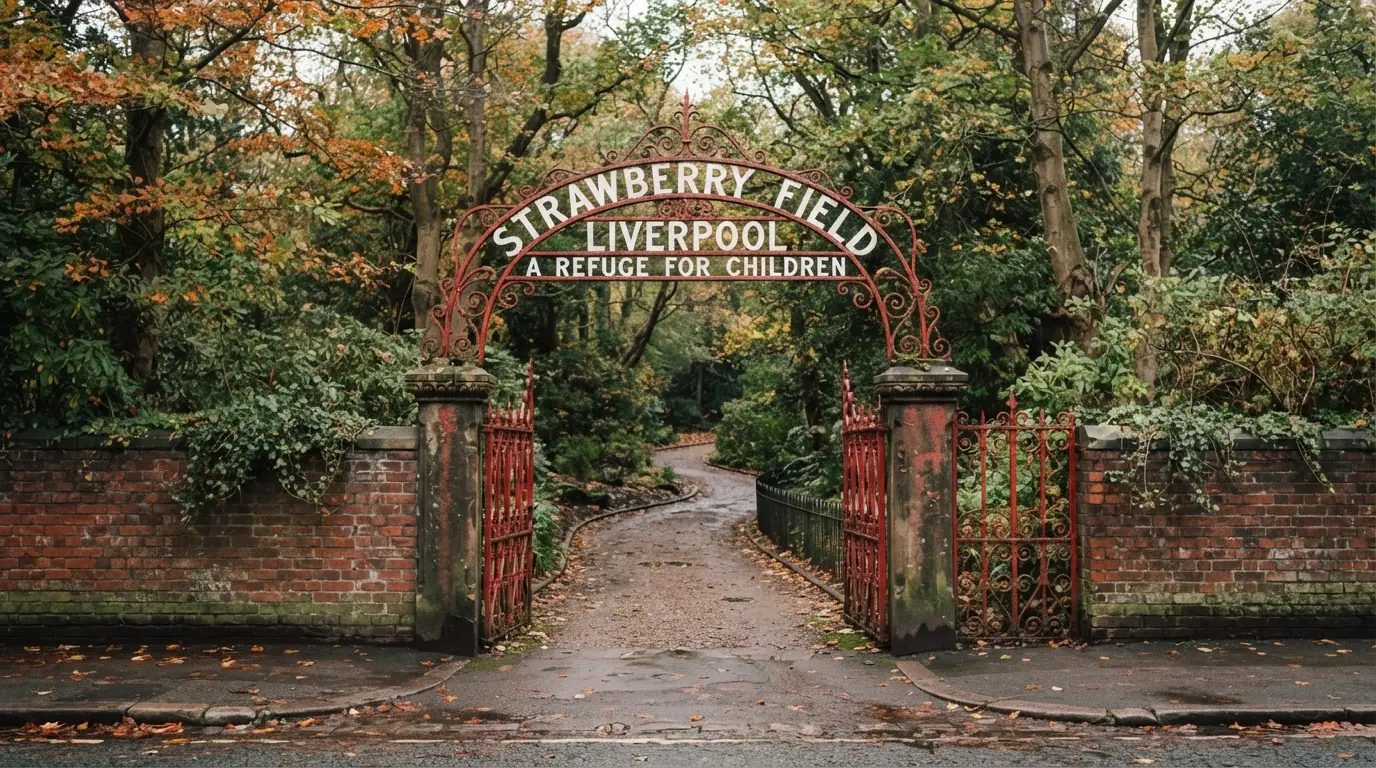
John Lennon started “Strawberry Fields Forever” alone, recording rough home demos in autumn 1966, including some made while he was in Spain filming How I Won the War.
The Beatles took it into the studio that November. By most accounts they spent roughly 45 hours on the track over about a month, remaking it more than once.
Released in 1967 as a double A-side with “Penny Lane,” it reached No. 8 on the Billboard Hot 100 and No. 2 in the UK. A fragile solo demo had turned into one of the most daring singles of the decade.
#4 – Dreams: Stevie Nicks’ Keyboard-and-Voice Demo
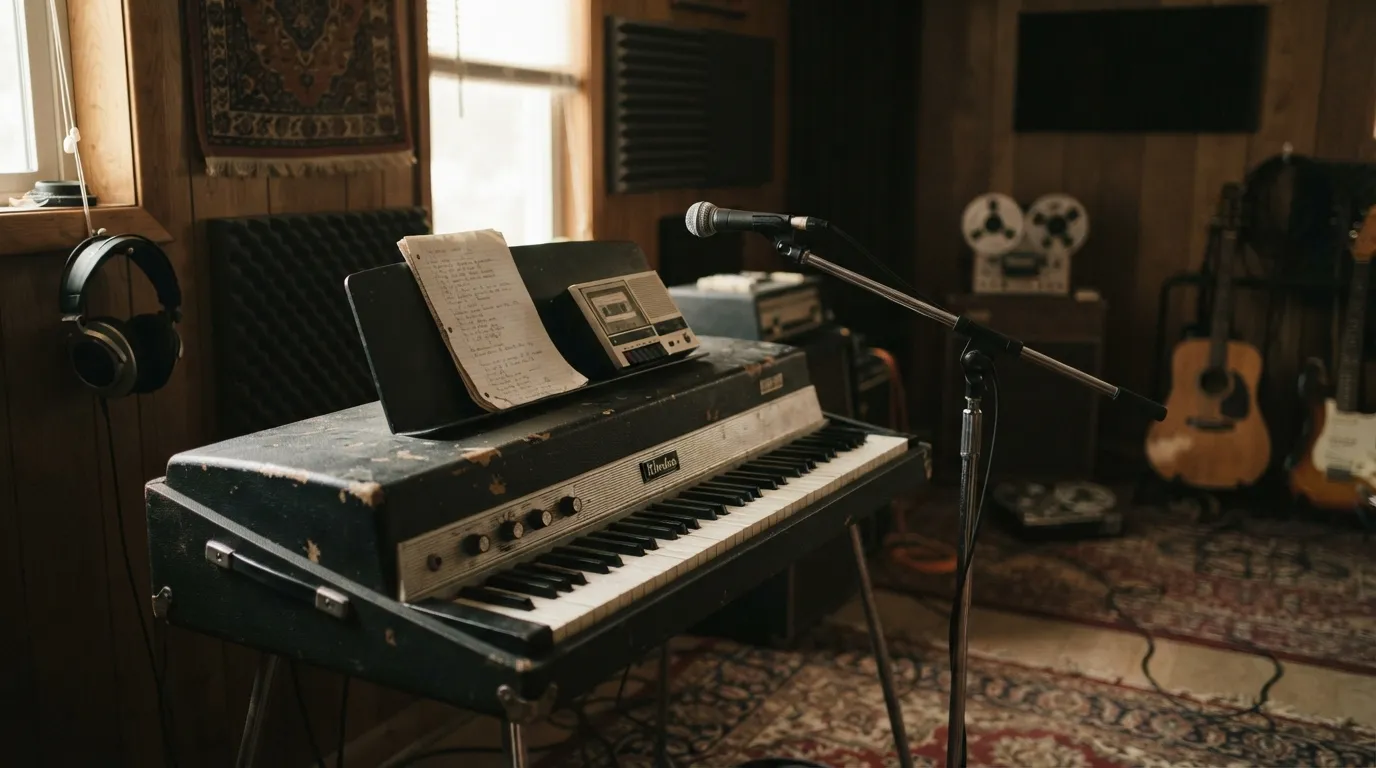
By her own account, Stevie Nicks wrote “Dreams” in about 10 minutes and recorded a bare-bones demo with just her voice and a keyboard.
Fleetwood Mac built the lush, hypnotic arrangement around that skeleton. The song appeared on the 1977 album Rumours and went to No. 1 on the Billboard Hot 100, the band’s only chart-topper in the U.S.
The demo’s quiet, almost lonely feel never really left the song.
#3 – Born in the U.S.A.: Springsteen’s Stark Solo Demo
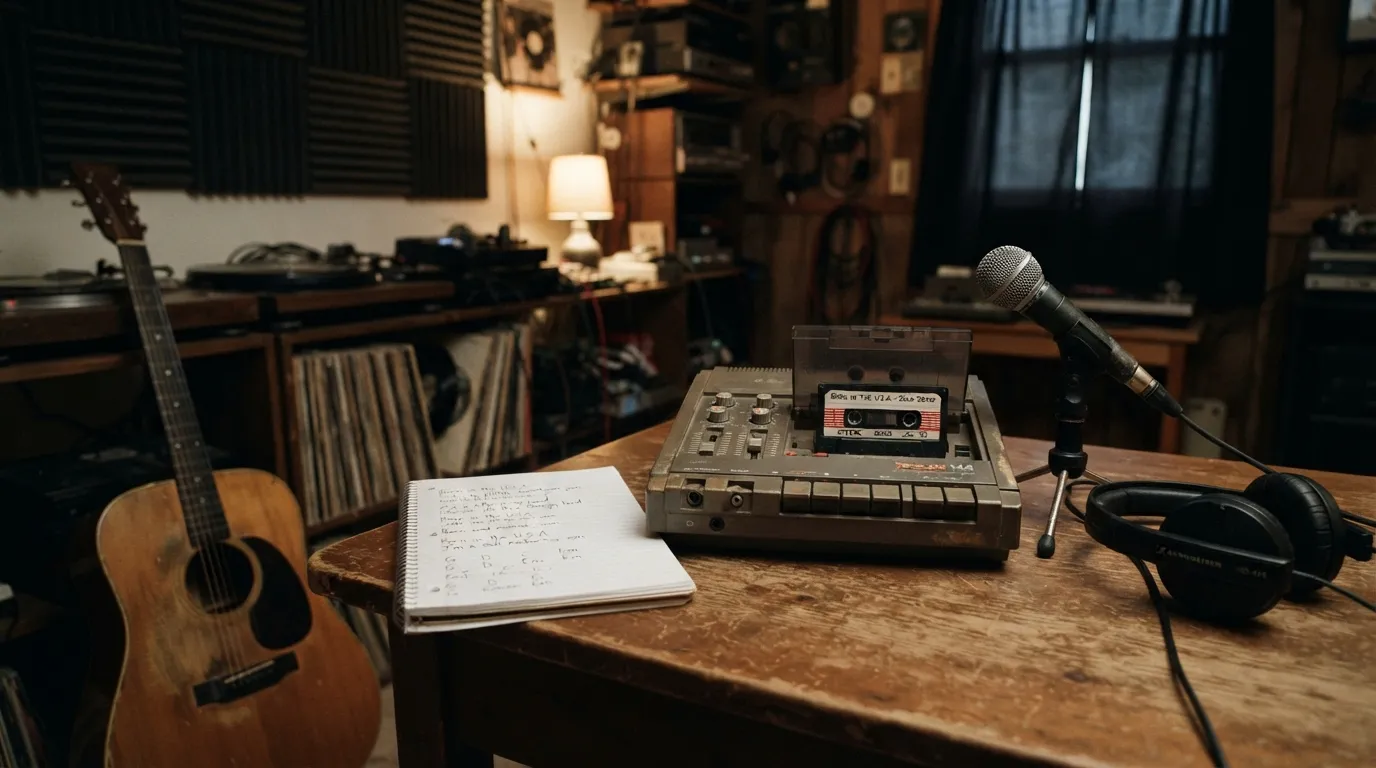
Bruce Springsteen recorded “Born in the U.S.A.” as a solo demo in early 1982, on a home four-track cassette at his New Jersey home. It was slow and stark, much closer to the bleak tone of Nebraska than to a stadium singalong.
Later, with the E Street Band, the song became the thundering title track of the 1984 album. It reached No. 9 on the Billboard Hot 100.
That is where the famous disconnect comes from. The demo’s anger and sadness are still in the lyrics, but the arrangement made it sound like a celebration.
At a Glance
- Demo: solo, early 1982, on a home four-track cassette
- Mood: slow and stark, in the spirit of Nebraska
- Final version: E Street Band, title track of the 1984 album
- Peak: No. 9 on the Billboard Hot 100
#2 – The Boys of Summer: Mike Campbell’s Demo, Don Henley’s Words
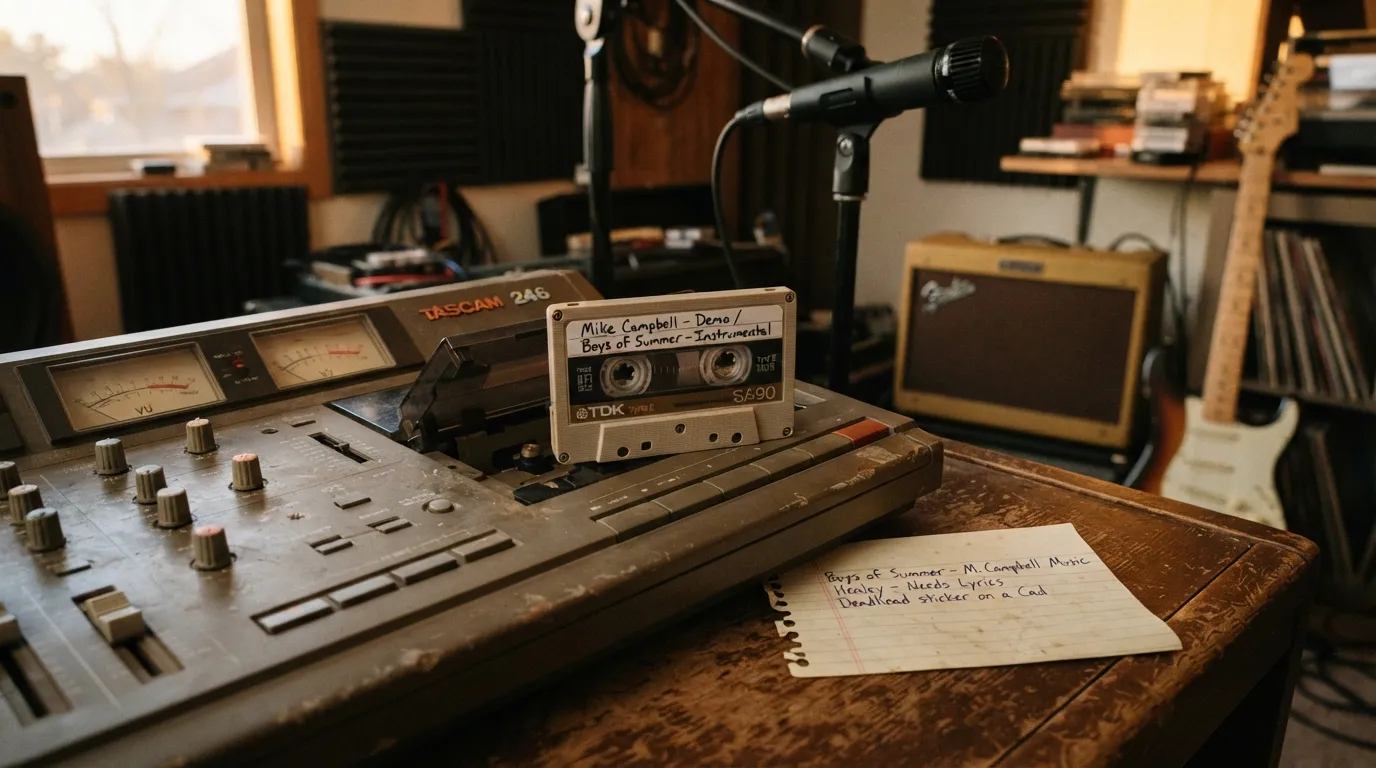
Guitarist Mike Campbell recorded a home demo of the music that became “The Boys of Summer.” Tom Petty’s band passed on it.
Campbell gave the tape to Don Henley, who wrote the lyrics. Henley has said a real moment, a Deadhead sticker spotted on a Cadillac, inspired one of its most memorable lines.
The song reached No. 5 on the Billboard Hot 100 in 1984 and became one of Henley’s signature solo hits. It started as a tape that nobody in Petty’s band wanted.
#1 – Umbrella: The-Dream’s Demo Finds Rihanna
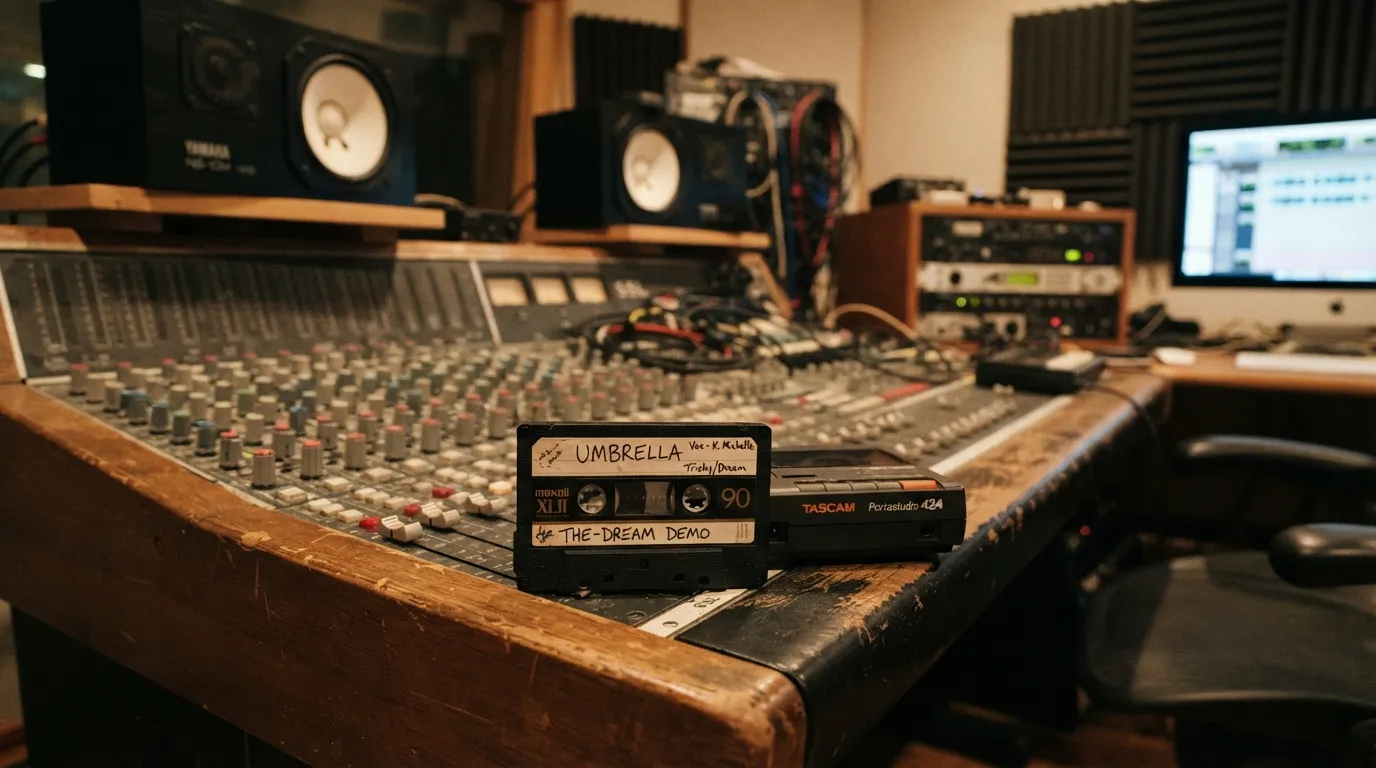
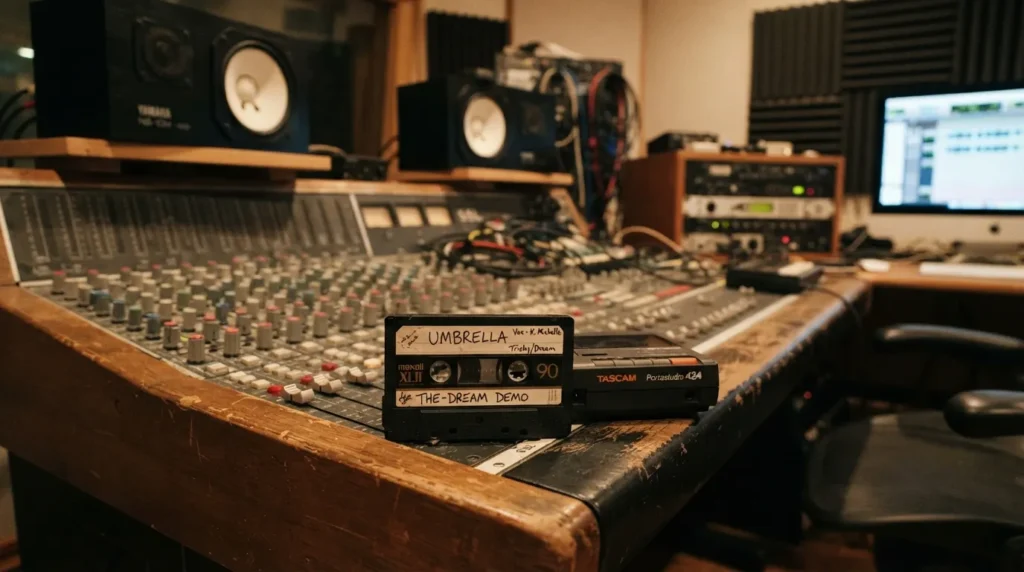
“Umbrella” began with songwriters Christopher “Tricky” Stewart and Terius “The-Dream” Nash, and The-Dream’s demo made the rounds. The song was shopped to other artists, including Britney Spears, whose camp passed.
It ended up with Rihanna, who recorded the version everyone knows. Released in 2007, it went to No. 1 on the Billboard Hot 100 and also topped the UK chart.
The hook and structure that made the demo catchy survived intact. Rihanna just made it hers.
Look back over these 16 and a pattern shows up. A cassette in a Malibu home, a keyboard in a studio trailer, a four-track at a New Jersey house: the songs that ruled the radio often started as something almost private.
Sometimes the demo was refined, sometimes it was rebuilt, and sometimes it was copied note for note. In every case, the spark was there before the budget was.
CEO-Co-Founder