
- 20 Classic Movies That Still Hold Up Decades Later - October 21, 2026
- 18 Iconic TV Shows That Defined a Generation - October 21, 2026
- 22 Tiny Towns That Look Straight Out of a Fairytale - October 21, 2026
You probably think of these shows as comfort viewing, the reruns you leave on while folding laundry. But look at how many of your own habits trace back to them: the catchphrases you quote without thinking, the coffee-shop booth you still picture as the default hangout, even the way you talk about your coworkers.
This countdown starts on a Saturday-morning high school set and ends with a show that arrived before most of these casts were even born. Along the way, a few of these series did something stranger than becoming popular. They changed what television believed it was allowed to do.
#18 – Saved by the Bell: The Show That Taught America to Freeze Time
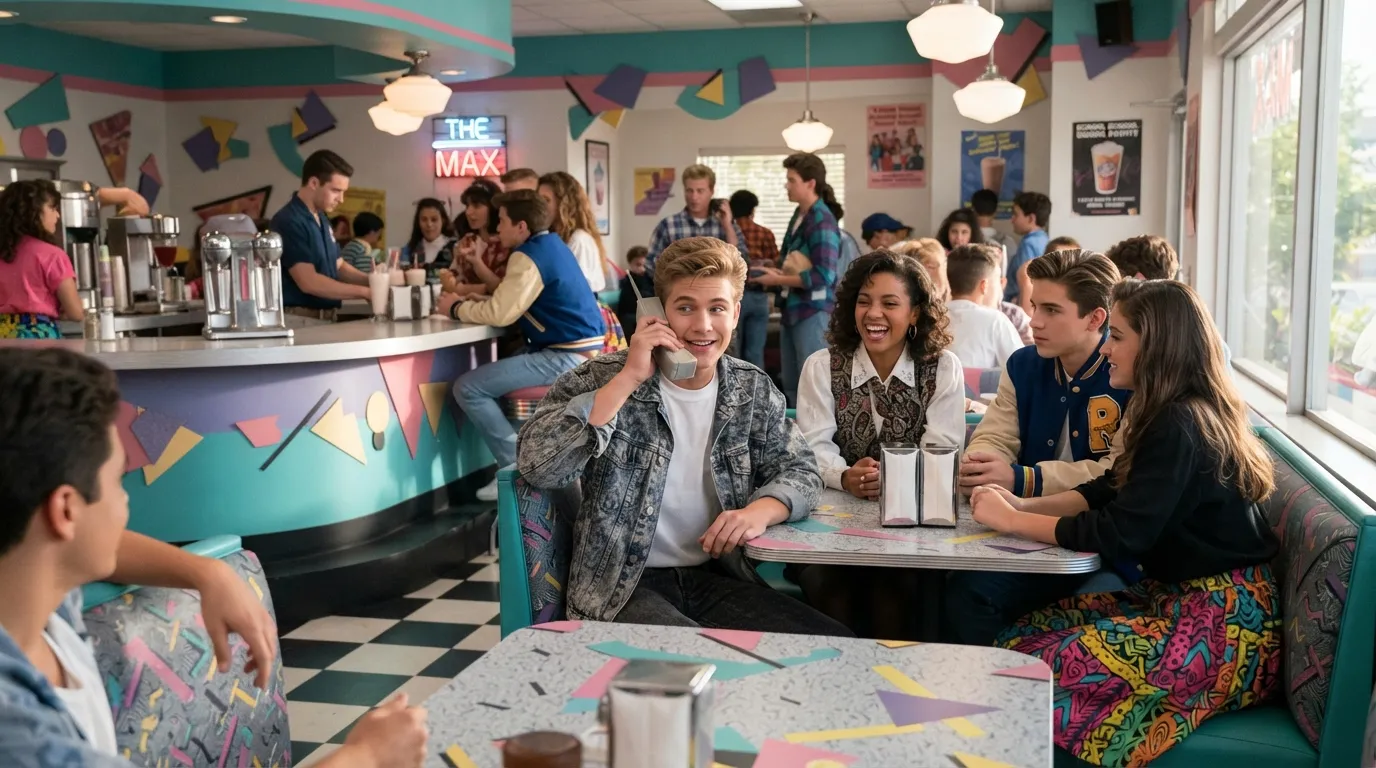
Before the bell even rang, Zack Morris had already yelled “Time out!” and frozen the whole school mid-scramble. Then he turned to the camera and explained his latest scheme to you personally.
Saved by the Bell arrived on NBC in August 1989, retooled from an earlier Disney Channel series called Good Morning, Miss Bliss. The new version moved the action to Bayside High in sunny California and handed the spotlight to Zack, Kelly, Slater, Jessie, Screech, and Lisa.
The details are what stuck. There was the hangout called The Max, Zack’s comically oversized mobile phone, and Jessie Spano’s tearful “I’m so excited… I’m so scared!” meltdown over caffeine pills, still one of the most replayed TV breakdowns ever.
The original run ended in 1992, followed by a spinoff, Saved by the Bell: The College Years, in 1993. A revival landed on Peacock in 2020, which says plenty about how well the setup stuck.
Next up is a house in San Francisco that turned an ordinary family couch into prime-time royalty, with a dad who could not stop cleaning.
#17 – Full House: The Couch Where a Generation Learned to Say “Aww”
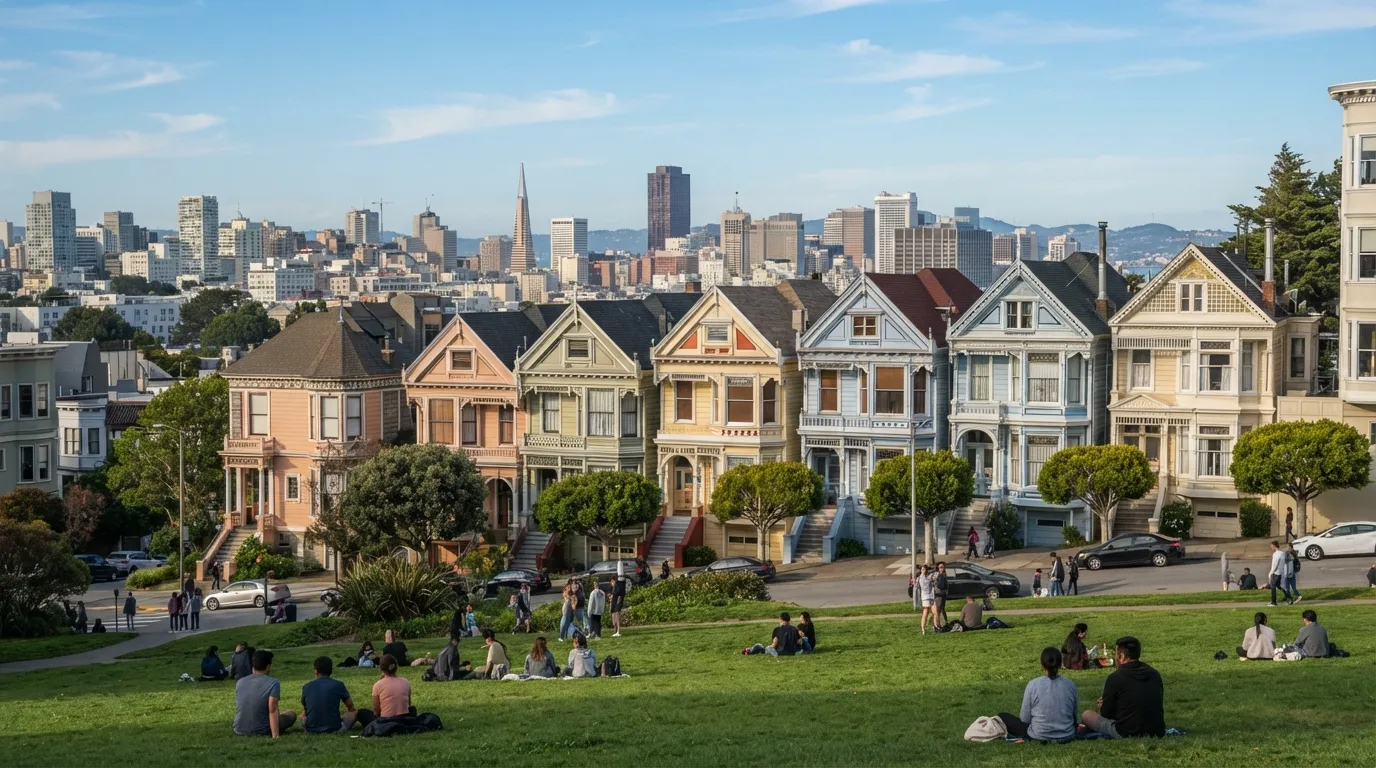
Picture a widowed dad, his rock-and-roll brother-in-law, and his comedian best friend, all crammed into one San Francisco home to raise three girls. That was the whole pitch, and it worked.
Full House premiered on ABC in September 1987 and ran until 1995. The Tanners became anchors of the network’s Friday-night TGIF lineup, where families settled in together.
The show ran on catchphrases. Uncle Jesse’s “Have mercy!” and Joey’s “Cut. It. Out.” escaped the screen and landed in school hallways. Michelle, the youngest, was played by the Olsen twins, Mary-Kate and Ashley.
Even the opening credits became a landmark. The row of Victorian homes at Alamo Square, known as the Painted Ladies, turned a real San Francisco park into a pilgrimage stop. Netflix later brought the family back with Fuller House in 2016.
The next show took a zip code and turned it into a mood.
#16 – Beverly Hills, 90210: The Zip Code That Became a Personality
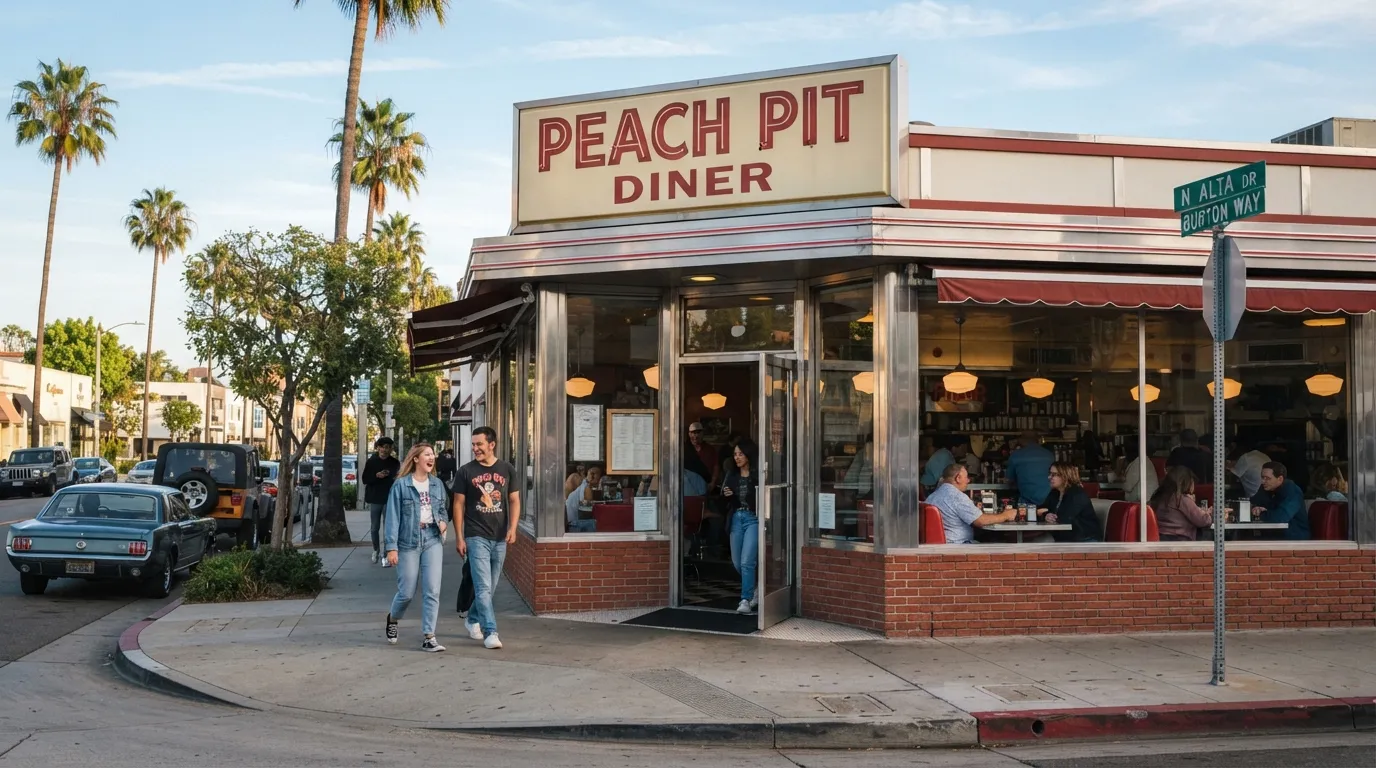
Four numbers were enough. When Beverly Hills, 90210 hit Fox in October 1990, the zip code instantly meant glamour, gossip, and teenage drama.
The setup was a fish-out-of-water story. Twins Brandon and Brenda Walsh moved from Minneapolis, Minnesota, to a world of rich classmates and sprawling houses, with the Peach Pit diner as their anchor.
The series ran ten seasons, through 2000. It mixed beach parties and prom nights with heavier storylines about peer pressure and addiction that primetime teen shows rarely touched at the time.
Its success spawned Melrose Place in 1992 and a CW follow-up simply titled 90210 in 2008. The idea that teen drama could carry a network night started here.
Next, we head to a quiet creek where the teenagers talked like novelists.
#15 – Dawson’s Creek: The Show Where Teens Spoke in Full Paragraphs
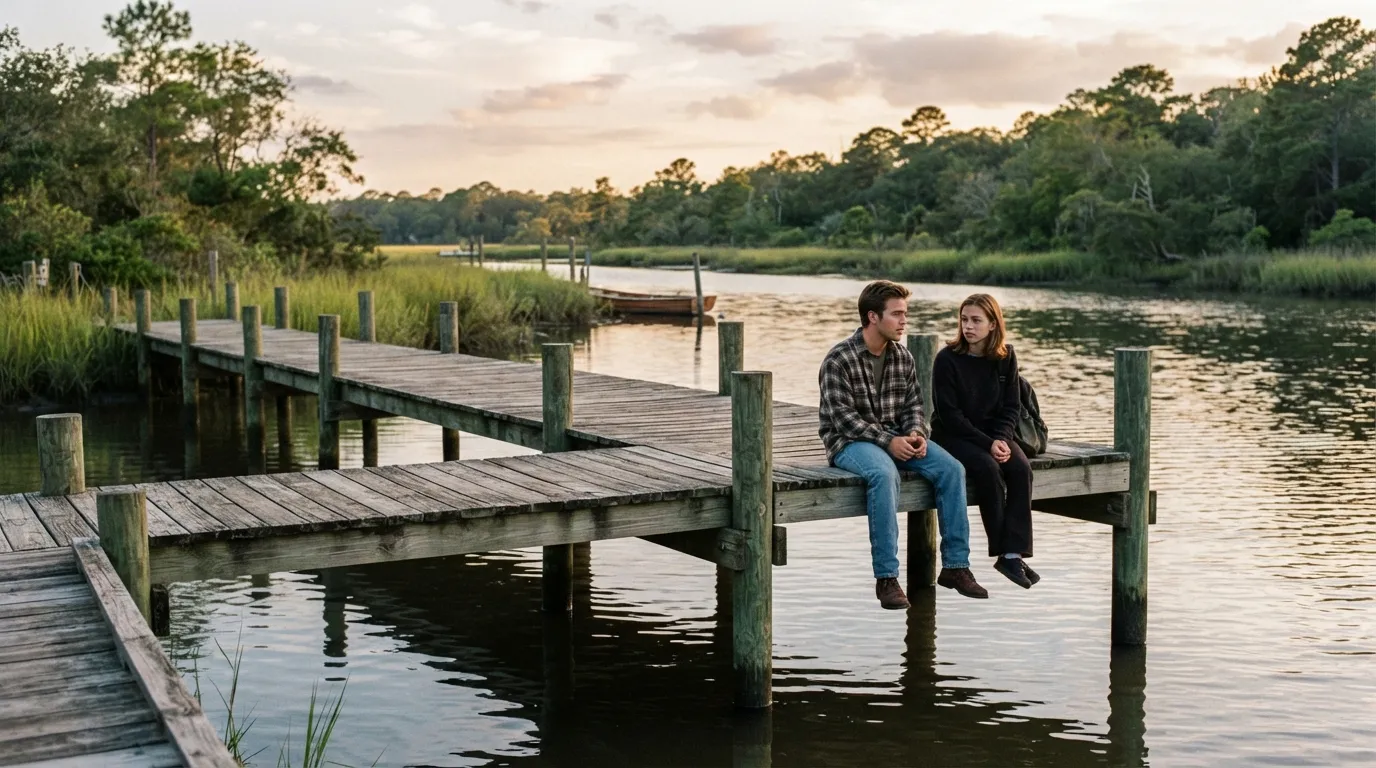
Nobody in Capeside ever just said “I like you.” They said it in a monologue, after a long pause, usually on a dock.
Dawson’s Creek premiered on The WB in January 1998 and ran until 2003. The town of Capeside is fictional Massachusetts, but the series was largely filmed in Wilmington, North Carolina.
Dawson, Joey, Pacey, and Jen turned late-90s adolescence into a running conversation about love, loyalty, and what came after graduation. Dawson’s Spielberg obsession and the Joey-and-Pacey tension kept viewers choosing sides at school the next day.
Then there was the opening. Paula Cole’s “I Don’t Want to Wait” became inseparable from the show, and hearing it still drops people straight into a 1998 bedroom with a landline phone.
Up next is a show that put a monster under the high school library.
#14 – Buffy the Vampire Slayer: Where Monsters Were Just Growing Pains With Fangs
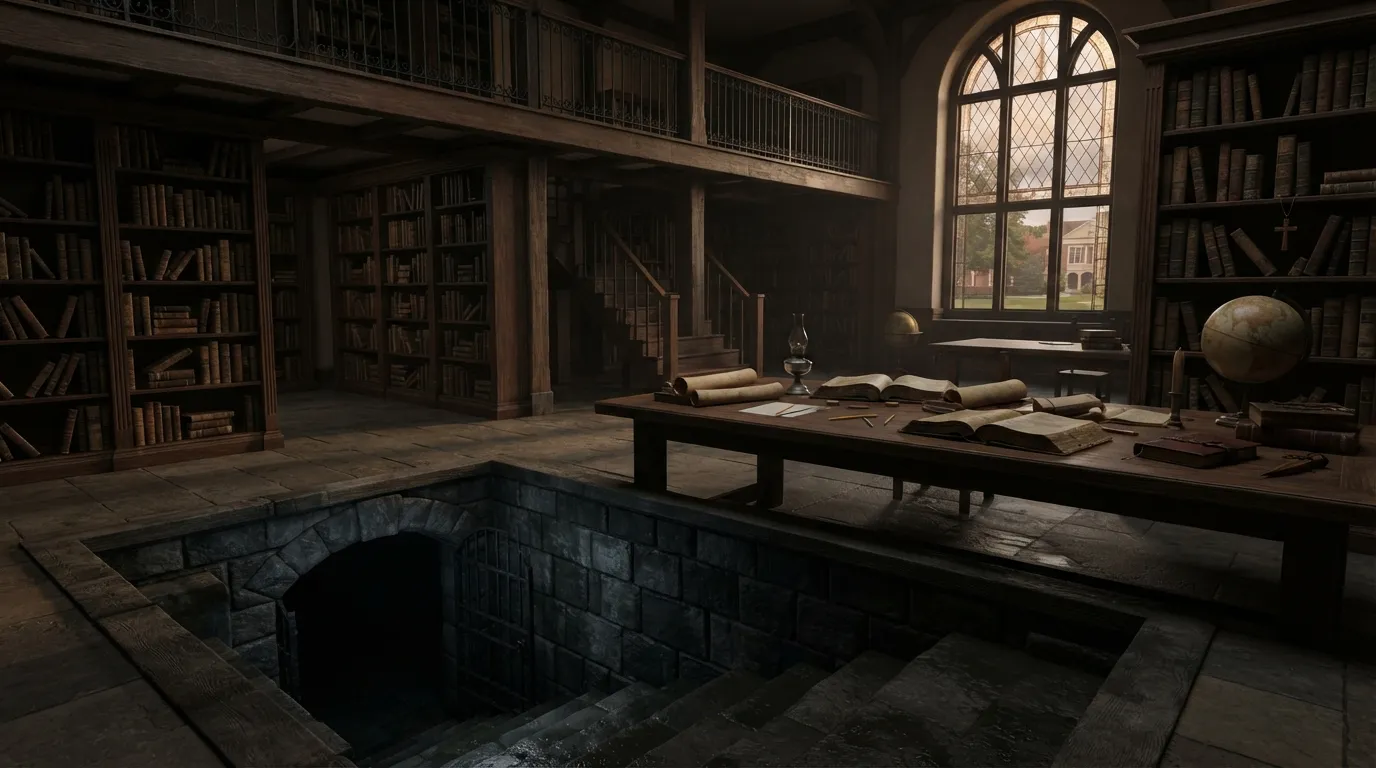
Under the library of Sunnydale High sat a Hellmouth, and every bad day at school was, quite literally, the end of the world.
Buffy the Vampire Slayer debuted on The WB in March 1997 and ran until 2003, moving to UPN for its final two seasons. Joss Whedon created it as a spin on the 1992 film of the same name.
The trick was making the supernatural feel personal. Heartbreak, loneliness, and leaving home all showed up as demons, and the jokes were fast enough to hide how serious the stakes were.
The series also took big swings. “Hush,” a 1999 episode where villains steal everyone’s voices, played largely in silence, and “Once More, with Feeling” in 2001 turned the whole cast into a full-blown musical.
Fast Facts
- Premiere: March 10, 1997, on The WB
- Run: seven seasons and 144 episodes, wrapping in 2003
- Network move: UPN for Seasons 6 and 7
- Two famous experiments: the near-silent “Hush” and the musical “Once More, with Feeling”
Now the story shifts to two FBI agents and a poster that promised something stranger.
#13 – The X-Files: The Poster That Said “I Want to Believe”
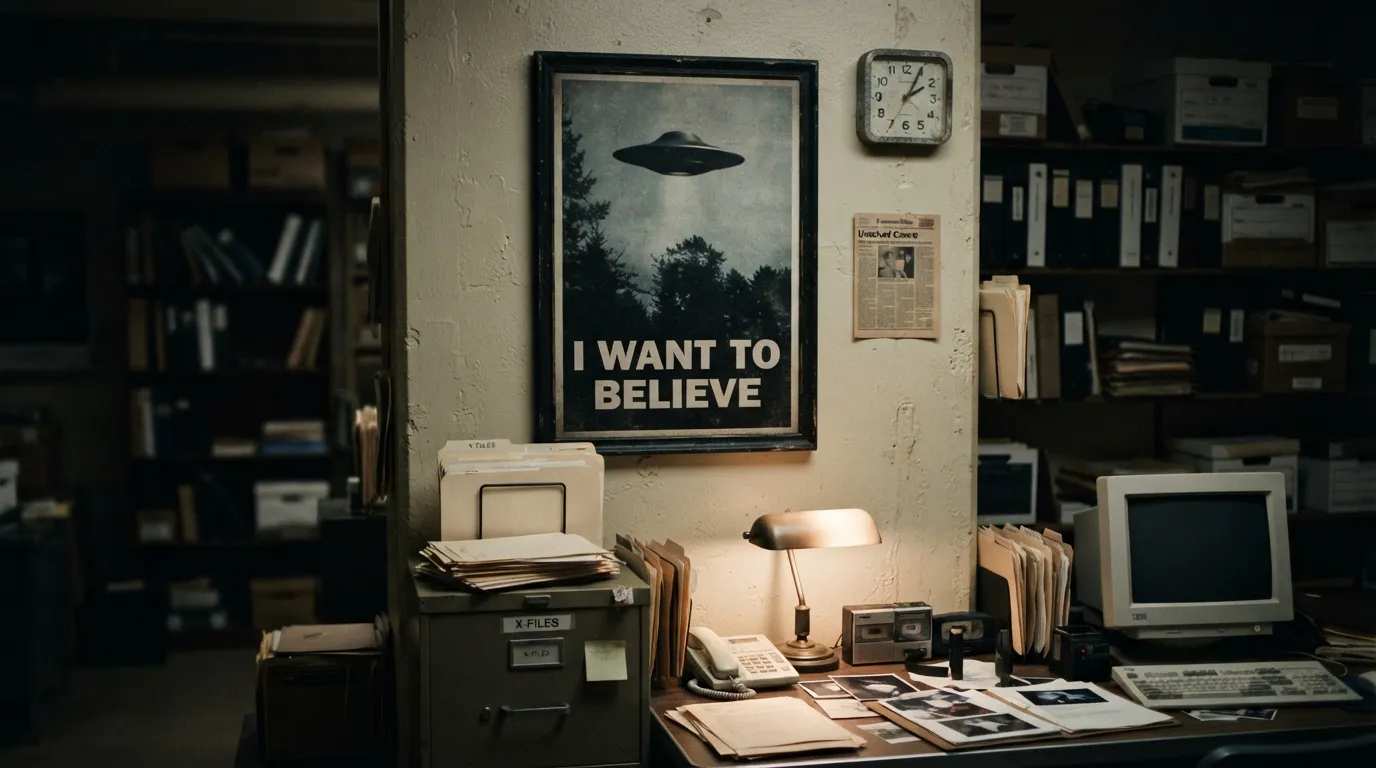
In a basement office at the FBI, a poster of a UFO hung on the wall with five words printed underneath: “I Want to Believe.” It became one of the most recognizable images of 90s television.
The X-Files premiered on Fox in September 1993. Created by Chris Carter, it followed believer Fox Mulder and skeptic Dana Scully as they investigated cases the Bureau had shoved into the file cabinet.
It pulled off two shows at once. Some weeks were standalone monster stories, and others fed a sprawling conspiracy that included the shadowy Cigarette Smoking Man and Mulder’s missing sister.
The original series ran until 2002 and returned for new episodes in 2016 and 2018. “The truth is out there” and “Trust no one” are still shorthand for suspicion.
Next, a teenager from West Philadelphia steps out of a cab and into the most famous mansion on 90s TV.
#12 – The Fresh Prince of Bel-Air: A Theme Song Everyone Knows by Heart
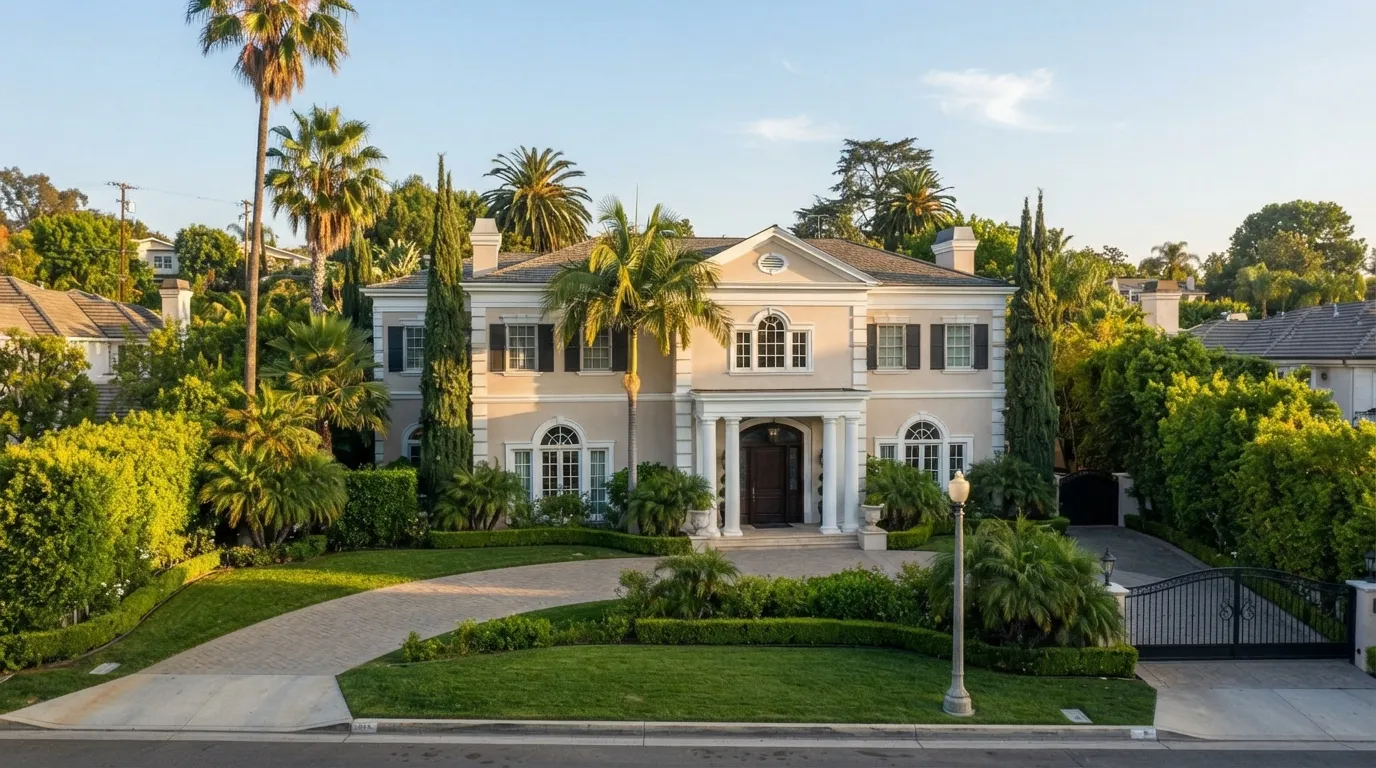
Try getting through a party without someone starting “In West Philadelphia, born and raised.” You can’t, because the theme song has outlived the decade.
The Fresh Prince of Bel-Air premiered on NBC in September 1990 and ran until 1996. Will Smith played a version of himself, sent from Philadelphia to live with his wealthy relatives in California.
It was a comedy about class and family with a lot of heart. The most famous example is “Papa’s Got a Brand New Excuse,” a Season 4 episode where Will confronts his father after being abandoned, and the laughs drop away completely.
Fans also still talk about the 1993 recasting of Aunt Viv and the Carlton dance. The show later inspired Bel-Air, a dramatic reimagining on Peacock in 2022.
The next show kept viewers glued to a very different building, one where nobody had time to talk.
#11 – ER: The Hospital Show That Never Slowed Down
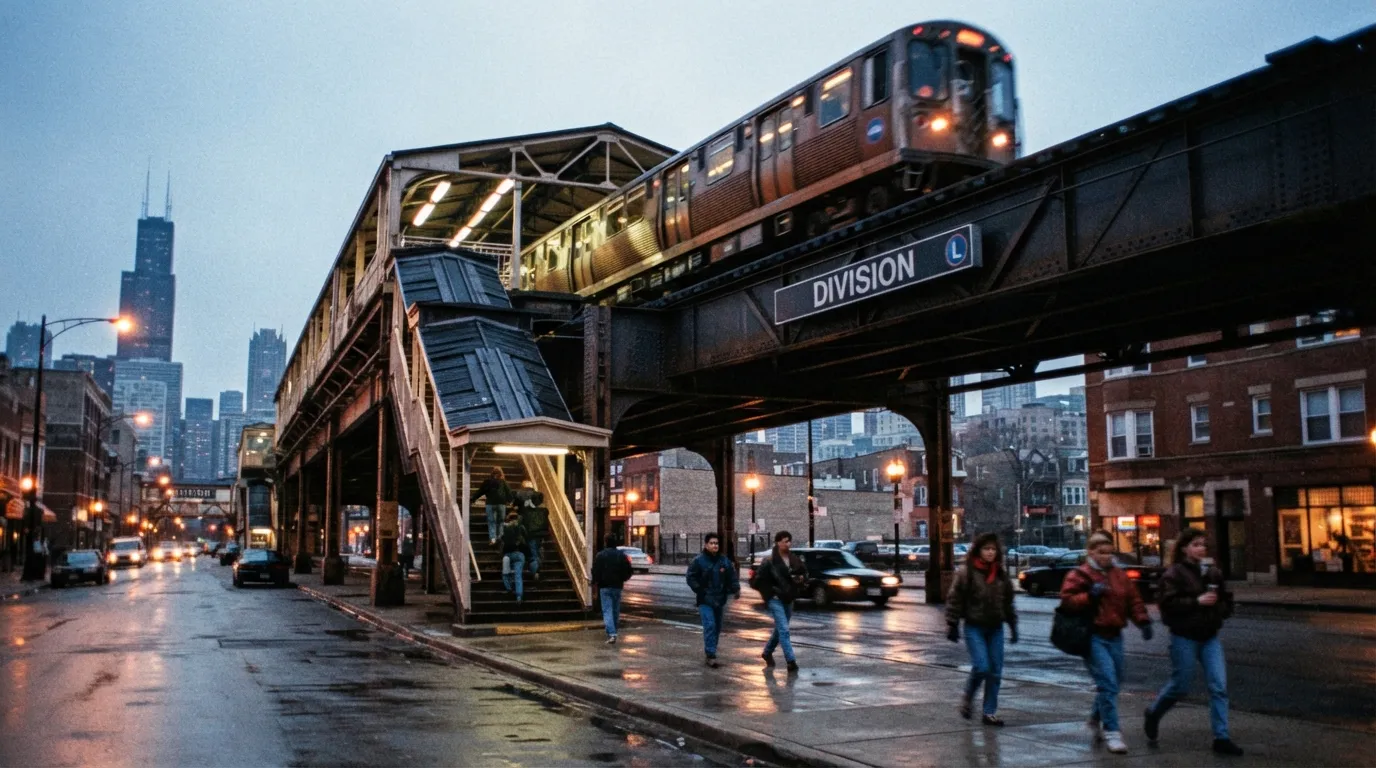
The opening seconds of ER felt like a sprint. Gurneys flew through hallways, doctors shouted over each other, and the camera chased them like it was late for a shift.
ER premiered on NBC in September 1994, based on an idea from author Michael Crichton, and set its drama at County General Hospital in Chicago. It ran for fifteen seasons, ending in 2009.
The ensemble made stars of its cast. Anthony Edwards played Mark Greene, Julianna Margulies played nurse Carol Hathaway, and George Clooney played Doug Ross, with Noah Wyle as young doctor John Carter.
Its long, swooping camera shots and overlapping dialogue changed how medical dramas looked. The Chicago setting, with its elevated trains rumbling in the background, gave the chaos a real address.
Next, you walk into an office that millions of people recognized, because they had worked in one just like it.
#10 – The Office: The Cringe Comedy That Found Its Audience Late
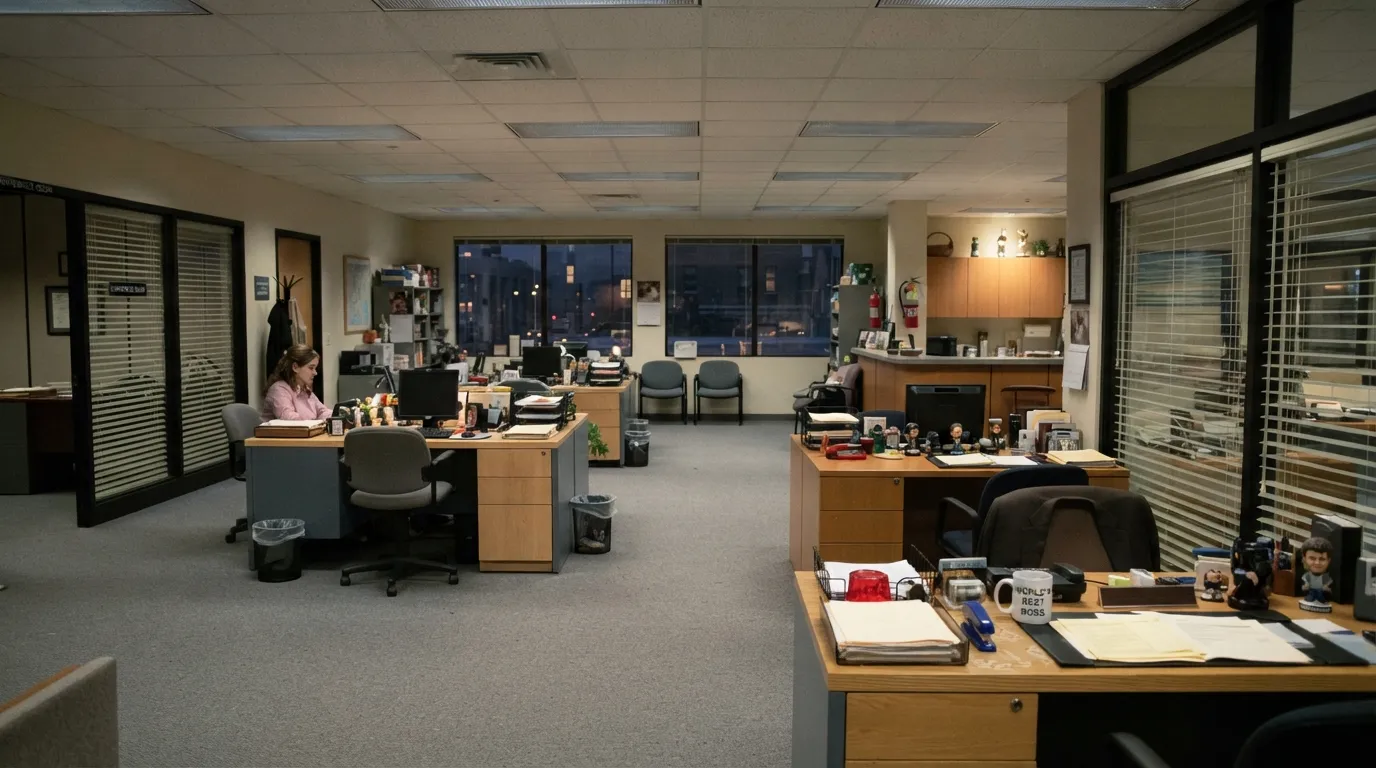
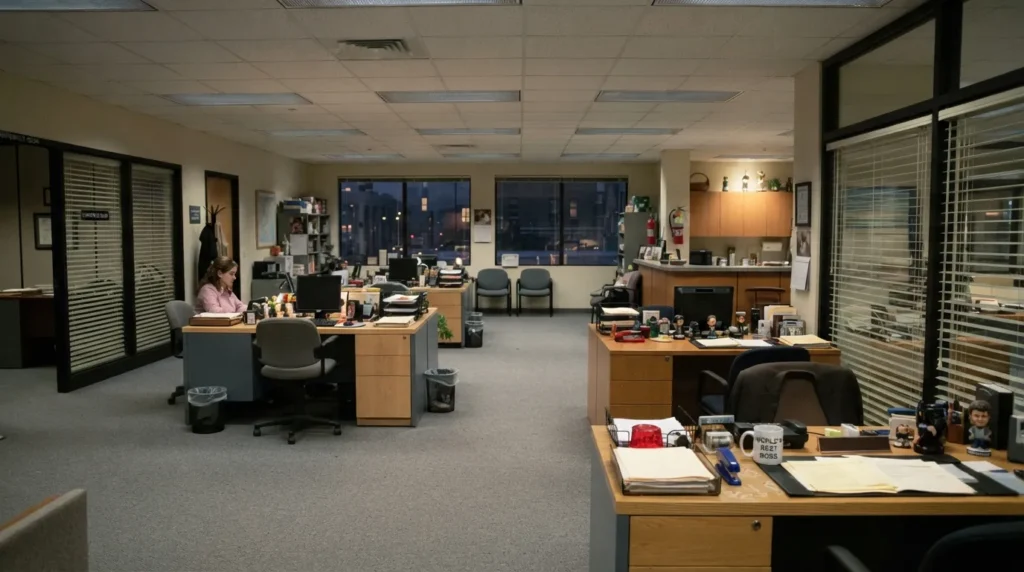
Michael Scott’s “World’s Best Boss” mug was, depressingly, probably the only one in the building that didn’t say it ironically.
The American version of The Office premiered on NBC in March 2005, adapted from the British series created by Ricky Gervais and Stephen Merchant. It ran nine seasons, through 2013, set at a paper company’s Scranton, Pennsylvania branch.
The mockumentary format let characters glance at the camera in silent disbelief, and that look became the show’s signature. Jim and Pam’s slow-burn romance gave the cringe a heart, while Dwight made every conference room feel dangerous.
It had a slow start in the ratings but became one of the most rewatched sitcoms of the streaming era. “That’s what she said” still turns up in real offices, usually followed by someone groaning on cue.
Next, a plane crash on a Pacific island that raised more questions than any other show on this list.
#9 – Lost: The Island That Broke the Internet’s Brain
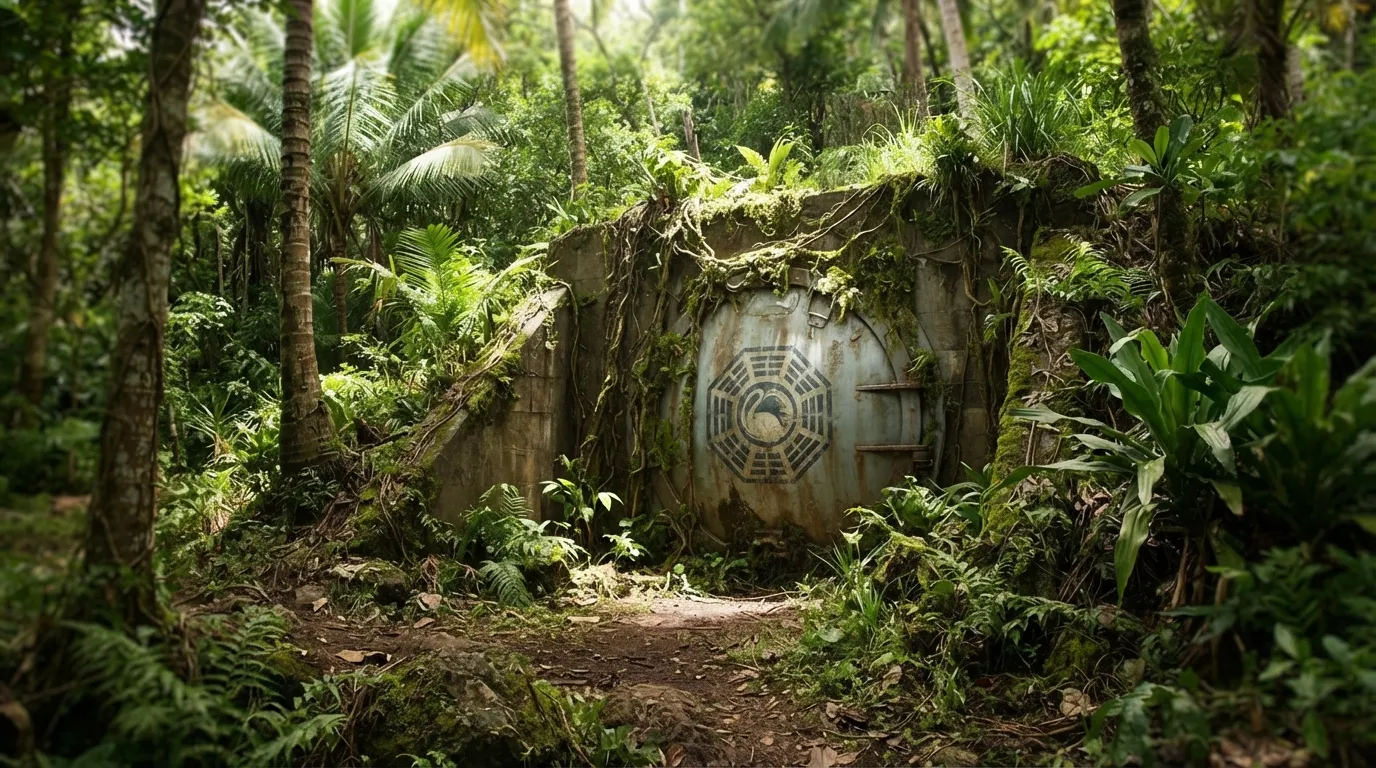
A plane splits apart over the Pacific, and within minutes a polar bear shows up in the jungle. That was the pilot, and nobody could stop talking about it.
Lost premiered on ABC in September 2004 and ended in May 2010. It followed the survivors of Oceanic Flight 815, including Jack, Kate, Sawyer, Locke, and Hurley, on an island filmed on Oahu, Hawaii.
The show became the first real water-cooler mystery of the online age. Fans compared notes about a hatch, a smoke monster, and the string of numbers 4, 8, 15, 16, 23, and 42 that kept reappearing.
It showed that a huge audience would follow a tangled, serialized puzzle on broadcast TV. Plenty of people are still debating the finale, which says everything about how much the island got under their skin.
At a Glance
- Pilot: September 22, 2004, on ABC
- Finale: May 23, 2010
- Length: six seasons and 121 episodes
- The doomed flight: Oceanic 815
- The cursed code: 4, 8, 15, 16, 23, 42
Next, we step into an office where the real mystery was the man in the corner suite.
#8 – Mad Men: The Drama That Made the Past Look Impossibly Cool
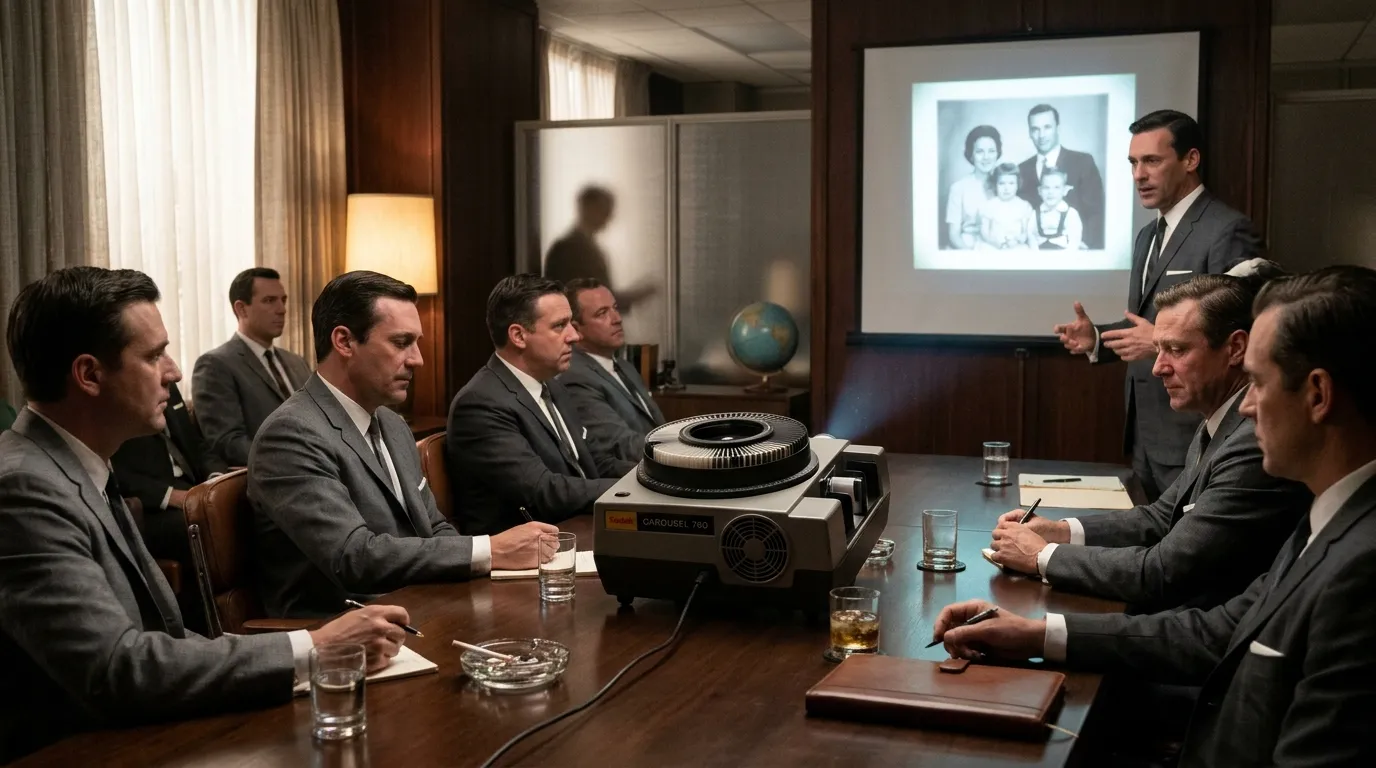
Don Draper walks into a pitch meeting and sells a slide projector as a time machine. By the end, grown adults in the room are quietly tearing up.
Mad Men premiered on AMC in July 2007 and ended in May 2015. Created by Matthew Weiner, it followed an advertising agency on 1960s Madison Avenue.
That slide-projector scene, the Kodak Carousel pitch in the Season 1 finale “The Wheel,” is still one of the most celebrated moments in TV history. Around it, the show built a world of tailored suits, midday cocktails, and polite sexism that it never pretended was harmless.
The series won the Emmy for Outstanding Drama Series four years in a row, from 2008 to 2011. It also sent mid-century design and cocktails back into style.
Next, a mild-mannered classroom introduces the show with the most shocking transformation on the list.
#7 – Breaking Bad: The Fall of a Chemistry Teacher
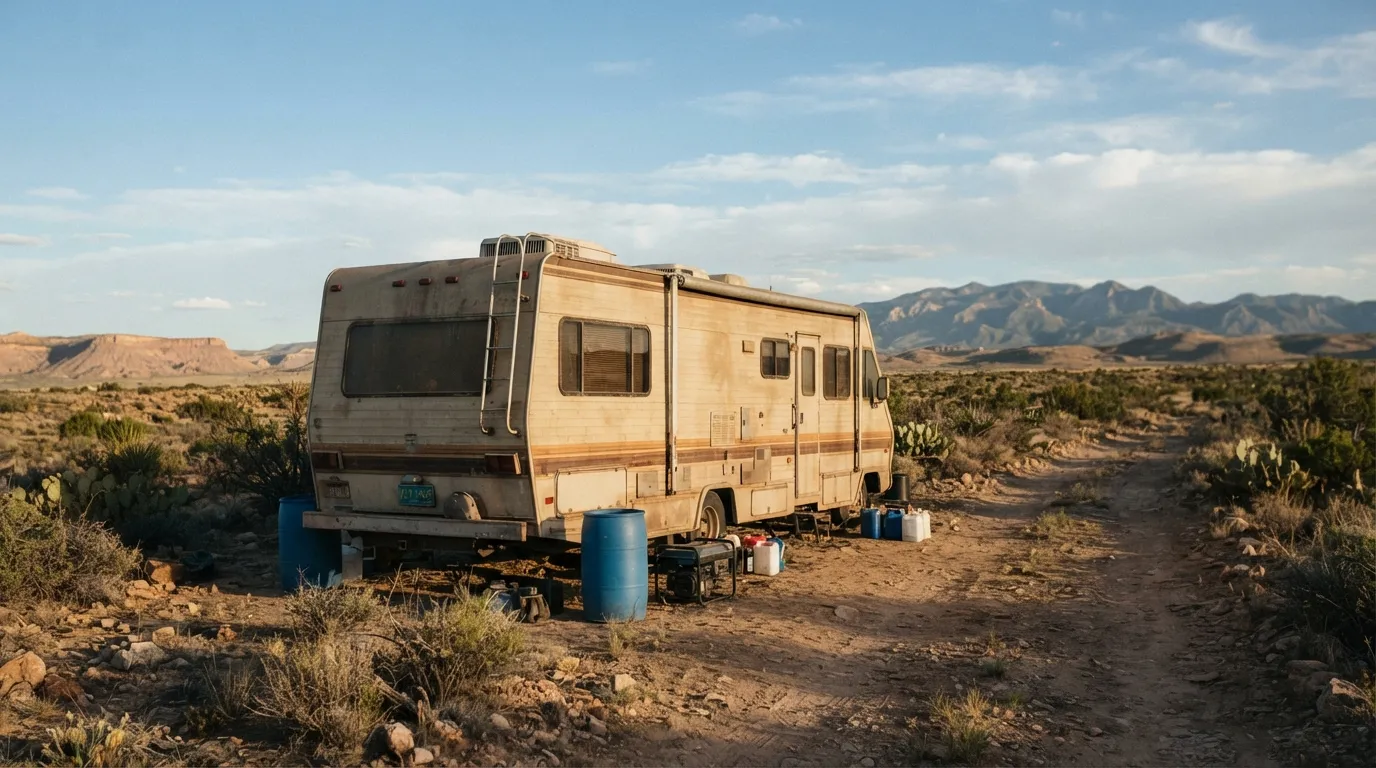
Walter White starts the series in his underwear in the middle of a desert, filming a goodbye message. It’s the kind of opening that tells you nothing good is coming.
Breaking Bad premiered on AMC in January 2008 and wrapped in September 2013. Created by Vince Gilligan and set in Albuquerque, it follows a high school chemistry teacher who turns to cooking meth after a terminal diagnosis.
The show’s visual language became unforgettable. There were the dusty RV, the pork-pie hat, the yellow hazmat suits, and the blue product that signaled a mark of quality in a world where nothing else was clean.
Bryan Cranston’s Walter and Aaron Paul’s Jesse anchored five seasons of slow-motion moral collapse. The Season 5 episode “Ozymandias” is regularly cited as one of the finest hours of television ever made.
The spinoff Better Call Saul and the film El Camino proved fans weren’t ready to leave. Next, we head to a Manhattan diner where nothing happened, and it was perfect.
#6 – Seinfeld: The Show About Nothing That Changed Everything
A man fights a dinner party over a rye bread. A woman dances like nobody has ever seen. Somehow, it’s the funniest thing on television.
Seinfeld began in July 1989 as The Seinfeld Chronicles and ran until May 1998. Jerry Seinfeld and Larry David built it around four self-absorbed New Yorkers: Jerry, George, Elaine, and Kramer.
The language still lives in the wild. “The Contest” gave us “master of my domain,” “The Soup Nazi” and “The Puffy Shirt” became shorthand, and “yada yada” turned up in everyday speech after a 1997 episode.
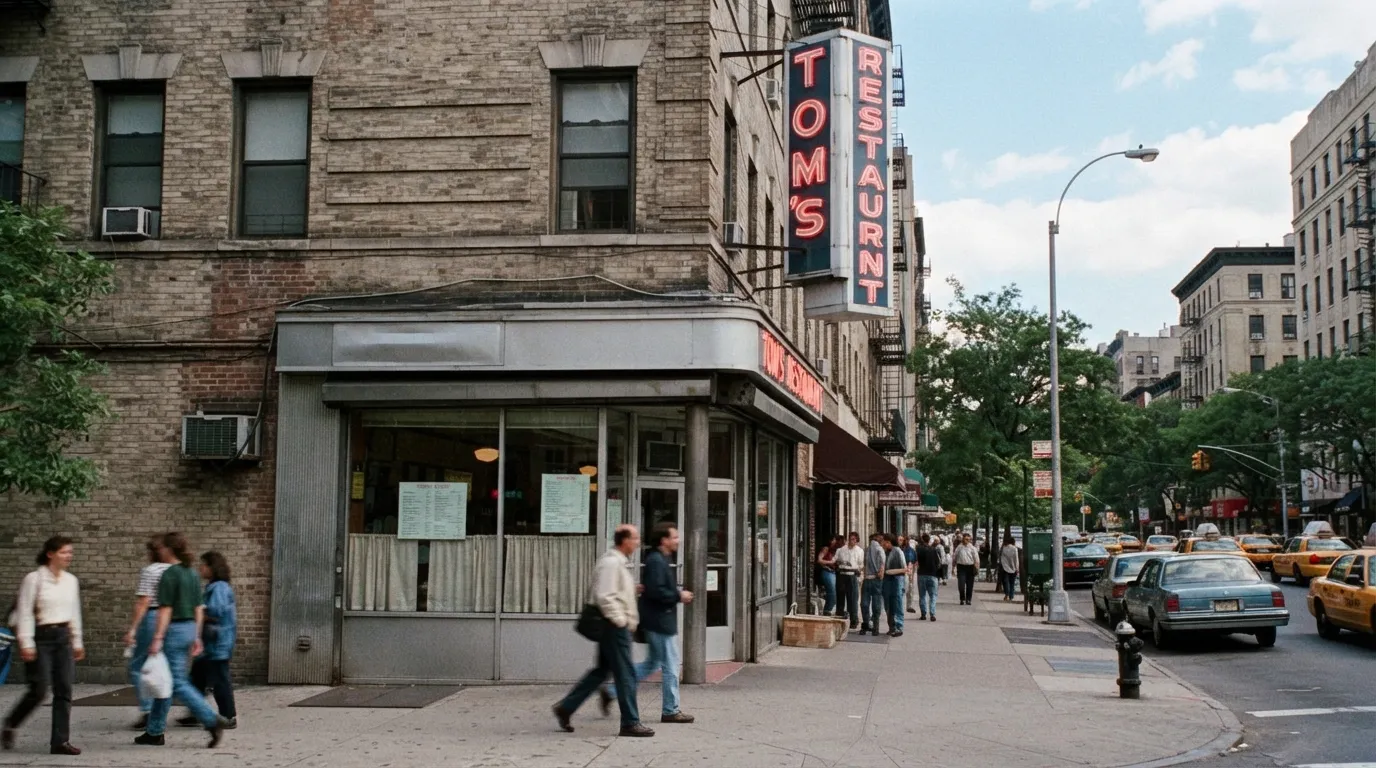
The characters lied, schemed, and rarely learned a thing, and fans loved it. The coffee-shop booth, filmed outside at a real diner on Manhattan’s Upper West Side, became one of the most famous tables in TV.
Worth Knowing
- Length: nine seasons and 180 episodes
- The diner exterior is Tom’s Restaurant, at Broadway and 112th Street
- Interior scenes were shot on a studio set in California, not in the real diner
- “The Contest” aired in 1992, and “The Soup Nazi” followed in 1995
Next up is a group of six friends and an orange couch that millions of fans wanted in their own homes.
#5 – Friends: The Couch, the Fountain, and the Break
It begins with a runaway bride in a wet wedding dress walking into a coffee shop. By the end of the episode, she has a job and a new group of friends.
Friends premiered on NBC in September 1994 and ran ten seasons, ending in May 2004. Monica, Rachel, Phoebe, Ross, Chandler, and Joey spent most of those years in two apartments and a coffee shop called Central Perk.
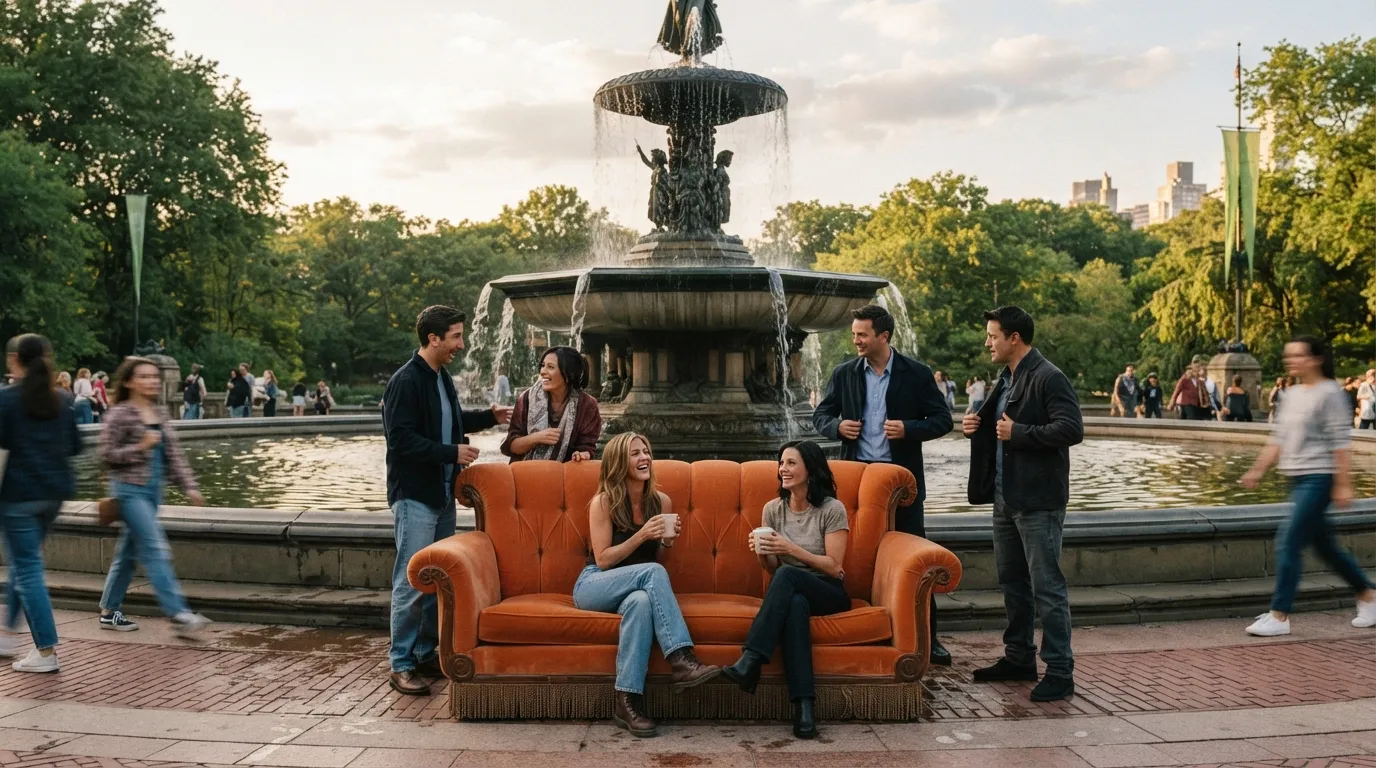
The orange couch, the playful fountain in the opening credits, and the endless Thanksgiving episodes became part of America’s shared memory. “We were on a break!” is still one of the most argued lines in sitcom history.
More than 50 million people watched the finale in 2004. The cast reunited for a special on HBO Max in 2021, and fans reacted like long-lost relatives were walking through the door.
Next, a yellow family that has outlasted nearly everything else on TV, and may still be around.
#4 – The Simpsons: The Cartoon That Kept Predicting the Future
Homer chokes a boy. Bart prank-calls a bar. Lisa plays a saxophone solo that makes you feel something you can’t name. And that’s just a regular Tuesday in Springfield.
The Simpsons began as shorts on The Tracey Ullman Show in 1987 and became its own series on Fox in December 1989. It’s now the longest-running American animated series, sitcom, and scripted primetime show.
Episodes like “Homer’s Odyssey,” the third episode ever, showed the show could mix sharp satire with real heart. The yearly “Treehouse of Horror” specials, starting in 1990, became their own Halloween tradition.
Its writers’ jokes have a way of landing years later. A 2000 episode, “Bart to the Future,” included a gag about a President Trump, and “D’oh!” was added to the Oxford English Dictionary in 2001.
Now the story turns to dragons, and to the show that made the whole world watch at once.
#3 – Game of Thrones: The Last Great Monoculture Moment
In Season 1, a beloved hero walked onto a platform in front of a cheering crowd. Viewers learned that no one was safe, and nothing looked the same afterward.
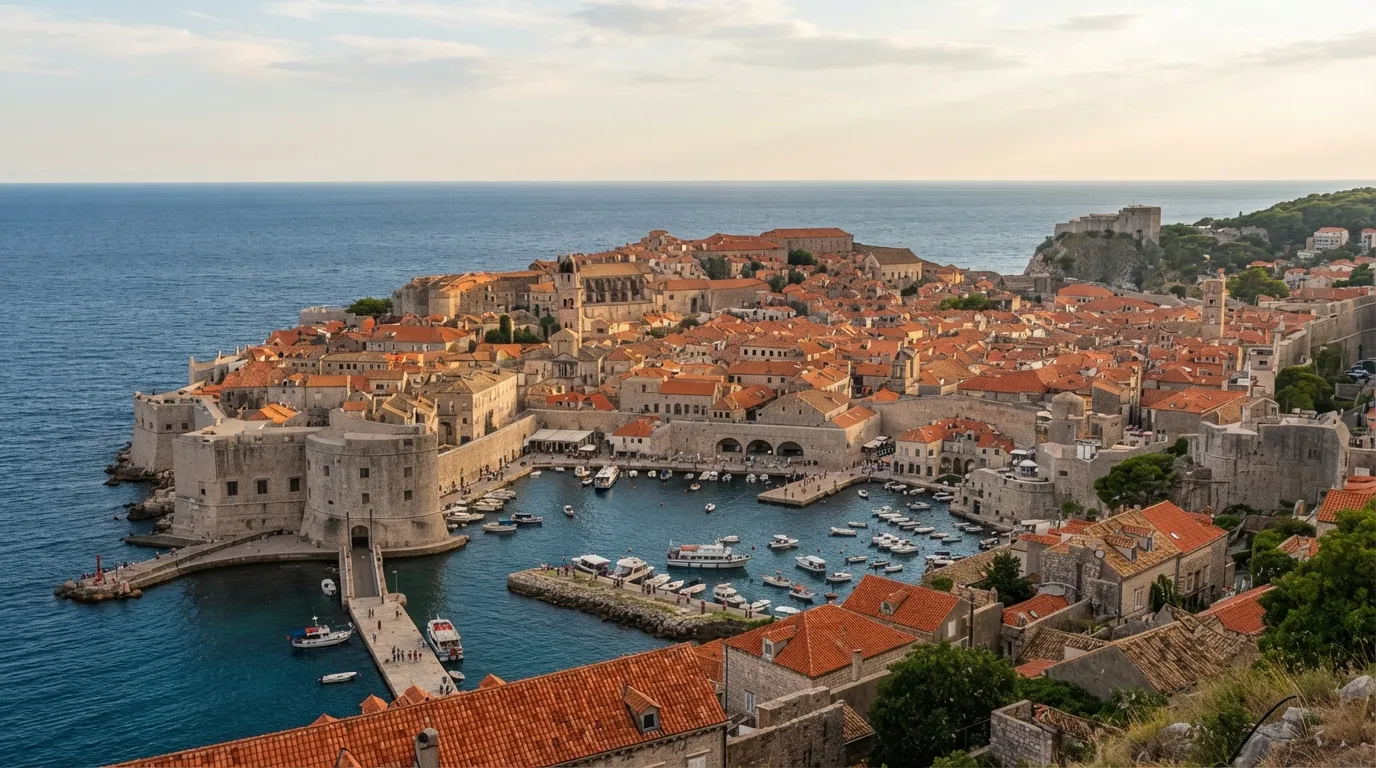
Game of Thrones premiered on HBO in April 2011 and ended in May 2019. Adapted from George R.R. Martin’s A Song of Ice and Fire novels, it ran eight seasons across Northern Ireland, Croatia, and beyond.
The Season 1 shock of Ned Stark’s death in “Baelor” was only the warm-up. The 2013 episode “The Rains of Castamere,” the Red Wedding, produced one of TV’s most famous reaction-video waves.
The opening credits map, the sigils, and “Winter is coming” made it a global event. Dubrovnik, Croatia, the real city standing in for King’s Landing, started drawing fans on walking tours.
Why It Stands Out
- Scale: eight seasons and 73 episodes
- Dates: April 17, 2011, to May 19, 2019
- Source: George R.R. Martin’s A Song of Ice and Fire novels
- Real-world payoff: Dubrovnik’s old city still doubles as King’s Landing for visitors
The next show gave us a mob boss who couldn’t figure out why he felt so empty.
#2 – The Sopranos: The Show That Changed What TV Could Be
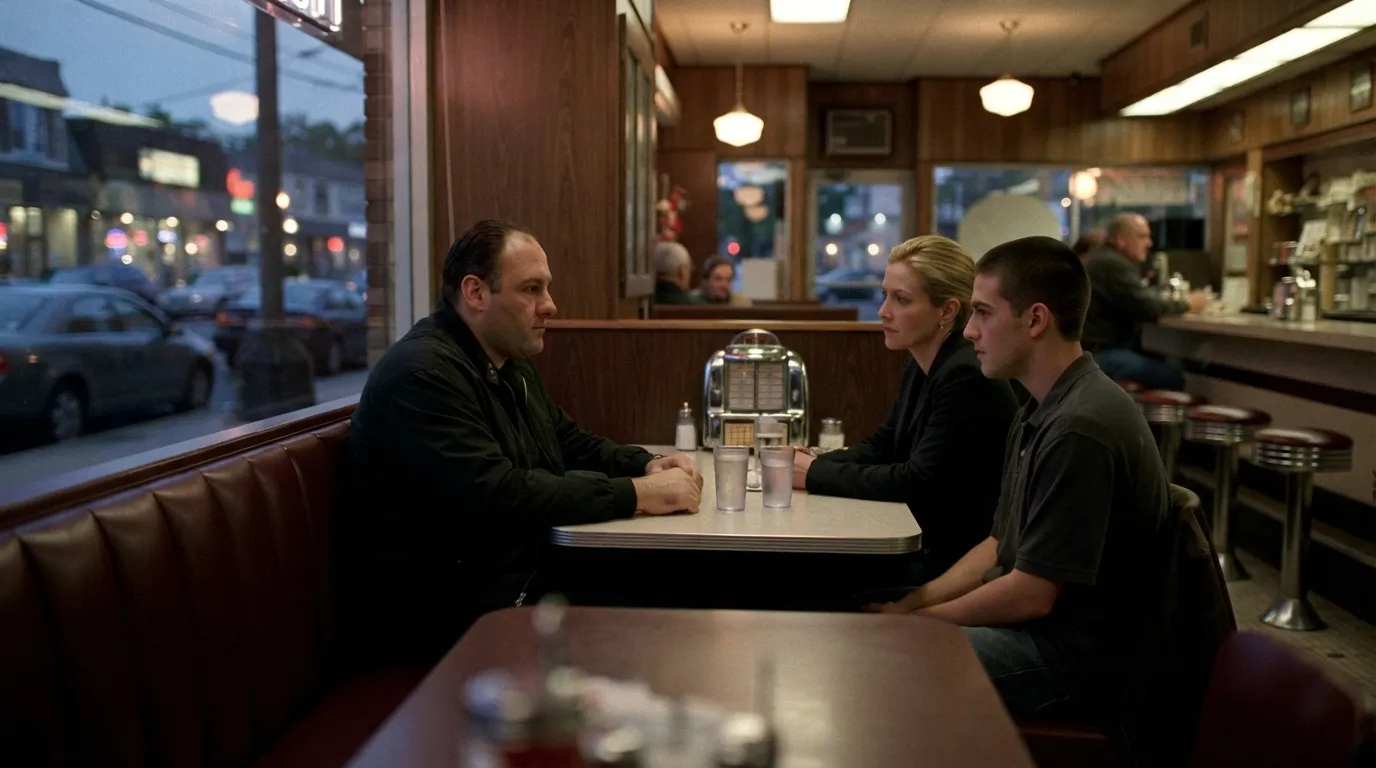
Tony Soprano sits in a therapist’s office and tries to explain why a family of ducks leaving his swimming pool shook him so badly. It’s the strangest and most human way a gangster show has ever begun.
The Sopranos premiered on HBO in January 1999 and ended in June 2007. Created by David Chase, it starred James Gandolfini as a New Jersey mob boss and Lorraine Bracco as Dr. Jennifer Melfi.
It treated crime like a family business with a panic problem. Many critics credit it with opening the door to the era of difficult antiheroes, from Walter White to Don Draper.
The finale is still one of the most debated endings ever. The family sits in a New Jersey diner, Journey’s “Don’t Stop Believin’” plays, and the screen cuts to black.
And now, the show at #1 began in 1959, in black and white, with a man in a dark suit lighting a cigarette and telling viewers to look closer.
#1 – The Twilight Zone: The Blueprint for Everything on This List
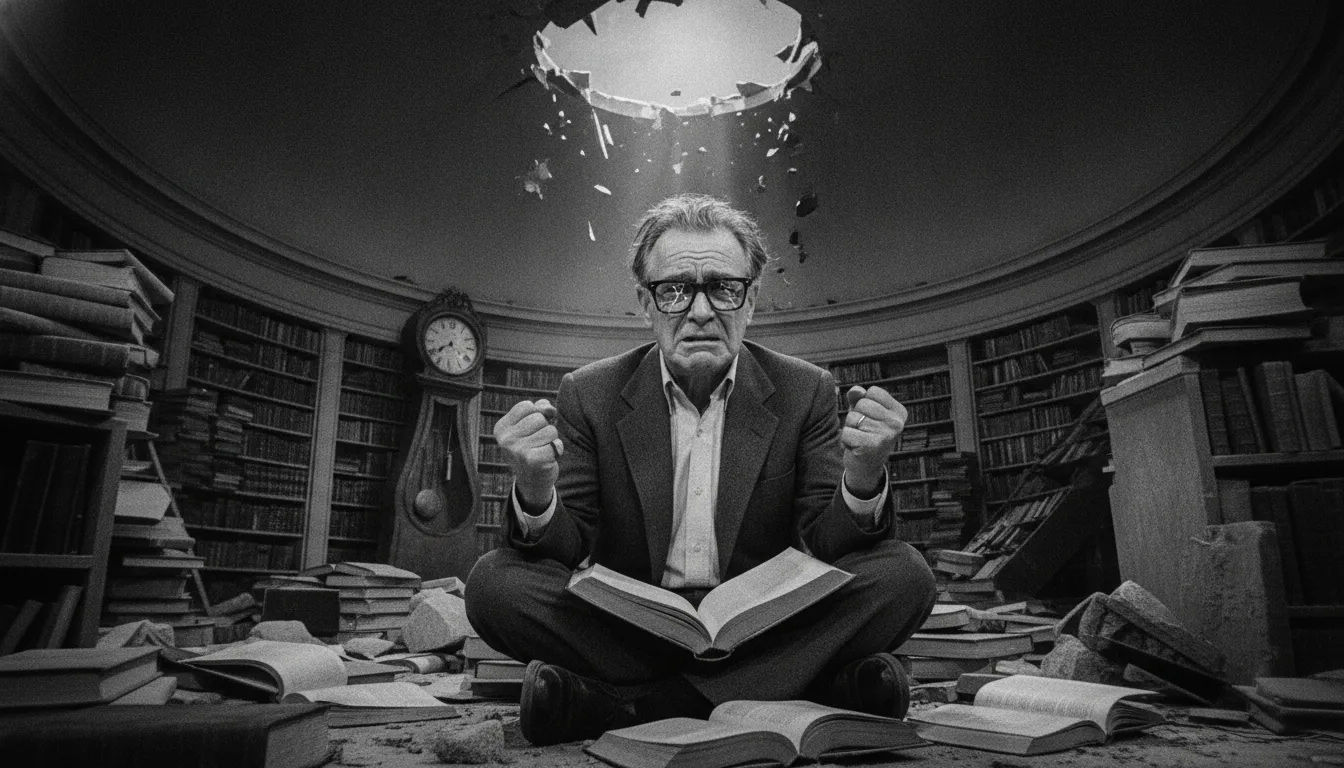
A man finally has all the time in the world to read, and then his glasses break. That’s the twist, and it has haunted viewers for more than sixty years.
The Twilight Zone premiered on CBS on October 2, 1959, and ran until 1964. Host and writer Rod Serling opened each episode on camera, setting the tone for 156 stories about fear, prejudice, and fate.
There is a fifth dimension beyond that which is known to man.
Rod Serling
“Time Enough at Last” gave Burgess Meredith the role of a bookworm who survives a nuclear war. “Nightmare at 20,000 Feet” put William Shatner on an airplane, watching something on the wing that no one else could see.
Many episodes were disguised social commentary. “The Monsters Are Due on Maple Street” showed a quiet suburb turning on itself in minutes, a warning that still feels uncomfortably current.
Revivals followed in the 1980s, 2000s, and 2019, but the original remains the standard. Every show before this on the list borrowed its core trick: tell an entertaining story, then leave the audience thinking about the world for days afterward.
CEO-Co-Founder