

- 20 Classic Movies That Still Hold Up Decades Later - October 21, 2026
- 18 Iconic TV Shows That Defined a Generation - October 21, 2026
- 22 Tiny Towns That Look Straight Out of a Fairytale - October 21, 2026
Some old movies feel like museum pieces. These twenty feel like someone just pressed play on a great night out: the jokes still land, the suspense still tightens your grip, and the performances make plenty of modern ones look overworked.
The countdown starts with a cross-dressing farce and ends in a foggy airfield. In between, you’ll meet a shark that refused to work, a courtroom drama with barely any courtroom, and a Christmas favorite that flopped at first. Start at the bottom and see how long you last before you go looking for the next title.
#20 – Some Like It Hot Still Delivers the Sharpest Laughs
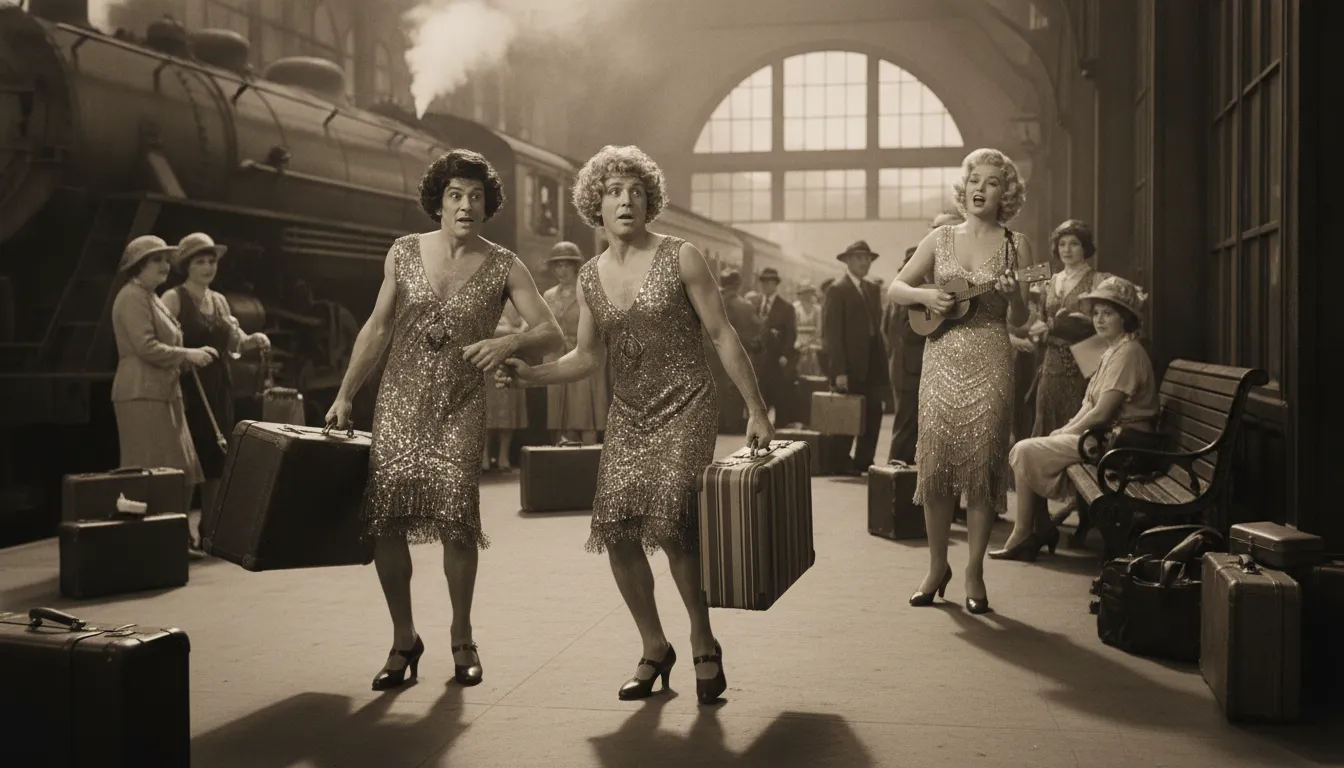
Two broke musicians witness a gangland massacre, throw on dresses, and join an all-girl band headed for Florida. That is the setup for Some Like It Hot, released in 1959, and it still moves like it’s late for a train.
Tony Curtis and Jack Lemmon play Joe and Jerry, who become “Josephine” and “Daphne.” Marilyn Monroe, as ukulele-strumming singer Sugar Kane Kowalczyk, steals every scene she walks into. Watch their first wobbly steps in heels at the train station. It is physical comedy that never feels forced.
The film arrived without the Production Code’s seal of approval and was banned in Kansas. Yet its final line, delivered by Joe E. Brown, is still one of the cleanest punchlines ever filmed: “Well, nobody’s perfect.”
The jokes survive because they come from character, not from 1959 headlines. Look for the funeral-parlor speakeasy in the opening minutes, the sleeper-car party, and the hotel-lobby chaos. The jazz score and period costumes add texture without ever crowding the gags.
But the next film turns a rainstorm into the happiest few minutes Hollywood ever shot, and its story is stranger than you’d guess.
#19 – Singin’ in the Rain Proves Pure Joy Is Timeless
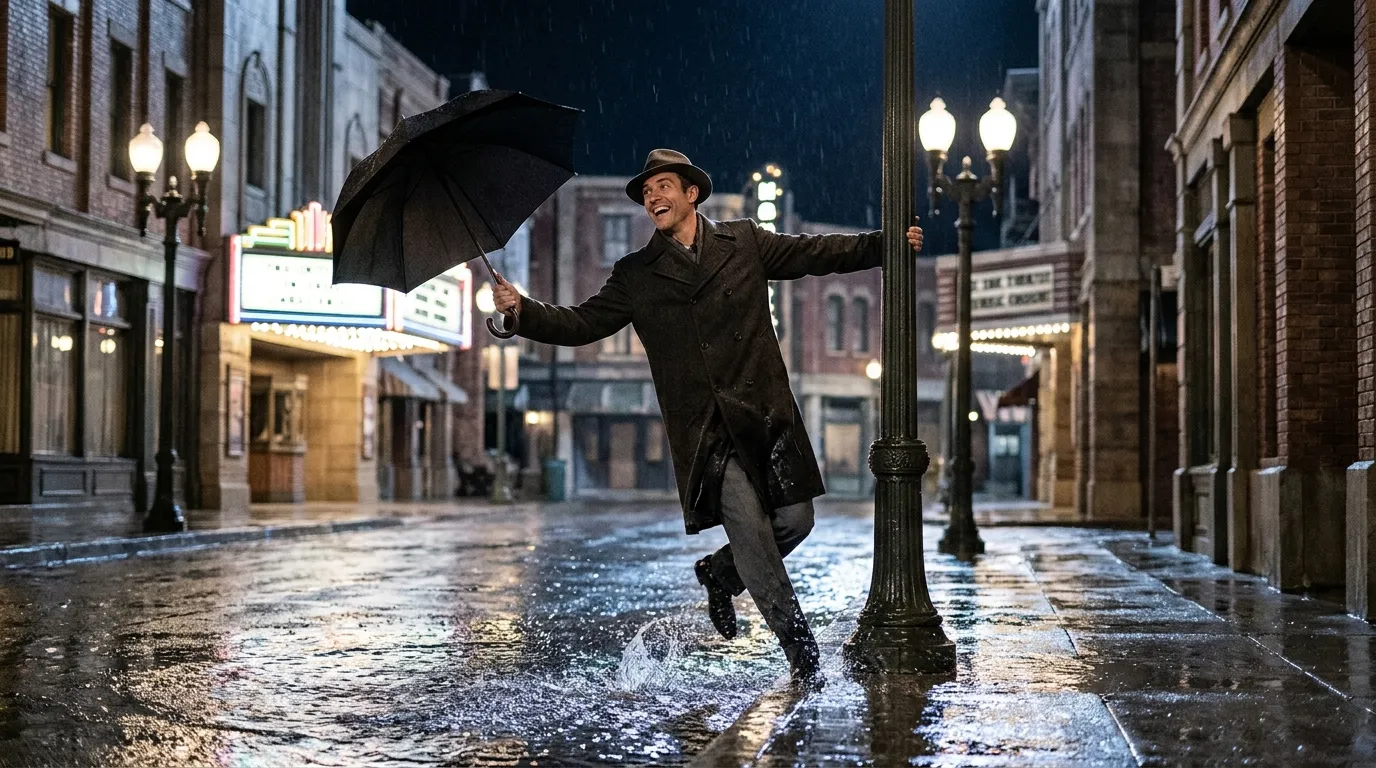
Picture a man splashing through a flooded street, grinning like the weather personally did him a favor. That is the image most people carry from Singin’ in the Rain, released in 1952 and set during Hollywood’s panicked shift from silent films to talkies.
Gene Kelly, who also co-directed with Stanley Donen, turns a lamppost, an umbrella, and a puddle into pure charisma. Donald O’Connor’s “Make ‘Em Laugh” is a one-man demolition derby of flips, pratfalls, and a run up a wall that still draws gasps.
The film was a solid success but not yet the legend it is now. It earned just two Oscar nominations, and its reputation grew over the decades through TV airings and rewatches.
Notice how the numbers drive the story instead of pausing it. The “Good Morning” trio, with Kelly, O’Connor, and Debbie Reynolds tumbling over a living-room couch, feels spontaneous even though every step was rehearsed to the inch. The Technicolor palette still pops, and the comedy of early sound recording, with its hidden microphones and stiff stars, remains funny.
But the next film swaps the rain for a palace window and a princess who vanishes into the streets for one stolen day.
#18 – Roman Holiday Makes One Day of Freedom Unforgettable
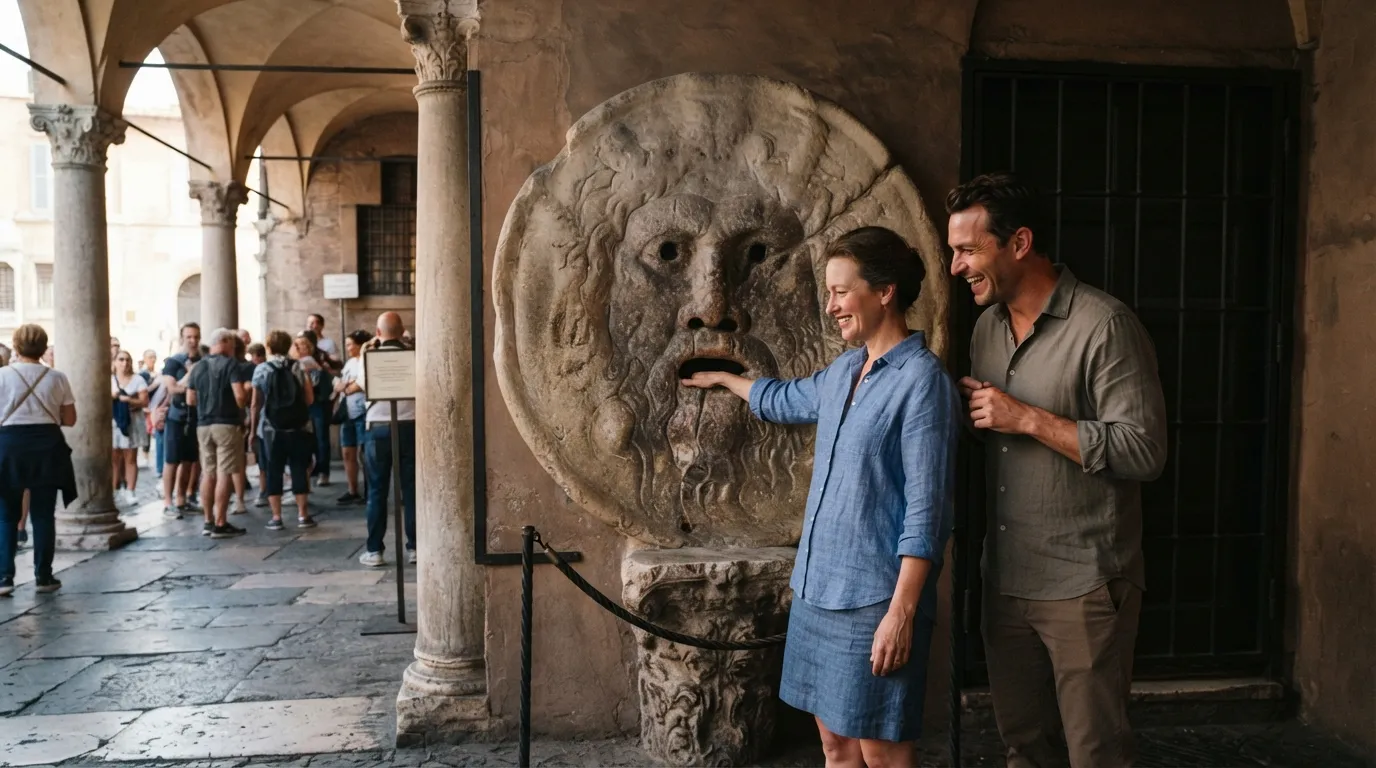
A princess slips out of a palace window for one day and disappears into the streets of Rome. Roman Holiday, released in 1953, is built on that single, delicious idea.
Audrey Hepburn, in her first major Hollywood role, plays Princess Ann, and Gregory Peck plays Joe Bradley, an American reporter who realizes who she is and keeps quiet. Hepburn won the Oscar for Best Actress. Director William Wyler shot on location in Rome, which was unusual for Hollywood at the time.
That choice is the reason to watch now. You get a scooter ride through traffic, a gelato on the Spanish Steps, and the famous Mouth of Truth scene, where Peck’s gag with his hand in his sleeve was reportedly a surprise to Hepburn.
There’s a hidden story, too. Blacklisted writer Dalton Trumbo wrote the script, but a friend’s name went on it, and the Academy formally recognized Trumbo decades later.
But our next film trades the sunlit streets of Rome for a sweaty jury room with the door locked.
#17 – 12 Angry Men Turns One Room Into a Pressure Cooker
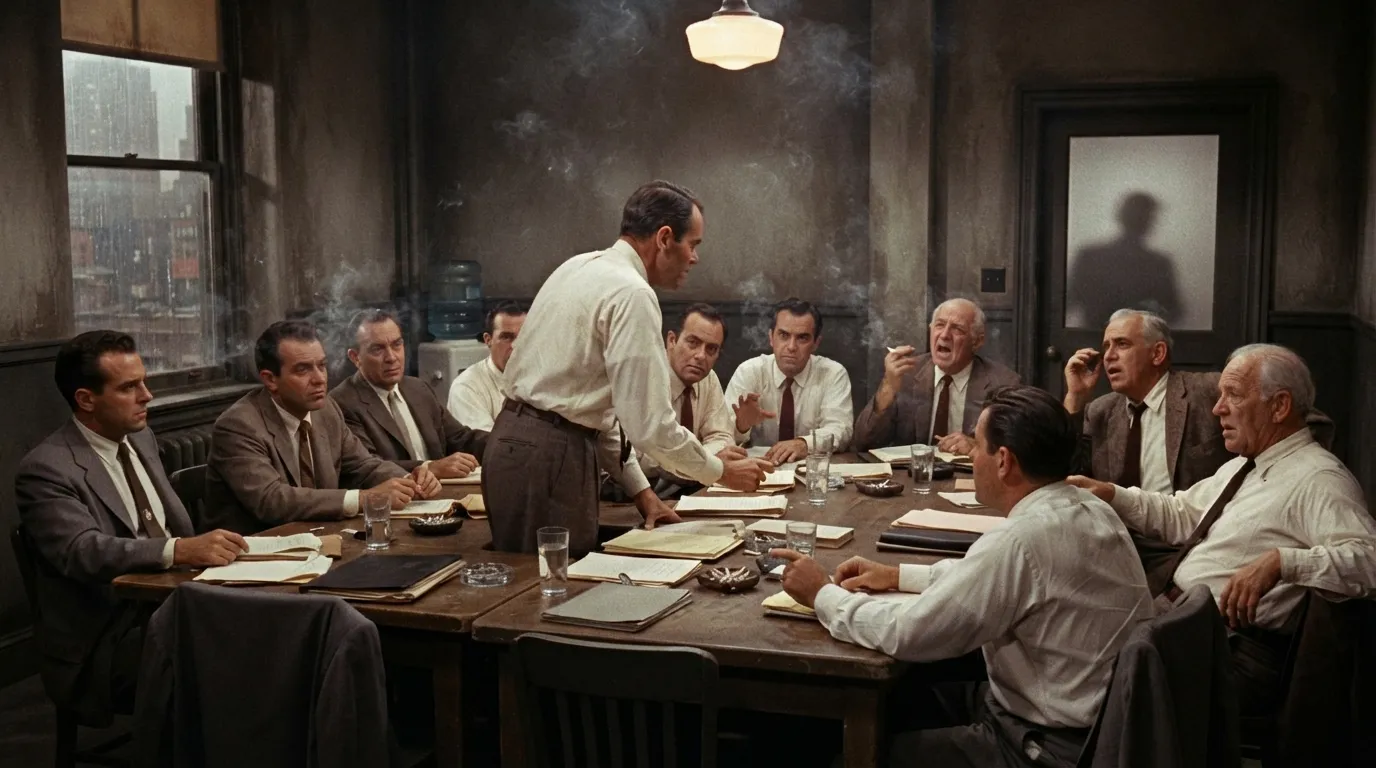
The door closes and the movie never really leaves. In 12 Angry Men, released in 1957, twelve jurors must decide a young man’s fate on a sweltering afternoon.
It was Sidney Lumet’s feature debut, adapted from Reginald Rose’s 1954 television play, and Henry Fonda both starred and helped produce. The film earned three Oscar nominations, for Best Picture, Director, and Adapted Screenplay.
Fast Facts
- Released in 1957, shot in black and white
- Runs a tight 96 minutes
- Nearly the whole story unfolds in a single jury room
- Adapted from Reginald Rose’s 1954 TV play
The craft is what keeps it fresh. Lumet gradually changed camera angles and lenses so that the room seems to shrink as tempers rise. Most of the jurors are known only by number until the very end.
Every argument feels like a real person defending a prejudice, a fear, or a bruise from their own life. That is why the film plays as well today as it did then.
But next, a man with a broken leg and a pair of binoculars discovers that watching can be dangerous.
#16 – Rear Window Makes Nosiness Feel Like a Thriller
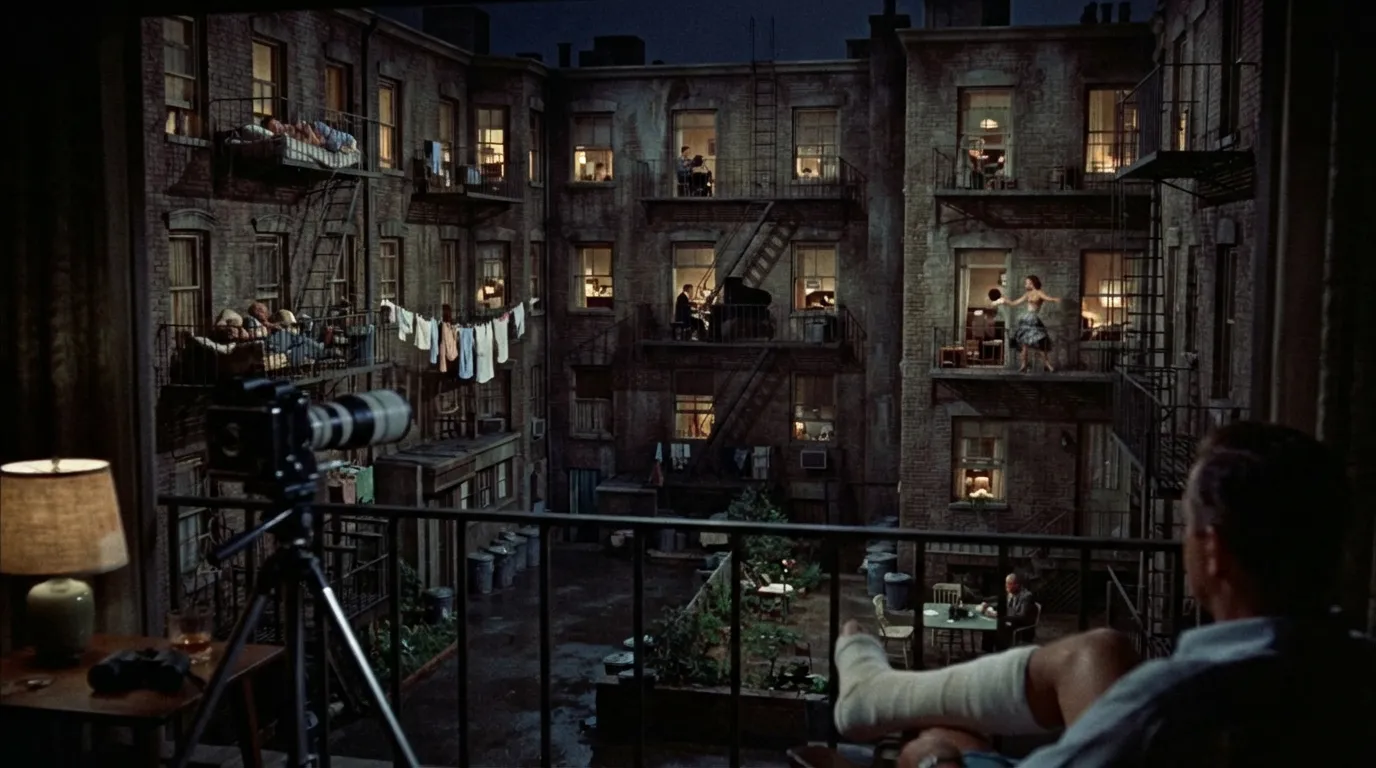
A photographer stuck in a cast, a hot New York summer, and a courtyard full of open windows. Rear Window, released in 1954, makes boredom the most dangerous thing in the neighborhood.
James Stewart plays L.B. “Jeff” Jefferies, who spies on his neighbors and starts to suspect a murder. Grace Kelly arrives as Lisa Fremont, and Thelma Ritter steals scenes as his sharp-tongued nurse, Stella. Alfred Hitchcock based the film on a short story by Cornell Woolrich.
The entire courtyard was a single enormous set built at Paramount, with dozens of apartments, each a tiny story in itself. A musician struggles with a song, a dancer rehearses, a couple sleeps on a fire escape.
Hitchcock keeps the camera almost entirely in Jeff’s apartment, so you only know what Jeff knows. That restriction is why the suspense still tightens.
But the next film opens with a body floating in a swimming pool, and the corpse is the narrator.
#15 – Sunset Boulevard Is Hollywood Eating Its Own Dreams
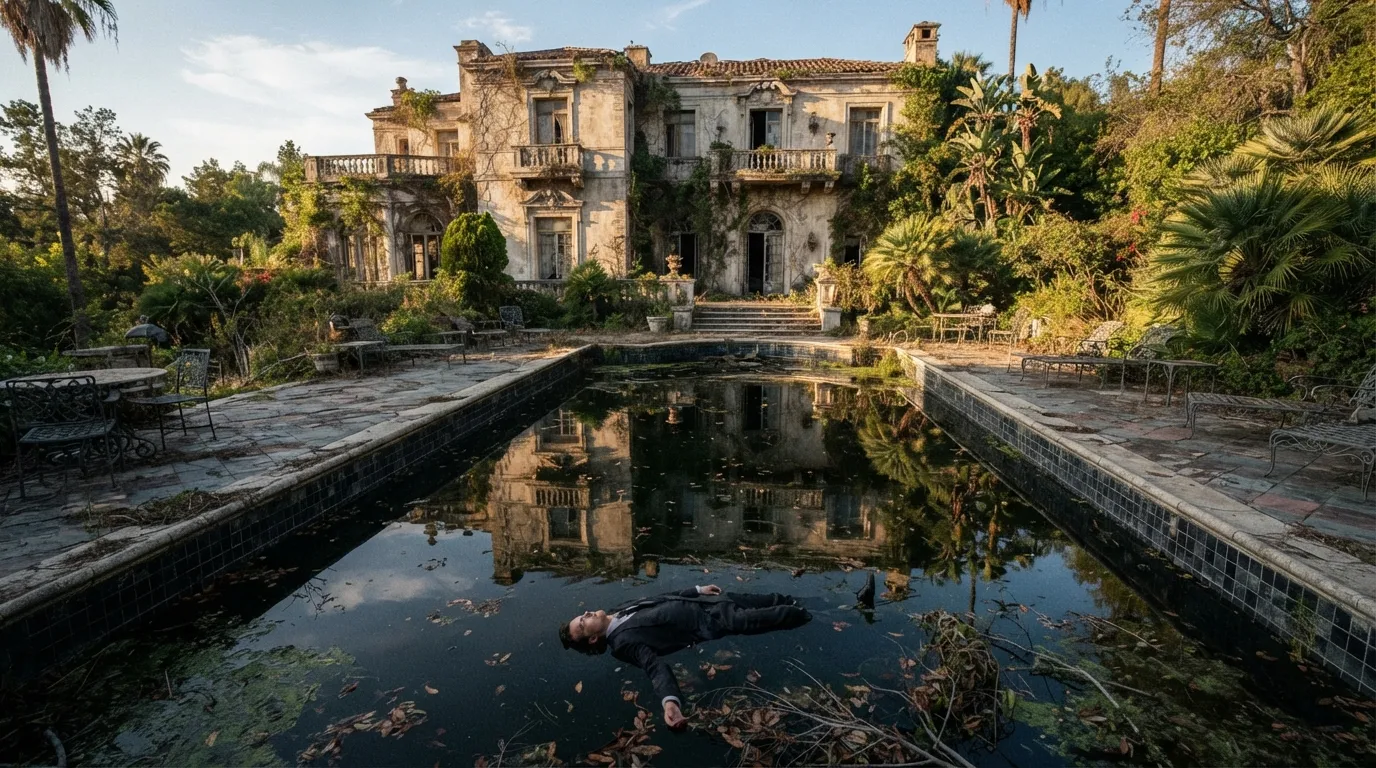
A dead screenwriter tells you the story while floating face-down in a pool. That’s how Sunset Boulevard begins in 1950, and it only gets darker and funnier from there.
William Holden plays Joe Gillis, a broke writer who takes shelter in the decaying mansion of Norma Desmond, a forgotten silent-film star. Gloria Swanson, herself a silent-era star, plays Norma with theatrical, haunting commitment. Billy Wilder directed and co-wrote.
All right, Mr. DeMille, I’m ready for my close-up.
Norma Desmond, Sunset Boulevard
The casting is part of the fun. Erich von Stroheim, a famous silent-era director, plays Norma’s butler Max, and Cecil B. DeMille appears as himself. The film won three Oscars, including one for its screenplay.
Its portrait of a business that discards its stars is as sharp now as it was then.
But our next film has no stars at all, just a stolen bicycle and a father who can’t afford to lose it.
#14 – Bicycle Thieves Hits Harder Than Any Blockbuster
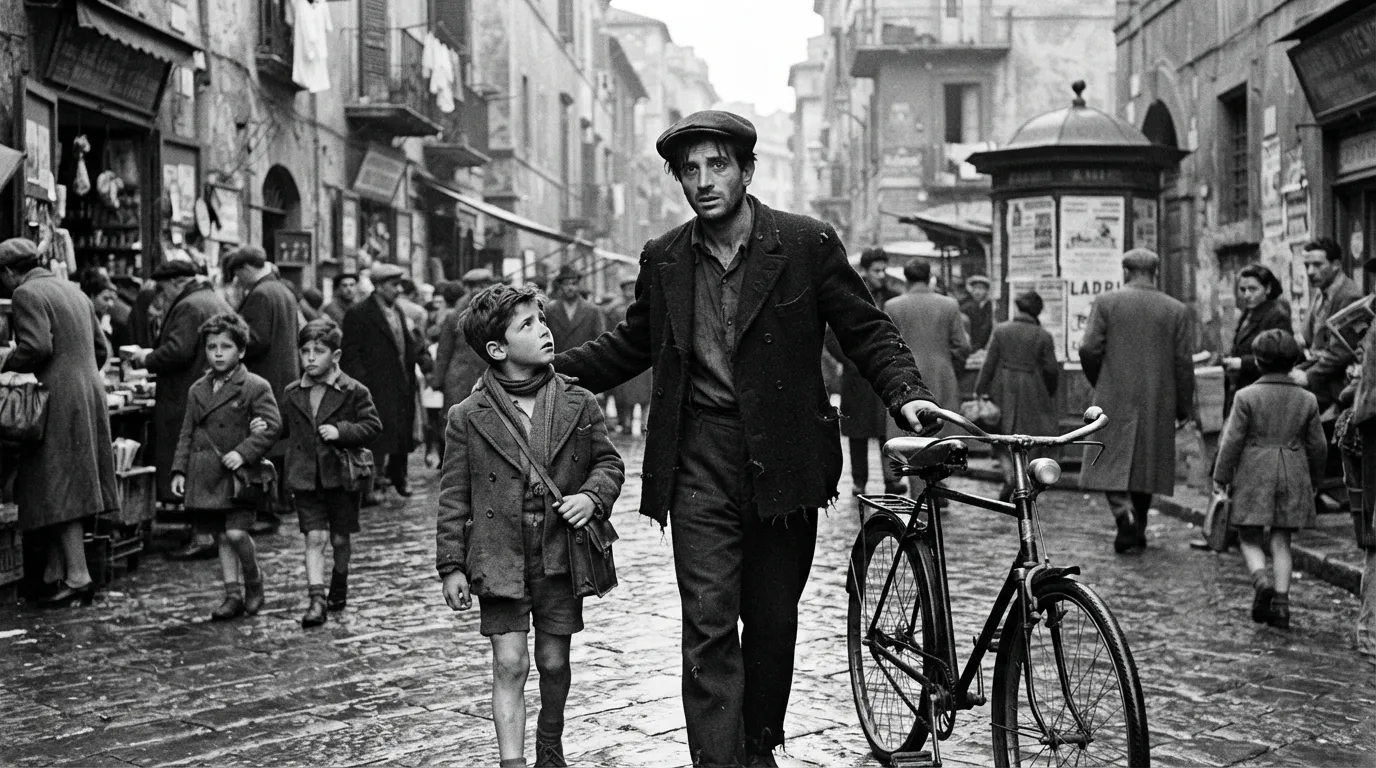
A bicycle shouldn’t be able to break your heart. Yet in Bicycle Thieves, released in 1948, it carries an entire family’s survival.
Director Vittorio De Sica shot in the streets of postwar Rome and cast non-professional actors. Lamberto Maggiorani, who played father Antonio Ricci, was a factory worker, and young Enzo Staiola played his son, Bruno. The Academy gave the film an honorary award.
Antonio needs the bike to hold a job pasting posters, and when it’s stolen, he and Bruno search the city. Look at the crowded markets, the rain, and the long silences. The film never begs you to cry, which is exactly why you do.
It’s a movie about dignity and desperation that still feels unnervingly current.
But the next film flopped when it arrived, and then became one of the most-watched holiday movies of all time.
#13 – It’s a Wonderful Life Won Its Fans Years Later
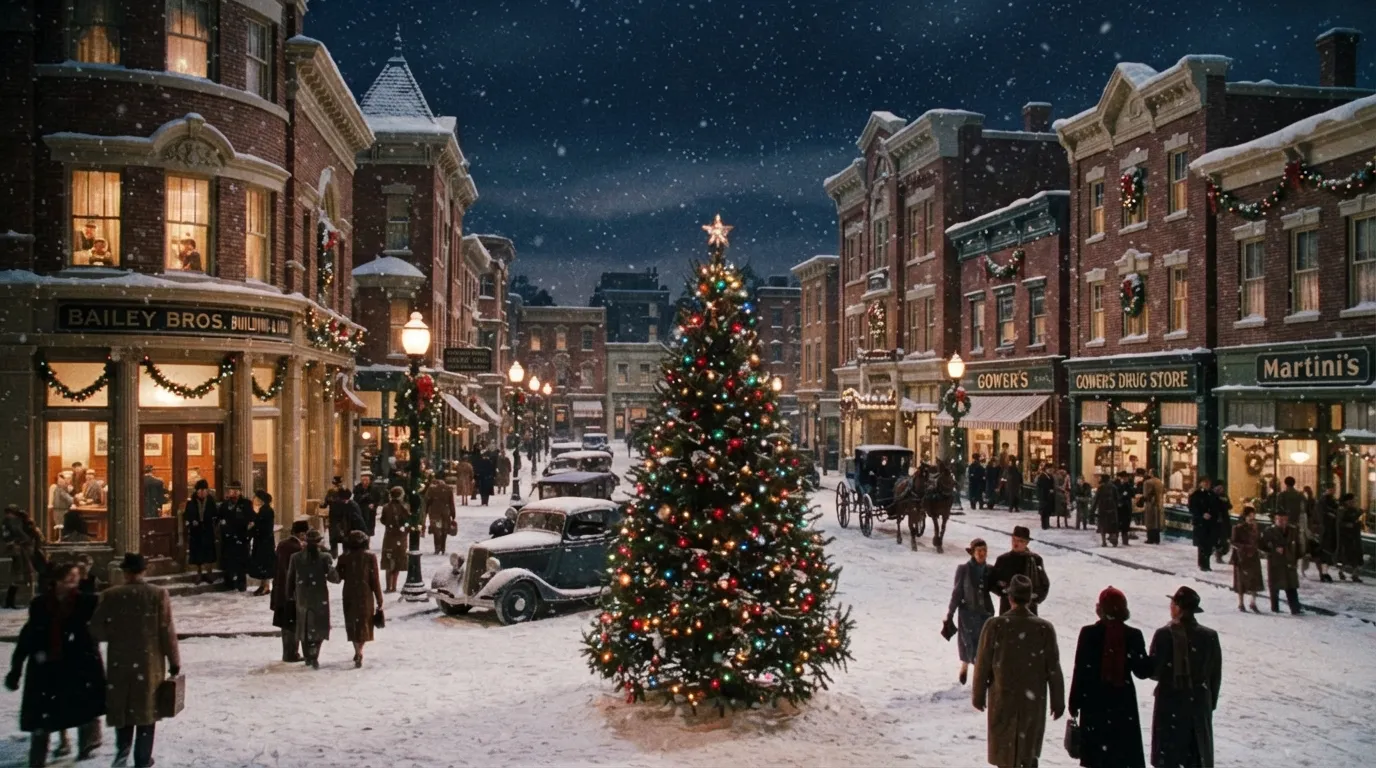
Here is a twist: the movie that now defines Christmas for millions was a disappointment in its first run. Frank Capra’s It’s a Wonderful Life opened in December 1946 and did not become the sure thing it was expected to be.
James Stewart plays George Bailey, a small-town man whose dreams keep getting postponed. When despair hits on Christmas Eve, an angel named Clarence shows him what Bedford Falls would be like without him. The film earned five Oscar nominations.
Its comeback was partly an accident of timing. After the copyright reportedly lapsed in 1974, TV stations could air it freely, and it started appearing again and again every holiday season.
Watch for the dance-floor pool scene, the run through town, and Stewart’s raw, almost frightening panic. It’s sentimental, but the sadness is real, and that’s why the warmth works.
But the next film turns a roadside motel into a place that has made people hesitate before a shower for decades.
#12 – Psycho Still Knows Exactly When to Strike
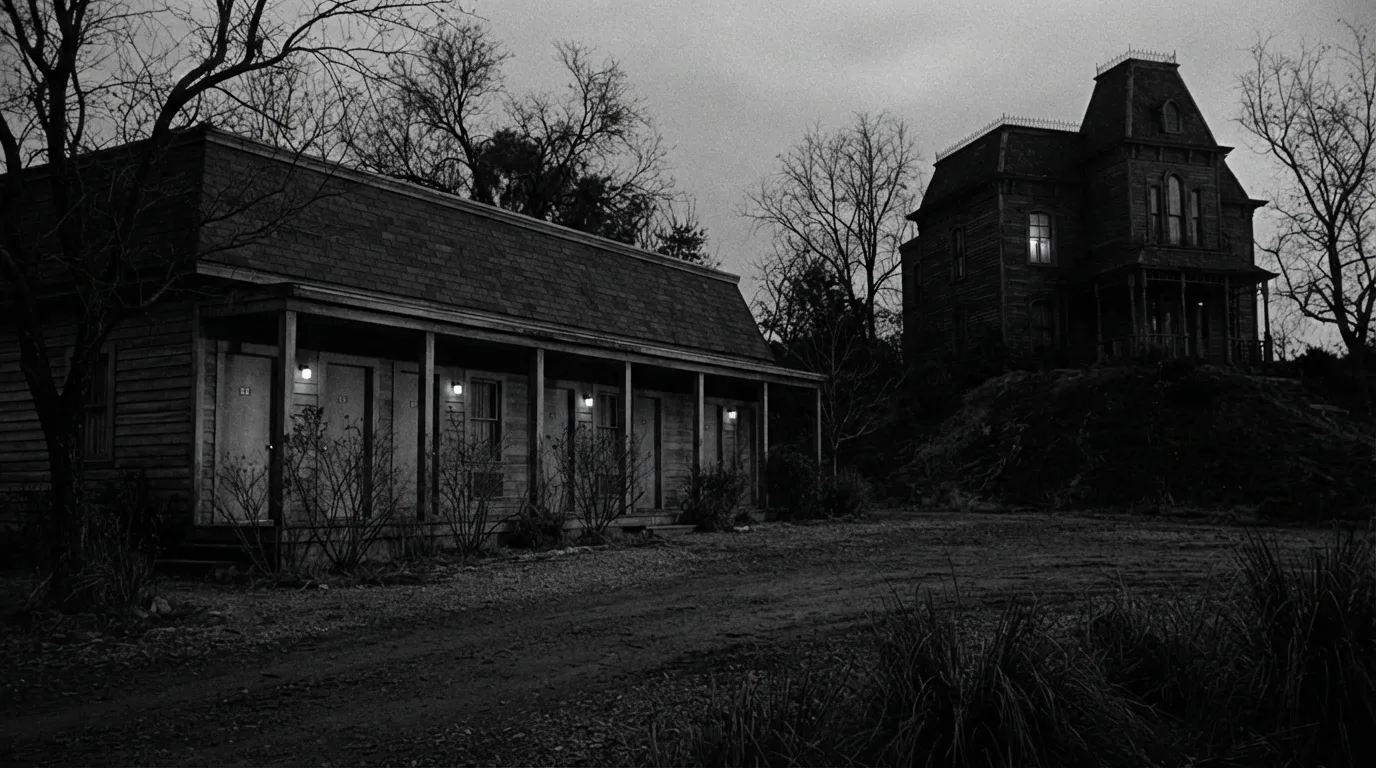
Most movies make you wait for the shock. Psycho, released in 1960, plants a twist so early that audiences in the original run were reportedly stunned.
Alfred Hitchcock shot it quickly and cheaply in black and white, using crew members from his television series. Janet Leigh plays Marion Crane, who steals $40,000 and ends up at the Bates Motel, run by the polite and nervous Norman Bates, played by Anthony Perkins.
Bernard Herrmann’s score uses only string instruments, and it is jarring. Saul Bass, who designed the film’s titles, also worked as a visual consultant on the famous shower scene.
Hitchcock also insisted theaters refuse late admissions, a marketing move that turned seeing the film into an event. Watch it now and you’ll see how much of the dread comes from small things: the bird-filled parlor, the old house on the hill, Norman’s awkward silences.
But next, the scariest thing in the room isn’t a killer. It’s a bomb, and the men in charge are comically unprepared.
#11 – Dr. Strangelove Is Cold War Panic Played for Laughs
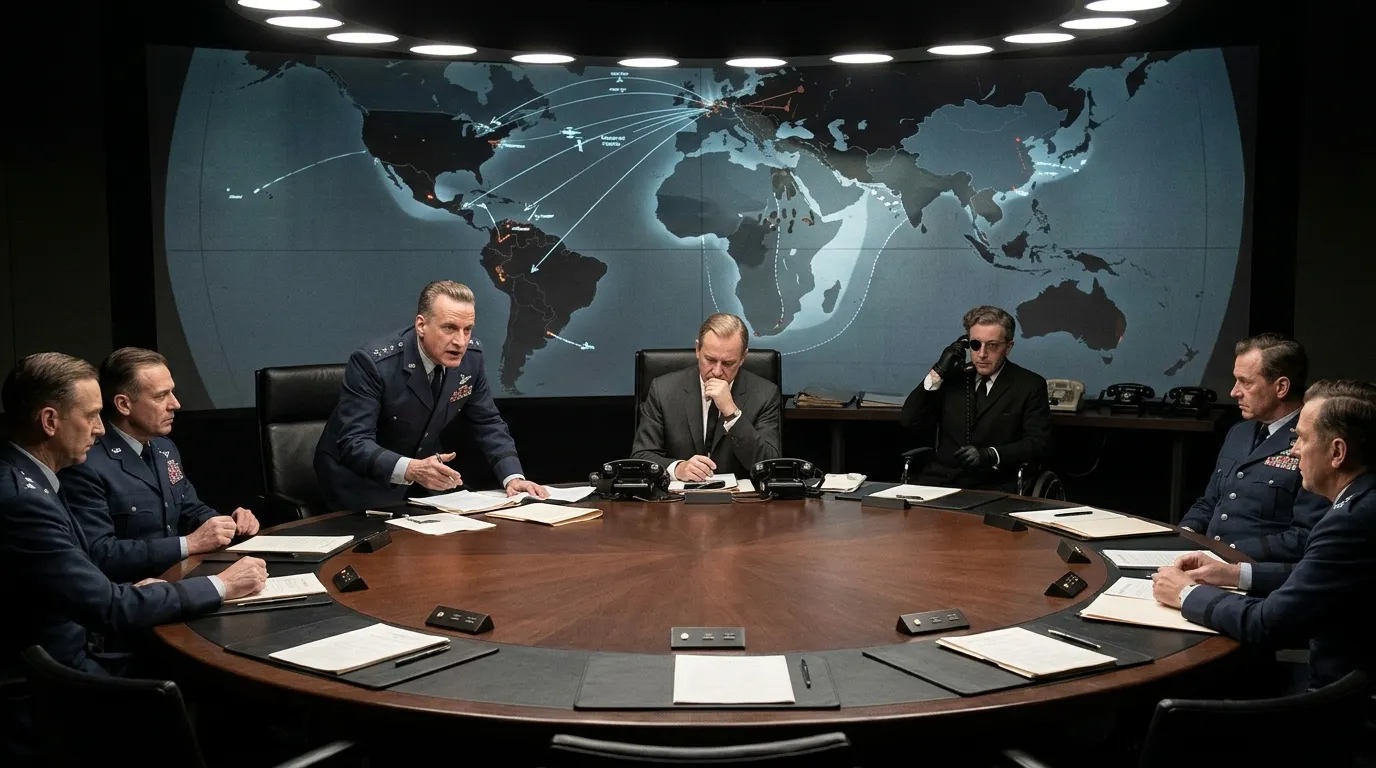
Imagine a nuclear crisis where the biggest danger is human stupidity. Stanley Kubrick’s Dr. Strangelove, released in 1964, has the nerve to find that hilarious.
The full title is Dr. Strangelove or: How I Learned to Stop Worrying and Love the Bomb. Peter Sellers plays three roles: RAF Captain Mandrake, President Merkin Muffley, and the title character. George C. Scott brings explosive energy as General Buck Turgidson.
Sellers was also meant to play the bomber pilot, but after he dropped out of that role, Slim Pickens took over. His rodeo-style ride on the falling bomb is one of cinema’s most remembered images.
Notice the War Room itself, with its giant circular table and the line, “Gentlemen, you can’t fight in here! This is the War Room!” Every joke has teeth.
But our next film flips the mood completely: a ruined village, a muddy battlefield, and seven hired swords.
#10 – Seven Samurai Set the Template for Every Team-Up Movie
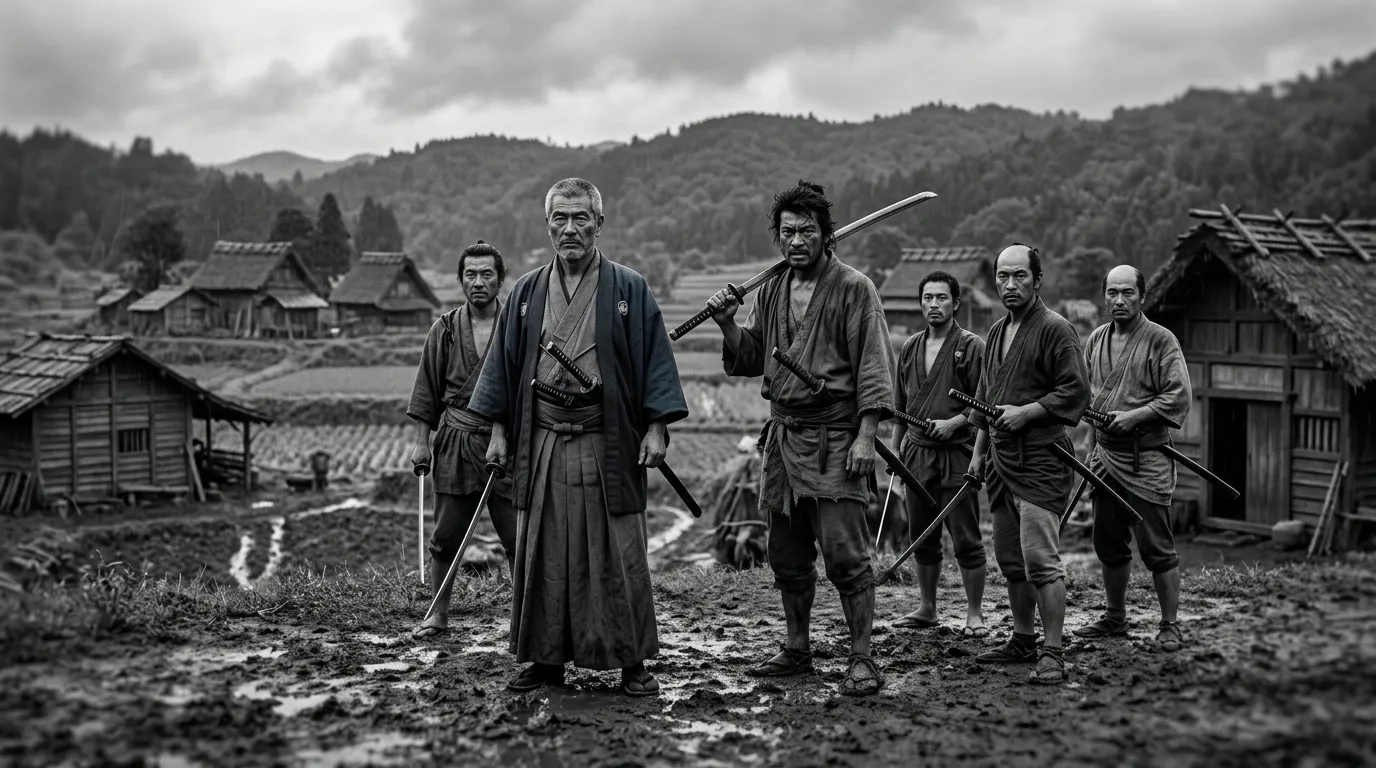
Farmers have no way to fight bandits, so they do something bold: they hire samurai who can only be paid in rice. That is the premise of Akira Kurosawa’s Seven Samurai, released in 1954.
Takashi Shimura plays the wise leader Kambei, and Toshiro Mifune plays the wild, scene-stealing Kikuchiyo. The original cut runs about three and a half hours, yet the pacing never feels lazy.
You can see its influence everywhere. The 1960 Western The Magnificent Seven borrowed the story directly, and the “assemble the team” formula has been copied for decades.
Quick Compare
- Seven Samurai (1954): Directed by Akira Kurosawa, set in feudal Japan, with hired samurai defending a farming village
- The Magnificent Seven (1960): Directed by John Sturges, set in the Old West, with hired gunfighters defending a Mexican village
Watch the recruiting scenes, the training of the villagers, and the final battle in pounding rain and mud. It’s a lesson in how to make you care about everyone on screen.
But the next film’s hero is brave in a different way: he’s terrified of heights, and he’s following a woman he can’t explain.
#9 – Vertigo Gets Stranger and Sadder With Every Viewing
A retired detective with a fear of heights is hired to follow a woman through San Francisco. Alfred Hitchcock’s Vertigo, released in 1958, begins like a mystery and slowly becomes something much more obsessive.
James Stewart plays Scottie Ferguson, and Kim Novak plays the woman at the center of the case. Real locations, including Fort Point beneath the Golden Gate Bridge and Mission San Juan Bautista, give the story a dreamlike city.
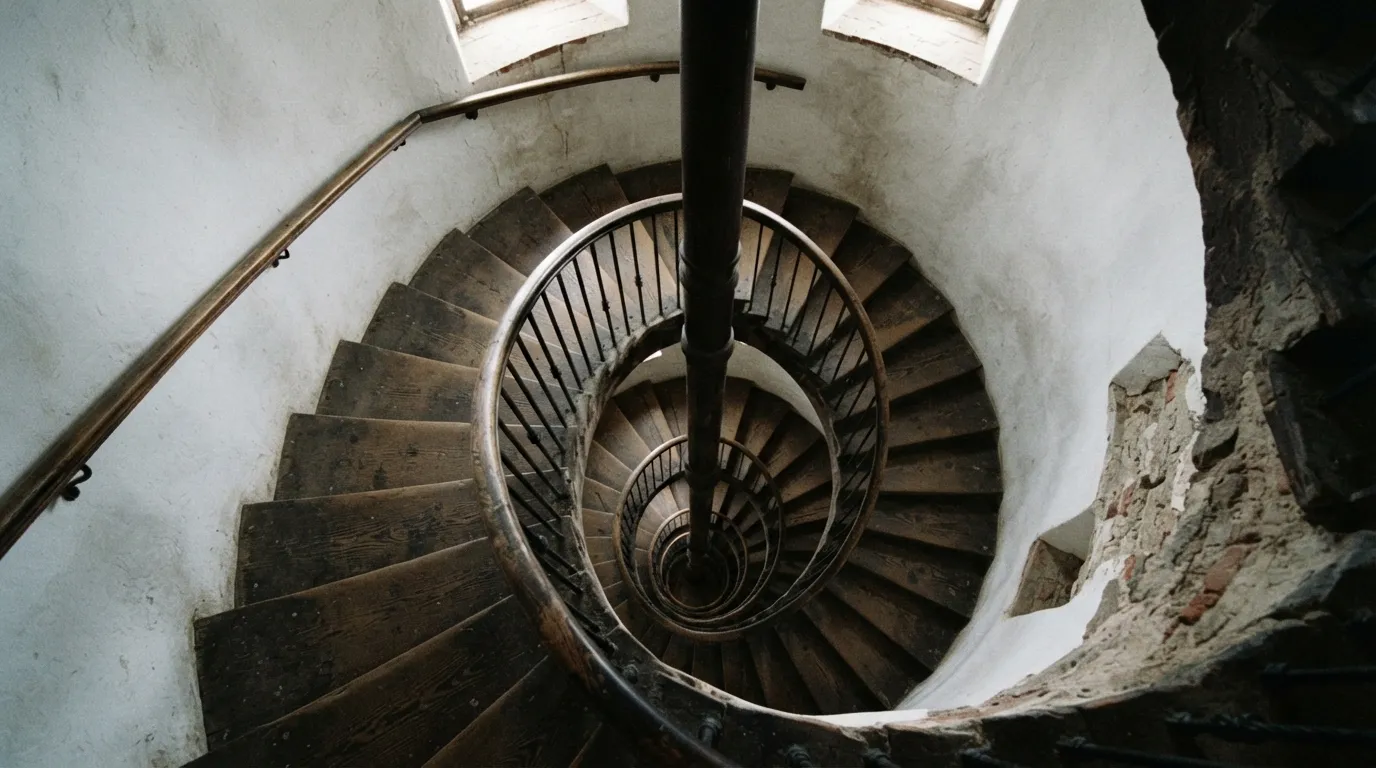
The film made famous the dolly zoom, the effect that stretches a hallway or a stairwell while the subject stays still. It makes the viewer feel dizzy without a single line of dialogue.
Reviews were mixed at first, but time was kind. In 2012, the Sight & Sound critics’ poll ranked it the greatest film ever made, knocking Citizen Kane from the top.
But the next film has a different kind of vertigo: an endless desert, and one match that burns down to a sunrise.
#8 – Lawrence of Arabia Still Looks Bigger Than Anything on Your Phone

A man blows out a match, and the film cuts to the sun rising over the desert. That one edit in Lawrence of Arabia, released in 1962, is among the most famous in cinema history.
David Lean directed the epic about T.E. Lawrence, with Peter O’Toole in the lead. The film shot in Jordan, Morocco, and Spain in wide 70mm, and it won seven Oscars, including Best Picture.
Wait for Omar Sharif’s entrance. He appears as a tiny speck in the heat shimmer and slowly grows into a rider. Lean lets you feel the distance and the heat.
Maurice Jarre’s sweeping score does the rest. Restored versions exist, and if you ever have the chance to see it on a big screen, take it.
But the next film is about a man whose last word sends a reporter hunting through a lifetime of wealth.
#7 – Citizen Kane Earned Its Reputation the Hard Way
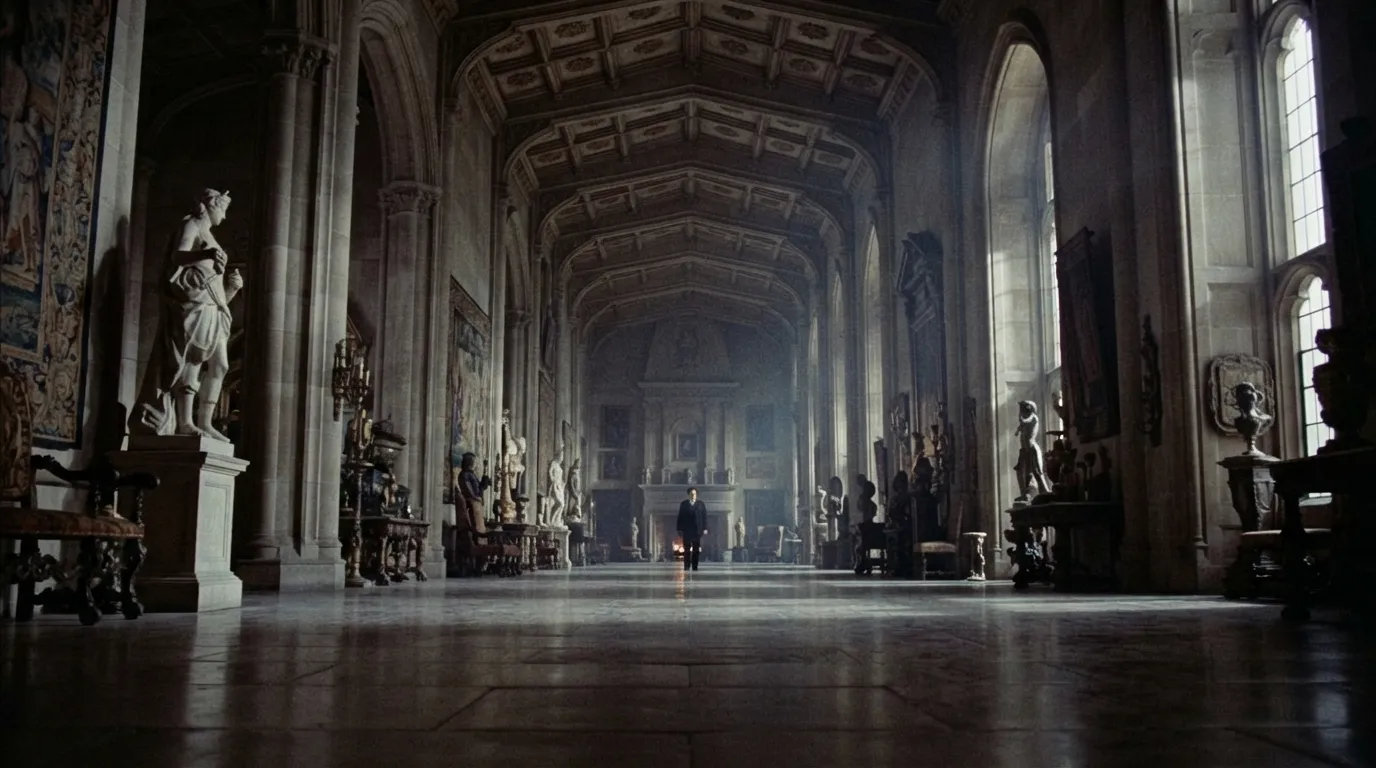
A man dies in a giant mansion and whispers a single word. Orson Welles’s Citizen Kane, released in 1941, turns that word into a mystery that unfolds across a whole life.
Welles was only 25 when the film came out. He co-wrote it with Herman Mankiewicz, starred as Charles Foster Kane, and worked with cinematographer Gregg Toland on deep-focus shots that keep both foreground and background sharp.
The story echoed publisher William Randolph Hearst closely enough that Hearst fought to hurt the film. It won the Oscar for Best Original Screenplay, but did not win Best Picture.
Look for the low angles that show ceilings, the overlapping dialogue, and the time-jumping breakfast-table montage. The Sight & Sound critics’ poll ranked it first every ten years from 1962 through 2002.
But our next film begins with a wedding and an offer, and a quiet man who changes everything.
#6 – The Godfather Makes Power Feel Quiet and Terrifying
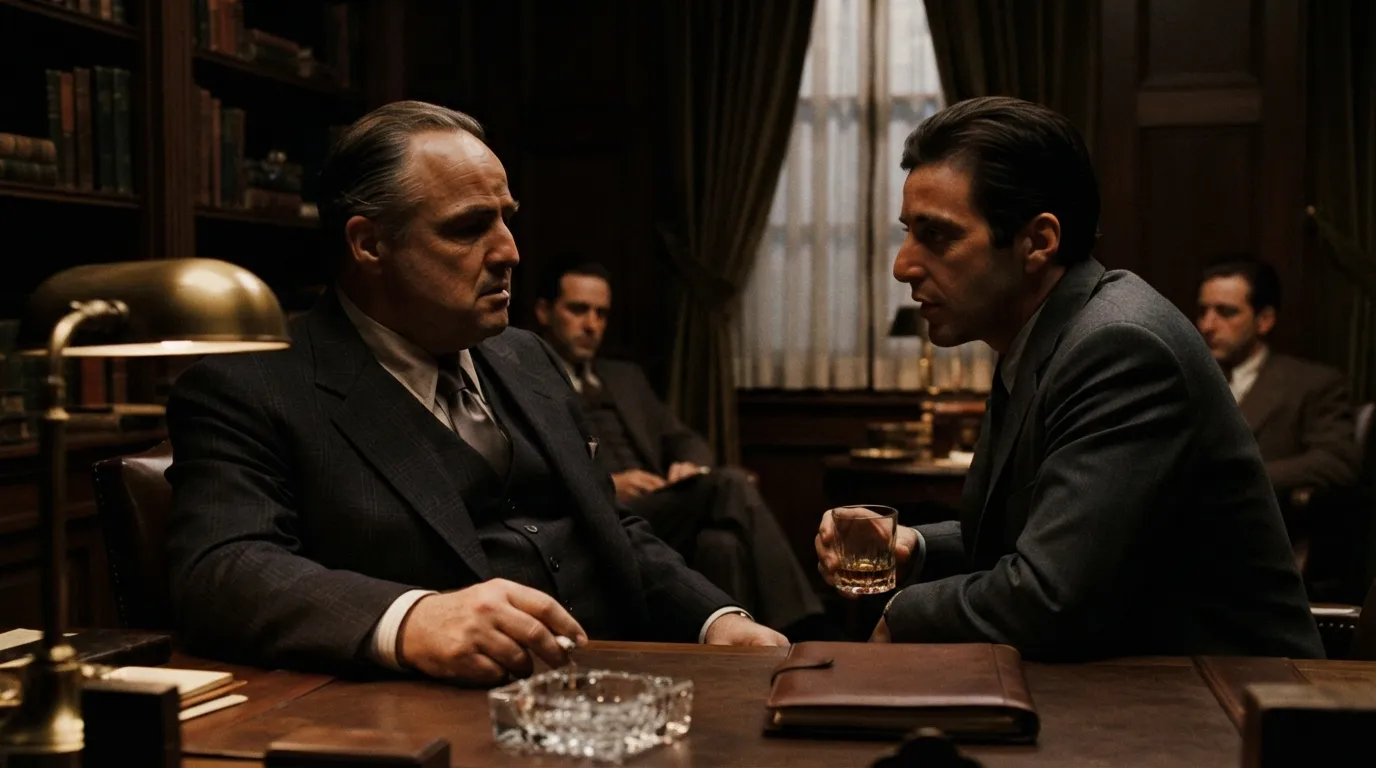
The first scene is a man asking for a favor on his daughter’s wedding day. The Godfather, released in 1972, begins with a request and builds into an American tragedy.
Francis Ford Coppola directed the adaptation of Mario Puzo’s novel. Marlon Brando won Best Actor as Vito Corleone, and Al Pacino plays Michael, even though the studio was reportedly reluctant about his casting. The film won Best Picture.
Gordon Willis’s cinematography uses deep shadows in the interiors, so faces are half-hidden when men discuss business. Nino Rota’s score gives the family both warmth and menace.
It remains one of the great movies about loyalty, and about what that loyalty costs.
But the next film proves that the scariest thing you can show an audience may be nothing at all.
#5 – Jaws Became a Hit Because the Shark Wouldn’t Work
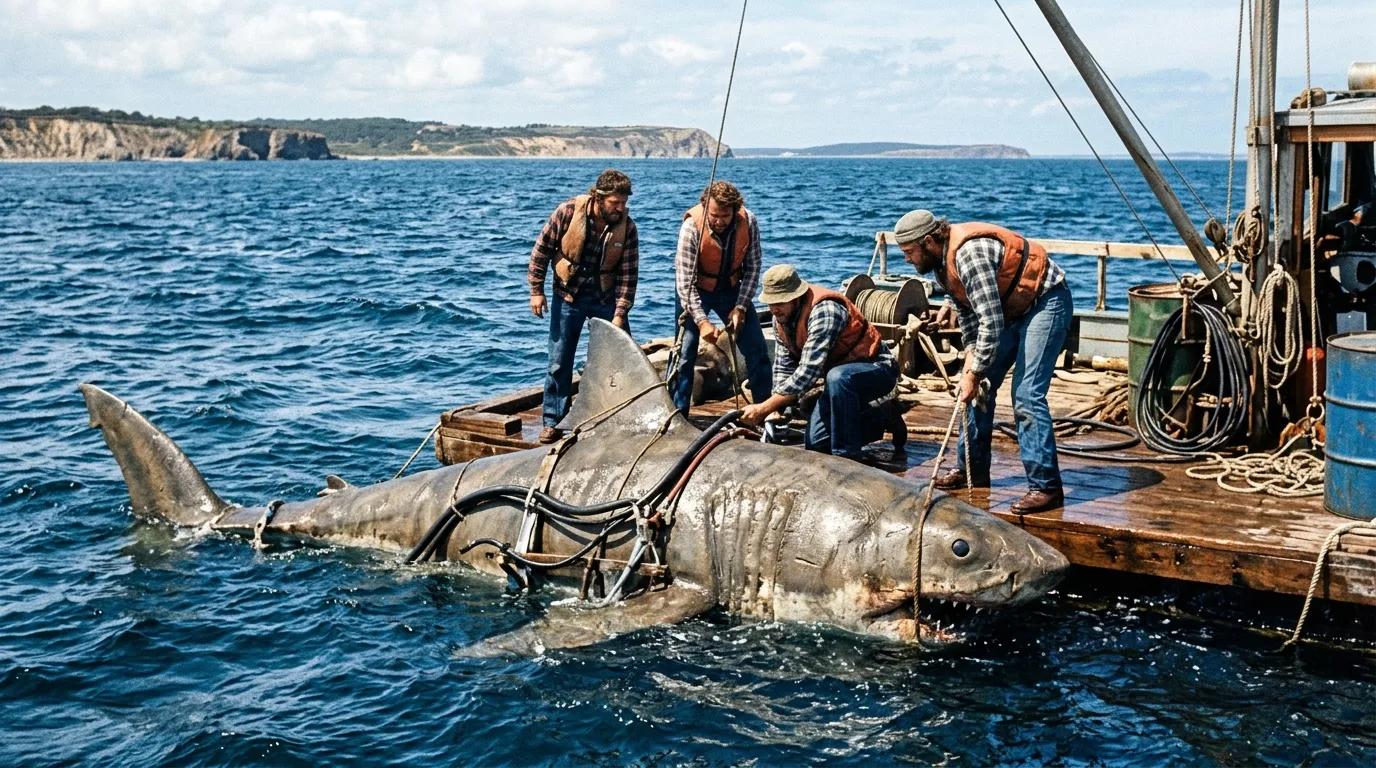
Here is the irony of Jaws, released on June 20, 1975: the mechanical shark was so unreliable that Steven Spielberg had to hide it. That decision made the movie scarier.
Spielberg shot on the open water off Martha’s Vineyard, where the saltwater and the waves were hard on the equipment. The crew nicknamed the shark Bruce. Instead of showing the creature, Spielberg used floating barrels, rippling water, and John Williams’s two-note theme.
Worth Knowing
- Based on Peter Benchley’s 1974 novel
- Won three Oscars: Film Editing, Original Score, and Sound
- The shoot was scheduled for about 55 days and stretched to roughly 159
- Shot on the real ocean, not in a studio tank
Roy Scheider, Robert Shaw, and Richard Dreyfuss play three very different men on one small boat. Shaw’s USS Indianapolis speech, delivered in almost a whisper, remains the film’s most chilling moment.
It’s often called the first summer blockbuster. Watch it now and you’ll notice how patient it is, how long it waits before the big payoff.
But the next film takes us to a galaxy far, far away, and the fantasy was built with miniatures, desert sand, and nerve.
#4 – Star Wars Still Feels Handmade in the Best Way

A rebel ship flees an enormous Star Destroyer, and the screen seems to rumble. When Star Wars opened on May 25, 1977, audiences had never seen anything quite like it.
George Lucas built a whole new effects shop, Industrial Light & Magic, to create the film. Tatooine’s desert scenes were shot in Tunisia, and the cast includes Mark Hamill, Harrison Ford, Carrie Fisher, and Alec Guinness.
Look closely at the models, the dirt on the spaceships, and the cluttered, lived-in feel of the cantina and the Millennium Falcon. That used-future look is why the film still reads as a real place.
It won several Oscars and launched a franchise, but the first film remains pure adventure, with a farm boy, a smuggler, and a princess who refuses to wait.
But the next film goes further into space, and it barely speaks.
#3 – 2001: A Space Odyssey Still Looks Like the Future
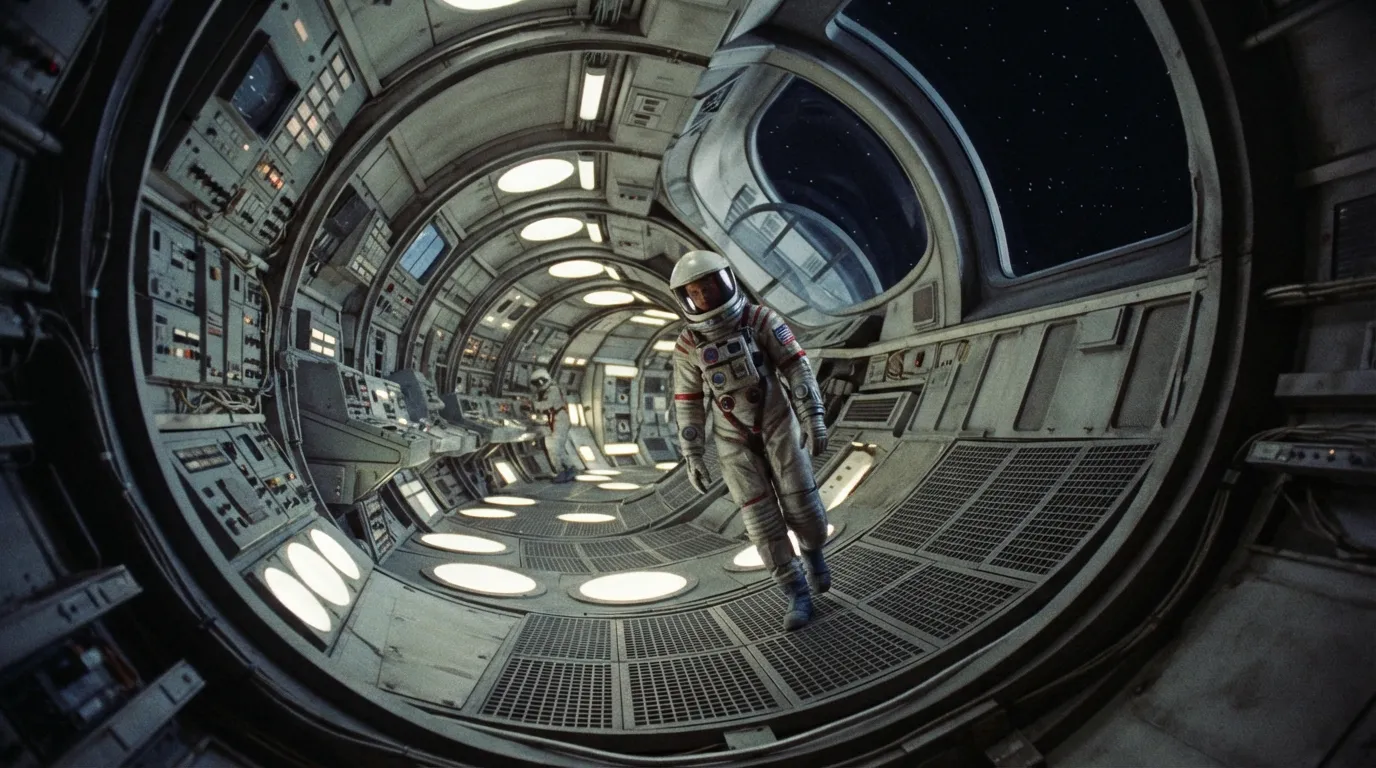
A bone spins in the air, and the film cuts to a spaceship. Stanley Kubrick’s 2001: A Space Odyssey, released in 1968, jumps millions of years in one cut.
Kubrick co-wrote the story with Arthur C. Clarke, and he won the Oscar for Best Visual Effects. The film uses no computer graphics at all. A giant rotating set built for the spacecraft’s centrifuge lets the actors walk around the inside of the wheel.
The music is unforgettable: Strauss’s “Also sprach Zarathustra” for the opening, and “The Blue Danube” for the ships drifting in space. HAL 9000, voiced by Douglas Rain, is a calm voice that becomes one of cinema’s most chilling villains.
Don’t expect a fast pace. Settle in, let the silences work, and you’ll understand why filmmakers still talk about it.
But the next film begins in black and white, and then one door opens onto a color nobody had seen on screen like that before.
#2 – The Wizard of Oz Still Opens Its Door to Wonder
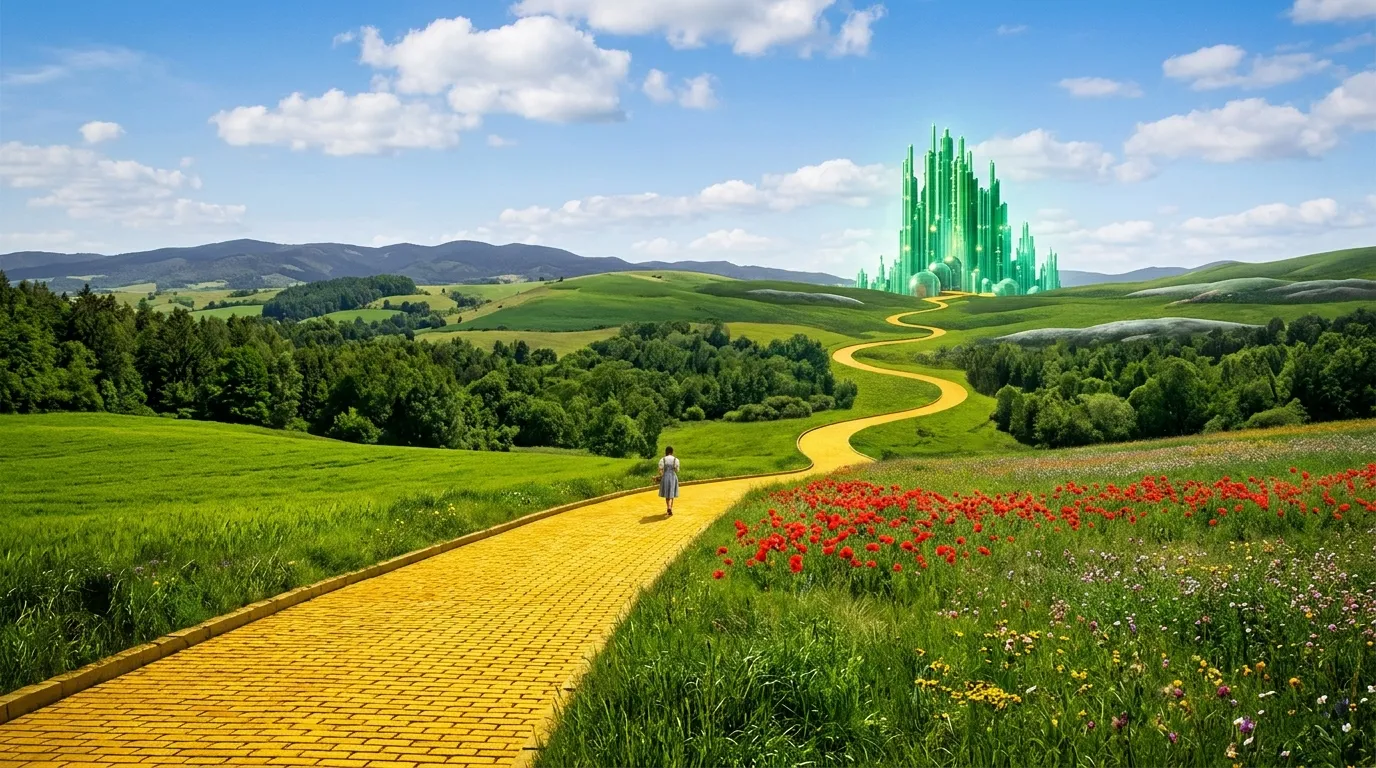
A farmhouse lands in a strange place, a girl opens the door, and the whole world turns to color. Since its 1939 release, The Wizard of Oz has made that moment feel like magic.
Judy Garland stars as Dorothy, with Ray Bolger, Bert Lahr, and Jack Haley as her companions. The film won Oscars for Best Original Song, for “Over the Rainbow,” and for Best Original Score. Kansas is shown in sepia, and Oz in glowing Technicolor.
It became a tradition when CBS first broadcast it on television in 1956. After that, generations grew up watching it every year.
Look for the Yellow Brick Road, the Emerald City sets, and the costumes that were built to be seen in Technicolor. The film is a fantasy, but it’s also a story about home.
And the film at #1 is a tale of exile, a piano, and a decision made in the fog.
#1 – Casablanca Still Wins by Being Human
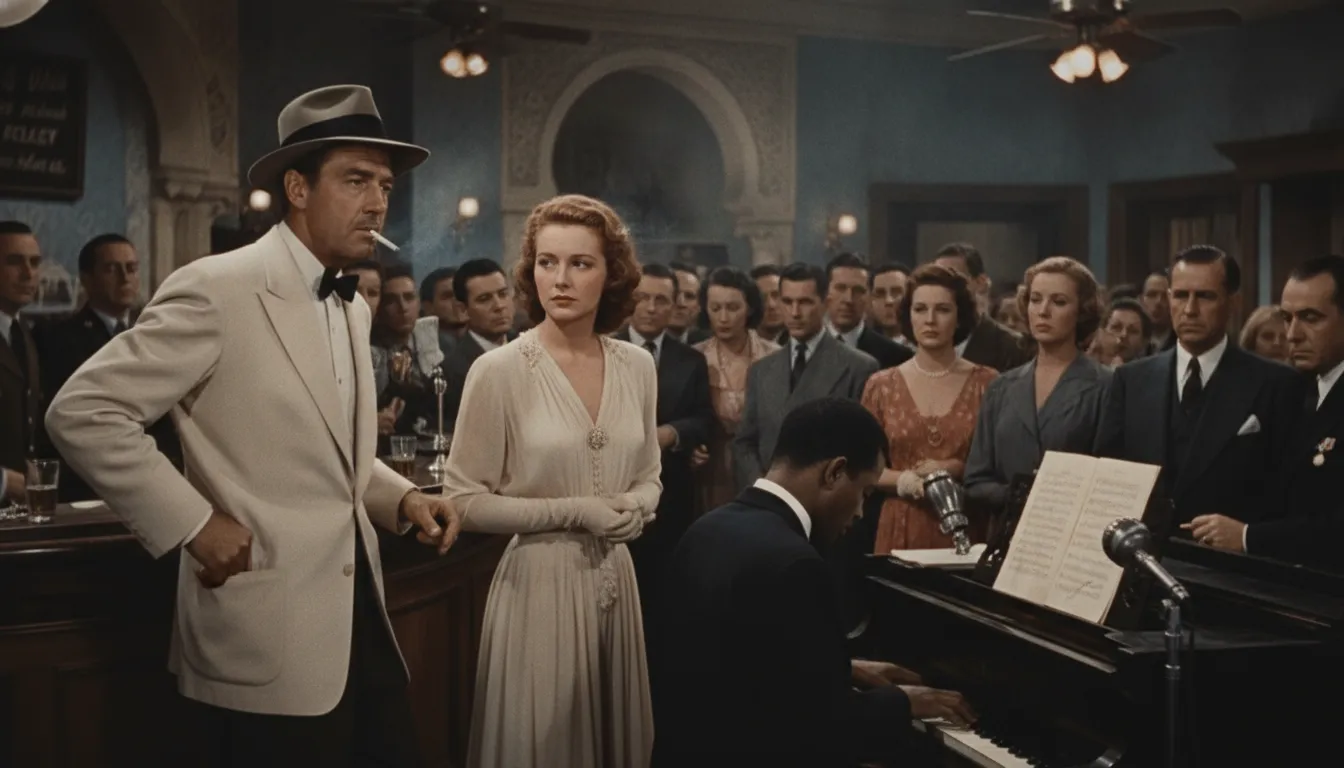
Every old movie hopes to be remembered. Casablanca, which premiered in New York on November 26, 1942, did something even rarer: it became a movie people still quote without knowing where it’s from.
Humphrey Bogart plays Rick, a cynical nightclub owner in Vichy-controlled Morocco. Ingrid Bergman plays Ilsa, who walks into his bar and brings his past with her. Dooley Wilson as Sam plays “As Time Goes By,” and the room goes quiet.
Michael Curtiz directed the film, which won Best Picture, Best Director, and Best Screenplay. The scene where patrons drown out German officers with “La Marseillaise” still gives viewers chills, and the foggy airport finale was built on a soundstage.
The script is full of lines you already know, from “Here’s looking at you, kid” to the last exchange about a beautiful friendship. But what lasts is the feeling: love, duty, and sacrifice, all in a single choice.
That is the secret behind all twenty movies here. Special effects age, fashions change, and tastes shift, but a great story about people who want something badly never goes out of style.
CEO-Co-Founder