
- Unforgettable Opening Acts That Became Bigger Than The Headliners - October 10, 2026
- What Your Favorite Childhood Book Says About You - October 10, 2026
- 30 Celebrities Who Were Everywhere in the 1970s and Then Quietly Stepped Away - October 10, 2026
These are 25 real cars that rolled out of 1970s factories and then, one by one, went out of production. Some died because the world changed around them. Oil shortages, emissions rules, soaring insurance bills, and a flood of imports pushed automakers into decisions that wiped whole nameplates off the map.
You may recognize a lot of these from old movies, TV shows, or a grandparent’s driveway. What you might not know is how fast some of them vanished, or what quietly took their place. The strangest endings are still ahead, and the number one car on this list barely lasted three model years.
#25 – AMC Gremlin
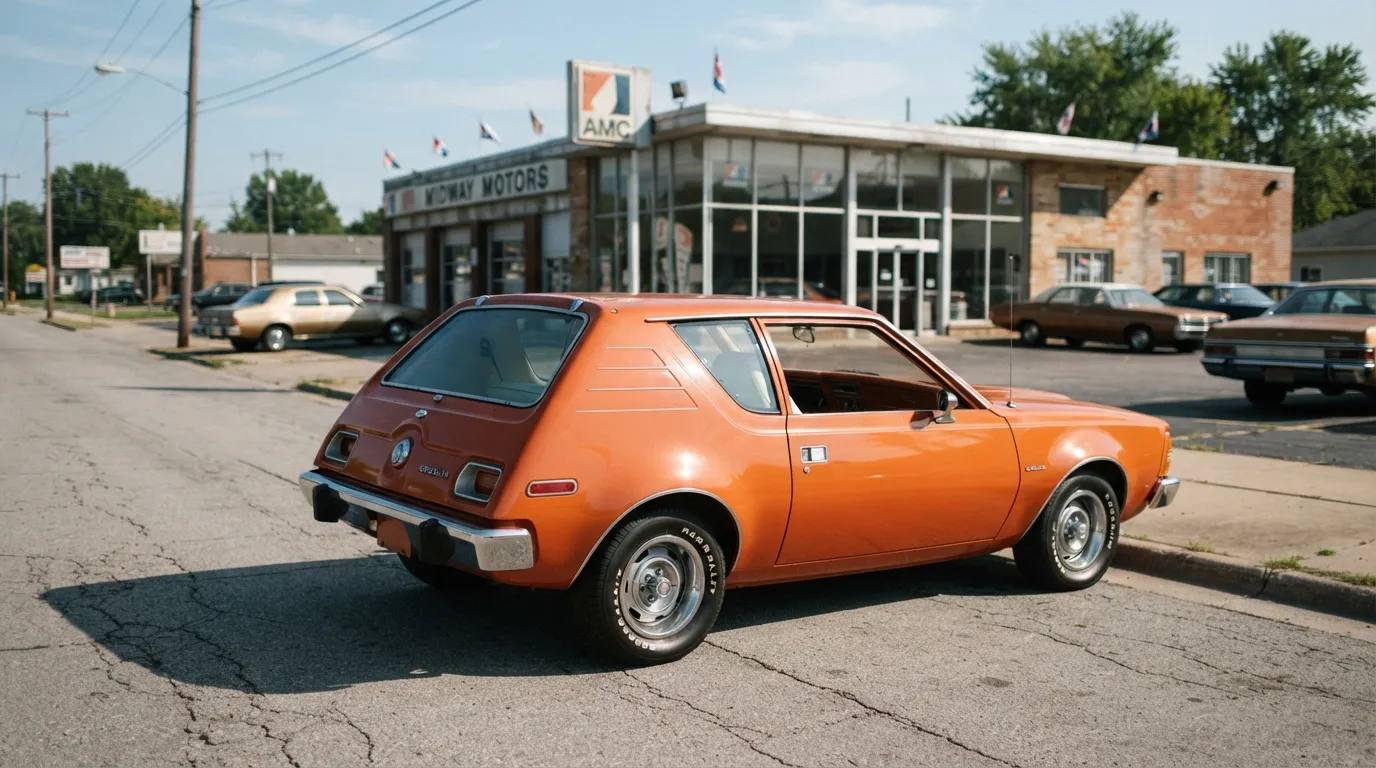
On April 1, 1970, American Motors rolled out a small car that looked like someone had sawed off the back end. That was nearly the plan. The Gremlin took the front of the Hornet and chopped the rear, giving AMC a cheap way to answer the imports.
Critics poked fun at the stubby proportions, but buyers kept coming as gas prices climbed. Cutting the car short also cut costs, which mattered for a company that never had Detroit’s deep pockets. The Gremlin stayed on sale through 1978.
Then AMC reworked it into the Spirit for 1979, and the original Gremlin quietly left the factory floor. It was never pretty, but it was never boring, and that is why people still remember it. It became shorthand for the decade’s strangest small-car thinking.
#24 – Ford Pinto
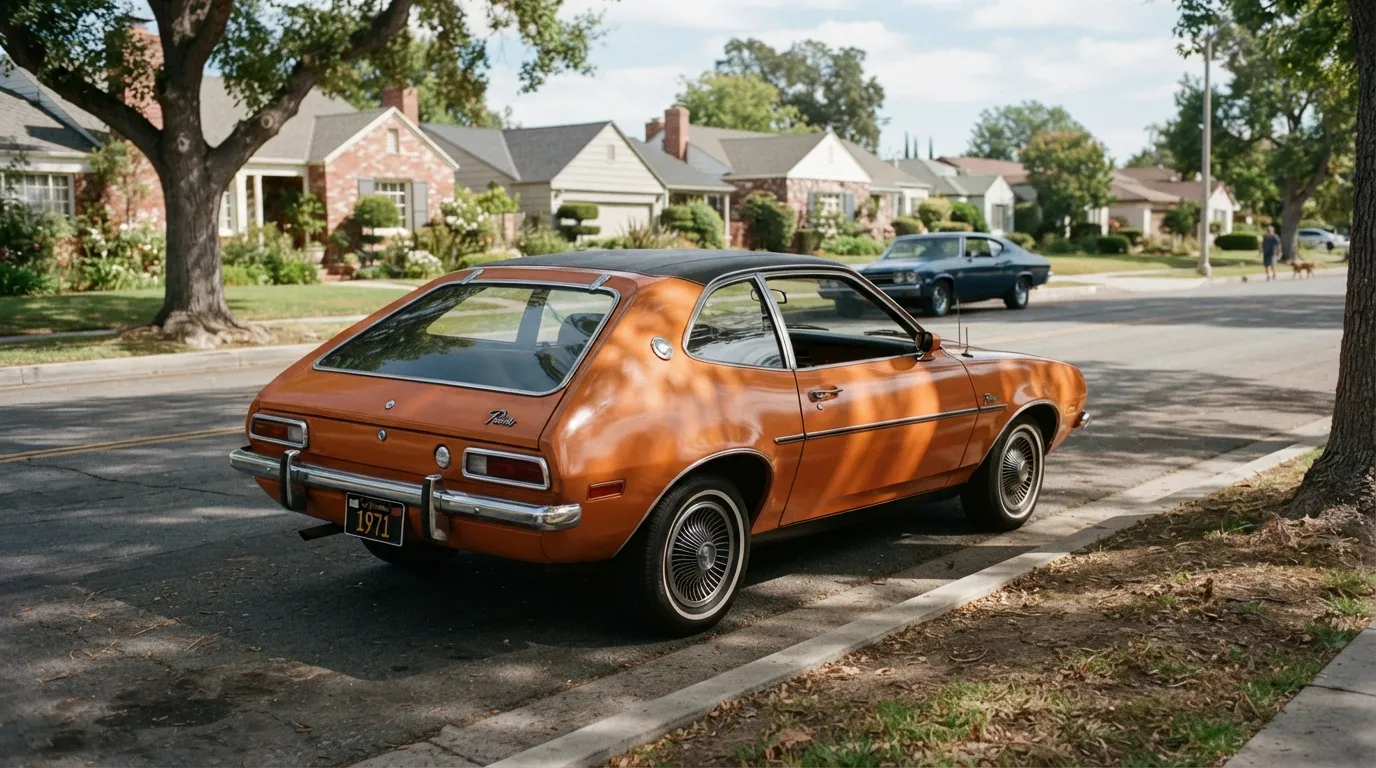
Ford wanted a small, cheap car in a hurry, and the 1971 Pinto delivered on both counts. It came as a sedan, hatchback, and wagon with small, thrifty engines, right as gas prices were turning into a national worry. Over its life it sold more than three million cars.
Then came the reputation that never washed off. The placement of the fuel tank brought intense scrutiny, and Ford issued a recall in 1978. The Pinto name became shorthand for a company gambling with safety.
Ford kept the car in production through 1980. By then the front-wheel-drive Escort was ready to take over, and the Pinto’s job was finished. Few cars have fallen so far, so fast, from a bestselling launch to a punch line.
#23 – Chevrolet Vega
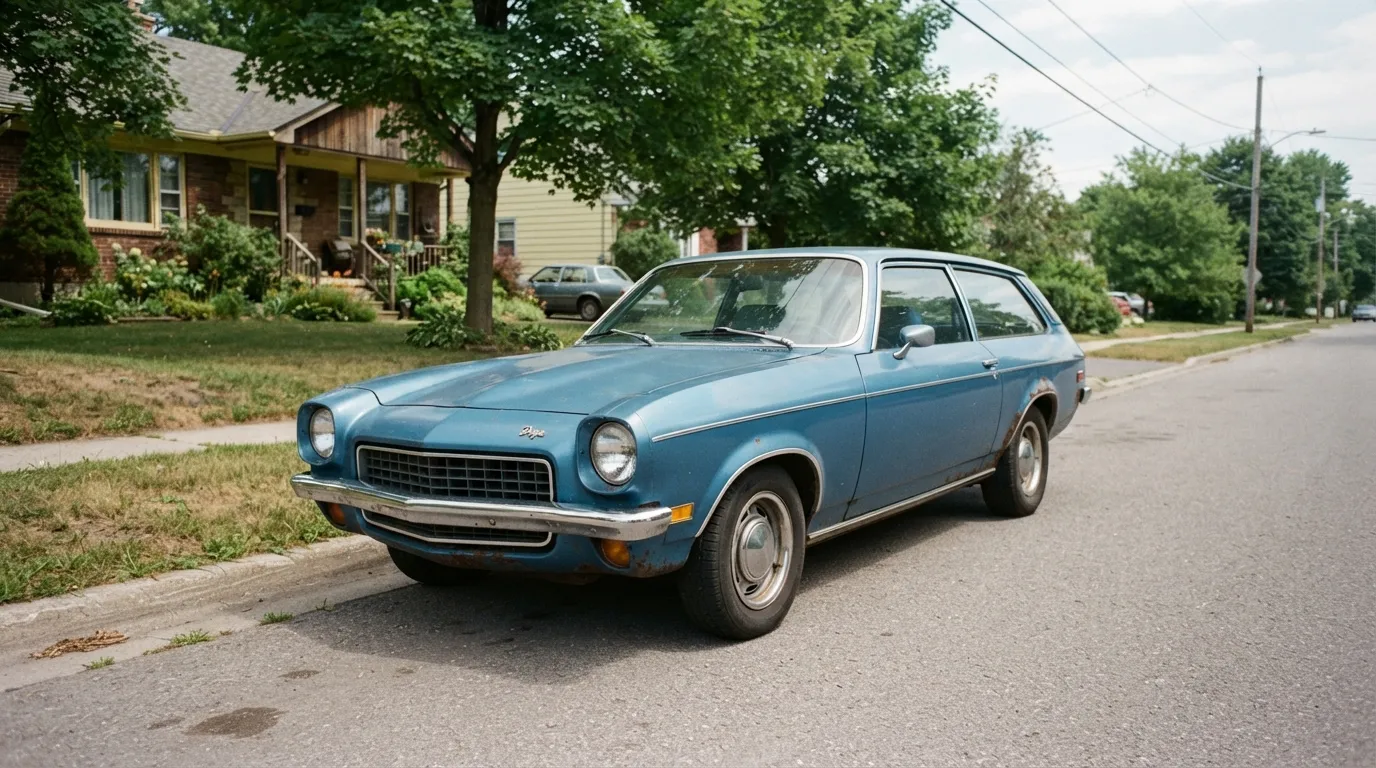
Chevrolet pitched the 1971 Vega as the small car that would finally beat the imports. It had a sleek, shrunken-Camaro look and an aluminum-block four-cylinder engine that sounded like a breakthrough. On paper, it was the future.
The excitement faded fast. Early engines earned a reputation for overheating and wear, and rust attacked the bodies so badly that the Vega became a cautionary tale for all of GM. Chevrolet kept issuing fixes, but the damage to the name stuck.
Production ended after the 1977 model year, and the smaller Chevette had already taken over the entry-level job. The Vega was supposed to prove Detroit could win the small-car fight. Instead it showed how quickly a rushed idea can sour.
#22 – AMC Pacer
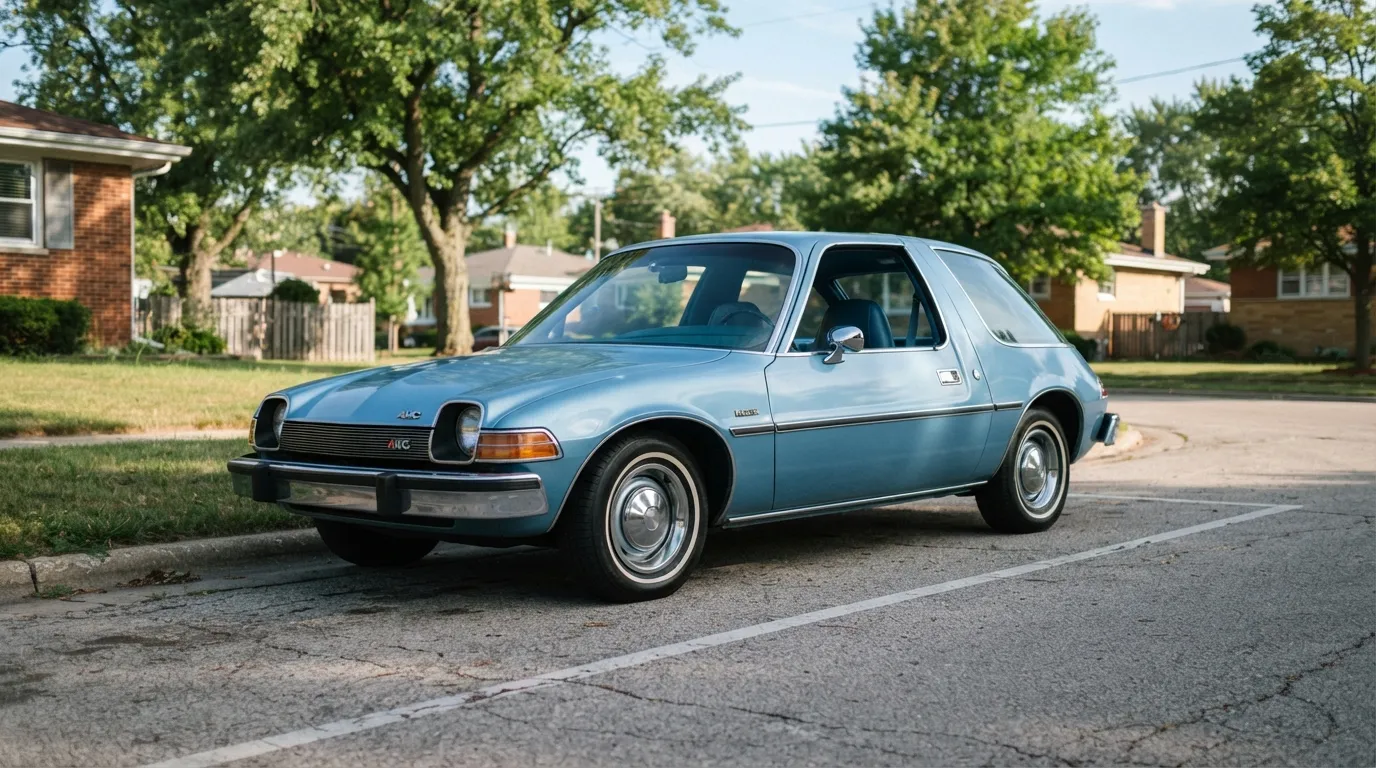
Nothing on a 1975 showroom floor looked like the AMC Pacer. It was rounded, wide, and wrapped in so much glass that people compared it to a fishbowl on wheels. Even the doors were lopsided, with a longer passenger door to make back-seat entry easier.
The big problem was hidden. AMC had planned the car around a rotary engine from GM, and when GM backed away, the Pacer had to be adapted to AMC’s familiar inline-six. That undercut much of its efficiency pitch.
Sales cooled after a strong start, and production ended in 1980. Years later, Wayne’s World turned a Pacer into the Mirthmobile, giving the car a second life in pop culture. The factories had stopped building it, but the shape refused to disappear.
Fast Facts
- Debuted in 1975 and ended production in 1980
- Longer passenger door for easier back-seat access
- Designed around a GM rotary engine that never arrived
- Became the Mirthmobile in Wayne’s World
#21 – Plymouth Duster
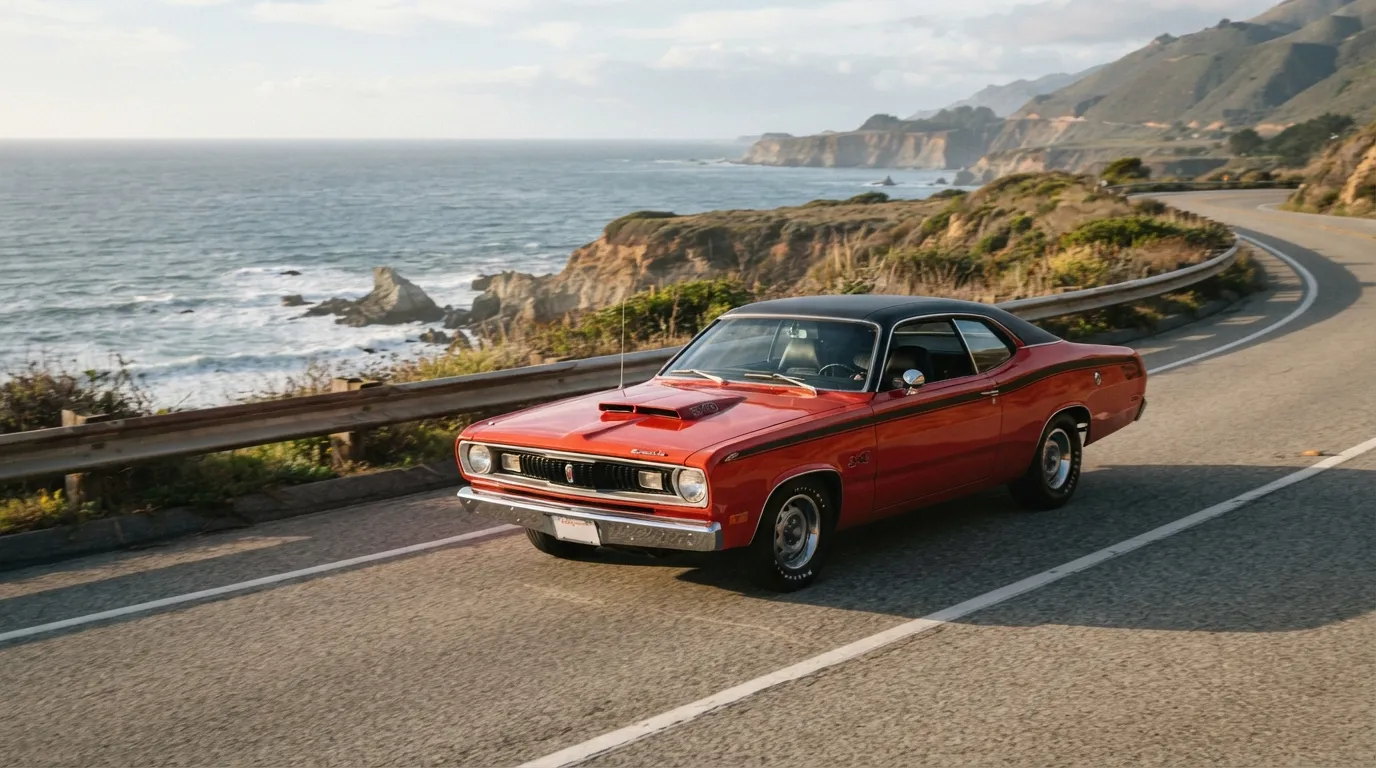
The 1970 Plymouth Duster was Chrysler’s answer to a simple question: what if a cheap compact could also be a little bit wild? Built on the Valiant, it had a sporty fastback roofline and a price young buyers could actually afford.
The Duster 340 was the real thrill, packing a small-block V8 into a lightweight body. For many fans, it was a muscle car without the muscle-car bill, and it is still often remembered as one of the great bargains of the era.
But emissions rules and insurance costs drained the fun out of the early 1970s. After 1976, Plymouth retired the Duster name and steered compact buyers to the Volare. The car that once looked like a bargain-bin rocket was replaced by something far more sensible.
#20 – Dodge Dart
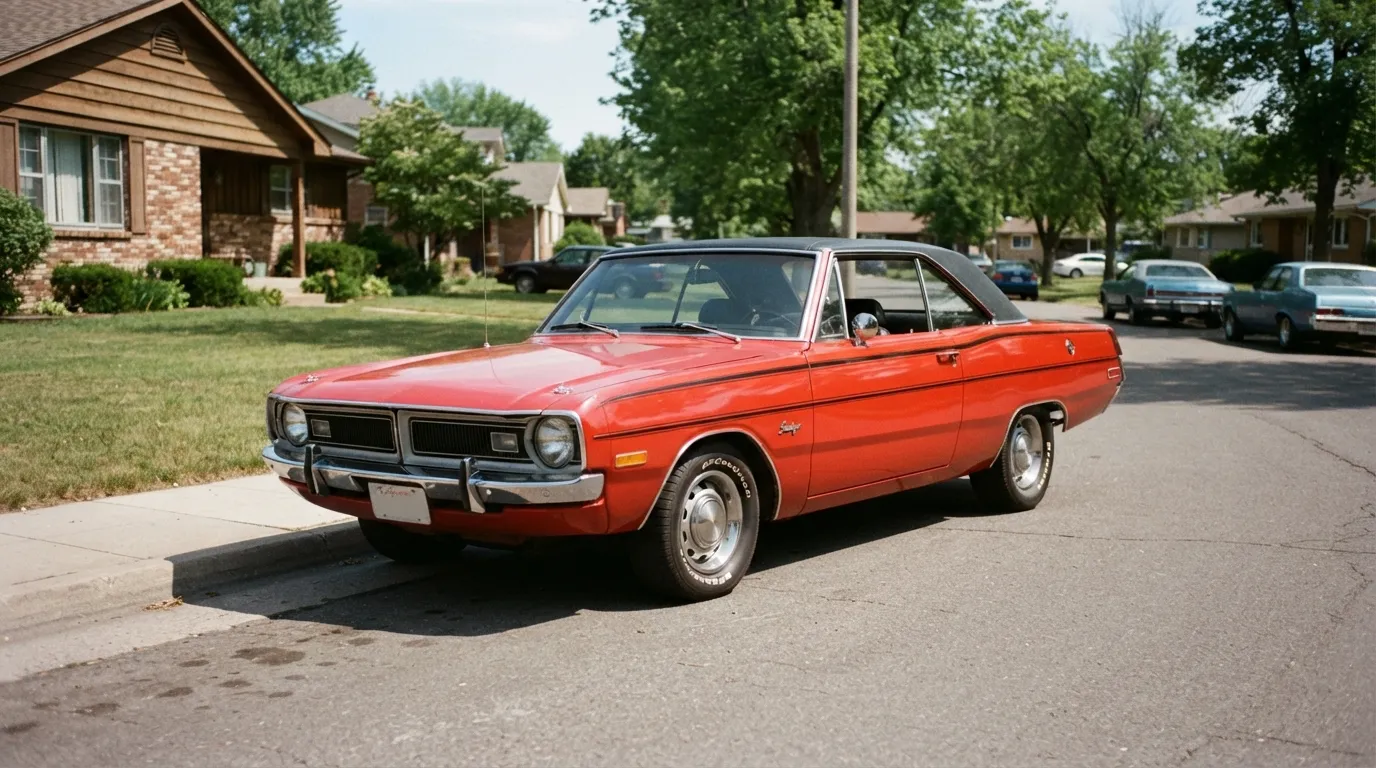
Few compact cars earned loyalty like the Dodge Dart. By the 1970s it was a veteran with a famous slant-six engine that owners swore would outlast the paint. It was plain, cheap, and tough, the kind of car people kept for a decade or more.
Dodge also had some fun with it. The Dart Swinger gave buyers a sportier two-door, and the 1971 Dart Demon added even more attitude. Underneath, though, it was still a simple rear-wheel-drive Chrysler that a neighbor could help fix in the driveway.
After 1976, the Dart name left the U.S. lineup. Dodge’s replacement was the Aspen, which arrived with fresher styling and bigger promises. For many families, that swap marked the end of an easygoing kind of compact, and the start of a bumpier one.
#19 – AMC Javelin
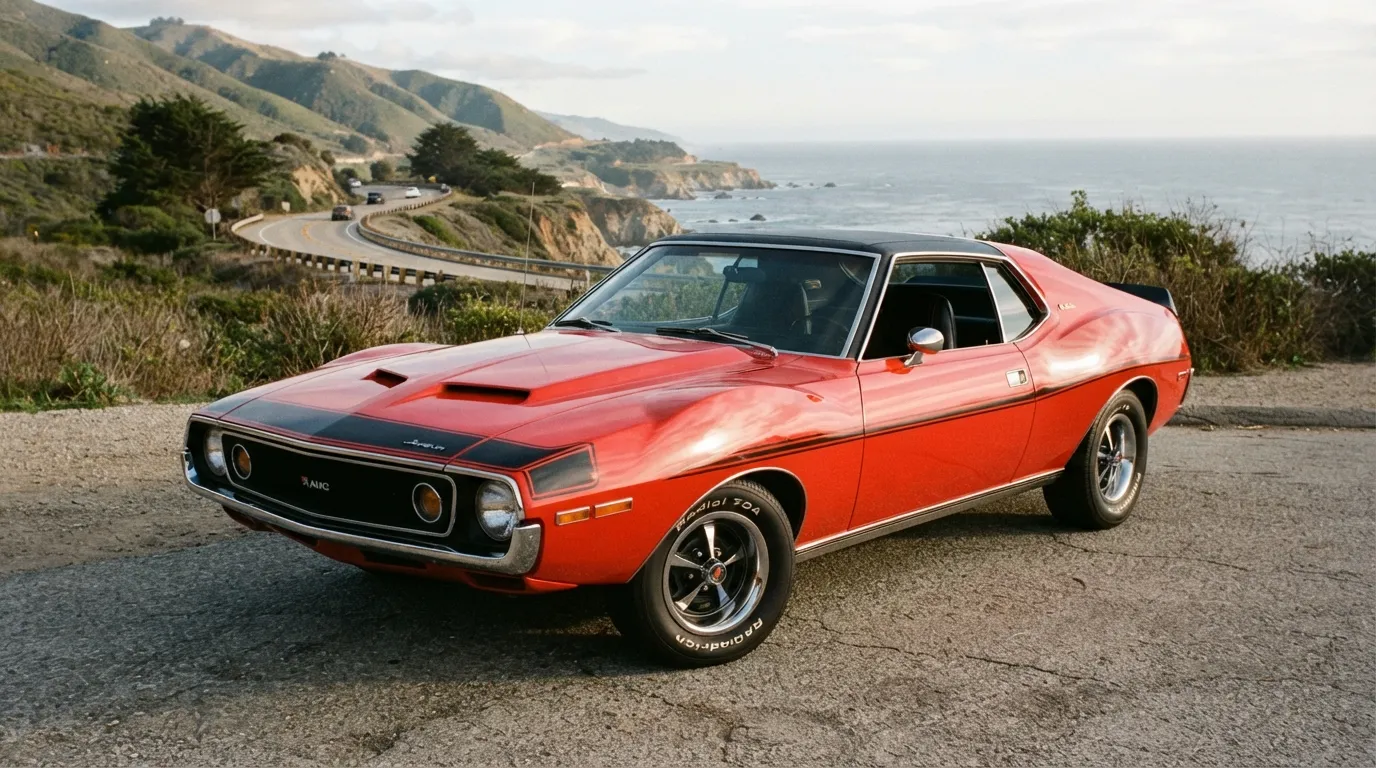
AMC didn’t have Ford’s or GM’s budget, so the Javelin had to be smarter. Introduced in 1968 as a pony car rival to the Mustang and Camaro, it got a bold redesign for 1971 with sculpted fenders and a long hood that looked like nothing else on the road.
It also had racing credentials. Javelins competed in the Trans-Am series, and that track image helped a small company punch above its weight. For a few years, AMC looked like it truly belonged in the muscle-car fight.
But the mid-1970s were brutal for pony cars. Fuel prices, emissions equipment, and shrinking power cut buyer interest, and AMC could not afford another major redesign. The Javelin ended after 1974, leaving behind one of the most daring shapes in muscle-car history.
#18 – Dodge Challenger
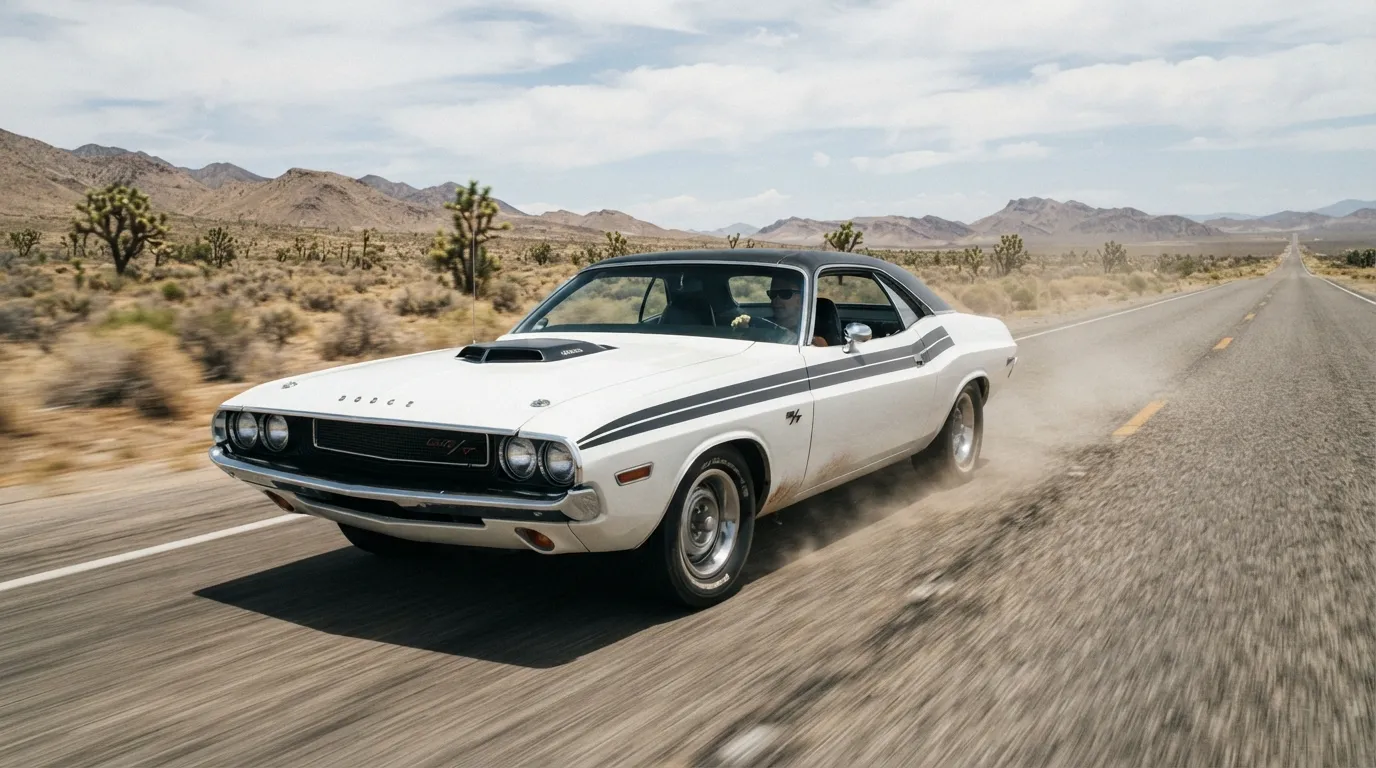
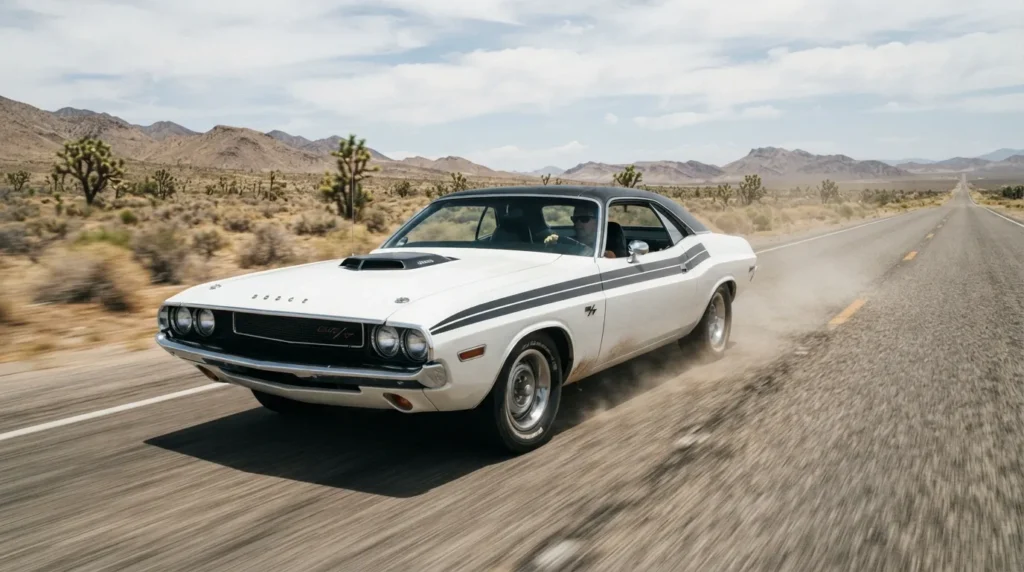
The first Dodge Challenger showed up late to the pony car party, arriving in 1970 after the Mustang and Camaro had a big head start. It made up for that with width, color, and attitude. Engines ranged from a modest six all the way to the 426 Hemi V8.
Pop culture helped lock in the legend. A white 1970 Challenger R/T tore across the desert in the 1971 film Vanishing Point, and fans never forgot it. That one image did more for the car than any brochure.
Meanwhile, the market was slipping away. Insurance rates, emissions equipment, and fuel worries drained demand, and the first-generation Challenger ended after 1974. It lasted only five model years, but left a legend big enough that Dodge revived the name decades later.
#17 – Pontiac GTO
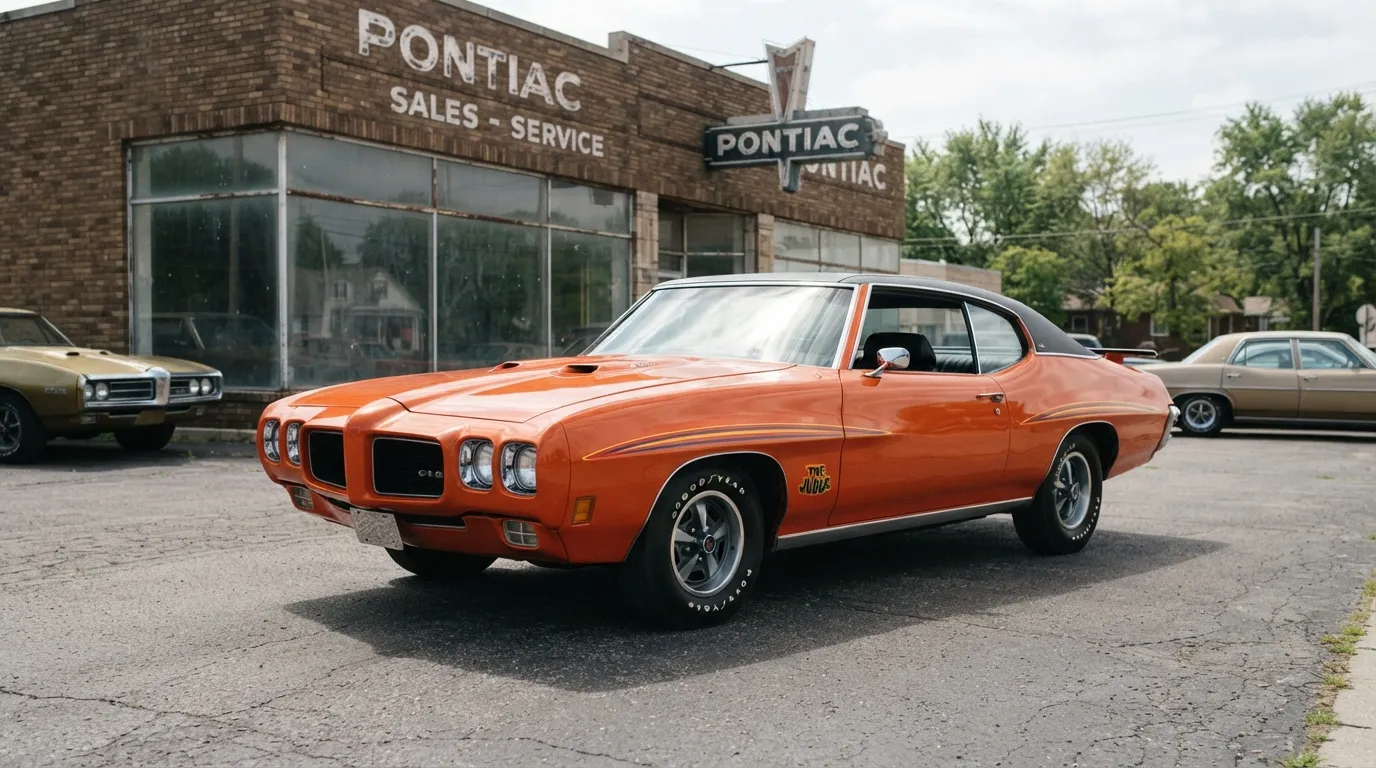
The Pontiac GTO helped kick off the muscle-car craze in the 1960s, so watching it fade in the 1970s feels like a rock star’s farewell tour. The 1970 GTO Judge still wore loud paint and offered a 455 V8, but trouble was coming.
Insurance costs climbed, emissions equipment arrived, and power numbers sank. By 1974, the GTO was no longer its own full model line. It had become an option package on the compact Ventura.
That was the end of the original run. The GTO name came back for 2004 through 2006 on an Australian-built coupe, but the car people remember never returned. The 1970s took one of America’s great performance names and slowly drained the thrill out of it.
#16 – Ford Gran Torino
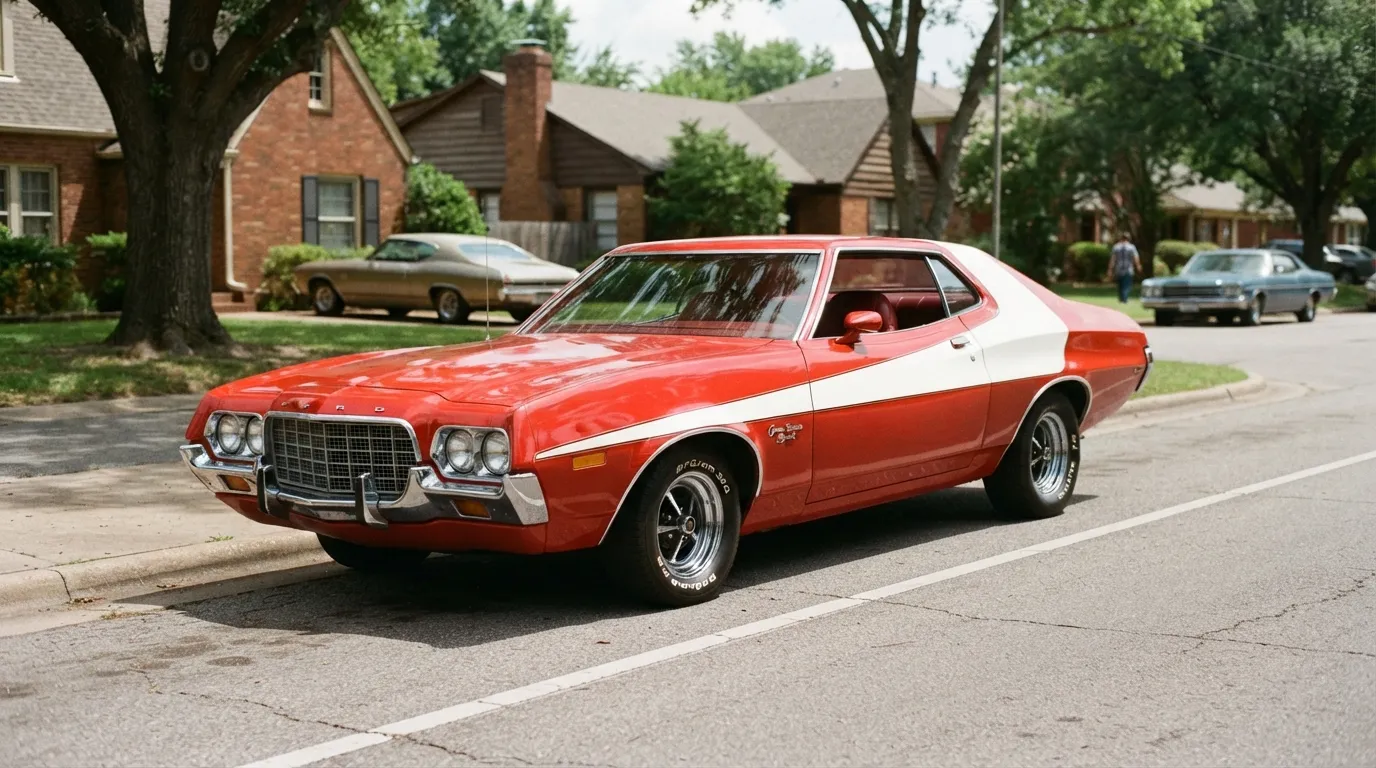
The Ford Gran Torino was never meant to be a legend. It was a comfortable mid-size car for families, cops, and highway cruisers, with long smooth lines and available V8 power. In other words, it was built to be ordinary.
Then television added a splash of red paint. The red-and-white Gran Torino from Starsky & Hutch became one of the most famous TV cars ever. Decades later, Clint Eastwood put a 1972 Gran Torino at the center of his 2008 film of the same name.
But the real car’s days were numbered. Ford ended the Torino line after 1976, and the LTD II took over its mid-size role. The Gran Torino left the assembly line just as its pop-culture fame was taking off.
#15 – AMC Matador
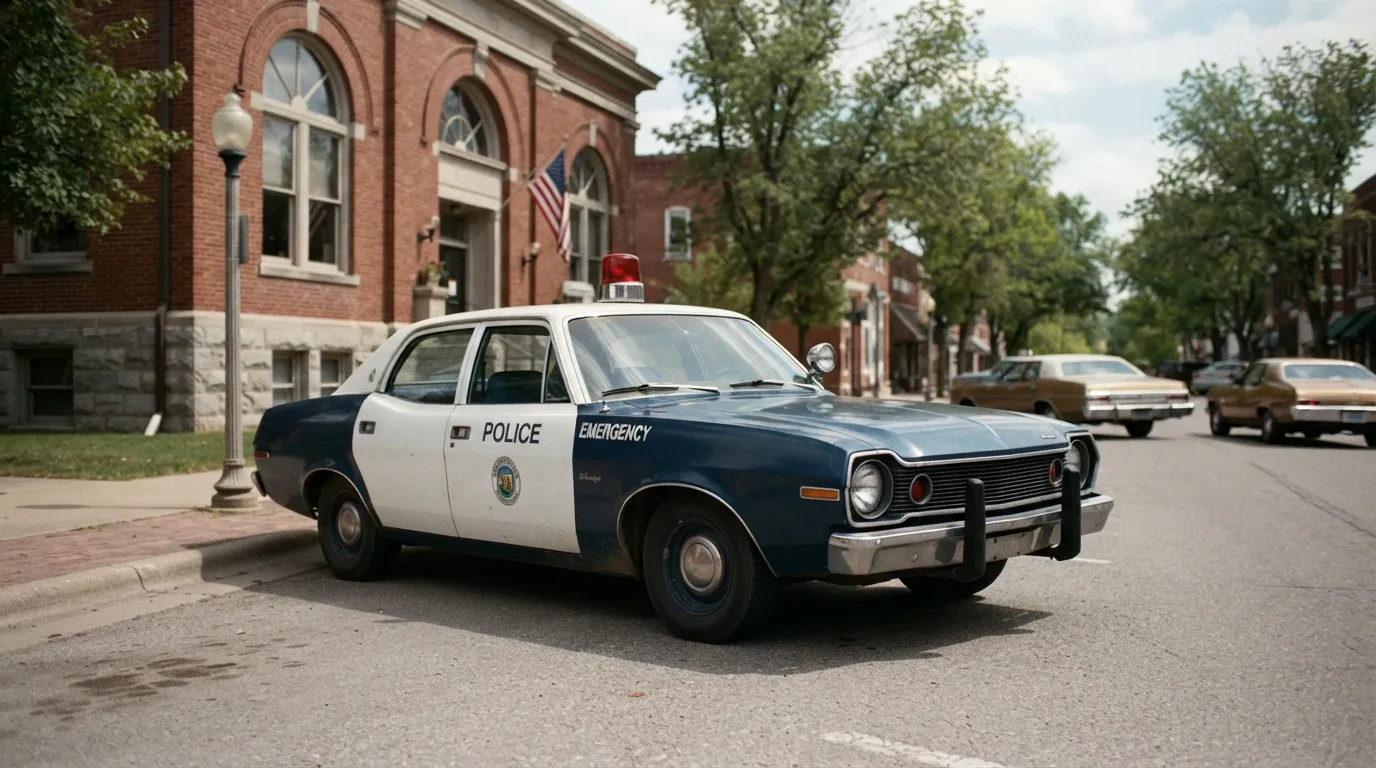
AMC’s Matador began in 1971 as a plain mid-size sedan and wagon, and it might have faded quietly if the company hadn’t gotten bold. In 1974, the Matador coupe arrived with a swooping, rounded body that people either loved or found downright strange.
The sedan had a different kind of life. Police departments bought Matadors for patrol work, which gave the nameplate a tougher, more serious image than its coupe cousin.
AMC ended the line after 1978 as money and attention moved to Jeep and smaller cars. The Matador never had the sales of Detroit’s giants. It remains one of the clearest examples of AMC’s habit of doing things its own way, even when it cost the company.
#14 – Ford Maverick
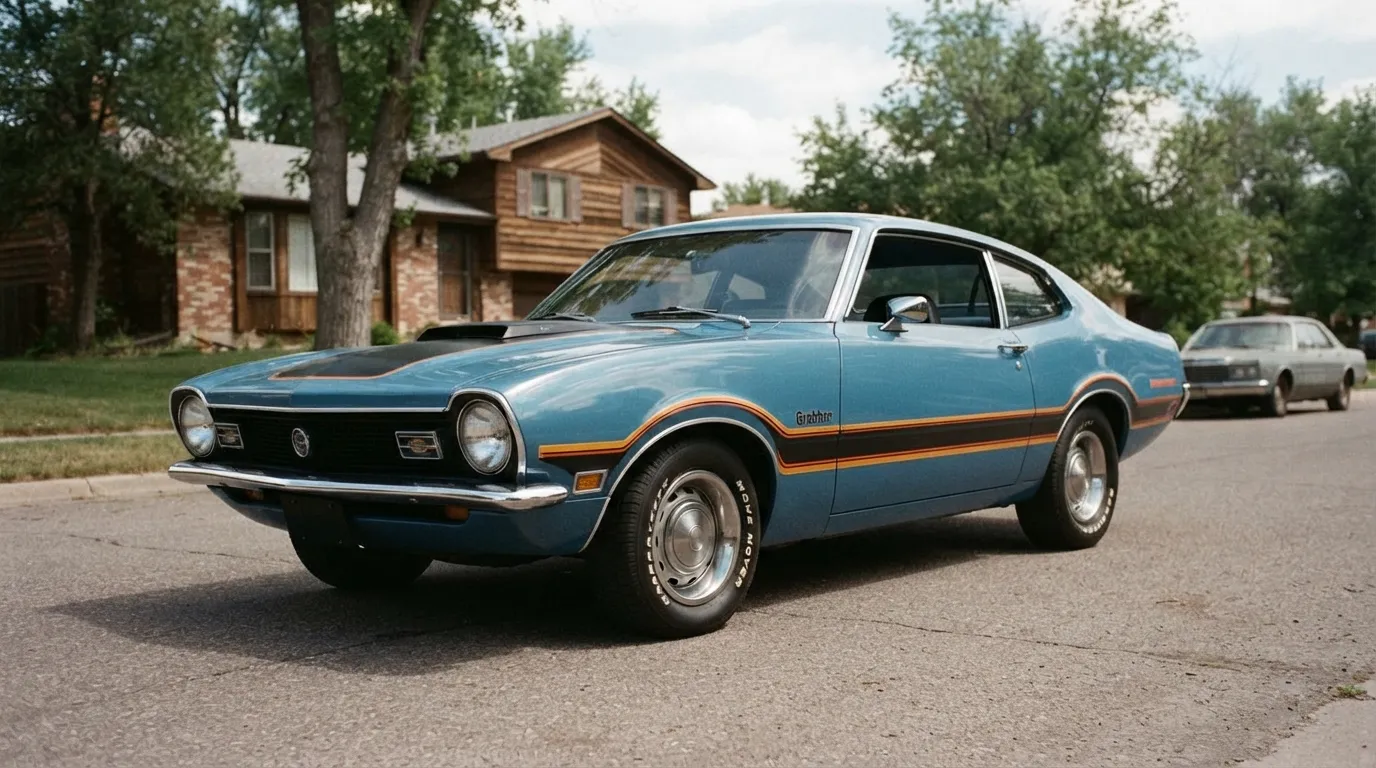
Ford introduced the Maverick in April 1969 with a headline price of $1,995, and the 1970 model year turned that bargain into a sales machine. It was cheap, simple, and rear-wheel drive, built to take on the imports that were winning over young buyers.
Ford even gave it a flashy side. The Maverick Grabber came with stripes and a sporty look, proving that a budget car could still show off. Owners also liked how easy it was to maintain, which mattered during fuel shortages and tight household budgets.
The Maverick ended after 1977, and Ford shifted compact buyers to the Fairmont for 1978. Ford brought the name back in 2021 on a small pickup truck, proving that a good nickname can outlive the car that earned it.
#13 – Plymouth Cricket
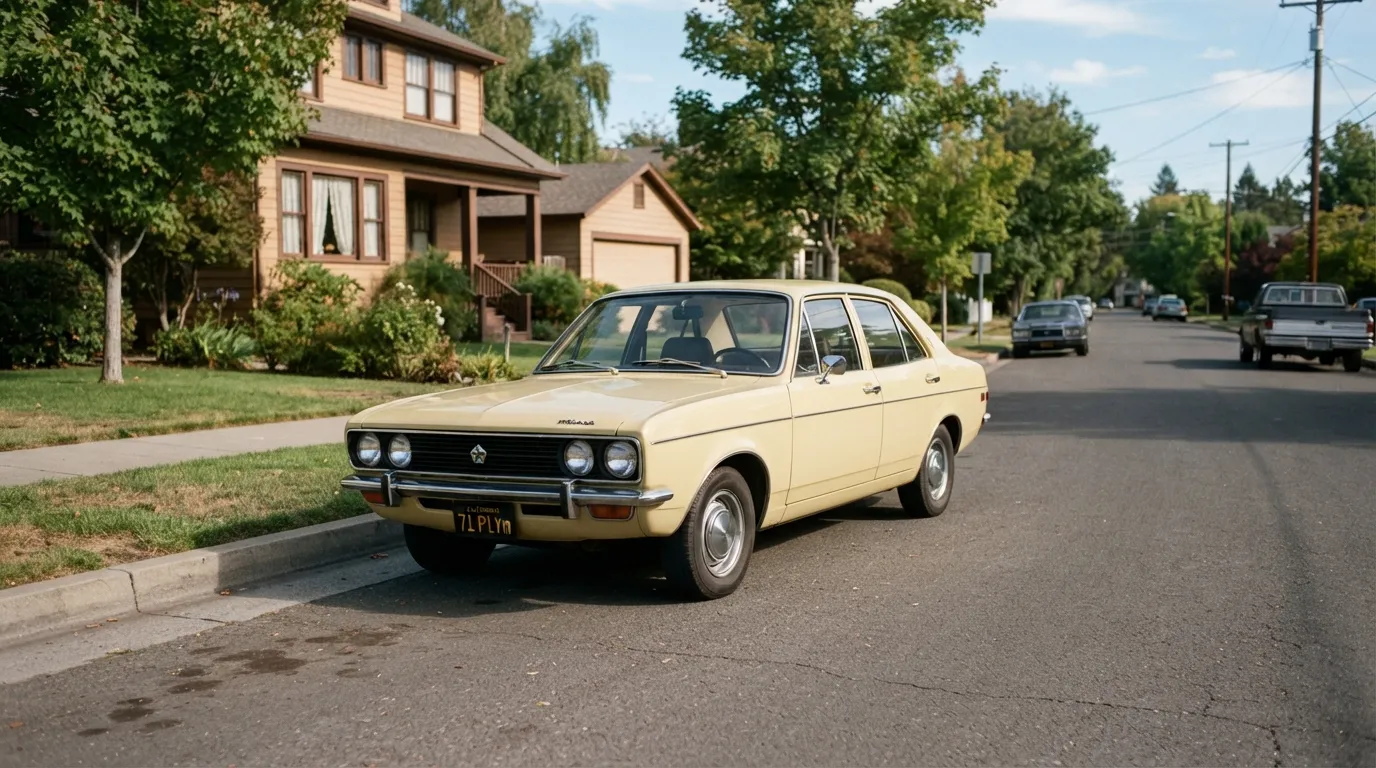
Chrysler needed a small car in a hurry, so it borrowed one from Britain. The Plymouth Cricket was a rebadged Hillman Avenger, and it arrived for 1971 hoping to pull buyers away from the Volkswagen Beetle and other imports.
It never found real momentum. The Cricket was a small, basic car that struggled to stand out in a crowded field, and its time in the U.S. market lasted only through 1973. Few people remember it today.
Chrysler had a better idea waiting. The Mitsubishi-built Dodge Colt went on sale in 1971, and the company leaned harder on Japanese-built small cars. The Cricket became a reminder that simply slapping a new badge on a foreign design was not enough to win America over.
#12 – Chevrolet Chevelle
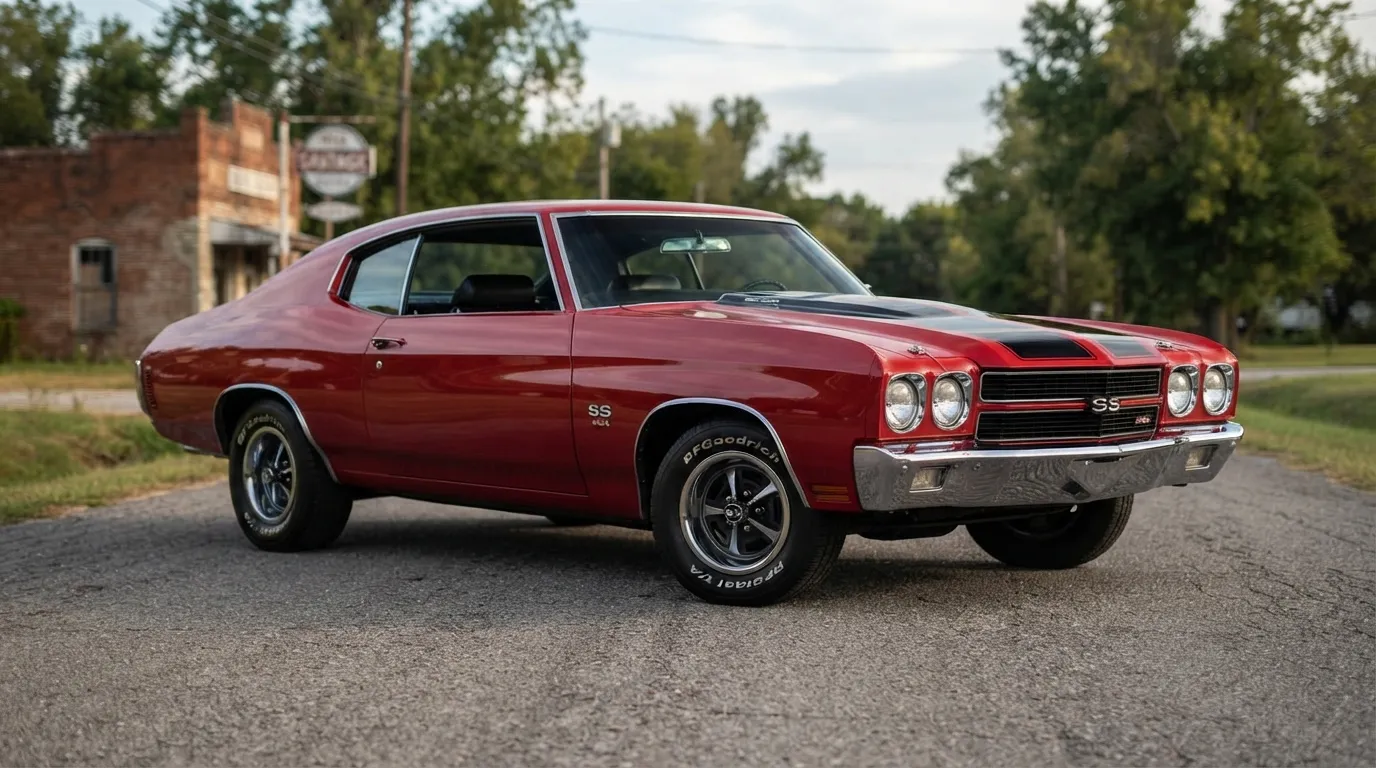
For a stretch in 1970, the Chevelle SS 454 LS6 carried one of the wildest ratings in the muscle-car world: 450 horsepower. The Chevelle had grown from an ordinary mid-size family car into a street legend. It was the kind of car that ended arguments.
After that peak came retreat. Emissions rules, lower compression, and insurance pressure drained the horsepower, and the SS shifted from a standalone model to an option package by 1973. The new Colonnade bodies also changed the car’s look.
Chevrolet dropped the Chevelle name after 1977, and the Malibu took over for 1978. A name that had once meant big power ended its run as a family car with little fanfare. It was a quiet exit for a loud icon.
Worth Knowing
- The 1970 SS 454 LS6 was rated at 450 horsepower
- By 1973, the SS was an option package, not its own model
- The Chevelle name ended after 1977
- The Malibu carried the mid-size job forward in 1978
#11 – Buick GS
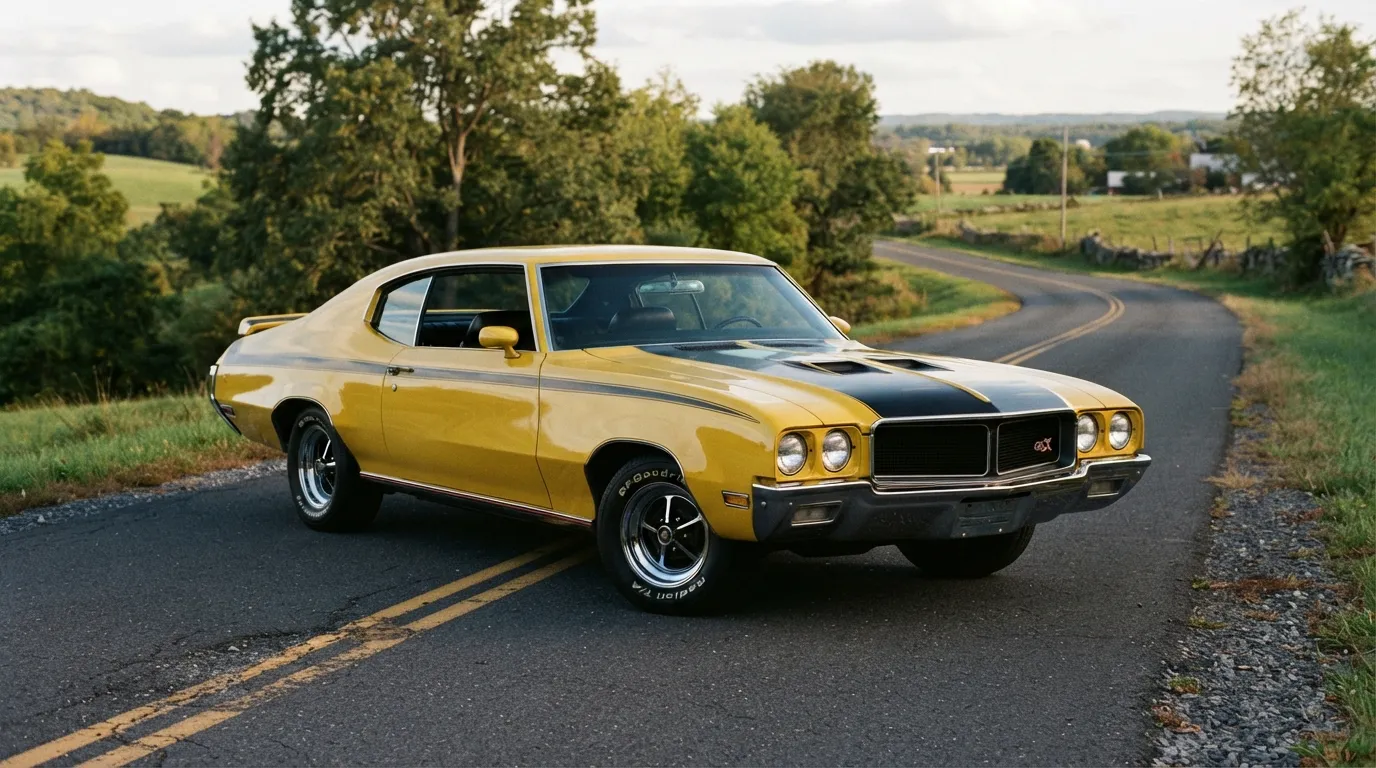
Buick wasn’t supposed to be the brand that built a street brawler. It was known for comfort, not chaos. But in 1970, the Buick GS 455 Stage 1 was rated at 360 horsepower and 510 pound-feet of torque, enough to startle the muscle-car crowd.
The GSX package made it even louder. Spoilers and stripes let everyone know this was not your uncle’s quiet Buick. For a short moment, the brand’s performance cars were serious players.
Then the fun faded. Emissions equipment cut power, insurance costs rose, and the GS name was phased out after 1975. Buick shifted its focus back to luxury and personal coupes. In just a few years, the brand that shocked Detroit with torque had returned to what it did best: smooth, quiet comfort.
#10 – Mercury Cyclone
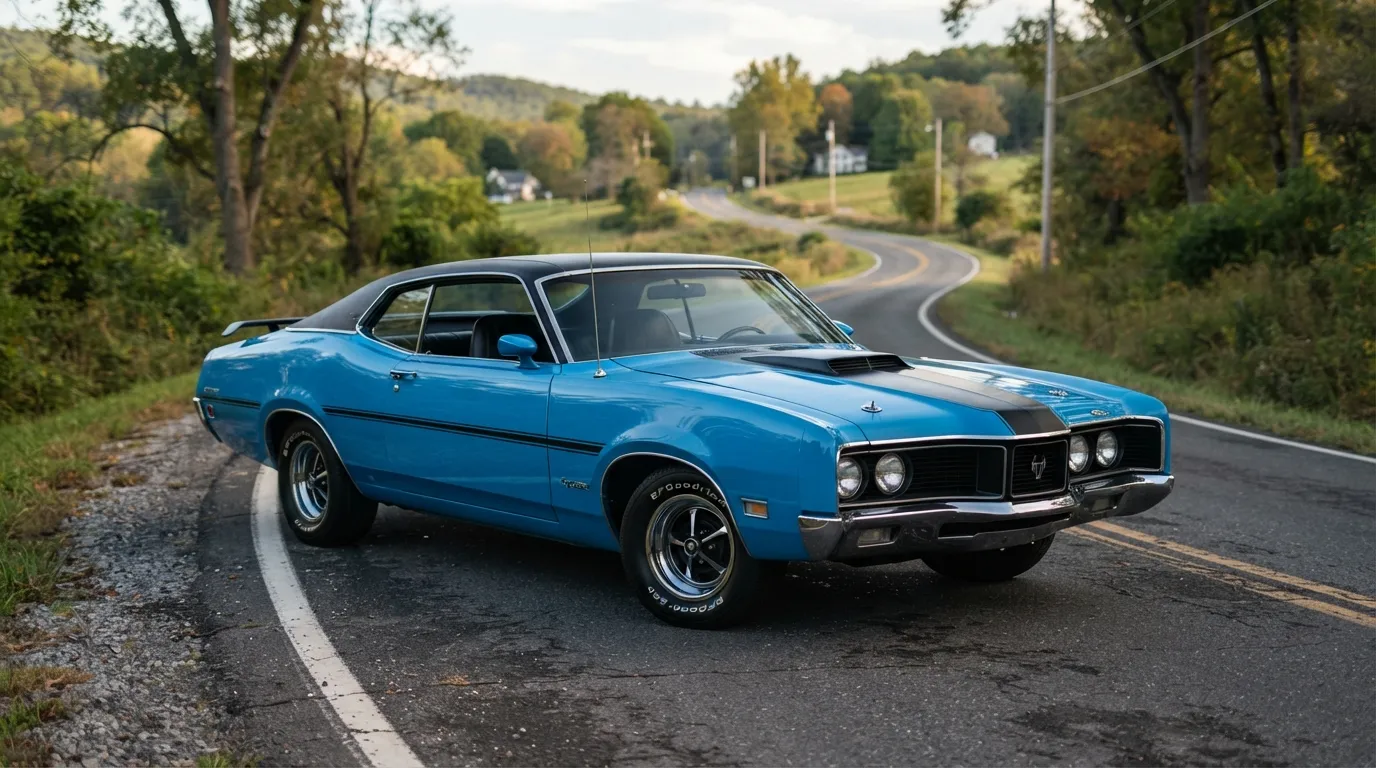
Mercury’s Cyclone had a better name than most muscle cars. It sounded like a weather event, and with the right engine it could drive like one. Built as the performance version of the Montego, it gave Ford’s upscale brand a way to join the horsepower race.
In 1970, buyers could still order a Cyclone with a 429 V8 and a sporty look to match. It was the kind of car that let Mercury borrow some of Ford’s muscle-car attitude without sharing the Torino’s spotlight.
But the market cooled quickly. Insurance costs rose, performance buyers dwindled, and the Cyclone name left the main lineup after 1971. Mercury’s role inside Ford was shifting toward comfort, and a loud name like Cyclone no longer fit the plan. It left behind a short, stormy chapter.
#9 – Oldsmobile Vista Cruiser
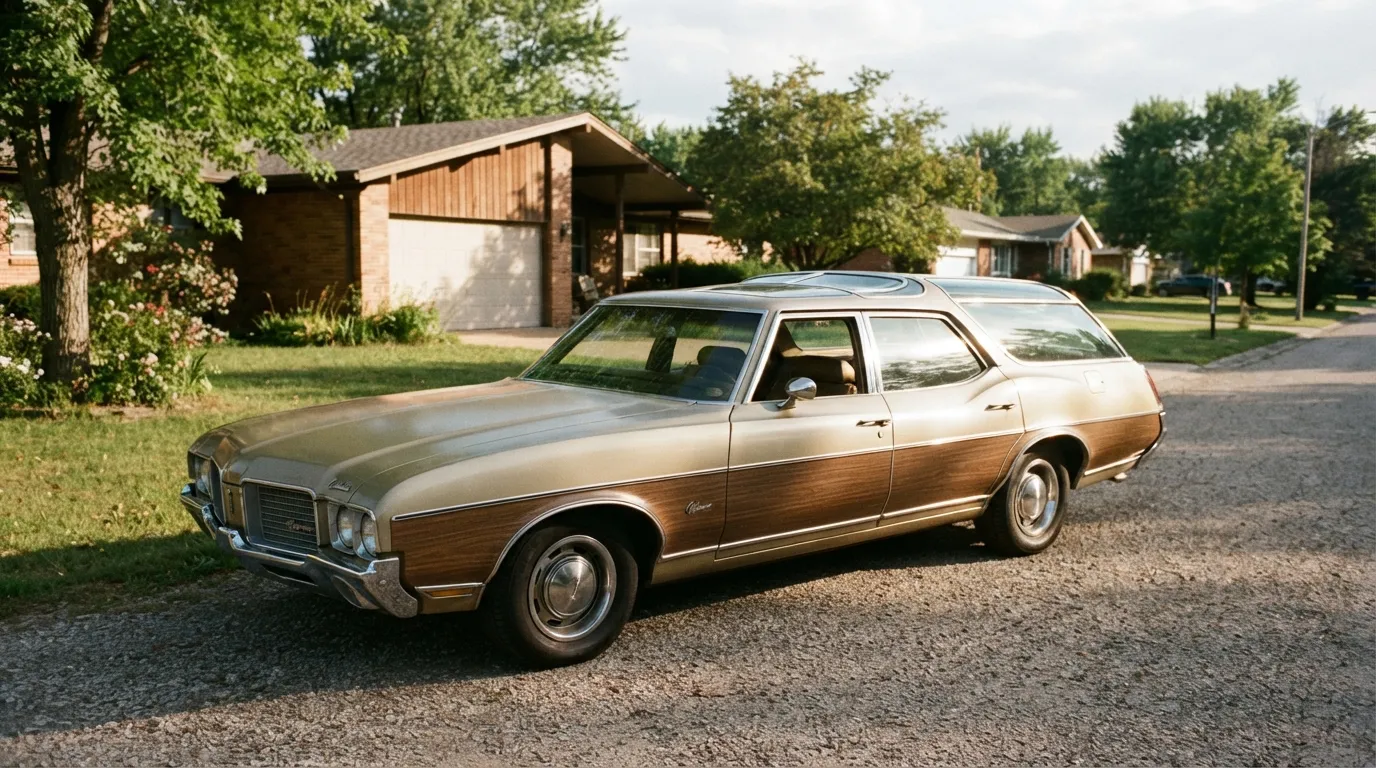
Ask anyone who grew up in the 1970s to describe a family wagon, and they might describe the Oldsmobile Vista Cruiser. It had a raised roof section with extra glass above the rear seat, so kids could stare straight up at the sky. It was one of the coolest wagons Detroit ever built.
That look got a second life when That ’70s Show put a Vista Cruiser in the driveway. For many viewers, the car instantly said everything about the decade: wood-grain, long hoods, and endless road trips.
But the original design faded as GM redesigned its mid-size wagons in the 1970s. Families were slowly drifting toward vans and other new styles. The Vista Cruiser’s roof of glass became a reminder of a time when carrying the family around could feel like an adventure.
#8 – Cadillac Eldorado Convertible
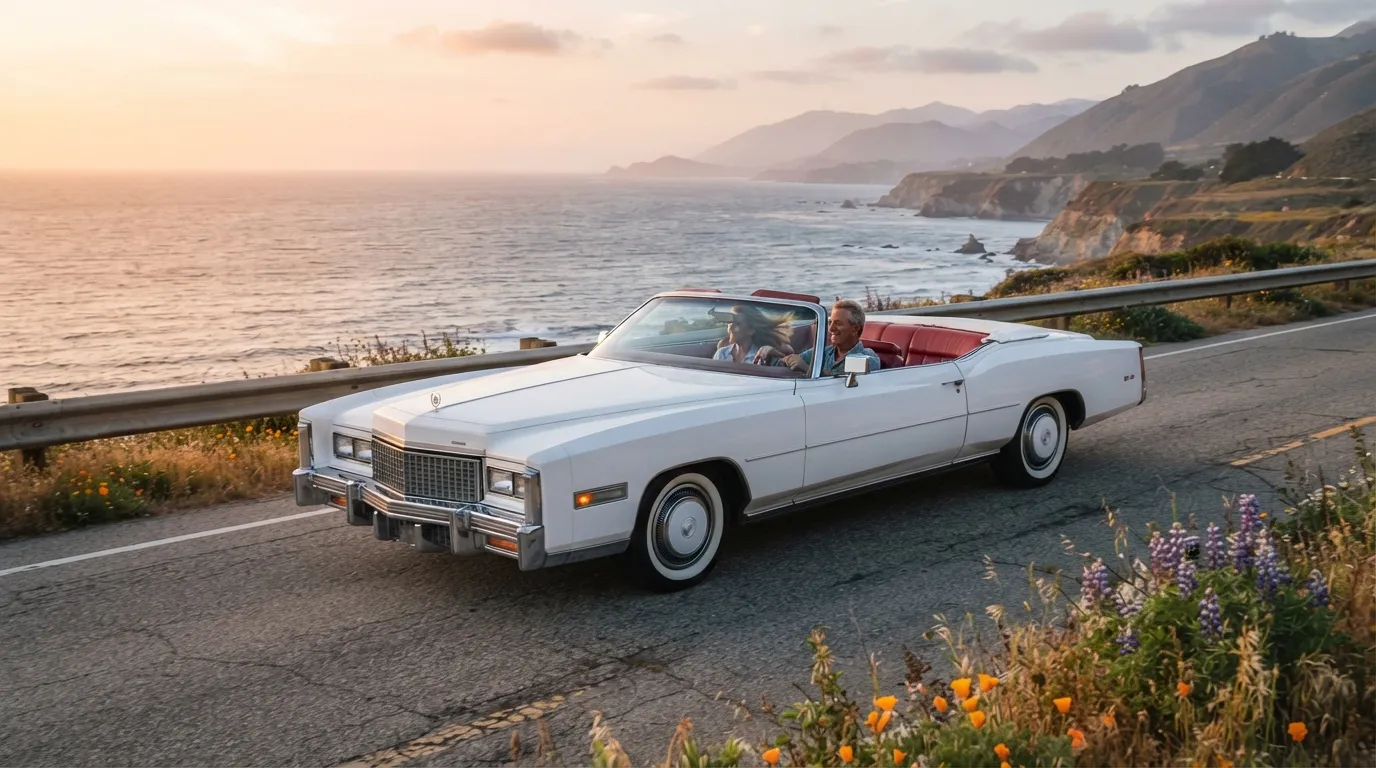
In 1976, Cadillac advertised its Eldorado convertible as the last American convertible. Buyers took the message seriously, and many tucked their cars away as collectibles. It was a rare case of a car being sold as a goodbye.
The Eldorado was massive. Since 1971 it had carried a 500-cubic-inch V8 and front-wheel drive, a combination that made it feel like a luxury yacht with an open top. It was the kind of car built for slow drives and long summer nights.
Cadillac ended the convertible after 1976, partly amid worries that new federal safety rules might outlaw open cars. The coupe carried on, but the sunshine version was gone. American convertibles eventually returned in the 1980s, but this one will always be remembered as the farewell.
At a Glance
- Engine: 500-cubic-inch V8 since 1971
- Layout: front-wheel drive
- Final convertible model year: 1976
- The coupe stayed in the lineup
#7 – Triumph Stag
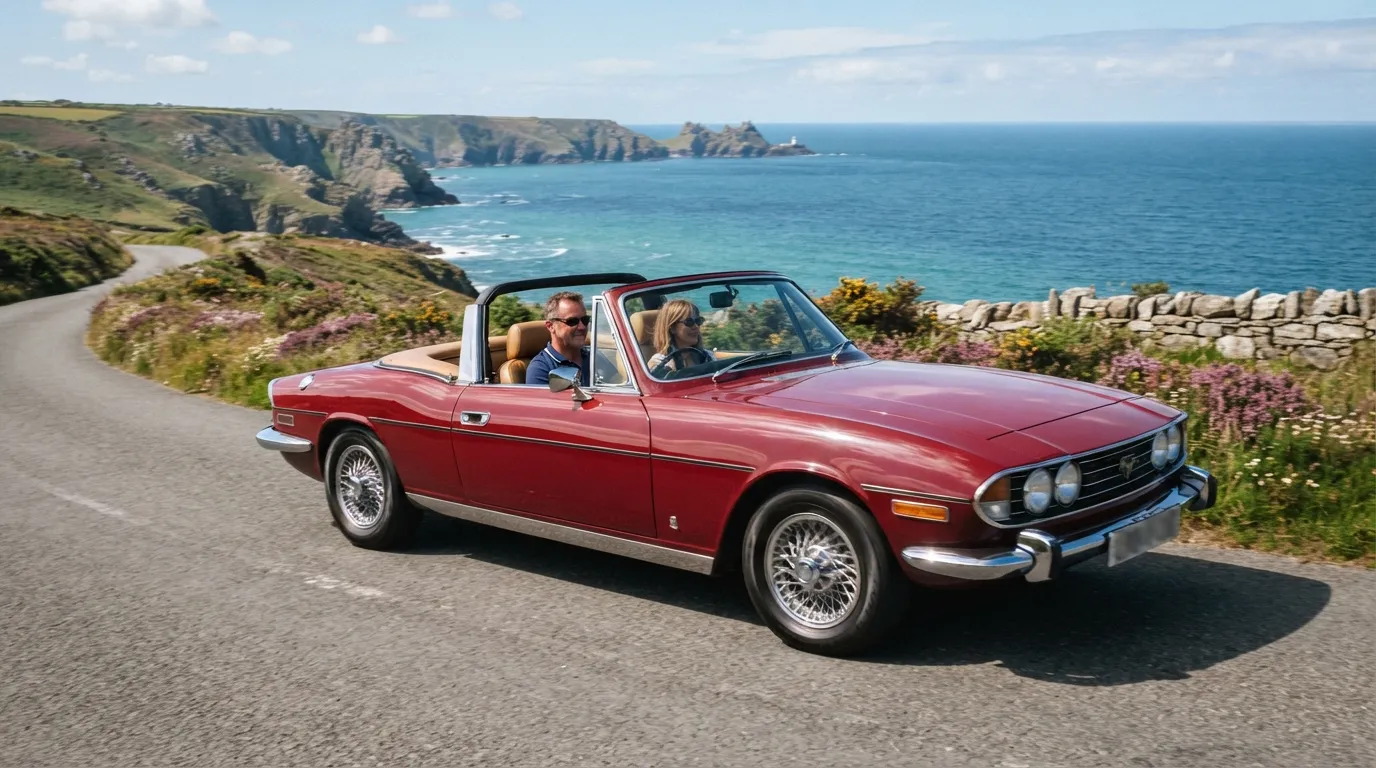
The Triumph Stag looked like a dream. It was a stylish four-seat convertible with a V8, designed to let buyers drive in the sun and still bring friends along. Launched in 1970, it aimed at people who wanted a grand touring car without a Mercedes price tag.
The reality was messier. Its V8 engine developed a reputation for overheating, and that image followed the car everywhere. Owners loved the looks and the sound, but many learned to keep a close eye on the temperature gauge.
Production ended in 1977 as British Leyland struggled with money problems and sorted out its lineup. Today many fans still adore the Stag, and some owners have swapped in different engines to fix its weak spot. It remains a beautiful car that was let down by its own heart.
#6 – Ford Mustang II
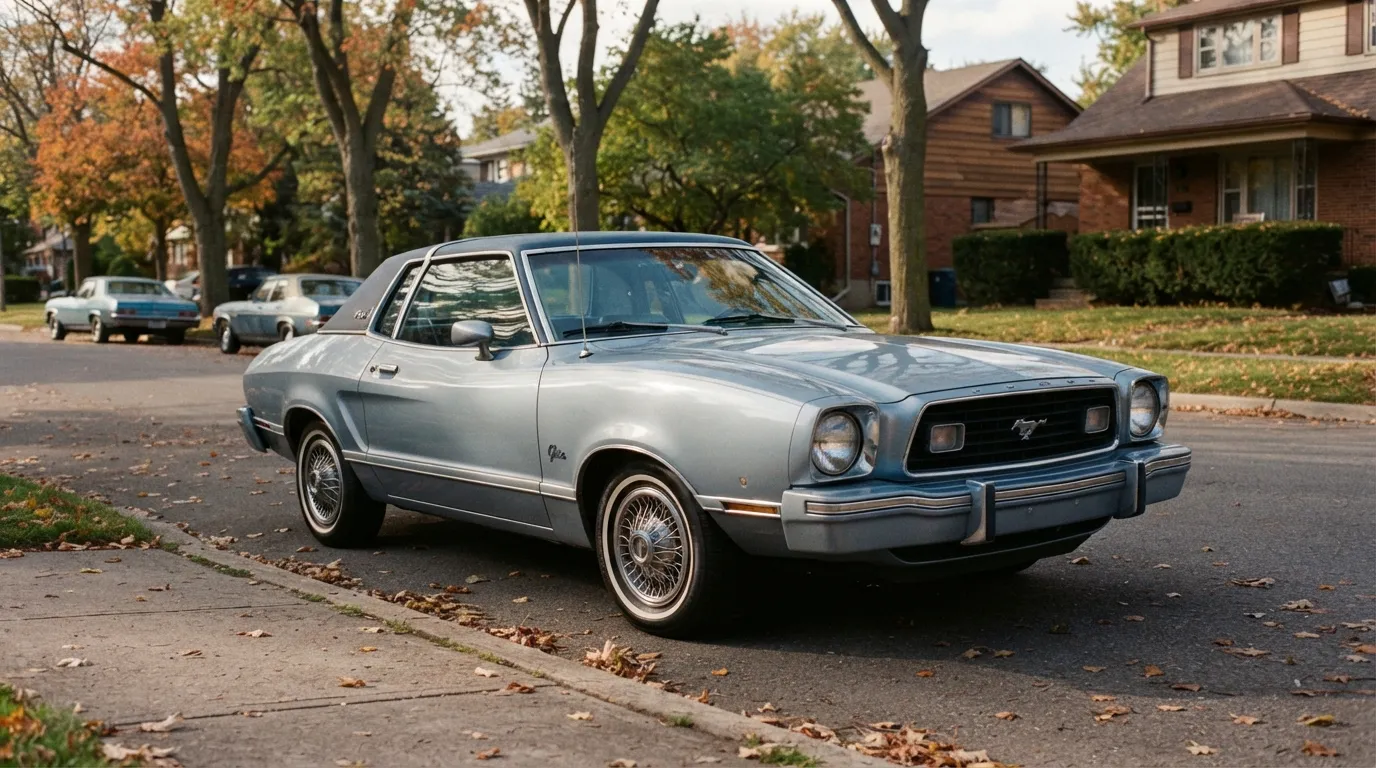
The Mustang II had the toughest launch timing imaginable. It arrived for 1974, just as the oil crisis made big, thirsty muscle cars look like dinosaurs. Ford shrank the Mustang and built it on the Pinto platform. Motor Trend even named it Car of the Year.
Fans were not so kind. Many saw the Mustang II as a toned-down shadow of the original, especially with a four-cylinder and V6 offered at first. A V8 returned in 1975, and the Cobra II and King Cobra packages tried to add some flash.
Still, it sold more than a million cars. Production ended after 1978, when the Fox-body Mustang took over for 1979. The Mustang II kept the nameplate alive during a hard time, and that may have been its greatest achievement.
#5 – Plymouth Volare
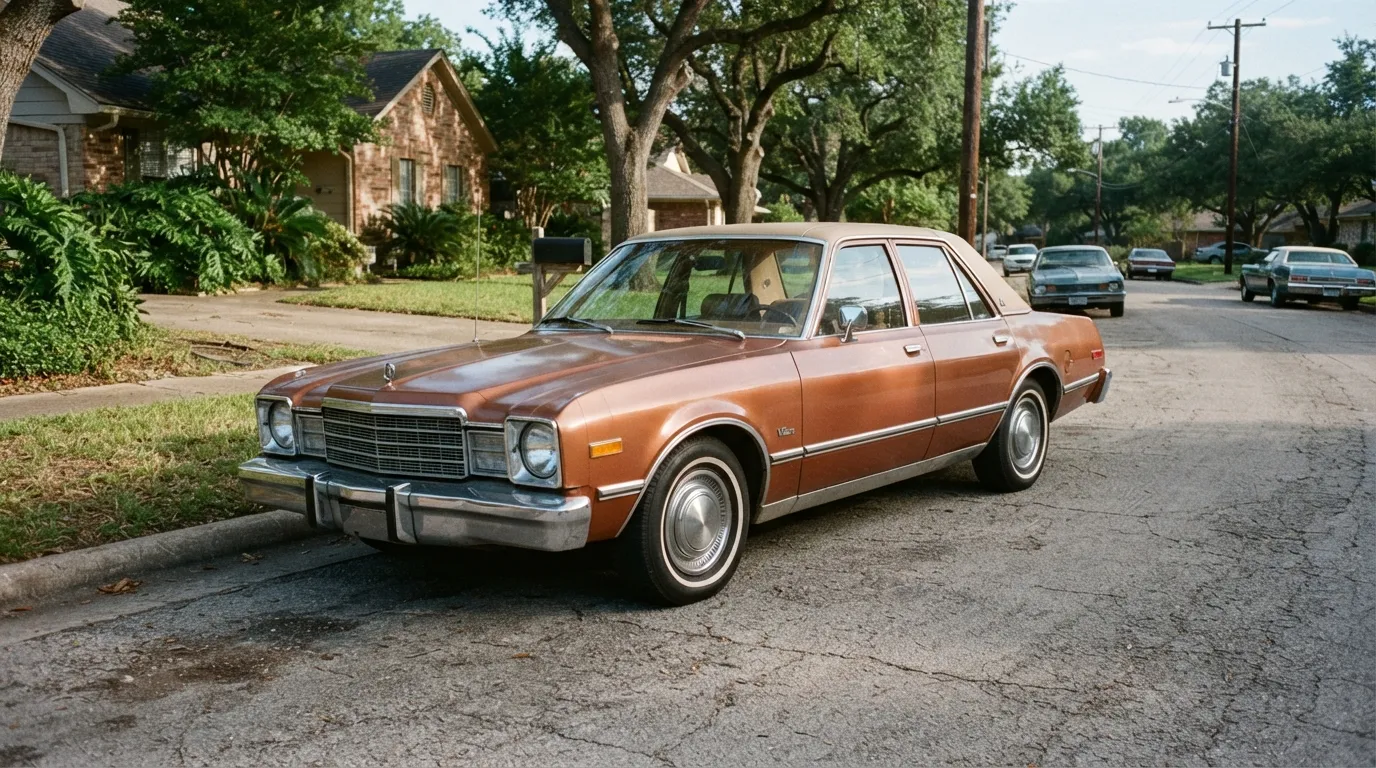
Chrysler’s 1976 Plymouth Volare was supposed to restore its reputation. It replaced the Valiant and Duster, and the launch was strong. Motor Trend named the Volare and its Dodge twin, the Aspen, Car of the Year for 1976.
Then trouble arrived. Complaints about rust and a long list of recalls piled up, and the car’s reputation took a beating. Its name means “to fly” in Italian, which made the quality problems sting even more.
By 1979 Chrysler was in deep financial trouble, and the company needed a new direction. Production of the Volare ended in 1980, and front-wheel-drive K-cars took over. The Volare started like a savior and ended as a symbol of how fast a promising launch can unravel.
Quick Compare
- Volare: launched 1976, replaced the Valiant and Duster, ended 1980
- Aspen: launched 1976, replaced the Dart, ended 1980
- Shared honor: Motor Trend Car of the Year for 1976
- Shared fate: front-wheel-drive K-cars took over
#4 – Dodge Aspen
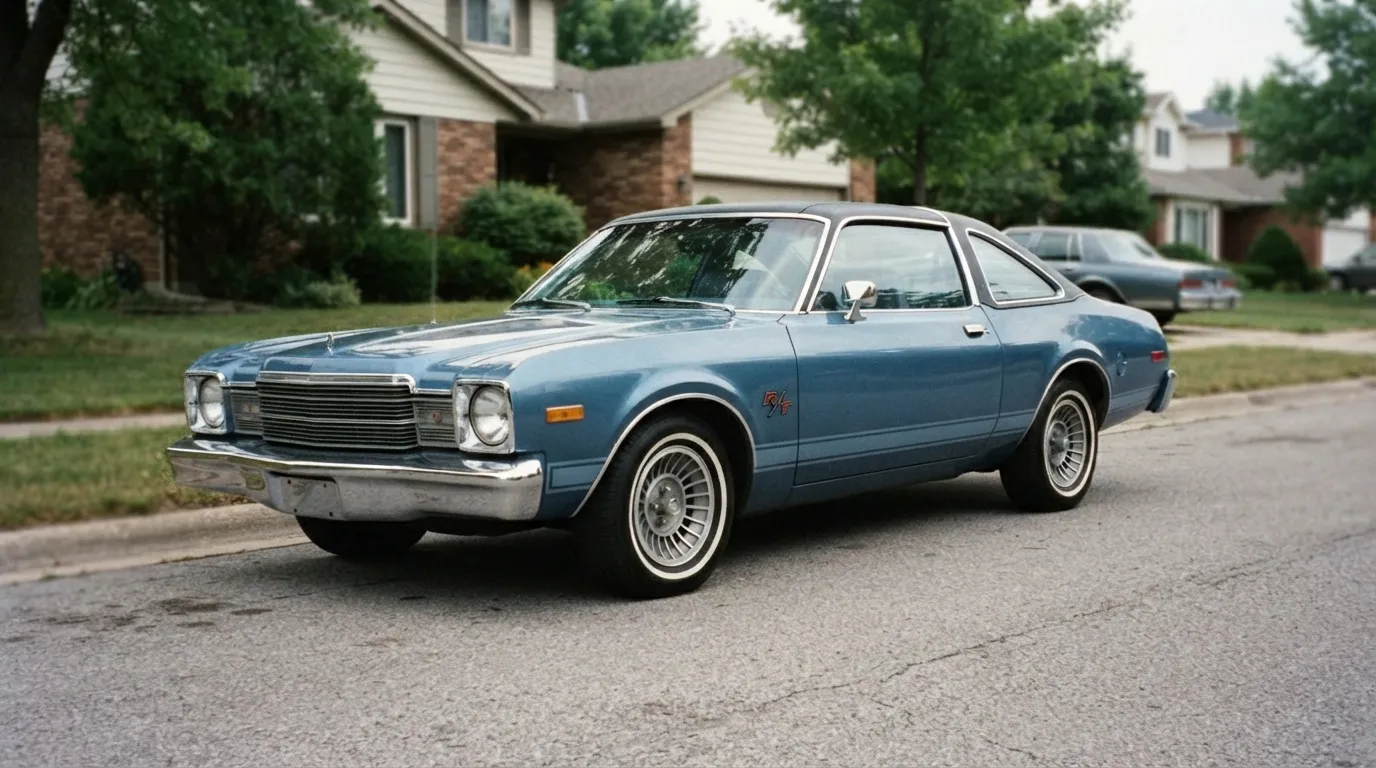
Dodge launched the Aspen in 1976 alongside the Volare, hoping to carry the Dart’s legacy into a new era. It came as a sedan, coupe, and wagon, with a more modern look and a more comfortable ride than the old compact it replaced.
The Aspen even brought back some performance. The R/T badge returned for sportier versions, giving buyers a taste of the brand’s muscle-car past. For a moment, it looked like Dodge had found its next hit.
But quality complaints followed, just as they did for the Volare. Production stopped in 1980, and the Dodge Aries K-car took over for 1981. The Aspen had been built to modernize Dodge’s compacts. Instead it ended up as a reminder of how much damage one rushed rollout can do.
#3 – Chevrolet Camaro Z28
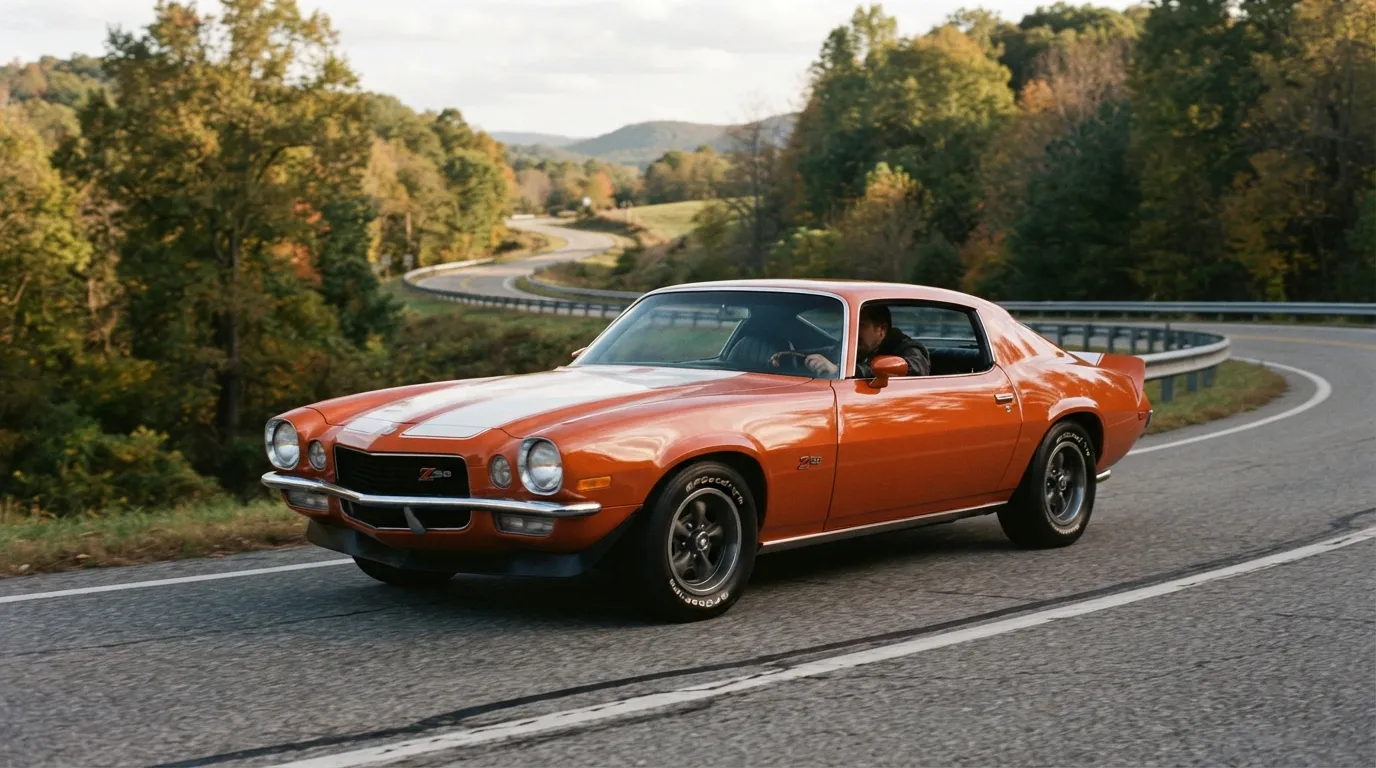
Chevrolet’s 1970 Camaro arrived late, wore a new sculpted body, and instantly looked like a European sports car. The Z28 was the star. Its solid-lifter 350 V8, the LT-1, was rated at 360 horsepower in 1970.
Then power ratings fell year after year as emissions rules and insurance costs closed in. The Z28 dropped out after 1974, which meant there was no Z28 at all for 1975 and 1976.
It returned in 1977, softer but still loved, and the second-generation Camaro ran through 1981. Seeing a performance icon vanish and then come back felt like a 1970s plot twist. For a couple of seasons, the best Camaro of all simply was not for sale.
#2 – Pontiac Firebird Trans Am SD-455
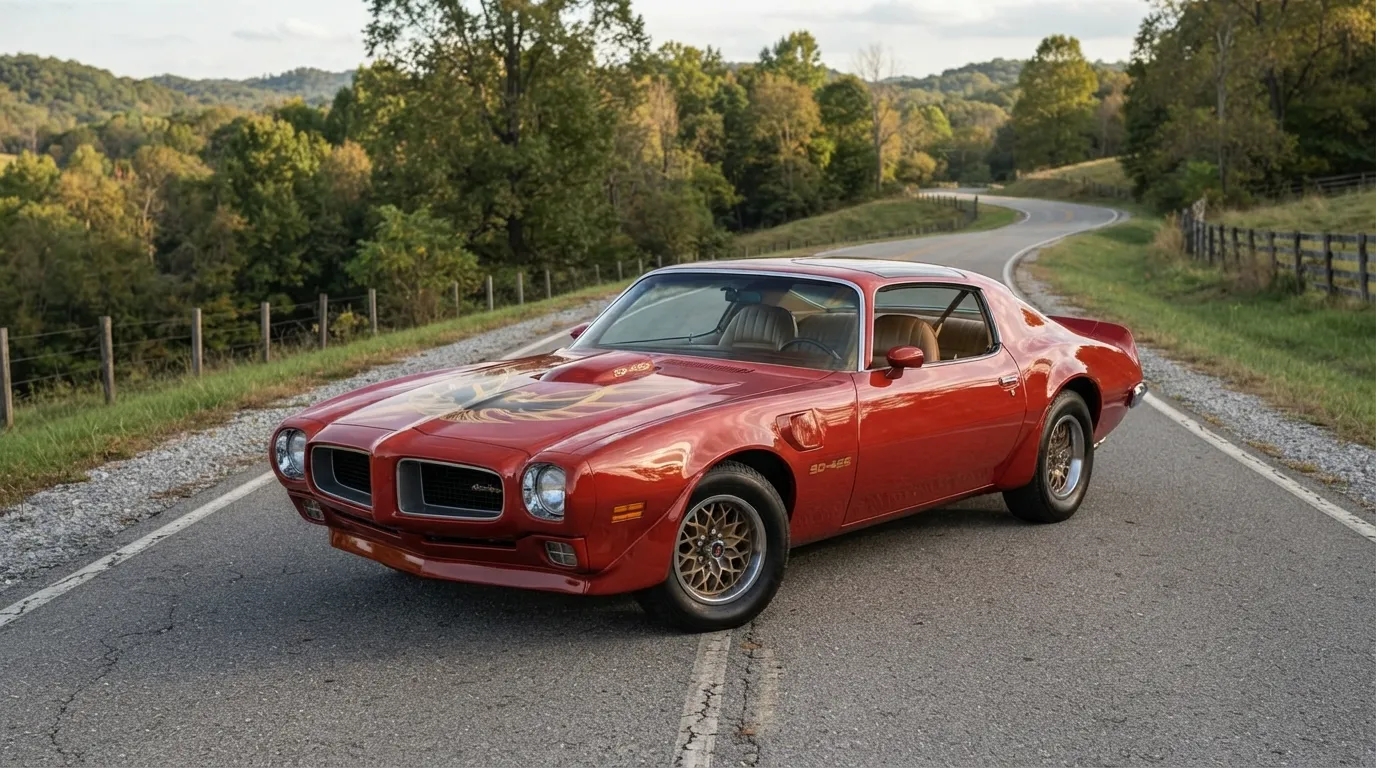
Few muscle cars ended with a bigger bang than the Pontiac Trans Am Super Duty 455. For 1973 and 1974, Pontiac offered the SD-455, a hard-edged engine built just as nearly everyone else was giving up on horsepower. The giant hood bird made sure no one missed it.
Then 1975 arrived, and the SD-455 was gone. Emissions rules and market pressure closed the door on that kind of engineering, and Pontiac’s big 455 engine faded out shortly after.
But the Trans Am did not die. In 1977, Smokey and the Bandit put a black-and-gold Trans Am on movie screens, and sales soared. The second-generation Firebird ran through 1981. The raw engine was history, but the image it helped build became bigger than the horsepower ever was.
#1 – AMC AMX
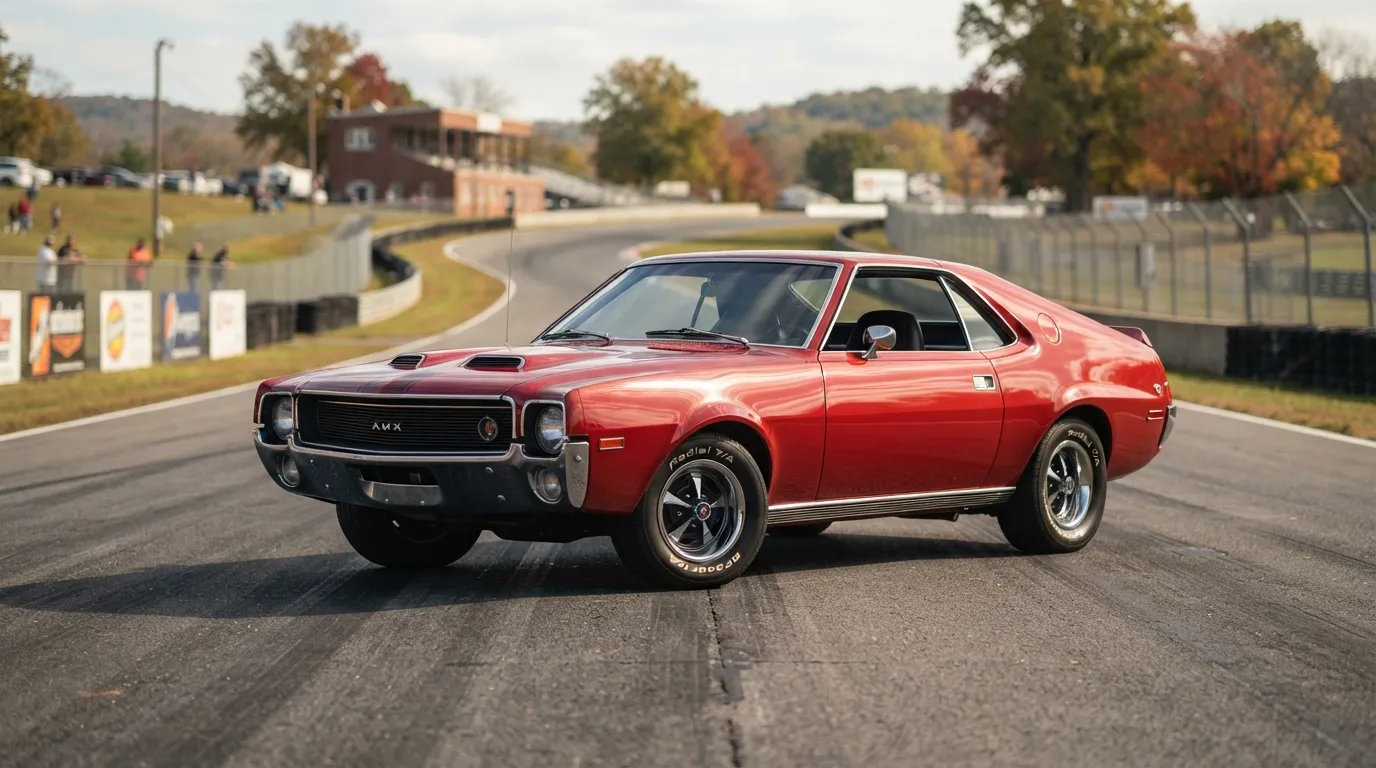
The AMC AMX only lasted three model years, 1968 through 1970, but it was a rare breed. It was a two-seat American sports car that went straight after Corvette, built by a company with a fraction of GM’s money. That alone made it special.
AMC made noise, too. In 1968, racing legend Craig Breedlove set 106 speed records in an AMX. The car had unusual looks, a short wheelbase, and strong acceleration, especially with its available 390 V8.
Then the two-seat dream ended. After 1970, AMC shifted attention to practical cars, and the AMX name became a trim level on the Javelin. The decade had barely started, and one of its boldest sports cars was already gone. It remains the ultimate 1970s might-have-been.
CEO-Co-Founder