

- 15 Songs That Sparked Generational Movements - October 14, 2026
- How American Memoirs Changed Global Diplomacy - October 14, 2026
- 27 Celebrities Who Were Everywhere in the 1970s and Then Suddenly Stepped Away - October 14, 2026
Picture 1975. You couldn’t flip a channel, grab a magazine, or walk past a record store without running into the same faces. Then, one by one, those faces disappeared. This list is about 27 stars who were impossible to miss and what happened when they walked out of the frame.
Some quit at the very top. Others were worn down by burnout, typecasting, or a business they no longer trusted. A few exits were loud, and some were so quiet that fans barely noticed until the posters came down. The reason behind a couple of them is far more human than you’d expect, and the countdown ends with a name that changed what “taking time off” could mean for a superstar.
#27 – Tony Orlando
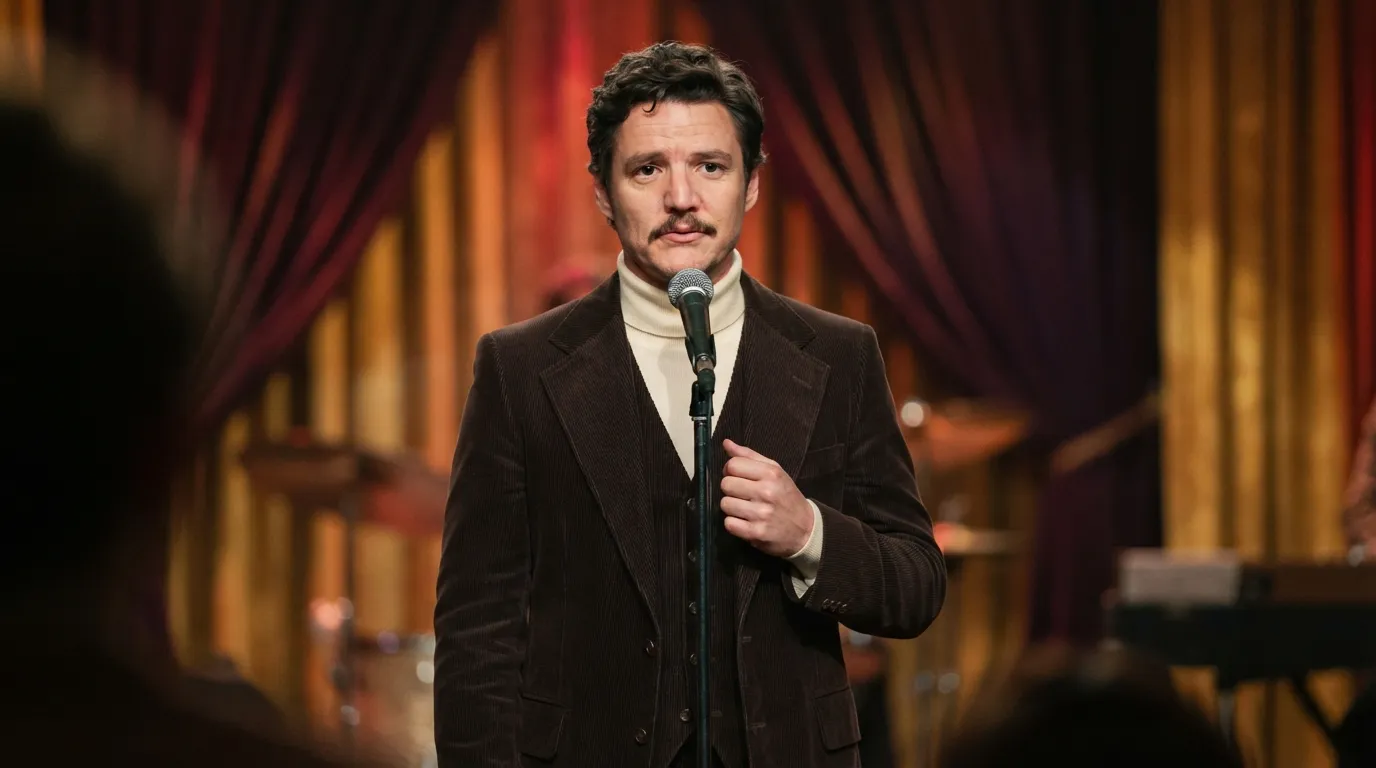
In the early 1970s, Tony Orlando seemed to live inside everyone’s radio. “Knock Three Times” and “Tie a Yellow Ribbon Round the Ole Oak Tree” were everywhere, and Tony Orlando and Dawn landed their own CBS variety show in 1974.
Then the engine ran out. In 1977, he stunned a live audience by announcing he was done with show business, citing exhaustion. The man who looked unstoppable on TV was running on empty.
Fans assumed it was a pause, and it lasted far longer than anyone guessed. He stepped back to recover and spend time with his family, and regular performing came back only years later. For a guy known for grins and sing-alongs, the silence hit hard.
#26 – Melissa Gilbert
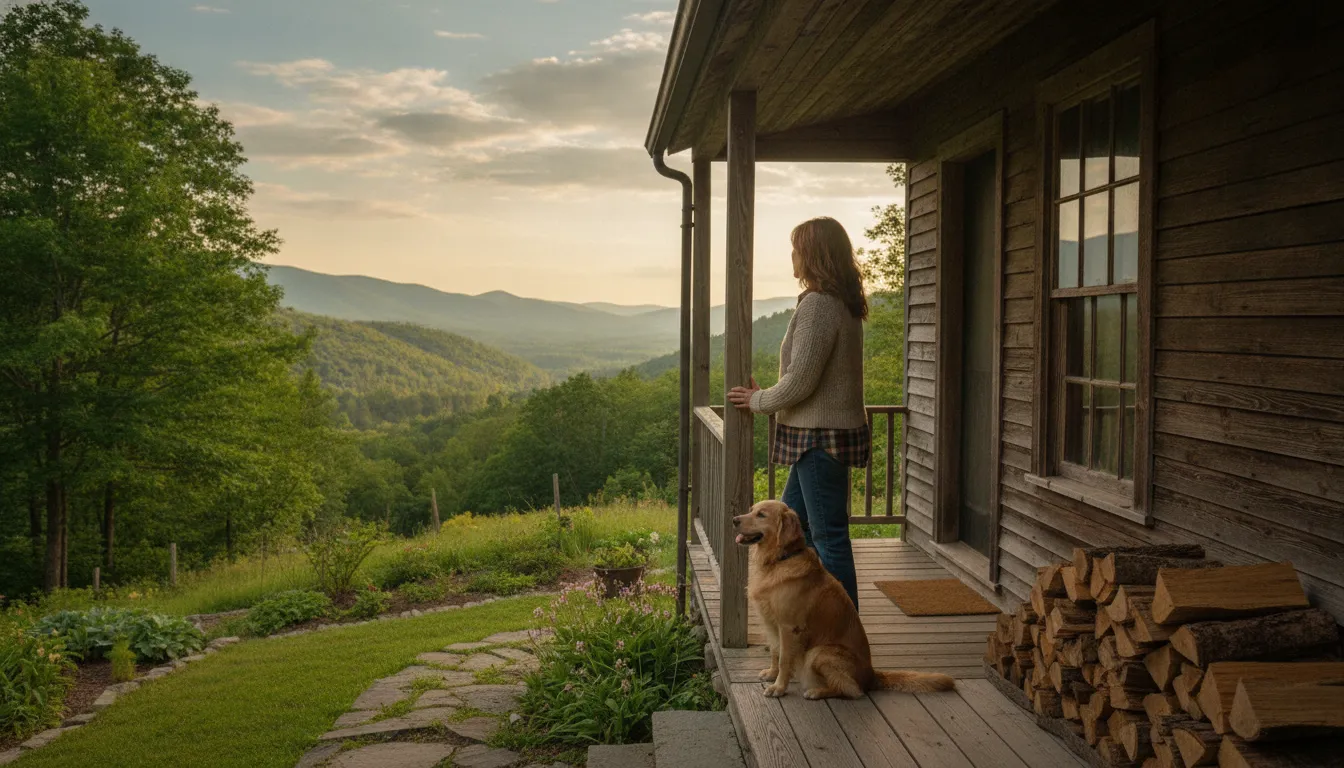
For millions of viewers, Melissa Gilbert was Laura Ingalls. She joined Little House on the Prairie as a child in 1974, and the show turned her into one of the most recognizable young faces in America.
Growing up on camera has a price. Gilbert spent her formative years in front of the public, with fans feeling they knew her before she knew herself.
Eventually she traded Los Angeles for a quieter life in New York’s Catskill Mountains. Raising a family away from the industry’s constant glare mattered more to her than staying in the center of it. Roles still came along, but the girl who once felt like everybody’s little sister chose distance over visibility.
#25 – Kristy McNichol
Kristy McNichol was a teenager when she won Emmys for her work on the drama Family. She took home the supporting actress award in 1977 and again in 1979, and she became one of the most admired young actors on television.
On screen, she looked fearless. Off screen, she was dealing with pressures that no one her age should have had to carry in public.
McNichol later stepped away from acting, saying she needed to focus on her mental health and live as her true self. In 2012, she publicly came out as gay. She has stayed far from the spotlight since, which makes her early success feel even more bittersweet.
#24 – Susan Dey
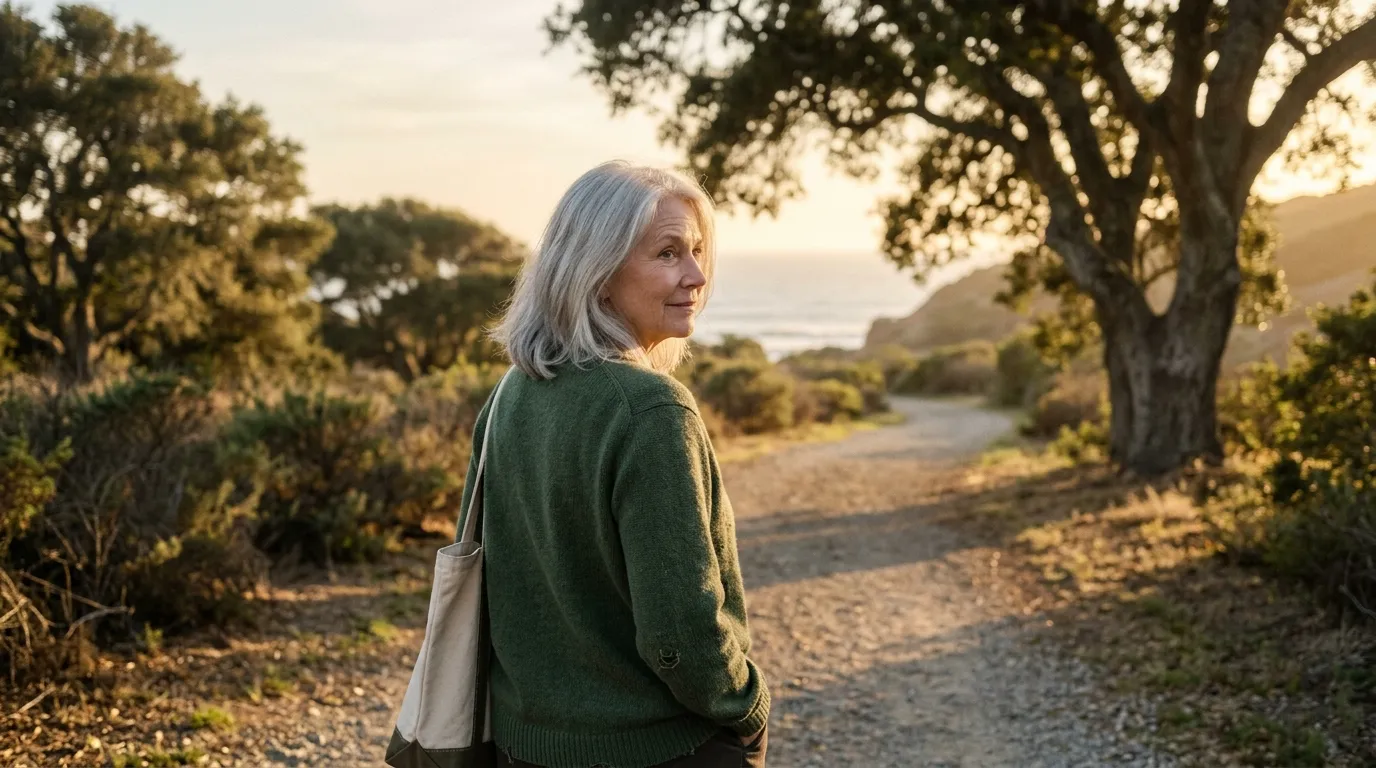
Susan Dey became a teen idol as Laurie Partridge on The Partridge Family, which ran from 1970 to 1974. The sitcom’s fictional band hit the real charts, and Dey’s face landed on bedroom walls across the country.
The part she played stuck to her for years. Shaking the wholesome girl-next-door image was her real challenge.
She pulled it off in the 1980s as the sharp-edged attorney Grace Van Owen on L.A. Law, a role that earned her major acclaim. Then, after that second wave of success, she gradually stepped back from acting. Dey has made clear that she values privacy and personal pursuits over staying famous. Her name stays familiar, but she rarely goes looking for the spotlight.
#23 – David Cassidy
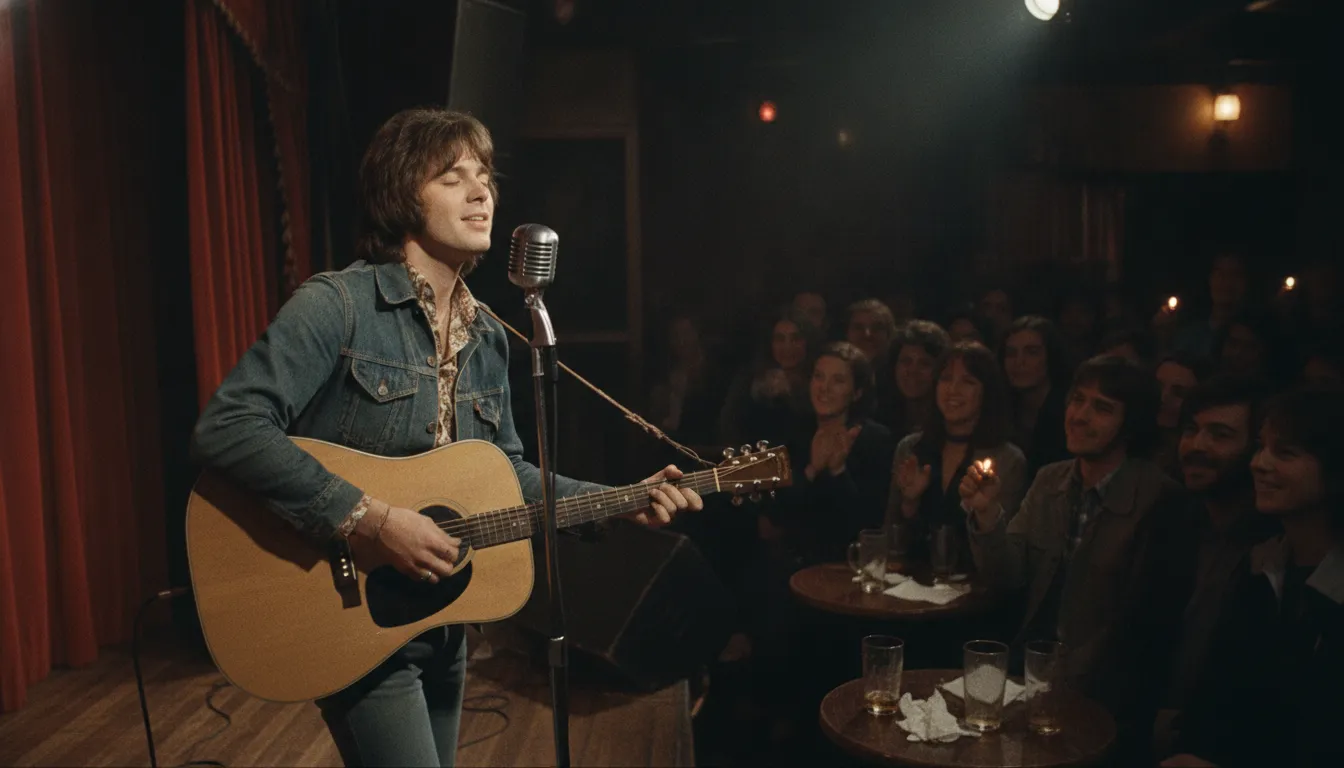
David Cassidy lived through the kind of fame that most people only imagine. As Keith Partridge, he inspired screaming crowds, posters, lunchboxes, and sold-out concerts that felt more like riots than shows.
But he was uneasy about it. Cassidy often said the teen-idol image boxed him in, and he wanted to be taken seriously as a musician rather than a poster.
After The Partridge Family ended in 1974, he pulled away from the machine that made him. He turned toward smaller venues, more personal music, and a life that was less crowded. Longtime fans were surprised to see the guy who once filled arenas happily playing small rooms. In a way, it was the first time he picked the stage himself.
#22 – Leif Garrett
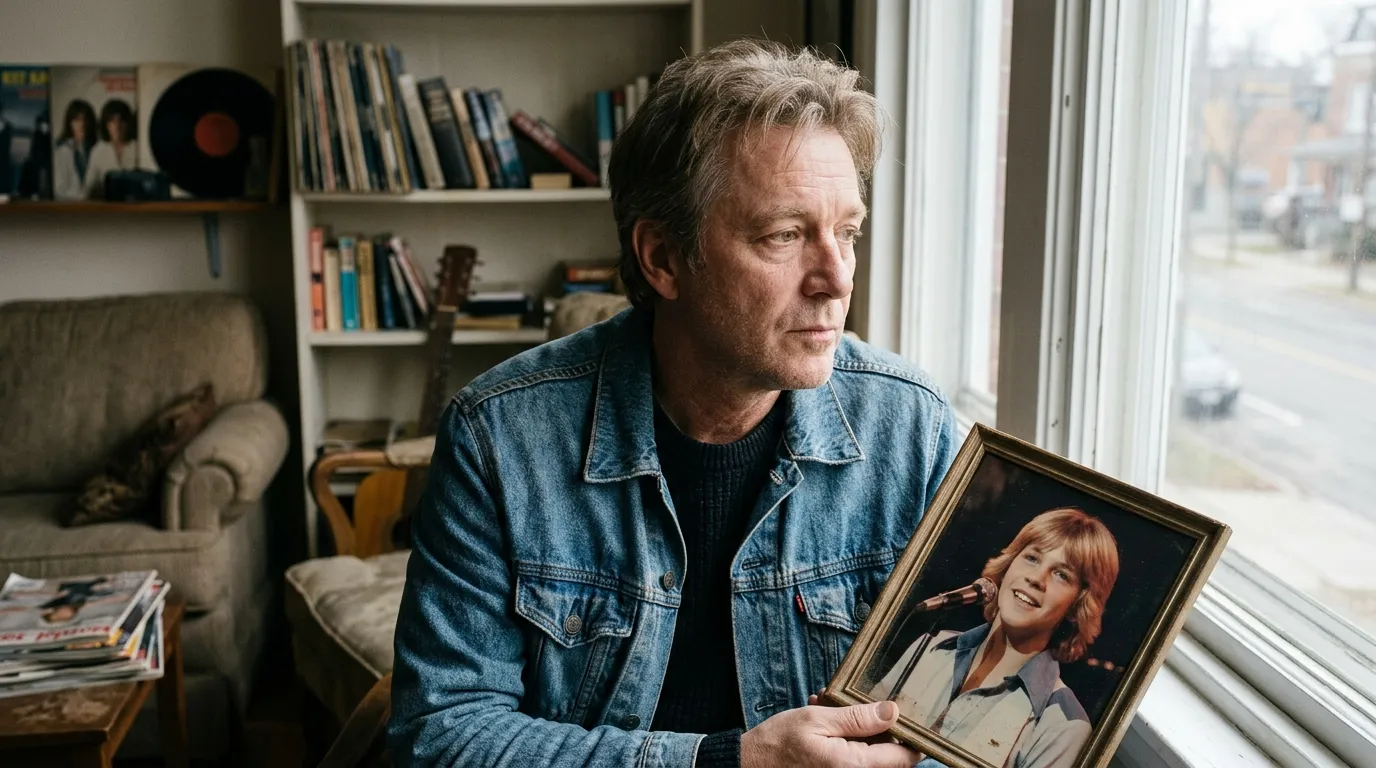
In 1978, Leif Garrett was the face of teen pop. “I Was Made for Dancin’” was a hit, his picture appeared in teen magazines every month, and he turned up on television constantly.
Then the ground shifted. Tastes changed quickly, and teen idols had a short shelf life in those years. Garrett also struggled with personal troubles that made things harder.
He tried comebacks, but he never regained that level of attention. What makes his story feel different from many on this list is how openly he has looked back. He has talked about the fame, the fall, and the hard years in interviews and television retrospectives. The kid who once seemed everywhere became a case study in how fast the spotlight can move on.
#21 – Bobby Sherman

Bobby Sherman was a heartthrob who seemed to be on every teen magazine cover. He sang hits like “Little Woman,” starred in Here Come the Brides, and then led his own show, Getting Together, in the early 1970s.
Instead of hanging on as the trends moved, he chose a very different path. Sherman left the entertainment grind and put his energy into something that felt more meaningful to him.
Fast Facts
- Here Come the Brides ran on ABC from 1968 to 1970.
- “Little Woman” was a big hit in 1969.
- Getting Together followed in 1971 and gave him his own series.
- His teen-magazine fame peaked in just a few short years.
He trained as an emergency medical technician and, with his wife, helped start a charity for children. That’s a long way from screaming fans and teen-idol appearances. His exit earned respect because it looked less like a retreat and more like a decision about what he wanted his life to be about.
#20 – Ali MacGraw

Few actresses had an entrance like Ali MacGraw’s. Love Story arrived in 1970, earned her an Academy Award nomination, and made her one of the biggest stars in the country almost overnight.
She stayed in the spotlight with The Getaway in 1972, opposite Steve McQueen, and her marriage to him kept her in the headlines. Then the pace of her career changed.
After Convoy in 1978, her leading roles thinned out, and she moved toward a quieter, more grounded life. MacGraw has spoken about stepping away from industry pressures and what she found on the other side. The Hollywood star who defined an era did not chase every chance to stay in it.
#19 – Tuesday Weld
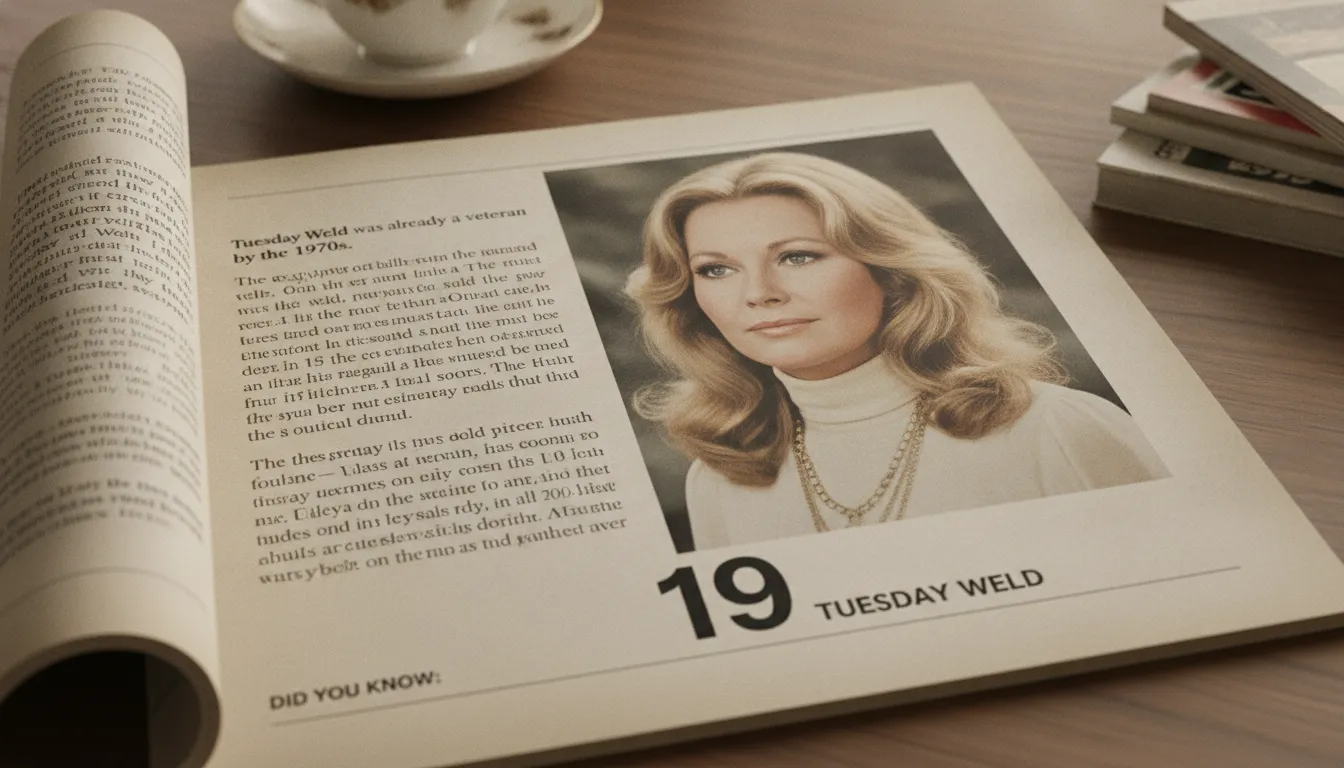
Tuesday Weld was already a veteran by the 1970s. She had been working since she was a teenager, and critics kept finding new reasons to admire her, including her turn in Looking for Mr. Goodbar in 1977.
She was also famously picky. Weld has been widely reported to have turned down several of the most famous roles of her era, which was almost unheard of for a rising actress.
By the late 1970s, she was working less and less. She retreated gradually, choosing a quieter life over the next big part. Those who expected her to lead a long run of major films were surprised. Weld’s story is a reminder that being in demand and wanting to be in demand are very different things.
#18 – Linda Blair
Linda Blair was a kid when The Exorcist (1973) made her famous in a way that was both thrilling and terrifying. The performance earned her an Oscar nomination, and she became the face of a horror classic almost overnight.
But a role that iconic can be a trap. Audiences saw the character first and the actress second, and mainstream opportunities narrowed fast.
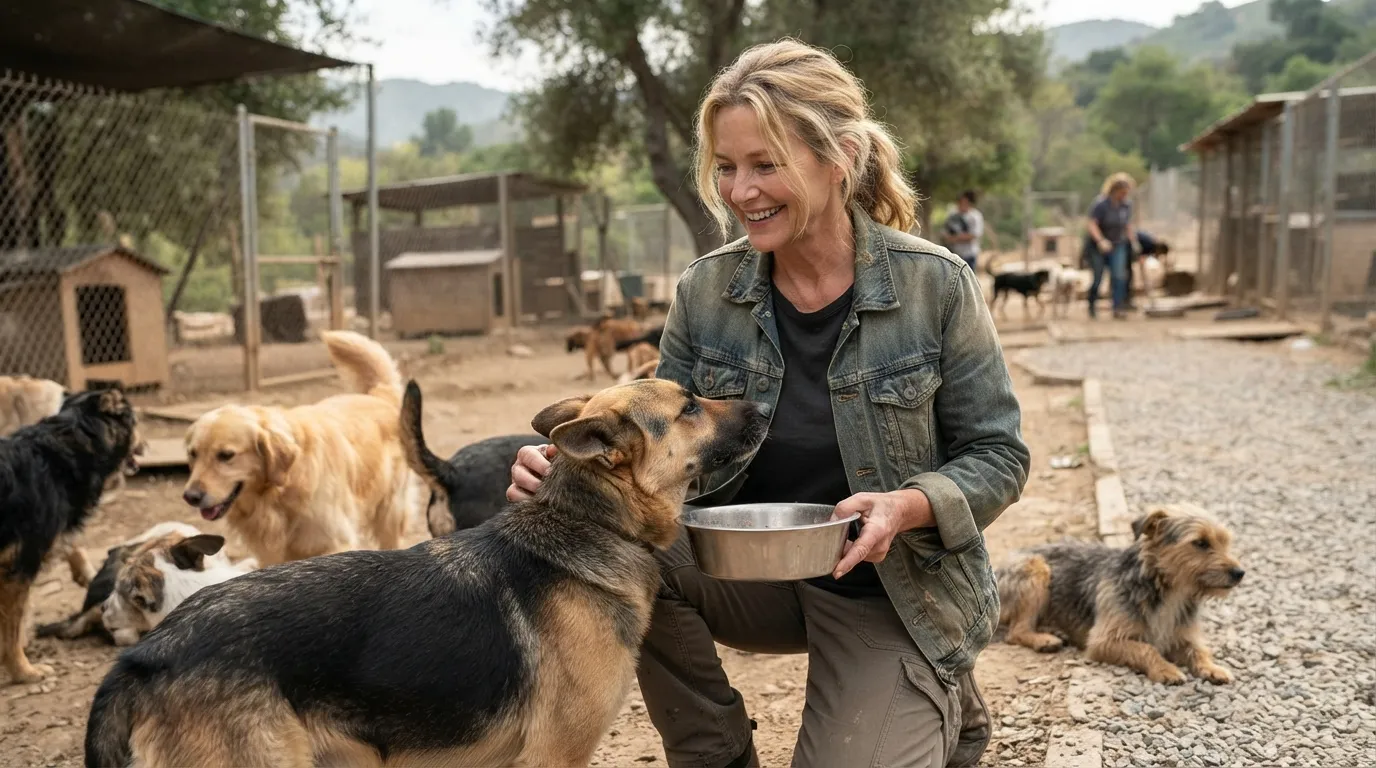
Blair kept working, mostly in lower-budget projects, but the big Hollywood path never opened the way many expected. Over time she found a cause that mattered more to her than box-office numbers: animal rescue and advocacy. She left much of her earlier high-profile life behind and built a new public purpose outside traditional acting.
#17 – Pam Grier
In the early 1970s, Pam Grier kicked down doors that Hollywood hadn’t even built yet. Coffy (1973) and Foxy Brown (1974) made her one of the first major female action stars, and the roles felt fearless and new.
She became a cultural force at a time when screens rarely showed women like her.
But the opportunities that followed did not always match the impact she had made. In the 1980s, the kind of roles she helped invent got thin, and her presence in mainstream films faded. She did not disappear for good, though. Quentin Tarantino’s Jackie Brown in 1997 reminded the world exactly what Hollywood had been missing. Her story is part “stepped away” and part “shoved aside.”
#16 – Jan-Michael Vincent
Jan-Michael Vincent had the look that defined the 1970s leading man: rugged, sun-weathered, and a little dangerous. He starred in The Mechanic (1972) and Big Wednesday (1978) and seemed headed for a long run at the top.
That run did not last. He later landed on Airwolf in the 1980s, which gave him one more big moment on television.
But personal struggles, including problems with alcohol and a series of accidents, steadily pulled him away from the A-list. By the end, he lived mostly out of public view, and he died in 2019. His story is one of the saddest contrasts in this countdown. The face that once filled movie posters ended up almost forgotten.
#15 – Farrah Fawcett
In 1976, Farrah Fawcett became impossible to avoid. Her red swimsuit poster sold in the millions, and her feathered hair set trends across the country. Charlie’s Angels made her a symbol of the decade.
Then she walked away from the show that made her famous. After just one season, she left, reportedly over a contract dispute, and the departure stunned the industry.
At a Glance
- Charlie’s Angels premiered on ABC in September 1976.
- Her co-stars were Kate Jackson and Jaclyn Smith.
- Cheryl Ladd joined the cast as the show moved forward without her.
- Fawcett’s TV movie The Burning Bed (1984) later earned her an Emmy nomination.
Fawcett did return for a handful of guest appearances, but her time as a full-time Angel was over. She went on to more selective work, and she later earned praise for serious dramatic roles. Leaving the biggest show on television took nerve. It also proved she wanted more control than her glamorous image allowed.
#14 – Burt Reynolds
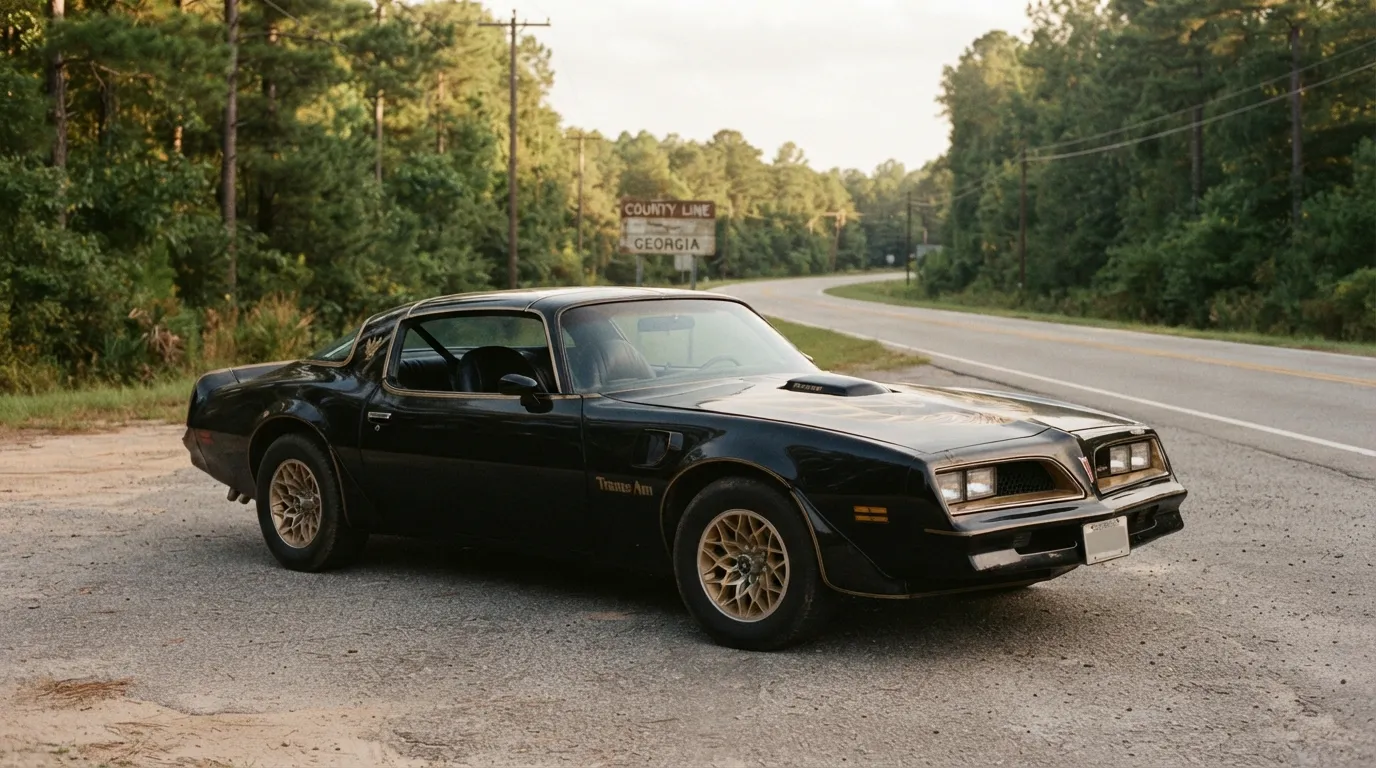
Burt Reynolds was one of the biggest movie stars on the planet. Smokey and the Bandit (1977) made him a box-office king, and his talk-show appearances made him just as famous for his wit as for his mustache.
His reign was loud, and it didn’t end quietly, either. In the mid-1980s, an on-set injury during City Heat and a string of disappointing films knocked him off the top.
He shifted toward selected projects and television, including a long run on Evening Shade. Years later, Boogie Nights (1997) earned him an Oscar nomination and reminded everyone of his range. His story is less about a sudden exit and more about the end of an era. Even the biggest names sometimes find the crowd moves on before they do.
#13 – Robert Conrad

Robert Conrad built a reputation as one of television’s toughest guys. He first got attention in The Wild Wild West in the 1960s, and in 1976 he took center stage as Marine pilot Pappy Boyington in Baa Baa Black Sheep, later retitled Black Sheep Squadron.
He did his own stunts, and audiences loved the swagger. Conrad had a charm that made a tough-guy image feel like fun.
When the series ended in 1978, the big-screen stardom some expected never quite arrived. He drifted toward television movies and smaller series, slowly leaving the center of the industry. Fans who grew up watching him sometimes forget how big he was. He was a headline name who traded a spot at the top for a steadier, lower-key career.
#12 – Carole King
In 1971, Carole King’s Tapestry seemed to play in every home. The album stayed on the charts for years, and it won four Grammys, including Album of the Year and Record of the Year for “It’s Too Late.”
She could have stayed at the center of the music world for as long as she wanted. Instead, she did something that shocked the industry.
In the late 1970s, King moved to Idaho and withdrew from the superstar life. She kept making music, but at her own pace, away from the glare. She also became a passionate advocate for protecting wild land in the Northern Rockies. A woman who wrote songs for the whole country decided she’d rather listen to the mountains.
#11 – Bo Derek
When the movie 10 arrived in 1979, Bo Derek went from relative unknown to cultural phenomenon. The cornrows, the beach scene, and the instantly recognizable image made her impossible to ignore.
The moment was huge, and it was also hard to follow. Her later films, including Bolero, did not match the buzz.
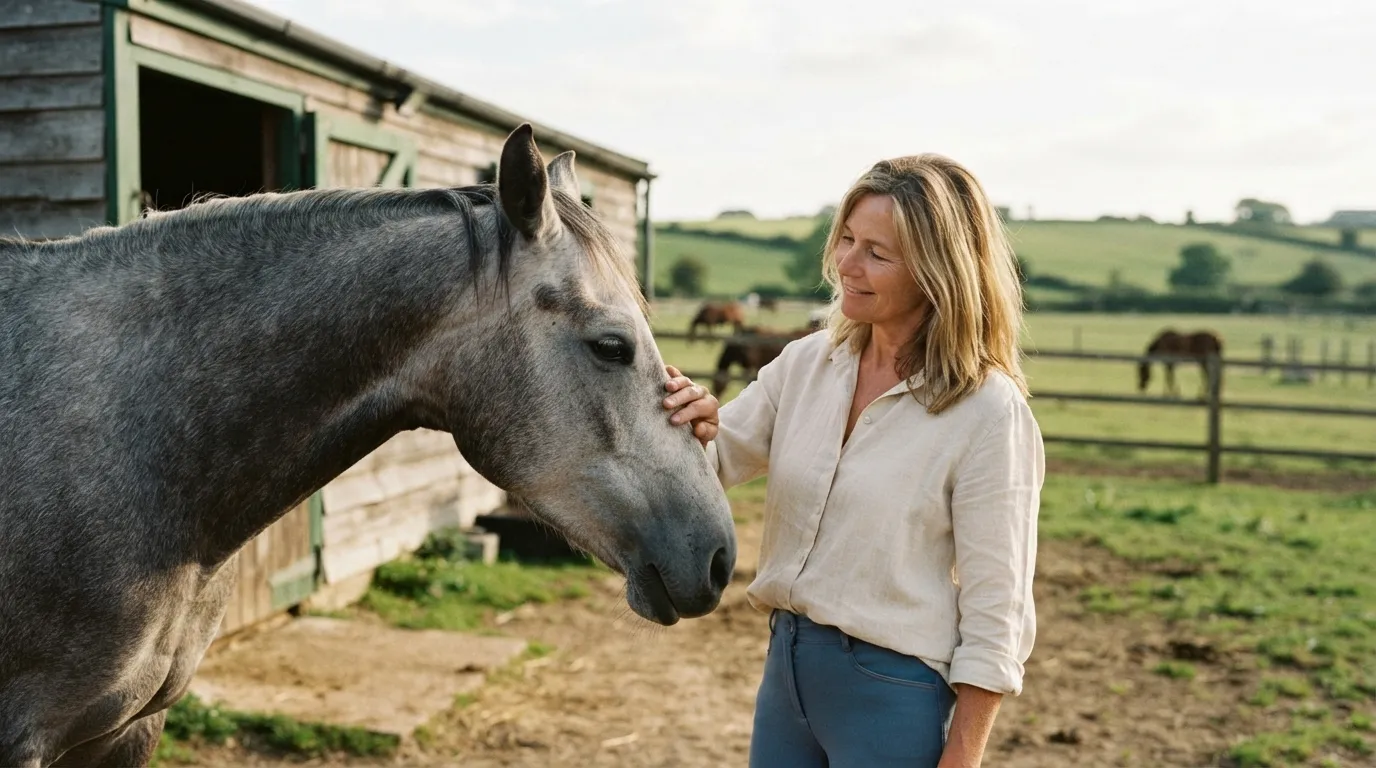
Over time Derek stepped away from stardom and pivoted toward business ventures and a cause close to her heart: horses. She became a prominent voice for horse welfare. The transition kept her name in circulation without constant screen time. In a way, she turned a moment of overwhelming attention into a platform for something she actually cared about.
#10 – Evel Knievel
Evel Knievel turned danger into a national event. His motorcycle jumps were broadcast to enormous audiences, and kids across America wanted the toy, the jumpsuit, and the nerve.
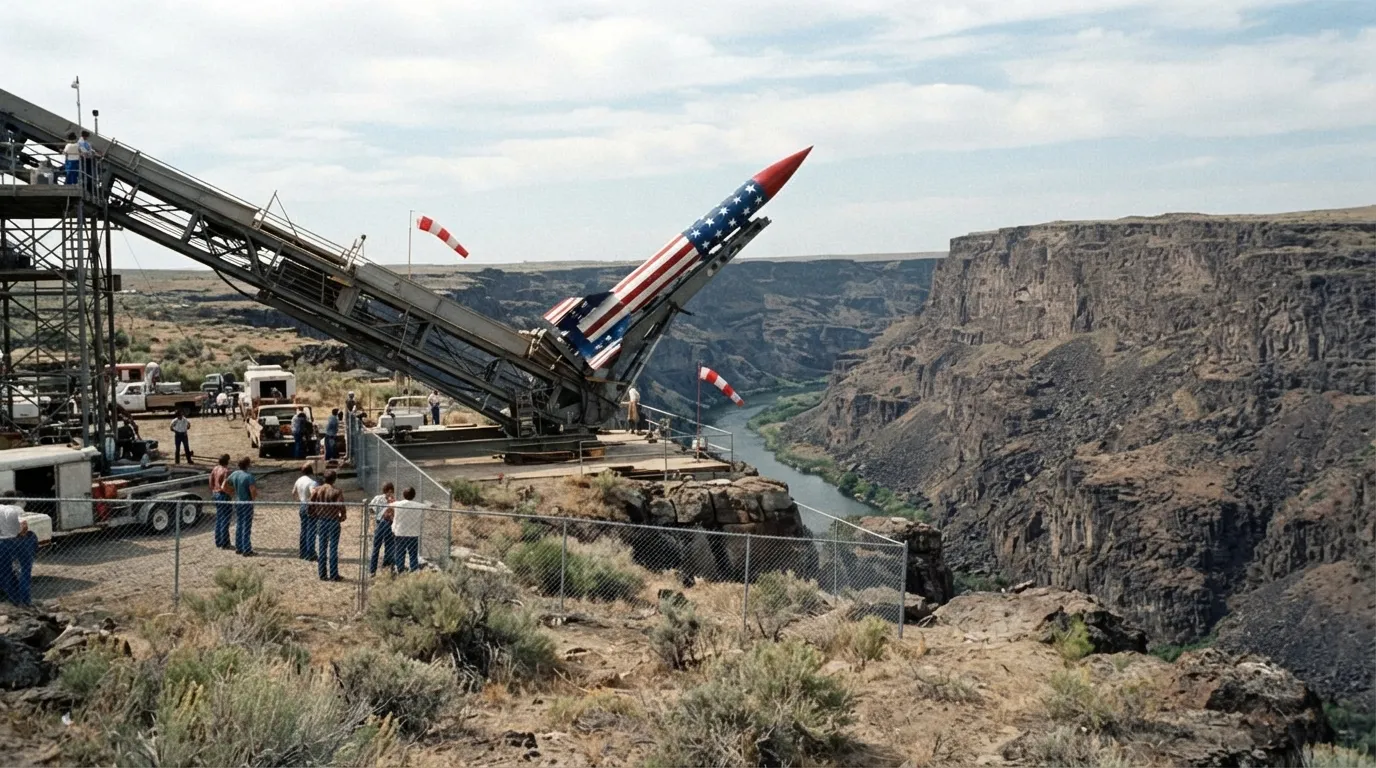
In 1974, he tried to rocket across Idaho’s Snake River Canyon. The attempt failed, but he walked away alive, and the public loved him more for it.
The risks kept stacking up. A brutal 1975 crash at Wembley Stadium was just one of many that sent him to the hospital, and his body paid for every jump. By the late 1970s and early 1980s, his run as a headline daredevil was fading. The physical toll made sustained high-profile jumps impossible. He remained famous, but the crowds that once watched him leap had to settle for stories.
#9 – Cat Stevens
Cat Stevens wrote songs that felt like warm light: “Peace Train,” “Father and Son,” and “Wild World.” In the early 1970s, his albums sold well and his gentle voice was everywhere.
Worth Knowing
- “Wild World” and “Father and Son” both come from the 1970 album Tea for the Tillerman.
- “Peace Train” arrived on Teaser and the Firecat in 1971.
- He returned to pop music with the 2006 album An Other Cup.
- He now performs under the name Yusuf / Cat Stevens.
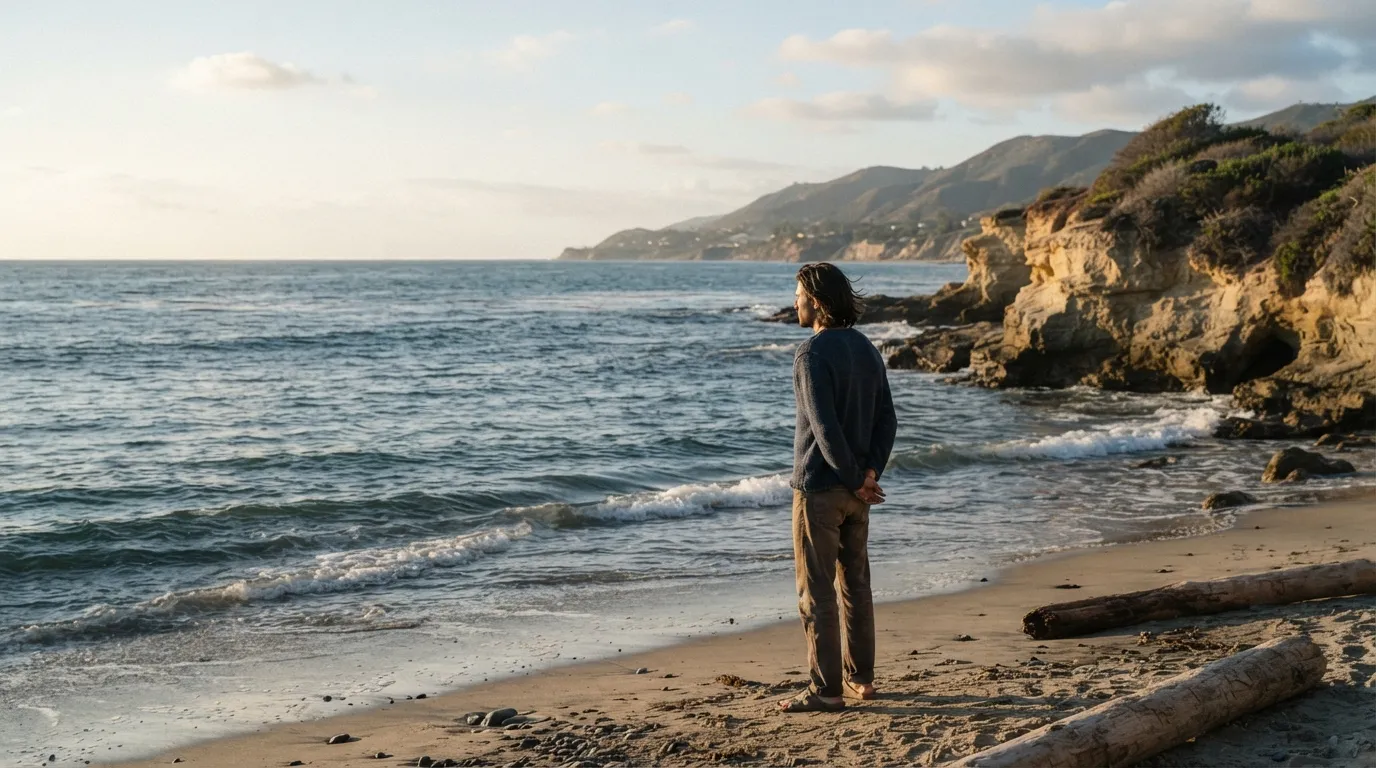
Then, in 1976, he nearly drowned off the coast of Malibu. He has described the experience as a turning point, and it set off a deep spiritual search.
He converted to Islam, took the name Yusuf Islam, and in the late 1970s he walked away from the music business. Fans were baffled for years. The disappearance was complete enough that people wondered if the songs would ever return. They did: he came back to music in the 2000s, nearly three decades later.
#8 – Bill Withers
Before he was famous, Bill Withers worked in a factory, reportedly building toilets for Boeing 747s. Then came “Ain’t No Sunshine” in 1971, “Lean on Me” in 1972, and “Lovely Day” in 1977.
His songs became part of everyday American life. They were simple, honest, and impossible to forget.
But Withers had little patience for the way the music business worked. Frustrated by label interference and industry demands, he stopped recording after his 1985 album and walked away from the industry entirely. He had no big farewell tour or dramatic announcement. He just went home and lived a private life. Decades later, the Rock and Roll Hall of Fame still honored the man who simply quit.
#7 – Peter Ostrum
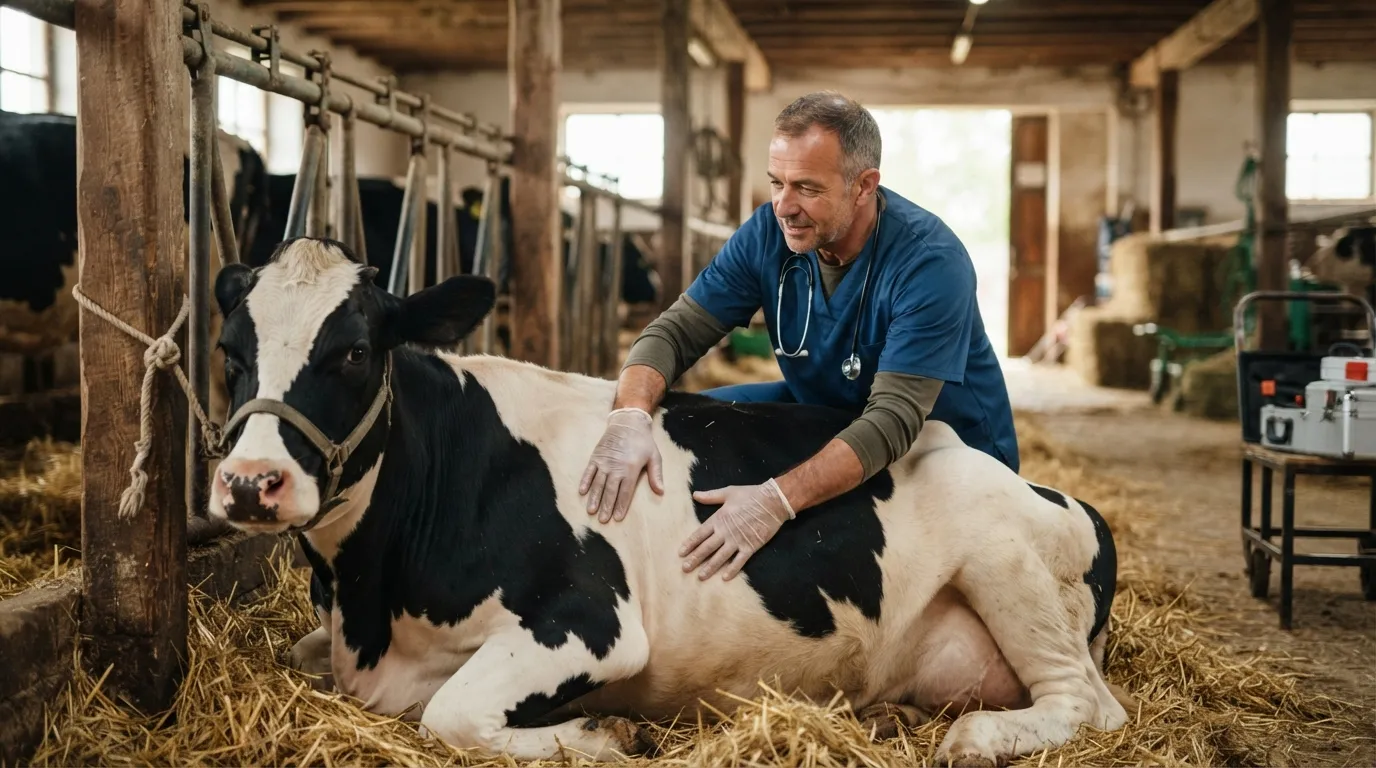
In Willy Wonka & the Chocolate Factory (1971), Peter Ostrum played Charlie Bucket, the lucky kid who found the golden ticket. He was just a boy, and he had never really planned on acting as a career.
Why It Stands Out
- Charlie Bucket was his only film role.
- He went on to study veterinary medicine at Cornell University.
- His practice focused on large animals, including cows and horses.
- Few child stars trade a movie set for a barn call this completely.
Hollywood noticed. The studio offered him a three-picture deal, which is the kind of offer most young actors would dream about.
Ostrum said no. He went back to a normal life, and he eventually became a veterinarian who cared for large animals. The choice surprised studio expectations at the time, and for decades he stayed out of the spotlight. Few people can say they turned down a movie franchise in favor of cows and horses, but Ostrum is one of them.
#6 – Mike Lookinland

Mike Lookinland was a little kid when he became Bobby Brady on The Brady Bunch. The show ran from 1969 to 1974, and its reruns and spin-offs kept him in the public eye long after.
For years his childhood was lived on a soundstage. His classmates had summers, but he had call times.
When the series wrapped, Lookinland wanted something simple: a normal life. He stepped away from acting and moved toward other pursuits. His desire for ordinary routines after years on set shaped a low-profile adulthood. Fans still recognize that face from a thousand reruns. But the boy who grew up in front of cameras chose to live the rest of his life largely behind them.
#5 – Todd Bridges
When Diff’rent Strokes premiered in 1978, Todd Bridges was in living rooms everywhere as Willis Jackson. The show’s catchphrases were part of the culture, and the child cast felt like family to the country.
The reality behind the scenes was much harder. Bridges later wrote and spoke openly about abuse, addiction, and the years when his career fell apart.
Typecasting made it difficult to find new roles, and his personal struggles kept him away from the center of the industry. He has since spent years speaking about recovery and awareness. The transition from child star to private citizen took years and plenty of public attention. His honesty has made him one of the most candid voices from that era of television.
#4 – Karen Lynn Gorney
Karen Lynn Gorney played Stephanie Mangano opposite John Travolta in Saturday Night Fever (1977). The disco blockbuster was a global phenomenon, and her performance helped make it feel real.
Most actors would have used that moment to launch a major film career. Gorney’s path went in a different direction.
She stepped back from Hollywood after the film’s success and returned to smaller stage and television work. She chose stability and privacy over continued industry demands. Observers were surprised that someone from one of the decade’s biggest cultural moments didn’t chase more. Travolta became a superstar, but Gorney’s name stayed tied to one unforgettable role.
#3 – Mark Lester

Mark Lester became a global name as the young star of the musical Oliver! in 1968, which won the Oscar for Best Picture. Through the early 1970s, he kept working in British and international films, including Black Beauty.
He was a child star with a recognizable face and a long career ahead of him.
At 28, he quit the film industry and traveled in Europe. Then he made a move almost nobody expected: he studied osteopathy and opened a clinic. The pivot from acting to healing represented a complete career change. Few former child stars reinvent themselves that dramatically. Lester went from the screen to the treatment table, and he never looked back.
#2 – Shaun Cassidy
Shaun Cassidy followed his half-brother David into teen-idol territory, and he did it fast. In 1977, “Da Doo Ron Ron” hit the top of the charts, and he starred in The Hardy Boys Mysteries on television.
He was on magazine covers and in teenage dreams. For a short time, the Cassidy name seemed to belong to a whole family of heartthrobs.
But Shaun saw where the road led. Instead of trying to stay a teen idol forever, he moved behind the camera. He became a writer and producer, later creating the series American Gothic in the 1990s. The shift from performer to creator let him keep working in the industry without constant public exposure. He stepped out of the spotlight and kept the career.
#1 – John Lennon
By the mid-1970s, John Lennon was already a legend. The Beatles had ended in 1970, and his solo work, including “Imagine,” had kept him one of the most talked-about people in the world.
Then, after his son Sean was born in October 1975, he did something almost no rock star had done. He stopped.
Lennon stepped away from the music business for roughly five years to be a full-time father, famously baking bread and caring for Sean at home in New York. No tour, no new albums, no scheduled comeback. When he returned with Double Fantasy in November 1980, fans were thrilled. Just weeks later, he was killed. The quiet years at home turned out to be some of the last he had.
CEO-Co-Founder
