

- Unforgettable Opening Acts That Became Bigger Than The Headliners - October 10, 2026
- What Your Favorite Childhood Book Says About You - October 10, 2026
- 30 Celebrities Who Were Everywhere in the 1970s and Then Quietly Stepped Away - October 10, 2026
If you lived through the 1970s, you couldn’t dodge these faces. They were on lunchboxes, supermarket magazine racks, Saturday-night TV and the poster taped above somebody’s bed. Then, one by one, the volume dropped.
Some walked away on purpose. Others burned out, got typecast or just got tired of being public property. A couple changed careers so completely that you’d never guess what they do now, and the real reasons are more human than a simple “whatever happened to…” suggests.
#30 – David Cassidy
For a few years, David Cassidy may have been the most screamed-at young man in America. As Keith Partridge on The Partridge Family, he was on posters, lunchboxes and magazine covers, and his concerts drew mobs. He later said the fame left him trapped inside an image he never chose.
He tried to break out early. A famously revealing 1972 Rolling Stone cover was meant to shake off the clean-cut look, and the show ended in 1974. That same year, a fan was killed in a crush at a London concert, a tragedy he spoke about for years. He later worked in theater and headlined a Las Vegas show, but he never lived at that fever pitch again.
At a Glance
- Breakout role: Keith Partridge on The Partridge Family
- Image reset attempt: A revealing 1972 Rolling Stone cover
- Show ended: 1974
- Later stages: Theater work and a Las Vegas headlining show
#29 – Leif Garrett
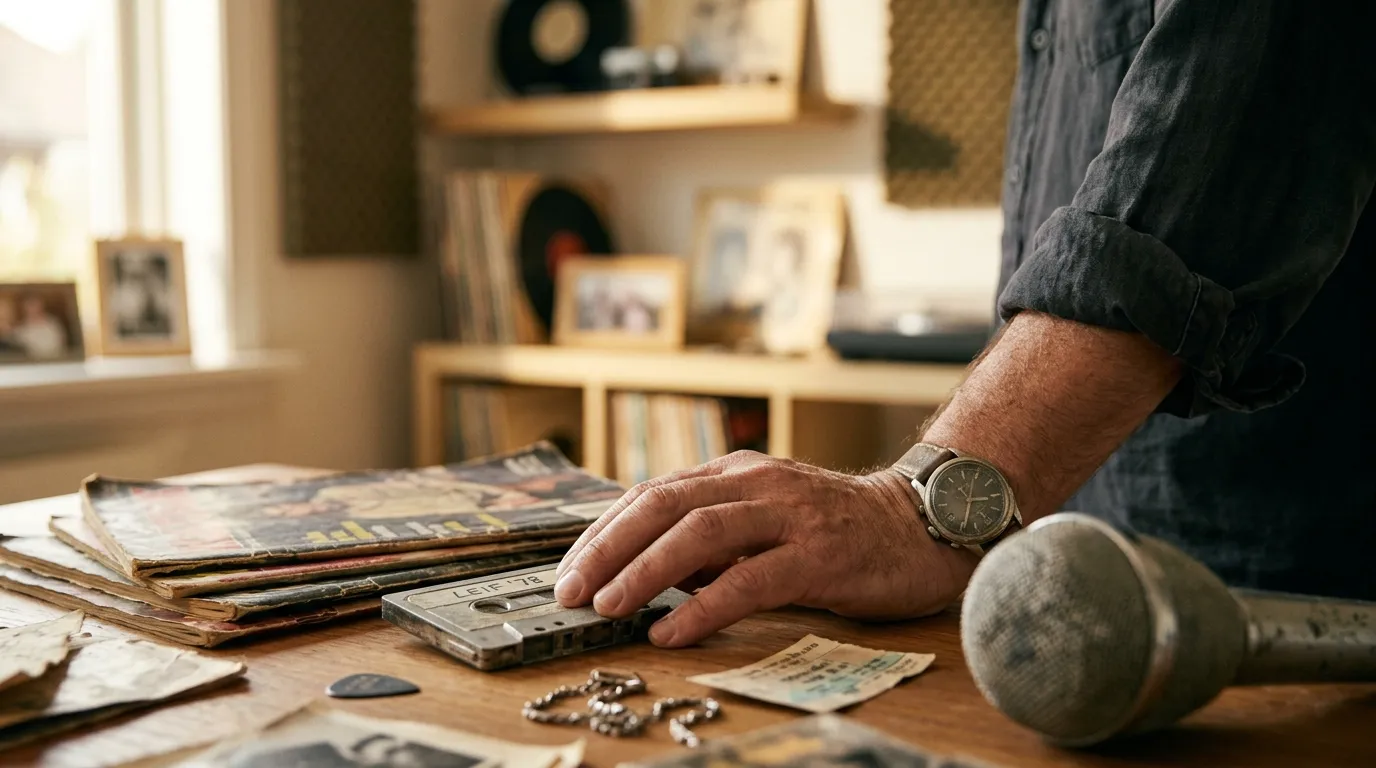
In 1978, Leif Garrett was the face on a million bedroom walls. “I Was Made for Dancin’” climbed into the top ten, teen magazines treated his feathered blond hair like national news, and he’d been acting since childhood. Fame felt like the only job he’d ever had.
It didn’t carry into the next decade. His chart run cooled, and Garrett has spoken openly about the addiction struggles that followed. He kept working, including a role in The Outsiders in 1983, but the arena-sized screaming never came back.
The swing was brutal: nightly magazine-cover idol one year, a name fans mostly met again through nostalgia specials and documentaries the next.
#28 – Susan Dey
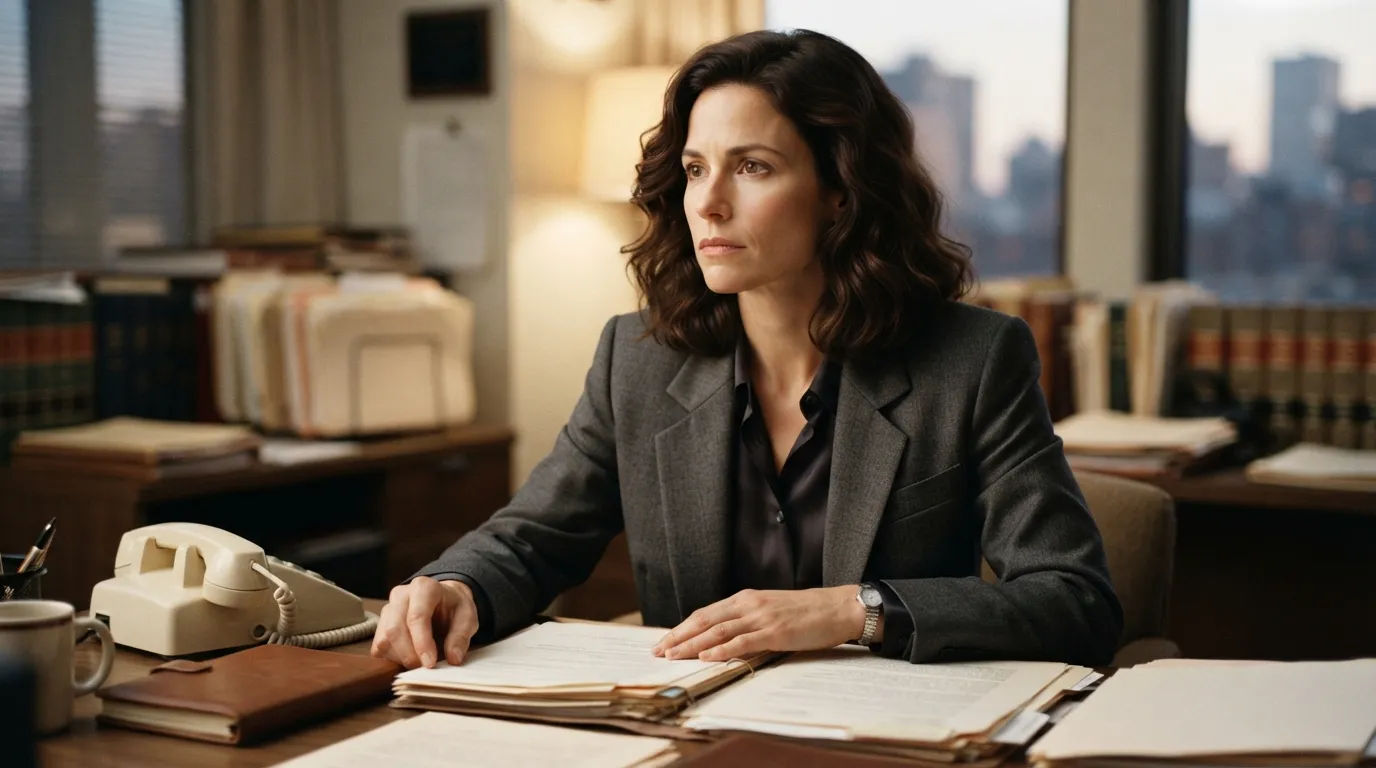
Susan Dey was Laurie Partridge, the smart, wholesome big sister in a TV family that millions felt they knew. Her face helped sell records, magazines and merchandise right alongside Cassidy’s. For a teenager, that was a lot of pressure to be just one thing.
She spent the next decade proving she was more. After film work, including Looker, she landed the role of sharp-edged prosecutor Grace Van Owen on L.A. Law, which finally had audiences seeing a grown woman instead of a sitcom daughter.
Then her screen work thinned out. There was no big farewell, no tell-all, no comeback tour. Her name just stopped showing up in the credits, and she let it.
#27 – Shaun Cassidy
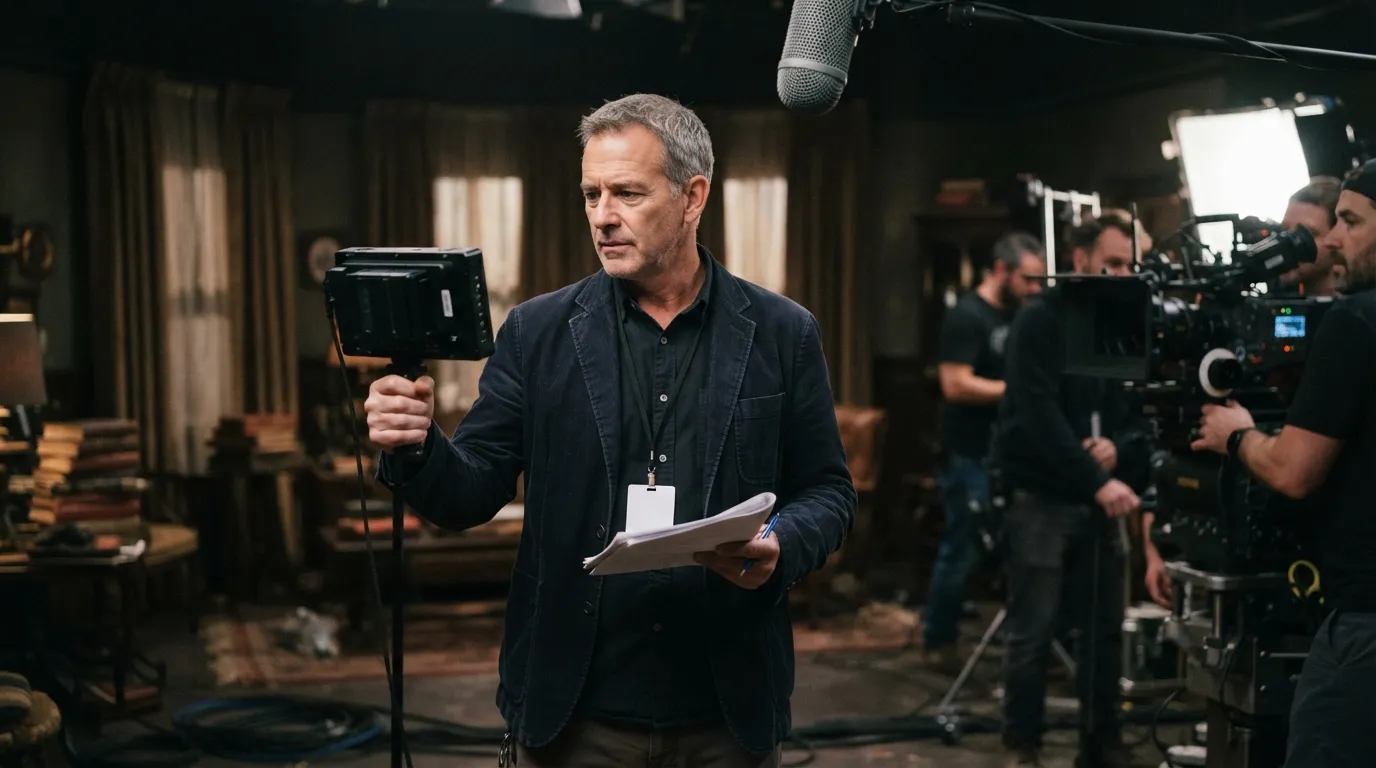
Shaun Cassidy had the hardest act to follow: his half-brother David, and a famous father in Jack Cassidy. In 1977 he did it anyway. His version of “Da Doo Ron Ron” hit the top of the charts, and The Hardy Boys Mysteries put him on TV every week.
Teen magazines, screaming crowds and a heavy tour schedule defined those years. But he was never fully comfortable standing in the spotlight.
So he moved behind the camera. Shaun became a television writer and producer, creating shows like American Gothic, and he left the stage that once made him a household name. He stayed in entertainment, just on his own terms and out of the photos.
#26 – Kristy McNichol

Kristy McNichol was a kid who made acting look effortless. As Buddy Lawrence on Family, she won two Emmys, and her naturalistic style stood out in a decade of big, broad TV. Then came the hit teen film Little Darlings, and she seemed set for life.
Behind the scenes, things were harder. She has spoken about mental health struggles, and she stepped away from Empty Nest in the early 1990s. She eventually retired from acting and chose privacy over the machine that kept demanding more.
Fans who watched her at the top of her game still wonder what a longer career might have looked like. She decided her well-being mattered more.
#25 – Ali MacGraw

After Love Story in 1970, Ali MacGraw was one of the biggest stars in the world. She earned an Oscar nomination, and her marriage to Steve McQueen, after they made The Getaway together, kept her on every magazine cover.
The glamour had a shelf life. Her marriage to McQueen ended in 1978, and the film roles that followed never matched her early run.
She eventually settled in Santa Fe, New Mexico, and built a different life around yoga, writing and a far quieter routine. She went on to publish a memoir and appear in the occasional project, but the woman who once defined romantic Hollywood chose open desert over red carpets.
#24 – Jan-Michael Vincent
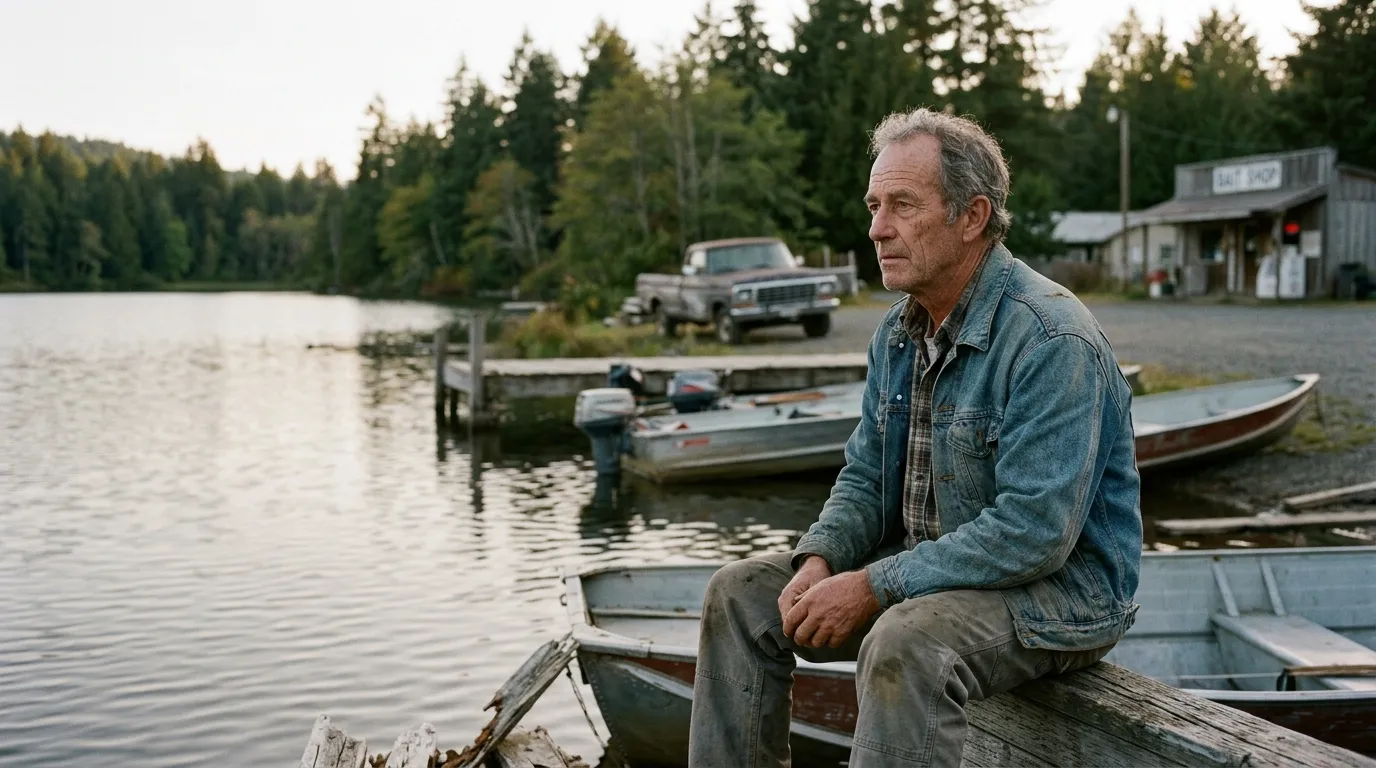
In the 1970s, Jan-Michael Vincent looked like Hollywood’s next sure thing. He had the surfer-model looks and the easy confidence to play against Charles Bronson in The Mechanic, then carried films like Big Wednesday. Later came Airwolf, which made him a TV star all over again.
But the success didn’t hold. He struggled with alcohol and ran into legal and personal trouble that stalled his career, and the offers dried up.
His later years were spent far from the spotlight, and he died in 2019. Few leading men of the era drifted from marquee name to near-invisibility as fast.
#23 – Bo Derek
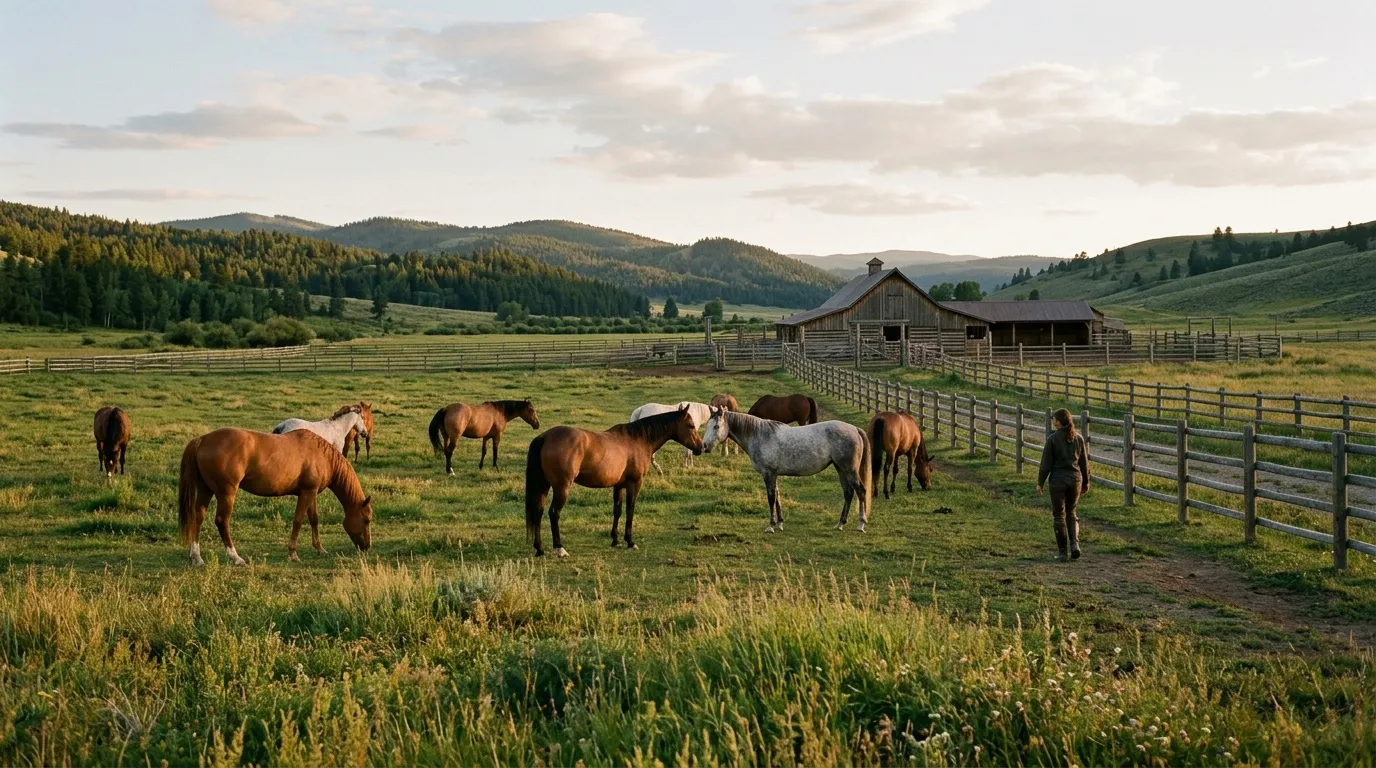
One slow-motion run on a beach changed Bo Derek’s life. When 10 arrived in 1979, she became the woman everyone was talking about. The braided cornrows she wore were copied by countless fans, and “a perfect 10” became a phrase people used in everyday conversation.
The fame came fast, and her career stayed tied to her husband, John Derek, who directed her in several films. Afterward she took fewer roles and dropped out of the constant publicity chase.
She put her energy into her love of horses and became a vocal advocate for horse welfare, including campaigning against horse slaughter. It’s a long way from the beach scene that made her famous.
#22 – Linda Blair

Few teenagers have carried a movie the way Linda Blair carried The Exorcist. Her 1973 performance earned an Oscar nomination, and it also made her one of the most talked-about young actresses in the world.
The problem was what came next. The film’s notoriety clung to her, and she drifted into B-movies, including women-in-prison pictures like Chained Heat, rather than the prestige roles her nomination might have promised.
She turned her attention to something else entirely: animals. In the late 1990s she founded the Linda Blair WorldHeart Foundation, which rescues animals. The girl who once faced a demon on screen found a calmer purpose.
#21 – Farrah Fawcett
In 1976, a red swimsuit poster turned Farrah Fawcett into a phenomenon. It remains one of the best-selling posters ever made, and her feathered hair set the look of the decade. She was on Charlie’s Angels, a monster hit, and the whole country seemed to be watching.
So she left after one season.
It was a bold gamble. Walking away from the biggest show on television to chase serious work cost her visibility, but it paid off in a different way. Her harrowing performance in The Burning Bed in 1984 showed the world a very different Farrah, one who wanted to be taken seriously, not just admired.
Fast Facts
- 1976: The red swimsuit poster and Charlie’s Angels both arrive
- One season: How long she stayed with the hit show
- 1984: The Burning Bed reshapes her image
- Signature look: Feathered hair copied across the country
#20 – Pam Grier
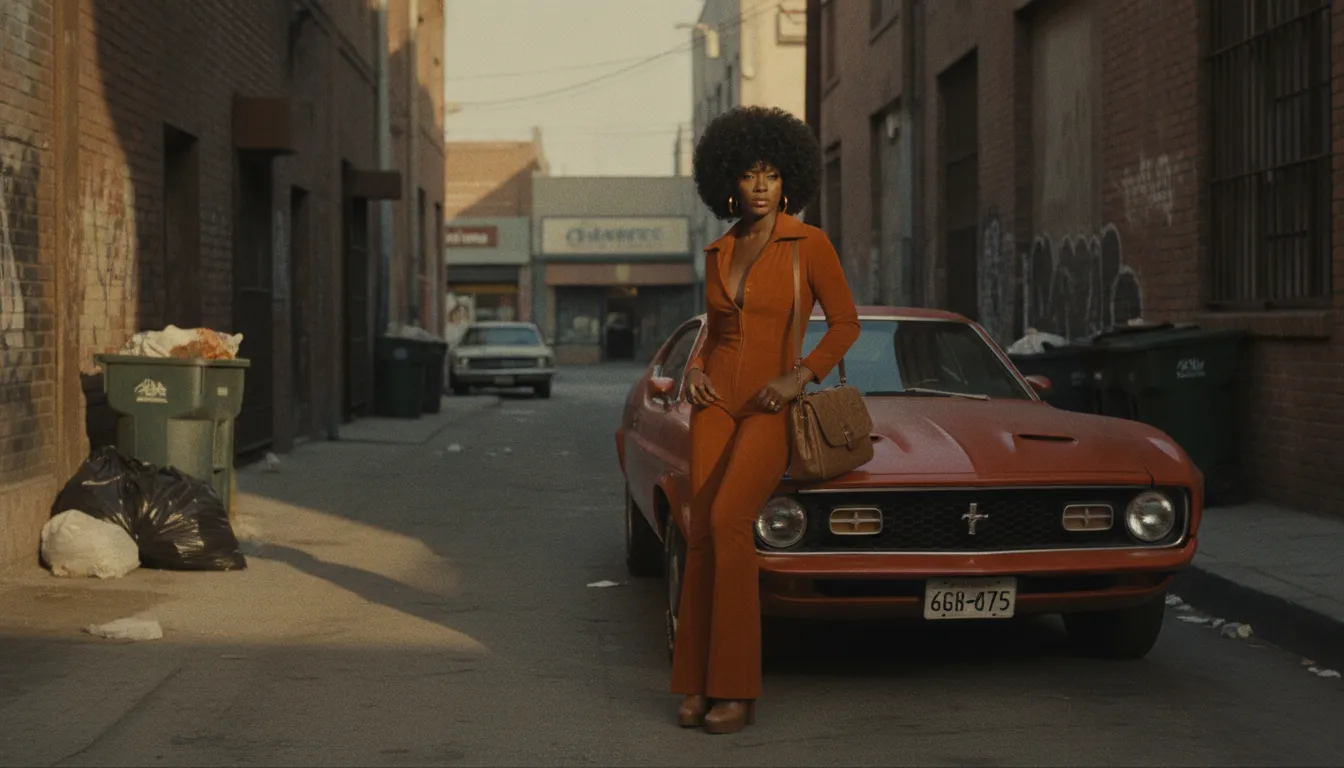
Before there were female action heroes in mainstream movies, there was Pam Grier. Coffy in 1973 and Foxy Brown in 1974 made her a star, a woman who fought back and carried the movie herself.
Then the genre cooled. As blaxploitation faded in the late 1970s, the leading roles shrank, and Hollywood didn’t know what to do with her. She kept working, but mostly in smaller parts and on television, far from the center of attention.
It took Quentin Tarantino’s Jackie Brown in 1997 to remind everyone what they’d been missing. For two decades, one of the decade’s boldest stars was waiting for the industry to catch up.
#19 – Tuesday Weld
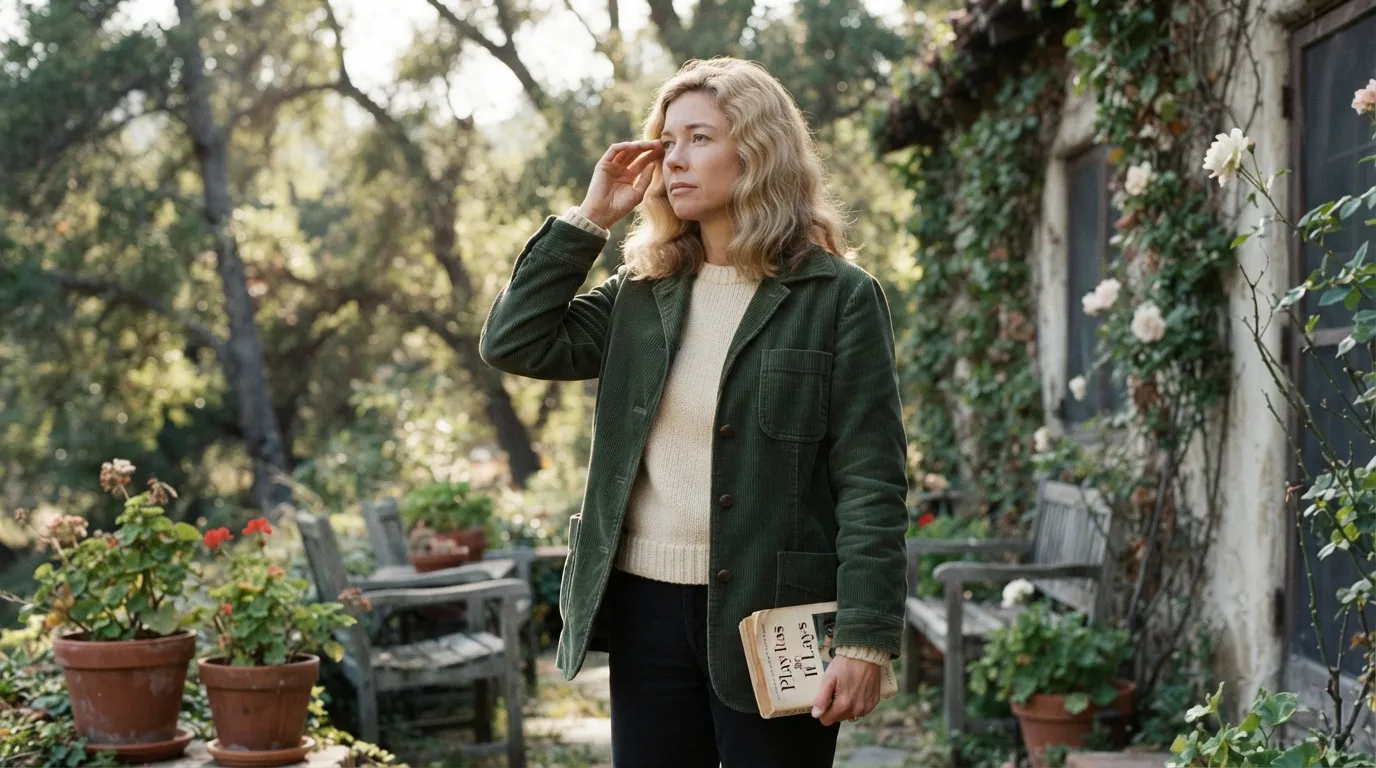
Tuesday Weld had been a child star, and by the 1970s she had become one of Hollywood’s most intriguing, unpredictable actresses. She earned respect for tough, complicated parts in films like Play It as It Lays and Looking for Mr. Goodbar.
She was also famously reluctant about the business. She was known for guarding her privacy and for pulling back rather than playing the publicity game.
By the 1980s her screen appearances were fewer, and she mostly chose parts that interested her, such as Once Upon a Time in America. She never chased fame for its own sake. That choice left her with a cult following but a smaller footprint than her talent deserved.
#18 – Candy Clark
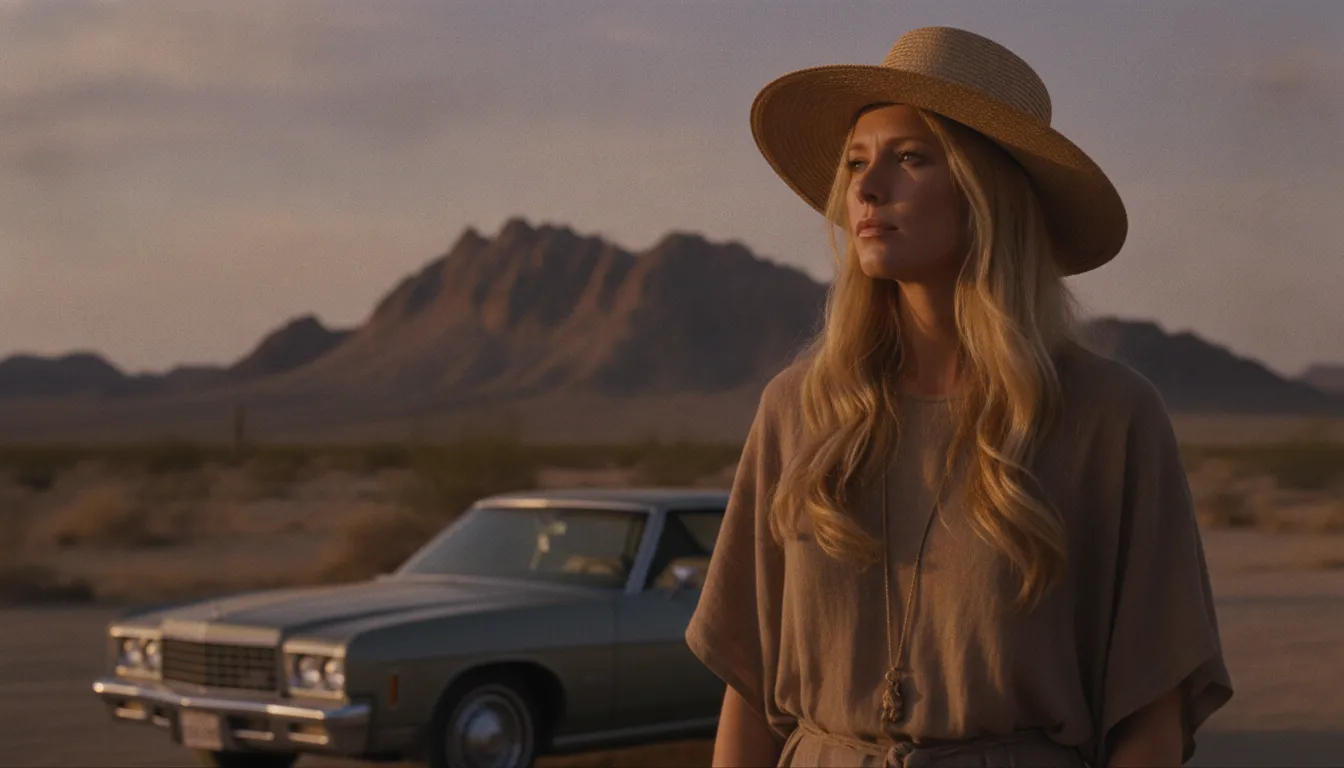
Candy Clark earned an Oscar nomination for her very first major film role, playing the sweetly clueless Debbie in American Graffiti. She then had the sort of 1970s run that most actors dream about, including an unforgettable turn opposite David Bowie in The Man Who Fell to Earth.
On paper, she was positioned for stardom. In practice, the biggest roles went elsewhere.
She kept working as a character actress in films like Blue Thunder, but she never again held the spotlight the way she did in 1973. Her story is a reminder that a nomination doesn’t guarantee a career, and some of Hollywood’s best performers settle into supporting roles.
#17 – Karen Allen

Karen Allen made a splash in Animal House in 1978, then became a legend as the fiery, whiskey-drinking Marion Ravenwood in Raiders of the Lost Ark. It looked like the start of a major career.
Instead she pulled back. Allen took long breaks, especially after becoming a mother, and chose smaller films over the studio treadmill.
She built a life in Massachusetts, where she opened a knitting and fiber-arts shop, and she directed and acted on her own terms. When she returned as Marion in 2008’s Indiana Jones and the Kingdom of the Crystal Skull, fans cheered. She’d never really left, just stopped chasing the spotlight.
#16 – Jane Birkin
In 1969, Jane Birkin and Serge Gainsbourg released “Je t’aime… moi non plus,” a whispery duet that was banned in several countries and became a worldwide sensation. Through the 1970s, the couple were the most talked-about pair in French pop.
After the relationship ended in 1980, Birkin worked to be seen as more than a muse. She kept recording and acting, often in challenging French films and stage productions, and became involved in humanitarian causes.
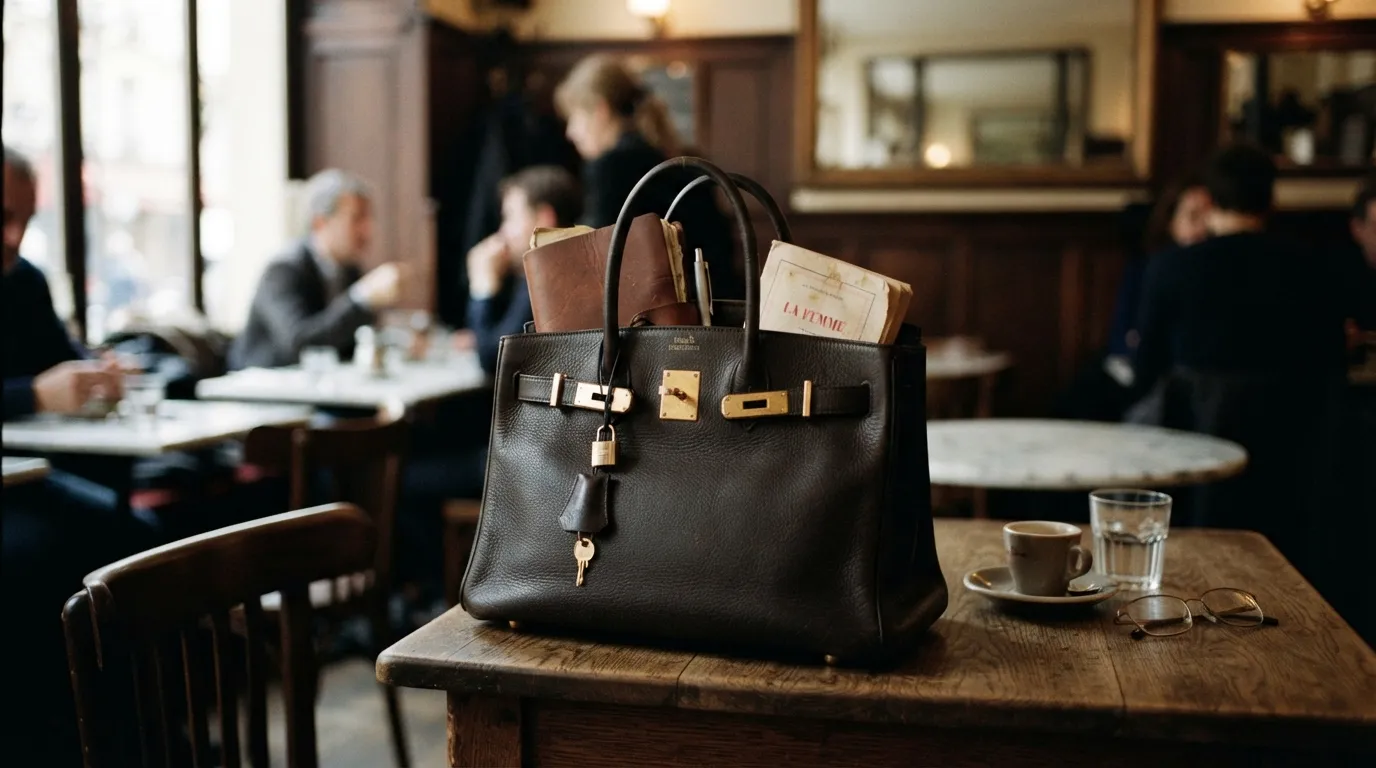
Her name stayed famous, partly because of the Hermès bag created in her honor. But the scandalous icon of the 1970s traded the tabloid spotlight for a quieter, more serious artistic life.
#15 – Melissa Sue Anderson

For millions of viewers, Melissa Sue Anderson was Mary Ingalls, the gentle older sister on Little House on the Prairie. She spent much of her teenage years on that show, and her character’s storyline of going blind became one of the series’ most talked-about plots.
She left the series in 1981 and tried grown-up roles, including the slasher film Happy Birthday to Me. But she gradually stepped back from acting.
Anderson moved to Canada, built a private life and eventually retired from the screen. In 2010 she published a memoir that gave fans the first full look at her years on the prairie.
#14 – Lance Kerwin
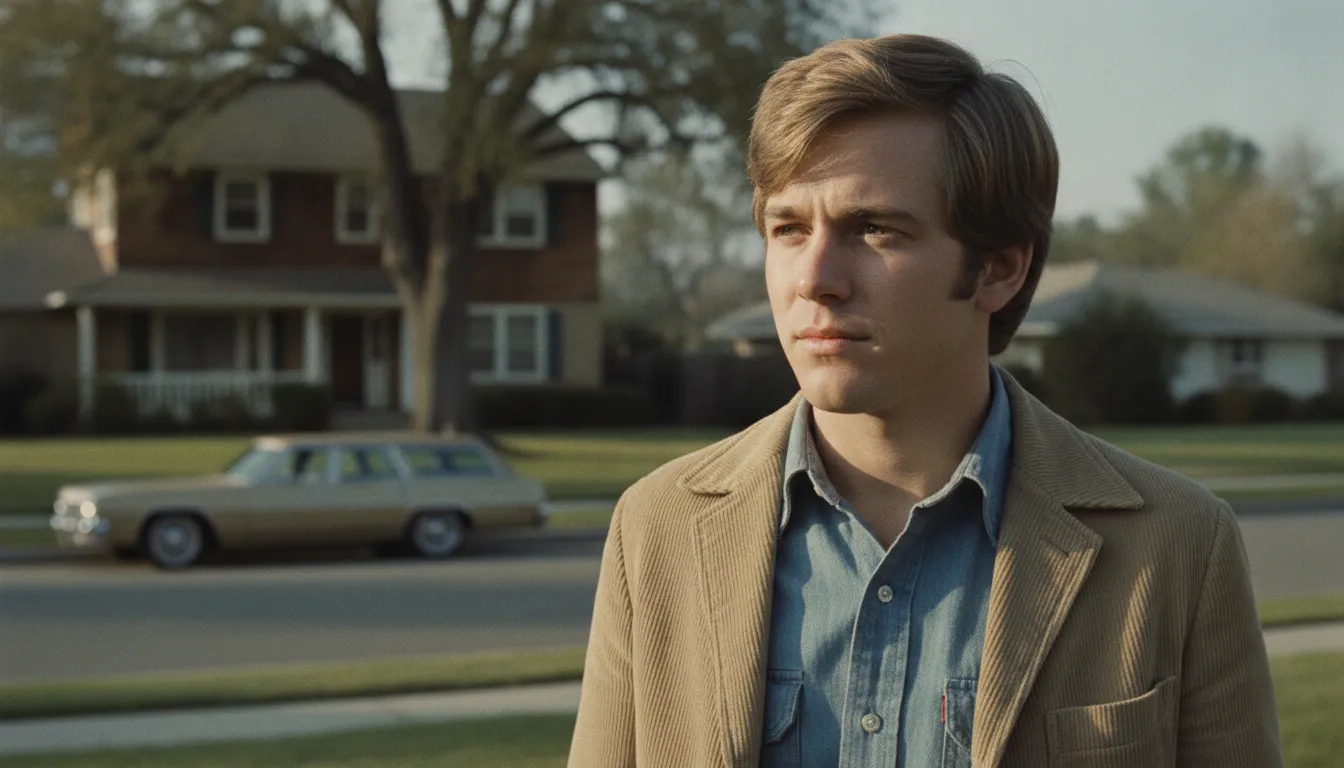
Lance Kerwin was the kind of teen star who felt like your next-door neighbor. He played the title role in James at 15 and later appeared in the creepy miniseries Salem’s Lot, where he scared an entire generation.
He worked steadily as a young actor, but the roles didn’t evolve with him. As he got older, the same parts weren’t on offer.
He eventually walked away from Hollywood for a private life shaped by his faith. There was no splashy farewell, no scandal and no comeback, just a fresh-faced teen who grew up and left the cameras behind.
#13 – Bobby Sherman
At the turn of the 1970s, Bobby Sherman was as big as a teen idol could be. “Little Woman” was a hit, and the TV series Here Come the Brides and Getting Together kept him in front of audiences constantly. Fan mail reportedly arrived by the truckload.
And then he did something almost no pop star does: he changed careers completely.
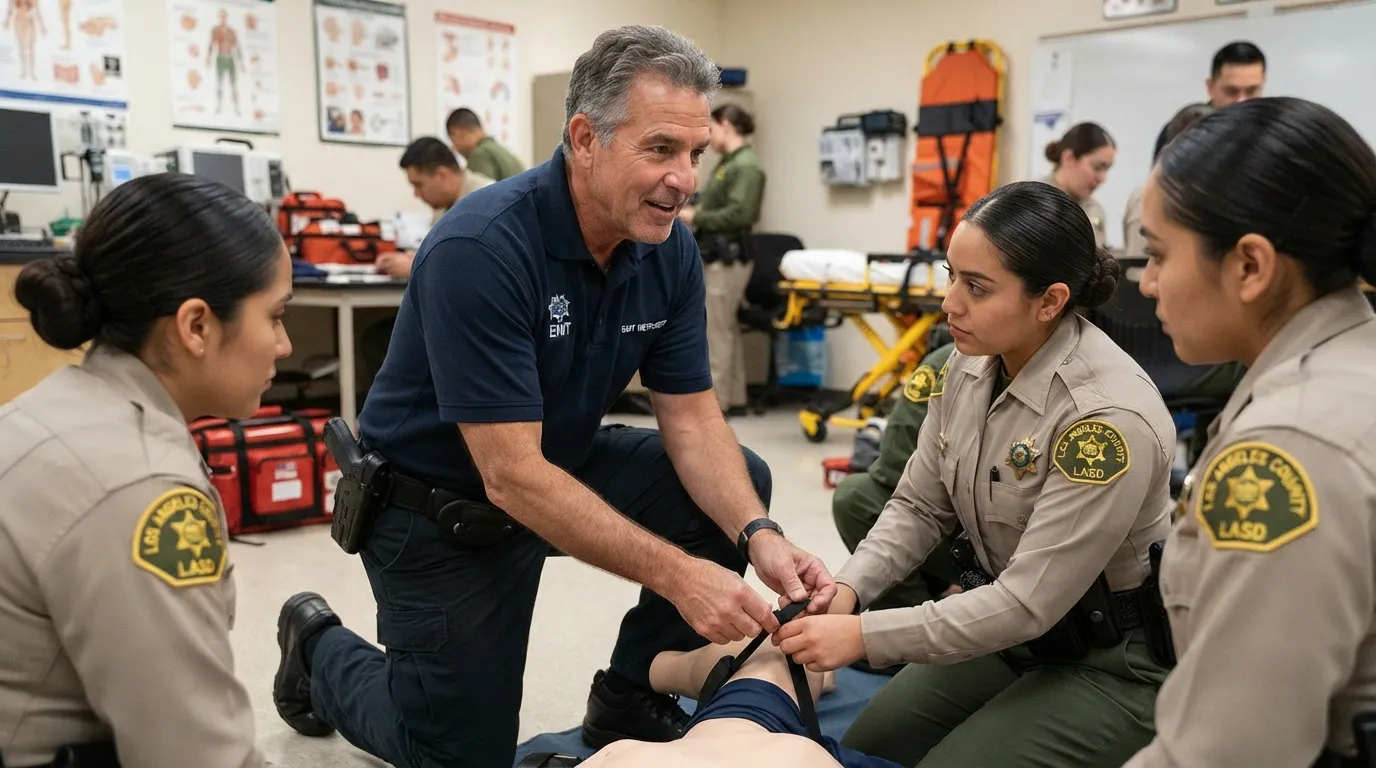
Sherman trained as an emergency medical technician and eventually became a trainer in emergency medical care for law enforcement officers. The heartthrob who once had fans chasing him down the street ended up helping save lives behind the scenes. It’s among the most impressive reinventions on this list.
#12 – Peter Ostrum
Peter Ostrum had almost no film experience when he won the part of Charlie Bucket in Willy Wonka & the Chocolate Factory in 1971. He had only community-theater credits, and suddenly he was walking through a chocolate river beside Gene Wilder.
Then the offers came. He was reportedly offered a multi-film contract, and he turned it down.
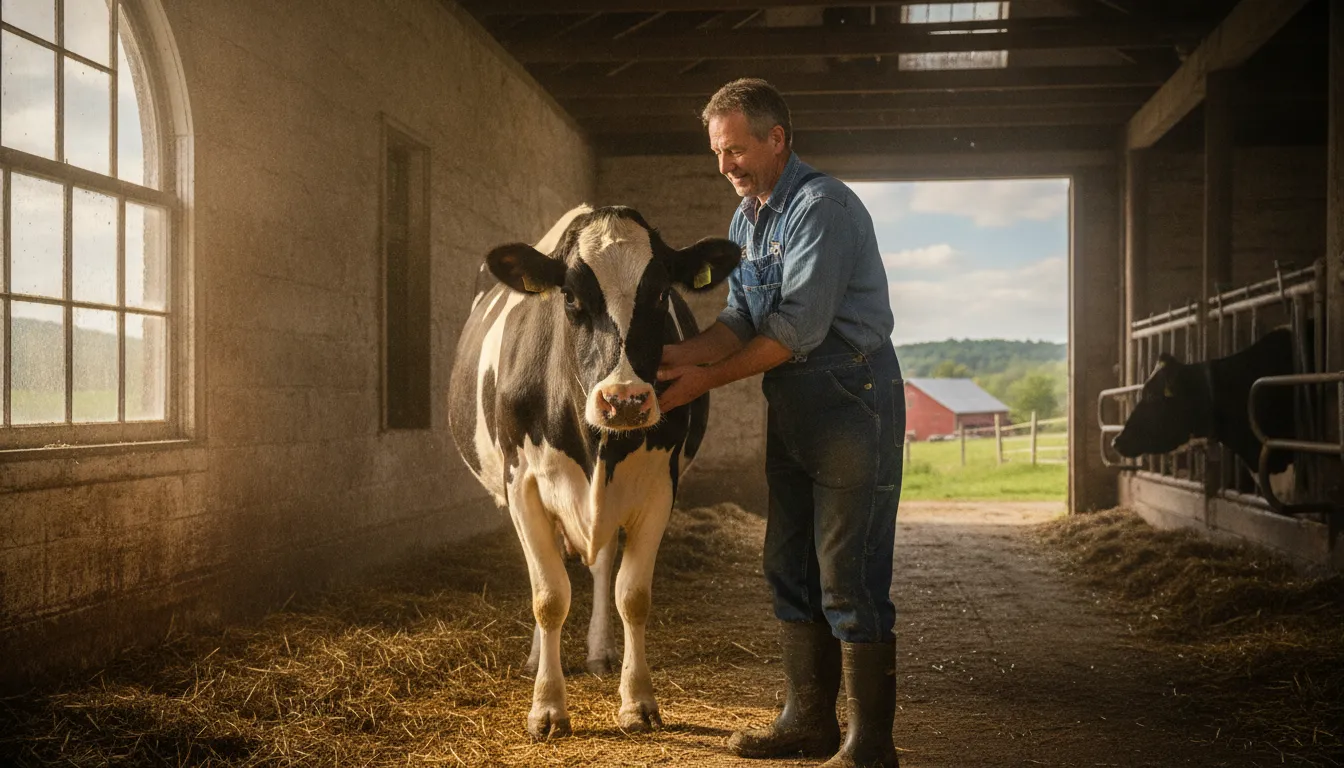
Ostrum loved animals more than the movie business. He went to veterinary school at Cornell and became a large-animal veterinarian in upstate New York. Charlie Bucket won the golden ticket, but the boy who played him chose a barn over a studio lot.
Quick Compare: From Spotlight to Real Life
- Bobby Sherman: Teen idol to emergency medical trainer
- Peter Ostrum: Willy Wonka’s Charlie to large-animal veterinarian
- Bo Derek: Beach-run icon to horse welfare advocate
- Karen Allen: Raiders heroine to fiber-arts shop owner
#11 – George Lazenby
George Lazenby was an Australian model with almost no acting experience when he replaced Sean Connery as James Bond in On Her Majesty’s Secret Service in 1969. He was suddenly the most talked-about man in the movie business.
And then he walked away. Reportedly on the advice of people around him, he passed up the chance to continue as 007 after just one film.
It’s still one of the most debated career choices in movie history. Lazenby went on to make action films in Hong Kong, including The Man from Hong Kong in 1975, but he never again carried a franchise. Bond fans still ask what might have been.
#10 – Jack Lord
“Book ’em, Danno.” For twelve years, Jack Lord was Steve McGarrett on Hawaii Five-O, and his stern, impeccable look made him one of television’s most recognizable cops. The theme song alone is still instantly familiar.
He was also famously committed to the show, and he stayed with it through its entire run. When it ended in 1980, so did his career in front of the camera.
Lord retired from acting, stayed in Hawaii and lived quietly for the rest of his life. He died in 1998. Few stars leave so cleanly, and fewer still never look back.
#9 – Tony Orlando
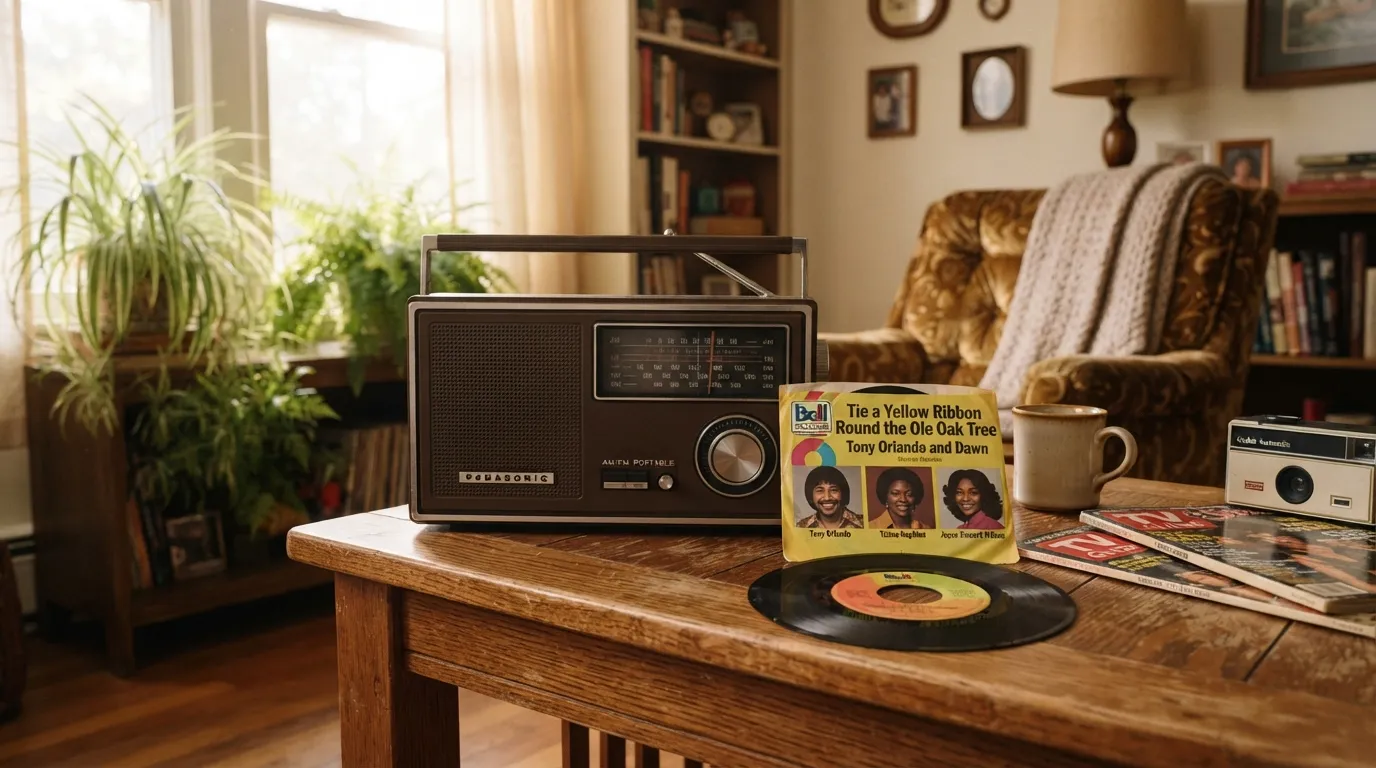
In 1973, it seemed you couldn’t turn on a radio without hearing “Tie a Yellow Ribbon Round the Ole Oak Tree.” Tony Orlando and Dawn were everywhere, and the group soon had its own TV variety show.
The pace was relentless, and in 1977 he stunned fans. During a performance in Cohasset, Massachusetts, Orlando announced he was retiring from show business, saying he was exhausted.
He did eventually return to performing, but never as that same nonstop machine. He later became a fixture in Branson, Missouri, playing to loyal crowds. It’s the story of a pop star who got a warning from his own body and listened.
#8 – Valerie Bertinelli

Valerie Bertinelli grew up on screen as the spunky Barbara Cooper on One Day at a Time. She had the girl-next-door appeal that made viewers feel like she was family, and her 1981 marriage to rock guitarist Eddie Van Halen made her a tabloid favorite.
But the teen-idol era didn’t last forever, and the roles that followed didn’t quite match her early fame.
She quietly shifted gears, taking selective acting parts and eventually reinventing herself as a cookbook author and Food Network host. The sitcom star of the 1970s found a second career by stepping away from the one that made her famous.
#7 – Mackenzie Phillips
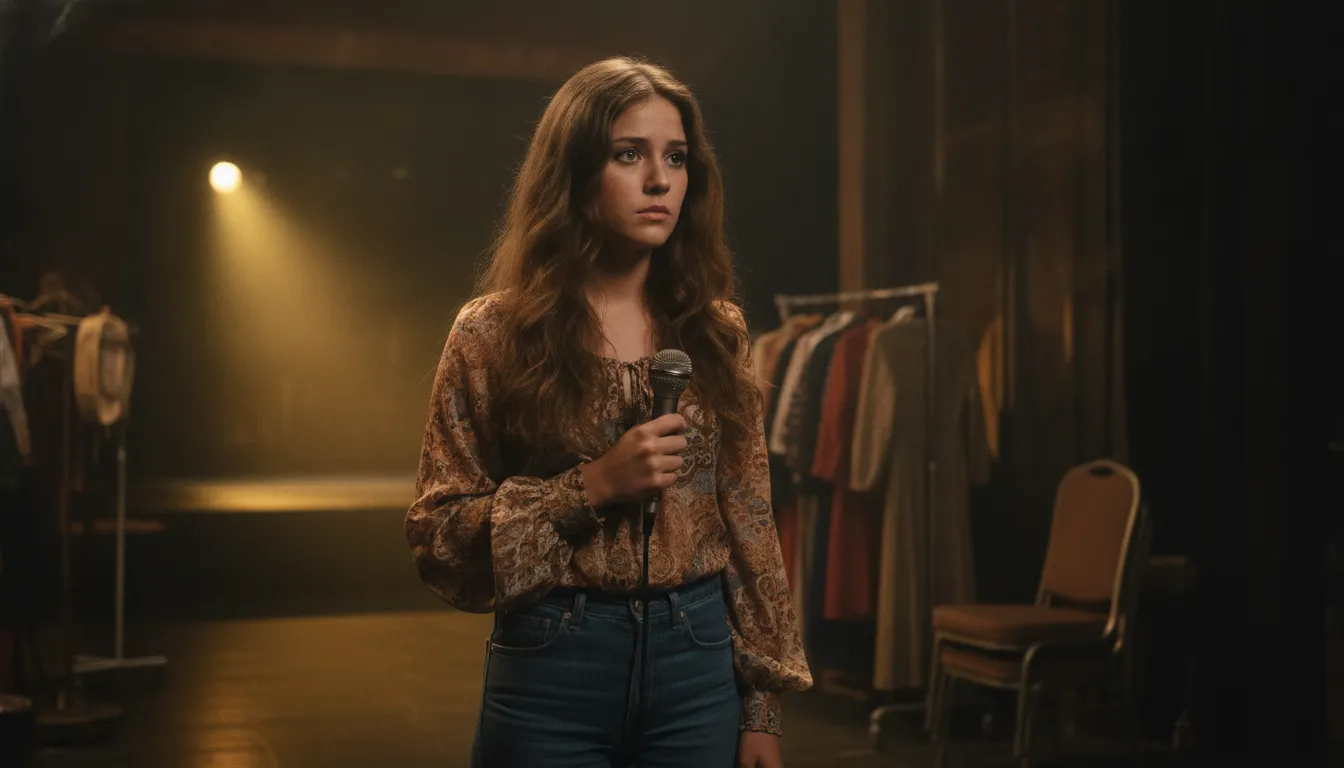
Mackenzie Phillips was a standout in American Graffiti in 1973, and by 1975 she was a teen star on One Day at a Time. Her father, John Phillips of The Mamas & the Papas, was a famous name in his own right.
Behind the scenes, though, trouble was building. She has spoken publicly about her addiction struggles, and she was written off the show more than once because of them.
Her career never recovered its early momentum. In 2009 she published a memoir, High on Arrival, which offered an unflinching look at what the fame cost her.
#6 – Tatum O’Neal
At age ten, Tatum O’Neal won an Academy Award for Paper Moon in 1973, becoming the youngest person ever to win a competitive Oscar. She was an instant sensation, and the hits kept coming with The Bad News Bears and International Velvet.
Then the roles dwindled. After Little Darlings in 1980, her film work thinned out, and her personal life, including a high-profile marriage to tennis star John McEnroe, drew more headlines than her movies.
She wrote a candid memoir in 2004 about her turbulent childhood and the pressures of early fame. For years, the girl who’d won Hollywood’s biggest prize had to figure out who she was without it.
Why It Stands Out
- She won an Oscar at age ten for Paper Moon, a record for a competitive award
- She followed it with two family hits, The Bad News Bears and International Velvet
- Her 2004 memoir put her own account of early fame on the record
#5 – Sally Field
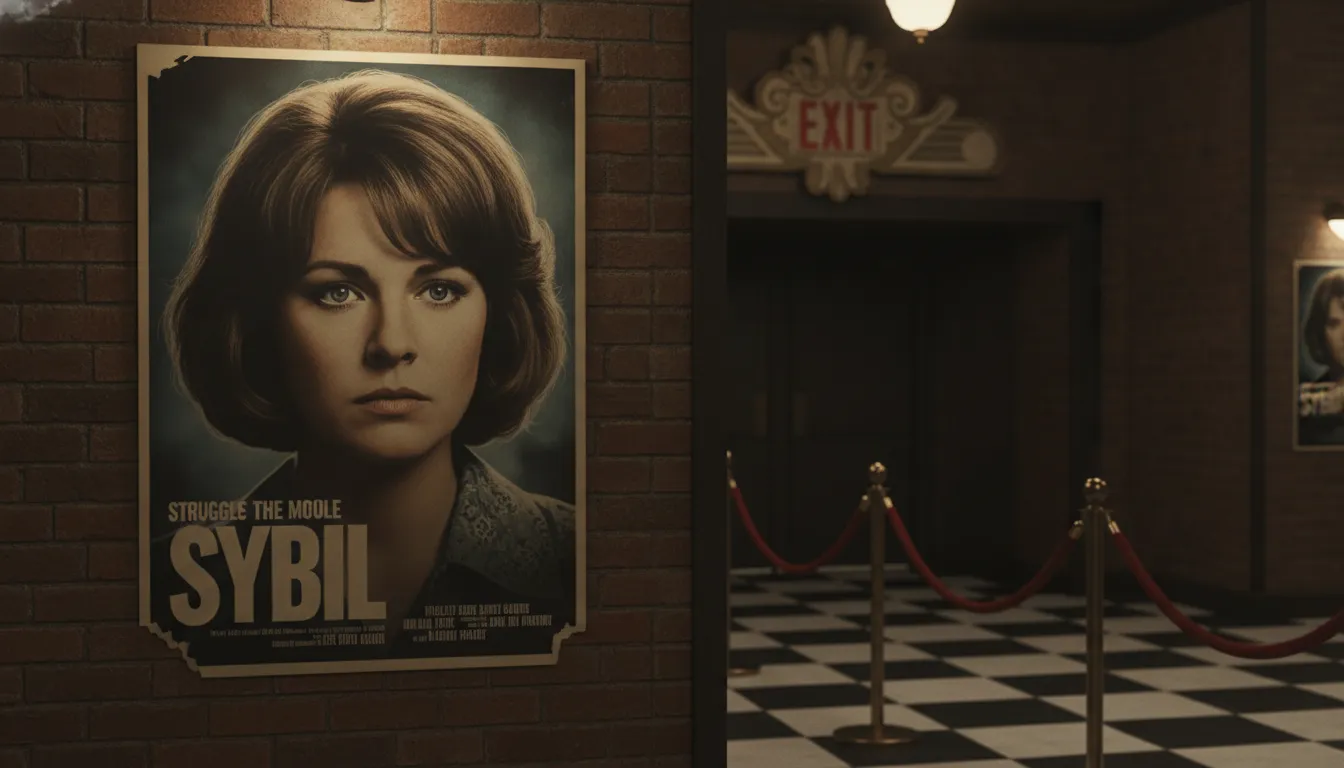
Sally Field was “Gidget,” then “The Flying Nun,” and for years she couldn’t shake the perky-girl label. In the 1970s she fought to be taken seriously, studying acting seriously and chasing tougher material.
It worked. Her stunning performance in the 1976 TV movie Sybil won an Emmy, and she followed it with the crowd-pleasing Smokey and the Bandit and the Oscar-winning Norma Rae.
In essence, she quietly walked away from the cute-girl persona that made her famous. She has talked about how hard that fight was, and how much the industry resisted it. The Sally Field who emerged was a different star altogether.
#4 – Robert Conrad
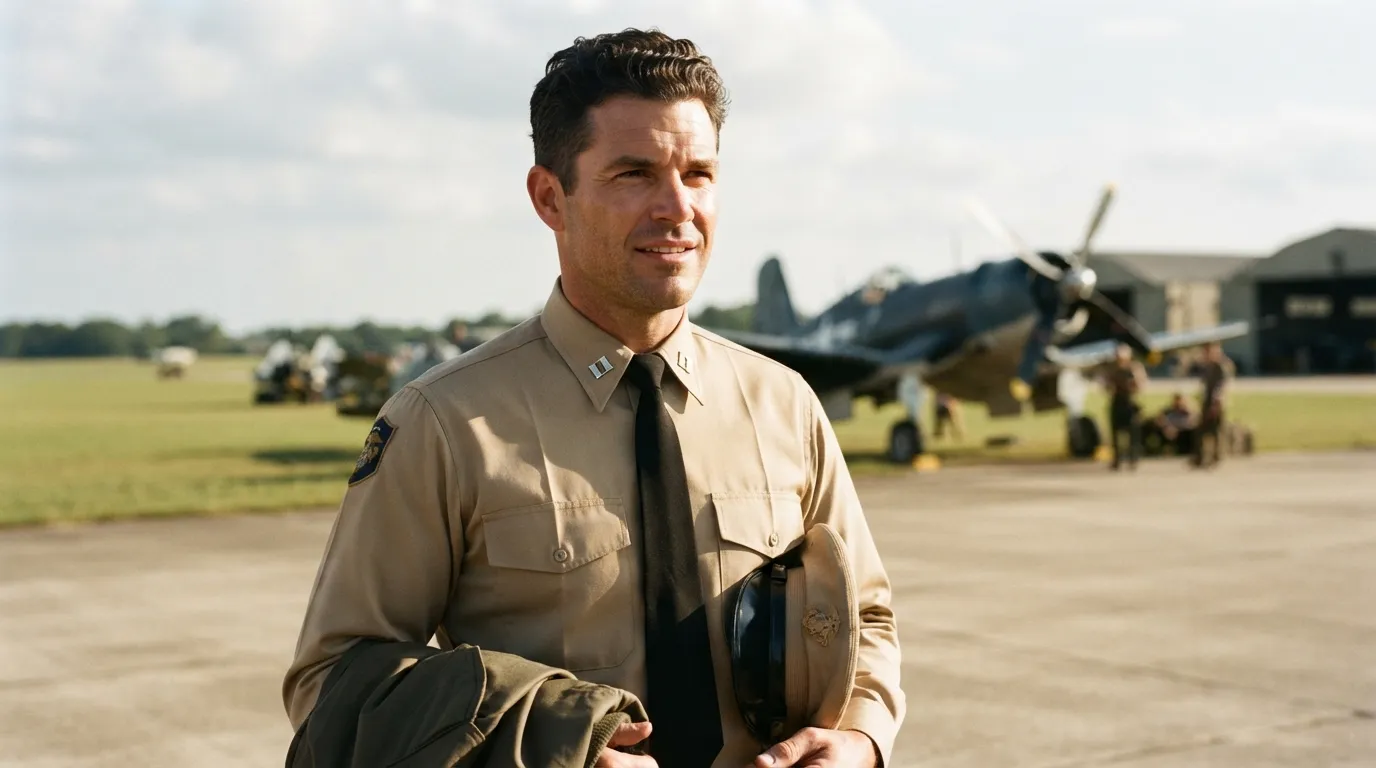
Robert Conrad was a TV tough guy, a former stuntman who did a lot of his own action. He played a government agent on The Wild Wild West in the 1960s, then flew into the 1970s as Marine pilot Pappy Boyington on Baa Baa Black Sheep, later retitled Black Sheep Squadron.
He also became a pop-culture fixture through the Duracell battery ads, in which he dared viewers to knock a battery off his shoulder.
As the years went on, the leading roles gave way to TV movies and shorter-lived series, and he settled into a quieter life. He died in 2020. His career is a reminder that being one of TV’s toughest guys didn’t guarantee a long run at the top.
#3 – Burt Reynolds
In the late 1970s, Burt Reynolds was the biggest movie star in America. Deliverance, Smokey and the Bandit and a legendary 1972 Cosmopolitan centerfold made him impossible to ignore, and he was a talk-show favorite who always seemed to be laughing.
By the mid-1980s, the box-office run had cooled. He moved toward lesser projects and dinner-theater work in Florida, and the leading-man era quietly ended.
Then came Boogie Nights in 1997, which earned him an Oscar nomination and reminded everyone what he could do. He kept working until his death in 2018. His fade was less a retirement than a long, bumpy road back to respect.
#2 – Evel Knievel
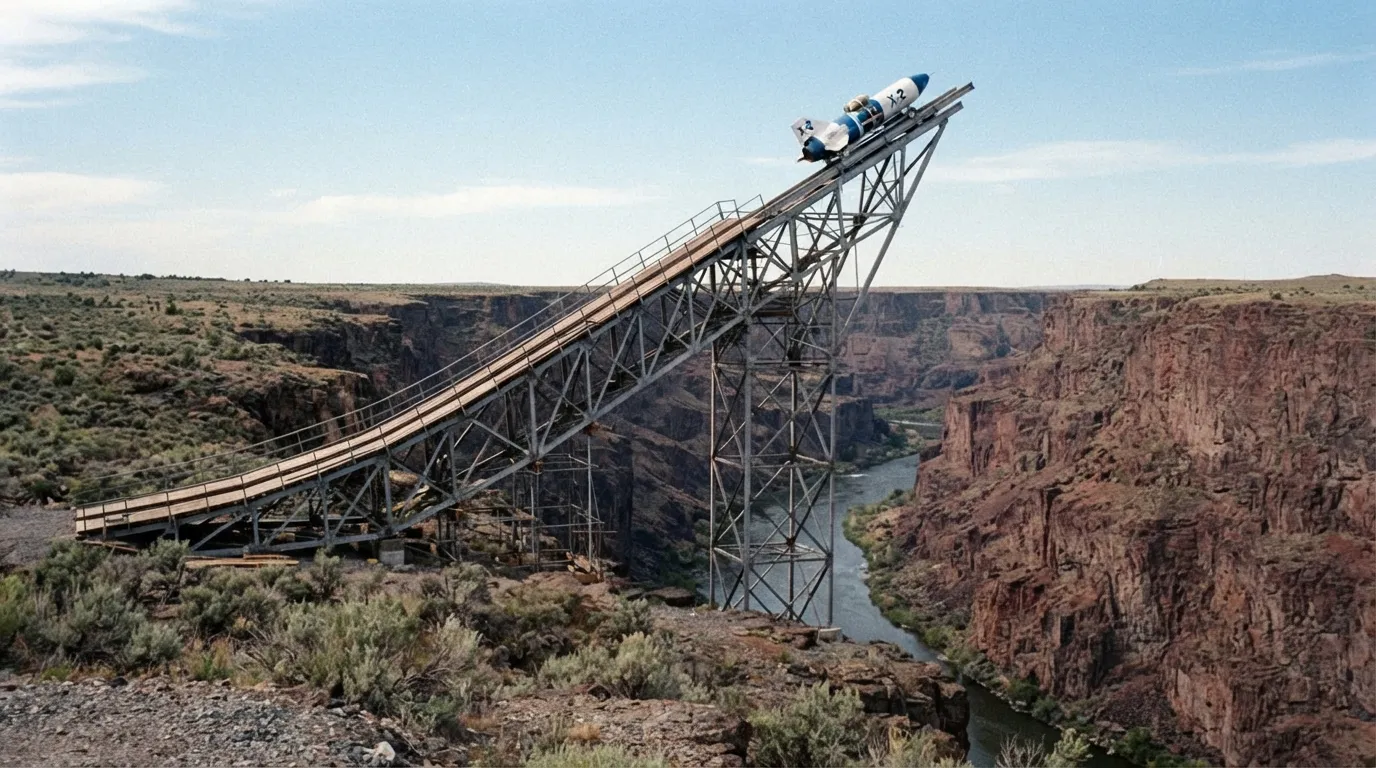
Evel Knievel turned motorcycle jumps into national events. His 1974 attempt to leap Idaho’s Snake River Canyon in a rocket-powered Skycycle was a massive spectacle, and a kid with a Knievel toy cycle was a regular fixture in American driveways.
The crashes were as famous as the jumps. A 1975 wreck at Wembley Stadium in London and a rough landing in Chicago in 1976 made it clear his body was giving out.
He stopped doing his biggest stunts by the end of the decade, and a 1977 assault conviction landed him in jail for months. The most daring man in America didn’t lose to a jump. He lost to the years of hard landings.
Worth Knowing
- 1974: The Snake River Canyon jump in a rocket-powered Skycycle
- 1975: The Wembley Stadium crash in London
- 1976: A rough landing in Chicago
- 1977: The assault conviction that led to jail time
#1 – Alan Hale Jr.
Here’s the twist: Gilligan’s Island only ran from 1964 to 1967. But reruns kept it alive, and through the entire 1970s, Alan Hale Jr. was still in homes every afternoon as the Skipper, the big, blustering captain in the white hat.
He did return for a few reunion TV movies in the late 1970s, but his most visible ventures were off screen. He opened a Los Angeles restaurant called Alan Hale’s Lobster Barrel, where he’d often greet guests in his famous captain’s cap.
He died in 1990. He was never really gone, just frozen in reruns, remembered by millions as the friendliest face on a tiny island.
CEO-Co-Founder