
- 10 TV Stage Fails You Can’t Unsee - October 10, 2026
- 25 Signed Books Worth a Fortune - October 10, 2026
- Unforgettable Opening Acts That Became Bigger Than The Headliners - October 10, 2026
Somewhere in the back of a kitchen drawer, a medicine cabinet, or a childhood memory, there is a product you assumed would last forever. The 1970s were full of them: candy with a ruler on the wrapper, cereal with monsters living in a tree, toilet paper in pink and blue. Every item below really did leave store shelves.
Some vanished because kids moved on. Others were pulled over safety worries, and a few were simply too strange to survive. One began as backyard fun and ended up banned nationwide, and you’ll have to reach the bottom of the countdown to find it.
#25 – Marathon Bar
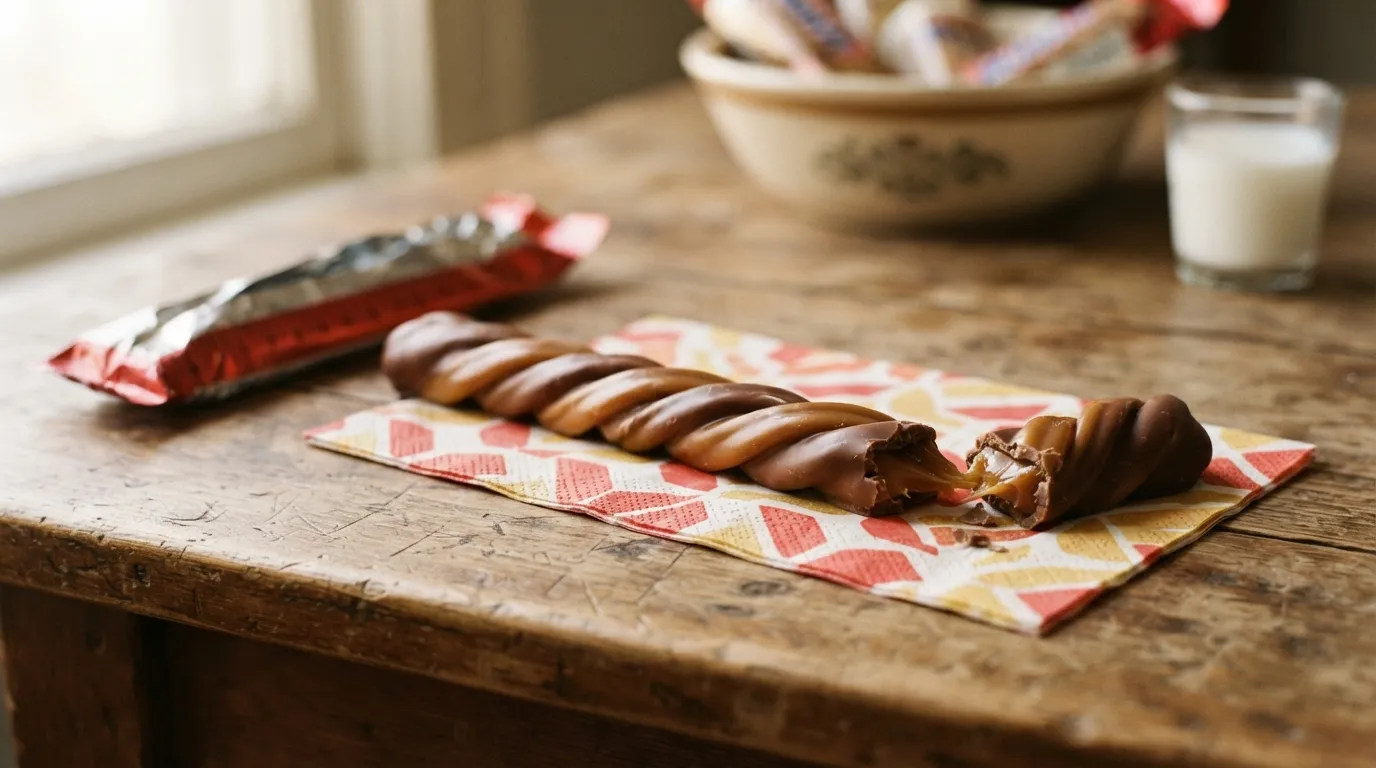
Picture a candy bar that came with its own proof. Mars introduced the Marathon Bar in the United States in 1973: a braided rope of chewy caramel, about eight inches long, coated in milk chocolate.
The red wrapper had a ruler printed along the edge, so kids could check the length before the first bite. Plenty of them held the bar against a forearm like a fisherman showing off a catch.
It was a slow candy, built for long chewing, which suited the name. But sales declined, and Mars pulled the bar from the American market in 1981.
The story went differently overseas. The Curly Wurly, a similar braided caramel bar, is still sold in the United Kingdom. For many American adults, the Marathon is the one that got away.
#24 – Koogle Peanut Butter
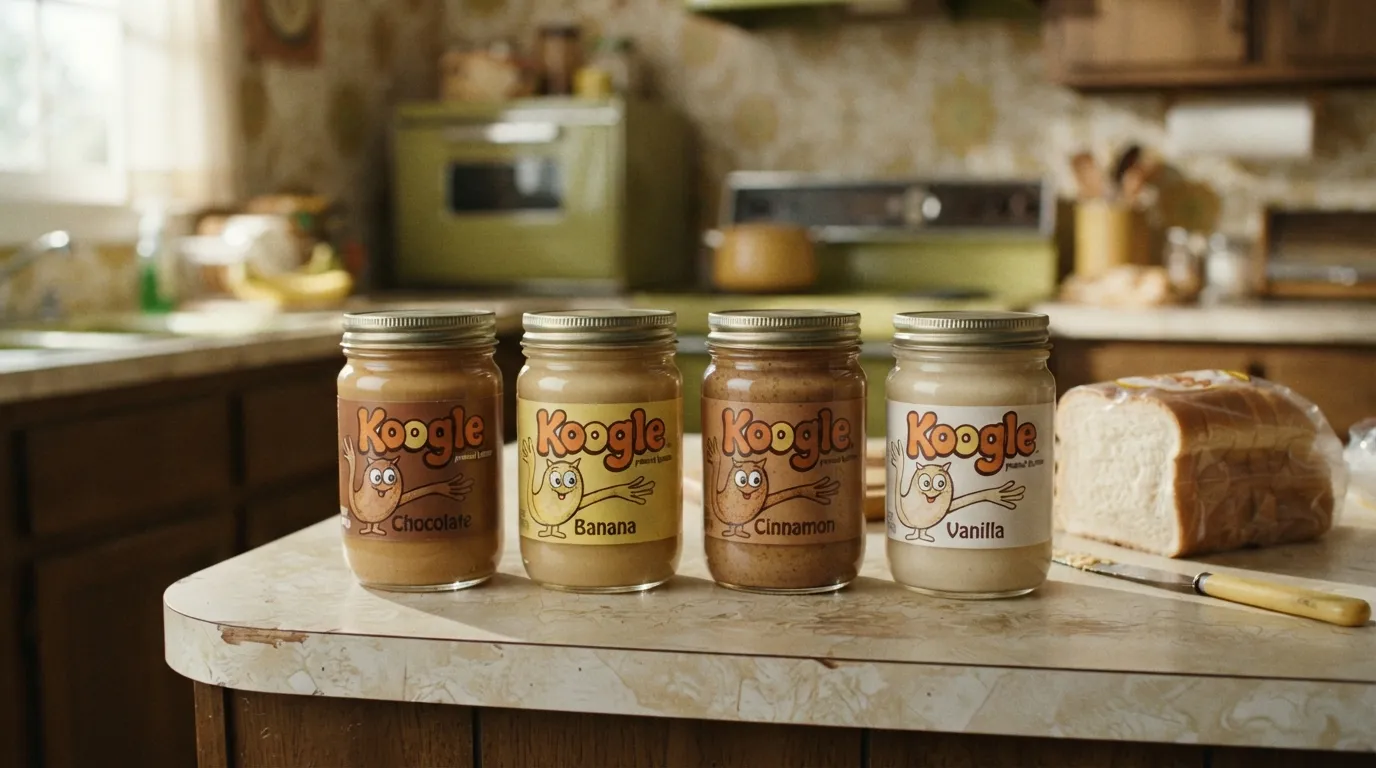
Plain peanut butter was too ordinary for the early 1970s. General Foods launched Koogle in 1971, a line of flavored peanut butter spreads in chocolate, banana, cinnamon, and vanilla.
Yes, banana peanut butter. The idea was to turn a basic sandwich spread into something closer to dessert, and kids were the target audience. It was the kind of product a parent might buy once out of curiosity and then never again.
Koogle did not hold a lasting place on grocery shelves. It faded away in the years that followed, and the brand never came back in its original form.
Today it survives mostly in vintage ads and in the memories of people who still insist the banana one was real. It was.
#23 – Pizza Spins
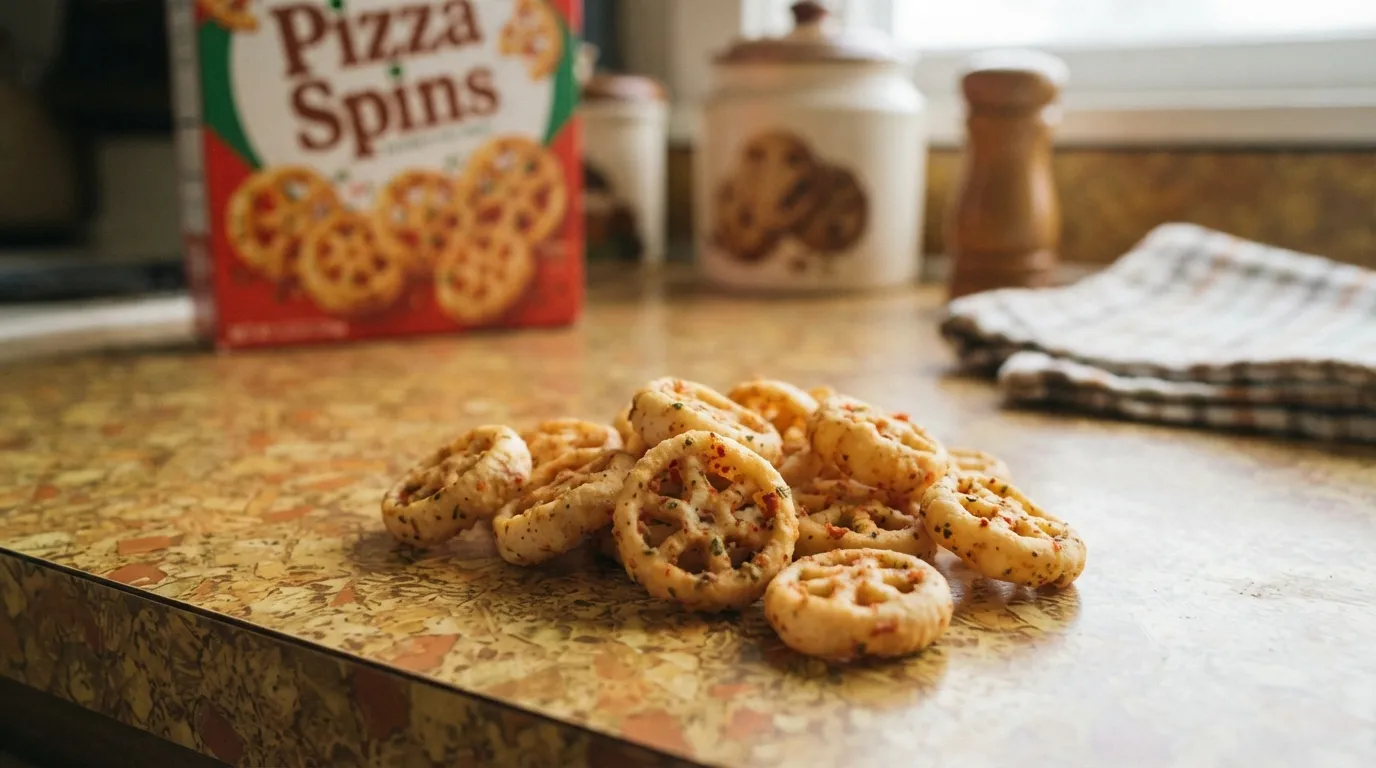
Pizza was supposed to belong at the dinner table. Then General Mills introduced Pizza Spins in 1968, crunchy pinwheel-shaped snacks seasoned to taste like a slice, with tomato, onion, and cheese flavor.
The little spirals turned up in lunchboxes and after-school pantries as the snack aisle filled with one-of-a-kind ideas. The red-and-green box promised pizza flavor you could eat by the handful.
Then, like many snacks of the era, Pizza Spins simply faded. There was no farewell campaign and no last-chance sale. One year they were on the shelf, and later they weren’t.
Pizza-flavored snacks still exist. But fans of the original say the shape and that particular seasoning never really returned, and you can’t order a replacement to settle the argument.
#22 – Space Food Sticks
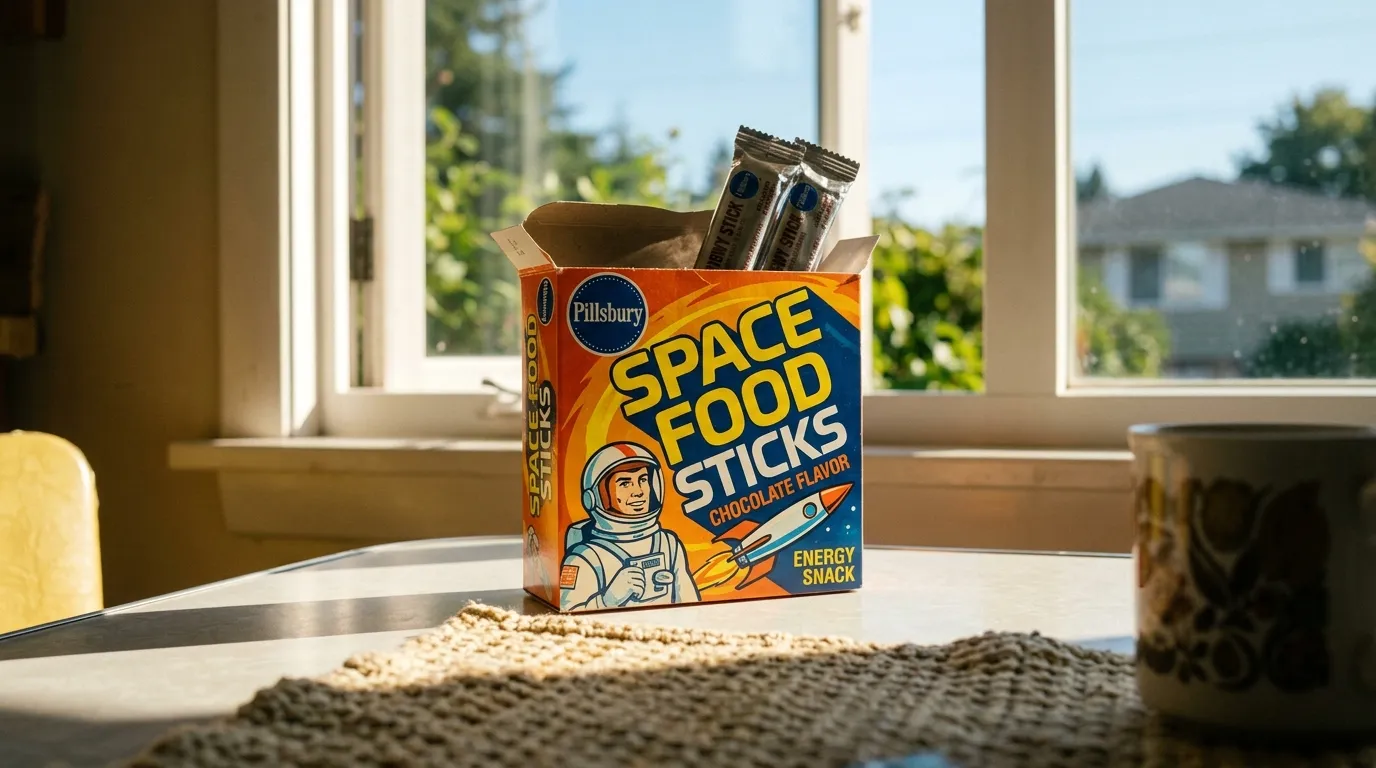
They looked like something an astronaut might tuck into a pocket, and that was the entire pitch. Pillsbury launched Space Food Sticks in the late 1960s, riding the wave of the space race and food research the company had done for NASA.
The chewy tubes came in flavors like chocolate, caramel, and peanut butter. Kids ate them partly for the taste and partly for the feeling of eating what the future was eating.
The snack stayed around into the 1970s, and Pillsbury later sold it under the name Food Sticks. But the space-age glow dimmed as the country’s attention moved away from the Moon, and the line eventually left Pillsbury’s lineup.
Vintage packaging is still a favorite among collectors, which says a lot about how strongly the idea stuck.
#21 – Reggie Bar
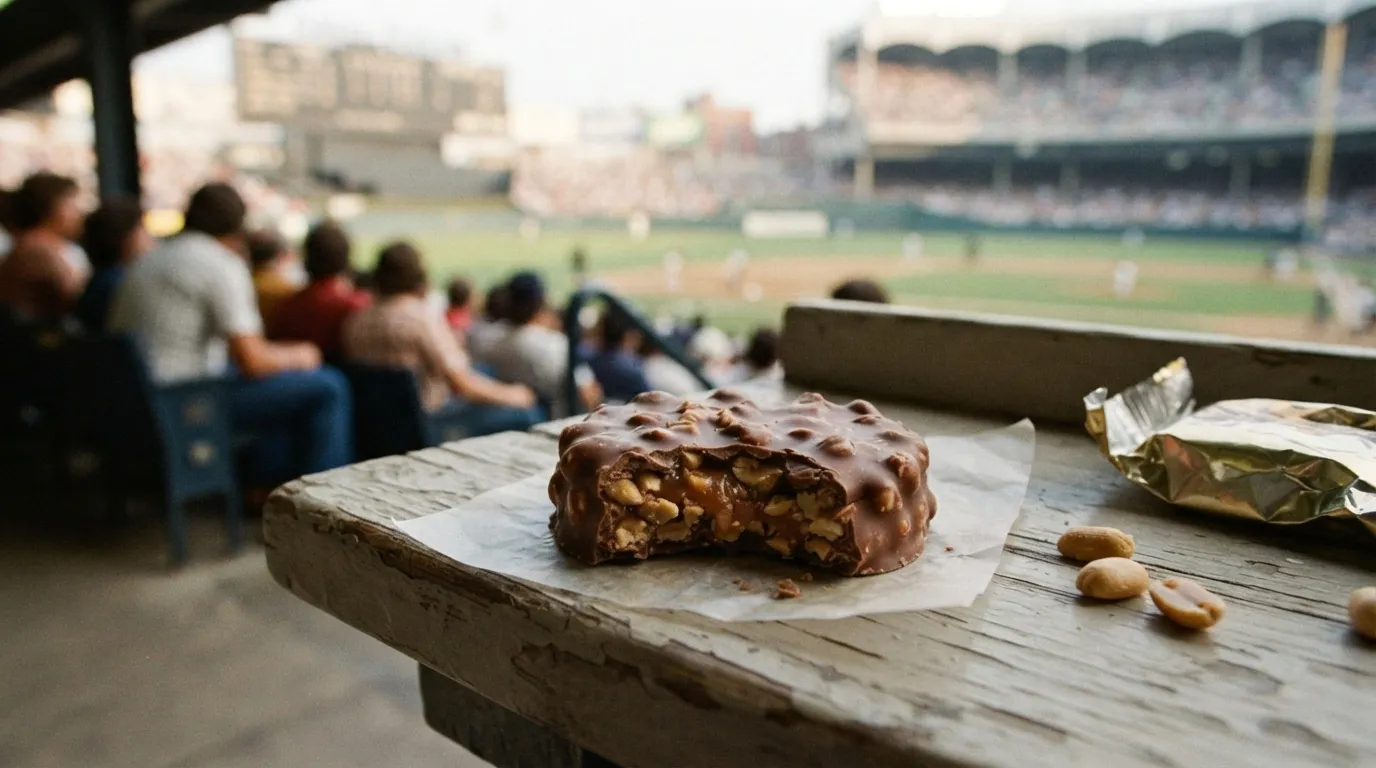
Few candy bars have ever had a launch like this one. The Reggie Bar, from Curtiss Candy Company, arrived in the late 1970s and was named after Yankees slugger Reggie Jackson.
It was a round patty of peanuts, caramel, and chocolate. On opening day in 1978, fans at Yankee Stadium got free bars, and Jackson hit a home run. The bars famously rained onto the field.
Fast Facts
- Maker: Curtiss Candy Company
- Namesake: Yankees slugger Reggie Jackson
- Recipe: a round patty of peanuts, caramel, and chocolate
- Big moment: opening day at Yankee Stadium, 1978
That kind of theater sold candy at first. But a sports tie-in only works while the buzz lasts, and the novelty wore off. Production ended in the early 1980s.
The name lives on in baseball trivia. Ask a Yankees fan from that era and you may get the whole story, including the part about the field.
#20 – Space Dust
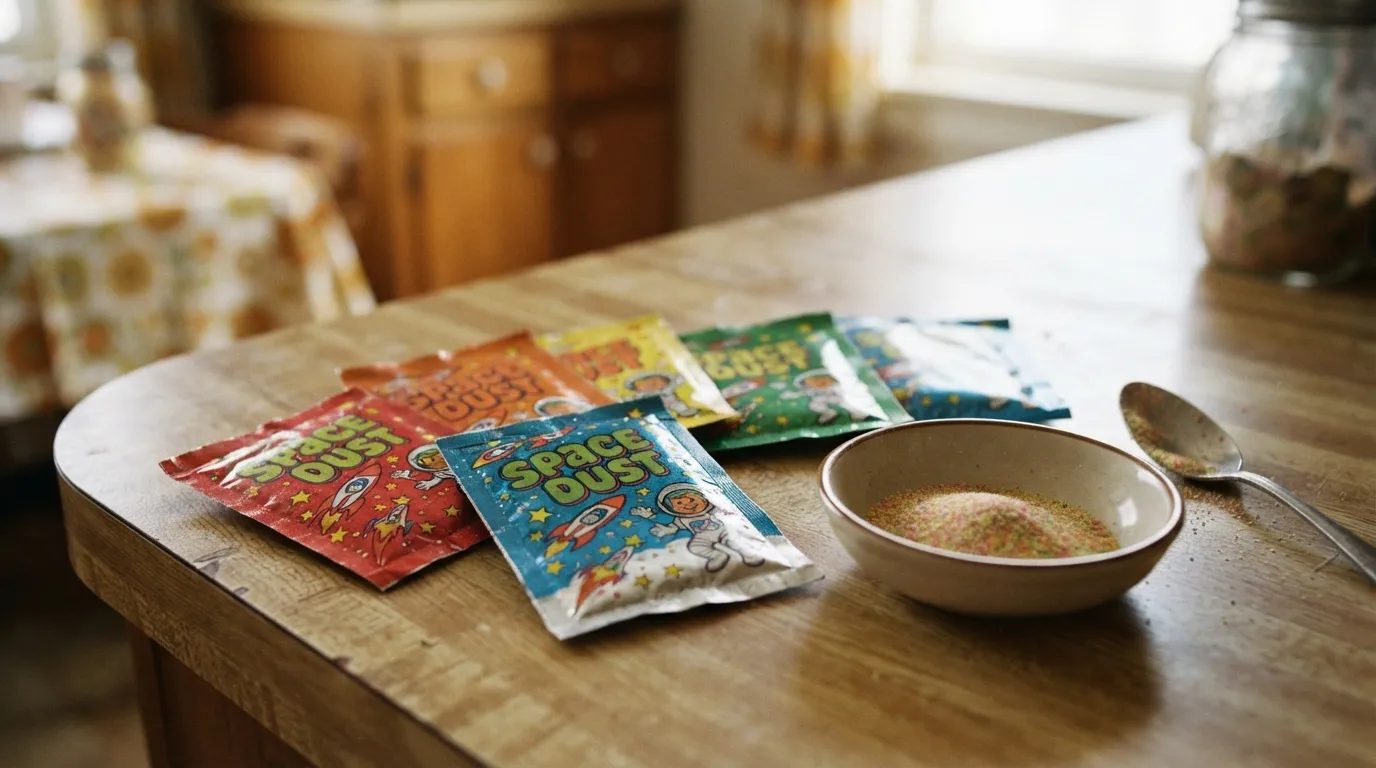
Imagine pouring candy onto your tongue and feeling it crackle. General Foods sold Space Dust as a powdered cousin of Pop Rocks, a popping candy that fizzed in your mouth.
Kids loved the shock of it, and many dared one another to try it. The powder format delivered a quick, sharp fizz that felt unlike any other candy at the checkout counter.
Then the rumors started. In the late 1970s, wild stories spread about popping candy and soda being dangerous together. They were false, but they were everywhere, and they hurt the whole category.
Pop Rocks survived in its crystal form. The powdered Space Dust version faded from shelves in the early 1980s, and it never found a lasting spot again.
#19 – Mug-o-Lunch
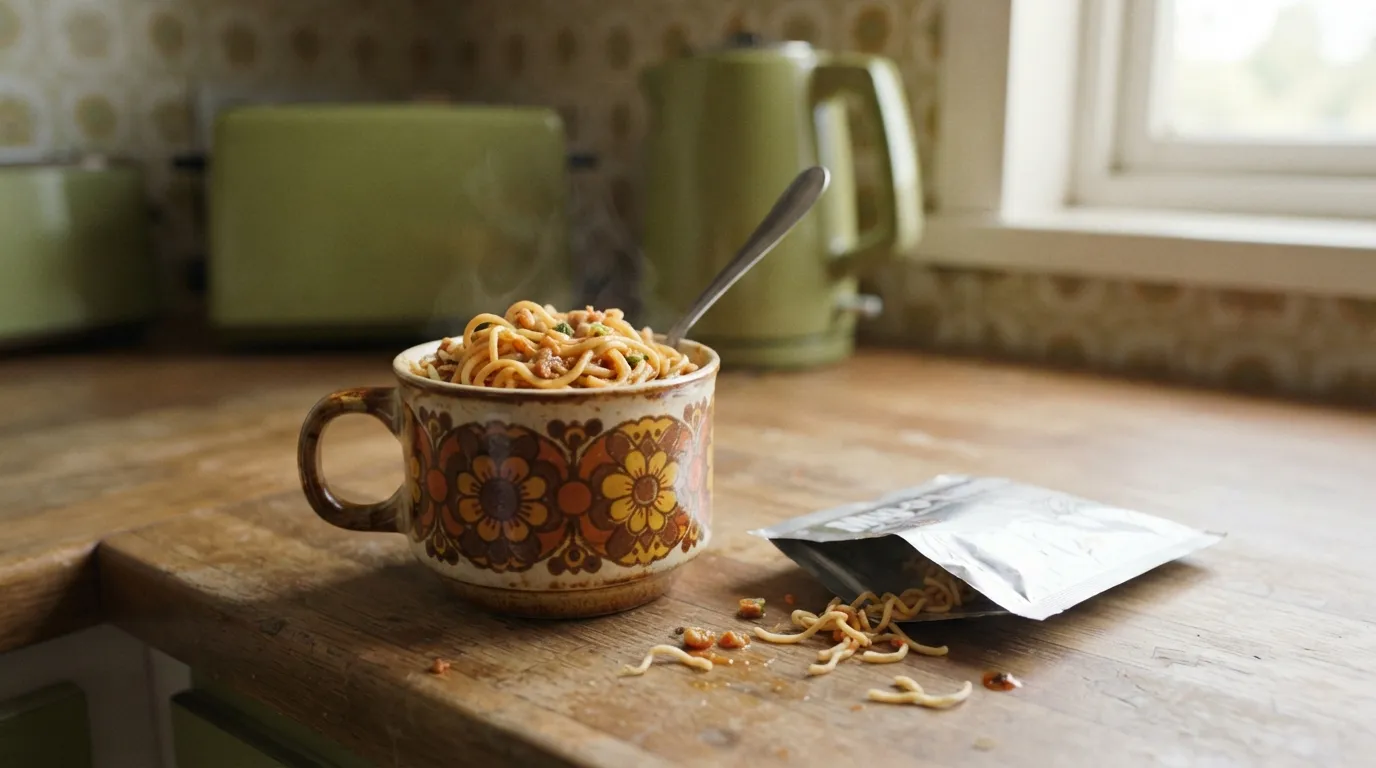
Before microwave cups dominated the soup aisle, there was a smaller revolution in a packet. Mug-o-Lunch, sold under the Betty Crocker name in the mid-1970s, offered single-serve hot meals you made right in a mug.
The varieties included macaroni and cheese, spaghetti, and beef noodles. You added boiling water, stirred, and had lunch in minutes with no pot to wash.
It sounds ordinary now. In the 1970s it felt clever, especially for kids home alone or for adults eating at a desk.
But instant meals multiplied quickly, and newer options crowded the aisle. By the early 1980s the packets were gone, leaving behind a lot of mugs that suddenly had nothing to do.
#18 – Freakies Cereal
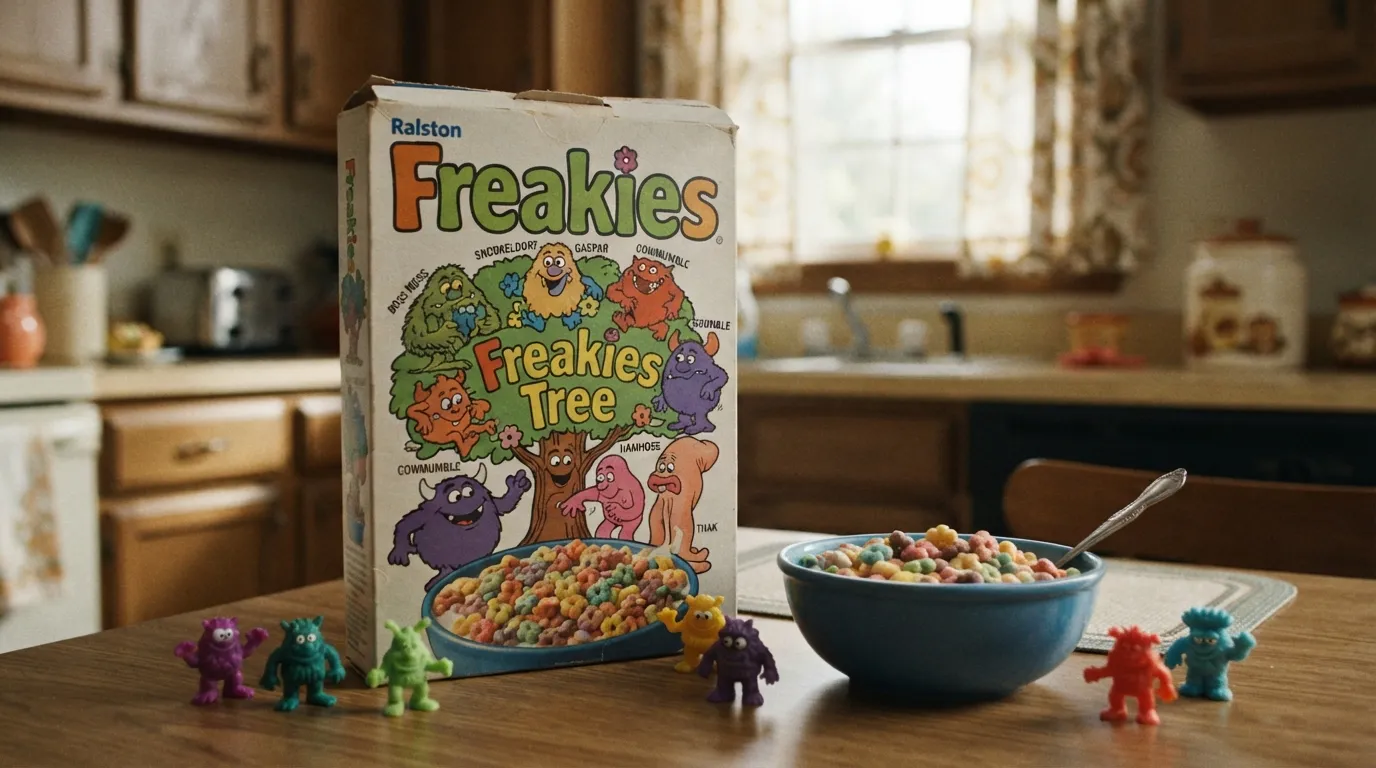
Here’s a cereal with a cast of characters. Ralston introduced Freakies in 1972 with a storyline about seven creatures who lived in a Freakies Tree, including Boss Moss, Snorkeldorf, and Gaspar.
Each box had small plastic figures as prizes, and kids collected the whole gang. The cereal itself was sweet and bright, but honestly the monsters were the point.
It stayed on shelves through much of the decade, a Saturday-morning staple for kids who watched the commercials and begged for the box.
Eventually the brand left the market, and later revival attempts were short-lived. Plenty of people can still name at least one of the seven, which is a pretty good sign of a cereal done right.
#17 – Crazy Cow Cereal
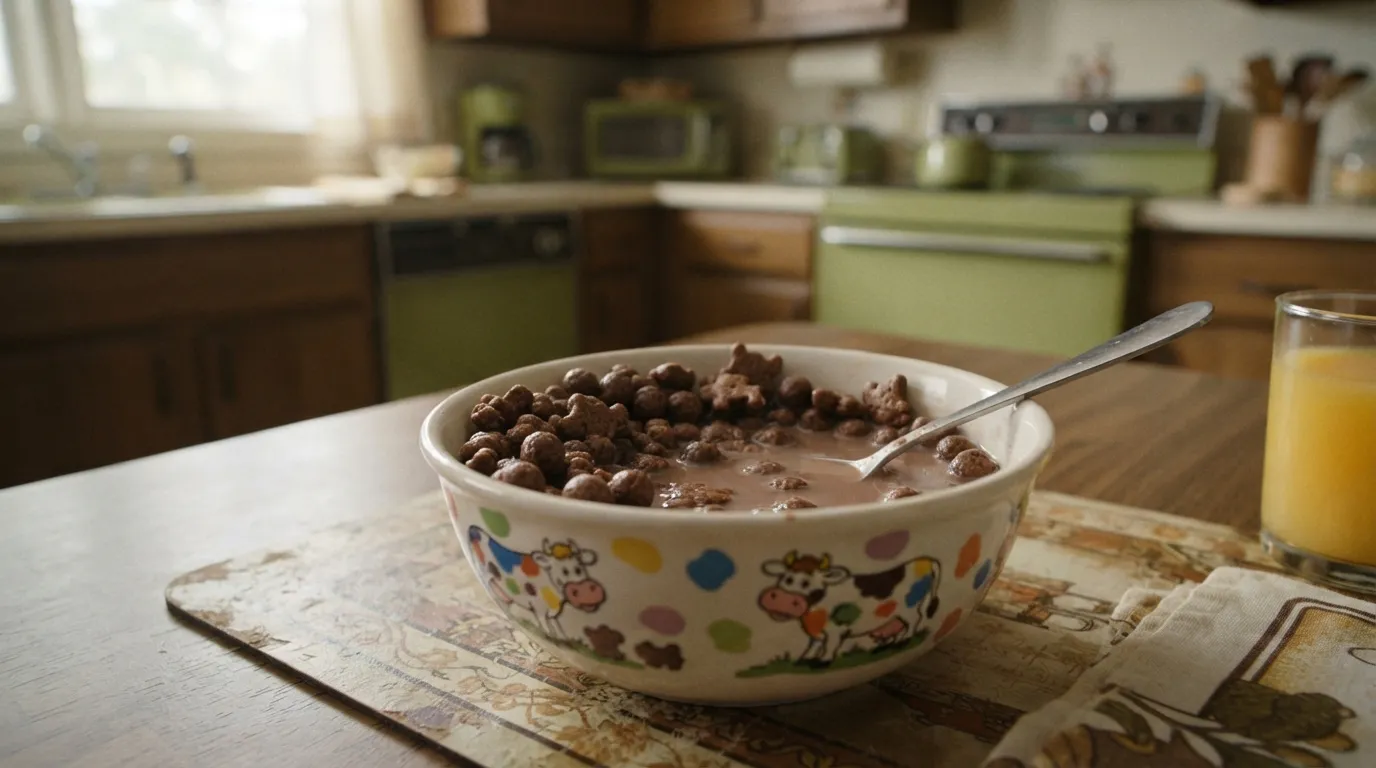
The best part of this cereal came after you finished it. General Mills launched Crazy Cow in the late 1970s, and the pitch was simple: the milk left in the bowl became chocolate or strawberry milk.
Kids didn’t have to stir in syrup or powder. The cereal did the work, and the cow mascot did the talking.
That bowl-bottom reward was the entire appeal, and it set Crazy Cow apart from the standard sweet cereals around it. Chocolate and strawberry were the flavors available.
But breakfast tastes moved on, and the cereal disappeared in the early 1980s. Many people from that era still remember the milk better than the cereal, which is the highest compliment a cereal can get.
#16 – Olive Loaf
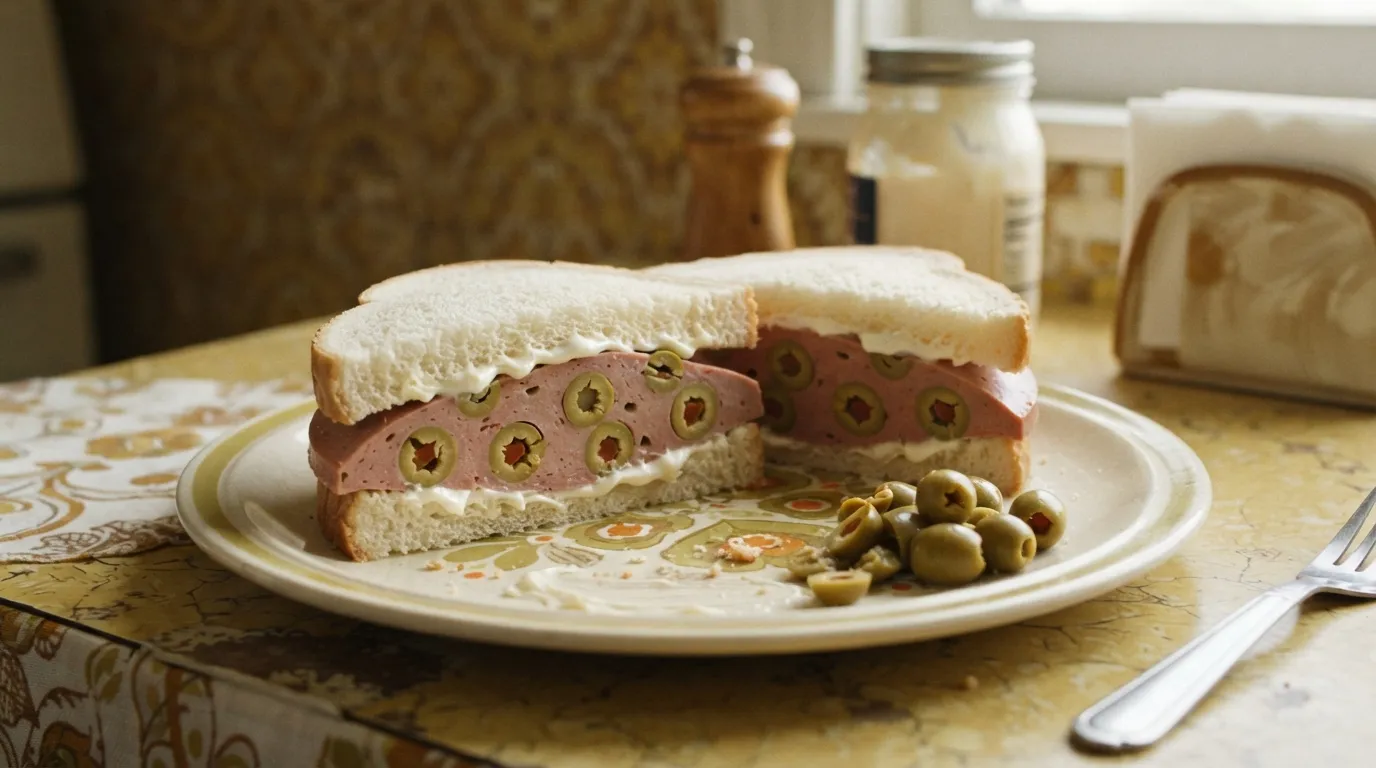
Few lunch meats divided a table like this one. Olive loaf was a packaged luncheon meat studded with slices of pimento-stuffed green olives, and Oscar Mayer was one of the names many people remember.
It showed up in plenty of 1970s sandwiches, usually on white bread with a thick smear of mayonnaise. Some kids loved the salty bite. Others picked out every olive and left the pile on the plate.
The bold flavor never became a broad, lasting favorite, and the product faded from mainstream supermarket cases. A few delis and smaller brands still sell a version.
If you grew up on it, you probably have a strong opinion. And if you didn’t, you’ve likely got a relative who does.
#15 – Ipana Toothpaste
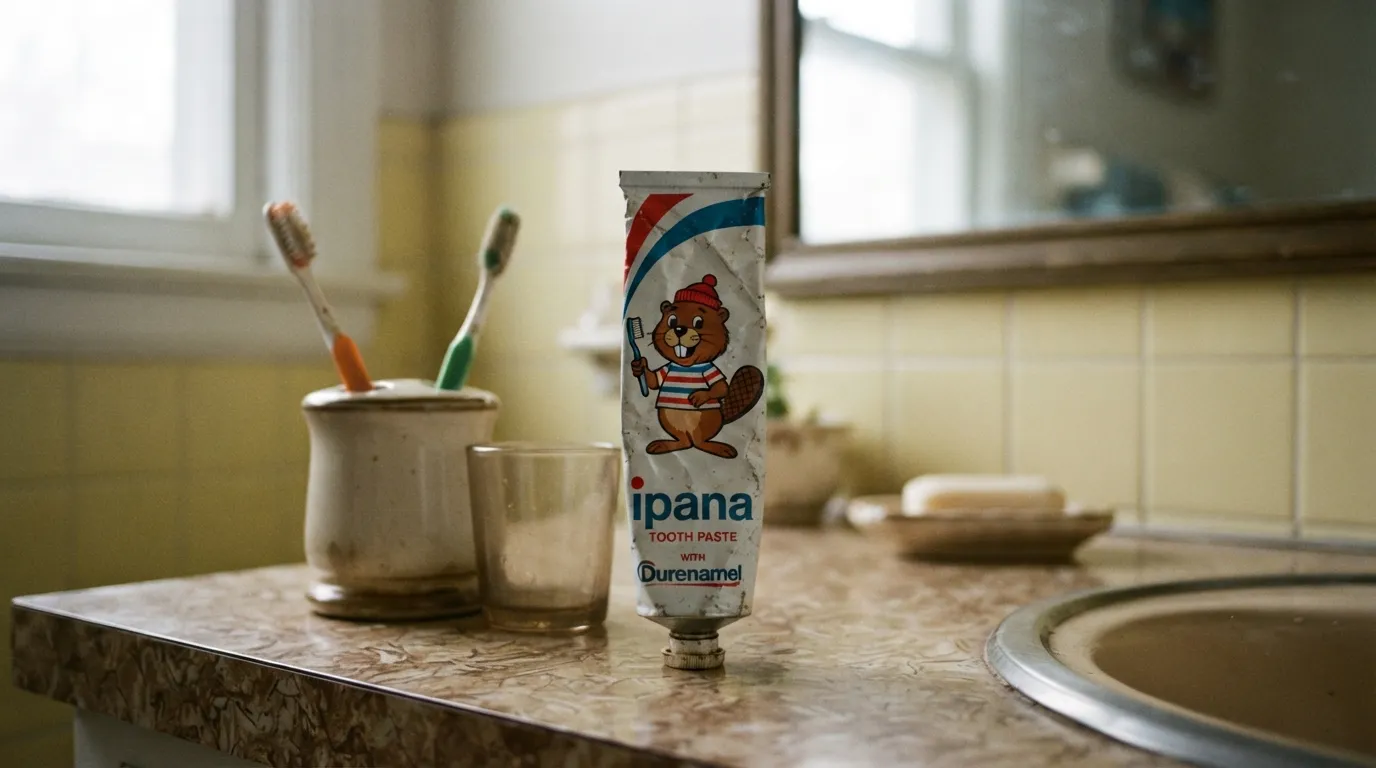
Few toothpastes ever had a mascot this memorable. Bristol-Myers sold Ipana with Bucky Beaver, a buck-toothed cartoon character with a jingle that began “Brusha, brusha, brusha.”
The ads were famous, and Ipana was once a major name in the bathroom. But the market shifted toward fluoride toothpastes, including Crest from Procter & Gamble, and Ipana lost ground.
Sales in the United States ended in the 1970s. The cartoon advertising could not offset the rise of newer dental products that spoke to a different kind of buyer.
The brand lingered in some other markets for a while. Today Bucky is best known to nostalgia fans, who can still sing at least part of the tune.
#14 – Colored Bathroom Tissue
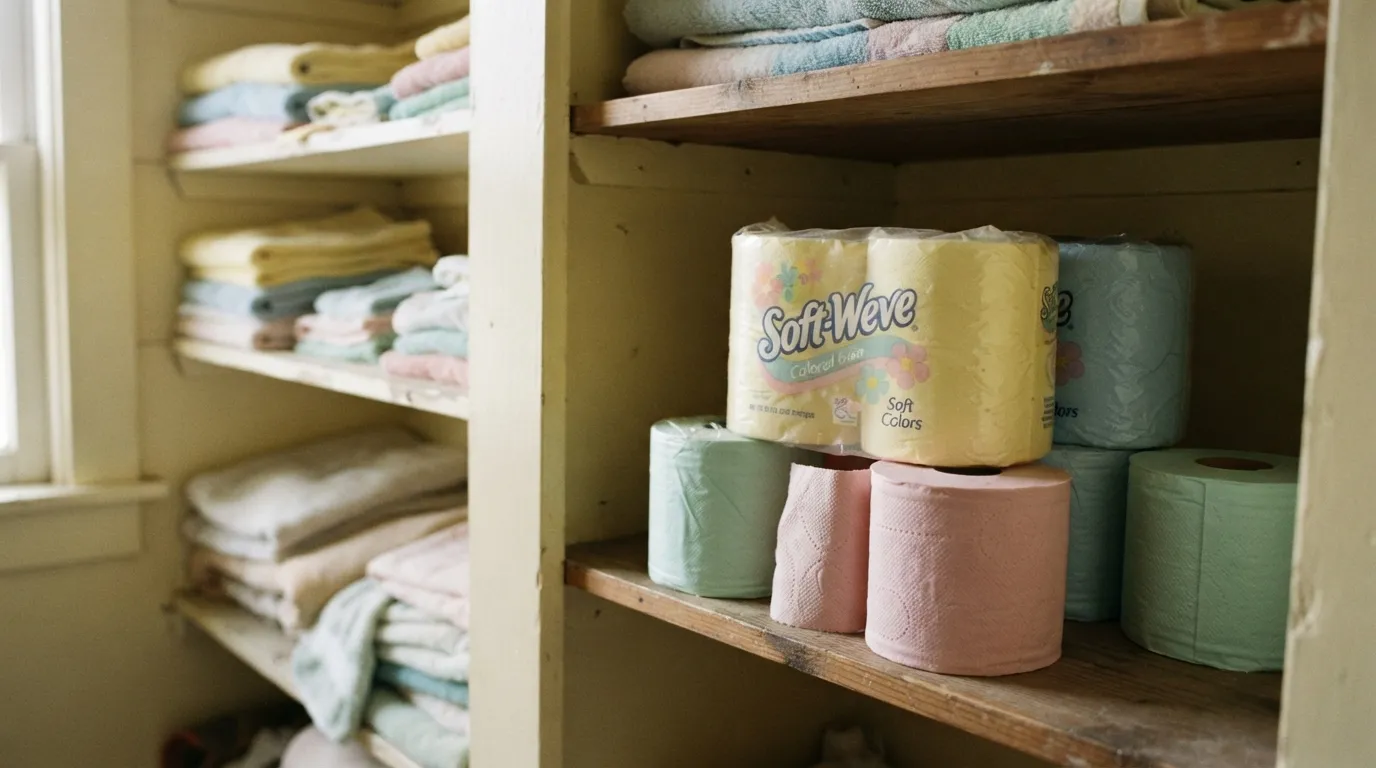
Open a 1970s linen closet and you might find toilet paper in pink, yellow, blue, or green. Scott and other brands sold colored tissue so it could match the tiles, the towels, and the carpet.
It sounds strange today, but it was a normal part of home decor. A coordinated bathroom meant a coordinated roll.
By the early 1980s, colored options largely disappeared from American shelves. Concerns about dyes and changing tastes pushed shoppers and manufacturers toward plain white.
White tissue has been the standard ever since. Somewhere in a basement bathroom, a dusty pastel bathtub is still waiting for its matching roll.
#13 – Aspen Soda
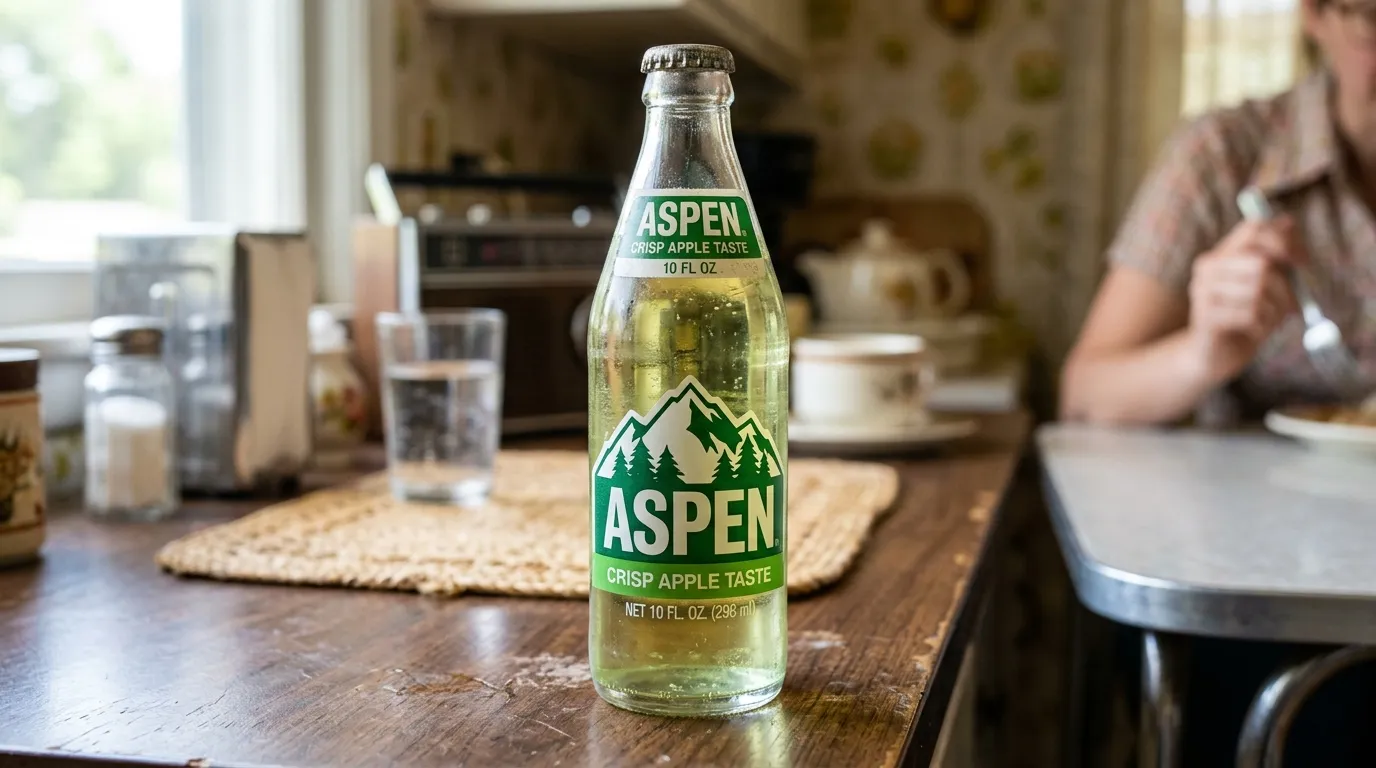
Cola and lemon-lime ruled the soda aisle in the late 1970s, and then came a drink that tasted like biting into an apple. Aspen, from Pepsi, was a clear, crisp apple-flavored soda with a mountain-fresh name to match.
The advertising played on that snappy apple idea. It was a clear break from the amber and green sodas around it, and plenty of people remember it as a refreshing change.
But it never became a permanent fixture. Production ended around 1982, and the brand did not return after it was discontinued.
Apple-flavored sodas have appeared and disappeared many times since. Fans of the original still tend to say none of them quite capture that first crisp sip.
#12 – Jell-O 1-2-3
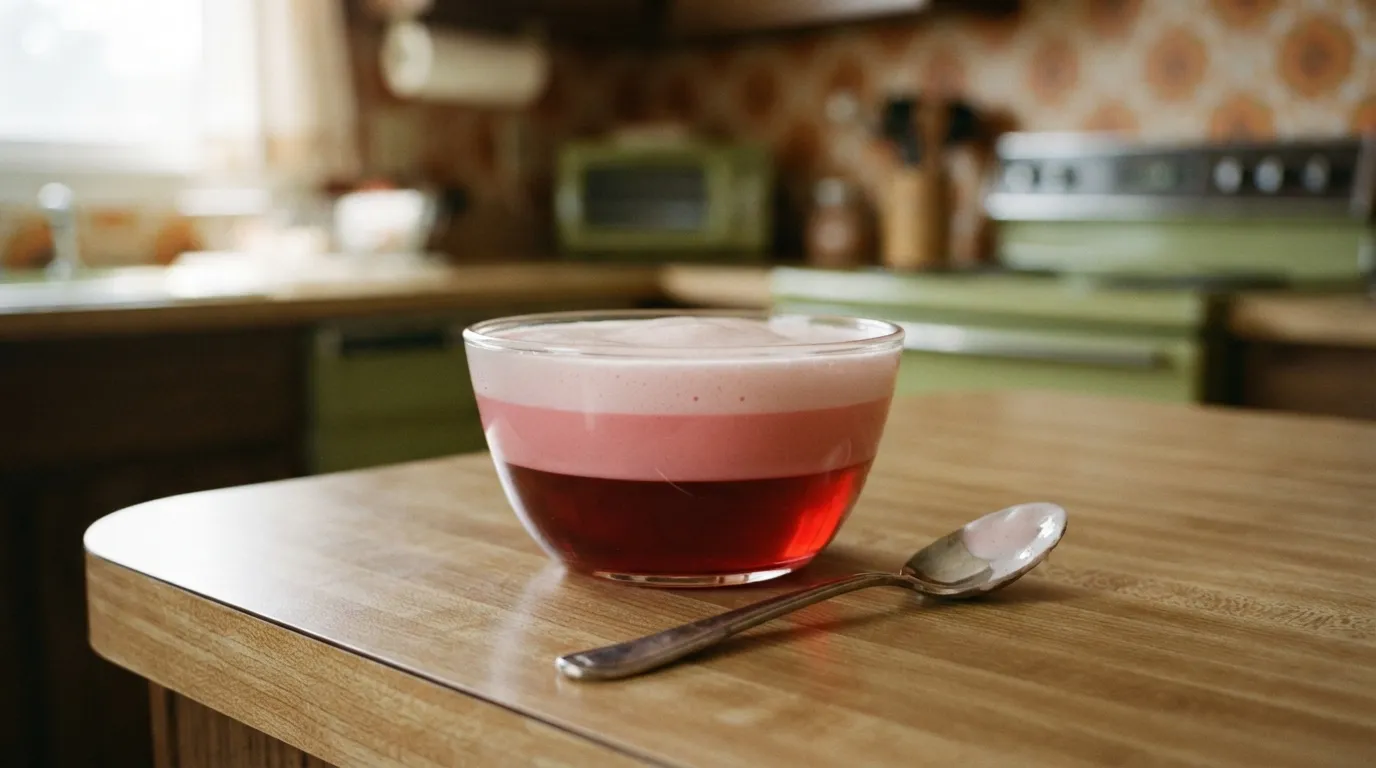
This was the dessert that did its own magic trick. General Foods marketed Jell-O 1-2-3 as a mix that separated into three layers on its own: gelatin at the bottom, a creamy middle, and a light foam on top.
You mixed it with water, blended it, and poured it into a dish. Then you waited, and the layers formed without any further help. It felt like science and dessert at once.
Worth Knowing
- The three layers formed on their own as the dessert set
- Bottom: gelatin
- Middle: a creamy layer
- Top: a light foam
- The trade-off: a blender, careful timing, and extra cleanup
The catch was the effort. It was more of a project than a pudding cup, and the product eventually left shelves.
Home cooks who miss the layered look now rely on other recipes. But for a generation, it was the dessert that made the family stop and stare at the dish.
#11 – Libbyland Dinners
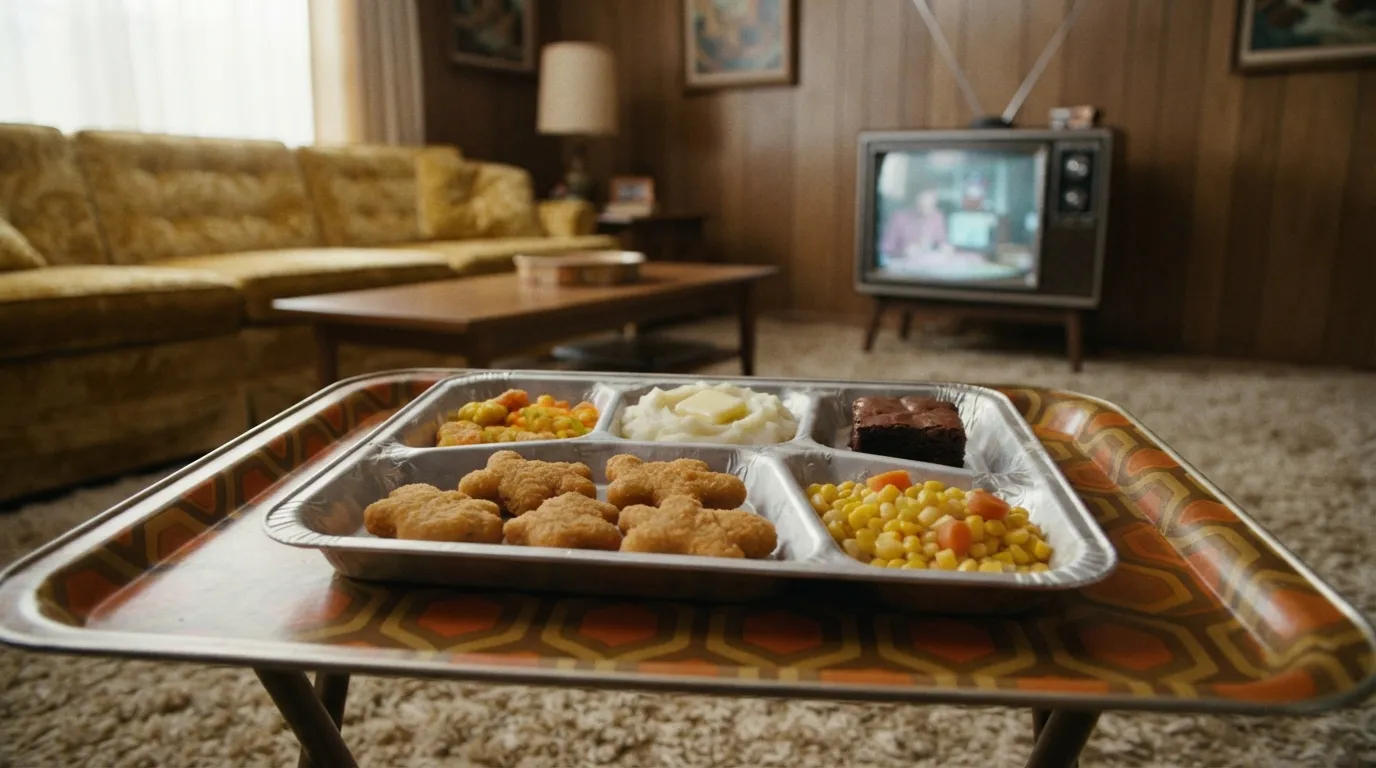
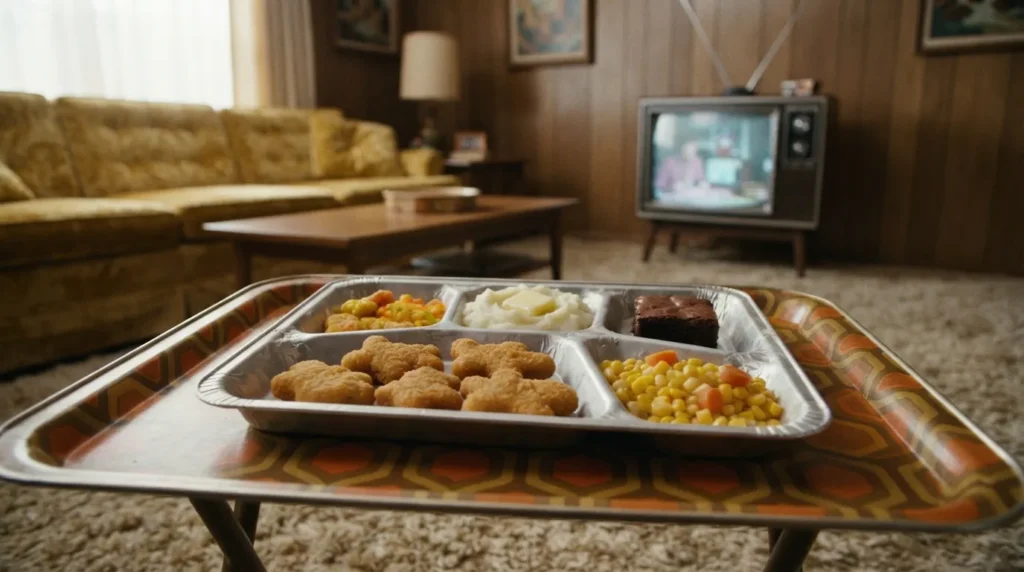
Frozen dinners were for adults until someone decided kids deserved their own. Libby produced Libbyland, a line of children’s frozen meals with kid-friendly portions and playful packaging.
The idea was to turn a hurried weeknight dinner into something a child would be excited to open. For busy parents in the 1970s, that was a very attractive promise.
Libbyland was popular for a while before being discontinued. The frozen-food aisle kept evolving, and the specific line eventually could not keep pace.
Kid-targeted frozen meals have never really gone away. But the Libbyland name now lives mostly in the memory of those who had one on a tray in front of the television.
#10 – Squeez-A-Snak
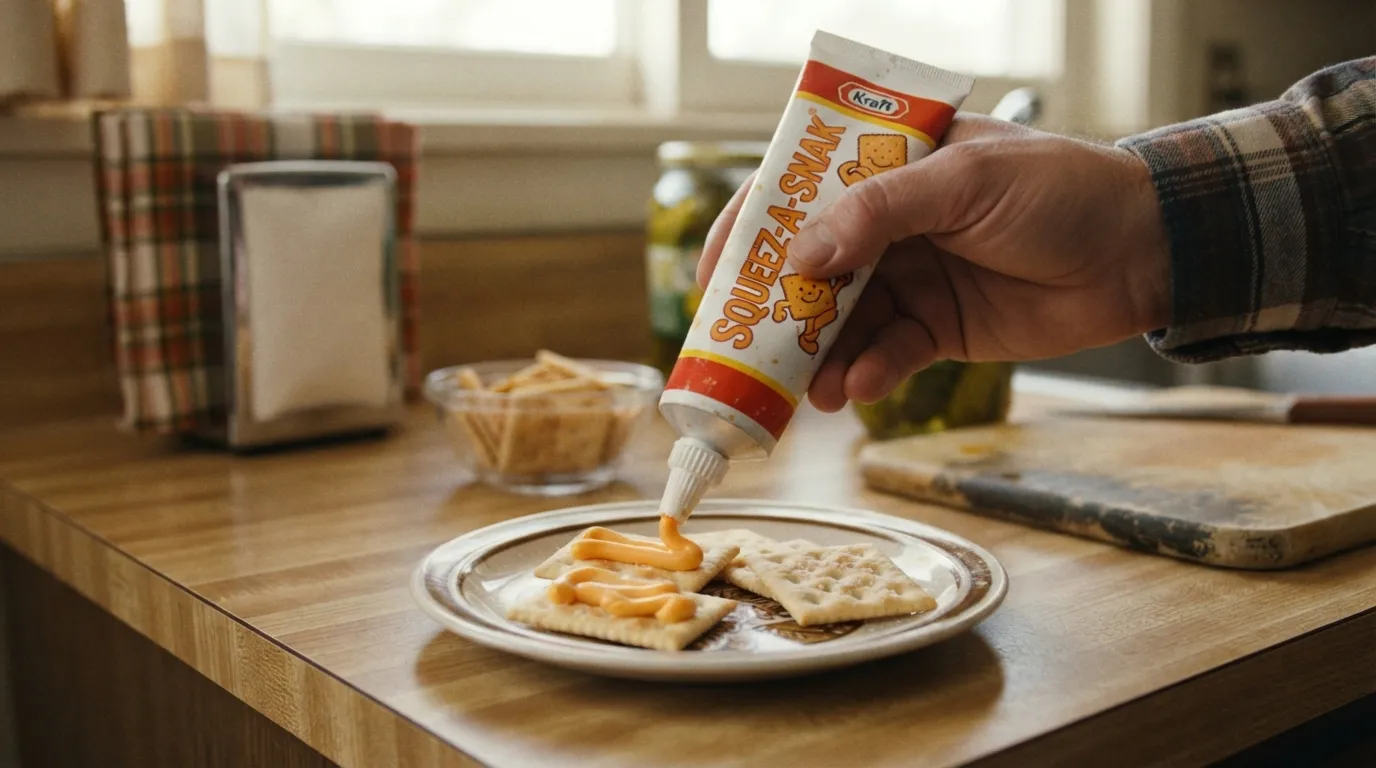
Cheese without a knife was a big deal. Kraft offered Squeez-A-Snak as a cheese spread in a squeezable tube, so you could press it straight onto crackers or bread.
It was portable, fast, and a little silly in the best way. Kids drew cheese lines and zigzags on crackers instead of spreading anything, and the tube felt like part toy and part snack.
The product was available during the 1970s and was later discontinued. Packaging trends moved on, and other formats took over the convenience niche.
Cheese spreads and cheese snacks still fill the shelves today. But the original tube is gone, along with the pleasure of a perfectly straight line of cheese.
#9 – Vera Neumann Printed Paper Napkins
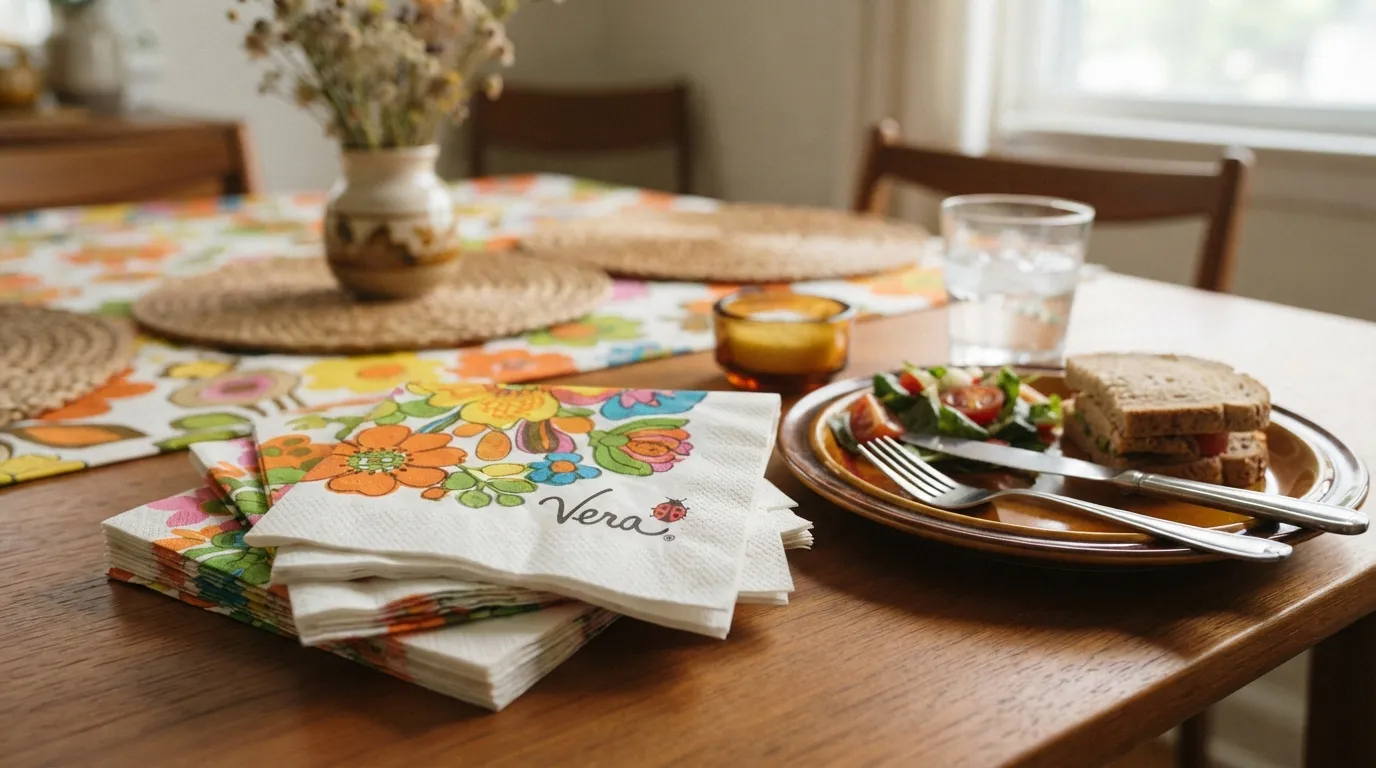
Paper napkins didn’t have to be plain. Vera Neumann, the designer known for her bright scarves and linens and for the little ladybug she placed beside her signature, brought bold florals and geometric patterns to the party table.
In the 1970s, her colorful designs made even a casual lunch feel put together. Napkins matched tablecloths, and hosts took pride in the coordinated look.
The paper napkin line did not last, and the prints turned into collector items after production stopped. Vintage Vera pieces still appear at estate sales and online shops.
If you spot a napkin with that ladybug tucked beside the name, you are looking at a small piece of 1970s party design. It was made to be thrown away, and somehow it wasn’t.
#8 – Hallmark Party Paks
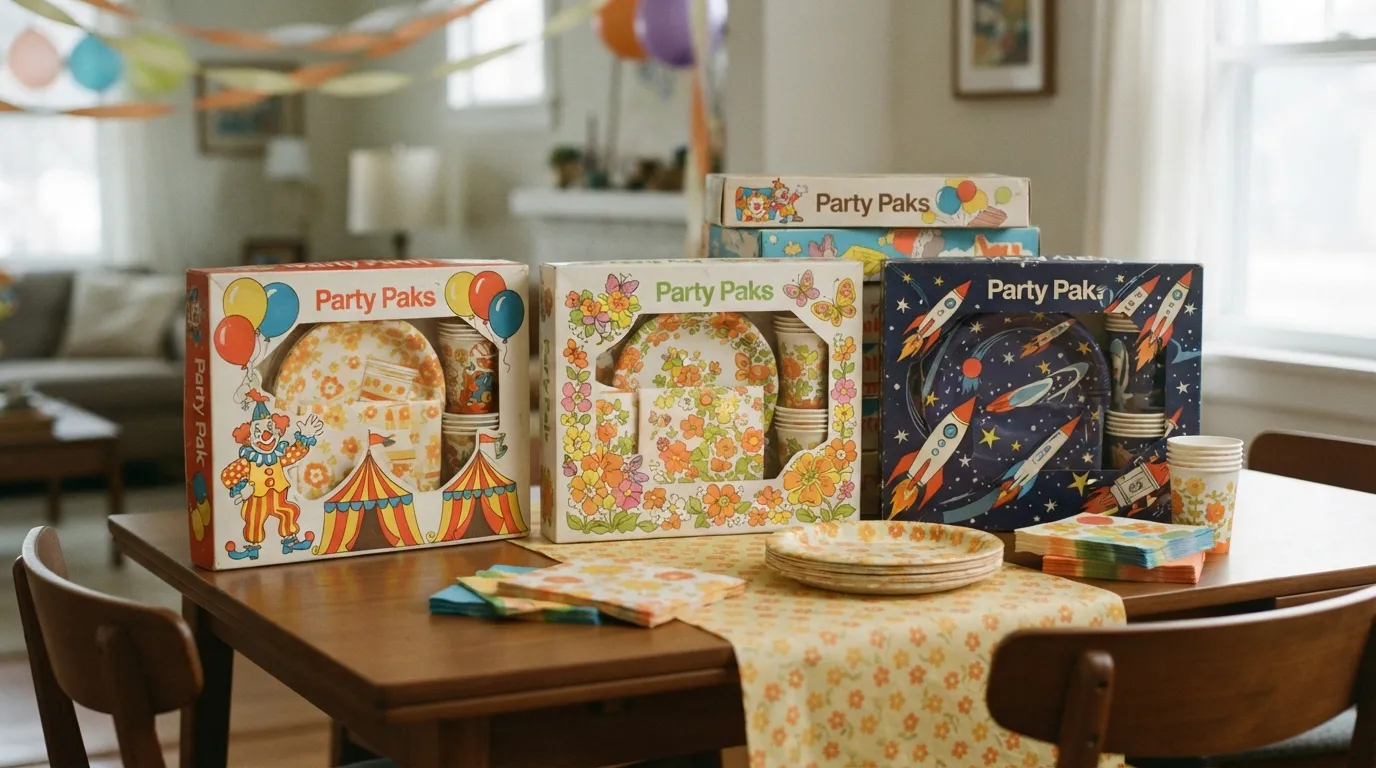
Hosting once meant a stop at the card shop. Hallmark sold themed party sets in the 1970s, with matching plates, cups, napkins, and tablecloths all in one package.
That matching look did the planning for you. A birthday or holiday gathering had a theme before the first guest arrived, and the host never had to compare shades of paper.
The specific branded packs were eventually phased out. Party aisles grew larger, and the single-pack approach gave way to endless individual choices.
Modern party supplies still offer themes in abundance. But the all-in-one box has largely been replaced by a cart full of separate pieces, and every host now does the matching on their own.
#7 – Rinso Laundry Soap
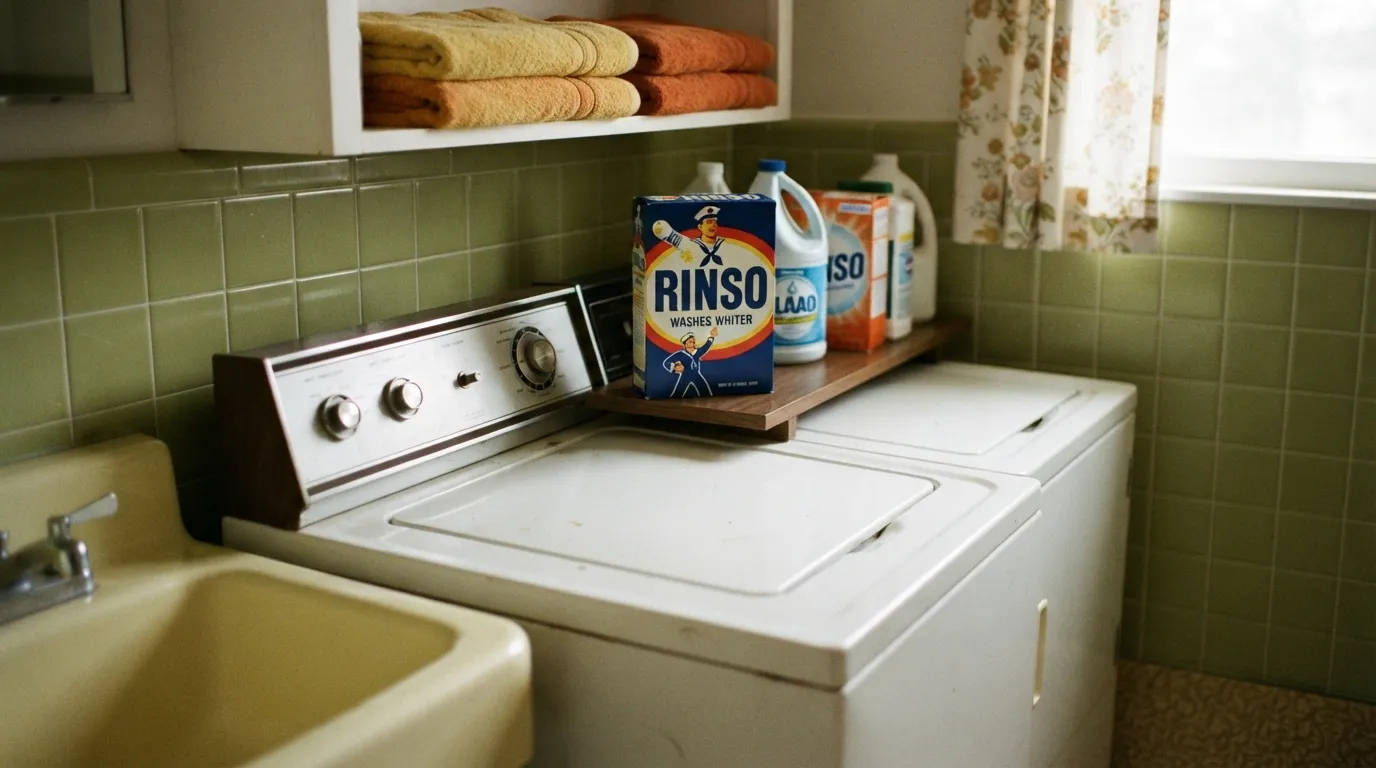
It had one of the stickiest jingles in laundry history. Lever Brothers promoted Rinso with a catchy song about “Rinso white,” which stayed in people’s heads long after the washing was done.
The brand promised whiter washes, and it had a long run in American laundry rooms. Generations knew the name, and many grew up watching it sold on radio and television.
But laundry changed. Newer detergents with different formulas took over the market, and Rinso faded. It was eventually discontinued in the United States.
The jingle outlasted the soap, and that is the real legacy here. When a product disappears but its tune doesn’t, the advertising did its job almost too well.
#6 – Duz Detergent
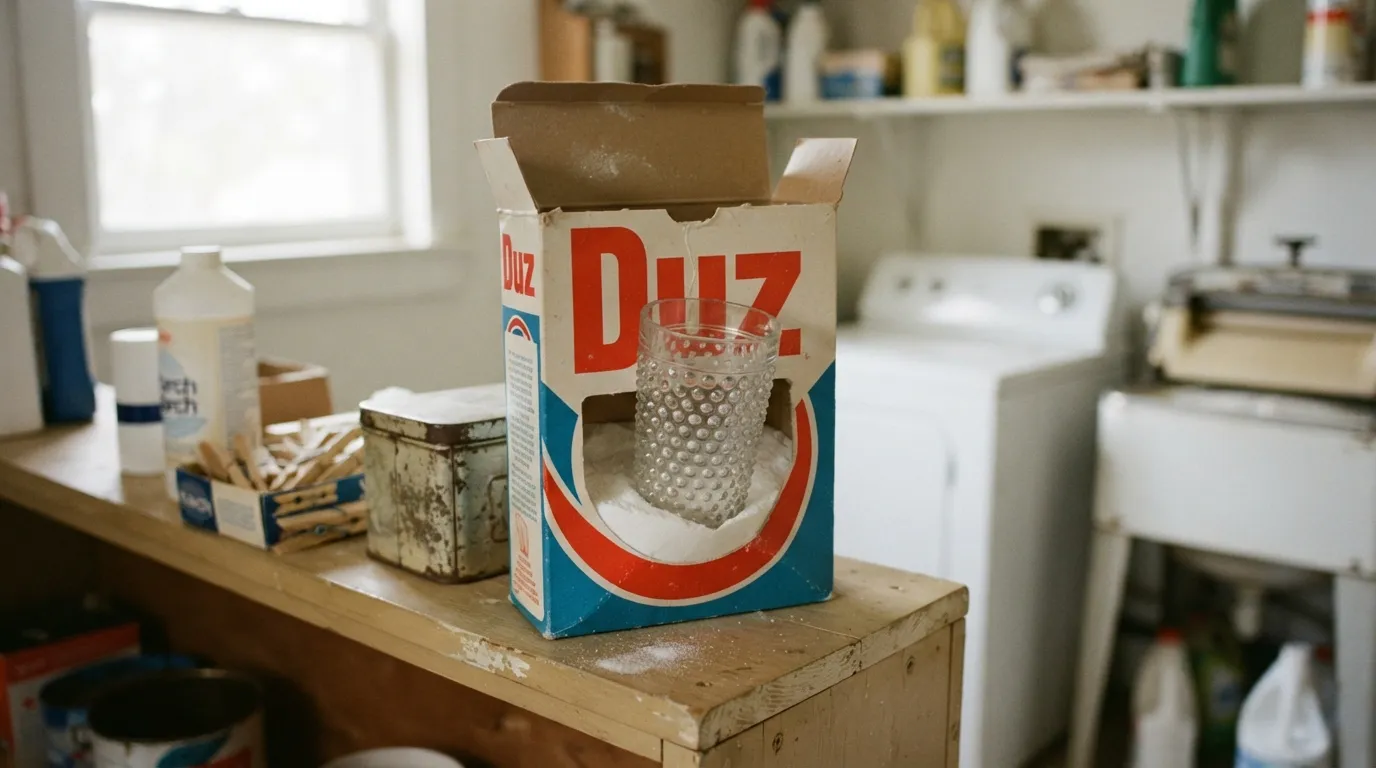
Imagine opening a box of laundry soap and finding a drinking glass inside. That was the Duz promise. Procter & Gamble sold Duz as a detergent that sometimes came with glassware tucked in the box.
It was a hidden prize, and families collected the pieces over time. A shelf of mismatched glasses could trace back to a laundry-room habit.
The slogan was “Duz does everything,” and the glassware gave shoppers a reason to choose it over the box next to it.
Eventually the brand left the market. The glassware giveaway ended with it, and no one has packed free dishes into a detergent box in quite the same way since.
#5 – Candy Cigarettes
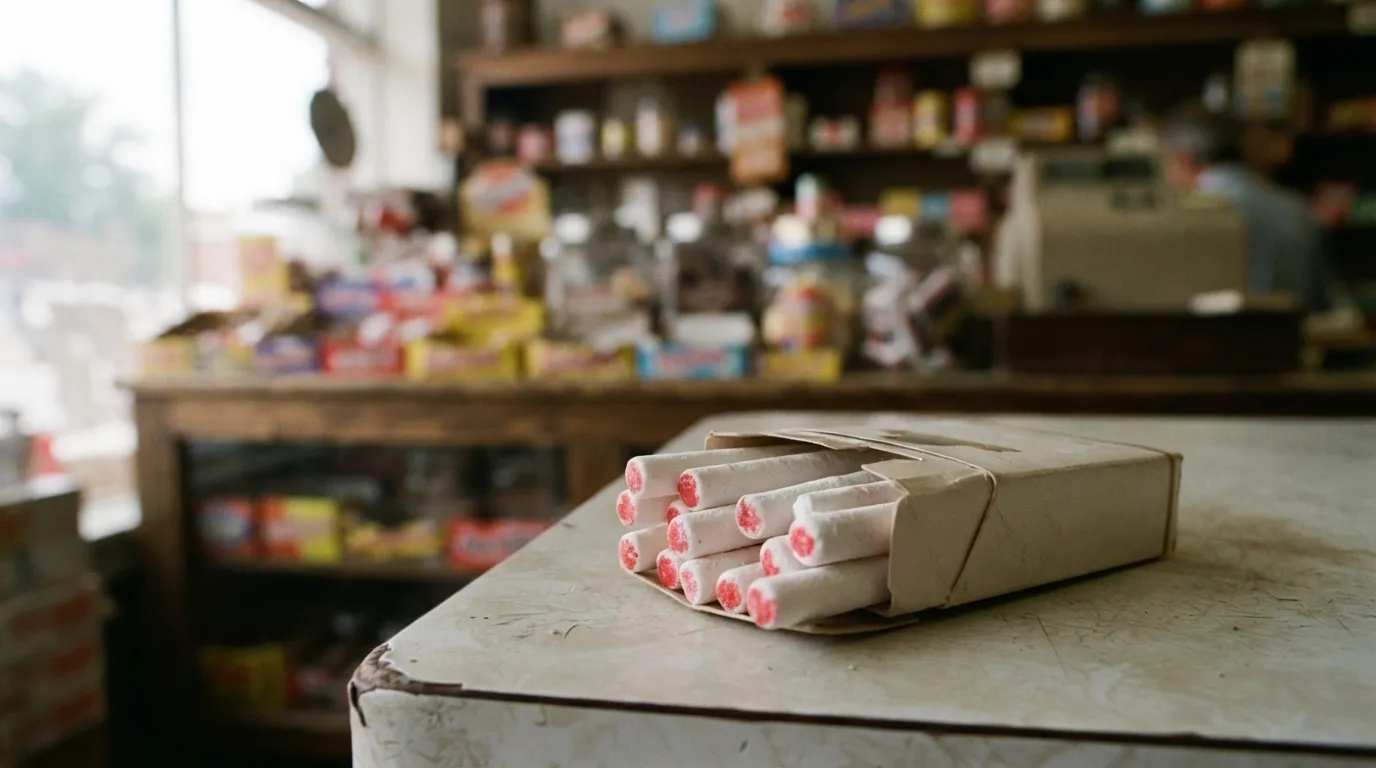
It sounds almost unbelievable now. Candy cigarettes were white sticks with red tips, made to look like the real thing, and kids in the 1970s bought them at the corner store.
They were sold as a treat, and children played with them as pretend grown-ups. At the time, few people thought twice about it.
That changed as attitudes toward tobacco shifted. The visual similarity drew growing scrutiny, and packaging and marketing changed. Many versions were discontinued or rebranded as candy sticks.
Current candy versions avoid the original cigarette styling. The product is one of the clearest examples of how quickly something ordinary can start to look strange.
#4 – Mercury Thermometers
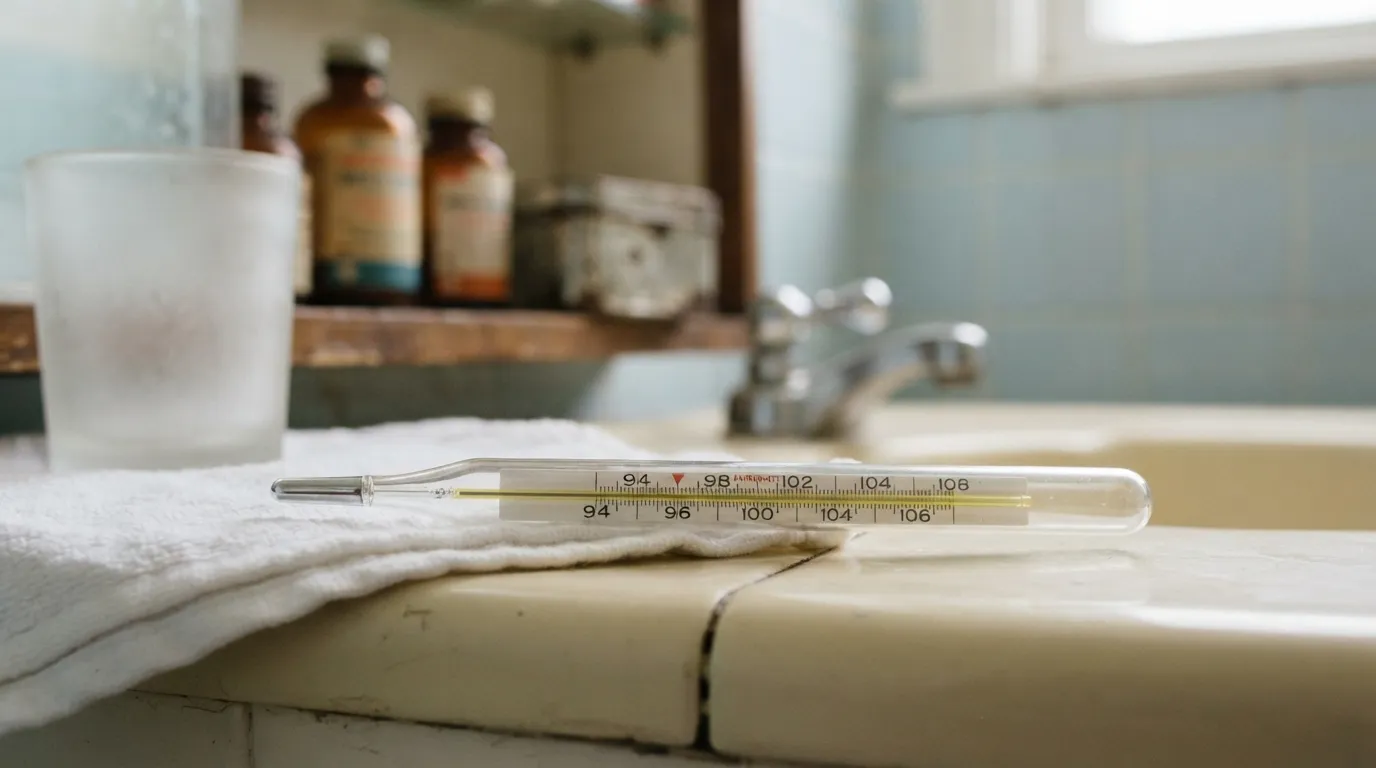
Every medicine cabinet had one. The glass mercury thermometer was the standard way to take a temperature in the 1970s, and parents shook it down with a sharp flick of the wrist before slipping it under a child’s tongue.
It was simple and accurate, and it was also fragile. A single drop on the bathroom floor could leave a silver puddle that rolled in tiny beads.
Quick Compare
- Glass mercury: fragile, a spill risk, and shaken down before each use
- Digital: faster, safer, and no shaking required
- What was lost: the little ritual and the long, quiet wait
Concerns about mercury exposure eventually pushed families and governments toward safer options. Many regions restricted or banned their sale.
Digital thermometers replaced them in most homes, and the glass kind became a memory of the old medicine cabinet.
#3 – Cigarette Vending Machines
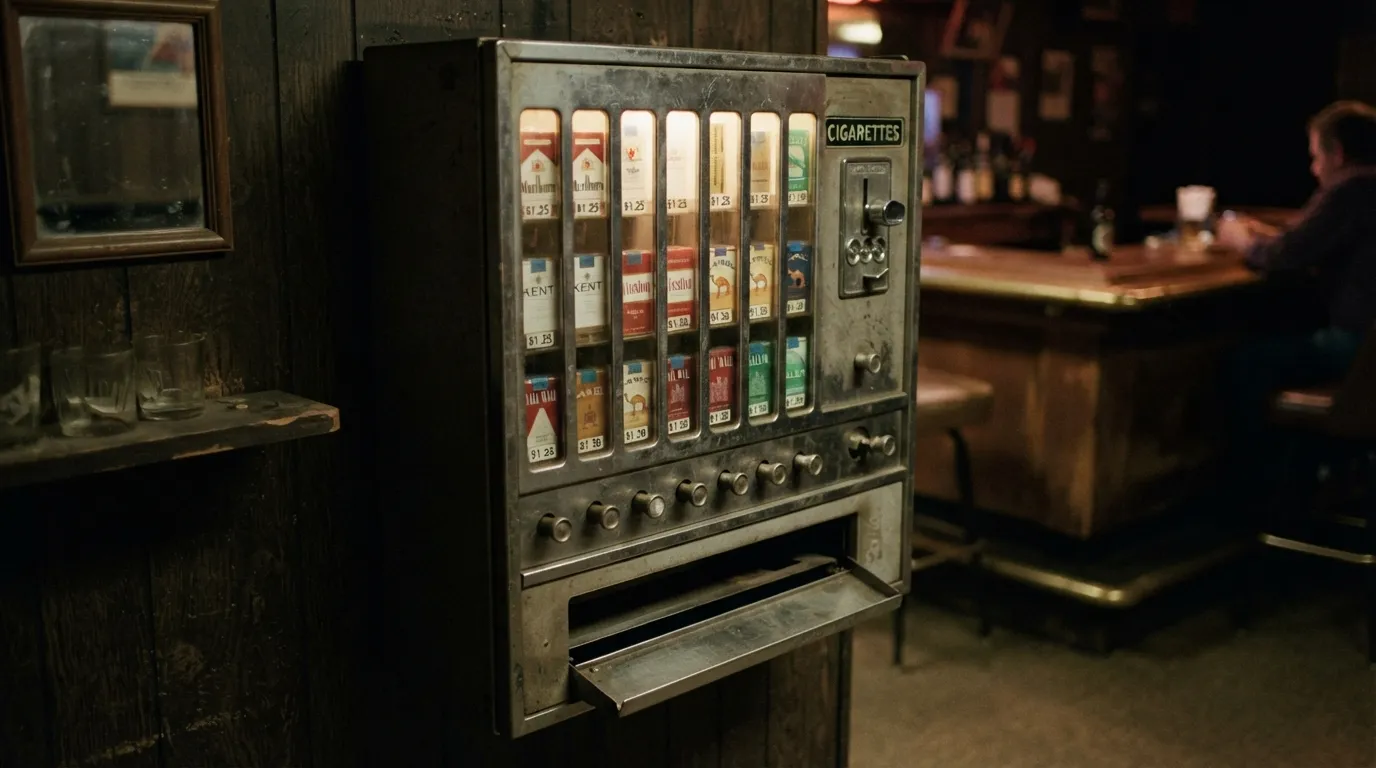
Once upon a time, you could buy cigarettes the way you bought a candy bar. Coin-operated cigarette vending machines stood in bars, restaurants, and other public places throughout the 1970s.
You dropped in coins, pulled a knob, and a pack fell into the tray. No clerk, no questions, no wait.
That convenience became the problem. Concerns about easy access, especially for young people, led to restrictions on where and how the machines could operate. Attitudes toward smoking also changed in the years that followed.
Few remain in operation today. The ones that survive are mostly curiosities, rusting reminders of a very different idea of an everyday purchase.
#2 – Slide Projectors
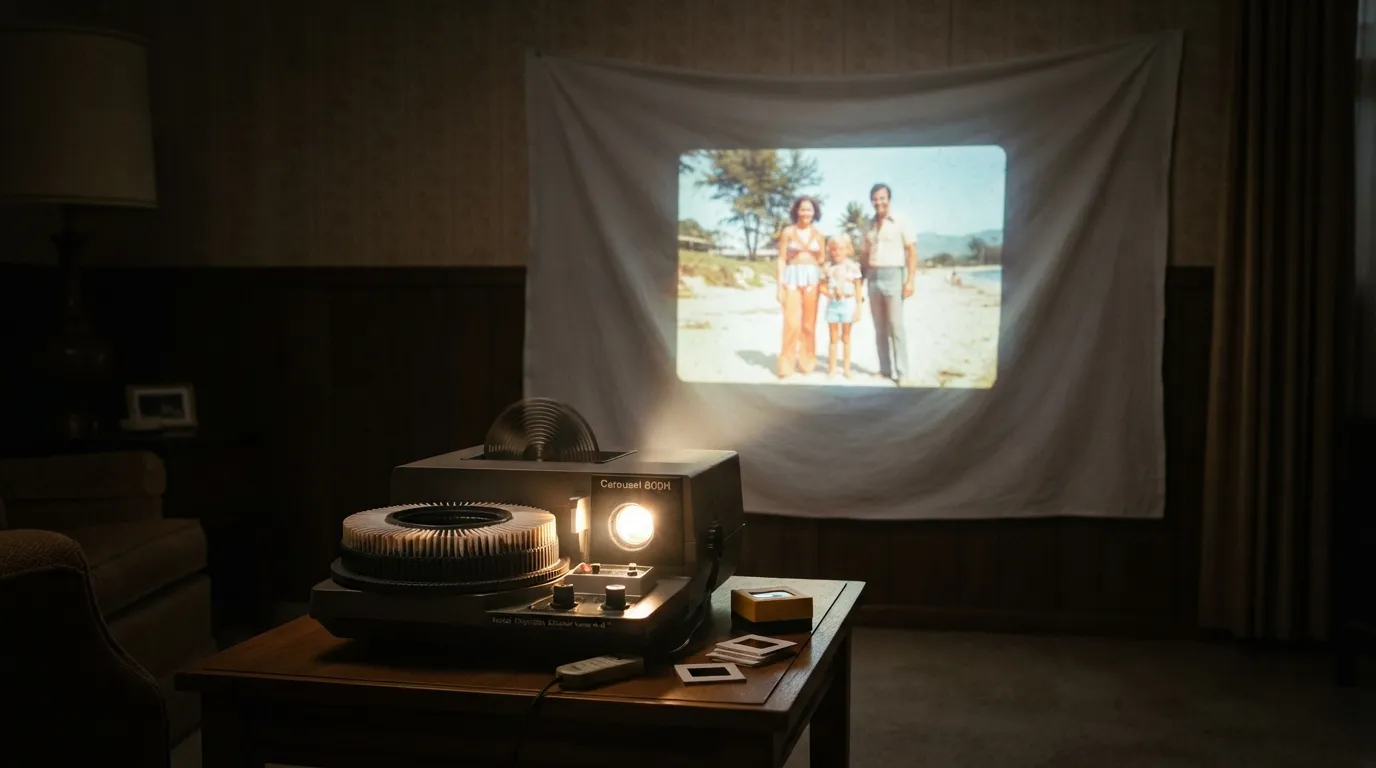
The family vacation used to end with a dark living room and a bedsheet on the wall. Slide projectors were common in the 1970s, loaded with trays of 35mm slides that clicked forward one glowing photo at a time.
The Kodak Carousel, introduced in 1961, was the best-known model. The hum of the fan and the clunk of each slide were part of the show.
At a Glance
- Best-known model: the Kodak Carousel, introduced in 1961
- Film format: 35mm slides loaded into trays
- Setup: a dark room and a bedsheet or blank wall
- End of the line: Kodak announced the end of Carousel production in 2004
Digital photography and bright screens changed everything. Photos no longer waited for a processing lab or a projector, and the slideshow moved onto a television or a phone.
Somewhere in an attic, a tray of slides is probably still waiting for someone to find the bulb.
#1 – Lawn Darts
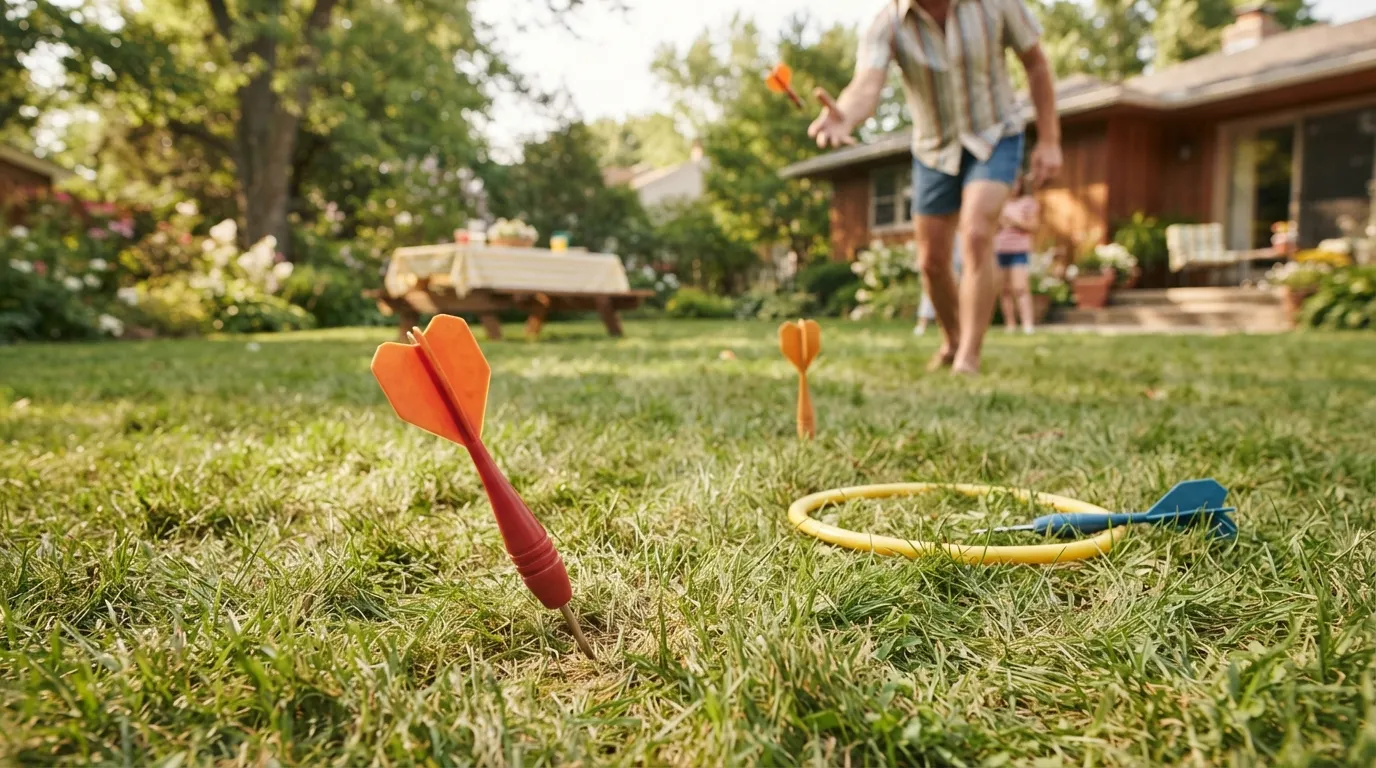
They looked like harmless backyard fun. Lawn darts were weighted darts with metal tips, thrown underhand at plastic rings on the grass, and they were sold as family recreation in the 1970s.
The game traveled to picnics and barbecues across the country. But the same heavy tips that made the darts stick in the lawn made them dangerous when they landed somewhere else.
Safety concerns grew as serious injuries were reported, especially among children. The U.S. Consumer Product Safety Commission banned the sale of lawn darts in 1988, and Canada followed with its own ban.
The story ends with one of the clearest turns in everyday product history: a game that once felt like summer became something nobody could buy in stores. Some families still have a set in the garage, and every one of them has a story.
CEO-Co-Founder