

- 20 Musicians Who Turned Tragedy Into Timeless Hits - October 11, 2026
- What These Classic British and American Novels Say About Society - October 11, 2026
- The Forgotten U.S. Festival That Inspired Woodstock - October 11, 2026
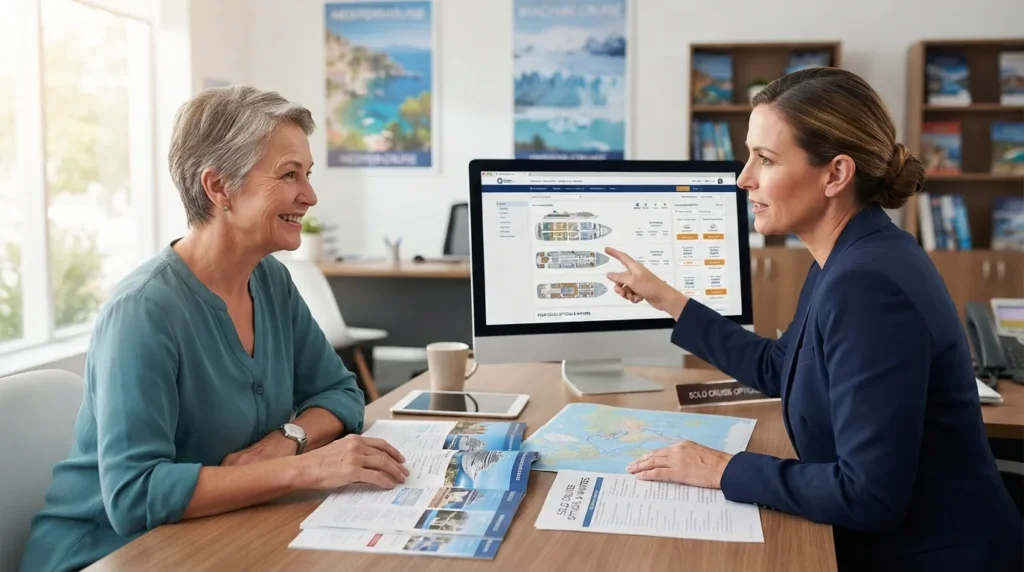
You picture a deck chair, a calm horizon and nobody asking where you want to eat. Then the booking screen shows a price that makes you blink twice.
That is only the first surprise. Some of what follows is annoying, some is surprisingly kind, and one thing at the very end is the reason so many solo cruisers over 60 book again before they have even unpacked.
#15 – Single Supplements That Can Nearly Double the Fare
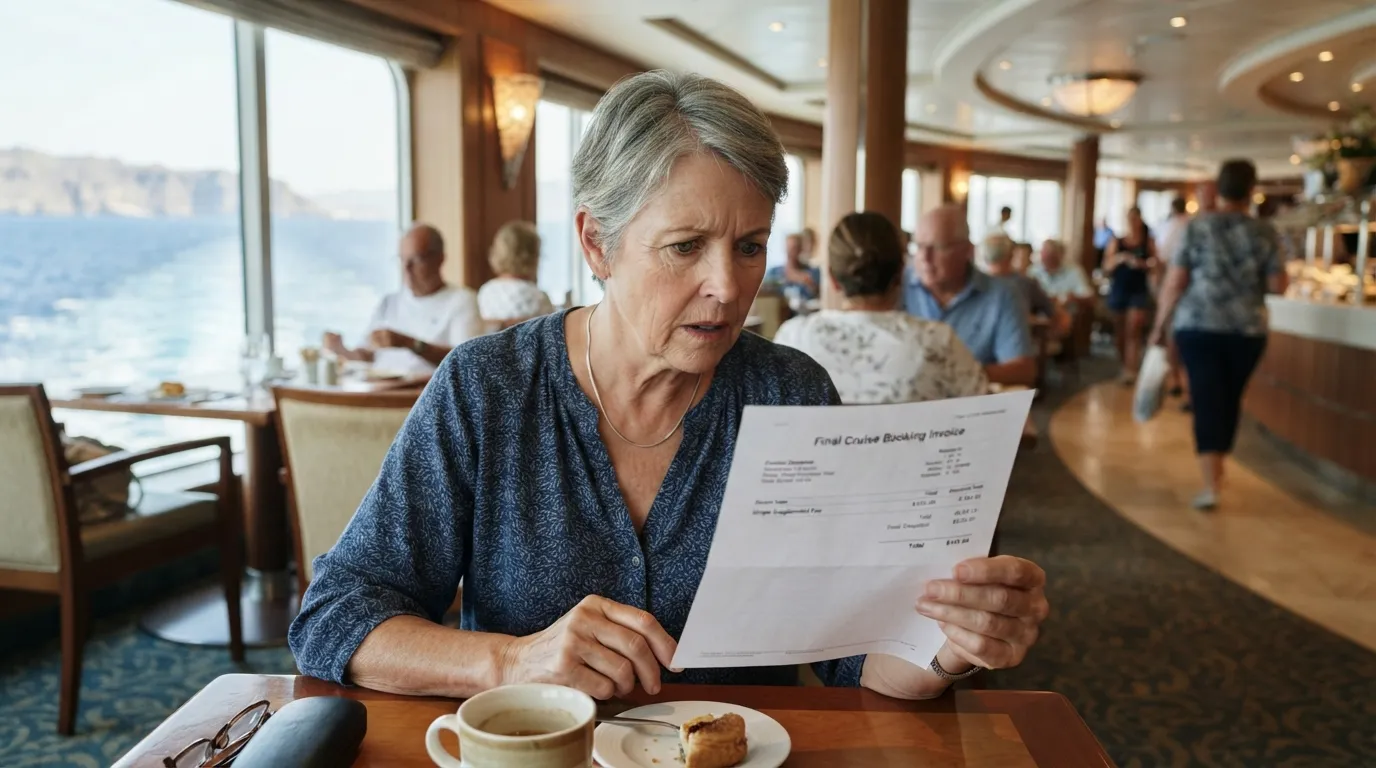
The cheerful price in the ad is almost always per person, based on two people sharing a cabin. Book alone and many mainstream lines add a single supplement, often 100% of the second fare and sometimes more.
The sting lands at checkout. The same cabin on the same sailing suddenly costs hundreds, or even thousands, of dollars more. Nothing about the ship changed. Only the headcount did.
Some sailings, especially ones a line is struggling to fill, reduce or waive the supplement. That discount rarely announces itself. Ask the cruise line directly, or ask a travel agent, and try a few different sail dates before you decide the price is final.
#14 – Norwegian’s Studio Cabins, Built for One and Priced for One
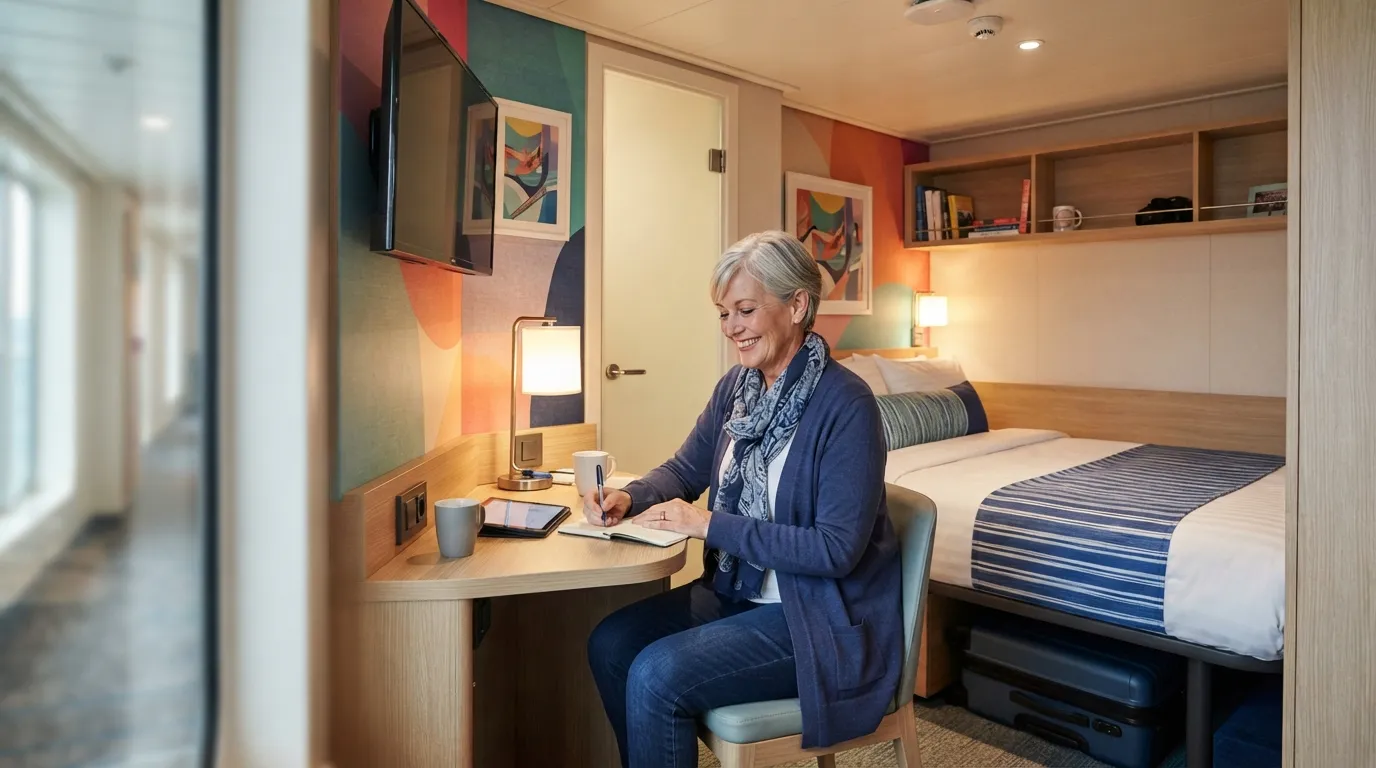
Here is the workaround that surprises first-timers. Norwegian Cruise Line built Studio cabins on many of its ships specifically for solo travelers, and the rate is set for one person. No second fare is hiding in the math.
The trade-off is space. These rooms are compact, so suitcases may need to live under the bed, and you will get good at organizing a small footprint fast.
Even so, compare the total price against a standard inside cabin with the supplement added. On some sailings the Studio comes out clearly cheaper. Studio availability varies by ship and by sailing, so check the specific voyage rather than assuming every Norwegian ship has them.
Quick Compare
- Studio cabin: priced for one traveler, compact layout, limited to certain ships.
- Standard inside cabin: more room and more availability, but the supplement may apply.
- The deciding step: price both for the exact sailing, taxes and fees included.
#13 – Gratuities and Fees That Show Up After the Pretty Price
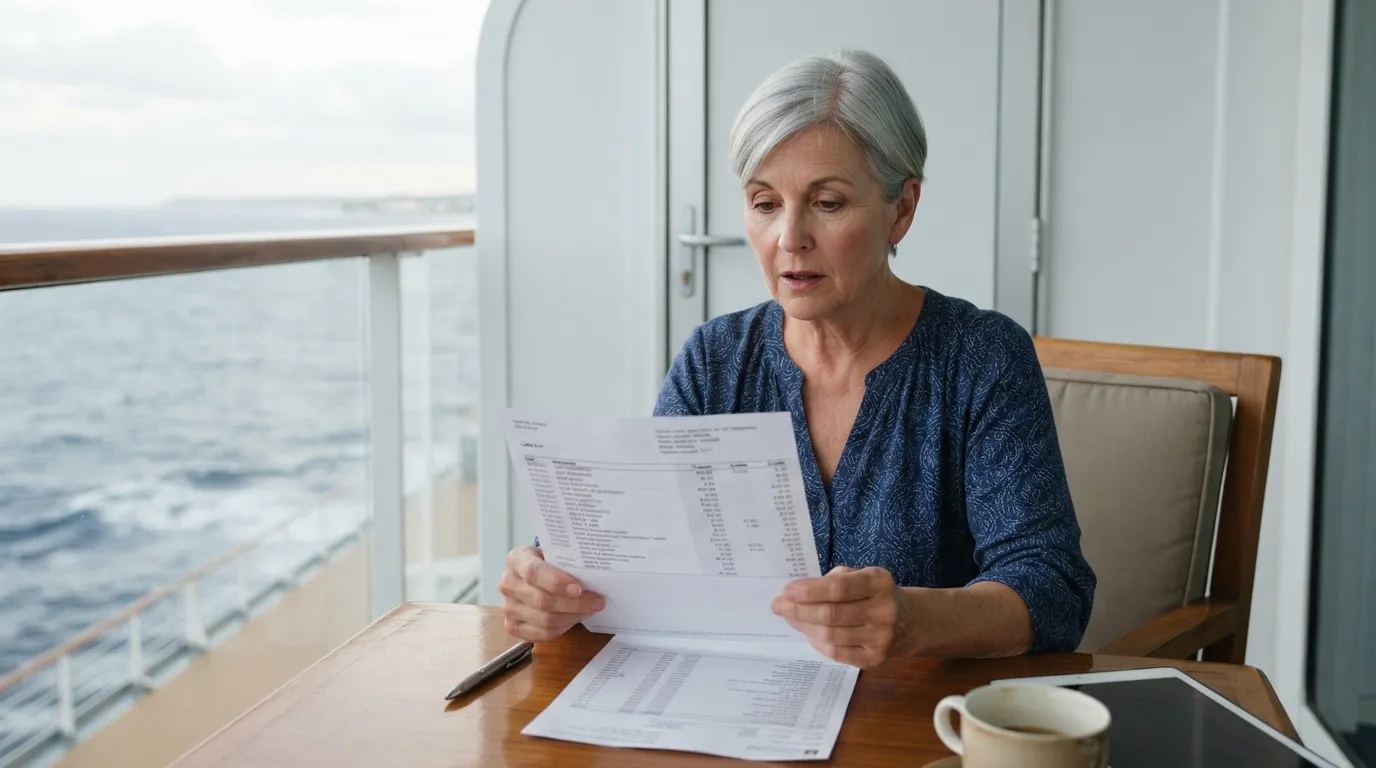
The headline fare often leaves out daily gratuities, and taxes and port fees are sometimes listed separately. On a week-long cruise those extras can add up to a few hundred dollars before you buy a single drink or excursion.
Solo travelers get no discount here. Gratuities are charged per person, per day, so one traveler pays the same daily rate as each half of a couple.
Many lines now add gratuities to your account automatically. That means the shock often arrives as a line on your onboard statement instead of at booking.
Look for the full price breakdown before you pay, and build in a cushion for drinks, Wi-Fi and shore trips. It is a boring step, but it spares you an ugly final-night surprise.
#12 – A Midship, Lower-Deck Cabin That Calms the Ride
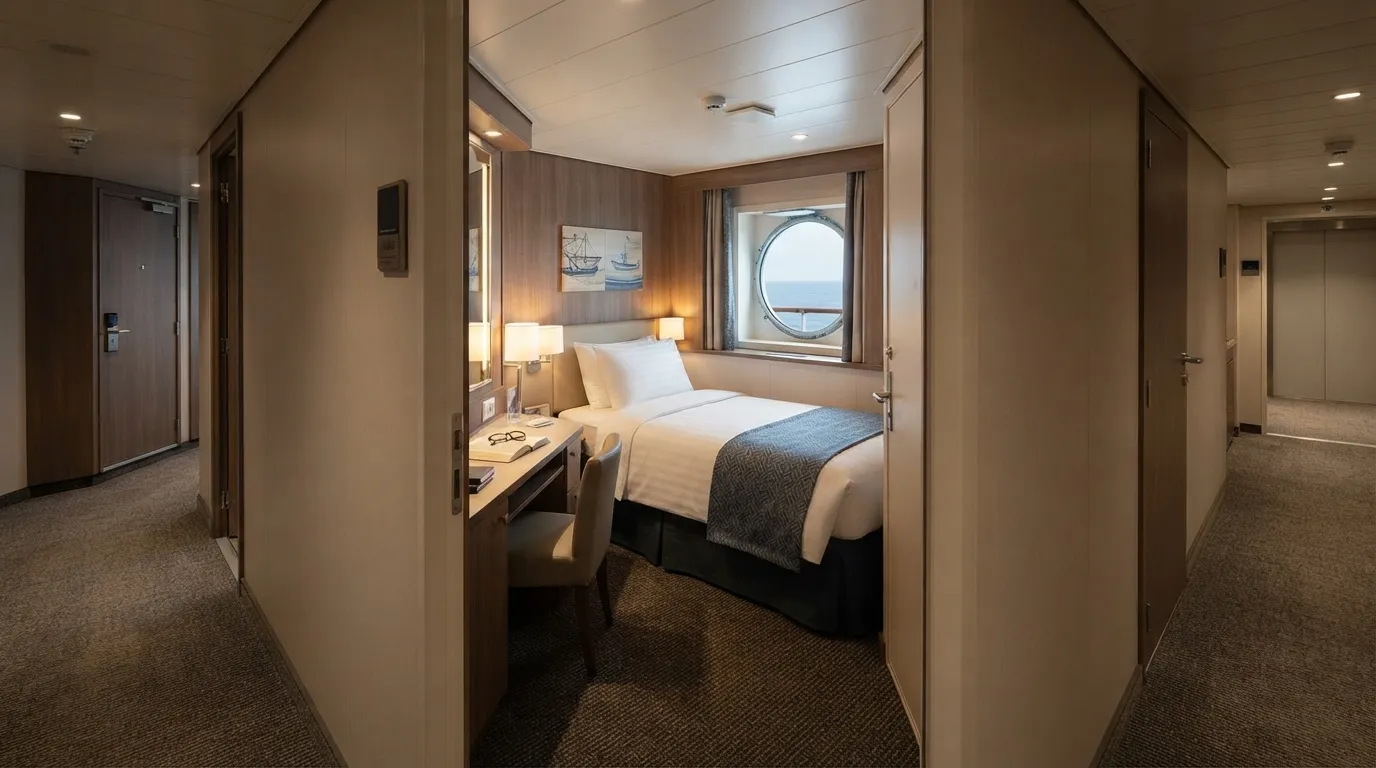
Ships move most at the bow and stern, and most of all on the upper decks. A cabin near the middle of the ship on a lower deck usually feels steadier when the sea gets lively.
For a solo traveler this matters twice. You sleep better, and you are not facing a long walk when your knees are tired or the deck is tilting.
Cruise line websites post deck plans. Before you book, find the nearest elevator bank and count the doors to your cabin. Check what sits above and below it as well, because a cabin under a nightclub or a galley can ruin an otherwise great pick.
It is a small choice that you will feel every single day of the trip.
#11 – Cunard’s Gentleman Hosts Who Keep Dinner and the Dance Floor Friendly
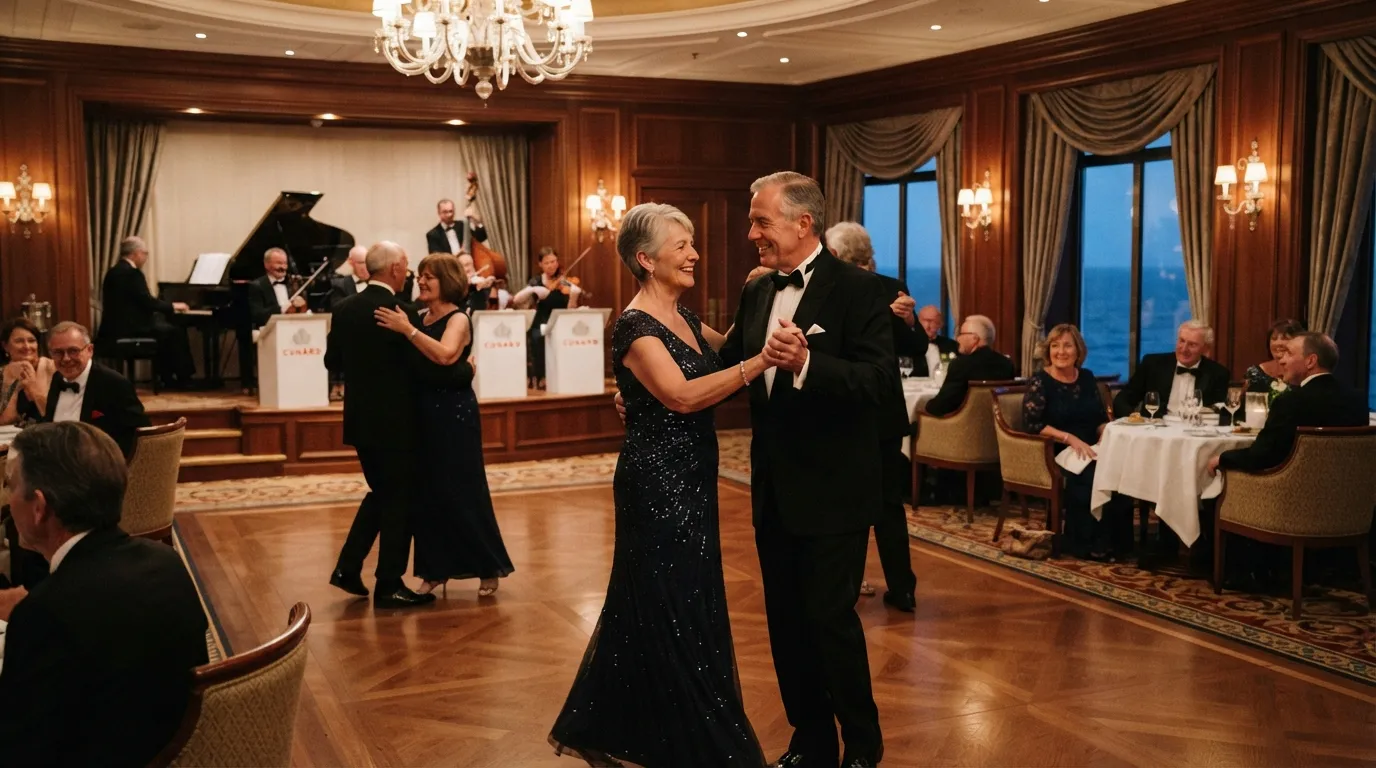
Some ocean liners still run on old-school glamour, and Cunard is one of them. On its voyages, social hosts are on board to dance with guests and mingle at dinner, which is a gift for anyone who came alone and loves a ballroom.
It is the kind of detail most booking pages skip. The idea is that no one has to sit out the evening because they arrived without a partner.
The easier win is the dining room. On embarkation day, ask the maître d’ about shared tables, which can seat you with other travelers instead of leaving you at a table for one.
You may spend one night in a gown and the next trading stories with strangers who start to feel like regulars.
#10 – A Medical Evacuation Limit That Might Be Too Low
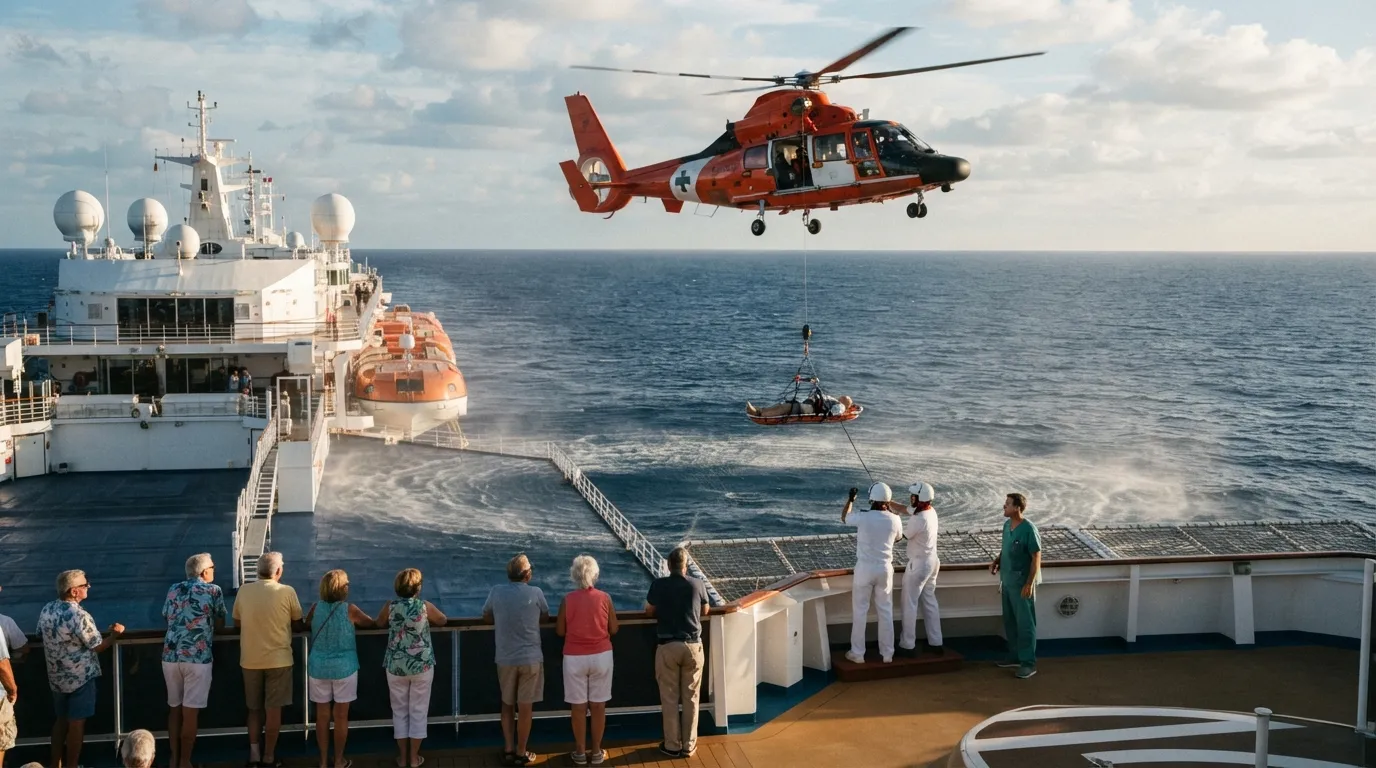
This is the item nobody wants to read, and the one that can matter most. If you need an evacuation from a ship at sea, the cost can run into tens of thousands of dollars.
Plenty of travel insurance policies cap that benefit lower than you would hope. Some also treat evacuation and repatriation, meaning getting you home, as separate pieces with separate limits.
When you travel solo, there is no spouse to make phone calls from the hospital. So read the fine print slowly: evacuation limits, age restrictions, and what the policy says about pre-existing conditions.
The cheapest policy is rarely the best one. Ask the insurer directly, and get answers in writing.
Worth Knowing
- Ask whether evacuation and repatriation are covered separately, and what each limit is.
- Check for age caps or reduced benefits for travelers over 60.
- Ask how the policy defines a pre-existing condition and what the look-back window is.
- Find out whether coverage applies at sea, in port and on shore excursions.
#9 – A Price Drop You Have to Ask About
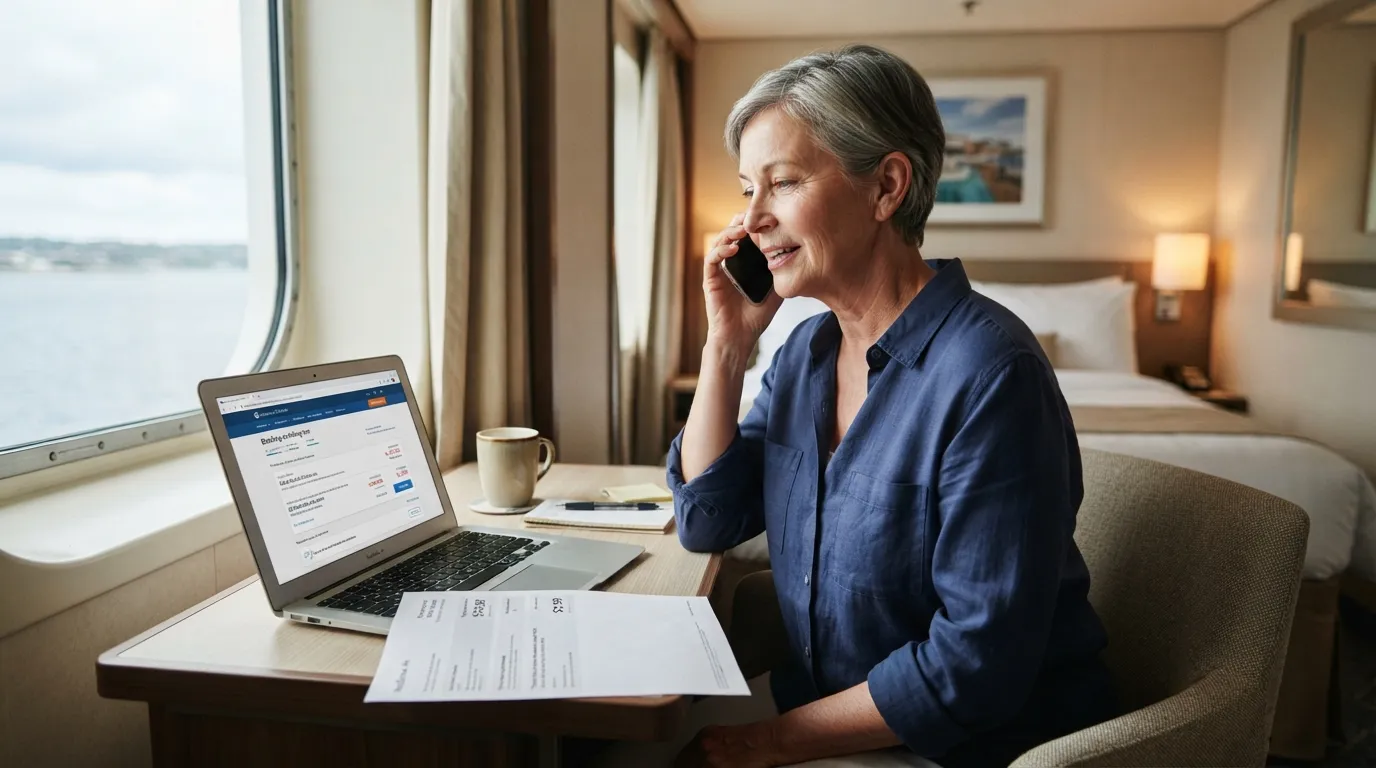
Fares move constantly. After you pay in full, the same cabin category can get cheaper, and that stings more when you are already paying extra to sail alone.
Some lines will adjust your booking when that happens. The adjustment usually arrives as onboard credit rather than a cash refund, and the rules and deadlines differ from line to line.
The catch is that they will not call you. If you want the credit, you have to spot the lower price and ask.
Check your cabin category now and then in the months before sailing, and save a screenshot when you see a drop. A few minutes on the phone can turn into real spending money at the spa or the bar.
#8 – A Small Tip to the Maître d’ on Night One
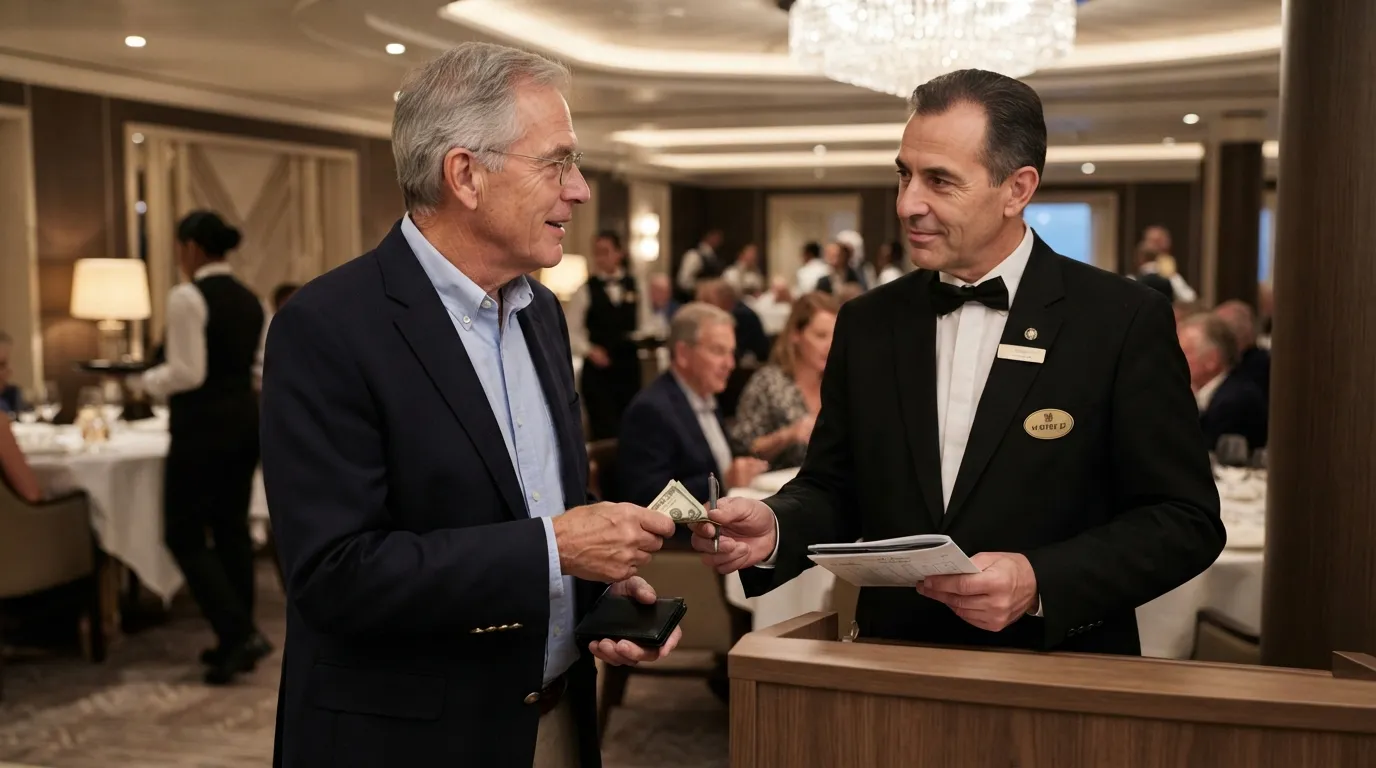
Dinner is where solo travelers feel it most. Walk in alone and the question comes fast: “Just one?” Many seasoned cruisers say a quick word with the maître d’ or head waiter on the first night helps.
The move is simple. Say politely that you are traveling solo and would enjoy a friendly table. Some cruisers slip a modest tip along with the request, and many report better seating and fewer awkward moments afterward.
The principle works elsewhere too. A kind word to your cabin steward early in the trip can make later requests, like extra pillows or a quieter room, easier to ask for.
Kindness on day one tends to pay off for the rest of the voyage.
#7 – One Formal Outfit Instead of a Whole Extra Suitcase
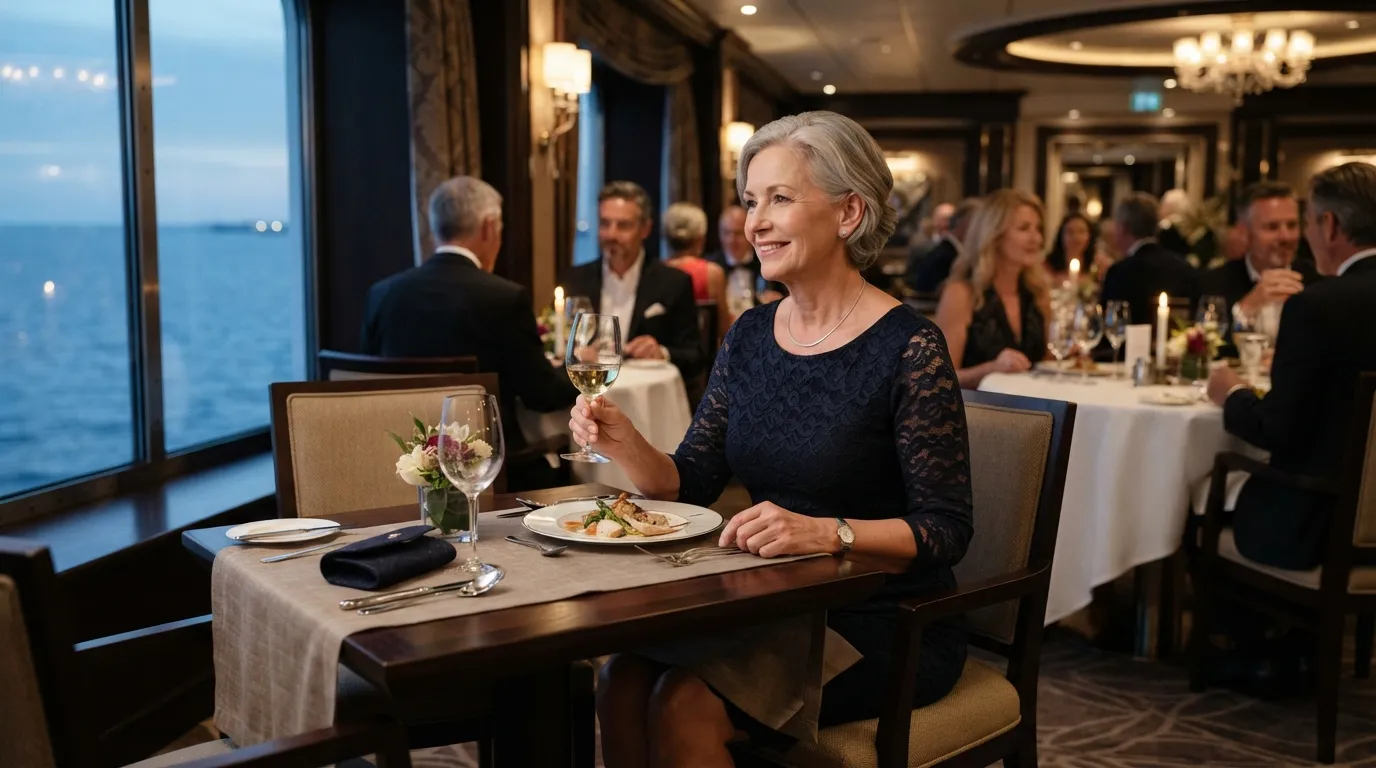
Formal night sounds like a packing nightmare, but the dress code has loosened on many lines. A dark suit or a simple cocktail dress is usually enough to look right in the dining room.
Pack one good outfit and a couple of accessories that change the look. That is plenty for the dressy evenings, and your luggage stays manageable at the airport and in a small cabin.
There is also a quiet freedom here. If you are tired, or the mood just does not strike, you can skip a formal night entirely. There is no partner to negotiate with and no one waiting by the door.
You dress up when you want to, and you do not when you do not.
#6 – Your Own Pace in Every Port
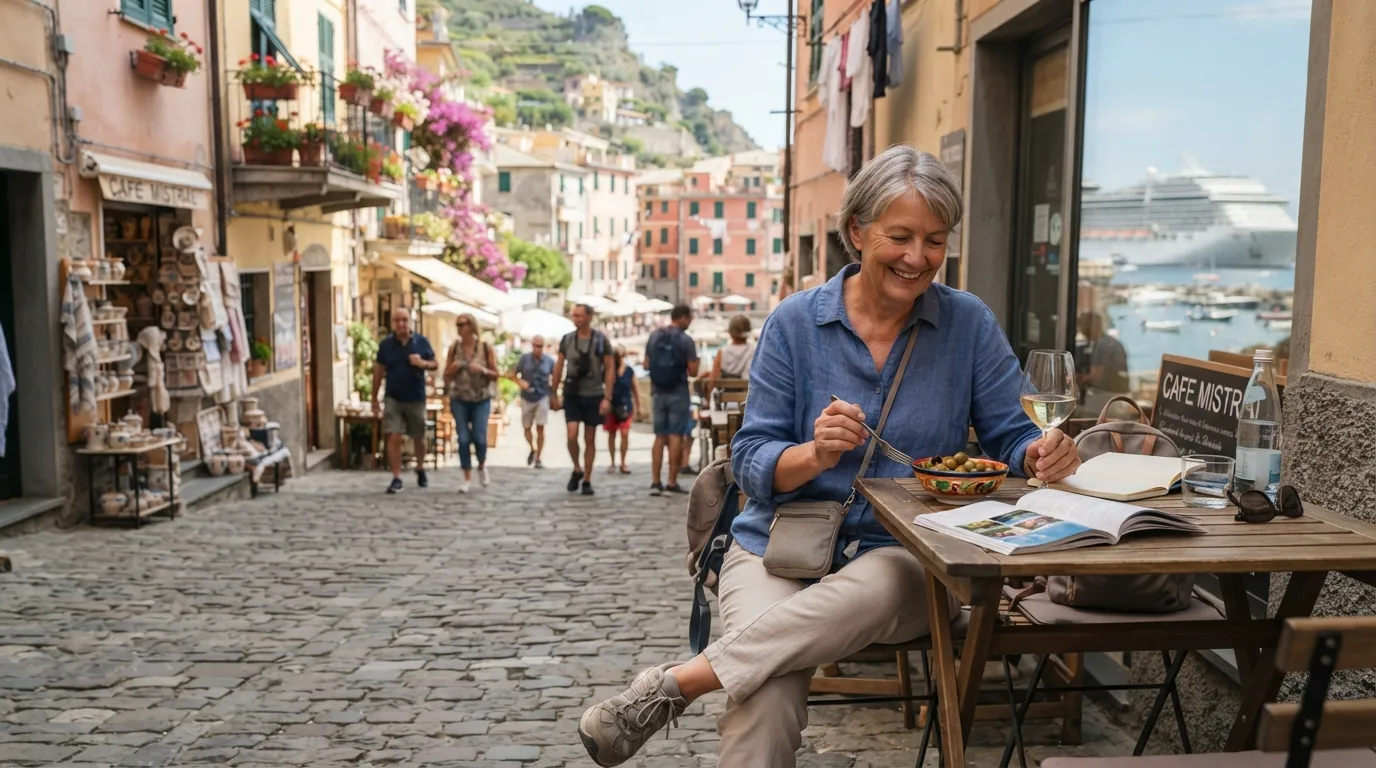
In port, solo travel changes the whole day. You can march straight to the museum, spend two hours at one market stall, or head back to the ship early with no one sighing at you.
Many travelers over 60 say this ranks higher than any onboard amenity once they have tried it. Nobody else’s energy, knees or opinions set the schedule.
That matters when a long walk on cobblestones has worn you out. It also matters when a small town suddenly feels magical and you want another hour in it.
Do check the ship’s all-aboard time and stick to it, because the ship will leave on schedule. Within that limit, the day belongs to you.
At a Glance
- Write the all-aboard time on a card or set a phone alarm well before it.
- Pick one must-see stop, then leave the rest of the day open.
- Wear comfortable shoes for cobblestones and gangways.
- Save the ship’s contact number in your phone before you step off.
#5 – A Two-Minute Chat at Guest Services
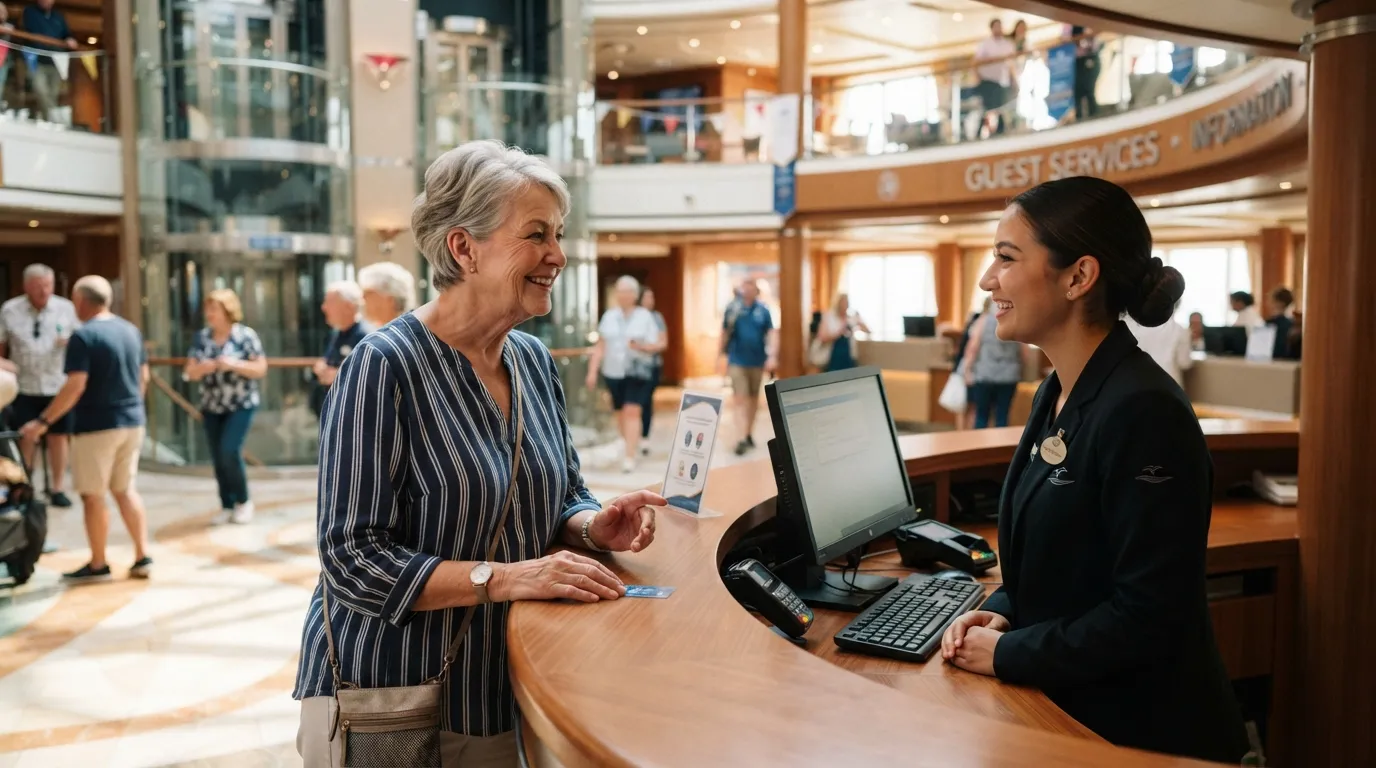
On embarkation day, stop by the guest services desk and mention that you are traveling alone. It costs nothing and takes about two minutes.
Ask what the ship can do to note your solo status, and make sure your emergency contact details are current. Different lines handle this in different ways, so ask questions instead of assuming.
The real value is that a few more people on board now know you by name, and know you are on your own. That can matter if you ever need help, or just a friendly face at the desk.
Tell your cabin steward as well. They see your door every day and are a small safety net you can build in minutes.
#4 – Royal Caribbean’s Studio Staterooms on Quantum of the Seas
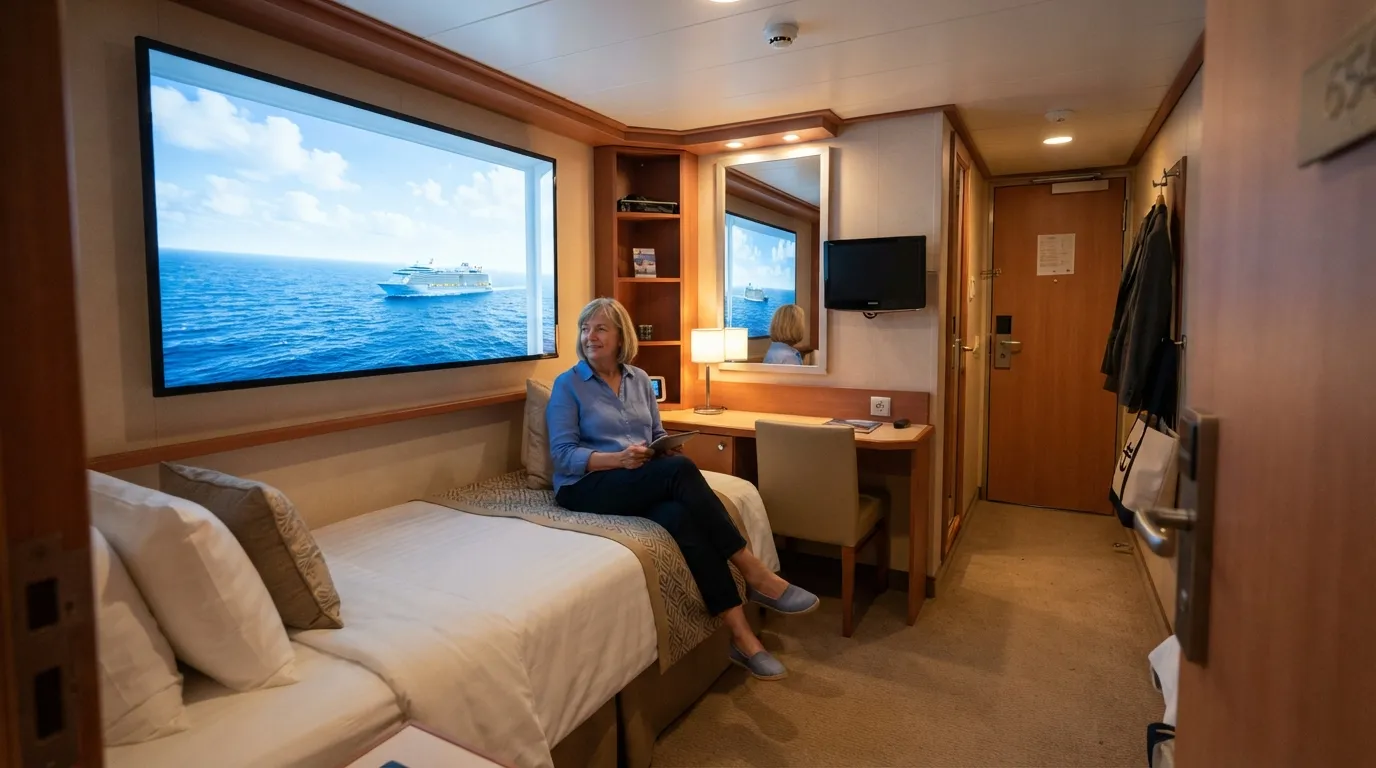
Norwegian is not the only line that noticed solo travelers. Royal Caribbean introduced Studio staterooms on ships such as Quantum of the Seas and Anthem of the Seas, built for one traveler and priced without the usual supplement.
The cabins are small, but they have a clever feature: a virtual balcony. It is a big screen that shows a live view of the ocean outside, so an inside cabin does not feel like a closet.
The catch is that it is not a real balcony, and the room is compact. Some travelers love that tradeoff for the price, and others miss fresh air.
Before you commit, compare it against a regular inside cabin with the supplement added. Sometimes the math settles the question for you.
#3 – Norwegian’s Studio Lounge, Where Strangers Become Dinner Companions
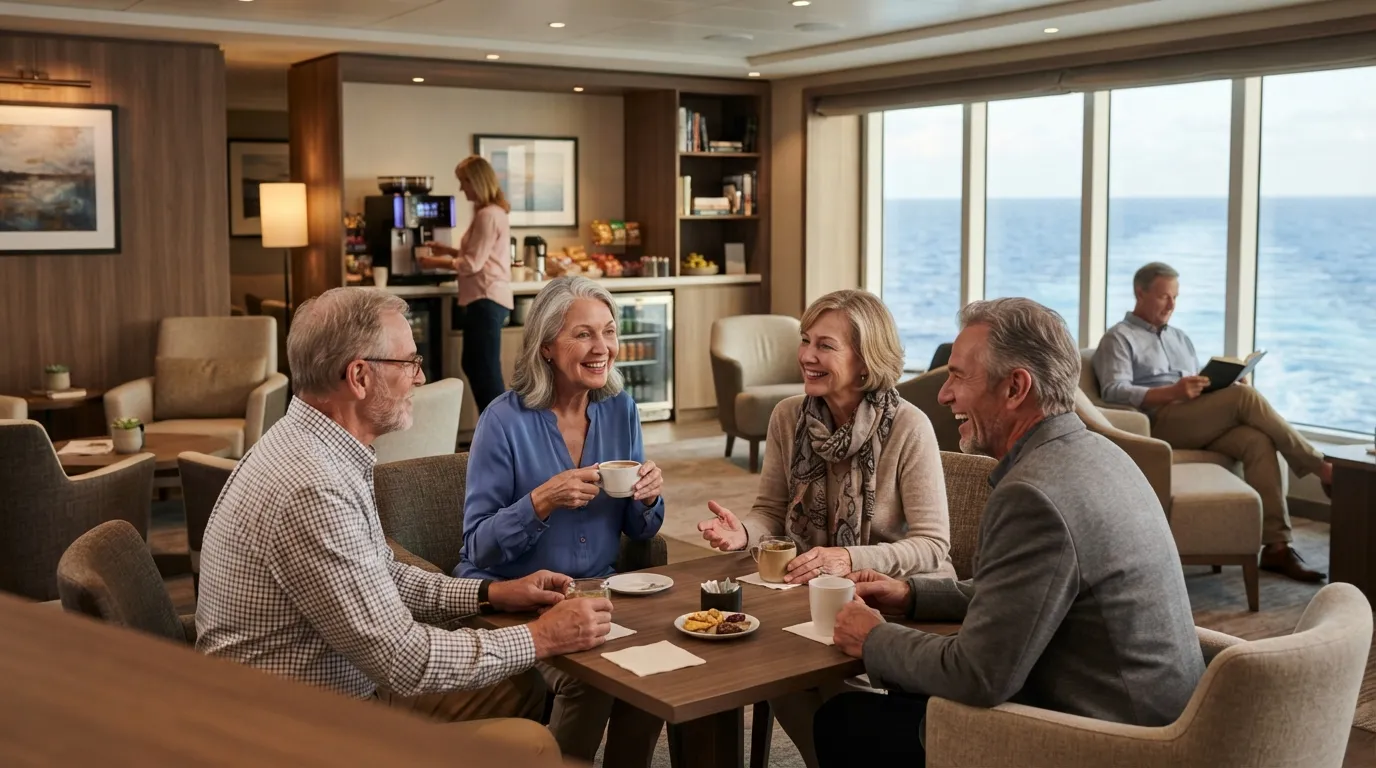
Studio cabins come with a bonus that does not show up in the price. Norwegian runs a Studio Lounge on ships with these rooms, a hangout where only solo cabin guests can enter, using their keycard.
Instead of a big, noisy event, it is a low-pressure place to sit down with coffee and a snack and see who else is around. Meetups are also arranged there.
Many solo travelers say that is where they find dinner companions and excursion buddies, often within the first day or two. The lounge turns the hardest part of traveling alone, starting the first conversation, into something that mostly happens on its own.
Some people never use it and are perfectly happy. For those who do, it can make the whole week feel different.
Why It Stands Out
- Access is limited to solo Studio guests, so everyone there is traveling alone.
- The setting is relaxed: coffee, snacks and no pressure to perform.
- Arranged meetups give you an easy opening line.
- Dinner and excursion partners are often found early in the trip.
#2 – Solo-Focused Travel Agents Who Track Supplement Waivers
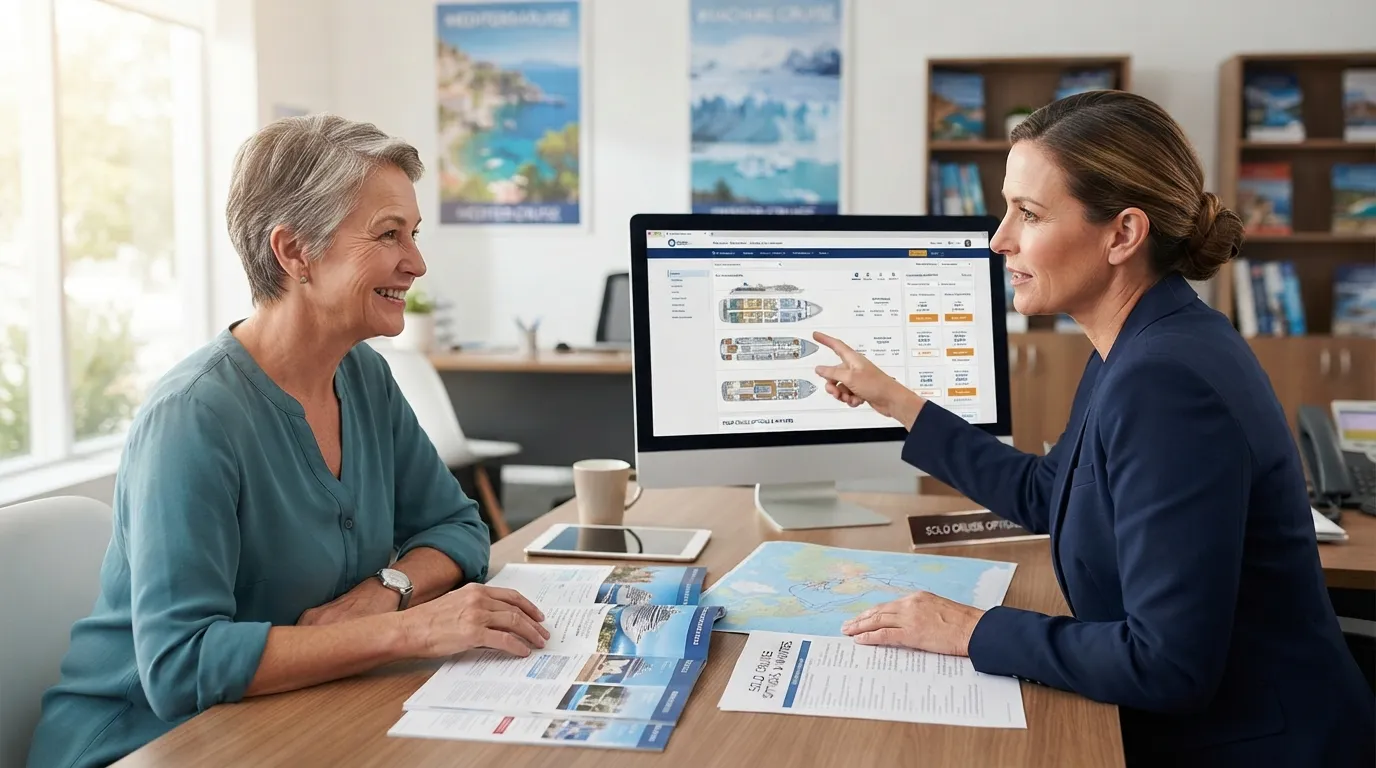
Most travelers book straight from the cruise line website, and that is the cruise line’s easiest sale. Travel agents who focus on solo travel are watching something different: which sailings currently waive or reduce the supplement.
They also keep an eye out for last-minute openings in solo cabins and for promotions that are not obvious on the main booking page.
Booking through an agent often costs the same as booking direct, and sometimes less. You may also get a human being who remembers that you wanted a midship cabin and a friendly dinner table.
Ask potential agents how much solo experience they have, and whether they can compare several lines for you. A good answer there is worth more than any glossy brochure.
#1 – The Freedom That Keeps Solo Cruisers Coming Back
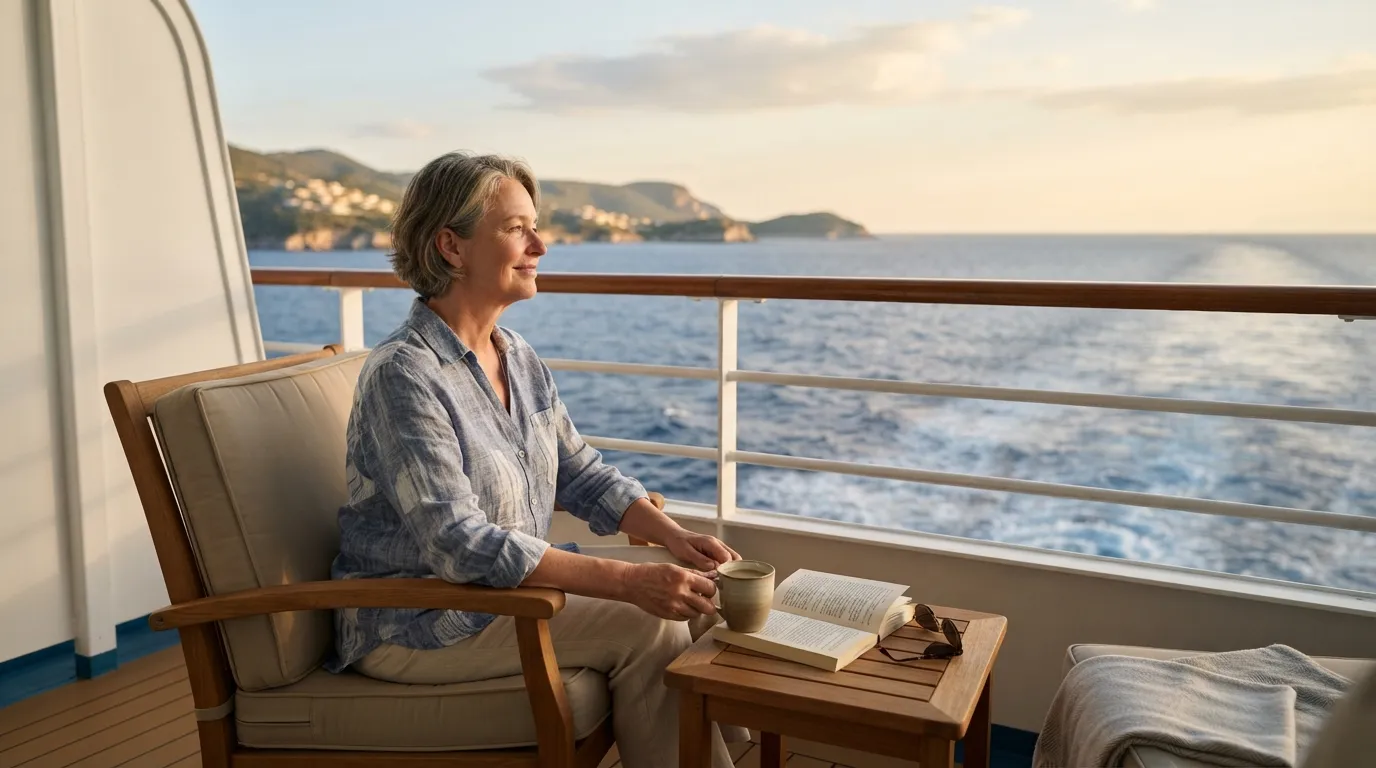
After the supplements, cabin sizes and dinner logistics are sorted out, one thing remains. It is not the buffet or the show. It is the feeling of owning your own days.
You decide when to eat, which shows to skip and how long to linger in a port. Many solo travelers over 60 describe it as the first true vacation they have had in years, now that the kids are grown and the old routines no longer apply.
The ship stops being a shared compromise and becomes a floating base that moves at your speed. You can be social at dinner and silent on the deck an hour later.
That quiet, hard-won independence is what people mean when they say they will never go back to compromising on vacation.
CEO-Co-Founder
