

- 25 Guitarists Who Left a Famous Band and Then Had the Bigger Career - October 13, 2026
- 25 Lead Singers Who Left the Band Right After the Number-One Album - October 13, 2026
- 25 Boxers Who Retired While They Still Held the Title - October 13, 2026
The fare looks like a typo. Ten or twelve nights, an entire ocean crossing, and a price that makes a regular week-long cruise feel overpriced. Then you step aboard and start discovering what the booking page left out.
That is what this countdown is for: the small, strange, and occasionally expensive realities that repositioning veterans know and first-timers learn somewhere mid-Atlantic. A few are mildly annoying, and a couple are quietly wonderful. One or two could cost real money if you ignore them, so keep reading.
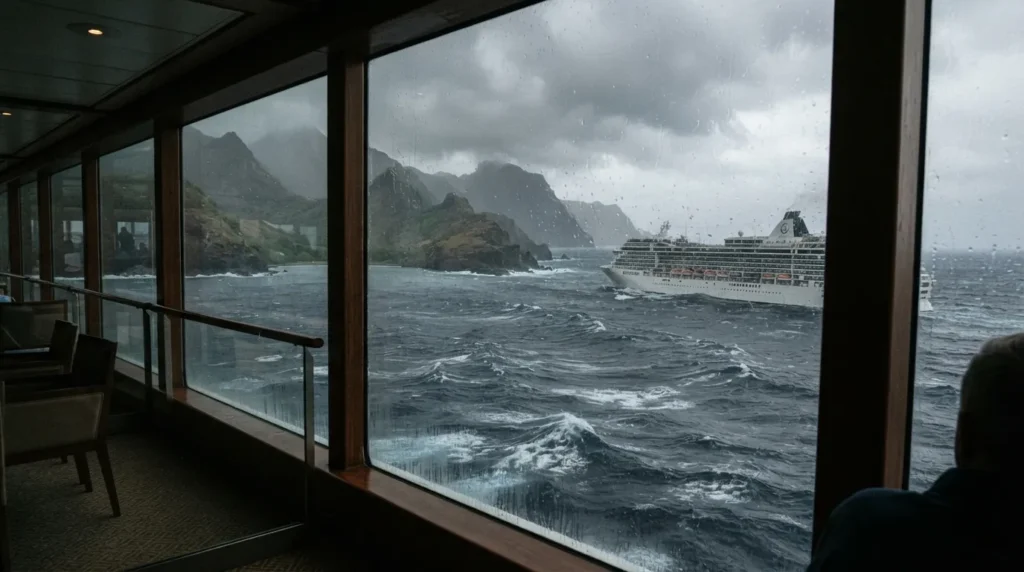
#16 – Rough Seas Closing Outdoor Decks
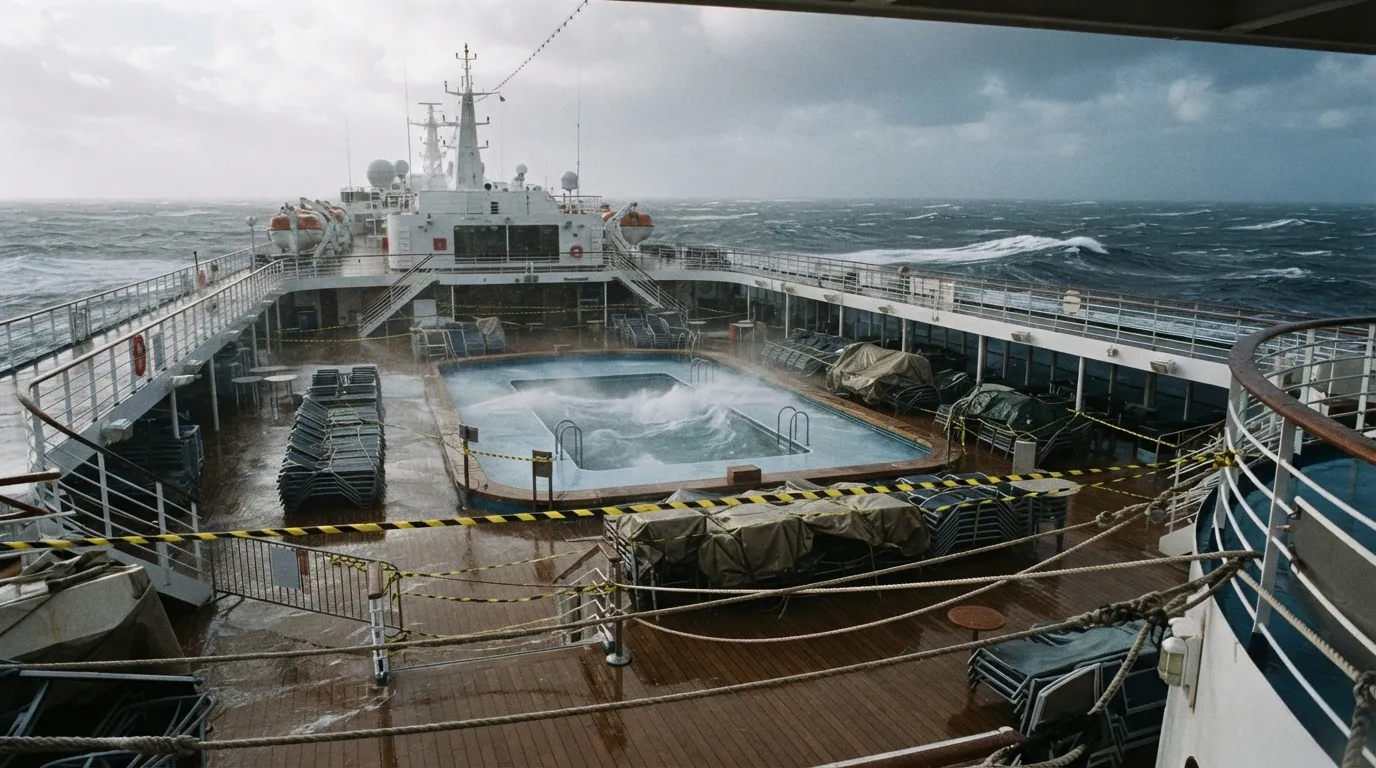
Repositioning cruises often cross open ocean during shoulder seasons, when weather patterns are shifting. The sunny pool-deck vacation in your head can become a ship with half its outdoor space roped off. On windy days, crew secure deck furniture and close pool areas, and whole stretches of the promenade can go off-limits for safety.
Coastal itineraries rarely see closures like this. Announcements explain each decision as it happens, but first-timers are still startled when the deck they strolled yesterday is suddenly shut. Some lines drain pools to keep sloshing water from causing damage.
Pack layers, because temperatures can drop fast alongside the wind. Looking at typical weather for your specific route before you book will tell you what kind of crossing to expect.
#15 – One-Way Flights Eating Into Savings
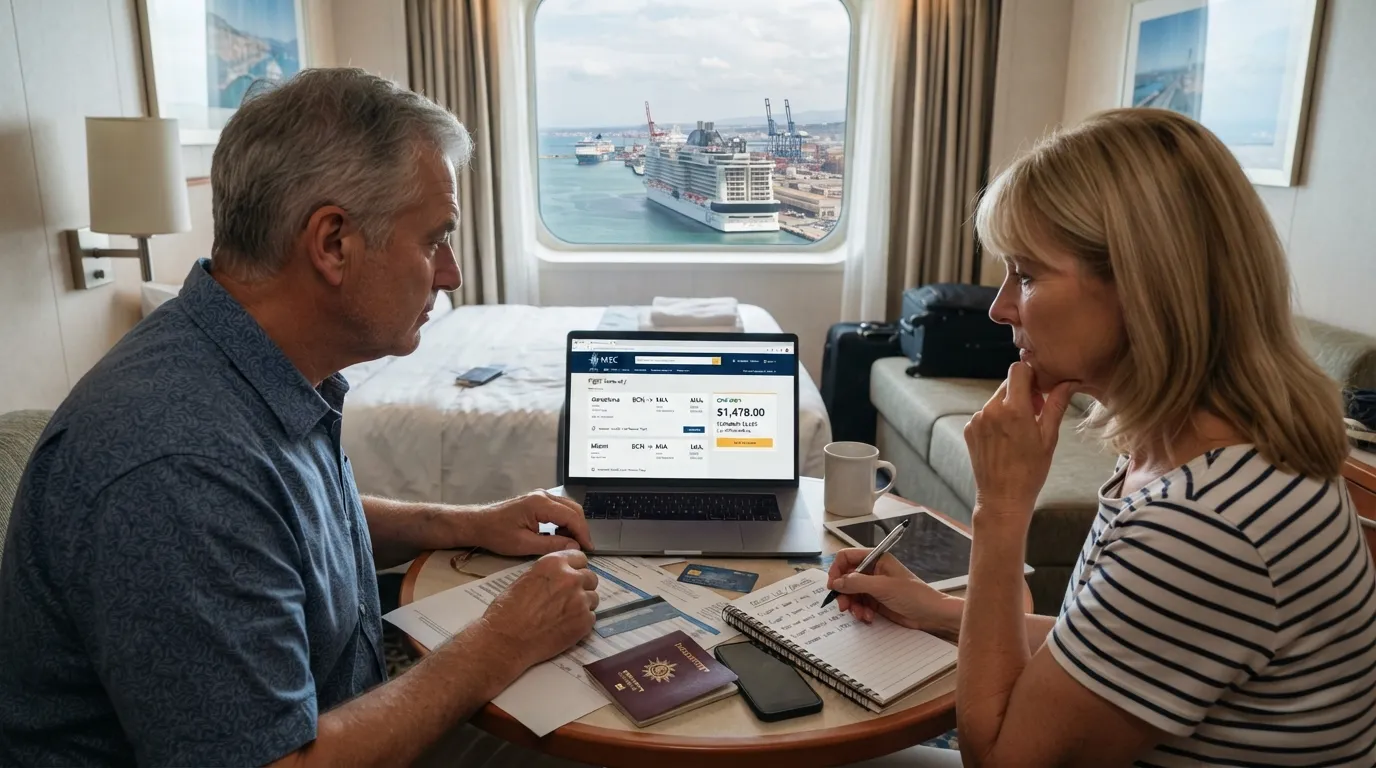
That low per-night fare looks irresistible until the airfare shows up. A repositioning ends in a different place than it starts, so you are booking one flight to the departure port and a separate one home from the arrival port. Sometimes those ports are on different continents.
Last-minute open-jaw or one-way tickets can swallow a surprising share of the savings. Many cruisers only notice after they have already committed to the sailing.
Booking flights early or using airline miles softens the blow. Some cruise lines offer air packages, though choices tend to be limited. The savings are still real for flexible travelers who sort out logistics months ahead, but they are rarely as big as the headline fare suggests.
Quick Compare
- Round-trip cruise: You fly in and out of the same home port, so one simple ticket usually does it.
- Repositioning: Two different airports, often booked as open-jaw or two separate one-ways.
- Best fix: Price flights before you book the cabin, and compare miles, cruise-line air packages, and early fares.
#14 – Enrichment Lectures Replacing Nightly Shows
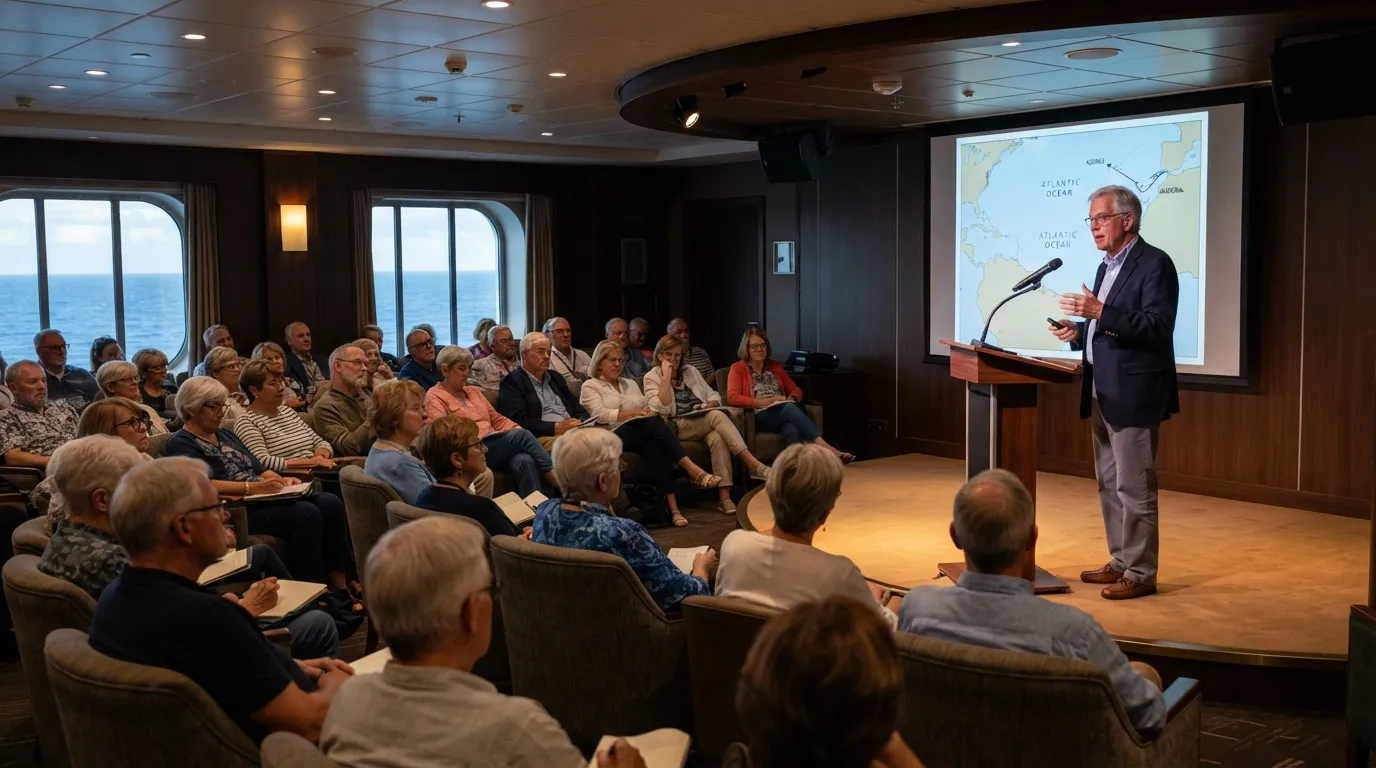
With fewer port stops to fill the calendar, repositioning sailings lean on daytime programming. Expect talks on history, wildlife, and the destinations still ahead, often delivered by guest speakers. It feels more like a floating lecture series than a floating resort.
Evenings tilt toward smaller acts, cabaret-style performances, trivia, and speaker Q&As rather than a full production show every night. Travelers who expected Broadway-style spectacle often feel the difference most on the long ocean legs.
For curious people, this is a hidden perk. For anyone craving nonstop high-energy entertainment, it can feel oddly quiet. Bring a book, a downloaded show or two, and some patience for the evenings when the stage stays small.
#13 – Multiple Climate Packing Requirements
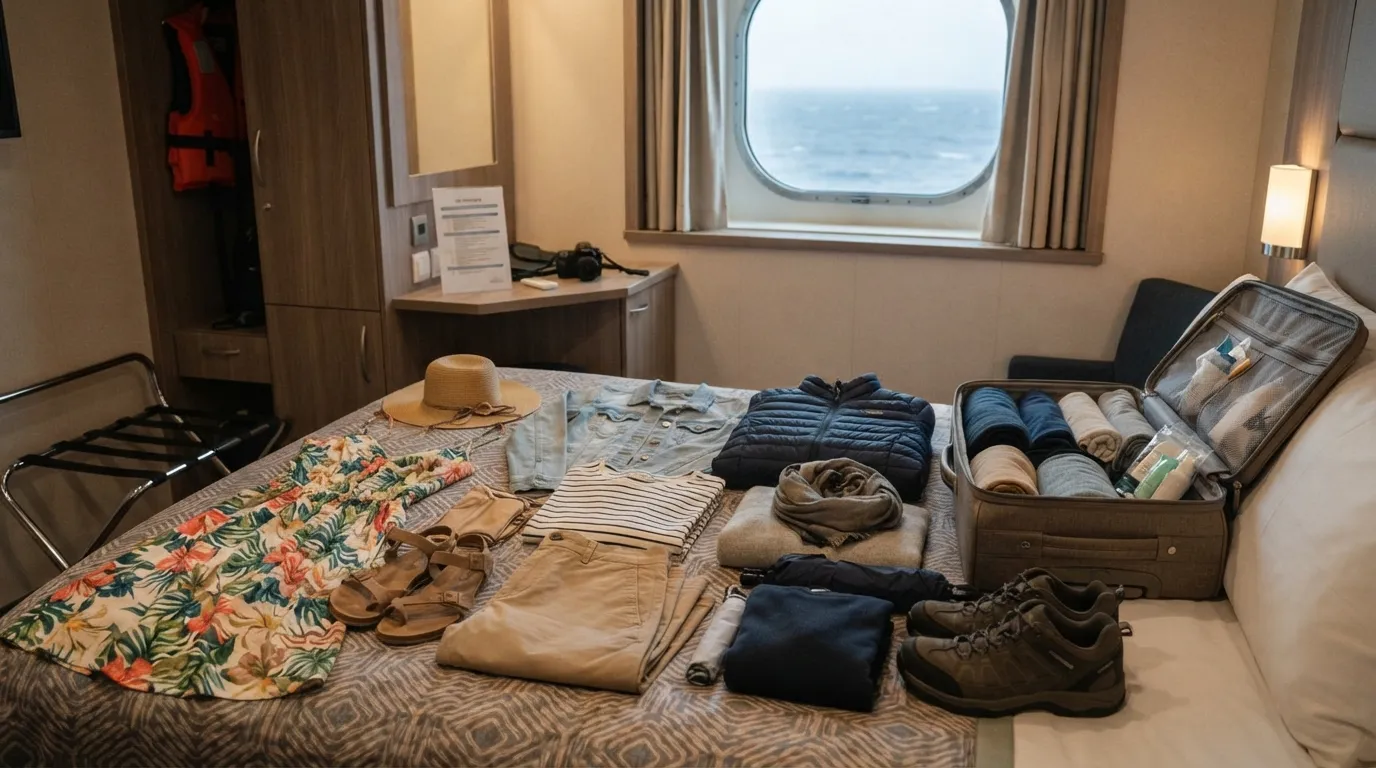
A single repositioning voyage can pass through tropical, temperate, and cooler zones. You might start in warm sunshine, face a cold wind-whipped crossing, and arrive in early-winter conditions. One suitcase has to cover all of it.
Layering works far better than packing for a single season. A light jacket, a warm mid-layer, and breathable basics can handle the swings without filling the whole cabin.
Laundry facilities help stretch outfits, but cabin storage is tight. Shoes need to work for windy decks and for tender ports where you may be stepping onto a small boat. Scan the full itinerary for latitude changes before you pack, not just the first and last stops.
#12 – Visa Checks at Multiple Borders
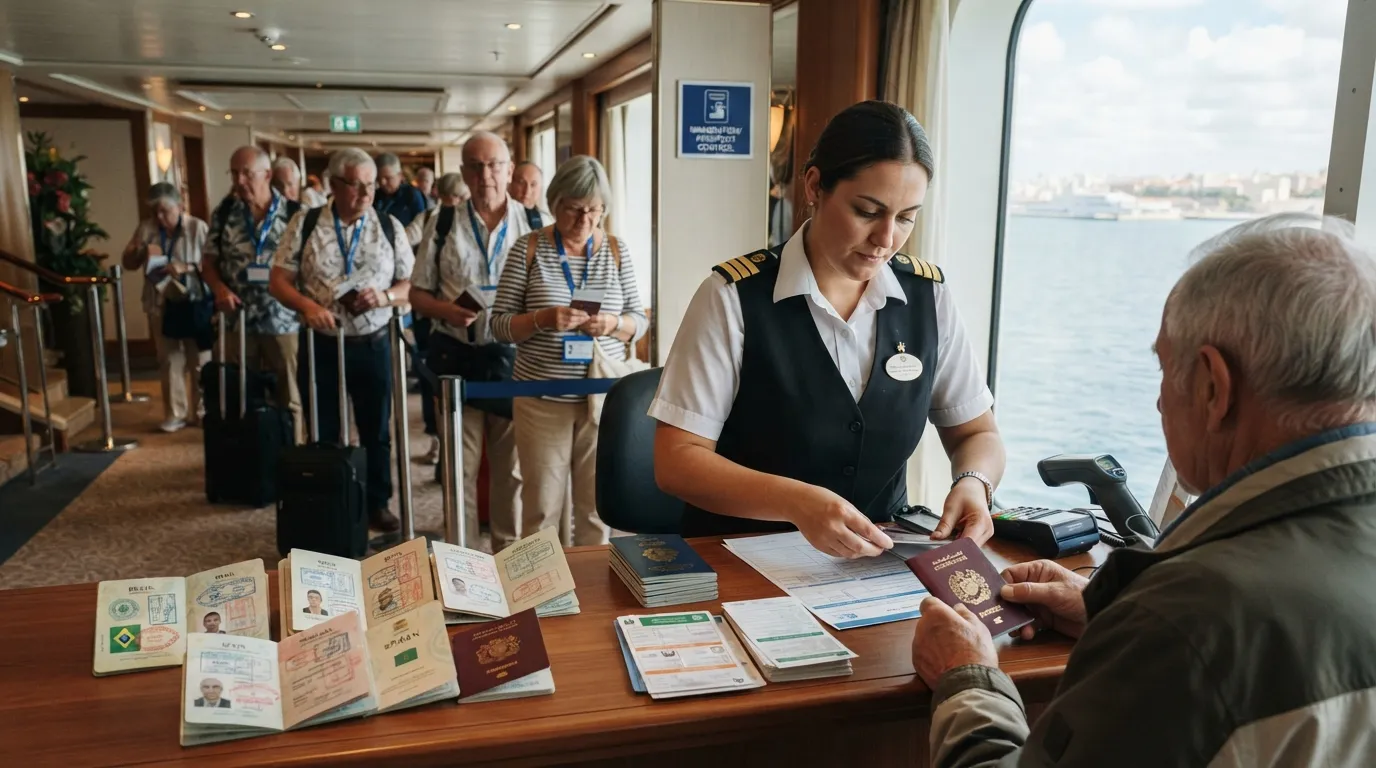
Crossing oceans often means touching several countries, and each one can have its own entry rules. Crew may collect passports for processing at certain ports, or ask you to complete forms for transit countries. It can feel like the paperwork follows you across the sea.
The scary part is that a missing ETA or visa for even a stop where you never plan to get off can create real problems, including being denied boarding. Longer routes may involve several of these checks.
Research requirements through official government sites well before departure, and check them again for every country on the itinerary. Keep your travel insurance policy number handy too, in case delays or disruptions turn a paperwork question into a bigger one.
#11 – Midship Cabins Reducing Motion Sickness
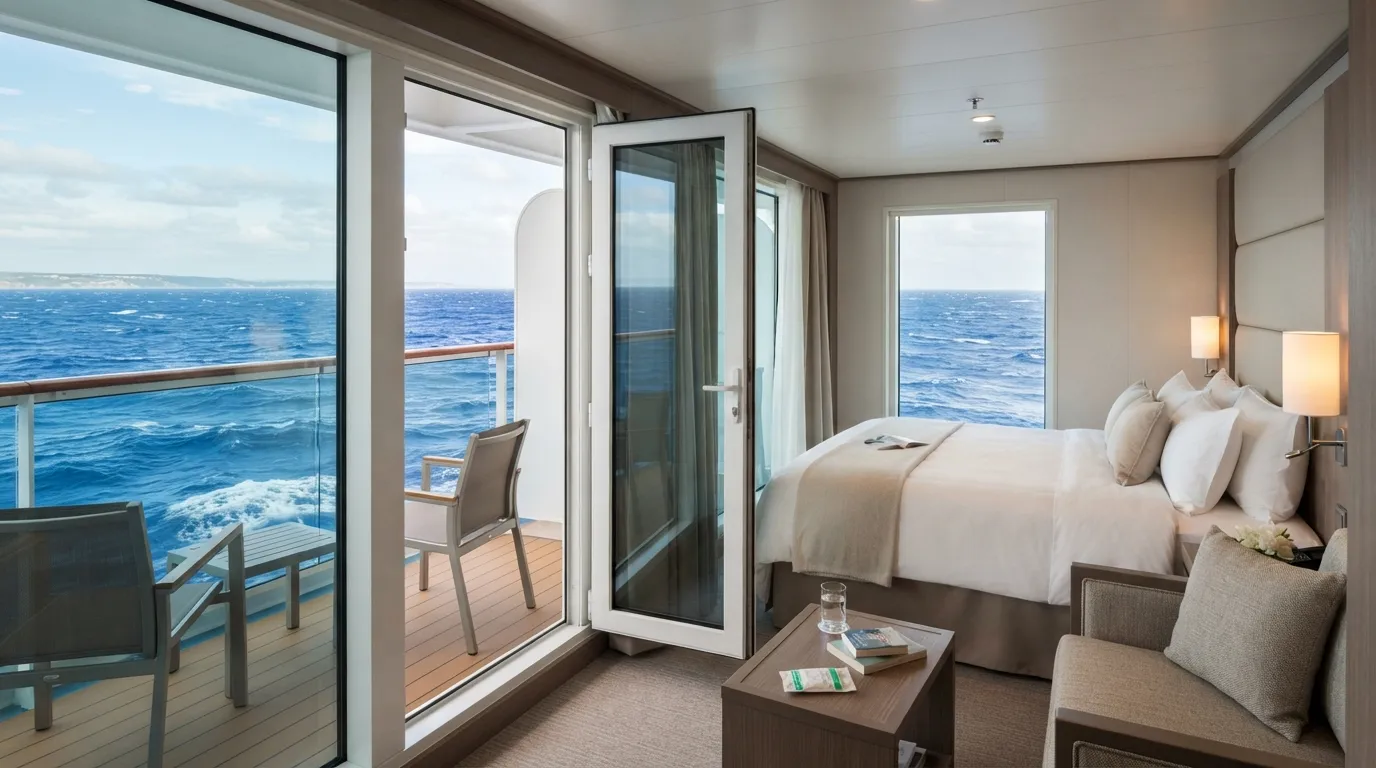
On a ship, location is everything. Lower-deck, midship staterooms feel noticeably less movement when the sea gets lively. Cabins at the very front or back can feel like the ship is rolling right through your bedroom.
Guests who book a guaranteed cabin without choosing a location sometimes get one of those forward or aft assignments. Experienced repositioning cruisers often request midship placement and hold their ground on it.
A balcony can help too, since fresh air eases symptoms for some people. Wristbands and over-the-counter remedies are popular, yet where you sleep is often the biggest factor. Cruise lines rarely highlight this in their marketing, but it is worth more than a fancy cabin upgrade.
Worth Knowing
- Midship, lower-deck cabins sit closest to the ship’s center of motion, so they tend to feel the least sway.
- Forward and aft cabins usually feel more pitching when swells build.
- Guarantee fares often assign your cabin late, so choosing a specific cabin number is the safer move.
- Check the deck plan for what sits above and below your pick before you commit.
#10 – Consecutive Sea Days Testing Patience
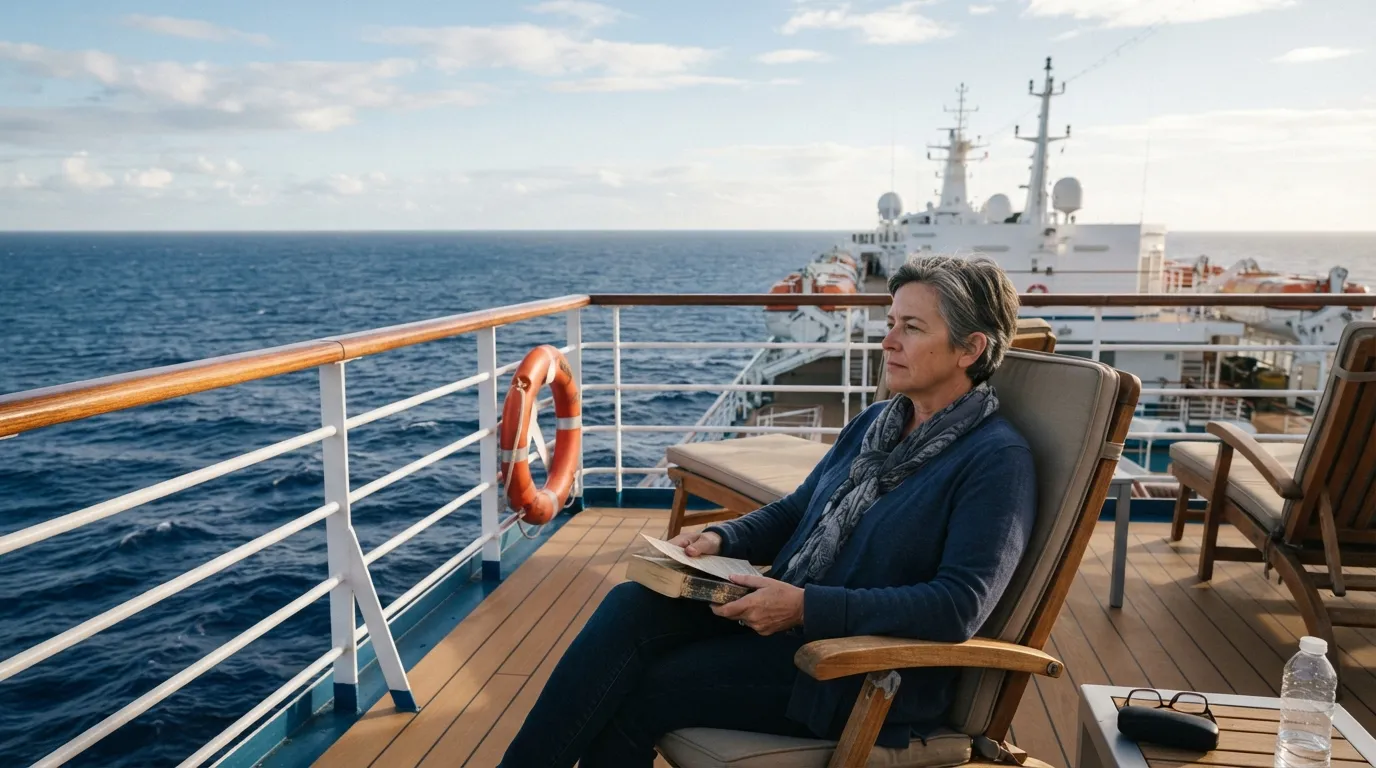
Five to eight straight sea days are common on many transatlantic or transpacific repositionings. Compare that to a standard cruise, where there is a new port every other day. Here, the horizon is the main attraction.
Some guests report restlessness setting in around day four or five. The ship ramps up activities to fill the time, but the lack of land can still wear on certain personalities.
People who love reading, classes, or just watching the ocean tend to thrive. Everyone else may start counting hours until the next port. If long stretches at sea sound daunting, a shorter repositioning with coastal routing offers a gentler introduction.
#9 – Ship Maintenance During the Voyage
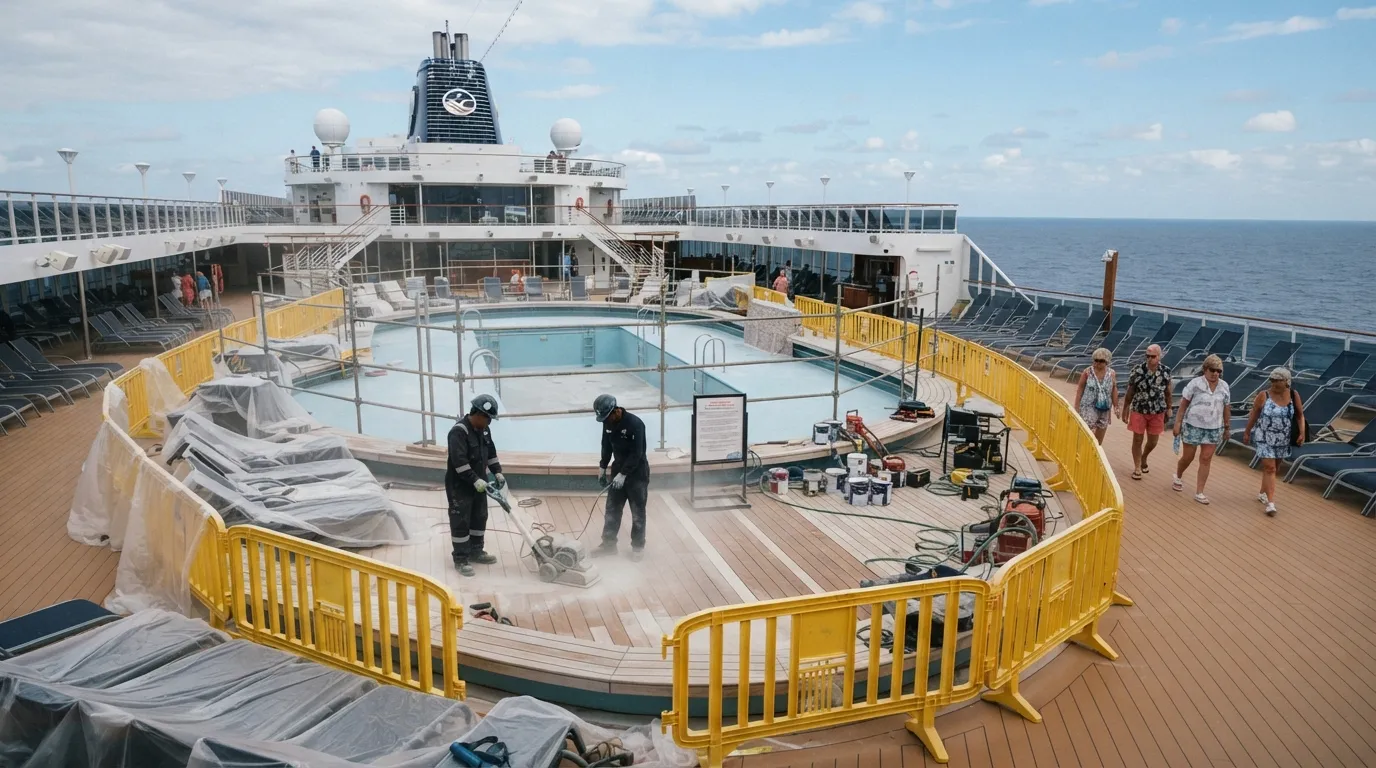
Lower-occupancy repositionings are a convenient window for cruise lines to handle minor refits, system testing, and venue updates. Contractors may work in public areas during the day, and some facilities close temporarily. The resort-style polish can come with a side of scaffolding.
Passengers tend to notice restricted access and ongoing work more than on peak-season sailings. Announcements usually explain what is closed and for how long.
The work keeps ships in better condition over time, but it does change the atmosphere you may have been picturing. If you can shrug off the occasional closed lounge or blocked-off corridor, the trade-off can still be worth it for the price.
#8 – Time Zone Shifts Affecting Sleep
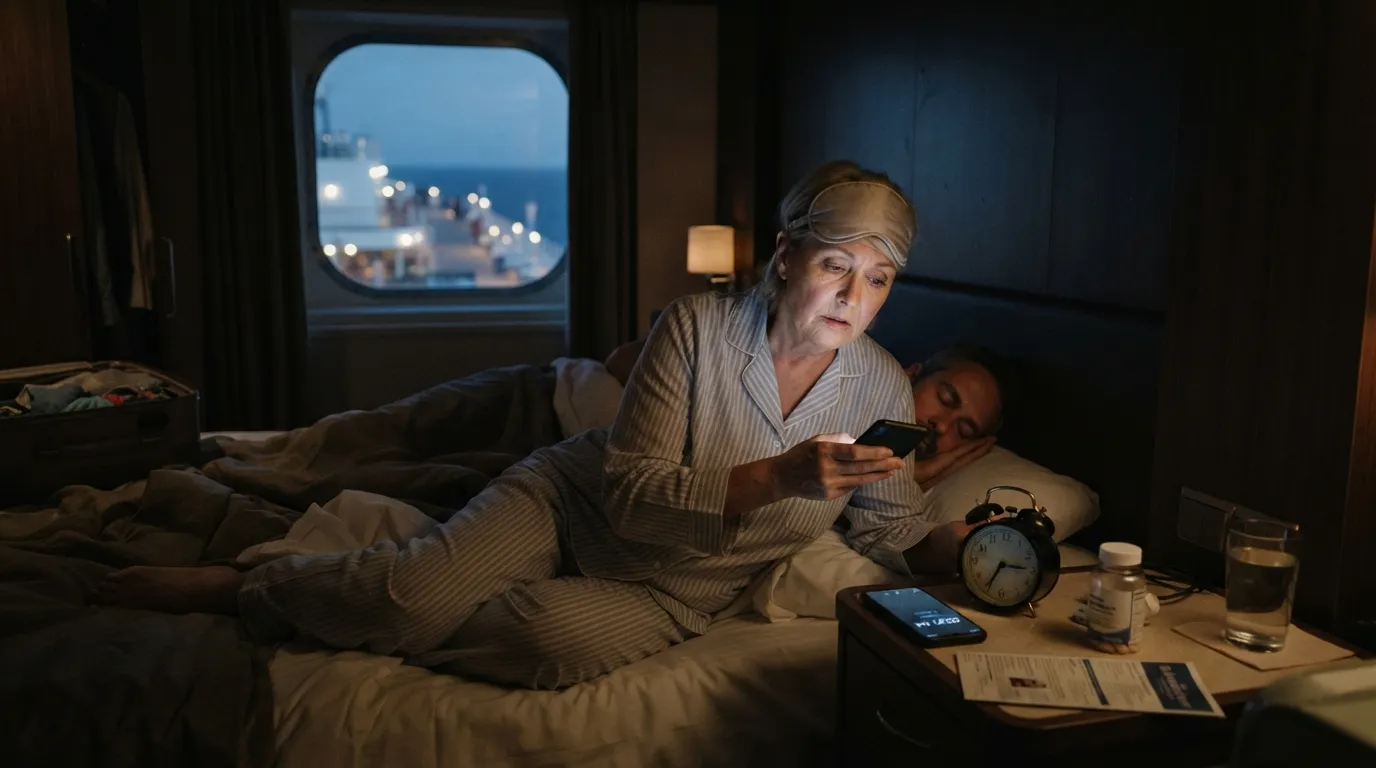
Time works differently on a crossing. Westbound, clocks go back and you gain hours gradually, which is easy on the body. Eastbound, you lose time night after night, and your sleep can take the hit.
At sea there are no port cues to tell you what time it is. Clocks simply change, and crew announcements remind you. It can feel like mild jet lag arriving in installments.
Some travelers shift meal timing or use melatonin to keep their energy steady. Either way, the effects can linger for days after arrival. Do not overschedule your first day on land, because you may be more tired than you expect.
#7 – Unique Ports Like the Azores
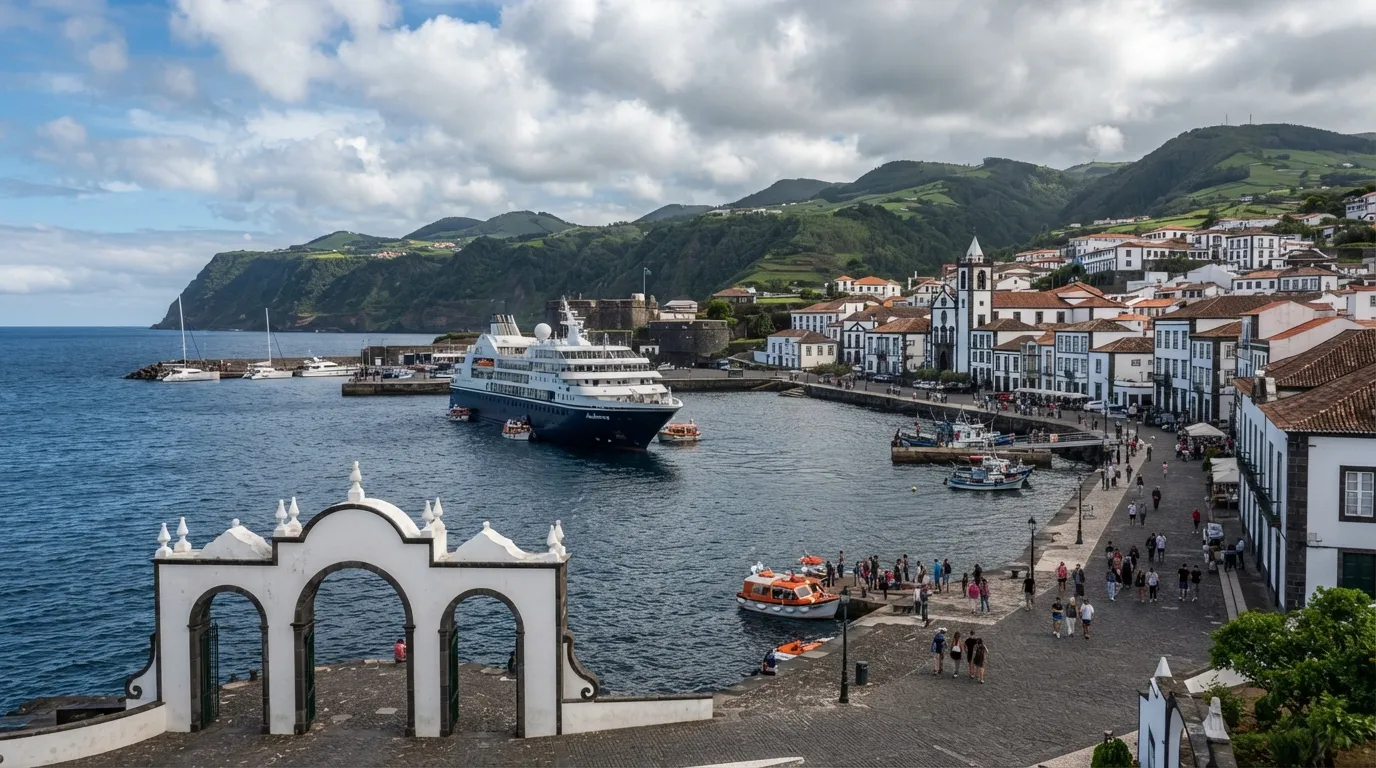
Here is the sweet surprise. Because a ship has to cross certain latitudes anyway, repositionings sometimes include stops you will not find on regular seasonal itineraries. The Azores, the Canary Islands, or remote Pacific islands can appear on the schedule almost by accident.
These calls often involve tender operations rather than docking right at the pier. Excursion options are usually limited compared with major ports, which rewards independent explorers who like to wander.
Weather can still cancel these stops, so flexibility matters. Spend a little time researching each island beforehand, and one unexpected port can become the highlight of the whole trip.
Why It Stands Out
- Ponta Delgada, on São Miguel, is the Azores port most often seen on transatlantic routings.
- The Canary Islands, including Tenerife and Gran Canaria, often show up on routes between Europe and the Caribbean.
- Madeira’s capital, Funchal, is another frequent stop on Atlantic crossings.
- These ports are rarely part of ordinary round-trip itineraries from U.S. homeports.
#6 – Wi-Fi Blackouts in Open Ocean
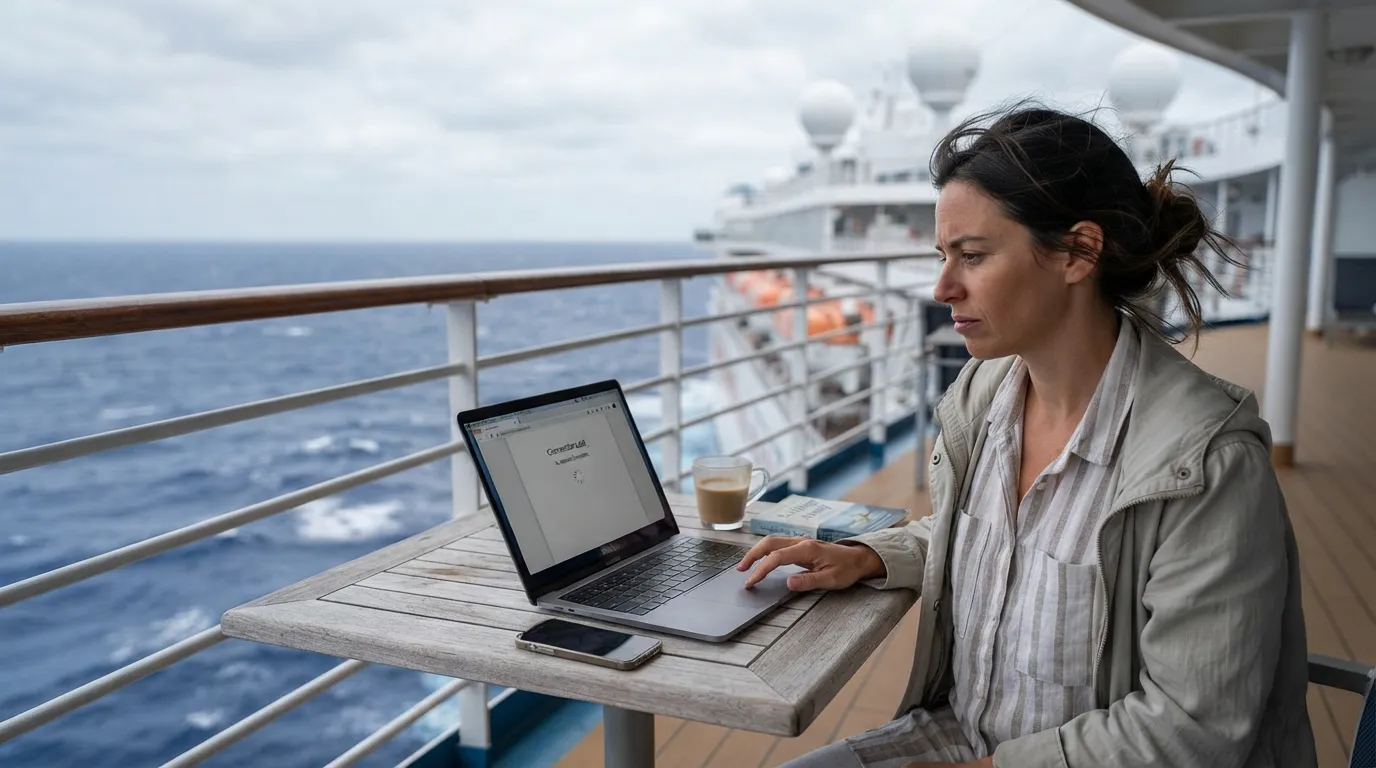
Internet at sea is not like internet at home. Coverage can weaken or drop in mid-ocean segments, depending on the ship and the satellite systems it uses. Passengers planning to work remotely sometimes discover slow speeds or service that comes and goes.
Some lines offer discounted packages for repositionings, but reliability varies by route and provider. Download what you need before departure, including emails, maps, shows, and documents.
Set up a backup plan for staying in touch, such as the cruise line’s app or a shore-side contact who knows your schedule. The limitation has a silver lining: it pushes many people to put the phone down and finally explore the ship.
#5 – Medevac Insurance Becoming Essential
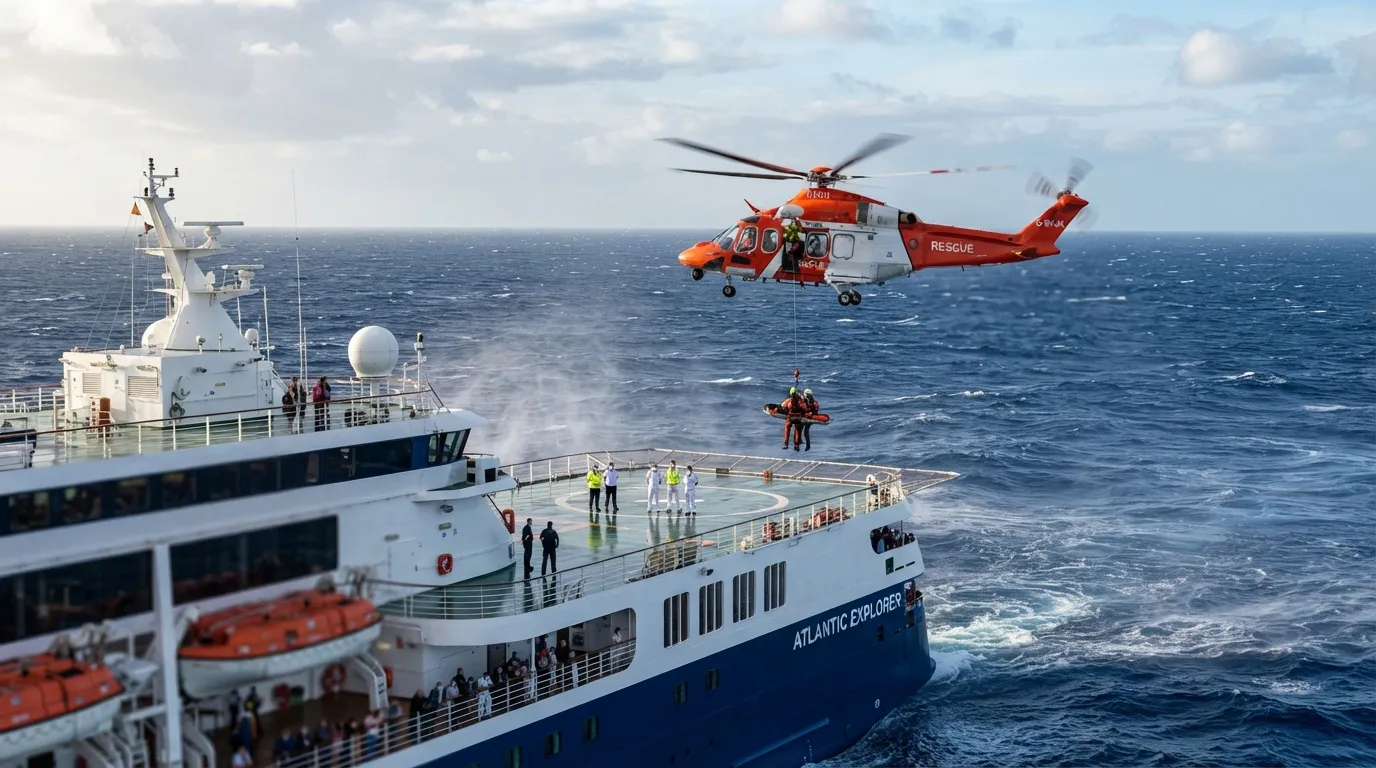
A ship’s medical center can stabilize a patient, but it is not a full hospital. When a serious issue strikes far from land, evacuation by helicopter or other means to a shore facility may be needed, and a mid-ocean crossing makes that complicated.
Many regular health plans limit or exclude coverage for care abroad or at sea, and evacuation can be extremely expensive. That is why travel insurance with medical evacuation coverage is a practical necessity on these voyages, not a nice-to-have.
Read the policy details before you sail, including coverage limits and what counts as a covered evacuation. It is a dull document with big consequences if things go wrong.
#4 – Port Cancellations Due to Weather
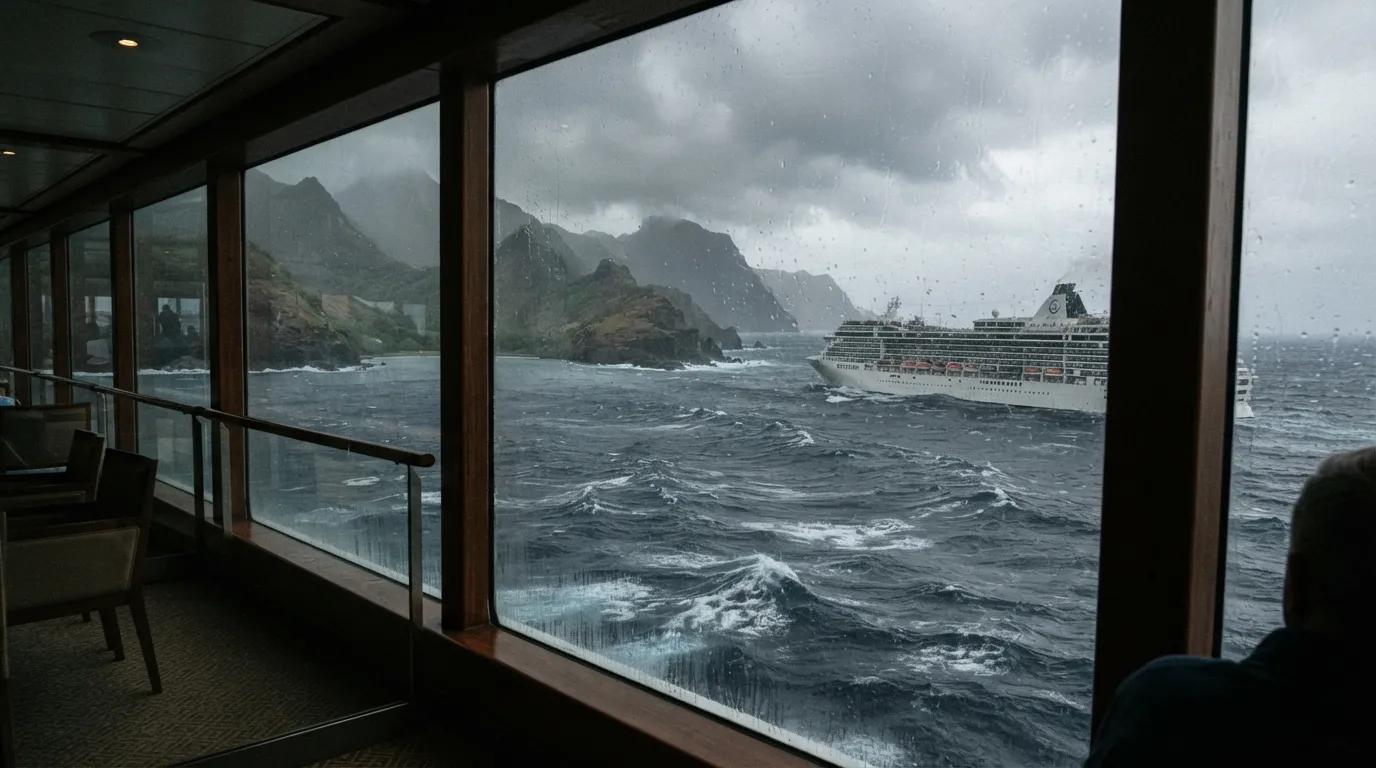
Open-ocean segments expose the itinerary to swells and storms, and last-minute changes can happen. Tender ports are especially vulnerable, since small boats cannot safely run in rough water. That island you were excited about may simply pass by the window.
Cruise lines put safety and schedule integrity ahead of any single port call. Compensation, when offered, often takes the form of onboard credit or a future discount rather than a refund.
Watch the forecast through the cruise app so your expectations stay realistic. And build buffer days into your post-cruise plans, since schedule changes can push your arrival earlier or later than the itinerary suggests.
#3 – Fewer Passengers Changing Atmosphere
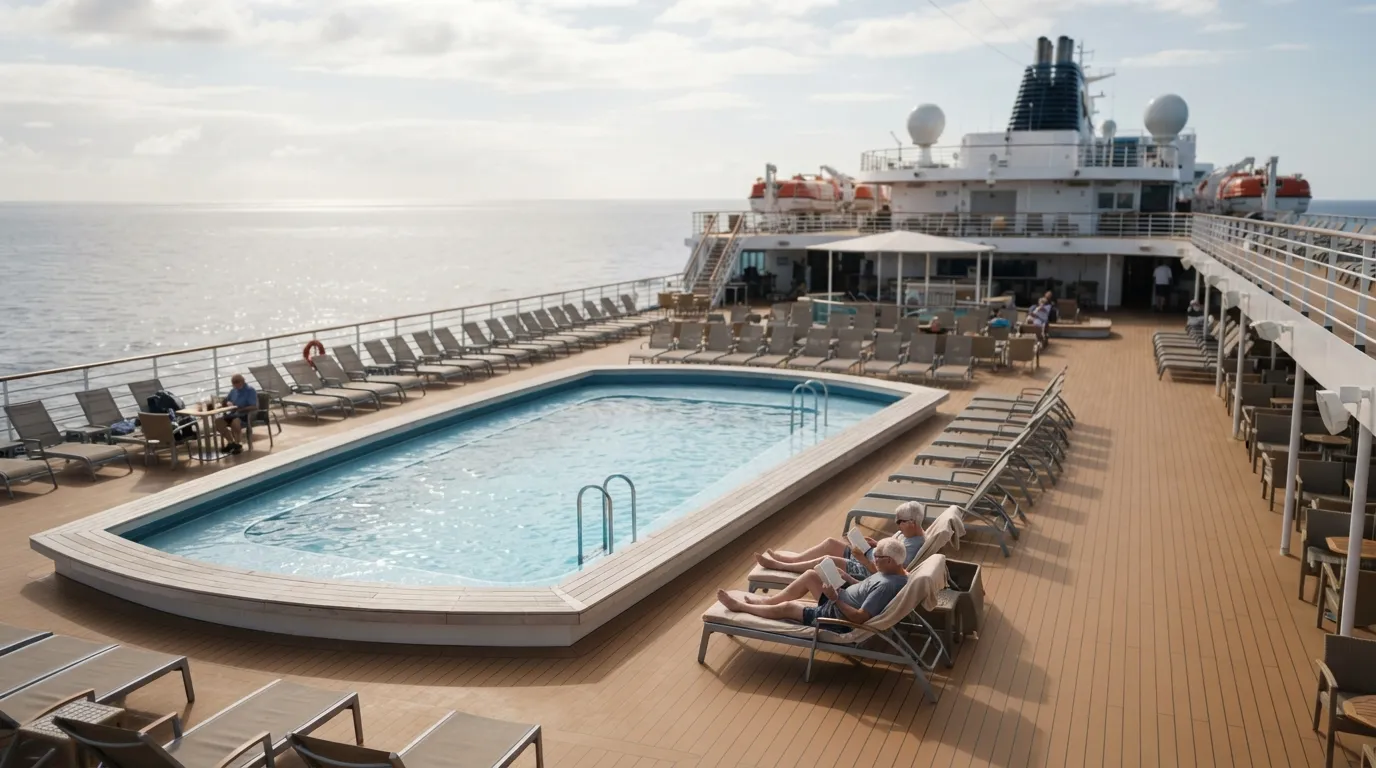
One of the best secrets is the quiet. Lower demand on repositionings often means thinner crowds in dining rooms, around pools, and in entertainment venues. Waits can be shorter and service can feel more personal.
The passenger mix tends to lean toward experienced cruisers who already understand the format, and away from the family-heavy energy of peak-season sailings. The mood is more relaxed and less rushed.
Solo travelers sometimes find it easier to meet people during enrichment activities and long sea days. If your idea of a perfect cruise is a good chair and a calm ocean, this atmosphere may be the biggest bonus of all.
At a Glance
- Dining: Shorter waits and easier table choices are common.
- Pools and lounges: Loungers are easier to find, weather permitting.
- Crowd: More seasoned cruisers, fewer families.
- Socializing: Lectures, classes, and trivia become natural meeting points.
#2 – Formal Nights Still Happening
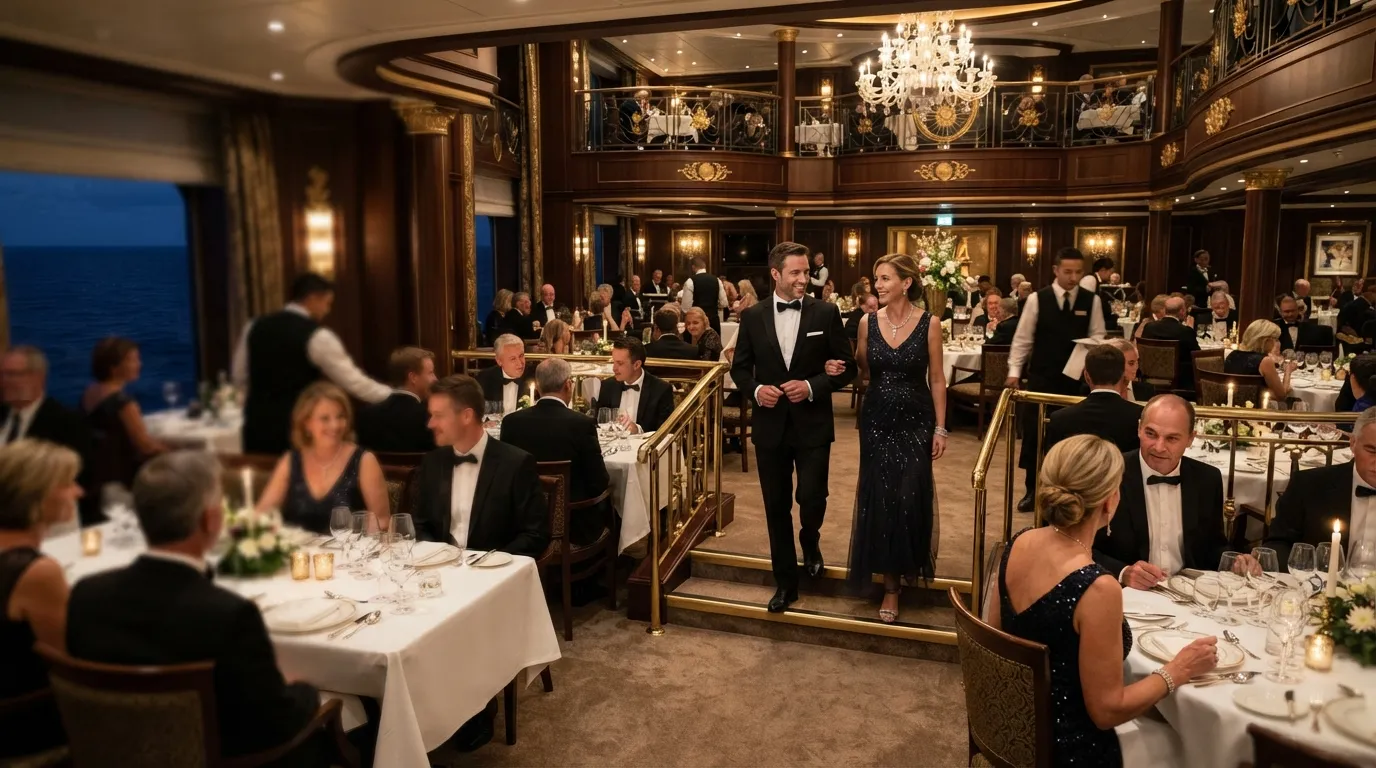
Being in the middle of the ocean does not mean the dress code goes on vacation. Gala or formal evenings generally run on schedule, no matter what the sea is doing. Passengers who packed only casual clothes sometimes find this out once they are already on board.
Smart casual works for most nights, but one or two dressier outfits keep you from feeling out of place on formal evenings. Check your specific line’s policy, since dress code details differ.
Plenty of guests end up enjoying it. After days of open water, getting dressed up and walking into the dining room feels like a small ceremony that breaks up the rhythm of sea days.
#1 – Unexpected Crew Changes Mid-Cruise
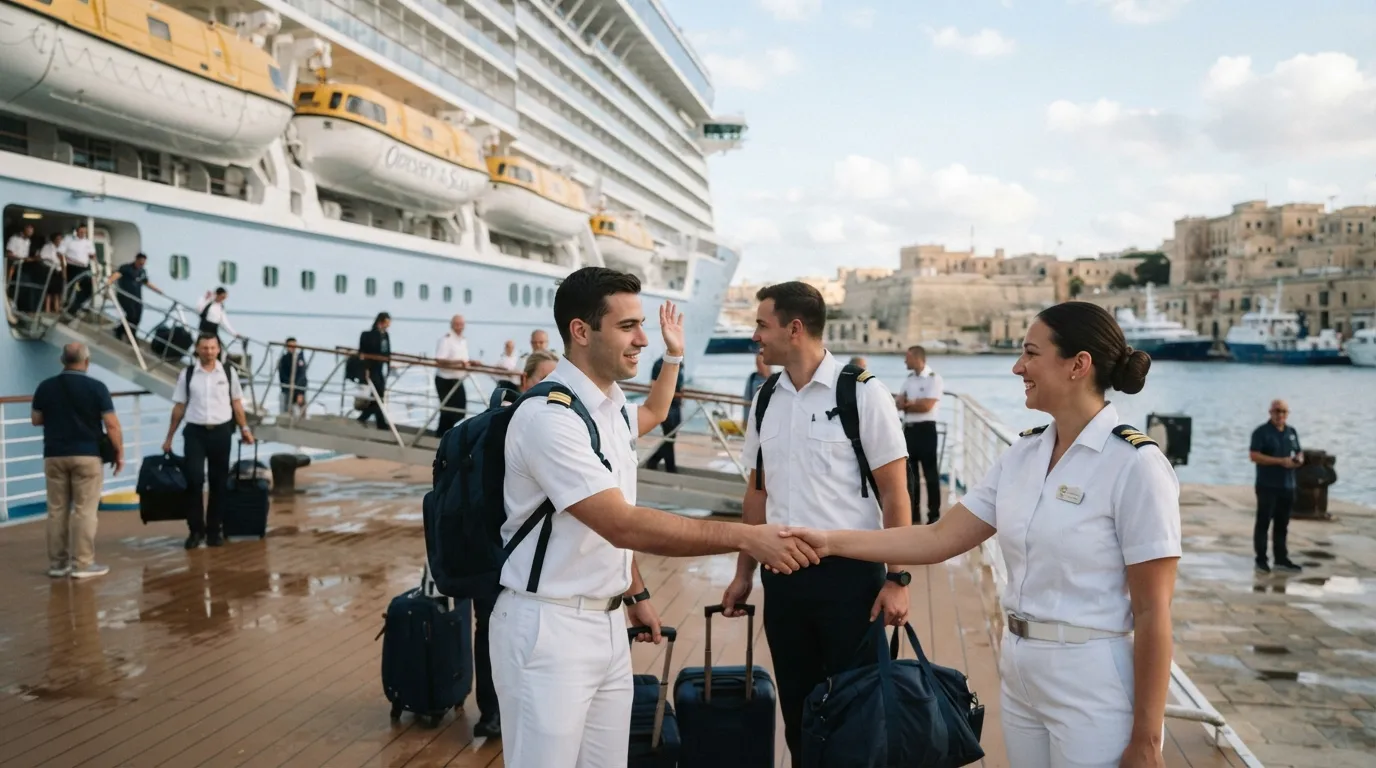
Here is the one almost nobody thinks about. As a ship moves between regions, it may bring in crew rotations or training sessions along the way. New staff can join while others leave at intermediate ports.
Service consistency can shift slightly during these handovers. Most passengers never notice a major disruption, but the favorite bartender or cabin steward you bonded with in the first week may suddenly be gone.
The process keeps teams fresh for the season ahead. Still, it is a reminder that a repositioning cruise is a ship in transition, and even the people serving your coffee may be part of the move.
CEO-Co-Founder
