

- 15 Songs That Sparked Generational Movements - October 14, 2026
- How American Memoirs Changed Global Diplomacy - October 14, 2026
- 27 Celebrities Who Were Everywhere in the 1970s and Then Suddenly Stepped Away - October 14, 2026
The brochure shows a sunset, a cocktail, and a ship gliding past the horizon. It leaves out the muster drill, the Wi-Fi that crawls, and the receipt that quietly grows while you’re busy relaxing.
If you’ve ever wondered why seasoned cruisers pack so differently from first-timers, these 19 details are the reason. Some will make you laugh, some will protect your wallet, and one near the end is why people book again before they’ve even unpacked.
#19 – Mandatory muster drill timing right after boarding
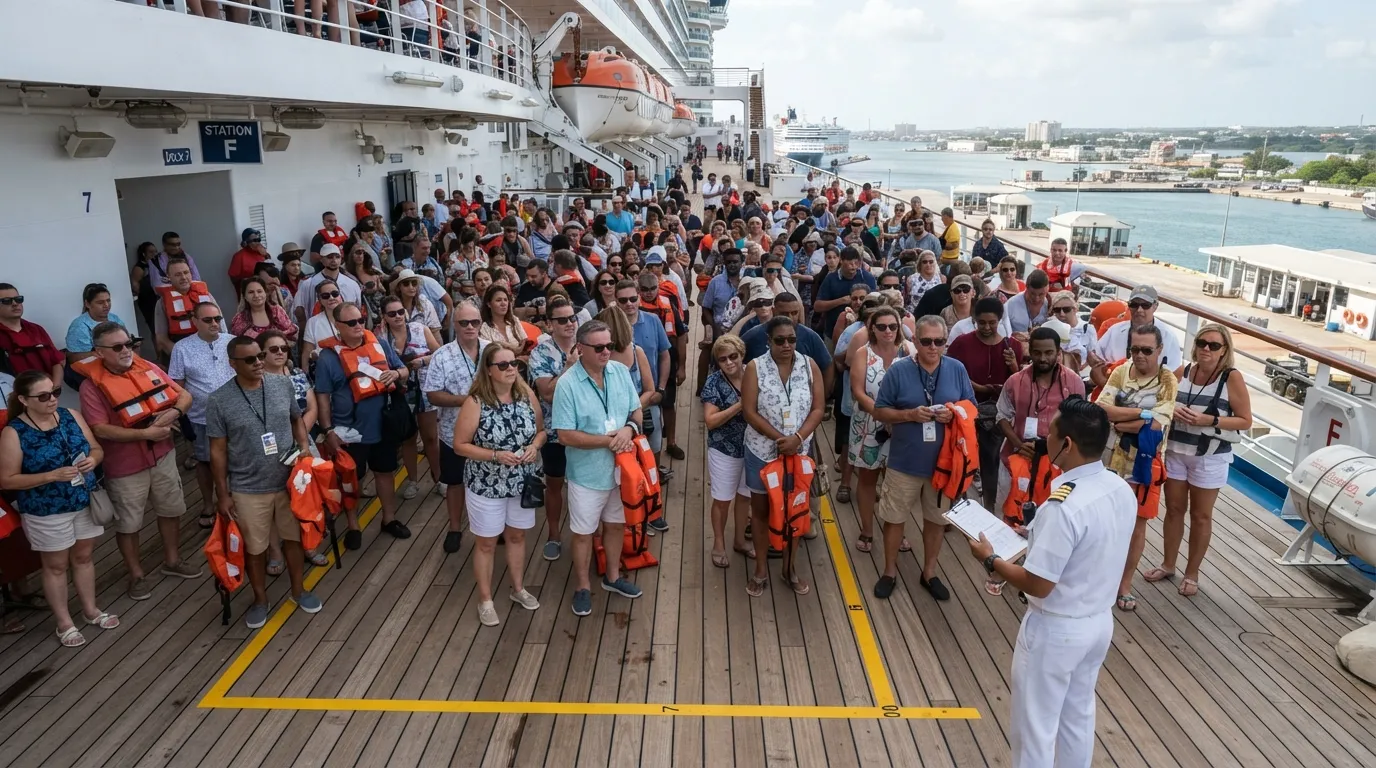
Most passengers picture a lazy first afternoon. Then the alarm sounds, and everyone is steered to an assigned muster station within hours of departure, life jacket in hand.
Crew members check attendance carefully and go looking for anyone who is missing. The drill often lands while you’re still unpacking, so you end up deciding on the spot what to carry along.
Your station depends on your cabin assignment, so check your card before you wander off. Elevators jam during the rush, and announcements repeat in several languages. Maritime safety rules require the drill, and many ships hold it before leaving port. Some lines now let you watch the safety video on your phone or cabin TV first.
It feels like a chore, but it sets the tone for the whole trip. On a ship, routines run the clock.
#18 – Slow satellite WiFi that costs real money by the day
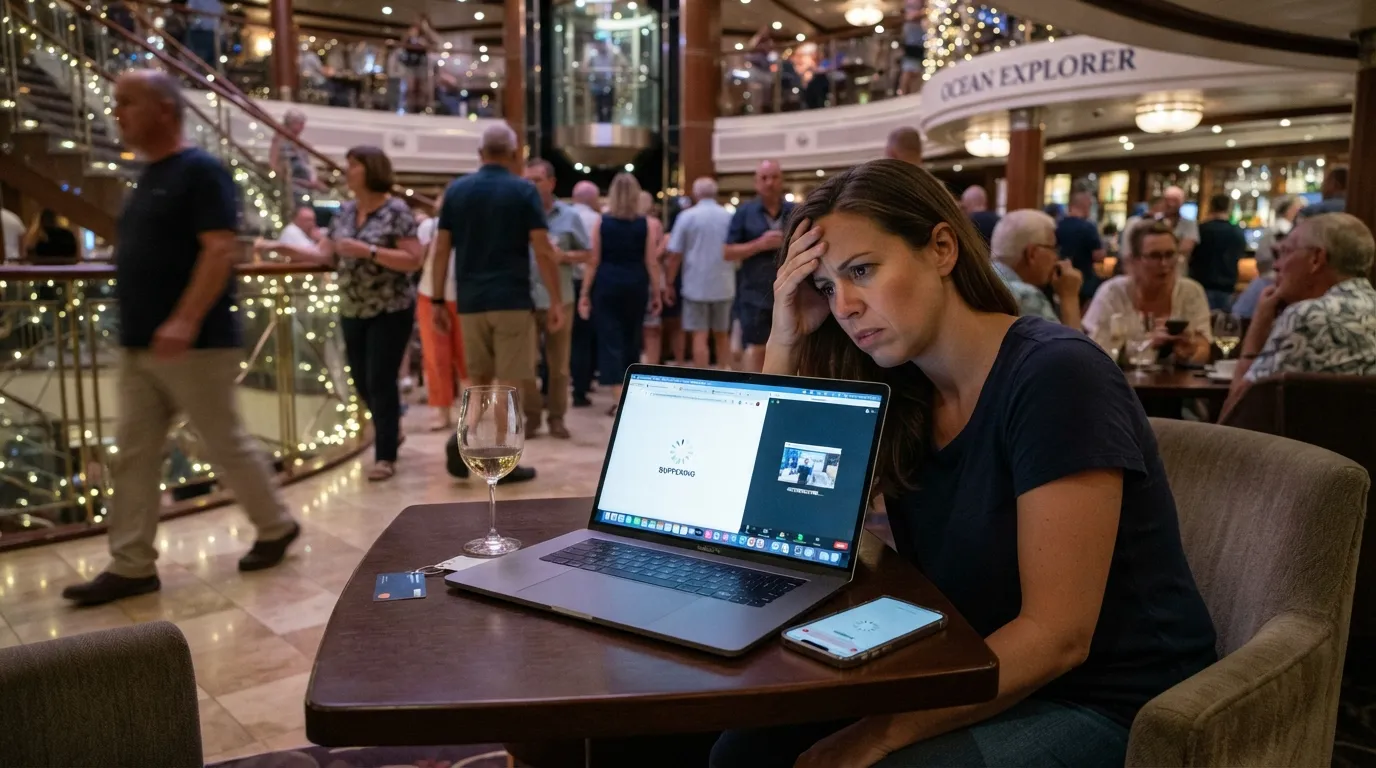
Ship internet travels through satellite connections that strain under thousands of users. The speeds fall far short of what you get at home.
Streaming buffers, and video calls drop, especially around dinner and show times when everyone surfaces at once. Packages are priced by the day, and for a family that adds up fast.
Many cruisers only find the data limits after they’ve paid. Basic plans can restrict you to light browsing and messaging, and even premium tiers can lag behind your home connection.
Crew sometimes suggest downloading shows, maps, and boarding documents before you sail. It’s a tip that rarely makes it into booking materials. Some lines offer a cheaper messaging-only plan, which may be all you actually need.
Think of it as a built-in excuse to look up from the screen.
#17 – Drink packages that skip premium wine and top-shelf spirits
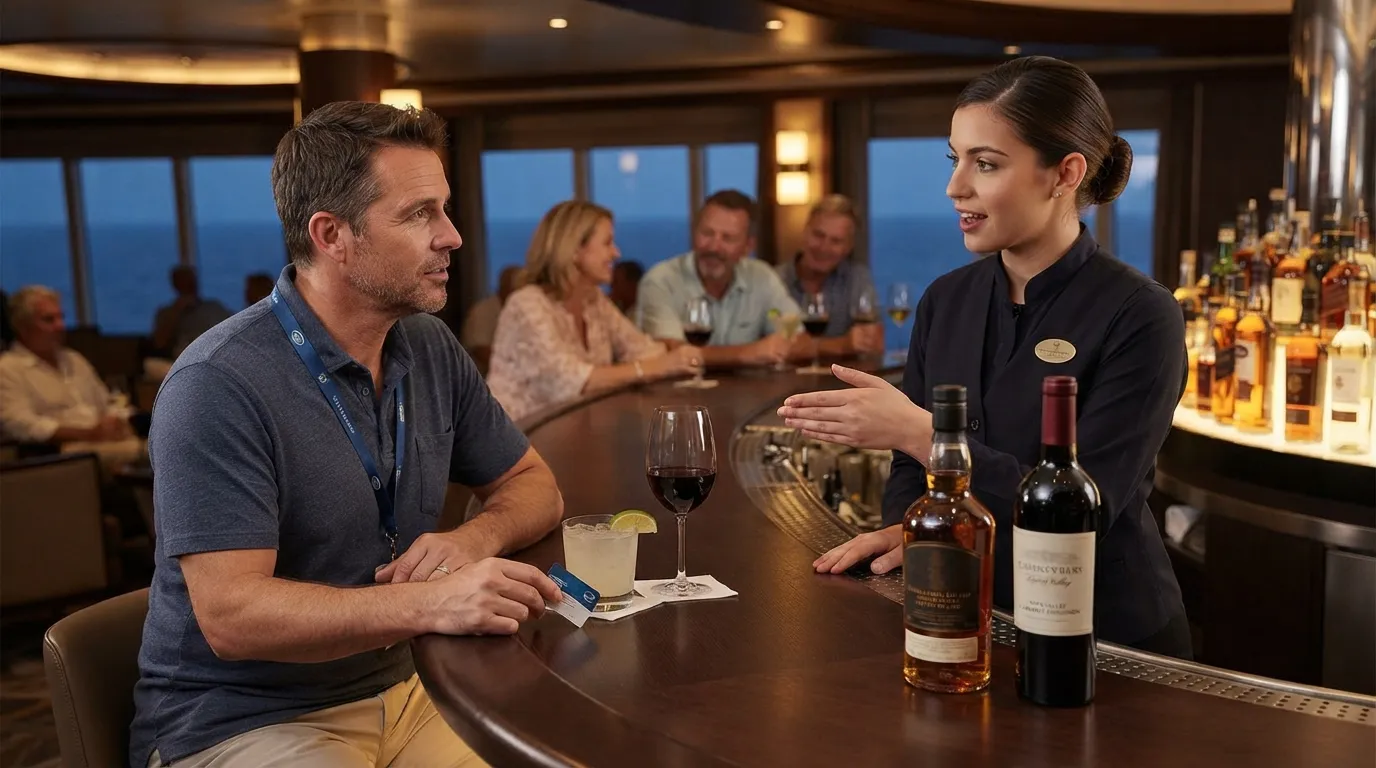
A drink package sounds like freedom until you reach the fine print. Most cover standard cocktails and house wines, while reserve wines and aged spirits cost extra.
Bartenders follow limits on brands and pour sizes, which is how surprise charges show up at checkout. Some programs also cap the number of drinks you can have per day. Specialty coffee and fresh juices often fall outside coverage too.
The daily price assumes moderate drinking, and not everyone drinks that way. Age and cabin are checked at every order, and unused drinks don’t roll over to tomorrow.
Quick Compare
- Usually covered: standard cocktails, house wines, and basic pours
- Often extra: reserve wines, aged spirits, specialty coffee, and fresh juices
- Best fit: steady, moderate drinkers who stick to the included menu
Skip the package and you face à la carte prices that run well above a typical bar tab on land. The real question is whether you’ll drink enough, and on the right menu, to make it pay off.
#16 – Per-item laundry fees that pile up by day five
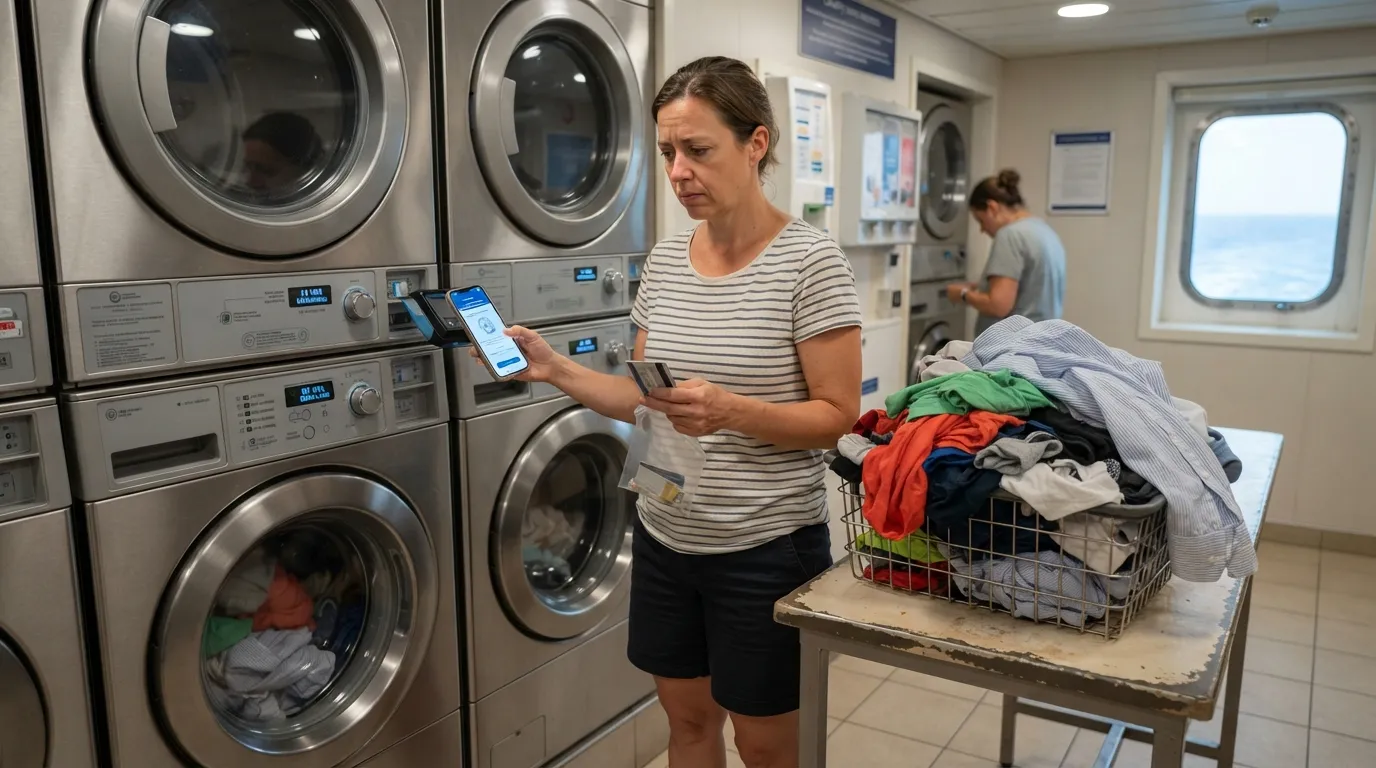
You expect to wash a few shirts. Then you meet the price list.
Self-service launderettes exist on many ships, but they usually run on tokens or app credits that can run out mid-cycle. Full-service laundry charges by the piece, and pressing and dry cleaning add separate line items.
Expedited turnaround often carries premium pricing that isn’t posted upfront. Detergent comes included in the self-service rooms, but machines fill quickly on sea days.
Families tend to underestimate the total after a week aboard. Lost items require a formal claim at guest services, which is a miserable way to spend a vacation morning. Seasoned cruisers pack extra undergarments and treat laundry as a last resort.
#15 – Onboard medical visits that begin at several hundred dollars
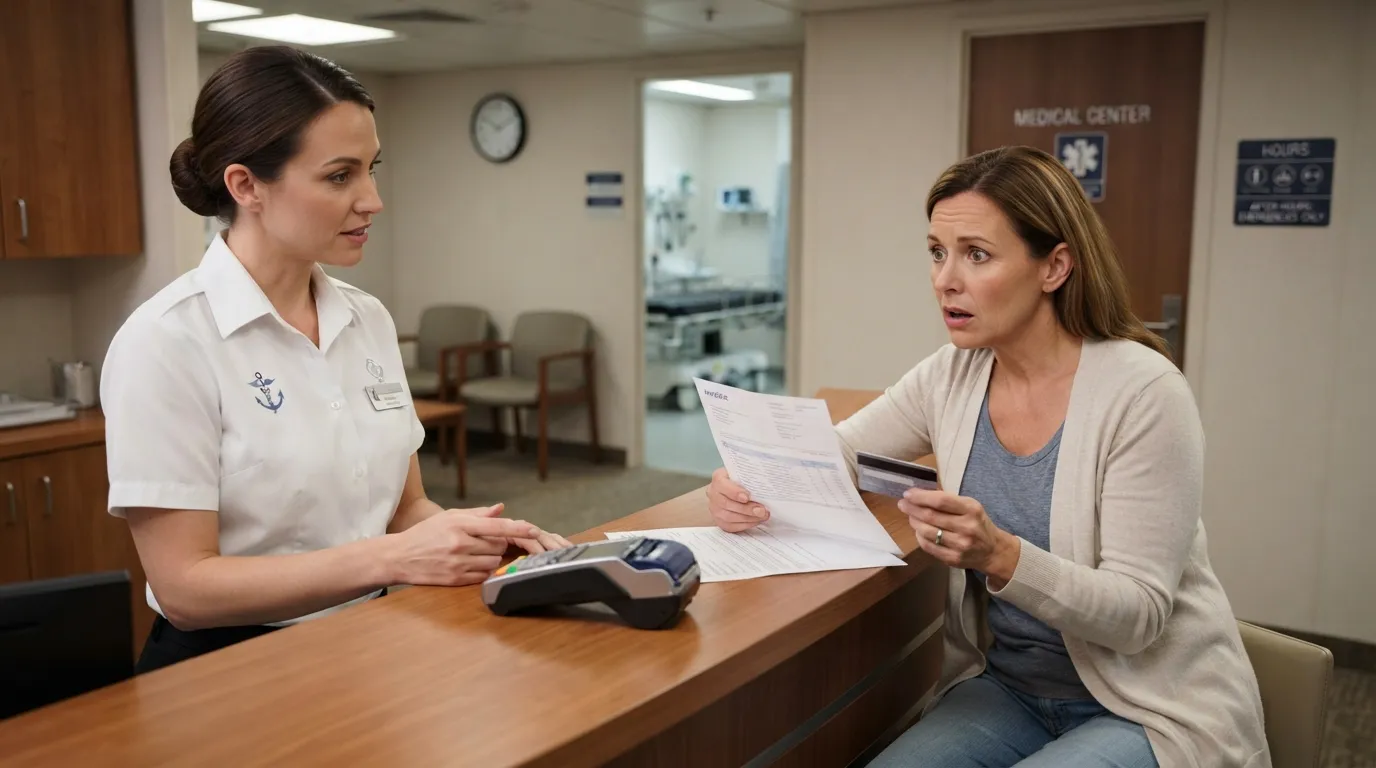
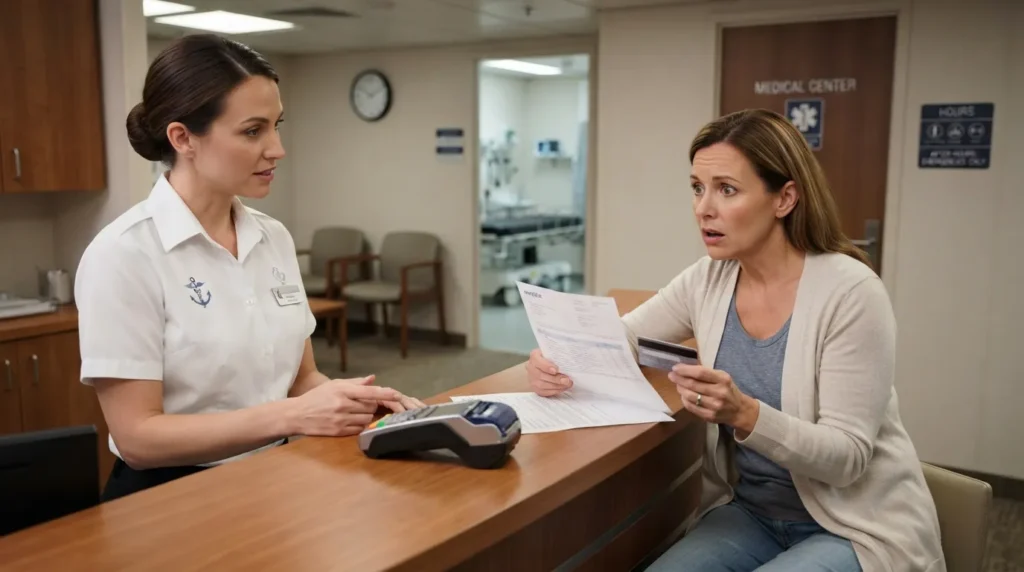
The ship’s medical center works like a private clinic, and payment is expected up front. Even a routine visit for seasickness or a minor injury can cost far more than a typical insurance copay.
If you need to be evacuated to a hospital ashore, that’s billed separately, and some policies won’t fully cover it. Prescription refills and basic tests add layers of expense quickly.
Hours are limited, and the clinic often closes overnight except for emergencies. Many guests only learn this after symptoms appear and the first bill arrives.
Travel insurance helps, but it usually needs to be set up before you sail. Check what your policy covers at sea and whether you need to pay first and file a claim later.
#14 – Pool decks that are full by mid-morning on sea days
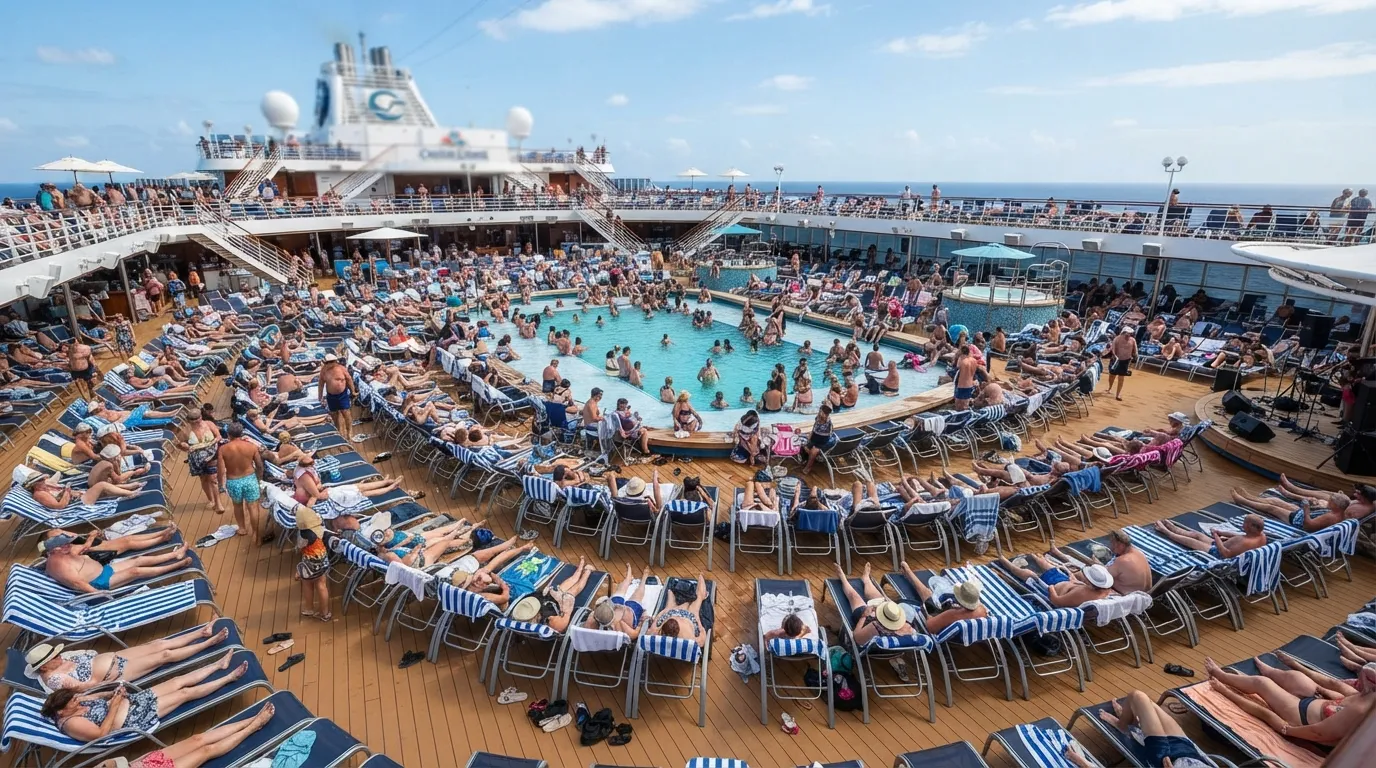
The best loungers are gone before many people have finished breakfast. Towels and flip-flops mark territory, and late risers wander the deck looking for an open chair.
Staff rotation rules can be applied unevenly from ship to ship. Shade fills first, which leaves more guests in direct sun.
Kids’ areas spill over into adult pools during peak vacation weeks. If you wanted quiet, live music and crowded decks may have other plans.
Some lines now offer reservable sun decks and loungers, but those slots can disappear within the first hour. Early birds win here, and the ship has plenty of other quiet corners if you’re willing to explore.
#13 – Formal night dress codes that apply unevenly across venues
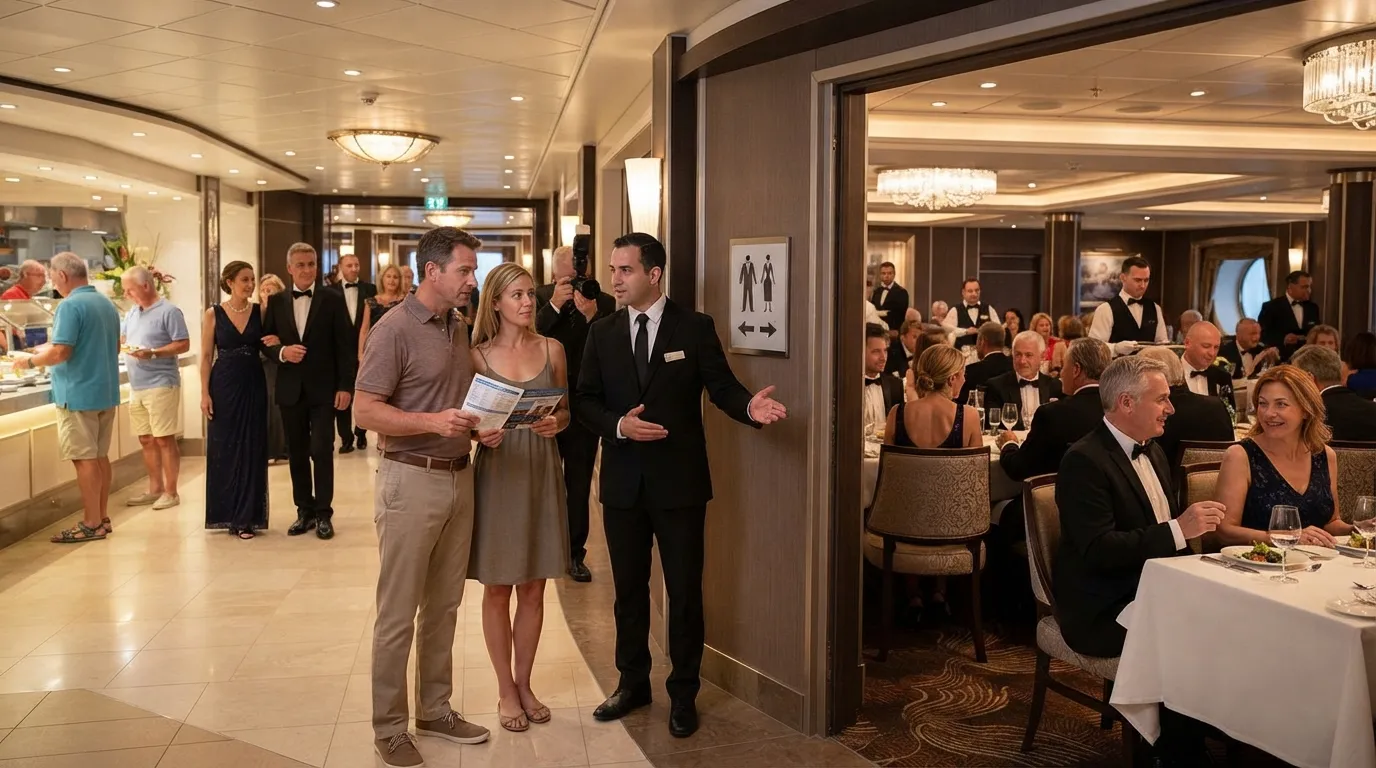
On designated evenings, main dining rooms may ask for jackets for men and dressier outfits overall. How strictly that’s enforced depends on the ship and the staff working that night.
The buffet stays open for anyone who skips the dress-up, though the service isn’t the same. Guests who show up underdressed to the main dining room may face a seating delay or a redirect.
Themed nights rotate between black-tie and smart-casual, which catches some people off guard. Newer ships and lines have relaxed their rules, leaving repeat cruisers unsure what to expect.
The photographers are ready for the occasion, and the pictures are sold as souvenirs. Rental tuxedo services near the atrium help if you left yours at home.
#12 – Room service delivery fees on mainstream lines
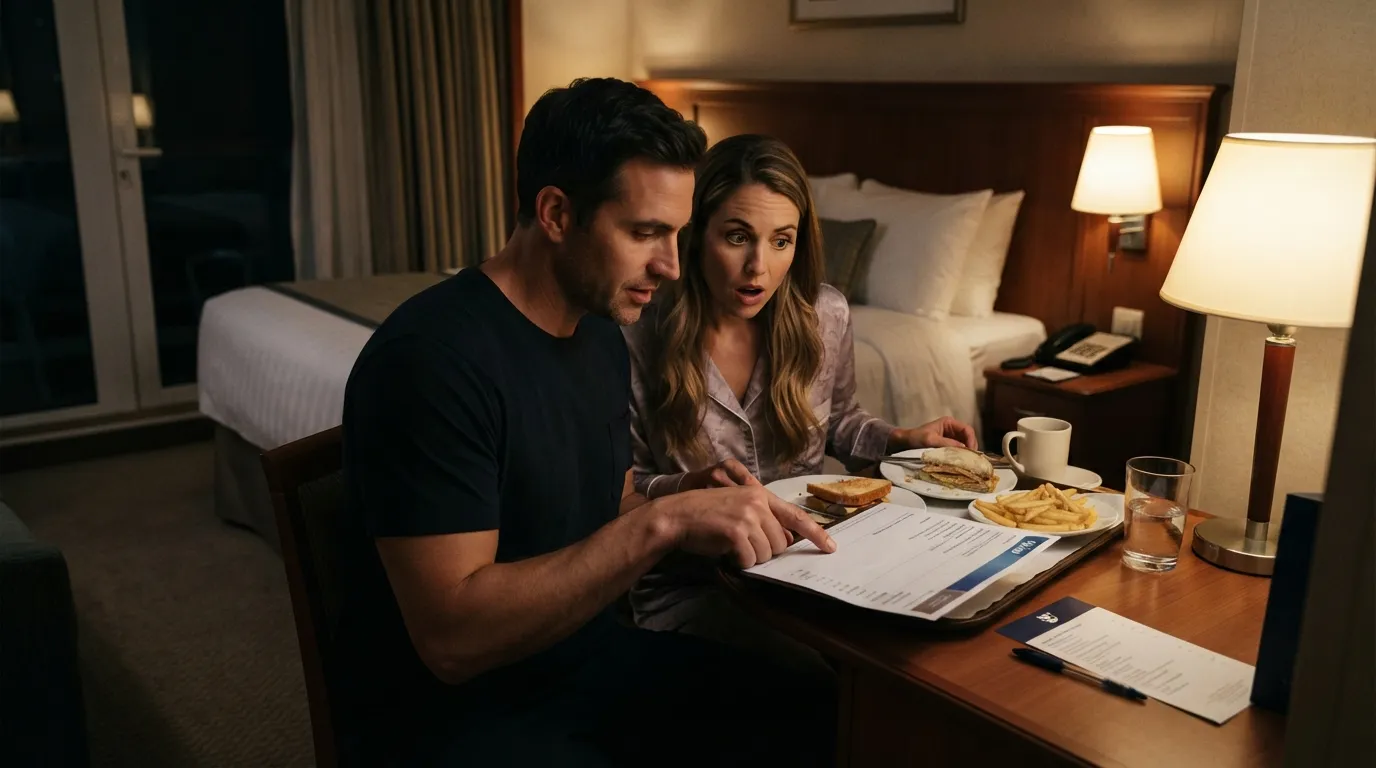
Room service feels like a free perk of a cruise. On many mainstream lines, it isn’t entirely free.
Royal Caribbean, for example, attaches a delivery charge to some orders, while simple items like continental breakfast often stay free. Late-night orders are where surprise charges tend to hide.
The fee shows up on your onboard account, not at the door, so many people don’t notice until the final bill. Policies change from line to line and sometimes from ship to ship.
Check the menu card in your cabin before you order a midnight snack. Knowing which items are free and which aren’t can save you from paying a fee for a sandwich.
#11 – Specialty restaurant cover charges like Chops Grille
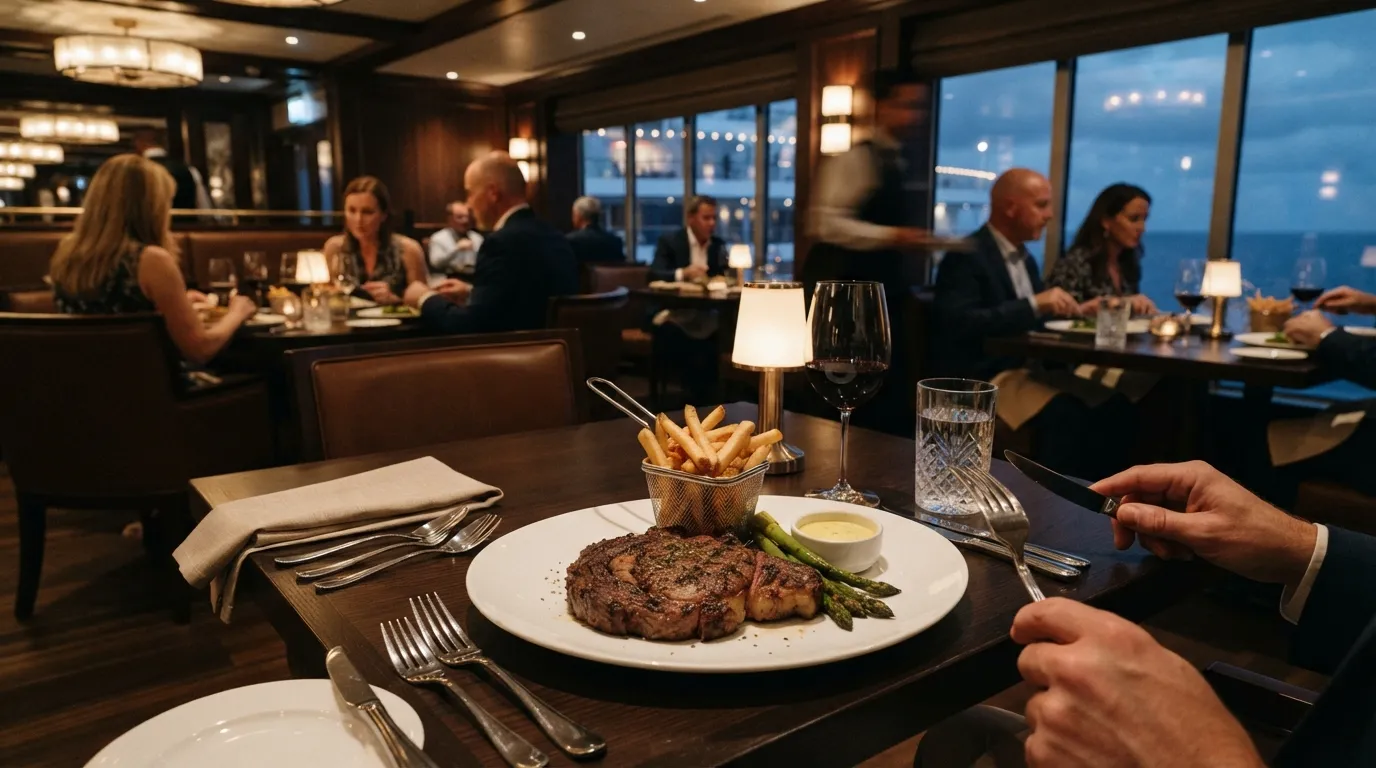
The main dining room is included, but the steakhouse upstairs is not. Venues like Royal Caribbean’s Chops Grille come with a cover charge or à la carte pricing.
The pitch is quieter tables, nicer plates, and a more polished evening. The surprise is how quickly those evenings add up if everyone in your group wants one.
Many lines also offer dining packages that bundle several specialty meals at a discount. Booking early often secures a better table and a better price, and popular nights fill up quickly.
Before you commit, compare the menu with what the main dining room already serves. Sometimes the included option is good enough that the splurge feels optional.
#10 – The all-aboard time that the ship will not wait on
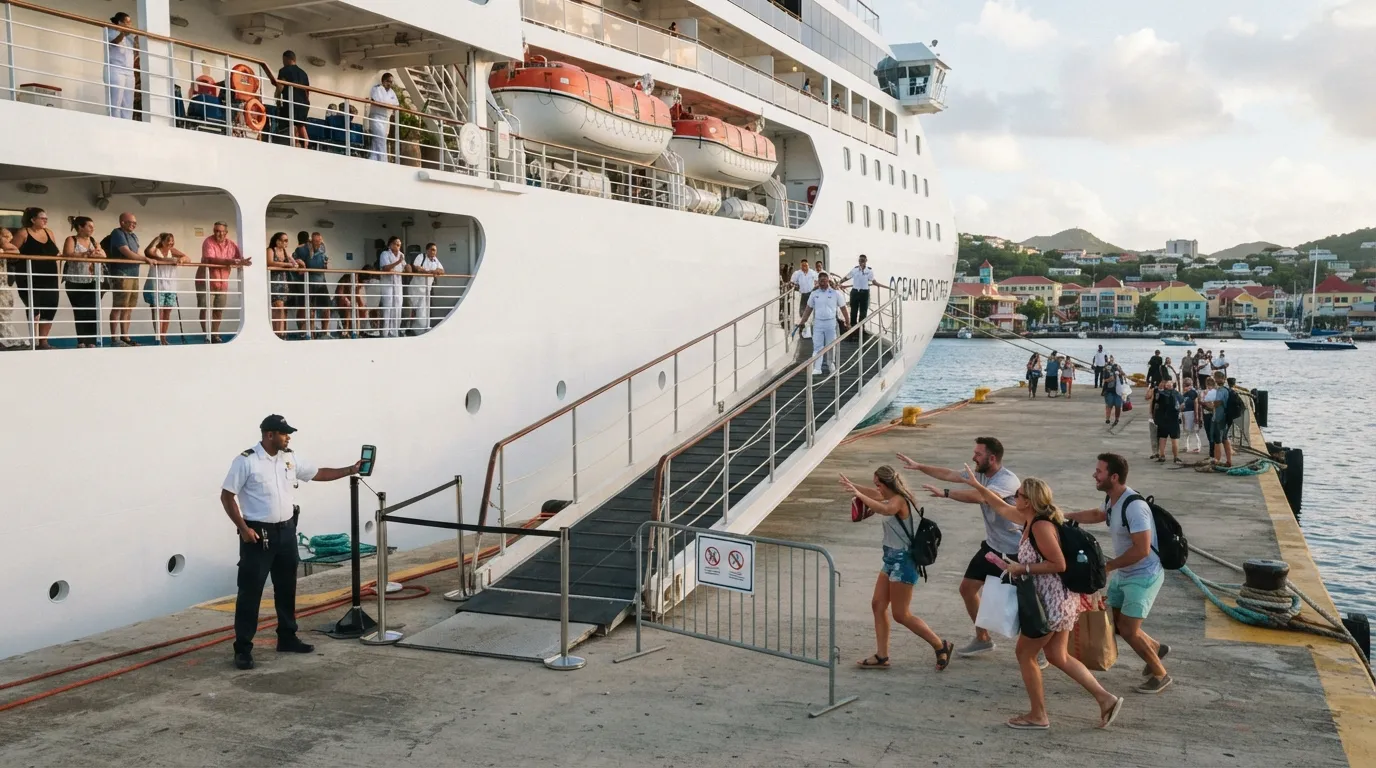
Port days feel unhurried until you glance at the clock. Every ship has an all-aboard time, usually about 30 minutes before sailing, and it’s printed in the daily planner.
Miss it, and the ship may leave without you. Passengers on the ship’s own excursions are protected if the tour runs late, but travelers on independent trips are not.
That puts you in the awkward position of arranging your own way to the next port, often at your own expense. Crews do announce departure times repeatedly, and port time zones can differ from ship time.
At a Glance
- Where to find it: the daily planner delivered to your cabin
- Typical timing: about 30 minutes before the ship sails
- Watch the clock: ship time and port time can differ
- Safest bet: ship-run excursions, since the ship waits for them
The savviest travelers set a phone alarm and aim to be back well before the deadline. The sail-away party beats a frantic dash down the pier.
#9 – Rough crossings like the Drake Passage and the Bay of Biscay
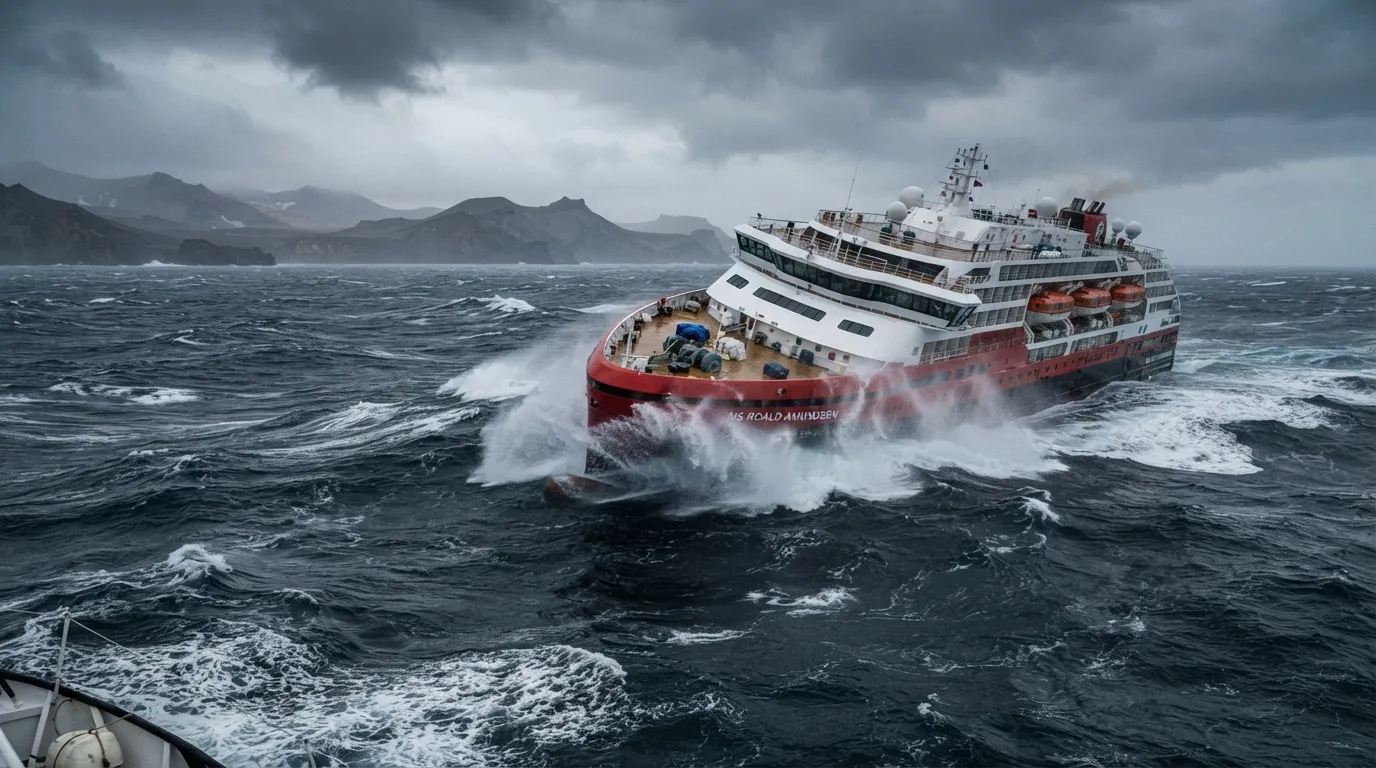
The ocean doesn’t always cooperate. Famous stretches like the Drake Passage near Antarctica and the Bay of Biscay have a reputation for big swells.
Even a huge ship can roll, and a stomach can notice before your brain does. Cabin location matters more than most first-timers realize.
Many travelers aim for a lower deck near the middle of the ship, where the motion is usually gentler. Higher decks and the very front or back tend to feel more movement.
Most voyages are calmer than the stories suggest, but it’s worth knowing before you choose a cabin. If your route includes a notorious crossing, pick your spot with that in mind.
#8 – Cabins right below the Lido deck pool
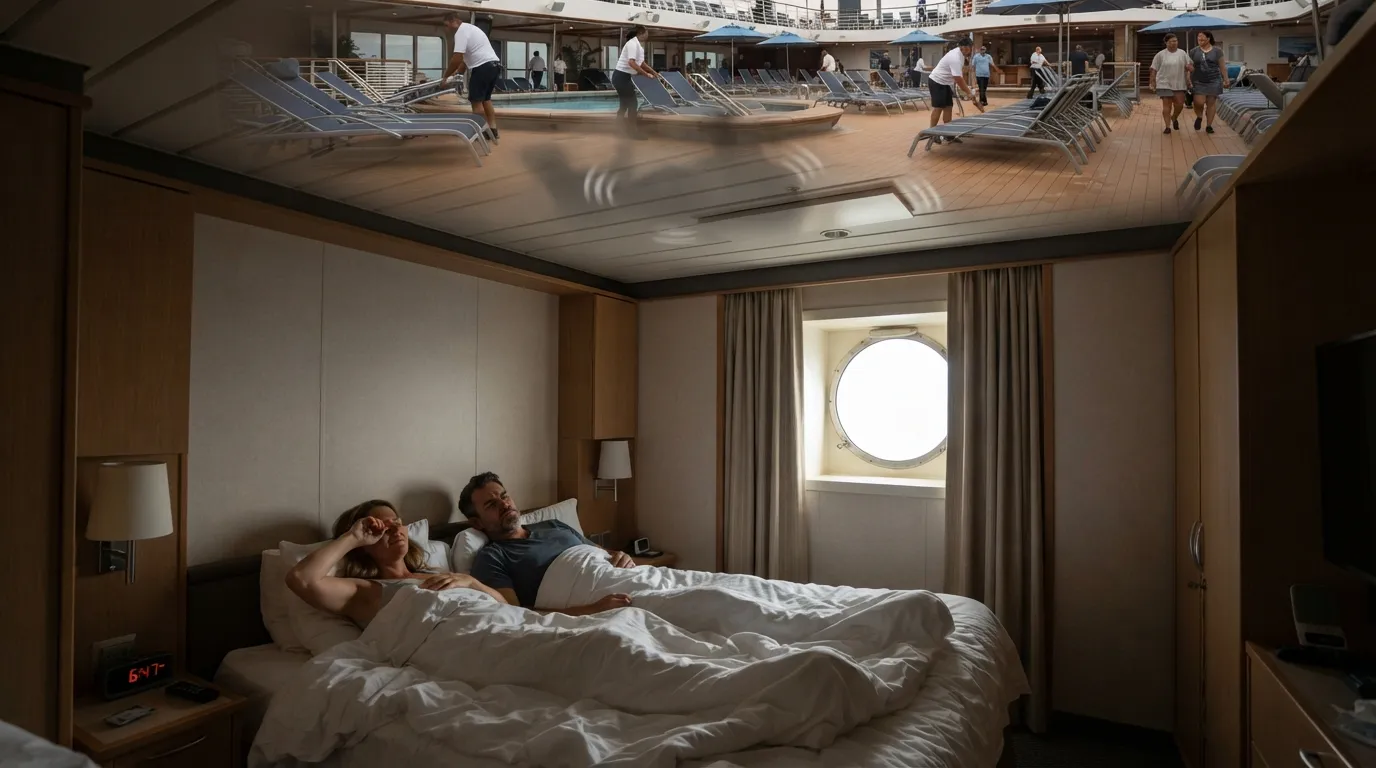
The cabin looks perfect on the deck plan: great price, central spot, decent size. Then you notice what’s directly above it.
Cabins beneath the pool deck or near a nightclub are a common source of complaints. Scraping loungers and early-morning setup can turn a sleep-in into a wake-up call.
Deck plans show what sits above and below every cabin, and checking them takes only a few minutes. Look for a floor of other cabins on both sides, and a quiet corridor.
It’s a small detail that can make a big difference. Sleep is the one thing a cruise can’t refund once it’s gone.
#7 – Tender ports like Grand Cayman and Santorini

Not every port has a pier. At places like Grand Cayman and Santorini, ships anchor offshore and shuttle passengers to land on small boats called tenders.
That means waiting in line, climbing aboard, and hoping the sea behaves. Rough water can delay or even cancel tender operations.
On tender days, the early-ticket holders and excursion groups usually go first, while everyone else waits for a number to be called. The return trip can bunch up in the afternoon as everyone heads back at once.
Worth Knowing
- Tender tickets or boarding numbers are often handed out on the ship, so check the daily planner early.
- Choppy water can slow the shuttle, so build in a generous cushion before all-aboard.
- Boarding a small boat can be tricky for guests with limited mobility, so ask guest services ahead of time.
- Heading back before the mid-afternoon rush can mean a shorter wait.
The payoff is a view you can’t get from a dock: a ship floating beside a cliffside town. Just plan for extra time on both ends.
#6 – Luggage left outside your door the night before you arrive home
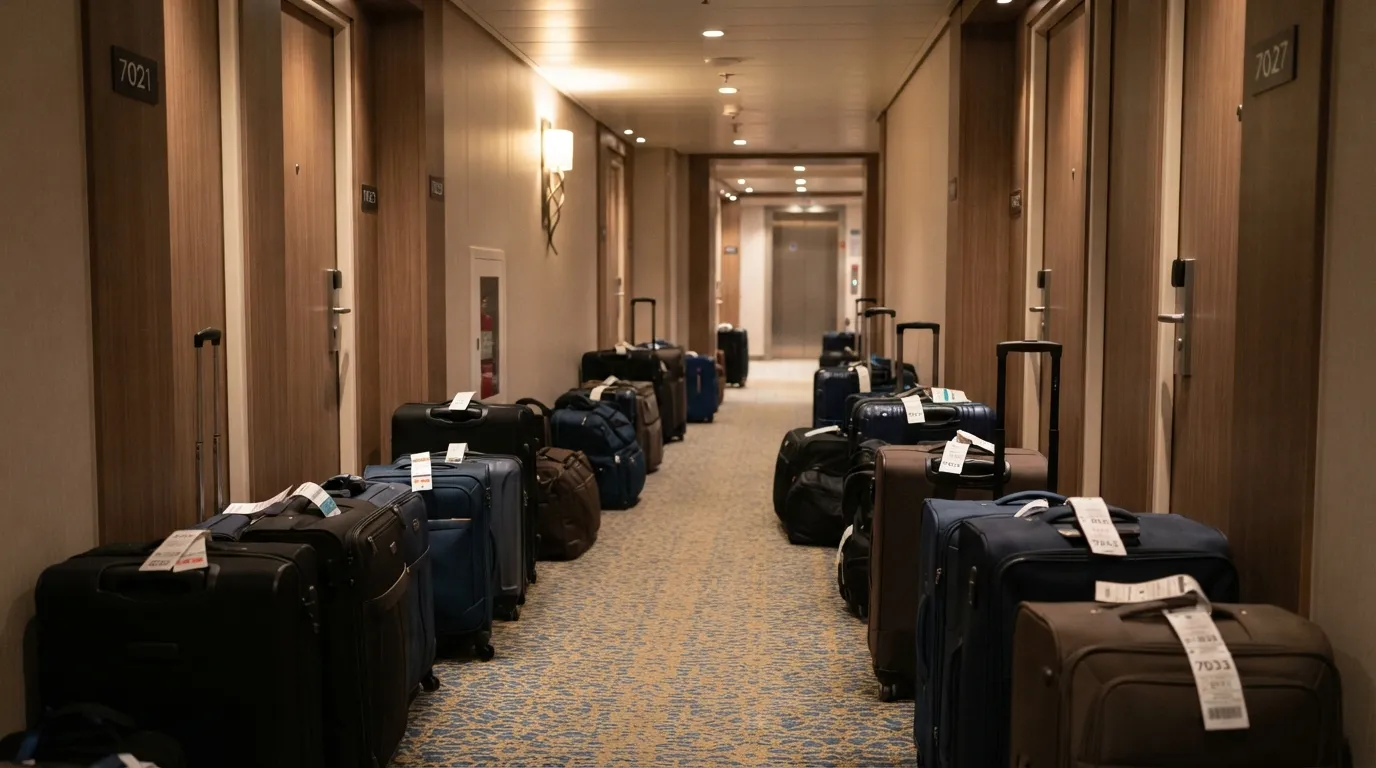
The last night of a cruise has a strange ritual. You pack your bags, tag them, and leave them in the hallway for the crew to collect.
That means the clothes you want for tomorrow need to stay with you. Passports, medications, chargers, and your going-home outfit should never go in the checked bag.
The ship assigns disembarkation times by group, and everyone is eager to leave at once. Many lines also offer a self-assist option for those who want to carry their own bags off.
It’s a bittersweet moment as the hallway fills with suitcases. The trip is ending, and the vacation suddenly feels very real.
#5 – The Sail & Sign card that makes the whole ship cashless
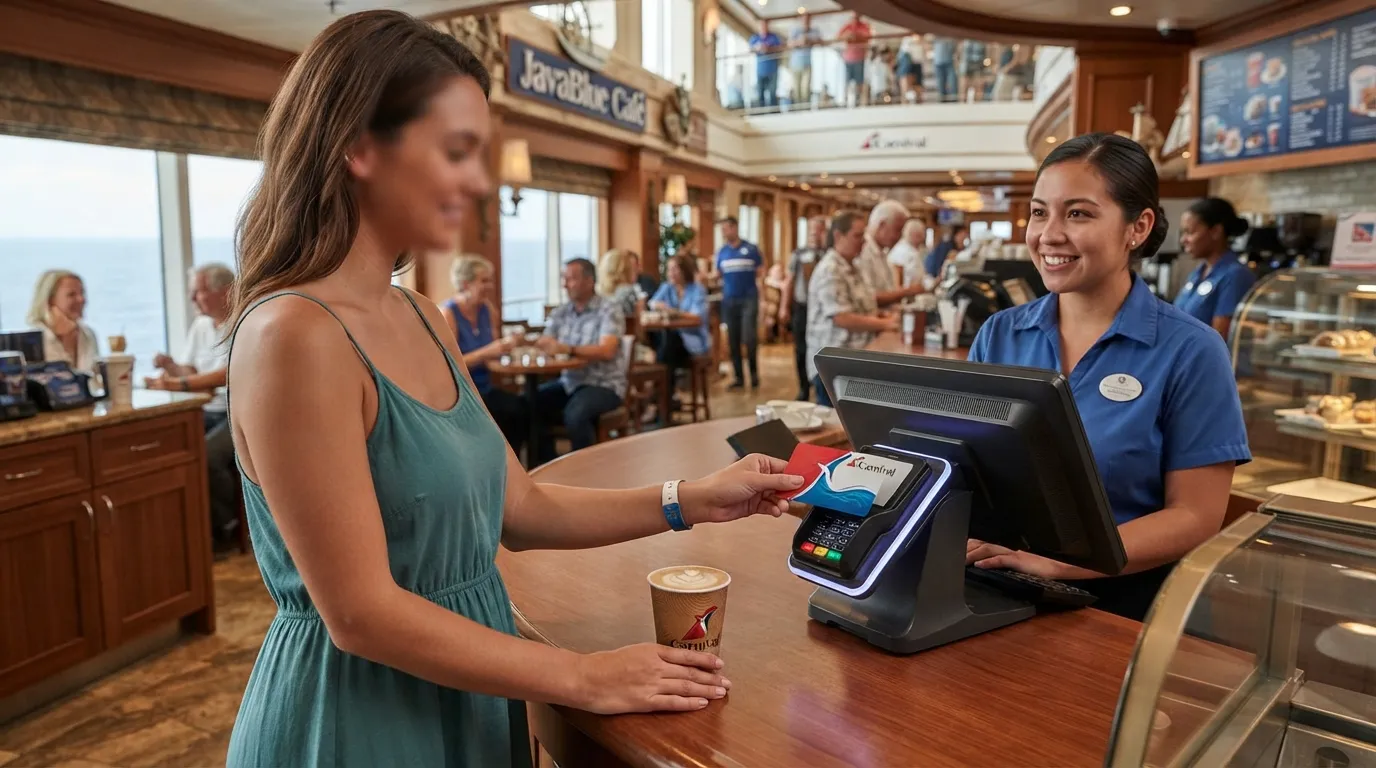
On a ship like a Carnival cruiser, your room card is also your wallet. The Sail & Sign card links to your onboard account for drinks, spa visits, shops, and more.
It’s convenient, and that’s exactly the catch. Nothing feels expensive when you never hand over cash.
The charges accumulate quietly until the final statement, so checking your account regularly helps. Most ships have an app or a kiosk where you can see your balance.
Disputes are easiest to fix while you’re still aboard. Waiting until you’re home turns a quick correction into a long phone call.
#4 – Phone roaming charges from maritime networks like Cellular at Sea
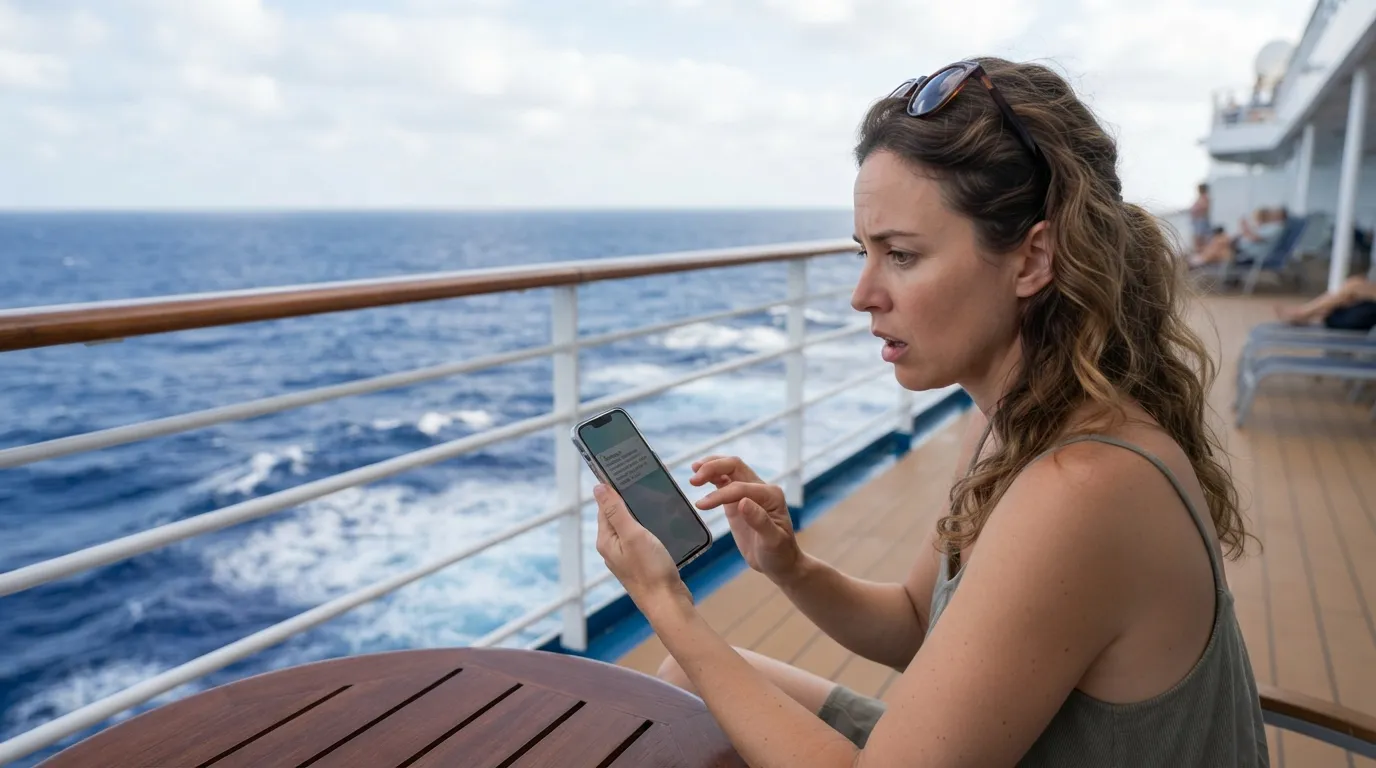
Your phone may stay connected even when there’s no land in sight. Many ships carry their own cellular networks, such as Cellular at Sea, that your phone can join automatically.
Those connections are billed as international roaming, and the rates can be steep. A single background app update can cost you money.
Fast Facts
- Airplane mode stops your phone from joining a ship network on its own.
- You can turn Wi-Fi back on by hand while staying in airplane mode.
- Background app refresh is a common source of surprise data use.
- Your carrier’s cruise plan is worth checking before you sail.
The simple fix is airplane mode, with Wi-Fi turned on only when you choose to. Most people discover this the hard way, when the bill arrives weeks after they’ve gotten home. A thirty-second setting change prevents the surprise.
#3 – Champagne art auctions run by Park West Gallery

The invitation sounds irresistible: free champagne, an art auction, and a relaxed afternoon. Park West Gallery has run these events on many ships.
They’re entertaining, and the auctioneers know how to build excitement. The real thing to watch is the moment excitement turns into a purchase.
If you’re tempted, ask about return policies, shipping, and authentication before you bid. Read every document you sign, and take your time.
You can enjoy the champagne and the show without buying anything. The best souvenir may be knowing when to keep your paddle down.
#2 – The night sky at sea with no city lights

Step onto an open deck late at night, away from the bright pool area, and look up. Without city lights, the stars look closer than you remember.
It’s the kind of view that makes people stop mid-sentence. You can’t book it, and no excursion beats it.
Find a quiet railing, give your eyes a few minutes to adjust, and let the ship’s glow fade behind you. The sound of the water does the rest.
Many passengers say it’s the moment they didn’t expect to love. It costs nothing, and it may be the thing you describe first when you get home.
#1 – The first sea day, when land disappears and your phone stops mattering
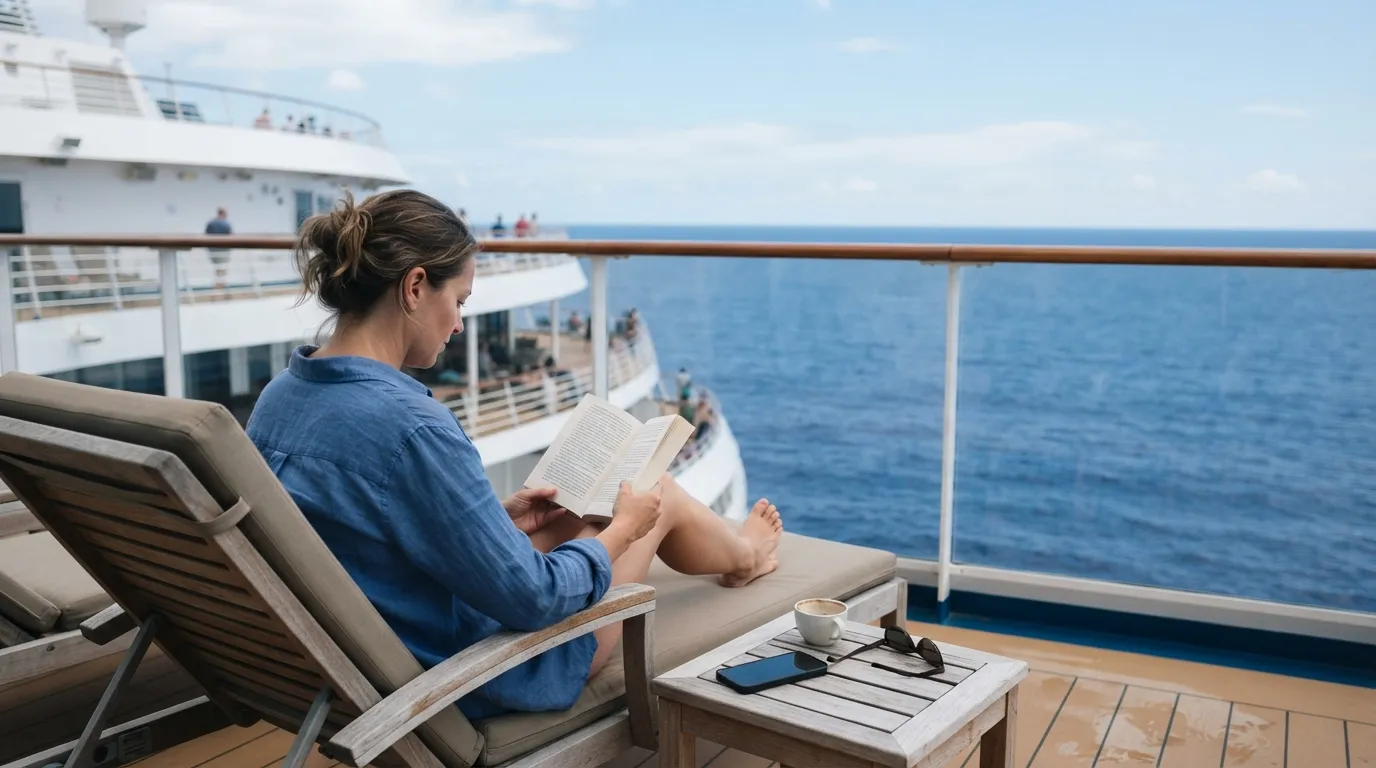
Somewhere on the first full day at sea, the coastline slips away. The horizon becomes a perfect circle, and the ship feels like a small town floating in all that blue.
With slow Wi-Fi and nowhere to rush, the pace shifts. You stop checking and start noticing.
Strangers become dinner companions. Mornings stretch out, and a book on the deck feels like an event.
That’s the part nobody can explain until you’re aboard. The fees, the drills, and the crowded pools fade, and what stays with you is the quiet feeling of being completely, happily out of reach.
CEO-Co-Founder
