

- The Forgotten Female Voices of American History - October 15, 2026
- The Assassination of Robert F. Kennedy: A Look Back 57 Years Later - October 15, 2026
- 20 Songs That Reflected America’s Changing Gender Roles - October 15, 2026
You booked the castles, the vineyards, and the slow glide past village church steeples. Nobody mentioned that you might wake up staring into a stranger’s dining room, or that a ship’s wheelhouse can sink toward the deck so the vessel can slip under a bridge. These are the details that usually surface only when you’re zipping up your suitcase on the final night.
Some of them are delightfully strange. Some explain why your itinerary suddenly changed overnight. And the biggest surprise isn’t a rule or a fee at all. It’s something you only notice after days of watching the crew work, so stay with the countdown.
#21 – Rafting on the Rhine with Viking Longships
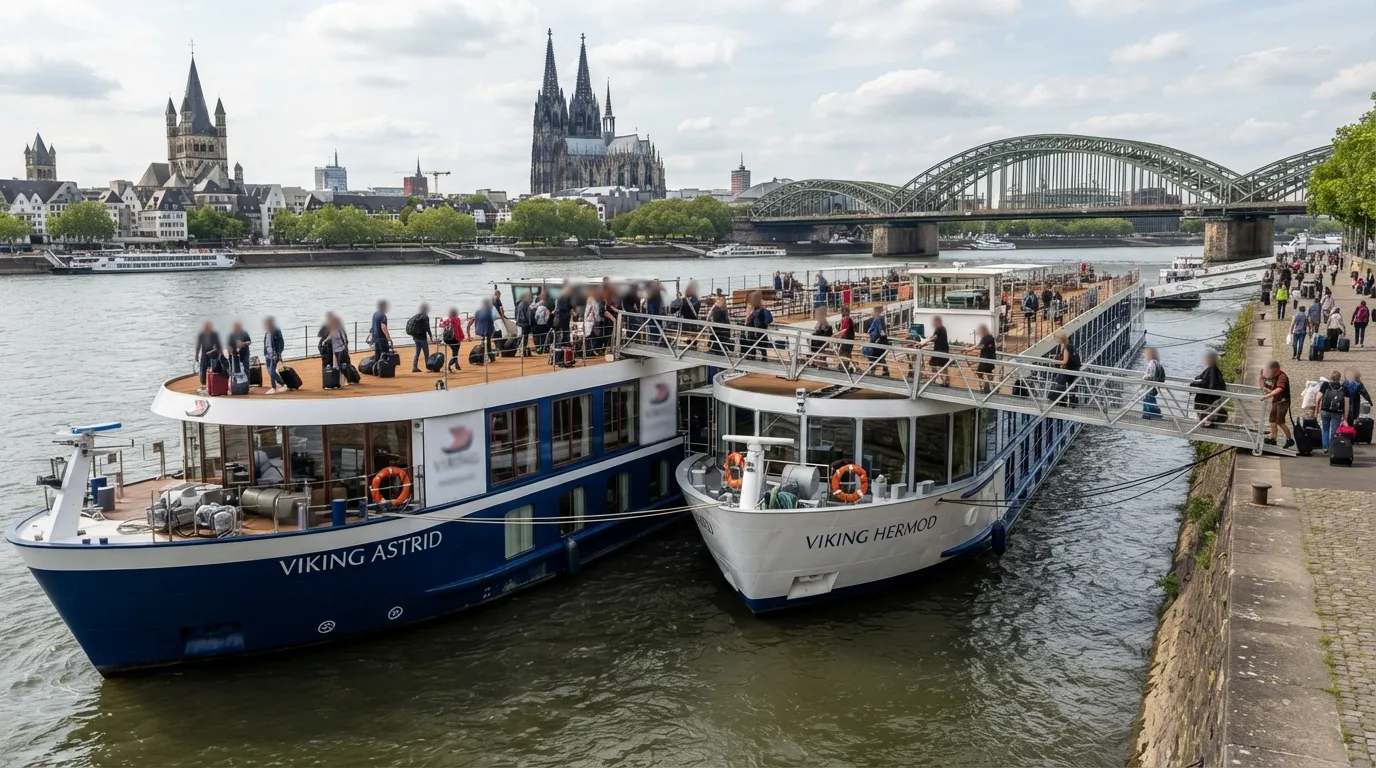
Picture stepping out of your cabin in Cologne and walking through another ship’s lobby to reach the street. That’s rafting. When dock space is tight, river ships tie up side by side, and passengers on the outer vessel cross the neighboring decks to get ashore.
It happens often at busy Rhine and Danube stops, including Cologne and Basel, and Viking Longships are a common sight in those lineups. You may wake up with your window facing someone else’s cabins or dining room, so the curtains suddenly matter.
Crew members guide everyone across, but first-timers expecting a simple pier walk are often caught off guard. River ships are built slim, around 11.4 meters wide, to fit European locks, which helps them squeeze into crowded ports. Check the daily port plan for rafting notes.
#20 – Low Water on the Danube Rerouting AmaWaterways Itineraries
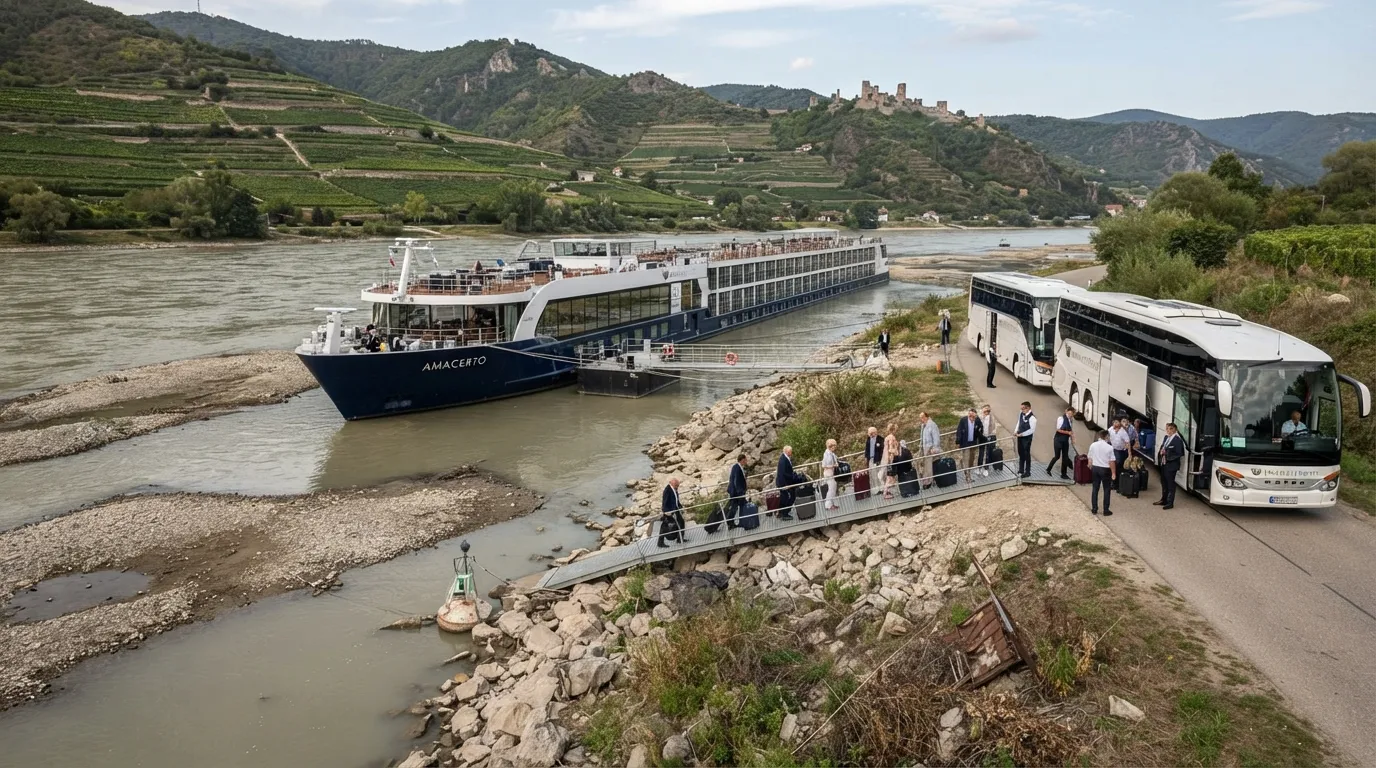
The route on your brochure is a plan, not a promise. River levels rise and fall with rainfall and season, and when the water drops too low, ships can’t safely sail certain stretches.
On lines like AmaWaterways, that can mean trading a sailing day for a motorcoach ride, or moving to another ship farther along the river. Some guests even spend a night in a hotel instead of their cabin. It happens most often in late summer and early fall, though it can strike at other times too.
Lines publish disruption policies, but the exact changes can stay unclear until close to departure, or even until you’re already aboard. Packing a flexible attitude is as important as packing a rain jacket.
#19 – Collapsing Sun Decks and Wheelhouses for Low Bridges
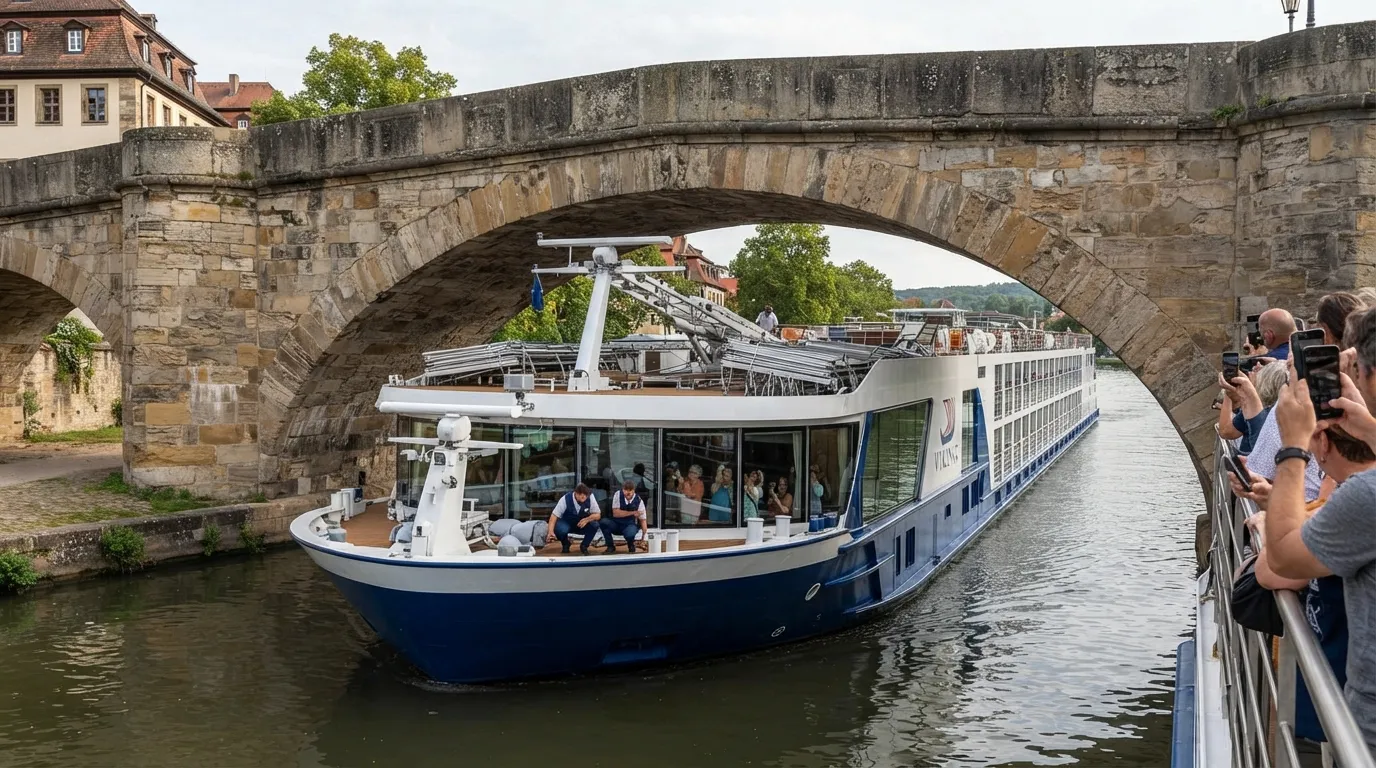
Here’s the moment that makes people grab their phones. As the ship approaches a low bridge, the crew lowers railings, awnings, and sometimes the whole wheelhouse, and the open top deck is shut down while the ship passes underneath.
On bridge-heavy stretches of rivers like the Main and the Danube, this can happen quickly and without much fuss. Viking Longships are known for a wheelhouse that lowers, which is one reason the sun deck sometimes closes without warning.
Passengers usually watch from lounge windows or designated safe spots. It’s a reminder that these ships were built to thread the needle between historic stone arches and a river that hasn’t changed its mind in centuries.
#18 – Viking Longship Cabins of Roughly 150 to 170 Square Feet
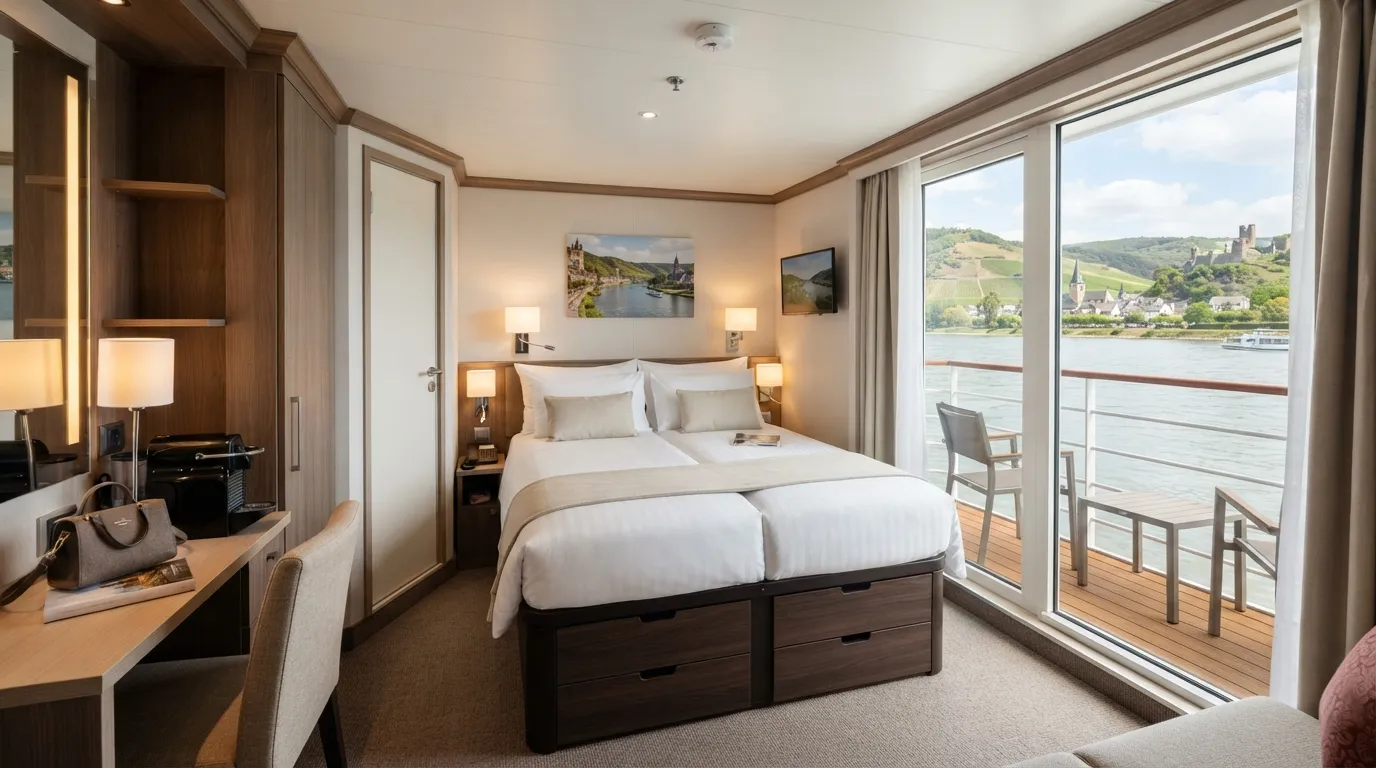
If you’re coming from an ocean cruise, the first thing you notice is the size of your room. Standard river cabins commonly land around 150 to 170 square feet, which is small enough that you learn quickly where everything goes.
At a Glance
- Standard cabins: roughly 150 to 170 square feet
- Hull width: around 11.4 meters, set by European lock sizes
- Storage trick: drawers under the bed and wall-mounted fixtures
- Suites: noticeably more room at a higher price
Designers on ships like Viking’s Longships make up for the size with smart storage and a layout that feels like a well-planned puzzle.
The trade-off is simple. The hull must stay slim to fit locks, so space is precious. Most guests end up spending their days on the sun deck, in the lounge, or on shore anyway, which makes the cozy cabin feel less like a limitation and more like a bedroom between adventures.
#17 – Included Guided Tours at Every Port on AmaWaterways
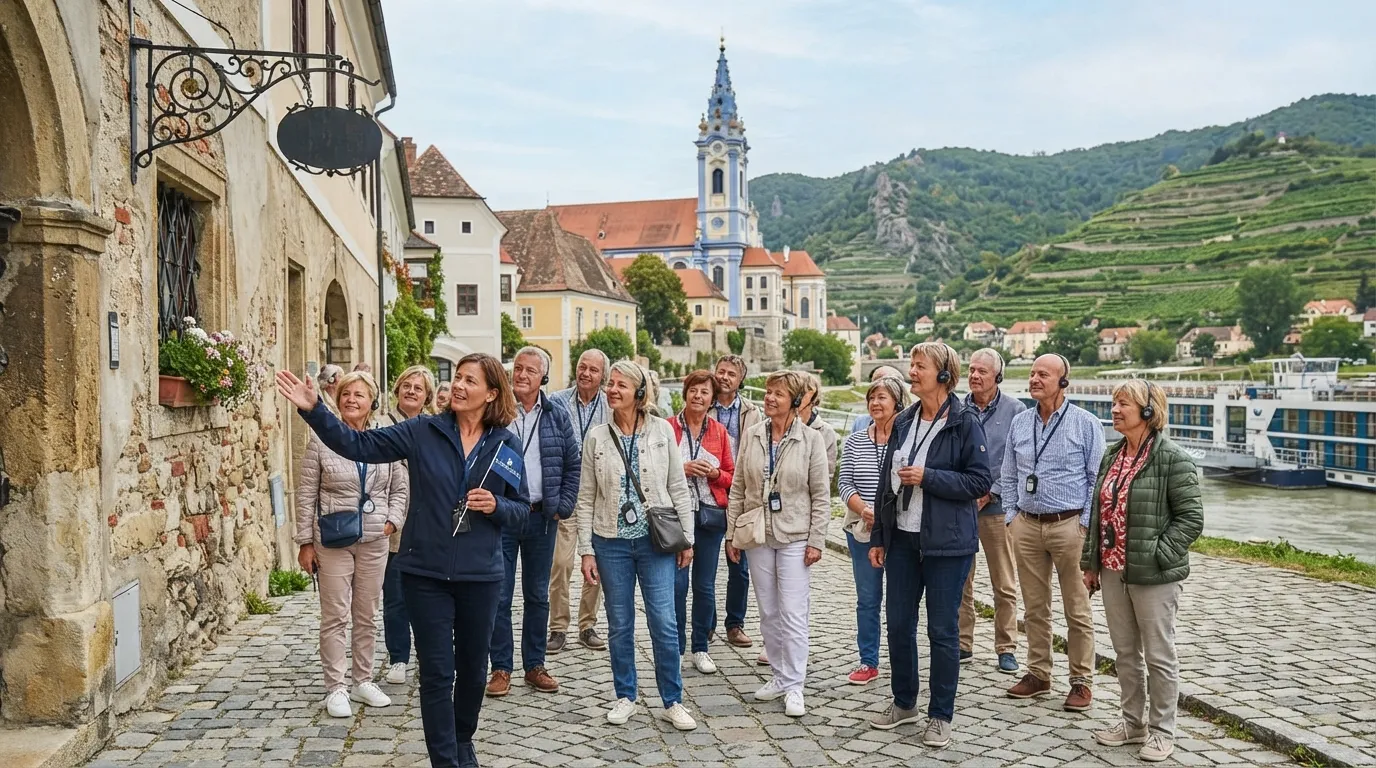
One of the happiest surprises is how much is already paid for. On many river lines, including AmaWaterways and Viking, the fare covers at least one guided walking tour at each port, with headsets so you can hear the guide without crowding in.
That’s a sharp contrast with ocean cruising, where excursions can quickly become a large extra expense. Optional tours exist for deeper experiences, such as wine tastings, and those cost extra.
The included tours keep groups smaller and encourage people to join in. Each evening, the daily program lays out the next day’s choices, so you can decide whether to follow the guide or wander off on your own. Either way, you aren’t paying for the basics twice.
#16 – Single Supplements Reaching 50 to 100 Percent
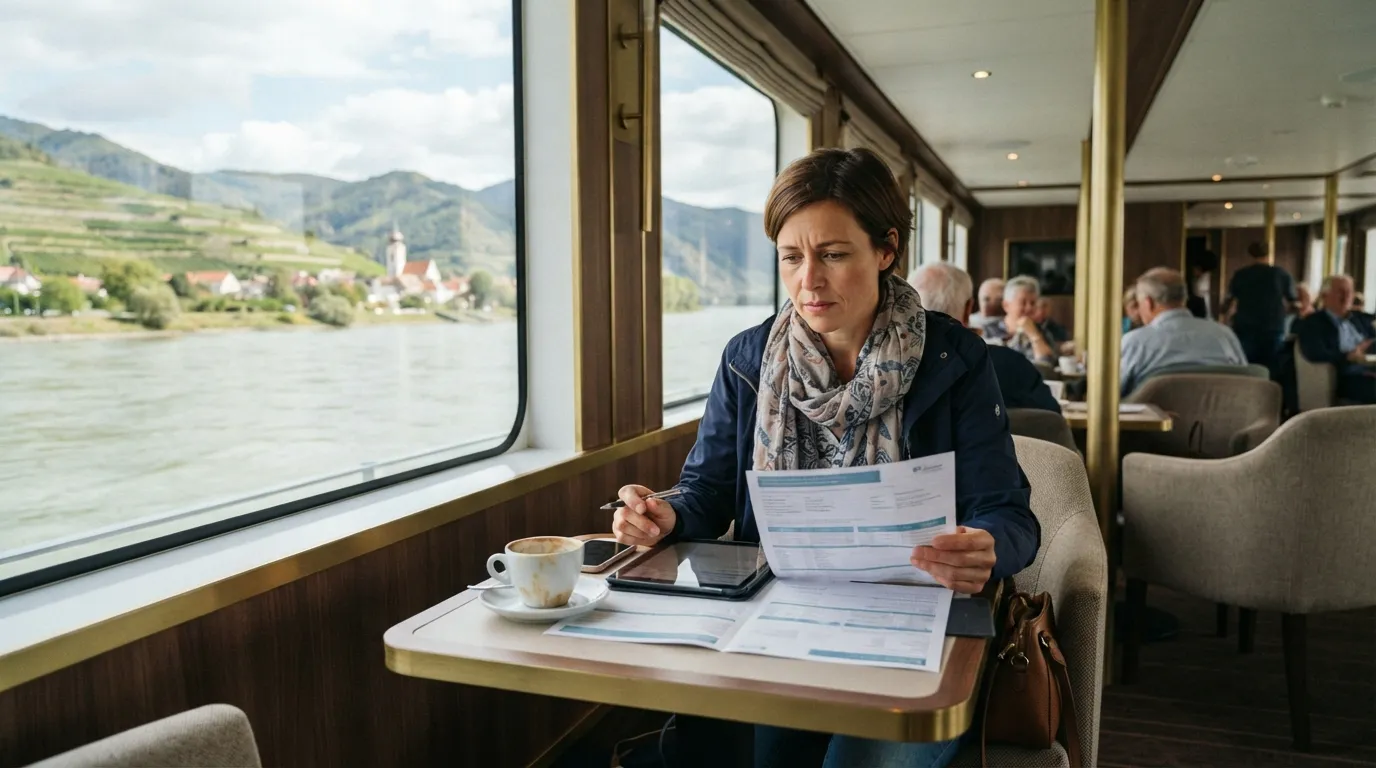
Solo travelers often get a nasty surprise at booking: a single supplement that can run anywhere from 50 to 100 percent of the per-person fare. River ships are designed around two people sharing a cabin, so one traveler can feel like paying for an empty bed.
Some lines offer a limited number of single-occupancy cabins without the surcharge, but those tend to go fast. Experienced solo cruisers check availability early and compare lines to find better solo options.
Because the extra cost appears right in the booking details, it’s worth reading the final paperwork closely. Planning ahead can save you from an unwelcome shock, and a small ship makes it easy to meet other travelers once you’re aboard.
#15 – Calm Danube and Rhine Waters Where Seasickness Rarely Strikes
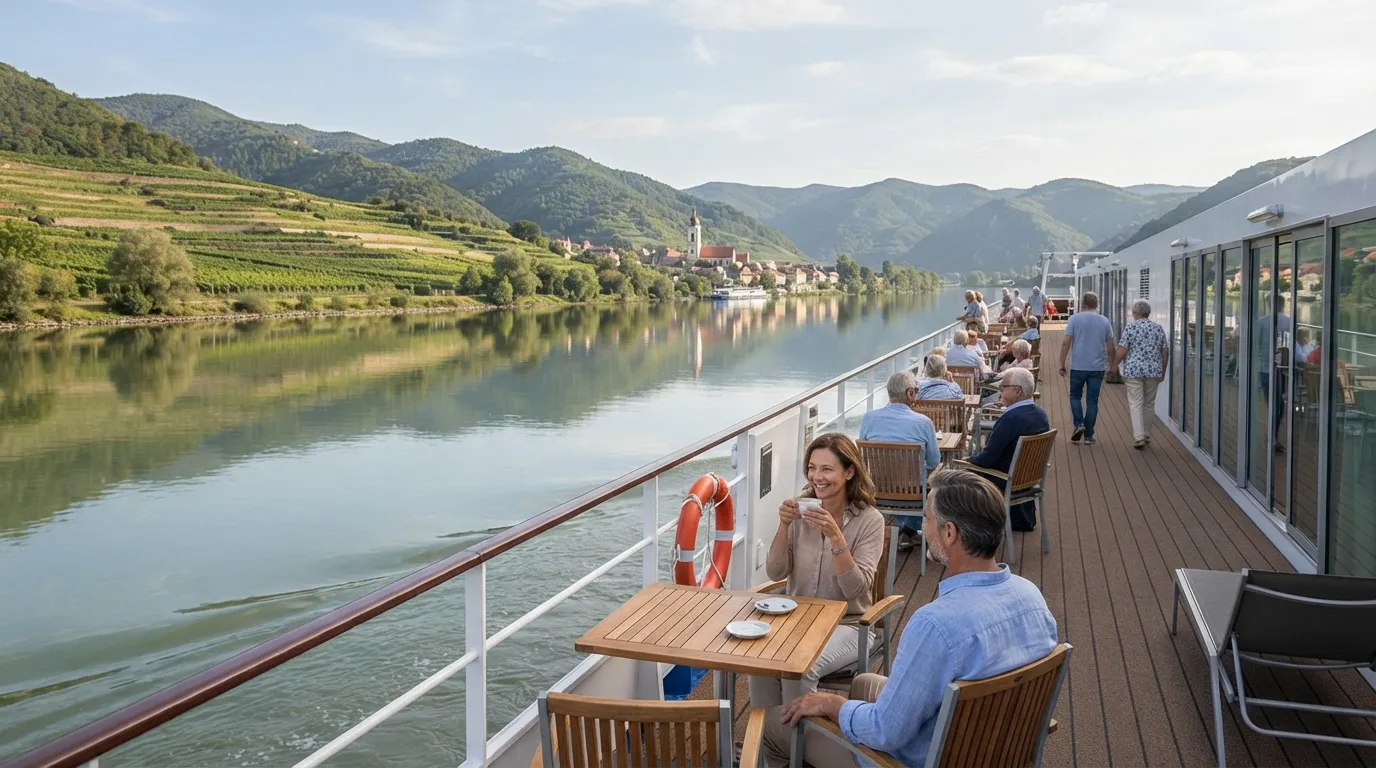
If you’ve been nervous about getting seasick, this one is a relief. River cruises stay on protected waterways like the Danube and the Rhine, so rolling swells simply aren’t part of the picture.
The low, stable ships glide rather than pitch, and the only movement most guests notice is the gentle bump of a lock transit. Crew members still keep remedies on hand, but most passengers never need them.
The sensation is closer to a floating boutique hotel than a seagoing ship. You can sip coffee while villages float by, and nobody has to grip the railing. That steadiness is one of the quiet reasons people who swore off cruising end up booking a second river trip.
#14 – Docking Near Central Paris and Rouen with Uniworld on the Seine
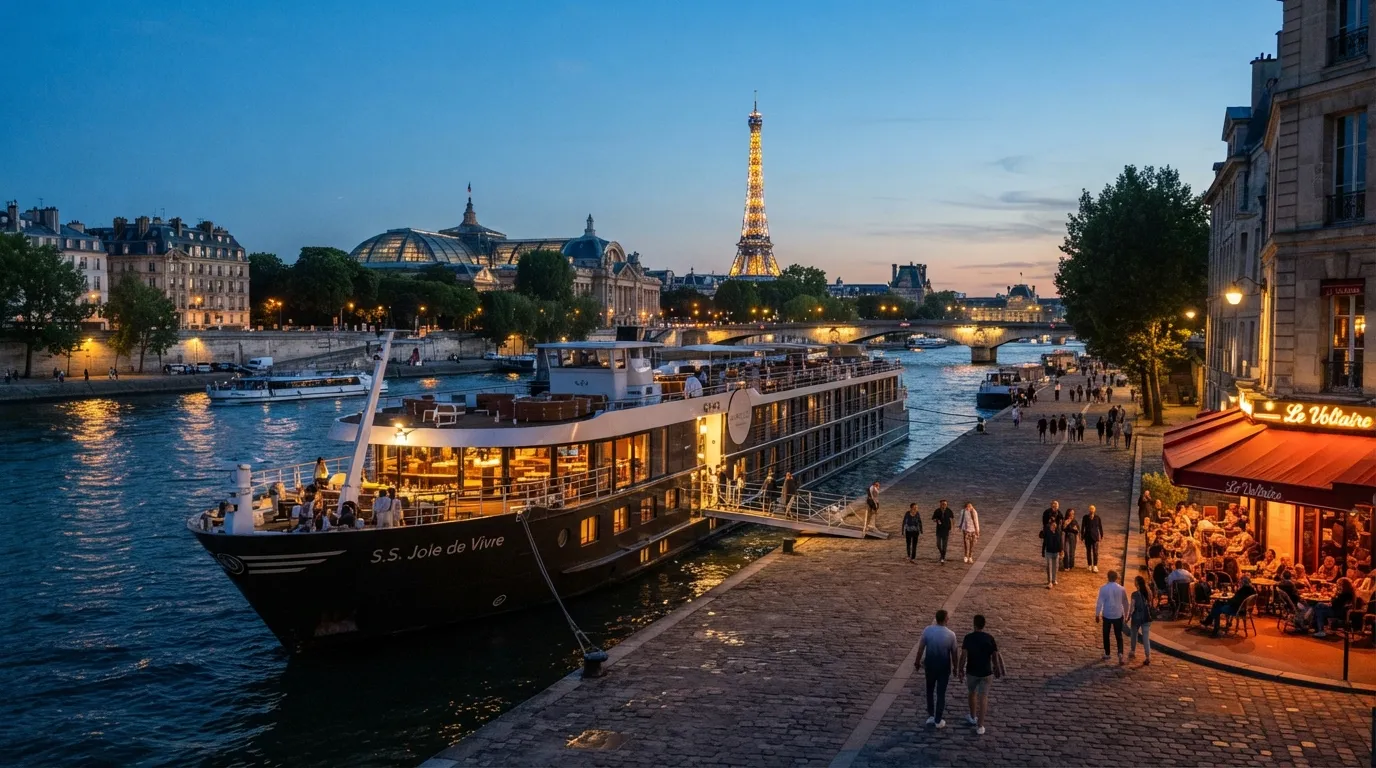
Some river ships tie up astonishingly close to the action. On the Seine, Uniworld guests can step off the ship after dinner and be in the middle of the city, whether that’s Paris or Rouen, without a tender or a long transfer.
That closeness changes how you spend your free time. You can take a post-dinner stroll, find a cafe, or simply see the city lights without signing up for anything.
Before heading out alone, check departure times with the crew. A ship that’s docked in the center of town is wonderfully convenient, but it still leaves on schedule, and the gangway doesn’t wait for a second dessert.
#13 – Small Ships and Shared Tables on AmaWaterways
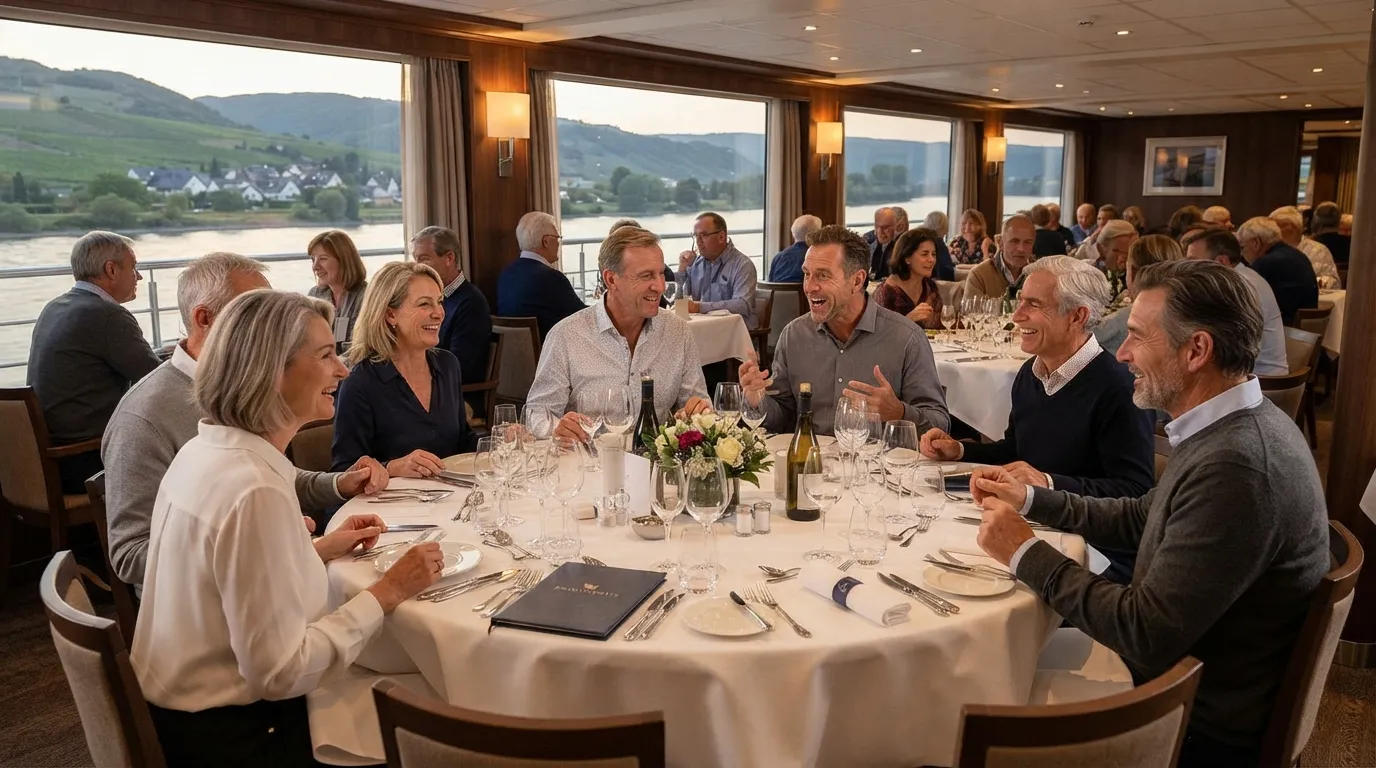
Forget the huge dining halls of ocean ships. River vessels typically carry roughly 120 to 190 guests, so everyone fits in one main restaurant at the same time.
Quick Compare
- River ship: roughly 120 to 190 guests, one main restaurant for everyone
- Ocean mega-ship: huge dining halls and far more faces to keep track of
- Result: on a river ship, you recognize people by night two or three
On AmaWaterways ships, tables mix passengers from meal to meal, and conversations grow naturally. You start learning who loves the wine tours and who skips breakfast. Some lines assign tables for the entire cruise, while others rotate.
Port talks and lounge gatherings reinforce the feeling that you’re part of a traveling village. It’s a very different mood from a mega-ship, and for many guests, it’s the reason the last night feels a little bittersweet when the goodbyes begin.
#12 – Complimentary Bikes for Independent Exploring on AmaWaterways
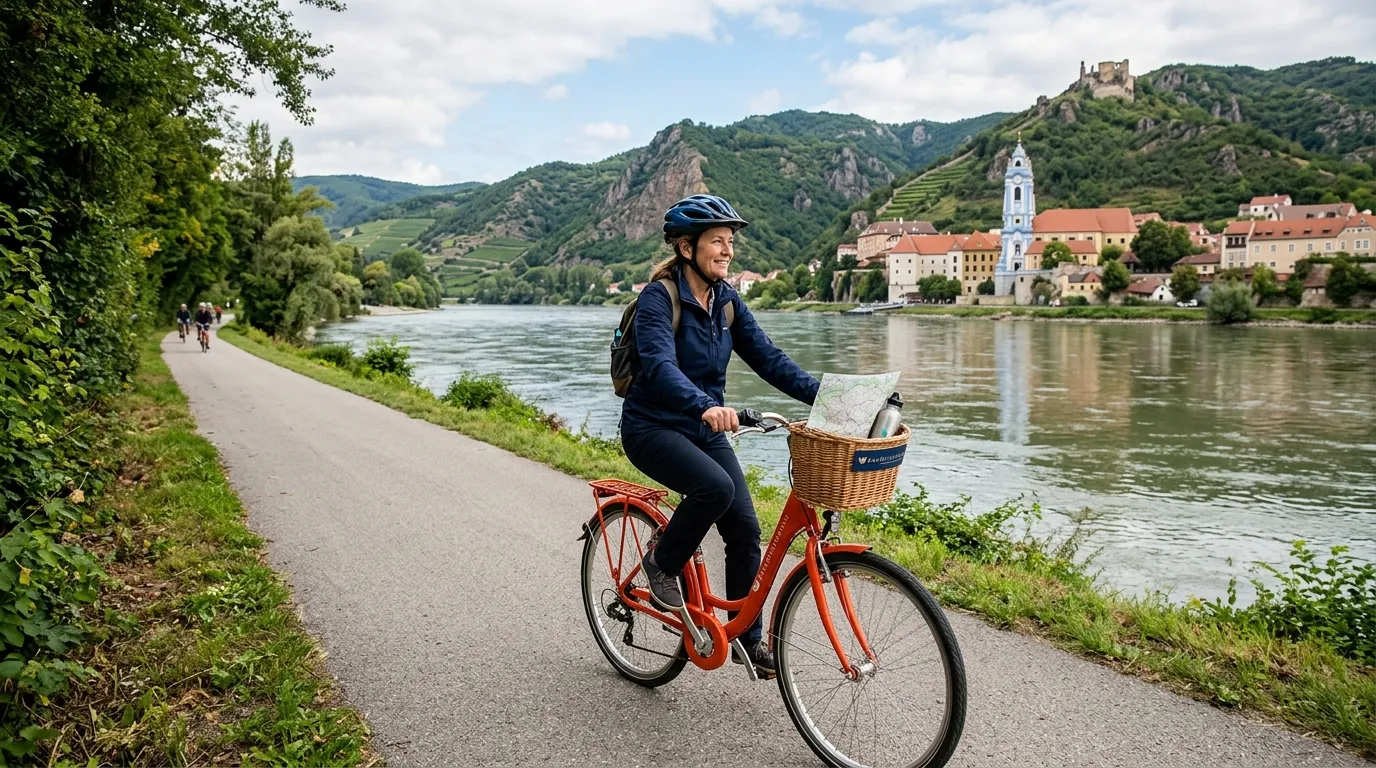
Here’s a perk that some travelers don’t know about until they’re standing on the dock. Many AmaWaterways ships keep bikes onboard for guests to use in port, and helmets and maps come standard.
That means you can skip a walking tour and head out on riverside paths or to a nearby village at your own pace. Routes along the Rhine and the Danube are often flat and scenic, which makes this a great option for casual riders.
The bikes add real flexibility without an extra charge. You can watch a church tower grow larger on the horizon, stop whenever you like, and roll back to the ship with a story the group tour never gave you.
#11 – Sip & Sail Cocktail Hours on AmaWaterways
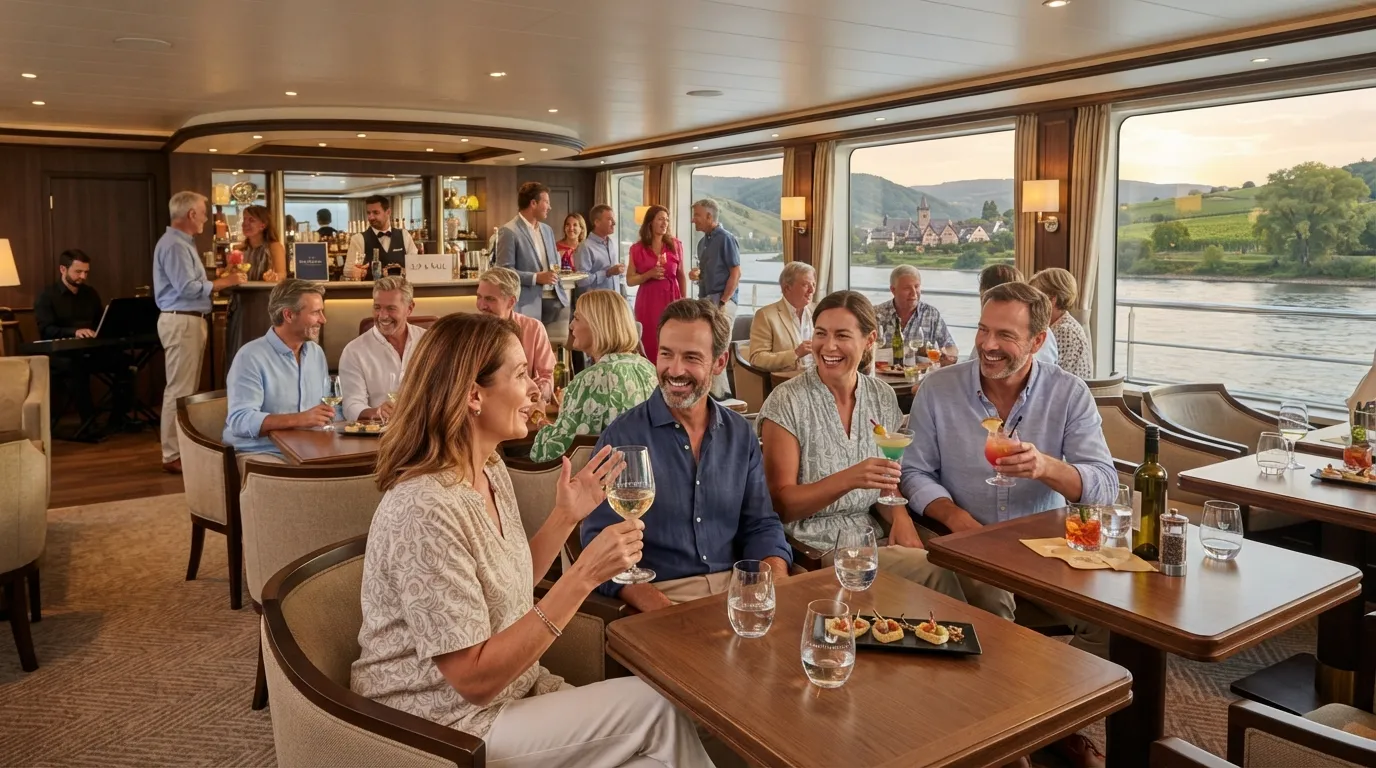
There’s a small ritual on AmaWaterways that tends to sneak up on you. Before dinner, the lounge fills for Sip & Sail, a gathering with a rotating cocktail and a nonalcoholic option.
Live music sometimes plays in the background, and regional wines feature prominently on many sailings. Passengers swap stories from the day, compare photos, and trade tips about the next port.
It appears in the daily program without much fanfare, so you might miss it if you don’t read closely. Those who show up often find that this hour becomes the social heartbeat of the trip. It’s an easy, low-pressure way to meet people before the dining room opens.
#10 – Lock Transits on the Douro and the Rhine
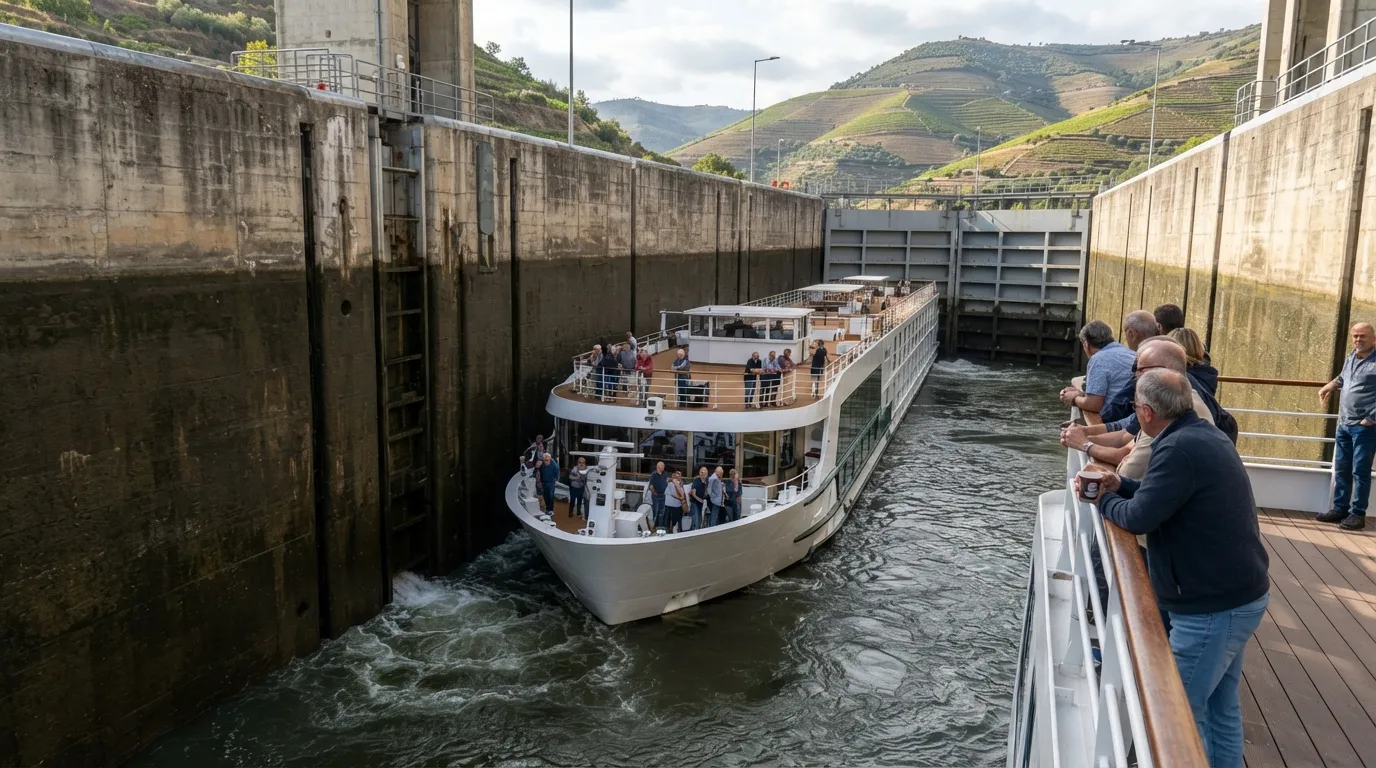
Locks sound dull until you’re in one. Ships on routes like the Douro and the Rhine pass through dozens of them, and watching the water rise or fall around the hull can feel oddly hypnotic.
The Douro is famous for its big locks, including Carrapatelo, one of the deepest in Europe. Guests watch from lounge windows or designated safe deck areas, and the captain often explains how it all works.
The process takes only minutes, but it reveals the engineering that makes river travel possible. Some lines allow brief views from French balconies during safe passages. By the third or fourth lock, you may find yourself setting down your coffee just to watch.
#9 – Limited Room Service and Set Meal Windows on European River Ships
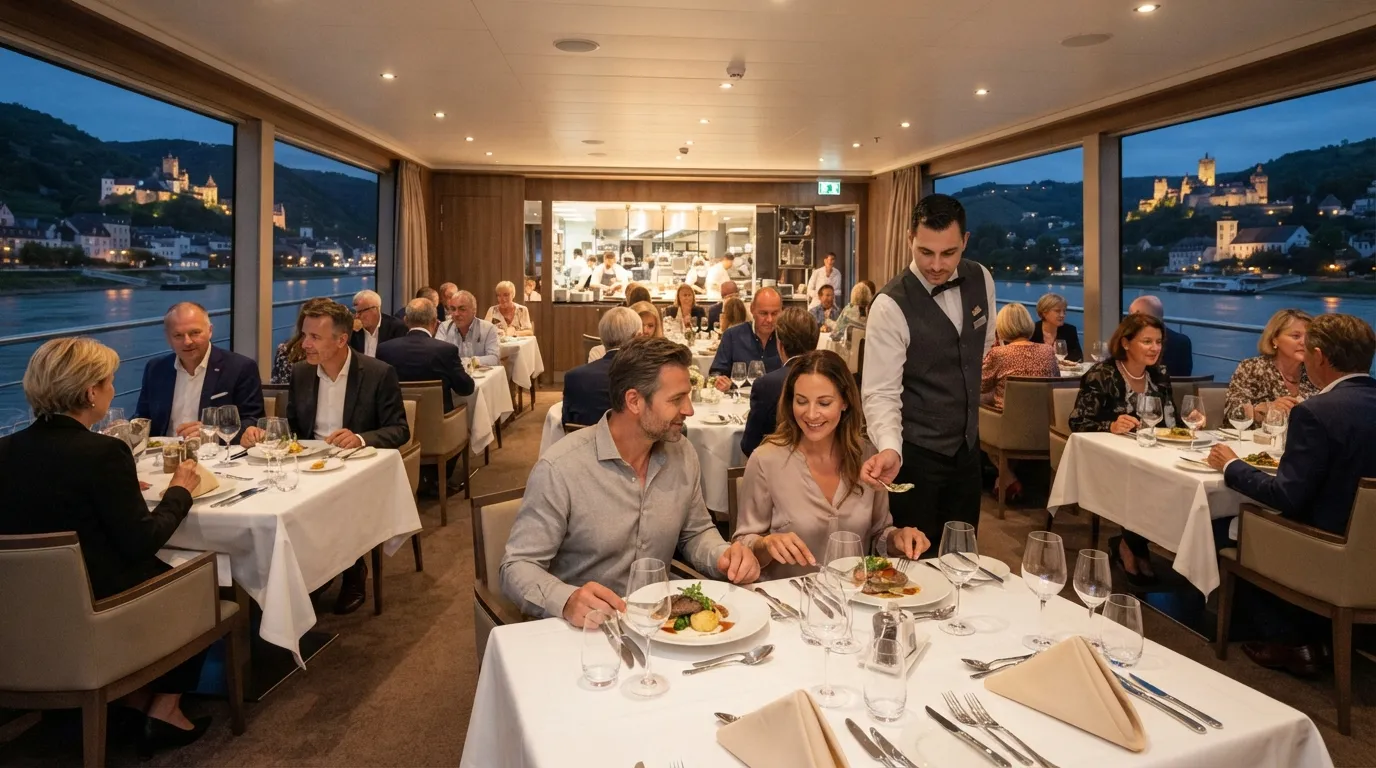
If you’re used to ordering anything at midnight, river cruising can be a surprise. Room service is minimal or unavailable on many standard river ships, and meals follow set windows in the dining room.
Breakfast and lunch run at scheduled times, and dinner usually happens in a defined window for the whole ship. A few lines offer extra dining options, such as the Chef’s Table on some Viking and AmaWaterways ships.
The structure keeps service smooth on small vessels with limited kitchen space. It also means you plan around the published schedule rather than your stomach. Grab a snack from the lounge if you know you’ll need one, and don’t count on a tray arriving at your door.
#8 – Casual Dress Codes Instead of Ocean-Style Formal Nights
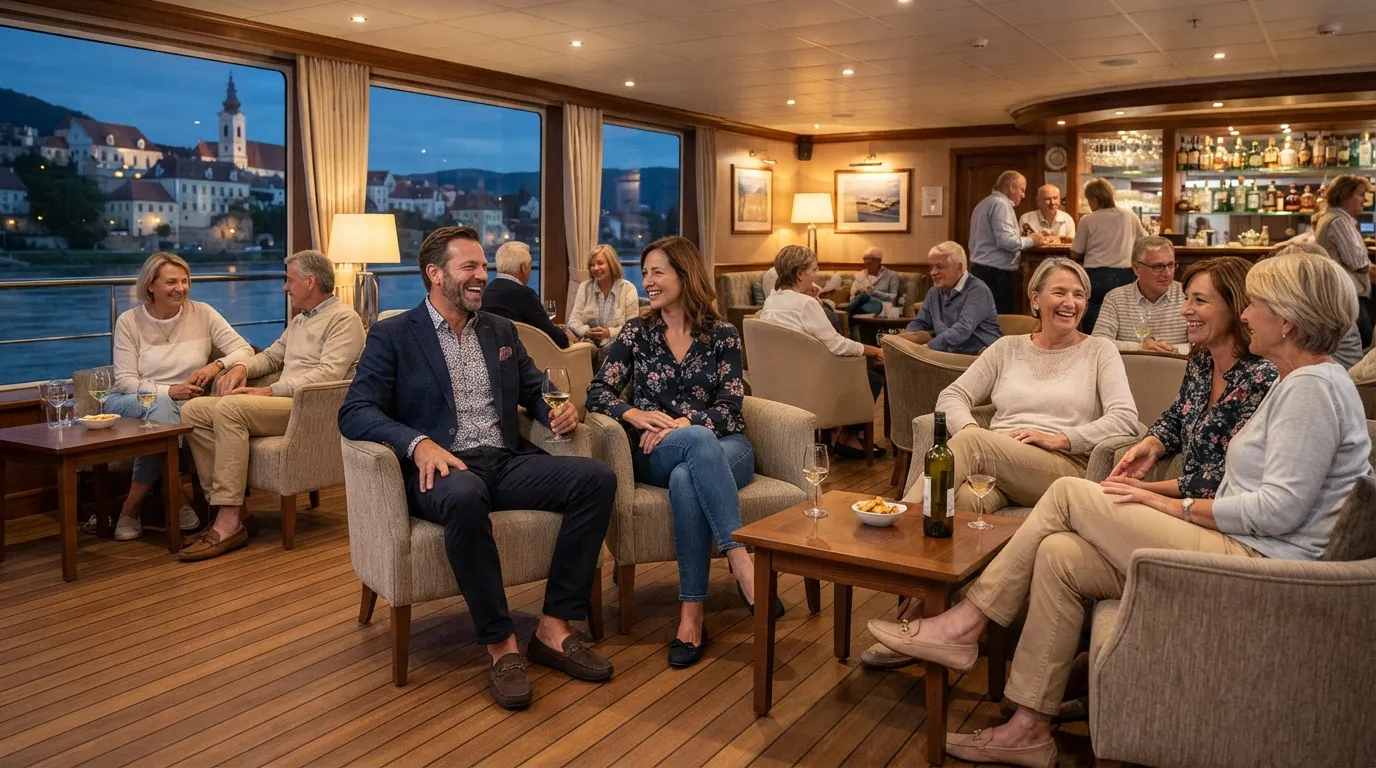
Packing for a river cruise is a relief. There are no tuxedo nights and no gown rental panic. Operators like Riviera Travel keep the mood relaxed, and most evenings call for comfortable, neat clothing.
The days are active, with walking tours, short transfers, and cobblestone streets, so practical shoes matter more than fancy outfits. The atmosphere feels closer to a boutique hotel than a grand ocean liner.
That means lighter suitcases and fewer decisions. Many guests discover they wore the same favorite outfits again and again, and nobody noticed. The only real dress rule is to be ready for weather that can change from one port to the next.
#7 – Daily Water Level Checks at the Kaub Gauge on the Rhine
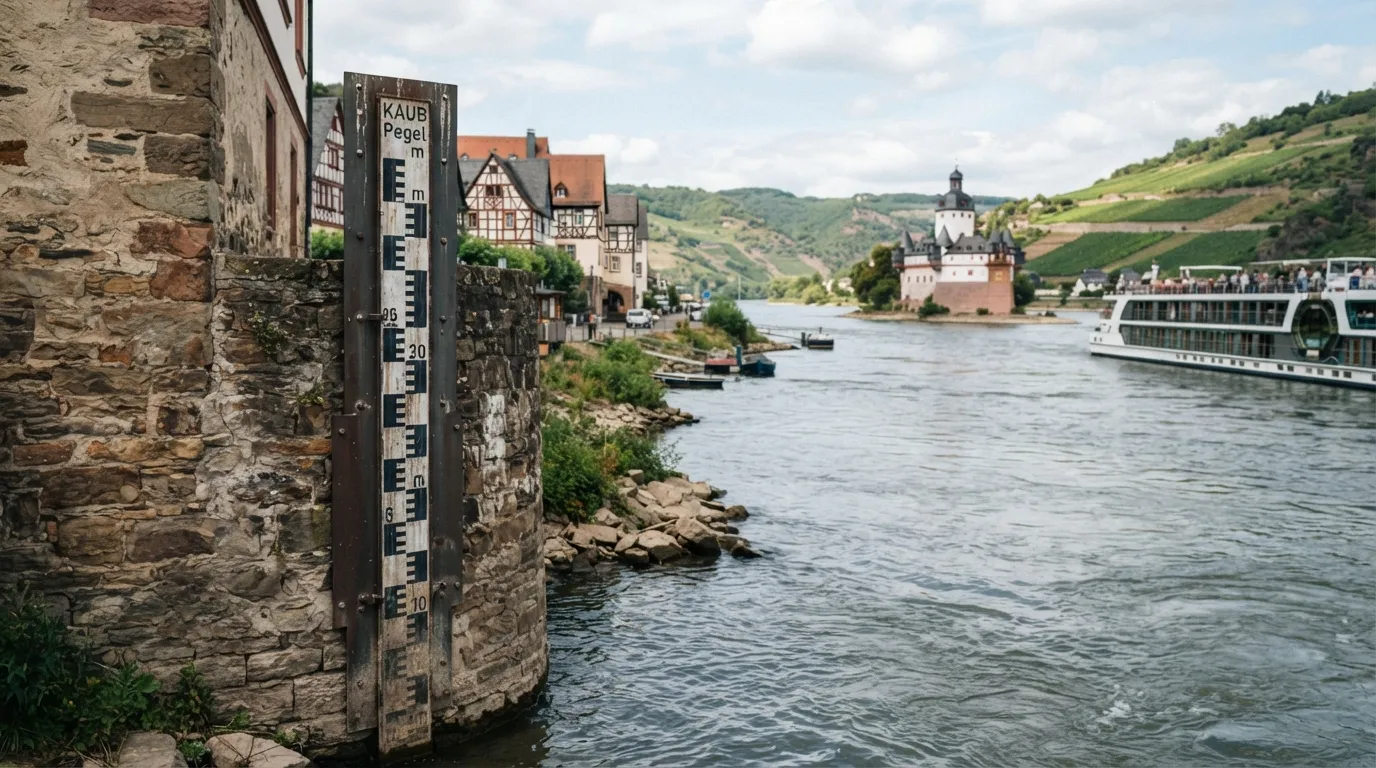
Behind the scenes, captains are watching numbers you’ll never see on a menu. One of the best known is the gauge at Kaub on the Rhine, a spot that river travelers and shipping companies keep a close eye on, especially in dry periods.
Readings help determine safe draft and whether a ship can carry its full load. Low water can restrict weight or force changes to the plan, and high water can close sections too.
Worth Knowing
- Kaub is a closely watched gauge point on the Rhine
- Low water can limit how much weight a ship carries
- High water can close sections of river, too
- Your cruise director is the best source for live updates
Cruise directors often share updates onboard, which is when many guests first learn that their trip depends on a river gauge. It’s a quiet reminder that the river, not the schedule, has the final say.
#6 – Ship Swaps When a Danube Section Is Blocked
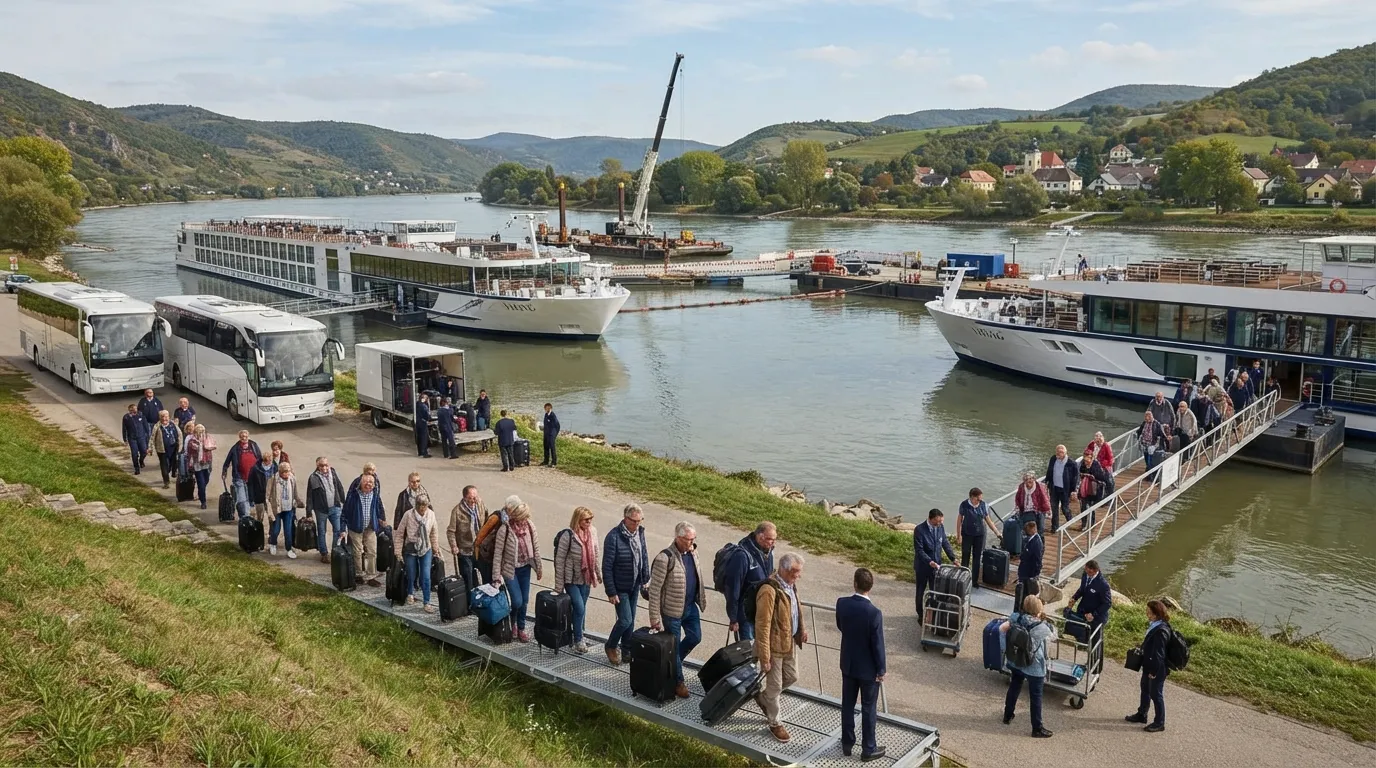
When a stretch of river becomes impassable, some lines have a creative workaround. Guests are bused around the blocked section and transferred to a sister ship waiting on the other side.
Viking and other operators have used this method on the Danube. Luggage typically moves with passengers to a matching stateroom, which keeps the disruption as small as possible.
It still takes coordination, and policies vary by line and sit in the fine print. Most travelers never think about this possibility until conditions change. The upside is that the trip continues, and the story about changing ships mid-cruise often becomes the one people tell the most.
#5 – Christmas Market Sailings in Cologne, Nuremberg, and Budapest
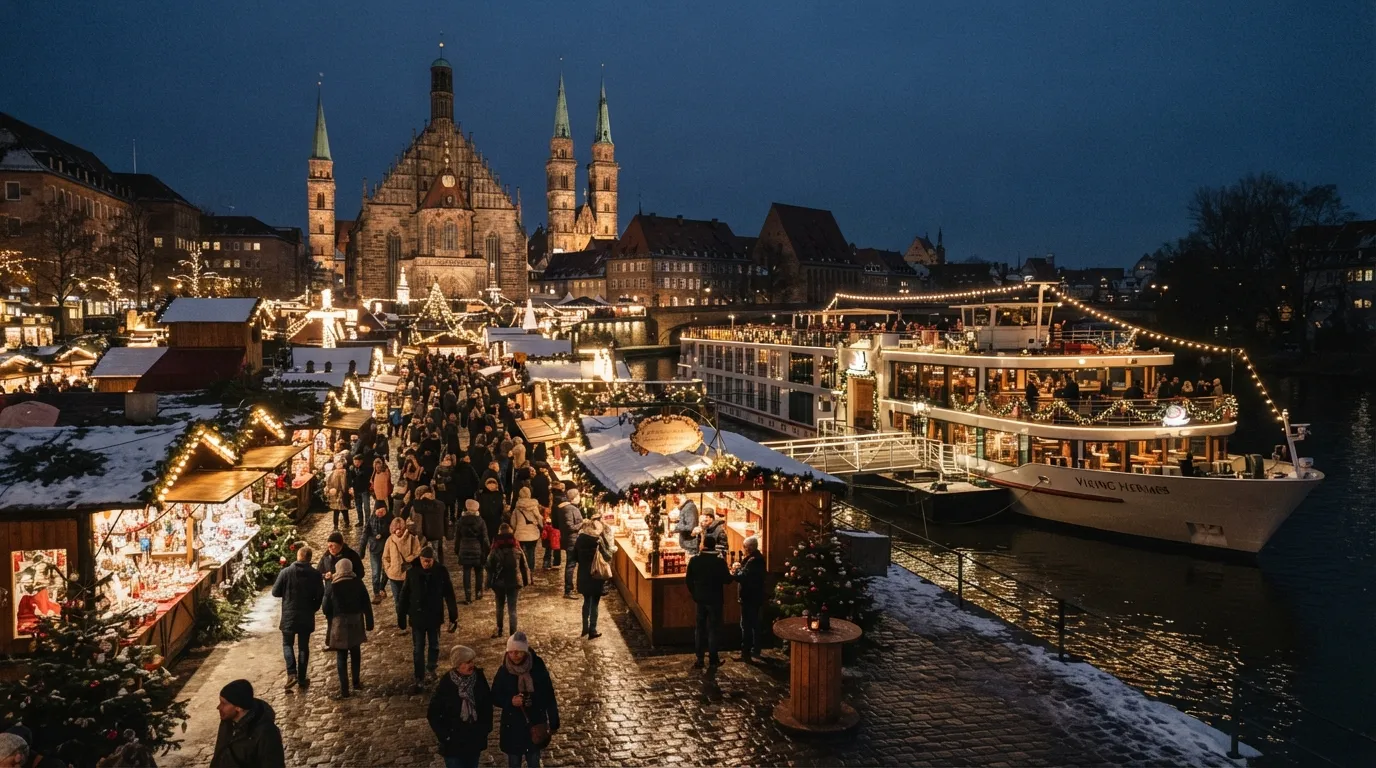
Not every river cruise looks like a summer postcard. Winter sailings on the Rhine and the Danube focus on holiday markets in cities like Cologne, Nuremberg, and Budapest.
Ships decorate for the season and offer mulled wine tastings, while excursions center on festive stalls and local crafts. These cruises run from late November into December, and the mood is more cozy than sunny.
Many markets operate in the evenings near the docks, so you can slip out after dinner and return with warm hands and a bag of gifts. It’s a completely different side of river cruising, and for some travelers, it’s the best one.
#4 – Yoga and Active Wellness Programs on AmaWaterways
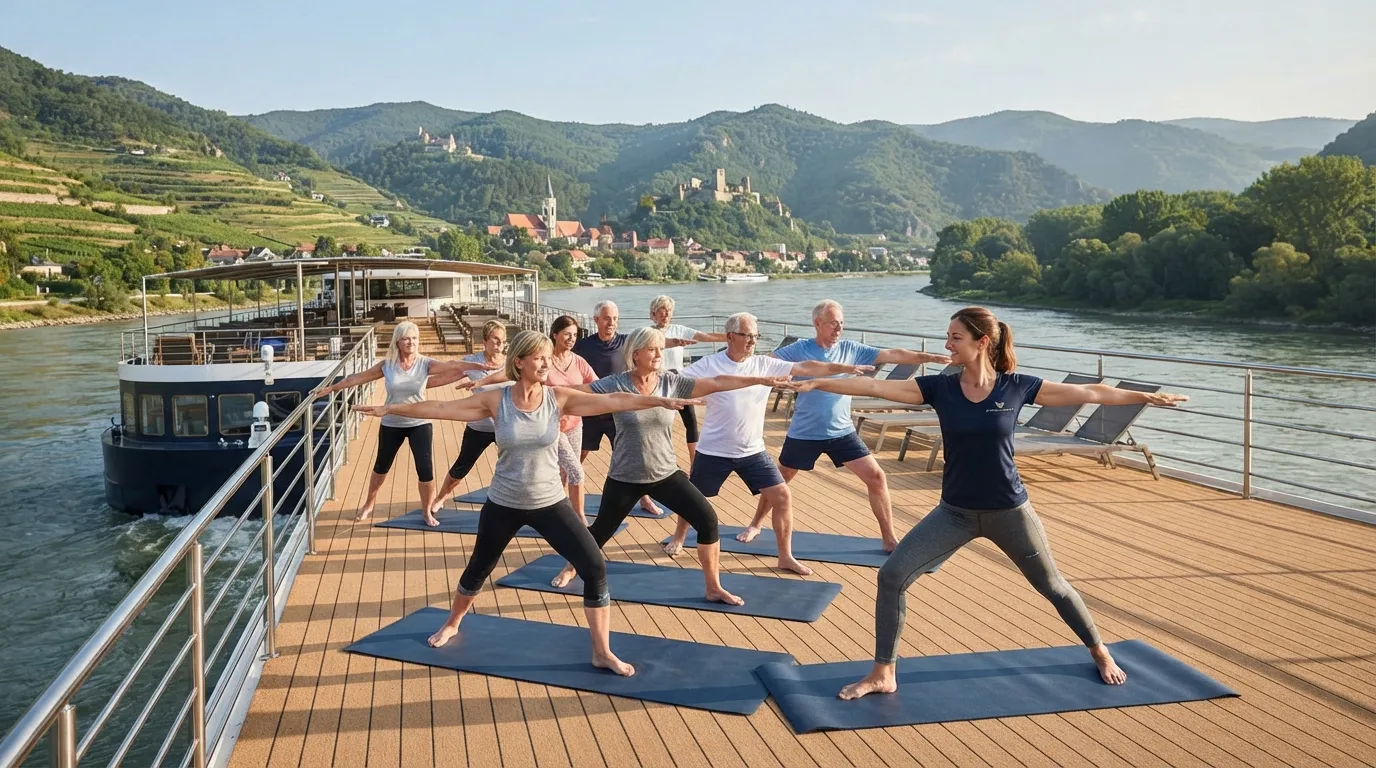
River cruising isn’t only about wine and sightseeing. AmaWaterways offers yoga classes and wellness programming on select sailings, giving guests a way to stretch before a day of walking cobblestones.
Biking and hiking excursions complement the onboard sessions, which suits travelers who want movement alongside culture. Instructors adapt to river conditions and group abilities, so beginners don’t feel out of place.
The program runs alongside the standard tours, and participation is optional. That flexibility is the appeal. You can start the morning with a calm stretch, join the guided walk, and still make it to the lounge in time for the evening cocktail hour.
#3 – Evening Port Talks with Next-Day Insider Tips
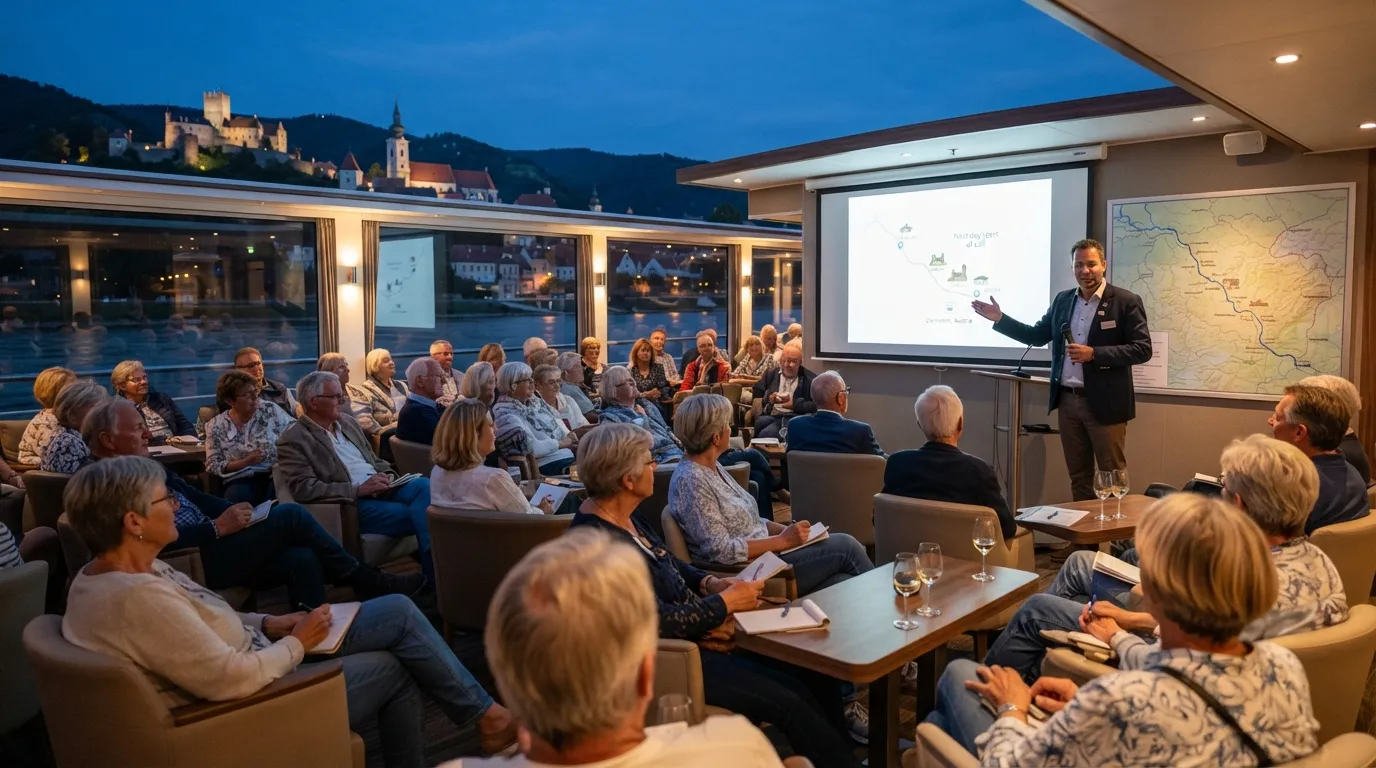
Easy to skip, and often worth showing up for. Each evening, the cruise director holds a port talk covering the weather, optional activities, and local tips for the next stop.
Why It Stands Out
- You hear the next day’s schedule, including any rafting notes
- Staff share timing advice, like when a market closes
- Local tips can point you to a better bridge view
- It helps you plan free time instead of guessing
The information comes directly from the onboard staff, who know the route well. A small tip can change your whole day.
By the last night, many guests realize the people who showed up to the talks were the ones who always seemed to know where to go.
#2 – The Farewell Dinner with Regional Specialties
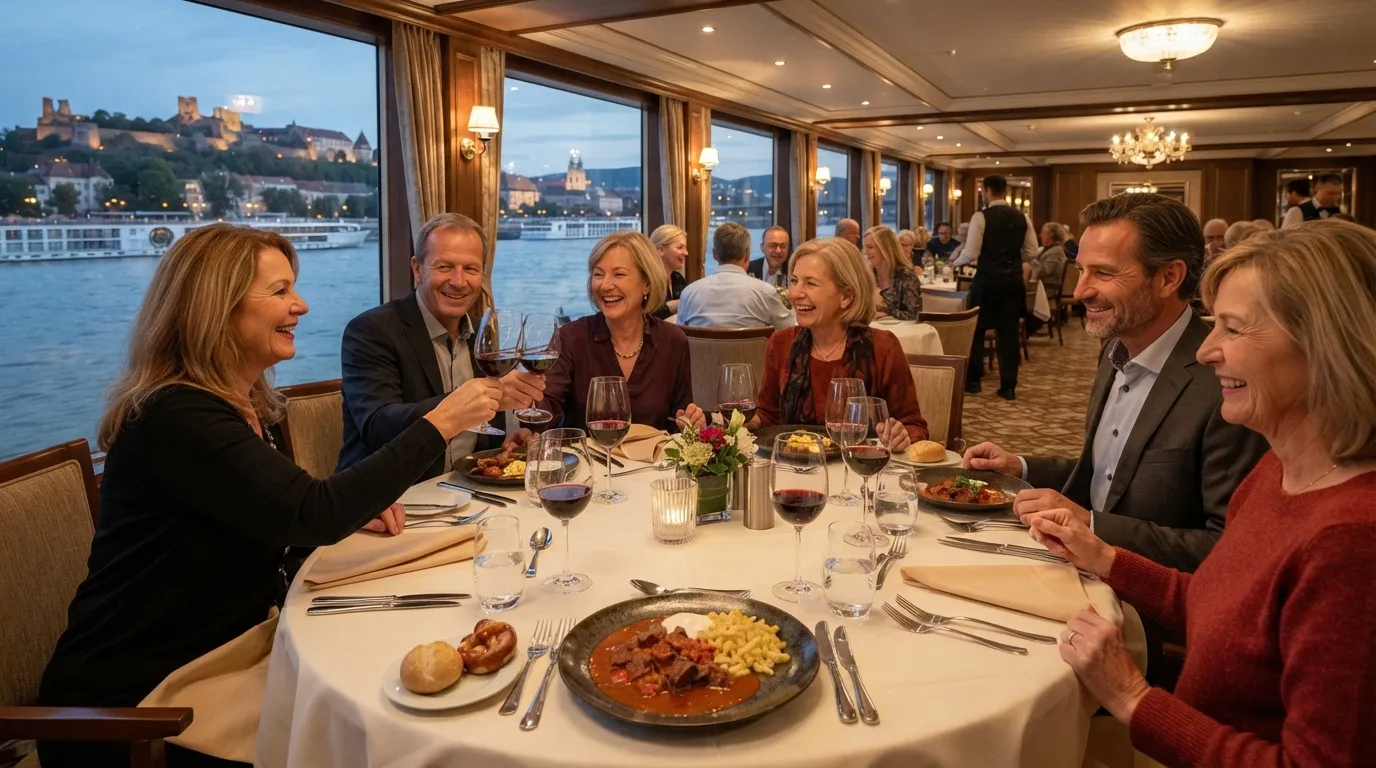
The final evening often arrives with a captain’s dinner and a menu that feels like a recap of the whole journey. Lines like Viking present multi-course meals with local wines and dishes from the route.
Menus may draw from ports you’ve visited, such as goulash after Hungary or pretzels after Germany. Toasts bring a quiet moment of reflection, and suddenly the week doesn’t feel so short.
The event feels more personal on a small ship, because you know the crew, the servers, and half the people in the room. It marks the shift back to land, and that’s when many guests realize they’ve stopped thinking about the schedule and started thinking about the friends they made.
#1 – The Daily Lock and Bridge Adjustments You Only Notice by the Last Night
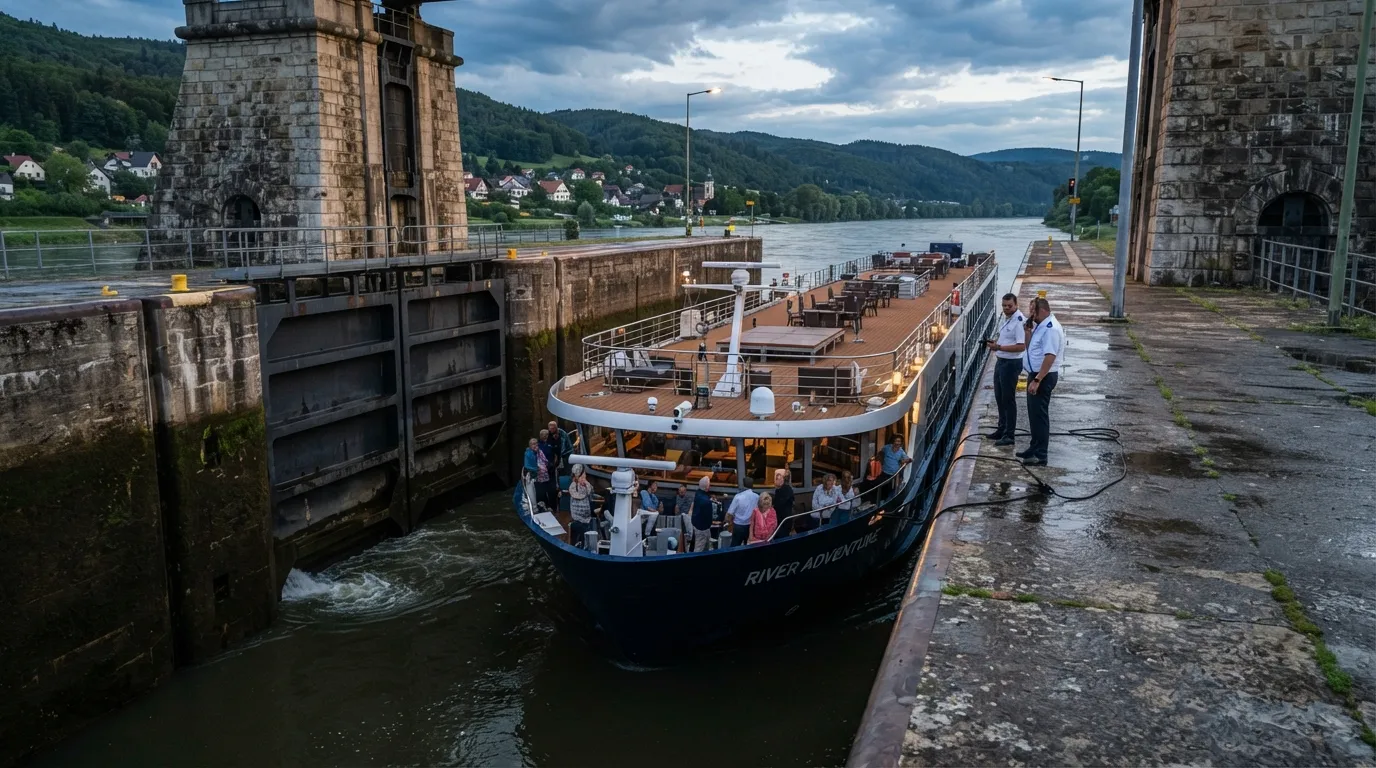
The biggest secret isn’t a fee or a rule. It’s the constant, quiet work happening around you. By the last night, you’ve seen the crew lower decks for bridges, watch water levels, and guide the ship through locks again and again.
At first, each moment feels like a surprise. By the end, it becomes a rhythm, and you realize the ship has been adapting to the river the entire time.
The small scale makes every adjustment visible and shared. Guests leave understanding the precision required on rivers like the Rhine and the Danube. That hidden choreography explains why river cruising feels unlike any other form of travel, and why the last night can feel so much bigger than the first.
CEO-Co-Founder
