


- The Forgotten Female Voices of American History - October 15, 2026
- The Assassination of Robert F. Kennedy: A Look Back 57 Years Later - October 15, 2026
- 20 Songs That Reflected America’s Changing Gender Roles - October 15, 2026
#22 – Tell Laura I Love Her – Ray Peterson
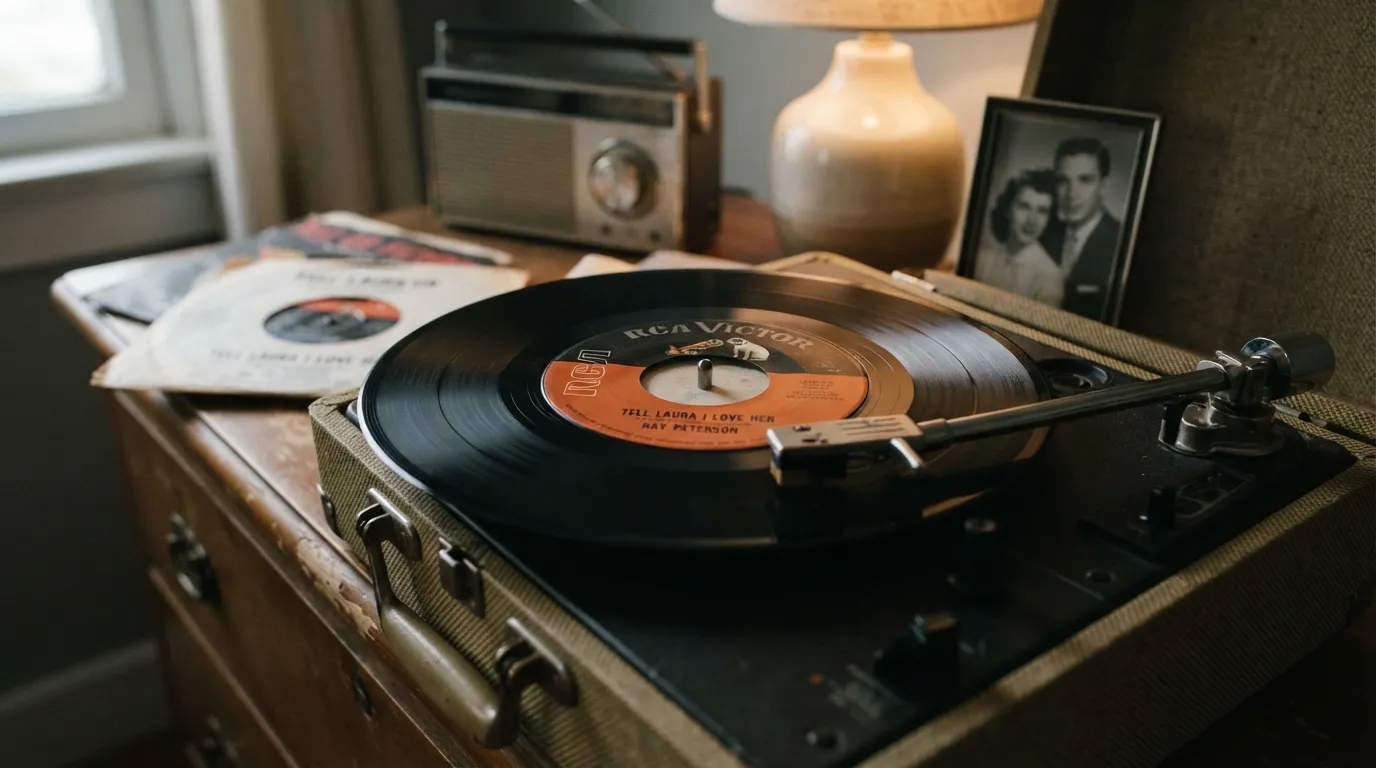
Radio stations in the early 1960s worried that songs about teenage death would encourage dangerous driving. Ray Peterson’s 1960 single told the story of a stock car racer who dies in a crash and asks a friend to deliver his final message. Many programmers pulled the track from playlists to avoid any perceived glorification of risky behavior. The ban did not stop sales. The record climbed the charts and became one of the first major “teen tragedy” hits. Peterson’s straightforward vocal delivery and the simple arrangement kept listeners engaged even when airplay was limited. The single still reached the top ten in several markets despite the restrictions. Stations eventually eased the restrictions once the song proved popular with audiences who simply wanted the story.
#21 – Will You Still Love Me Tomorrow – The Shirelles
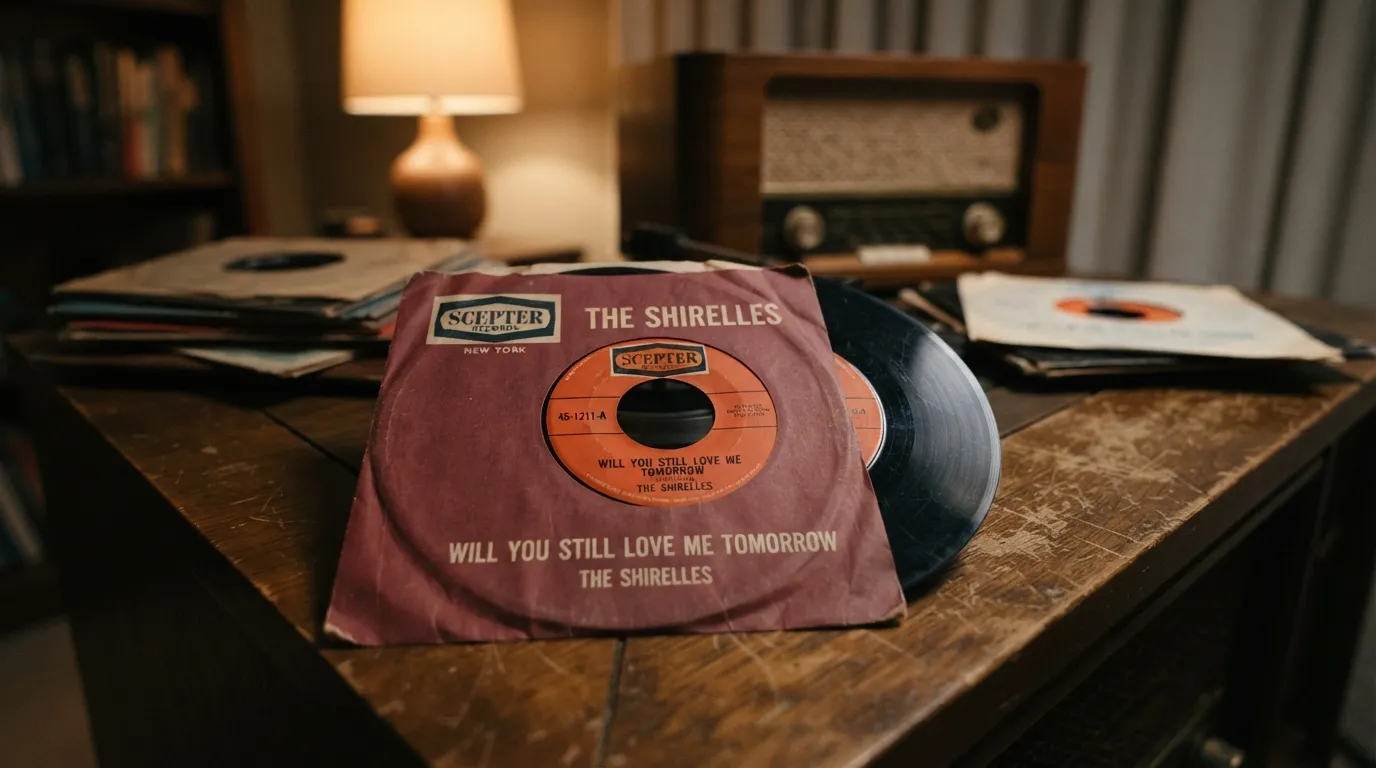
The Shirelles’ 1960 release asked a direct question about the morning after intimacy. Some stations found the subject too frank for daytime radio and kept the record off playlists. The group became the first Black female act to top the Billboard Hot 100 anyway. The lyrics captured a real concern many young women shared at the time. Radio resistance only made the track more talked about among listeners who sought it out on their own. The song’s chart success showed that audiences responded to honest portrayals of relationships. Later reissues and covers kept the track in circulation long after the initial controversy faded.
#20 – Louie Louie – The Kingsmen
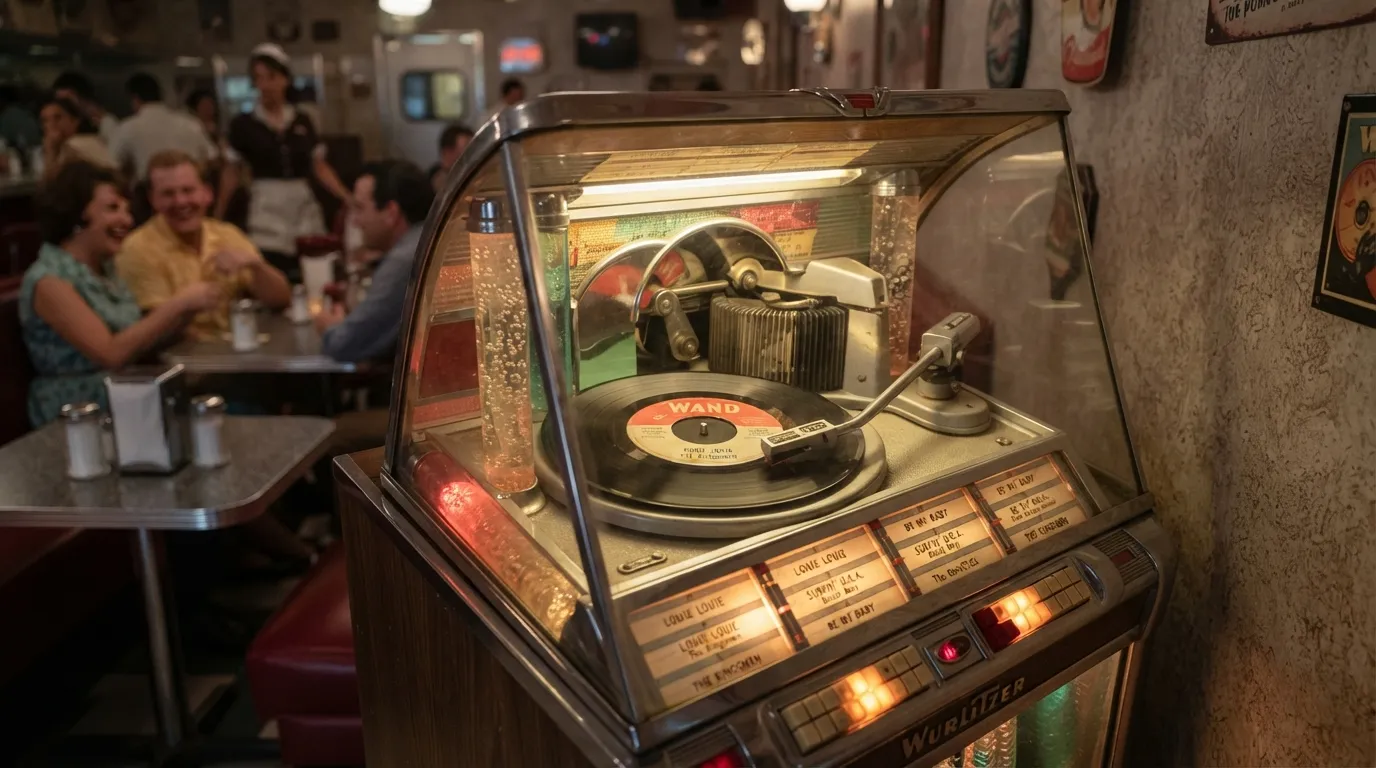
The Kingsmen’s 1963 garage-rock single featured slurred vocals that sparked rumors of hidden obscene lyrics. The FBI opened an investigation that lasted more than two years before concluding the words were unintelligible at any speed. Multiple stations still refused to play the record. The controversy turned the track into a national talking point. Sales continued to grow through jukebox plays and word of mouth. The song eventually became one of the most covered garage-rock numbers of the decade. Its raw energy and simple riff survived every attempt to keep it off the air.
Fast Facts
- Richard Berry wrote the song in the 1950s, years before the Kingsmen touched it.
- The Kingsmen cut their version in Portland, Oregon, in 1963.
- It peaked at No. 2 on the Billboard Hot 100.
- In 1964, Indiana Governor Matthew Welsh publicly asked stations to pull it.
#19 – Puff the Magic Dragon – Peter, Paul and Mary
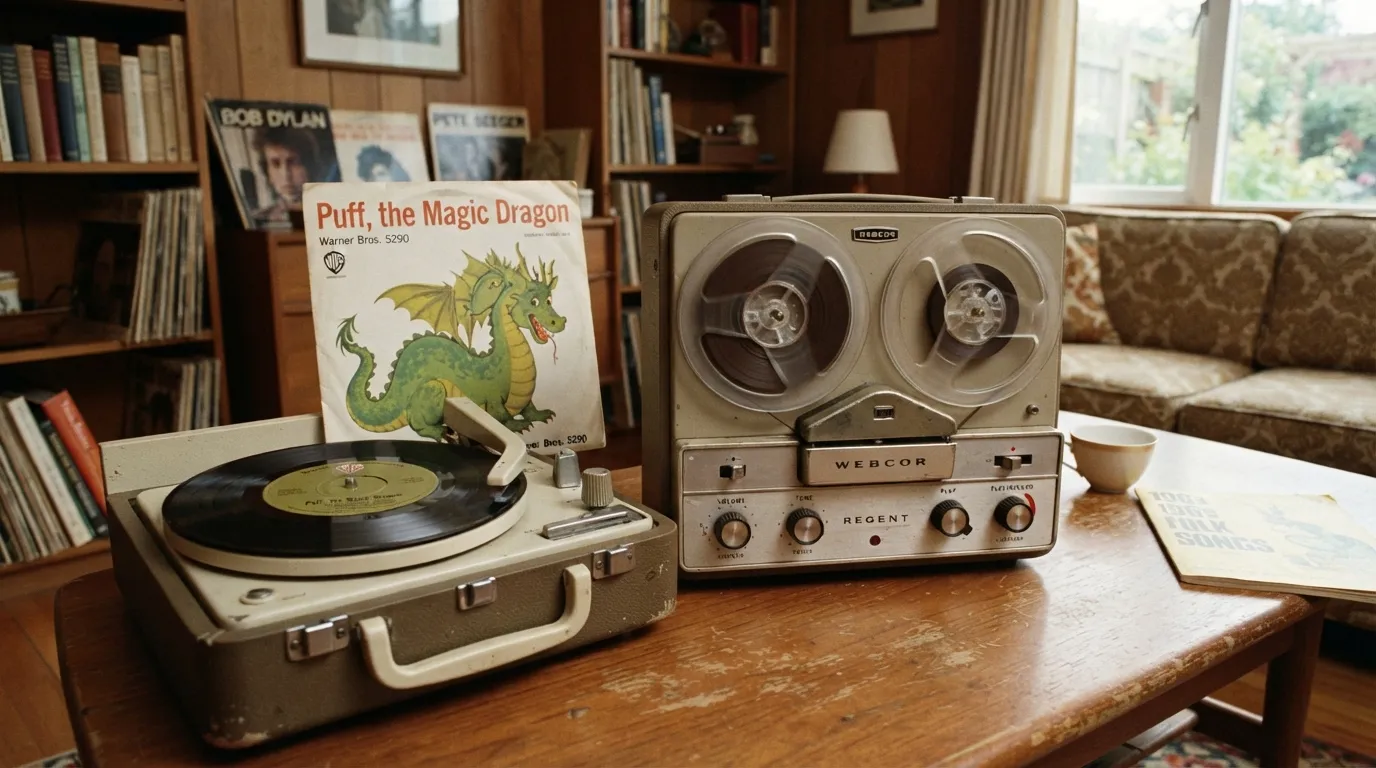
Peter, Paul and Mary’s 1963 folk hit told a story about a boy and his imaginary dragon friend. Some listeners insisted the lyrics contained drug references and pushed stations to drop the track. The group repeatedly stated the song was about childhood and loss of innocence. Airplay restrictions did not prevent the record from becoming a major seller. Parents and children continued to request it. The track reached the top of several charts and remained a staple of family radio for years afterward. Its gentle melody helped it outlast the brief period of suspicion.
#18 – Leader of the Pack – The Shangri-Las
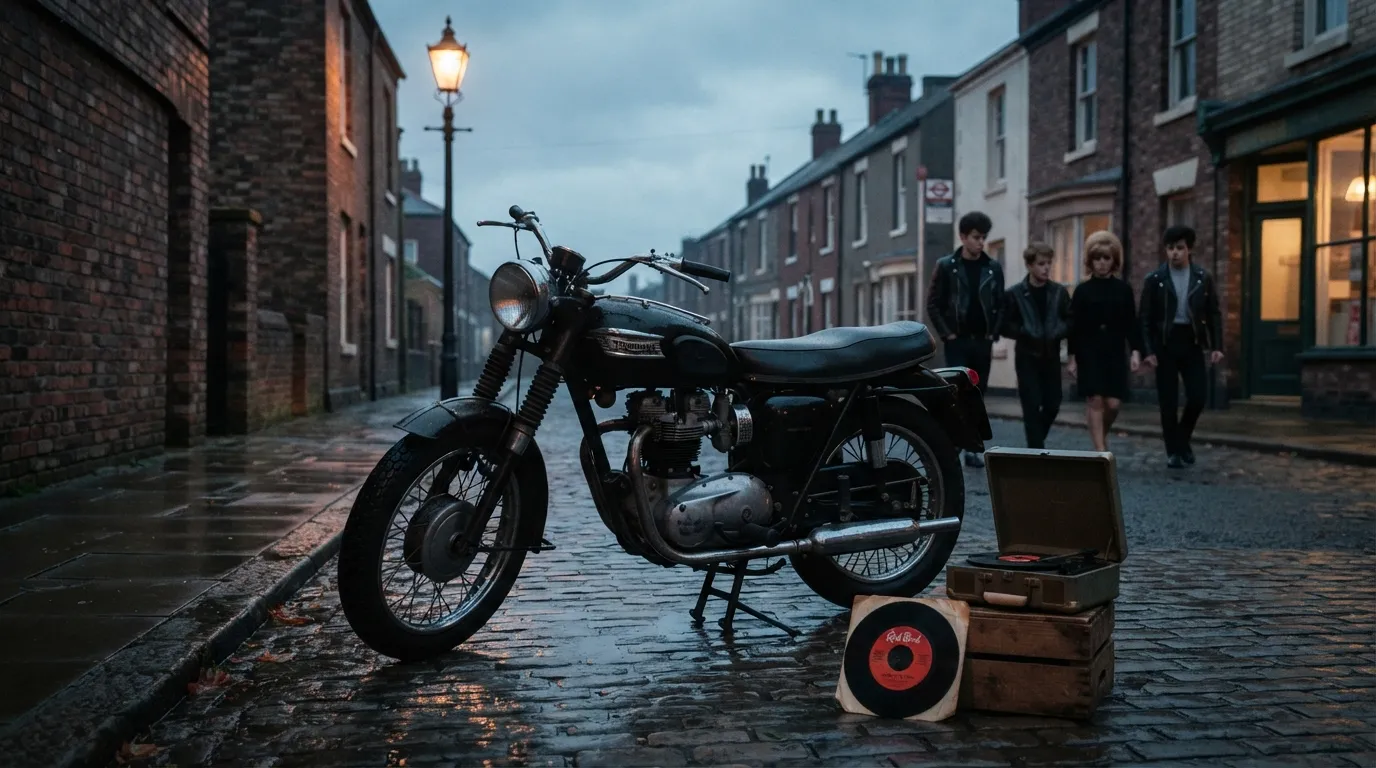
The Shangri-Las’ 1964 single described a motorcycle crash that killed a teenage boyfriend. The BBC and some American stations banned the record for promoting dangerous behavior. The dramatic spoken-word sections and sound effects made the story feel immediate. Listeners bought the single in large numbers anyway. The song became a defining example of the “teen tragedy” genre. It hit number one on the Billboard Hot 100 despite limited radio support in certain regions. The controversy helped cement its place in 1960s pop history.
#17 – My Generation – The Who
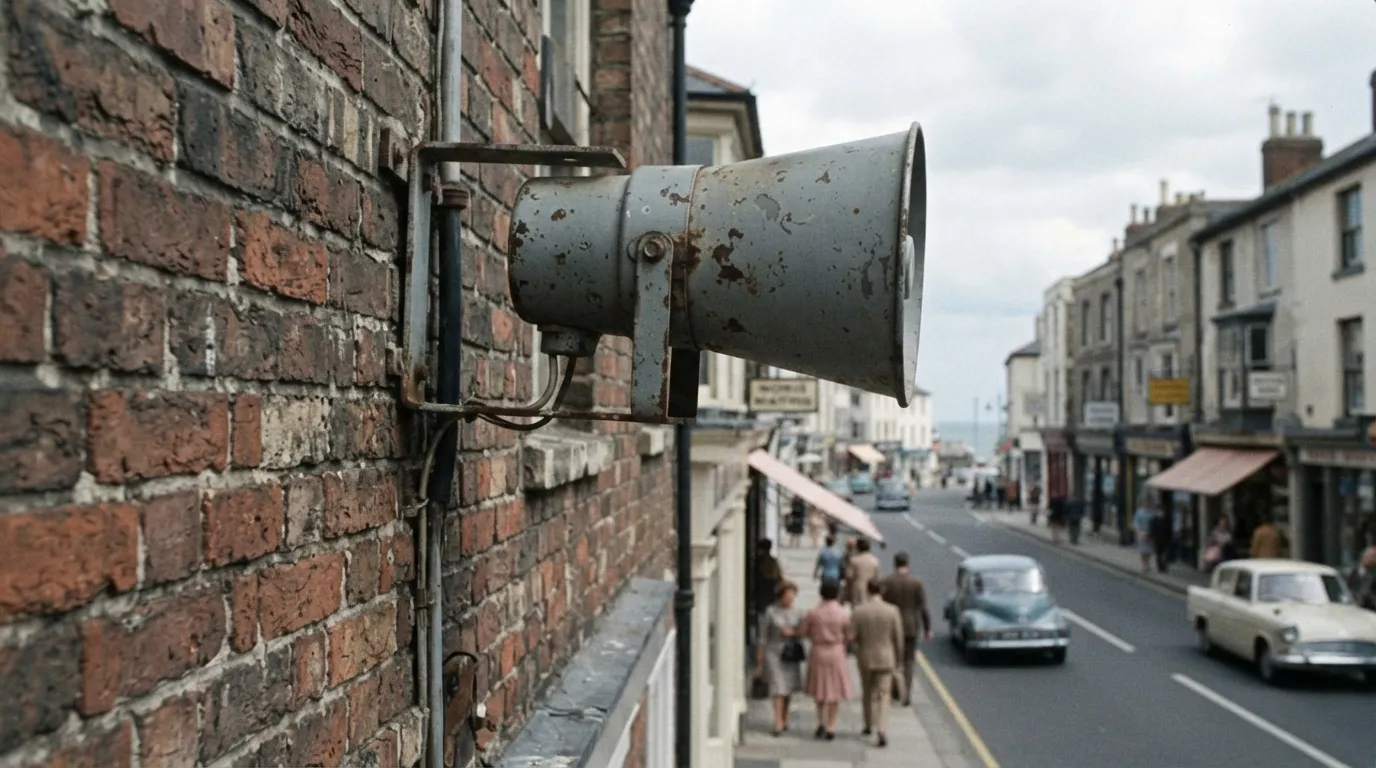
The Who’s 1965 anthem featured Roger Daltrey stuttering the line “Hope I die before I get old.” The BBC banned the single because programmers believed the delivery might offend people who actually stuttered. Pirate stations kept the track in rotation. The ban lifted after the song proved popular. It reached number two on the UK singles chart. The stuttering vocal became one of the most recognizable openings in rock. The track’s defiant attitude resonated with young listeners who ignored the official restrictions.
#16 – Eve of Destruction – Barry McGuire
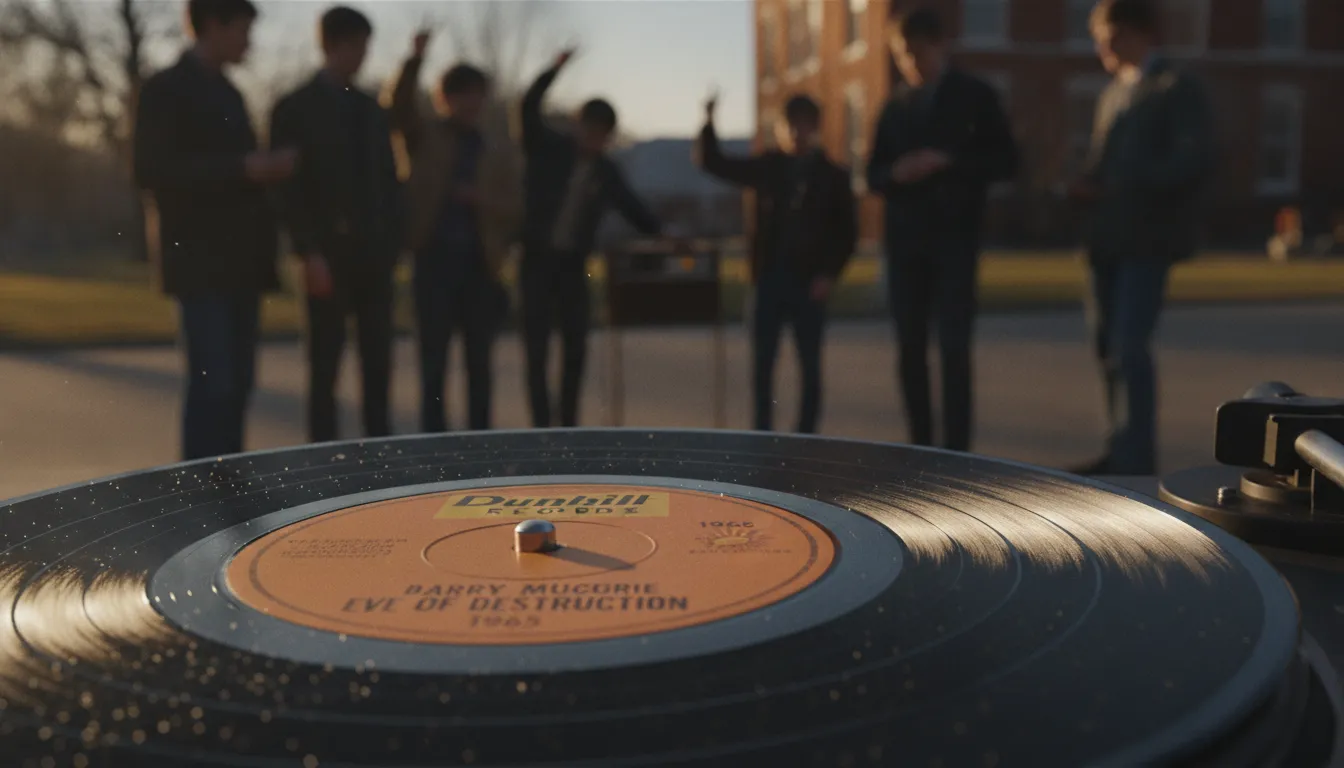
Barry McGuire’s 1965 protest song criticized war, racism, and political hypocrisy. Several stations labeled it unpatriotic during the Vietnam era and refused to play it. The record still climbed to number one on the Billboard Hot 100. The blunt lyrics captured widespread frustration among young people. Controversy only increased demand. The song’s chart-topping run occurred even while major networks kept it off their playlists. Its success demonstrated how bans could amplify a message rather than silence it.
#15 – Eight Miles High – The Byrds

The Byrds’ 1966 single used the phrase “eight miles high” in a song about touring. Stations interpreted the line as a drug reference and pulled the track. The band maintained the title referred to airplane altitude. Limited airplay did not stop the record from reaching the top twenty. The jangly guitar sound and psychedelic edge kept fans interested. The song helped define early psychedelic rock even with restricted radio support. Its influence on later bands outlasted the brief period of censorship.
#14 – God Only Knows – The Beach Boys

The Beach Boys’ 1966 ballad included the word “God” in the title and chorus. Some programmers considered the usage inappropriate for a pop love song and kept the single off certain playlists. The sophisticated arrangement still found an audience. The track became one of the group’s most acclaimed recordings. Brian Wilson’s production stood out even without heavy promotion. The song reached the top forty and later appeared on numerous greatest-albums lists. Its emotional depth helped it endure beyond the initial objections.
#13 – Yellow Submarine – The Beatles

The Beatles’ 1966 children’s song from the Revolver album faced claims that the yellow submarine symbolized a type of barbiturate. Some American stations banned the track on that basis. The whimsical story and sing-along chorus appealed to a broad audience anyway. The song became a hit single in multiple countries. Its playful tone made the drug interpretation seem forced to most listeners. The track topped charts in the UK and reached the top ten in the US despite the restrictions. Its lasting popularity came from the simple, memorable melody.
#12 – A Day in the Life – The Beatles
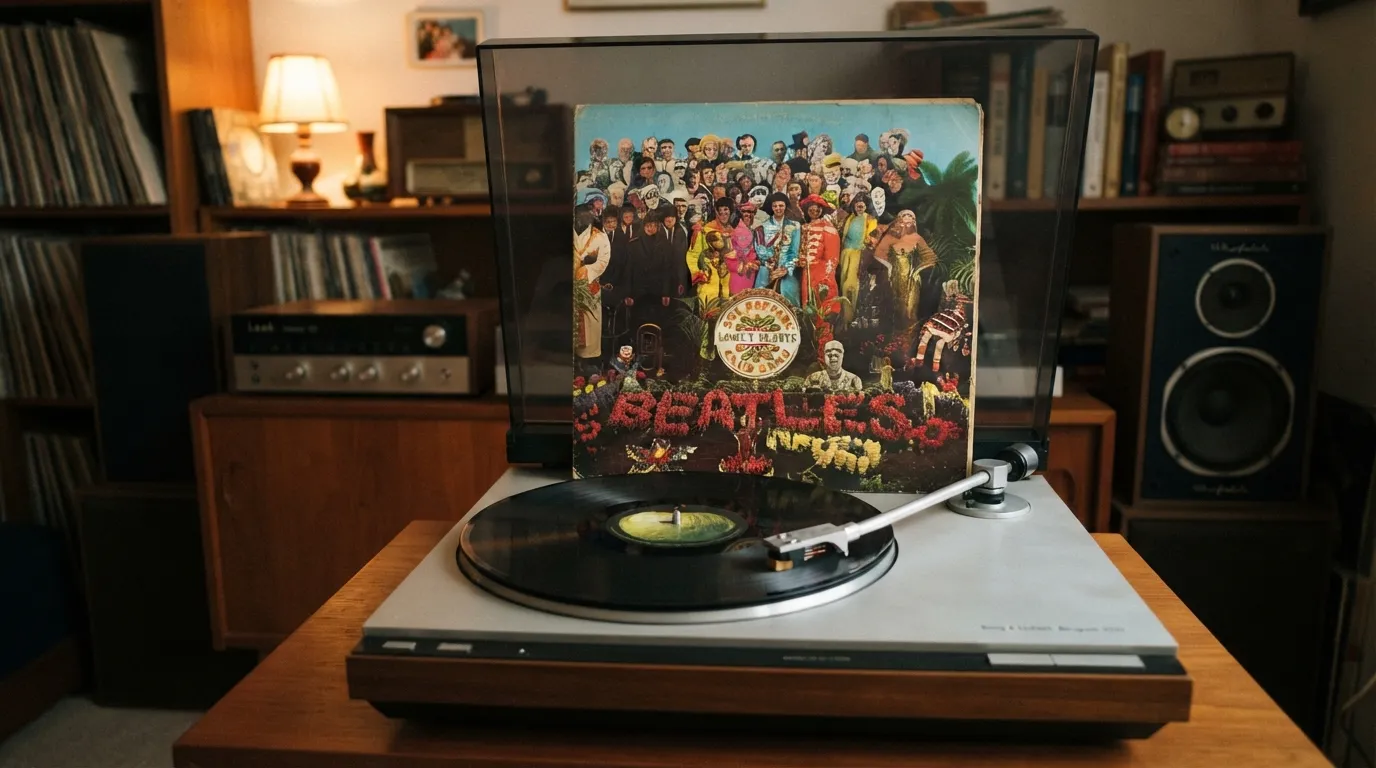
The Beatles’ 1967 epic from Sgt. Pepper included the line “I’d love to turn you on.” The BBC banned the song for the perceived drug reference. The orchestral crescendo and contrasting sections made the track stand out. The ban did not prevent the album from becoming a massive seller. Fans sought out the full recording. The song remains one of the most analyzed tracks in the Beatles catalog. Its ambitious structure helped redefine what a pop album could contain.
#11 – Lucy in the Sky with Diamonds – The Beatles
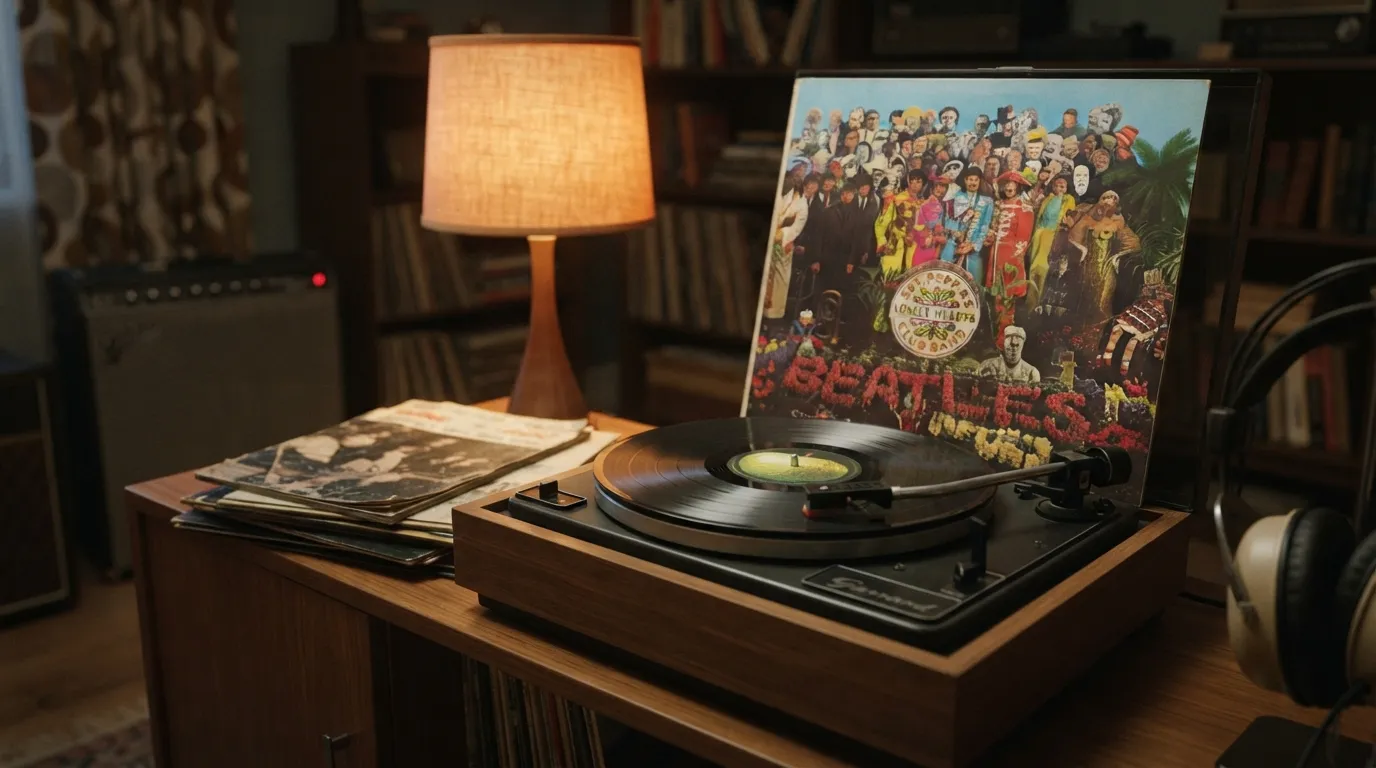
The Beatles’ 1967 track from Sgt. Pepper drew immediate suspicion because of the initials L-S-D. The BBC and some US stations restricted airplay. John Lennon maintained the title came from a drawing by his son Julian. The psychedelic imagery and production kept the song in demand. The album’s overall success carried the track. The song became a staple of classic-rock radio long after the initial controversy. Its vivid lyrics continue to spark discussion decades later.
#10 – Brown Eyed Girl – Van Morrison

Van Morrison’s 1967 single originally contained the line “making love in the green grass.” Stations demanded a change to “laughin’ and a-runnin’” for airplay. The edited version still became a major hit. The song’s upbeat feel and nostalgic lyrics connected with listeners. Morrison’s distinctive voice stood out. The track reached the top ten and later earned classic status. Its radio-friendly edit helped it reach a wider audience than the original might have.
Quick Compare
- Original lyric: a frank reference to making love in the grass.
- Radio edit: a playful swap to laughing and running, which stations accepted.
- Result: the song came out in 1967 and peaked at No. 10 on the Billboard Hot 100.
#9 – Let’s Spend the Night Together – The Rolling Stones
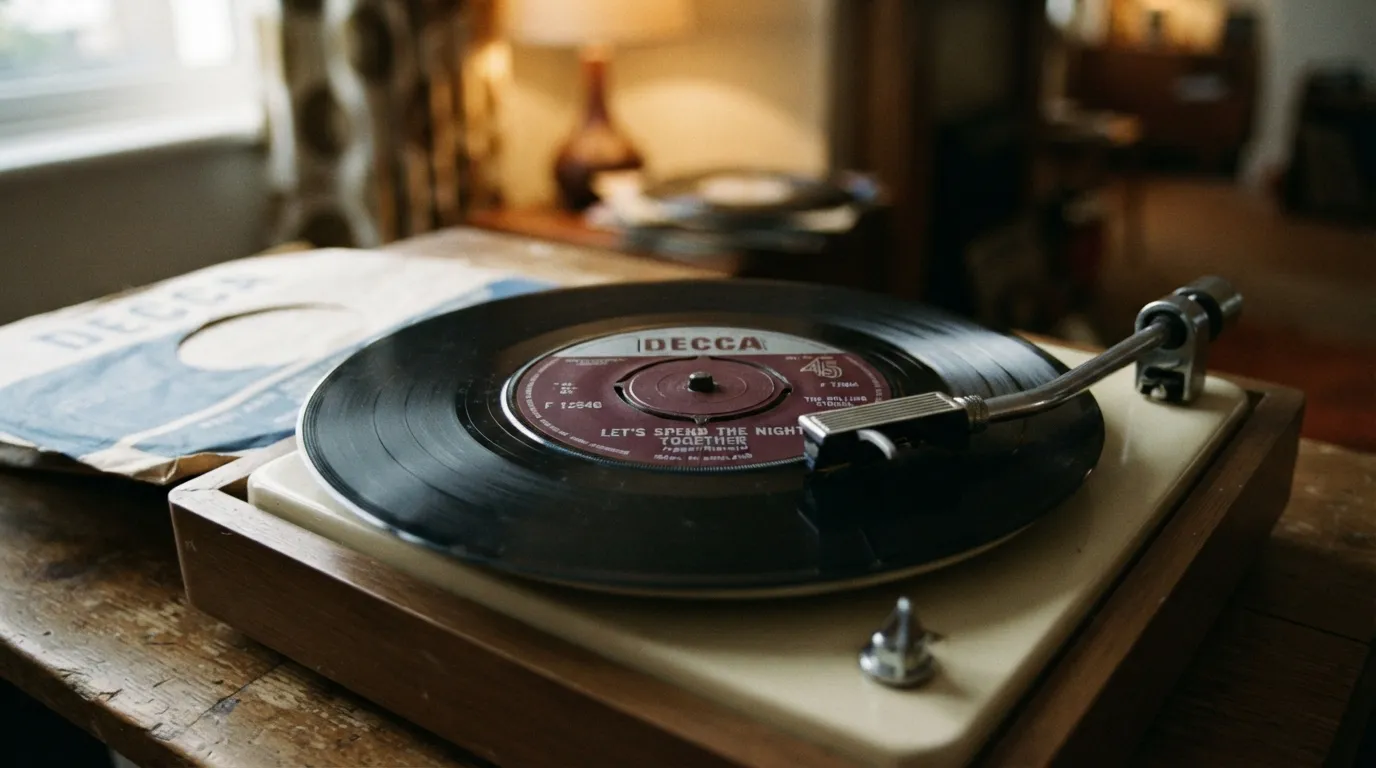
The Rolling Stones’ 1967 single made its intentions clear in the title. The BBC banned the track, and Ed Sullivan asked the band to change the lyric for television. Mick Jagger performed the altered version with visible reluctance. The controversy boosted interest in the record. It still charted strongly in both the UK and US. The song became one of the band’s signature early hits despite the restrictions. Its direct approach reflected the shifting social attitudes of the era.
#8 – Light My Fire – The Doors
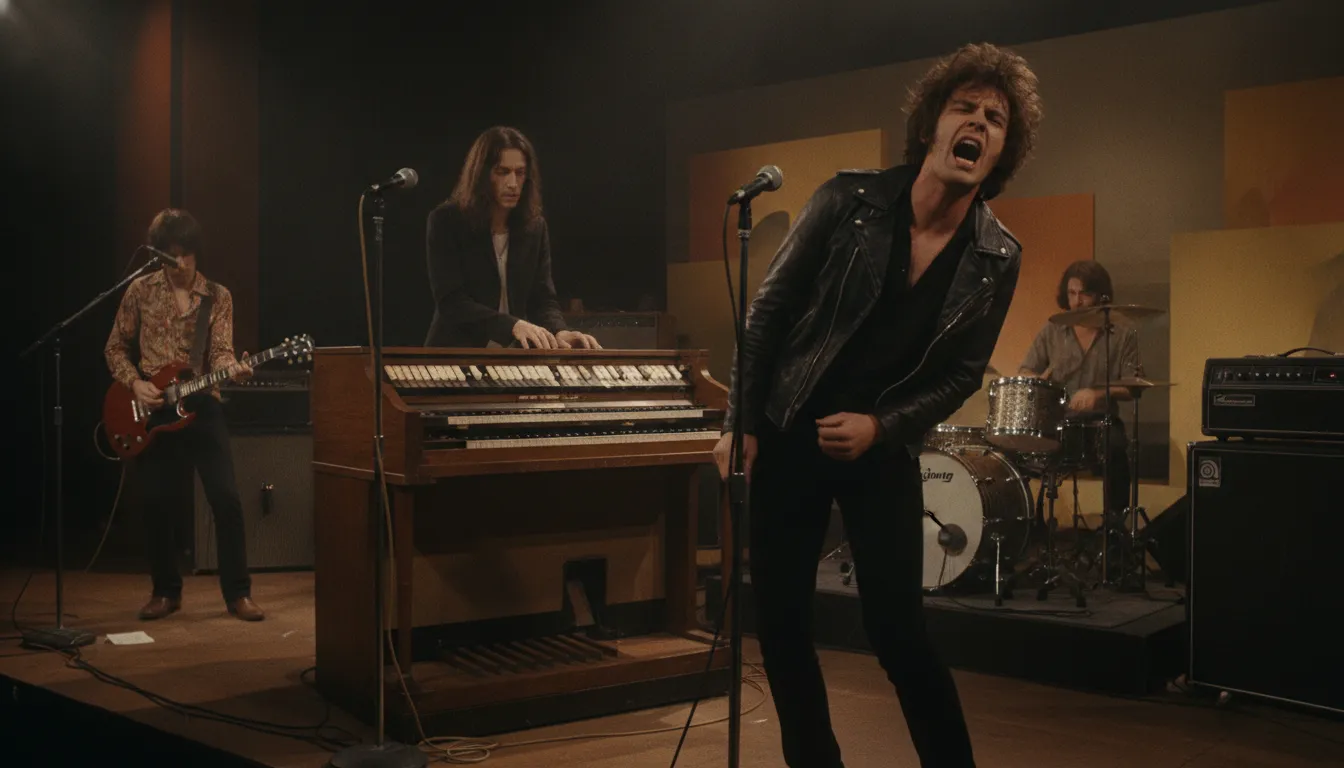
The Doors’ 1967 breakthrough single included the line “girl, we couldn’t get much higher.” Television producers pressured the band to alter the word during a live performance. Jim Morrison sang the original lyric anyway. The resulting ban from the show did not hurt the record’s sales. The song reached number one on the Billboard Hot 100. The track’s organ riff and Morrison’s delivery made it an instant classic. The incident only added to the band’s rebellious image.
#7 – I Am The Walrus – The Beatles

The Beatles’ 1967 single featured the line “you’ve been a naughty girl, you let your knickers down.” The BBC banned the track for the suggestive phrase. John Lennon later said he wrote nonsense lyrics partly to confuse over-analytical listeners. The song’s chaotic arrangement and string section kept it distinctive. The Magical Mystery Tour album carried it to a wide audience. The track became a fan favorite and a showcase for the band’s experimental side. Its ban only increased curiosity about the lyrics.
Worth Knowing
- It first appeared as the B-side of “Hello, Goodbye” in late 1967.
- It also anchors the Magical Mystery Tour project.
- The walrus image nods to Lewis Carroll’s poem “The Walrus and the Carpenter.”
#6 – Time of the Season – The Zombies
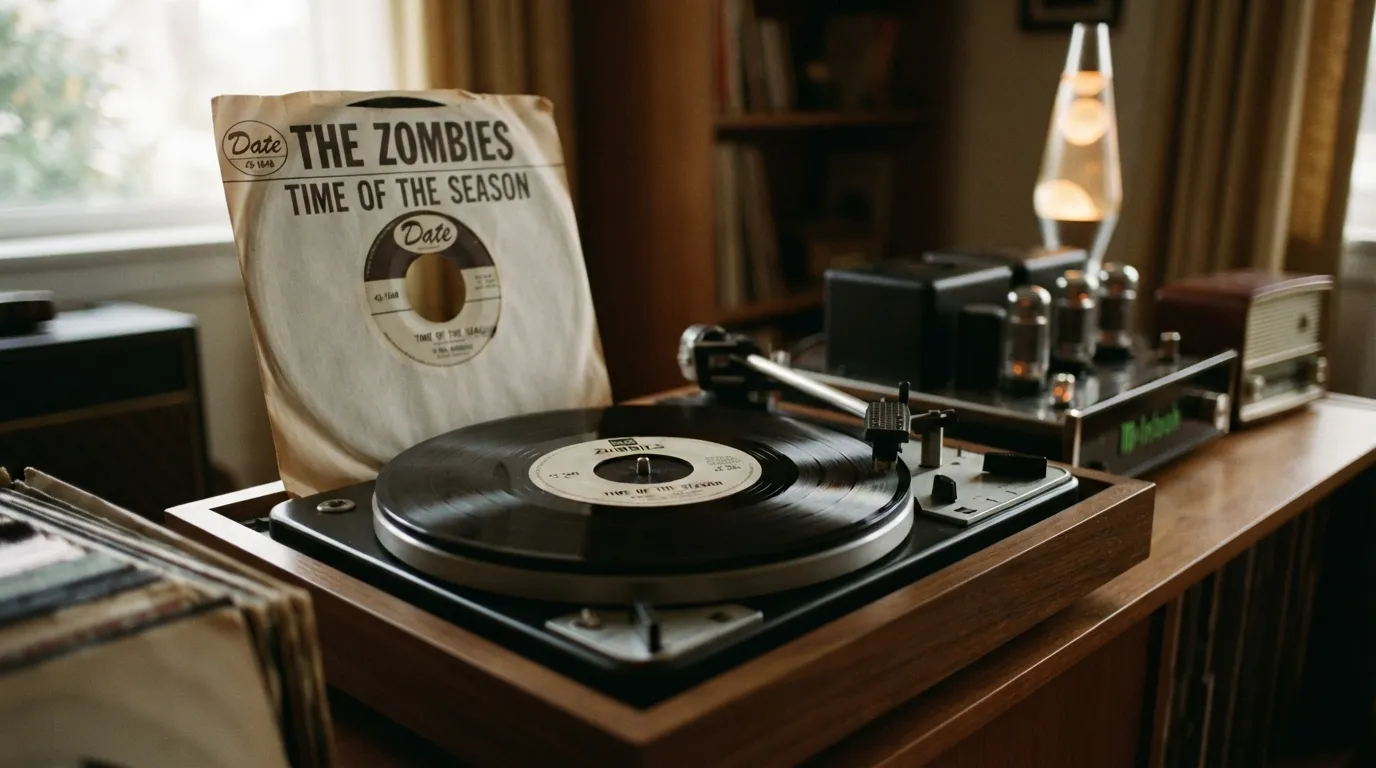
The Zombies’ 1968 single included lines such as “What’s your name? Who’s your daddy?” and suggestive breathing sounds. Stations in several markets banned the track for perceived sexual content. The song still climbed the charts after initial resistance eased. Its jazzy bass line and harmonies gave it a unique sound. The controversy helped push it into the top ten. The track became the band’s biggest US hit. Its delayed success showed how bans could eventually give way to popularity.
#5 – Society’s Child – Janis Ian

Janis Ian’s 1966 single addressed an interracial relationship from a teenager’s perspective. Some stations refused to play the record because of the subject matter. Ian was only fifteen when she wrote and recorded the song. The controversy brought attention to the young artist. The track reached the top twenty on the Billboard Hot 100. The song’s honest treatment of a sensitive topic helped launch Ian’s career. Its chart performance proved audiences were ready for the story.
#4 – Street Fighting Man – The Rolling Stones
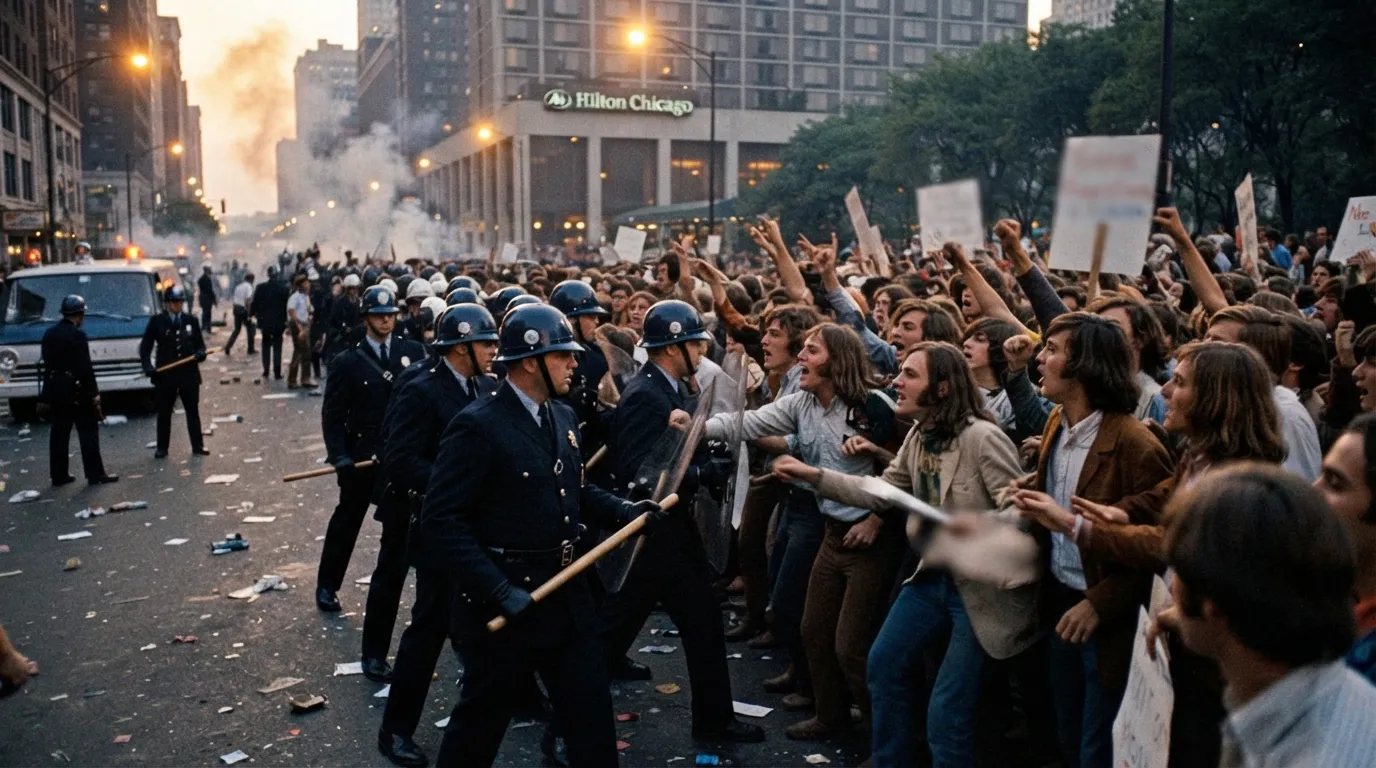
The Rolling Stones’ 1968 single captured the tense political atmosphere of the year. Chicago radio stations banned the track during the Democratic National Convention riots. The lyrics questioned what a “poor boy” could do besides sing in a rock band. The ban limited airplay in key markets. The song still became a hit and a concert staple. The track reflected the era’s unrest while avoiding direct calls to action. Its raw energy helped it endure as a classic.
#3 – Fortunate Son – Creedence Clearwater Revival

Creedence Clearwater Revival’s 1969 single criticized class privilege during the Vietnam War. Stations viewed the lyrics as unpatriotic and restricted play. John Fogerty’s pointed words about rich kids avoiding the draft struck a nerve. The song still reached the top ten. Its driving rhythm and clear message resonated with listeners. The track became one of the most enduring protest songs of the decade. Its chart success came despite the resistance from programmers.
Why It Stands Out
- John Fogerty wrote it, and it appears on the 1969 album Willy and the Poor Boys.
- It was released as a double A-side with “Down on the Corner.”
- It peaked at No. 3 on the Billboard Hot 100.
- Its themes of class and the draft keep it in constant use in films and on playlists.
#2 – The Ballad of John and Yoko – The Beatles

The Beatles’ 1969 single repeated the phrase “Christ, you know it ain’t easy.” Some US stations banned the track over the use of the word. The song documented John Lennon and Yoko Ono’s wedding and honeymoon. The controversy did not prevent strong sales. The track reached number one in the UK. The single captured a specific moment in the band’s history. Its straightforward storytelling stood out even with limited airplay in certain regions.
#1 – Je t’aime… moi non plus – Serge Gainsbourg & Jane Birkin
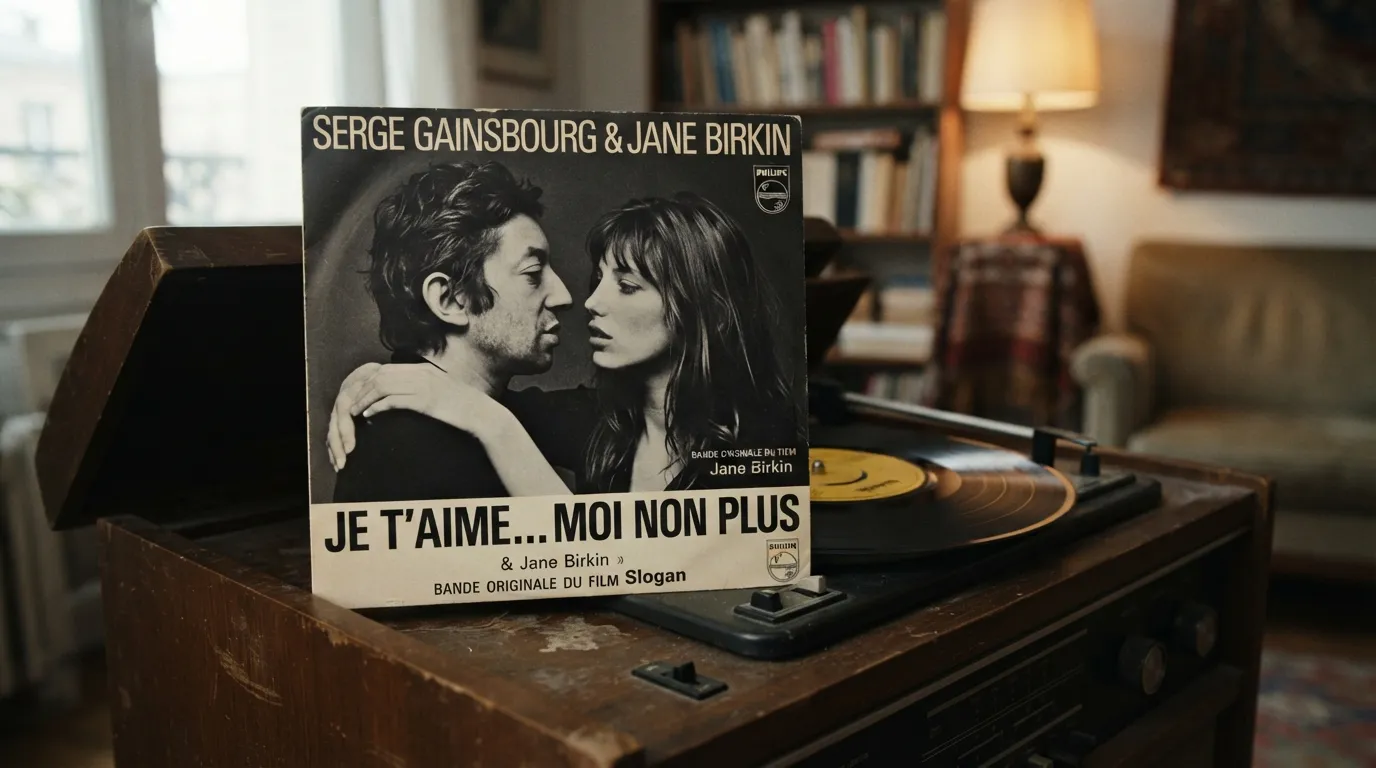
Serge Gainsbourg and Jane Birkin’s 1969 duet featured breathy vocals and explicit sexual content. The BBC and many US stations banned the record. The song’s suggestive moans and lyrics made it one of the most controversial releases of the decade. The ban turned the track into an international sensation. It reached number one in several European countries. The song became a landmark in erotic pop and remains the best-selling single ever released in France. Its notoriety ensured lasting recognition long after the initial outrage.
CEO-Co-Founder
