

- The Forgotten Female Voices of American History - October 15, 2026
- The Assassination of Robert F. Kennedy: A Look Back 57 Years Later - October 15, 2026
- 20 Songs That Reflected America’s Changing Gender Roles - October 15, 2026
Somewhere in the 1980s, a programmer, a DJ, a senator, or a soda company decided you shouldn’t hear these songs. Then millions of people went out and found them anyway. Every track on this list was banned, restricted, protested, or dragged into a public fight, and most of them came out the other side bigger than before.
Some of the backlash is easy to understand. Some of it looks almost silly now. And one of these stories ends with a major brand pulling the plug on a pop superstar, while another begins with a DJ who refused to finish playing a record on air.
#20 – French Kiss by Lil Louis
Picture a dance record that sounds perfectly normal for a few minutes, then slows to a crawl while a woman’s sighs take over the room. That was Lil Louis’s “French Kiss” in 1989, and it made radio programmers nervous almost immediately.
The extended sounds of female pleasure were too much for many daytime playlists. Some outlets restricted the track or simply stayed away from it.
Clubs had no such hang-ups. DJs and dancers turned the Chicago house track into a word-of-mouth obsession, and it climbed into the UK top ten. The more programmers hesitated, the harder listeners looked for the record. A niche house track became a crossover hit, and that slow-down break was the reason everyone talked about it.
#19 – I Want to Break Free by Queen

In 1984, Queen put out a video in which the whole band dressed in drag. It was a playful spoof of the British soap opera Coronation Street, with Freddie Mercury in a wig, a skirt, and his trademark mustache. British fans got the joke.
American programmers did not. The reaction in the U.S. was cold, and the song never became the monster hit there that it was elsewhere. It peaked far lower on the American charts than it did in the UK, where it reached the top three.
But the song itself refused to disappear. Its soaring chorus kept it alive with fans, and over time it became one of Queen’s best-loved anthems. The video that confused so many viewers in 1984 is now remembered as one of the band’s boldest moves.
#18 – Fascist Groove Thang by Heaven 17
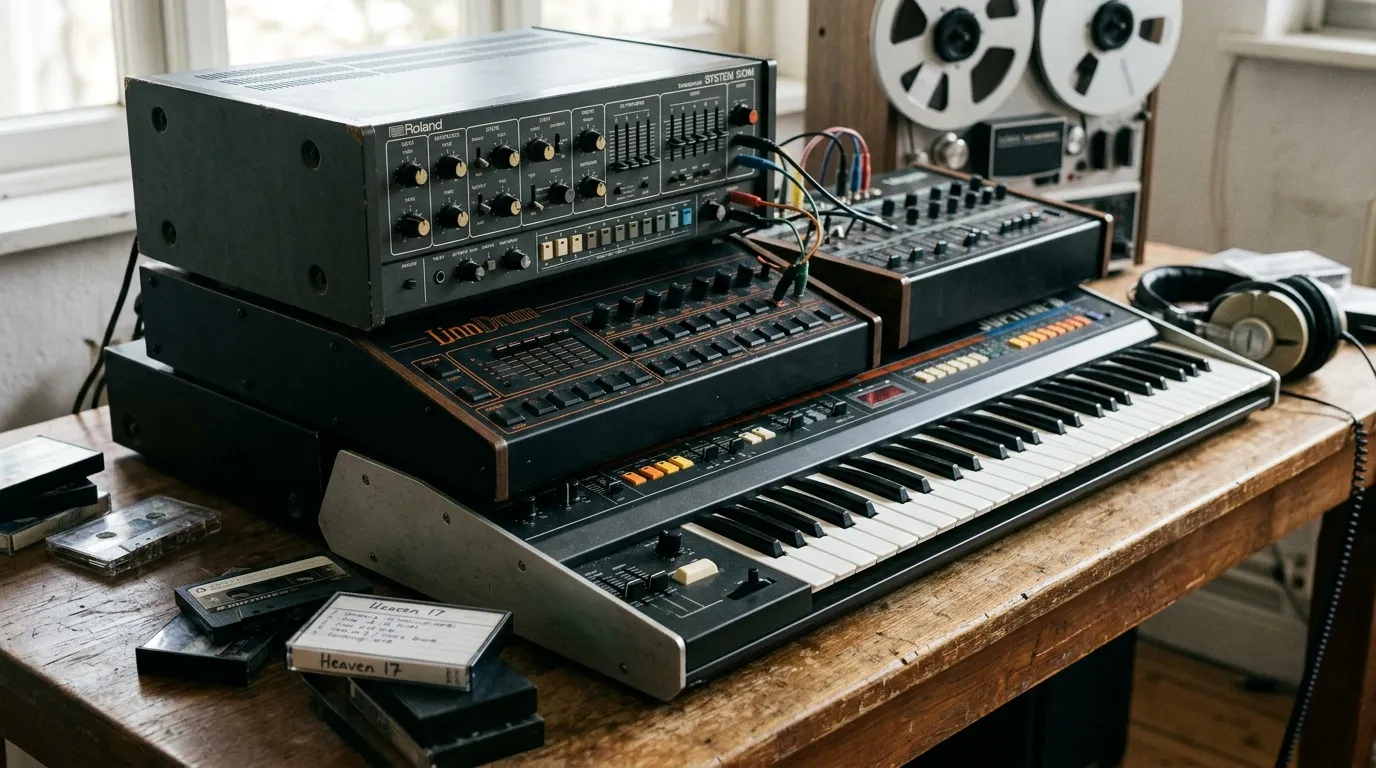
It takes some nerve to call a sitting U.S. president a “fascist god” in a pop song. Heaven 17 did it in 1981 with a lyric aimed at Ronald Reagan, in the middle of Cold War anxiety.
The BBC wouldn’t touch it. Programmers worried the line would bring complaints and kept the single off the airwaves.
The ban didn’t kill the band’s momentum, though. The Sheffield group’s sharp, funky synth-pop kept its audience in clubs and among fans who read the controversy as a badge of honor. Two years later, Heaven 17 became chart regulars with “Temptation.” The song that got silenced turned out to be an early sign of how loud they could be.
#17 – Sugar Walls by Sheena Easton
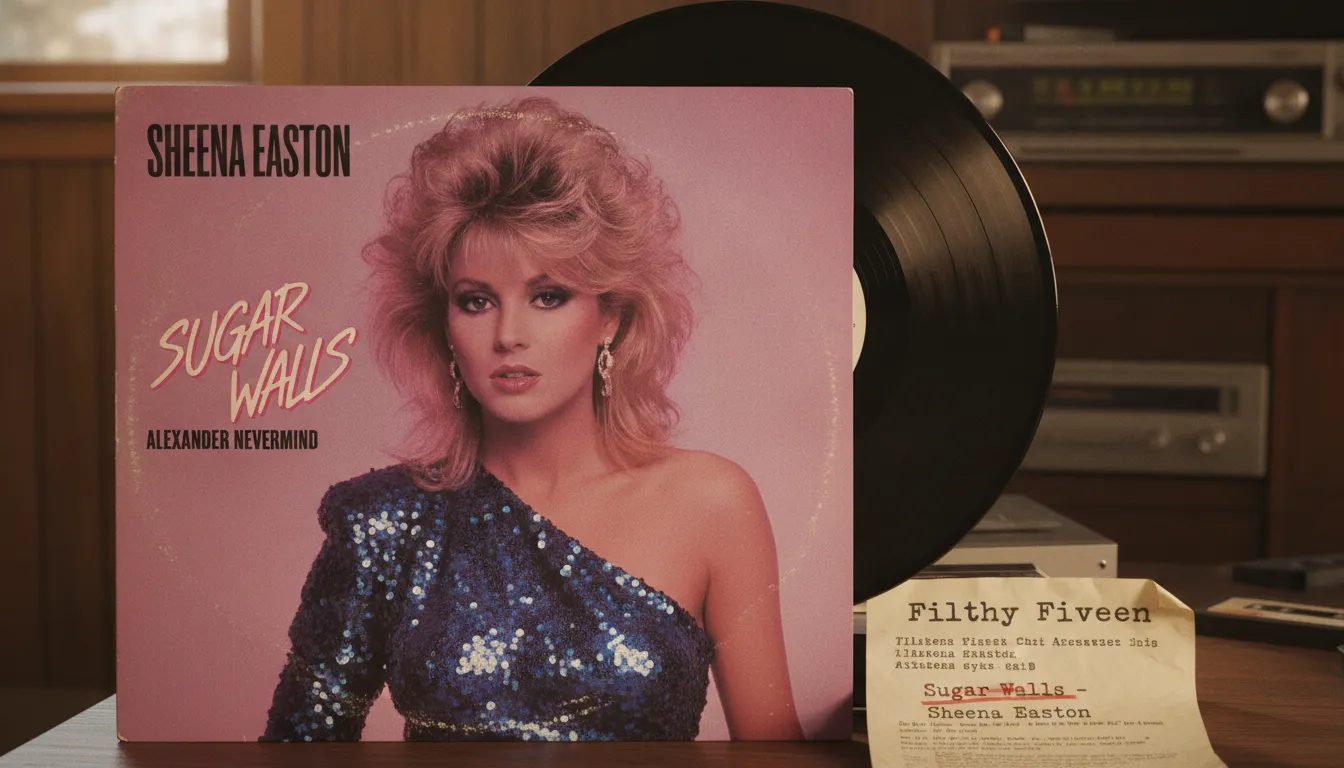
Few song titles made 1985 parents flinch like “Sugar Walls.” The PMRC put it on its infamous Filthy Fifteen list, pointing to the title and the suggestive lyrics.
The song had a secret behind it. Prince wrote it and used a pseudonym, Alexander Nevermind, so nobody would know he was behind it. Easton’s glossy, sultry version still made it into the Billboard Hot 100 top ten.
Worth Knowing
- Prince hid behind the pen name Alexander Nevermind.
- The song appeared on Easton’s 1984 album A Private Heaven.
- It peaked at number nine on the Billboard Hot 100.
- The PMRC named it to its Filthy Fifteen list in 1985.
Radio stations got cautious, and the criticism followed her around. Even so, the track’s slick synth-funk production did the talking. For Easton, the controversy marked a big change, taking her from sweet pop singer to a performer who could stir up a national argument.
#16 – Dress You Up by Madonna
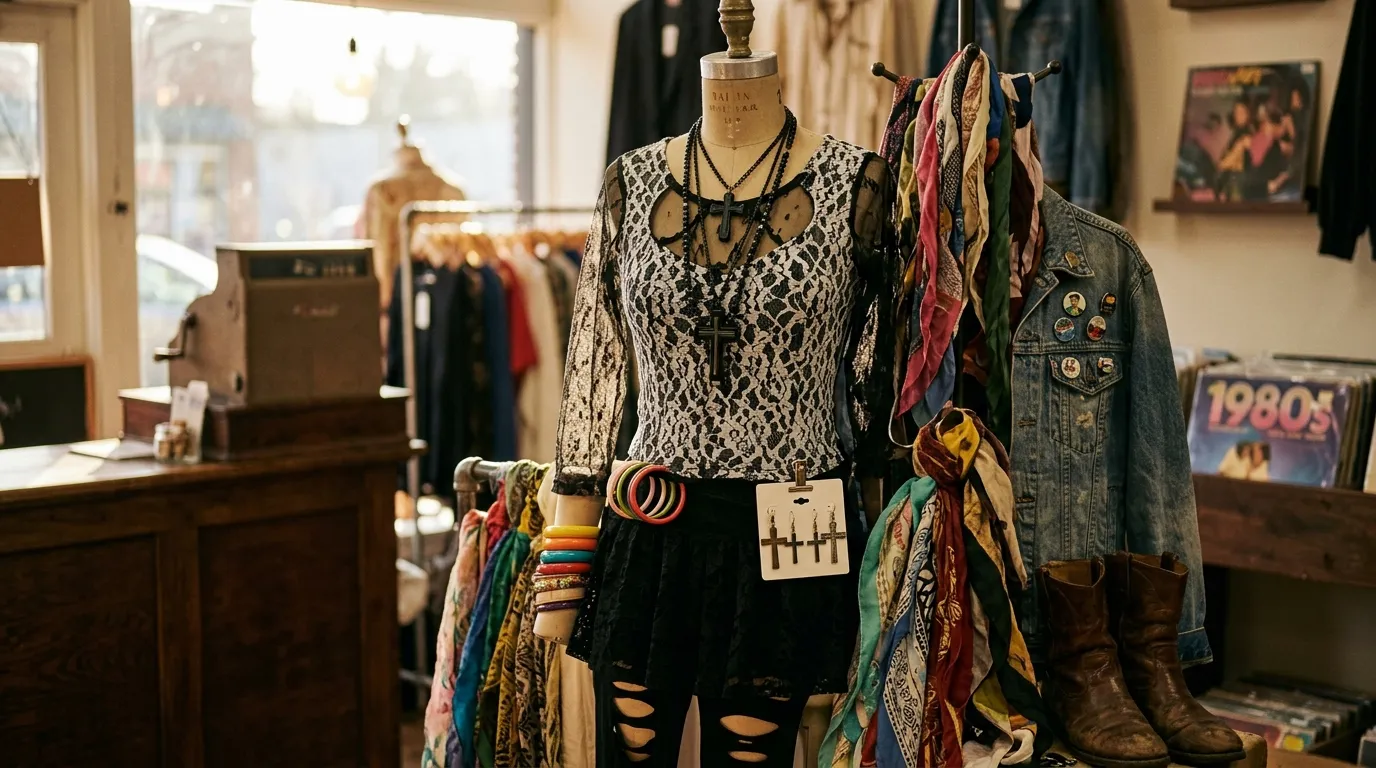
By 1985, Madonna was already the center of a culture war, and the PMRC added “Dress You Up” to its Filthy Fifteen. The group objected to the song’s sexual imagery and wordplay.
That might have been the end of the story for a lesser star. Instead, the song climbed into the top five on the Billboard Hot 100.
Part of the reason was timing. The Like a Virgin era had turned Madonna into a household name, and her fans weren’t about to let a Washington list tell them what to dance to. The song’s bright, bouncy sound made it even harder to treat as a menace. It remains a sharp example of a scandal that couldn’t stop a pop phenomenon.
#15 – This Note’s for You by Neil Young
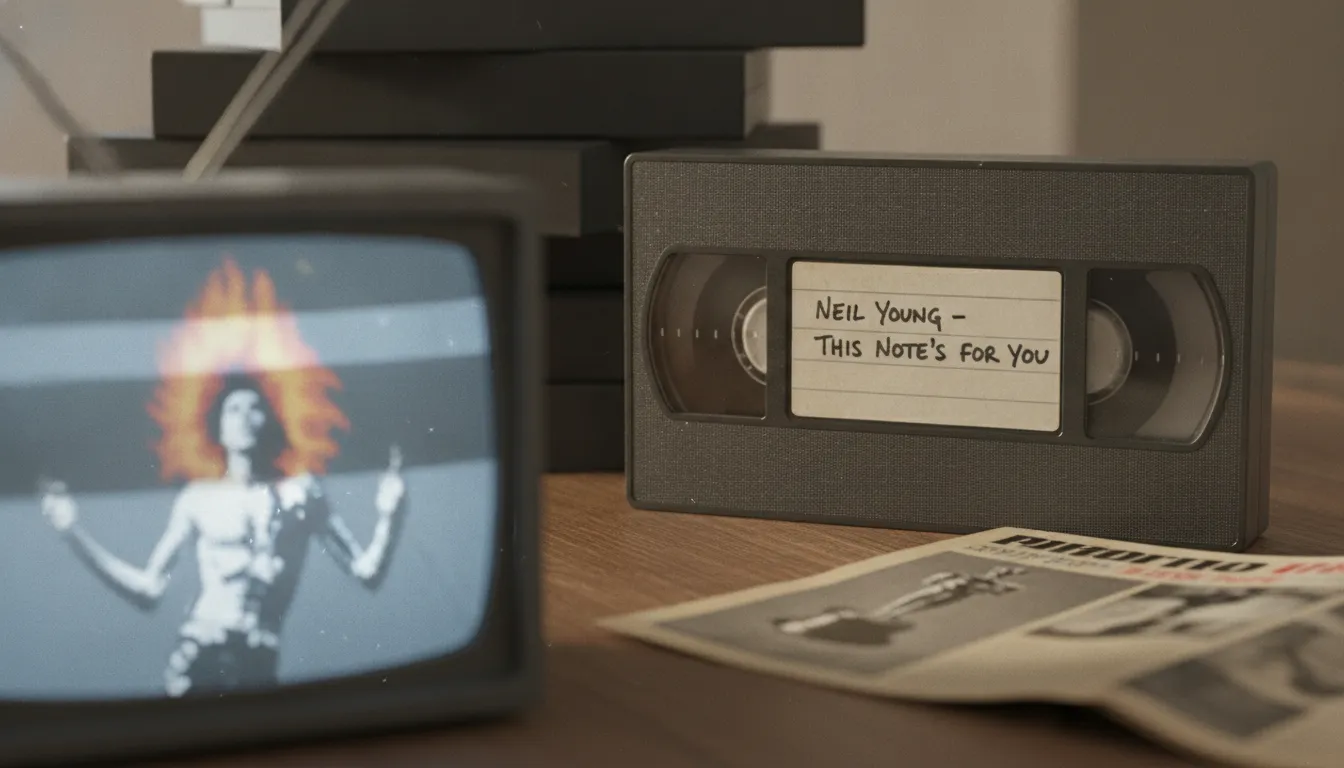
Neil Young made a video that mocked rock stars for selling out to corporate sponsors. It included a lookalike Michael Jackson with his hair on fire, a nod to the Pepsi commercial accident, and a lot of recognizable brand imagery.
MTV banned the clip in 1988, reportedly out of concern over the use of corporate logos. Young’s sly refrain about not singing for Pepsi or Coke only made the fight more fun to watch.
Then came the twist. MTV reversed course, and the video went on to win Video of the Year at the 1989 MTV Video Music Awards. The channel that banned the clip ended up handing it the top prize.
#14 – Girls, Girls, Girls by Mötley Crüe
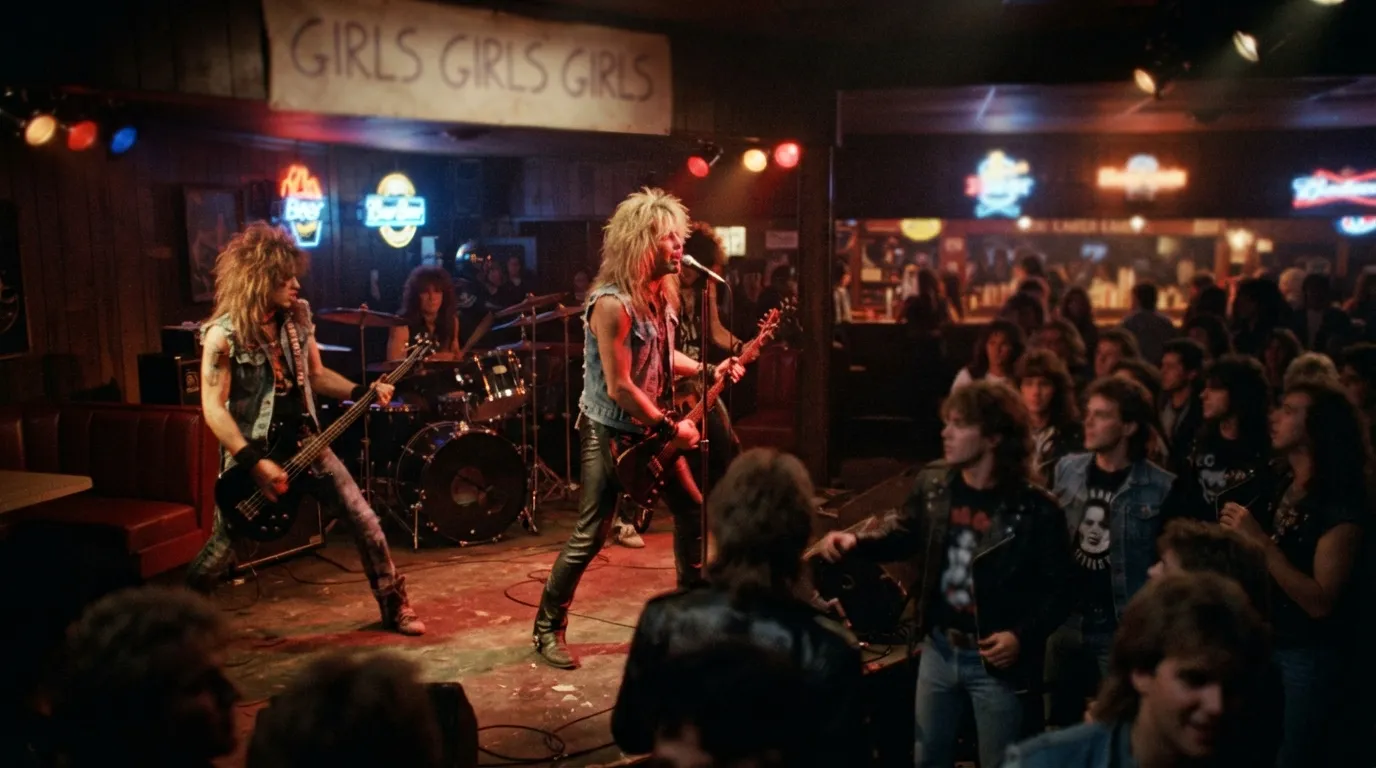
In 1987, Mötley Crüe made a video set in a strip club, and MTV limited it to late-night airing. Daytime programmers wanted nothing to do with it during a period of intense parental pressure on rock videos.
For a band built on shock and noise, the restriction fit right in. The single reached the Hot 100 and became one of the group’s signature songs, and the album of the same name climbed to number two on the Billboard 200.
Fans weren’t waiting around for permission. They found the clip however they could, and the label of “too much for daytime” only strengthened the band’s outlaw reputation. For Mötley Crüe, a restriction was more like a marketing plan.
#13 – Animal (Fuck Like a Beast) by W.A.S.P.
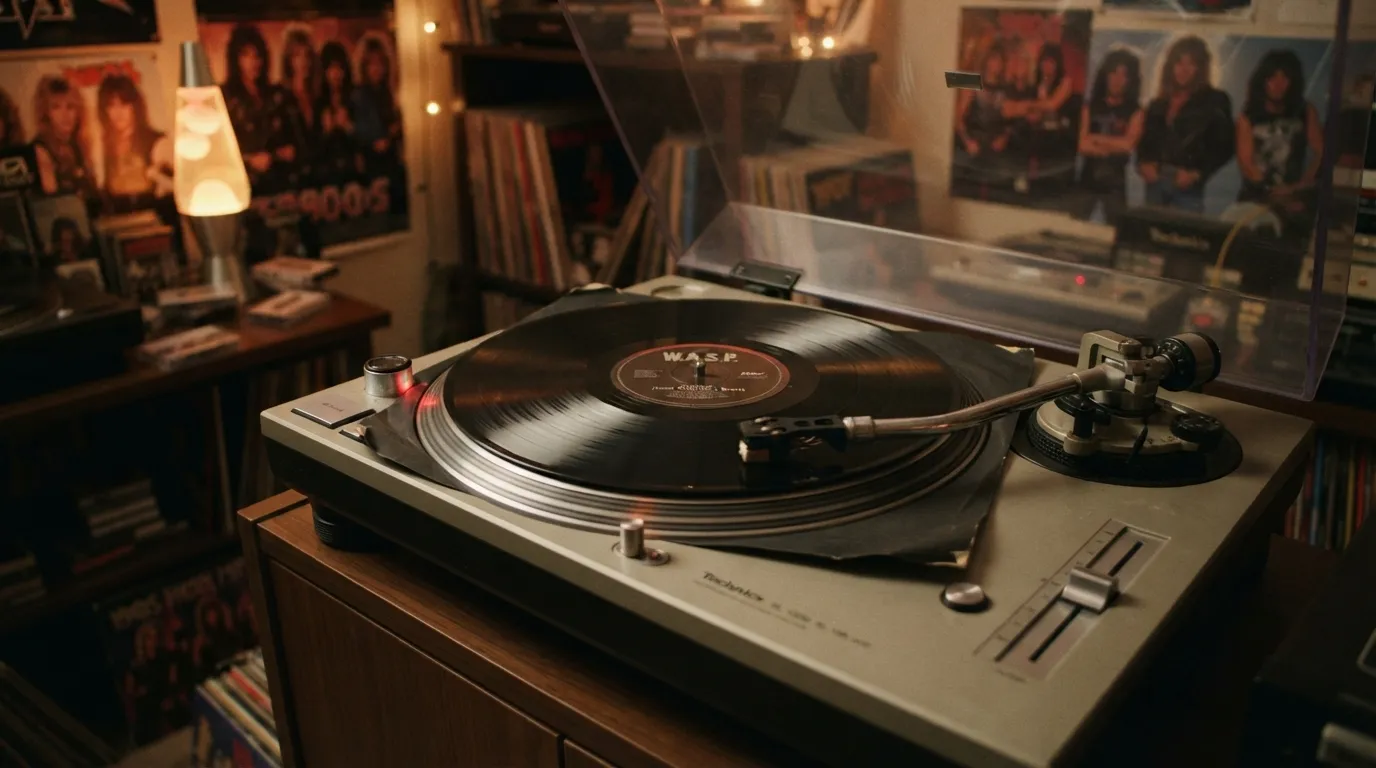
Some song titles don’t leave much room for compromise. When W.A.S.P. brought “Animal (Fuck Like a Beast)” to Capitol Records, the label kept it off the band’s 1984 debut album, and the title became a target for watchdog groups.
The PMRC placed it on its Filthy Fifteen list, even though the song had been released only in limited form. That was the kind of publicity no label could have planned.
The song became the band’s calling card. Fans hunted down copies, and later reissues restored the track to wider availability. A song the major label wouldn’t put on the record turned into the one most people associate with W.A.S.P.
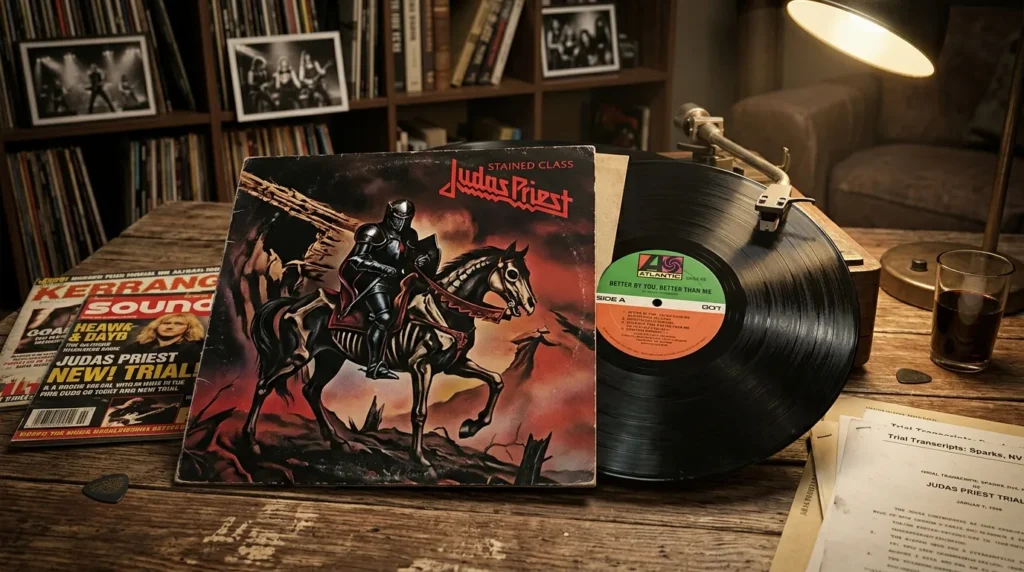
#12 – Better by You, Better Than Me by Judas Priest
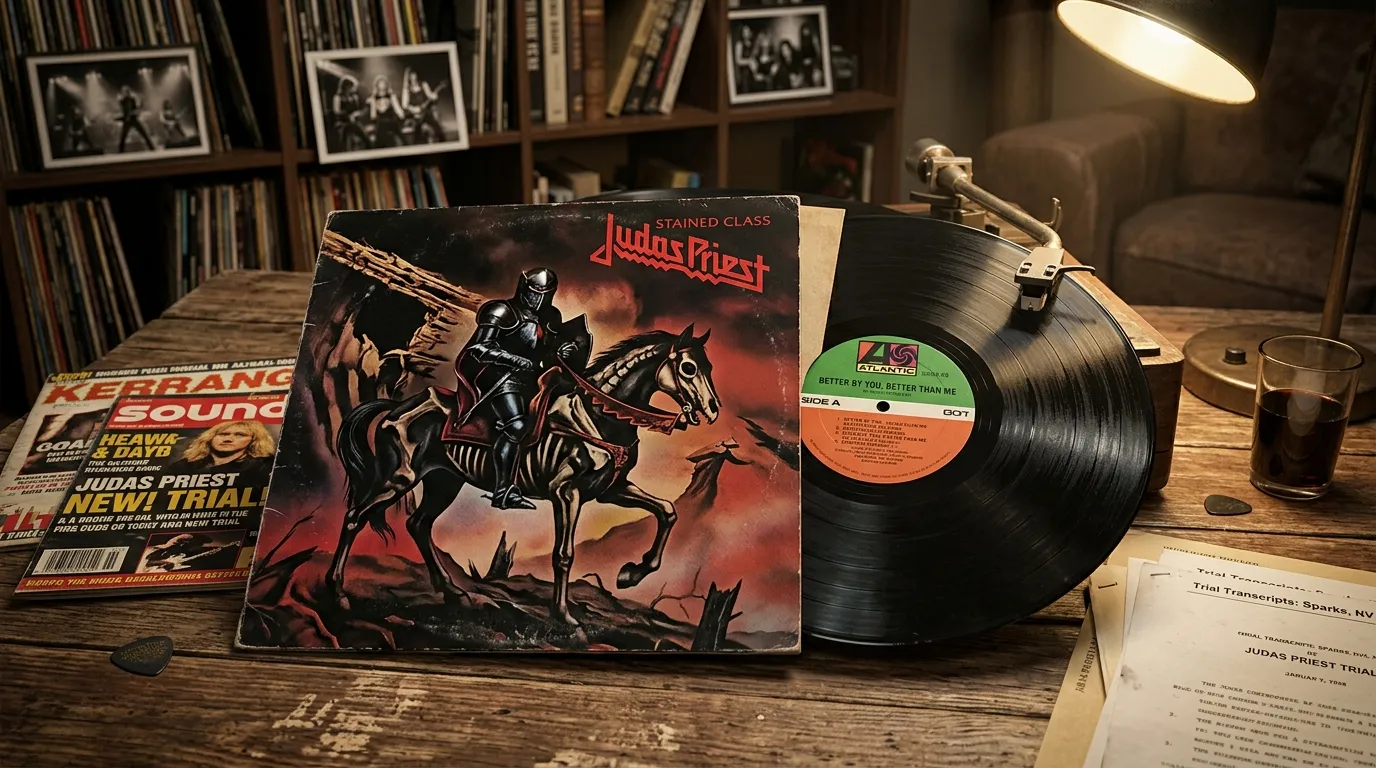
This one is a different kind of censorship story, and a heavier one. Priest recorded the song for its 1978 album Stained Class, and it was a cover of a Spooky Tooth track from 1969. Years later, it ended up at the center of a courtroom drama.
After two young men died in a 1985 suicide pact, their families sued the band in a Nevada trial in 1990. They claimed the song contained hidden backward messages. The judge decided in the band’s favor.
Fast Facts
- Original: Spooky Tooth, 1969.
- Priest’s version: Stained Class, 1978.
- The incident behind the lawsuit: 1985.
- The Nevada trial: 1990, with the ruling going the band’s way.
The trial put heavy metal on trial, too, and gave Priest unwanted national attention. The band kept recording, kept touring, and came out of it with its reputation as a survivor. It’s a reminder that not every censorship fight is about a single word or a single image.
#11 – Suicide Solution by Ozzy Osbourne
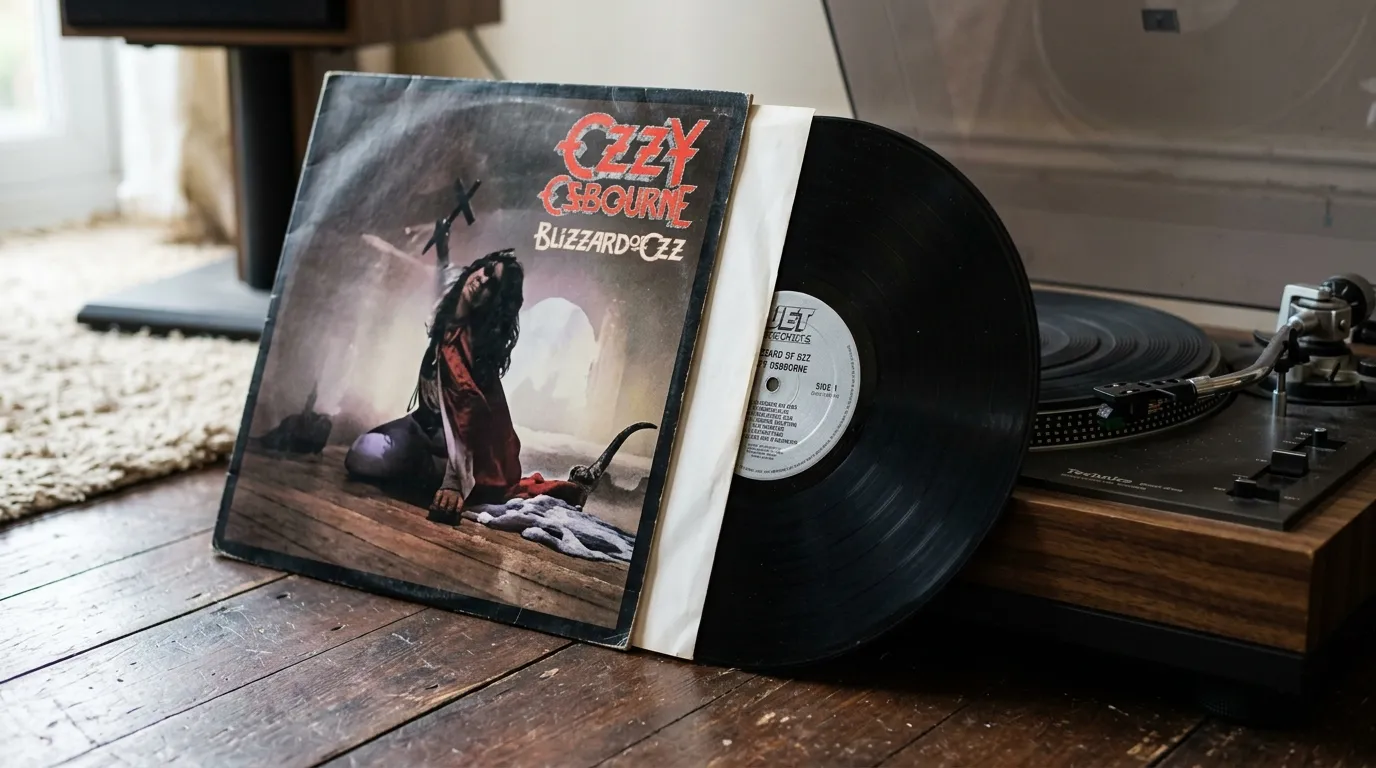
The title alone was enough to set off alarms. “Suicide Solution,” from Ozzy Osbourne’s 1980 debut solo album Blizzard of Ozz, drew fierce criticism from religious groups and some media, who said it encouraged self-harm.
Osbourne has said the song was about the dangers of alcohol abuse, not suicide. That distinction didn’t stop the song from being cited in lawsuits later in the decade.
Through all of it, the album kept selling and went multiplatinum. Osbourne’s solo career only grew bigger. The song never became a radio smash, but it proved that public outrage rarely wiped out an established artist. If anything, the fight made him a bigger target and a bigger star.
#10 – Eat Me Alive by Judas Priest
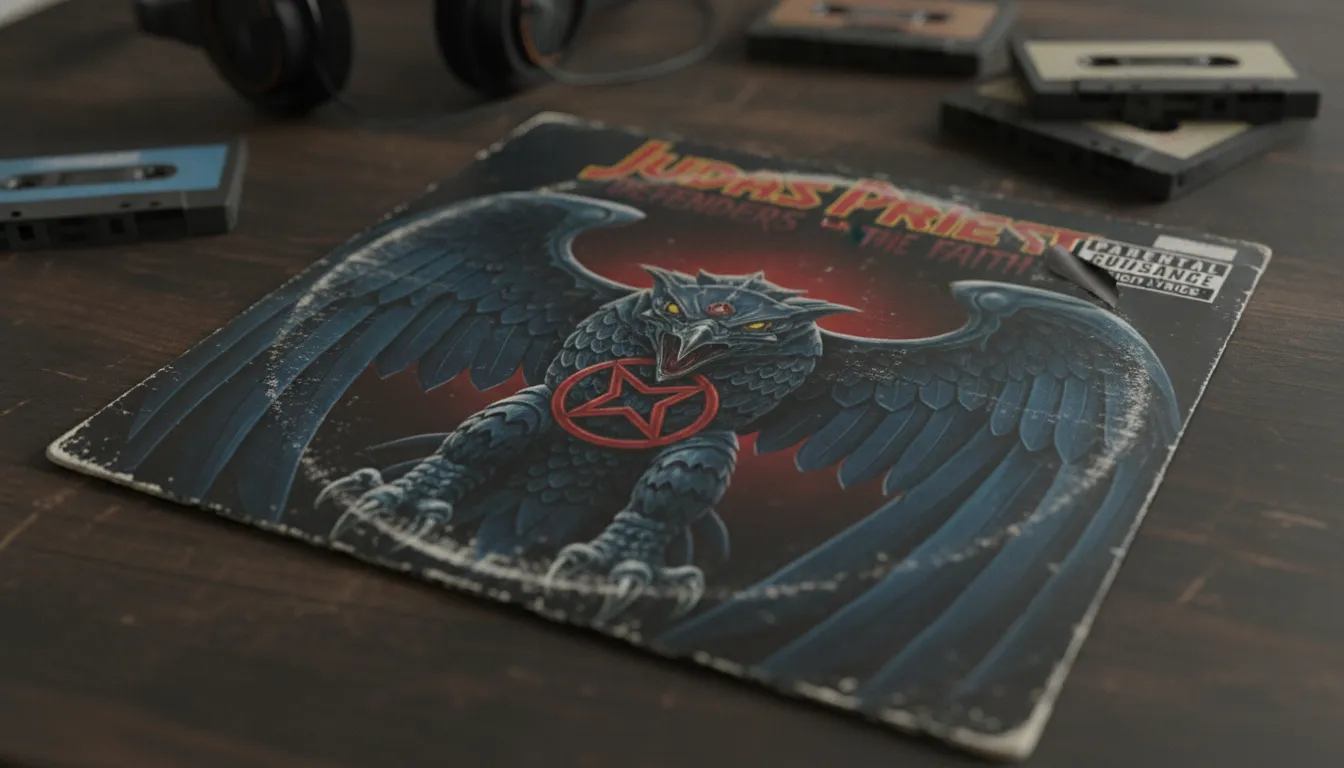
Judas Priest had barely finished one fight when the next one arrived. In 1985, the PMRC put “Eat Me Alive,” from the 1984 album Defenders of the Faith, on its Filthy Fifteen list for explicit content.
Radio stations approached the track cautiously. Priest didn’t back down, and the song stayed in the band’s catalog and live shows.
The band even fired back in song. On its 1986 album Turbo, Priest included a track called “Parental Guidance,” a direct response to the people who wanted to police heavy metal. It was a rare case of a censored band turning the criticism into material for the next record.
#9 – One in a Million by Guns N’ Roses
This is the most uncomfortable song on the list, and it’s here for a reason. “One in a Million,” from the 1988 album G N’ R Lies, drew immediate backlash for lyrics that included slurs aimed at immigrants, gay people, and Black Americans.
The criticism was loud and angry, and some retailers and outlets limited exposure to the track. It was the kind of controversy that could have sunk a young band.
It didn’t. G N’ R Lies climbed to number two on the Billboard 200, riding the band’s huge momentum after Appetite for Destruction. Axl Rose later addressed the controversy in interviews. The song remains a hard example of how a firestorm doesn’t always stop sales, even when it should make people stop and think.
#8 – We’re Not Gonna Take It by Twisted Sister
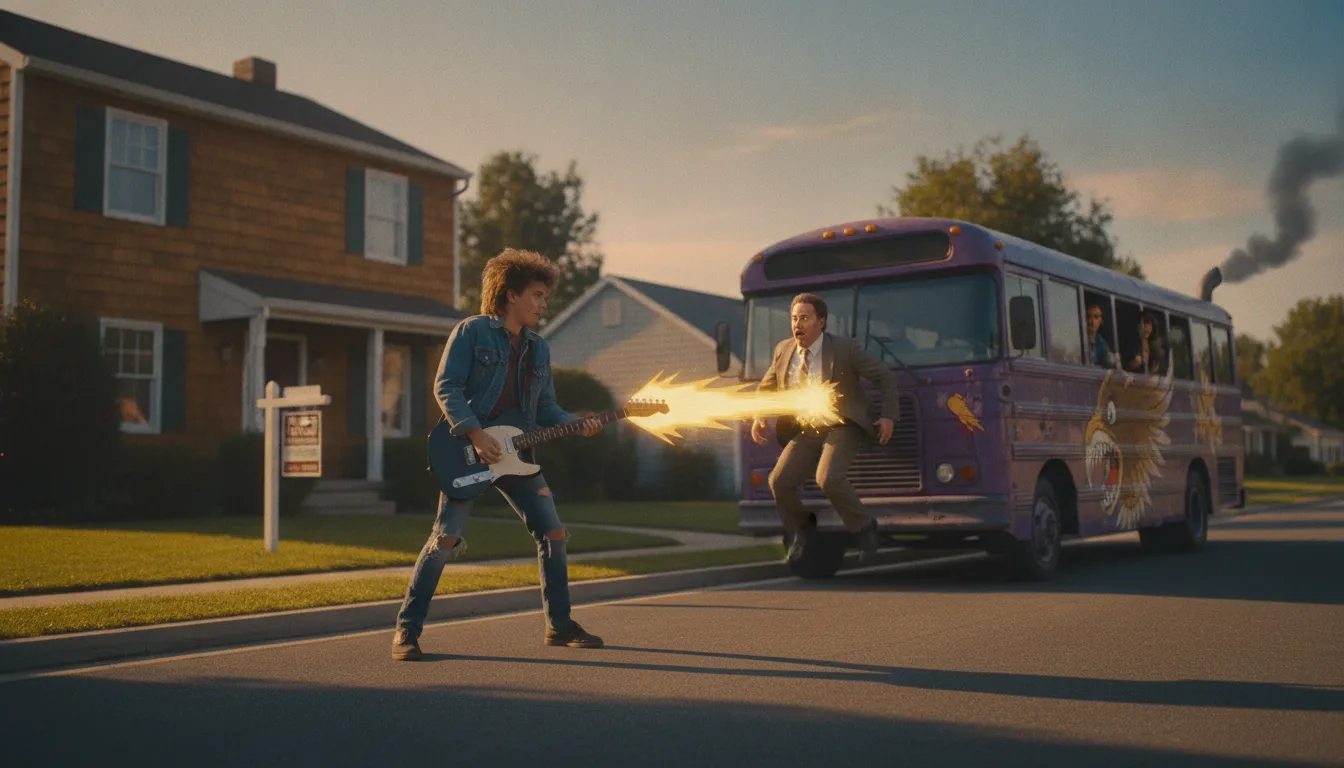
The video looked like a live-action cartoon, with a teenager tormented by a screaming father until he’s blasted out of the house. Critics saw violence and rebellion. Fans saw a very funny revenge fantasy.
In September 1985, the song’s frontman Dee Snider testified before a Senate committee about the PMRC’s campaign, alongside Frank Zappa and John Denver. His defense of his music became one of the most memorable moments of the hearing.
At a Glance
- The hearing took place on September 19, 1985.
- It was held by the Senate Commerce Committee.
- Snider, Zappa, and Denver all spoke against the push for labels.
- The song had already reached the Hot 100 in 1984.
The hearings kept the band in the spotlight and cemented the track as an anthem for anyone who has ever been told to turn it down. Twisted Sister got a national stage out of it.
#7 – Darling Nikki by Prince
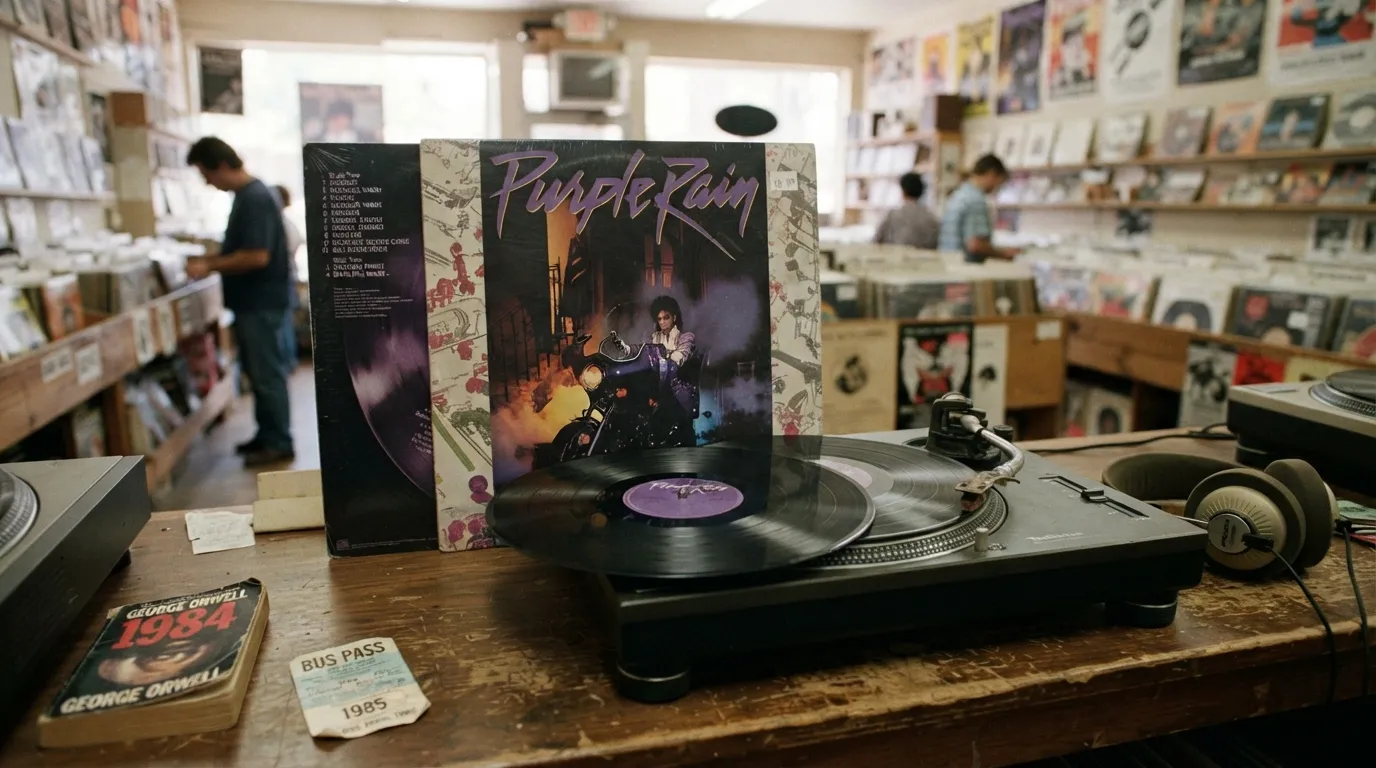
This is the song that helped start it all. Tipper Gore bought a copy of Purple Rain for her young daughter and was shocked by the lyrics of “Darling Nikki.” That moment was the spark that led to the creation of the PMRC.
The song landed on the Filthy Fifteen and helped push the music industry into adding warning labels in 1985. It was never released as a single, but it didn’t need to be.
Purple Rain was the soundtrack to a hit movie and spent months at number one. Prince never changed the song for radio. The controversy only made the album more famous, and “Darling Nikki” became shorthand for the whole 1980s parental-advisory fight.
#6 – I Want Your Sex by George Michael
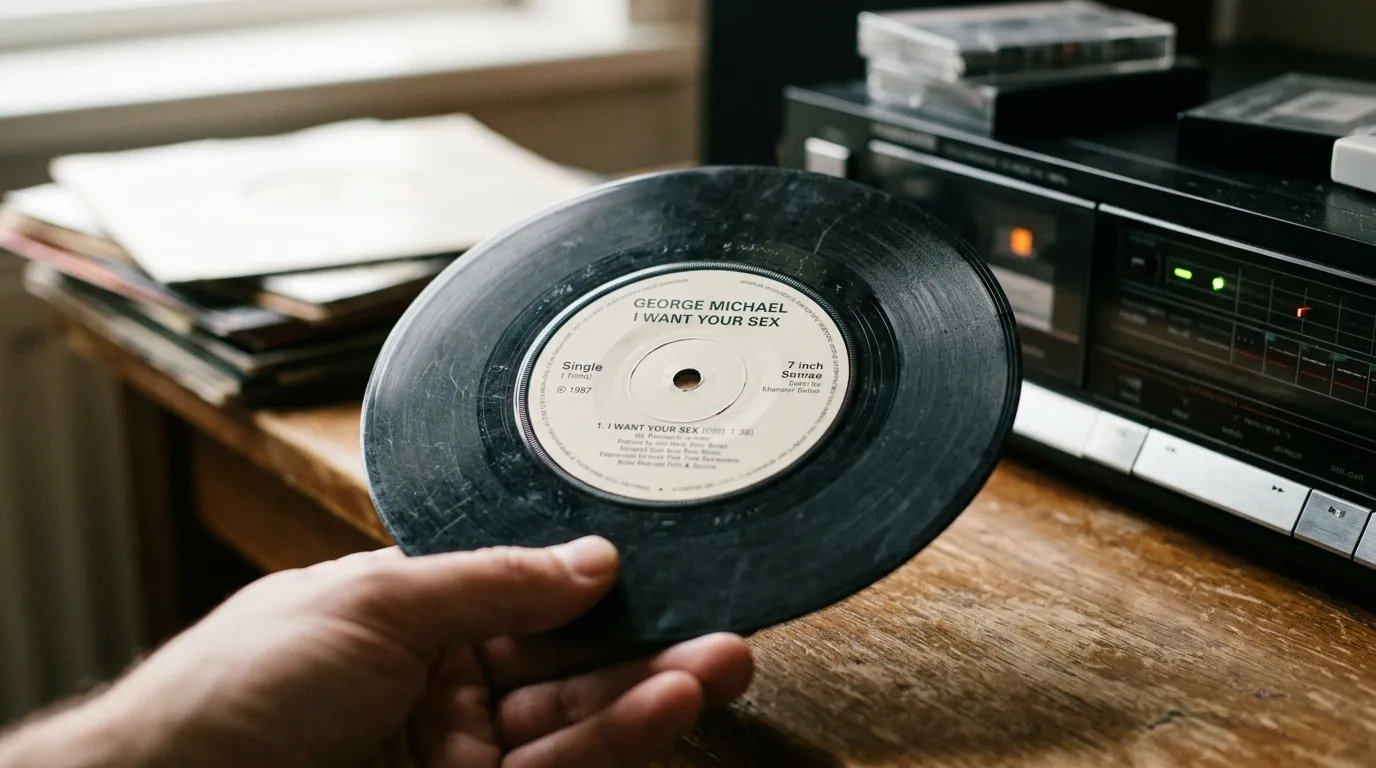
In 1987, George Michael was trying to prove he was more than just half of Wham!, and he picked a title that guaranteed a fight. The BBC restricted “I Want Your Sex,” and some American stations were cautious as well, especially during the height of the AIDS crisis.
Michael insisted the song was about monogamy. In the video, he wrote the word “explore” and later “monogamy” on a woman’s skin, trying to make his point.
It didn’t calm anyone down, but it didn’t matter. The track reached number two on the Billboard Hot 100. Combined with the huge success of Faith, it helped Michael shed his teen-idol image and establish himself as a serious solo star.
#5 – Like a Prayer by Madonna
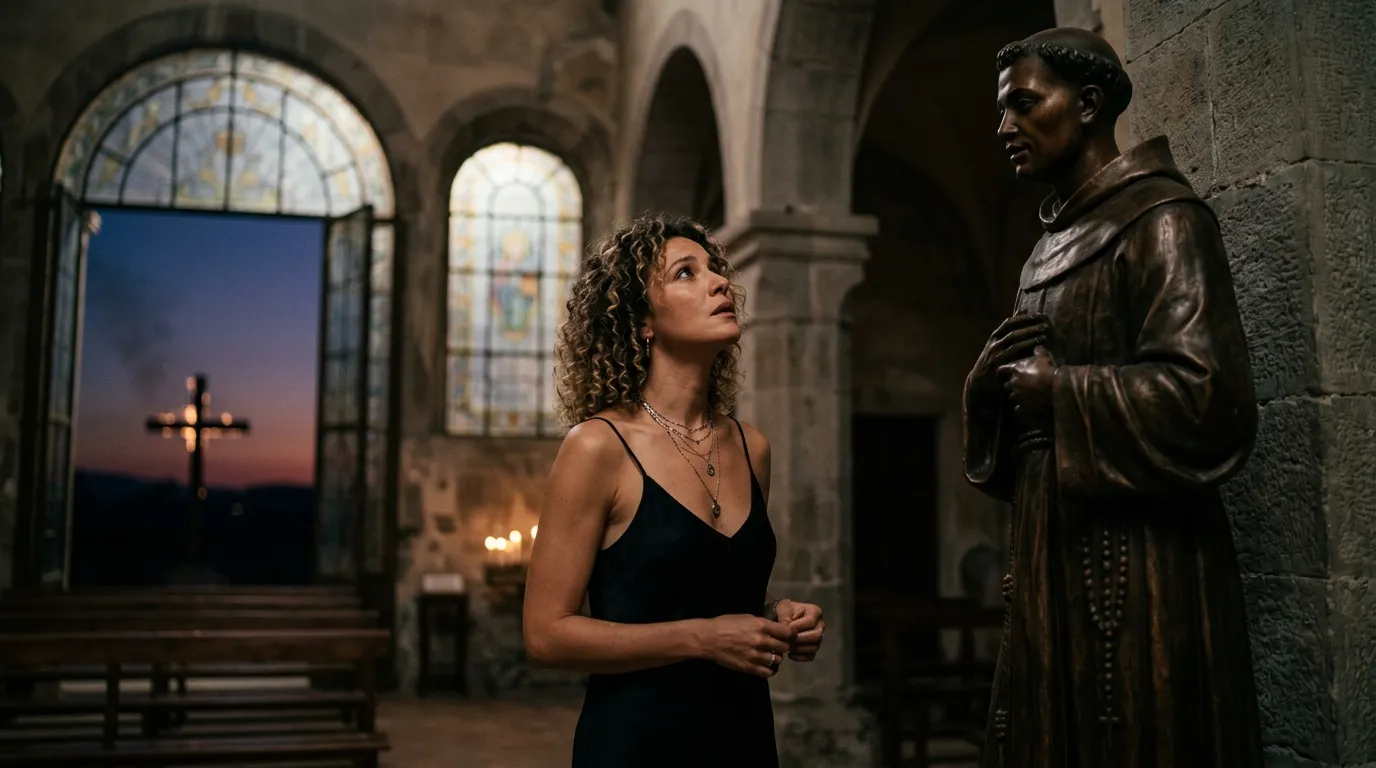
Madonna’s “Like a Prayer” video featured burning crosses, a Black saint who comes to life, and religious imagery mixed with desire. The Vatican condemned it, and religious groups called for boycotts.
The fallout cost Madonna a lucrative partnership. Pepsi had just launched a major commercial using the song, and it pulled the ad and ended the campaign after the controversy erupted.
Why It Stands Out
- It combined a Vatican rebuke, boycott calls, and a lost sponsor.
- Pepsi walked away from the campaign in 1989.
- The single still went to number one on the Billboard Hot 100.
The song didn’t lose a step. “Like a Prayer” connected with listeners well beyond the arguments, thanks to its gospel-tinged sound. Madonna lost a sponsor and gained one of the biggest songs of her career. It remains one of the most famous clashes between pop and religion.
#4 – Relax by Frankie Goes to Hollywood
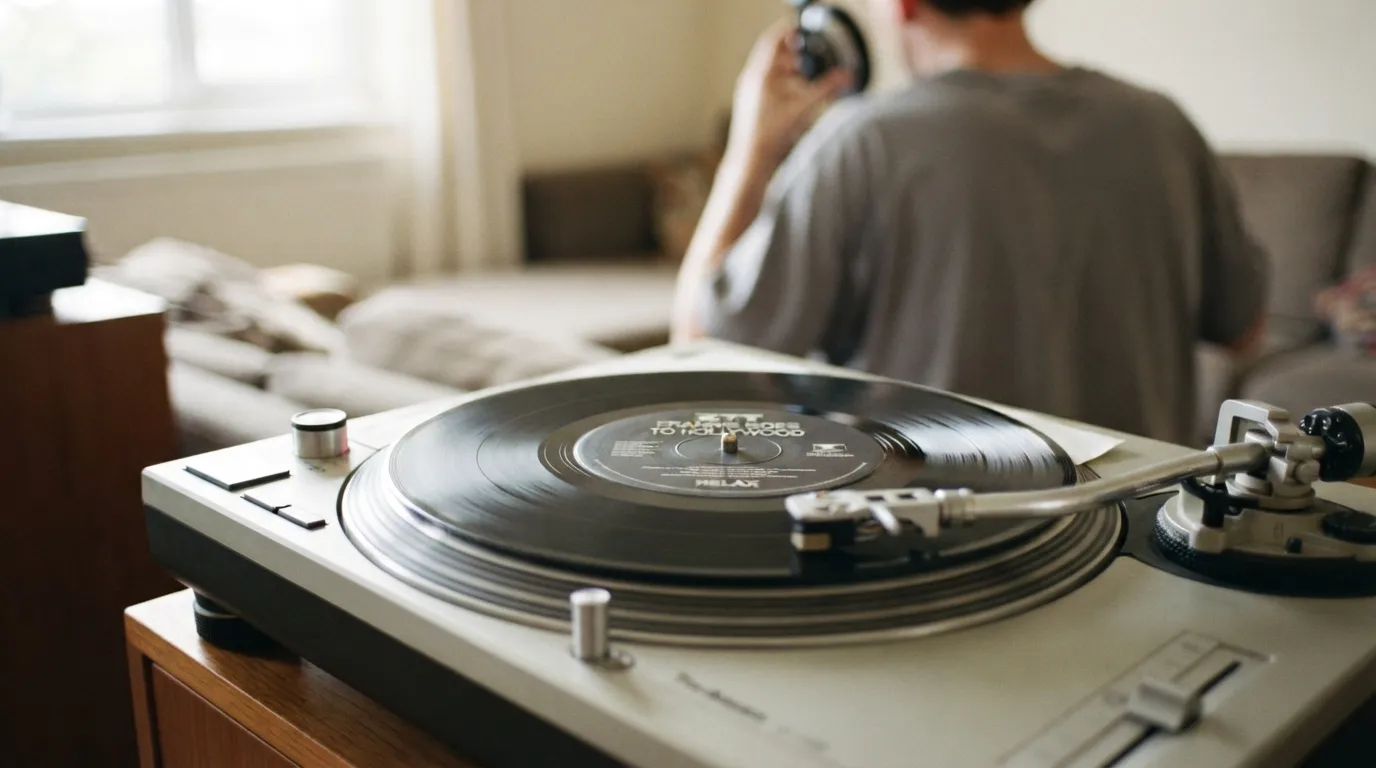
It happened live. In January 1984, BBC Radio 1 DJ Mike Read stopped playing “Relax” partway through, reportedly after taking a closer look at the lyrics and sleeve. The BBC soon banned the single from its radio and the TV show Top of the Pops.
Within weeks, the record was number one in the UK, where it spent five weeks at the top.
The ban was the best advertising the band could have asked for. T-shirts reading “Frankie Say Relax” turned into a craze, and the song kept selling long after the initial buzz. It remains one of the most famous examples of censorship backfiring in pop history.
#3 – Body Language by Queen
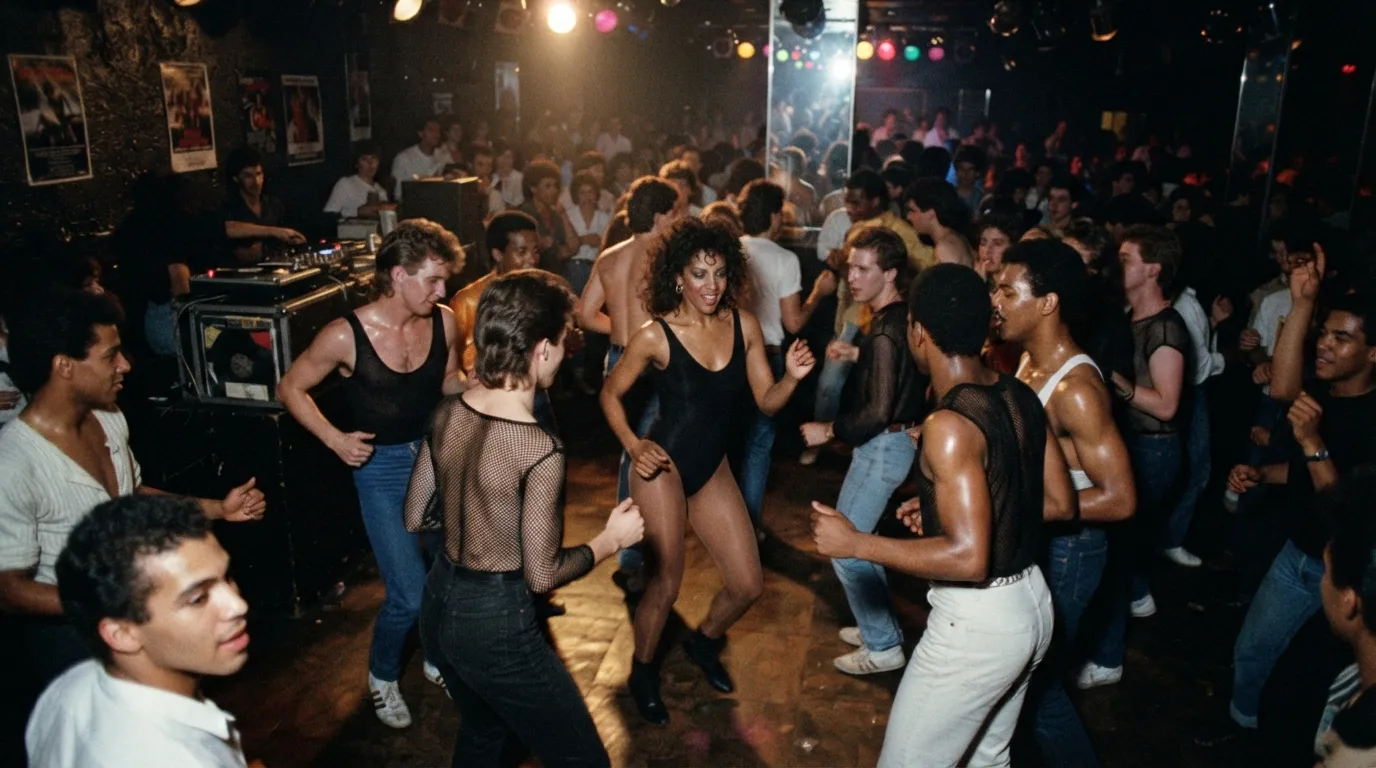
Queen’s 1982 single “Body Language” was a sleek, funky, and openly sensual song, and it didn’t fit what many American programmers expected from the band. Some stations limited its airplay.
The video drew trouble too. It featured sweaty, scantily clad dancers, and MTV reportedly refused to air it in full.
Even so, the single reached the top twenty in the U.S. The song found club play when mainstream radio hesitated, and it showed how a major act could weather selective airplay limits. It also marked a point when Queen’s ambitions and its American audience started to pull in different directions, but the band never fully stopped trying new things.
#2 – Controversy by Prince
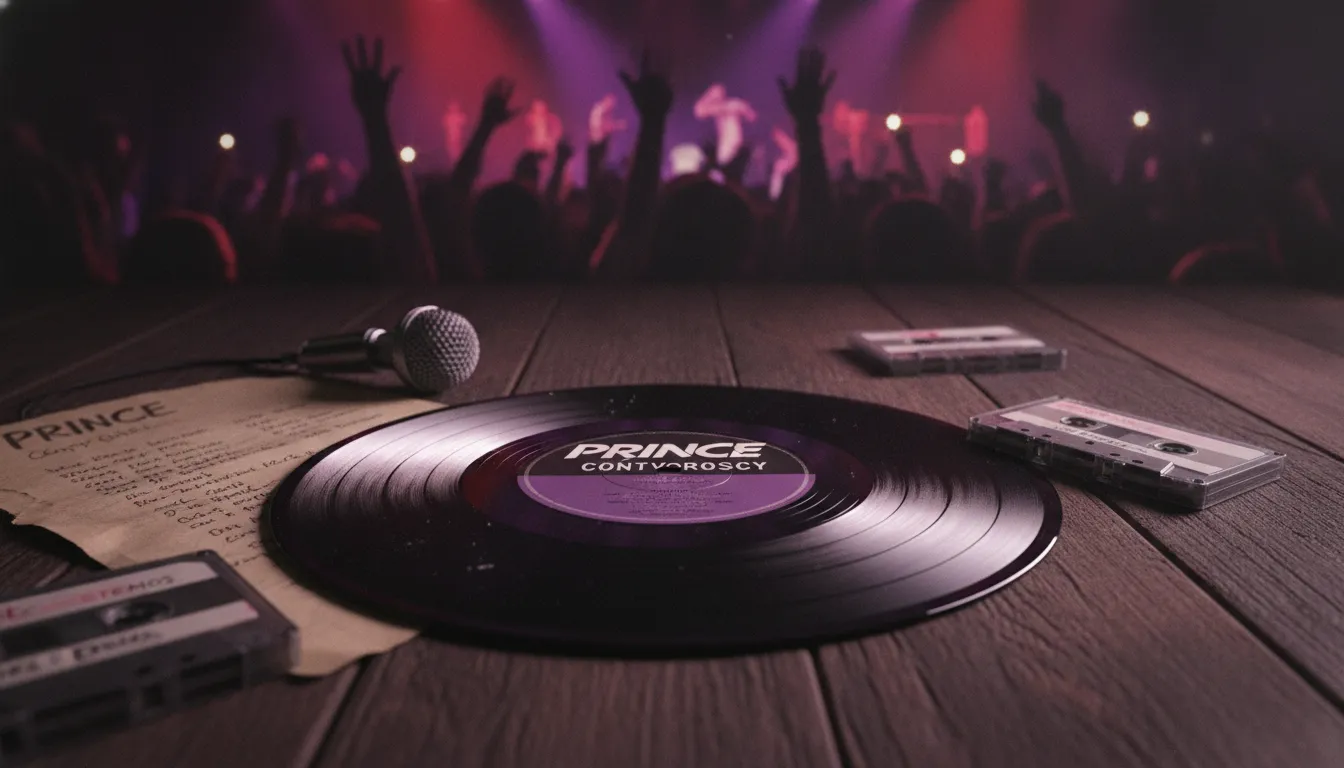
The title said it all. In 1981, Prince released a song that wrestled with sexuality, race, and religion, and asked the question “Do I believe in God? Do I believe in me?” The second half of the track even recites the Lord’s Prayer.
That mix made some programmers uneasy, and some avoided it during daytime hours. But Prince didn’t flinch. He leaned right into the debate, and the song found a large audience on R&B radio and at his concerts.
“Controversy” helped define his early persona as a restless, boundary-pushing artist who would say what other stars wouldn’t. It also set the stage for the even bigger fights that came with Purple Rain just a few years later.
#1 – Erotic City by Prince
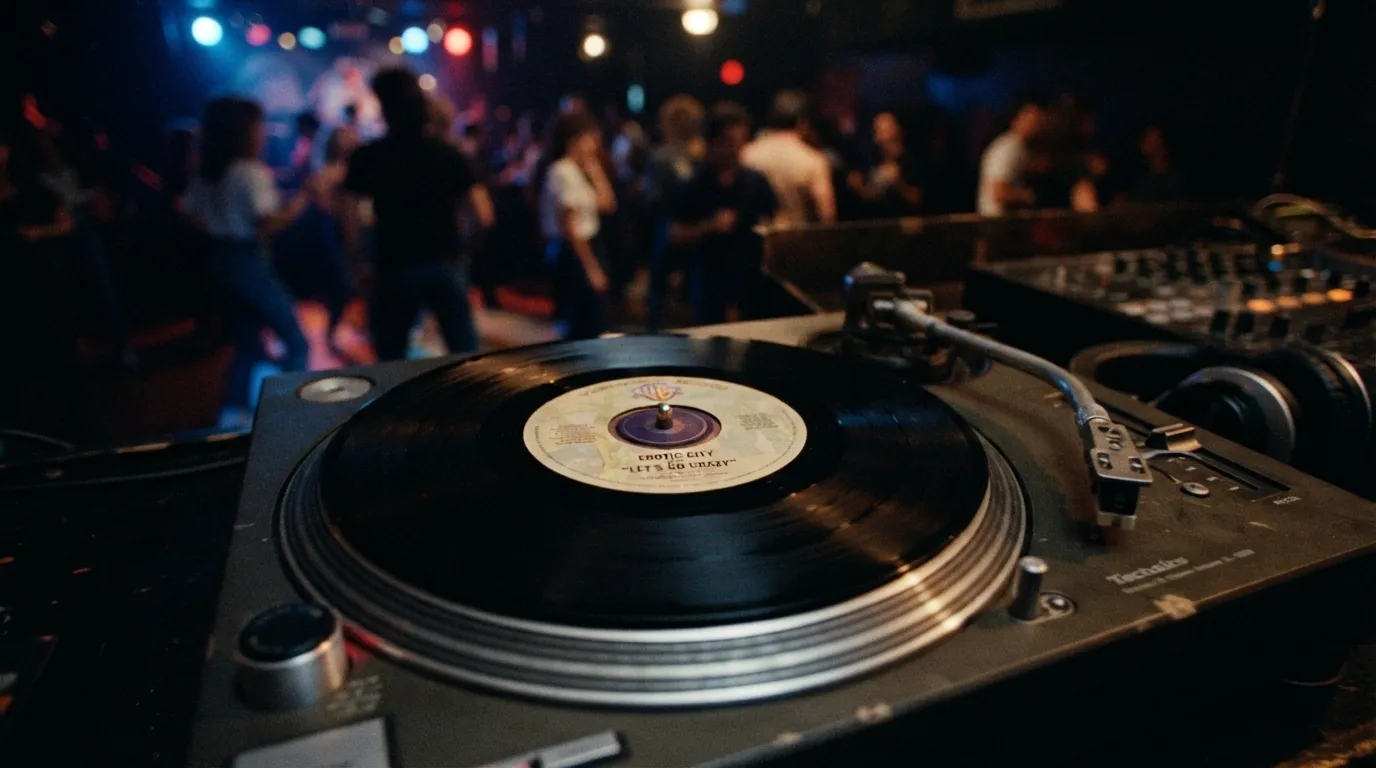
Here’s the strangest twist on the whole list. In 1984, Prince put “Let’s Go Crazy” on the A-side of a single, and it went all the way to number one on the Billboard Hot 100. The B-side was “Erotic City.”
It was a very different song. Many stations refused to play it because of its explicit language and themes, and it was widely credited as a duet between Prince and Sheila E.
The song never needed radio. It lived in clubs and on the flip side of one of the decade’s biggest records, and over time it grew into a cult favorite. Its restricted airplay only deepened its mystique. Sometimes the song that gets hidden ends up being the one people never forget.
CEO-Co-Founder
