
- The Secret Origins of America’s Oldest Music Festivals - October 20, 2026
- Historic Disasters That Inspired American Novels - October 20, 2026
- How Protest Songs Helped End Major U.S. Wars - October 20, 2026
The brochure shows a ship gliding past glaciers, a warm drink in your hand, and penguins right on cue. The reality is more hands-on. You may be wading ashore in rubber boots, scrubbing Velcro in a mudroom, and watching the whole plan change over dinner.
Operator guidance and passenger briefings point to the same thing: weather, regulations, physical demands, and logistics often outrank the printed itinerary from day one. Standard travel insurance may not cover you, a medical form can keep you off the ship, and the daily schedule is written in pencil. Some of these 18 are about gear, some about money, and a few are the kind of detail people wish they had read before paying.
#18 – Limited Connectivity Changes Daily Routines
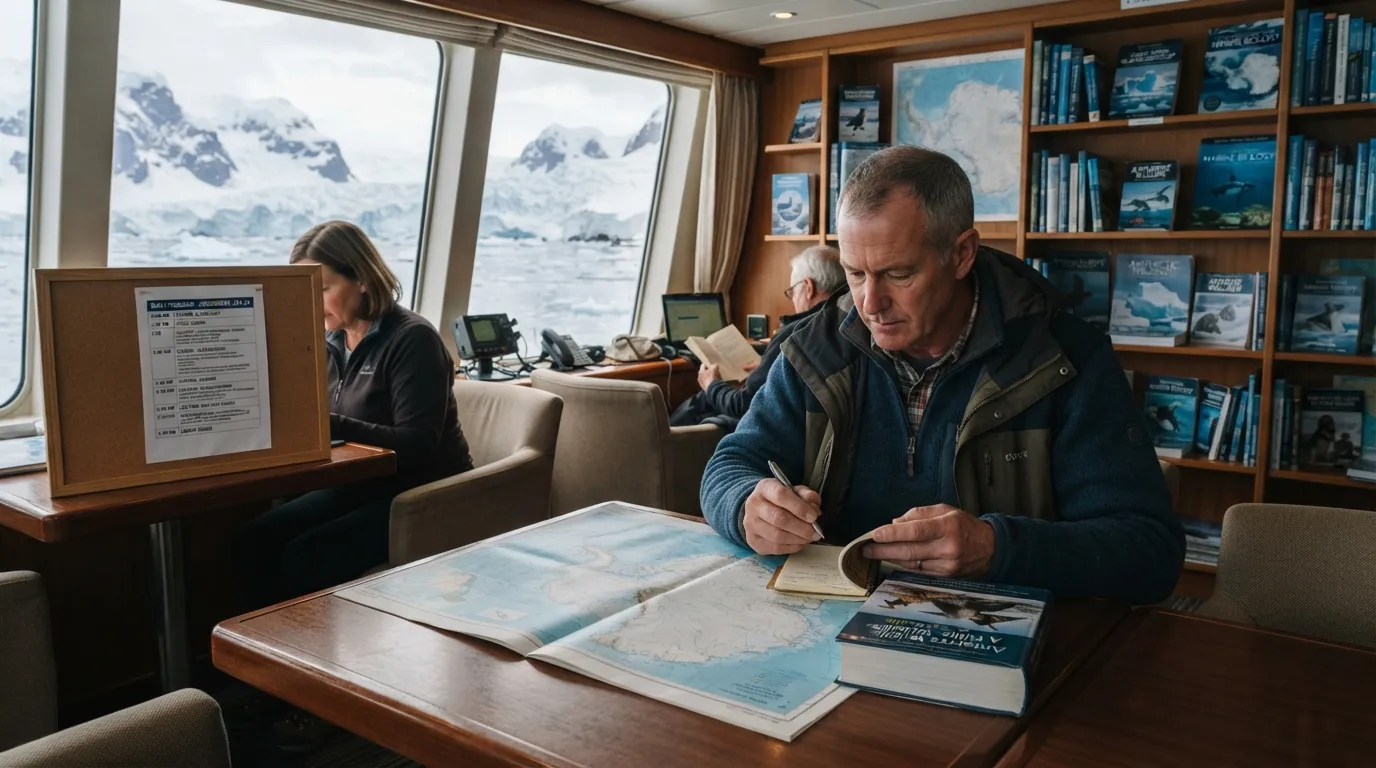
Operators routinely warn that satellite Wi-Fi in polar and remote waters can be slow, expensive, or missing for long stretches. Anyone planning to keep up with work or send daily updates home quickly adjusts to offline hours, sometimes days.
Many ships put expedition activities ahead of bandwidth, so streaming and big uploads are off the table. Expedition staff often build briefings around these limits instead of promising constant access. In-person lectures and printed materials take the place of scrolling.
That’s only the first surprise. #17 has to do with your wallet.
#17 – Tipping Practices Vary by Operator
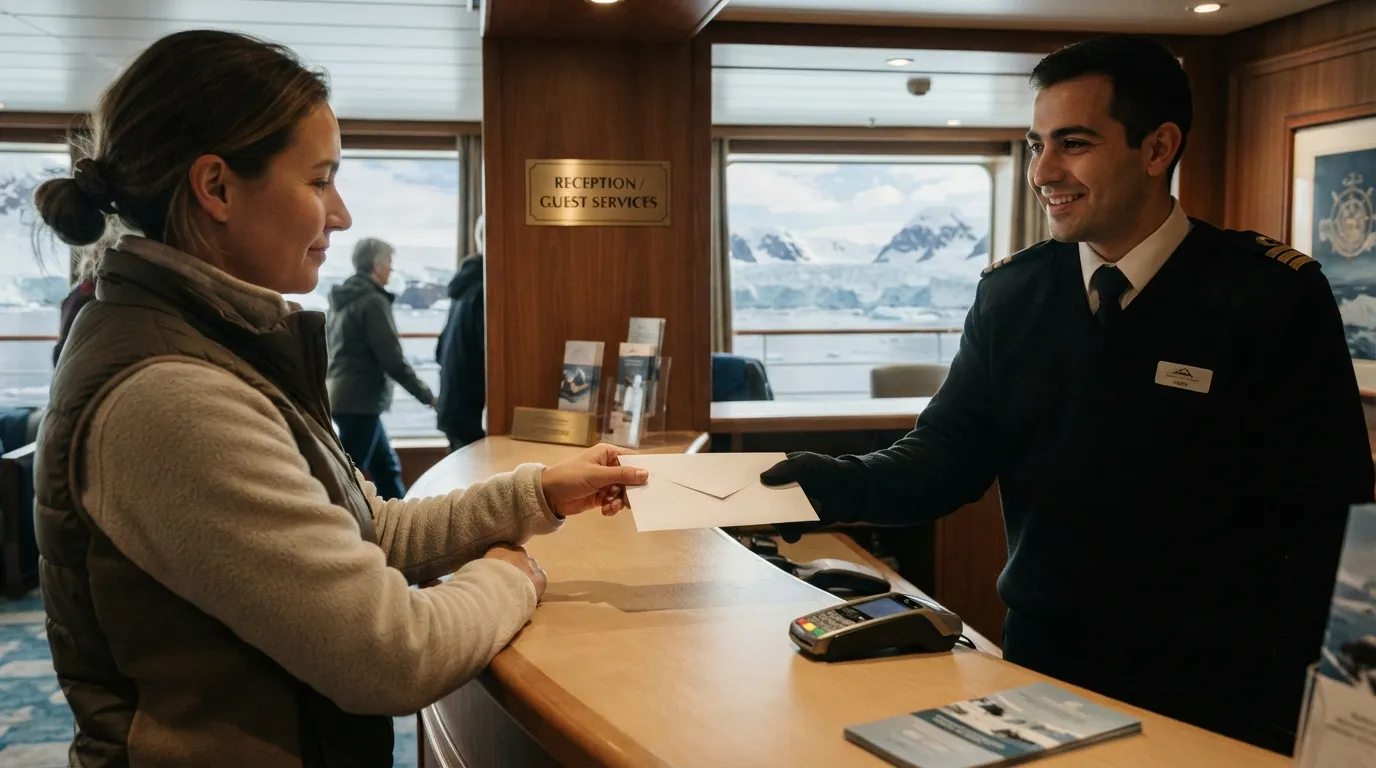
Official FAQs from several lines note that gratuities are not always included in the fare and need to be budgeted separately. On many remote voyages, crew compensation is structured differently from mainstream cruising, and tips are part of that picture.
Passengers often receive envelopes or an onboard account near the end of the trip, with suggested amounts based on length and service. Some premium operators fold tips into the price, while others leave them up to you. With no uniform policy, first-timers who assumed all-inclusive meant everything-included can get caught off guard.
Next comes a rule that decides whether you step ashore at all.
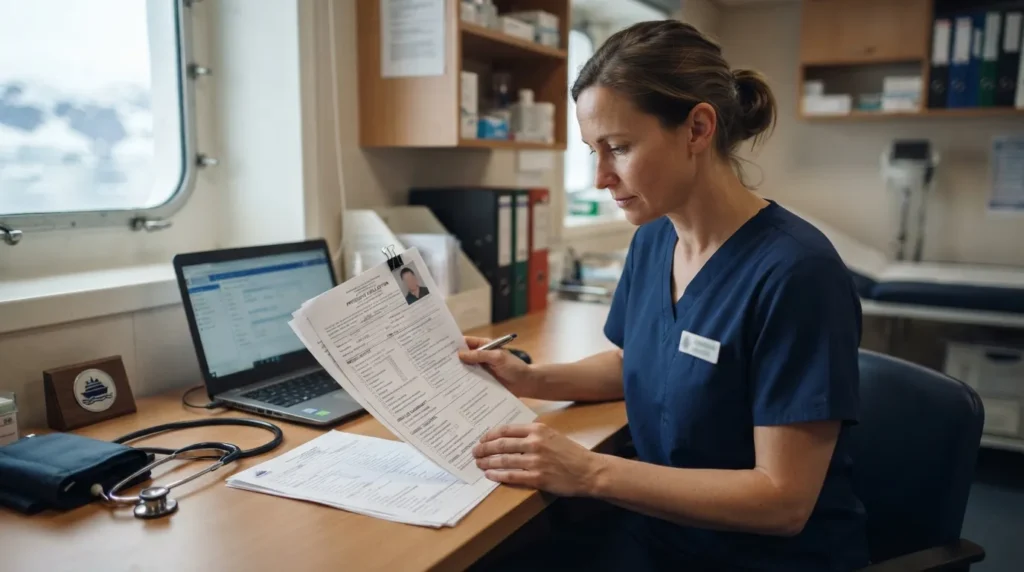
#16 – Strict Biosecurity Checks Apply to Every Landing
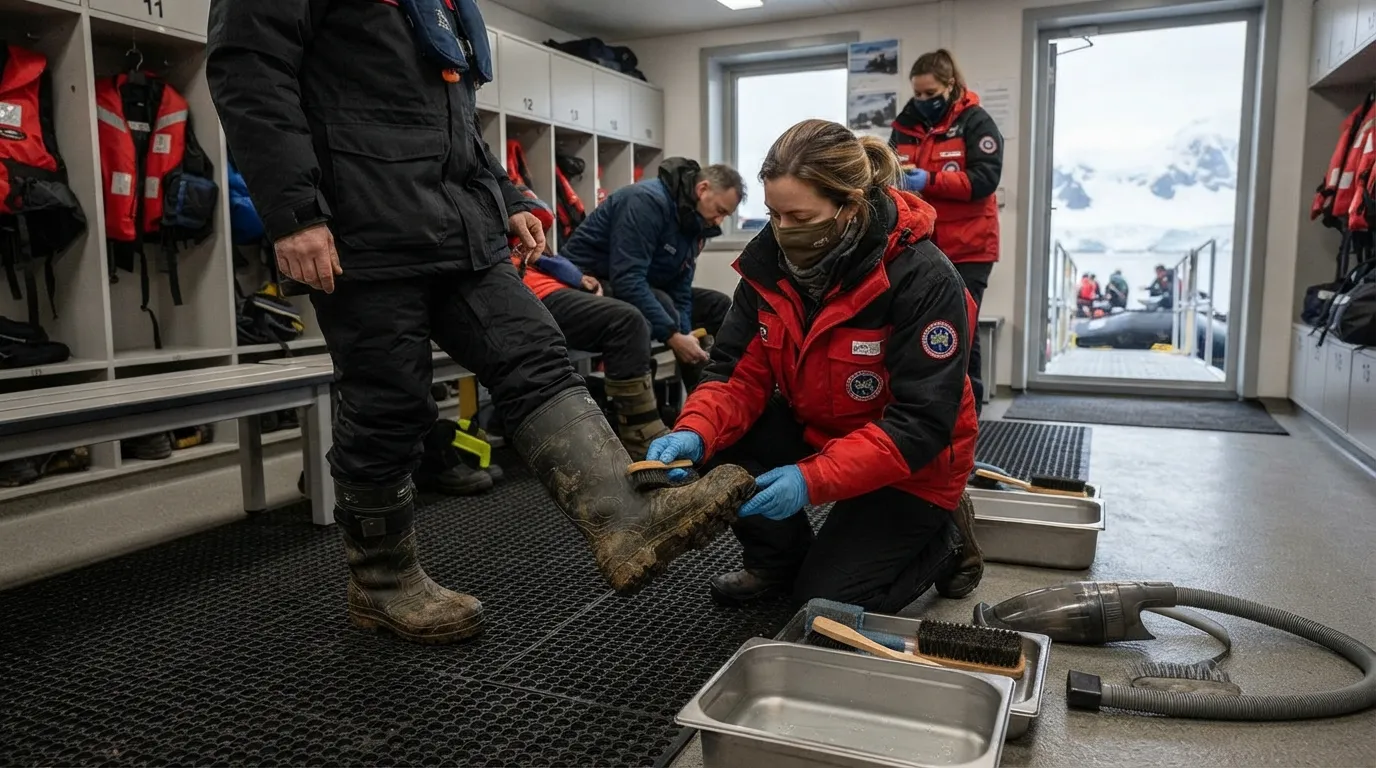
IAATO and similar bodies call for thorough cleaning of boots, clothing, and gear before each shore visit to keep non-native species out. Staff check Velcro, soles, and bags, and visible soil or seeds mean the item goes back for another scrub.
Fast Facts
- Velcro straps, cuffs, and pockets are common hiding spots for seeds and soil.
- Boot treads get scrubbed and disinfected before and after landings.
- Backpacks, tripods, and walking poles are checked along with clothing.
- Pre-cleaning your own gear at home speeds up the first mudroom session.
Passengers soon learn to arrive at the mudroom with pre-cleaned gear and follow the vacuuming or washing routine. It protects fragile ecosystems, but it also stretches the time between meals and landings. Skipping the process can mean sitting out that activity.
All that scrubbing happens in one very specific room, and it matters more than you’d think.
#15 – Mudrooms Serve as Mandatory Gear Transition Zones
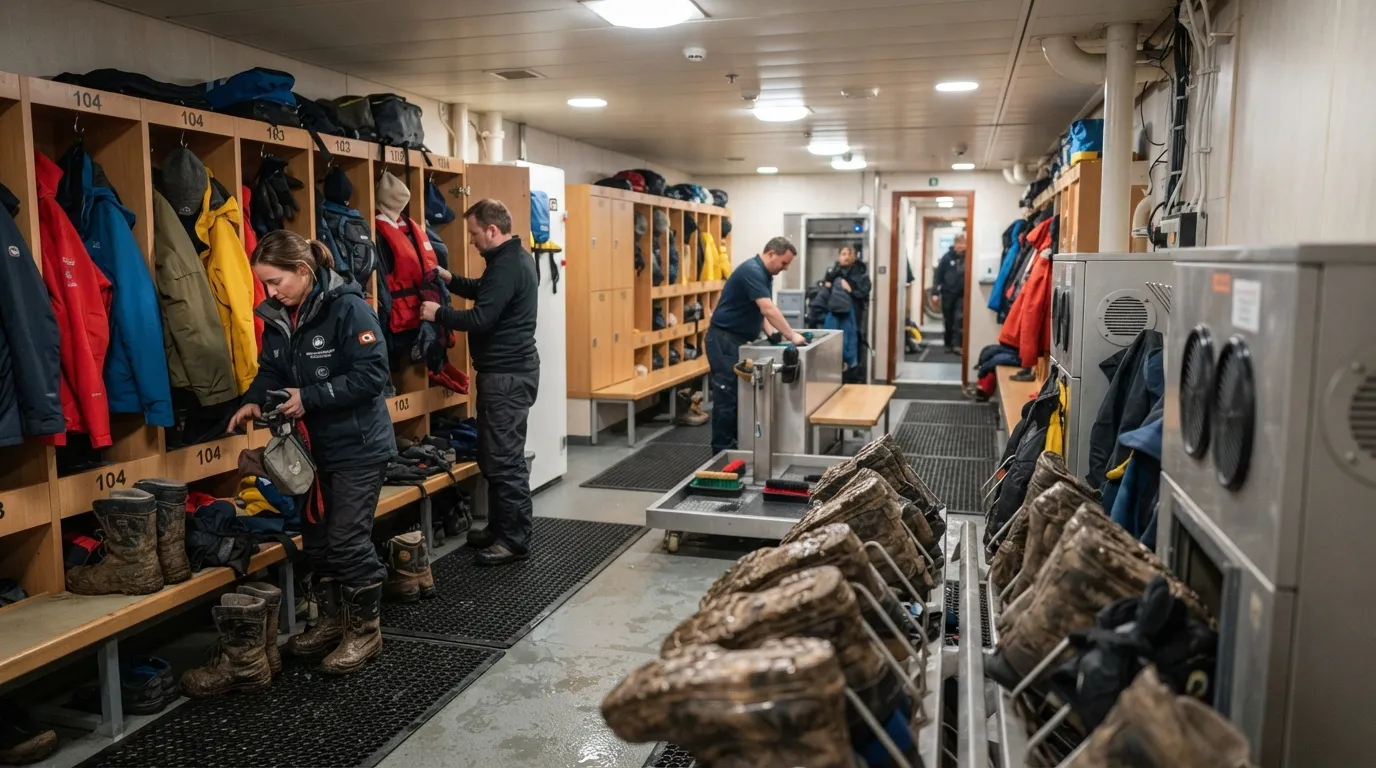
Ships set aside a lower-deck space with cubbies, boot racks, and drying closets for outdoor clothing and equipment. After every landing, passengers clean and stash their gear here so wet, muddy layers never reach the cabins.
Heated compartments help boots and outerwear dry overnight for the next day. Space is shared, so everything you own for the outdoors has to fit your assigned spot. Everyone follows the same storage routine, and newcomers often underestimate how much time it adds to each transition.
Gear is one thing. Whether the fun stuff is actually included is another.
#14 – Optional Activities Carry Separate Fees
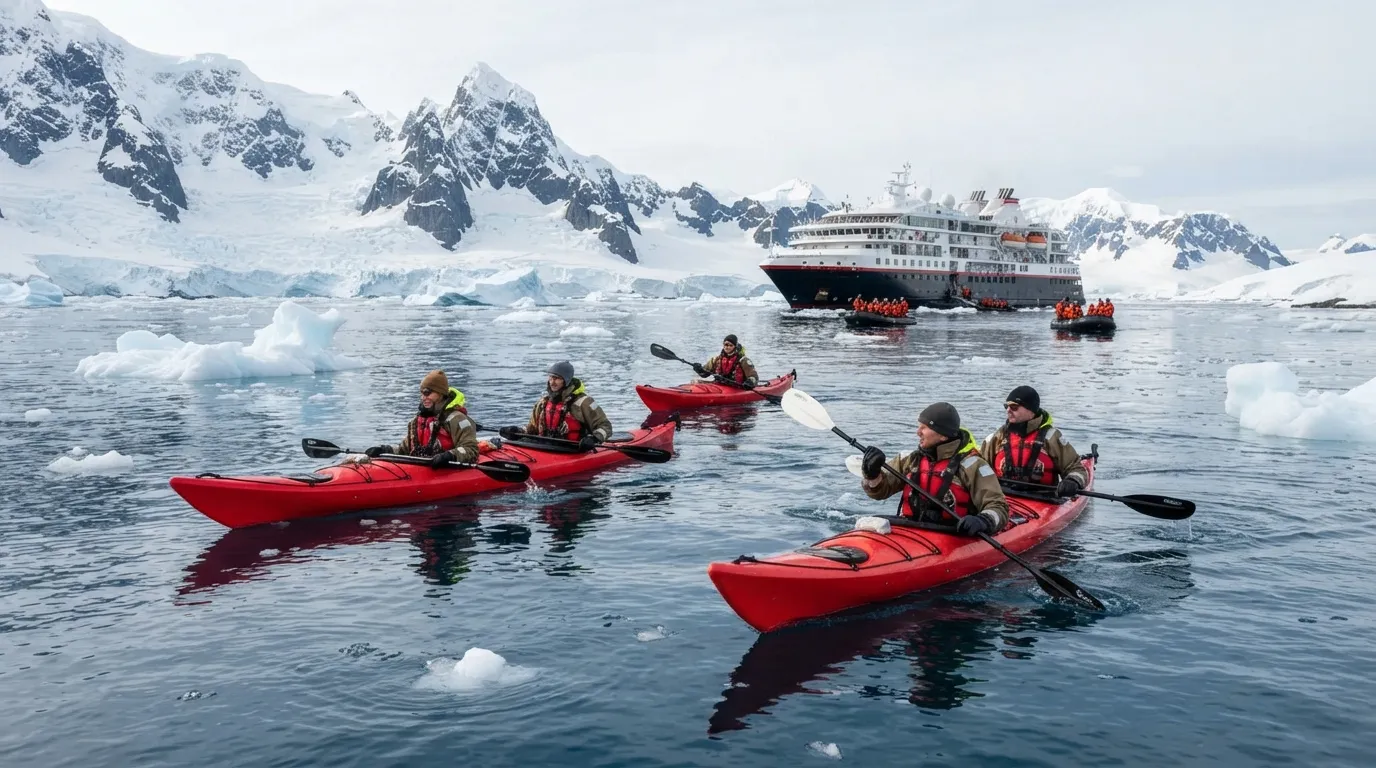
Core Zodiac landings and hikes are typically included. Kayaking, camping, and helicopter flights are often listed as add-ons with per-person charges, and some operators offer them only with advance sign-up.
Spots can fill fast, and availability depends on weather and group size. Participants get extra briefings and equipment checks. The line between included and paid experiences becomes clear mainly when you read the daily program sheets. Setting a budget ahead of time beats deciding on the spot.
Now for the part of the trip nobody likes to picture.
#13 – Onboard Medical Resources Remain Basic
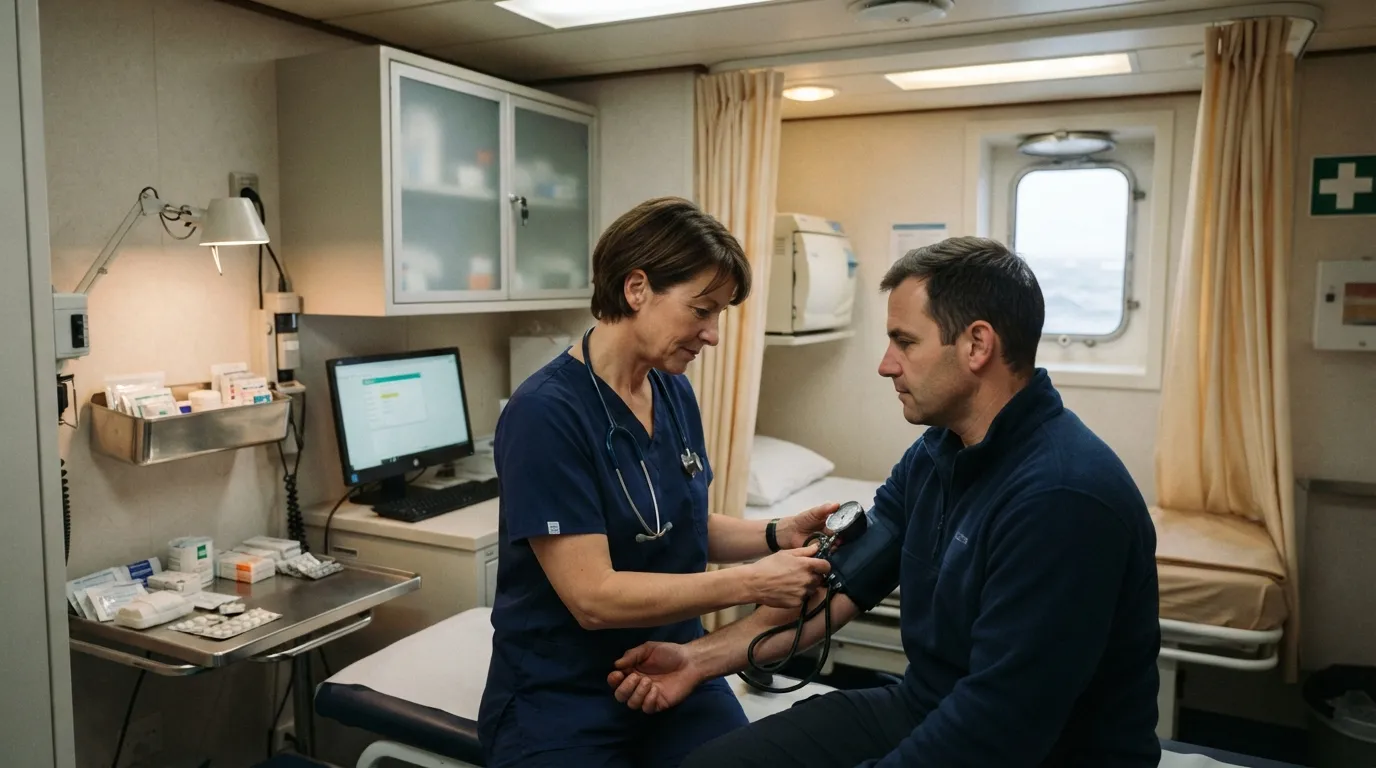
Expedition vessels typically carry a doctor and a small infirmary. Serious cases call for evacuation planning, not hospital-level treatment, and complex care depends on how close the nearest port is.
Seasickness medication and basic supplies are on hand. That is exactly why operators ask for medical questionnaires well before departure: the nearest hospital can be days away. The system favors prevention and fast decisions over deep medical capability.
Then there’s the price tag, which is bigger than the one in the ad.
#12 – Overall Costs Extend Well Beyond the Fare
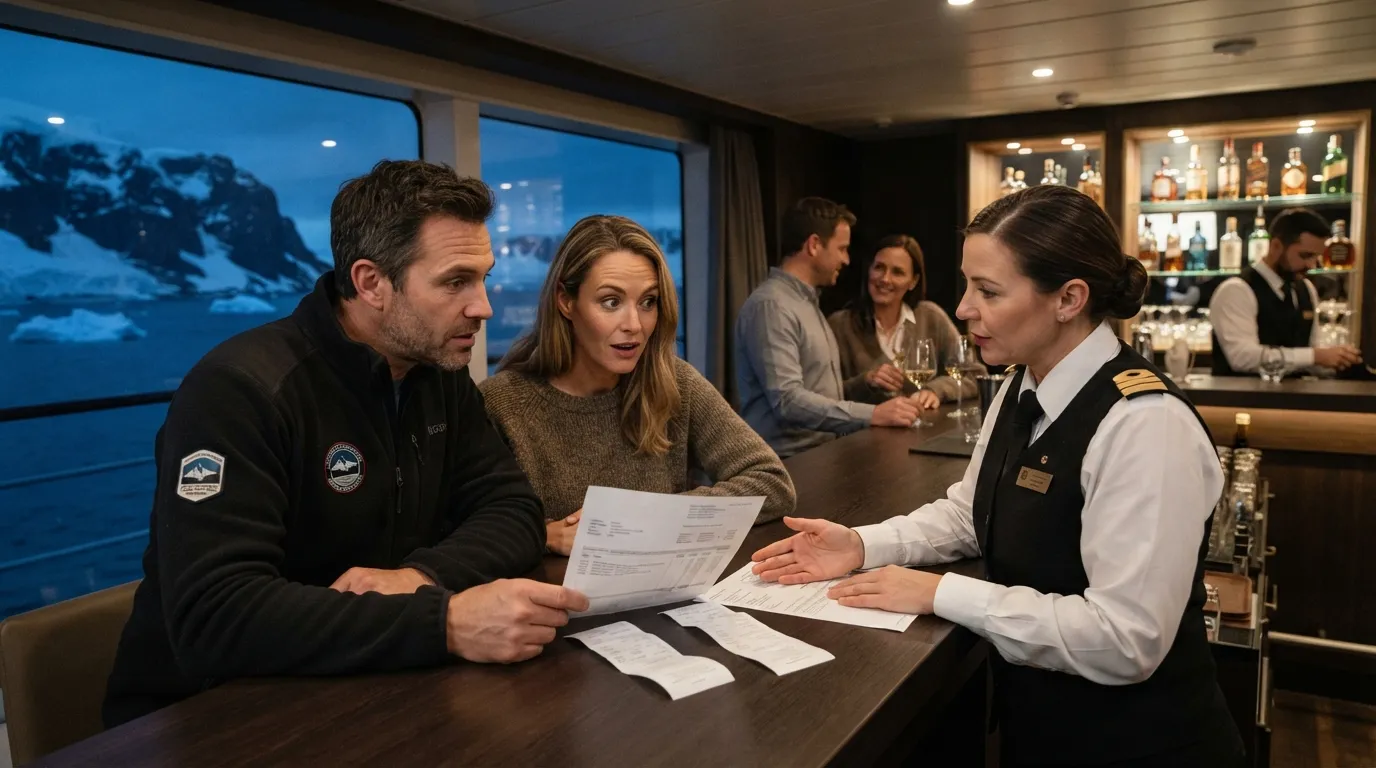
Published rates often start at several thousand dollars per person, and the true daily cost climbs once flights, hotels, and extras are added. Many lines include parkas and boots, yet charge for premium drinks, spa services, or specialty excursions.
At a Glance
- Often included: Zodiac landings, expedition lectures, and loaner boots.
- Often extra: kayaking, camping, premium drinks, and spa services.
- Often outside the fare: flights to the embarkation port, pre-trip hotels, and insurance.
- Varies by operator: gratuities, port taxes, and landing fees.
Port taxes, landing fees, and insurance may also sit outside the headline price. Anyone who compared only base fares between operators can be surprised by the real total. Pre-departure documents spell out inclusions and exclusions, so read them closely.
One of those line items can decide whether you board at all.
#11 – Evacuation Insurance Requirements Are Specific
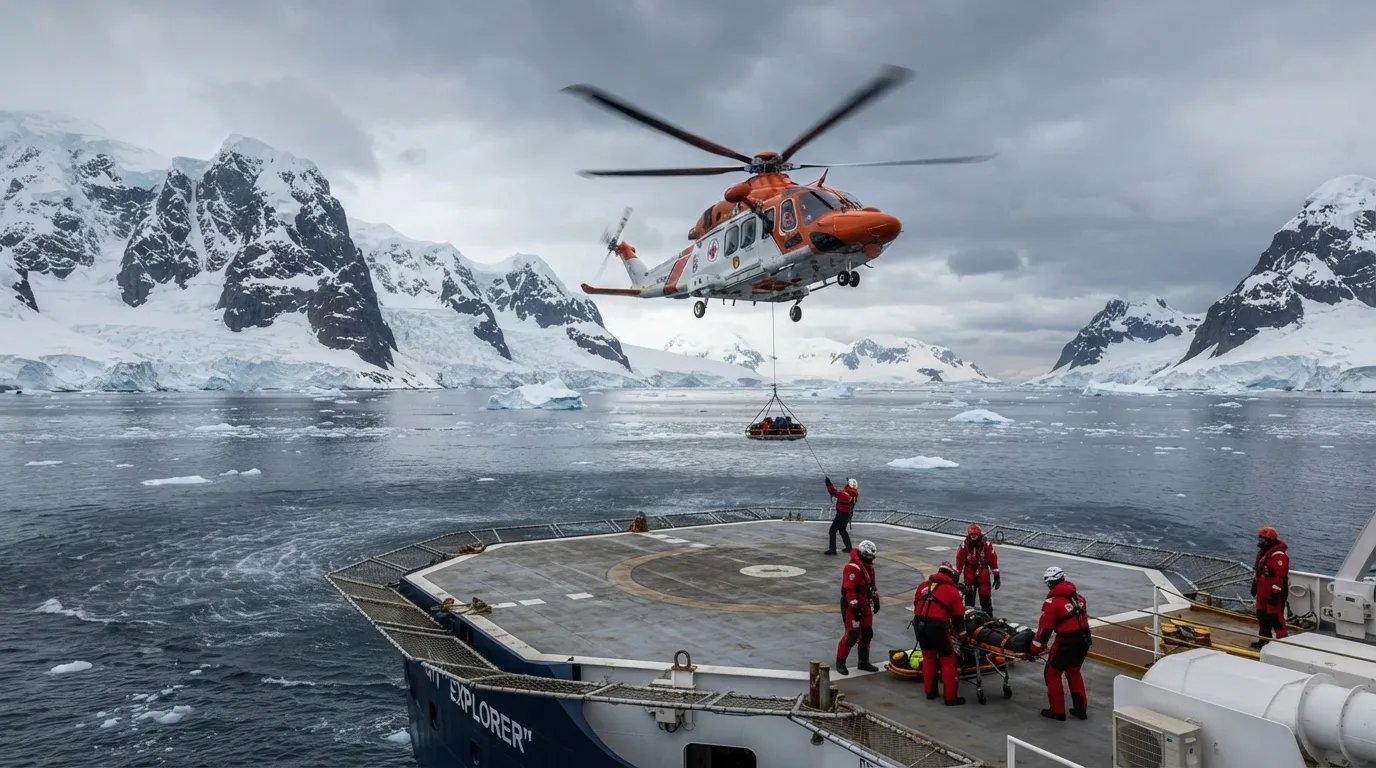
Standard travel policies often do not cover remote medical evacuation from polar or expedition regions. Operators commonly ask for written confirmation of coverage, with required limits frequently in the range of $100,000 to $250,000 or more.
Evacuations can involve helicopters, icebreakers, or long surface transits, and costs can run into six figures. Passengers need to check that their policy language matches the operator’s stated minimums. The gap between ordinary travel insurance and expedition-grade coverage tends to surface during the final document review. Without proof of coverage, boarding can be denied.
Insurance isn’t the only paperwork that can stop a trip cold.
#10 – Medical Questionnaires Can Lead to Declined Participation
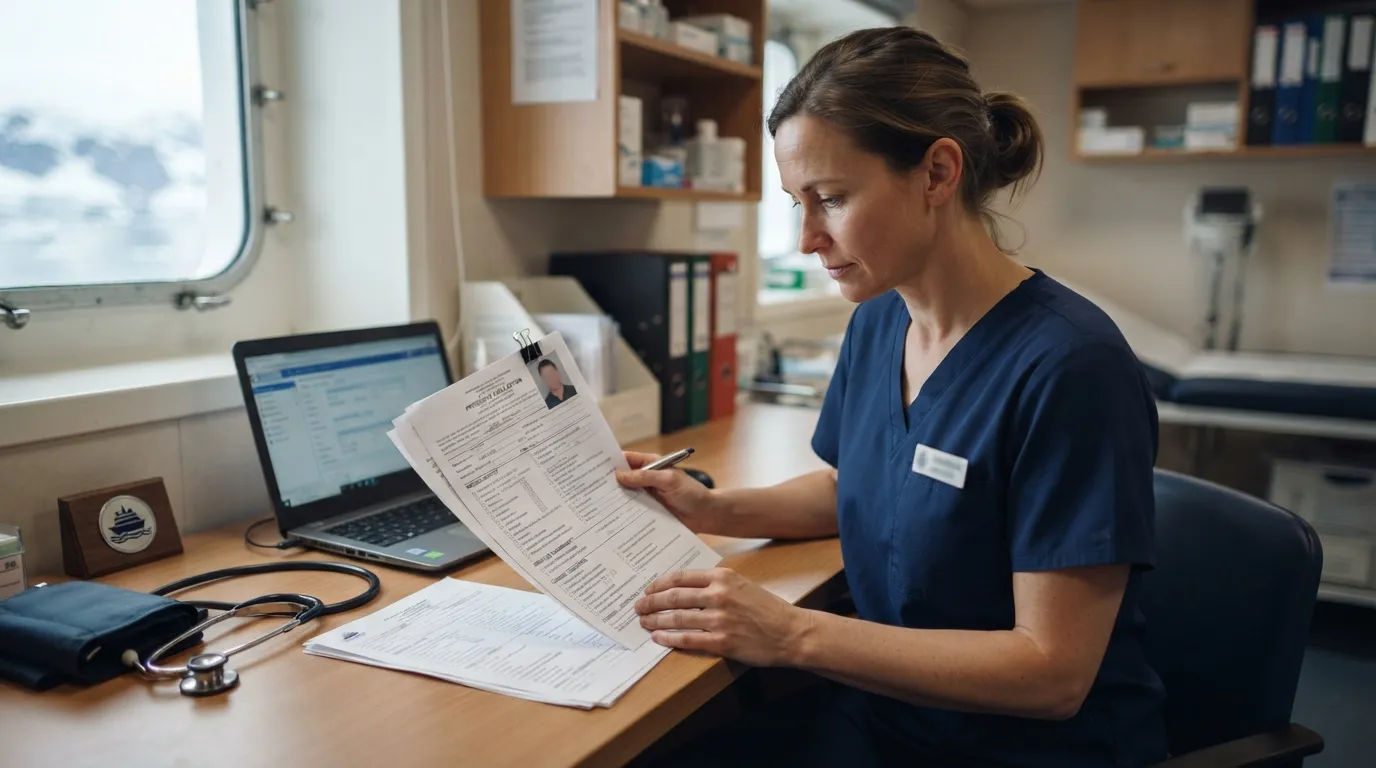
Most polar and remote operators ask for a physician-completed form weeks before departure. It covers mobility, chronic conditions, and medications, and operators keep the right to refuse passage if the risks look too high.
The reasoning is simple: help is far away, and the group depends on everyone’s safety. Passengers who treated the form as a formality can be shocked to learn a denial is possible even after payment. Submitting early leaves time to sort out questions or alternative arrangements.
Next up: the fabric that packing lists warn about again and again.
#9 – Cotton Clothing Is Strongly Discouraged
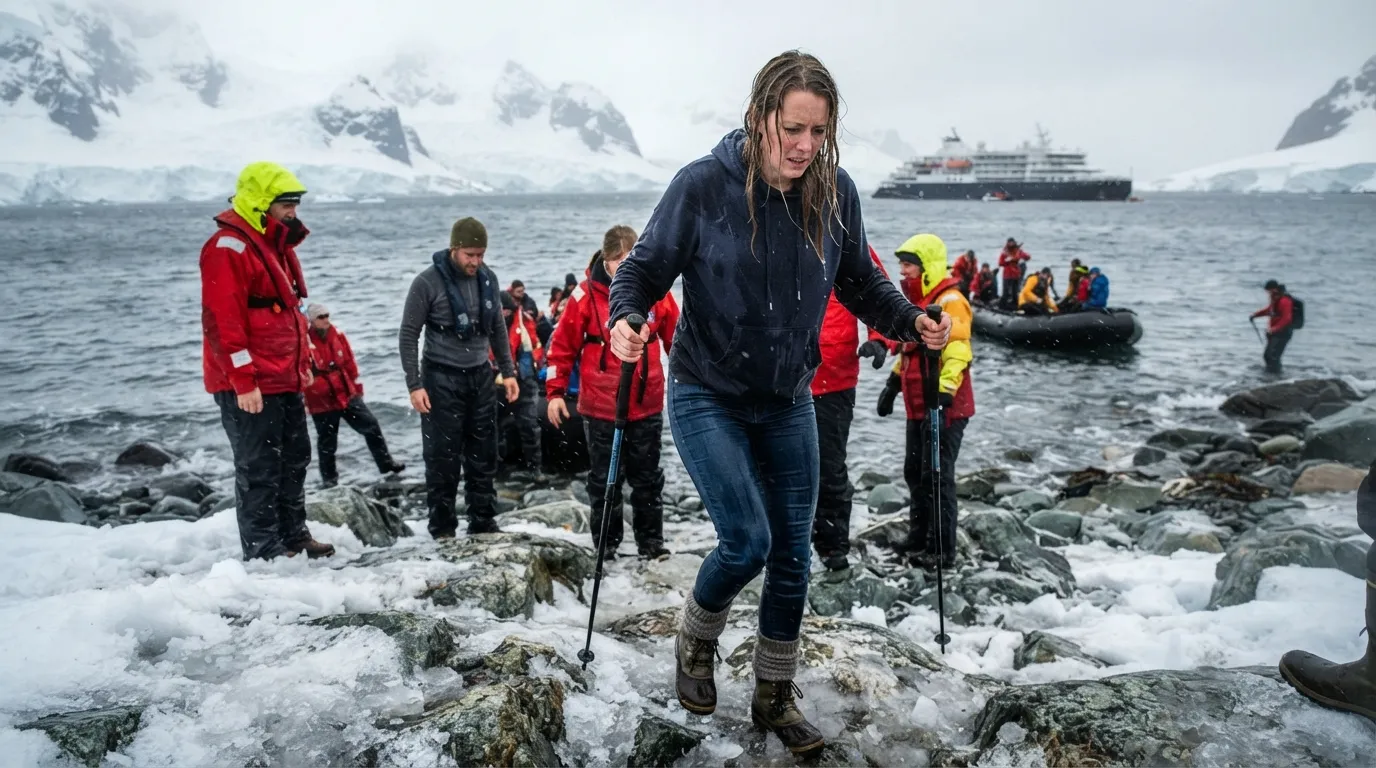
Layering guides lean on merino or synthetic base layers because cotton soaks up moisture and loses its warmth when wet. Fleece or down mid-layers and a waterproof shell complete the system.
Jeans and cotton tees become liabilities on wet landings or in sudden weather shifts. The “no cotton” rule shows up on packing lists everywhere, yet it still catches plenty of travelers off guard. The right layers keep you comfortable moving between a warm ship interior and exposed decks.
And once you’re dressed for it, you may be stepping straight into the water.
#8 – Wet Landings Require Wading Ashore
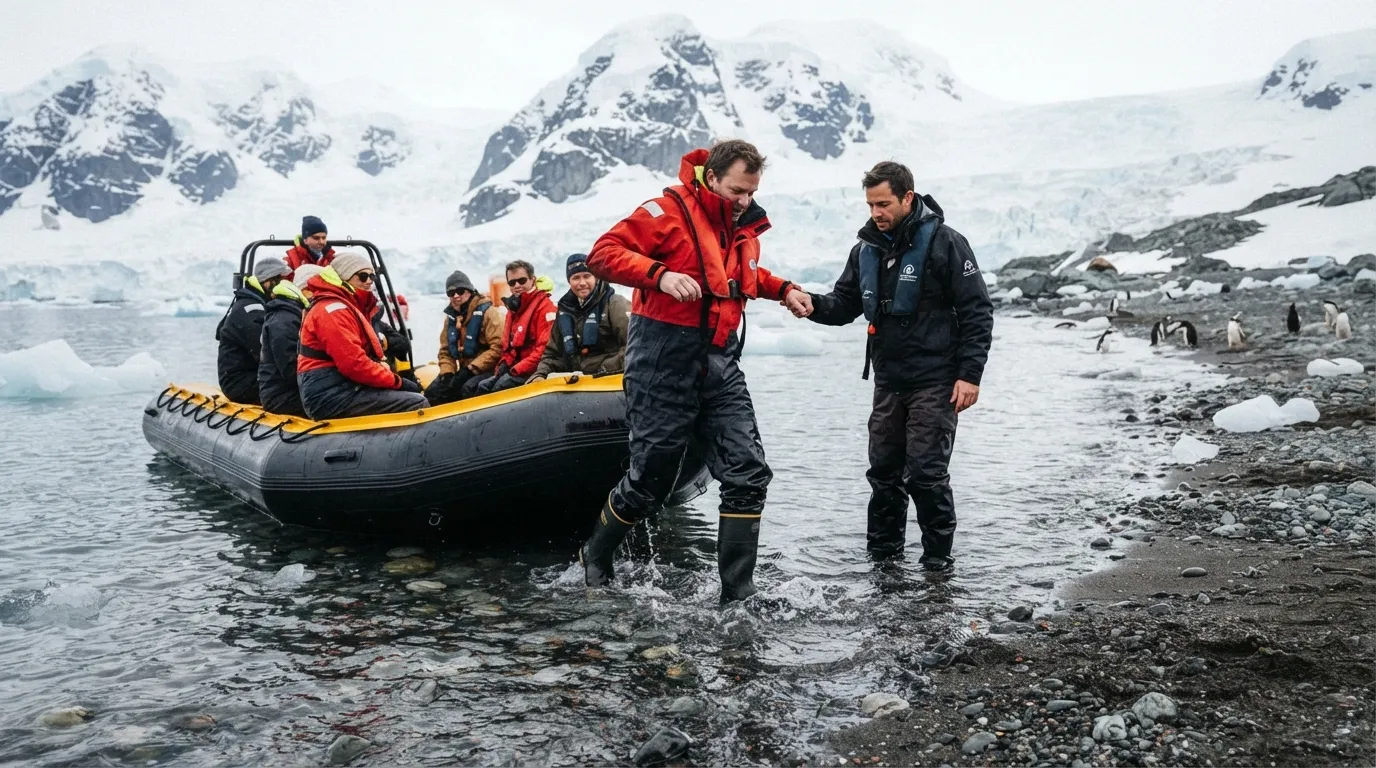
Many expedition landings mean stepping from a Zodiac into shallow water, not onto a tidy dock. Rubber boots supplied or loaned by the ship keep feet dry, and waterproof over-trousers protect your legs.
Quick Compare
- Wet landing: you swing your legs over the Zodiac tube and step into shallow water, so boots and waterproof over-trousers are essential.
- Dry landing: the Zodiac meets a dock, rock ledge, or ice edge, and you step directly onto it.
- Either way: life jackets stay on and staff guide each transfer.
Staff brief passengers on timing the waves and keeping their balance before each transfer. Wet landings rather than pier access are among the first operational realities passengers meet. Anyone unprepared for water entry quickly learns why the boots and waterproof pants matter.
Getting into the boat is its own workout.
#7 – Zodiac Transfers Demand Physical Agility
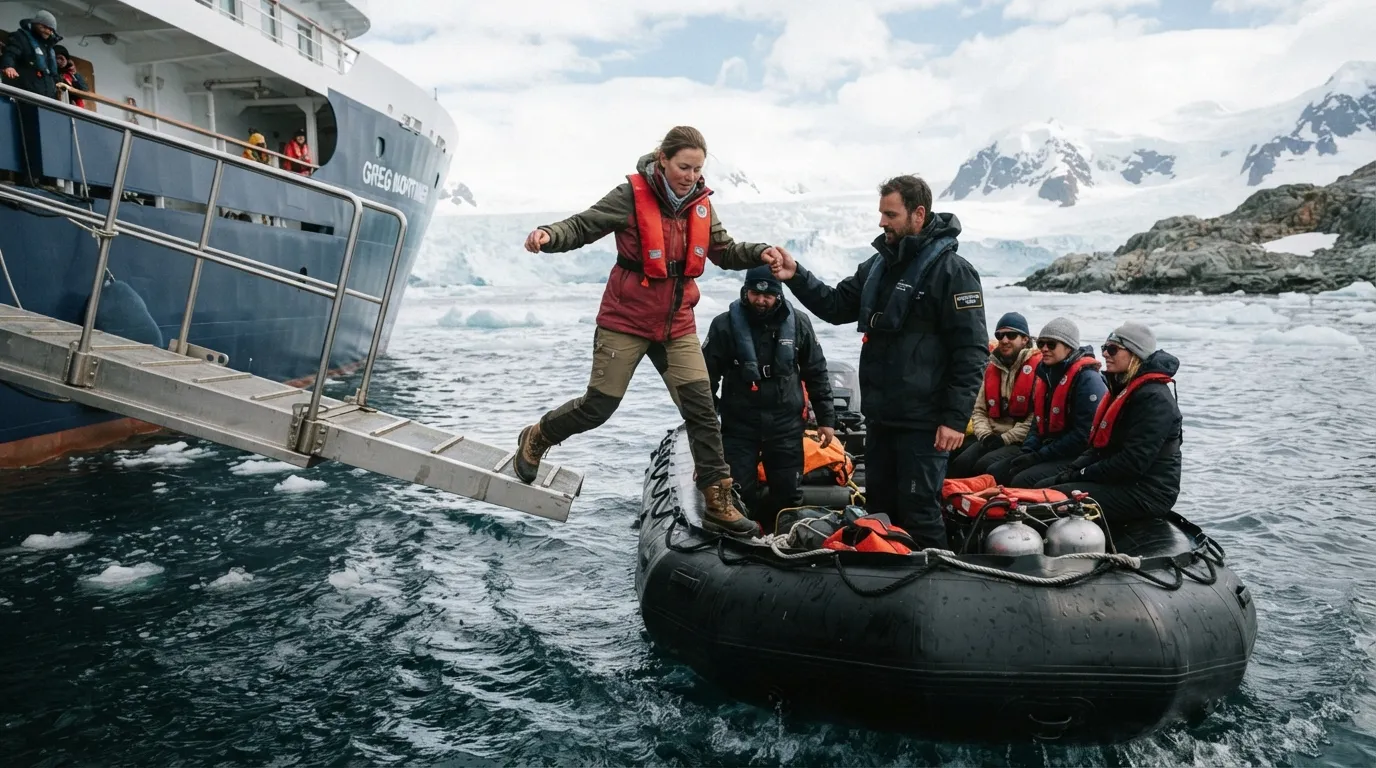
Boarding and leaving an inflatable boat means stepping across moving gaps, climbing over tubes, and holding your balance in choppy water. Life jackets are worn for every transfer, and staff help, but they expect you to move on your own.
Passengers with limited mobility or balance concerns may be restricted from certain landings. The physical side of every shore excursion often becomes obvious only after the first Zodiac drill. Operators stress this in pre-cruise materials to set realistic expectations.
Even if you nail the transfer, the destination may not be the one you booked.
#6 – Itineraries Shift With Weather and Ice
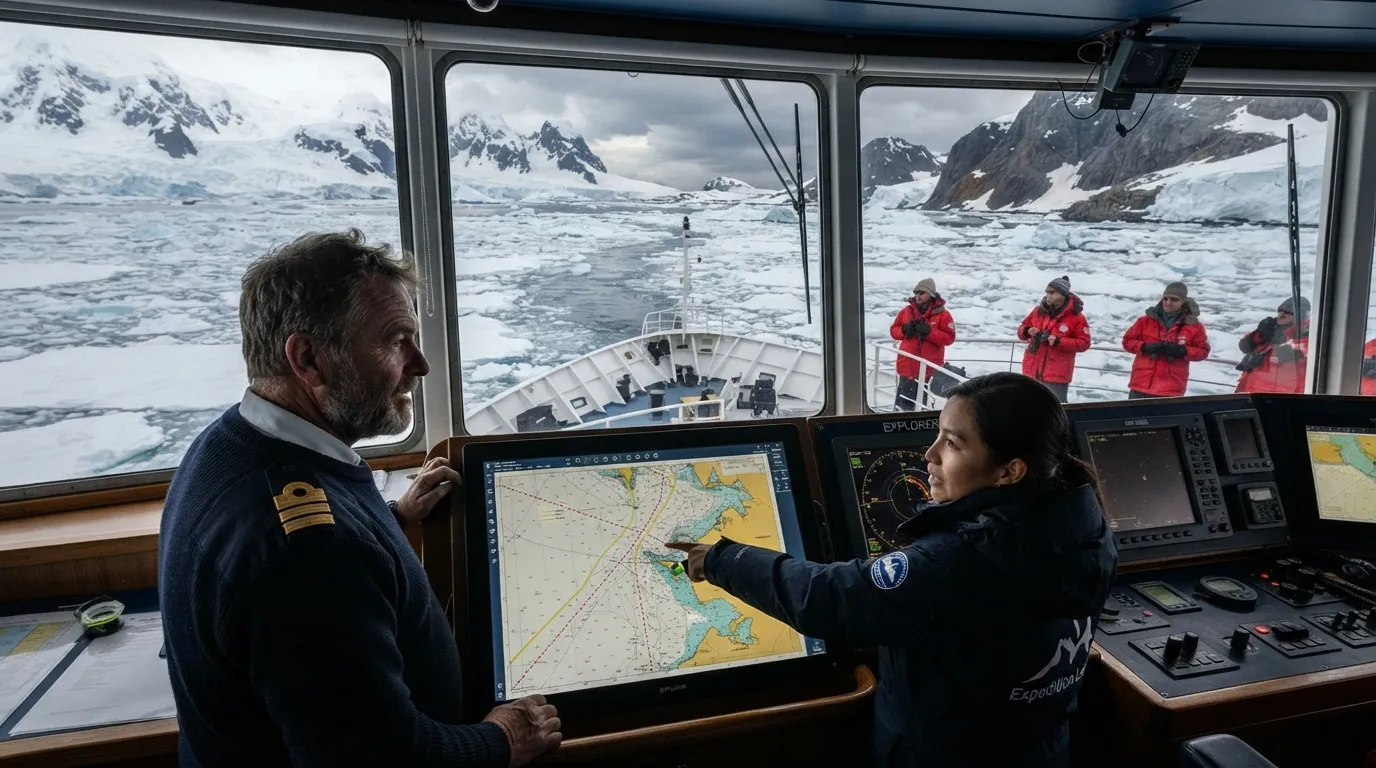
Captains and expedition leaders adjust routes based on sea conditions, ice coverage, and wildlife opportunities. The printed schedule is a starting point, and evening briefings lay out the next day’s plan.
Passengers used to fixed ports learn to treat flexibility as part of the deal. Last-minute changes happen more often than most traditional cruise materials prepare people for. When an original stop becomes unreachable, an alternative site can deliver an equally memorable day.
Flexibility has a physical side too, and the brochure rarely says so plainly.
#5 – Fitness Levels Directly Affect Participation
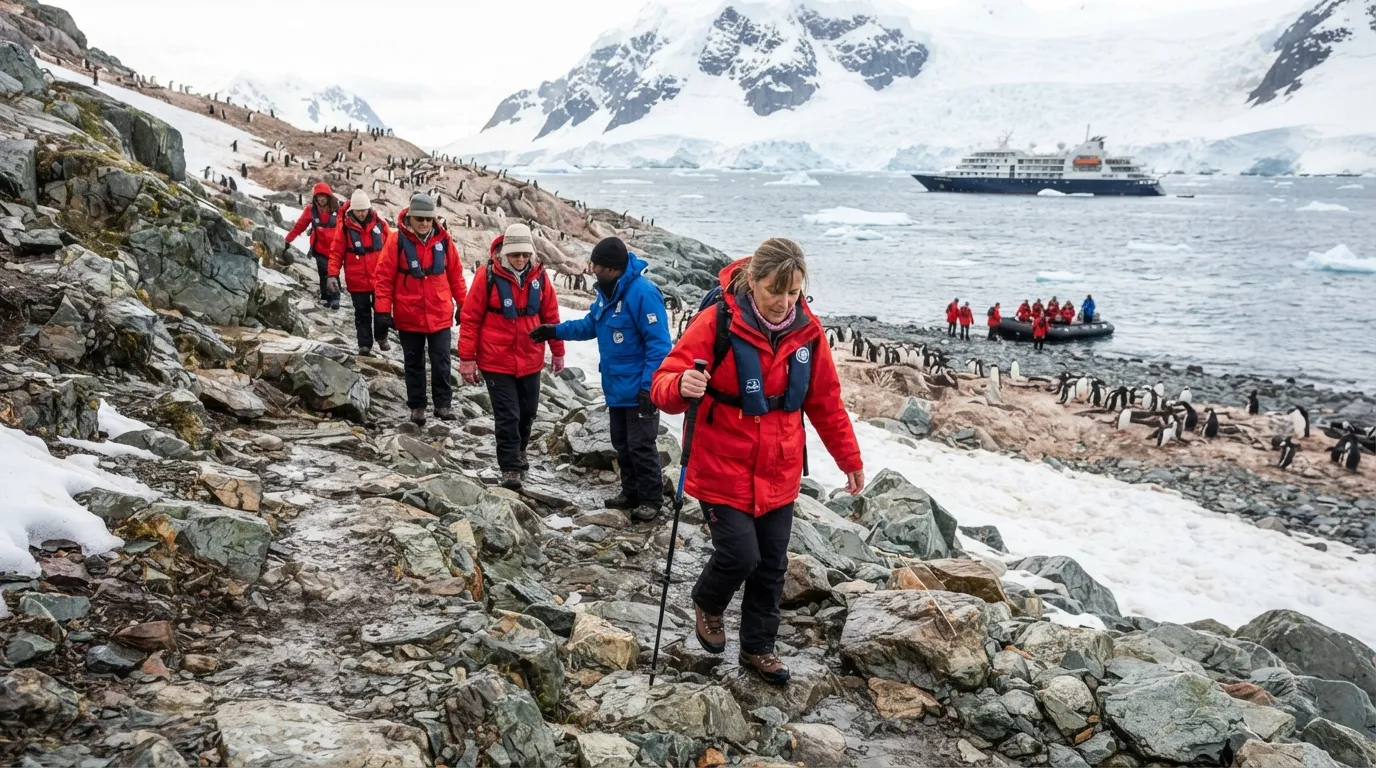
Uneven terrain, slippery rocks, and sustained walking on landings call for reasonable mobility and stamina. Operators do not guarantee that every guest can join every activity.
Guides lead groups at different paces, but some sites stay off-limits to anyone who needs extra assistance. The distance between an “active” day on paper and the real physical demand often registers after the first full excursion schedule. Conditioning that focuses on balance and moderate hiking makes the experience noticeably better.
On the bright side, you won’t have to buy a polar wardrobe from scratch.
#4 – Parkas and Boots Are Often Provided
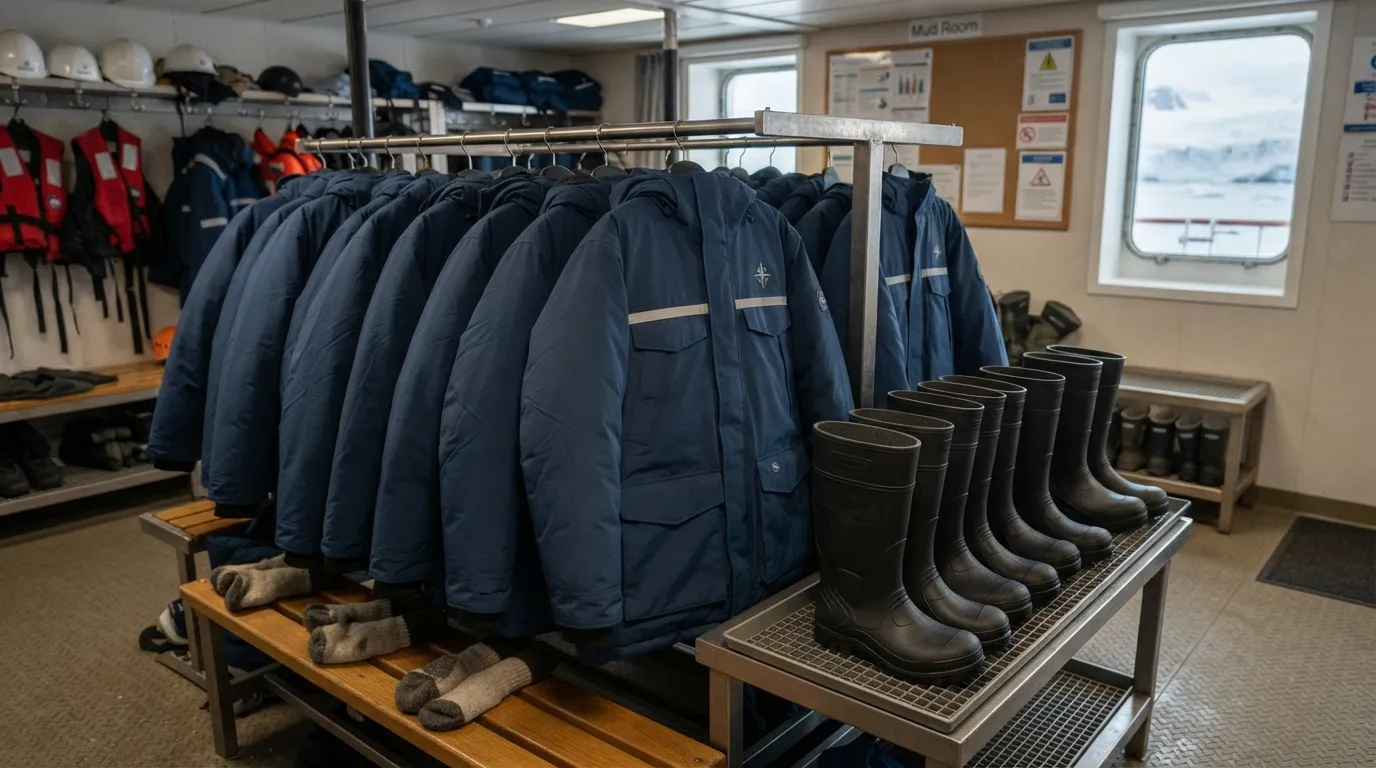
Many polar operators supply an insulated waterproof parka that passengers get to keep, plus loaner rubber boots sized on arrival. That cuts the need to buy pricey outer layers, though you still bring your own under-layers and waterproof trousers.
Confirming exactly what’s included prevents over-packing and last-minute shopping. The “yours to keep” parka surprises people who expected a rental. The boots go back at the end of the voyage after cleaning and inspection.
Now the rule that shapes your whole day ashore, and why you might wait your turn.
#3 – Landing Limits Protect Wildlife and Sites
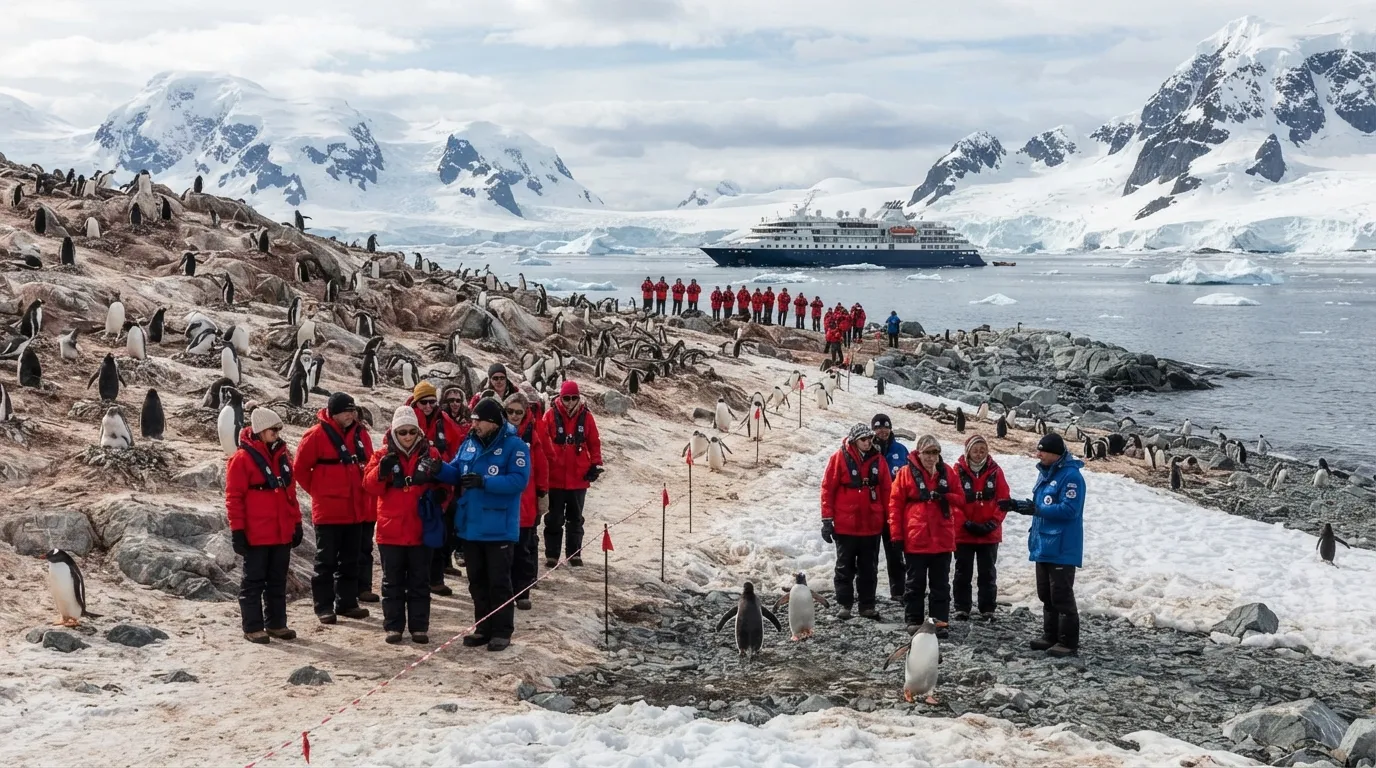
Regulations cap how many passengers can be ashore at once, often at 100 at sensitive Antarctic sites. Ships split guests into waves, so popular spots take longer to cover.
Worth Knowing
- The 100-person ceiling applies to people ashore at one time, not to the ship’s total passenger count.
- Smaller ships may land everyone together, while larger ones rotate groups.
- IAATO guidance calls for at least one trained guide for every 20 passengers ashore.
- Guests are asked to keep a respectful distance from wildlife, and animals always have the right of way.
That keeps crowds off fragile ground, but it means not everyone lands at the same moment. The rotation system becomes obvious on the first multi-landing day. The payoff is a more intimate encounter once you’re ashore, even if the schedule stretches to make it happen.
Two reality checks left, and the next one hits before you even reach the ice.
#2 – Seasickness Affects a Significant Portion of Passengers
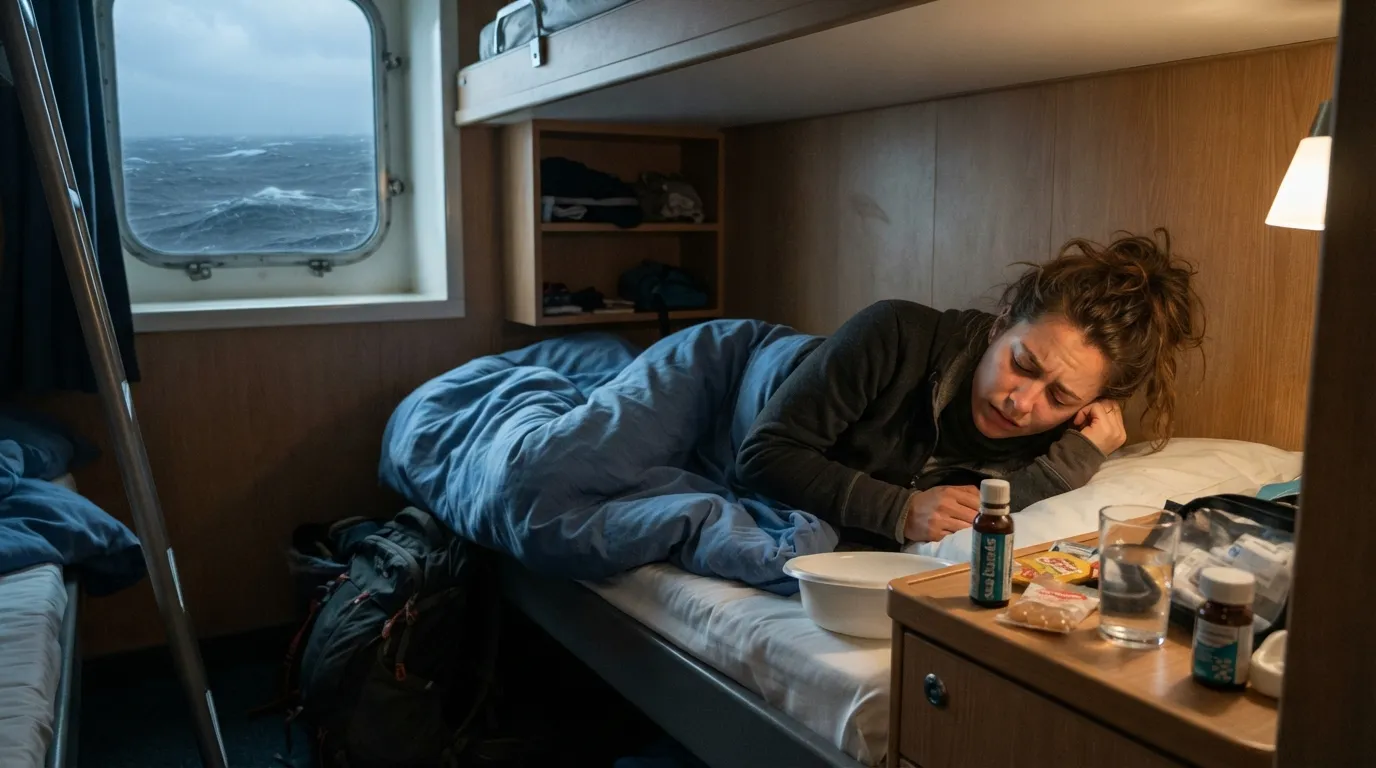
Open-water crossings like the Drake Passage can produce motion that challenges even seasoned travelers. Standard advice includes starting medication ahead of time, choosing a mid-ship lower-deck cabin, and fixing your eyes on the horizon.
The ship’s medical staff carry extra remedies, yet some guests still spend part of the crossing in their cabins. The intensity of motion sickness can be far beyond what the glossy marketing images suggest. Smart cabin choices and early preparation help, but they don’t eliminate the risk.
And the last reality is the one that explains most of the others.
#1 – Remote Evacuation Remains a Real Operational Risk
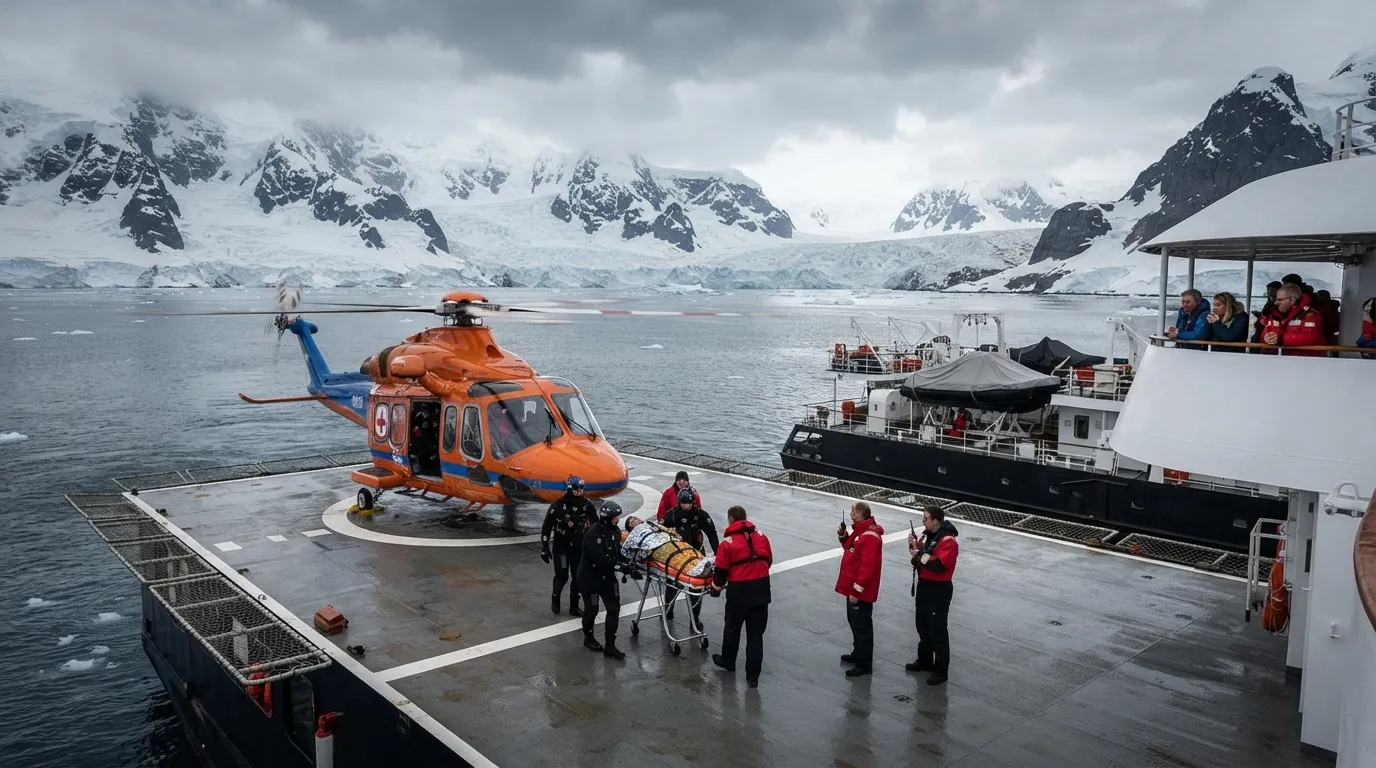
If someone has a serious illness or injury, the ship may divert to the nearest viable port or arrange a specialized extraction. That can end the voyage early for the affected passenger and sometimes disrupt it for everyone else. No replacement cruise is guaranteed.
This possibility is the reason behind the strict insurance rules and medical screening. The cost, timing, and itinerary impact of an evacuation only feel real once you are days from any port. Knowing that before you sail lets you decide about participation and coverage with clear eyes.
Put together, these 18 realities explain what makes an expedition cruise different from a traditional one: mandatory medical screening, specialized insurance, weather-driven flexibility, physical landing requirements, and limited onboard resources. From Zodiac transfers and wet landings to evacuation logistics and biosecurity checks, they shape nearly every day aboard.
Operators spell most of this out in pre-departure materials because it determines who can come along and how the voyage unfolds. The people who enjoy it most are often the ones who read the fine print, packed the right layers, and arrived ready to let the weather write the plan. Did we miss one? Drop it in the comments.
CEO-Co-Founder