
- 15 Hotel Breakfast Charges Guests Can Avoid by Checking the Rate Plan - October 24, 2026
- 17 Shoulder Season Travel Rules for Sudden Weather Changes - October 24, 2026
- 18 Hotel Arrival Rules That Prevent Expensive Check-In Problems - October 24, 2026
That final bill can include charges that lack supporting evidence or go beyond what your contract allows.
Questioning them with documentation often leads to removal, though nothing is guaranteed, and each charge needs its own proof and its own question.
1. The Fuel Surcharge on a Tank You Returned Full
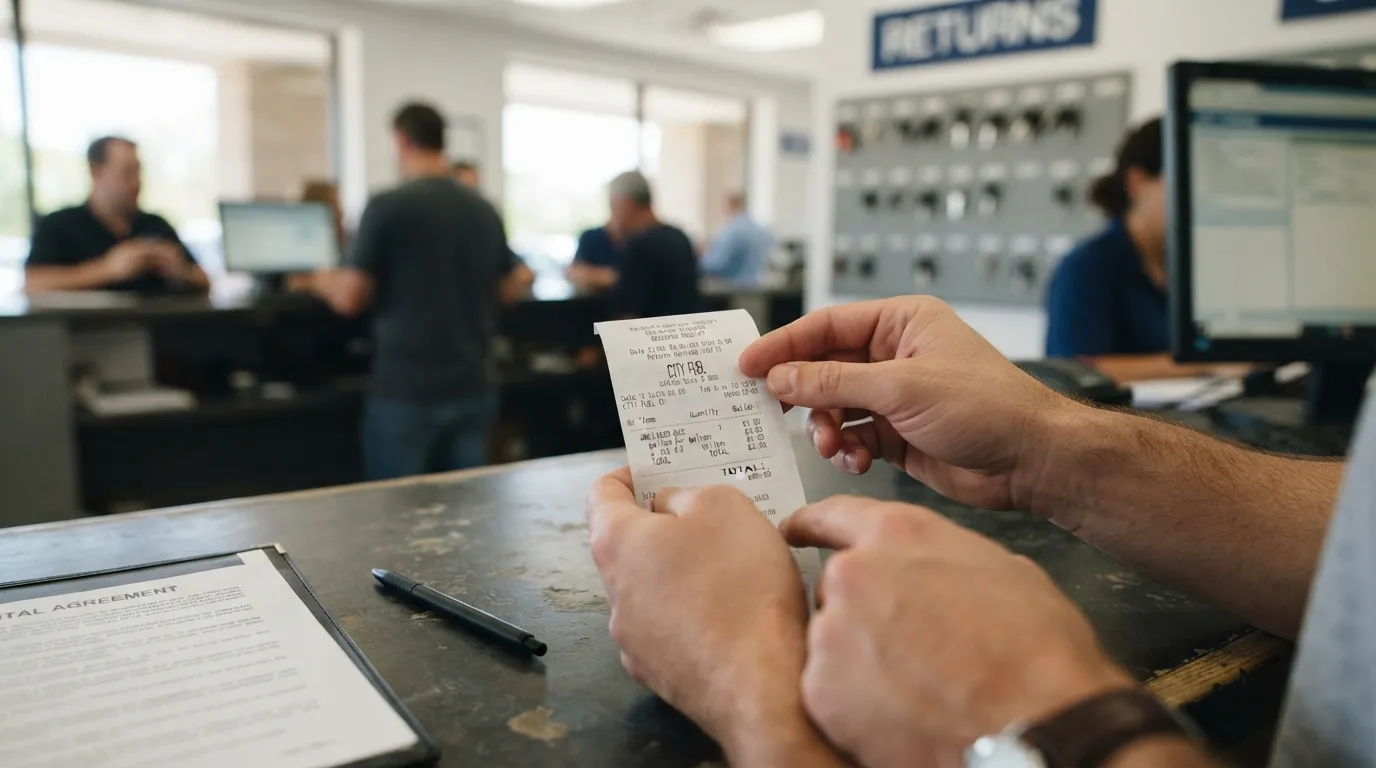
You topped off the tank and still got hit with a fuel surcharge. The company claims the car came back below the required level.
A dated gas receipt from a station near the return location can make it removable. Bring the receipt, the agreement’s fuel policy, and the return inspection notes.
Ask: “What fuel level was recorded at return, and does my receipt confirm compliance with the full-tank requirement?”
[Image: Sample gas receipt for fuel dispute]
2. The Damage Claim for Scratches and Dents That Were Already There
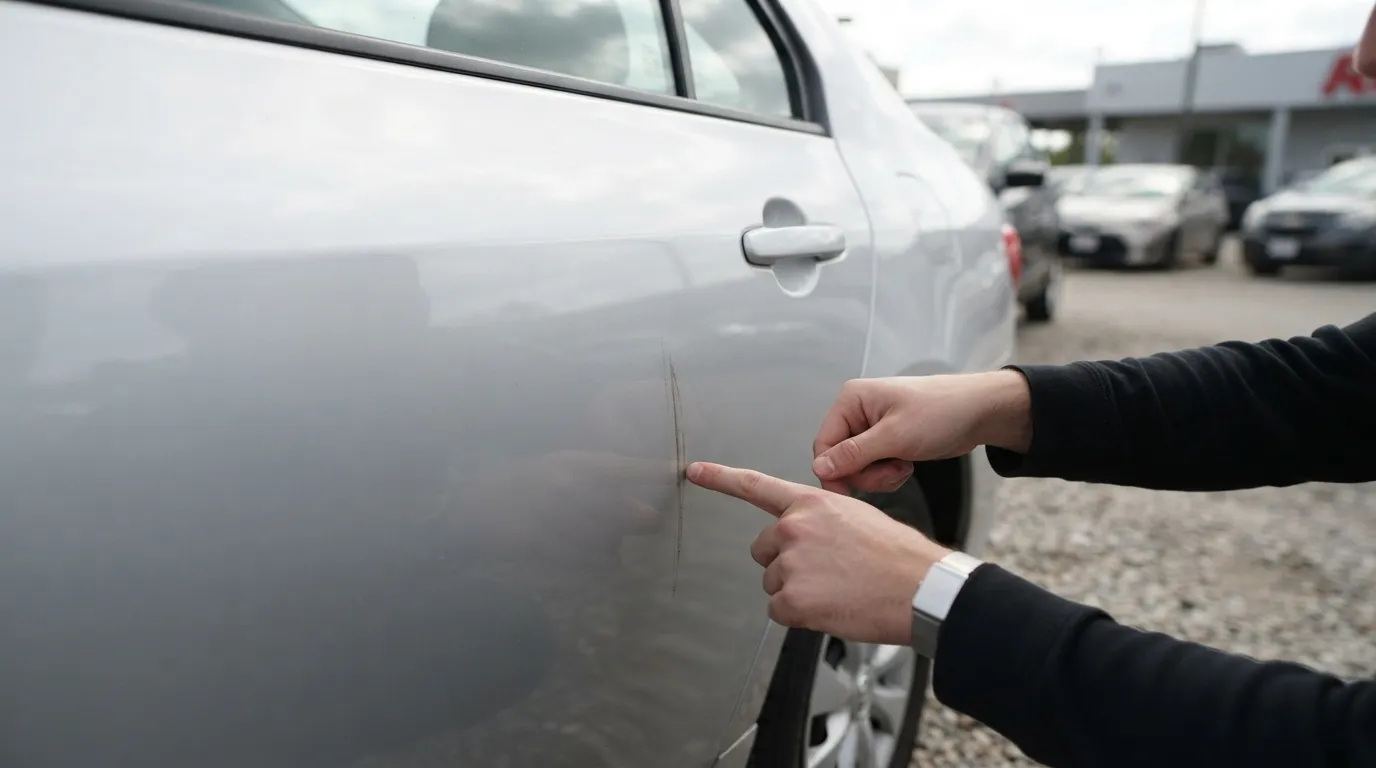
Sometimes the company bills for a scratch or dent that was on the car before you drove off. It becomes removable when your timestamped pickup photos show the same damage.
Bring those photos, the signed inspection form, and your return photos.
Ask: “Can you provide the damage report and compare it to my pickup photos showing this mark was already present?”
[Image: Timestamped pickup photo example showing vehicle condition]
Worth Knowing
- Photograph every side of the car, plus the roof, wheels, and windshield.
- Include a shot of the dashboard showing fuel level and mileage.
- Ask the agent to mark existing damage on the form before you leave the lot.
- Keep the original files so the timestamps stay intact.
3. The Cleaning Fee for Ordinary Interior Wear
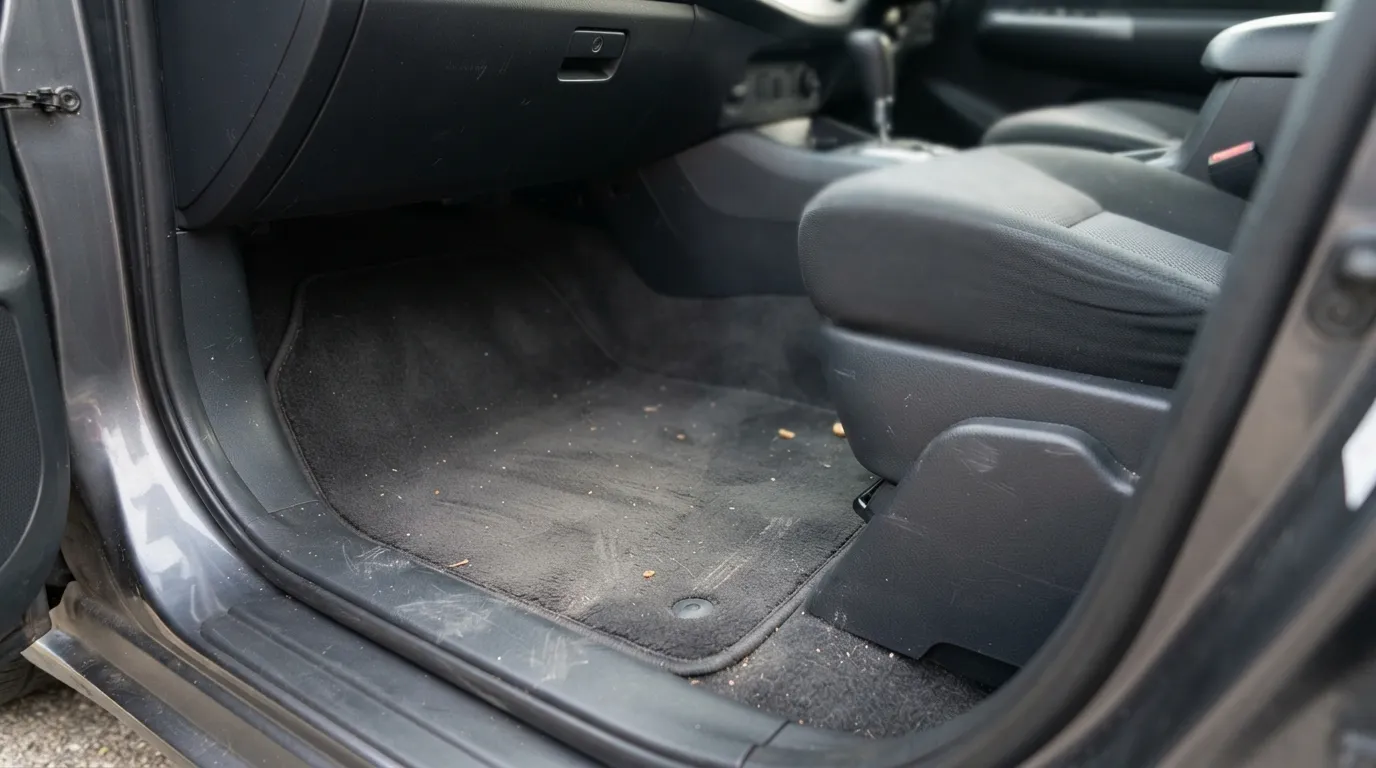
A few crumbs, light dust, or minor scuffs can trigger a cleaning fee. Ordinary use is not the same as a mess.
It may be removable when your photos show only expected use, with no heavy stains or odors. Bring your return photos and the agreement’s definition of excessive dirt.
Ask: “Which specific condition in the photos exceeds normal wear under the rental terms?”
4. The Loss-of-Use Fee That Some States Restrict
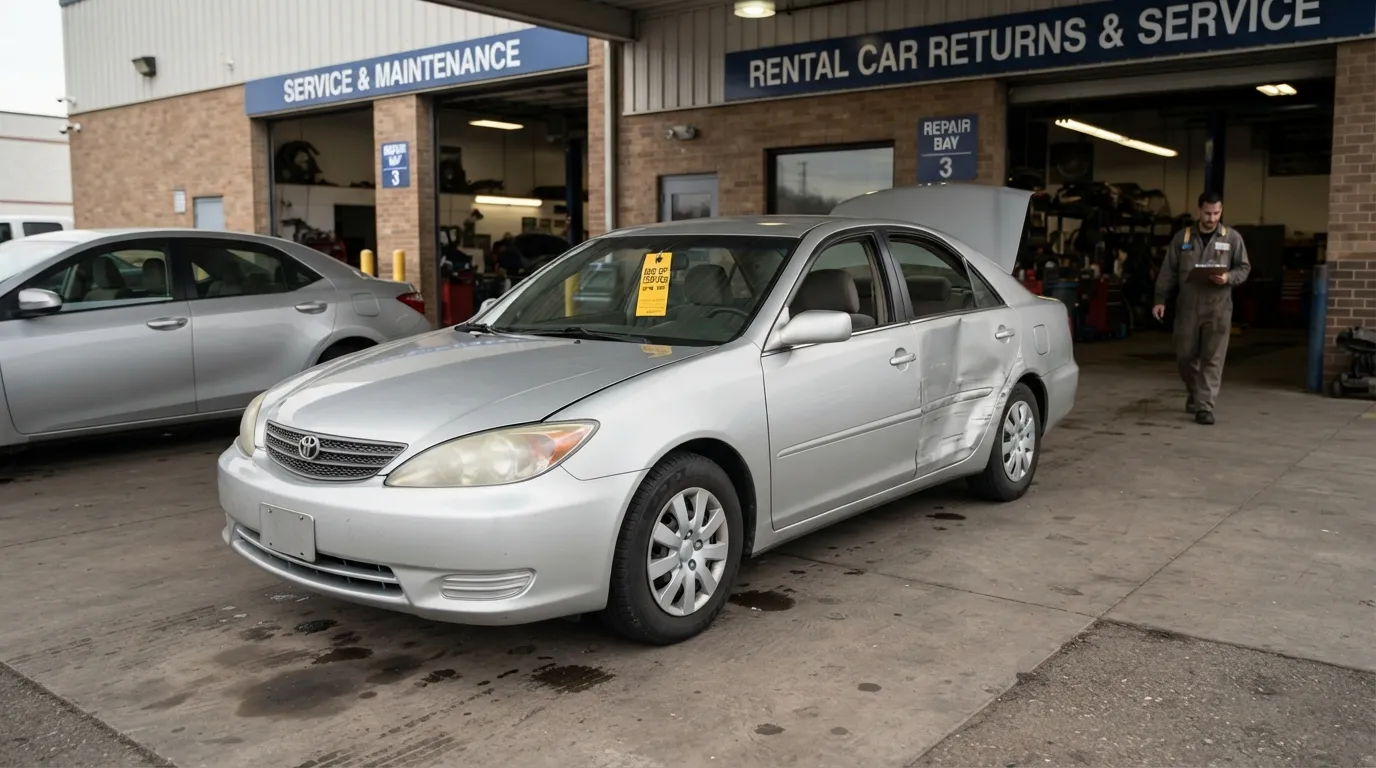
This fee is meant to cover income lost while a damaged car sits out of service. Some jurisdictions limit or prohibit it unless the agreement explicitly authorizes it and actual lost rental income is proven.
Bring the state statute reference and the itemized invoice.
Ask: “Under which contract clause and state rule is loss-of-use calculated, and what evidence shows the vehicle was unavailable?”
5. The Administrative Fee That Blows Past a State Cap
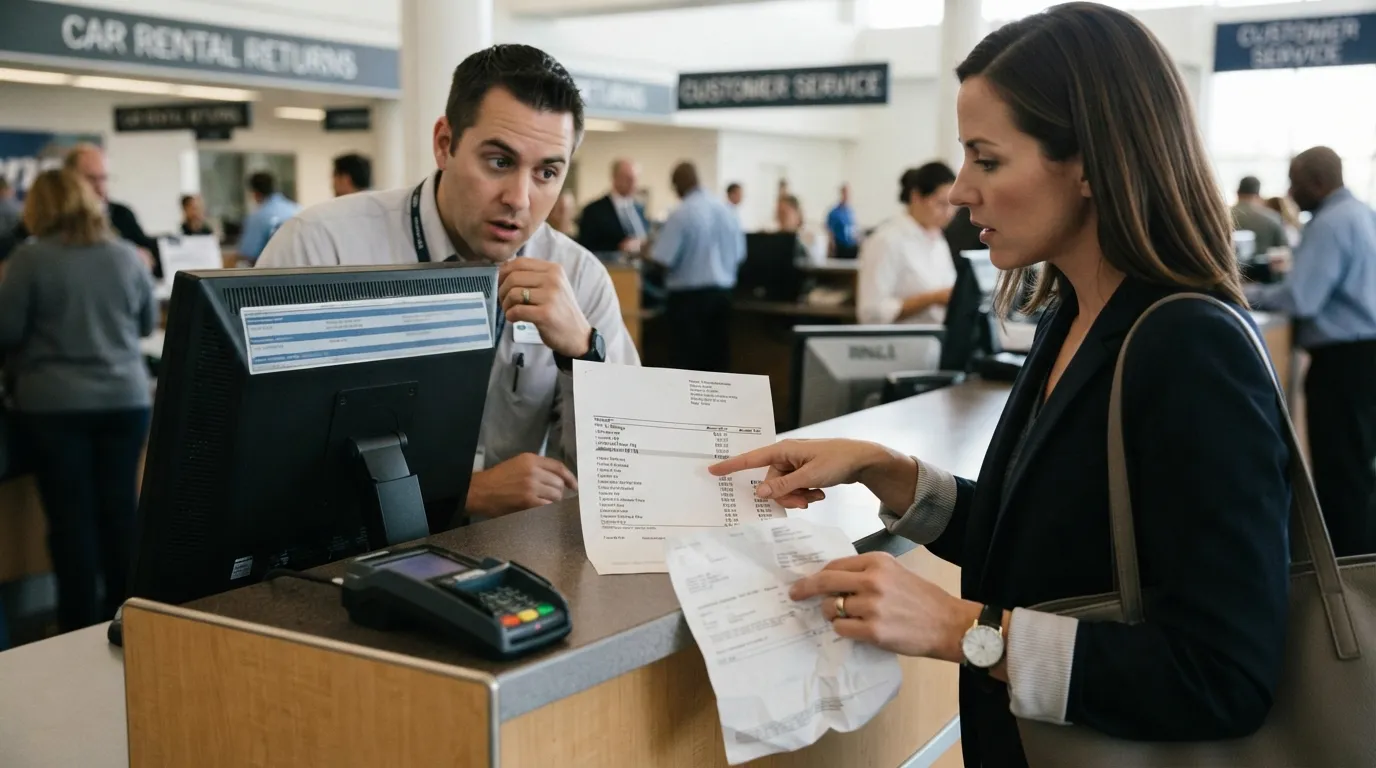
California and similar rules cap these fees at set amounts based on repair cost. A vague “admin” line can look harmless, but it is worth checking against the cap.
The fee becomes removable when it exceeds the limit or arrives without itemization. Bring the repair invoice and the state code.
Ask: “What is the exact administrative fee amount, and does it comply with the applicable state cap for this repair total?”
6. The Toll Admin Charge That Costs More Than the Tolls
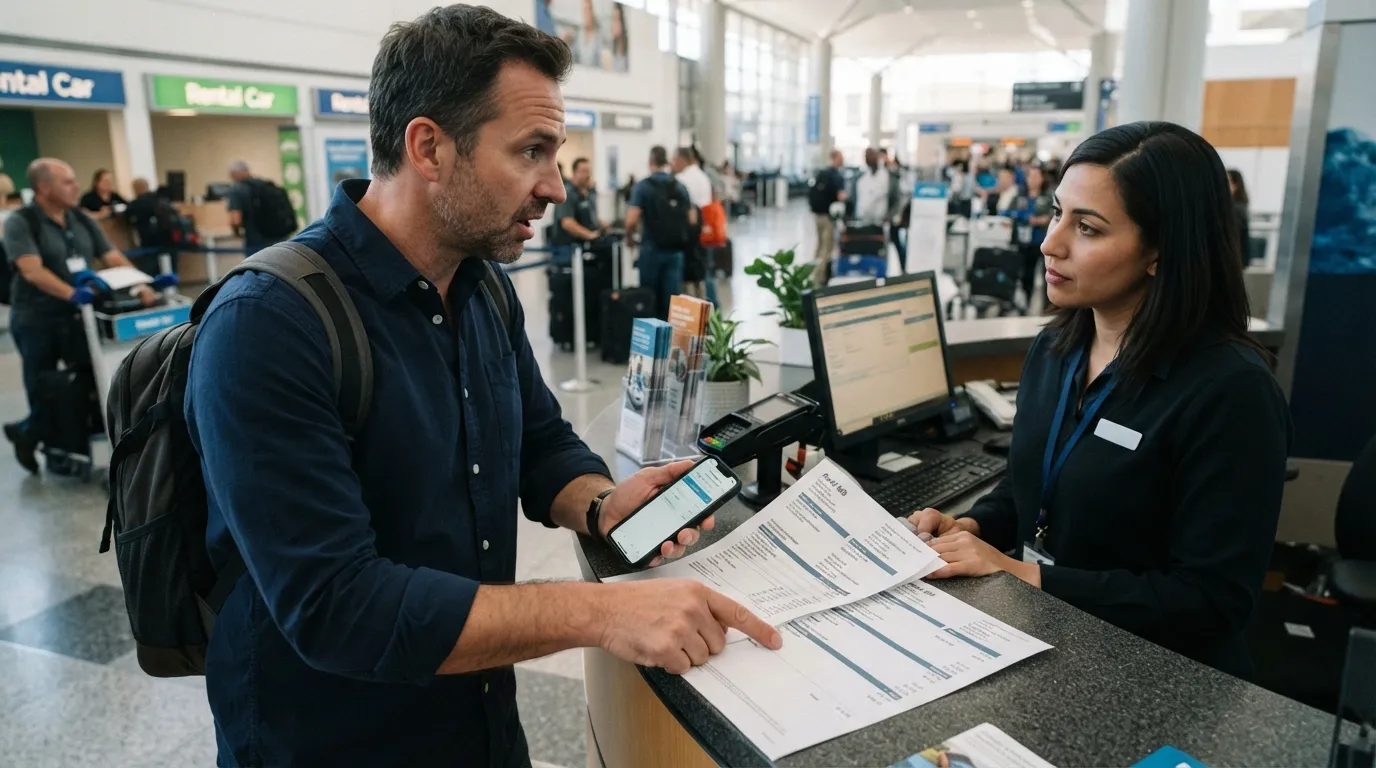
Transponder fees and per-toll markups can climb well past the cost of the tolls themselves. Removal is possible when you can show the actual tolls paid and the agreement’s limits on admin add-ons.
Bring your toll statements and the contract language.
Ask: “Please itemize the tolls versus administrative fees and confirm they match the agreement’s disclosed rates.”
7. The Insurance or Waiver You Already Declined
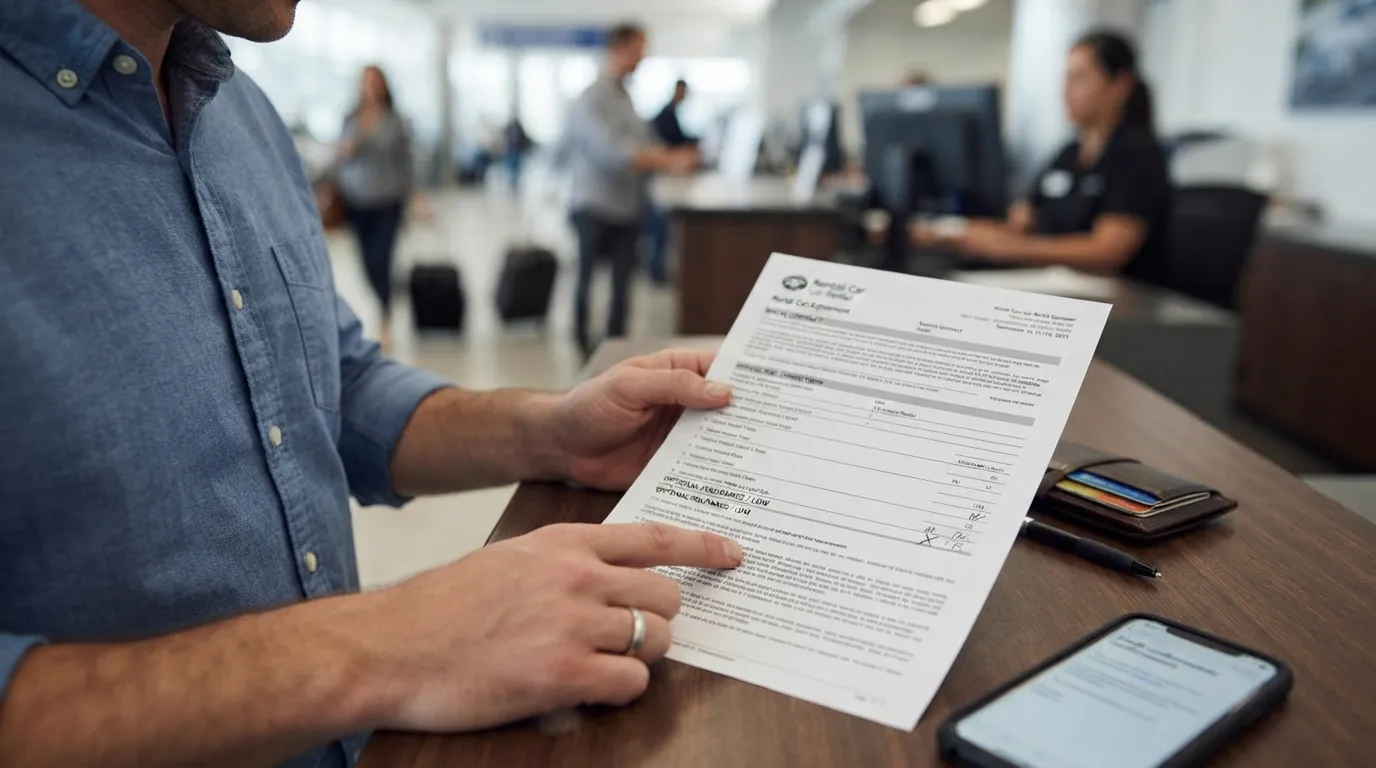
You said no at the counter, yet the coverage is back on the bill. Scan the line items before you pay.
The signed agreement showing the decline is your strongest proof. Bring that contract plus the confirmation email.
Ask: “The agreement shows this coverage was declined; why does the final bill include the charge?”
[Image: Rental agreement highlighting declined insurance section]
Quick Compare
- Strong proof: the signed agreement showing the coverage was declined.
- Helpful backup: the confirmation email and your copy of the final receipt.
- Thin proof: your memory of what the agent said at the counter.
8. The Late-Return Fee When You Were on Time
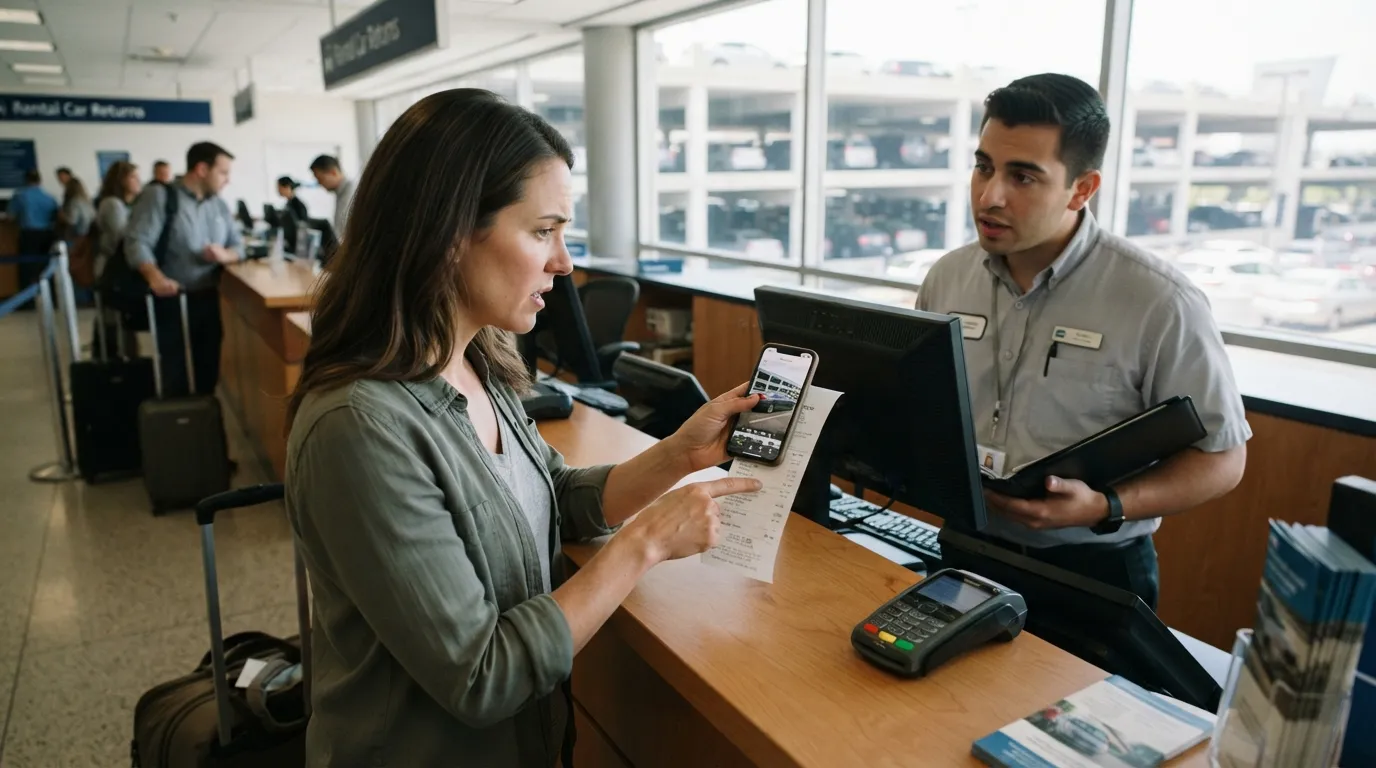
The fee says you were late, but your receipt says otherwise. GPS or agent records can conflict with the time printed on your return receipt.
Timestamped return documentation is what can make the fee disappear. Bring the receipt and any exit photos, since a photo of the car in the return lot adds a second timestamp.
Ask: “What exact return time was logged, and how does it differ from the receipt time?”
9. The One-Way Drop Fee Nobody Mentioned
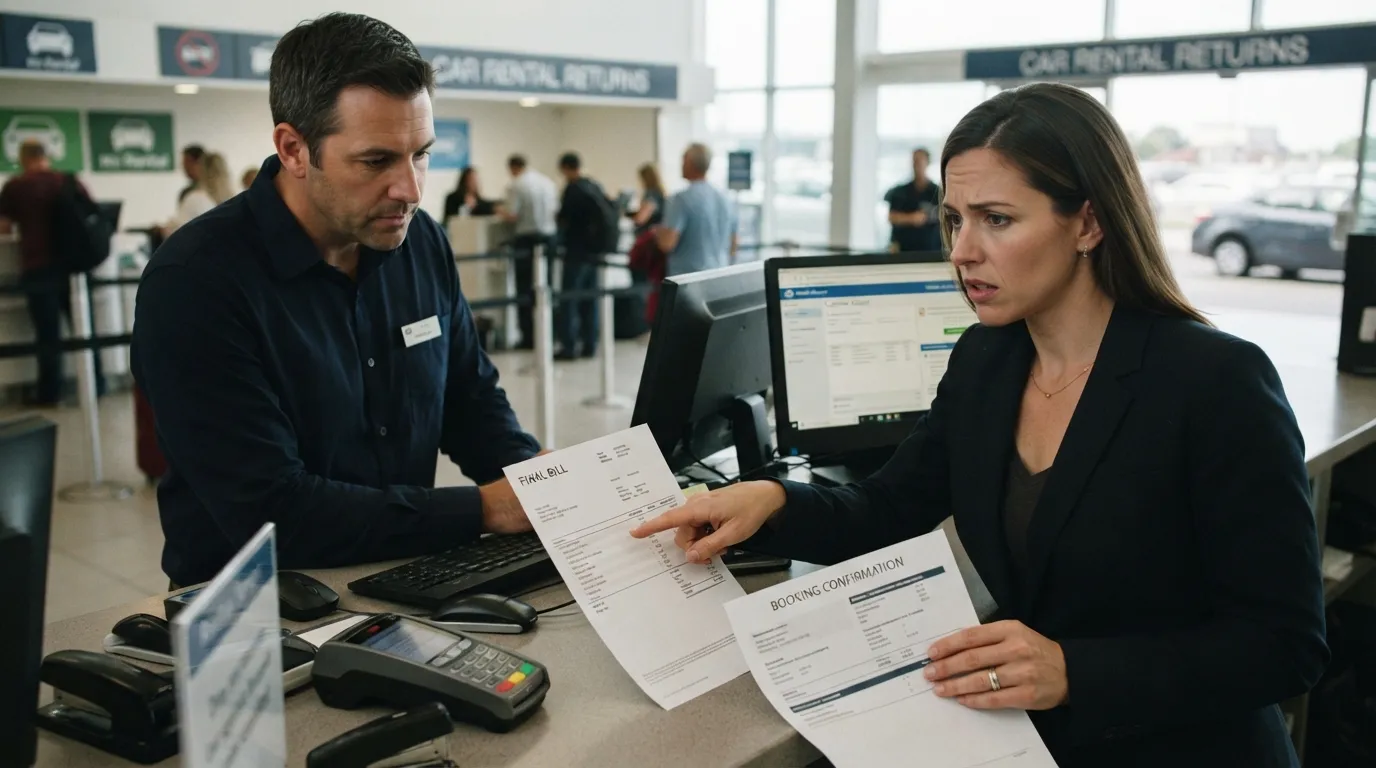
A one-way drop fee should not be a surprise. These fees apply only when disclosed and agreed in advance.
If your booking confirmation shows no such fee, that is solid ground to question it. Compare the confirmation to the final bill line by line, and bring the reservation details and contract.
Ask: “The confirmation lists no one-way fee; under what term is it now being applied?”
10. The Young-Driver Surcharge You May Be Exempt From

Some memberships and age thresholds waive this surcharge, yet it can still land on the bill. Whether it applies depends on your agreement’s terms, so read them first.
It may be removable with proof of eligibility, such as AAA or credit-card status. Bring your membership card and the agreement.
Ask: “Does my membership qualify for the young-driver waiver listed in the terms?”
11. The Diminished-Value Charge Stacked on Top of Repairs

This charge claims the car is worth less after repairs, and it can arrive on top of the repair bill. Many contracts and states do not authorize it separate from repair costs.
If the agreement lacks the clause, you have grounds to challenge it. Bring the full contract and the repair invoice.
Ask: “Which section of the agreement authorizes a diminished-value fee beyond the repair costs?”
12. The Airport Concession Fee That Was Never Quoted

That airport fee may not have been in the price you were originally shown. In many locations, concession recovery fees must be disclosed upfront.
If it is missing from the initial quote, it may be removable. Bring the booking confirmation and compare it with the final bill.
Ask: “Was this fee disclosed in the original reservation total, and where is it itemized?”
At a Glance
- Screenshot your quote at booking, before any changes.
- Match the final bill to it line by line: base rate, taxes, fees, extras.
- Mark anything on the bill that never appeared in the quote.
- Ask where each marked item is itemized in the contract.
13. The GPS Rental You Never Picked Up
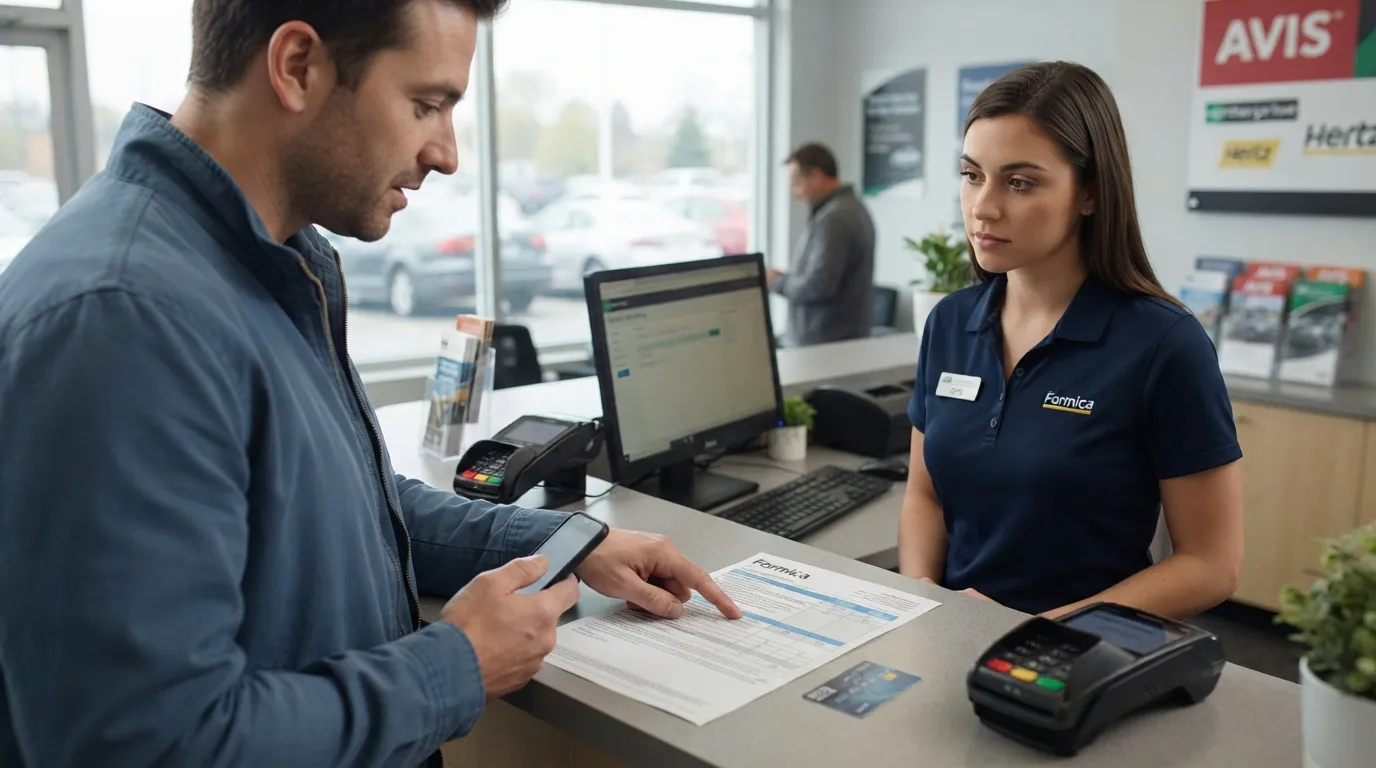
You navigated with your own phone, but the bill shows a daily GPS charge. Companies sometimes add device fees despite personal use.
Removal typically depends on showing no device was taken. Check whether one is listed anywhere on the contract, and bring the agreement and return inspection.
Ask: “The contract shows no GPS rental; why is this daily fee present on the bill?”
14. The Additional-Driver Fee for a Spouse or Partner

Some rental terms exempt a spouse from the additional-driver fee, yet it can still show up on the bill. Whether a partner qualifies depends on the agreement’s exemption language, so read the exact wording first.
Relationship documentation may support removal. Bring it along with the agreement’s exemption language.
Ask: “Does the spouse exemption in the terms apply here, and why was the fee added?”
15. The Vaping or Pet Odor Fee When Nothing Happened
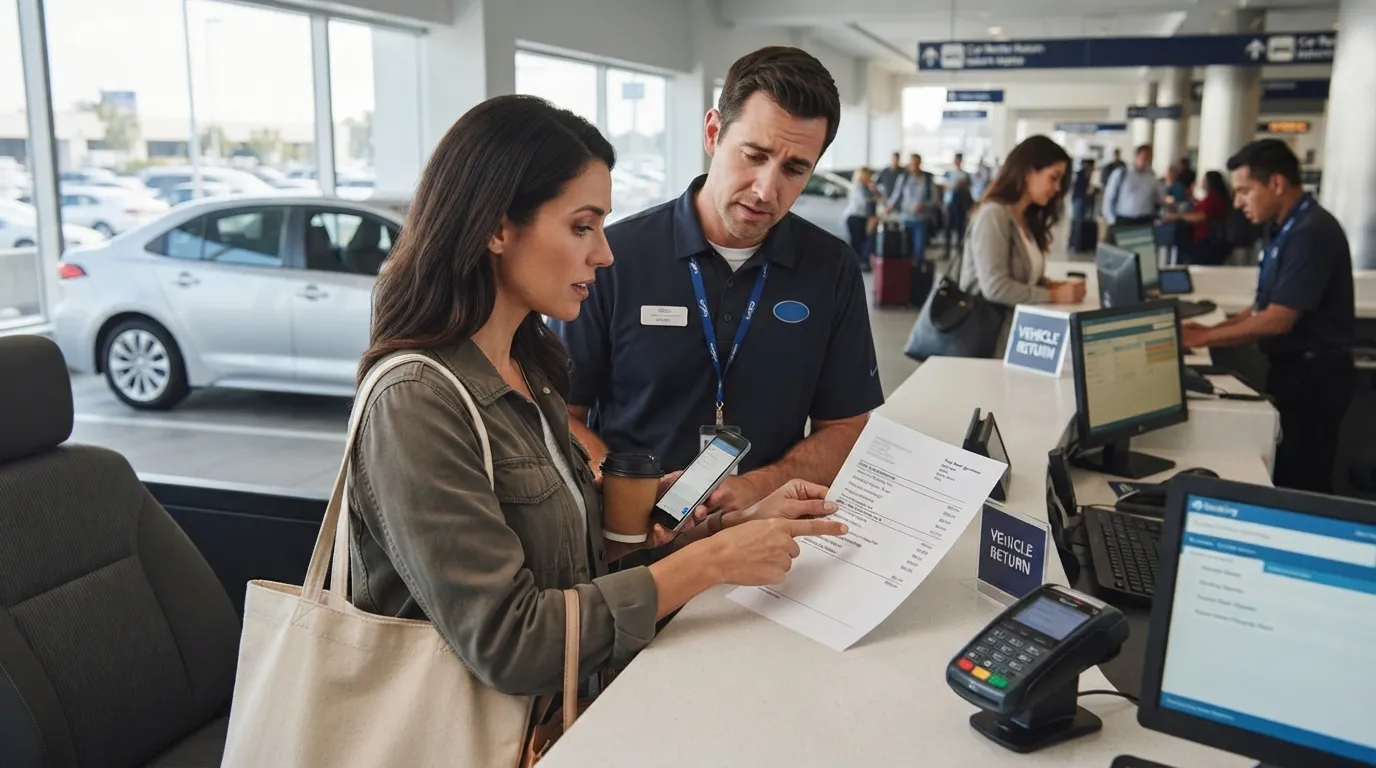
An odor charge sounds serious, but it needs evidence. These fees sometimes appear without supporting inspection notes, and a smell can’t be photographed, so the notes carry the weight.
It may be removable when return photos and notes show no such issue. Bring those records and the agreement’s odor policy.
Ask: “What inspection evidence supports an odor charge when return notes show none?”
16. The Security Deposit Hold That Won’t Let Go

Your trip is over, but your money is still frozen. Holds should release after inspection unless damage is proven.
A written release request, with no valid claim on file, can lift the hold. Bring the rental agreement and final inspection, and ask for the answer in writing.
Ask: “The inspection shows no issues; when will the deposit authorization be released per the contract timeline?”
Fast Facts
- Get a closed, final receipt at drop-off, or ask for it by email.
- Keep your photos, receipts, and contract until your card statement is settled.
- Watch your card account to see when the hold actually releases.
- Request written answers so every response is on the record.
Quick Quiz: Which charge can you most easily dispute with photos?
- A) Fuel surcharge
- B) Pre-existing damage claim
- C) Both A and B
Answer in comments!
CEO-Co-Founder