
- 15 Hotel Breakfast Charges Guests Can Avoid by Checking the Rate Plan - October 24, 2026
- 17 Shoulder Season Travel Rules for Sudden Weather Changes - October 24, 2026
- 18 Hotel Arrival Rules That Prevent Expensive Check-In Problems - October 24, 2026
You booked the room, got the confirmation email, and figured check-in would be a key and a smile. Then the desk says the room isn’t ready, a hold appears on your card, or a fee you never noticed shows up. Published policies from major chains and jurisdictions show real differences in timing, deposits, and fees, and those differences can add up fast.
Some of these rules sound boring until they cost you. A few come with a catch buried in the fine print, and a couple change depending on how you booked. Here’s what the terms actually say.
#1 – Standard Check-In Times Vary by Chain and Property Type

Most major U.S. hotel chains list a standard check-in time of 3:00 PM. Some resorts and busy locations shift to 4:00 PM.
Marriott and Hyatt both post 4:00 PM at certain resorts, while Hilton and IHG typically use 3:00 PM across brands. Wyndham and Best Western default to 3:00 PM but note variations by property. Your confirmation, not the chain’s logo, sets the real time.
#2 – Early Check-In Requests Depend on Availability and Status

Early check-in is generally subject to room availability, not guaranteed. Marriott and Hilton handle requests case by case, with elite members sometimes getting priority.
Some properties sell early check-in as a paid add-on, while others offer it only as a courtesy. Even top-tier status doesn’t override a full house. Confirm with the specific hotel before you count on it.
#3 – Late Checkout Guarantees Apply Only to Certain Elite Tiers

Marriott Bonvoy Platinum Elite and above often receive a 4:00 PM late checkout at most properties. Resorts and convention hotels are common exceptions.
Hyatt Globalist members get a similar 4:00 PM benefit at eligible locations. IHG elites can request a 2:00 PM checkout, subject to availability. These perks live in loyalty program terms and don’t extend to everyone, so read the current terms for your tier.
Quick Compare
- Marriott Bonvoy Platinum Elite and above: often 4:00 PM at most properties, with resort and convention exceptions.
- Hyatt Globalist: a similar 4:00 PM benefit at eligible locations.
- IHG elites: can request 2:00 PM, subject to availability.
#4 – Incidental Holds Differ by Chain and Card Type
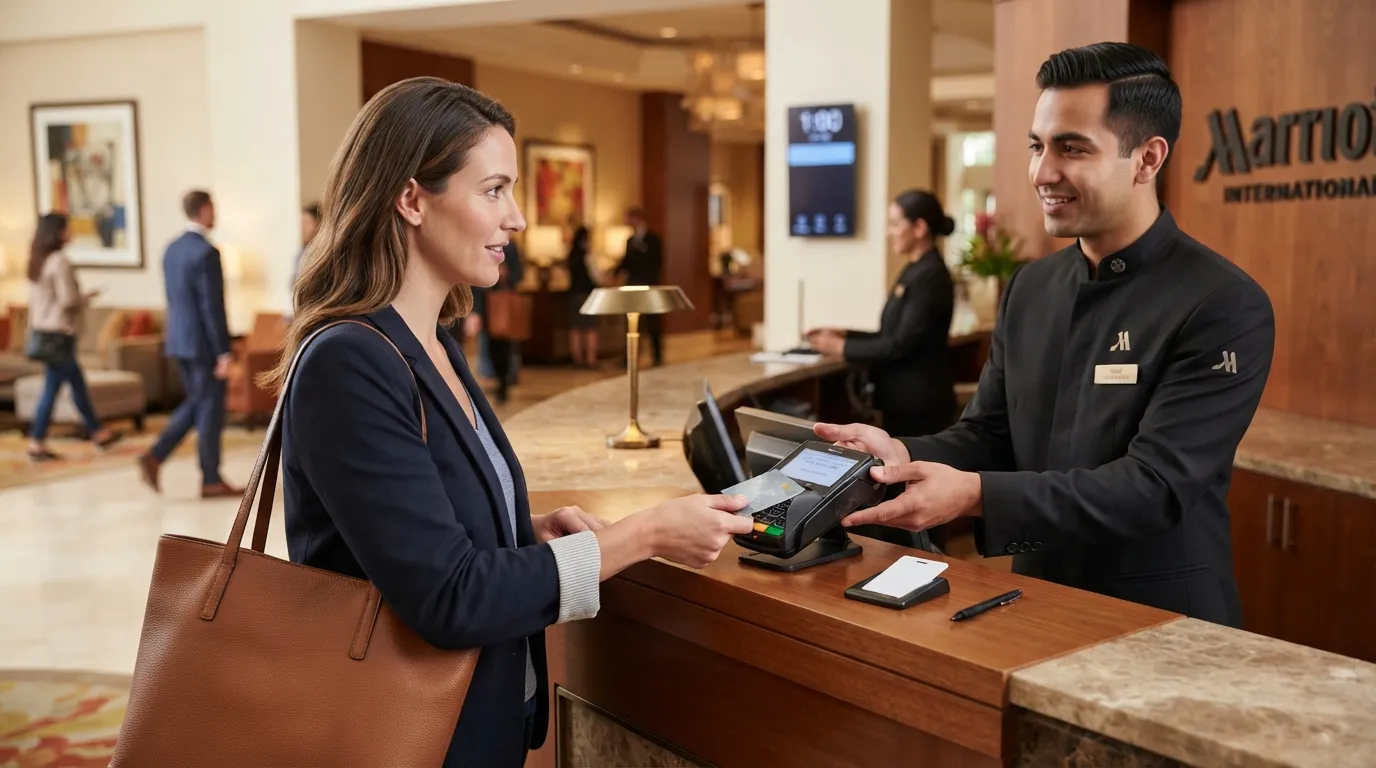
Hotels place temporary authorizations on your card to cover extras like parking, room service, and minibar charges. Marriott typically authorizes the room rate, taxes, and a daily amount for extras. Hilton may hold for extras even on prepaid stays.
Accor and Choice leave the exact amount to each hotel. Release times depend on the hotel, your bank, and the card, and foreign cards can take longer. Ask the property for the hold amount at check-in.
#5 – Debit Cards Face Stricter Rules at Some Operators
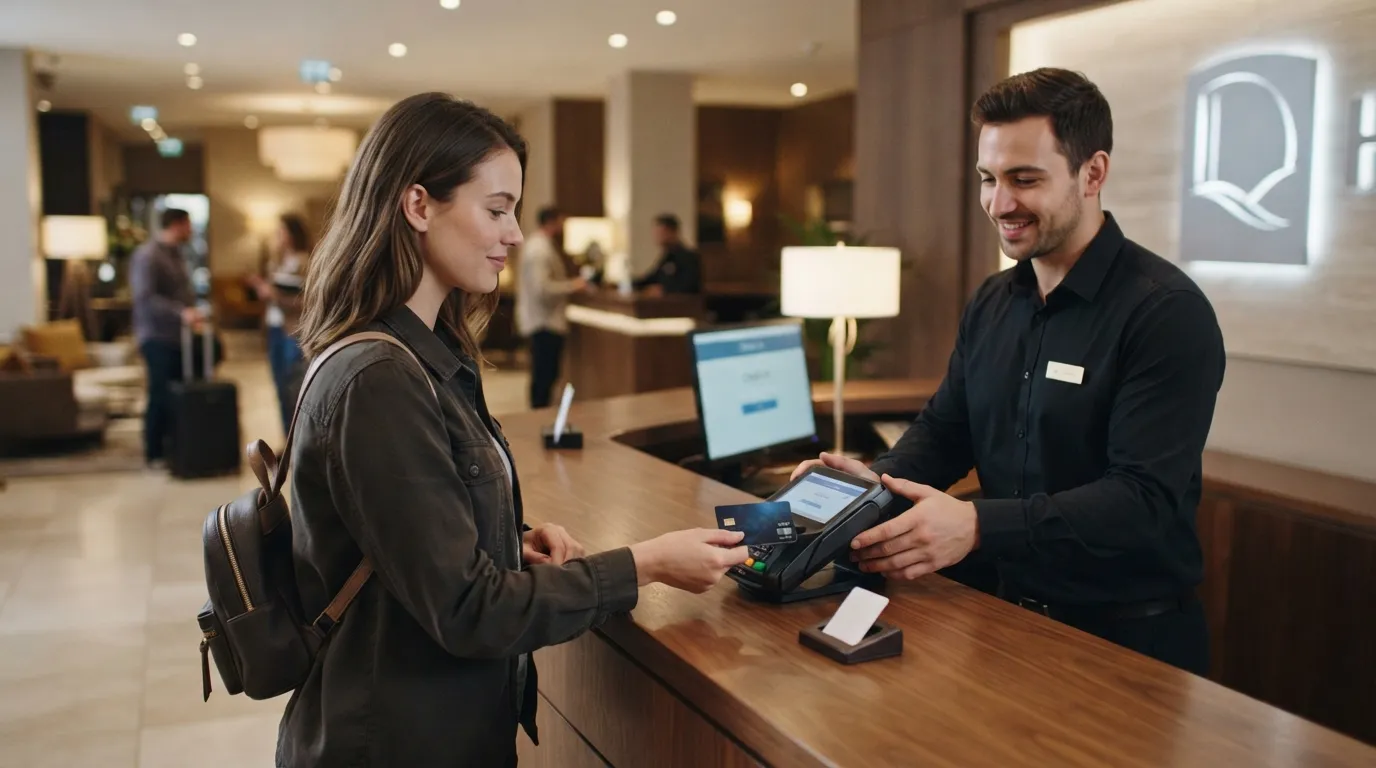
Several chains accept debit cards for incidental holds, while others prefer or require credit cards. Marriott and Hilton name debit as acceptable in their terms.
Some brands and regions limit debit use or cash deposits. The hold amount is set by the hotel and covers expected extras beyond the room rate. These rules appear in chain FAQs, not as one industry standard.
#6 – Third-Party Bookings Limit Some Perks and Flexibility
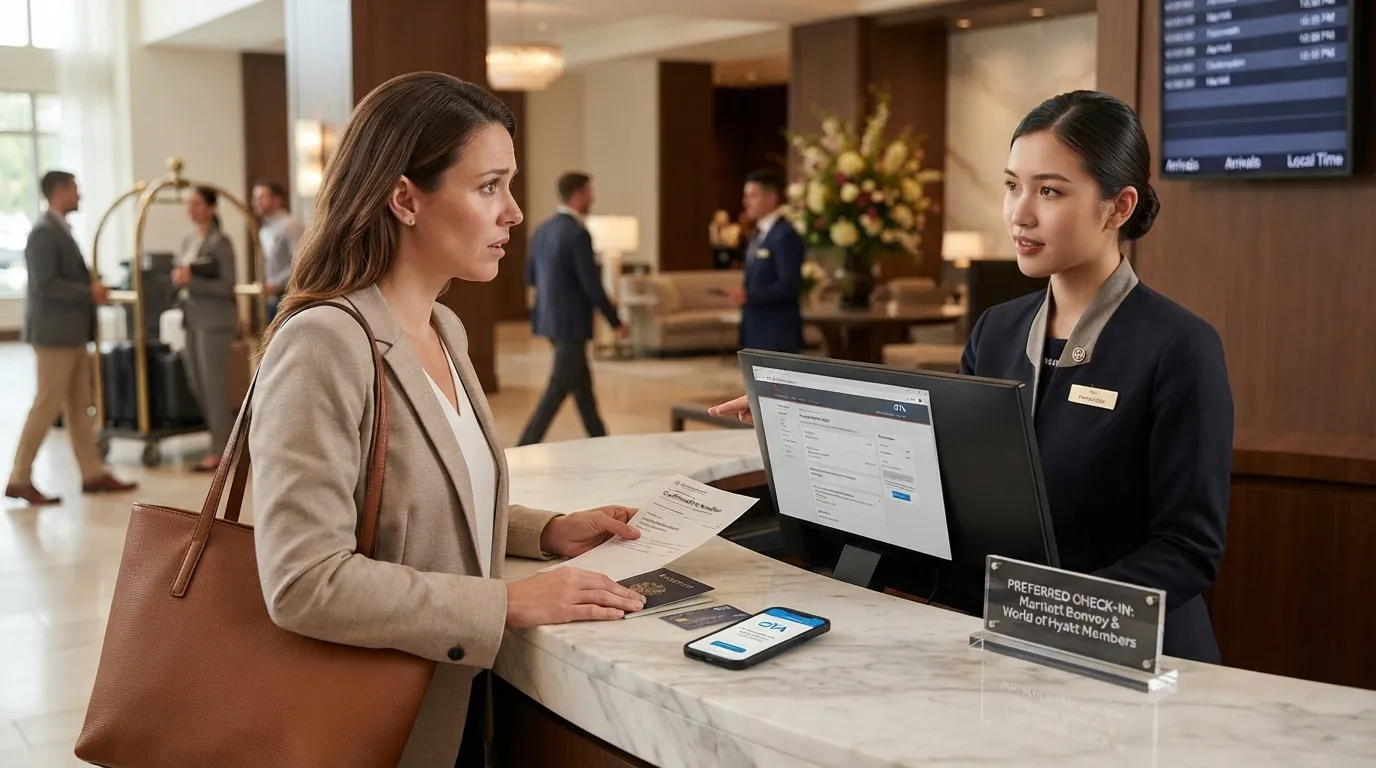
Direct bookings often get priority for early check-in and other requests over third-party reservations. Marriott and Hyatt terms note more flexibility for guests who book through the hotel’s own site.
A third-party confirmation still triggers the hotel’s incidental hold at arrival, separate from whatever you paid the platform. Overbooking remedies differ too, and some chains exclude OTA reservations from their guarantees.
#7 – Resort and Destination Fees Must Appear in Total Price

U.S. federal rules effective in 2025 require hotels and booking platforms to show the total price, including mandatory resort, destination, and amenity fees, upfront. California, New York, and Massachusetts add further transparency requirements.
Mandatory fees cannot be hidden until checkout. Optional charges like parking or late checkout stay separate. Review the full breakdown on the booking page before you confirm.
#8 – Parking Fees Are Often Separate from Room Rates
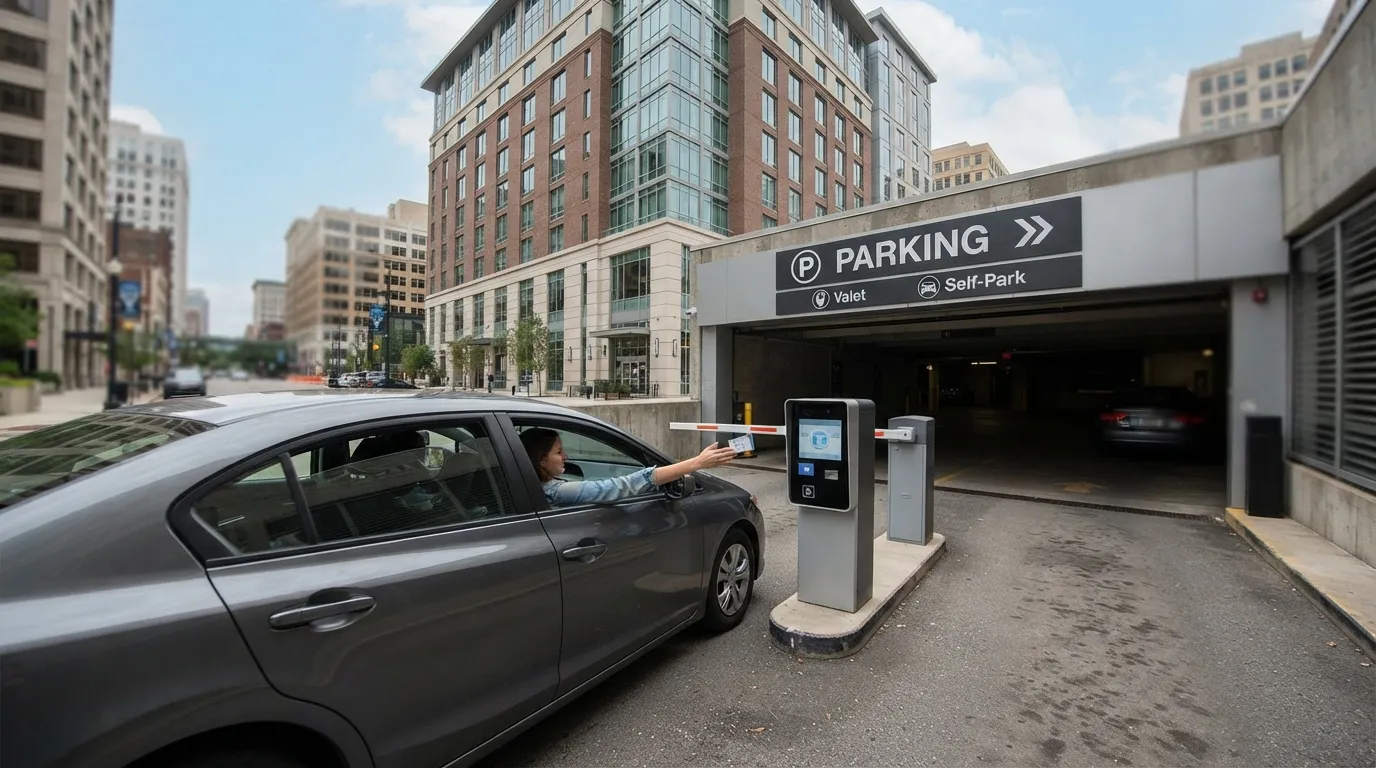
Many properties charge for parking, and whether it’s optional or mandatory depends on location. Urban and resort hotels frequently list daily parking fees that aren’t part of the base rate.
Some chains allow validation or waivers for certain guests. Policies appear on property pages and confirmations. Check whether parking is self-park, valet, or included before you pull up with the car.
#9 – Minimum Check-In Age Varies by State and Chain
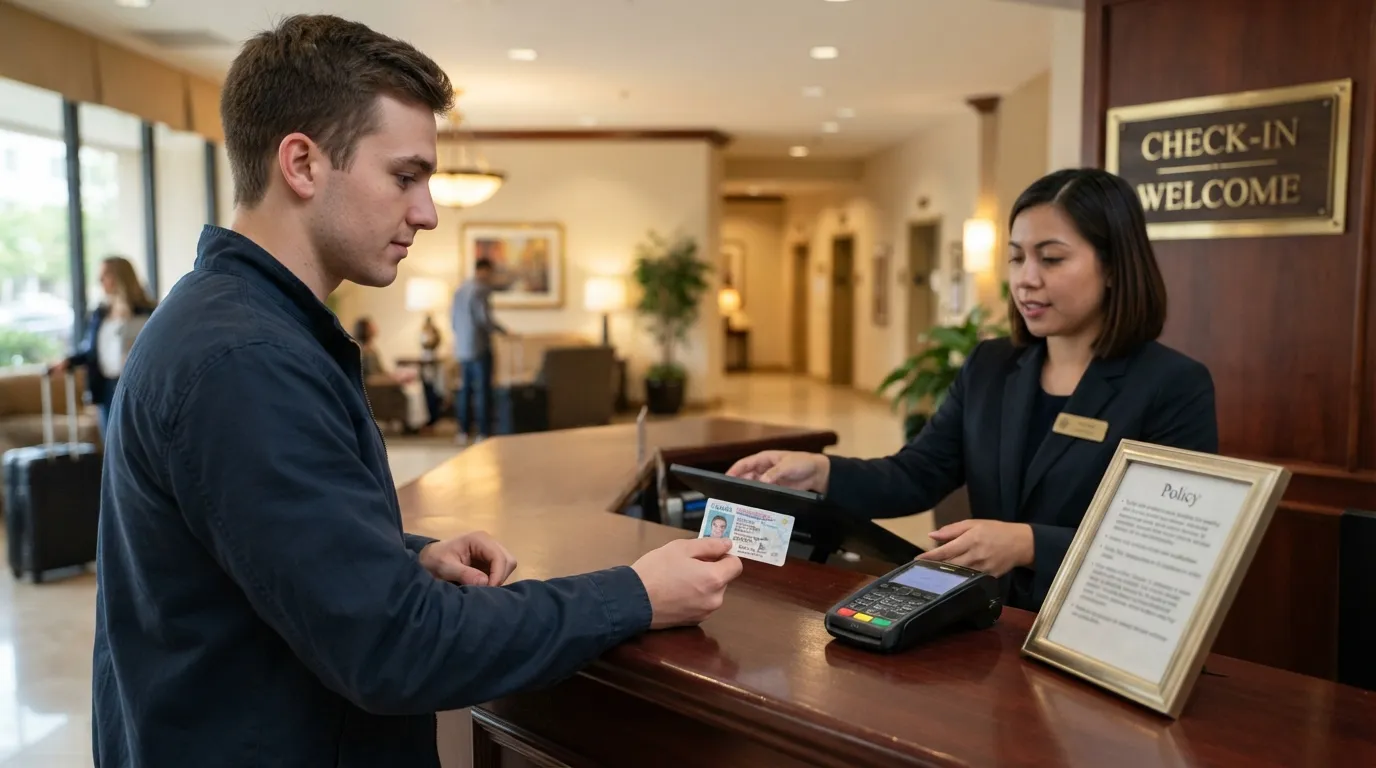
In most U.S. states the age of majority is 18, but Alabama and Nebraska use 19 and Mississippi uses 21. Some properties set their own higher minimums on top of that.
Many chains default to 18 but let individual hotels require 21. Casino hotels and certain resort areas often enforce 21. Verify the specific property’s age policy and ID requirements before you travel.
At a Glance
- Most U.S. states: age of majority is 18.
- Alabama and Nebraska: 19.
- Mississippi: 21.
- Casino hotels and some resort areas often enforce 21 regardless.
#10 – Late Arrival Requires Advance Notification at Some Properties

Guaranteed reservations are typically held past the normal check-in hour, but the cutoff depends on the hotel and the booking. Arriving after midnight or outside front desk hours is the risky scenario.
Failure to notify can result in the room being released. Third-party bookings may have different hold times. Your confirmation email usually lists the exact cutoff, so call the hotel if you’ll be late.
#11 – Mobile Check-In Availability Differs by App and Brand
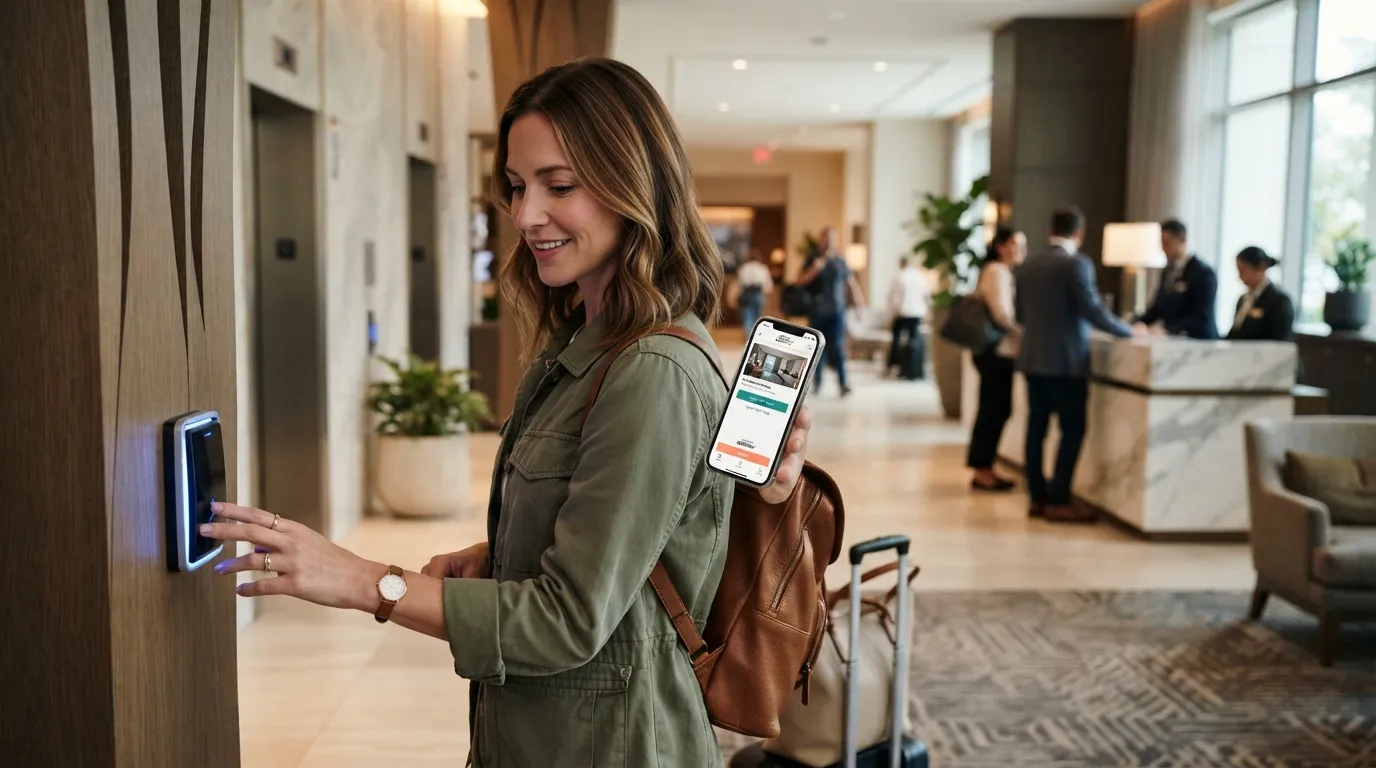
Major chains offer mobile check-in through their loyalty apps, sometimes with room selection or digital keys. Marriott Bonvoy, Hilton Honors, and World of Hyatt all support it at participating properties.
Not every location enables mobile key access. It depends on the hotel’s own technology. Download the app and finish the pre-arrival steps so you aren’t stuck in the lobby line.
#12 – Deposits Are Charged at Different Points by Rate Type
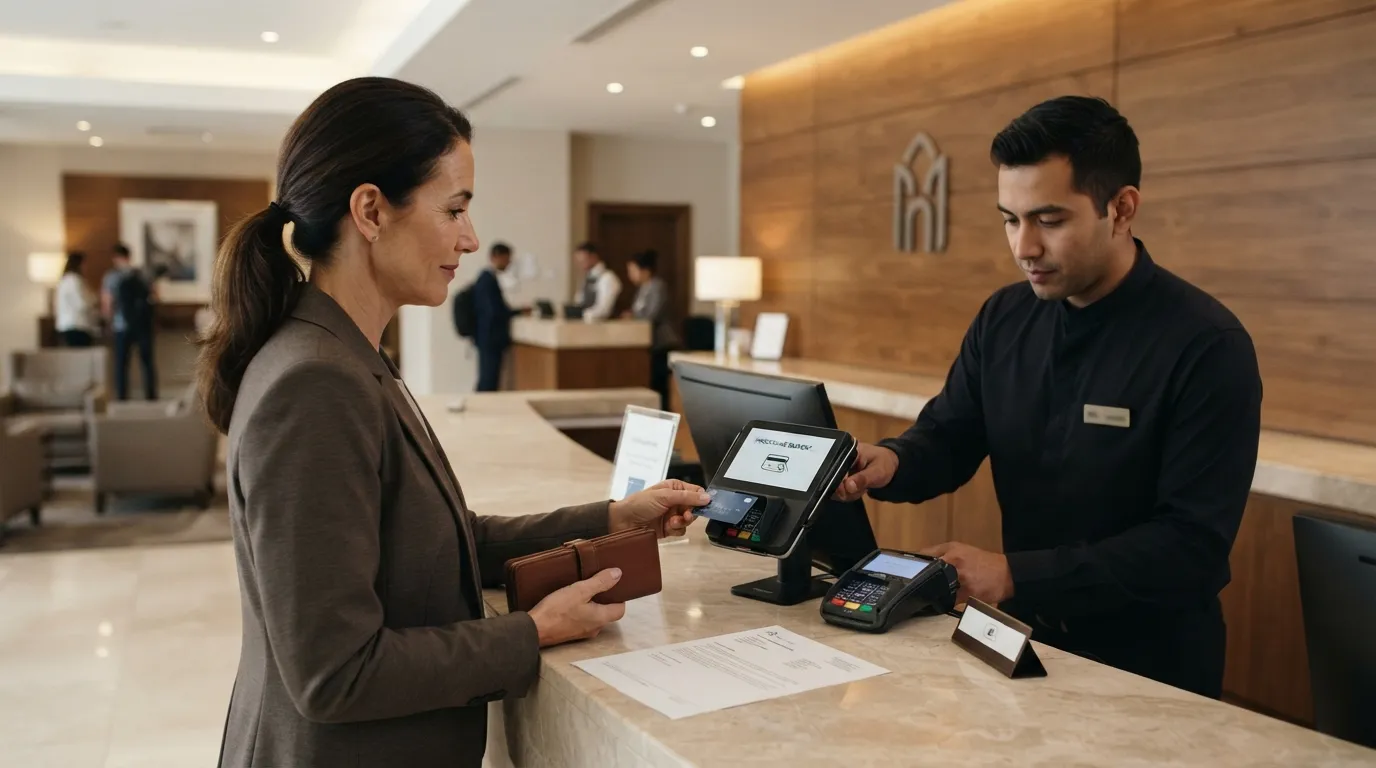
Flexible rates often process payment or a hold at check-in, while non-refundable rates may charge at booking. The incidental authorization is separate and handled by the hotel.
Prepaid third-party stays still require the hotel’s own hold for extras. Cancellation windows vary by rate and property, and 48 hours is typical for flexible bookings. Your confirmation has the exact terms.
#13 – Overbooking Remedies Differ by Chain Published Policies

Marriott’s Ultimate Reservation Guarantee provides a room at a nearby hotel, plus compensation for eligible elite members. IHG’s Book With Confidence terms offer the first night’s cost plus tax.
Other chains, including Hilton and Hyatt, set their own conditions, which may differ by booking channel and rate. These commitments apply only under stated conditions, so check the current terms for your brand.
Worth Knowing
- Marriott’s guarantee centers on a room at a nearby hotel.
- IHG’s terms center on the first night’s cost plus tax.
- Booking channel and rate type can change whether a remedy applies.
- Screenshot your confirmation so you can show the brand and rate you booked.
#14 – Cancellation Deadlines Vary by Property and Rate

Most flexible rates allow cancellation 48 hours before arrival without penalty. Some properties extend that to 72 hours, or require longer notice for groups. Non-refundable rates typically charge the full amount.
Time zones matter for the cutoff. Always note the local hotel time listed in your confirmation. Third-party bookings follow the hotel’s plan rules.
#15 – Room Type Requests Are Subject to Availability

Specific room types, like connecting rooms or higher categories, aren’t guaranteed unless booked that way or upgraded through status. Some properties charge extra for a guaranteed connecting room.
Elite members receive upgrade preferences where available. Check the booked room category on your reservation so there are no mismatches at the desk.
#16 – Pet and Other Optional Fees Require Advance Confirmation

Pet fees are optional at many properties, but they must be disclosed if mandatory. Some locations charge daily pet fees or require deposits.
Wi-Fi access may carry separate charges at certain hotels. Review all optional services on the booking page. Policies differ by brand and location.
#17 – Check-In Times Differ Outside the United States
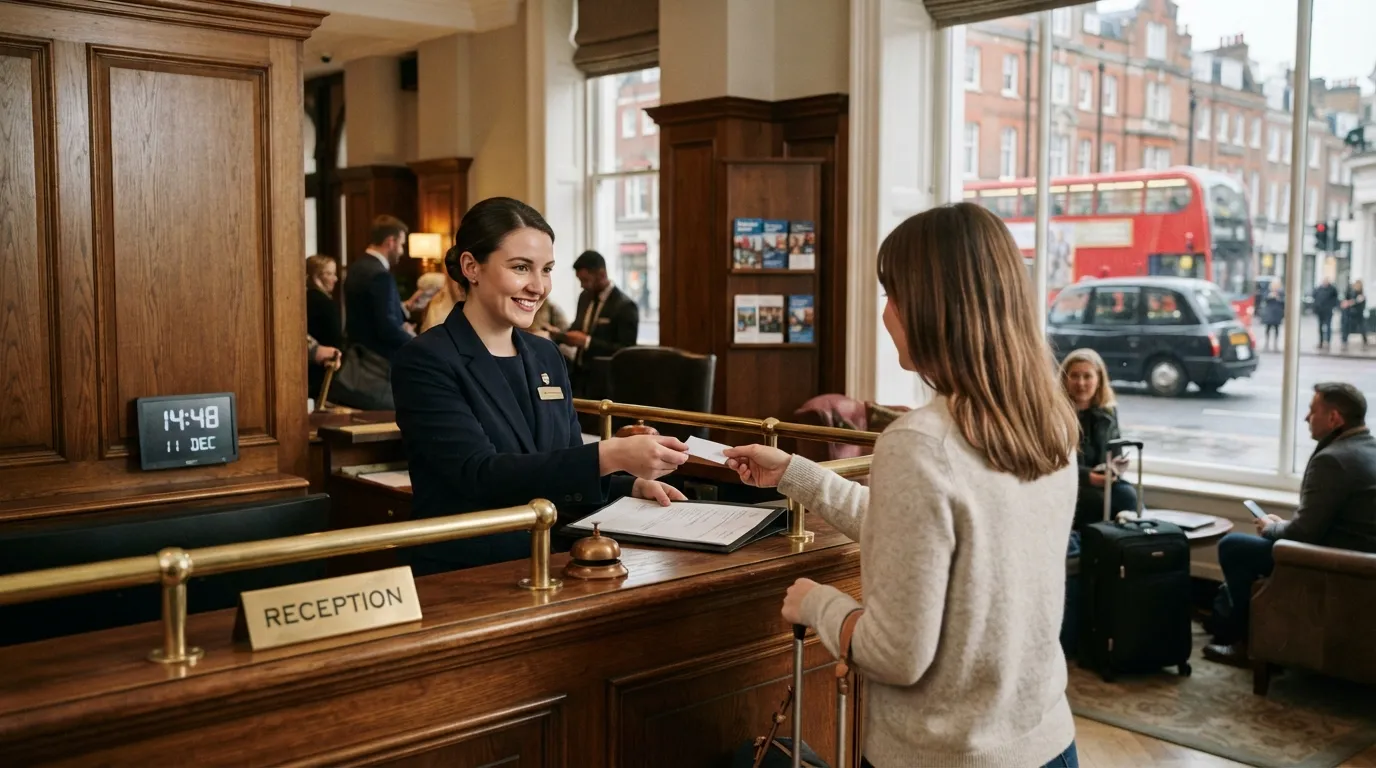
U.K. properties often use 2:00 PM to 3:00 PM check-in, with checkout from 10:00 AM to noon. Australian hotels commonly post 2:00 PM to 3:00 PM arrival and 10:00 AM to 11:00 AM departure.
Canadian properties align closely with U.S. 3:00 PM defaults. These times appear in local property listings, so confirm them directly with the hotel.
Fast Facts
| Region | Typical check-in | Typical checkout |
|---|---|---|
| United Kingdom | 2:00 PM – 3:00 PM | 10:00 AM – noon |
| Australia | 2:00 PM – 3:00 PM | 10:00 AM – 11:00 AM |
| Canada | Close to 3:00 PM | Varies by property |
#18 – All Fees and Policies Should Be Confirmed Before Arrival

Review your full confirmation, the property website, and the chain’s terms for resort fees, deposits, parking, and timing. Contact the hotel directly with any questions about holds or requests.
When a platform and the property disagree, the hotel’s published rules decide. Keep screenshots and records of every disclosure so you have proof at checkout.
The pattern across chains is consistent: the surprises almost never come from one big rule. They come from small differences between brands, states, countries, and booking channels.
A few minutes with your confirmation and one call to the front desk can keep a routine arrival from turning into a costly one.
CEO-Co-Founder