

- 15 Hotel Breakfast Charges Guests Can Avoid by Checking the Rate Plan - October 24, 2026
- 17 Shoulder Season Travel Rules for Sudden Weather Changes - October 24, 2026
- 18 Hotel Arrival Rules That Prevent Expensive Check-In Problems - October 24, 2026
Missing your platform feels like the moment your ticket turns into scrap paper, but in many disruption cases the official rules say otherwise.
The catch is that your protection often hinges on one detail most travelers never check before boarding.
#15 – UK National Rail: A Delayed First Train Can Keep Your Ticket Alive

If an earlier delay makes you miss a booked connection on National Rail, your ticket generally stays valid for the next permitted train. Some Advance tickets are covered too, usually when the replacement stays with the original operator or listed partners.
Keep the ticket and ask staff before switching operators. Claims usually go to the company whose delay caused the miss.
#14 – Amtrak Promises to Rebook You When Disruption Strands a Connection

Amtrak says it will rebook passengers on the next available service after cancellations or missed connections outside its control. During major disruptions it may help with baggage, extended station hours, contracted hotels, or alternate transport such as buses.
The protection mainly covers trips on Amtrak itself, and separate tickets can leave you with fewer options. Ask station staff promptly.
#13 – Deutsche Bahn Can Cut Your Ticket Loose From a Single Train

Deutsche Bahn lifts the train-specific binding on many tickets when a delay of 20 minutes or more is expected at your destination on national journeys. You can then take later or alternative trains. International journeys use a 60-minute threshold.
Deeply discounted fares like the Deutschland-Ticket often fall outside this flexibility. Written staff confirmation helps with any later reimbursement request.
At a Glance
- Domestic trips: an expected delay of 20 minutes or more at your destination frees the ticket from one specific train.
- International trips: the threshold rises to 60 minutes.
- Deeply discounted fares often sit outside this flexibility.
- Written staff confirmation can help later.
#12 – SNCF Direct Tickets Treat Your Whole Trip as One Promise

An SNCF Direct Ticket is a single contract for the entire journey, including connections on eligible TGV, OUIGO, Intercités, and regional trains. If a delay makes you miss one, you can be re-routed on the next suitable train and offered help such as meals or accommodation.
Separately bought tickets lack this automatic protection. Eurostar follows different rules even when booked together.
#11 – Railteam HOTNAT Can Put You on the Next High-Speed Train

Railteam members, including Eurostar, SNCF, and DB, let passengers take the next available high-speed train at designated hubs after missing a connection between two qualifying high-speed services. Paris Gare du Nord and Frankfurt are examples.
Seats aren’t guaranteed, and domestic or non-high-speed trains are typically excluded. Confirm eligibility at the information desk first.
#10 – The AJC Agreement Can Protect Even Separate Tickets

The Agreement on Journey Continuation lets passengers continue on the next available train after a covered delay or cancellation, even with separate tickets on international trips. Signatories include SNCF, DB, ÖBB, and Trenitalia.
The miss must come from a covered disruption, so get proof of the original delay when you can.
#9 – EU Rules Kick In at a 60-Minute Expected Delay

Under EU rail passenger rights, a missed connection that leaves you facing an expected arrival delay of 60 minutes or more at your final destination lets you choose re-routing or reimbursement. Meals proportionate to the wait and overnight accommodation may follow.
These rights apply to through-tickets. Separate tickets may depend on operator agreements, and some countries offer stronger protections.
#8 – The Delay at Your Destination Decides Your Compensation

Under EU rules, compensation is typically 25% of the ticket price for a 60–119 minute delay at your destination and 50% from 120 minutes. UK Delay Repay schemes often use operator-specific bands starting at 15 or 30 minutes.
Claims usually go to the operator responsible for the first delay, not the retailer. Send one combined claim with documents when several operators are involved.
Quick Compare
- EU rules: typically 25% of the ticket price for a 60–119 minute delay.
- EU rules: typically 50% once the delay reaches 120 minutes.
- UK Delay Repay: operator-specific bands, often starting at 15 or 30 minutes.
- Where to claim: usually the operator responsible for the first delay.
#7 – Reduced-Mobility Passengers Should Get Extra Help After a Miss

Operators must pay particular attention to passengers with disabilities or reduced mobility during disruptions, including help with rebooking. Pre-booked assistance may need to be re-confirmed after a missed connection.
Rules vary by jurisdiction, and separate tickets can complicate coordination between operators. Contact staff early to arrange onward assistance.
#6 – Your Ticket May Survive, but Your Seat Often Doesn’t
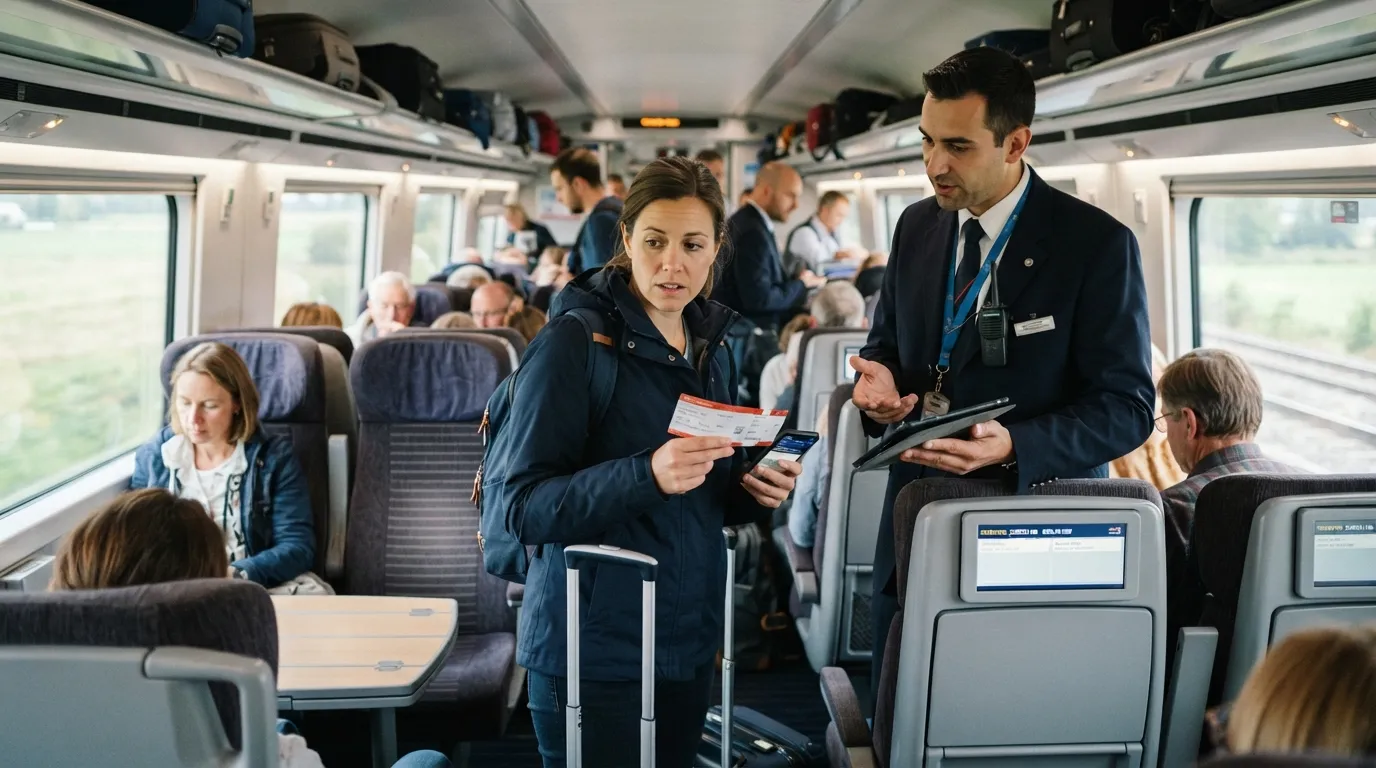
Even when your ticket stays valid for the next train, the original seat reservation typically does not transfer. Secure a new reservation where possible, especially on long-distance services.
This applies across the UK and many European operators. Flexible tickets may allow easier changes, and staff can advise on seat availability during live disruptions.
#5 – Miss the Last Train and Some Operators Will Arrange a Ride

If the last train of the day is missed because of an earlier delay, many operators arrange taxis or other transport to finish the journey. UK rules and Amtrak commitments both address this scenario.
Speak to station staff or the delayed train’s conductor before booking anything yourself. Costs may not be recoverable without approval.
#4 – A Through-Ticket Is One Contract, and That Changes Everything

A single through-ticket creates one contract of carriage, extending missed-connection rights across the whole itinerary under CIV and EU rules. Separate tickets generally stand alone, which limits cross-operator remedies.
Sellers must often disclose the contract type before purchase. Some mixed-operator trips bought in one transaction may qualify as single tickets.
Why It Stands Out
- One contract covers the whole itinerary, not just one leg.
- Missed-connection rights extend across every train on the ticket.
- Separate tickets generally stand alone and limit cross-operator remedies.
- Mixed-operator trips bought in one transaction may still count as a single ticket.
#3 – Some UK Operators Publish Lists of Partners That Will Accept Your Ticket

Certain UK operators list partner companies where a connecting ticket stays valid after a delay caused by the first operator. LNER, for example, names several partners beyond its own services.
That can open options without a new purchase. Lists can change, so check the current version and note it when speaking with staff.
#2 – Proof of the Delay Can Make or Break Your Claim

Written confirmation of the original delay or cancellation from staff or the train supports later compensation or reimbursement requests. Many operators provide it on request, during or after the journey.
Without documentation, claims may be slowed or denied. Keep your original tickets alongside the confirmation.
Worth Knowing
- Ask staff for written confirmation of the delay or cancellation.
- Many operators provide it on request, during or after the trip.
- Keep your original tickets together with that confirmation.
- Missing paperwork can slow or sink a claim.
#1 – Buying One Ticket Can Be the Strongest Protection of All
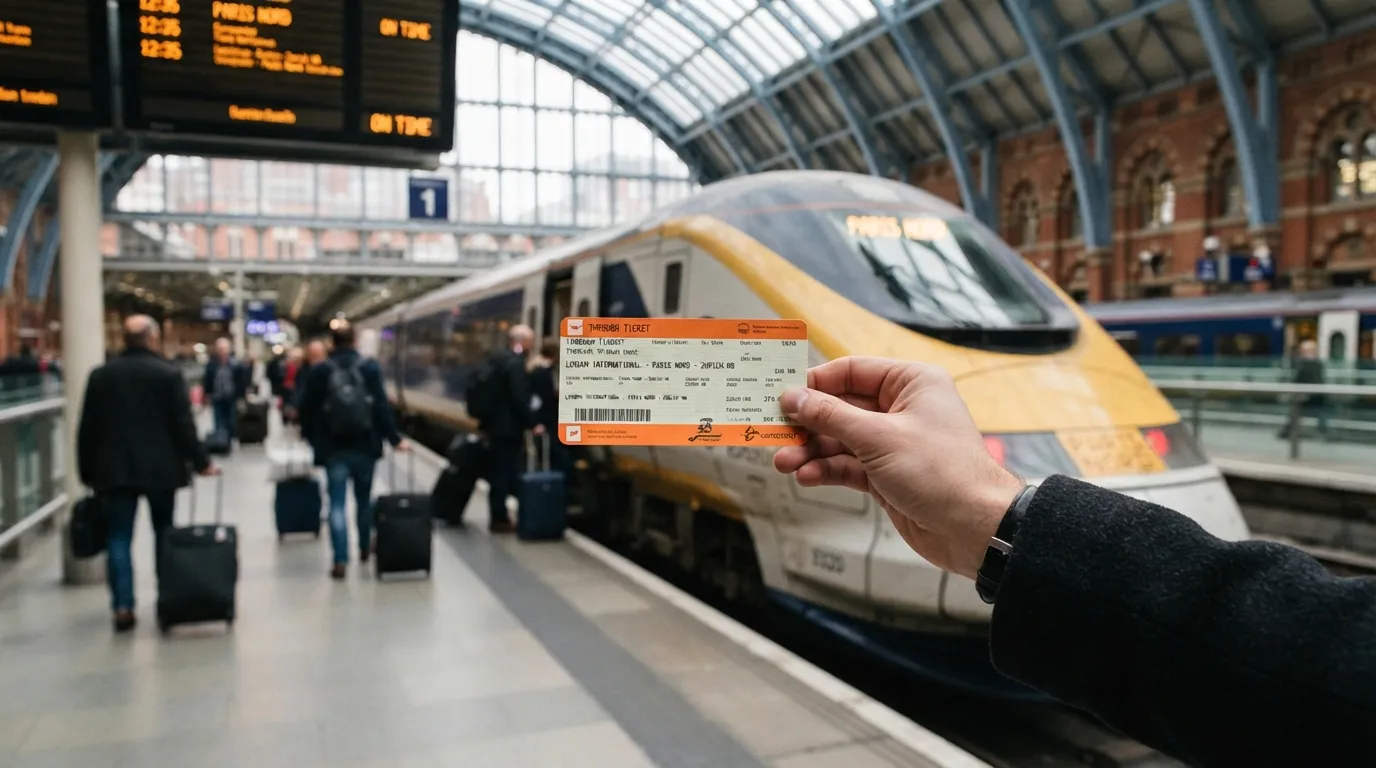
Buying a single ticket or through-ticket wherever possible activates the broadest missed-connection safeguards under CIV, EU regulations, and operator agreements. It minimizes the gaps that appear with separate contracts, even when they’re booked together.
Amtrak’s commitments, UK conditions, and European alliances all differ. Check the contract type and operator policies before you travel.
Through-tickets, agreements like HOTNAT and AJC, and delay-based flexibilities such as DB’s train binding rules or UK National Rail conditions often protect passengers after a missed platform, as long as the cause is a prior disruption. Separate tickets and misses that aren’t covered by a disruption limit those safeguards.
The best protection starts before you board: confirm your contract type, ask staff quickly when things go wrong, and keep every piece of paper. Rules vary a lot by operator and region, so a minute of checking can save a lot of stress later.
CEO-Co-Founder