

- 12 Movie Roles Intended for One Actor but Made Someone Else a Star - October 19, 2026
- 12 TV Roles Recast Before the Series Premiered That Made the Replacement Famous - October 19, 2026
- 12 Singers Who Passed on a Song That Became a Major Hit for Someone Else - October 19, 2026
River cruises sound like the easy version of vacation: calm water, castles drifting by, no crowds. Then you step aboard a ship with roughly 100 to 190 guests, and you realize there’s nowhere to hide from anyone’s habits.
That’s why small mistakes get big fast here. A towel on a chair, a late return to the dock, or a phone call in the lounge can ripple through meals, excursions, and the mood on board. Some of the items below are plain annoyances, and a few are about safety.
#12 – Hogging Deck Chairs Leaves Others Without Space
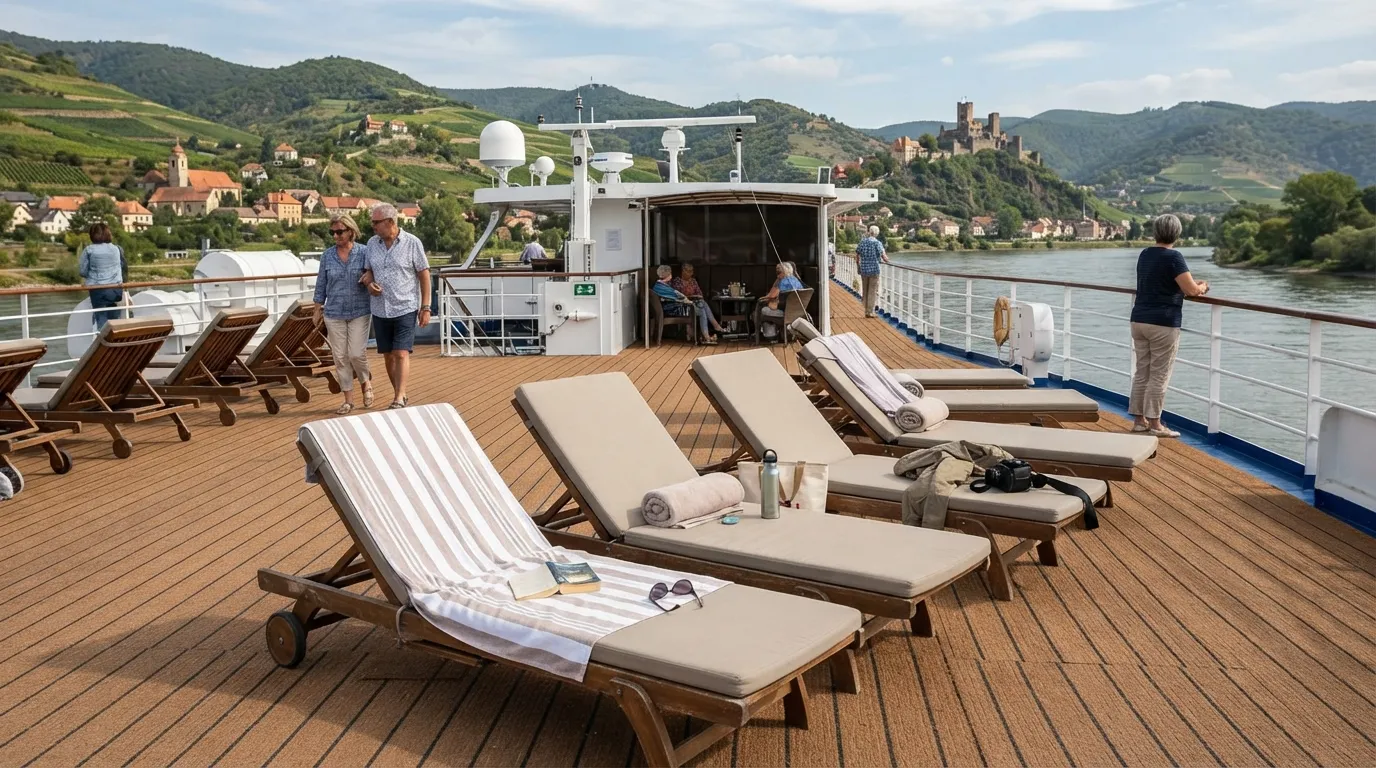
River ships have far less outdoor deck space than ocean liners, and the good seats get contested on scenic sailing days. A towel on one lounger, a book on another, and then the owner vanishes for hours.
Everyone else is left circling the deck or watching the scenery from indoors. Many cruise lines discourage extended chair reservations for this reason, and some note that unattended items may be removed after a reasonable period.
On a ship this size, you’ll see the same faces and the same empty chairs all day. Resentment builds quietly.
Next up is a mistake that affects the whole group’s schedule.
#11 – Arriving Late for Departures Strands the Group
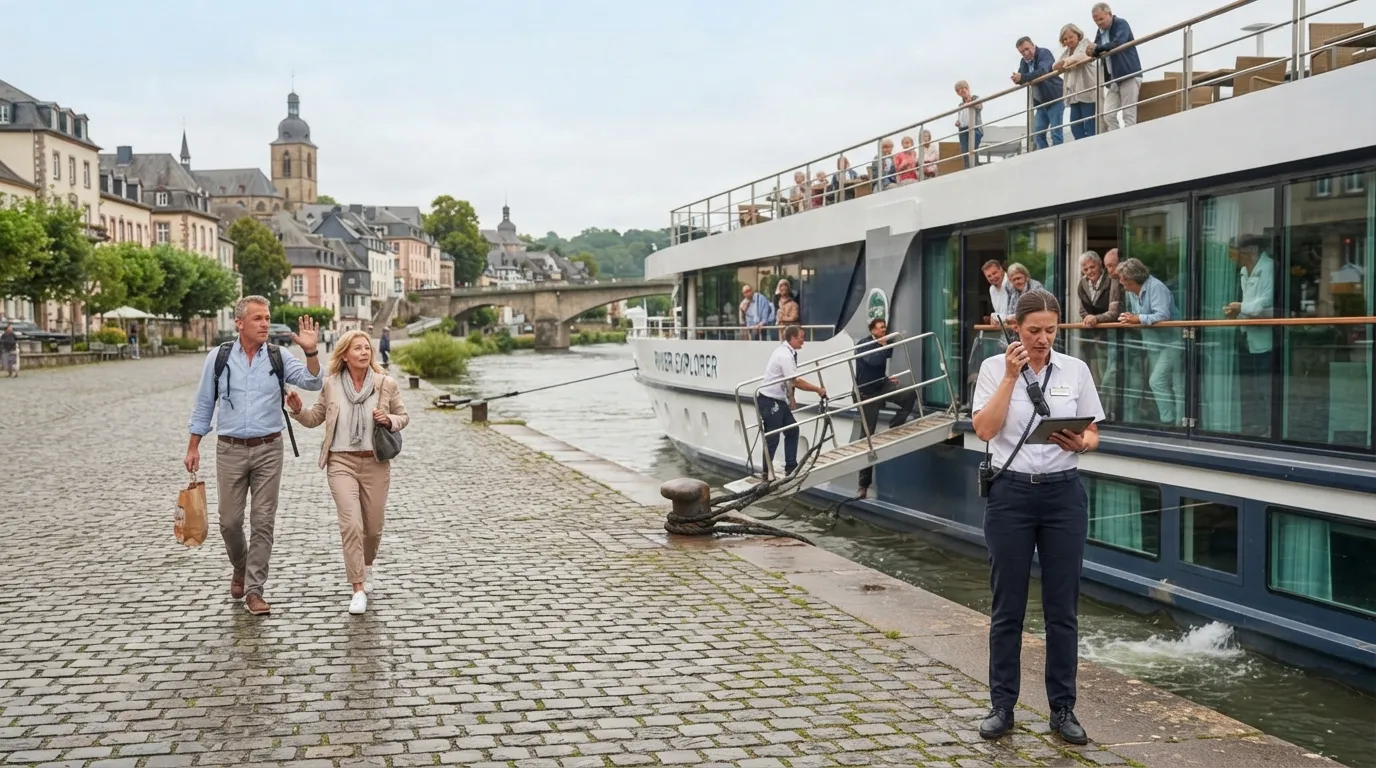
River itineraries often pack in multiple port calls with tight turnarounds, and ships have to work around lock schedules and river traffic. Miss the announced departure time, and the ship either waits or risks leaving without you.
Either way, everyone else pays for it with delays and possible itinerary changes. Cruise Critic guidance stresses watching the clock and using any onboard check-in system, especially after time in a pub or market, where an hour disappears fast.
Worth Knowing
- Check the daily program for the all-aboard time at each port, and write it down.
- Set a phone alarm well before that time, not right at it.
- Use the ship’s check-in or check-out system every time you leave and return, if there is one.
- Add buffer time for the walk back, since market streets and old-town lanes are slower than they look.
A small crew has little slack to absorb stragglers. On a river ship, punctuality is part of the deal.
The next one is about safety, and it’s easy to wave off.
#10 – Ignoring Low-Bridge Safety Warnings Risks Injury
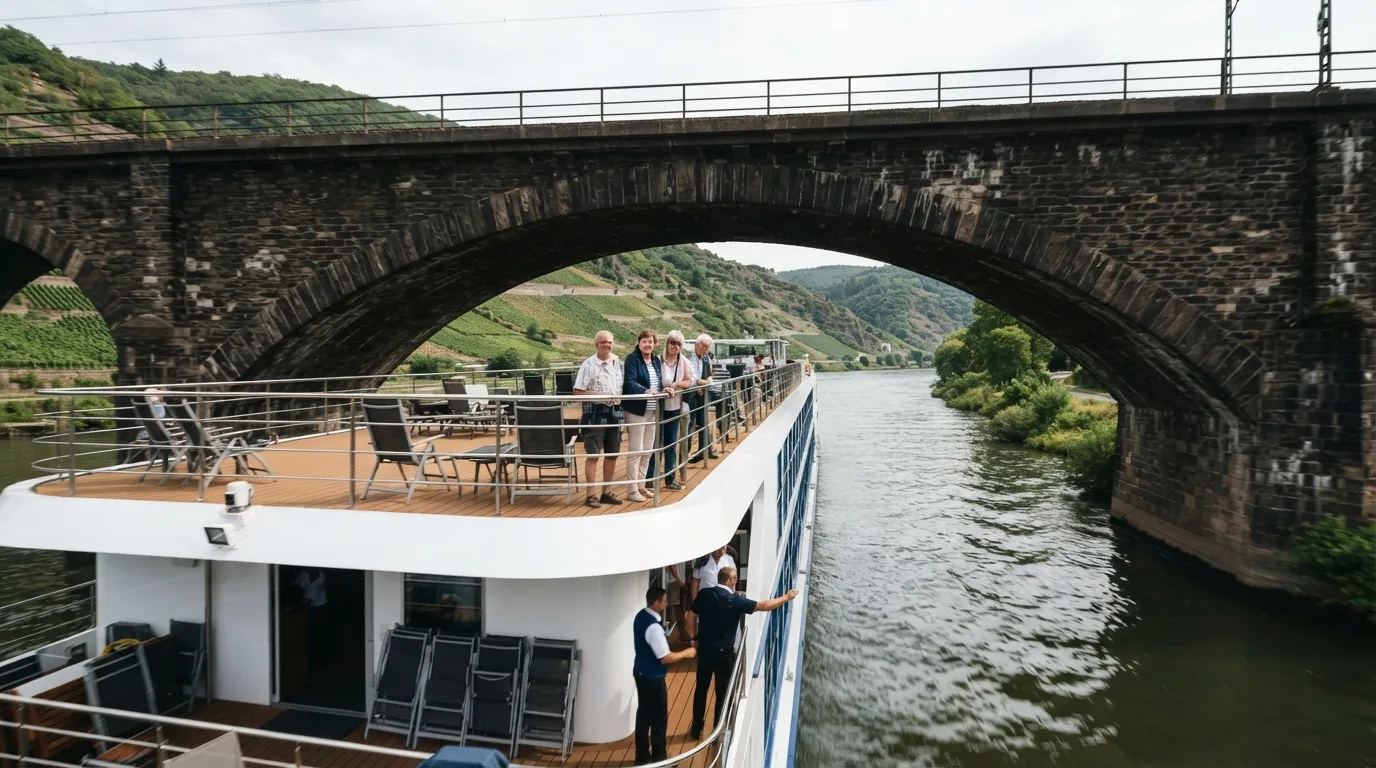
European rivers have bridges low enough that the top deck has to be cleared. Crews announce when it’s closing, and the instructions are meant to be followed.
Staying up there for a better photo, or leaning out during a lock passage, puts you in real danger while the ship maneuvers. Operators consistently advise staying out of restricted areas during these moments.
It’s also a matter of timing. Conditions on the river change, and a ship can’t pause for one person’s selfie.
Now back indoors, where noise becomes a problem.
#9 – Conducting Loud Calls Disrupts Shared Spaces
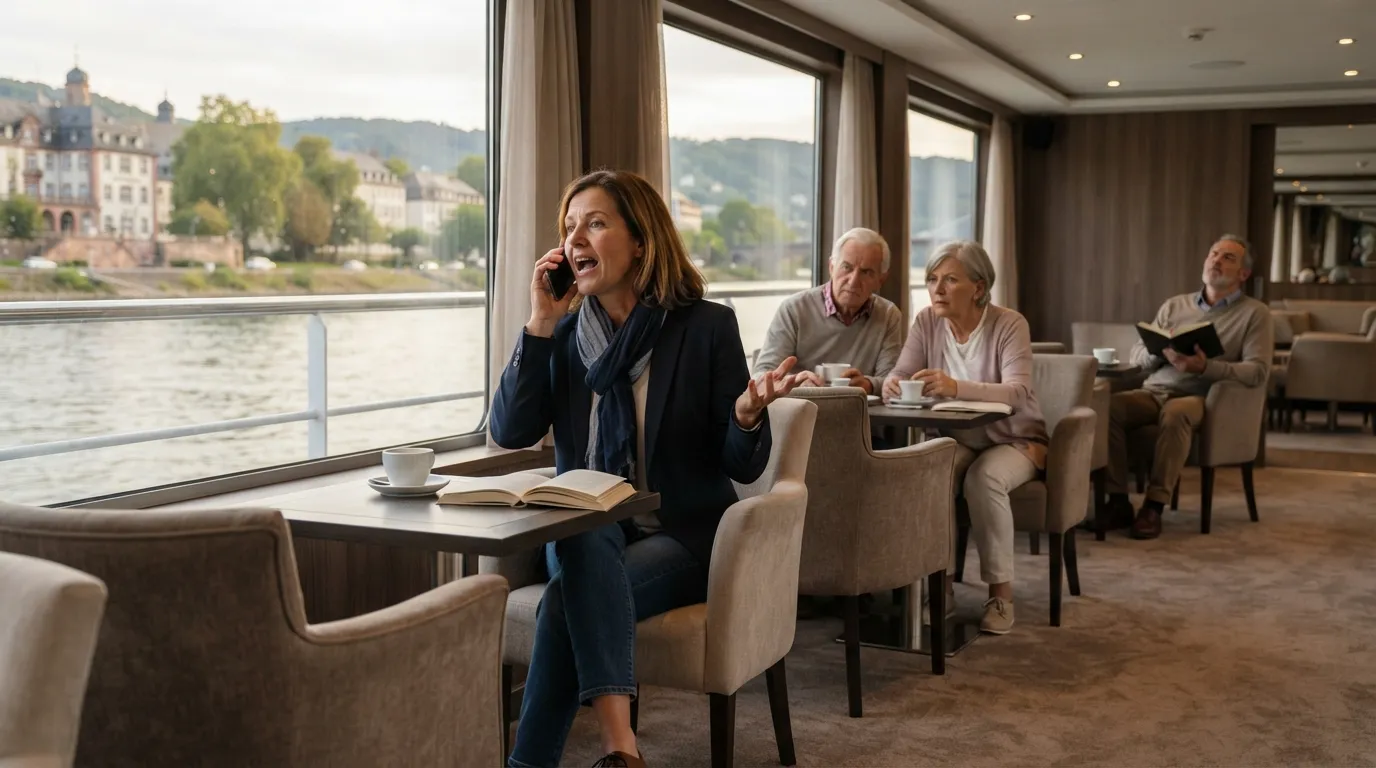
River ships have few private corners. A phone call or video chat in the lounge, dining room, or hallway carries much farther than the caller realizes.
Meanwhile, the people nearby are trying to read, talk quietly, or watch the riverbank slide by. Etiquette guidance suggests taking longer conversations to your cabin or another suitable spot.
Think boutique hotel, not living room. The calm is a big part of why people book river cruises, and one loud call can puncture it.
Next, the dining room, where the traffic jams happen.
#8 – Blocking Buffet Lines Slows Everyone Down
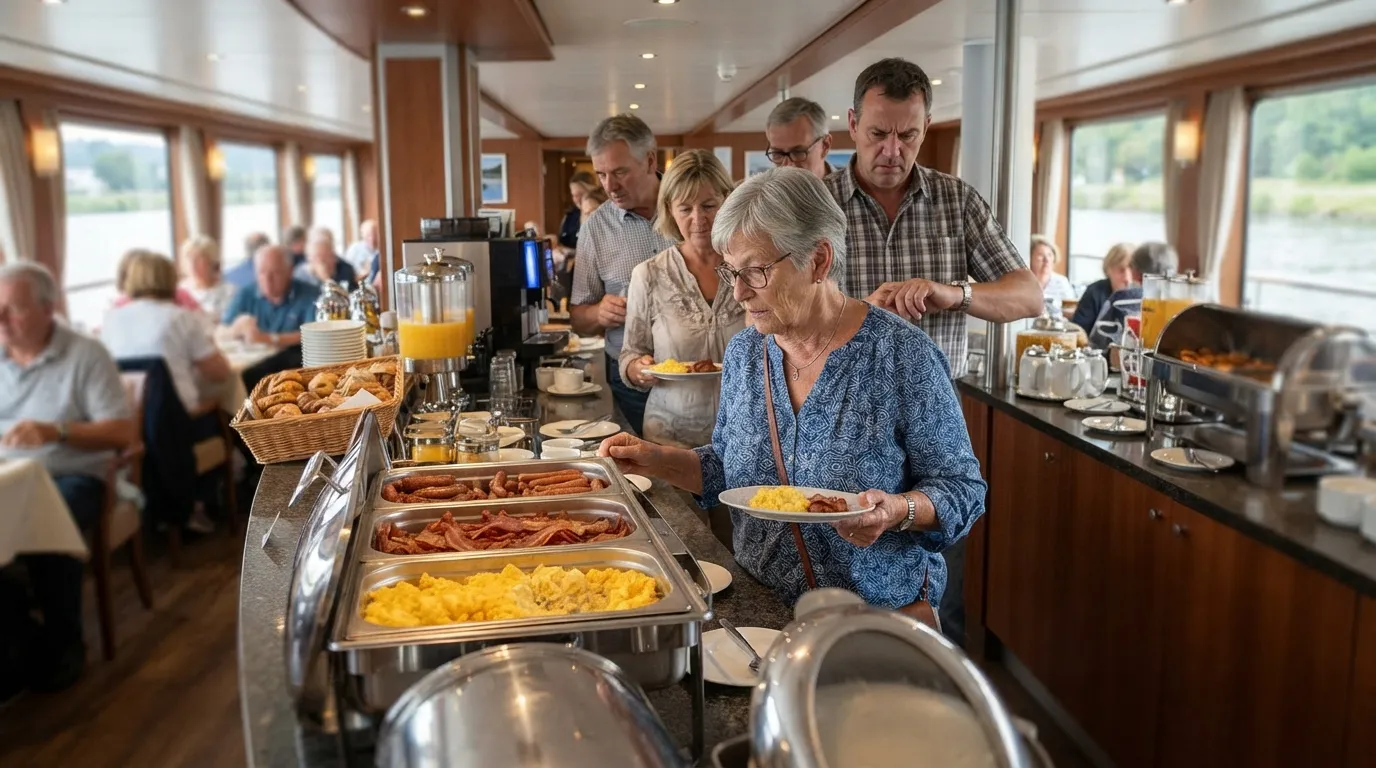
Breakfast and lunch on many river ships are buffet-style, often with limited stations. Lingering over choices, reaching across other people, or cutting into the line creates a bottleneck fast.
Standing in a way that blocks access to several options at once makes it worse. The courteous move is to know what you want, take it, and step aside if a line is forming.
On a small ship, a few slow minutes at the buffet can nudge meal timing for dozens of people. Nobody says anything, but everybody notices.
And speaking of the buffet, there’s a worse habit hiding there.
#7 – Using Hands at Buffets Spreads Germs Quickly
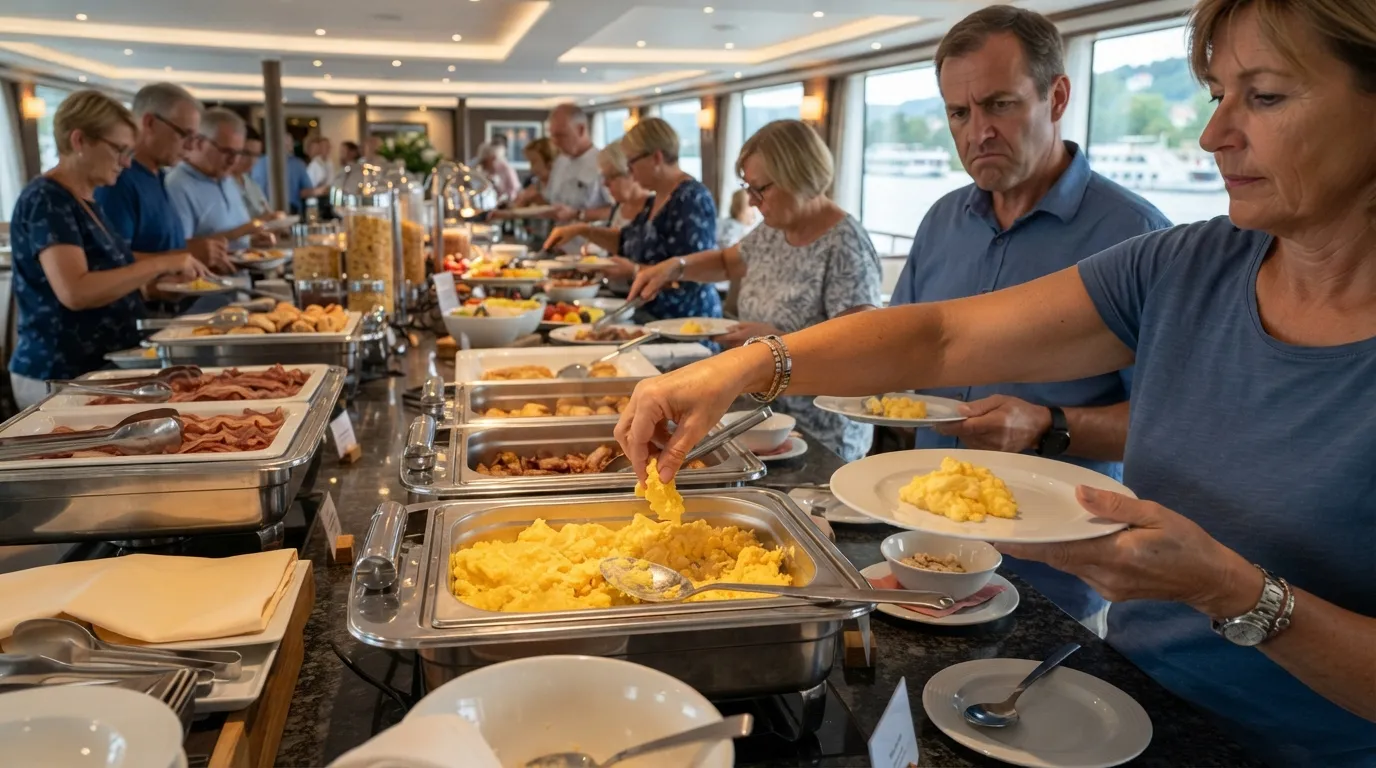
Serving areas are high-touch, and a small ship means a close-knit group sharing the same spaces for days. Grabbing food with your hands instead of the tongs or utensils provided adds risk nobody signed up for.
Medical resources on board are limited, so prevention matters more than usual. Use the serving tools every time, and take a clean plate for seconds instead of reusing your old one.
At a Glance
- Clean your hands before you head to the buffet.
- Use the tongs, spoons, and servers provided, and put them back where they belong.
- Grab a fresh plate for every return trip.
- Skip the finger-sampling, even for something small.
One careless grab can leave the next person in line holding the consequences. In a small group, illness travels quickly.
Next, a mistake that costs more than a good mood.
#6 – Rudeness Toward Crew or Passengers Creates Lasting Tension
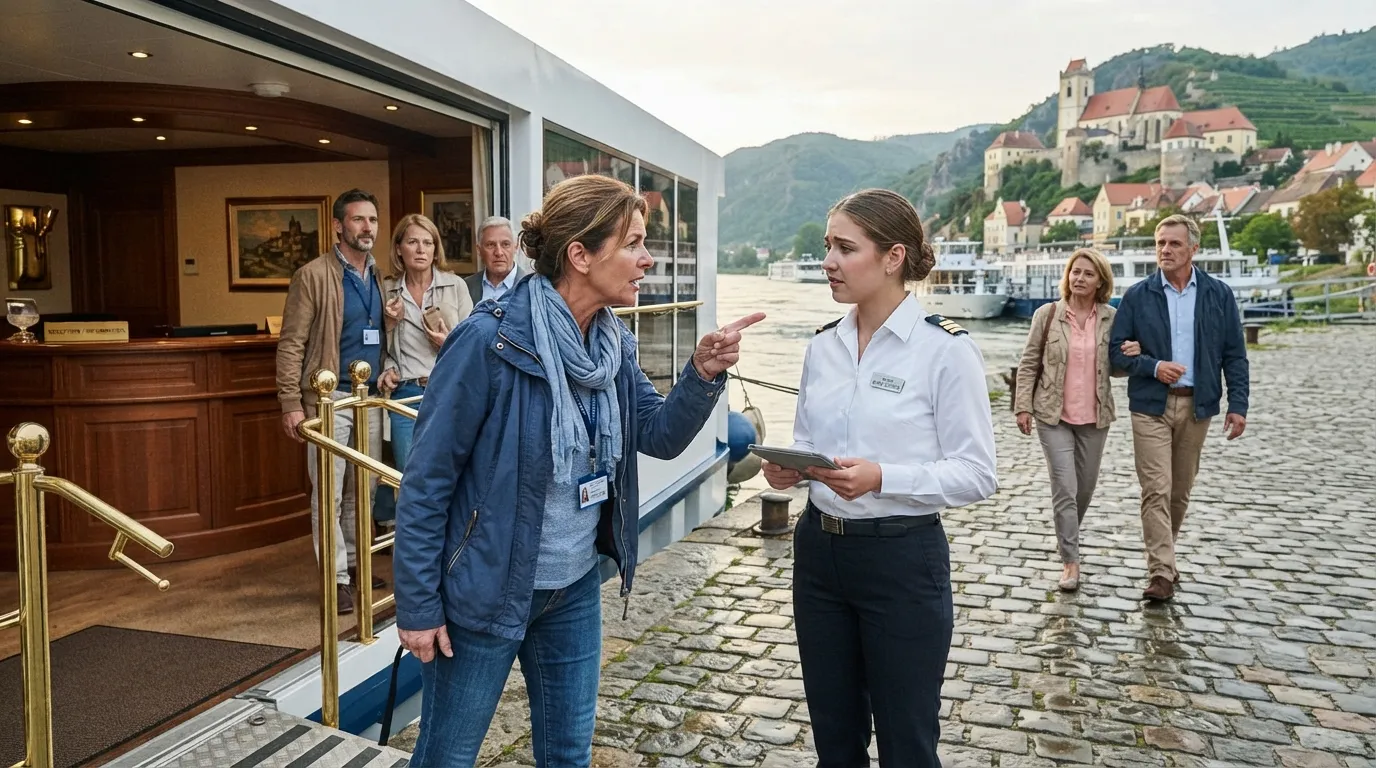
On a river cruise, you’ll meet the same staff and fellow guests again and again: at breakfast, in the lounge, on the excursion bus. So a snippy remark doesn’t fade into a crowd the way it might on a giant ship.
Barking orders, ignoring basic courtesies, or treating staff as invisible stands out immediately. The crew is small, and their work is what makes the trip run.
Passengers talk to one another, too. One rude moment can hang over the group for days.
Time to leave the ship and hit the cobblestones.
#5 – Skipping Comfortable Footwear Limits Participation

River cruises are built around walking tours, not beach time. Old-town cobblestones, hills, and long excursions are standard.
The wrong shoes mean blisters, a slower pace, and highlights you quietly skip. Travel advice consistently points to broken-in walking shoes as essential gear.
Quick Compare
- Smart pick: broken-in walking shoes with cushioning and good grip for uneven stone.
- Risky pick: brand-new shoes that haven’t been worn on a long walk yet.
- Poor pick: flip-flops or smooth-soled dress shoes on wet cobblestones.
Your feet set the speed of your whole group. If you’re hurting, your companions end up waiting or adjusting too.
Back on board, there’s another way the trip can go sideways.
#4 – Excessive Drinking Leads to Disruptive Incidents
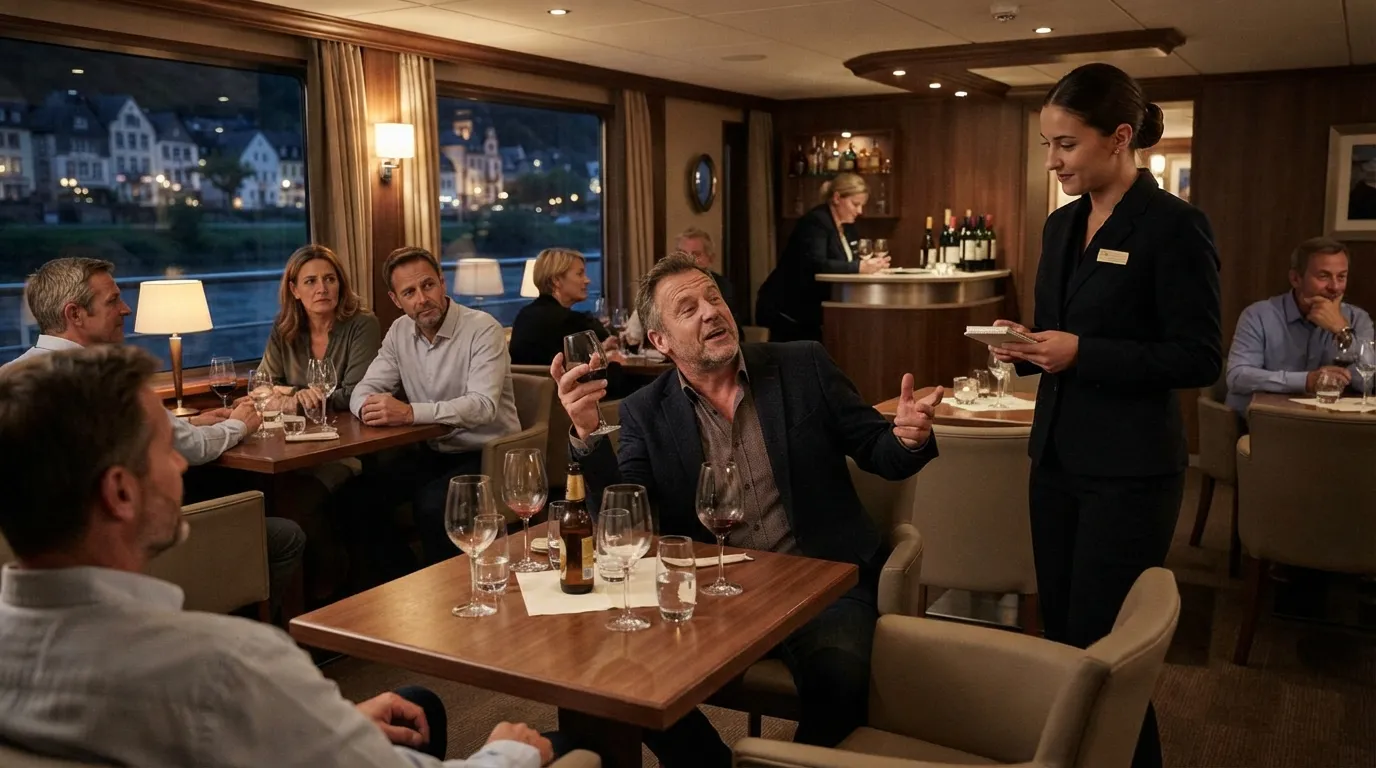
Many river cruises include wine or beer with meals, which makes overindulging easy. But a river ship has little anonymity, so someone who gets loud or unsteady is noticed by everyone.
Evenings get derailed, and crew sometimes have to step in. Experienced travelers advise knowing your limits, especially in a social setting this small.
Cruise lines can address disorderly conduct to protect everyone else’s experience. There’s no big-ship crowd to blend into.
The next mistake happens out of sight, but the crew feels it.
#3 – Leaving Cabins Excessively Messy Hinders Cleaning
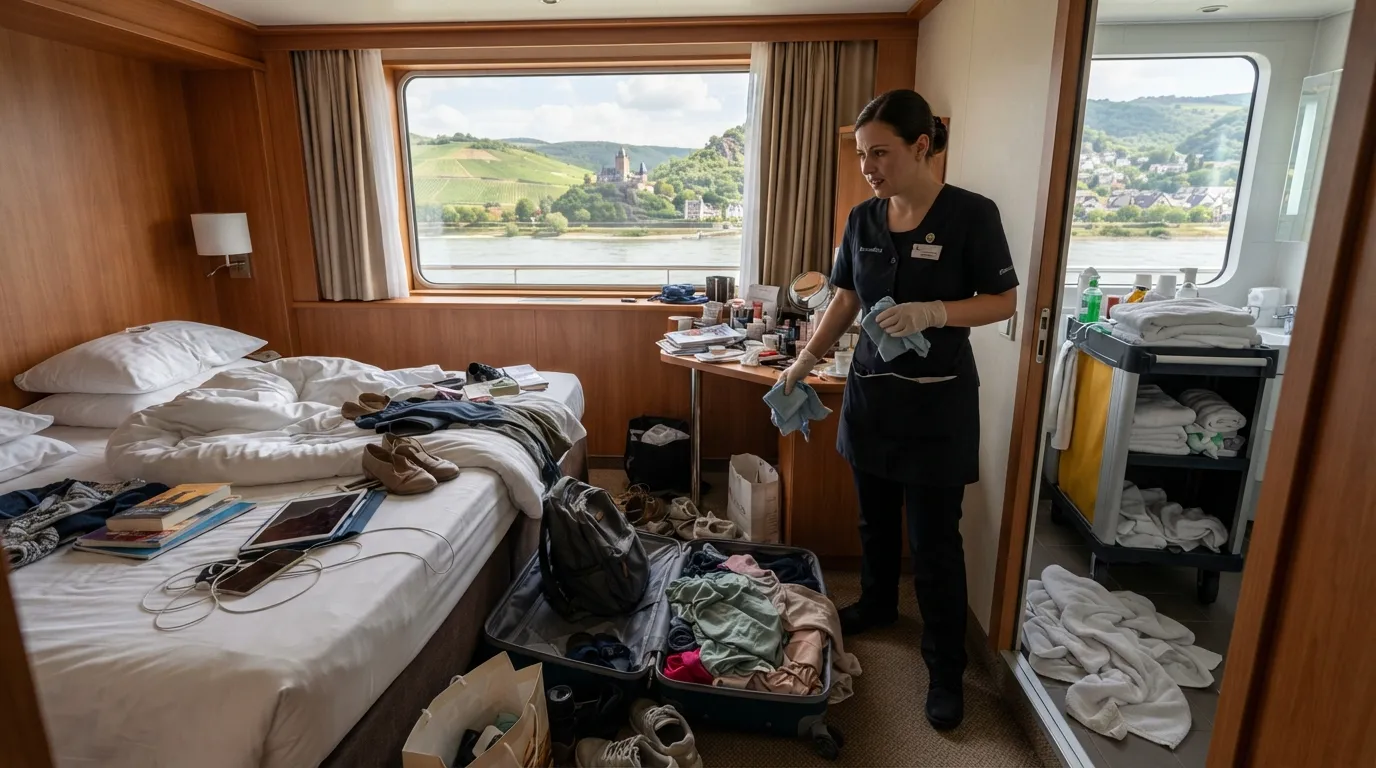
Cabin stewards work on tight schedules across a limited number of staterooms. Scattered belongings and blocked pathways slow them down.
That delay can ripple into other service areas. Cabins on river ships are compact, so clutter adds up quickly.
The fix is simple: keep your things contained so staff can do their work efficiently. It’s a small courtesy with a surprisingly wide reach.
Now for one that’s easy to skip, and shouldn’t be.
#2 – Missing Safety Briefings Leaves Everyone Vulnerable
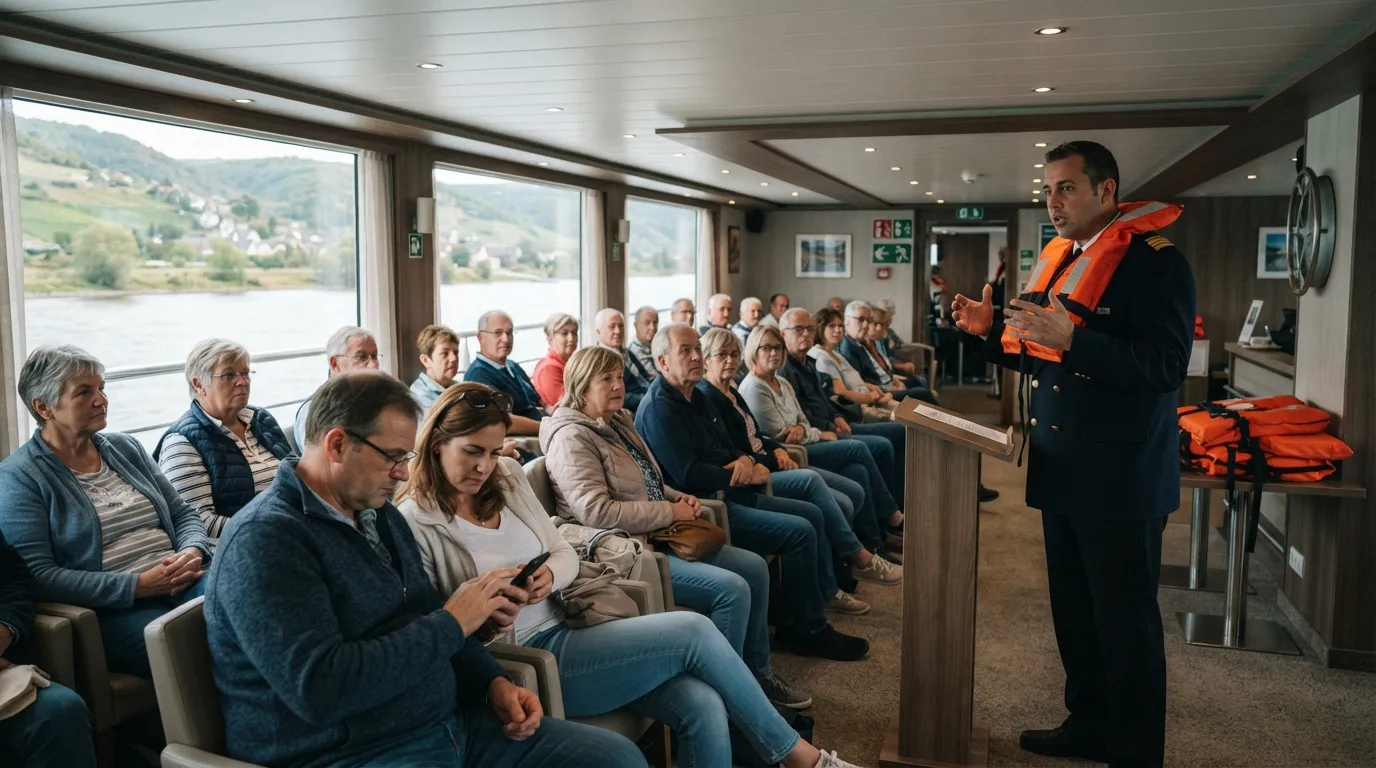
Muster drills and safety briefings teach passengers where to go and what to do on a vessel where space is tight and response time matters. Treating them as optional, or showing up with half your attention, weakens preparedness for the group.
Operators stress full participation, in part because river travel brings its own variables, including locks and narrow waterways.
Fast Facts
- Briefings cover where to go and what to do if the crew sounds an alarm.
- Pay attention to the meeting point for your cabin’s area of the ship.
- Find out where your life jackets are kept before you need them.
- Put the phone away and listen, since instructions can differ from ship to ship.
With so few passengers aboard, every informed person matters. The briefing may feel routine until the one moment it isn’t.
And the last one is the most social of all.
#1 – Saving Seats in Dining Areas Fragments the Social Experience
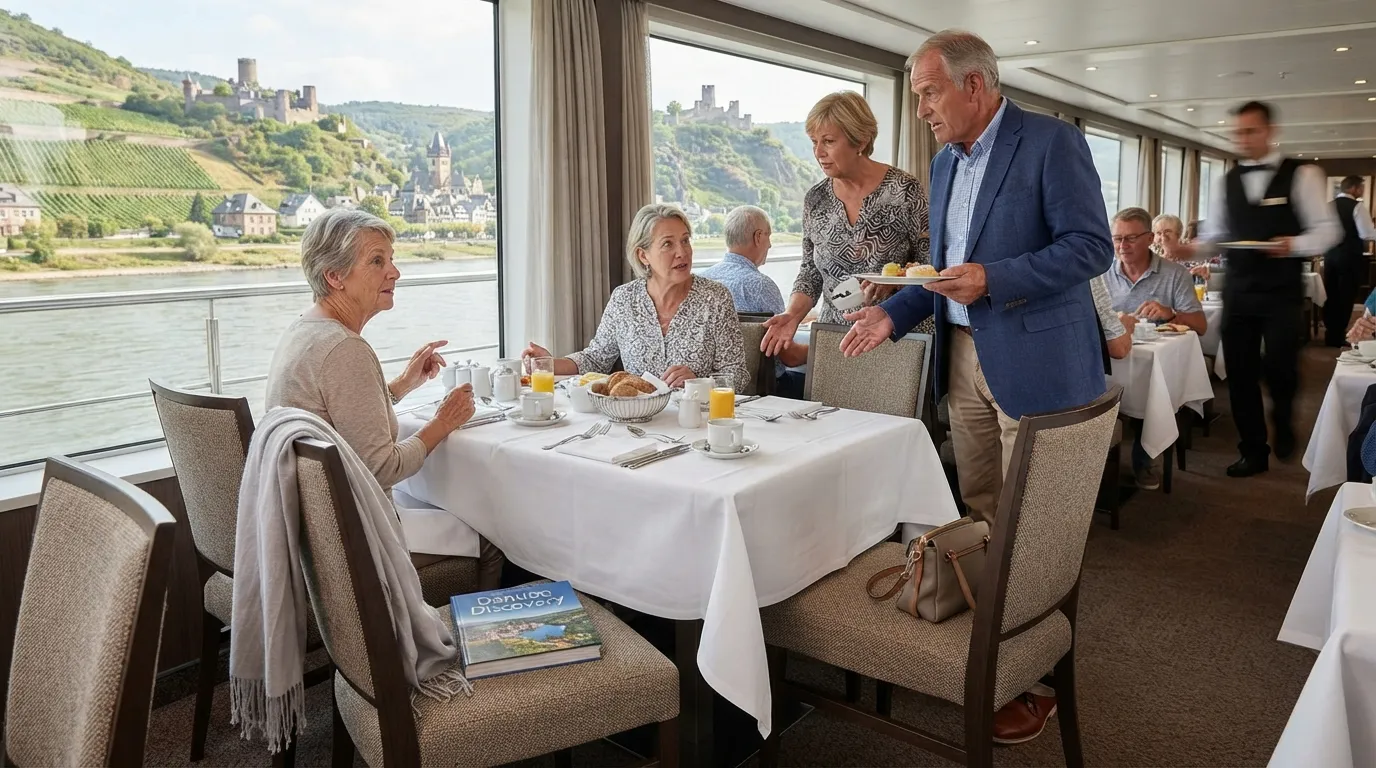
Many river lines favor open seating or shared tables, and the whole idea is that you end up chatting with people you wouldn’t have met otherwise. Reserving seats for absent companions or spreading your belongings across chairs breaks that flow.
It forces awkward rearrangements and can leave other guests feeling shut out at the start of every meal. In close quarters, a small habit becomes a daily friction point.
Guidance for river cruising encourages flexibility and awareness of how seating affects the group. The social mix is part of what you paid for.
Look back over the list, and the pattern is clear. Chair hogging, lateness, loud calls, and sloppy buffet habits all come from treating a small, shared ship like a bigger or more private space than it is.
On a river cruise, you can’t disappear into a crowd, so your habits become part of everyone’s scenery. A little awareness goes a long way, and it usually makes your own trip better too.
Did we miss one? Drop it in the comments.
CEO-Co-Founder