
- The Secret Influence of Folk Music on American Society - October 26, 2026
- 15 Souvenir Shopping Traps That Cost Travelers Money Abroad - October 26, 2026
- 16 Travel Adapter Mistakes That Leave Travelers Without Power - October 26, 2026
Souvenir shopping feels like the easy part of a trip, yet the biggest losses often hide in a duty-free bag, a tax form, or a “handmade” label.
These 15 traps all come down to money, and the first one starts before you even leave the airport.
1. The Duty-Free Bag That Still Counts at Home
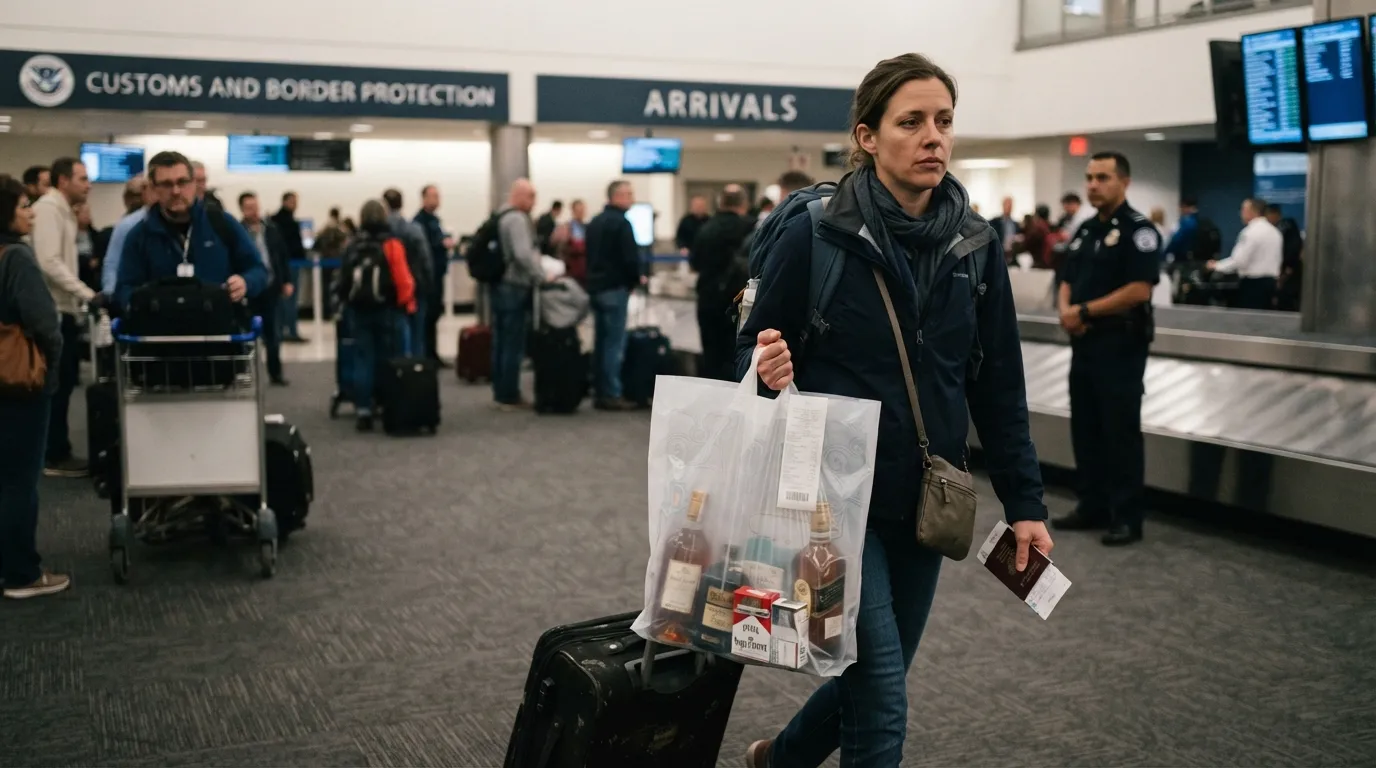
Duty-free sounds like a loophole, but those purchases generally still count toward your home country’s customs allowances. Anything over the limit may need to be declared and could be taxed.
Check your own customs agency’s current rules before you buy, not in the arrival line. Next comes a trap that hides in plain sight on the market table.
2. “Handmade” Souvenirs Straight Off a Factory Line
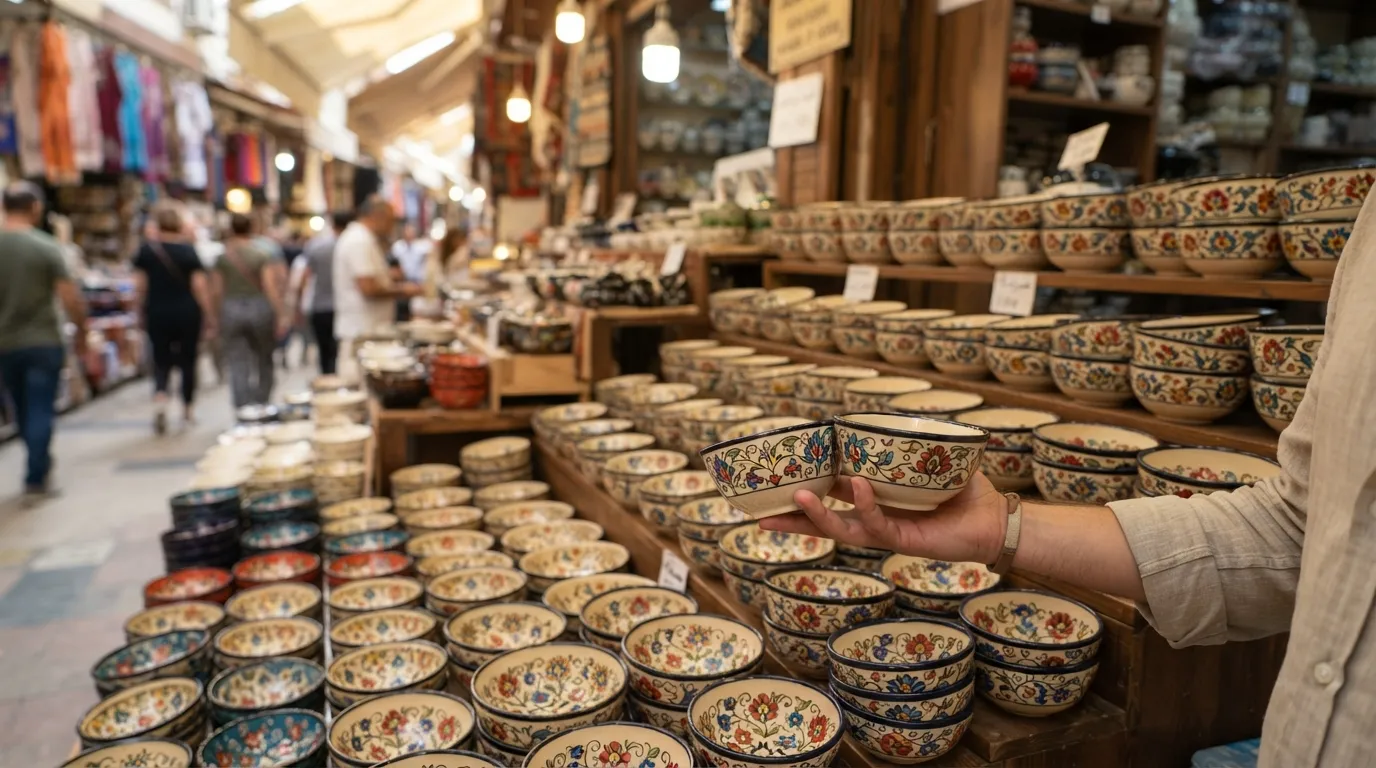
Some tourist-market vendors label mass-produced goods as local crafts to justify premium prices. Real handmade pieces usually show small variations, while factory copies look suspiciously identical.
Pick up several pieces, look for imperfections, and ask who made them before you pay, or you may bring home a disappointment. The next trap can get a beautiful keepsake taken at the border.
3. Coral, Shells, and Animal Parts With Permit Strings Attached
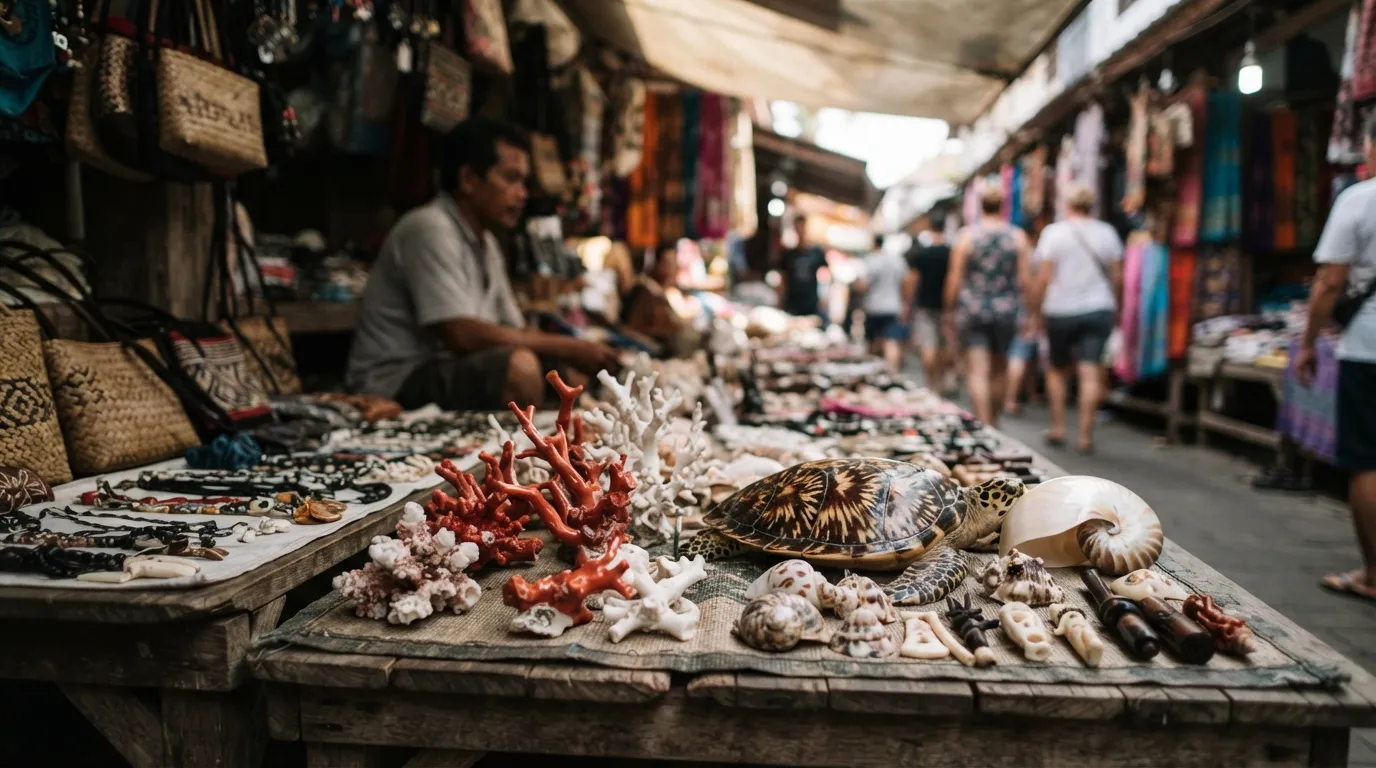
Souvenirs made from coral, shells, or certain animal parts may require permits under agreements like CITES. A seller saying “it’s legal” won’t stop your home customs from seizing the item without proper documentation.
Fast Facts
- CITES is an international agreement that regulates trade in certain wildlife and plant species.
- Permit rules can apply at both export and import, depending on the item and the countries involved.
- Coral, ivory, reptile skin, and some shells and woods are categories worth double-checking.
- A seller’s reassurance is not a permit.
Official wildlife-trade guidance advises avoiding anything you can’t verify, since a seizure means losing both the item and the money. Next up: souvenirs that look ancient for a reason.
4. “Ancient” Artifacts and Replicas Near Famous Sites
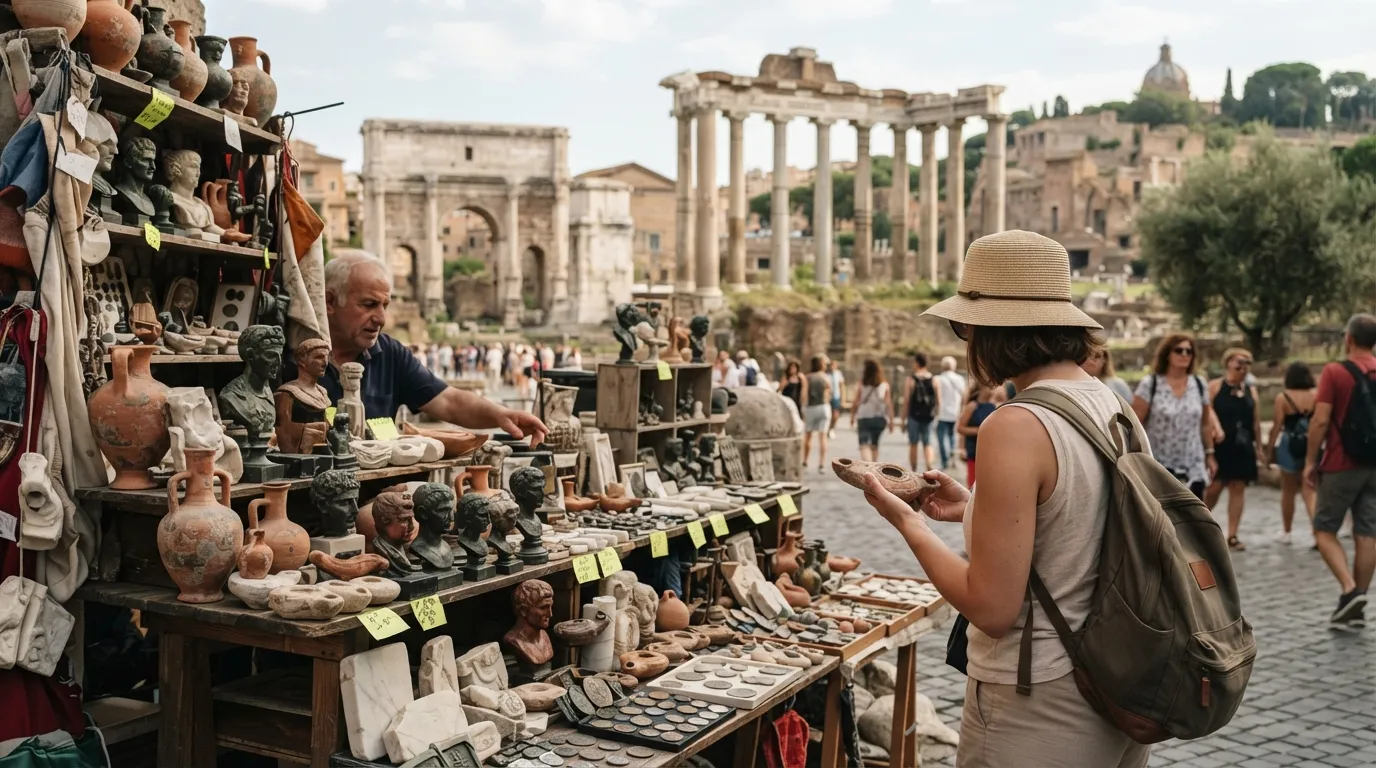
Artifacts or replicas sold near historic sites sometimes lack the export permits the country of origin requires. Many customs authorities treat undocumented pieces as possible cultural-property violations.
A vendor’s promise isn’t paperwork, so ask for official documentation before you buy. Then comes the form that decides whether you get money back.
5. The VAT Refund Form That Quietly Voids Itself
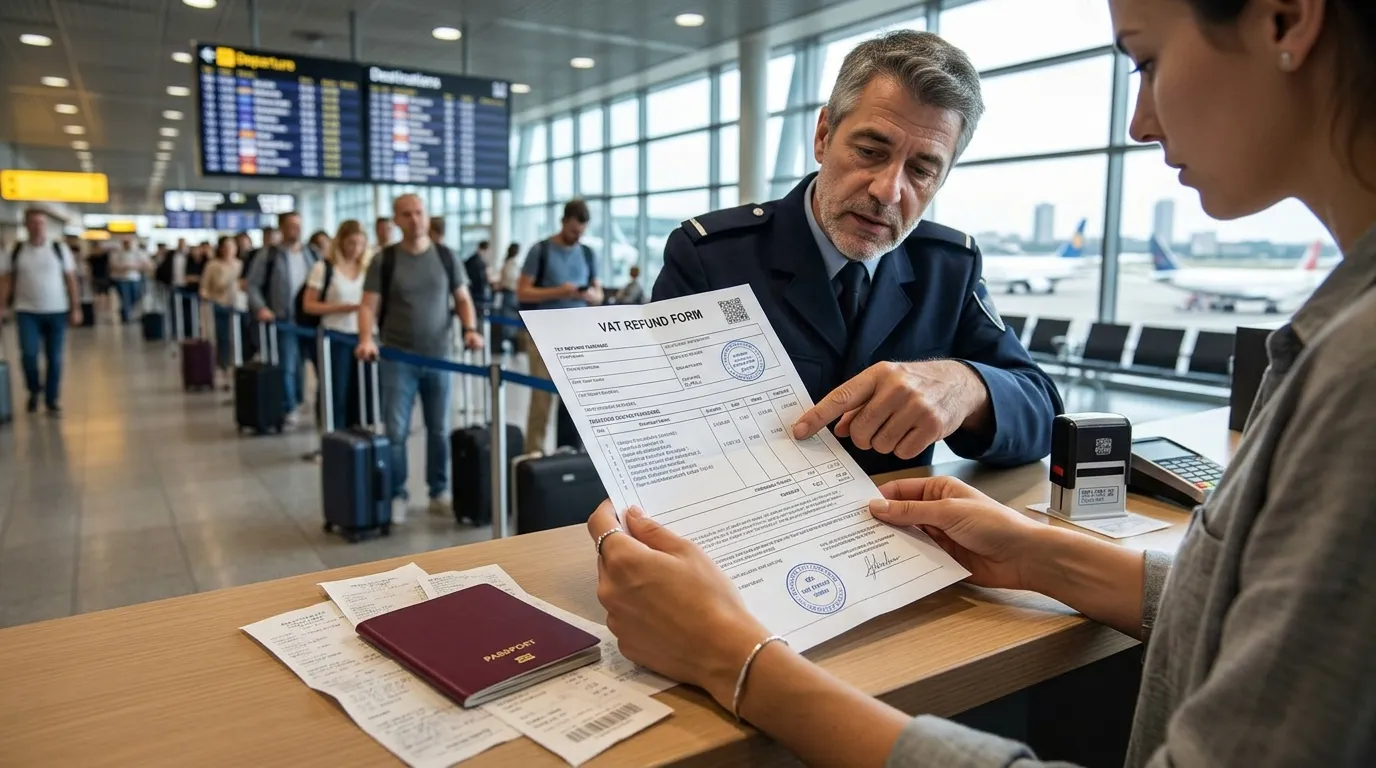
Tourist VAT refunds typically require steps like validation at departure and proof of export. Miss one deadline or receipt detail, and the whole claim can be voided.
At a Glance
- Ask for the refund form at the register, not after you leave the store.
- Keep original receipts and your passport handy, since many schemes require both.
- Get the form validated at departure, and find out whether you must show the goods first.
- Minimum spend and time limits vary by country, so check the official tax-refund page.
Don’t assume the store handled everything. Check the official tax-refund or consumer-protection guidance for that country, because the next money leak happens at the register.
6. Currency Exchange Offers Tucked Into the Sale
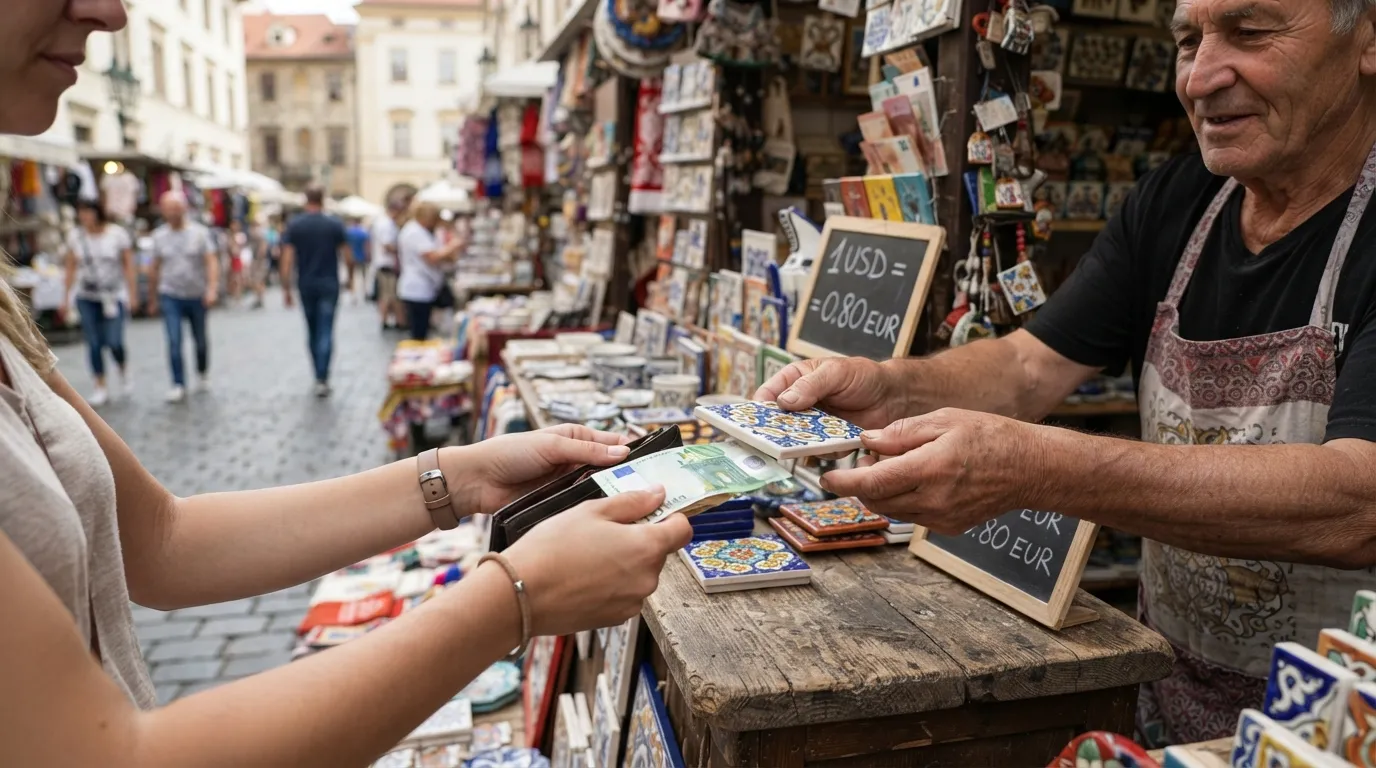
Some stalls bundle poor exchange rates into a souvenir sale, making the price look friendlier than it is. Compare rates at a bank or official exchange booth first.
Ask for the local-currency price so the difference is easy to see, because small gaps add up across many purchases. The next trap is the one you only discover at baggage claim.
7. Pottery and Glass That Don’t Survive the Flight
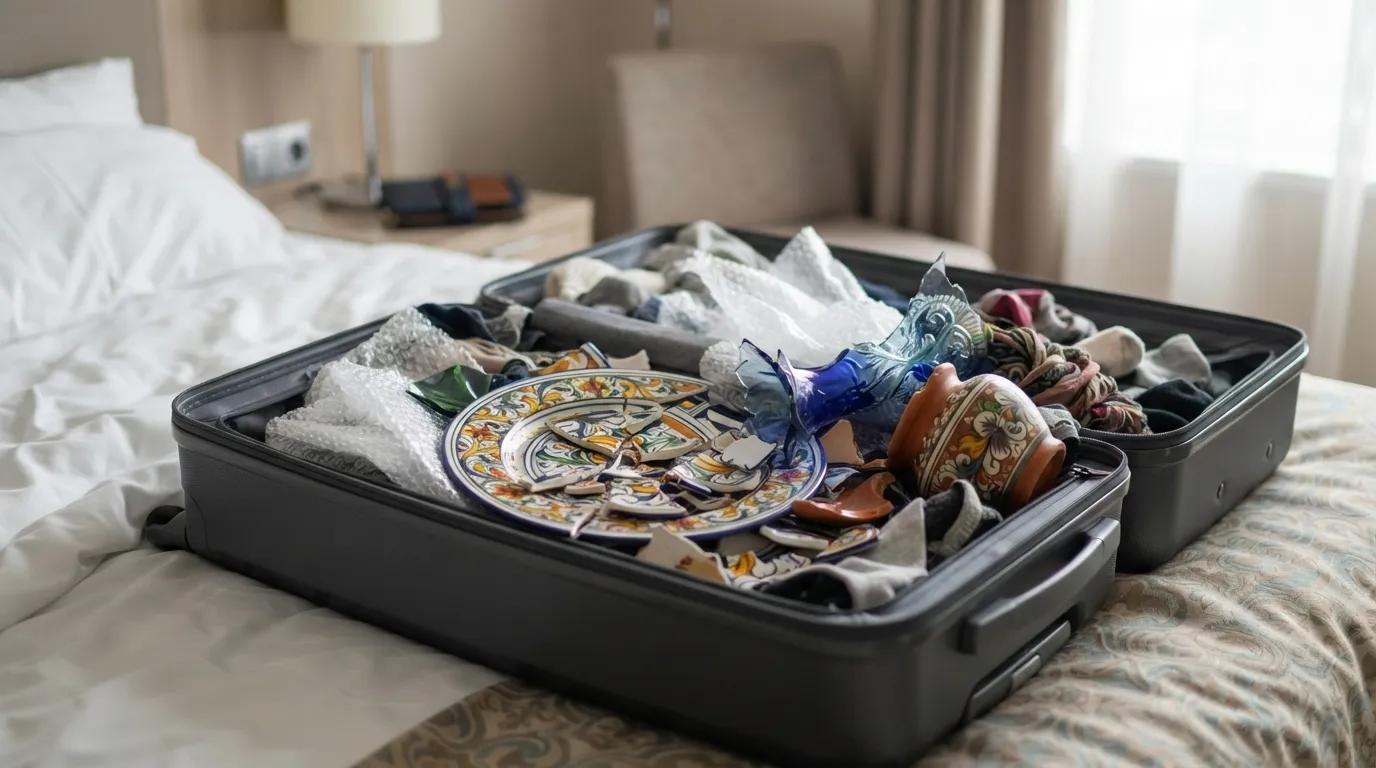
Fragile pottery and glass can arrive as shards when they’re poorly packed in checked luggage. Airline baggage policies often limit or exclude coverage for fragile items, so read yours.
Official baggage guidance stresses protecting delicate goods, and carrying them on board can help. Then there’s the paper that claims your purchase is genuine.
8. Authenticity Certificates That Prove Nothing
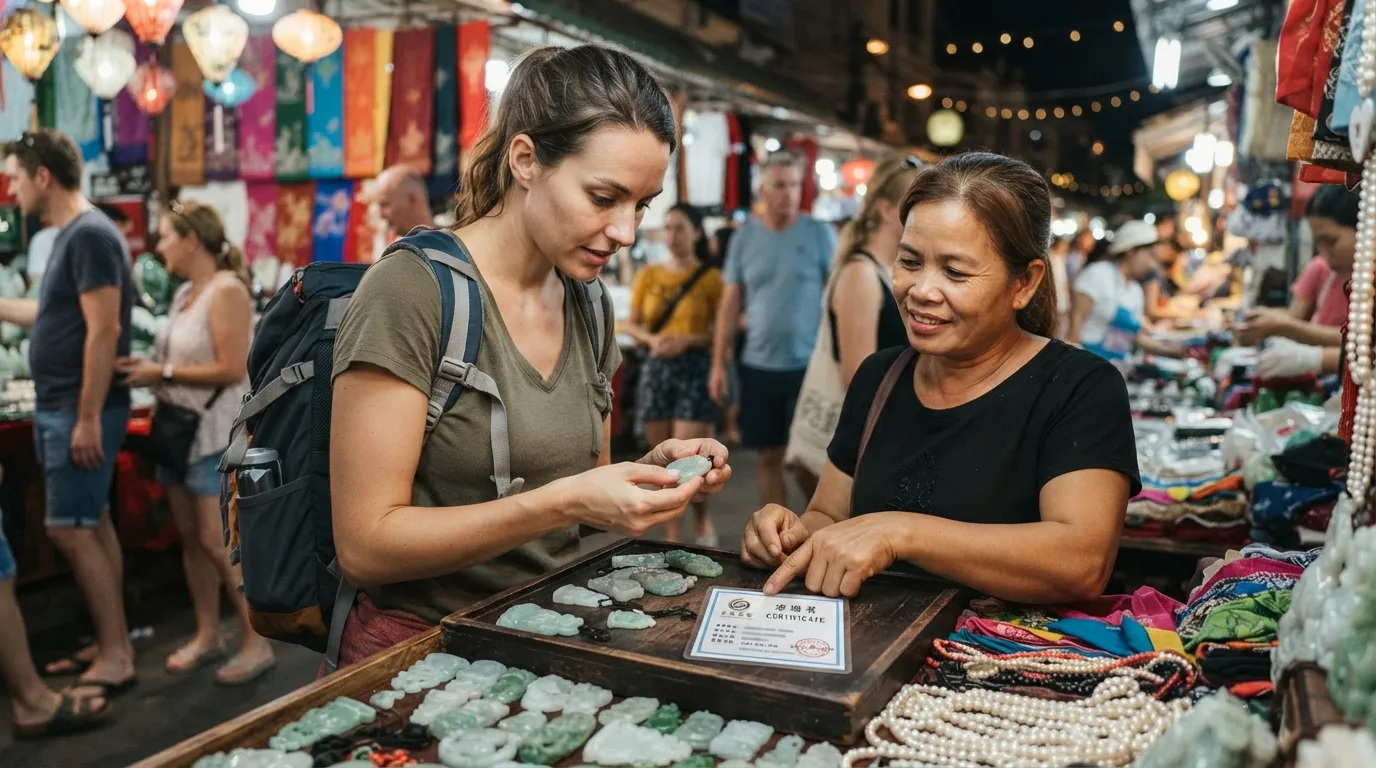
Certificates for jade, pearls, or silk can be faked to justify a higher price, and a polished card from the seller is not independent proof.
Quick Compare
- Seller’s certificate: issued by the person profiting from the sale, so it can’t settle the question alone.
- Independent check: a third-party lab, appraiser, or recognized trade body with no stake in the deal.
- Safest move: if you can’t verify it, pay as if it’s a decorative piece, not a genuine gem or fabric.
Confirm the claim through a reputable independent source before you pay, because accepting seller paperwork without question can mean overpaying for an imitation. The next trap is the “luxury” bargain on the sidewalk.
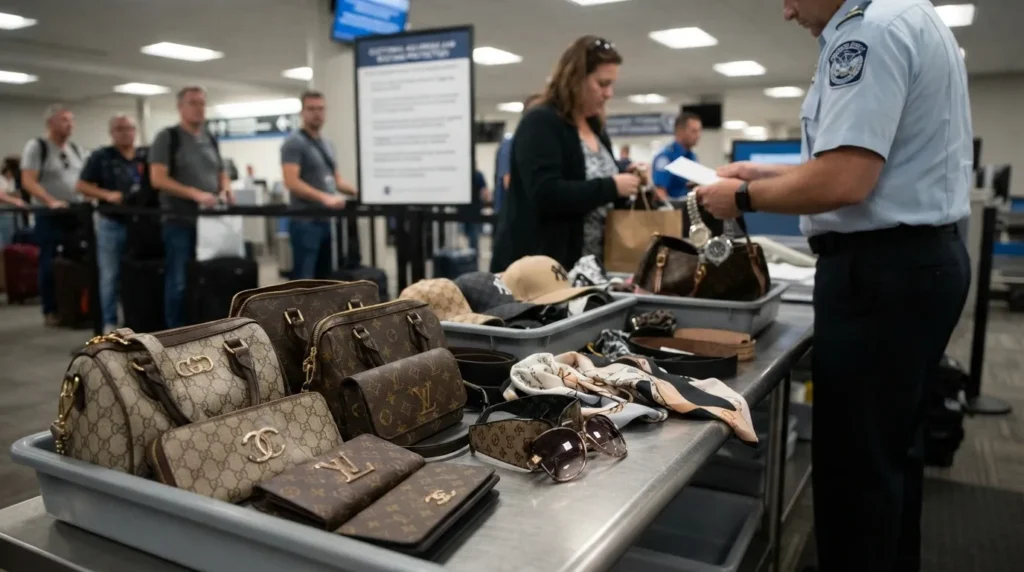
9. Cheap Luxury Logos That Customs May Seize
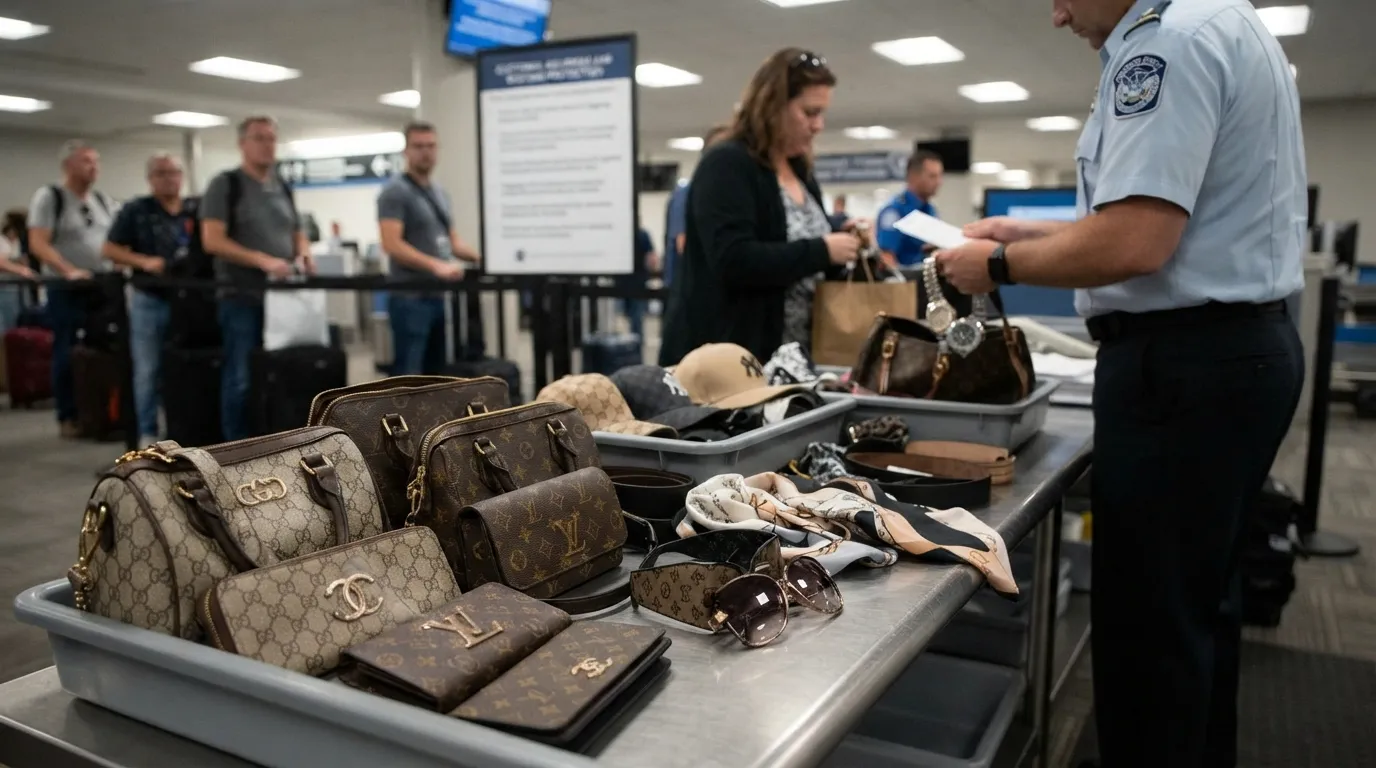
Street-vendor versions of luxury brands can be seized as counterfeits. In several countries, even personal-use items may face confiscation under trademark rules, which turns a bargain into a total loss.
Check your home country’s import policy and consumer-protection guidance before buying. The tastiest souvenirs have their own border problem next.
10. Spices and Cured Meats That Fail Inspection
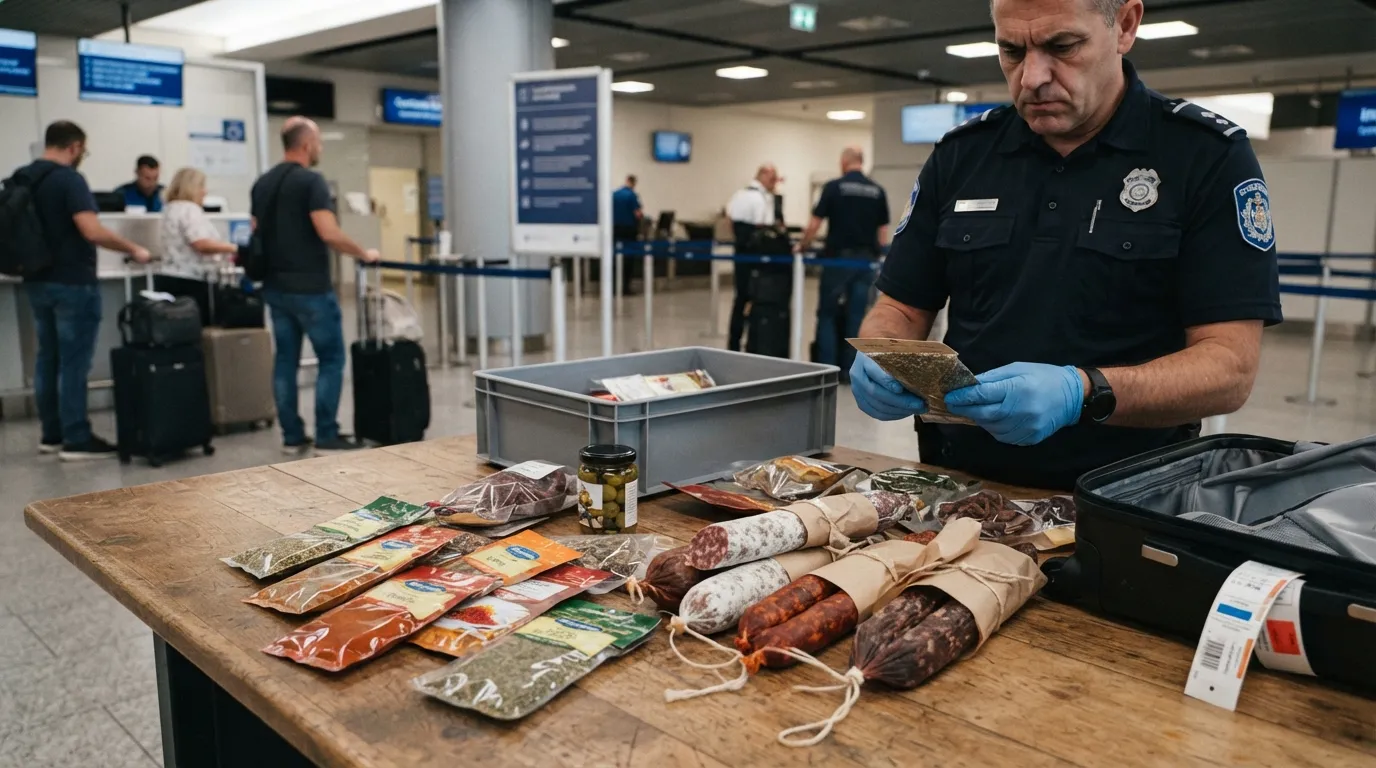
Local spice sets, cured meats, and other food souvenirs often run into agricultural import rules at home. If they fail inspection, customs can confiscate them without compensation.
Check your government’s agriculture or customs site for destination-specific lists before you pack anything edible. Alcohol brings similar limits next.
11. Duty-Free Bottles Over the Limit
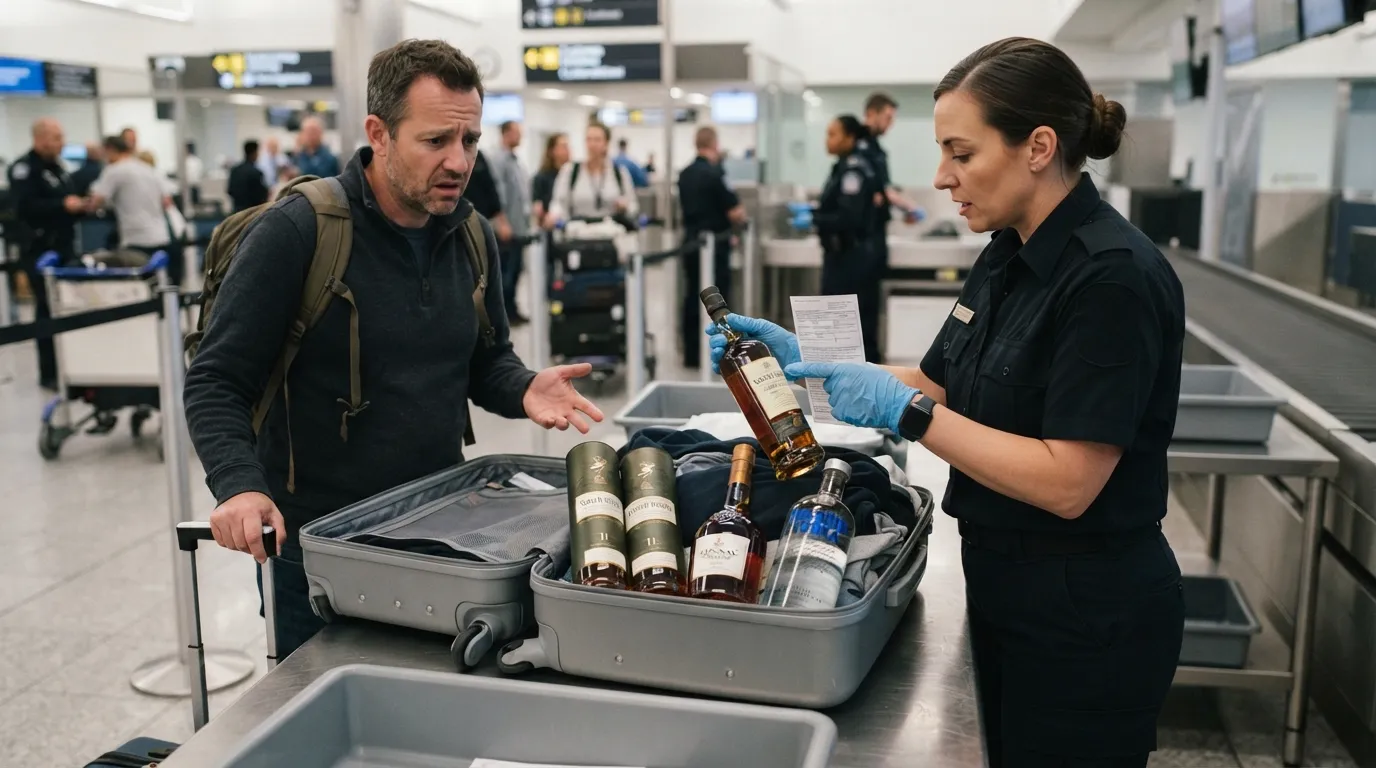
Liquor you’re allowed to buy at the airport can still exceed your home country’s allowance on arrival, triggering duties or seizure. The shop’s maximum isn’t the same as your personal limit.
Official customs sites list current limits by country, so look before you pay. The next trap comes with a friendly smile and a local recommendation.
12. The Guide’s “Favorite” Shop
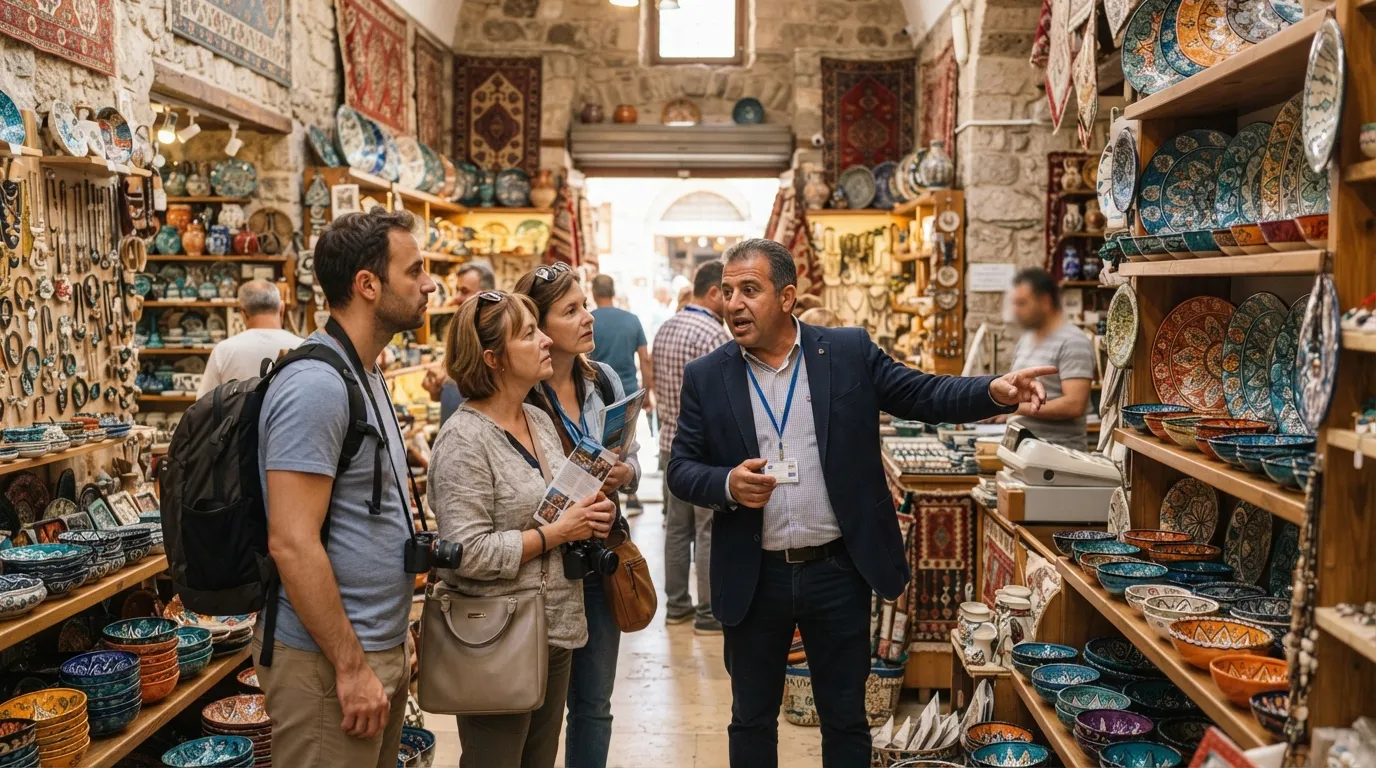
Some guides steer groups to shops that pay them commissions, which can inflate souvenir prices. That pattern can show up in many destinations.
Research vendors independently and compare a few options before following a suggestion, because the better deal may be elsewhere. The next trap lives at the counter, where pressure does the selling.
13. Checkout Pressure and Surprise Fees
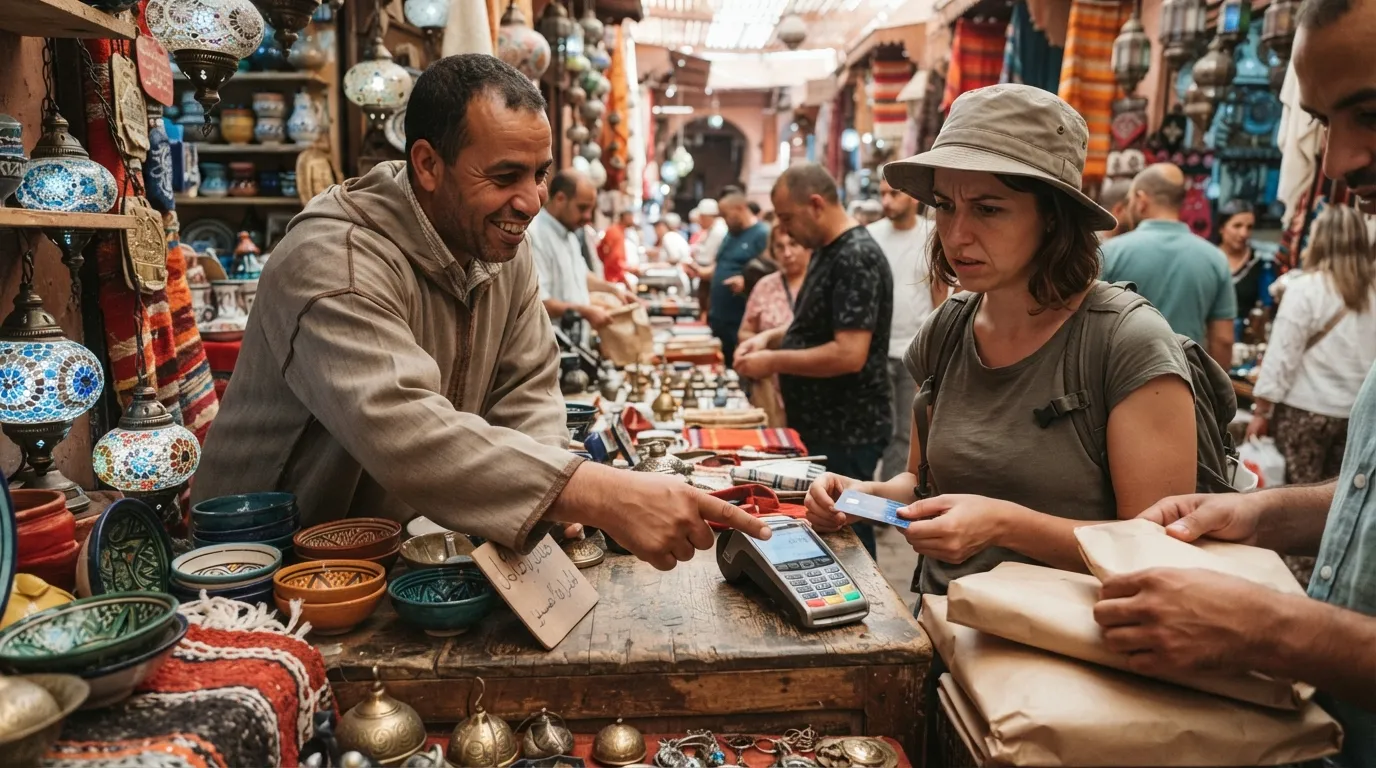
Hidden customization fees or pushy sales tactics can turn a small purchase into a bigger one before you notice. Ask for a full price breakdown upfront, including any extras.
Worth Knowing
- Ask for the total in writing or on screen before you hand over cash or a card.
- Confirm whether engraving, packing, or shipping adds to the price.
- If a card terminal offers to charge you in your home currency, compare it with the local-currency amount first.
- Ask about the return or exchange policy before paying, not after.
Consumer agencies recommend a clear total before you agree, which also gives you a calm moment to walk away. Next, a free souvenir that can still cost you.
14. Free Keepsakes From the Beach and Trail

Sand, pebbles, and plant samples may feel like harmless keepsakes, but they can violate local environmental laws. In some coastal regions, fines can apply even for small amounts.
Official environmental guidance advises leaving natural items behind, so check local rules and skip the doubtful ones. The last trap is the one that makes all the others worse.
15. Shopping Without Checking Both Countries’ Rules

The biggest losses come from not reviewing the rules of both the country you’re visiting and your home country before you buy. Official customs, CITES, and consumer-protection sites list the details for each destination.
A few minutes of checking can save a seized bottle, a voided refund, or a fine, and keep far more of your money. Prepared shoppers avoid most of these traps.
Did we miss one? Drop it in the comments.
CEO-Co-Founder