

- The Forgotten Female Voices of American History - October 15, 2026
- The Assassination of Robert F. Kennedy: A Look Back 57 Years Later - October 15, 2026
- 20 Songs That Reflected America’s Changing Gender Roles - October 15, 2026
Ski resorts sell a dream of fresh powder, fireside drinks and a week away from real life. The people who run the lifts, clean the rooms and pour the drinks see what happens when guests decide the rules belong to somebody else.
Some of these stories are gross, some are almost funny, and a few are genuinely unsettling. Start at the bottom of the countdown, because even the mildest entries explain why seasonal workers swap these tales like war stories. The number one entry is far more common than you would expect.
#16 – Guests Leaving Used Sanitary Products Stuck to Mountain Hut Walls
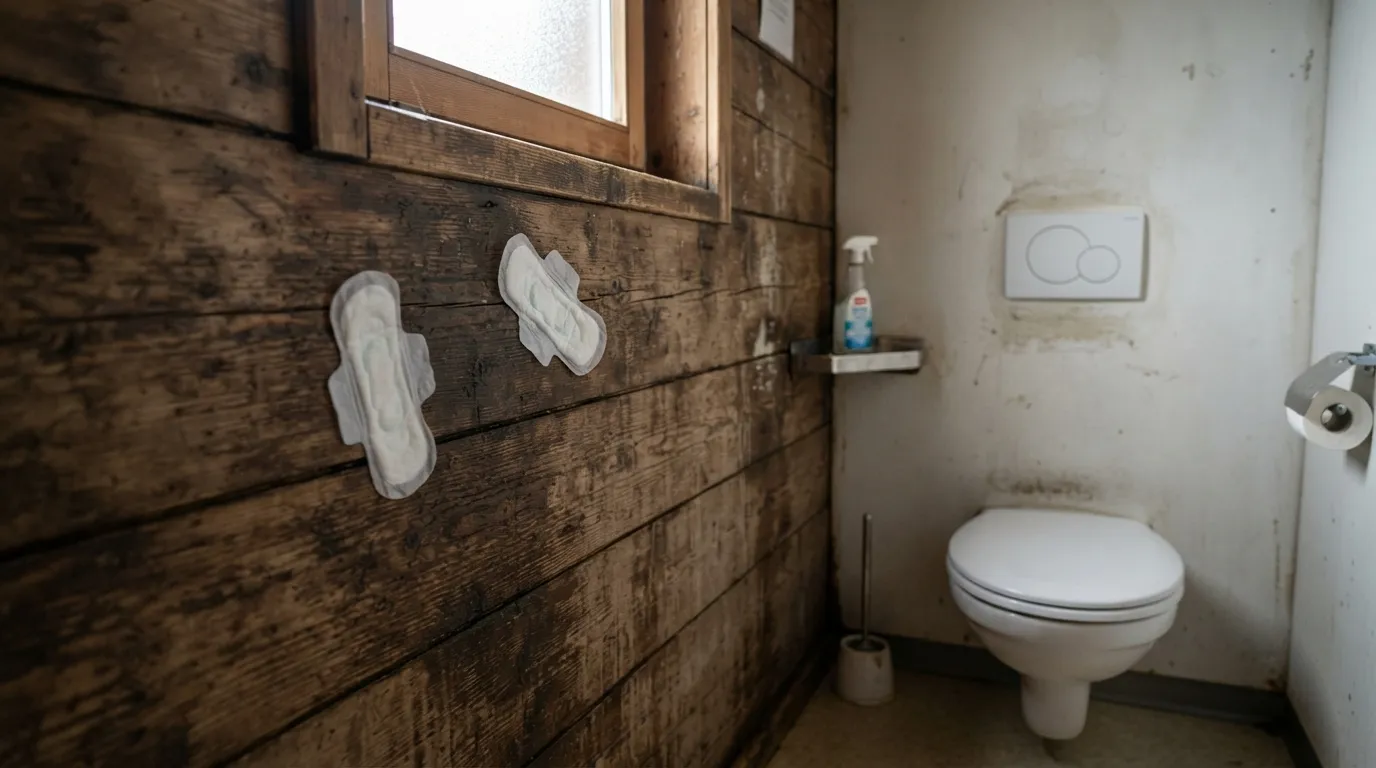
High-alpine huts, like those in the mountains around Zermatt, are supposed to feel like a shared refuge. Yet staff in huts like these have described finding sanitary towels stuck to bathroom walls after a group checked out.
That is not a quick wipe-down. Many huts run on limited water and have no real laundry setup, so wardens end up scraping and disinfecting by hand. They are also cooking, hauling supplies and keeping the place running.
Then comes the sleeping bag problem. Some guests reportedly say they used the required liners when they did not, and the soiled bedding is discovered later. A hut with a tight budget cannot easily replace it, and that is how one careless night turns into a headache for every group that follows.
#15 – Skiers Tossing Trash Directly Off Chairlifts
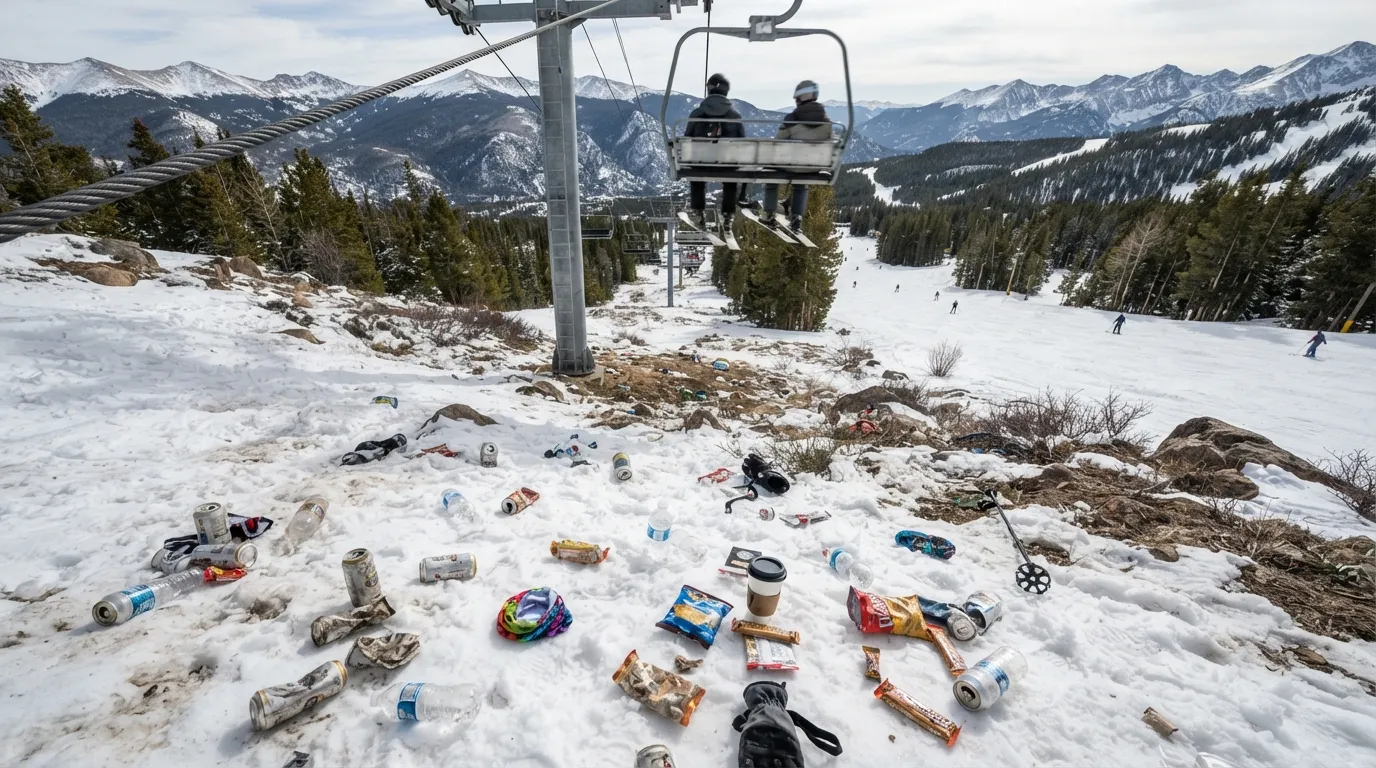
Look straight down from a chairlift and you may see the problem. Beer cans, snack wrappers and vape pieces collect in the snow beneath lift lines, even though trash cans sit at the loading areas.
Lift operators and patrol teams know the pattern. A Michigan ski patroller once documented a single morning’s haul, and the list of items dropped during one busy day was long enough to shock people online.
The snow hides it for a while, which is the sneaky part. When spring thaws arrive, the litter resurfaces, and it can become a hazard for wildlife.
Cleanup crews end up doing the work the guests skipped. Some resorts organize lift-line cleanups for exactly this reason, and staff get to spend their day picking up what fell from a seat that was two seconds from a bin.
#14 – Groups Tipping Housekeepers with Leftover Cannabis Instead of Cash
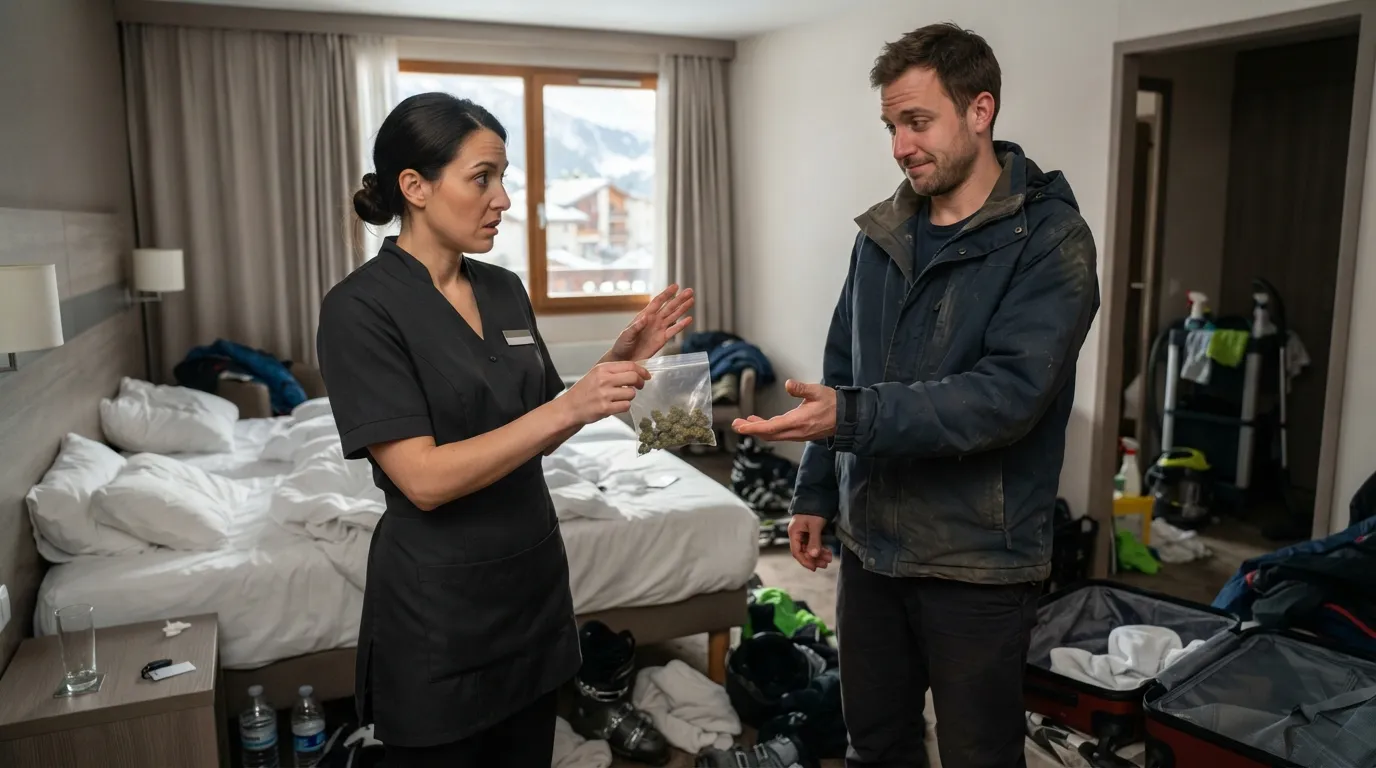
Picture this at checkout. Seasonal workers in French resort towns like Tignes and Courchevel have described guests who ran short of cash after a week of spending and handed over weed as a “tip.”
Housekeepers are the ones who have just cleaned up after the week. They have dealt with party spills, wet gear in every corner and rooms that looked like a storm had come through.
They politely decline, but they remember the awkward moment for a long time.
Cash tips are what workers count on in expensive mountain towns where seasonal rent can eat most of a paycheck. A bag of something else cannot cover that. It turns a simple thank-you into a story workers retell for years.
#13 – Chalet Guests Raiding the Kitchen Fridge After Hours
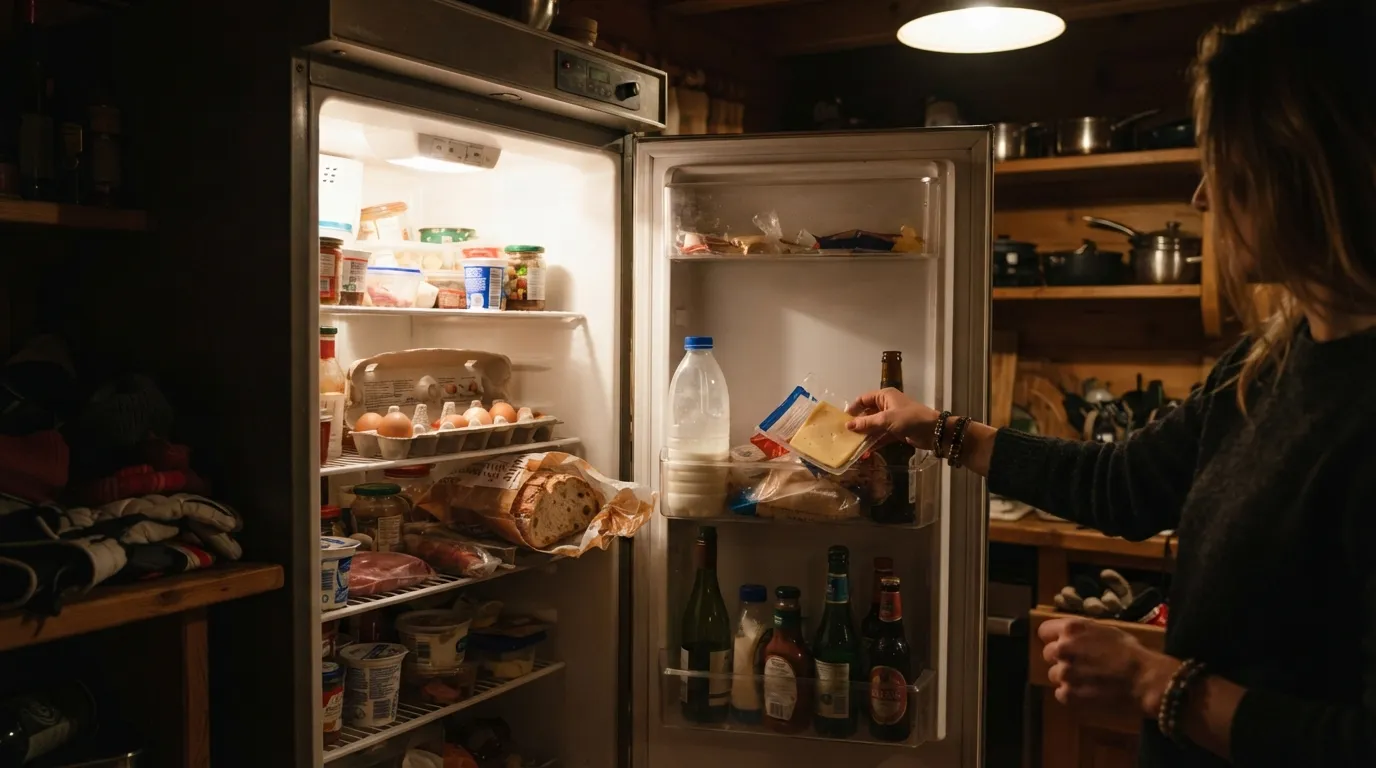
In a remote valley, there is no quick run to the supermarket. Chalet hosts plan breakfast and dinner around limited shopping trips, which means every egg and loaf of bread has a purpose.
Then the group stumbles back from après-ski at midnight, hungry and unsupervised. By morning, the milk, eggs and bread meant for the next day’s meals are simply gone.
Fast Facts
- Catered chalets are usually stocked for planned meals, not for open-ended midnight snacking.
- Remote locations mean a missing ingredient can take a long trip to replace.
- Hosts often build menus around exact guest counts.
- Asking the host about late-night snacks in advance is the easy fix.
The host now has to improvise. That can mean smaller portions, last-minute substitutions or a very early scramble to rebuild a menu that was already carefully planned.
Crumbs and open containers are waiting too, and they have to be cleaned before service starts. Chalet teams talk, and guests who raid the fridge can earn a reputation that travels farther than they realize.
#12 – Guests Physically Grabbing or Slapping Staff During Service
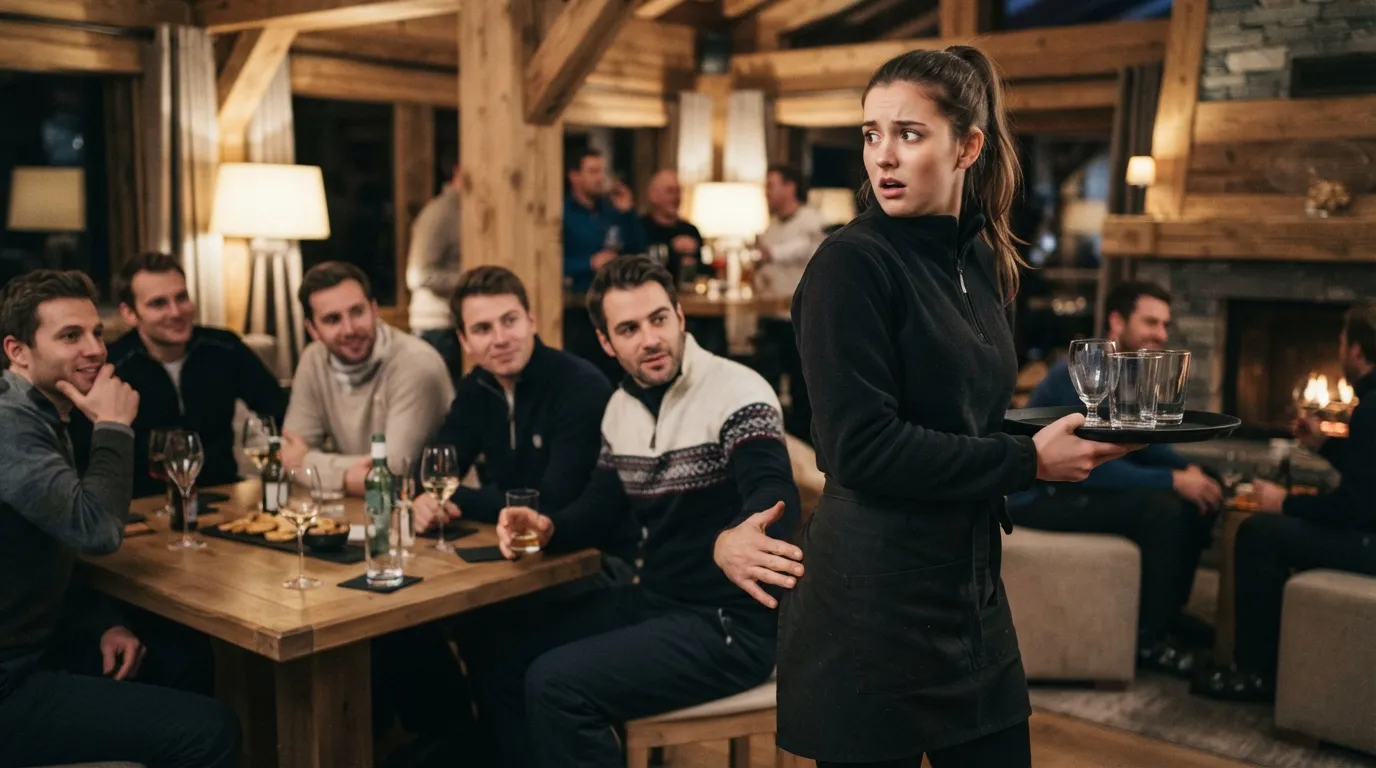
One chalet worker described a group of men who slapped her on the rear on the very first night of their stay. There was no warning and no gray area, just a line crossed before the week had even begun.
According to the account, the response was swift. She was reassigned right away, and the company blacklisted the party from future bookings.
That sort of story spreads quickly through the chalet world. Some luxury operators have reportedly added extra screening for all-male groups because of repeat complaints like this.
For staff, a moment like this does not end when the guests leave. Workers carry the discomfort through the season, and the memory of how the management responded often shapes whether they feel safe returning.
#11 – Unsupervised Children Cutting Off Skiers on Busy Runs
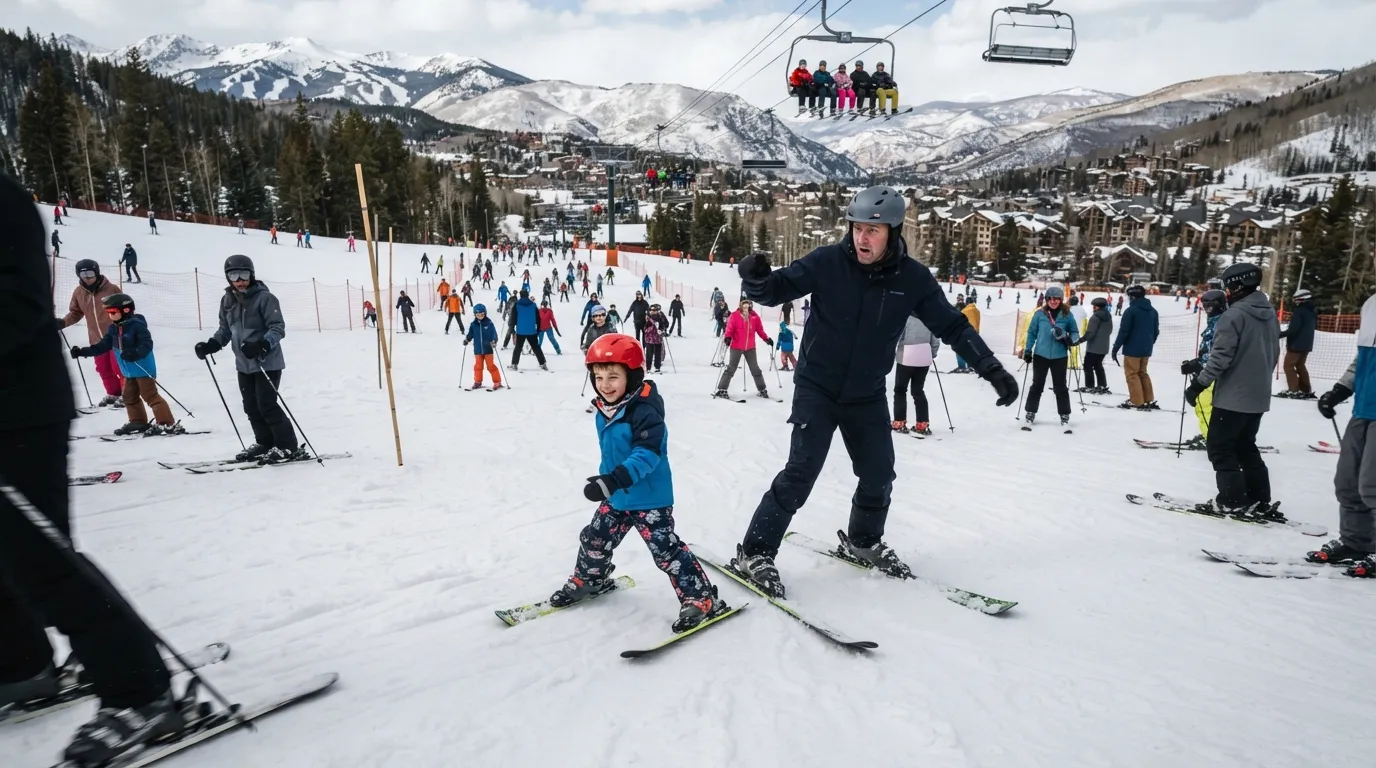
On a crowded weekend, a beginner slope can feel less like a gentle learning area and more like a pinball machine. Kids dropped off without supervision cut across other skiers’ paths or stop suddenly in the middle of the run.
Adult skiers report near-misses and some actual collisions. Some say the children laugh afterward, which only adds to the frustration.
Staff at family resorts see this pattern week after week, often right beneath signs that ask everyone to slow down. Those signs do not always work when nobody is watching the kids.
Patrollers and lift workers then get pulled into mediating complaints instead of doing their actual jobs. The tension spreads across the slope, and it can linger for the rest of the day.
#10 – Guests Demanding Staff “Fix” the Amount of Snowfall
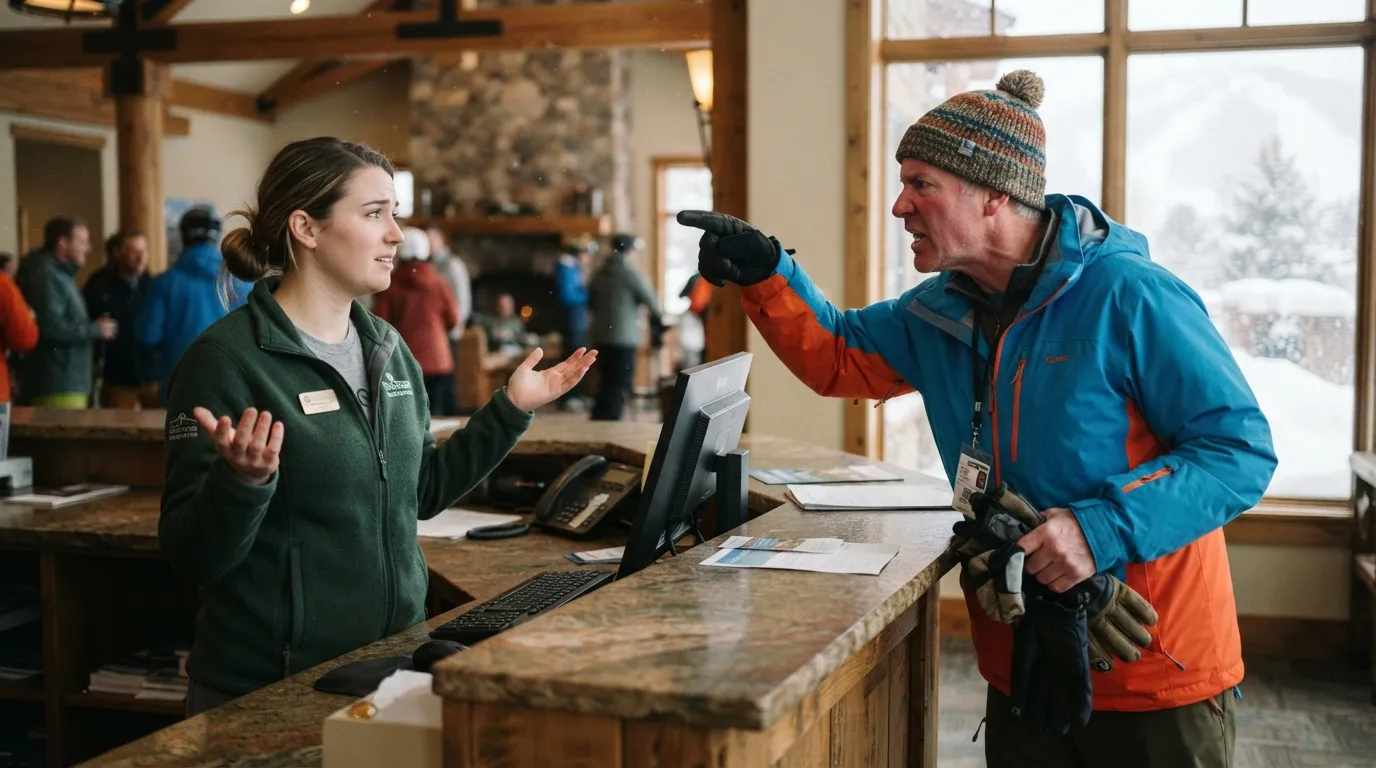
Fresh powder is what skiers dream about, which makes this story hard to believe. A front-desk worker at a Colorado resort once heard a guest complain that the natural snowfall was “too much,” and that management should do something about it.
The staff member could offer exactly one solution. They could shovel the walkways.
No resort controls the weather, and every mountain employee knows it. Yet the idea that someone behind the desk can adjust a storm has become a running joke in resort break rooms.
The guest reportedly stormed off after hearing the answer. Staff were left shaking their heads, and the line has been retold at more than one employee party since.
#9 – Visitors Leaving Excrement Next to Toilets in Shared Huts
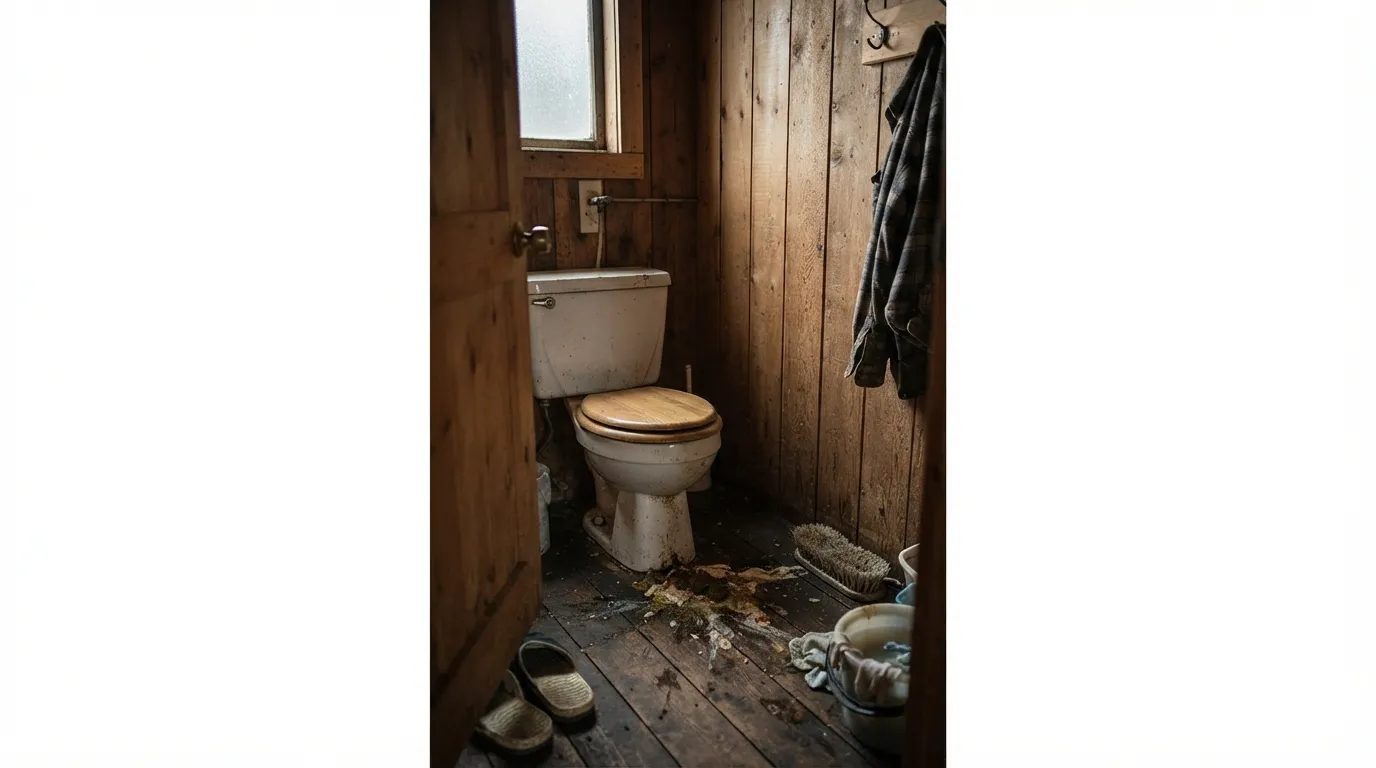
This one is not subtle, and hut wardens do not forget it. They describe cleaning human waste off the floor beside toilets that guests could have used properly.
The setting makes it worse. Huts have strict waste rules and limited cleaning supplies, and the staff is often a very small team with no backup.
The mess can add hours to a day that already includes cooking, hauling and maintenance. It also lands on someone who is far from a janitor’s closet and a quick replacement shift.
What lingers most is the denial. Wardens say some guests lie when confronted about basic hut etiquette, even when the evidence is obvious. Remote huts depend on mutual respect, and moments like this stretch it thin.
#8 – Guests Applying Fake Tan Before Using Chalet Hot Tubs
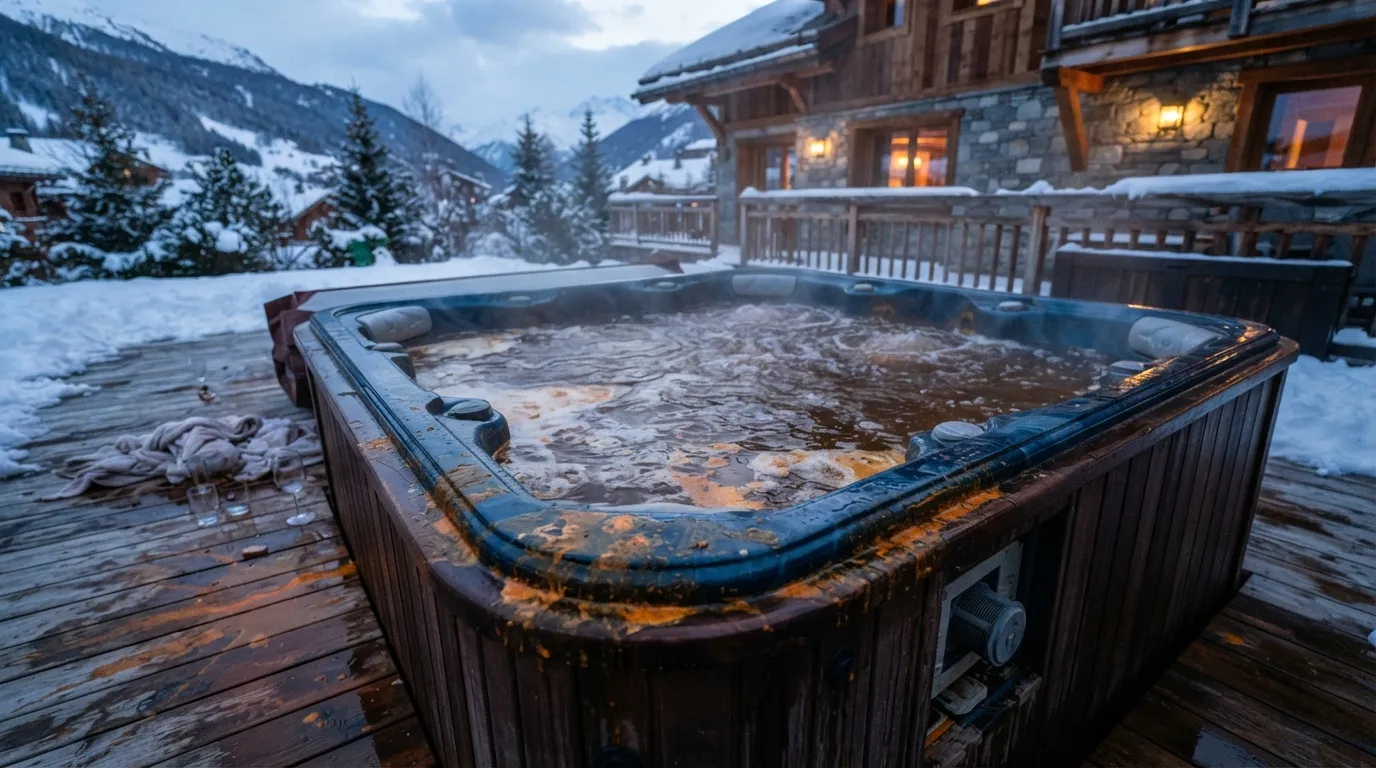
A hot tub at the end of a ski day sounds perfect, until someone skips the rinse. Fake tan residue can turn the water brown and leave orange gunk in the filters.
Hosts then have to clean it out by hand. The tub may need to be drained and refilled, which can throw off the evening for everyone else in the chalet.
Quick Compare
- Rinse first: the water stays clear and the filters keep doing their job.
- Skip the rinse: tinted water, residue in the equipment and possibly a full drain and refill.
- Ask the host: many can explain their tub rules before anyone gets in.
That one habit can create hours of extra work on equipment never designed for it. Guests enjoy the tub, and the host inherits the cleanup.
Many hosts now warn guests before they ever step near the water. Some staff even share photos of clogged filters as proof when explaining why the rule exists.
#7 – Groups Arriving Hours Late for Scheduled Chalet Dinners
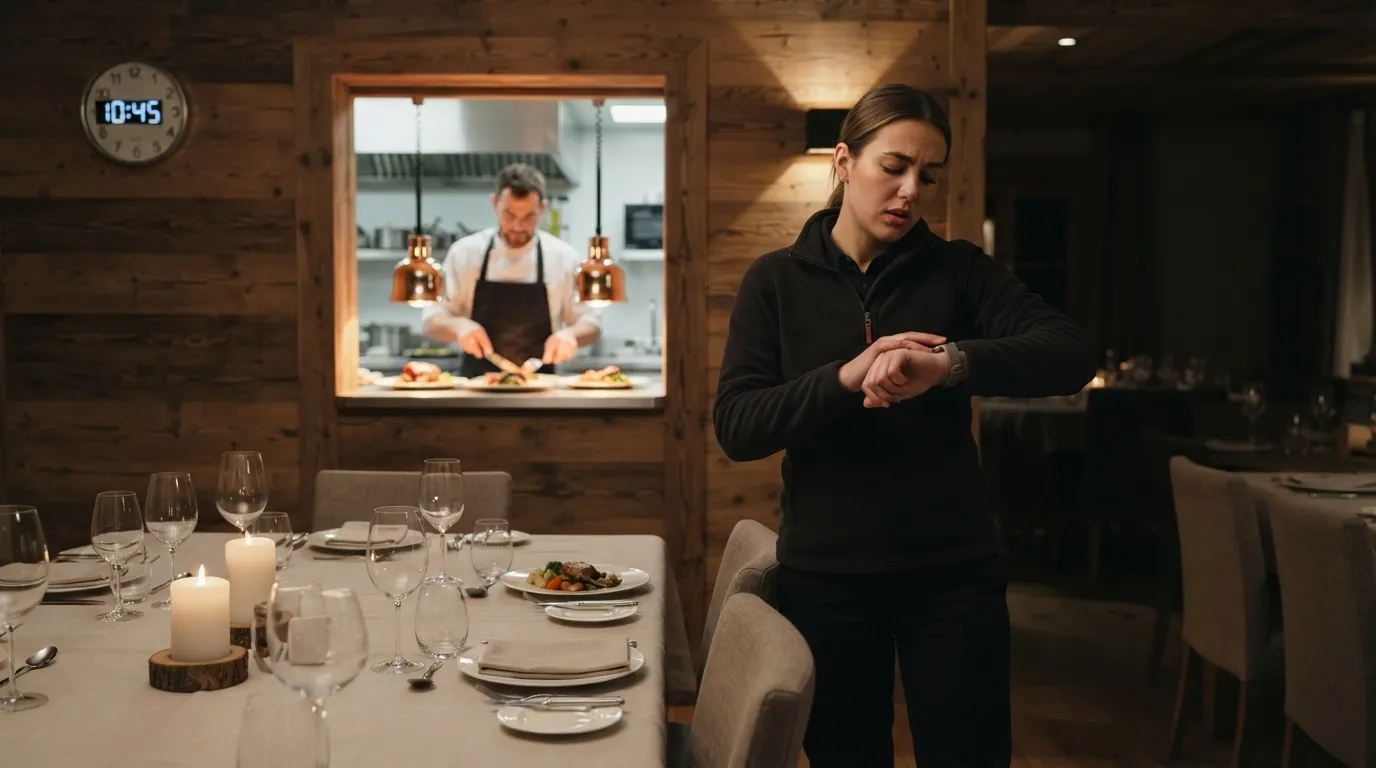
A chalet dinner is a timing puzzle. Hosts plan the cooking around a fixed arrival window so the food comes out hot and fresh.
Then the group stays out drinking and shows up hours late. Meals dry out, sauces split and dishes get reheated more than once while the host watches the clock.
Despite the delay, many of these same guests still expect full service and fresh portions. The host often ends up working far later into the night, with no extra pay for the trouble.
The problem sticks with staff because it repeats. Some chalet teams note repeat offenders in internal logs, which can affect whether that group is welcome again.
#6 – Guests Dropping Drugs in Plain View Inside Après Bars
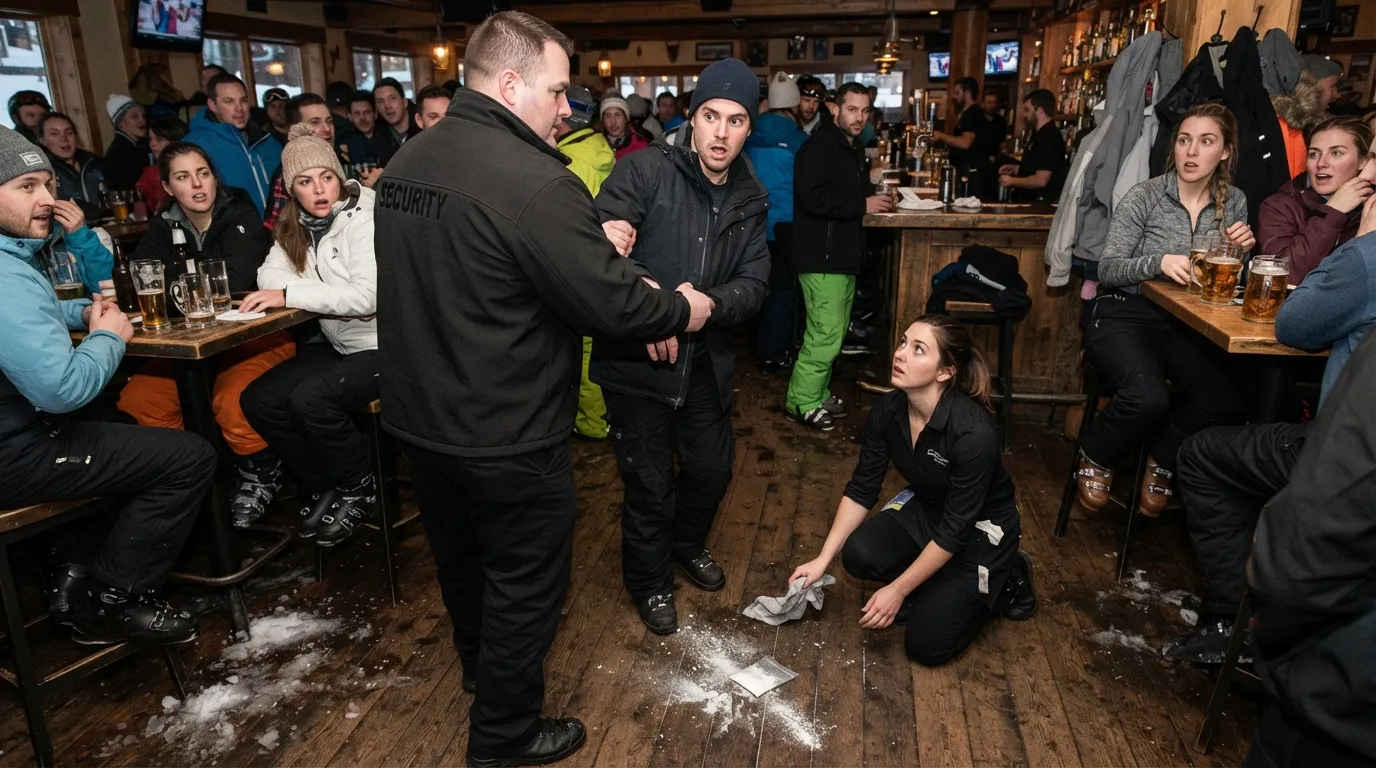
Après is supposed to be the fun part of the day. For bouncers at popular ski bars, it can turn into a very different scene when a guest spills a bag of cocaine on the floor in the middle of the rush.
The response is immediate. Staff have to remove the person, clean up and manage a crowd that has just watched the whole thing.
Police involvement is possible, and the mood in the room can change quickly. Fights sometimes follow, turning a normal shift into a long ordeal.
What staff remember is how casually it happens in spaces that are full of families, friends and tourists. They remember the faces and the chaos long after the season has ended.
#5 – Skiers Leaving Soiled Clothing in Public Bathroom Areas
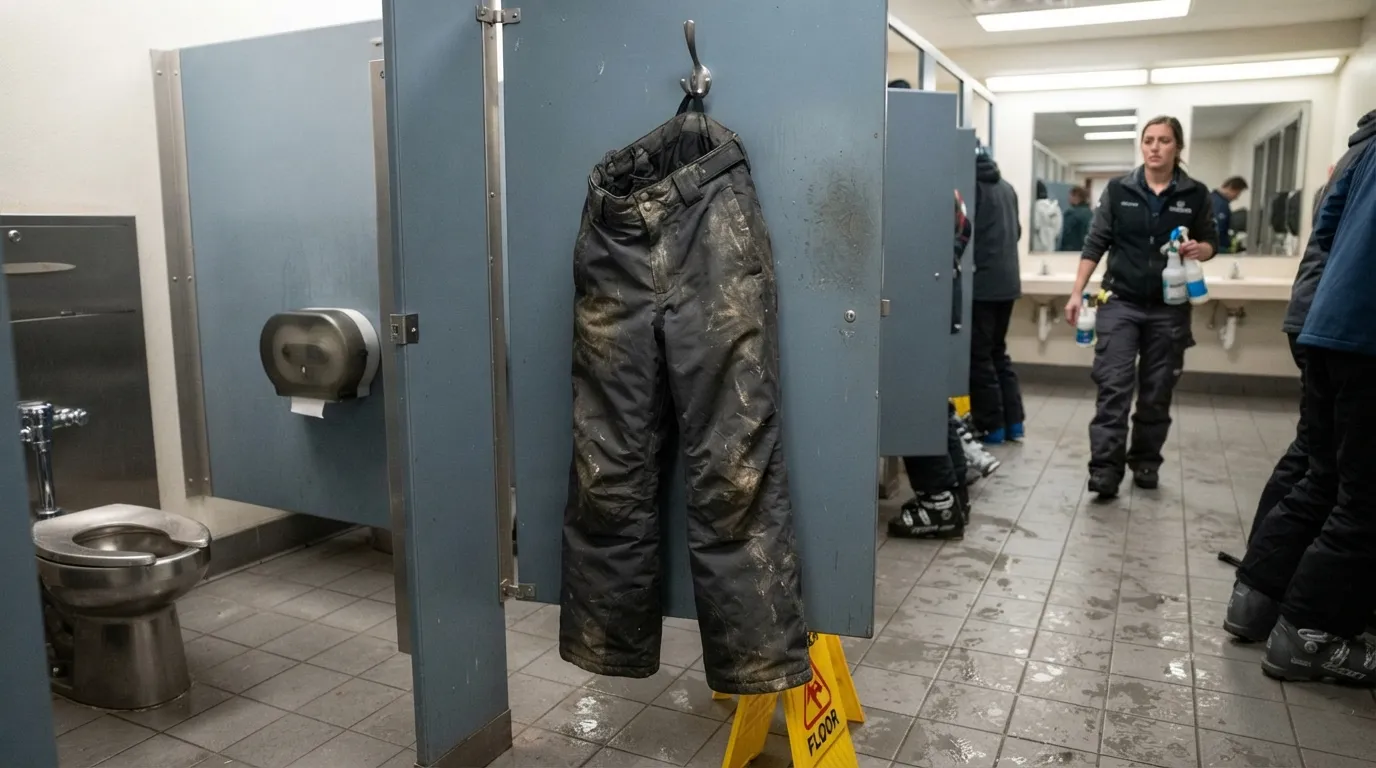
Accidents happen on the slopes, and most workers understand that. What stays with them is what happens next.
One ski resort cleaner found a pair of pants hanging in a bathroom after a guest had an accident. The pants were not thrown out properly, and they were not taken to lost and found. They were simply left behind.
That meant a staff member had to deal with it directly. It is the kind of job no one signs up for, and it often falls to the person already cleaning that bathroom.
Meanwhile, the bathroom can be unusable until the cleanup is done. Lines build up on a busy day, and the story becomes one that resort teams pass around as a true low point.
#4 – Guests Refusing to Clear Their Own Tables in Self-Service Huts
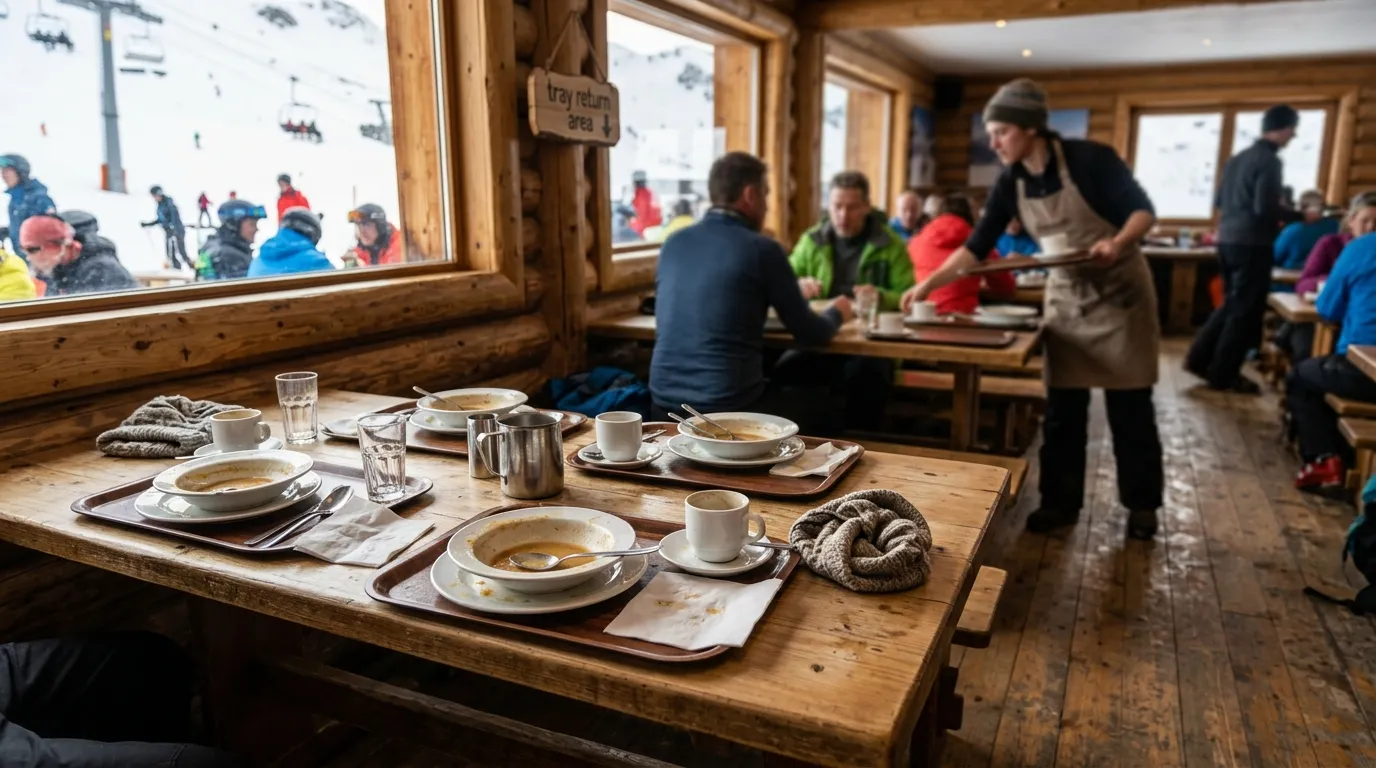
Mountain huts run on a simple deal. You eat, and then you return your dishes to the designated area.
Many guests ignore it. They walk away from plates and cups, and the warden ends up bussing tables between cooking, serving and clearing snow.
At a Glance
- The deal: eat, then return your dishes to the drop-off spot.
- Who it hurts: a tiny team already cooking, serving and hauling.
- Worst timing: the lunch rush, when tables turn over fastest.
- Easy fix: carry your own plate over before you grab your skis.
The lunch rush is when it hurts most. The work piles up fast, and the tiny team has no extra hands to catch up.
What frustrates staff most is when guests refuse after being asked. Some treat the hut like a full-service restaurant despite clear signage, and that wears down the self-reliant culture these historic places depend on.
#3 – Visitors Hogging Lift Lines by Cutting Aggressively

Few things turn a powder morning sour faster than a lift line cutter. Staff at lift bases watch skiers push past others in the queue every day, and some respond with verbal abuse when questioned.
Lift operators often step in to restore order. That can slow loading, and on crowded days it creates safety risks near the chairs.
Some of the worst offenders are not clueless first-timers. Workers say many are repeat visitors who know the rules and ignore them anyway.
Patrol and lift staff remember those faces. A routine job becomes a series of small confrontations, and the line is the place where the whole mountain’s mood can change.
#2 – Guests Making Inappropriate Advances Toward Chalet or Bar Staff
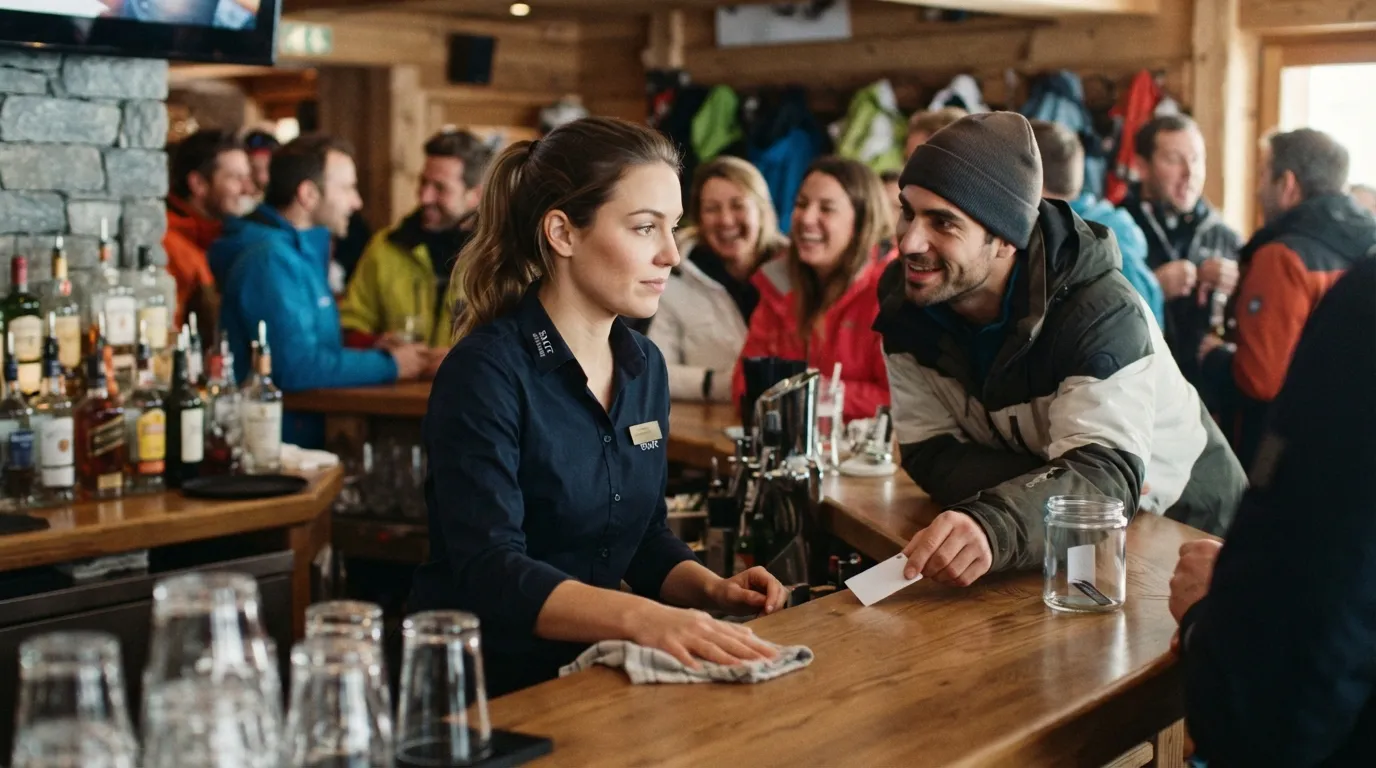
Resort staff often work long shifts in small communities where everyone knows everyone. That makes unwanted attention hard to escape.
Workers report guests slipping room keys into pockets or making explicit suggestions during service. One instructor noted that some women slipped keys to them during lessons.
Moments like these can make a long shift uncomfortable and sometimes unsafe. The worker has to stay polite, keep the job and still protect their own boundaries.
Some management teams blacklist the worst offenders after reports. The stories still become cautionary tales that get passed from one season’s crew to the next.
#1 – Guests Threatening Bad Reviews to Extract Free Upgrades or Meals
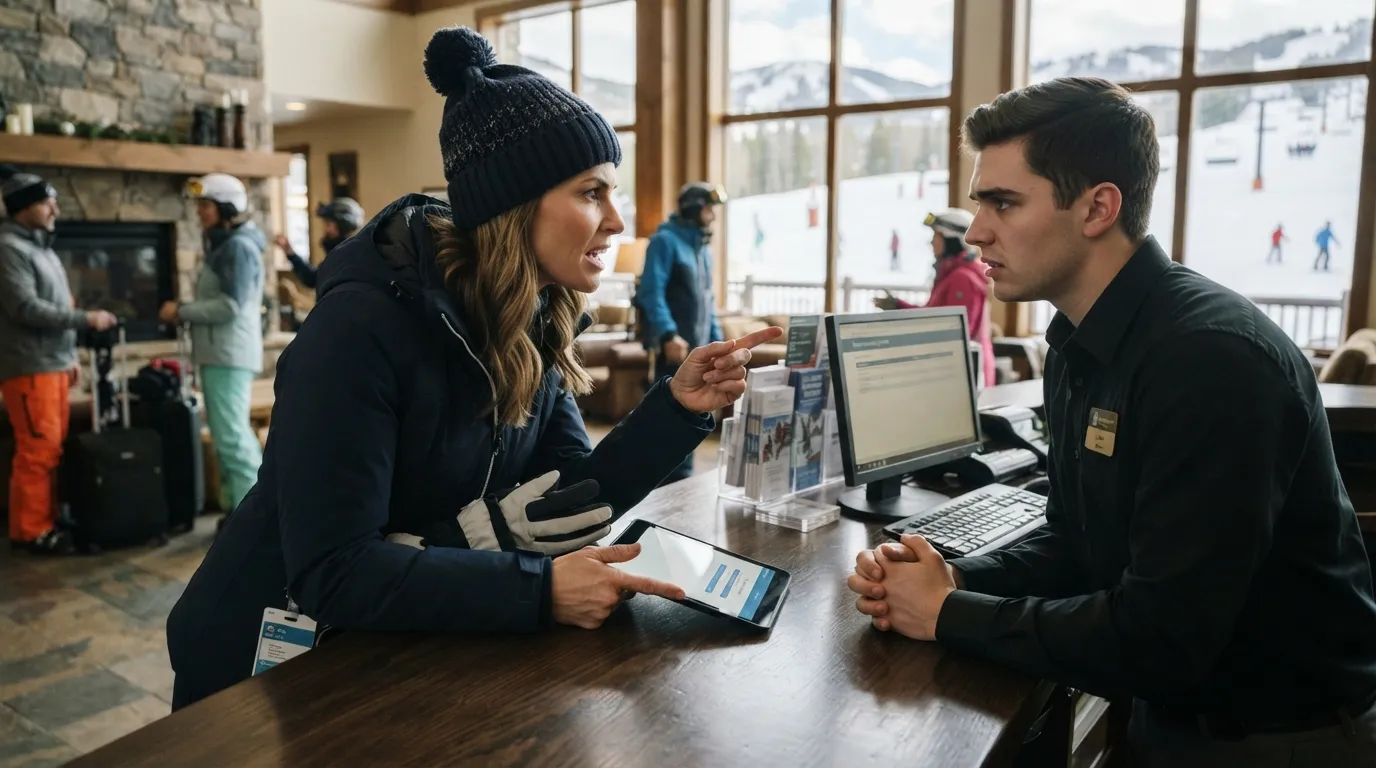
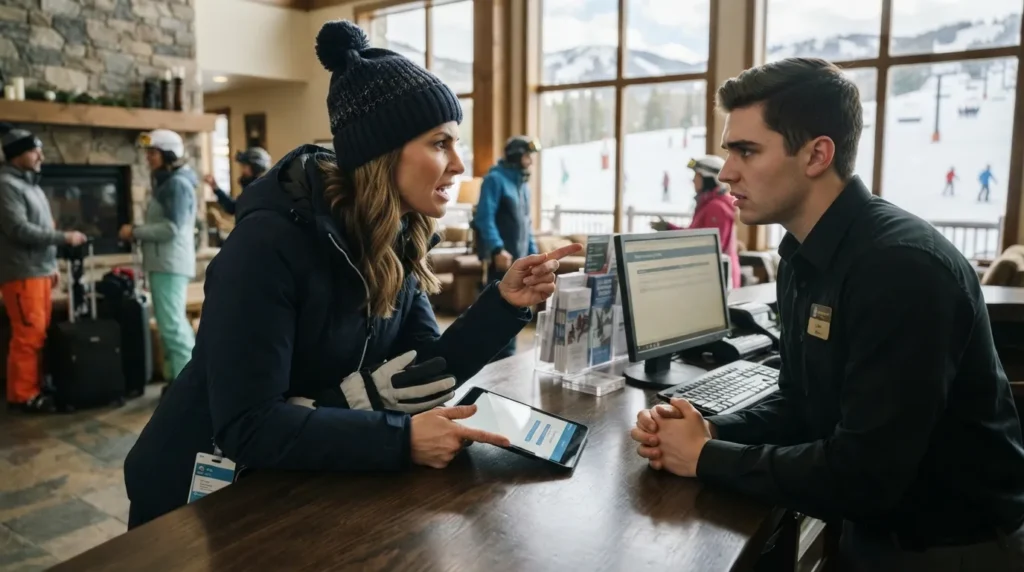
It rarely begins with shouting. Front-desk and restaurant staff say it often arrives in a calm voice: a free upgrade, a comped meal, or a bad online review.
The tactic works often enough that some teams prepare scripts for managers. Every interaction can start to feel like a negotiation, even over something small.
Quick Compare
- Honest feedback: explain the problem, ask what can be done, review fairly afterward.
- Review as leverage: attach a public threat to a demand for something free.
- The difference: one fixes a problem, the other turns staff into negotiators.
Staff say it is not limited to one type of guest. This entitlement shows up across income levels and among repeat visitors.
Workers learn to document these exchanges because the pattern repeats. The pressure stays with them long after the guest has checked out, which may be the most shameless thing on this list because it is so polite.
CEO-Co-Founder
