
- 20 Classic Movies That Still Hold Up Decades Later - October 21, 2026
- 18 Iconic TV Shows That Defined a Generation - October 21, 2026
- 22 Tiny Towns That Look Straight Out of a Fairytale - October 21, 2026
You have sung along to every one of these songs, probably loudly and probably wrong. But behind the choruses sit a rejected dream, a deodorant mix-up, a news broadcast, and a night when a venue burned down.
Some of these origins are sweet, some are unsettling, and a few are so strange they sound made up. And the story waiting at #1 changes how a stadium full of strangers sounds the next time you hear it.
#16 – Jolene
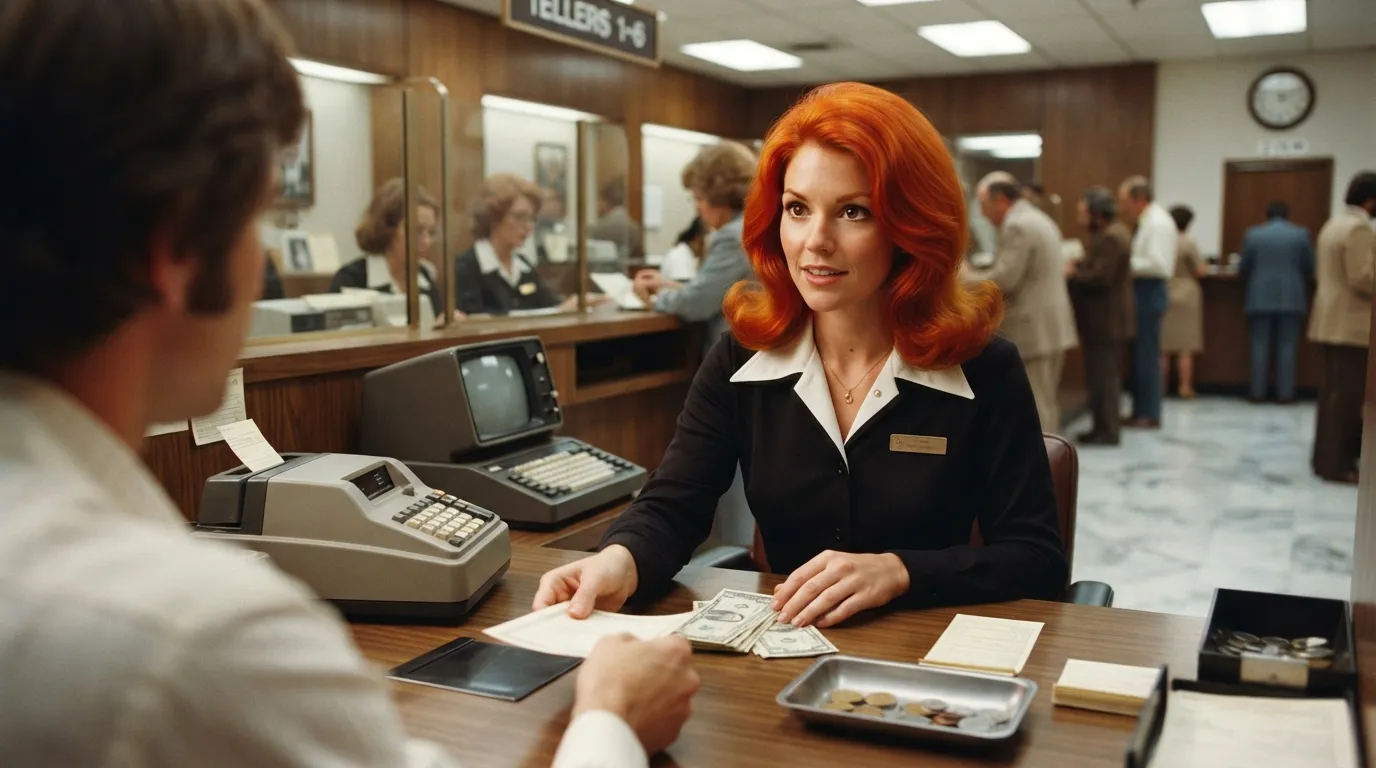
Picture a bank teller with flaming red hair and a sudden, suspicious level of interest in Dolly Parton’s husband. That is where “Jolene” started.
Parton has said the song grew out of a real bank teller who flirted with Carl Dean, and that her husband was oddly enthusiastic about banking for a while. It was released in 1973, and it is not an angry song.
The name came from somewhere else entirely. Parton has said a young fan with red hair came up for an autograph, and the girl’s name was Jolene. Parton loved how it sounded and saved it.
So the song stitches together two strangers: the woman who inspired the worry and the child who supplied the name. Listen again and you will notice the narrator never threatens anyone. She just begs, politely and desperately.
The next song also has two origin stories, and the people who lived it still don’t agree on which one is true.
#15 – Ticket to Ride
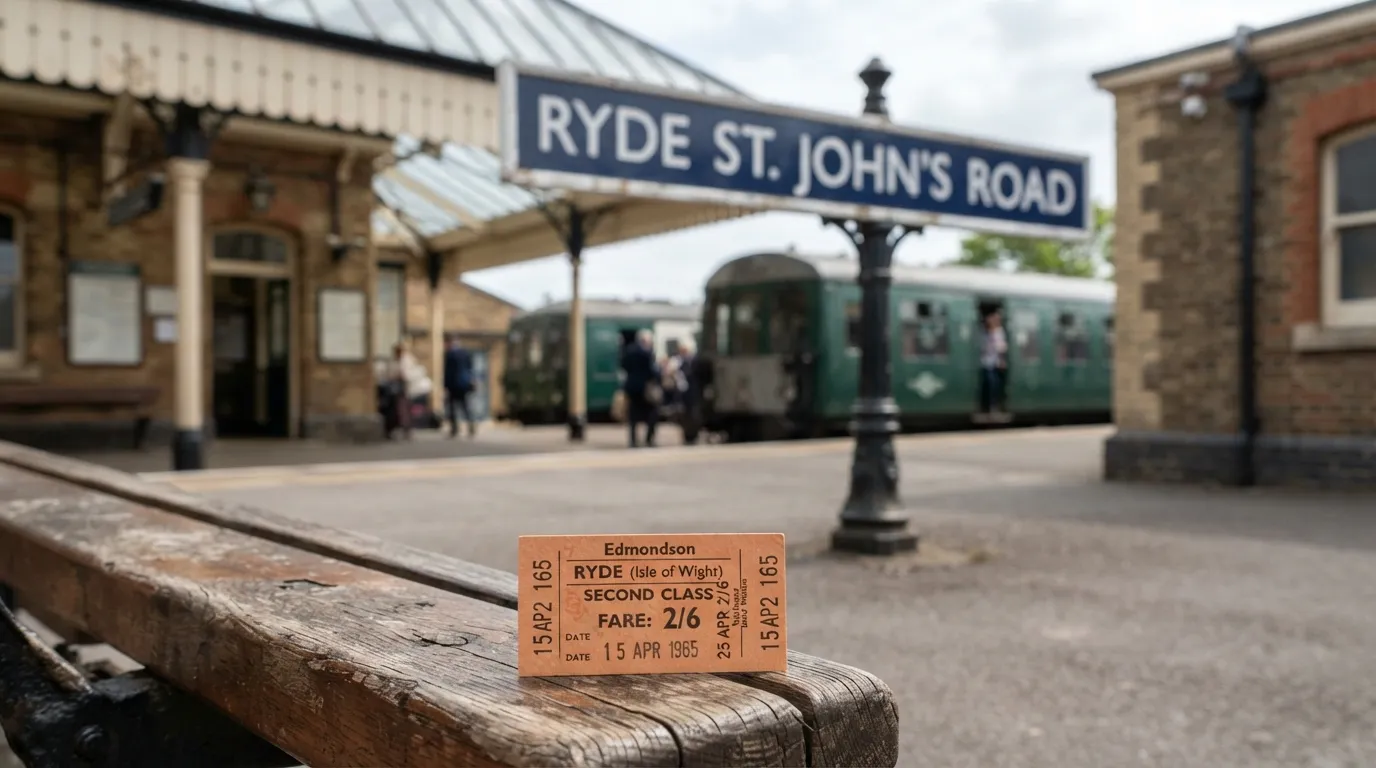
The Beatles released “Ticket to Ride” in April 1965, and even the band members disagreed about the title. Paul McCartney has pointed to Ryde, a town on the Isle of Wight, and the train tickets sold there.
John Lennon remembered something far less innocent. He tied the phrase to the days in Hamburg, where the band played gritty clubs and women working the district carried official cards.
Both stories come from people who were in the room, and neither has ever beaten the other.
That is what makes the song fun to revisit. The chiming guitar and the heavy, slightly sour drum pattern already sound a little off compared with the sunny Beatles image, and the title argument fits that mood.
The next song starts with a television broadcast and a single word shouted by a crowd.
#14 – Jump
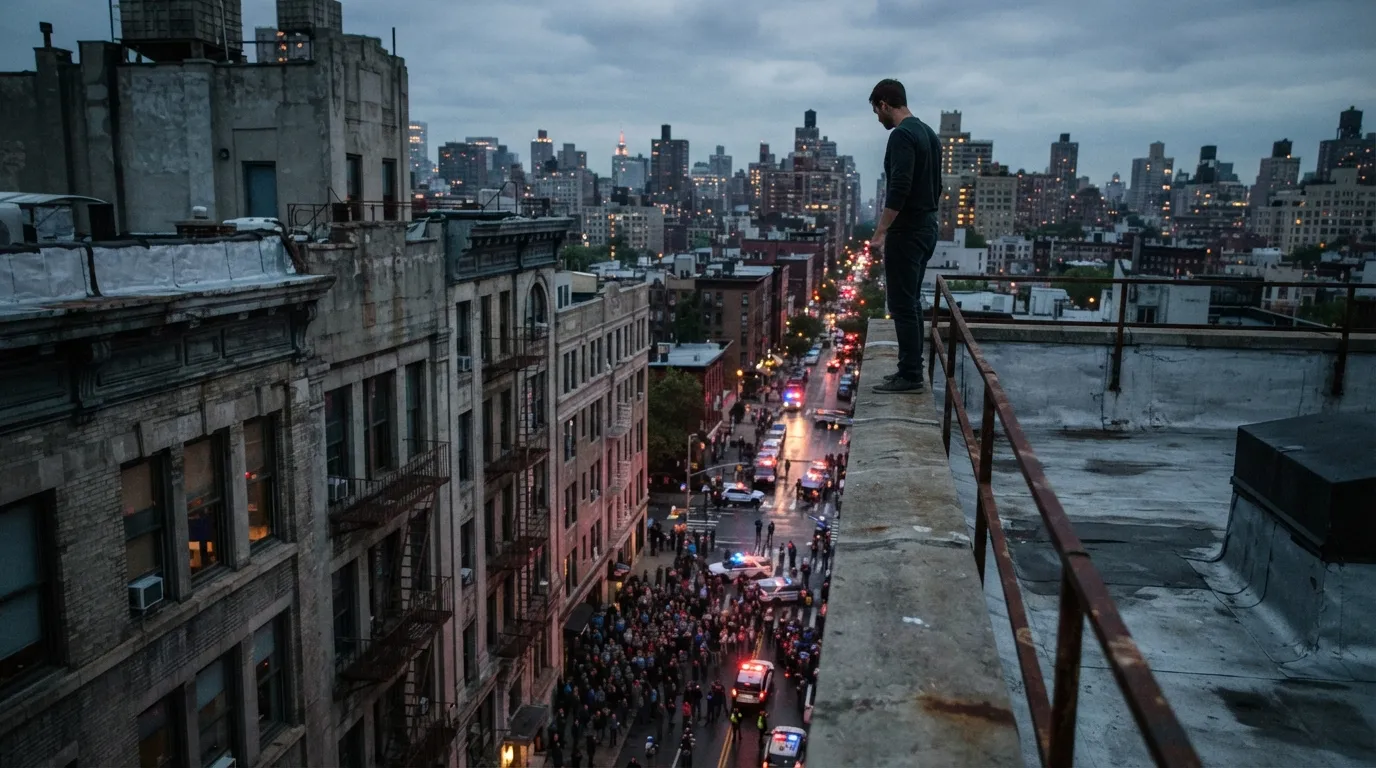
A man stands on the ledge of a tall building while a crowd below stares up. That was the TV news scene that stuck in David Lee Roth’s head before Van Halen’s “Jump.”
Roth has said that someone in the crowd shouted the word “jump,” and he was struck by how awful that was. He wanted to turn the word into something hopeful instead.
That is why the song feels like a party starter and not a warning. The shiny synthesizer riff, played by Eddie Van Halen, makes it sound like pure celebration.
It hit No. 1 on the Billboard Hot 100 in 1984, the only chart-topper in the band’s history. Few people singing along at a stadium remember the dark image that sparked it.
The next hit has a much stranger gap between its cheerful sound and the story underneath. It involves an elderly couple, a long drive, and a real news item.
#13 – The Way
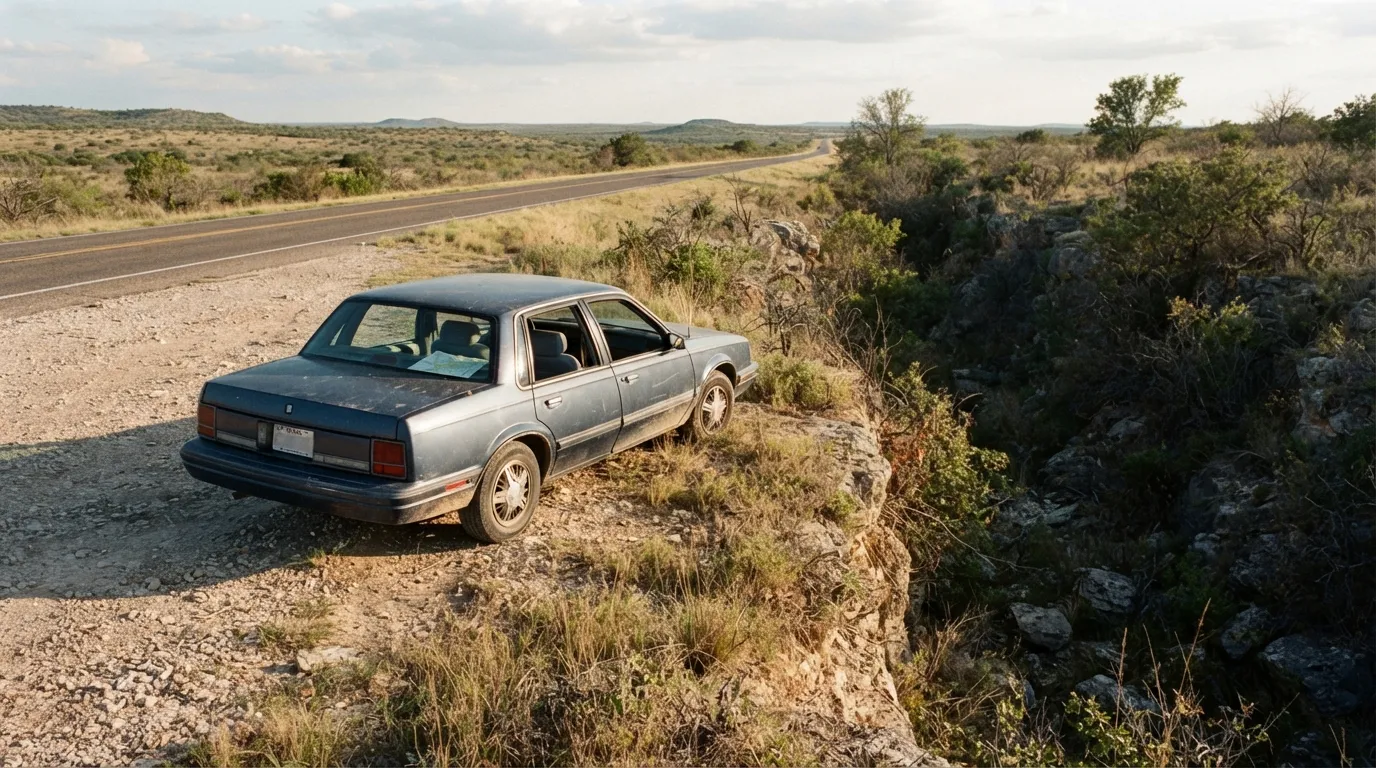
It sounds like the perfect summer drive: windows down, no destination, nothing to worry about. Fastball’s “The Way” has that glow from the first bars.
But songwriter Tony Scalzo was inspired by a real news story from 1997 about Raymond and Lela Howard, an elderly Texas couple who left home on a trip and never arrived. Their car was later found in a ravine, and both had died.
Scalzo has said he read about the Howards and imagined the journey as something freer than the facts. The song never names them. It simply lets two people keep rolling toward a happier version of the ending.
It became a top-five hit on the Billboard Hot 100 in 1998, the sort of tune you can hum for years without once wondering where it came from. The sound is bright, and the real inspiration is quiet and sad.
The next title is even harder to explain, because it began as graffiti and a misunderstanding.
#12 – Smells Like Teen Spirit
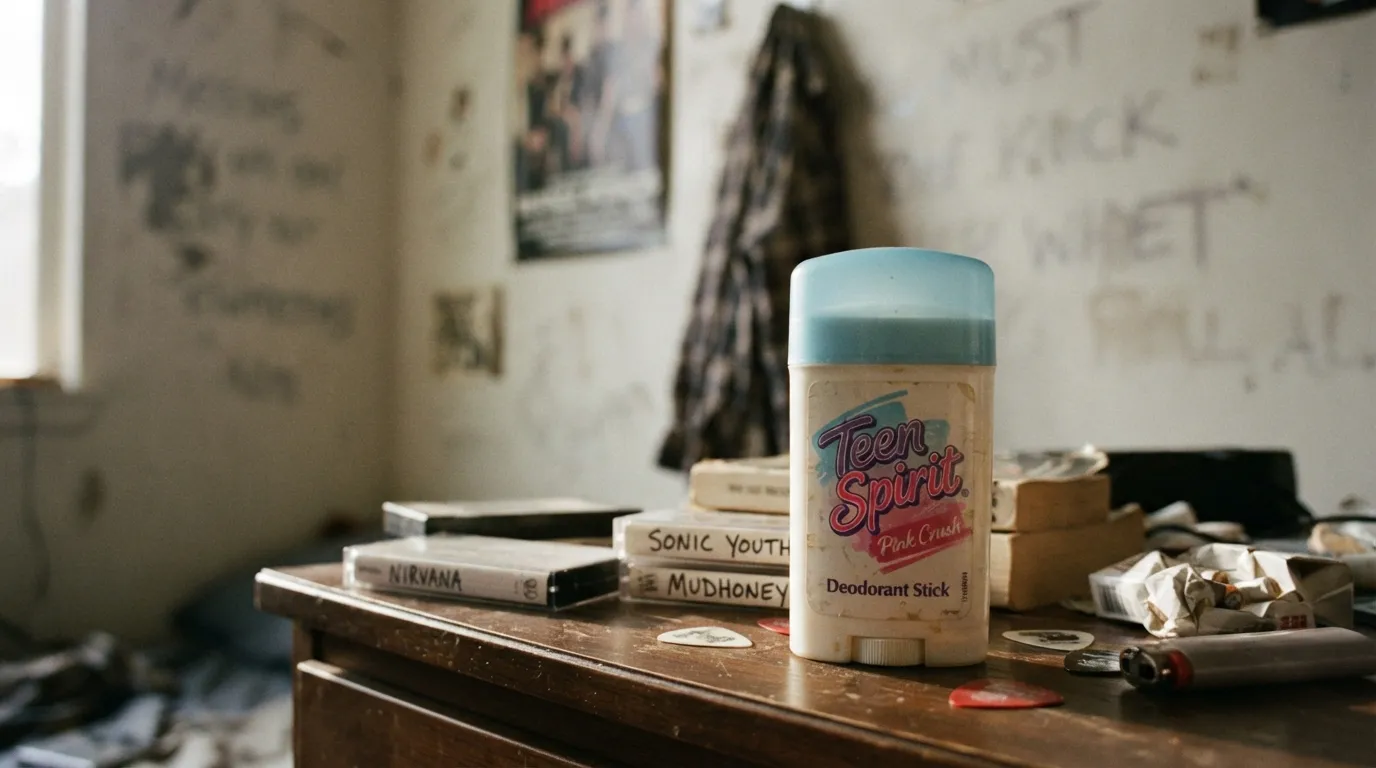
Nirvana’s biggest song is named after something Kurt Cobain didn’t fully understand when he picked it. That detail alone makes the story worth knowing.
Around 1990, Kathleen Hanna of Bikini Kill spray-painted “Kurt smells like Teen Spirit” on Cobain’s wall. She was teasing him, because Teen Spirit was a deodorant brand worn by Tobi Vail, who was then dating him.
Cobain didn’t know it was a deodorant brand. He took the phrase as some kind of rebellious slogan and loved it.
Quick Compare
- What Hanna meant: a joke about a deodorant brand.
- What Cobain heard: a rebellious slogan with real bite.
- What it became: the title of a 1991 anthem.
When Nevermind arrived in 1991, the song became the face of grunge, and a product name no one in the room had planned on became a generation’s anthem.
Everyone argues about what the lyrics mean. Almost nobody argues about the title, which has the funniest origin of the lot.
The next riff arrived in the dead of night, and its creator barely remembers it happening.
#11 – (I Can’t Get No) Satisfaction
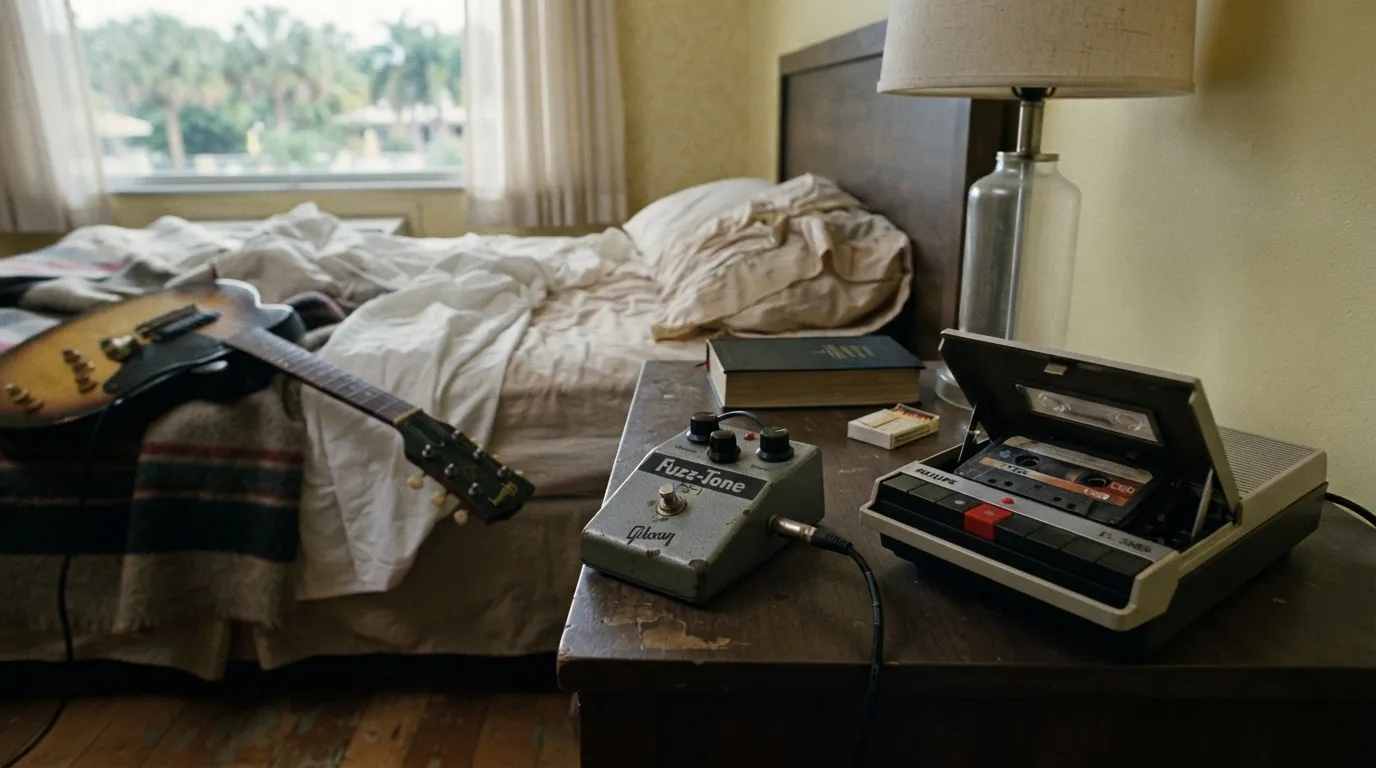
Keith Richards woke up in a Florida hotel room in May 1965, reached for a tape recorder, and played a guitar riff he had dreamed. Then he went back to sleep.
He has said that when he played the tape back, the riff was followed by about forty minutes of him snoring. He had no memory of making it.
The riff became one of the most recognizable sounds in rock. The fuzzy, snarling guitar tone that gave it its bite came from an early fuzz pedal, which helped sell that effect to thousands of guitarists.
Mick Jagger wrote most of the lyrics beside the hotel pool the next day, and the song became the Rolling Stones’ first U.S. No. 1 in the summer of 1965.
The next song came from a dream too, but a far more personal one.
#10 – Let It Be
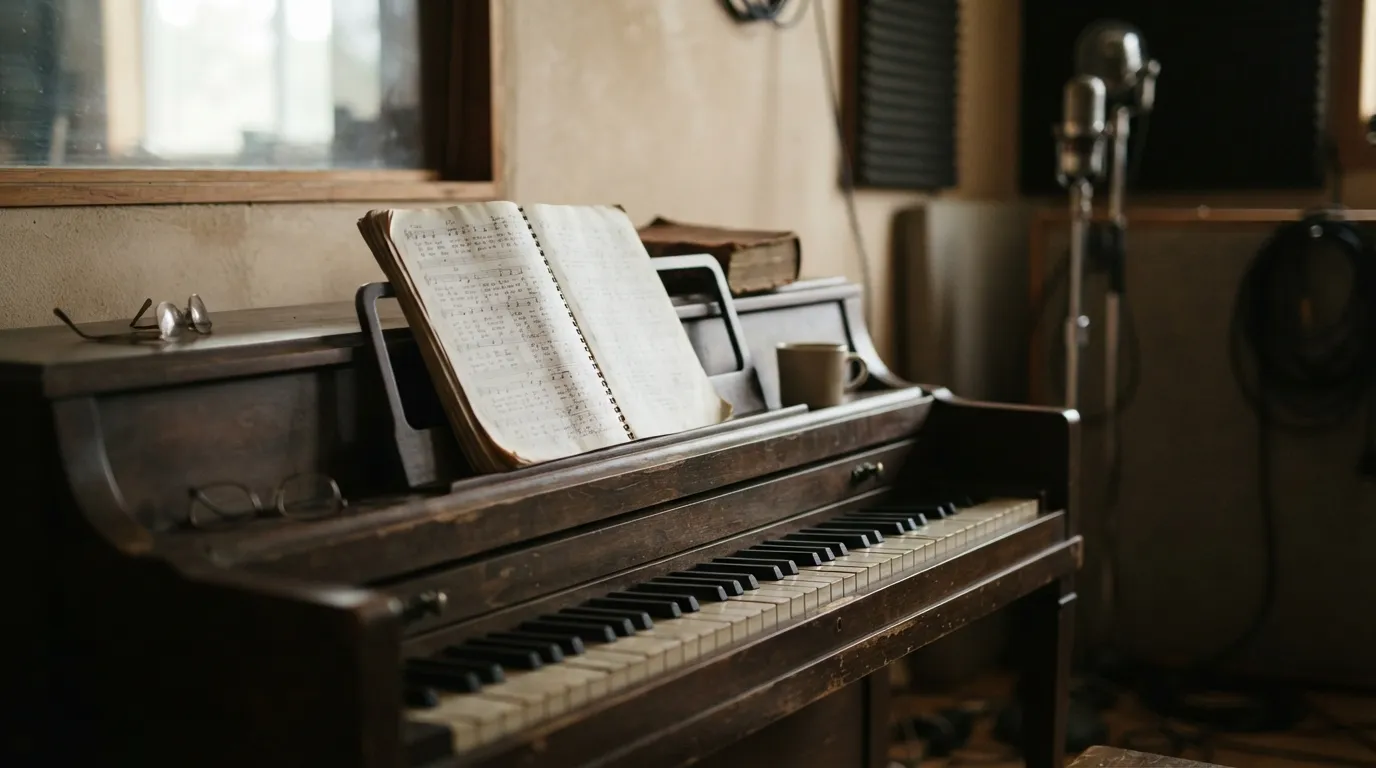
In 1968 the Beatles were wearing each other down. Paul McCartney, stressed and exhausted, dreamed that his mother came to him.
Mary McCartney had died when Paul was fourteen. In the dream, as he has described it, she told him that everything would be all right and to let it be.
He woke with the phrase and built the song around it. It is not a rock epic; it is a piano hymn about getting through a dark stretch.
The single came out in March 1970, just before the band publicly fell apart. People hear it as a goodbye to the Beatles, but its source was a mother’s reassurance.
The next song carries a different kind of weight, and its heaviest layer comes from a band known for thunder.
#9 – All My Love
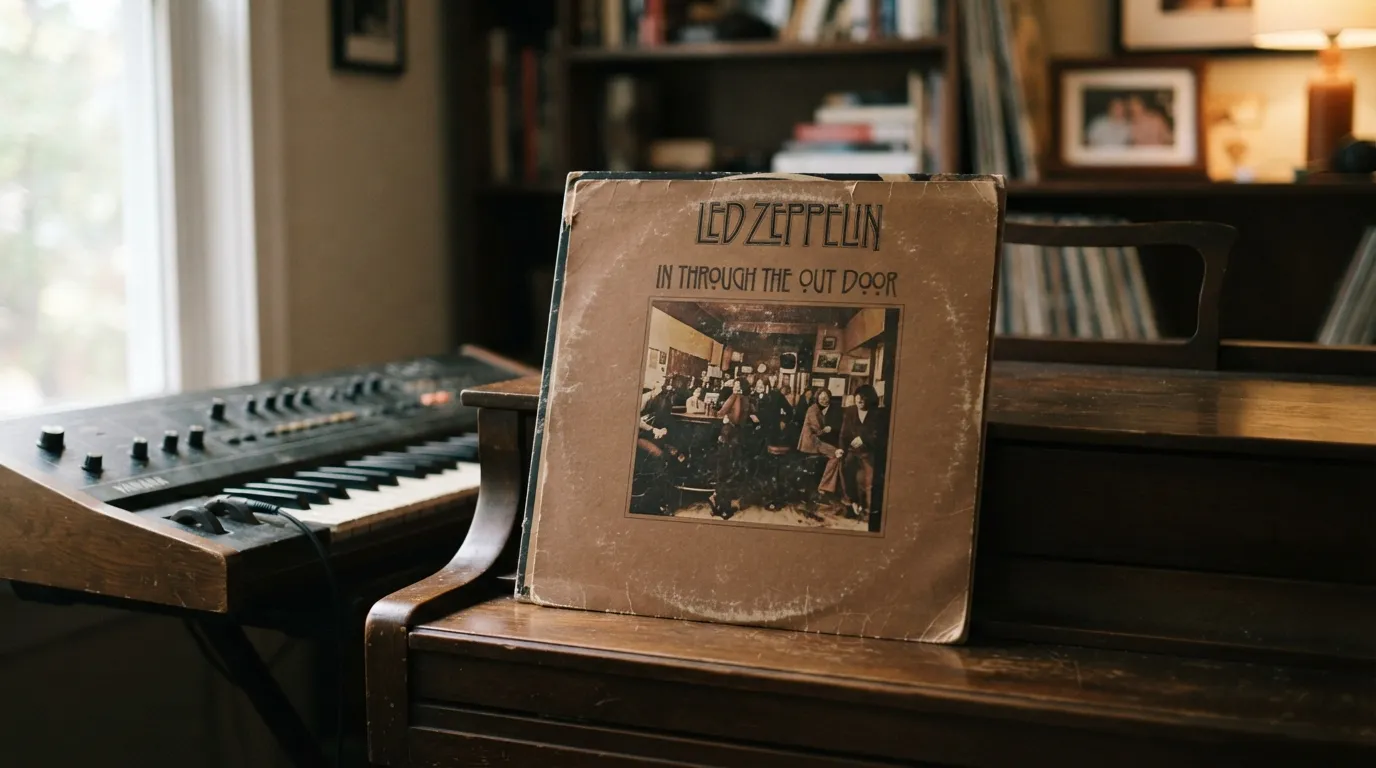
Led Zeppelin is the band of thunder and wild solos. “All My Love” is the opposite: soft, glowing, and almost fragile.
Robert Plant wrote the lyrics after his five-year-old son Karac died suddenly in July 1977. Zeppelin immediately canceled the rest of their tour, and the future of the band seemed unclear.
The music came from John Paul Jones, whose keyboards give the song its warmth. Plant never names his son in the words, which is part of why the song hits so hard.
It appeared on In Through the Out Door in 1979, the band’s last studio album before drummer John Bonham died. Those who love the heavy riffs often skip over it.
The next song has a different secret, one the singer’s former partner shared long after the record became a classic.
#8 – I Shot the Sheriff
It sounds like a classic outlaw story: a man, a sheriff, a shot, and a plea of self-defense. Bob Marley’s “I Shot the Sheriff” appeared on the Wailers’ 1973 album Burnin’.
Marley reportedly wanted to sing “I shot the police,” and settled on “sheriff” instead. That alone tells you who the song was really aimed at.
Years later, his former partner Esther Anderson offered a very different reading. She has said the song began as a personal disagreement between them about birth control, with the sheriff standing in for a bigger argument.
Worth Knowing
- The Wailers’ version came first, on the 1973 album Burnin’.
- Eric Clapton’s cover reached No. 1 in the U.S. in 1974.
- Marley died in 1981, so the private story remains one side of the argument.
Whichever version you prefer, the song’s reach is undeniable, and Clapton’s cover helped carry it to a far bigger audience.
The next song is played at weddings all the time, and that is exactly the problem.
#7 – Every Breath You Take
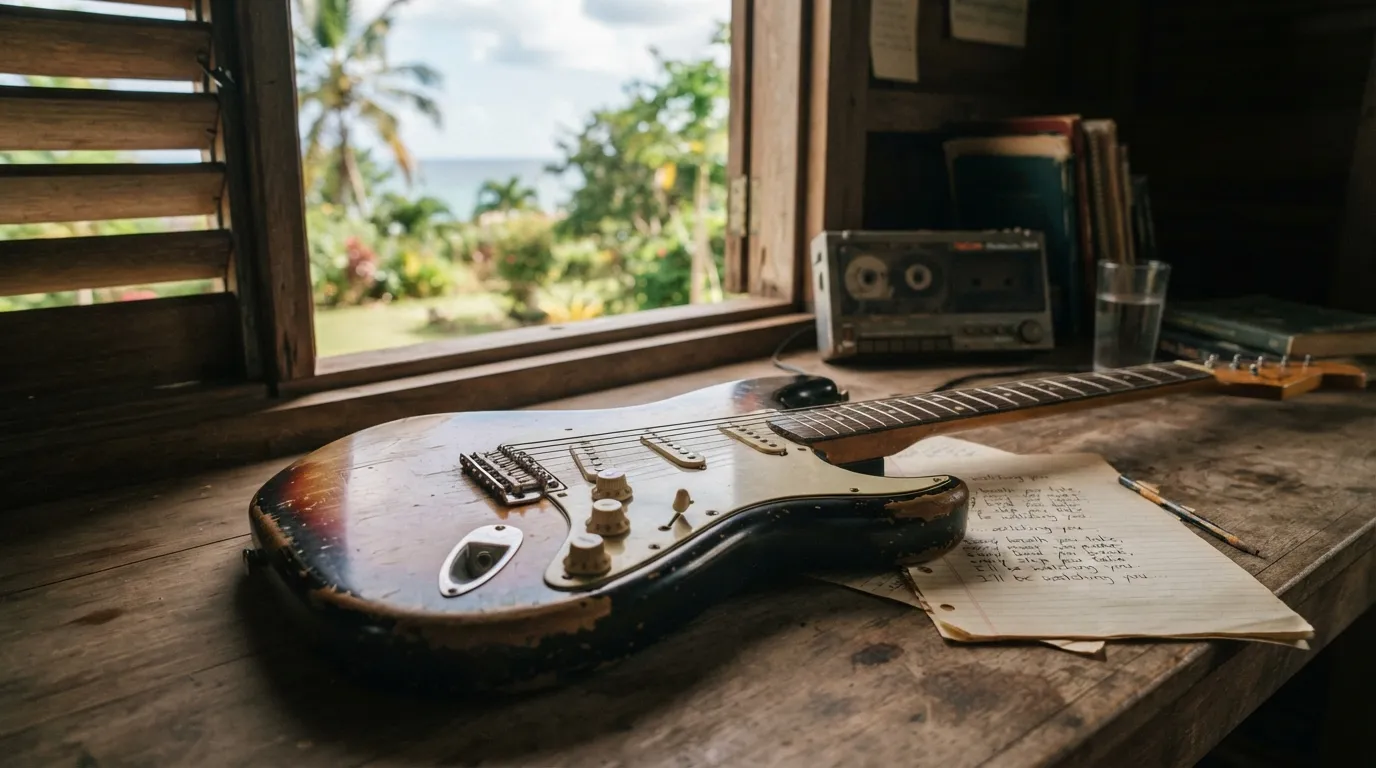
Think about how many first dances this song has soundtracked. The Police’s “Every Breath You Take” has a gentle, swaying melody and lyrics that sound like devotion.
But Sting has said it is about a possessive person watching an ex and refusing to let go. He wrote it in Jamaica in 1982, as his marriage was falling apart.
That makes the song a little unsettling once you hear it. The sweetness of the guitar line only makes the surveillance in the words creepier.
It hit No. 1 in 1983 and won Song of the Year at the 1984 Grammys. In 1997 it was sampled again for “I’ll Be Missing You,” which gave the melody a second life as a tribute.
The next song was written as an act of kindness, and the person it was written for didn’t know for years.
#6 – Hey Jude
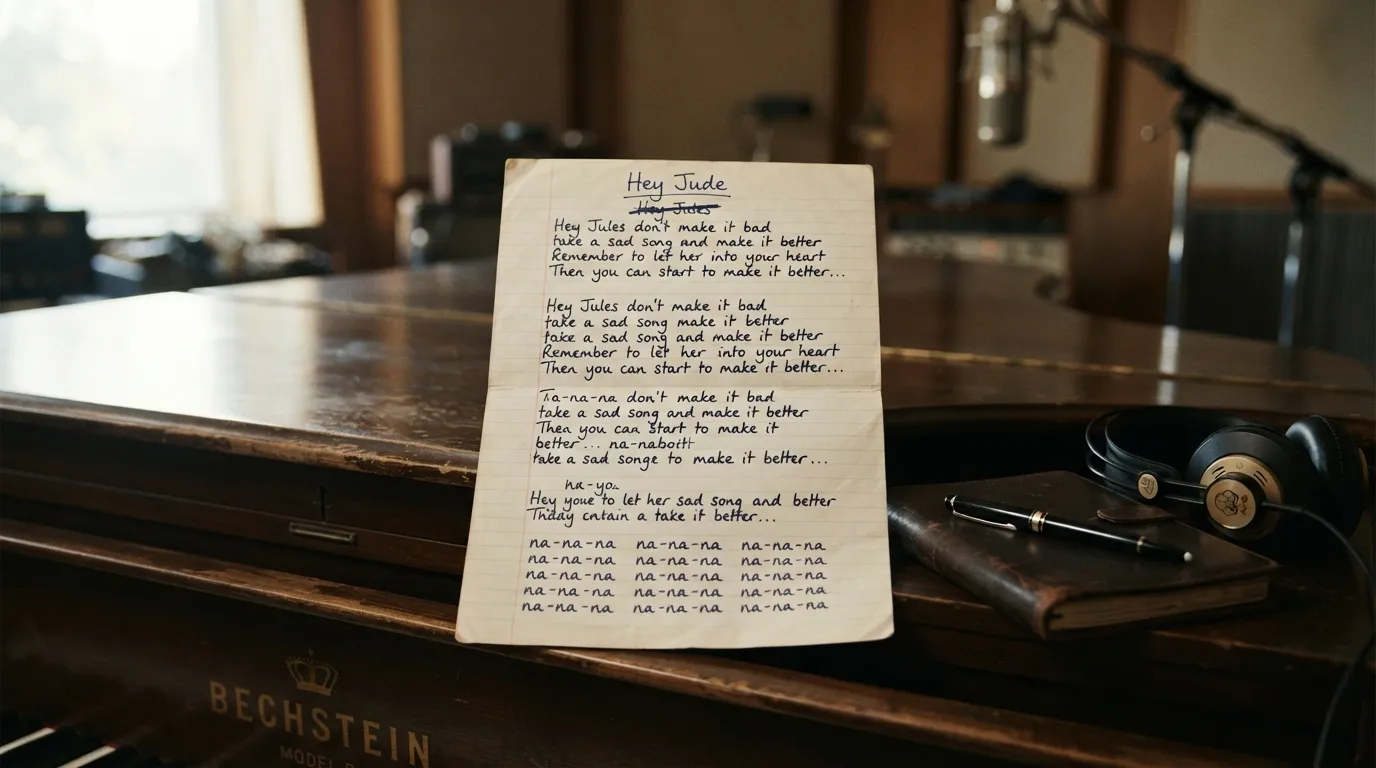
In 1968, Paul McCartney got in a car to visit John Lennon’s estranged wife Cynthia and their young son Julian. Lennon was leaving the family and moving on with Yoko Ono.
On the drive, McCartney started writing something to comfort the boy. The working title was “Hey Jules,” and he changed it to “Jude” because he thought it sounded better.
Why It Stands Out
- It was the first single released on the Beatles’ own Apple label.
- At more than seven minutes, it ran far longer than a typical hit.
- The closing “na-na-na” section lasts about four minutes.
- It began as a note of comfort to a child.
The result turned the final stretch into one of music’s great group singalongs.
Lennon later said he heard parts of it as if McCartney were singing to him. That makes the song a message to a child that also landed on a grown man.
The next song opens with an actual historic date, and a teenager folding newspapers.
#5 – American Pie
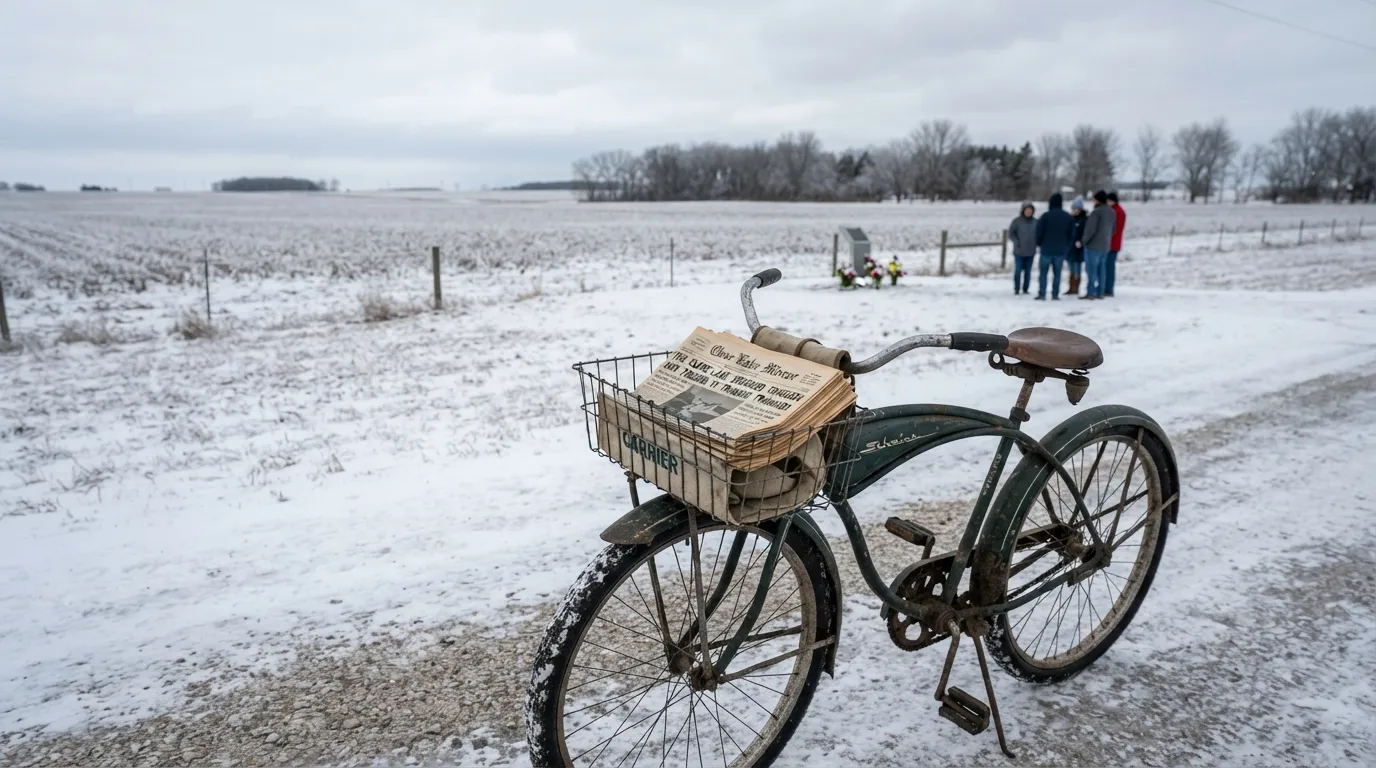
Don McLean has said he was a young newspaper delivery boy when he learned that Buddy Holly had died. That date, February 3, 1959, is where “American Pie” begins.
A plane crash near Clear Lake, Iowa, killed Holly, Ritchie Valens, and J. P. “The Big Bopper” Richardson. McLean’s line “the day the music died” turned a local tragedy into a national phrase.
The 1971 song runs more than eight minutes, and fans have spent decades decoding its verses. McLean has never given a neat explanation.
The mystery has real value. In 2015 McLean’s original manuscript sold at auction for more than a million dollars.
The next song begins with a fire, and the band saw it with their own eyes.
#4 – Smoke on the Water
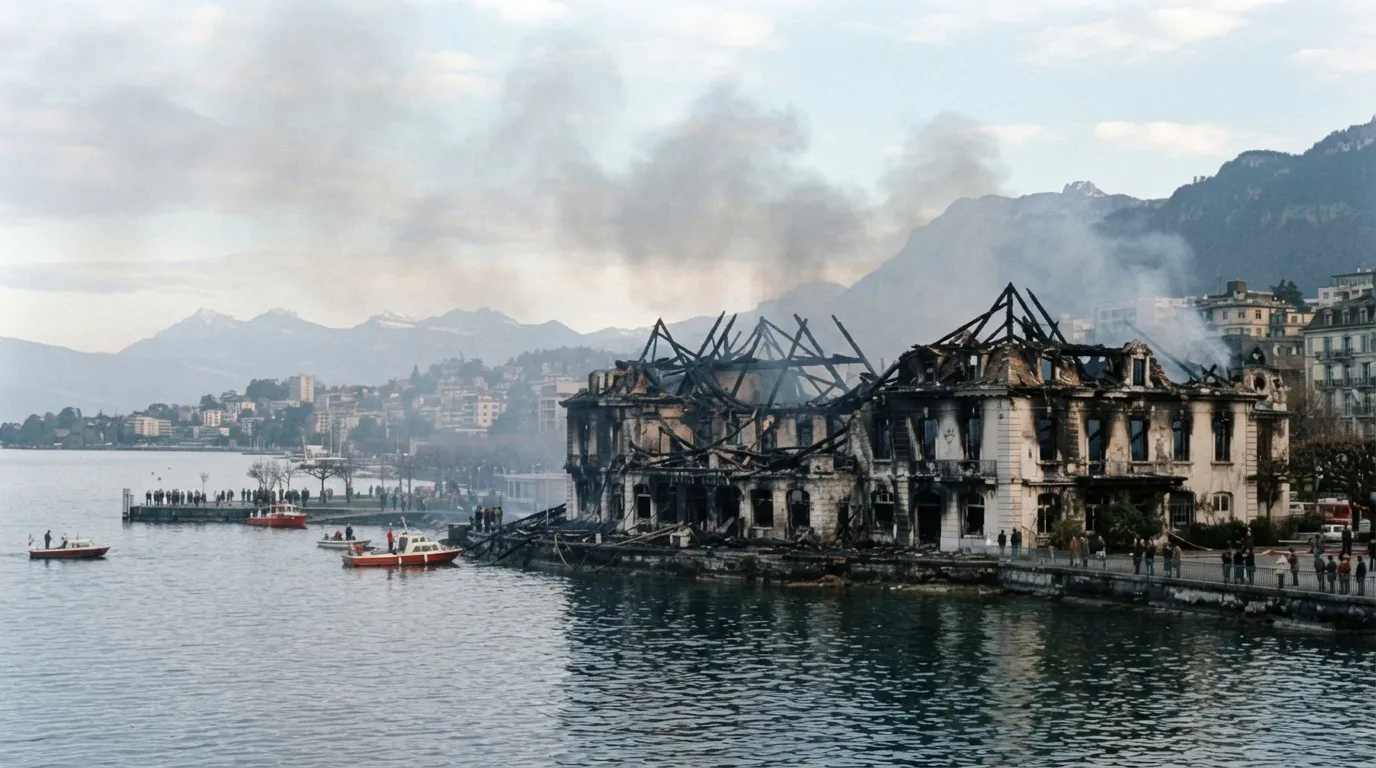
The most famous guitar riff in classic rock began with a disaster. On December 4, 1971, the Montreux Casino in Switzerland burned down during a Frank Zappa concert.
Someone in the crowd fired a flare gun, and the ceiling caught fire. Deep Purple, who had come to Montreux to record an album, saw smoke drift across Lake Geneva.
At a Glance
- Date: December 4, 1971
- Place: the Montreux Casino, Switzerland
- Band: Deep Purple, in town to record
- Album: Machine Head
The song tells that story almost literally, including “some stupid with a flare gun” and “Funky Claude,” who was running in and out. Funky Claude was real: Claude Nobs, the man behind the Montreux Jazz Festival.
The band recorded their album Machine Head in a nearby hotel, and the song became the first thing many new guitarists learn.
The next song is a groove you can’t resist, and its true source is far more frightening.
#3 – Billie Jean
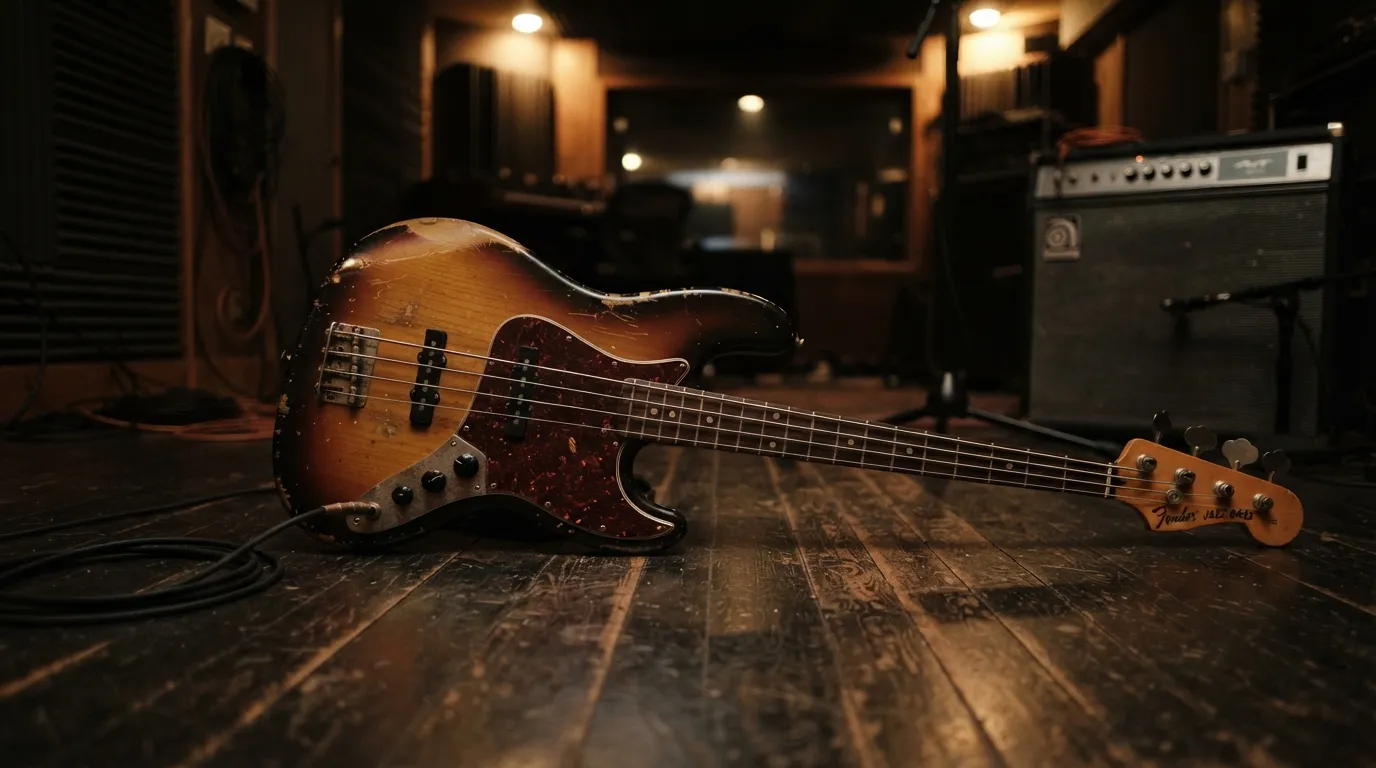
That bass line is so smooth it can make you forget what the lyrics describe. Michael Jackson’s “Billie Jean” is a story of accusation and denial.
Jackson explained in his autobiography Moonwalk that the song was a composite of girls he and his brothers had known. In his telling, some claimed that one of the brothers had fathered their children.
The track nearly had a different shape. Quincy Jones reportedly wanted to cut the long intro and worried that the title might be confused with tennis star Billie Jean King, but Jackson held firm.
It was a smart call. When Jackson performed the song on the Motown 25 special in 1983, he debuted the moonwalk, and the song became part of pop history.
The next song might be the most famously misunderstood anthem of all, and it was misunderstood by presidents too.
#2 – Born in the U.S.A.
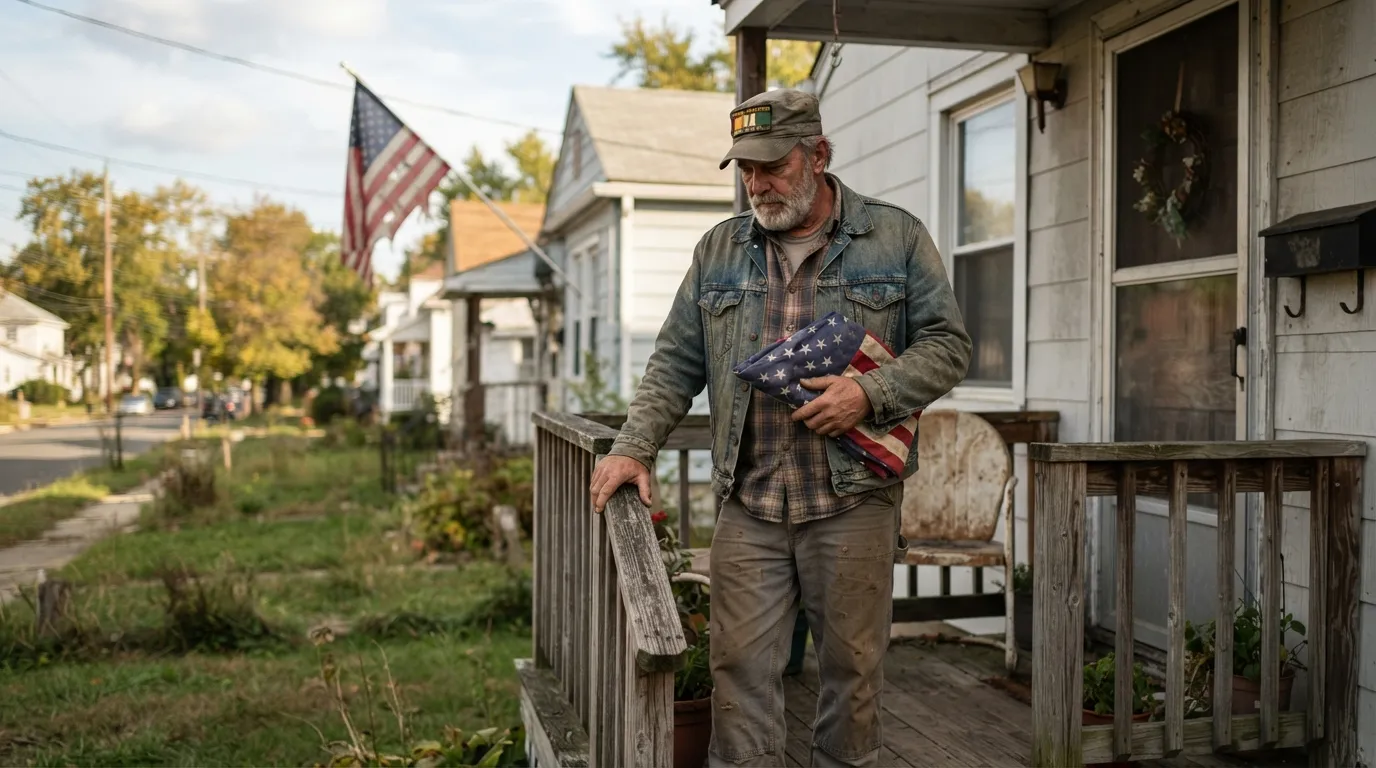
It sounds like a victory lap, with a roaring chorus and a fist-pumping drum beat. Bruce Springsteen’s 1984 hit appears to be a patriotic celebration.
But the verses tell the story of a working-class man sent to Vietnam and treated badly when he came home. The song grew from a film script by Paul Schrader that Springsteen read.
The mix-up reached the highest levels. During the 1984 election campaign, President Ronald Reagan referred to Springsteen at a stop in New Jersey, which was widely seen as a misreading of his message.
Springsteen has long said the song is about disillusionment, not flag-waving. The album sold massively, but plenty of fans still shout the chorus without hearing what comes before it.
The song at #1 does the opposite: it was designed on purpose to give the performance to you.
#1 – We Will Rock You
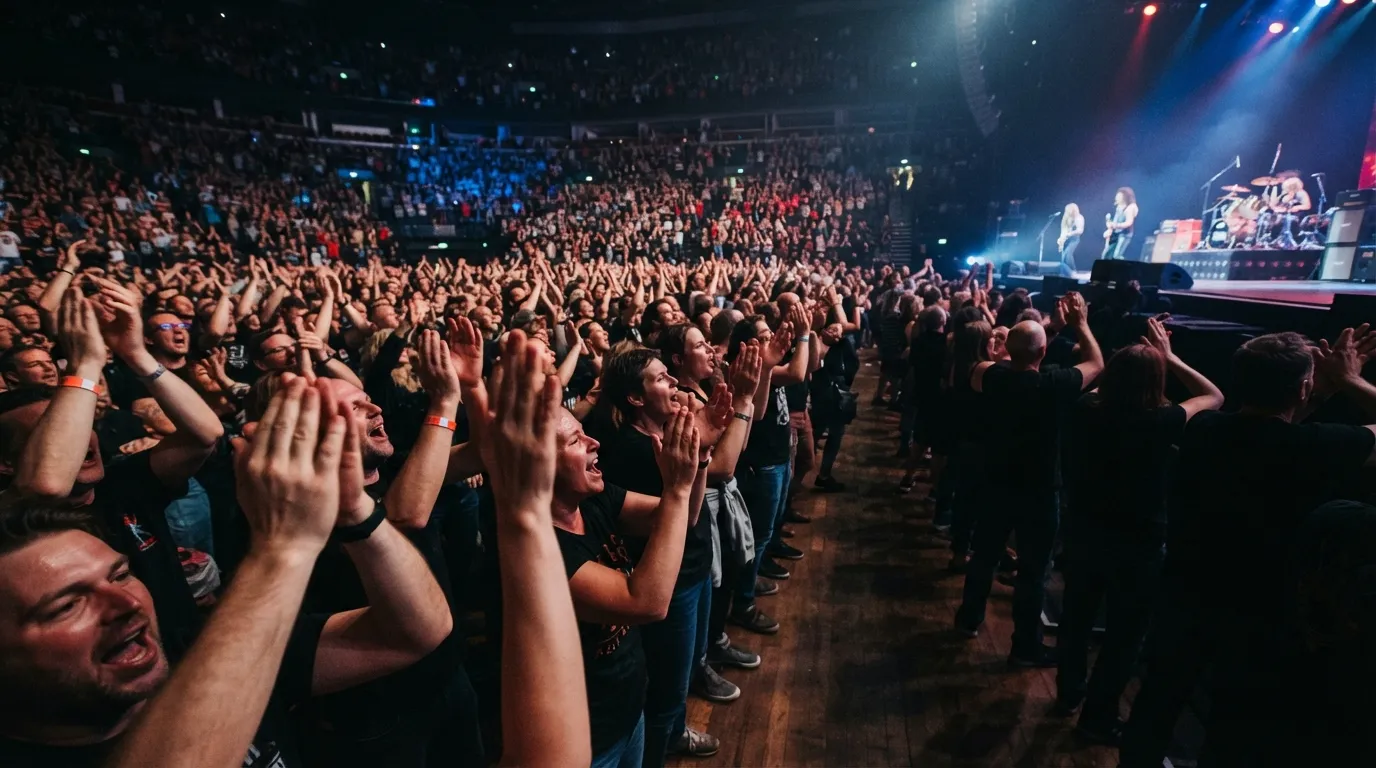
Most songs ask you to listen. “We Will Rock You” was built to make you part of the band.
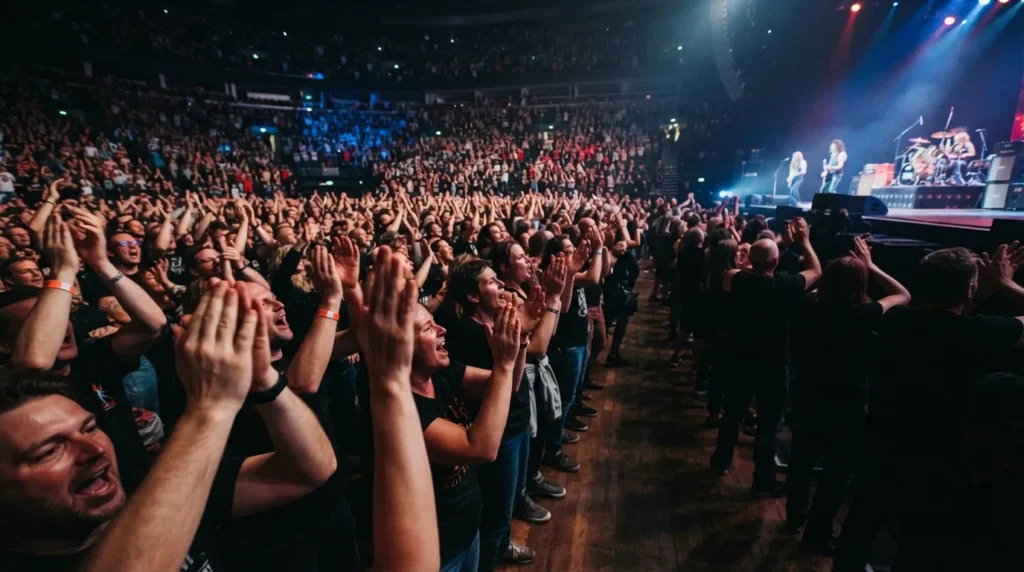
Brian May has said the idea came after he noticed audiences singing along at a show in Stafford. He wanted something a crowd could do with their own bodies, with no instruments at all.
So Queen made a song from two stomps and a clap. They recorded it in 1977 at Wessex Studios, a converted church in London, and layered the stomping on wooden boards until it sounded like a whole stadium.
It opened the album News of the World and was released as a single paired with “We Are the Champions.” Almost half a century later, it still works at any sporting event, with or without a speaker system.
That may be the real thread through all sixteen songs. Some started with heartbreak, others with a fire or a joke, and one with a sleeping guitarist. But the one at #1 was written to remind us that the most memorable part of a song is often the people singing it back.
CEO-Co-Founder