
- 15 Banned Books That Became School Staples - October 22, 2026
- 16 Sitcoms That Replaced Their Lead Actor and Stayed on Air - October 22, 2026
- 17 Things Nobody Tells You About Airport Overnight Stays Until the First Delay - October 22, 2026
Most people picture an overnight delay as a quiet corner, a charging cable, and a few hours of waiting. Then the last flight leaves, and the airport starts working by a different set of rules.
Airport operating hours and airline conditions of carriage decide where you can stand, what you can reach, and what you can get back. Here is what changes once the delay starts, beginning with the rule that catches people first.
#17 – Terminal Access Rules Shift After Midnight
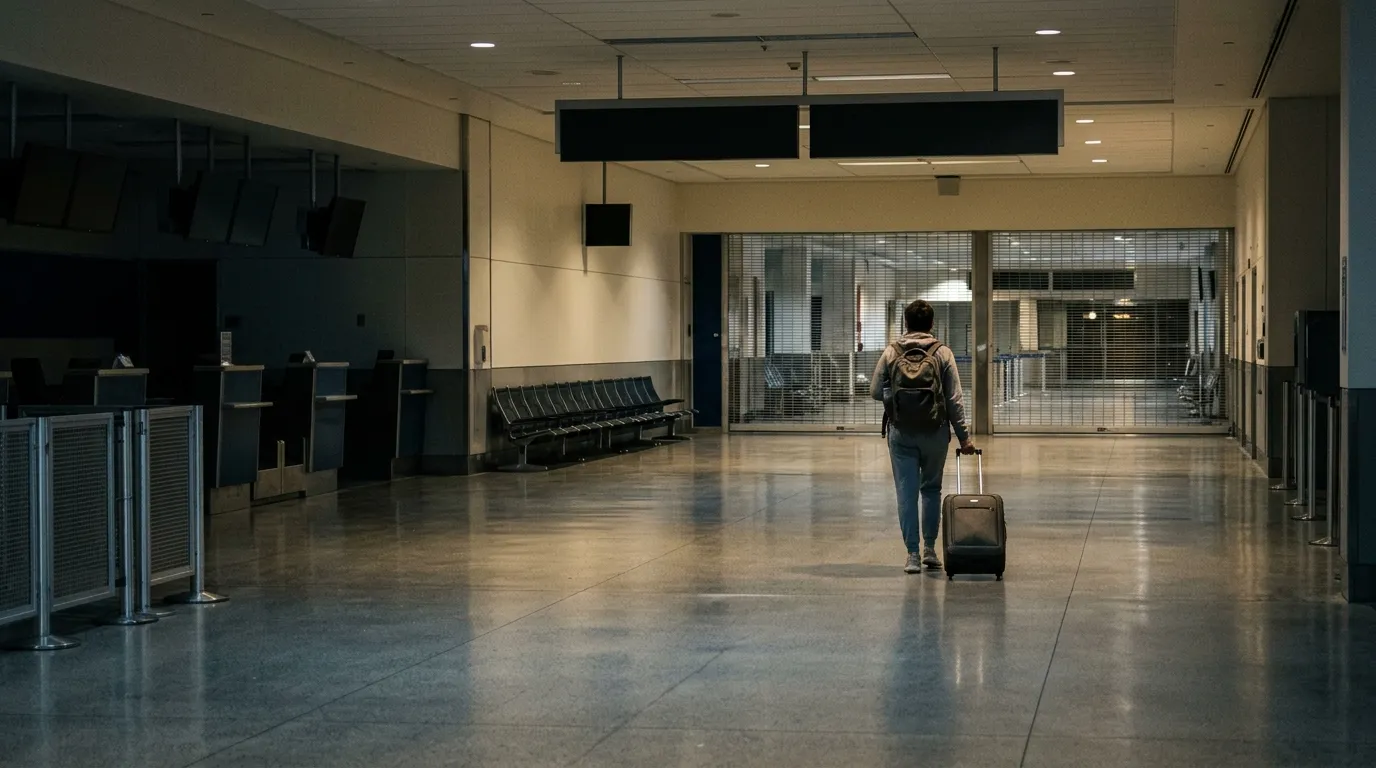
Airports publish operating hours for public areas, and many close sections once the final flights are gone. Some ask passengers to move to the areas that stay open.
Where you are standing when the lights dim may decide where you spend the night. Check posted hours before you wander off for a snack.
#16 – Baggage Claim Cutoffs Apply Strictly
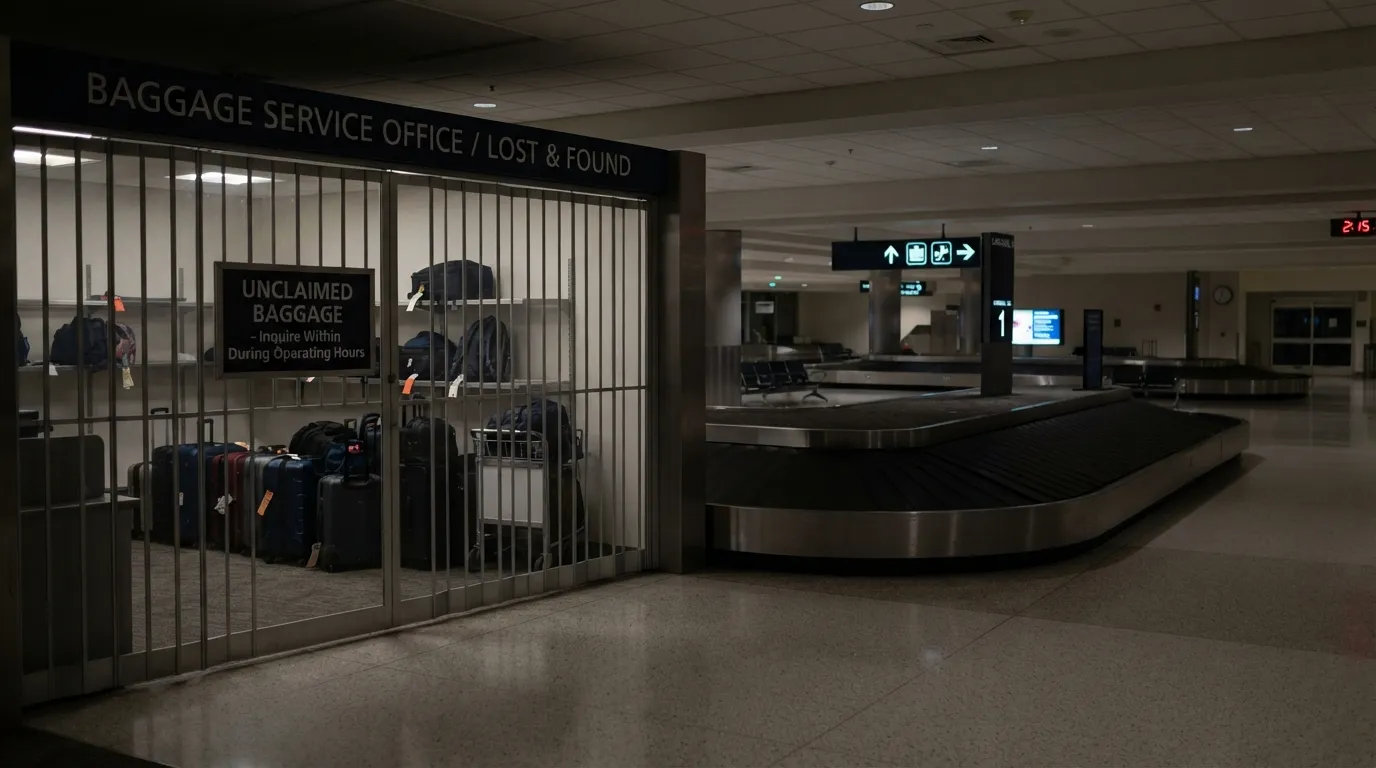
Airlines and airports handle bags that sit unclaimed after arrival. Carriers generally move them to a baggage office or secure storage, and getting them back can mean paperwork and a wait.
If your terminal separates arrivals from departures, you may not be able to reach the claim area at all. Ask the airline’s baggage desk where your bag will be before you settle in.
#15 – Leaving the Secure Side Usually Means Starting Over
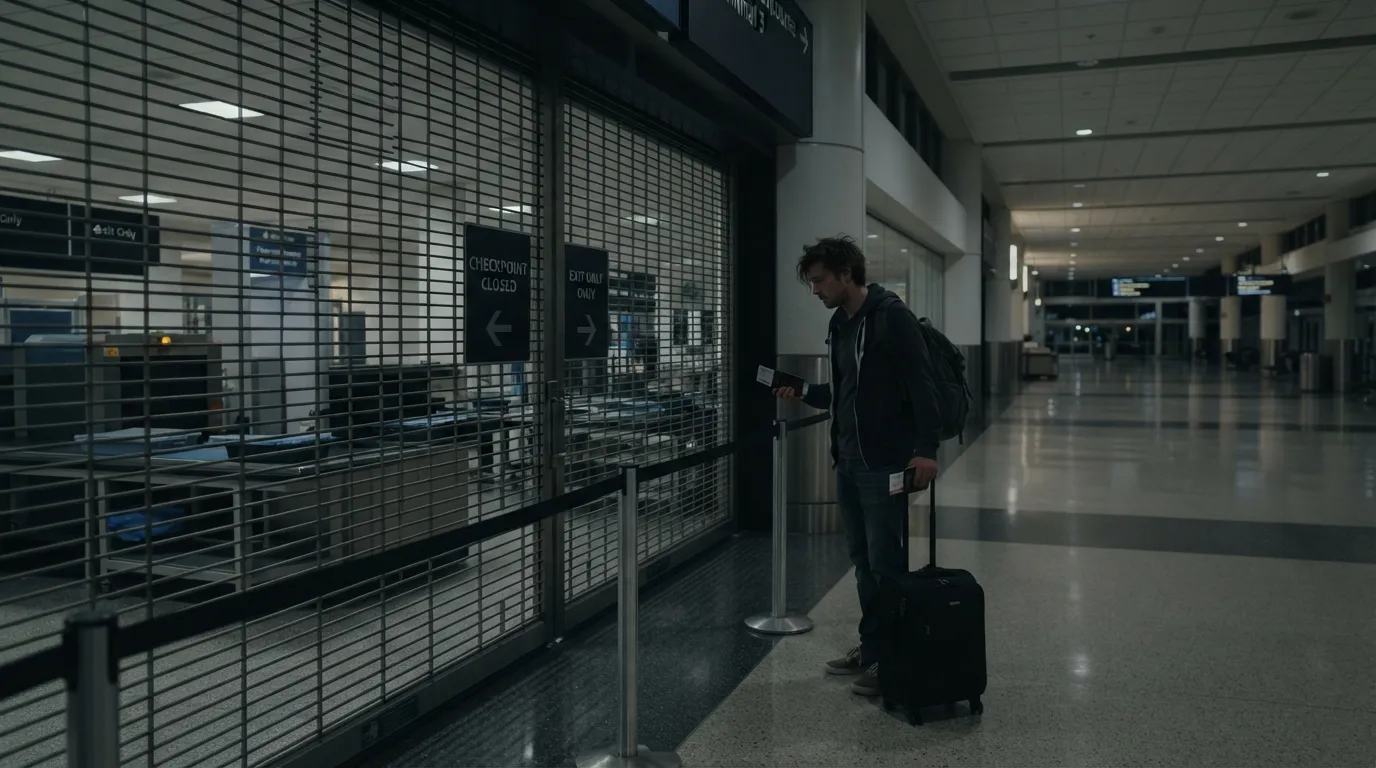
Once you walk out past security, you are generally treated as a new arrival at the checkpoint. That means screening again, and sometimes a fresh boarding pass.
If checkpoints are closed overnight, that can leave you outside until they reopen. Stepping out for a better bench can cost you your gate.
#14 – The Airline’s Duty of Care Depends on the Cause
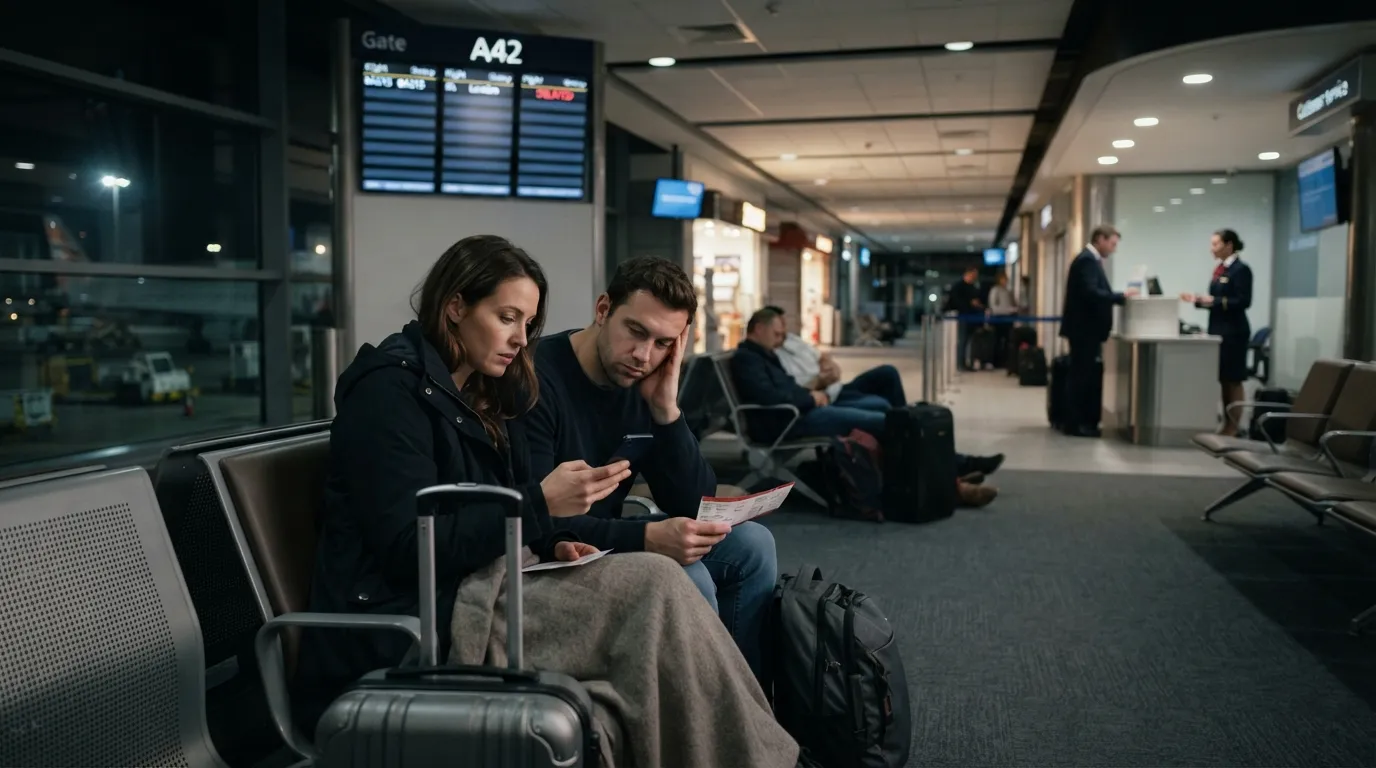
Conditions of carriage often separate delays the airline controls from ones it doesn’t, like weather or air traffic restrictions. Meals, hotel rooms, or rebooking help may depend on which category you land in.
Rules also vary by country and by ticket. Read your airline’s published policy before you assume anything is owed, or that nothing is.
Quick Compare
- Within the airline’s control: crew or maintenance problems are the kind of cause that more often leads to meal, hotel, or rebooking help.
- Outside the airline’s control: weather or air traffic restrictions often limit what the carrier promises, though rebooking is commonly still offered.
- Either way: your ticket type and the country you are in can change the answer.
#13 – Check-In and Service Desks Often Go Quiet
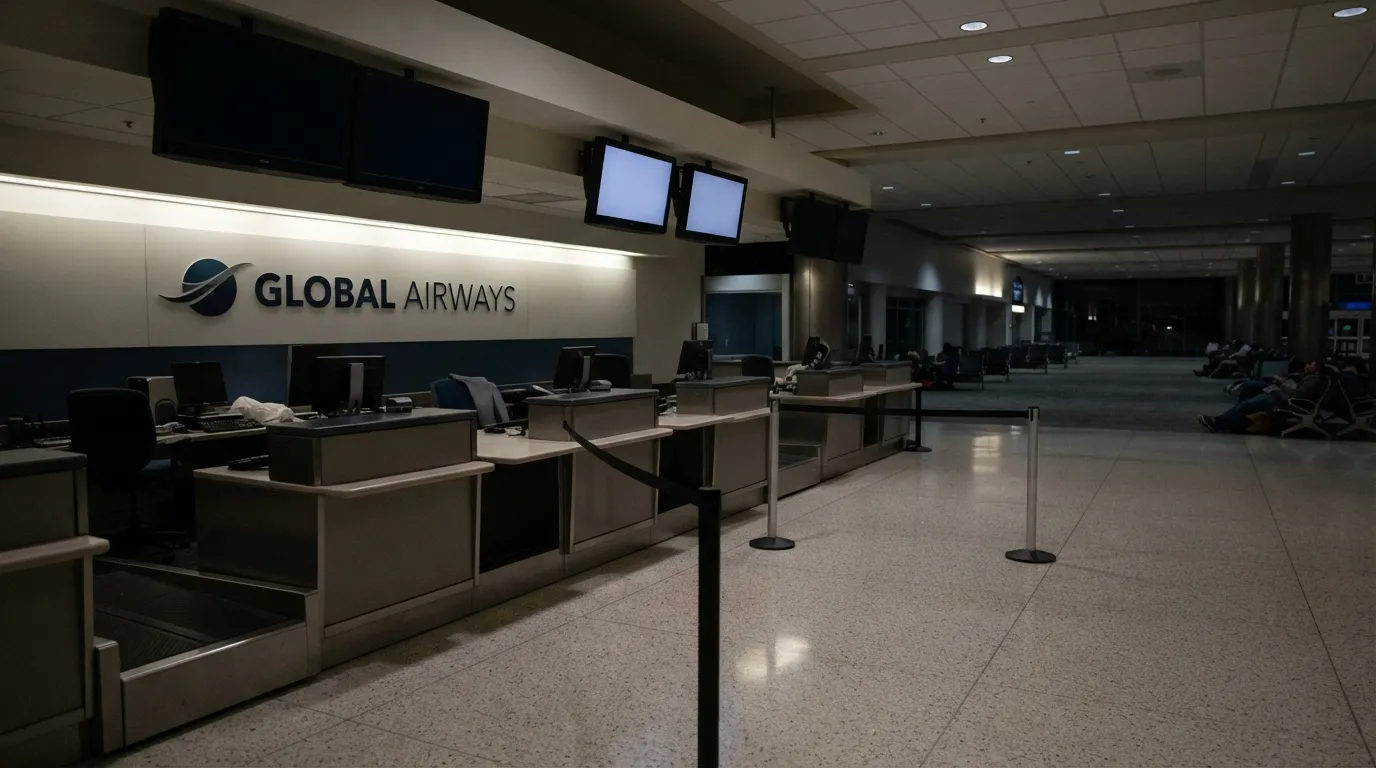
The staffed counter you counted on may close once the last departure is handled. That leaves the airline’s app, website, or phone line as your fastest route to a new booking.
Passengers who start rebooking the moment a delay appears often get ahead of the morning crowd. Waiting in a line that has no agent behind it solves nothing.
#12 – Real Sleeping Areas Are Rarer Than You Think
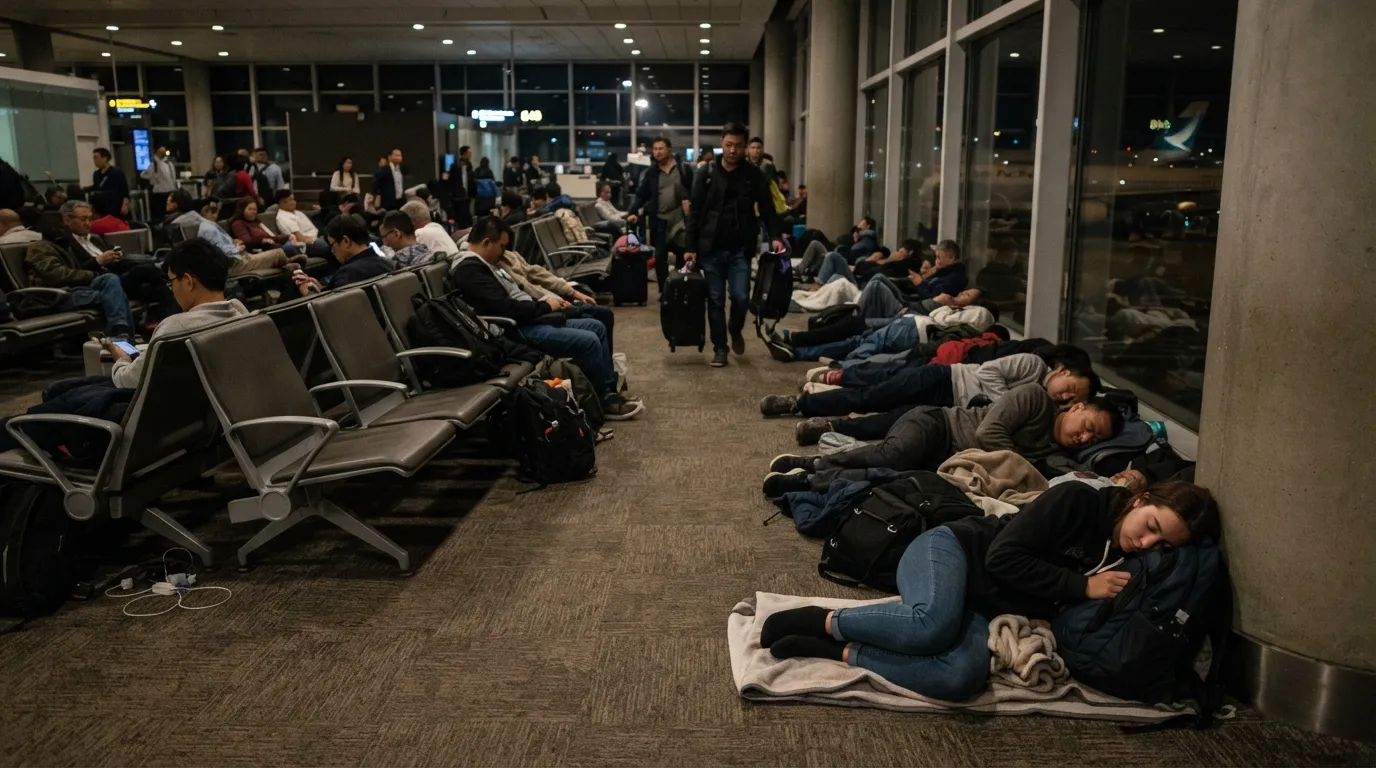
Most terminals offer fixed seats with armrests, and very little else. A handful of airports provide quiet zones, rest areas, or paid sleep pods, but they are the exception.
Even then, they can fill quickly during a disruption. Many passengers end up on carpet near a wall, using a bag as a pillow.
#11 – Showers Exist, but Not Always When You Need Them
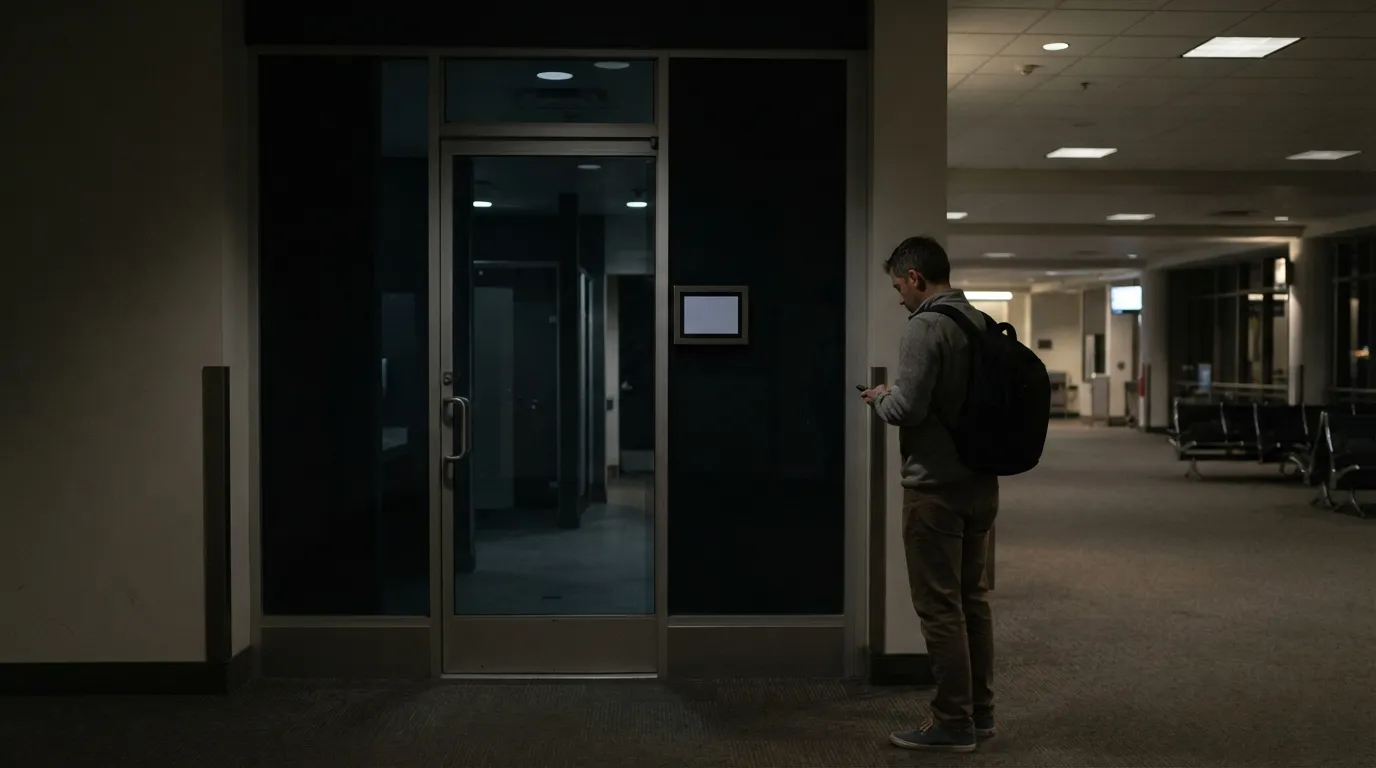
Some airports have pay-per-use showers, and many lounges include them. Both have posted hours, and those hours may not stretch through the night.
Access can also depend on your ticket, your membership, or a day-pass fee. If a shower matters to you, confirm its hours before you start counting on it.
#10 – Overnight Food Can Shrink to a Vending Machine
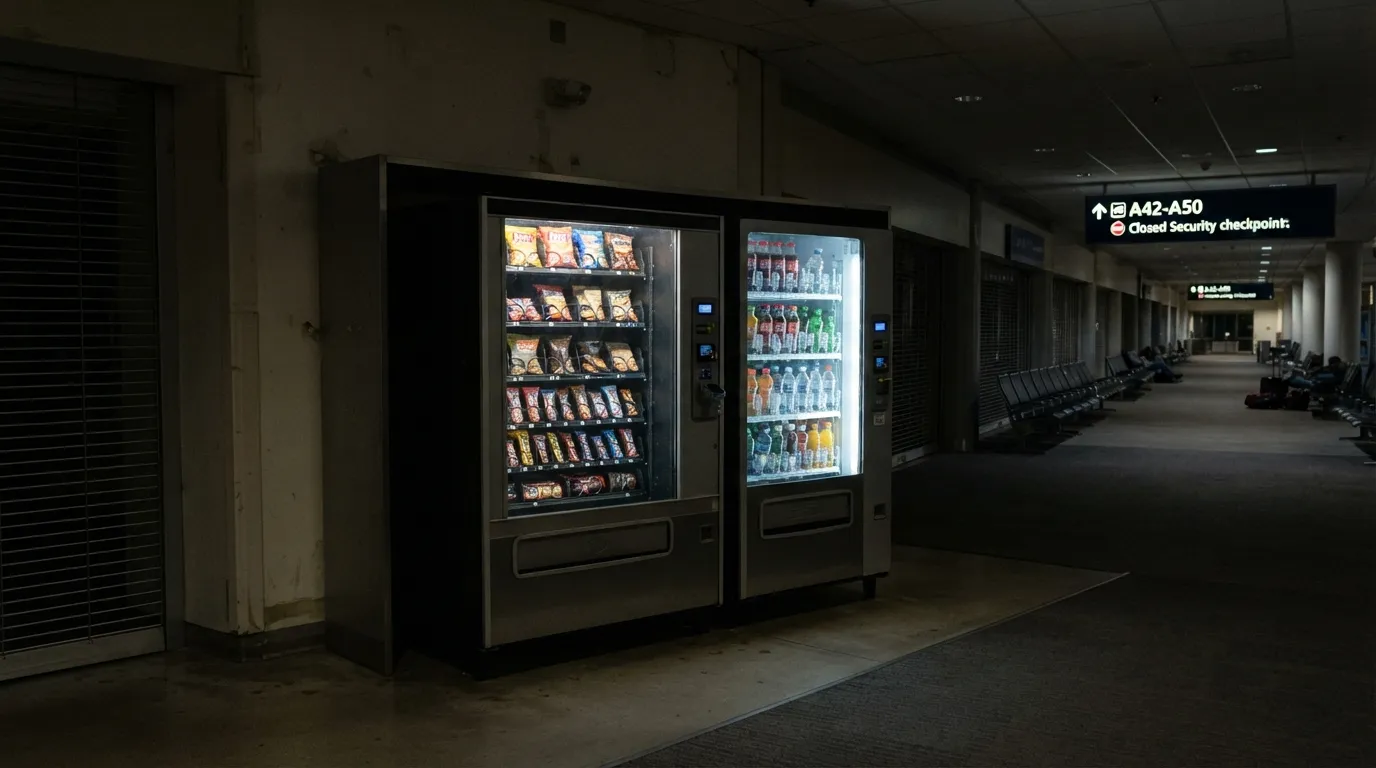
Restaurants and shops often close once the evening banks of flights finish. What remains may be vending machines, a single open kiosk, or nothing past the checkpoint.
Buy food early, before the shutters come down. If a delay is likely, a meal in hand beats a promise of breakfast.
Fast Facts
- Food outlets keep their own posted hours, and those often follow the flight schedule rather than the clock.
- Options past a closed checkpoint can be thinner than options before it.
- Shelf-stable snacks and an empty refillable bottle travel well through a long night.
- If the airline offers a meal voucher, ask what is still open to use it on.
#9 – The Terminal Never Truly Goes Silent
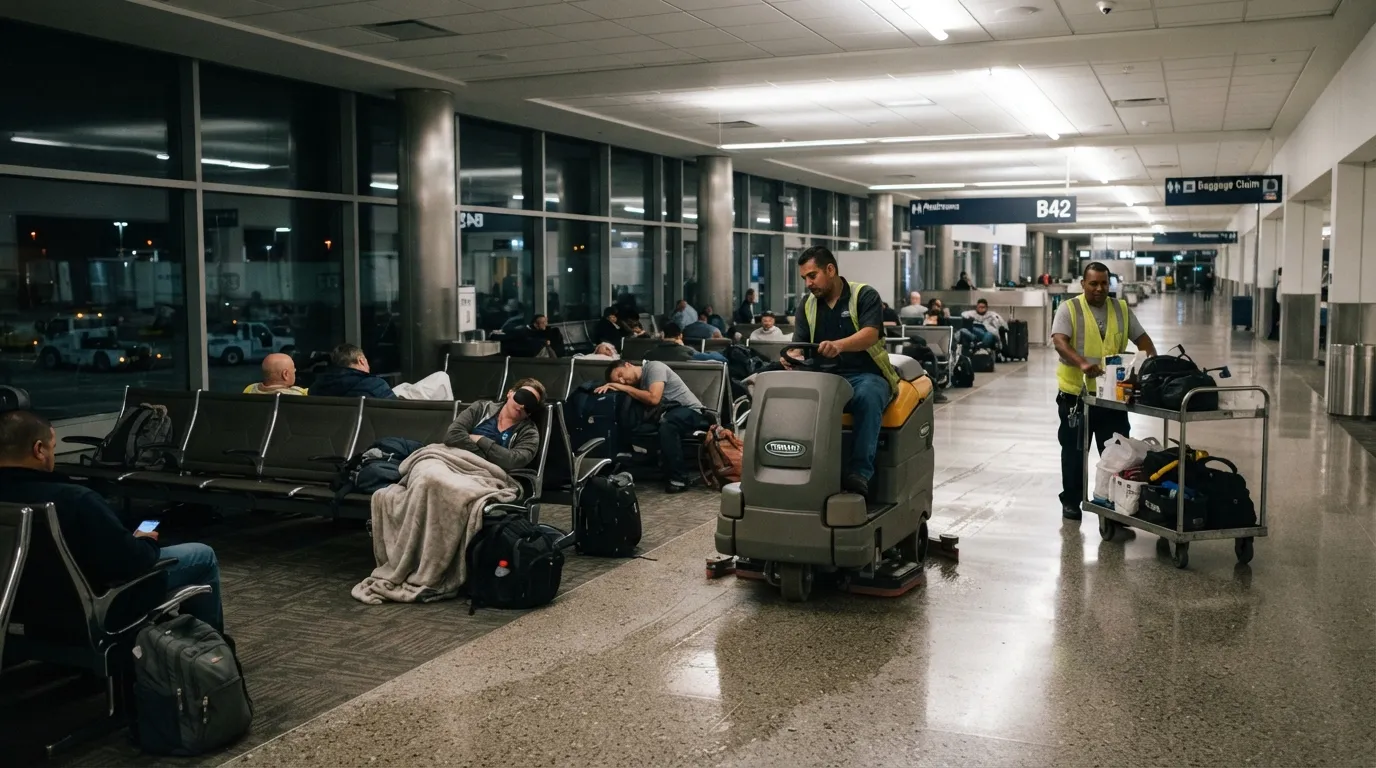
Overnight is when many airports clean, restock, and run maintenance. Floor machines, announcements, and crews moving equipment can keep going while you try to sleep.
Lights often stay bright, too. Earplugs and an eye mask are small items that make a long night more bearable.
#8 – Outlets and Wi-Fi Become Prime Real Estate
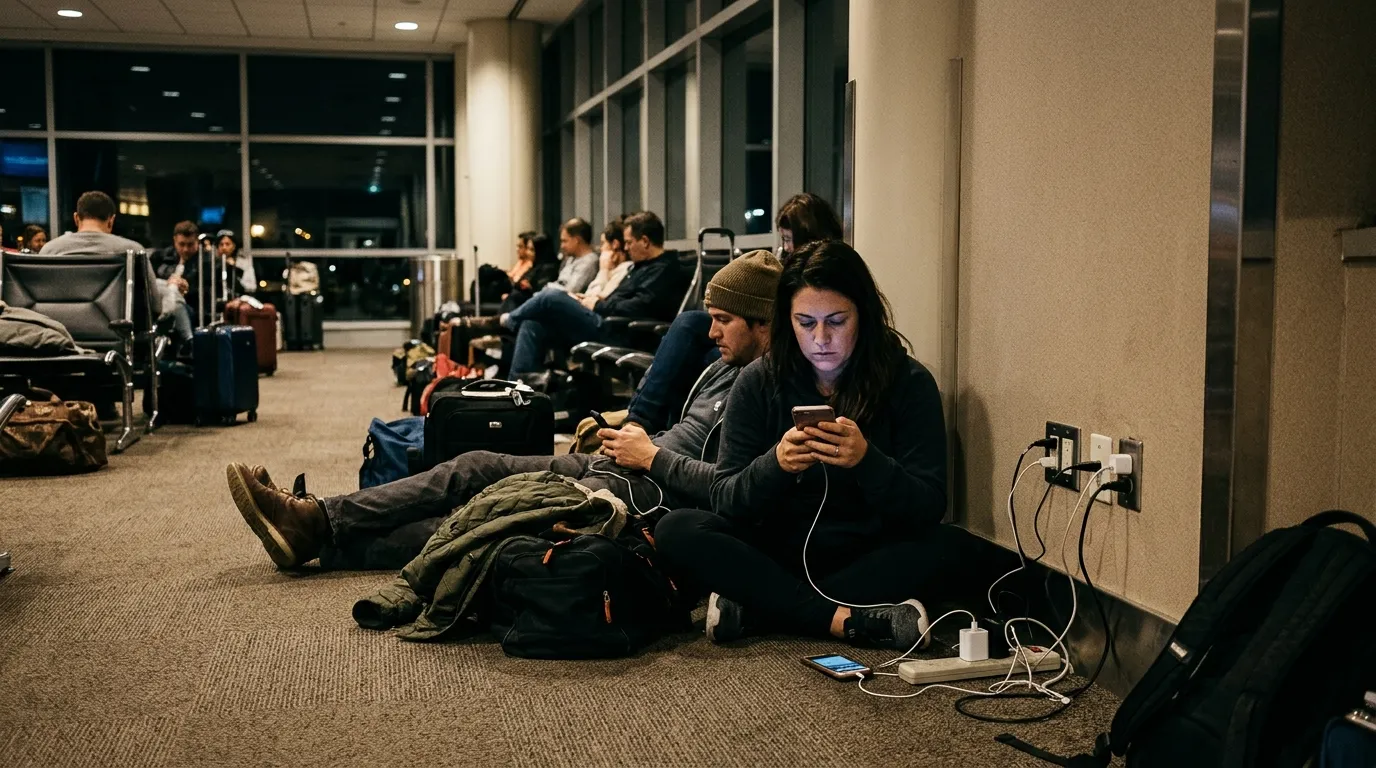
A delayed night is when everyone’s battery runs low at once. Outlets near seating can be scarce, and the best ones go to whoever claimed them first.
Your phone is also your lifeline for rebooking and updates. Charge it before you need it, not after.
#7 – Terminals Can Get Cold Fast
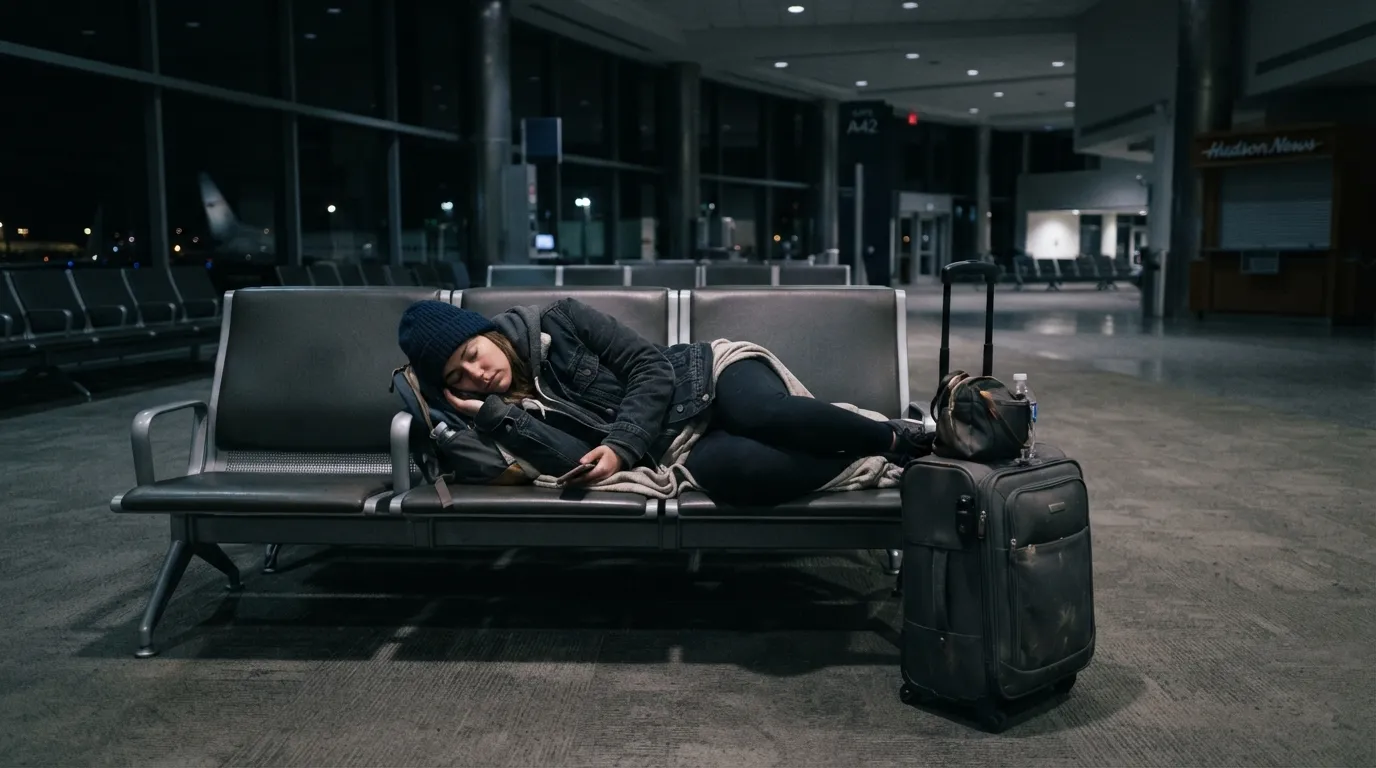
Big, open buildings often cool down overnight, especially with fewer people moving through. A light layer that felt unnecessary at boarding can feel essential by 2 a.m.
Many travelers pack a sweater in checked luggage and then can’t reach it. Keep one in your carry-on.
#6 – Lounge Hours Don’t Always Match Your Delay
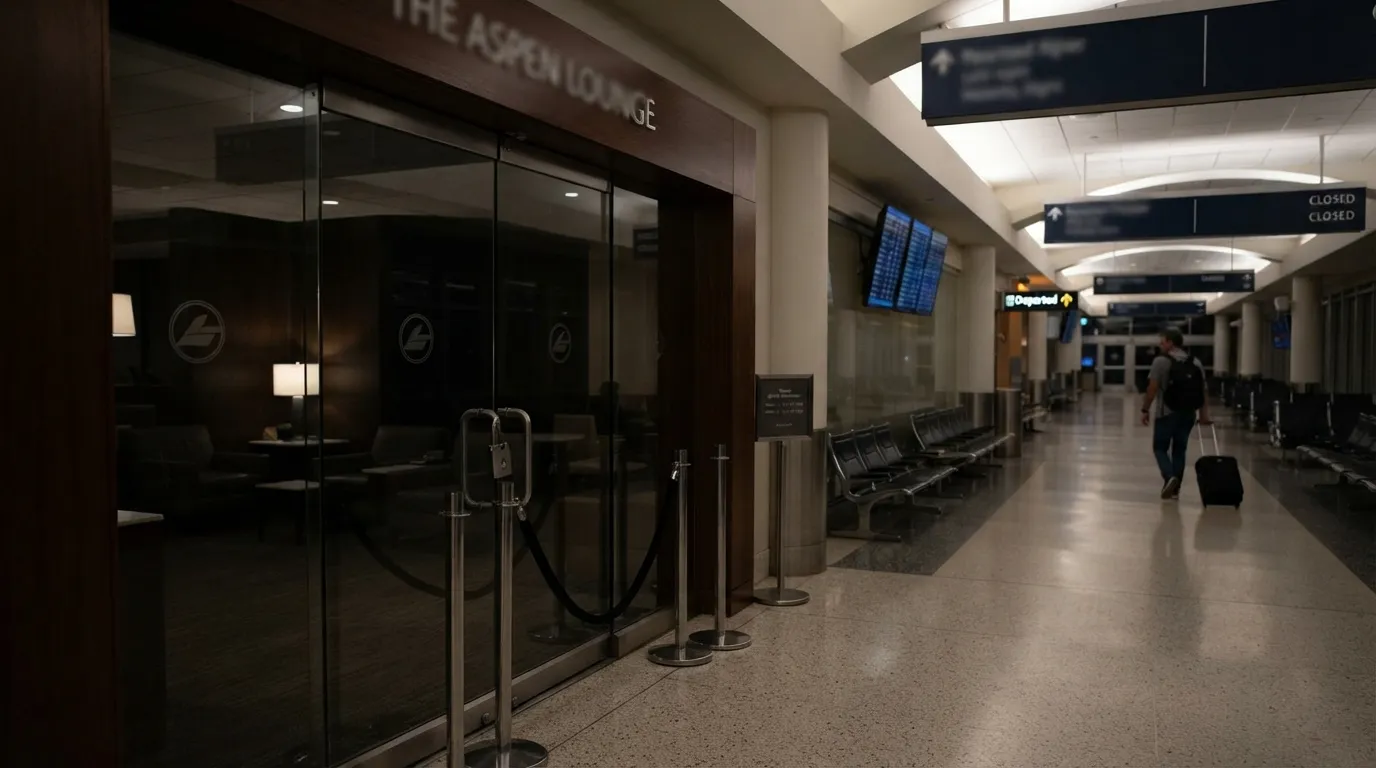
Lounges have their own opening and closing times, and some shut after the last scheduled departure. Entry rules can also depend on your ticket, your membership, or a paid day pass.
A lounge can be the best place to wait, or a locked door. Check its posted hours before you walk across the terminal.
#5 – Your Gate Can Change, and the Area Can Lock Up
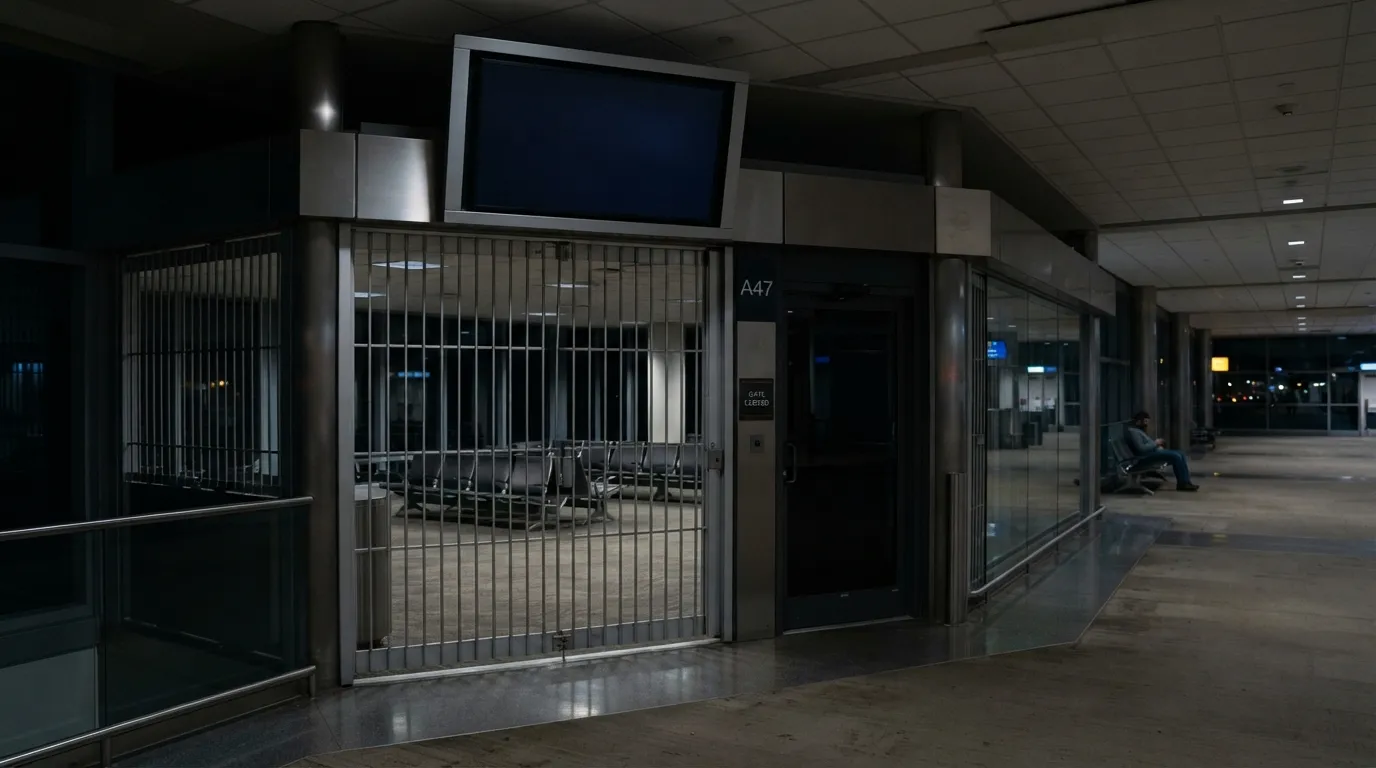
Delays often come with a new departure time, and sometimes a new gate. Gate areas may be closed or unstaffed until the crew and agents arrive.
Keep an eye on the departure screens and your airline’s app. The board is more reliable than a rumor passed along by the person on the next bench.
#4 – Hotel Vouchers and Self-Booked Rooms Are Very Different Deals
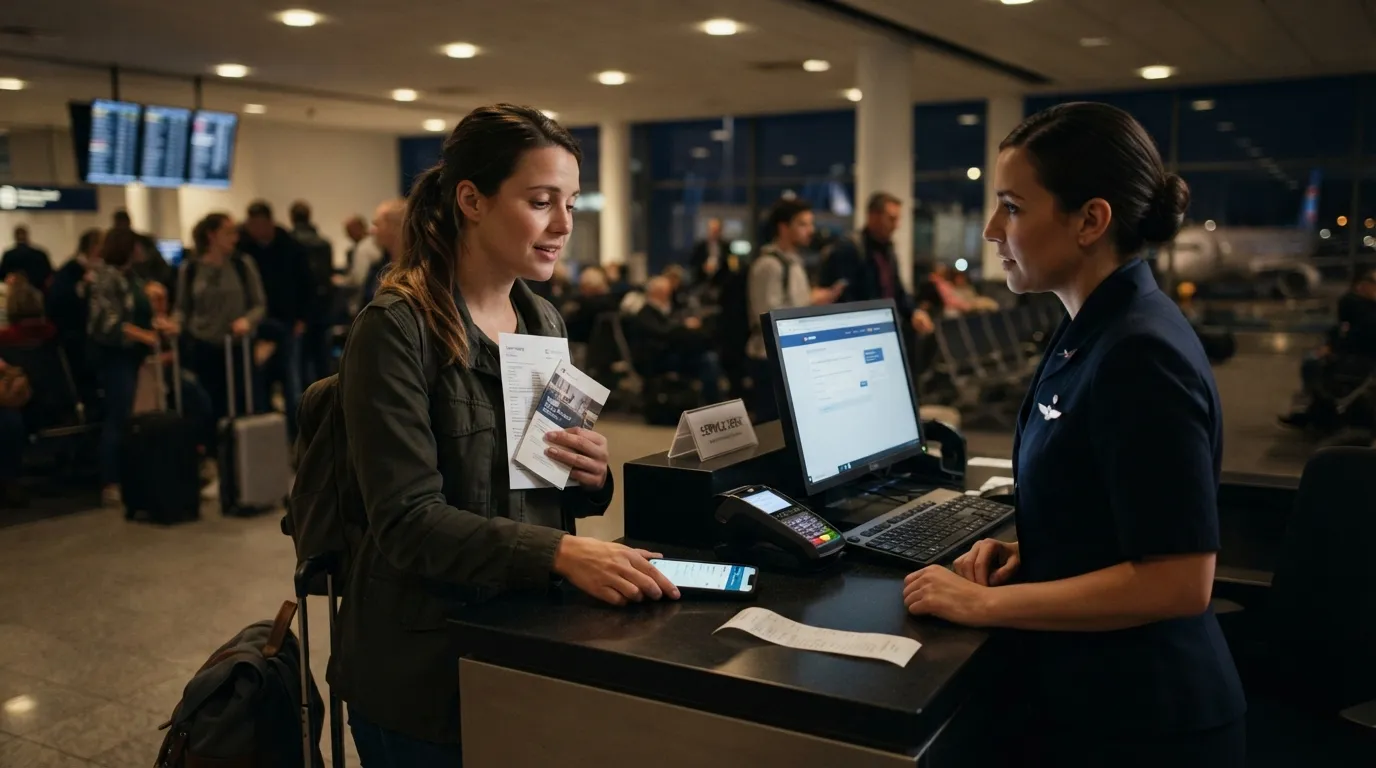
If the airline offers a hotel, it usually arranges the room and the transport. If you book your own, getting reimbursed depends on the airline’s policy and your situation.
Keep every receipt and ask before you pay. A hotel booked in a panic can turn into an expense nobody covers.
At a Glance
- Airline voucher: the carrier typically handles the booking and often the transport.
- Self-booked room: you pay first, and any refund depends on policy and cause.
- Paper trail: receipts and screenshots of the delay notice make any claim easier.
#3 – Airport Hotels Fill Quickly When Flights Stall
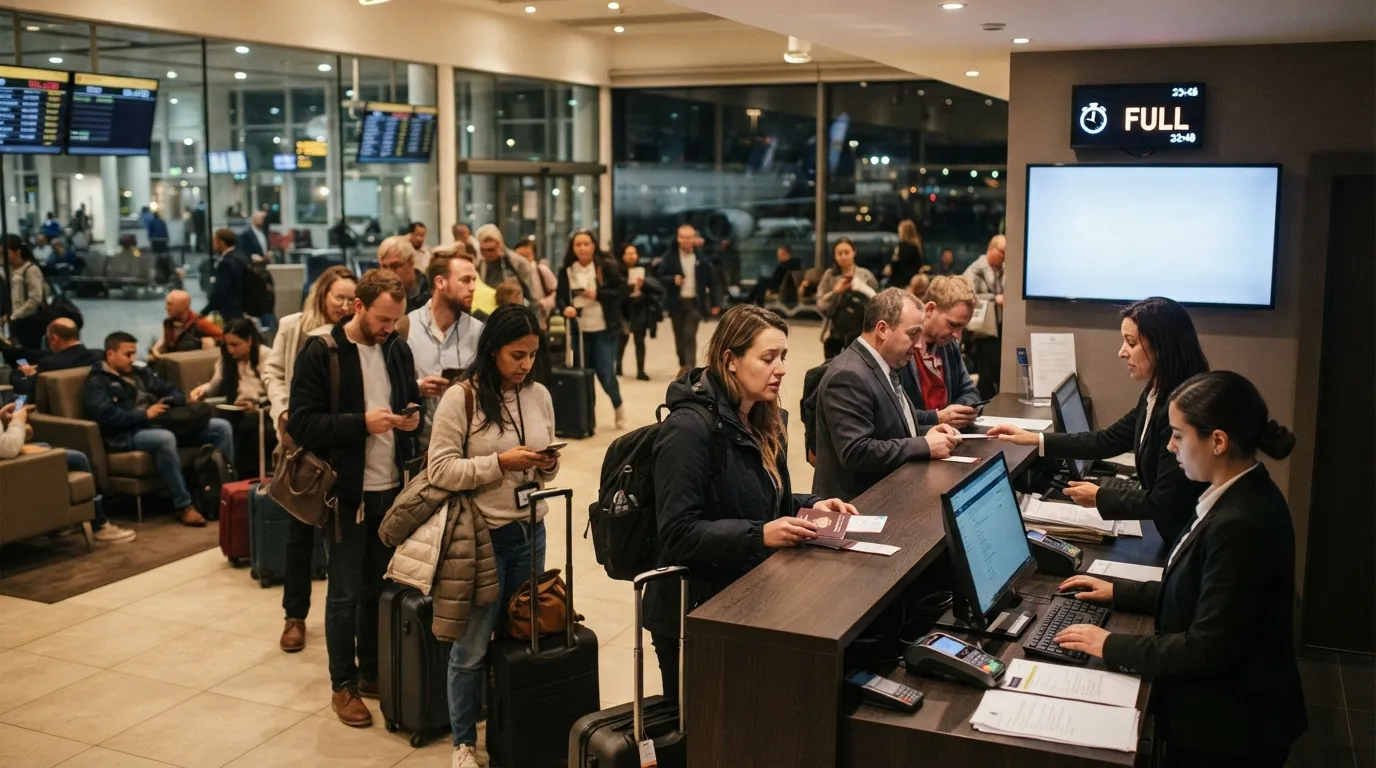
Rooms inside or near the airport can disappear fast once a delay spreads across several flights. Some airports have transit hotels, which may rent by the hour.
If you are leaving the secure area to reach one, remember the re-screening rules. A room down the road can cost you the line at security later.
#2 – International Connections Add Border Rules
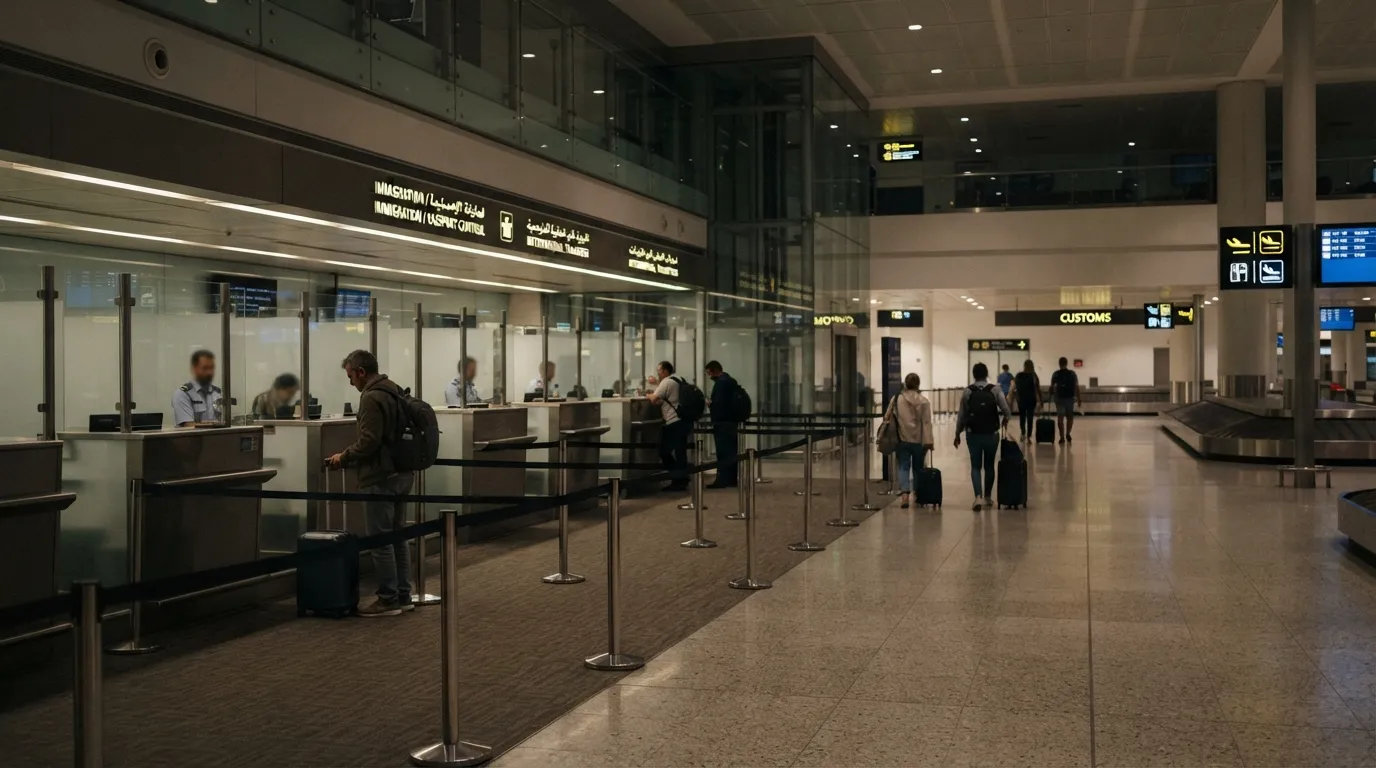
Staying airside on an international connection may be simple, or it may not be. Some itineraries require clearing immigration or customs if you leave the transit area, and visa rules can apply.
Check the entry requirements for your layover country in advance. A delay can turn a simple stopover into paperwork.
#1 – A Delay Changes the Clock, Not Just the Wait
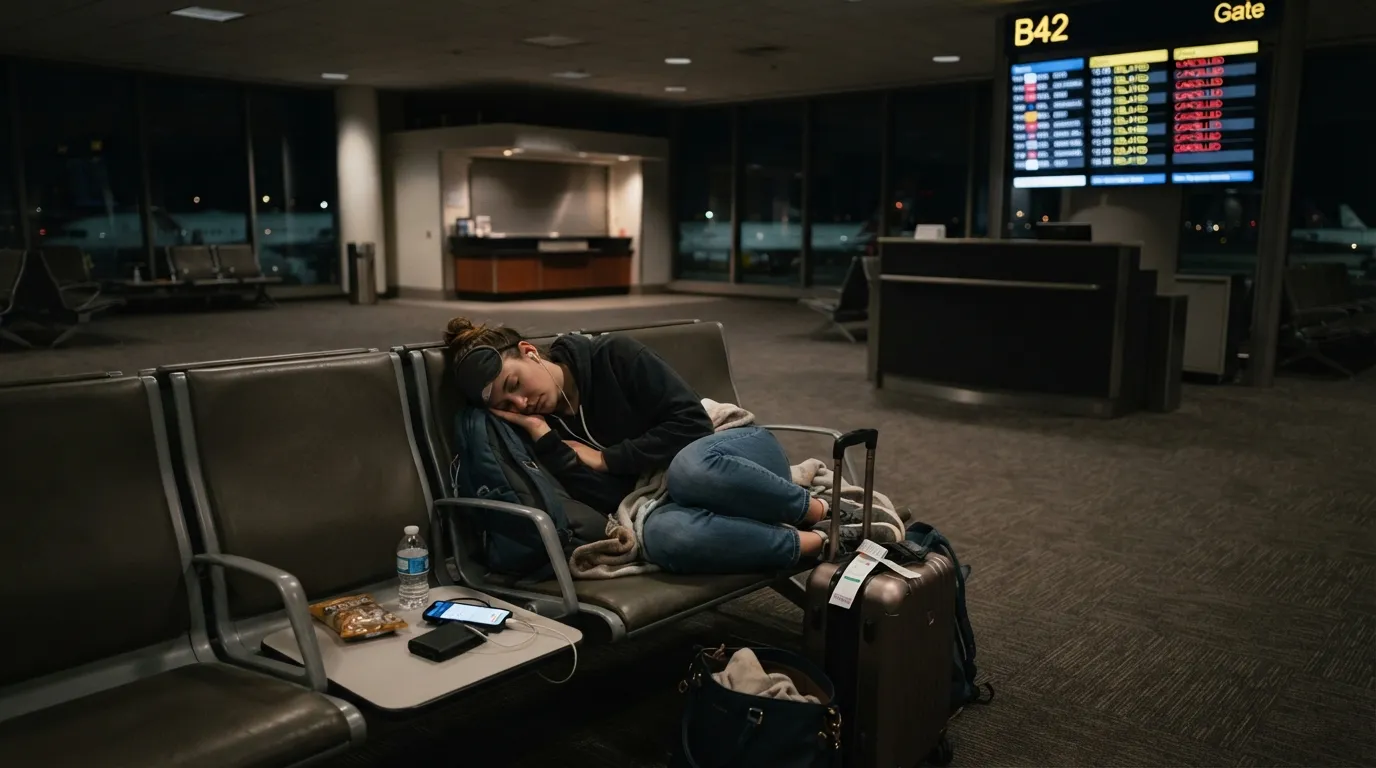
A late departure can ripple outward. Airline crews work under duty-time limits, so a long enough delay can turn into a cancellation and a full rebooking.
That is the part nobody mentions at the gate. The delay itself is rarely the problem. The rules waiting around it decide whether your night is merely long or truly disrupted.
Worth Knowing
- Check your airline’s app first, since it often updates before the board does.
- Stay on the secure side unless you have a clear reason to leave.
- Ask about rebooking before the morning crowd forms.
- Keep a charger, a layer, and a snack within reach.
CEO-Co-Founder