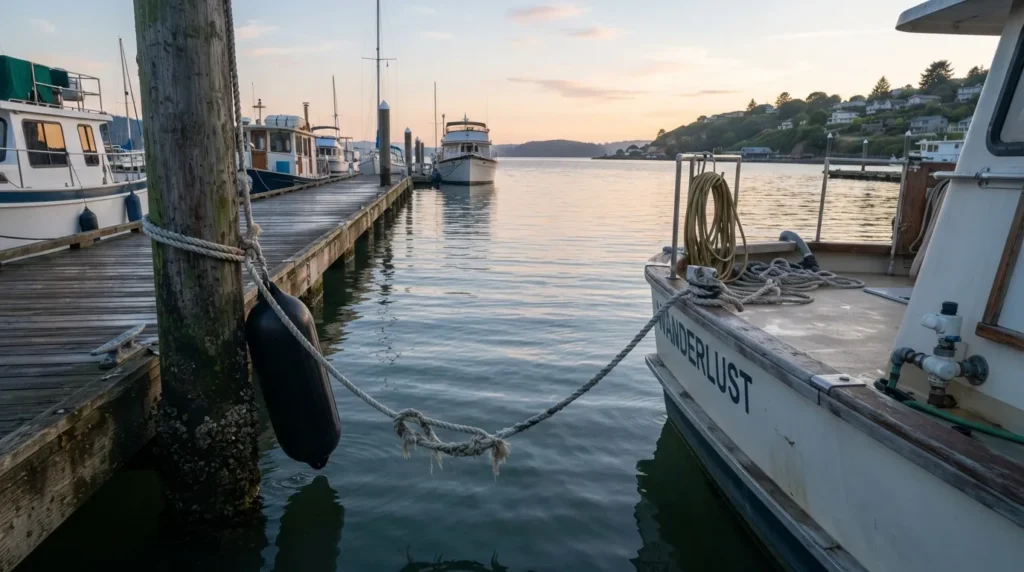

- 18 Things Nobody Tells You About Houseboat Rentals Until the First Morning Aboard - October 29, 2026
- 17 Things Nobody Tells You About Small Ship Cruises Until the First Tender Port - October 29, 2026
- 17 Airline Seat Charges That Come Off the Fare When a Traveler Over 65 Asks - October 29, 2026
You sat through the handover briefing, nodded in all the right places, and still woke up on the first morning with questions nobody answered. Transport Canada and the UK Hire Boat Code both expect operators to demonstrate key systems, but the quirks that matter most often don’t show up until after the first night.
Seacocks, bilges, and fuel gauges tend to get the quick version when a handover is rushed. Some of the 18 below are small, but a few can wreck a trip if you learn them too late.
#18 – Fuel Gauge Readings Rarely Match Reality at Dawn
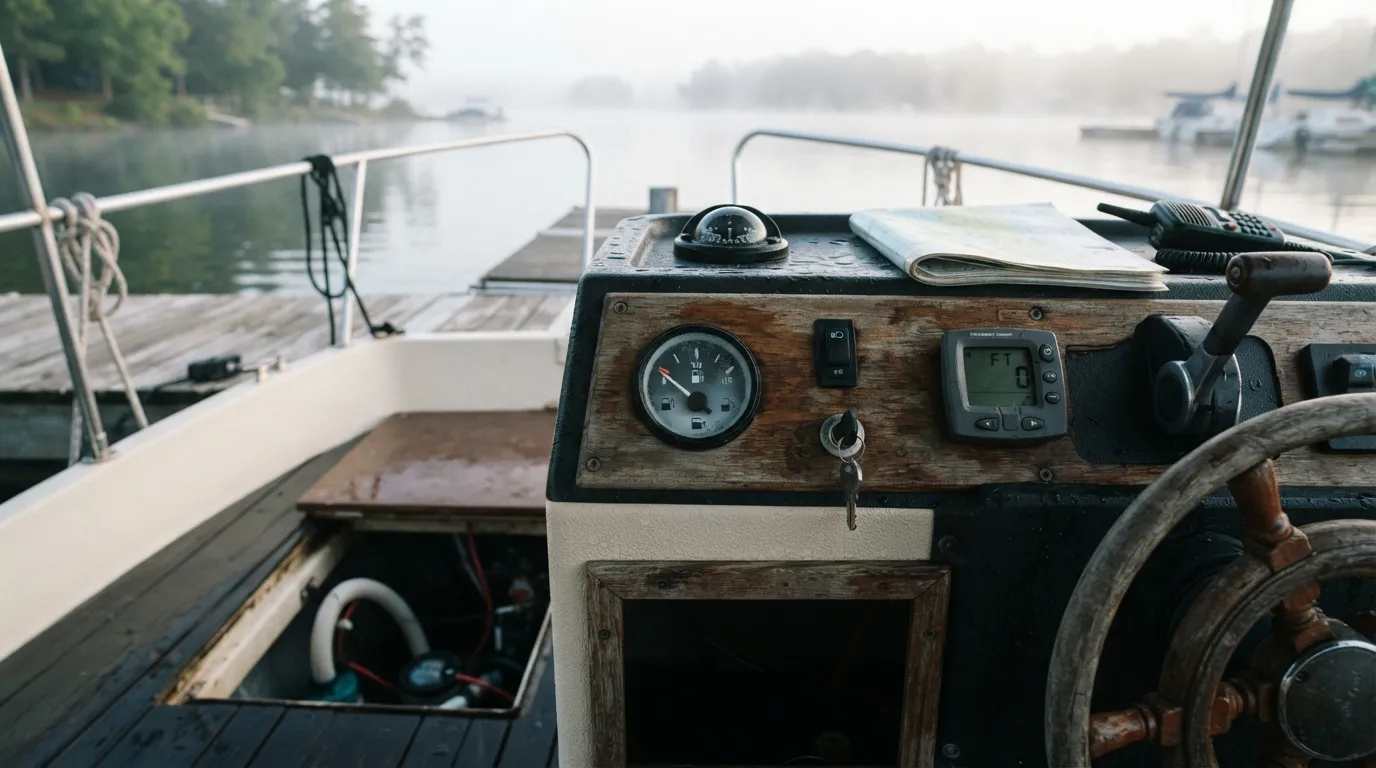
Operators ask you to note the exact fuel level at handover. By morning, the needle may tell a different story, because gauges can be imprecise and consumption estimates assume ideal conditions.
Check the gauge again after the engine has run for ten minutes on day two. Confirm the recommended fuel type for the area, and find the nearest marine fuel station on the chart provided.
The next one lives below the floorboards, and it makes noise when something is wrong.
#17 – Bilge Pump Activation Signals Hidden Issues
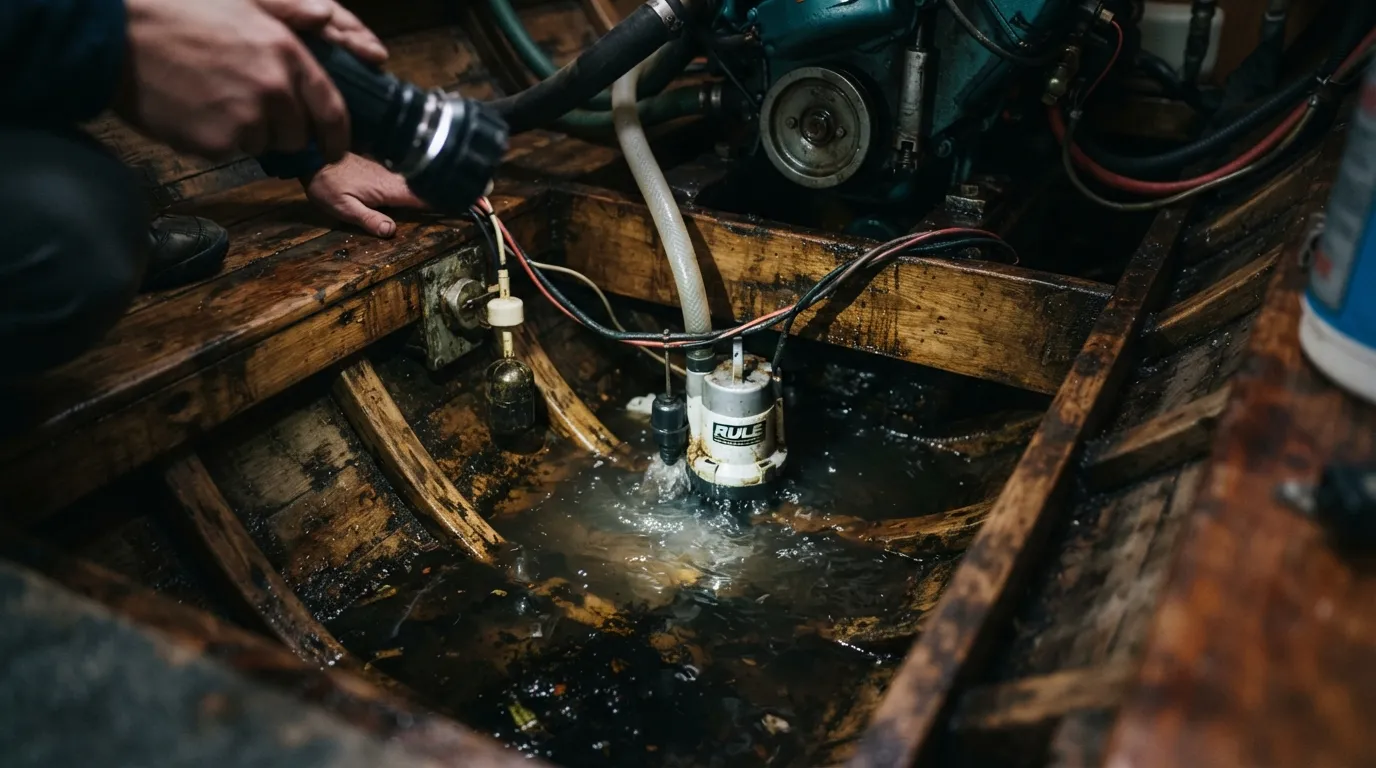
Standard pre-departure checks expect the bilge pump to run only briefly after startup. Frequent cycling often points to a minor leak or condensation, and operators expect you to keep an ear out overnight.
Test the pump manually during the walkthrough so you know what normal sounds like. Then look into the bilge for fuel or water buildup, because a quiet bilge isn’t proof of a dry one.
The next item is a set of holes in the hull that you want to know by heart.
#16 – Seacock Valves Demand Daily Verification
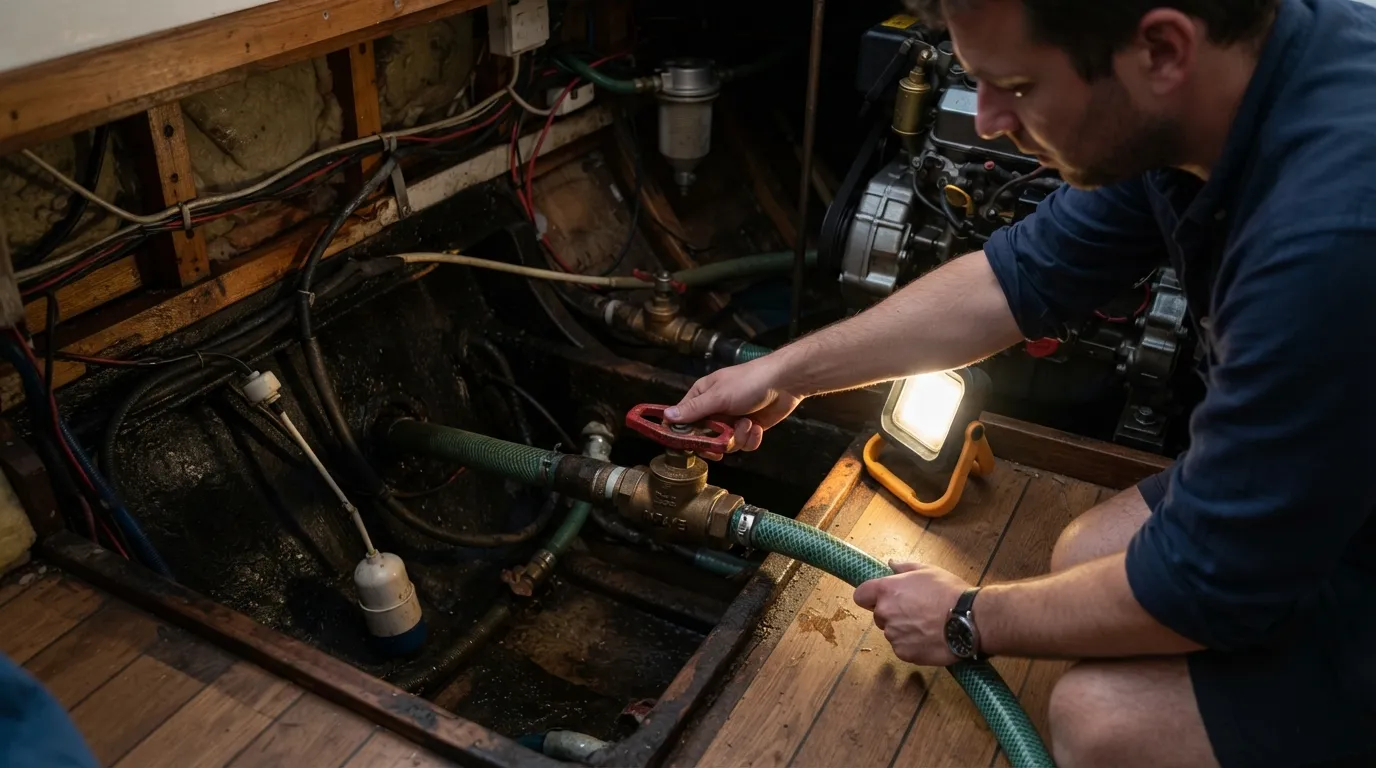
Port of London Authority guidance says underwater hull openings must be located and tested regularly. Even a short rental means you need to know where every one is before a problem shows up.
Walk through each valve with the operator and sketch their positions on a simple diagram left aboard. That small step saves you from hunting around in a panic after the boat sits overnight.
Next comes a danger you can’t see or smell.
#15 – Carbon Monoxide Detectors Need Specific Placement
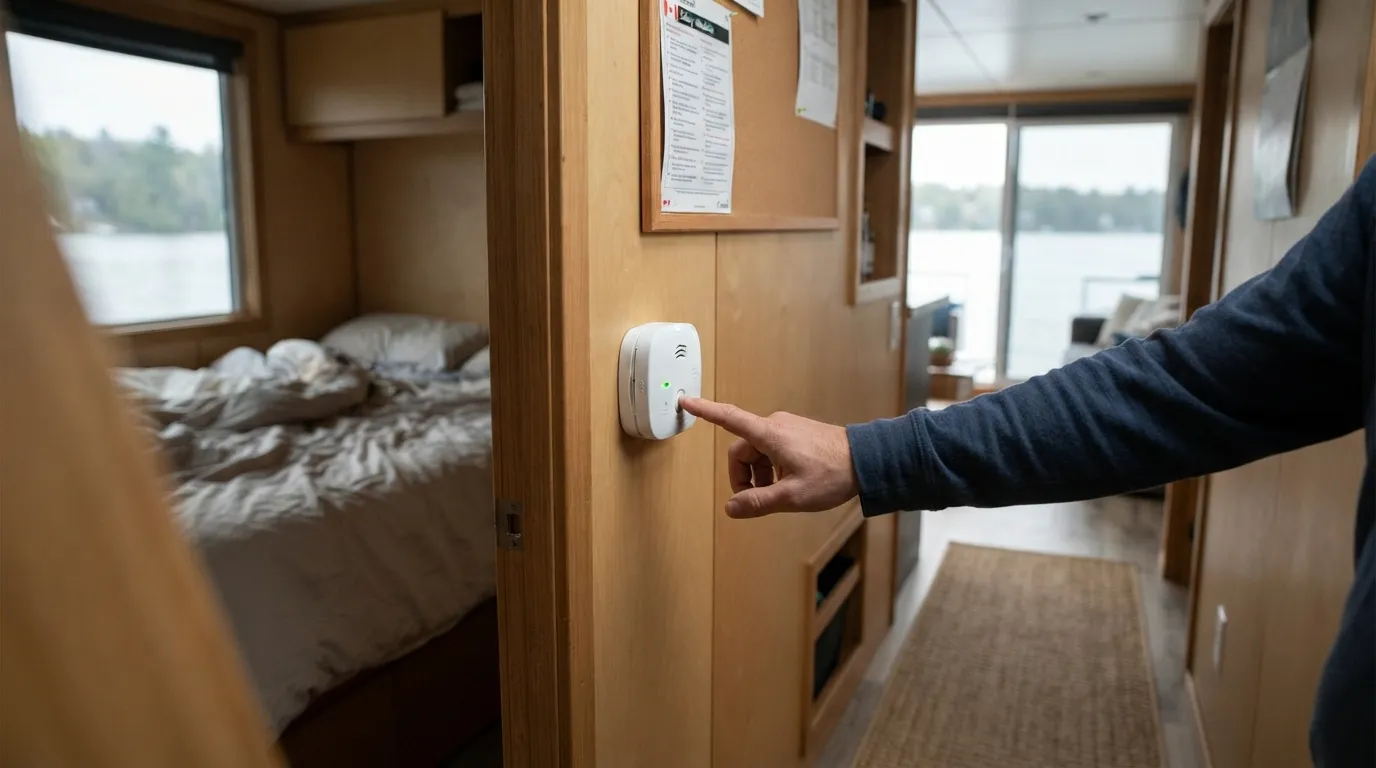
Engines and generators produce carbon monoxide, and Transport Canada checklists call for awareness of the danger zones on a houseboat. Check detector batteries the morning after any overnight run.
Confirm where the alarms sit, keep them near sleeping areas, and test them before the first night. Many operators now ask for signed acknowledgment of CO risks, but ventilation is still easy to overlook.
At a Glance
- Locate every CO alarm during the handover walkthrough.
- Make sure at least one sits near the sleeping areas.
- Press the test button before the first night aboard.
- Recheck batteries after any overnight engine or generator run.
Next up is the safety item people assume is already handled.
#14 – Lifejacket Sizing Affects Everyone Aboard
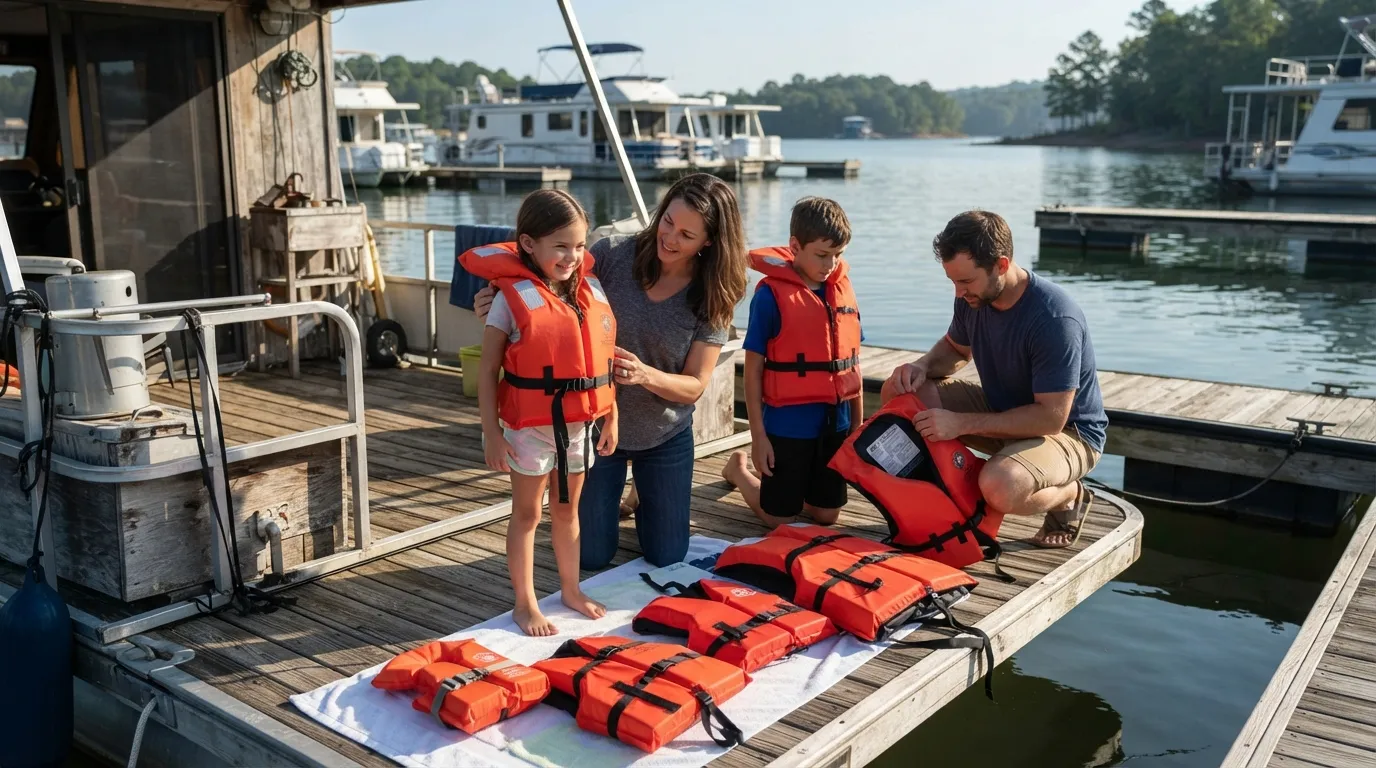
Your handover should confirm enough properly sized lifejackets for the boat’s maximum capacity. Child sizes and wearable styles are the pieces most likely to be forgotten until the first morning drill.
Count every jacket and try each one on during the briefing. Store them where anyone can grab one fast, because incomplete sizing is a common compliance gap on rentals.
Then the water itself starts working against your ropes.
#13 – Mooring Lines Require Tidal Adjustments
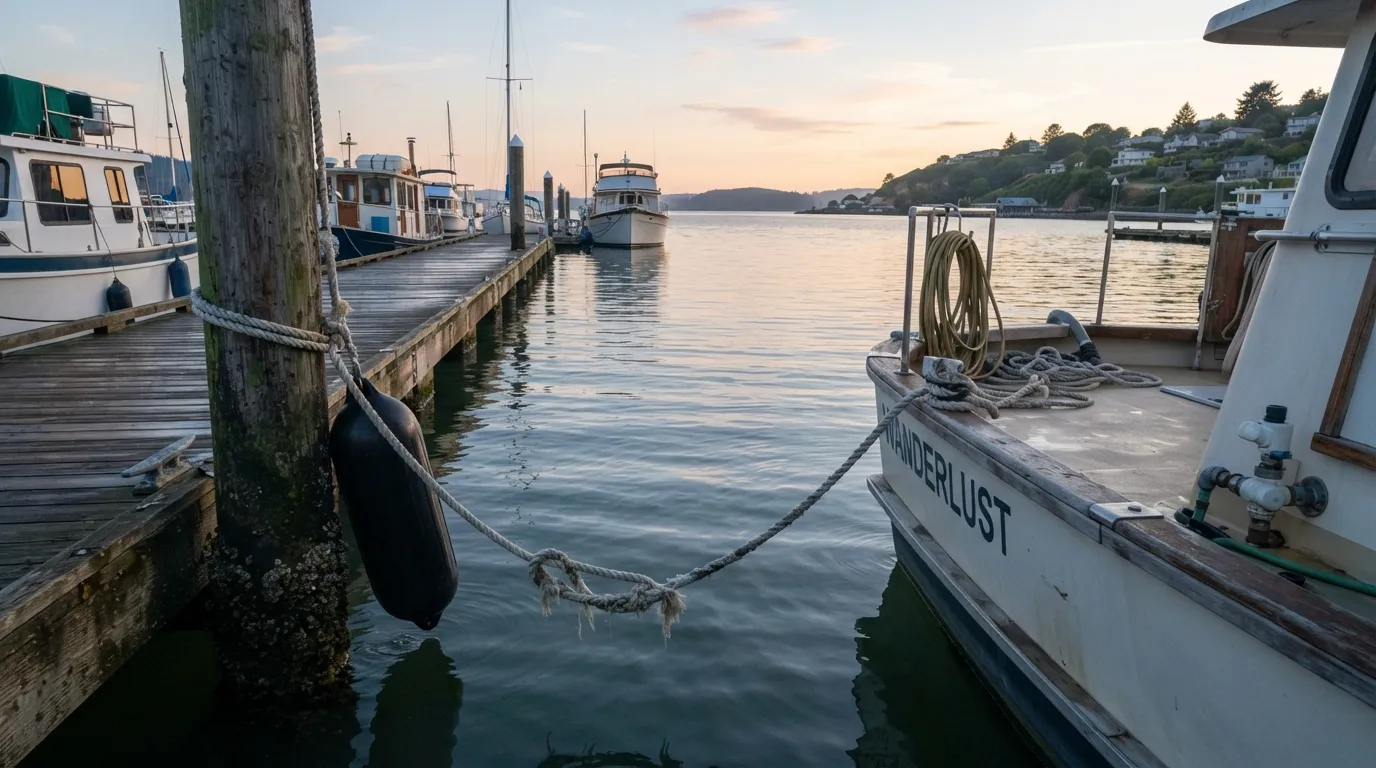
In strong tidal waters, guidance stresses sturdy fenders and regular line checks. Lines that were snug at bedtime can go slack or bar-tight by morning.
Read the mooring guide provided and practice the recommended knots before you need them. Operators often trace dock damage back to lines nobody adjusted.
The next one only becomes obvious after dark.
#12 – Navigation Lights Have Specific Activation Rules
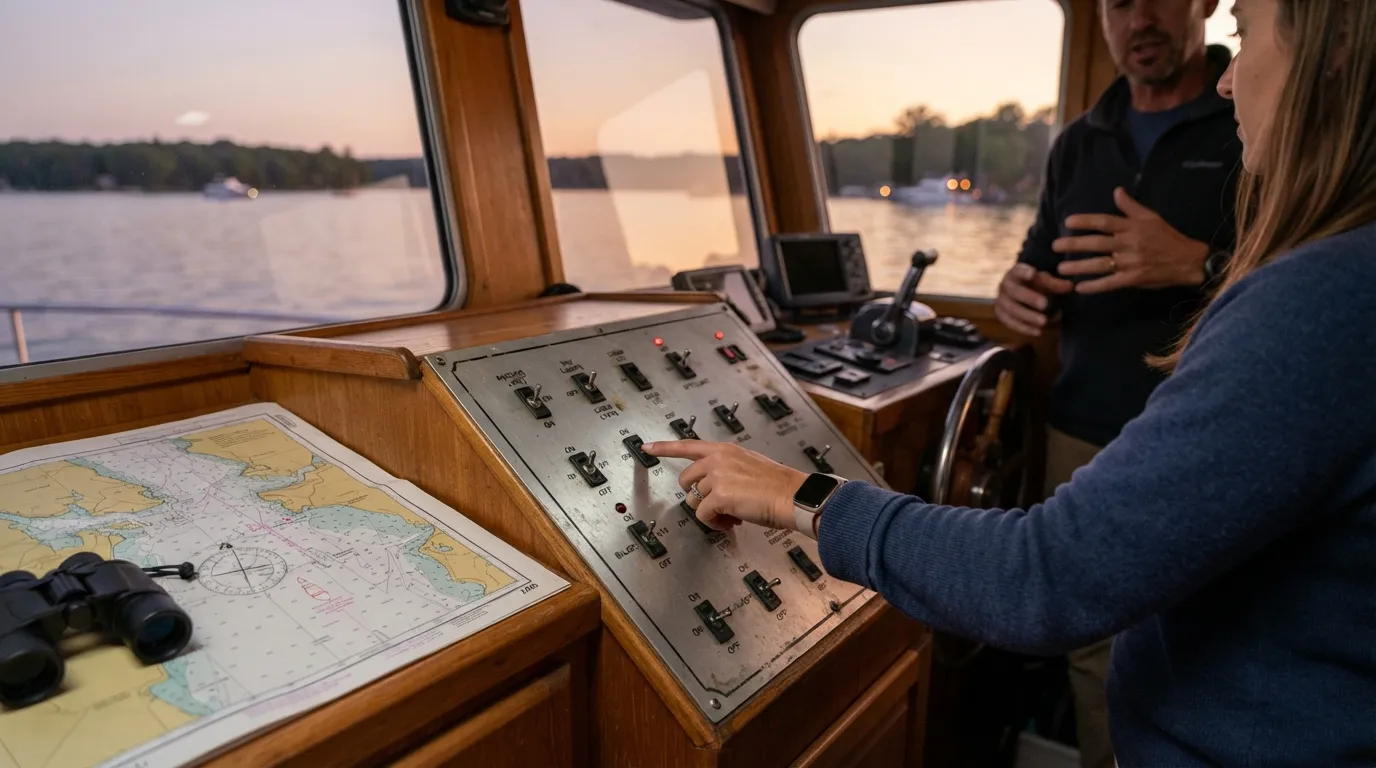
Rental safety briefings require working lights for night and low-visibility conditions. Many vessels use separate switches for different sets of lights, and the panel only makes sense once the sun is down.
Switch on every light at handover and photograph the panel layout. Review local hazards like buoys and signs on the area chart while you’re at it.
Now for the part of houseboat life nobody wants to talk about.
#11 – Waste Systems Include Pump-Out Protocols
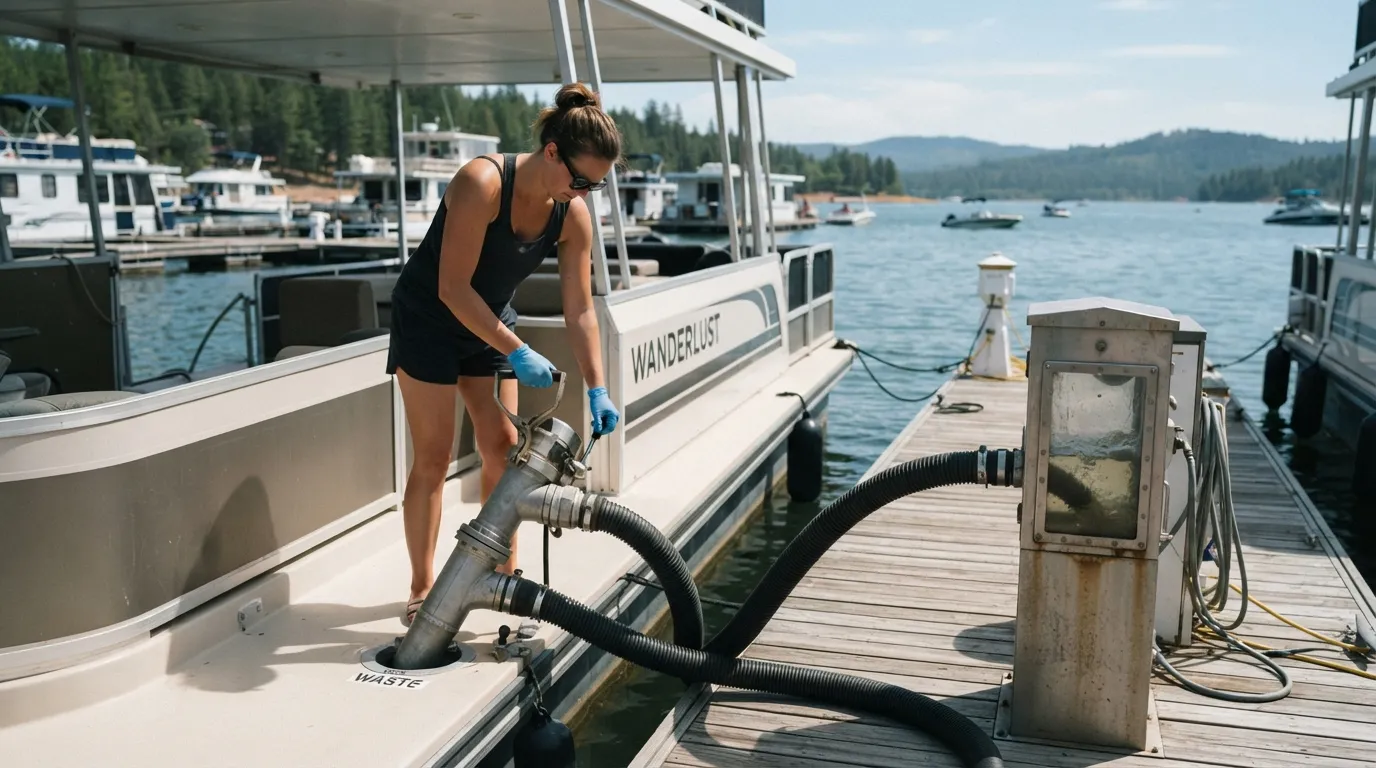
Toilets and holding tanks come with specific rules for use and emptying. Skipping the pump-out routine can mean extra charges or restrictions when you return the boat.
Find the tank gauge and have staff walk you through the process. You’ll feel the importance of this one by the end of the first full day.
Worth Knowing
- Ask staff to demonstrate the pump-out process, not just describe it.
- Locate the tank gauge before you cast off.
- Learn where the nearest pump-out station is on your route.
- Skipping the routine can bring extra charges at return.
Next, a drop of the anchor can decide where you wake up.
#10 – Anchor Deployment Follows Bow-Only Rule
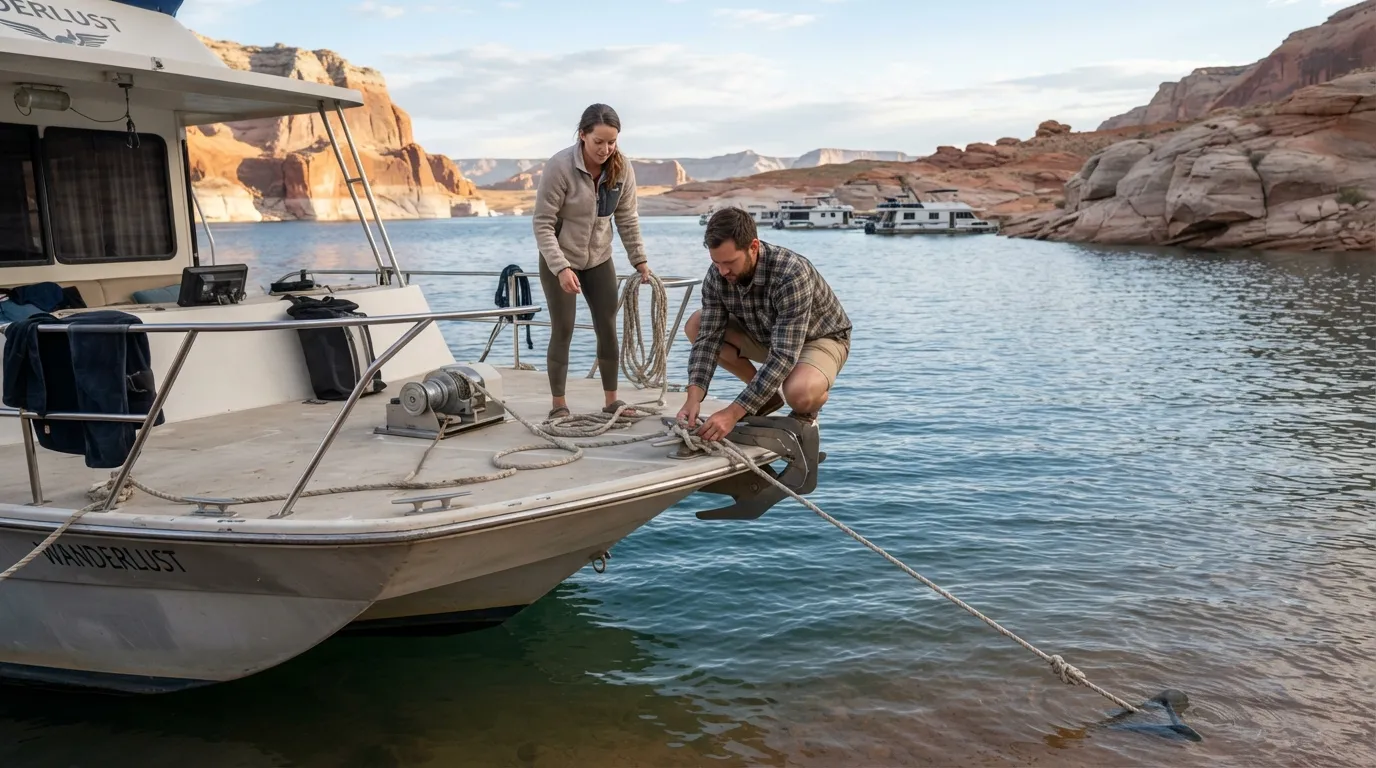
Houseboat checklists generally call for anchoring from the bow to keep the vessel stable. Poor technique can let the boat swing toward hazards overnight.
Practice the steps during the briefing and confirm how much anchor line you have. Factor in the local weather and current before you commit to a spot.
The next problem can leave you stuck on day two.
#9 – Battery Levels Drop Faster Than Expected
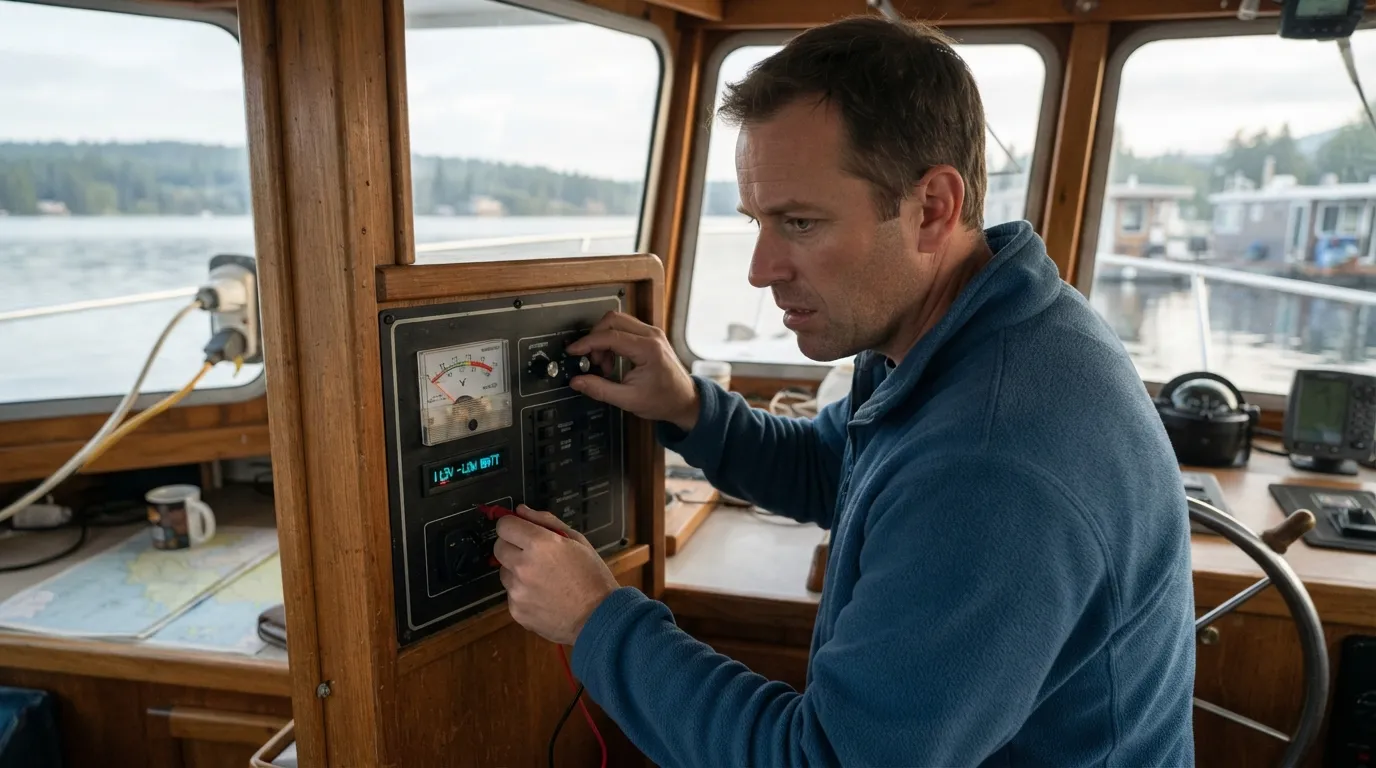
Batteries and electrical systems need monitoring after the first night. Shore power connections and generator runs both affect how reliably the engine starts in the morning.
Ask staff to show you how to check voltage and note anything that keeps drawing power. That way a dead start on day two doesn’t catch you off guard.
The next item is about where things are, which changes from boat to boat.
#8 – Fire Equipment Locations Vary by Vessel
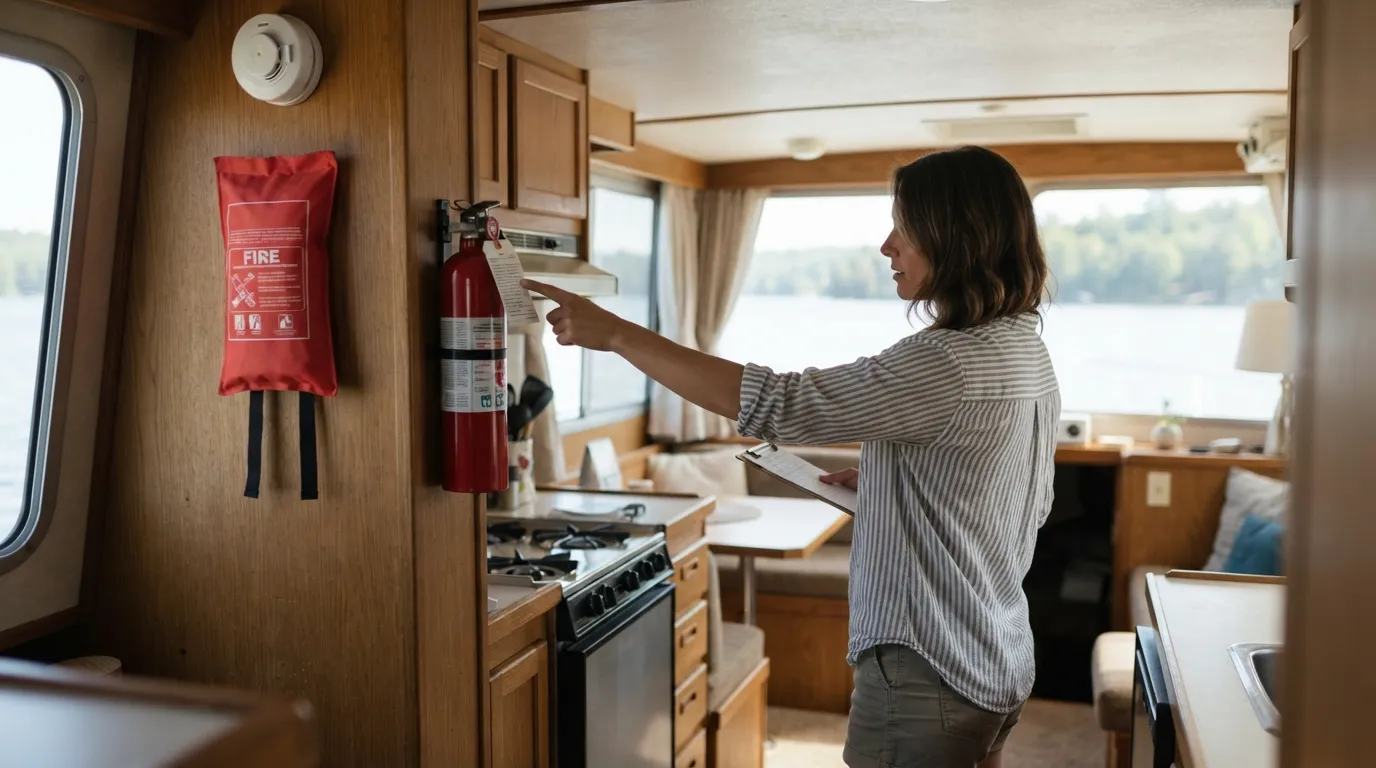
Extinguishers, fire blankets, and detectors need to be accessible and in date. Their placement differs enough between boats that a morning review pays off.
Walk to each one during handover and confirm the service dates. Don’t assume the standard spot from the last boat you rented.
Quick Compare
- Extinguishers: confirm they’re reachable and the service date is current.
- Fire blankets: find where they’re stored and make sure they’re easy to grab.
- Detectors: test them and note which areas they cover.
Next, the water ahead has rules of its own.
#7 – Speed Limits Change by Channel Section
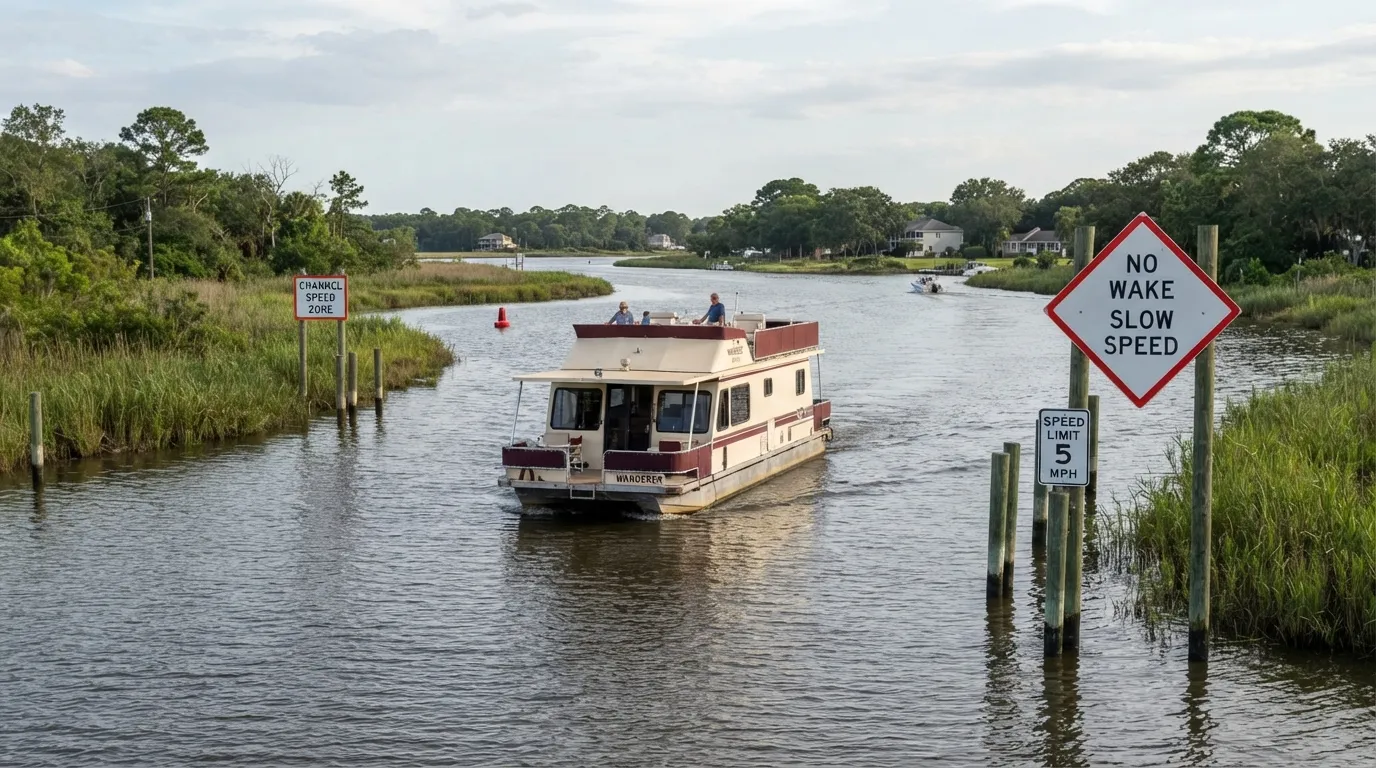
Waterway rules include variable speed and wash limits, and enforcement varies by authority. Commercial traffic zones often have stricter controls that only show up on detailed charts.
Read the briefing material for notified restrictions before you cast off. It keeps you compliant and away from fines.
The next one is just a list, until the moment you need it.
#6 – Emergency Contact Lists Must Stay Aboard
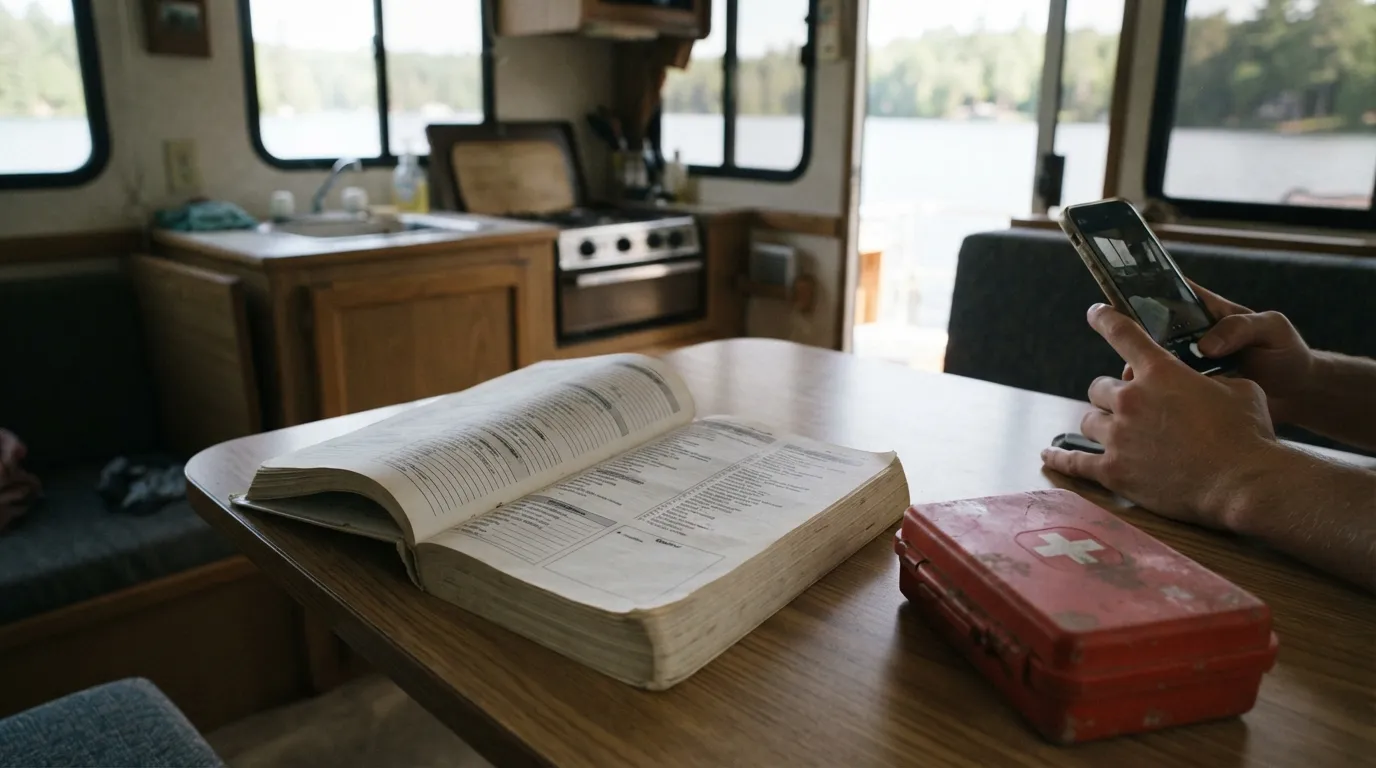
The boat manual should hold contacts for the owner, the coast guard, and local services. Some of these numbers are updated seasonally, so confirm them at pickup.
Photograph the list so you have a backup. The same document also notes where to get weather updates.
Next is the small box that gets opened at the worst moments.
#5 – First Aid Kit Contents Require Quick Inventory
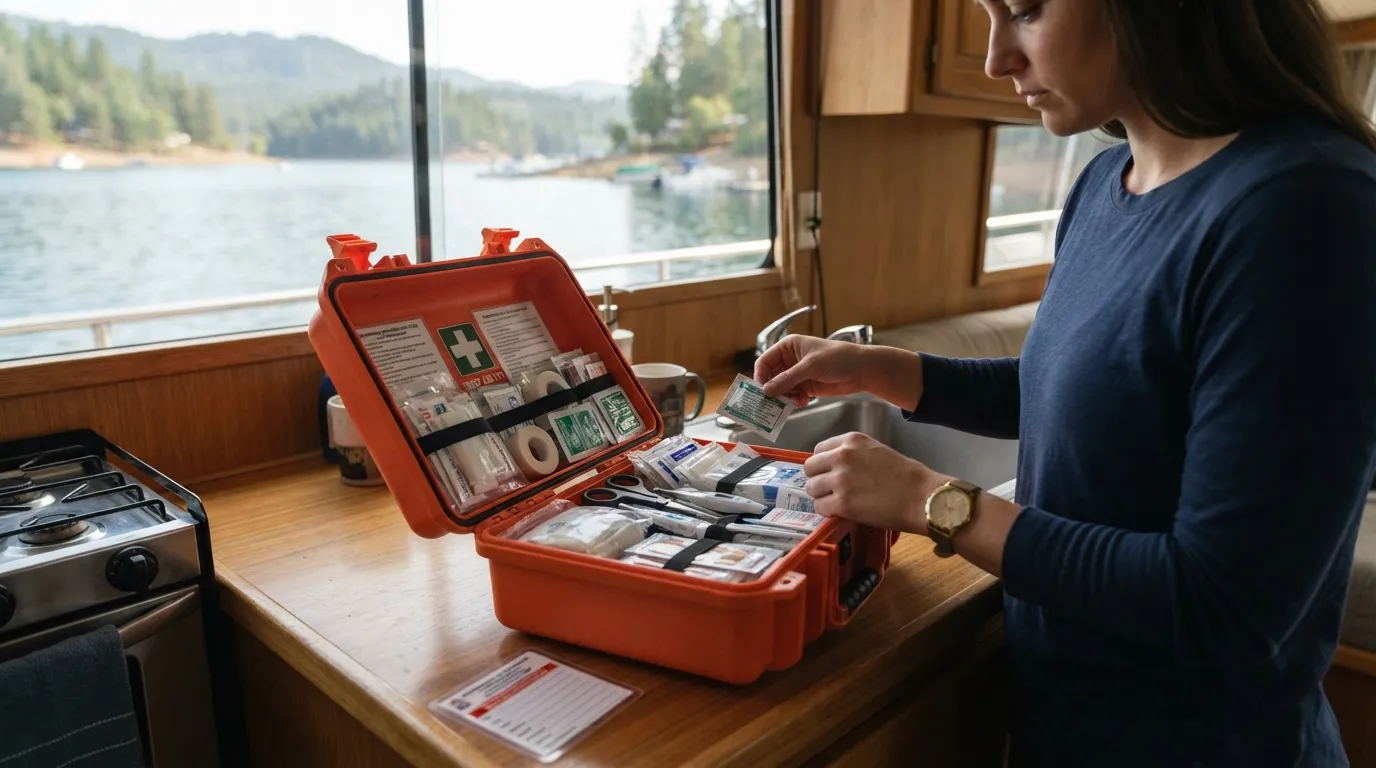
First aid kits should be stocked and clearly marked. Missing items usually reveal themselves the morning after a minor incident, when you actually need them.
Open the kit and read through it during the safety briefing. This matches NPS rental standards for stocked kits.
Then comes a limit you can break without noticing.
#4 – Load Limits Affect Stability Overnight
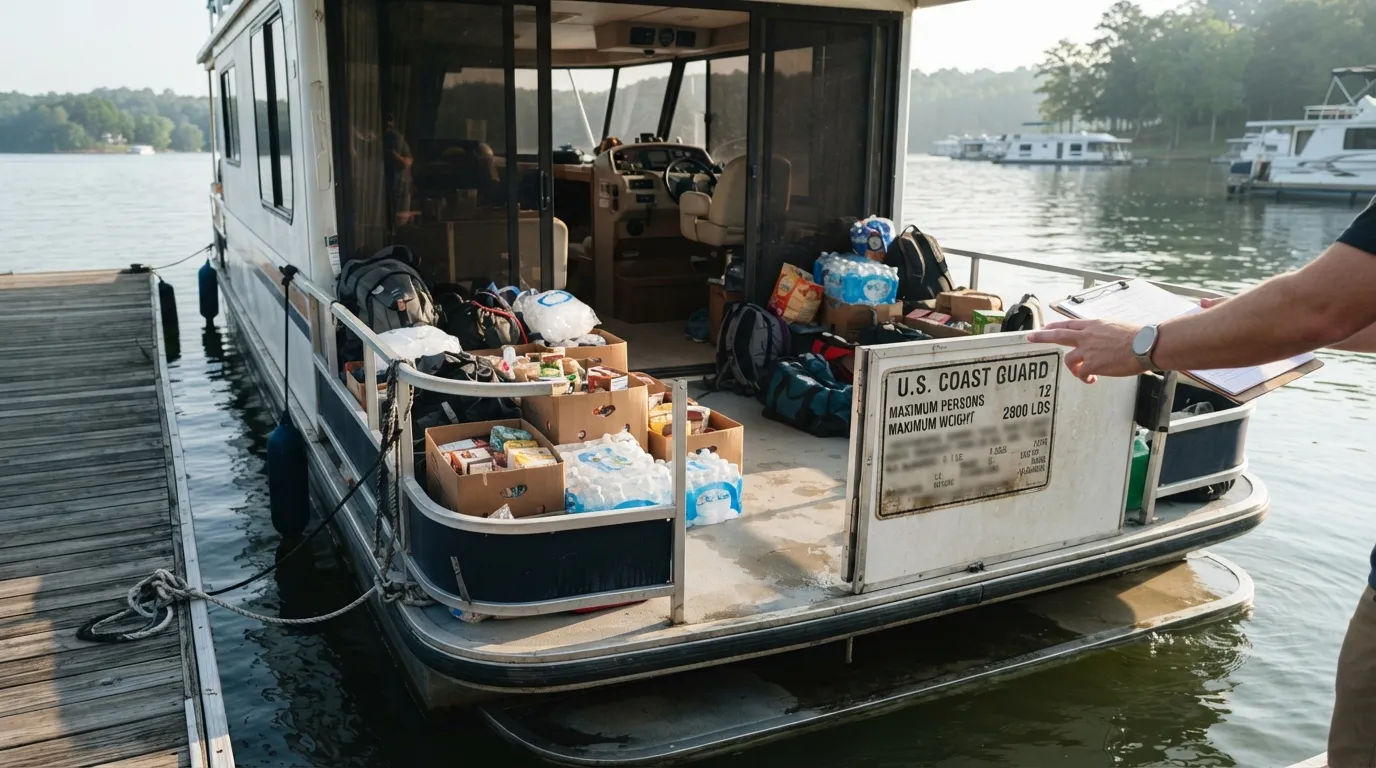
Maximum persons and weight restrictions keep the boat stable. Groceries, gear, and extra bags added the next day can push you past the limit if you didn’t plan for them.
Confirm the capacity plate and plan your provisioning around it. Local rules on access limits back up this check.
The next one is paperwork, and it matters more than it sounds.
#3 – Documentation Includes Rental Agreement Copy
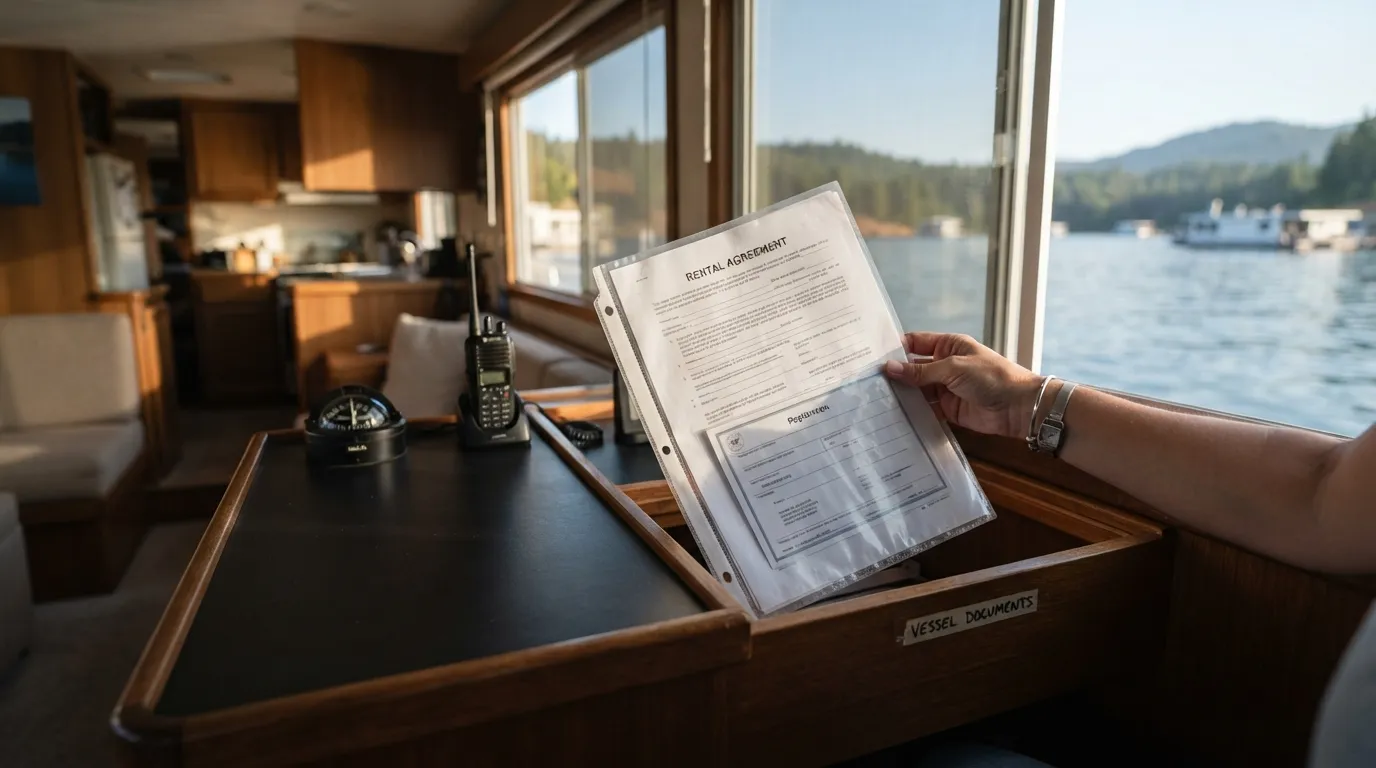
Registration and insurance copies stay with the vessel. If authorities ask to see them, they need to be dry and easy to reach from day one.
Store them in the spot staff designate. That prevents scrambling during a routine check.
Now the water itself, and what morning light can reveal.
#2 – Shallow Water and Submerged Objects Demand Constant Watch
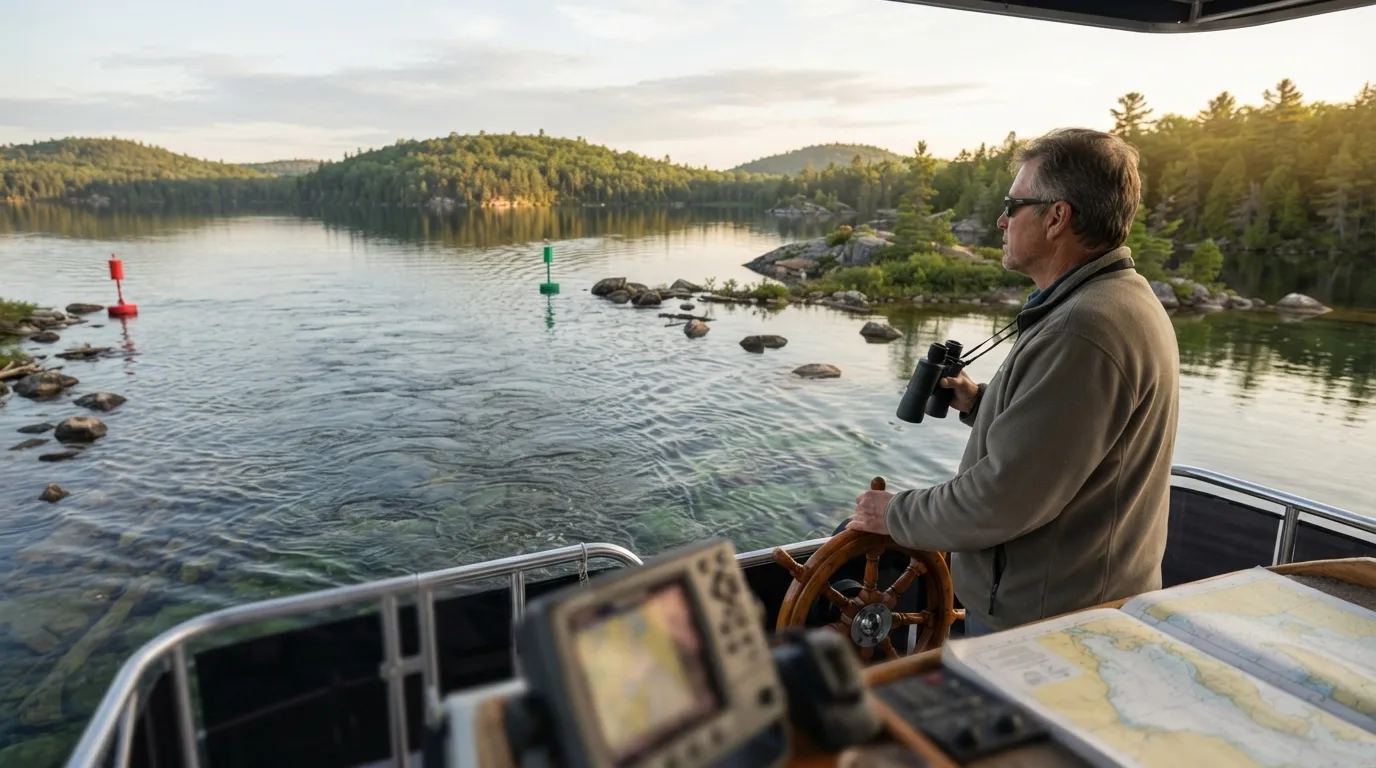
Area hazards include currents, tides, and objects noted in the briefing. Morning light can reveal debris that shifted overnight.
Check the chart for known shallows before your first cruise. This habit comes straight from Transport Canada rental checklists.
Fast Facts
- The briefing should flag known currents, tides, and objects.
- Debris can shift overnight, so look again at first light.
- Mark known shallows on the chart before you leave the dock.
- Recheck your route whenever the weather or tide changes.
The last item is the one you’ll be glad you practiced.
#1 – Muster Points and Emergency Procedures Need Rehearsal
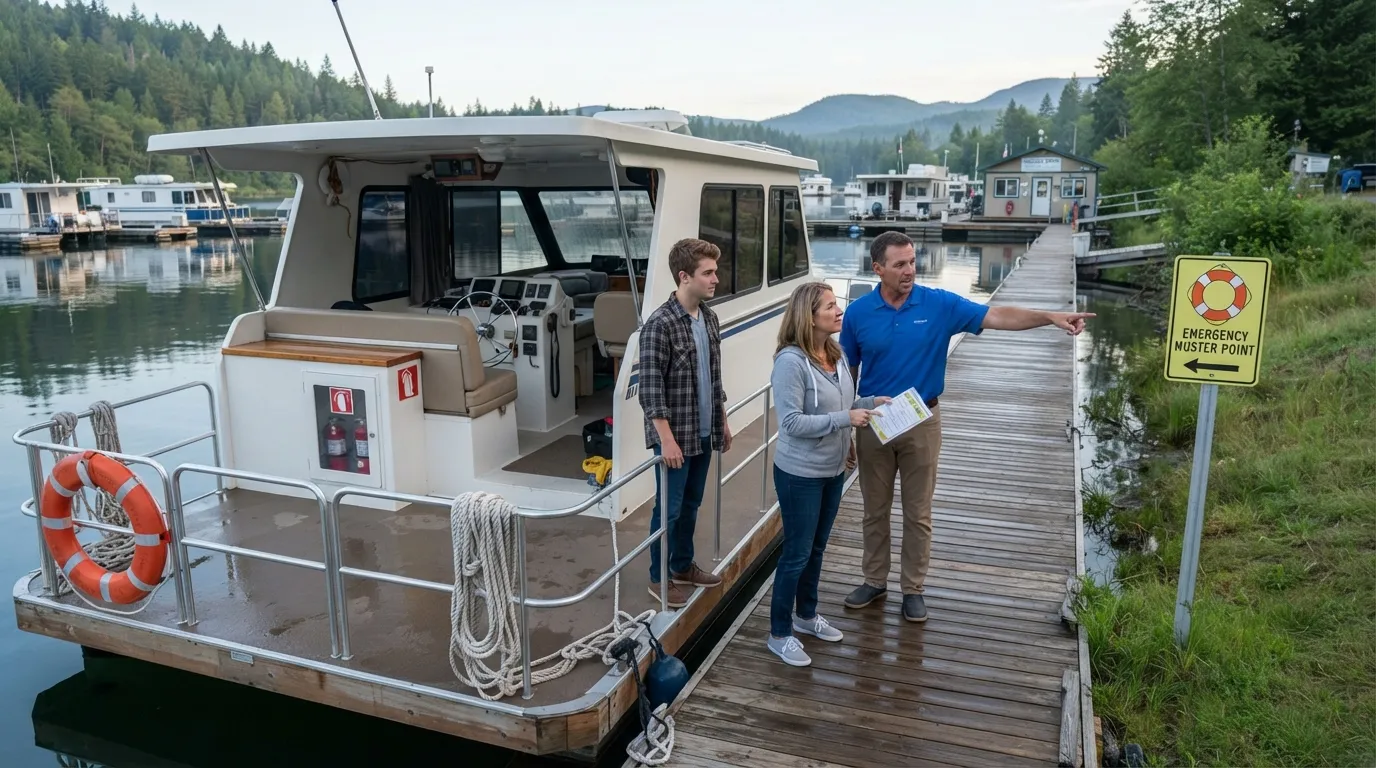
Everyone aboard should know the shore muster location and the basic drills. The first morning is your quiet window to practice, before guests arrive or conditions change.
Walk the route and talk through the man-overboard steps the briefing outlined. This is the fact that separates smooth rentals from stressful ones.
Official checklists cover fuel, safety gear, mooring, CO awareness, and hazards, but the first morning is when you confirm the gauges, valves, lights, and contacts for yourself. Did we miss one? Drop it in the comments.
CEO-Co-Founder