

- 25 Guitarists Who Left a Famous Band and Then Had the Bigger Career - October 13, 2026
- 25 Lead Singers Who Left the Band Right After the Number-One Album - October 13, 2026
- 25 Boxers Who Retired While They Still Held the Title - October 13, 2026
Studio versions usually get the credit. Live versions sometimes get the memory. These twenty songs flipped that order, when a stage, a crowd, and one night of nerve turned a solid track into the version people actually hum, request, and argue about.
Some were album cuts almost nobody noticed. Some were already hits that got outgrown by their own concert reinventions. And the song waiting at #1 came from a record that was first meant only for Japan.
#20 – For Those About to Rock (We Salute You) by AC/DC
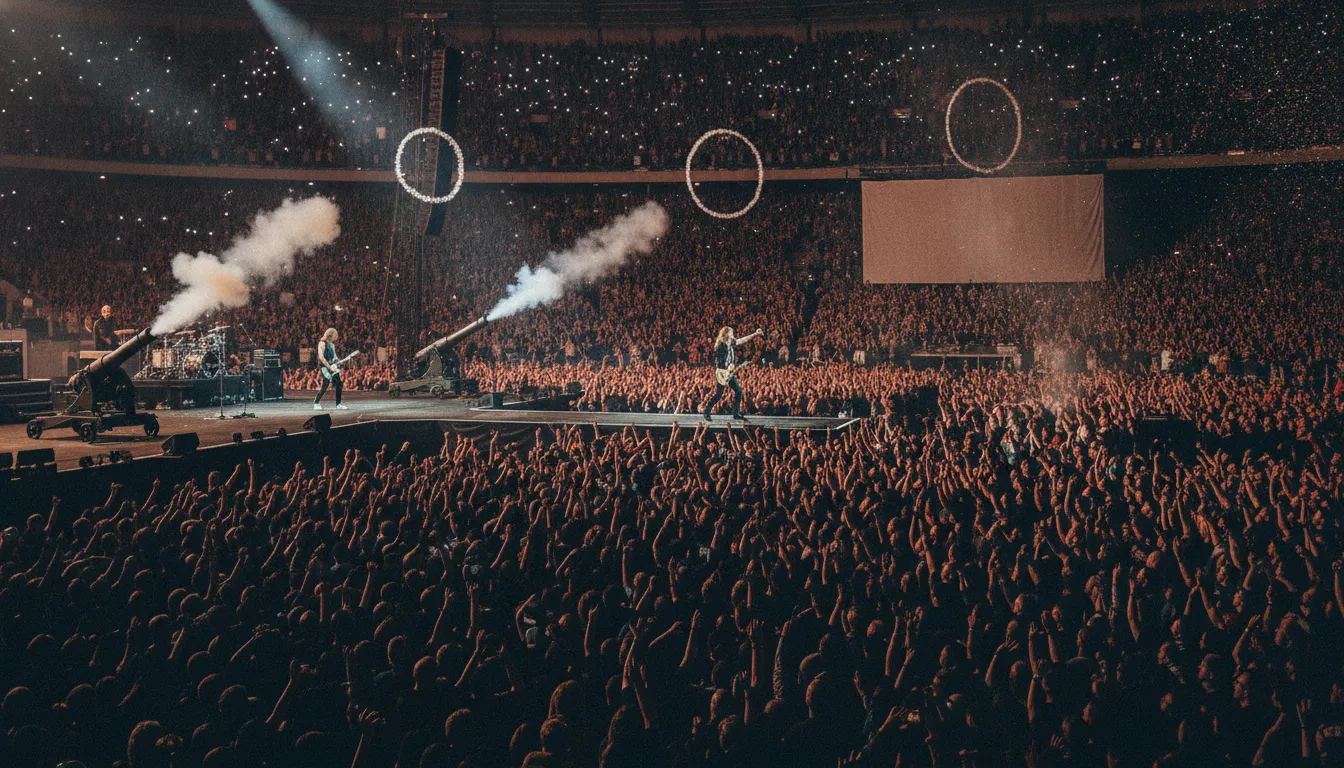
The 1981 studio version is a thick, steady hard rock march. It’s good, but it sounds like a band making a song for an album. The live take from AC/DC’s 1992 album Live sounds like a band ending a night with artillery.
Recorded on the 1990-91 Razors Edge tour, it builds toward the cannon fire that became part of the show. Thousands of voices bark the title back at the stage, and the song stops being a track and starts being a ritual.
A studio recording can give you the riff. The live closer gives you a stadium shaking underfoot, and the gun salute in the lyrics finally gets an actual salute. That’s why plenty of fans treat this version as the real one.
#19 – Sunday Bloody Sunday by U2
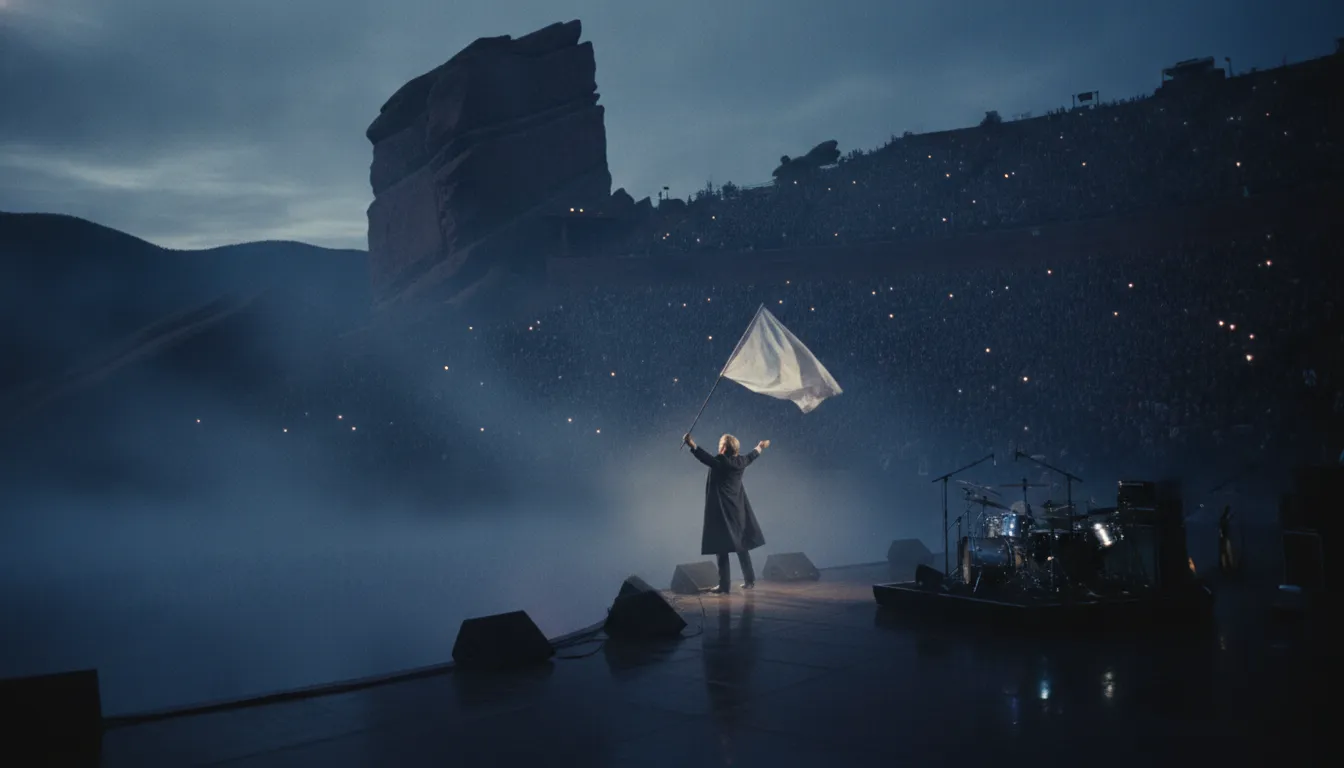
On the 1983 album War, Sunday Bloody Sunday arrives with a military snare and a hard, angry edge. It’s a strong studio track. Then U2 took it to the open-air Red Rocks amphitheater in Colorado, and it became something closer to a public vow.
The live version, found on Under a Blood Red Sky, has Bono telling the crowd that this is not a rebel song. He drives the point home with a white flag held high against the mist and the dark.
The Red Rocks footage became a landmark for a young band still trying to break through in America. For many fans, the studio cut is the song. The live performance is the moment it turned into a statement.
#18 – Texas Flood by Stevie Ray Vaughan
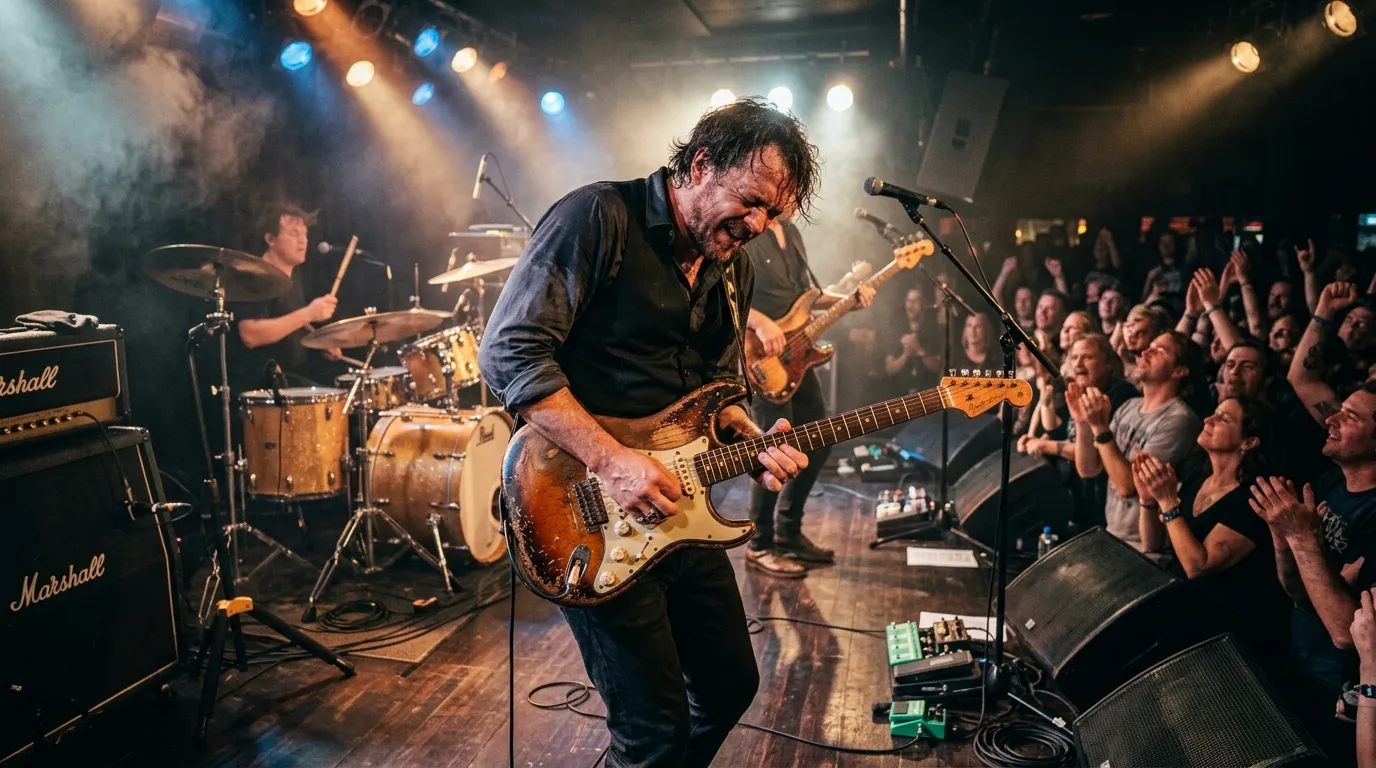
Texas Flood was already a blues burner on Vaughan’s 1983 debut. The studio take showed what he could do with a battered Fender and a mountain of nerve. Still, it was a record, and records sit still.
The version on 1986’s Live Alive does not. The solos stretch out, the phrasing leans and snaps, and you can hear him chasing the next idea in real time.
The song itself dates back to the 1950s, written by Larry Davis and Joseph Wade Scott. That’s the beauty of it: an old blues tune played by a man who treated every performance like a fresh emergency. Many guitar fans reach for the live cut first because it sounds less like him performing the song and more like the song happening to him.
#17 – Everlong by Foo Fighters
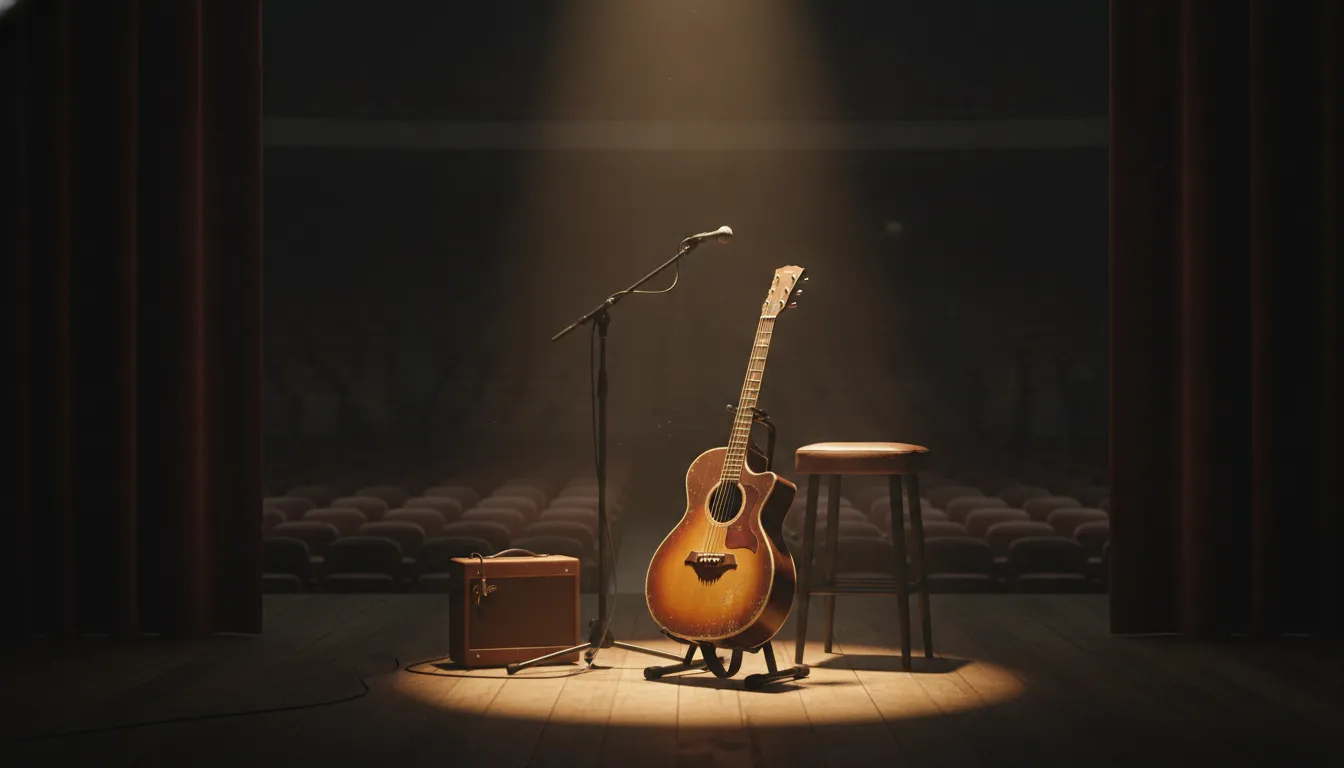
On 1997’s The Colour and the Shape, Everlong is a sprint, all pounding drums and a chorus that practically kicks the door in. It became a rock radio staple almost immediately. But Dave Grohl kept finding another song hiding inside it.
When he played it acoustic, including the version he performed for Howard Stern’s radio show, the speed disappeared and the ache moved to the front. Suddenly the lyrics sounded less like a rush and more like a confession.
Foo Fighters have returned to the stripped-down arrangement over the years, and fans treat it as a second, quieter anthem. The loud version still wins at festivals. The acoustic one wins at 2 a.m., alone, with headphones on.
#16 – Candle in the Wind by Elton John
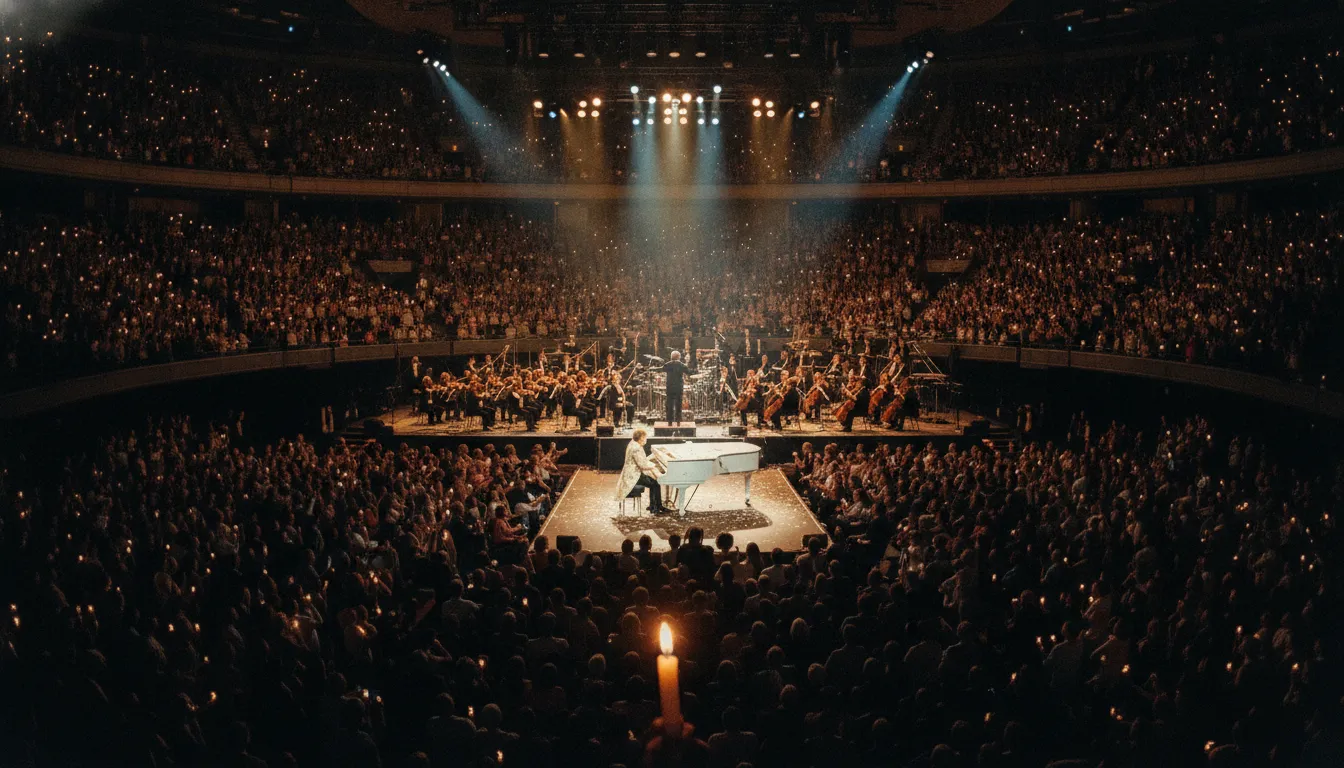
Elton John’s 1973 original, tucked into Goodbye Yellow Brick Road, is a delicate ballad about Marilyn Monroe. It’s lovely, and it’s also fairly sparse. In 1986, he took it to Sydney with the Melbourne Symphony Orchestra, and the song grew a full cinematic frame.
That live recording, released on Live in Australia, became a Top 10 hit in the U.S. in 1987. The strings gave the melody a sweep the studio version never had, while Elton’s voice carried every ounce of the lyric.
It brought a song from over a decade earlier back onto the charts. And it showed that a fragile piano ballad could fill a huge room without losing its heart.
#15 – Dazed and Confused by Led Zeppelin
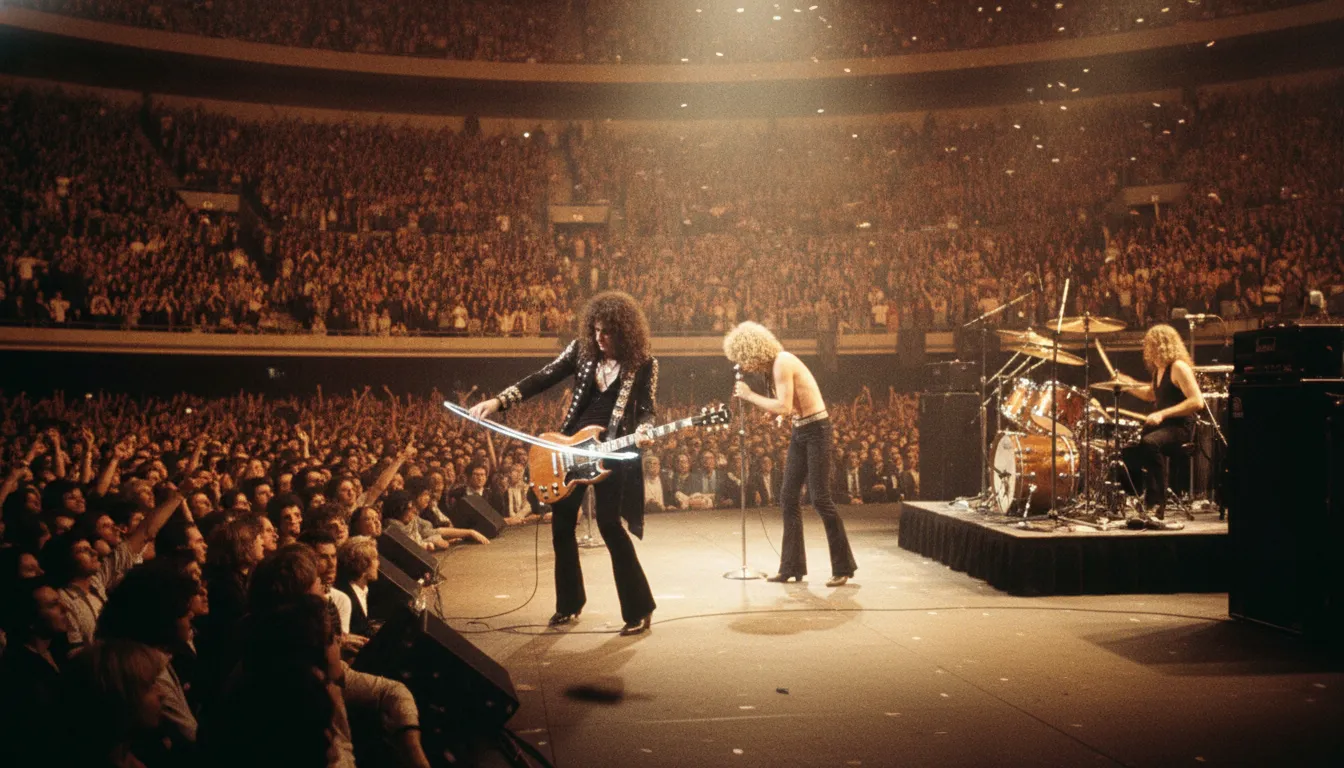
The studio Dazed and Confused on Led Zeppelin’s 1969 debut is creepy, slinky, and about six and a half minutes long. On stage, that was just the opening statement.
The live version on How the West Was Won, recorded at the Los Angeles Forum in 1972, runs around 25 minutes. Jimmy Page stretches the tension, drops into hushed passages, and drags a violin bow across his guitar strings for the sound people still associate with Zeppelin concerts.
That’s the twist. The studio recording is a song, but the live version is an event. It’s a band deciding on the spot where to take a packed arena next, and the answer is somewhere far from the original.
Fast Facts
- Studio original: Led Zeppelin’s 1969 debut album, at roughly six and a half minutes.
- Live benchmark: How the West Was Won, recorded at the Los Angeles Forum in 1972.
- Running time: around 25 minutes on stage.
- Signature moment: Jimmy Page playing his guitar with a violin bow.
#14 – Radio Ga Ga by Queen
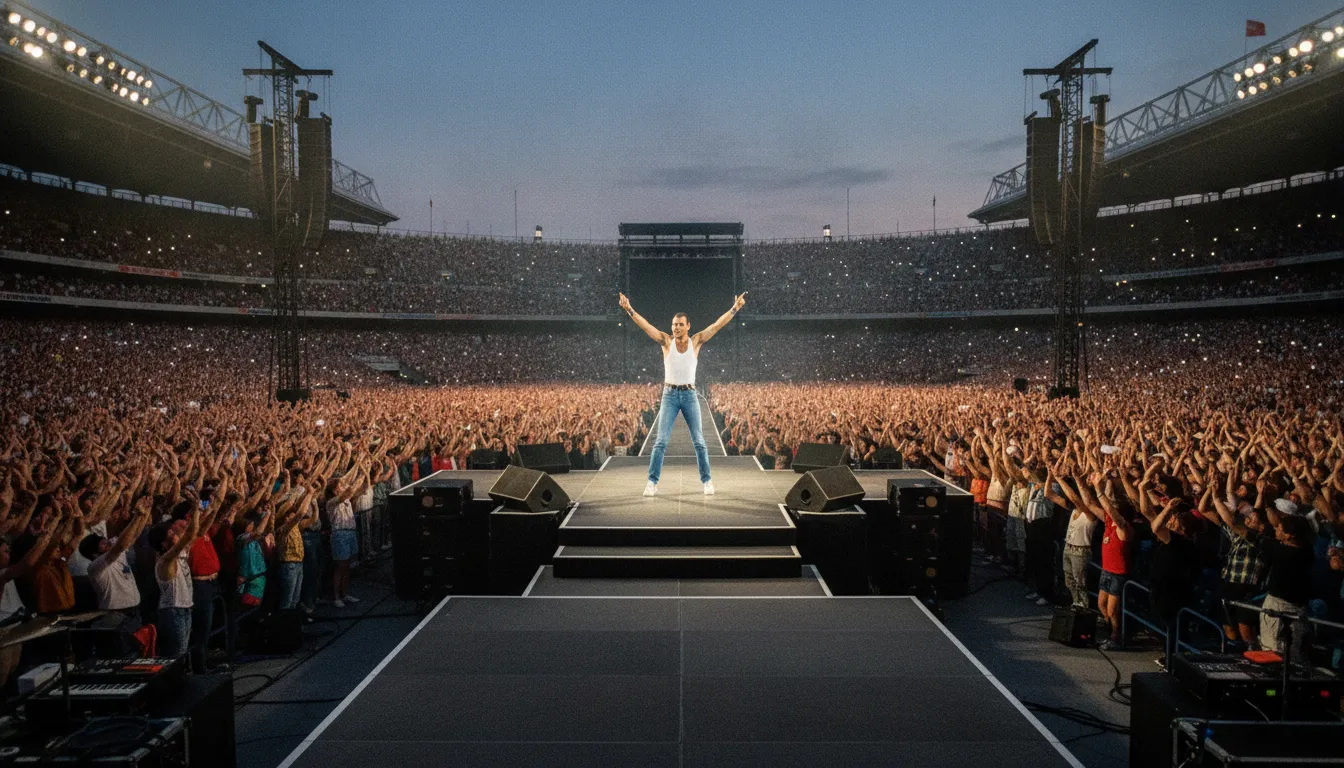
Radio Ga Ga was already a hit in 1984, a sleek, synth-driven single from The Works about the fading romance of radio. Then came Wembley Stadium on July 13, 1985, and Live Aid.
Queen’s performance gave the song a new instrument, the audience. Tens of thousands of hands clapped overhead in unison on the chorus, with Freddie Mercury conducting the entire stadium as if it were his own backing band.
A studio recording can’t do that. The Live Aid moment became the one fans replay when they talk about Queen’s greatest performances. Go back to the single afterward, and those claps sound like they’re waiting for a crowd that isn’t there.
#13 – Dark Star by Grateful Dead
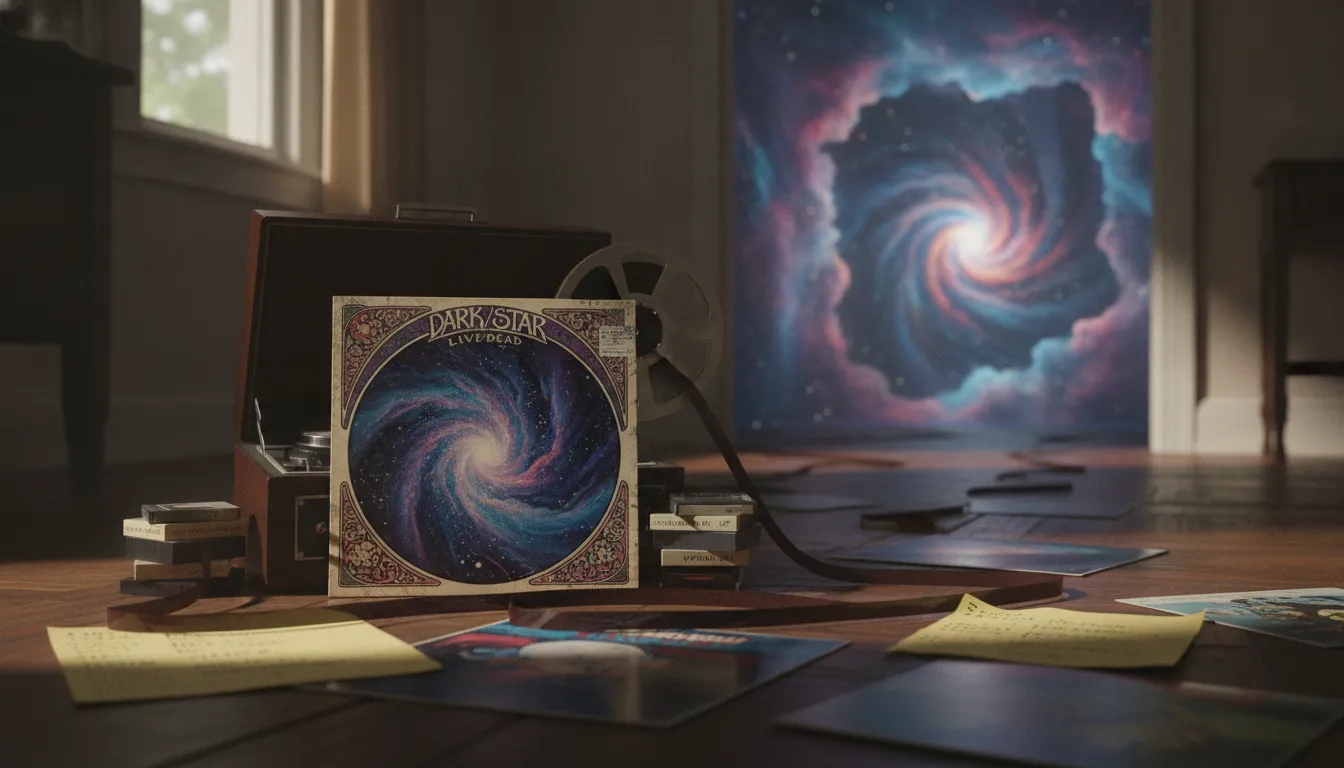
Dark Star started life as a short single in 1968, a spacey little oddity that ran under three minutes. On the Grateful Dead’s 1969 album Live/Dead, it opens into something closer to a voyage.
The track runs more than 20 minutes, drifting between quiet exploration and sudden surges of group improvisation. No two Dark Stars were ever the same, so Dead fans collected tapes just to find out how each night turned out.
That’s why the live take outgrew the studio recording so completely. The single was a doorway. Live/Dead was the room behind it, and that room kept changing shape for decades.
#12 – Free Bird by Lynyrd Skynyrd
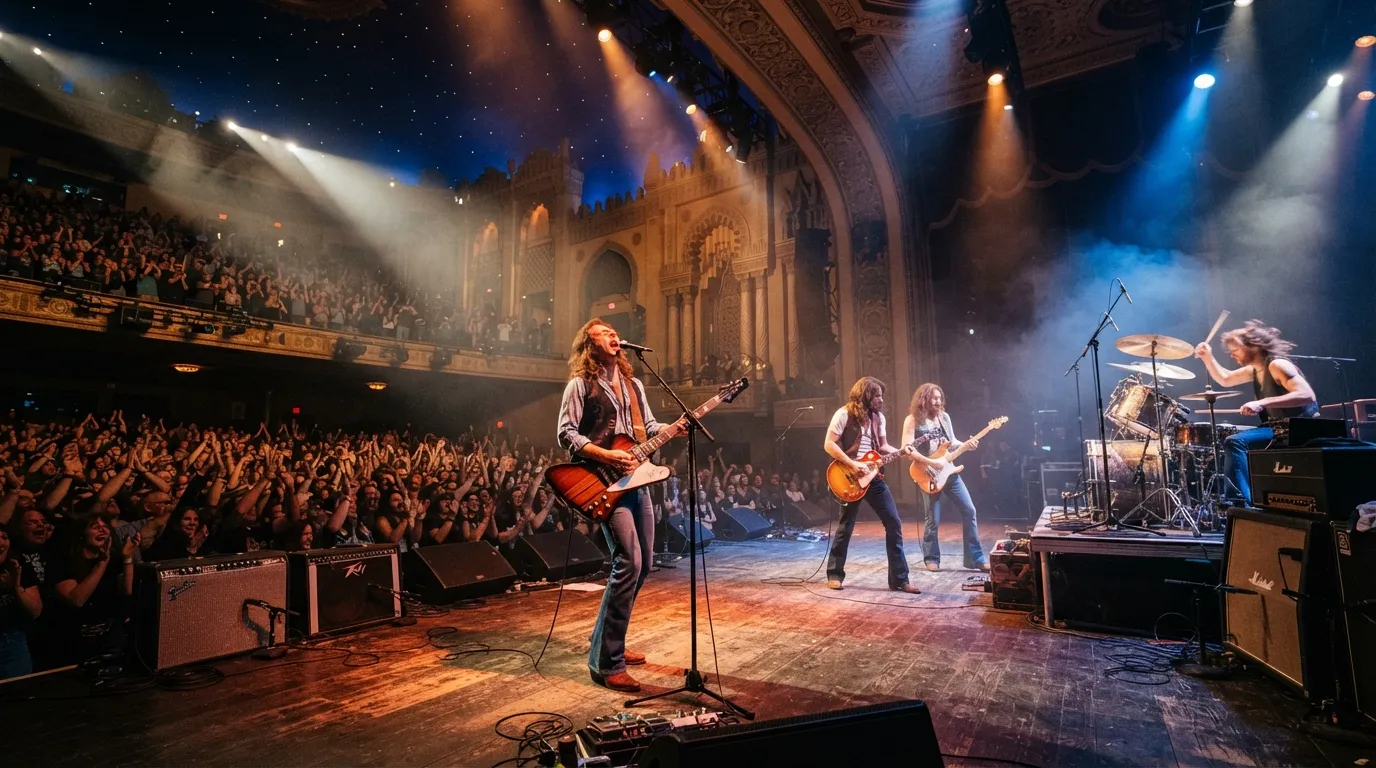
Even the 1973 studio Free Bird is epic, a slow ballad that detonates into a long guitar finale. But the version on Lynyrd Skynyrd’s 1976 live album One More from the Road turned that finale into a monster.
Recorded at the Fox Theatre in Atlanta, it stretches to around 14 minutes. The guitars chase each other higher while the crowd answers every surge with roars. It’s the version that locked in the song as the ultimate show-ender.
It also helped build a running joke. Fans at nearly any rock concert still yell for Free Bird, a habit that says plenty about how mythic the song became. The studio track is the blueprint. The live one is the legend.
#11 – Maybe I’m Amazed by Paul McCartney
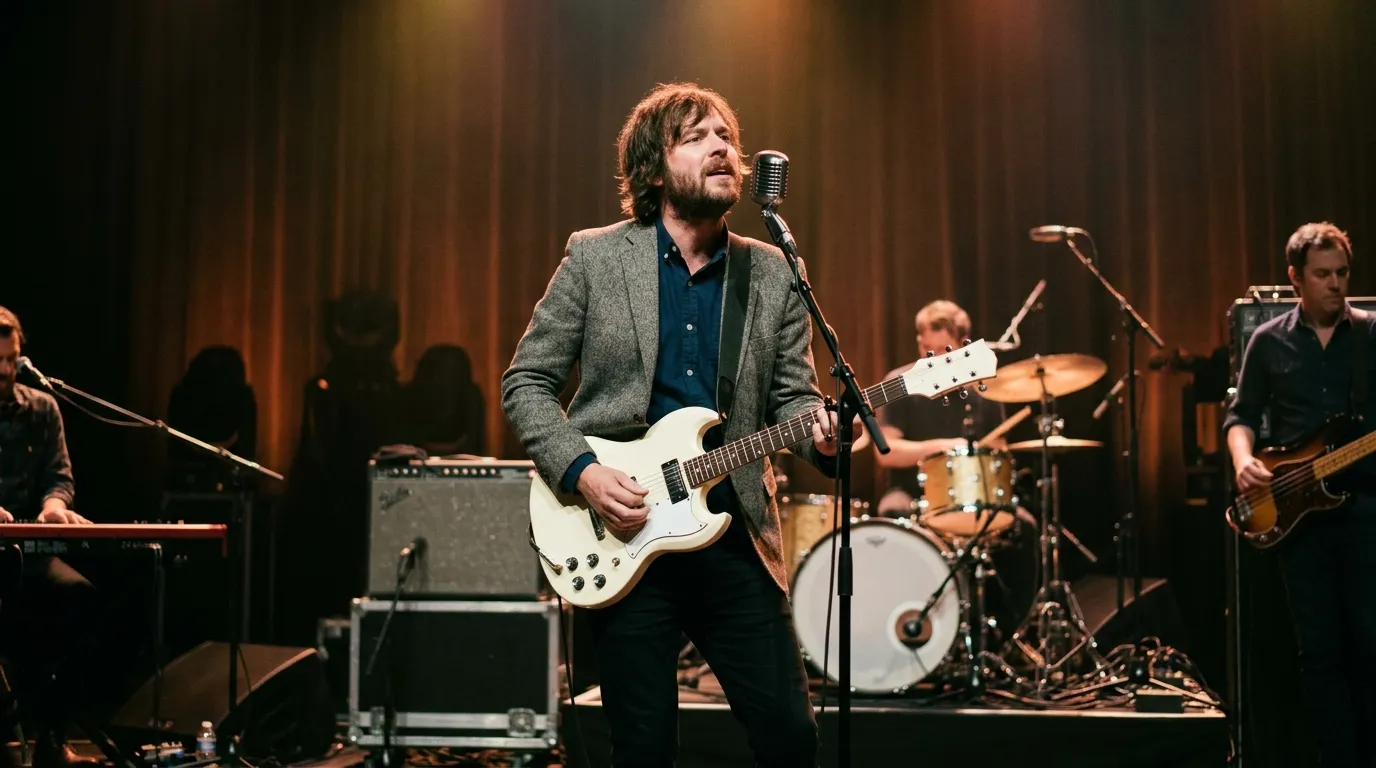
In 1970, Paul McCartney recorded this song on his first solo album, playing most of the instruments himself. It’s intimate, homemade, and heartfelt. It also wasn’t released as a single at the time.
Six years later, the version from Wings Over America put the song in the hands of a full band, and it finally stretched its legs. The live recording was released as a single in 1977 and reached the U.S. Top 10.
Radio embraced it, and for many listeners it became the McCartney version of Maybe I’m Amazed. The studio take is still beautiful. But the live one has the lift of a song that finally got to play for a room full of people who wanted it.
#10 – Turn the Page by Bob Seger
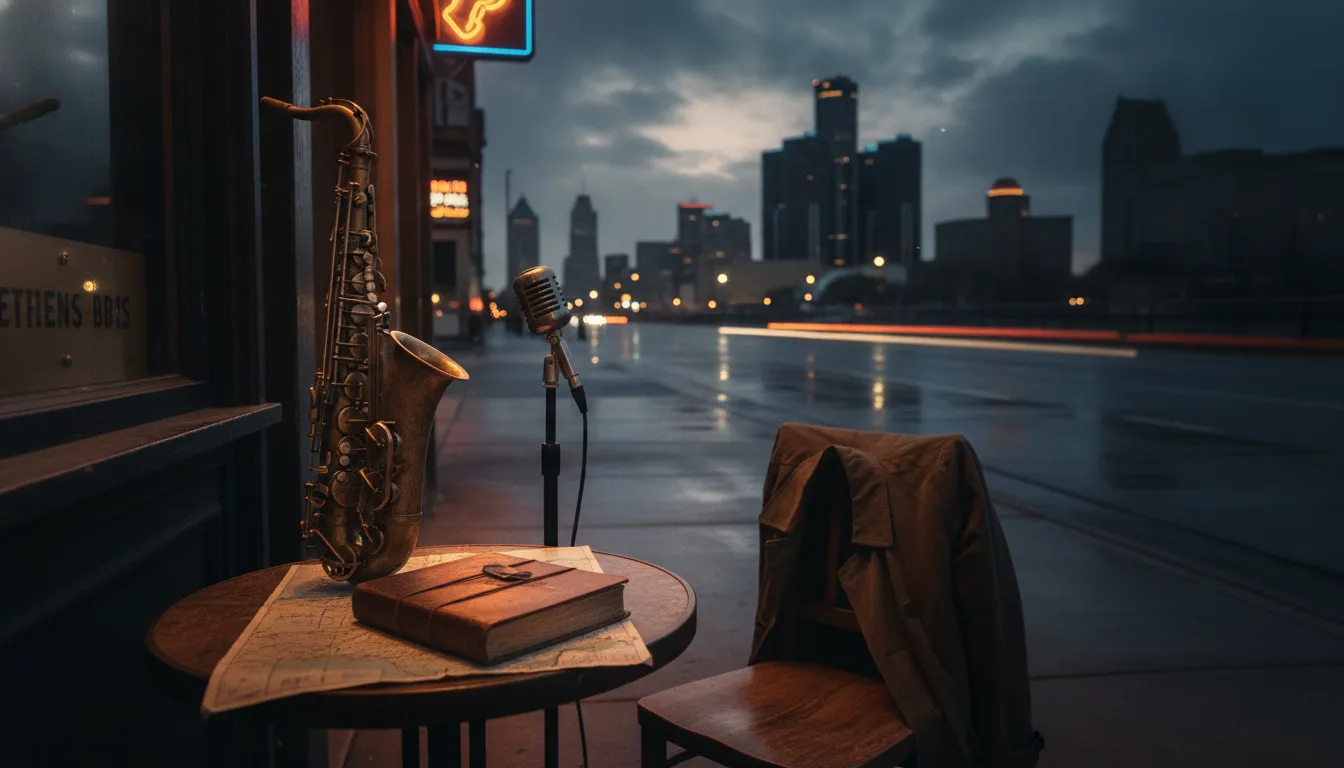
Bob Seger first recorded Turn the Page for his 1973 album Back in ’72, and it mostly stayed in the background. Then Live Bullet arrived in 1976, captured in Detroit, and the song found its natural home.
On stage, the saxophone from Alto Reed gave it a lonely, late-night glow. Seger’s rough voice sounded less like he was telling a story about life on the road and more like he was still living it.
Over time, the live recording became the one rock radio kept spinning, and it’s the version most people hear in their heads. Some songs about being worn down only feel believable when they sound a little worn down themselves.
Worth Knowing
- The studio version appeared on the 1973 album Back in ’72.
- The live version comes from Live Bullet, released in 1976 and recorded in Detroit.
- Alto Reed’s saxophone is the sound that defines the live arrangement.
- Its subject, the weary road life of a touring musician, is why the rougher live voice fits so well.
#9 – Do You Feel Like We Do by Peter Frampton
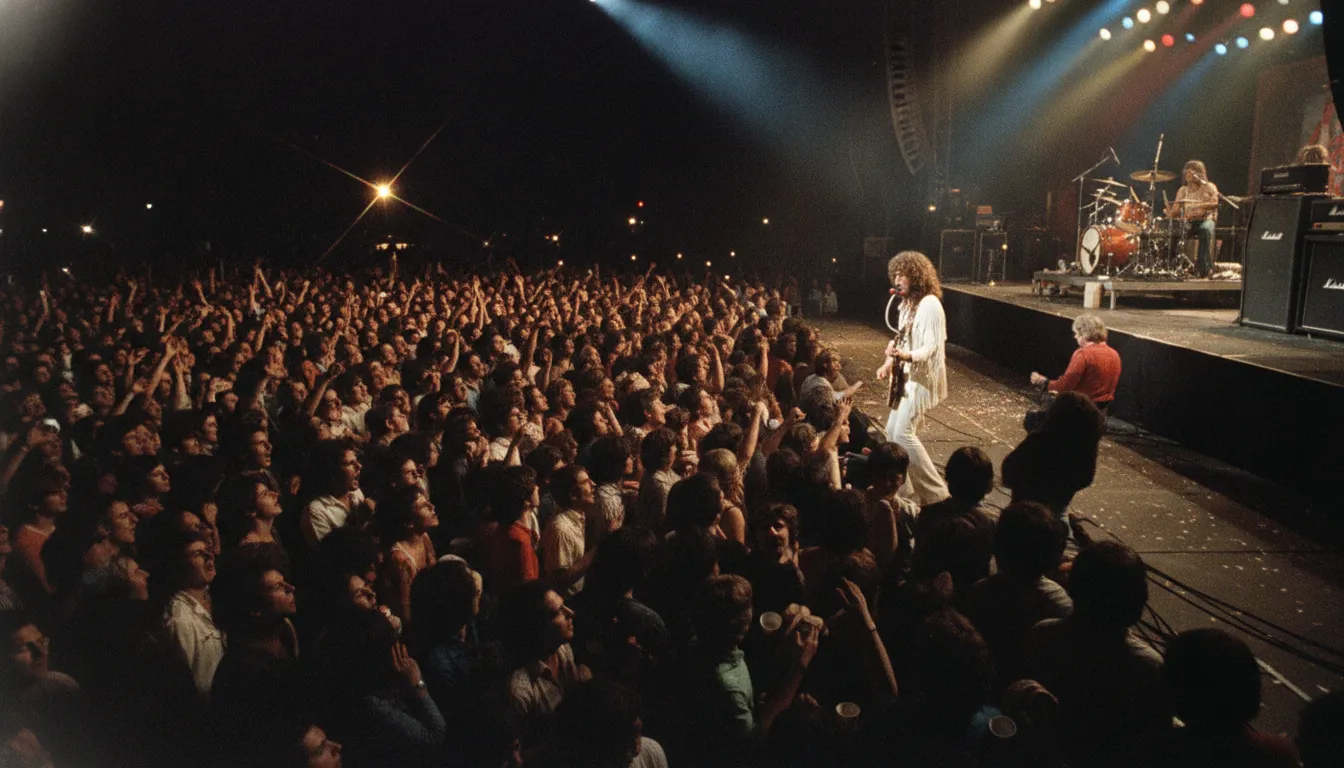
On 1973’s Frampton’s Camel, this was just another long track from a former Humble Pie guitarist trying to build a solo name. Very few people noticed. Then Peter Frampton took it on the road.
The version on Frampton Comes Alive! in 1976 runs around 14 minutes, built around the talk box that makes his guitar seem to speak. The crowd sings along, laughs, and answers the guitar as if it were another person in the room.
An edited version even became a hit single, which would have sounded wildly unlikely in 1973. The studio recording is a footnote now. The live one is the song that made a guitar talk.
#8 – Whipping Post by The Allman Brothers Band
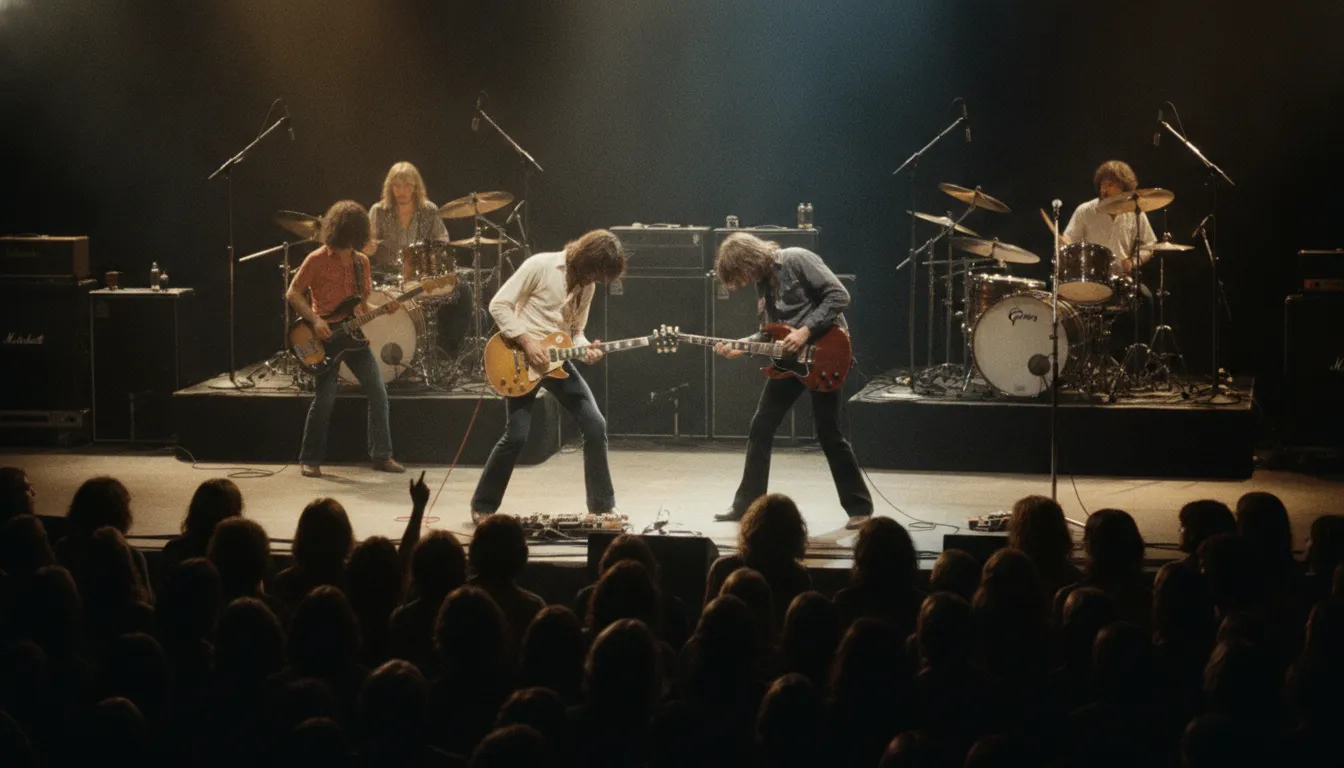
The Allman Brothers’ 1969 studio version of Whipping Post is a tough blues-rock gut punch of about five minutes. Gregg Allman’s lyric about heartbreak sounds like punishment. It’s great, but the band was just warming up.
At the Fillmore East in 1971, the song stretched past 22 minutes and filled an entire side of At Fillmore East. Duane Allman and Dickey Betts traded guitar lines while the rhythm section kept pushing like a freight train.
That recording became the reference point for what a live Allman Brothers performance could be. In the studio, the song described a trap. On stage, it became an open road.
#7 – All Apologies by Nirvana
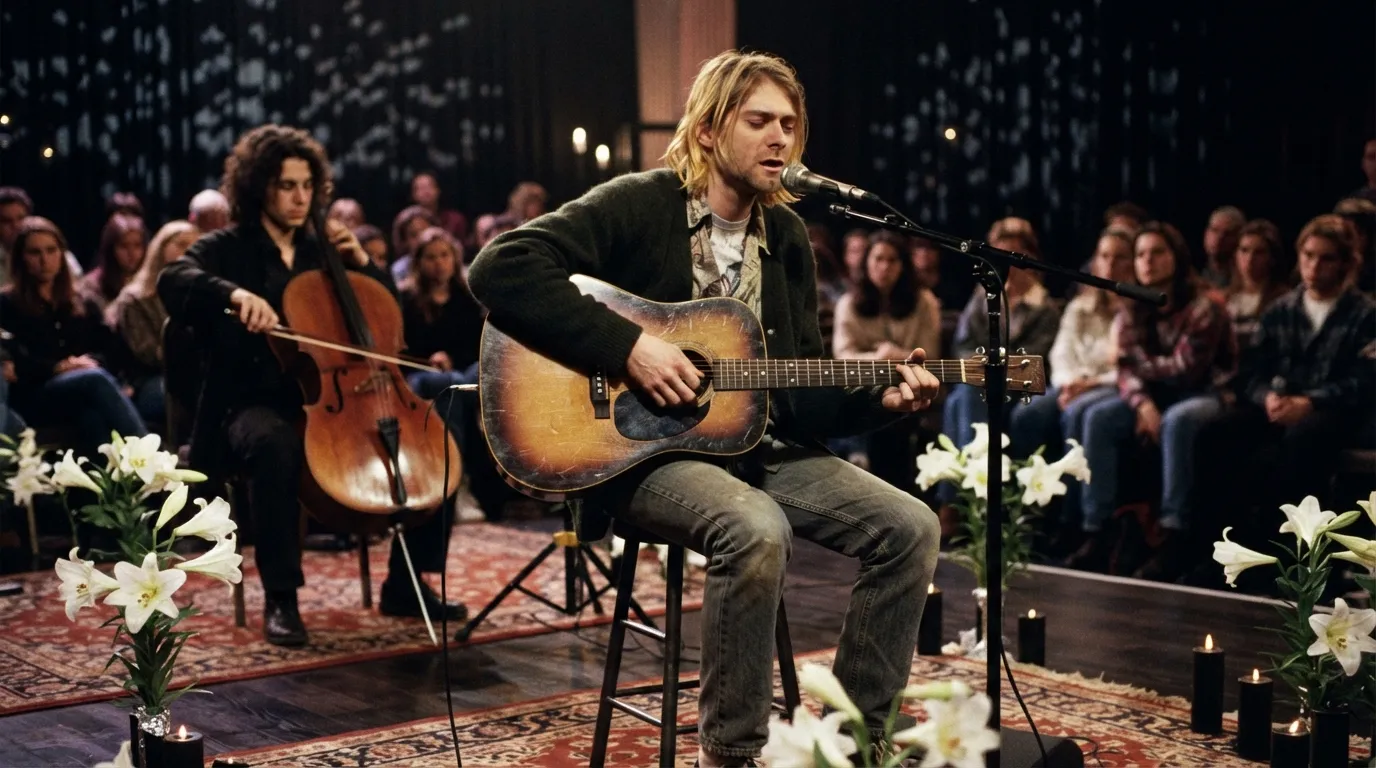
All Apologies closes 1993’s In Utero with scraped-raw production from Steve Albini, a song that sounds like it’s wearing a bruise. Then Nirvana played MTV Unplugged in New York that November.
The performance, released in 1994 after Kurt Cobain’s death, strips the song down to acoustic guitar, cello, and a voice that sounds fragile enough to crack. Lines that once felt weary now felt like an ending.
Many fans now hear the Unplugged version first. It turned a loud, strange album closer into one of the most haunting moments of the 1990s, and the studio original sits quietly in its shadow.
#6 – No Woman, No Cry by Bob Marley
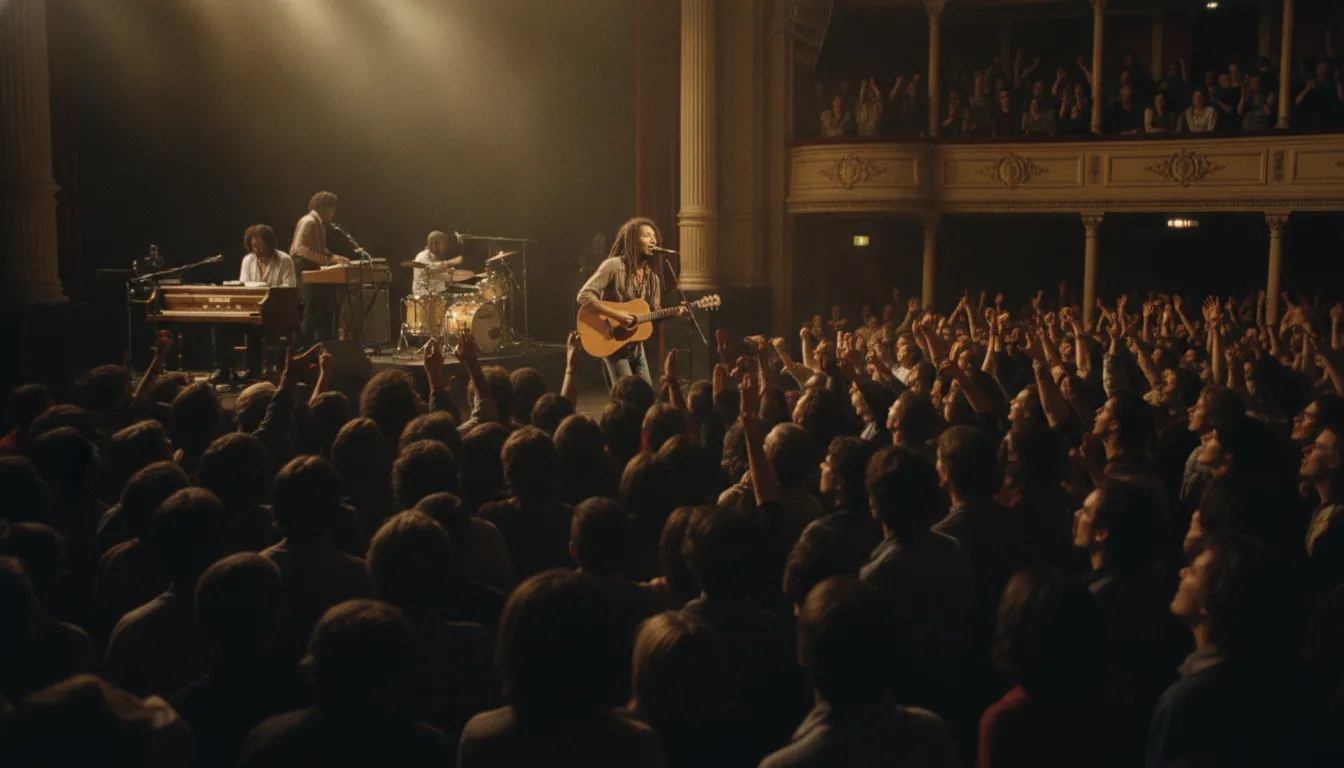
Marley’s 1974 studio recording on Natty Dread is gentle and graceful, with a lilt that already feels like comfort. But the version recorded at the Lyceum in London in July 1975, released on Live!, is the one that landed like a hymn.
The crowd sings along, the organ swells, and Marley’s voice carries a communal warmth. A song about Trenchtown in Kingston suddenly sounds like a room full of strangers leaning on each other.
That live recording charted in the UK and later became the version on the compilation Legend, where millions of listeners met it. For a lot of people, that live rendition is simply the song.
#5 – Layla by Eric Clapton
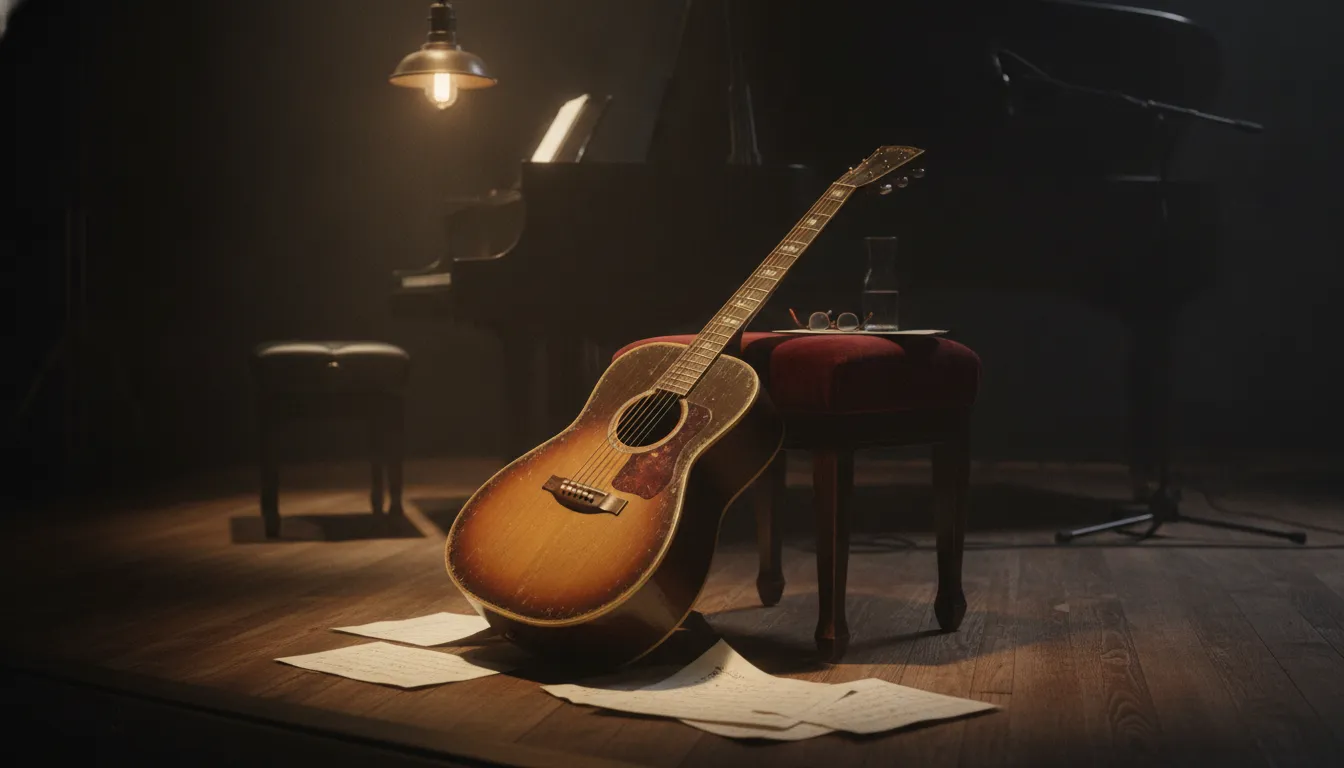
In 1970, Derek and the Dominos recorded Layla as a howl of obsession, a screaming guitar riff followed by a long piano coda. It’s a rock classic. Then Eric Clapton walked into MTV Unplugged in 1992 with an acoustic guitar and turned the whole thing sideways.
He slowed it into a loose, bluesy shuffle, swapping the blazing riff for something conversational. The live recording reached the U.S. Top 20 and won a Grammy for Best Rock Song.
The twist is how old the song felt and how new it sounded. A rock epic became a late-night confession, and for an entire generation, that’s the Layla they met first.
Quick Compare
- 1970 studio: Derek and the Dominos, electric riff up front, long piano coda.
- 1992 Unplugged: Clapton on acoustic guitar, a slower, conversational shuffle.
- The payoff: a U.S. Top 20 hit and a Grammy for Best Rock Song.
#4 – Show Me the Way by Peter Frampton
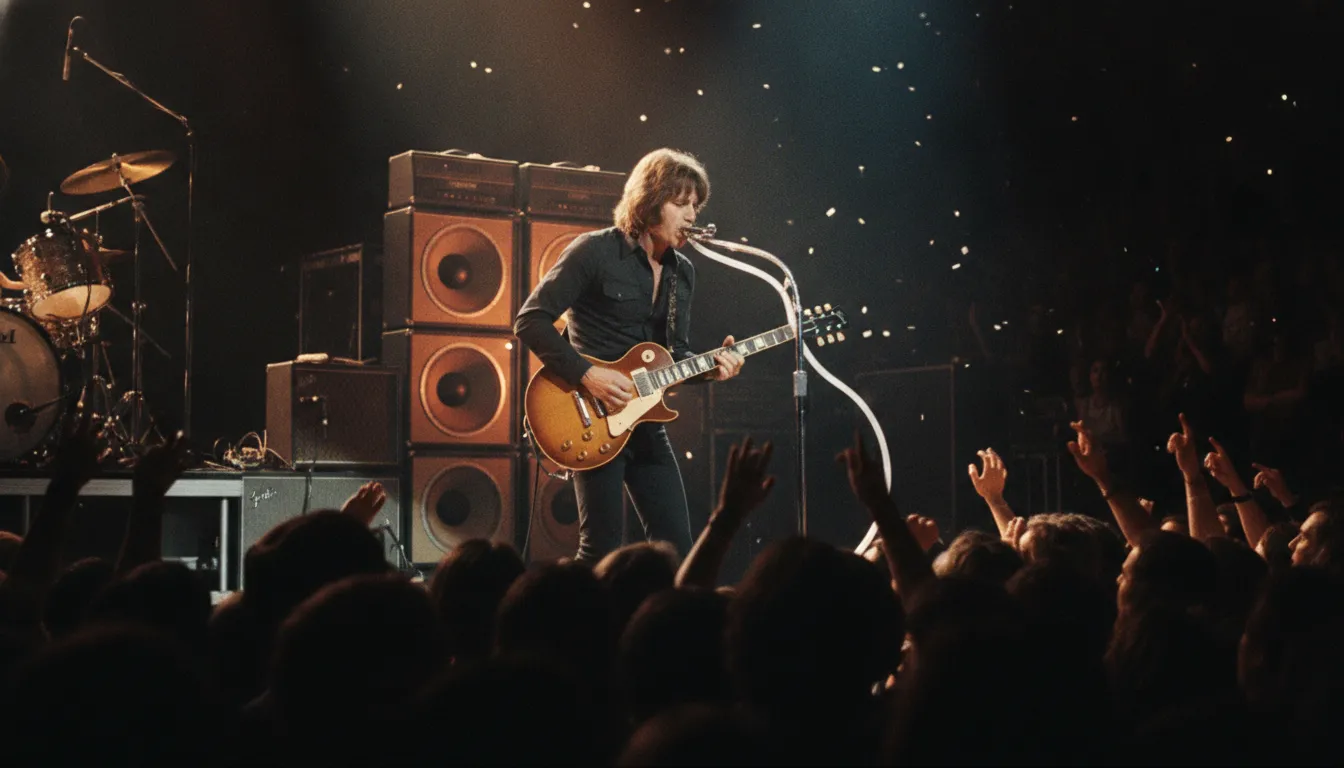
Frampton’s studio version, on his 1975 self-titled album, has a soft, wistful tone. It was a good song with modest reach. Then the live album arrived in 1976 and did something almost nobody predicted: it made him a superstar.
The live Show Me the Way put the talk box front and center, with Frampton’s guitar singing the hook back at the crowd. That odd, watery, talking-guitar sound became his calling card, and the single climbed to No. 6 on the Hot 100.
Frampton Comes Alive! remains one of the best-selling live albums ever. It’s a rare case where a modest studio track became the reason an entire record exploded.
#3 – Rock and Roll All Nite by KISS
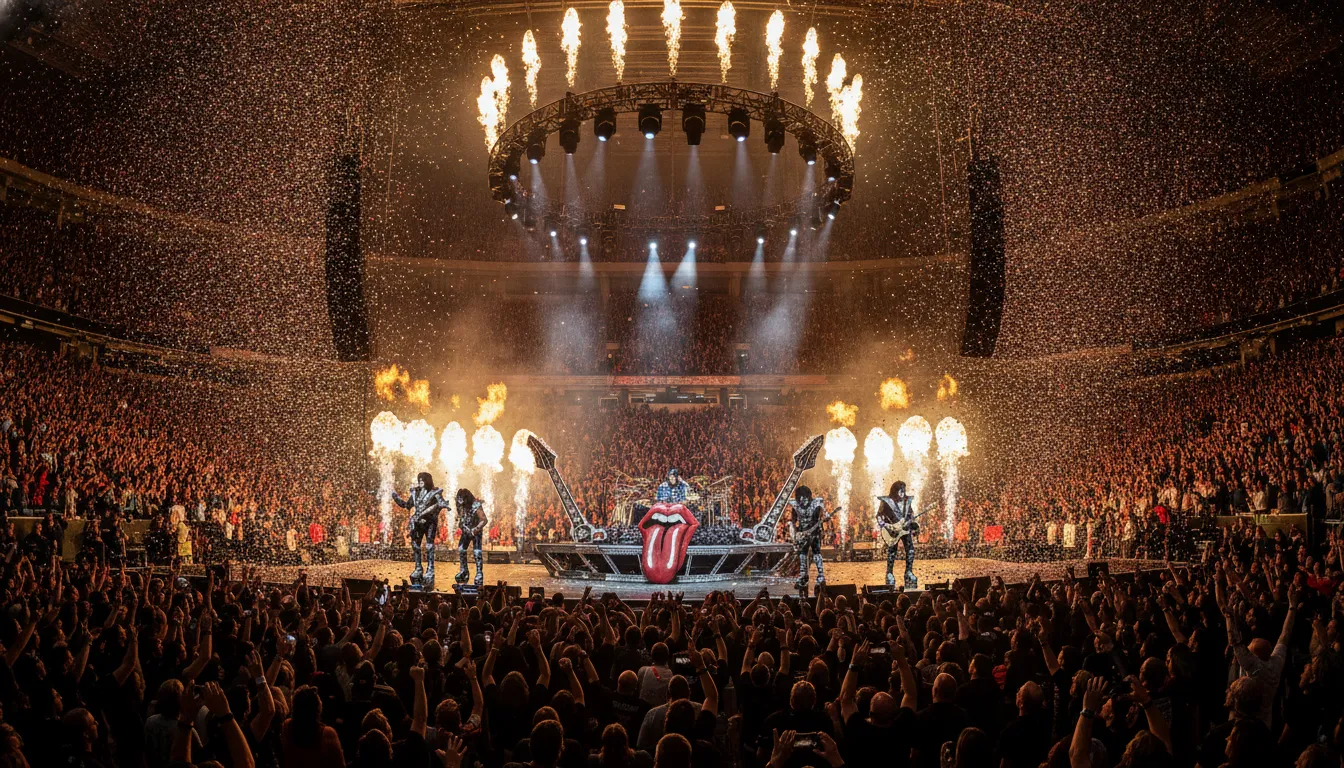
The 1975 studio single of Rock and Roll All Nite, from Dressed to Kill, peaked at No. 68. For a band in makeup and platform boots promising thunder, that was an underwhelming start. The studio take was crisp but strangely polite.
Then came Alive!, with crowd chants and a rawer, hungrier performance. The live single reached No. 12 in 1976, and suddenly KISS were more than a cult attraction.
That recording captured what the studio couldn’t: the noise, the pyro, the feeling that a party could break out at any second. It became the band’s signature song and the version that turned the title into a slogan.
#2 – Folsom Prison Blues by Johnny Cash
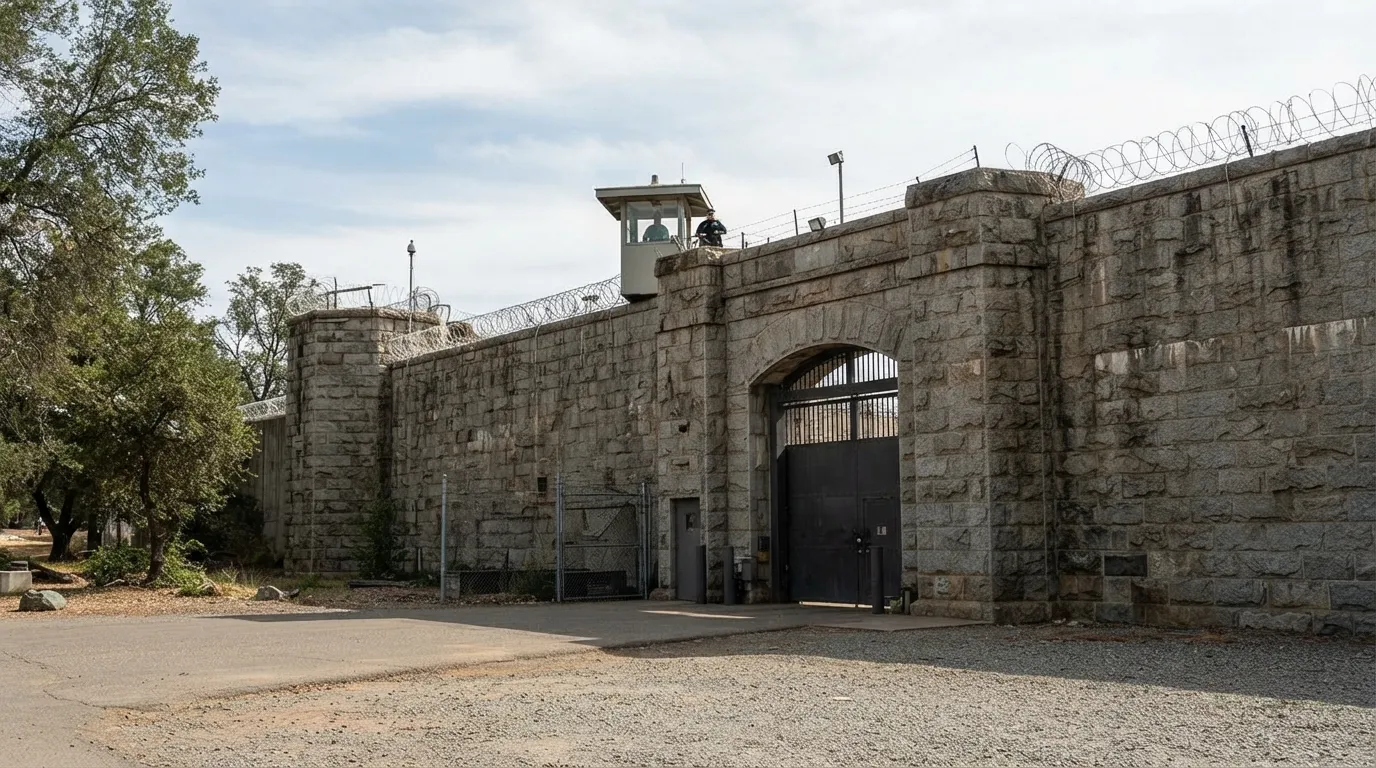
Johnny Cash recorded Folsom Prison Blues for Sun Records in 1955, and it was already a country classic. Then he played it behind actual prison walls in January 1968.
On At Folsom Prison, the live version has inmates cheering at lines that hit too close to home, and Cash’s voice sounds harder and more dangerous. The single went to No. 1 on the country chart, and the performance earned a Grammy.
Hello, I’m Johnny Cash.
Johnny Cash
It also changed Cash’s story. His career had been shaky, and the Folsom album brought him back as a defiant voice for outsiders. The studio song was a tale. The live version had a room full of people who knew exactly what it meant.
#1 – I Want You to Want Me by Cheap Trick
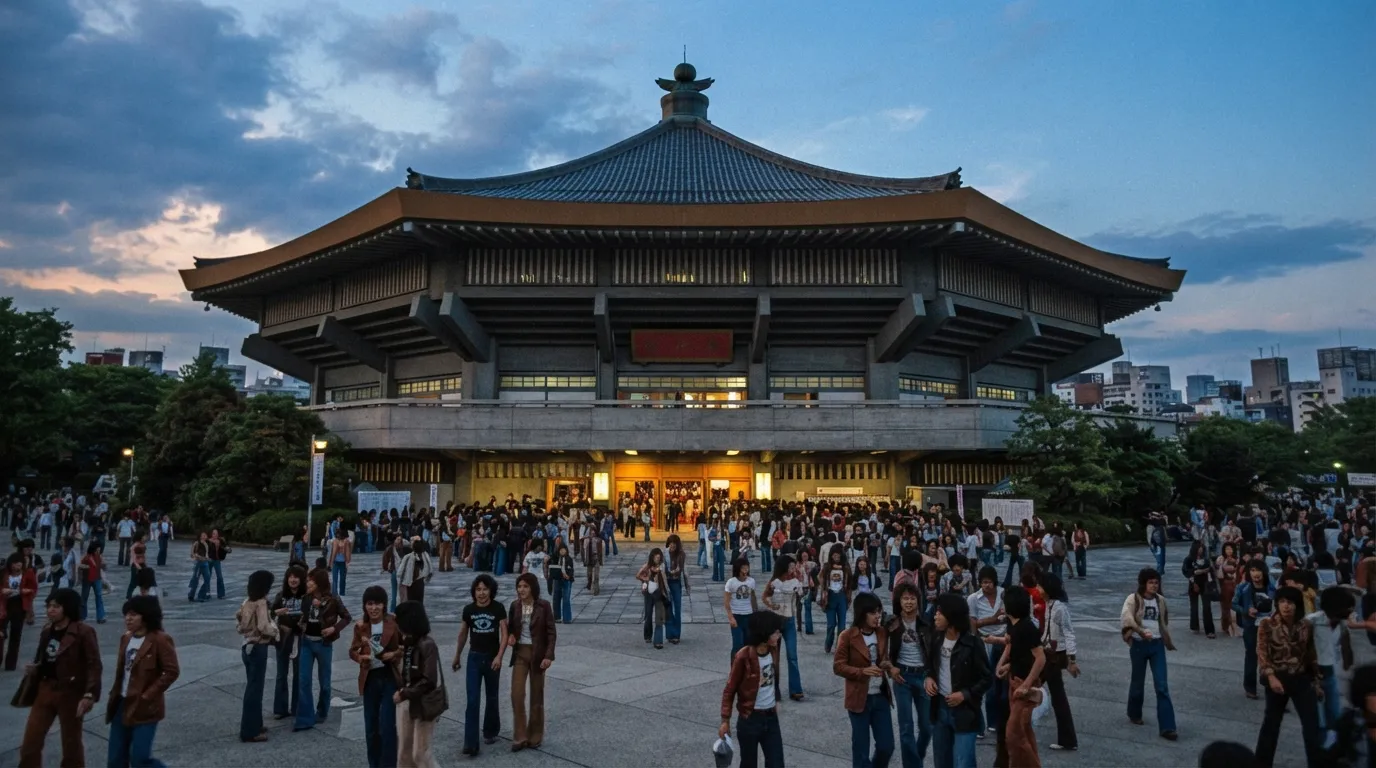
On the 1977 album In Color, I Want You to Want Me is a slower, quirkier pop-rock tune, almost playful, and it barely made a dent. Then Cheap Trick played Tokyo’s Nippon Budokan in April 1978, where the screaming sounded like Beatlemania.
The recording was first meant for a Japanese release, but the band’s energy was so contagious that At Budokan found its way to America. The live I Want You to Want Me, faster and louder, hit No. 7 on the Hot 100 in 1979.
That’s the whole story: a modest studio track, a roaring Tokyo crowd, and a song the world finally heard the way it was meant to sound. Ask almost anyone which version they know, and they’re humming the live one.
CEO-Co-Founder
