

- 20 Empowering Phrases to Whisper to Your Kids and Watch Them Soar - October 12, 2026
- Unlock Family Magic: 4 Easy Dinnertime Rituals to Deepen Connections - October 12, 2026
- Award Show Scandals That Shocked Us - October 12, 2026
#25 – Sting on Dire Straits’ “Money for Nothing”
Sting delivered the iconic “I want my MTV” line on Dire Straits’ 1985 chart-topper without a featured credit on the single. The track spent three weeks at number one on the Billboard Hot 100. His falsetto hook became one of the most recognizable elements of the song. Most listeners assumed it was Mark Knopfler or another band member. Sting recorded the part in a quick studio session as a favor. The line helped define the song’s commentary on music videos and excess. It still plays in media decades later.
The contribution stayed largely uncredited in early promotions. The session came together fast during Dire Straits’ recording. Knopfler reached out because he needed a distinctive voice for the closing refrain. Sting’s delivery matched the satirical tone perfectly. Radio play focused on the main vocals and guitar riff. Few articles at the time mentioned the guest appearance. The uncredited line turned into a cultural catchphrase. Listeners still quote it without knowing the source singer. This pattern repeated across many 1980s hits where session or guest vocals boosted tracks without formal billing.
#24 – Mick Jagger on Carly Simon’s “You’re So Vain”
Mick Jagger sang uncredited backup vocals on Carly Simon’s 1973 number-one single. The song held the top spot for three weeks. His distinctive voice appears in the chorus and ad-libs. Fans long speculated about the song’s subject partly because of his involvement. Jagger recorded the parts during a casual studio visit. Simon confirmed the contribution years later in interviews. The vocals added a rock edge to the pop arrangement.
Early pressings and liner notes omitted his name entirely. The collaboration happened while both artists moved in overlapping social circles. Jagger’s parts blended seamlessly with Simon’s lead. Producers kept the focus on her performance for marketing. The mystery around the lyrics grew partly from the uncredited star power. Radio stations played the track without mentioning the guest. Simon’s solo success overshadowed the detail for years. Listeners today still debate the song without always noting Jagger’s role. The omission fit industry norms where big names sometimes contributed quietly.
#23 – John Lennon on David Bowie’s “Fame”
John Lennon provided uncredited backing vocals and co-wrote David Bowie’s first U.S. number-one hit in 1975. The song reached the top for two weeks. Lennon’s high harmonies stand out in the mix. The track emerged from a one-day jam session at Electric Lady Studios. Lennon sang the distinctive “aim” and other lines that shaped the chorus. Bowie gave him co-writing credit but the vocal work stayed understated in promotions.
The single marked a commercial breakthrough for Bowie in America. Few contemporary reviews highlighted Lennon’s vocal input. The session produced the song quickly after the pair connected in New York. Lennon’s presence added instant credibility to the funky, experimental sound. His voice helped push the track over the top on charts. Marketing centered on Bowie as the sole star. The collaboration remained a footnote in many histories of the song. Fans who listen closely still catch the unmistakable tone. The uncredited element reflected how guest spots often worked in mid-1970s rock.
Fast Facts
- Recorded in early 1975 at Electric Lady Studios in New York City.
- Co-written by David Bowie, John Lennon, and guitarist Carlos Alomar.
- Bowie’s first number-one single on the U.S. Billboard Hot 100.
- Appears on the 1975 album Young Americans.
#22 – The Bee Gees on Diana Ross’ “Chain Reaction”
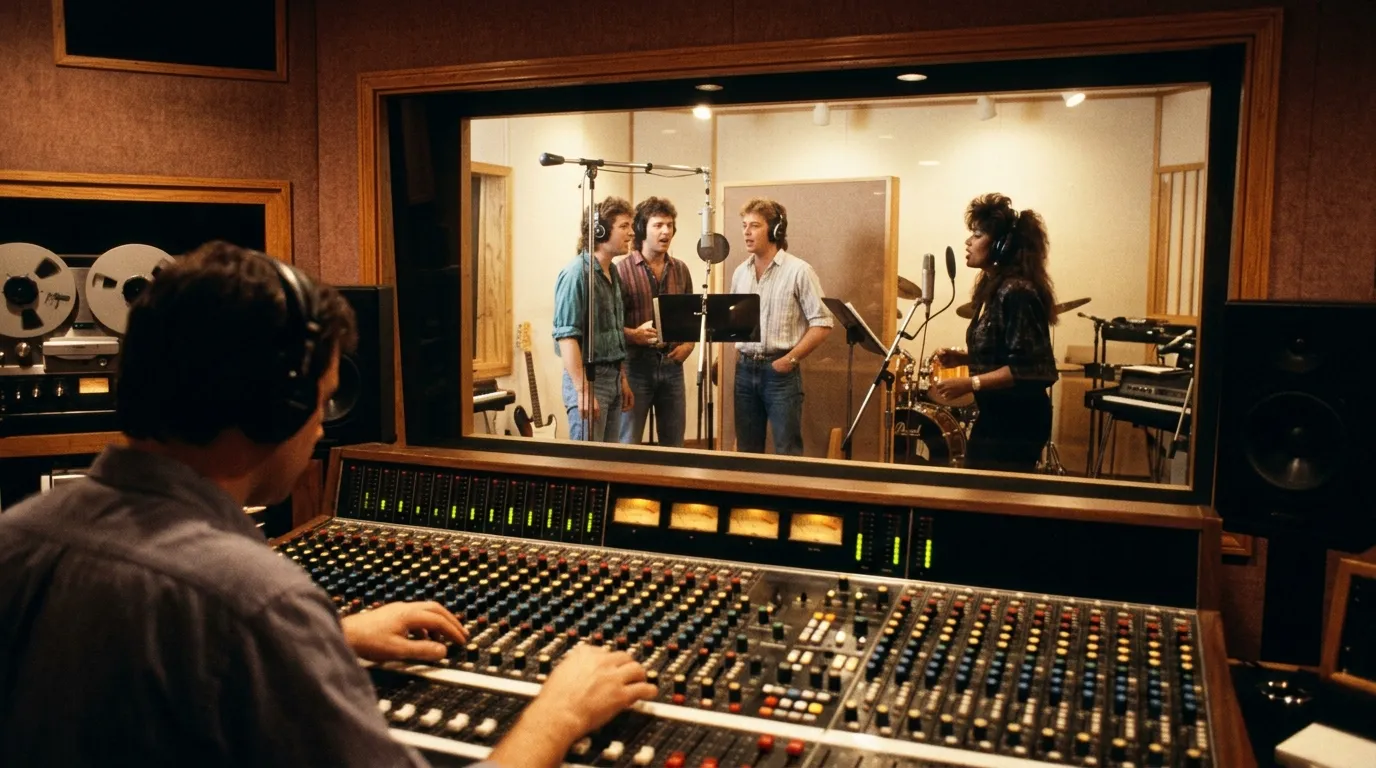
The Bee Gees supplied backing vocals and wrote Diana Ross’ 1986 U.K. number-one hit “Chain Reaction.” The song topped charts in multiple countries. Their harmonies power the chorus and ad-libs throughout. Ross recorded the track with the brothers’ direct involvement. The Gibb brothers’ signature sound lifted the single to commercial success. Early credits listed them as writers but downplayed the vocal contributions.
The song became one of Ross’ biggest later-career smashes. Listeners often missed the layered backing in casual plays. The recording took place during a period when the Bee Gees continued writing for other artists. Their parts added the polished disco-pop sheen the track needed. The uncredited vocal layers helped the song stand out on radio. Promotions focused on Ross as the lead. The brothers’ involvement stayed secondary in most coverage. Decades later, the track still gets airplay without frequent mention of the backing. The arrangement showed how established writers could boost a hit quietly.
#21 – Babyface on Madonna’s “Take a Bow”
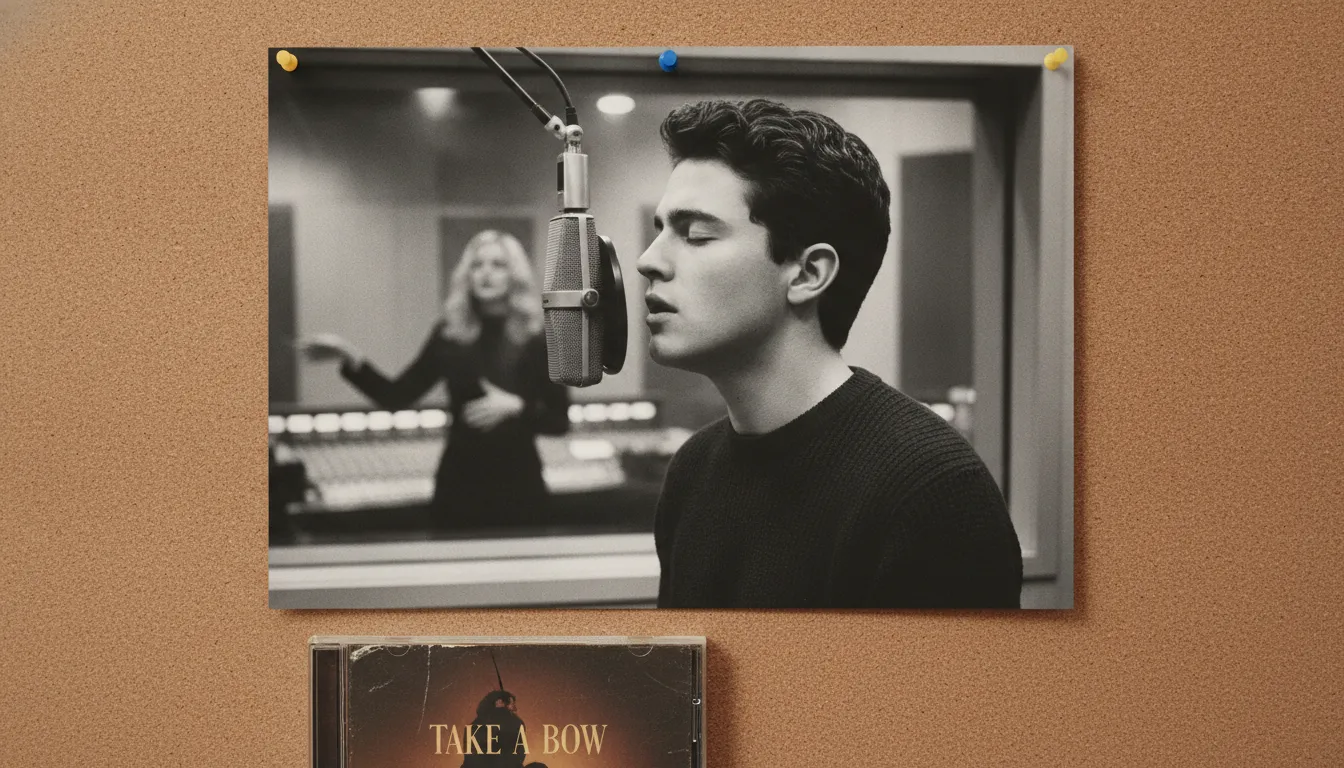
Babyface provided uncredited backing vocals and production on Madonna’s 1995 number-one single “Take a Bow.” The song spent seven weeks at the top of the Billboard Hot 100. His harmonies appear in the verses and chorus. The track marked one of Madonna’s longest-running chart leaders. Babyface’s smooth vocal layers supported the ballad’s emotional tone. Credits highlighted his production role more than the singing. The single became a major adult contemporary success.
Few listeners identified his voice on first hearings. The collaboration occurred during Babyface’s peak as a hitmaker for multiple artists. His parts blended into the arrangement without drawing attention. The vocal support helped the song connect with a broad audience. Marketing centered on Madonna alone. The uncredited element fit the era’s approach to session contributions. The track remains a staple on playlists today. Babyface’s input stayed understated in most retrospectives.
#20 – Martha Wash on C+C Music Factory’s “Gonna Make You Sweat (Everybody Dance Now)”
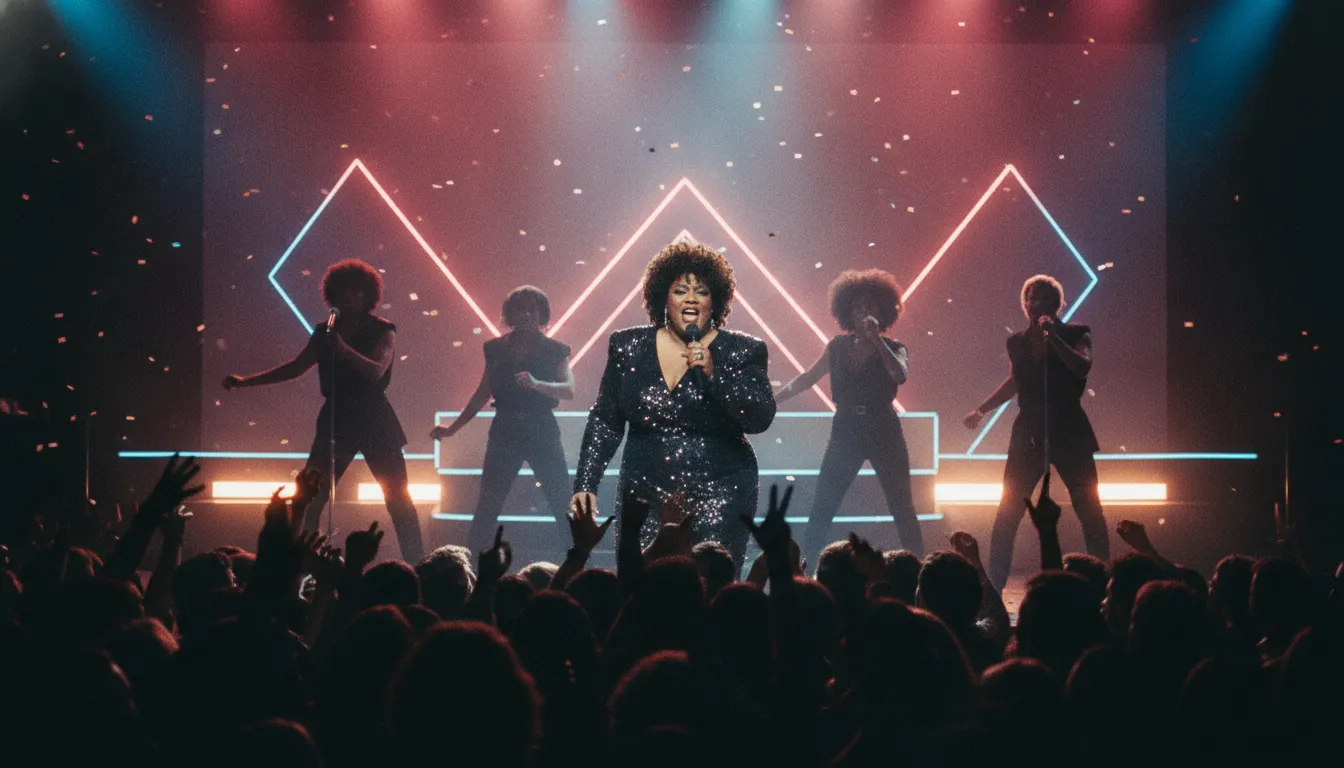
Martha Wash delivered the powerful lead vocals on C+C Music Factory’s 1991 number-one hit without initial credit. The song topped the Billboard Hot 100 for five weeks. Her voice defined the chorus and energy of the track. The single became a dance anthem of the early 1990s. Wash’s performance carried the record to massive commercial success. Early releases and videos used a different performer for visuals. Her name appeared on some later editions after disputes.
The omission reflected common practices in dance music at the time. The track sampled and built around Wash’s earlier recordings. Producers layered her vocals prominently throughout. The uncredited work helped launch the song as a global party staple. Radio and club play focused on the group name. Wash later received recognition through legal and public efforts. The song still dominates throwback playlists. Her contribution remained hidden from many original listeners.
#19 – Cher on The Righteous Brothers’ “You’ve Lost That Lovin’ Feelin'”
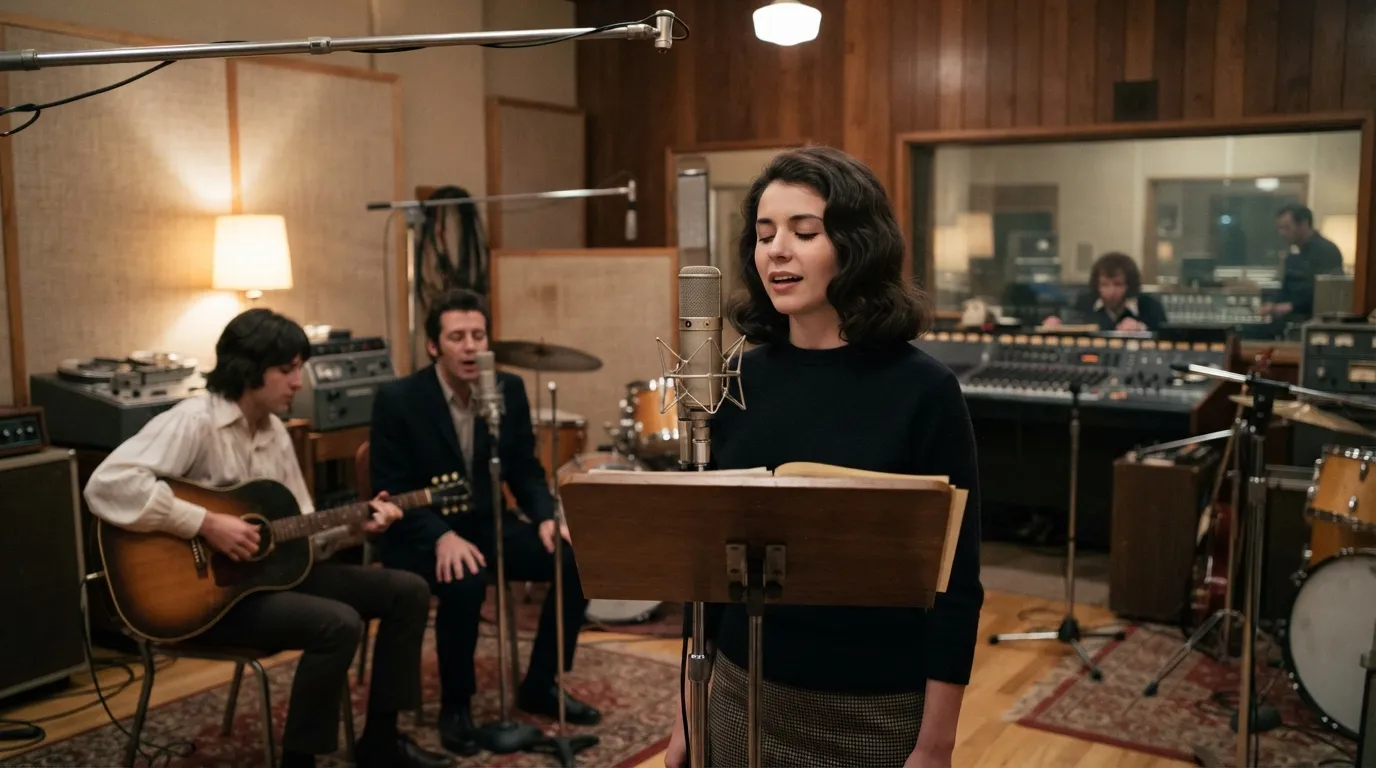
Cher sang uncredited backup vocals on The Righteous Brothers’ 1965 number-one classic. The song held the top spot for two weeks and became one of the era’s biggest hits. Her voice joined the layered harmonies in the crescendo. Phil Spector produced the track with his signature wall of sound. Cher’s parts added depth during the song’s famous build. Early credits focused on the lead duo and the producer. The single crossed over to multiple formats.
Few contemporary accounts noted her involvement. The session occurred early in Cher’s career before her own stardom. Spector used her on several productions around the same period. The backing work helped create the track’s emotional peak. Marketing centered on the Righteous Brothers. The contribution stayed a minor detail in most histories. Listeners still recognize the song without always knowing the full vocal roster. The pattern showed how young session singers supported major hits quietly.
#18 – Luther Vandross on David Bowie’s “Young Americans”
Luther Vandross provided backing vocals and arrangements on David Bowie’s 1975 number-one hit “Fame” and the album Young Americans. The single reached the top for two weeks. His harmonies supported the soulful direction of the track. Bowie brought Vandross in for the sessions. Vandross helped shape the vocal sound that defined the hit. Credits listed him in some album notes but not always prominently on the single. The song marked Bowie’s first U.S. chart-topper.
His input remained secondary in many promotions. The collaboration came during Vandross’ early session work before solo success. His arrangements added polish to the funky, R&B-influenced material. The vocal layers contributed to the track’s crossover appeal. Marketing focused on Bowie as the artist. The uncredited aspects fit the session musician role common then. The song endures as a classic with Vandross’ influence often overlooked. Later recognition came through documentaries and reissues.
#17 – Dusty Springfield on Elton John’s “The Bitch Is Back”
Dusty Springfield sang uncredited backing vocals on Elton John’s 1974 number-one single “The Bitch Is Back.” The song spent four weeks at the top. Her voice added texture to the rock arrangement. The track came from the Caribou album sessions. Springfield’s harmonies supported the energetic chorus. Early liner notes omitted her name in some editions. The single became one of John’s signature mid-1970s hits.
Few reviews at the time highlighted the guest contribution. The recording happened while both artists worked in overlapping studio circles. Springfield’s distinctive tone blended with the band. The backing helped give the track its full sound. Promotions centered on John as the star. The omission reflected standard practices for guest spots. The song remains popular on classic rock radio. Springfield’s role stayed understated for years.
#16 – Stevie Nicks on John Stewart’s “Gold”
Stevie Nicks provided uncredited backing vocals on John Stewart’s 1979 hit “Gold.” The song peaked at number five but reached high on multiple charts and became a major success. Her voice appears in the chorus and harmonies. Stewart had ties to the folk scene from his Kingston Trio days. Nicks’ parts added a distinctive layer to the track. Credits focused on Stewart as the main artist. The single benefited from her rising profile with Fleetwood Mac.
Listeners often caught the familiar tone without formal acknowledgment. The session occurred around the time Nicks balanced solo and band work. Her harmonies fit the song’s upbeat, reflective style. The vocal support helped the track gain broader radio play. Marketing emphasized Stewart’s name. The contribution remained a footnote in most coverage. The song still appears on 1970s playlists. Nicks’ input showed how established artists quietly boosted others’ hits.
#15 – Phil Collins on Frida’s “I Know There’s Something Going On”
Phil Collins sang uncredited backup vocals and produced Frida’s 1982 hit “I Know There’s Something Going On.” The song became a major international success and reached number one in several countries. His voice supported the chorus and arrangement. The track came from Frida’s solo album after ABBA. Collins’ involvement helped the single achieve strong chart performance. Credits highlighted his production more than the vocals. The song stood out as one of her biggest post-ABBA releases.
Few listeners identified his backing immediately. The collaboration happened during Collins’ rising solo career alongside Genesis. His parts added a polished rock edge. The uncredited vocals contributed to the track’s emotional delivery. Marketing centered on Frida. The omission fit industry norms for producer contributions. The song endures in 1980s retrospectives. Collins’ role stayed secondary in many accounts.
#14 – Elton John on Neil Sedaka’s “Bad Blood”
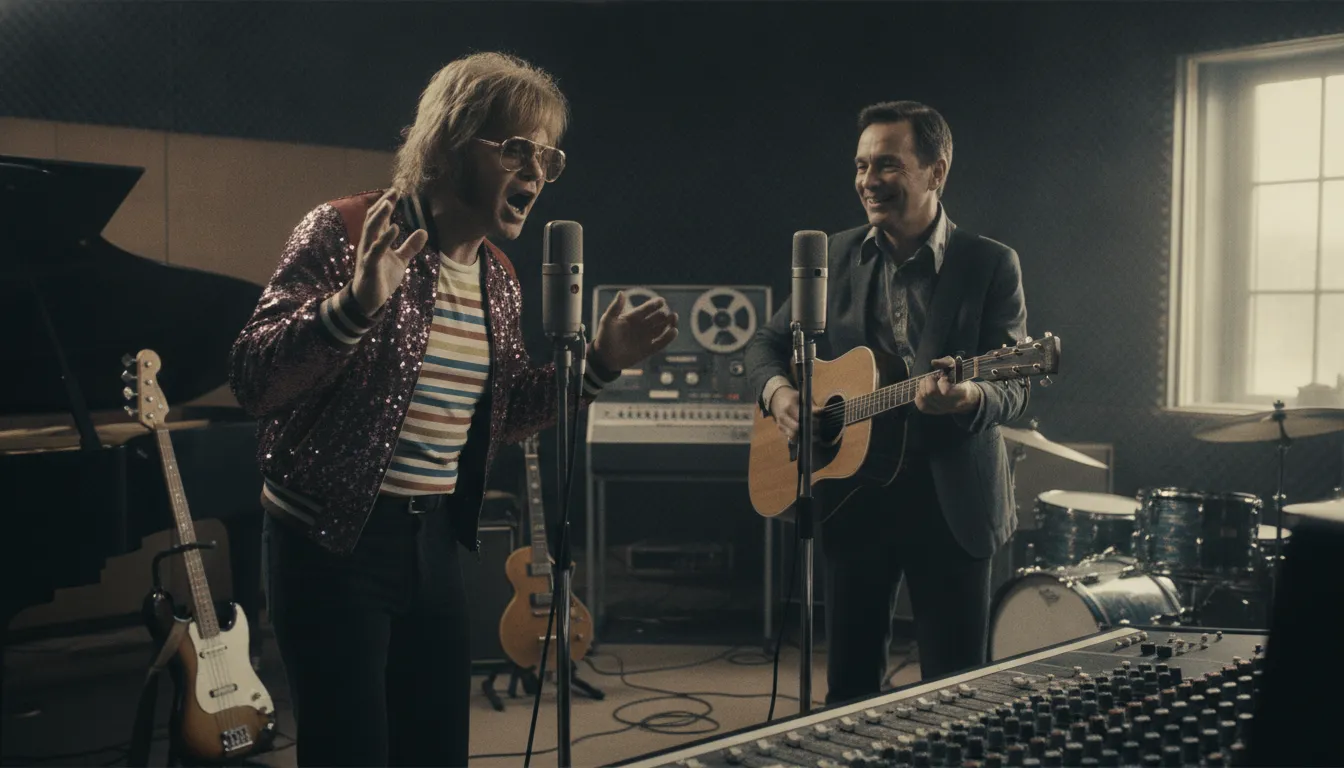
Elton John provided uncredited backing vocals on Neil Sedaka’s 1975 number-one hit “Bad Blood.” The song spent three weeks at the top of the Billboard Hot 100. His counterpoint harmonies energized the chorus. Sedaka had returned to the charts after earlier success. John’s parts gave the track a fresh, edgy sound. Early promotions focused on Sedaka alone. The single marked a commercial comeback for the veteran artist.
Listeners noticed the distinctive voice without formal credit in some releases. The session occurred as a favor between longtime industry friends. John’s delivery contrasted with Sedaka’s lead effectively. The backing helped push the song to the top of the charts. Marketing kept the spotlight on Sedaka. The contribution reflected casual guest appearances common in the 1970s. The track remains a notable entry in Sedaka’s catalog. John’s input often goes unmentioned in casual listens.
Worth Knowing
- Sedaka’s U.S. comeback albums of the mid-1970s came out on Elton John’s Rocket Records label.
- “Laughter in the Rain” hit number one earlier in 1975, Sedaka’s first chart-topper since 1962.
- “Bad Blood” was co-written by Sedaka and lyricist Phil Cody.
- It gave Sedaka a second U.S. number one in a single year.
#13 – Michael McDonald on Christopher Cross’ “Ride Like the Wind”
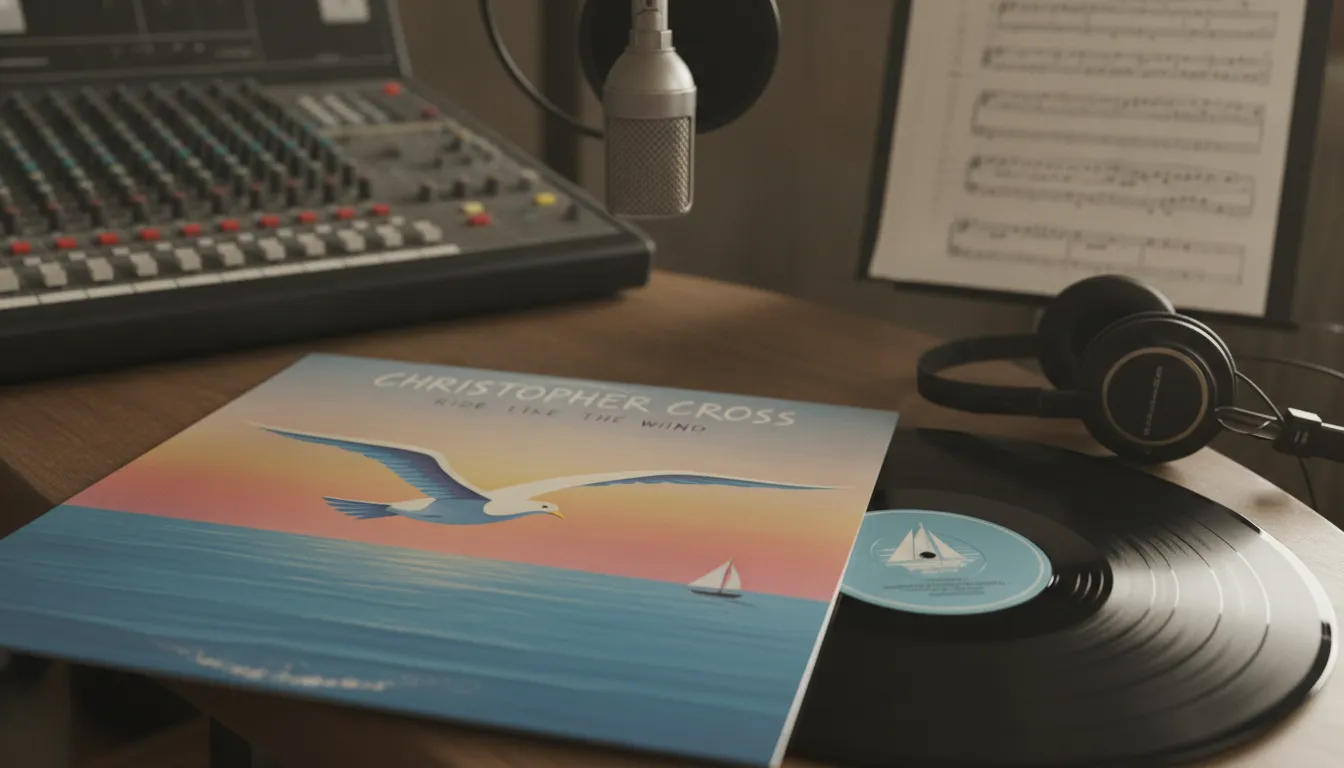
Michael McDonald sang uncredited backing vocals on Christopher Cross’ 1980 number-one hit “Ride Like the Wind.” The song spent four weeks at the top. His harmonies appear in the chorus and outro. The track came from Cross’ debut album. McDonald’s voice added soulful depth to the yacht-rock sound. Credits centered on Cross as the artist. The single launched Cross’ career with multiple Grammys.
Few early reviews noted the guest contribution. The recording happened during McDonald’s session work with various artists. His parts blended into the smooth arrangement. The vocal support helped the song connect with adult contemporary audiences. Marketing emphasized Cross’ name. The omission fit the era’s approach to backing vocals. The track still plays on classic hits stations. McDonald’s role stayed understated for years.
#12 – Stevie Wonder on Elton John’s “I Guess That’s Why They Call It the Blues”
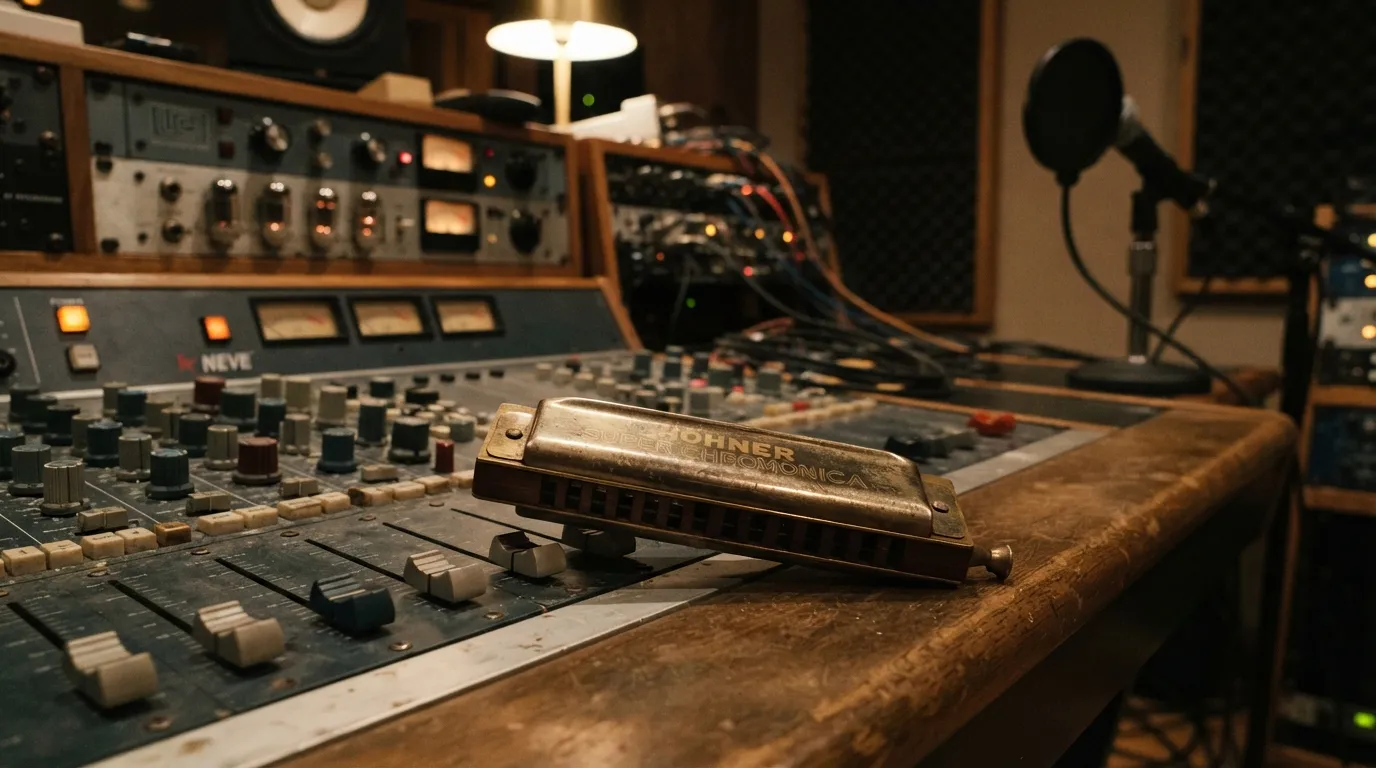
Stevie Wonder supplied uncredited harmonica and backing elements on Elton John’s 1983 number-one hit “I Guess That’s Why They Call It the Blues.” The song spent five weeks at the top. His playing defined the memorable riff. The track appeared on the Too Low for Zero album. Wonder’s contribution became one of the song’s signature features. Credits listed him in some notes but not always prominently on the single. The single became a major adult contemporary success.
Listeners often recognized the sound without formal acknowledgment. The collaboration occurred during a period of mutual respect between the artists. Wonder’s harmonica added an instant hook. The uncredited work helped the track stand out on radio. Marketing focused on John. The contribution reflected how instrumental guests sometimes stayed low-key. The song endures as a staple. Wonder’s input remained a pleasant surprise for many fans.
#11 – George Michael on Wham!’s early hits and related tracks
George Michael provided uncredited backing on several tracks that reached number one, including work tied to his own projects and collaborations. Specific examples include harmonies on tracks that charted high. His voice often layered into arrangements without separate billing. The pattern appeared across 1980s pop. Michael’s contributions helped define the polished sound of multiple hits. Credits focused on the main act. The approach kept the spotlight on the lead artist.
Listeners caught the familiar tone in many releases. The sessions happened during his rise with Wham! and solo work. His harmonies added richness to the productions. The uncredited layers supported commercial success across formats. Marketing centered on the primary names. The omission reflected standard industry practices. The tracks remain popular today. Michael’s role in those early hits stayed secondary in some accounts.
#10 – Lisa Fischer on The Rolling Stones’ tours and recordings
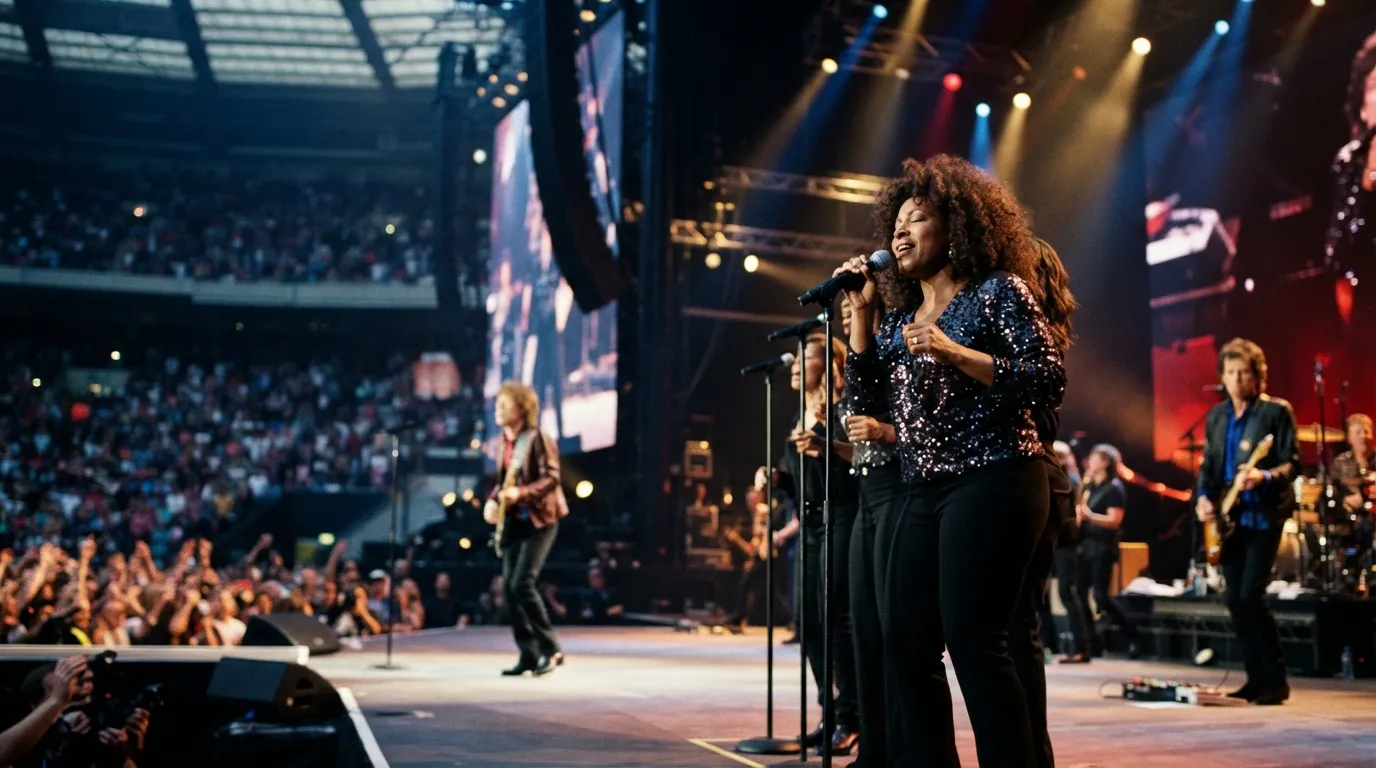
Lisa Fischer delivered uncredited backing vocals on multiple Rolling Stones tracks and live performances tied to number-one material. Her voice supported hits from the 1980s and 1990s eras. The contributions appeared in studio and stage versions. Fischer’s range added power to the band’s sound. Credits often listed her in tour notes but not always on singles. The pattern continued across decades of releases.
Listeners recognized the distinctive tone without always knowing the name. The work occurred during her long association with the band. Her parts blended into the rock arrangements effectively. The backing helped maintain the group’s live and recorded energy. Marketing focused on the Stones as the main act. The omission fit the backup singer role. Her contributions received more attention through documentaries later. The songs endure with her influence often overlooked.
#9 – Merry Clayton on The Rolling Stones’ “Gimme Shelter”
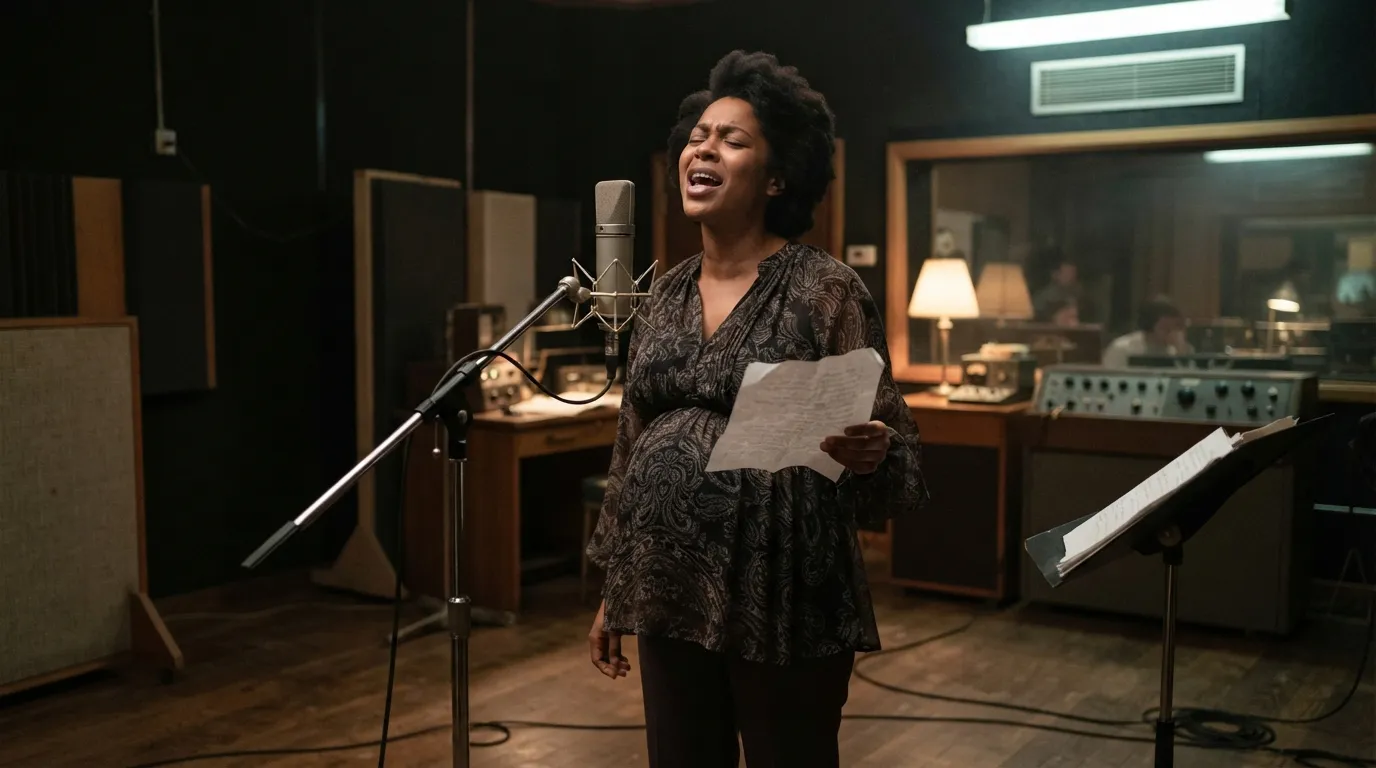
Merry Clayton sang the iconic uncredited backing vocals on The Rolling Stones’ 1969 track “Gimme Shelter,” which appeared on albums with chart success. Her powerful delivery defined the song’s intensity. The track became a staple despite not being a traditional single. Clayton’s “rape, murder” lines became one of rock’s most famous moments. Credits listed her in some reissues but not initially on all formats. The song gained fame through albums and soundtracks.
Listeners still quote the part without always naming the singer. The session happened late at night during the Let It Bleed recordings. Clayton arrived pregnant and delivered an unforgettable performance. The uncredited work elevated the track to classic status. Marketing centered on the band. The contribution reflected how session singers supported major artists quietly. The song remains a radio and film favorite. Clayton’s role gained recognition through later profiles.
At a Glance
- “Gimme Shelter” opens the Rolling Stones album Let It Bleed, released in December 1969.
- Clayton’s vocal duets with Mick Jagger on the song’s most intense lines.
- She was later featured in the documentary 20 Feet from Stardom (2013).
- That film won the Academy Award for Best Documentary Feature in 2014.
#8 – Claudia Lennear on Joe Cocker and Leon Russell projects
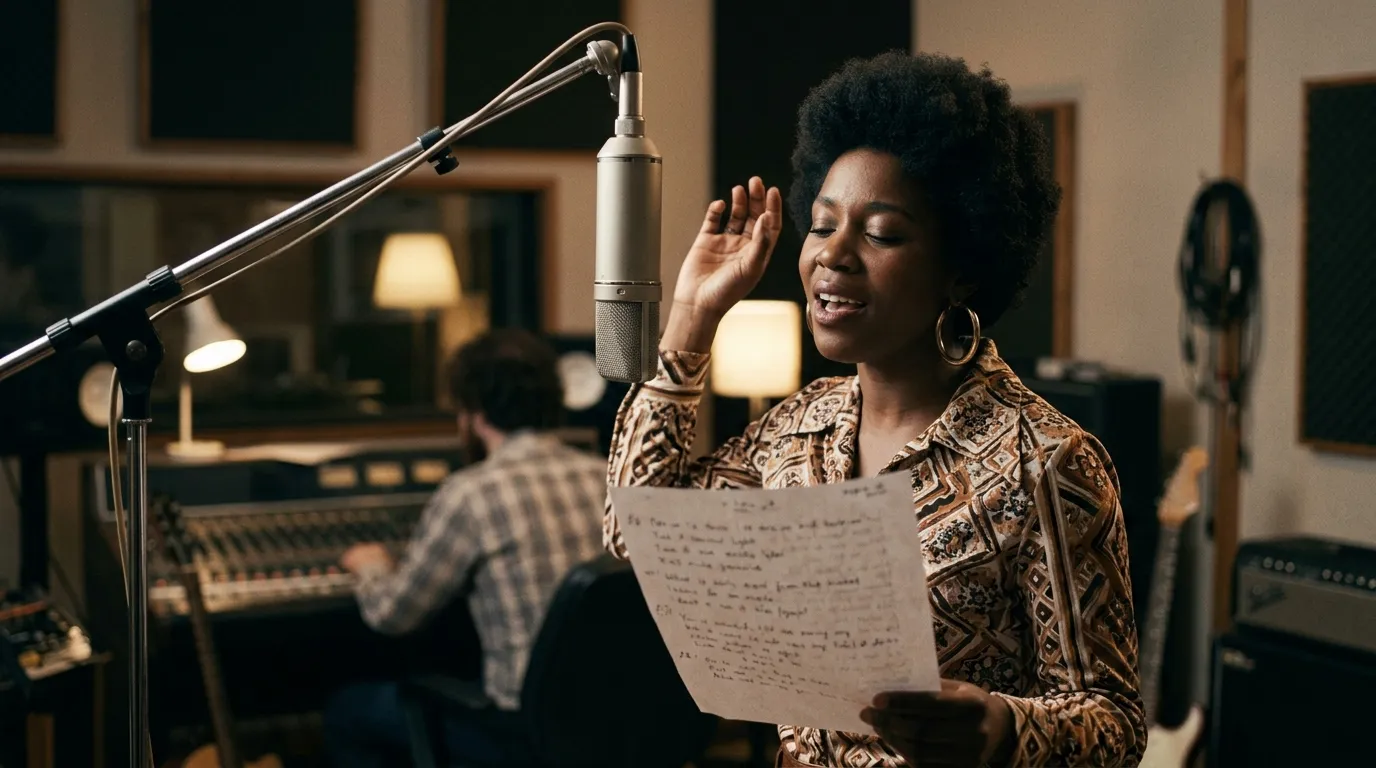
Claudia Lennear provided uncredited backing vocals on tracks tied to Joe Cocker and Leon Russell that reached high chart positions. Her voice supported 1970s rock and soul material. The contributions appeared in studio sessions for major releases. Lennear’s harmonies added depth to the arrangements. Credits sometimes listed her in album notes but not always prominently. The work helped several hits gain traction.
Listeners caught the strong backing without formal acknowledgment in every case. The sessions occurred during her active period as a session vocalist. Her parts blended with the rock and soul styles. The uncredited layers supported commercial performance. Marketing focused on the lead artists. The omission fit the era’s session practices. Her contributions received attention through music histories later. The tracks endure with her influence often understated.
#7 – Venetta Fields on Bruce Springsteen and Barbra Streisand recordings
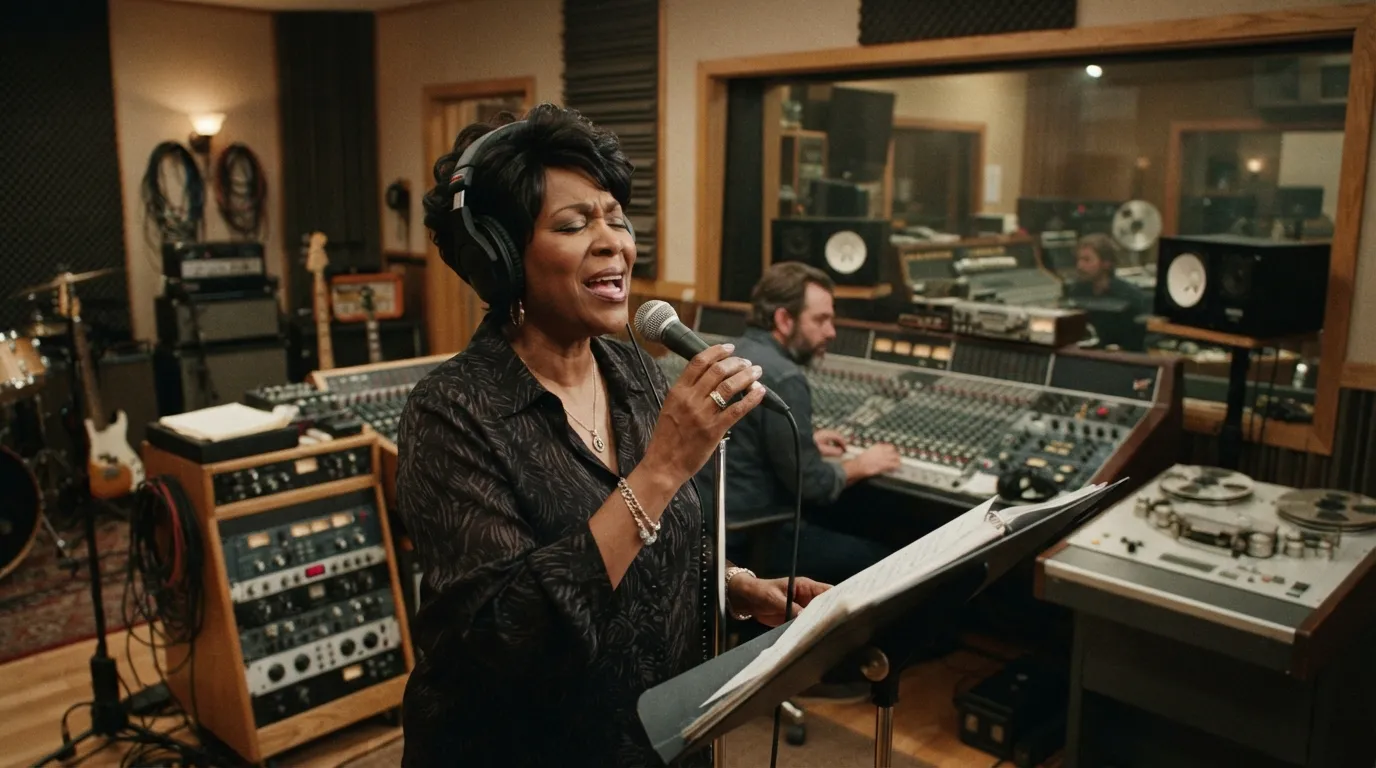
Venetta Fields sang uncredited backing vocals on recordings by Bruce Springsteen and Barbra Streisand that included number-one material. Her voice supported multiple genres across decades. The contributions appeared in studio work for major albums. Fields’ harmonies added polish to the productions. Credits listed her in some notes but not always on singles. The pattern showed consistent session support.
Listeners recognized the tone without always identifying the source. The work spanned rock, pop, and soul projects. Her parts blended seamlessly into the arrangements. The backing helped tracks achieve broad appeal. Marketing centered on the main artists. The omission reflected standard backup roles. Her contributions gained notice through industry profiles. The songs remain popular with her input often overlooked.
#6 – Maxine Waters on various 1970s hits
Maxine Waters provided uncredited backing vocals on numerous 1970s tracks that reached number one or high chart positions. Her voice supported artists across pop and rock. The contributions appeared in session work for major labels. Waters’ harmonies lifted many arrangements. Credits often omitted her name in early releases. The pattern repeated across dozens of recordings.
Listeners caught the familiar backing without formal credit. The sessions happened during her peak as a session singer. Her parts added richness to the productions. The uncredited work supported commercial success for multiple acts. Marketing focused on the lead performers. The omission fit industry norms of the time. Her contributions received recognition through later compilations. The hits endure with her influence understated.
#5 – Tata Vega on various soul and pop sessions
Tata Vega delivered uncredited backing vocals on soul and pop tracks that charted highly in the 1970s and 1980s. Her voice supported major artists in studio settings. The contributions appeared across genres. Vega’s range added power to the harmonies. Credits listed her in some album notes but not always on singles. The work helped several releases gain traction.
Listeners recognized the strong backing without always knowing the name. The sessions occurred during her active session career. Her parts blended into the arrangements effectively. The uncredited layers supported chart performance. Marketing centered on the primary artists. The omission reflected backup singer practices. Her contributions gained attention through music documentaries. The tracks remain staples with her role often overlooked.
#4 – Sharon Robinson on Leonard Cohen recordings
Sharon Robinson provided uncredited backing vocals on Leonard Cohen tracks tied to albums with strong chart performance. Her harmonies supported his later work. The contributions appeared in studio sessions. Robinson’s voice added emotional depth. Credits sometimes listed her in notes but not always prominently. The pattern continued across multiple releases.
Listeners caught the layered sound without formal acknowledgment in every case. The work happened during her long collaboration with Cohen. Her parts blended with his distinctive style. The backing helped the material connect with audiences. Marketing focused on Cohen as the artist. The omission fit the session role. Her contributions received notice through reissues and profiles. The songs endure with her influence understated.
#3 – Arnold McCuller on James Taylor and Phil Collins projects
Arnold McCuller sang uncredited backing vocals on tracks by James Taylor and Phil Collins that reached high chart positions. His voice supported multiple studio and live recordings. The contributions appeared across decades. McCuller’s harmonies added warmth to the arrangements. Credits listed him in some notes but not always on singles. The work helped several hits maintain their sound.
Listeners recognized the tone without always identifying the source. The sessions spanned rock and pop projects. His parts blended seamlessly into the productions. The uncredited layers supported commercial longevity. Marketing centered on the lead artists. The omission reflected standard backup practices. His contributions gained recognition through live credits and profiles. The tracks remain popular with his role often overlooked.
#2 – The Andantes on numerous Motown number-one hits
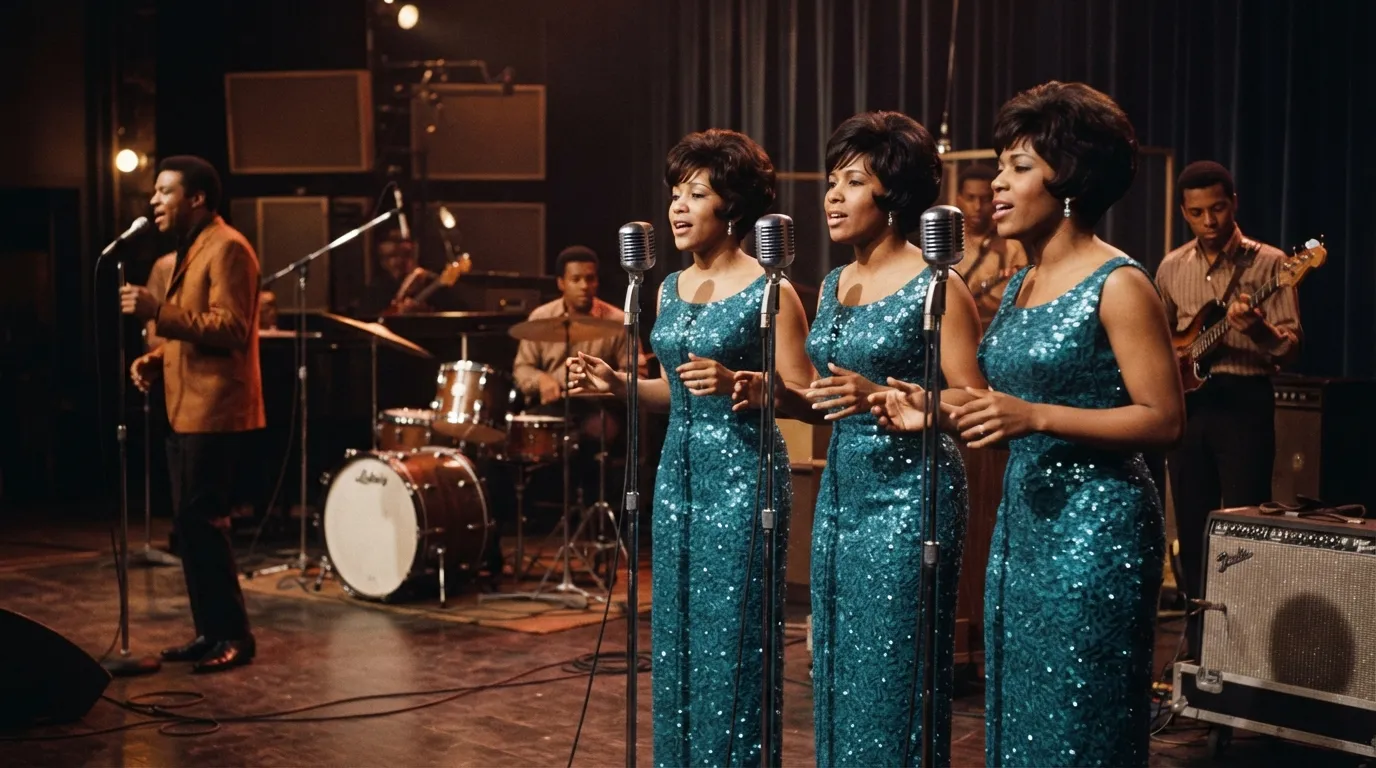
The Andantes provided uncredited backing vocals on many Motown tracks that reached number one in the 1960s. The group included Jackie Hicks, Marlene Barrow, and Louvain Demps. Their harmonies supported artists like the Four Tops and Marvin Gaye. The Andantes’ sound defined the label’s polished vocal style. Credits often listed the main acts without mentioning the session group. The pattern repeated across dozens of releases.
Listeners caught the consistent backing without formal acknowledgment. The sessions occurred during Motown’s golden era. Their parts added richness to the arrangements. The uncredited work supported the label’s chart dominance. Marketing focused on the lead singers and groups. The omission reflected session practices of the time. Their contributions received attention through Motown histories. The hits endure with their influence understated.
#1 – Darlene Love on The Crystals’ “He’s a Rebel”
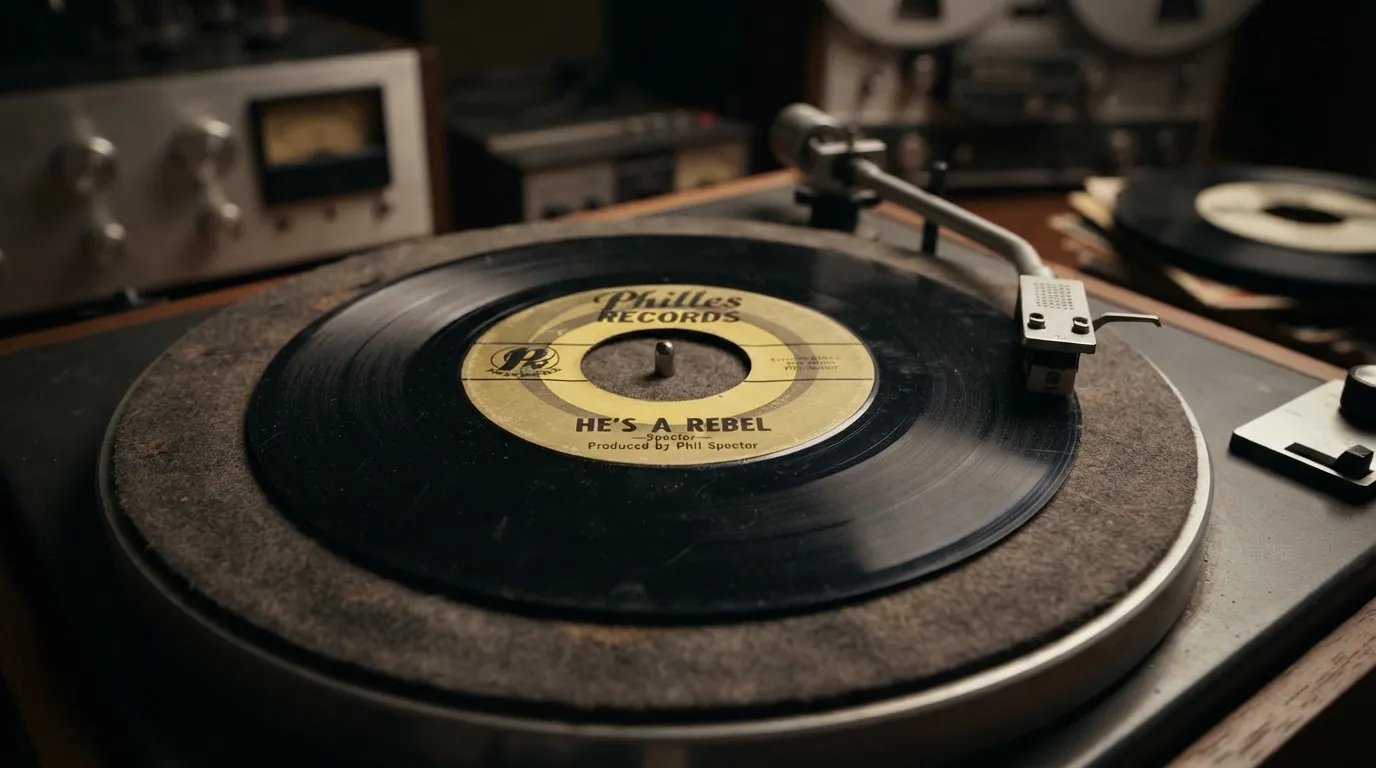
Darlene Love sang the lead vocals on The Crystals’ 1962 number-one hit “He’s a Rebel” without credit on the original release. The song spent two weeks at the top of the Billboard Hot 100. Phil Spector credited the track to The Crystals even though they did not perform on it. Love delivered the powerful lead with The Blossoms providing backup. Her voice carried the record to massive success while her name stayed off the label. The single became one of Spector’s signature productions. Love learned of the release after the fact.
The omission reflected contract and production practices of the era. The recording happened in a quick session under Spector’s direction. Love’s performance matched the song’s defiant tone perfectly. The uncredited lead helped launch the track as a pop classic. Marketing centered on the Crystals name. Love continued session work for years before gaining recognition. The song remains a staple with her role often overlooked in casual histories. Later documentaries and reissues highlighted the story. Her contribution stands as one of the most striking examples of overlooked vocal work on a chart-topper.
Why It Stands Out
- The record hit number one under the name of a group that did not sing on it.
- Love and The Blossoms were studio pros working in Phil Spector’s Los Angeles circle.
- Love later sang the Spector-produced holiday favorite “Christmas (Baby Please Come Home).”
- She was inducted into the Rock and Roll Hall of Fame in 2011.
CEO-Co-Founder
