


- 20 Empowering Phrases to Whisper to Your Kids and Watch Them Soar - October 12, 2026
- Unlock Family Magic: 4 Easy Dinnertime Rituals to Deepen Connections - October 12, 2026
- Award Show Scandals That Shocked Us - October 12, 2026
Most athletes get pushed out. A bad knee, a lost step, a younger rival, a team that stops calling. The 25 names below did something far rarer and walked away while the scoreboard, the record book, or the rankings still said they were on top.
Some left with a perfect record. Some left for a movie set, a family, or a medical school dream. One announced it on a cage floor, and one did it with a fax. A few of them even changed their minds later, and that is only part of the story.
#25 – Barry Sanders
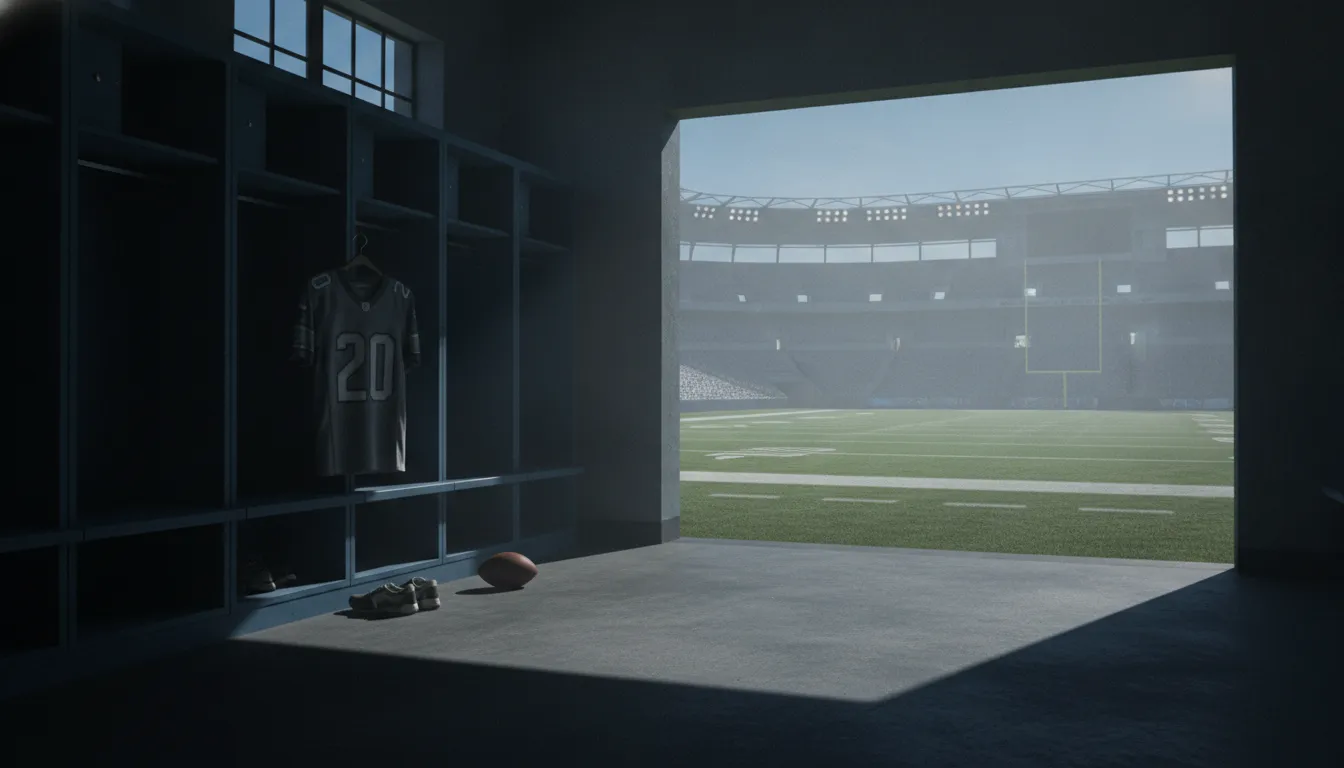
Barry Sanders was 1,457 yards short of Walter Payton’s career rushing record when he quit. He had just run for 1,491 yards in 1998 and had never gone under 1,000 in ten seasons.
Then, in July 1999, on the eve of Lions training camp, he faxed a statement to his hometown paper, the Wichita Eagle, and he was gone. He said the desire to play had faded, and he had doubts about where Detroit was headed.
Sanders finished with 15,269 yards and ten straight 1,000-yard seasons for a team that rarely gave him much help. The shock was how little the record seemed to matter to him. The man who made defenders grab at air simply decided he was finished, and Lions fans have wondered about one more season ever since.
#24 – Jim Brown
Jim Brown was on a movie set when football lost him. In the summer of 1966, he was in London filming The Dirty Dozen when he announced he would not be reporting to Browns camp. He was 30 and had just been named MVP after rushing for 1,544 yards in 1965.
Brown led the NFL in rushing in eight of his nine seasons and left with 12,312 career yards, a record at the time. Defenders had spent nine years bouncing off him, and then they were suddenly free of him.
He moved into acting and later gave much of his energy to activism and community programs. A nine-year career still set the yardstick for running backs for decades. Few players have ever made walking away look this easy.
#23 – Bjorn Borg
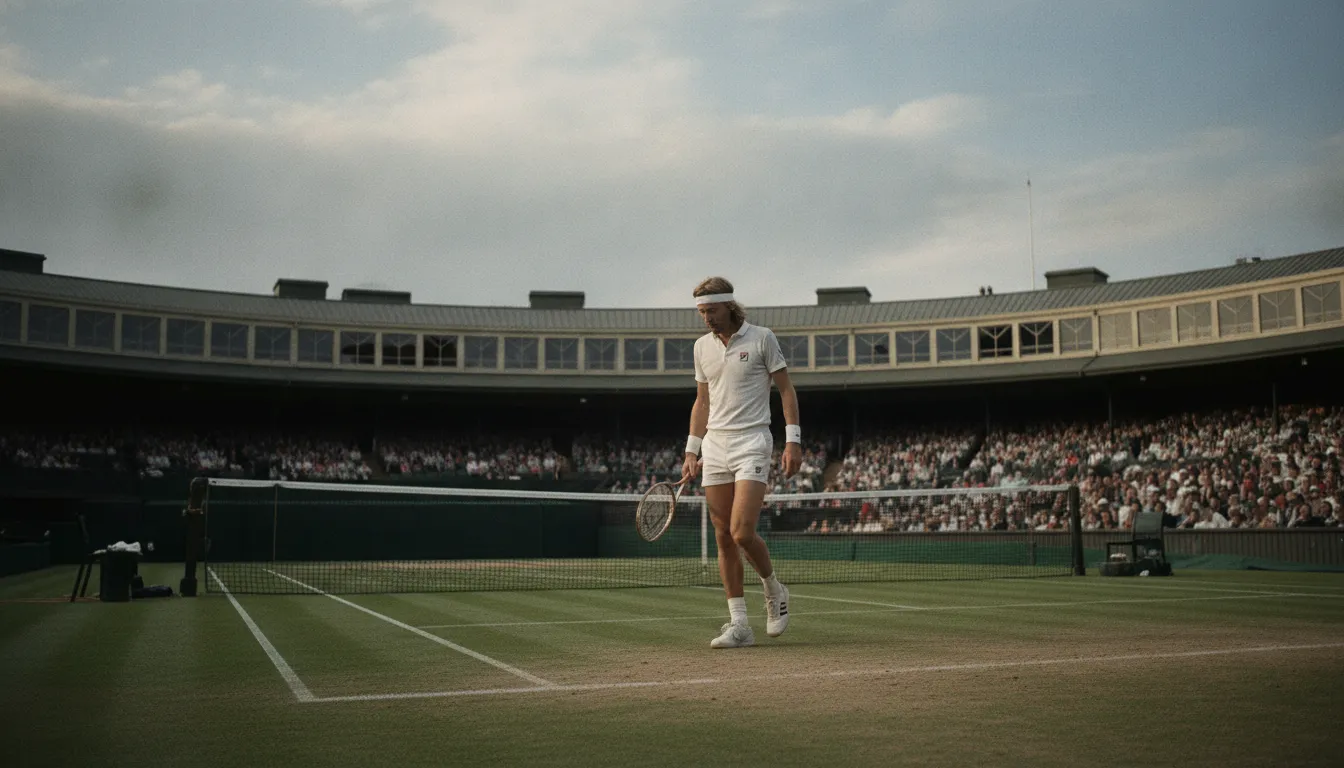
Bjorn Borg owned Wimbledon, and then he quietly disappeared from tennis at 26. He won five straight Wimbledon titles from 1976 to 1980 and six French Opens, for 11 Grand Slam titles in all.
In 1981 he lost both the Wimbledon final and the US Open final to John McEnroe. After that, the fire seemed to go out. He largely stopped playing the full tour and formally announced his retirement in January 1983.
Burnout was the reason. He had lived under enormous pressure since his teens, and the ice-cool baseliner finally wanted a life away from the grind.
He did try a comeback in the early 1990s, and it went badly. The version of Borg people remember is the one who left while he was still reaching major finals.
#22 – Ash Barty
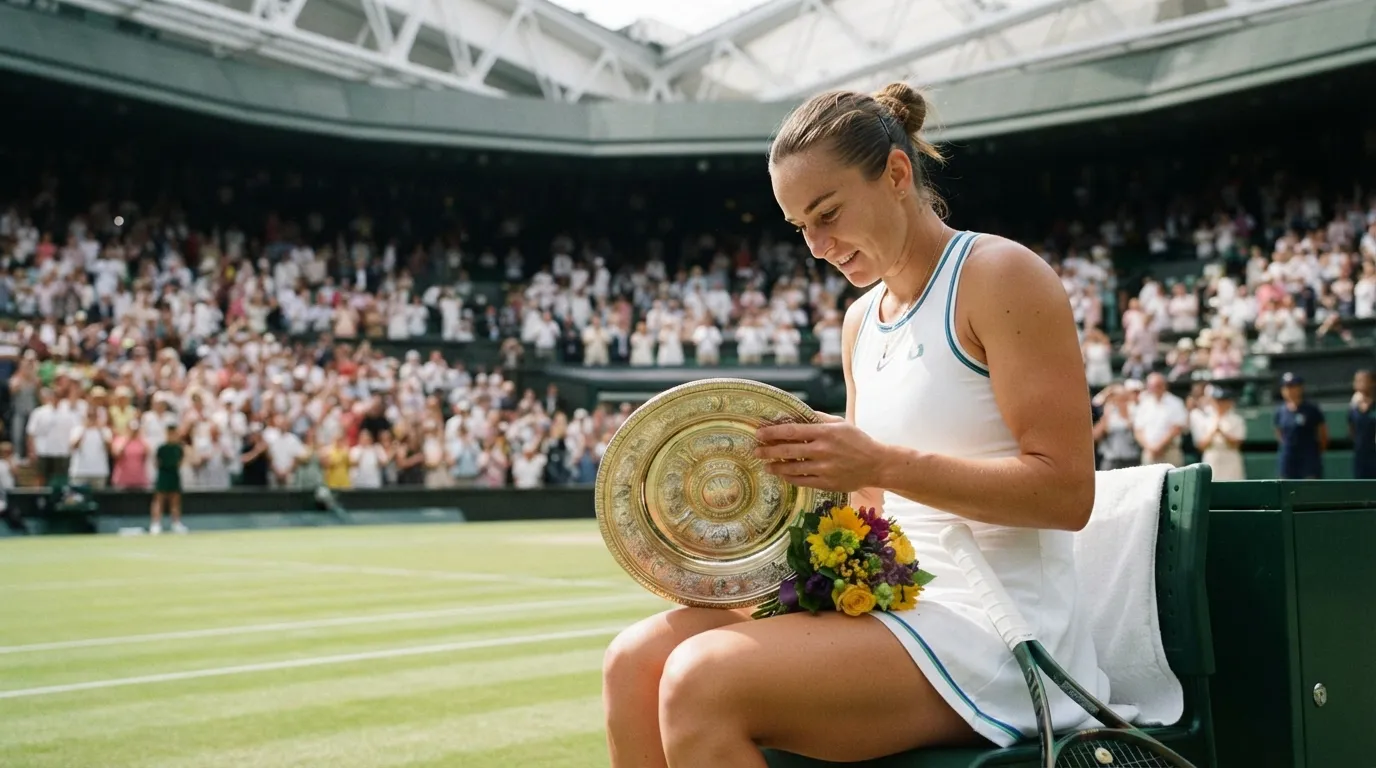
Ash Barty retired as world number one, just two months after winning her home Australian Open. That January 2022 title made her the first Australian woman to win the event in 44 years. Then she said goodbye in a calm video at 25.
She told the world she had nothing left to give and was ready to chase other dreams. The tennis world was stunned, because she already had Grand Slam trophies from the French Open, Wimbledon, and now Melbourne.
It was not her first exit, either. In 2014 she stepped away from tennis and played professional cricket for the Brisbane Heat.
Barty finished with 15 singles titles and a game full of slice, variety, and nerve. She left at the top, on her own terms, with her smile intact.
#21 – Khabib Nurmagomedov

Khabib Nurmagomedov retired in tears on the cage floor. In October 2020 in Abu Dhabi, he choked out Justin Gaethje in the second round. Then he took off his gloves, left them on the canvas, and announced he was finished.
His father and longtime coach, Abdulmanap, had died that summer. Khabib had promised his mother he would not fight on without him. UFC president Dana White tried to talk him into staying, but Khabib did not change his mind.
Fast Facts
- Final fight: UFC 254 on October 24, 2020
- Result: second-round submission of Justin Gaethje
- Final record: 29-0 as lightweight champion
- Age at retirement: 32
He walked away undefeated at 29-0, still holding the lightweight title. His smothering wrestling and relentless pressure had made opponents miserable for years. He left behind a question nobody could answer: who was ever going to beat him?
#20 – Justine Henin
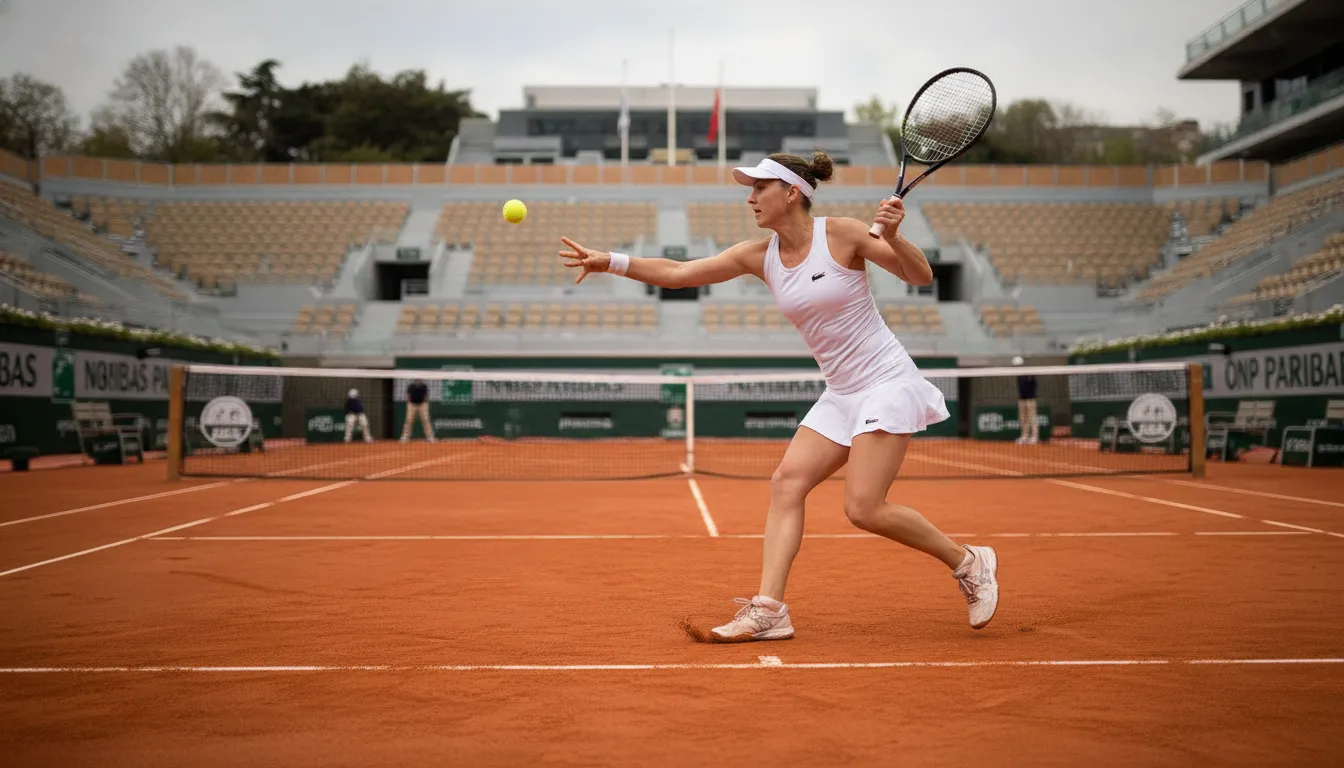
Justine Henin quit tennis days before she could chase a fourth straight French Open. In May 2008, she announced her retirement at 25 while she was still ranked number one in the world.
She had won the previous three Roland Garros titles, from 2005 to 2007. She had seven Grand Slam singles titles in total, including the US Open. The one-handed backhand was among the most beautiful shots in the sport.
Henin said the drive to train and compete at that level was gone. For a player who had fought through a lot to get to the top, that was a stark thing to admit.
The timing felt almost cruel for tennis fans. She was in her prime, and clay season was just beginning.
#19 – Michael Jordan
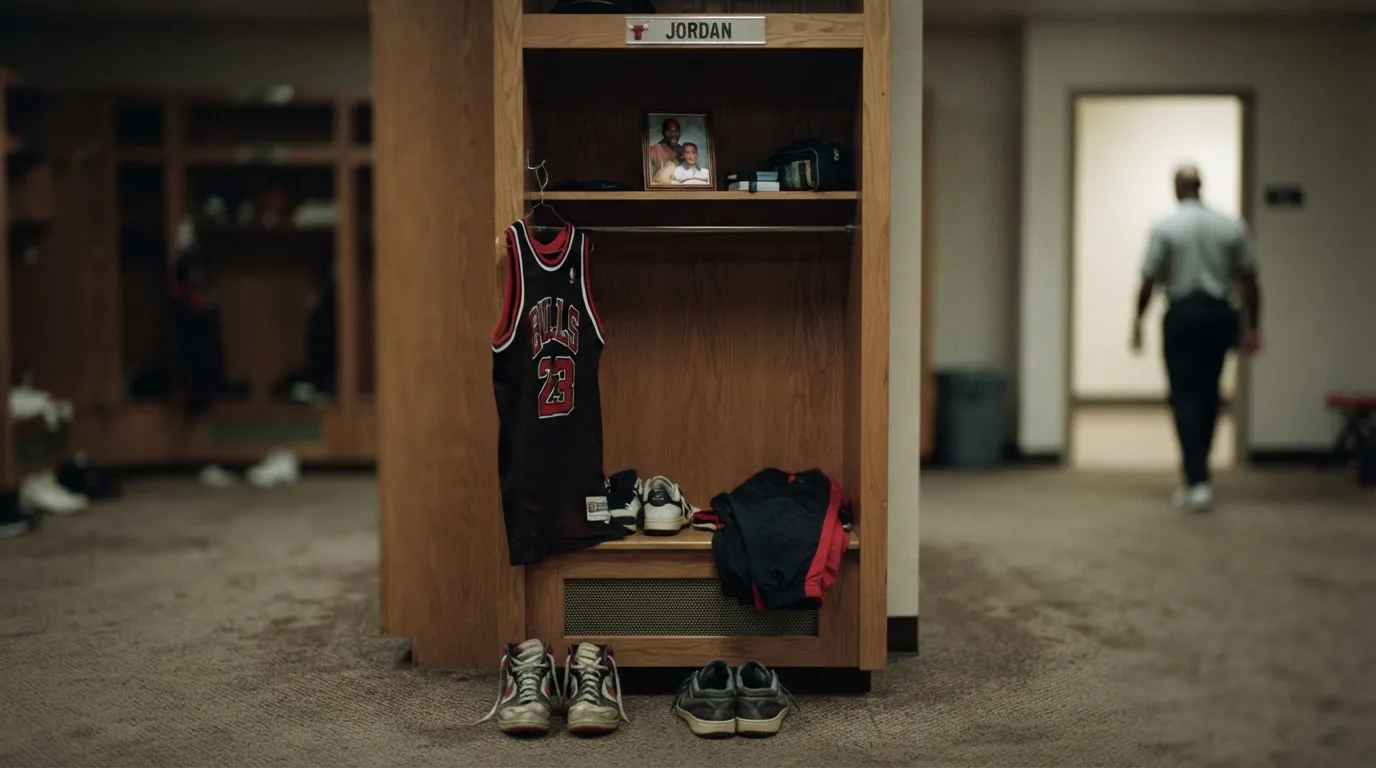
Michael Jordan walked away in October 1993 with three straight championships in his pocket. He was 30. He had won seven consecutive scoring titles and was the most famous athlete on the planet.
Only a few months earlier, his father, James Jordan, had been killed. Jordan said the motivation was gone, and he did not feel he had anything left to prove in basketball.
The announcement shocked the league. The Bulls’ dynasty seemed to end in an afternoon.
He soon tried minor league baseball, then returned to the NBA in 1995 and won three more titles. Jordan’s first retirement is the one that counts here, because he left as the best player alive.
#18 – Sandy Koufax
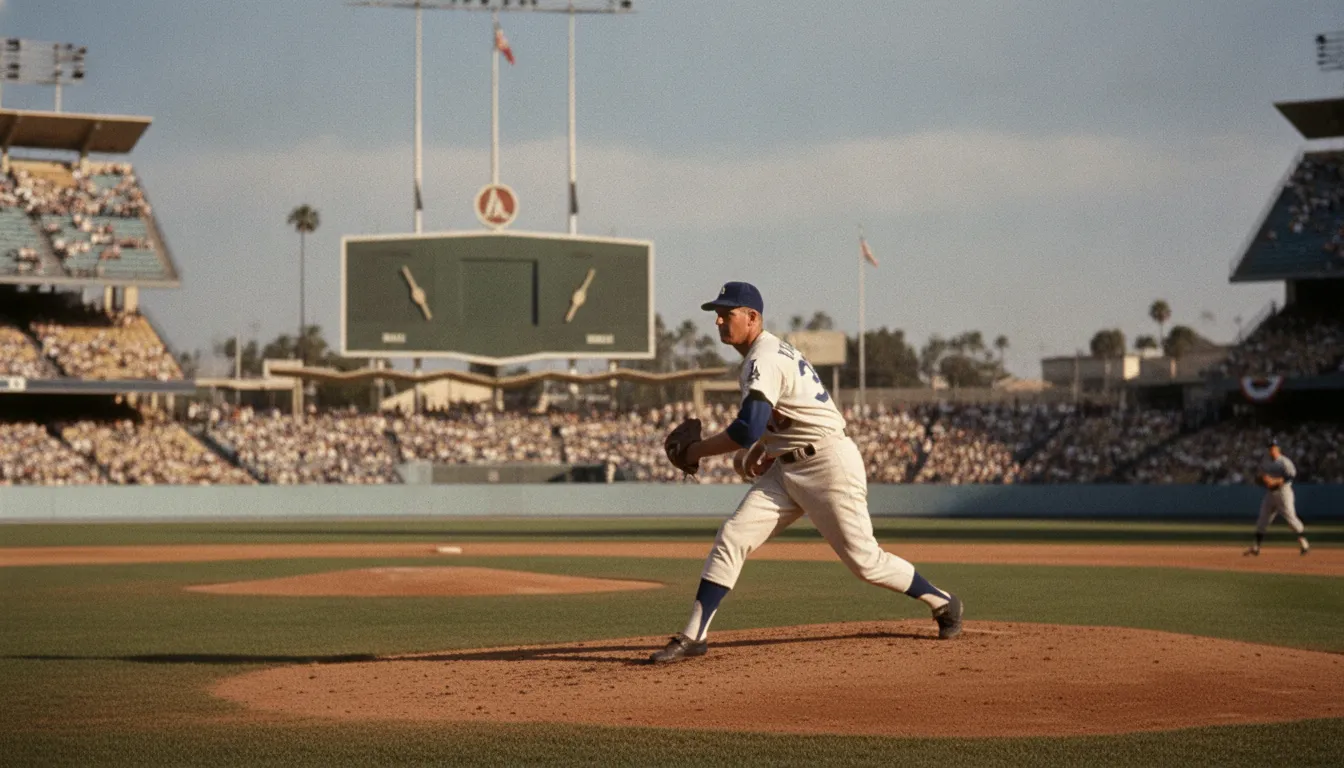
Sandy Koufax retired because his left elbow was failing, not because his arm was. In November 1966, he left at 30 after one of the most dominant stretches by a pitcher in baseball history.
He had won three Cy Young Awards in four years. His 1966 season ended with 27 wins and a 1.73 ERA. He had thrown four no-hitters, including a perfect game, and struck out 382 batters in 1965.
That same year, he shut out the Twins in Game 7 of the World Series on two days’ rest.
Arthritis in the elbow made every start a risk. Koufax chose to leave while he could still use the arm for the rest of his life, and he walked off the mound as the best pitcher around.
#17 – Nico Rosberg
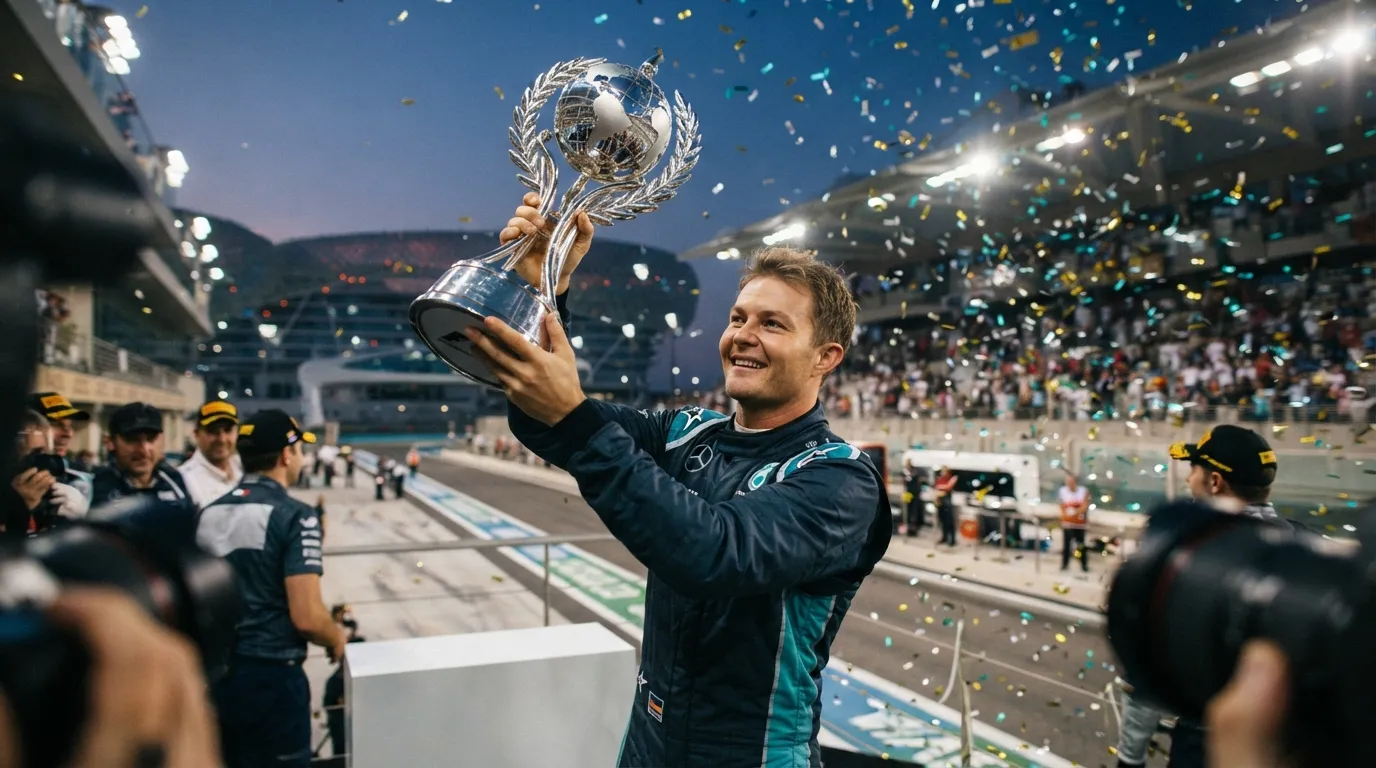
Nico Rosberg won the Formula One world championship and then quit five days later. In November 2016, he beat his Mercedes teammate Lewis Hamilton by five points. In December he announced his retirement at 31.
Hardly anyone saw it coming. He had spent a decade chasing the title his father, Keke, had won in 1982. The reason for leaving was refreshingly simple: he had done what he came to do.
He said the title fight had demanded everything from him and his family. He did not want to go through it all again.
It remains one of the cleanest exits in motorsport. Champions rarely leave with the trophy still warm.
#16 – Annika Sorenstam
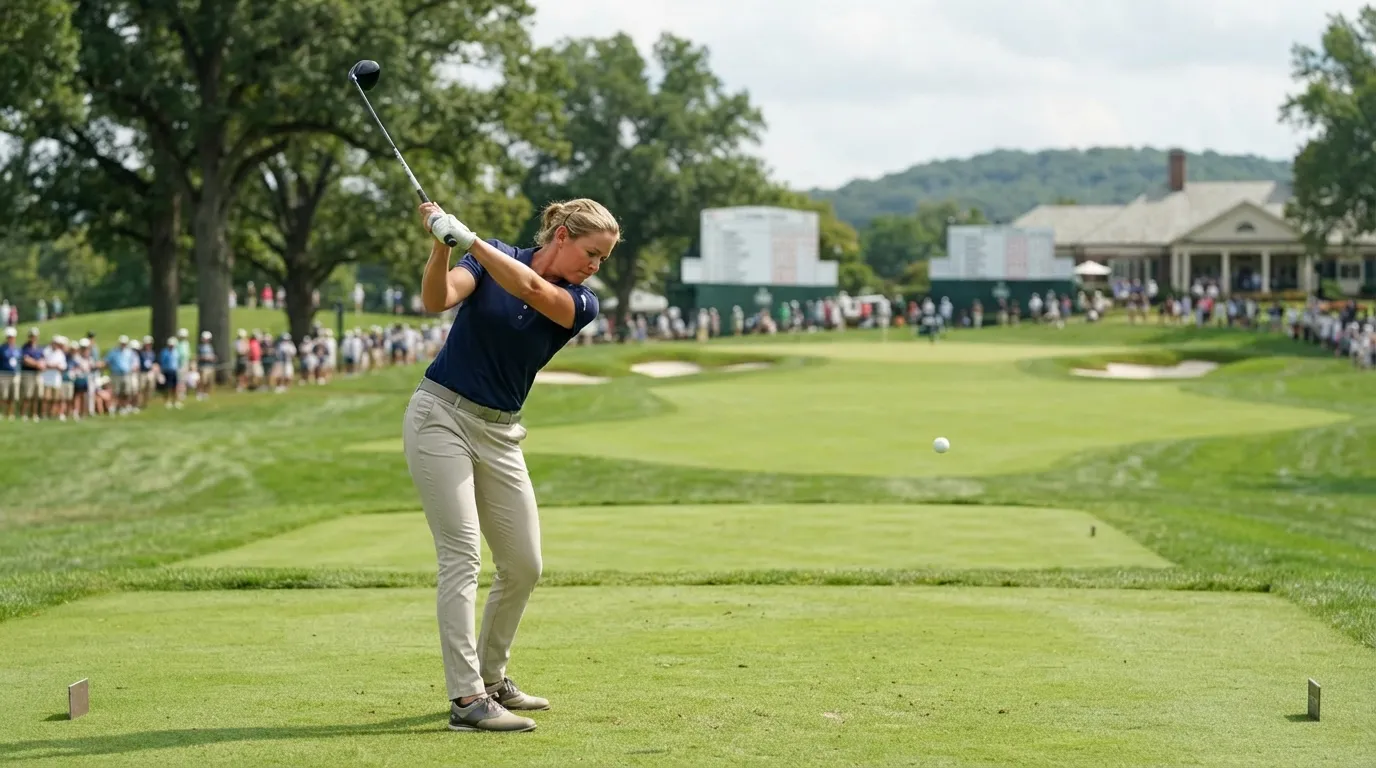
Annika Sorenstam was the most dominant woman in golf, and she knew when to stop. She announced in May 2008 that she would retire at the end of the season. She left with 72 LPGA wins and ten major championships.
She was still a threat to win every week. Her precision from the fairway and her ice-cold nerves had defined an era.
In 2003 she became the first woman in decades to play a PGA Tour event, at the Colonial. She did not make the cut, but she changed the conversation about women in golf.
Sorenstam retired at 37 to start a family and to leave on her terms. For a woman who had been so relentless, that was almost the most surprising part.
#15 – Ken Dryden

Ken Dryden retired after winning a Stanley Cup, and then went to work as a lawyer and author. The 1979 Montreal Canadiens were the fourth straight champions. He was 31.
He had won six Cups in eight seasons and five Vezina Trophies. His whole NHL career fit inside eight seasons, and he still ended up in the Hall of Fame.
Worth Knowing
- He won the Conn Smythe Trophy in 1971 as a rookie who had played only six regular-season games.
- He took the Calder Trophy as the NHL’s top rookie the following season.
- His book The Game was published in 1983 and is still a hockey classic.
- He later served in Canada’s Parliament.
Dryden had always lived differently from other goalies. He sat out the 1973-74 season to article at a law firm. He studied law while playing, and he took the long view of what hockey was worth.
He left the crease as one of the most successful goalies in NHL history.
#14 – Mario Lemieux

Mario Lemieux retired in 1997 after winning the scoring title again. He had 122 points in 76 games that season. He was 31, and he was still the best offensive player in the world.
The back problems and the exhaustion had been wearing on him for years. He had also battled Hodgkin’s lymphoma in 1993, and he had come back from it to win another Art Ross Trophy.
The Penguins lost in the playoffs that spring, and Lemieux said goodbye soon after. He was inducted into the Hall of Fame that same year, with the usual waiting period waived.
He did return as a player in 2000, but the 1997 exit is the one that shows what it looks like when a superstar goes out on top.
#13 – Buster Posey

Buster Posey retired right after one of the most unexpected comeback seasons in baseball. In 2021, the Giants won a franchise-record 107 games. Posey hit .304 with 18 home runs while catching for a team nobody had expected to win.
He had opted out of the 2020 season when he and his wife adopted premature twin girls. Many people wondered whether he would ever return to the same level.
He did. Then, in November 2021, he announced his retirement at 34. Family and the toll of catching were his reasons.
He had won three World Series titles and the 2012 NL MVP award. He left a young team in good shape, and he left on a high note.
#12 – Aaron Donald
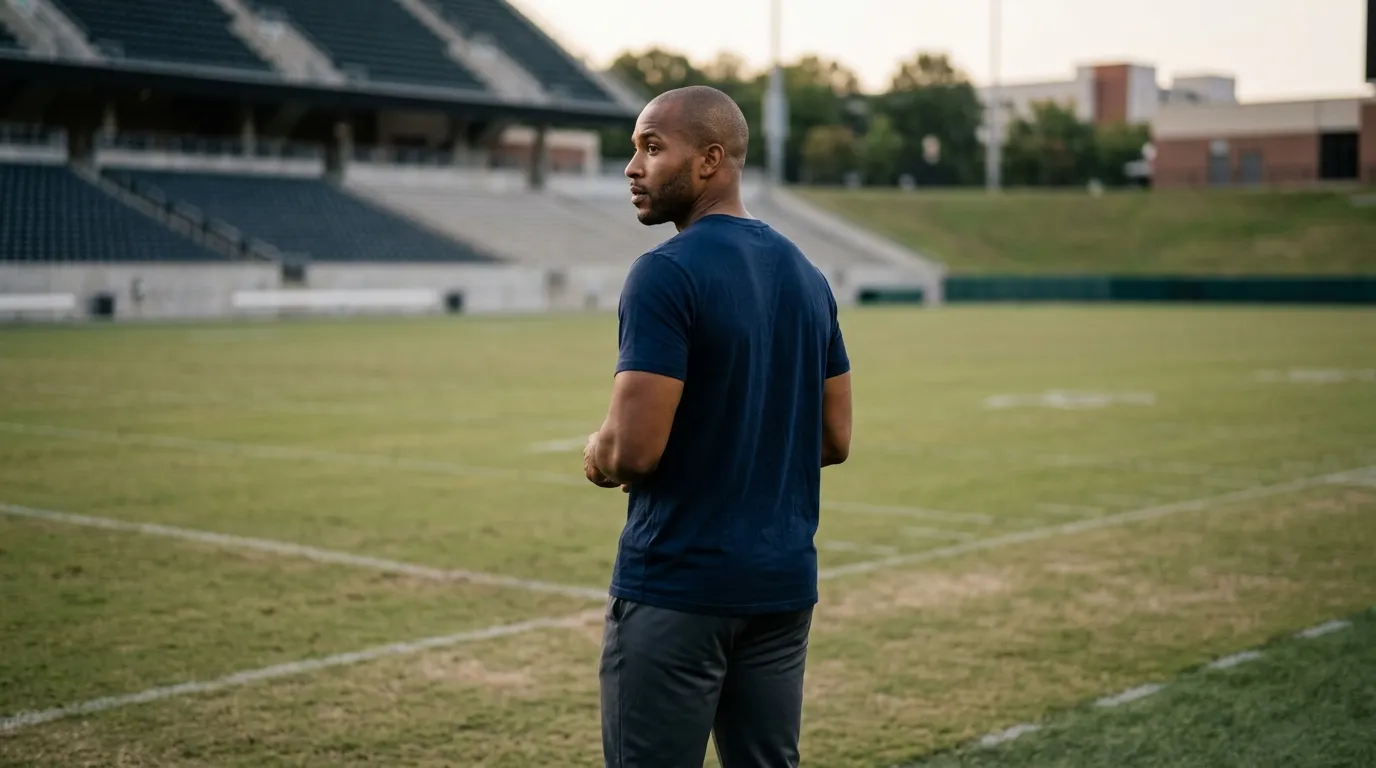
Aaron Donald retired in March 2024, and offensive linemen everywhere exhaled. He had played ten seasons with the Rams. He won three Defensive Player of the Year awards and a Super Bowl title.
He was still an All-Pro in his last season. Nobody had watched him fall off. Interior linemen are rarely that disruptive, and Donald was disruptive in a way that bent entire game plans.
He said he had no regrets, and that the drive to keep going was no longer there. That honesty surprised many fans.
Donald left at 32, still feared by every quarterback he faced. The league lost one of its defining defensive players, and many believed he could have played longer.
#11 – Andrew Luck
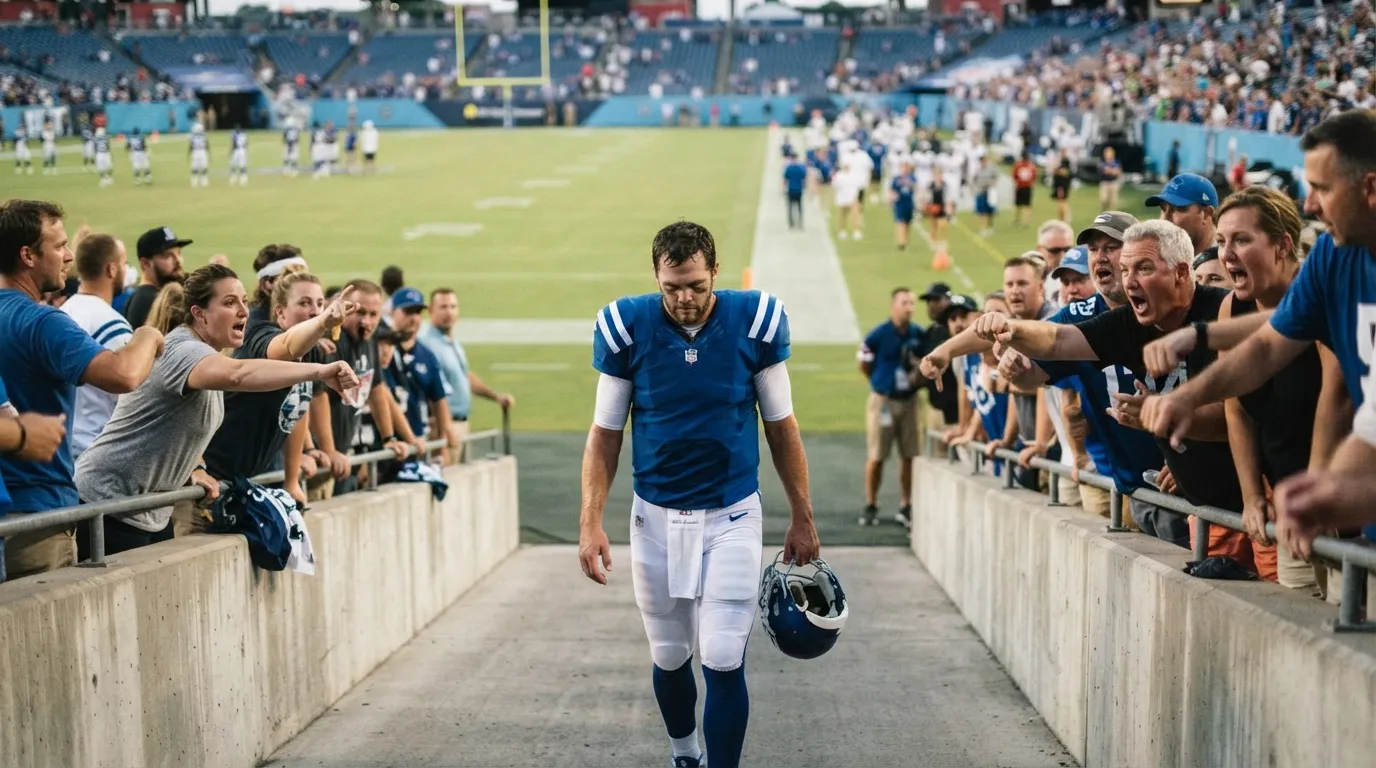
Andrew Luck retired in the middle of a preseason game, and fans booed him as he left the field. It was August 2019, and he was 29. The news leaked while he was still on the sideline, and the crowd had not heard it from him yet.
The year before, he had thrown 39 touchdown passes and won Comeback Player of the Year. The Colts had made the playoffs. He looked healthy and he looked great.
Luck explained that the cycle of injury and rehab had taken his joy. He said he had been stuck in it for years and could not see a way out.
He walked away from a huge future. Years later, many fans see the decision with more sympathy than they did that night.
#10 – Florence Griffith Joyner
Florence Griffith Joyner set two world records that still stand more than three decades later. In 1988, she ran 10.49 in the 100 meters and 21.34 in the 200 meters. Nobody has beaten either mark.
At the Seoul Olympics she won three gold medals and one silver. She also brought a style to the track nobody had seen, with one-legged running suits and long, colorful nails.
In early 1989, she retired at 29. She wanted to move on to fashion, endorsements, and other interests.
Flo-Jo left when she was the fastest woman in history. She left behind marks so extreme that people still argue about them.
#9 – Martina Hingis
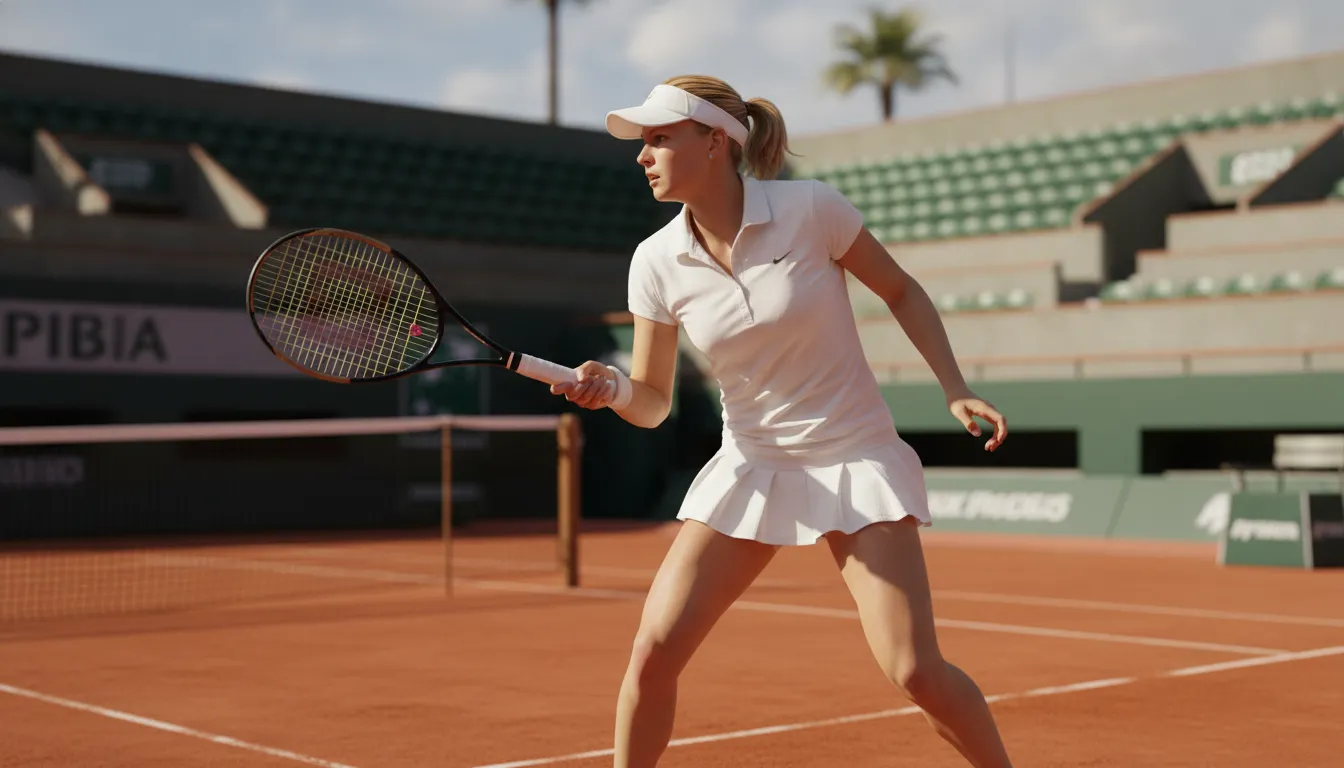
Martina Hingis became the youngest Grand Slam champion of the modern era at 16, and then she retired at 22. She won the 1997 Australian Open as a teenager. She spent more than 200 weeks at number one.
Foot and ankle injuries had been wearing her down. By 2002 she was still a top player, but she could not keep up with the physical demands of the power game that was taking over tennis.
She had five Grand Slam singles titles when she officially retired in early 2003. Hingis won with angles, tactics, and touch. She was a thinker in a sport of sluggers.
Her retirement was not the end. She returned and won major doubles titles, but the singles prodigy had left early.
#8 – Rocky Marciano
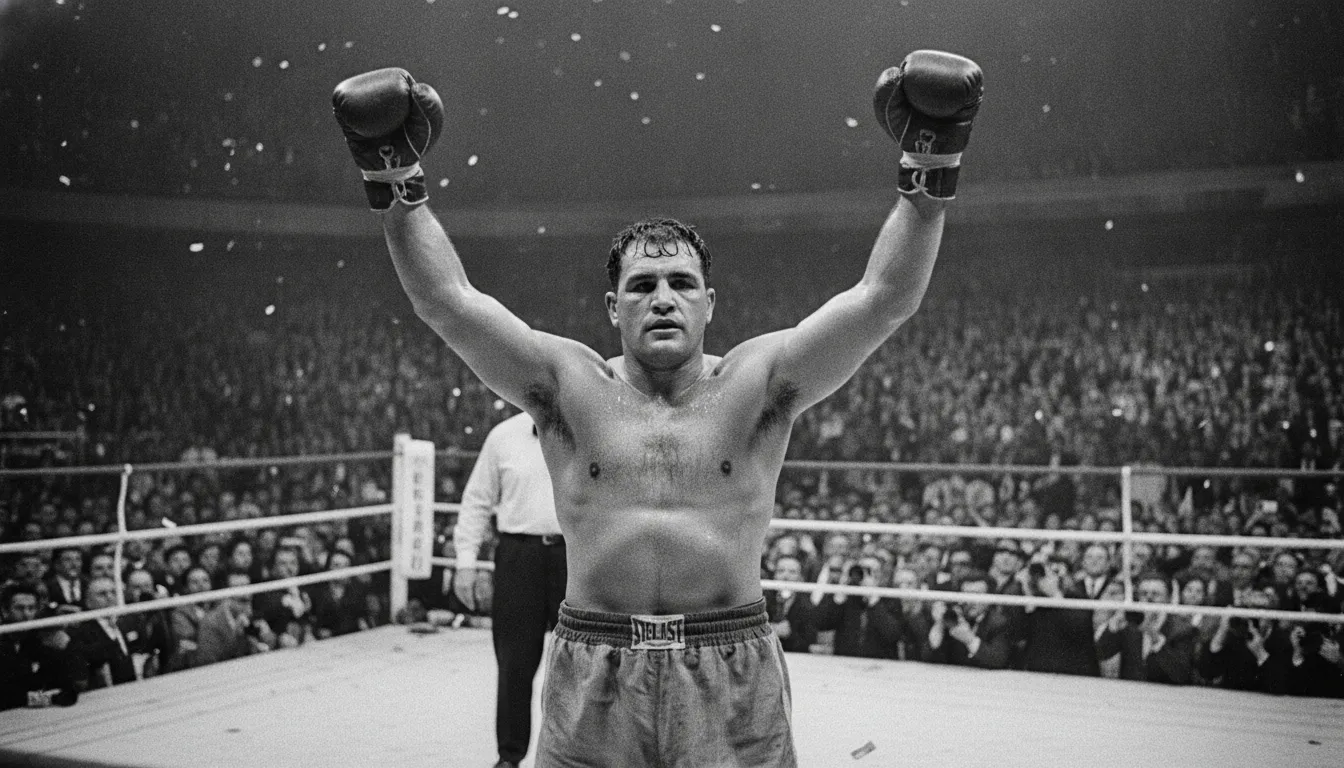
Rocky Marciano retired undefeated, which almost nobody in heavyweight history can say. In April 1956 he was 32, and his record was 49-0 with 43 knockouts.
He had won the heavyweight title in 1952 by knocking out Jersey Joe Walcott. He defended it six times. His last fight, in September 1955, was a knockout of Archie Moore.
Quick Compare
- Marciano: retired in 1956 at 32, unbeaten at 49-0
- Khabib (see #21): retired in 2020, unbeaten at 29-0
- Lennox Lewis (see #7): retired in 2004 as champion, at 41-2-1
Marciano said he wanted to leave while he was healthy and unbeaten. He had no interest in letting boxing take that away.
He was relentless, crude, and ferociously strong. When he left, there was no rival left to chase him, and the perfect record stayed perfect.
#7 – Lennox Lewis
Lennox Lewis retired as the reigning heavyweight champion after one of the strangest fights of his career. In June 2003, he faced Vitali Klitschko. A cut over Klitschko’s eye ended the fight after six rounds, with Lewis ahead on the scorecards.
He announced his retirement in early 2004 at 38. He had unified the division and had avenged his two career losses. He had done almost everything a heavyweight could do.
Lewis said he had nothing left to prove. His jab, size, and patience had made him tough for anyone to beat.
Heavyweights who leave as champion are rare. Lewis did it, and it left fans wondering about the rematch that never happened.
#6 – Patrice Bergeron
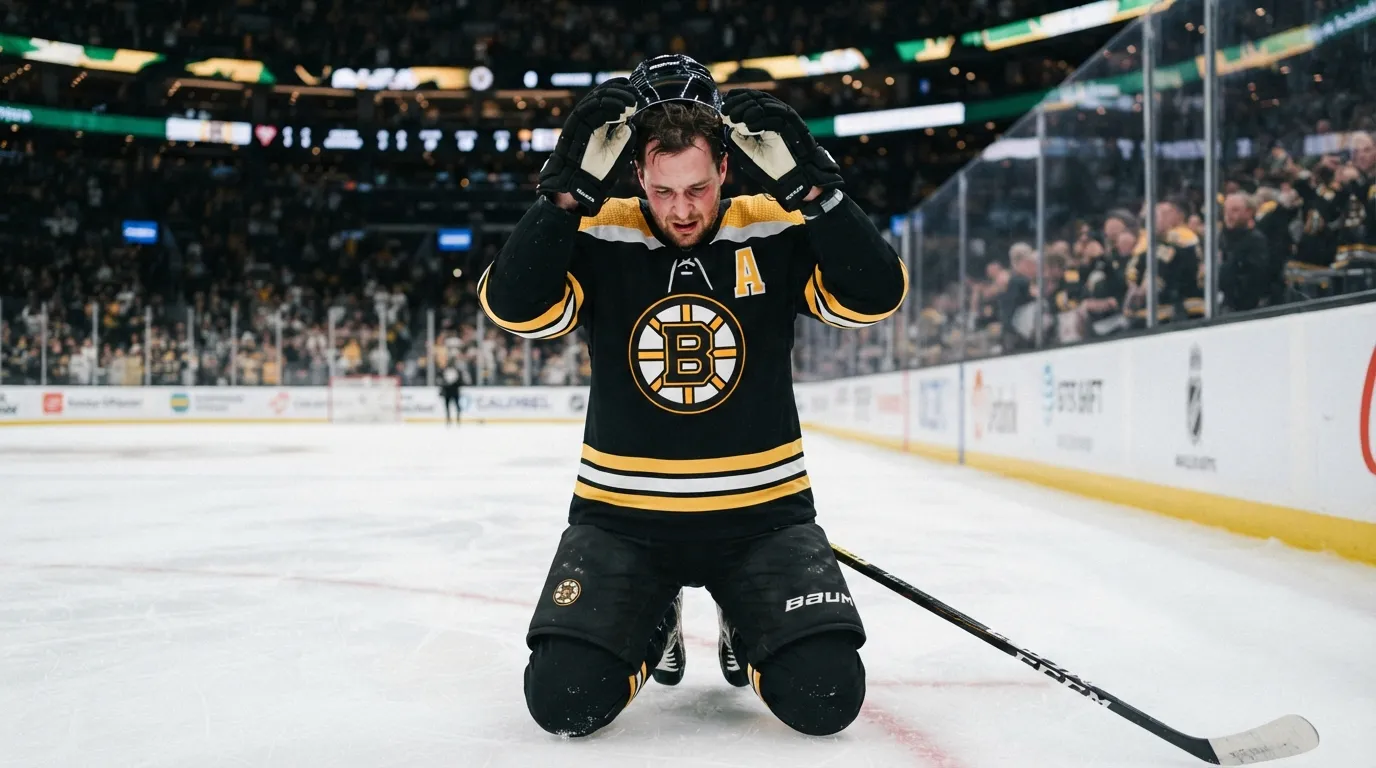
Patrice Bergeron’s last season was one of the best in Bruins history. In 2022-23, Boston won a record 65 games. The team then lost in the first round of the playoffs. Bergeron announced his retirement that summer at 38.
He had spent his whole 19-year career in Boston. He won the Selke Trophy as the league’s top defensive forward a record six times. He was also a Stanley Cup champion in 2011.
Even in his last year, he was a captain and one of the league’s best two-way centers. His faceoff work was legendary.
He said family and health came first. Bergeron left the way he played, with little noise and complete professionalism.
#5 – Ray Bourque
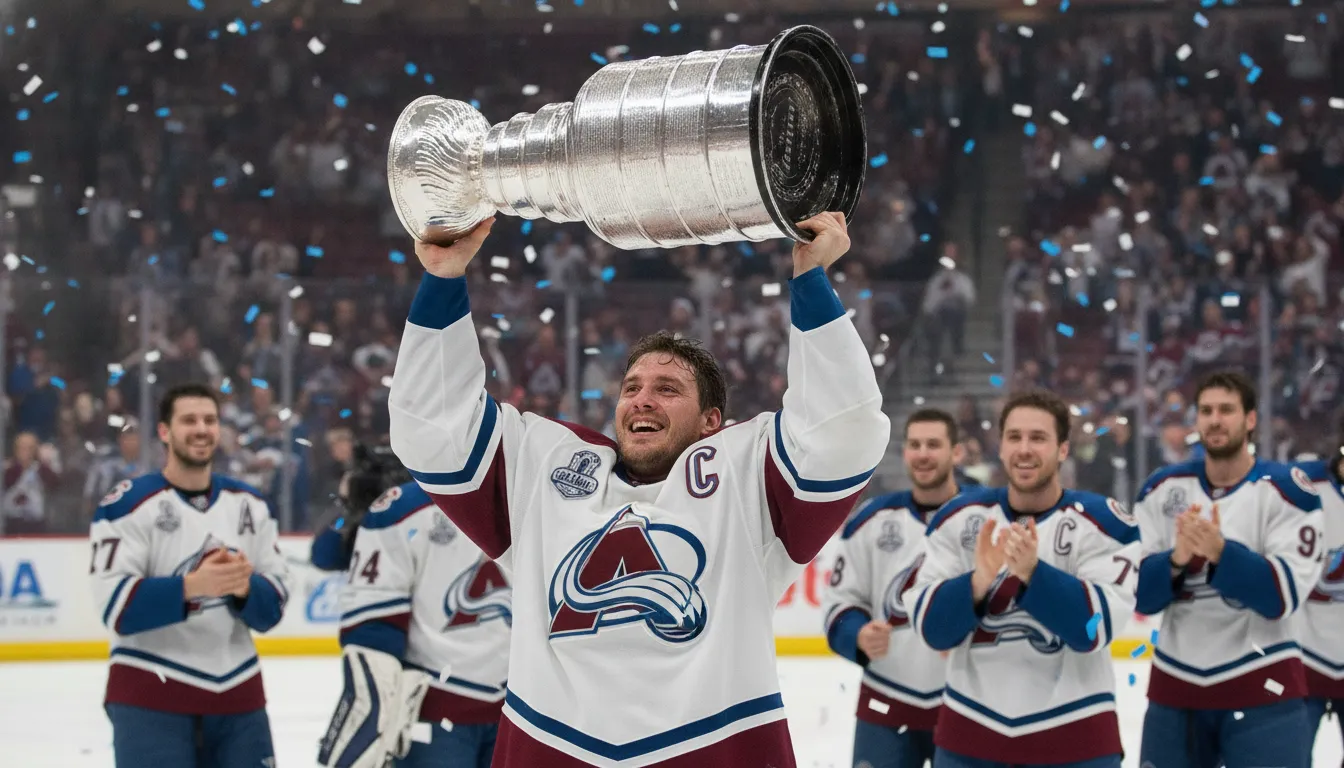
Ray Bourque waited 22 seasons to lift the Stanley Cup, and then he retired. He played 21 of those seasons in Boston. In March 2000, the Bruins traded him to Colorado so he could chase a title.
In June 2001, he got it. When the Avalanche won, captain Joe Sakic handed Bourque the Cup first. It is one of the most beloved moments in hockey history.
At a Glance
- Career games: 1,612
- Career points: 1,579, including 410 goals
- Norris Trophies: five
- Jersey number: 77
Bourque was 40. He had won five Norris Trophies and was a regular on the All-Star team. He was still a good player when he retired.
He had waited his whole career, and he left right after he finally got the reward.
#4 – Dominik Hasek
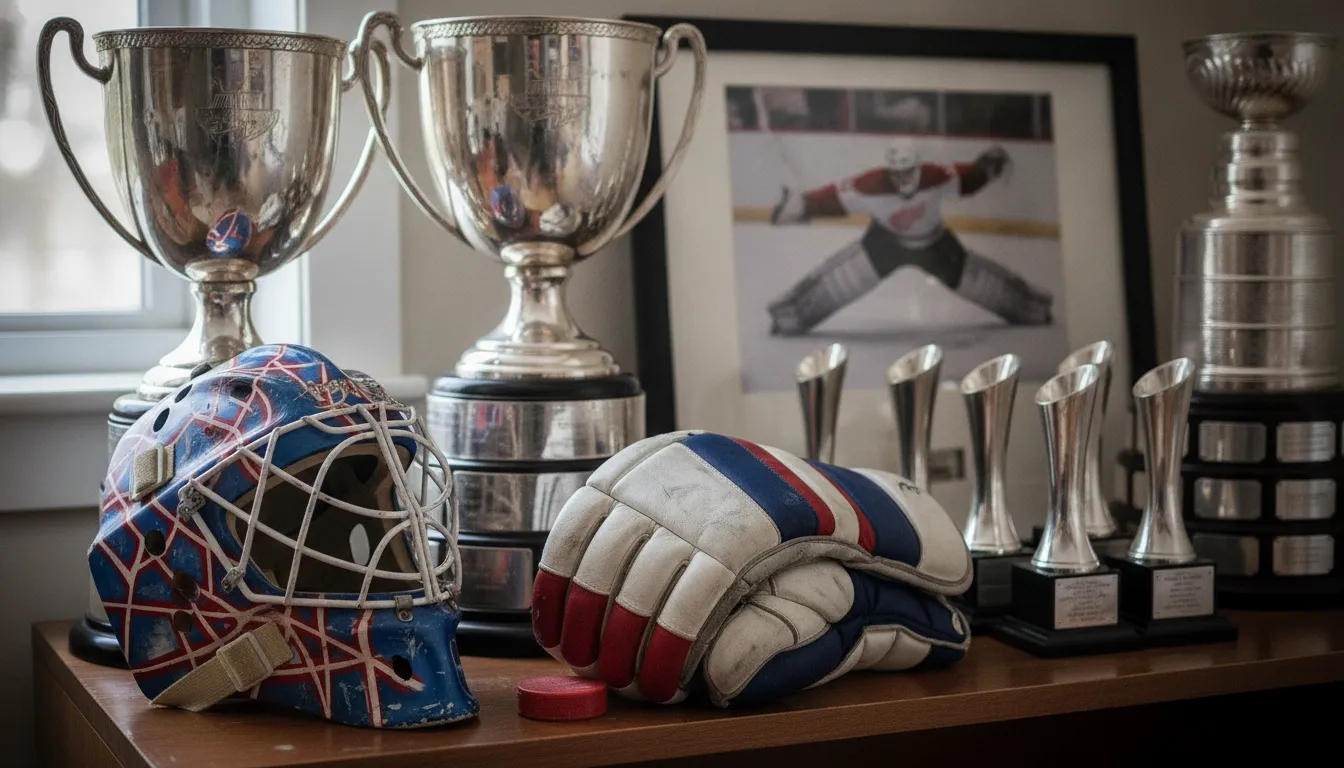
Dominik Hasek won the Stanley Cup in 2002, and then announced he was retiring at 37. He had joined the Red Wings the year before. The Dominator had two Hart Trophies and six Vezinas on his shelf.
His style looked like chaos. He flopped, sprawled, and made saves nobody could explain. It was also incredibly effective, and it changed how people thought about goaltending.
The first retirement did not last. He came back in 2003-04, played for the Senators, and returned to Detroit, where he won another Cup in 2008.
But his first goodbye is a fitting example. He left with a championship in hand and a reputation as one of the great goalies in NHL history.
#3 – Robert Smith
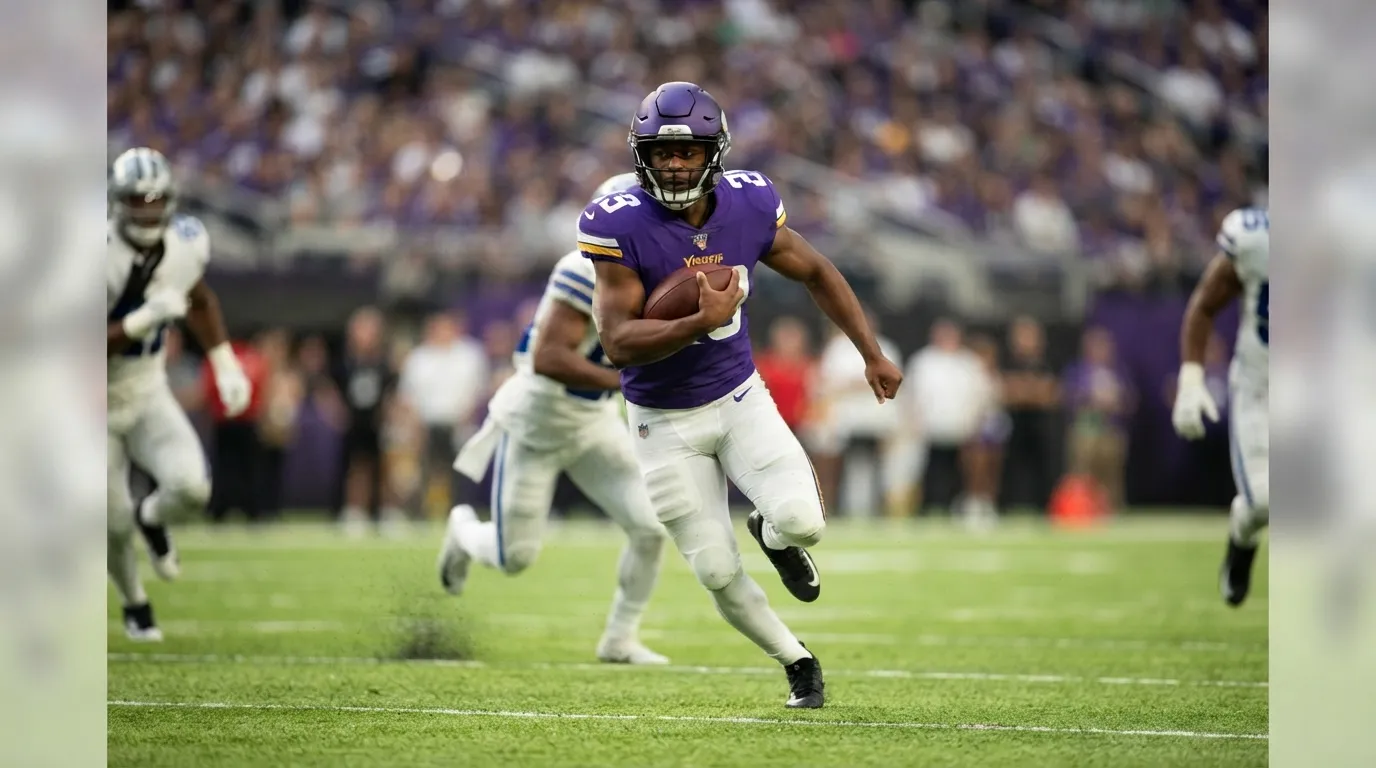
Robert Smith ran for a career-best 1,521 yards in 2000, one of the top totals in the NFL. Then he walked away. He was 28 years old, and he had spent eight seasons with the Vikings.
Smith retired with more than 6,800 career rushing yards. Teams would have paid him well to keep going. He chose not to.
He had always been different from the typical NFL star. He was a student, and he cared deeply about his long-term health and what he would do with the rest of his life.
His timing stunned the Vikings. Smith had not slowed down at all, and he showed that a running back could decide on his own when to leave.
#2 – Patrick Willis
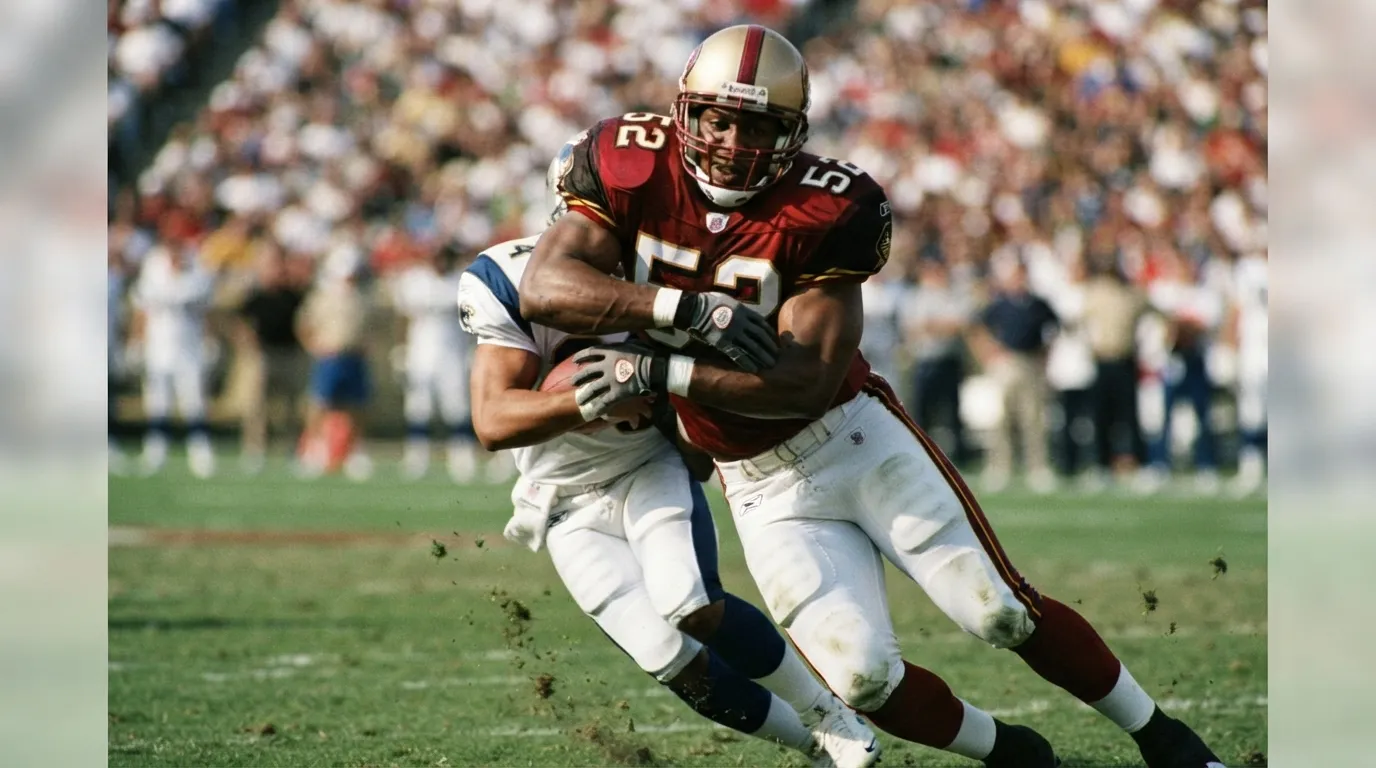
Patrick Willis made the Pro Bowl in each of his first seven seasons. He was a first-round pick of the 49ers in 2007, and he became the heart of their defense. He won Defensive Rookie of the Year right away.
His range, speed, and brutal tackling made him one of the best linebackers of his generation. Teammates followed his lead.
But his toe and foot injuries would not heal. In March 2015, at 30, Willis retired. He said he wanted to protect his quality of life after football.
He was still a leader and still a legend. He was just done paying the physical price, and the decision came as one of the hardest and most honest ones in the sport.
#1 – Toni Kroos
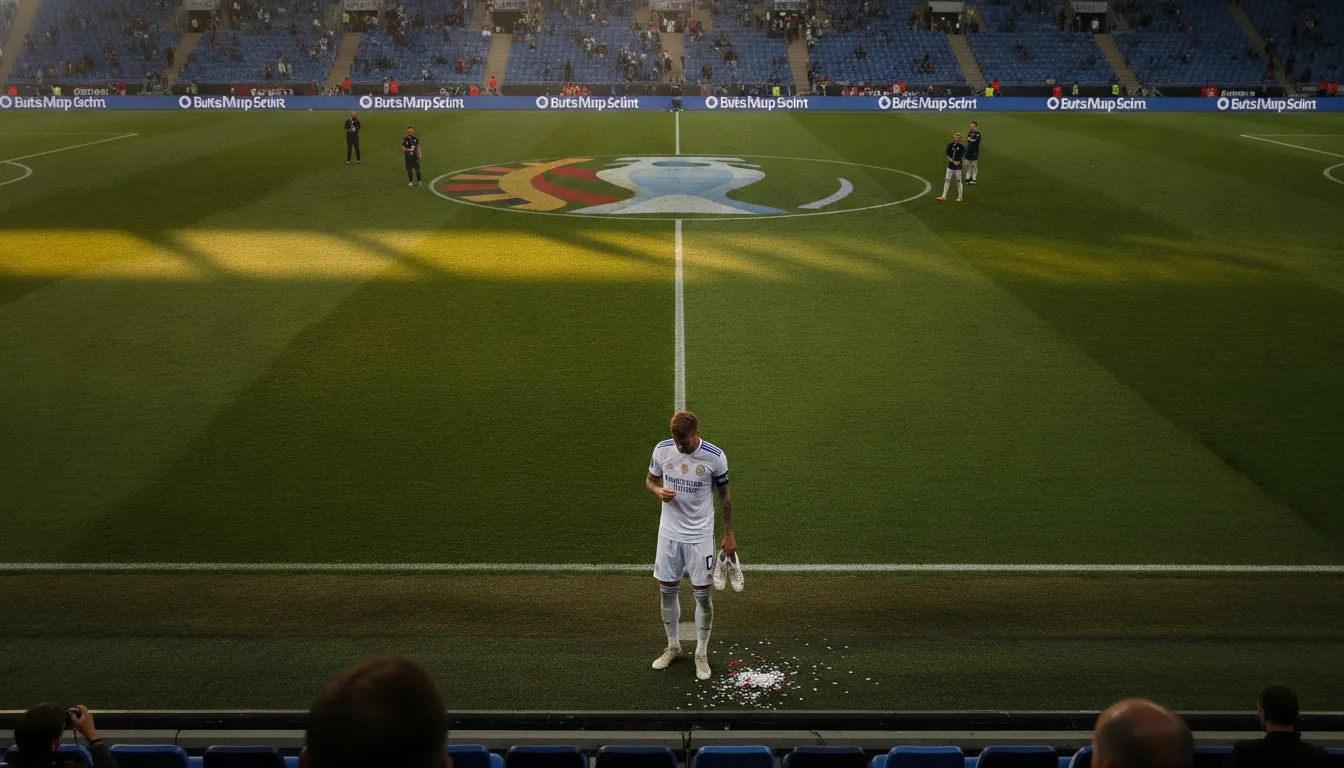
Toni Kroos retired the way few players ever do. He did not drift out of the game. He planned it. In May 2024, he announced he would end his career after Euro 2024, and then he played the finish like a script.
He won the Champions League with Real Madrid in June, then led Germany’s midfield on home soil. Germany lost to Spain in the quarterfinals, and Kroos hung up his boots at 34.
He had returned from international retirement for that tournament. Even then, his passing was still calm, precise, and almost impossible to disrupt.
Kroos said he wanted to stop while people still wanted more. That might be the point of this whole list: the rarest skill in sports is knowing when to leave.
CEO-Co-Founder
