
- 20 Musicians Who Turned Tragedy Into Timeless Hits - October 11, 2026
- What These Classic British and American Novels Say About Society - October 11, 2026
- The Forgotten U.S. Festival That Inspired Woodstock - October 11, 2026
Walking away is easy when a career is going nowhere. These 25 musicians did it while the arenas were full, the singles were climbing, and everyone around them was begging for more. Some left on purpose. Some were pushed. A few simply vanished.
The reasons are stranger and more human than “creative differences.” One star walked away after a brush with death. One quit a band weeks after its debut album hit shelves. One traded fame for a paintbrush. And the names near the top of this countdown left the biggest holes of all.
#25 – Vince Clarke

Depeche Mode’s debut album, Speak & Spell, arrived in October 1981 with bright synth-pop like “Just Can’t Get Enough.” About a month later, the band’s main songwriter was gone.
Vince Clarke had written most of the material, and the sudden attention did not suit him. By most accounts, he disliked the touring and the spotlight that came with being a rising pop act. So he quit just as the group was climbing the UK charts.
It looked like career suicide. Martin Gore had to step up as the band’s songwriter, and Alan Wilder later joined the lineup. Depeche Mode went on to fill stadiums anyway.
Clarke never left music for good. He formed Yazoo, then Erasure, and kept making hits on his own terms.
#24 – Russell Senior
Pulp spent well over a decade as Sheffield’s best-kept secret. Then Different Class in 1995 turned them into Britpop royalty, and “Common People” became impossible to escape.
Guitarist and violinist Russell Senior had been there through the lean years. He left in 1997, and the timing stunned people. The band had finally landed the success it chased for so long, and one of its veterans chose not to stay for it.
Senior reportedly grew restless with the relentless cycle of touring and promotion, and with where the band was heading. The dream he had helped build no longer felt like his.
Pulp carried on without him. That is the cruel twist: the people who struggled together did not all get to enjoy the payoff together.
#23 – Jim Martin
Faith No More’s 1992 album Angel Dust was a strange, brilliant swerve that critics loved. It also had “Midlife Crisis,” the kind of oddball hit that proved the band could be weird and popular at once.
Guitarist Jim Martin was gone by 1993. His departure came as the group stood at a commercial and artistic peak, and fans were left wondering what the lineup might have done next.
Accounts of the exit differ. Martin had reportedly grown unhappy with the band’s evolving direction, and the split was far from friendly.
What is clear is the timing. Martin’s riffs were all over some of the band’s most celebrated work, and he exited right as the world was catching up to it. He then kept a low profile for years.
#22 – Izzy Stradlin
Guns N’ Roses were arguably the most dangerous band on Earth in 1991. Appetite for Destruction had made them stars, and the Use Your Illusion albums arrived with the arena tour to match.
Rhythm guitarist Izzy Stradlin, who co-wrote many of their best-known songs, walked away in late 1991 in the middle of that tour. Reports at the time pointed to the band’s escalating chaos and his friction with the group.
Think about that. Most people would have stayed for the biggest tour of their lives. Stradlin left while the band dominated charts and stadiums.
His exit started a long run of lineup changes. Stradlin went on to solo records and side projects, far away from the noise he had helped create.
#21 – Zayn Malik
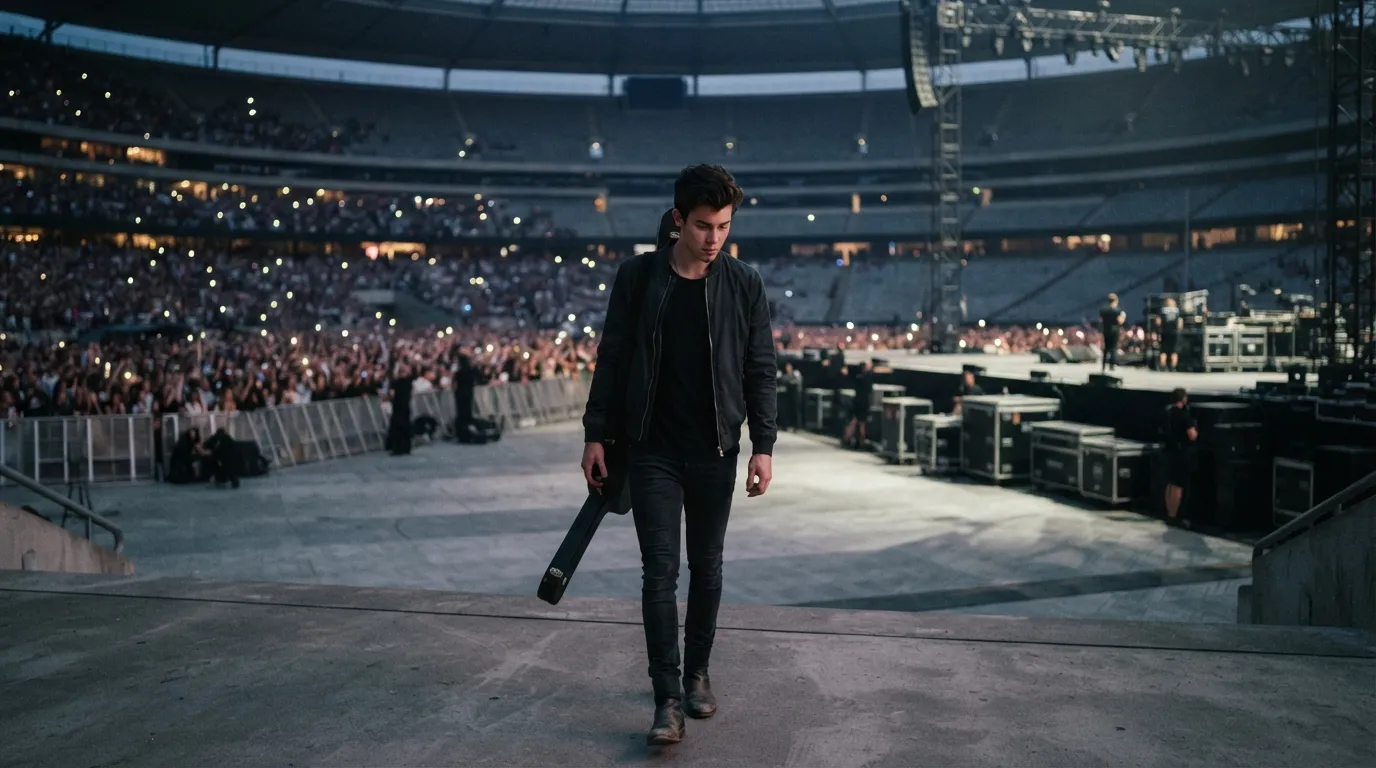
In 2015, One Direction was one of the biggest pop acts on the planet, selling out stadiums and topping charts worldwide. Then Zayn Malik left in the middle of a tour.
His announcement said he wanted to be a normal 22-year-old and have some private time out of the spotlight. Fans reacted with heartbreak and shock, and the group carried on as a four-piece for a while.
It was one of the clearest examples of fame’s price tag for a teenager who had grown up in public. Constant touring and constant scrutiny had left him wanting out.
He did not disappear. He launched a solo career with Mind of Mine in 2016 and scored a hit with “Pillowtalk.” The group, though, was never the same.
#20 – Jeff Mangum
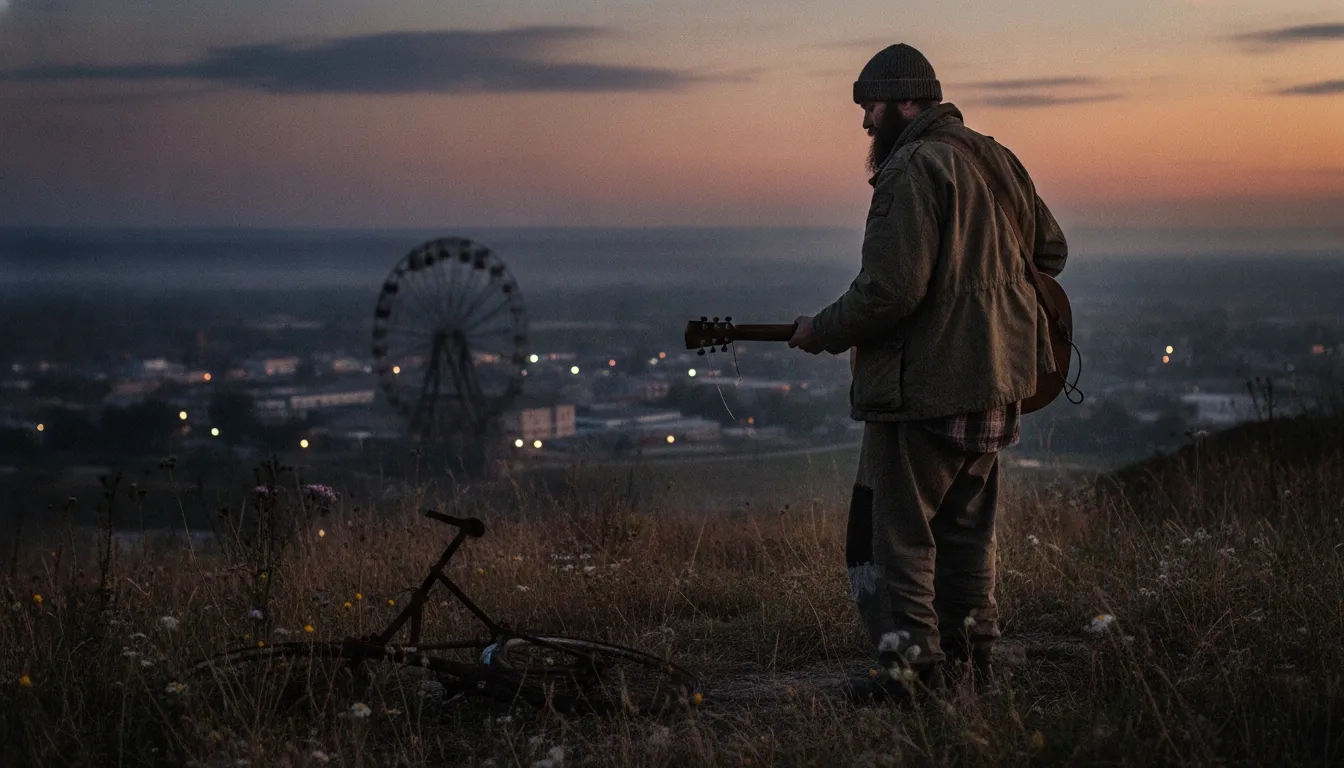
Neutral Milk Hotel’s In the Aeroplane Over the Sea came out in 1998 and slowly turned into one of indie rock’s most beloved albums. Jeff Mangum’s strange, aching songs found devoted listeners who treated the record like a secret handshake.
Then Mangum pulled the plug. The attention overwhelmed him, and the band effectively ended just as the world began to notice. He retreated from performing and from interviews.
For years, he was a ghost. Fans passed around rumors, and the silence made the album feel even more mythic.
He eventually returned to the stage in the 2010s, to cheering crowds that seemed almost surprised he was real. But the original exit still stands as a vanishing act at the exact moment of breakthrough.
#19 – Peter Gabriel
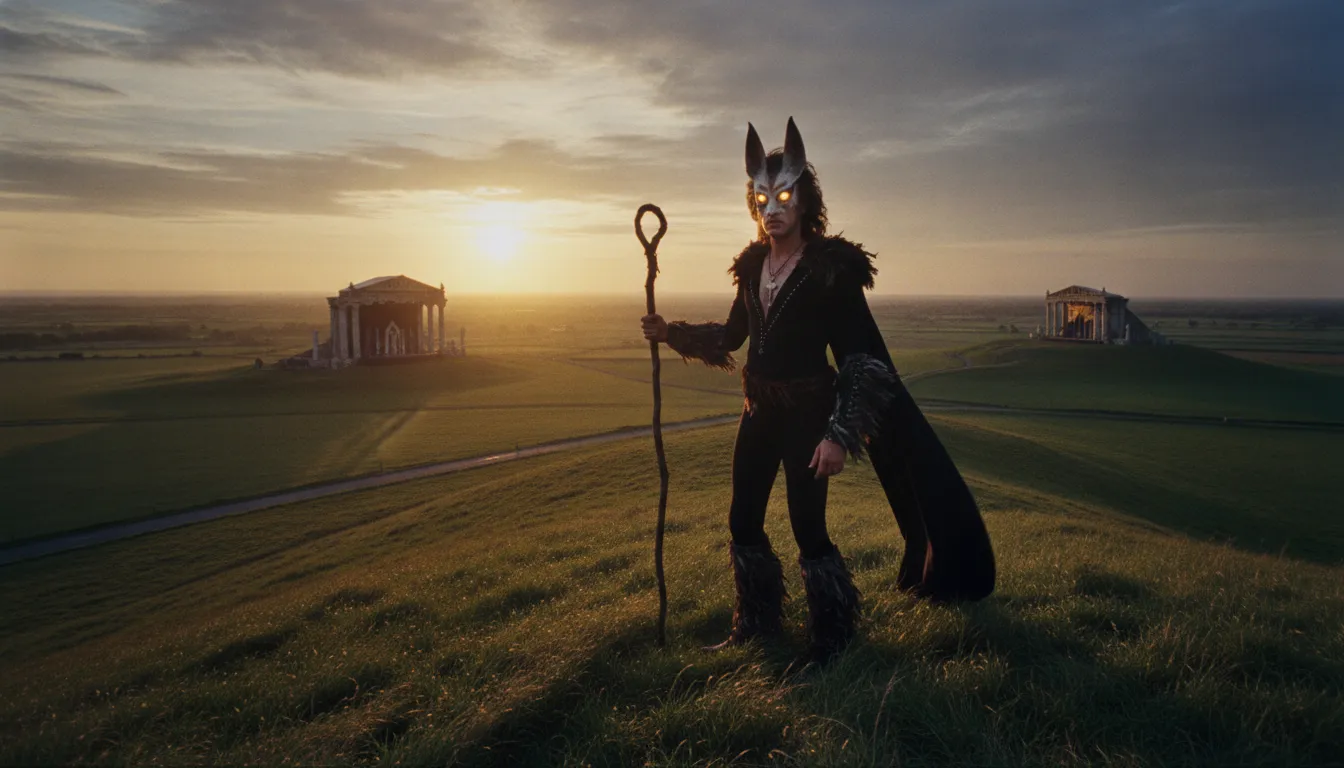
Genesis was a rising force in progressive rock, and Peter Gabriel was its costumed, theatrical frontman. He wore masks, told surreal stories between songs, and made the band unforgettable.
In 1975, after The Lamb Lies Down on Broadway, he left. The band had growing international attention, and many observers assumed Genesis would be finished without him.
Gabriel wanted room to explore ideas that did not fit inside a band. His solo debut came out in 1977, and “Solsbury Hill” is widely understood to be about this very leap.
The gamble paid off both ways. Phil Collins stepped up to sing, Genesis went on to huge success, and Gabriel built a restless, innovative solo career.
Fast Facts
- Gabriel left Genesis in 1975.
- The Lamb Lies Down on Broadway, his last album with the band, came out in late 1974.
- His first solo album arrived in 1977, and “Solsbury Hill” came from it.
- Drummer Phil Collins took over as lead vocalist.
#18 – Bill Berry
R.E.M. had a rule that felt almost sacred: four members, all equal. That is what made drummer Bill Berry’s exit in 1997 so jarring.
He had collapsed onstage with a brain aneurysm in 1995 and recovered. Two years later, he left after New Adventures in Hi-Fi, saying he wanted to step away from the music business. The band was still one of the world’s biggest rock acts.
The other three could have called it quits. They kept going as a trio, though the band never sounded quite the same.
Berry did not slide into a comeback tour. He stayed out of the spotlight and turned toward life outside the industry, which is something most rock stars only fantasize about.
#17 – Captain Beefheart
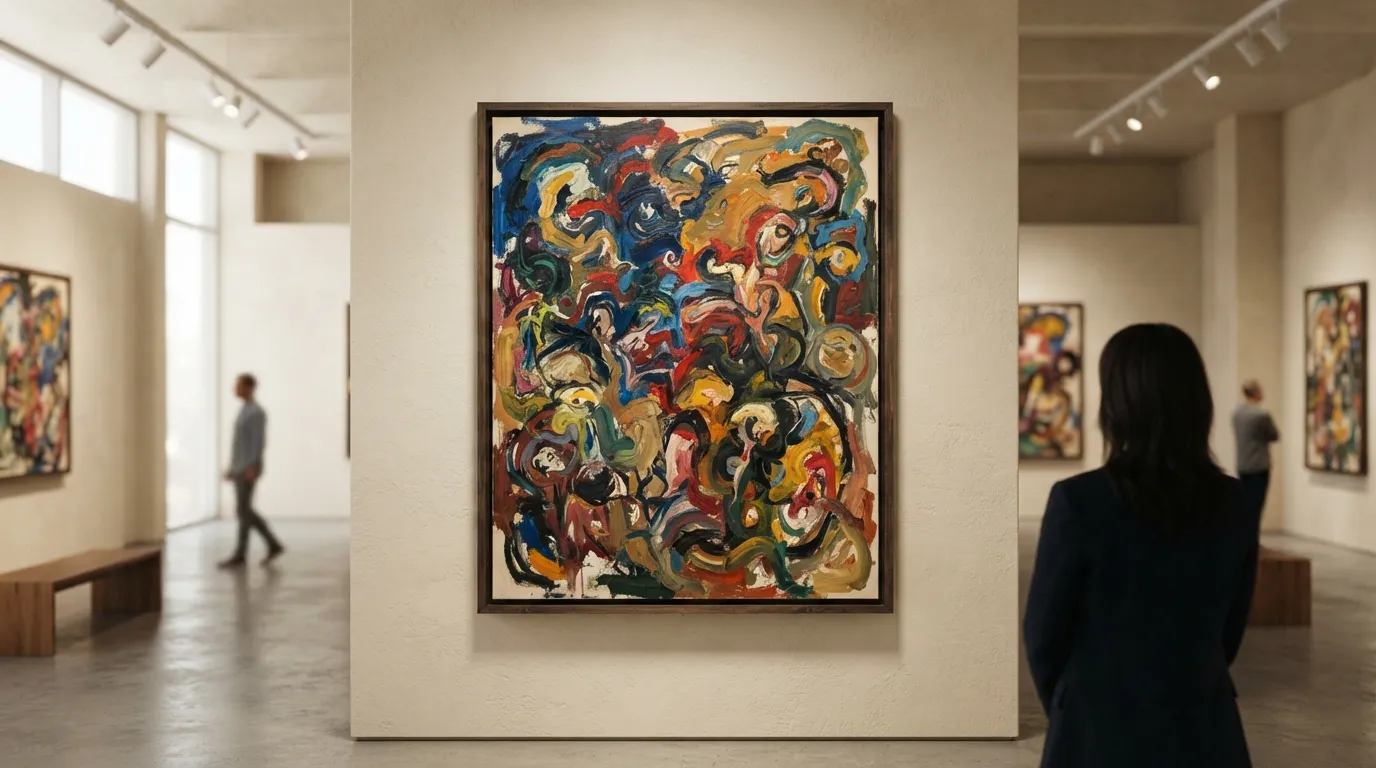
Don Van Vliet, better known as Captain Beefheart, never had a pop-radio audience. But in avant-garde rock circles, he was revered, and critics treated his music like a different language.
After Ice Cream for Crow in 1982, he walked away from music entirely. The frustrations of the business had worn him down, and he wanted to put his energy into painting.
He kept his word. For nearly three decades, he made visual art instead of records, and his canvases were shown in galleries.
It was a rare kind of retirement: no farewell tour, no comeback. He had an audience that wanted more, and he still said no. Van Vliet died in 2010.
#16 – Linda Ronstadt
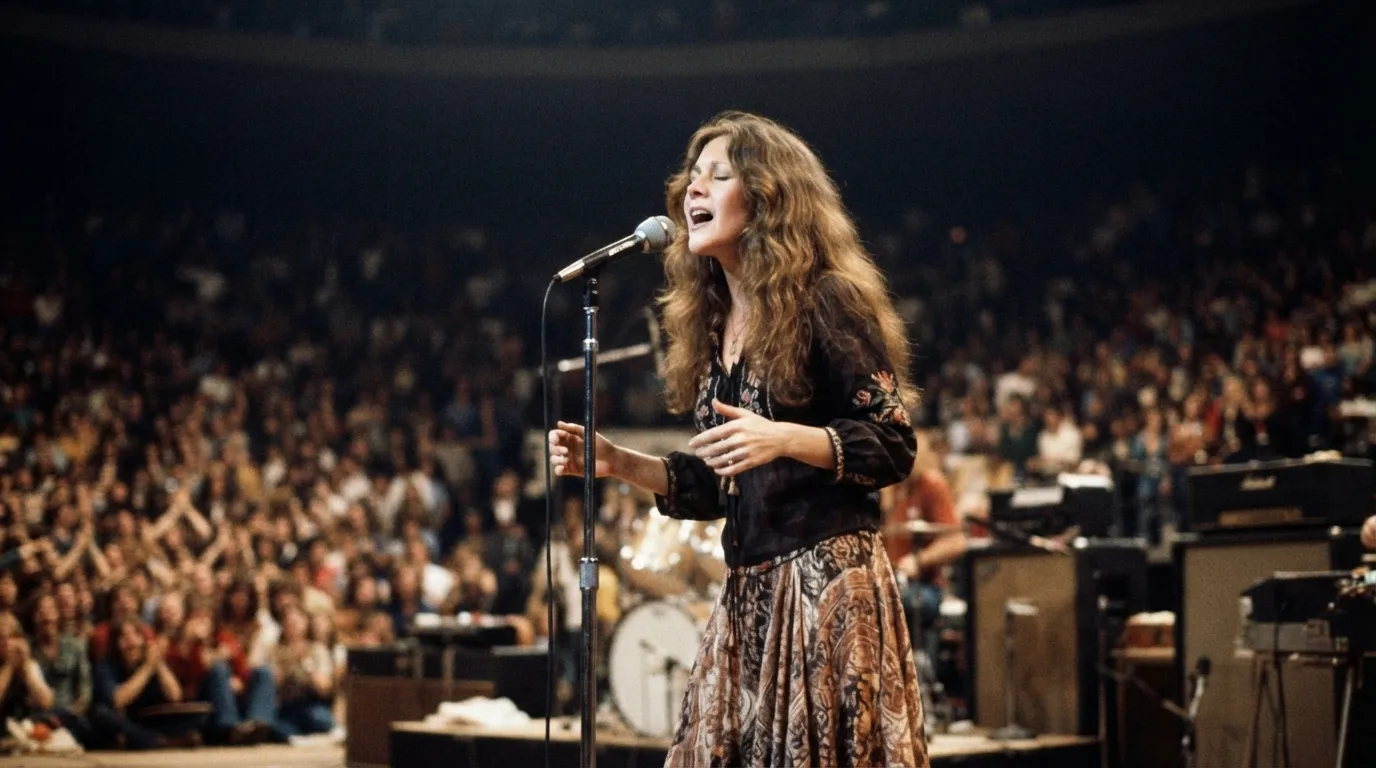
For much of the 1970s, Linda Ronstadt was the biggest female star in American music. She piled up platinum albums, Grammys, and sold-out arenas, and she moved between rock, country, standards, and Mexican songs.
Her ending was not a choice. She stopped performing in 2009 as her voice failed her, and she announced her retirement in 2011. In 2013, she revealed she had Parkinson’s disease.
That makes her exit different from the rest of this list. Nobody was telling her to stop, and the audience would have stayed forever.
Ronstadt has since said she cannot sing anymore. The world lost one of its most versatile voices while it still wanted every note she could give.
#15 – Sade Adu

Sade’s smooth, late-night sound made them a global success through the 1980s. Then came Love Deluxe in 1992 and the hit “No Ordinary Love,” which cemented their status.
After that, singer Sade Adu largely disappeared. The next album, Lovers Rock, did not arrive until 2000, and Soldier of Love followed in 2010.
Adu has long avoided the usual machinery of fame. She skipped endless promotion and kept her private life private, and the band was in no rush to feed demand.
It worked as a strategy and as a mystique. Every return felt like an event because the singer had never overexposed herself to begin with.
#14 – Meg White
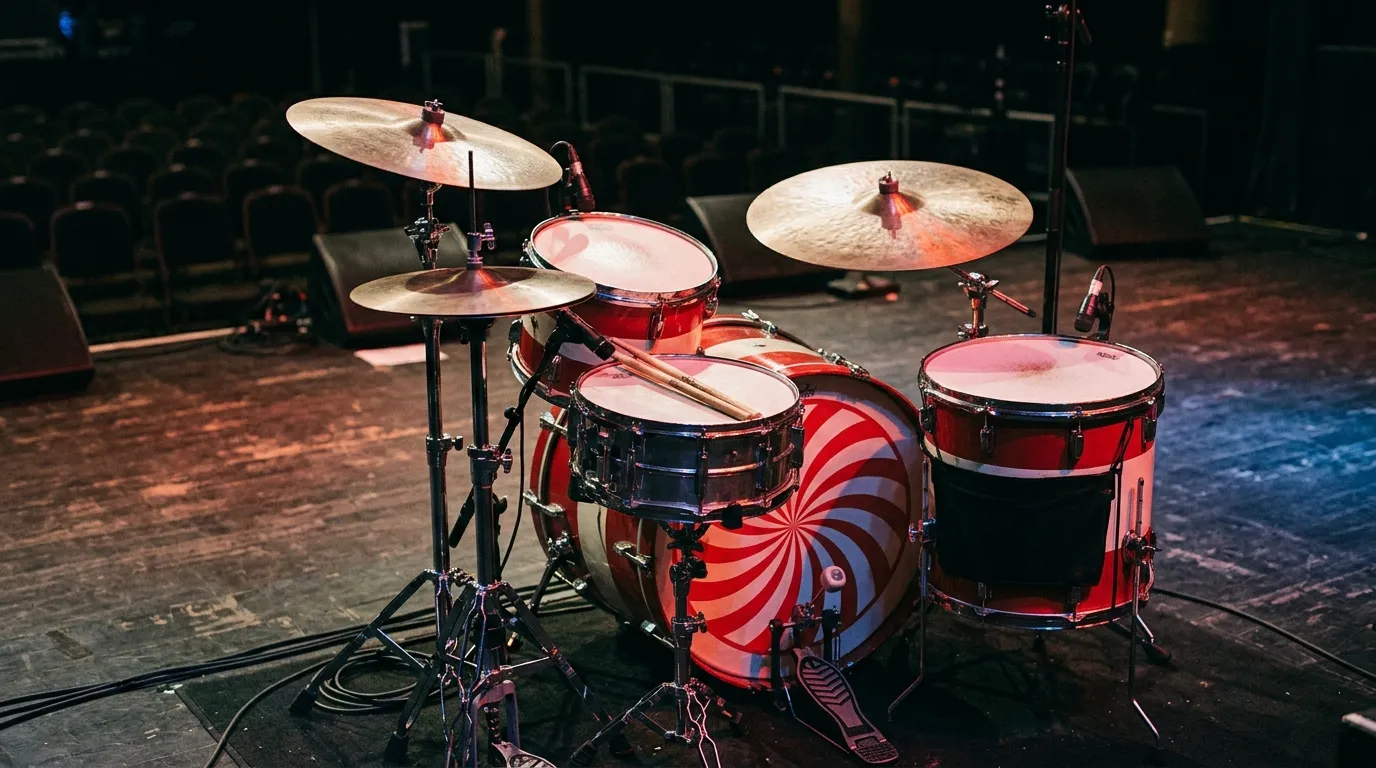
The White Stripes became one of the defining rock bands of the early 2000s with just a guitar, a drum kit, and a color scheme. “Seven Nation Army” turned into a stadium chant around the world.
Drummer Meg White was famously shy, and the pressure of touring and media took a toll. In 2007, the band canceled tour dates, citing her acute anxiety.
The duo officially called it quits in 2011, while still revered by critics and fans. They had spent years at the top, and White simply did not want that life.
Jack White kept making music. Meg largely stayed out of the public eye, which only made the band’s rare chemistry feel more precious.
#13 – Cat Stevens
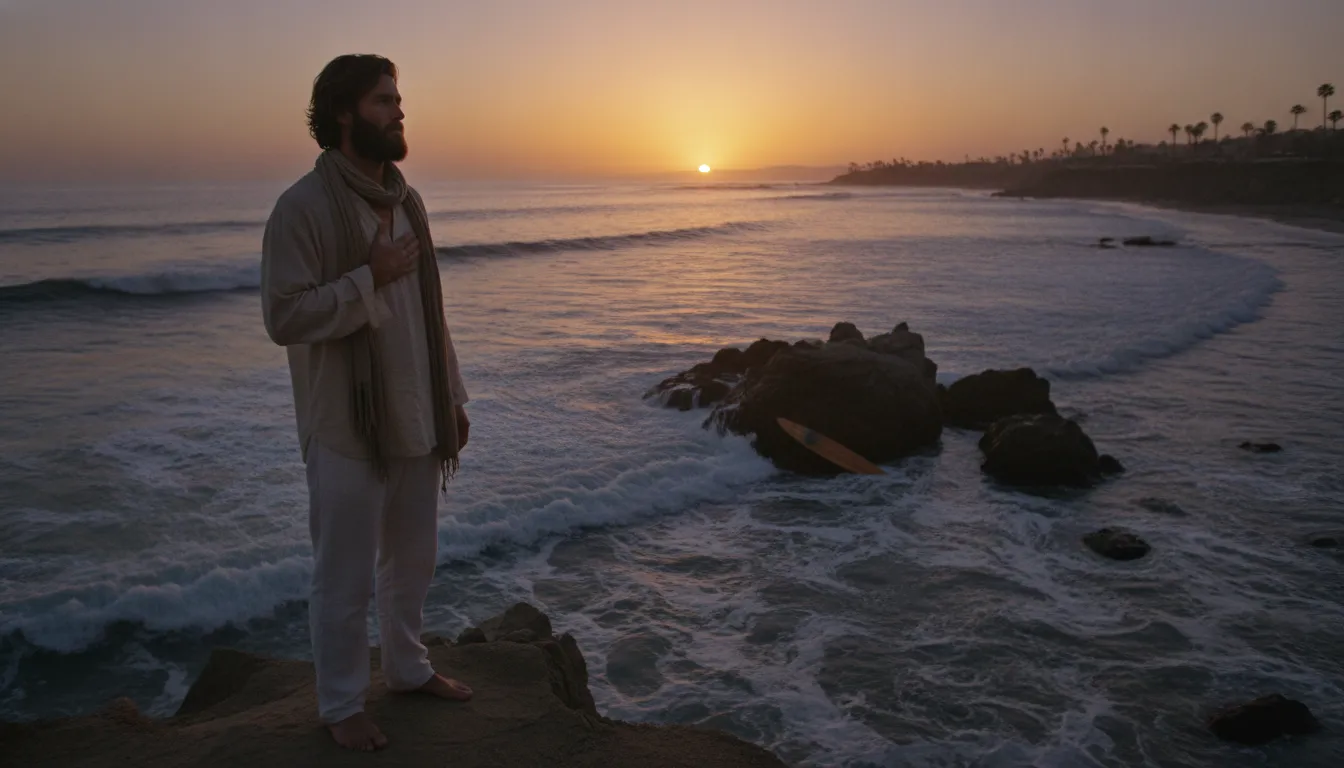
In the early 1970s, Cat Stevens was a folk-pop superstar with songs like “Peace Train” and “Father and Son.” His gentle voice and hand-on-heart lyrics made him one of the biggest singer-songwriters in the world.
In 1975, he nearly drowned off the coast of Malibu. That experience pushed him toward a spiritual search, and he converted to Islam in 1977. He later took the name Yusuf Islam.
By the end of the 1970s, he had stepped away from pop music. He turned toward charitable and educational work, and fans were stunned.
He did return decades later and began recording again in the 2000s. The first exit, however, was one of the most dramatic pivots in pop history.
At a Glance
- 1975: a near-drowning off Malibu changes his outlook.
- 1977: he converts to Islam.
- Late 1970s: he steps away from pop to focus on charitable and educational work.
- 2000s: he returns to recording as Yusuf Islam.
#12 – Bill Withers
Bill Withers wrote songs that feel like they have always existed: “Ain’t No Sunshine,” “Lean on Me,” and “Lovely Day.” They are warm, plainspoken, and nearly impossible to dislike.
His last album, Watching You Watching Me, came out in 1985. After clashing with label executives over creative control, he simply stopped making records. He had no scandal and no breakdown, just a refusal to keep playing the game.
Withers later said he did not miss the spotlight. He lived privately while his songs kept spreading across generations.
He died in 2020. The remarkable part is that his catalog only grew in stature while he stayed gone.
#11 – Lauryn Hill
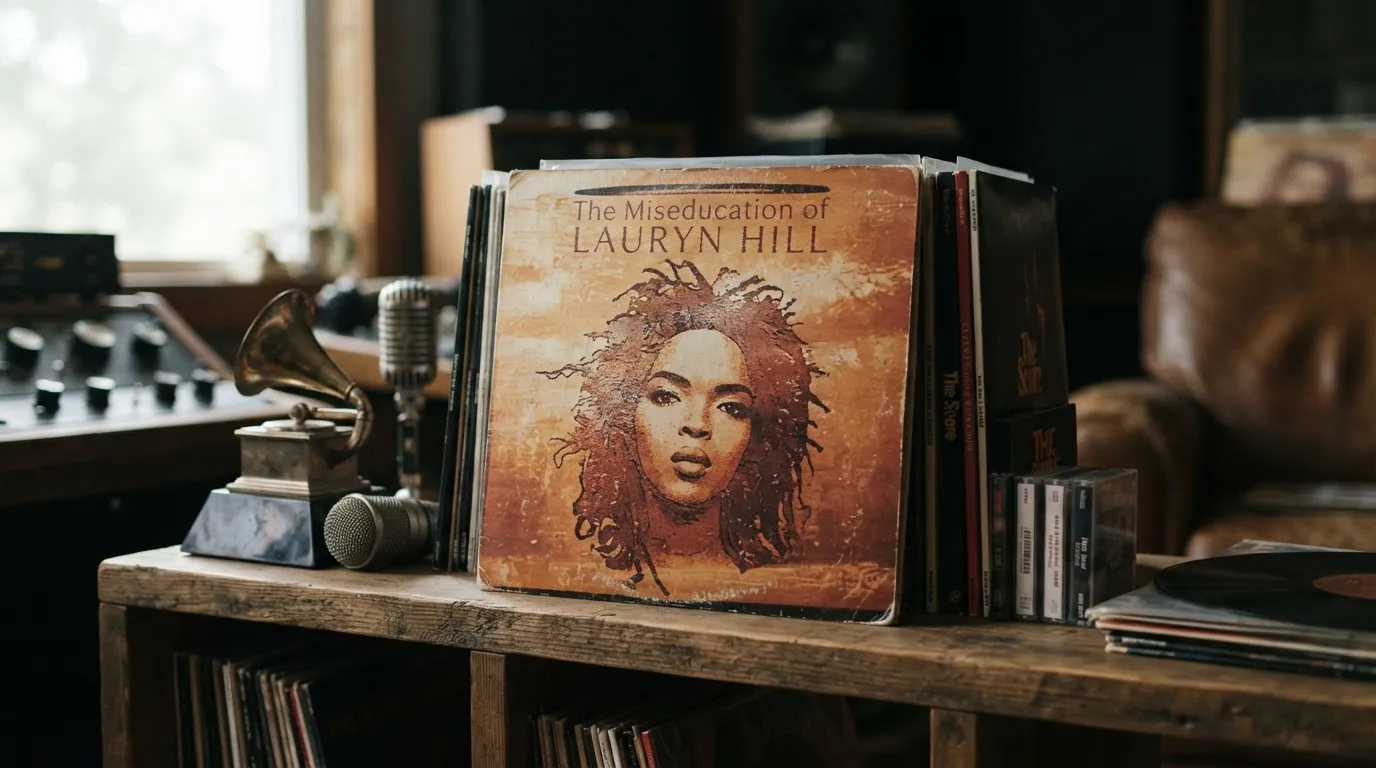
In 1998, Lauryn Hill released The Miseducation of Lauryn Hill. It was a landmark of hip-hop and R&B, and it helped her win five Grammys in a single night.
She was already famous from the Fugees, and now she was a solo superstar. Then she pulled back. The pressure of that kind of attention appears to have weighed heavily, and she stopped delivering music on the expected schedule.
Her next major release was MTV Unplugged No. 2.0 in 2002, a raw, guitar-driven record that confused many listeners who wanted a sequel.
Since then, she has appeared in bursts: tours, one-off songs, and tantalizing rumors. The debut album remains a perfect, towering statement, and a question mark about what might have followed.
#10 – Syd Barrett

Syd Barrett was the founding visionary of Pink Floyd. He wrote their early psychedelic singles, including “See Emily Play,” and the 1967 debut The Piper at the Gates of Dawn was largely his.
But his behavior grew erratic, and the band struggled to work with him. In 1968, he was out, replaced by David Gilmour.
Barrett made two solo albums in 1970, then withdrew from public life. For decades, he lived quietly in Cambridge and avoided the music business.
He died in 2006. The sad part is how early it all ended. The band’s fame was only beginning, and the person who had started it all was already gone.
#9 – The Police
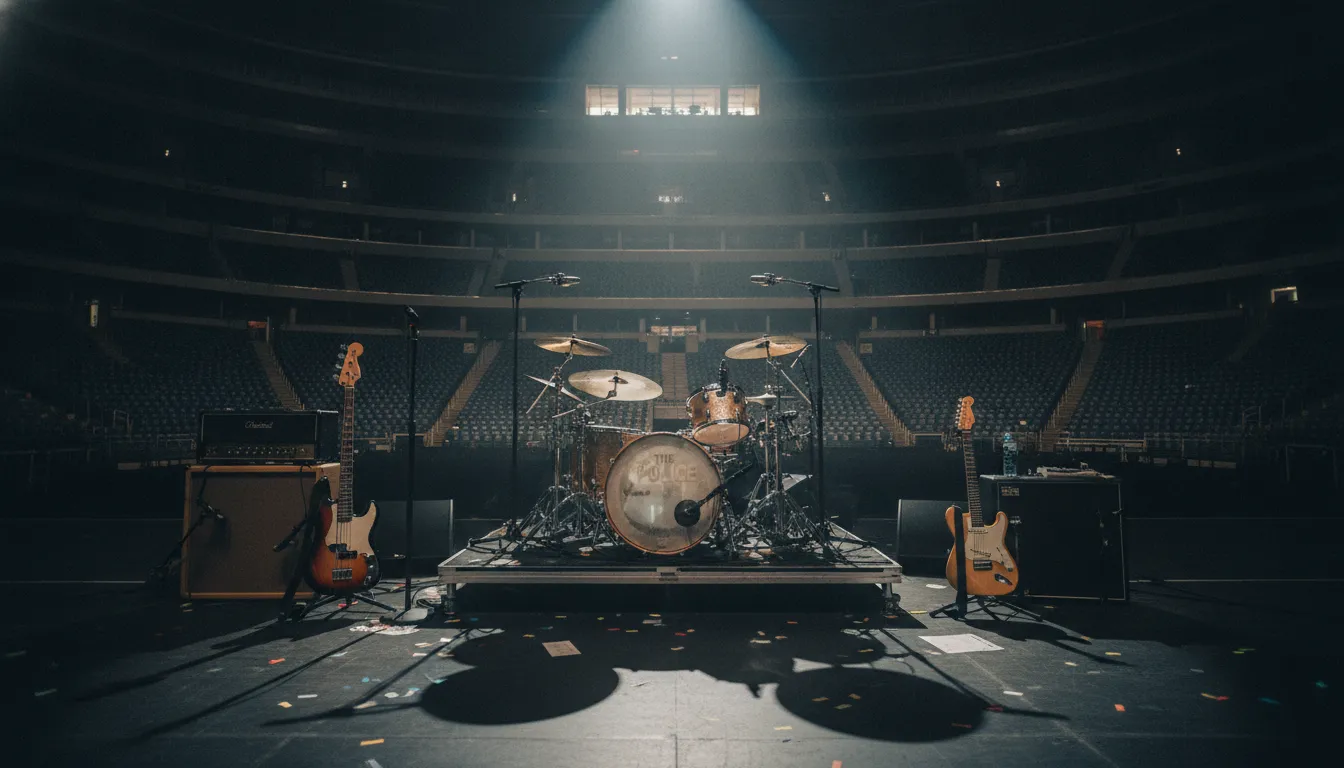
By 1983, The Police were enormous. Synchronicity topped the charts, and “Every Breath You Take” became one of the defining hits of the decade.
The tour that followed was massive, but the tension inside the trio was unmistakable. Sting, Stewart Copeland, and Andy Summers were all strong personalities, and the sessions had been strained.
After the tour wrapped in 1984, the band went on hiatus. It was never formally dissolved, but the group effectively stopped there, and Sting pursued solo work.
They did reunite for a major tour in 2007 and 2008. Even so, walking away at their commercial peak left fans with a nagging question: how far could they have gone?
#8 – The Smiths
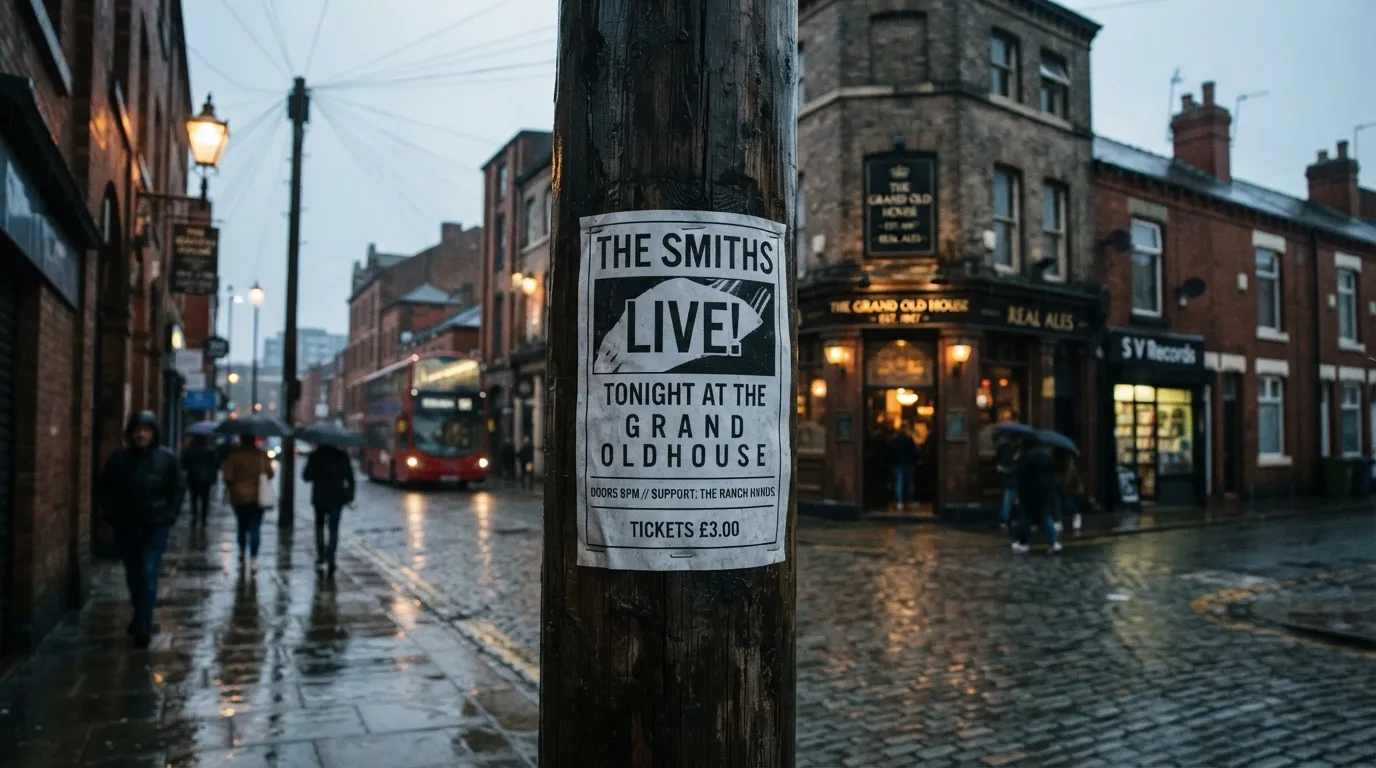
The Smiths were one of the most beloved bands of 1980s Britain. The Queen Is Dead, from 1986, is often named among the greatest albums of its era.
Then, in 1987, guitarist Johnny Marr left. He was exhausted, frustrated with the band’s management and direction, and wanted to explore other music. The split came just as their last album, Strangeways, Here We Come, was released.
That ended one of the most celebrated songwriting partnerships in British pop. Morrissey went solo, and the original lineup never reunited.
Marr stayed busy, working with groups like Electronic and later Modest Mouse. But fans still debate what the Smiths might have become if the two had stayed together.
#7 – Creedence Clearwater Revival

Creedence Clearwater Revival ruled the radio for a short, blazing stretch from 1968 through 1972. “Proud Mary,” “Bad Moon Rising,” and “Fortunate Son” were everywhere.
But behind the hits, John Fogerty’s control over the band’s music created deep resentment. Tom Fogerty left in 1971, and the remaining trio fell apart the following year.
Their final album, Mardi Gras, was poorly reviewed. It was a bitter way to end a run that had been so strong.
The band dissolved in 1972, while still hugely popular. Few acts have packed so many classics into so little time, and then watched them disappear so abruptly.
#6 – Daft Punk
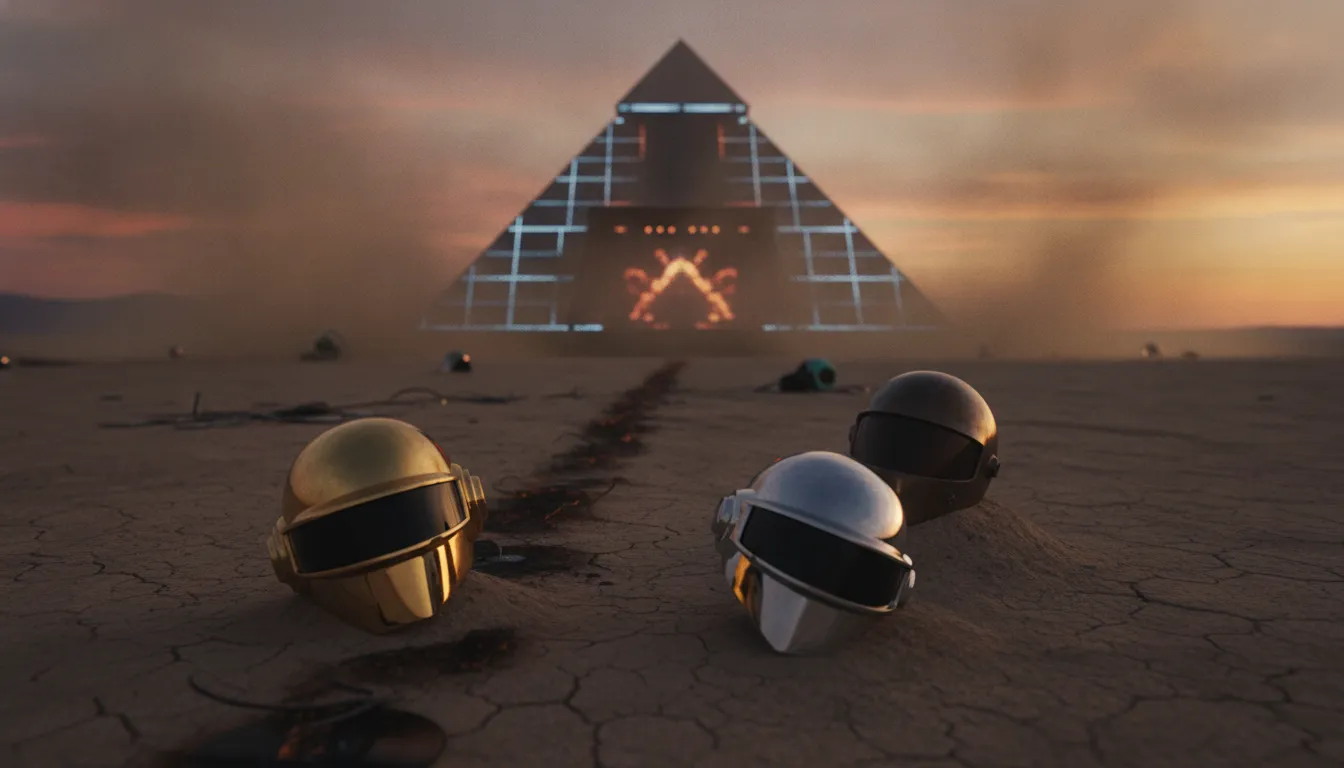
Daft Punk made electronic music feel like a movie. The robot helmets, the pyramid stage show, and albums like Discovery and Random Access Memories made them one of the most recognizable duos on Earth.
Random Access Memories won Album of the Year at the 2014 Grammys, and “Get Lucky” was a worldwide smash. The duo was still a cultural icon when they ended it all.
On February 22, 2021, they posted a short video titled Epilogue, ending with the words “1993–2021.” There was no interview, no tour, and no explanation.
That silence was the point. Instead of fading out slowly, Daft Punk chose a clean, cinematic vanishing act.
Worth Knowing
- The duo is Thomas Bangalter and Guy-Manuel de Homem-Christo.
- Random Access Memories came out in 2013 and took the top Grammy a year later.
- The farewell video dropped on February 22, 2021.
- The dates in its closing title span 28 years.
#5 – Garth Brooks
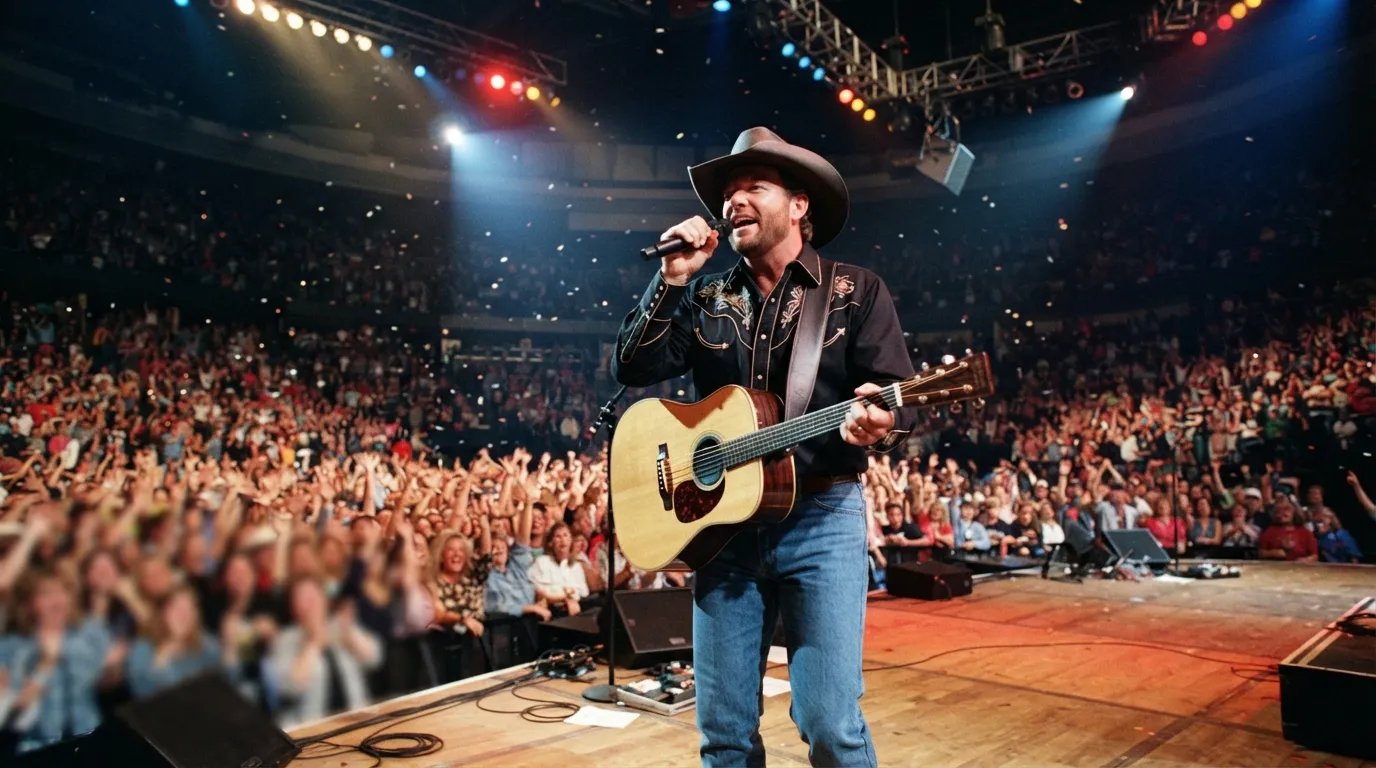
Garth Brooks was not just a country star in the 1990s. He was a record-shattering phenomenon whose sales rivaled the biggest acts in any genre, and his arena shows were legendary.
In 2000, he announced he was retiring from music. His marriage was ending, and he wanted to be present for his three young daughters. He would return when they were grown.
He mostly kept that promise. He stepped away from the spotlight for years, apart from a few special appearances.
In 2009, he began a Las Vegas residency, and in 2014, he launched a full comeback. Few stars give up that kind of fame voluntarily, and fewer put family first so publicly.
#4 – Simon & Garfunkel
Simon & Garfunkel closed the 1960s with one of the most beloved albums in pop history. Bridge Over Troubled Water came out in January 1970 and won big at the Grammys.
By then the duo was already finished. Tension between Paul Simon and Art Garfunkel had been building for years, and Garfunkel’s acting work added strain. They split in 1970, right as their biggest album took over the world.
The timing felt almost impossible. They were at the top, and the top was where they stopped.
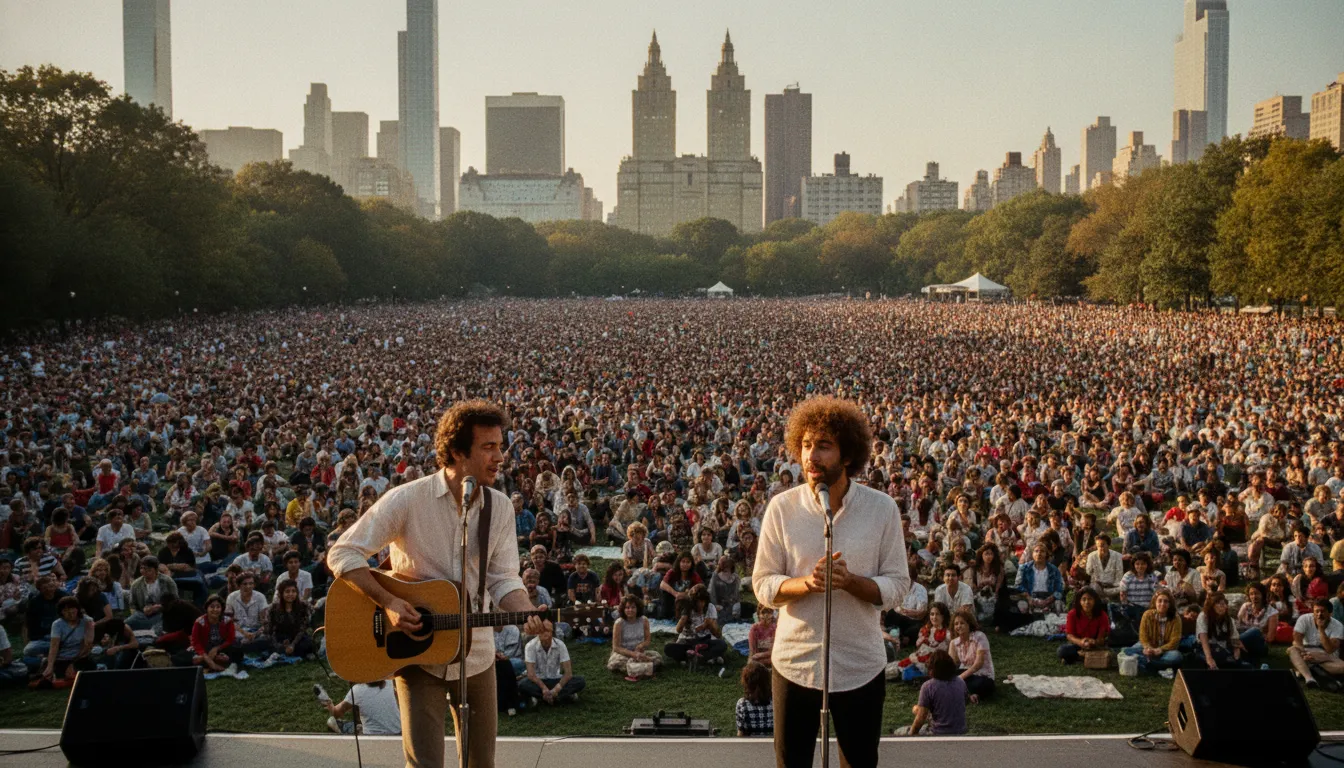
They did reunite later. In 1981, they played a free concert in Central Park that drew a crowd estimated at half a million people.
#3 – Jay-Z
In 2003, Jay-Z released The Black Album and announced it would be his last. He was one of the biggest names in hip-hop, and he wanted to go out on top.
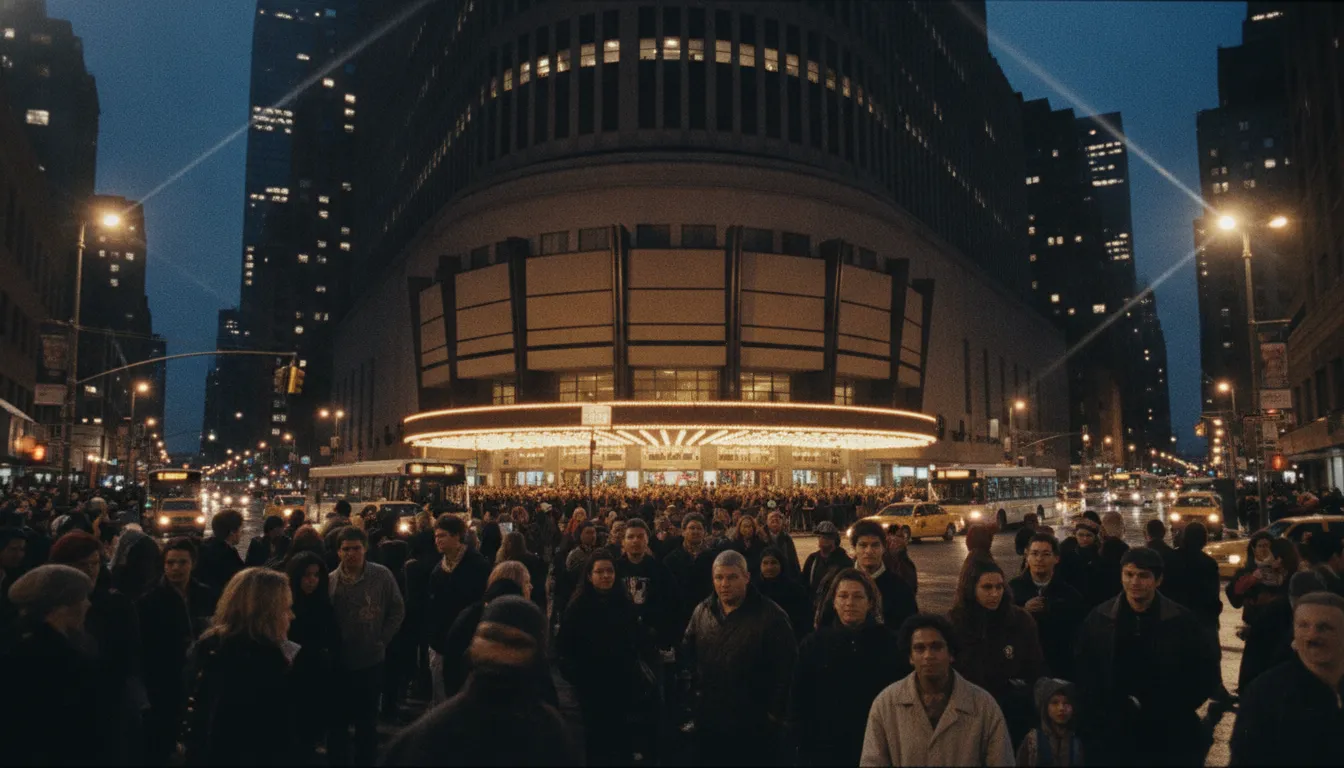
He gave a farewell concert at Madison Square Garden on November 25, 2003, with a star-packed lineup of guests. The event was filmed for the documentary Fade to Black.
He moved into the business side, becoming president of Def Jam in 2004. But the pull of the booth was too strong.
He returned with Kingdom Come in 2006. The retirement lasted only three years, but for a moment, the idea that rap’s biggest voice would simply stop felt completely real.
Quick Compare
- The plan: The Black Album in 2003 as a grand farewell.
- The send-off: a Madison Square Garden show on November 25, 2003.
- The detour: president of Def Jam in 2004.
- The reality: Kingdom Come in 2006.
#2 – Diana Ross
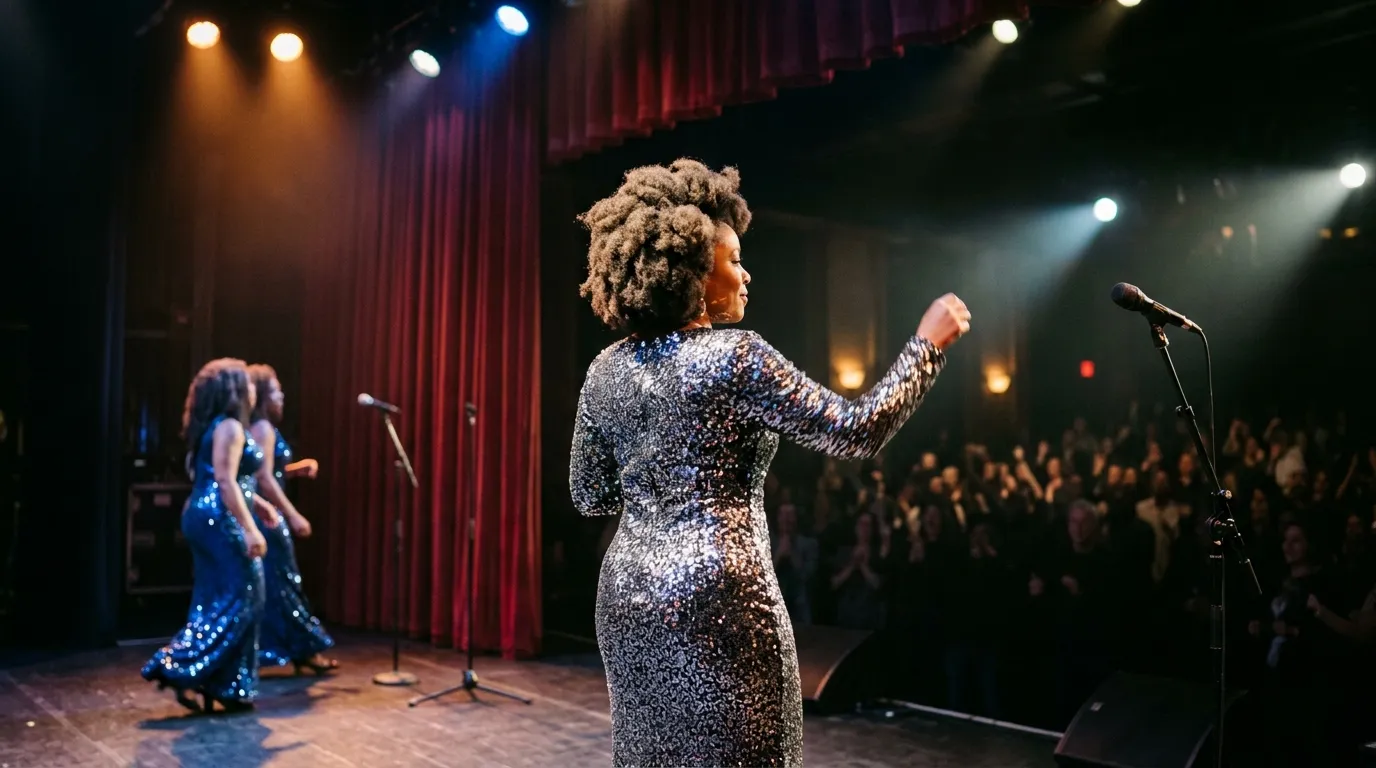
Diana Ross was the face of The Supremes, the top-selling Motown group of the 1960s. They had a stunning run of hits, and “Someday We’ll Be Together” became the group’s final single with her.
She left in January 1970. Her last show with the group was at the Frontier Hotel in Las Vegas on January 14, and Jean Terrell took her place.
Leaving a hugely successful group is a risk. Ross bet on herself, and it worked. Her solo debut produced “Ain’t No Mountain High Enough,” which became a No. 1 hit that same year.
She became a superstar in her own right. But the end of the Supremes with Ross marked one of pop’s most famous breakups.
#1 – The Beatles
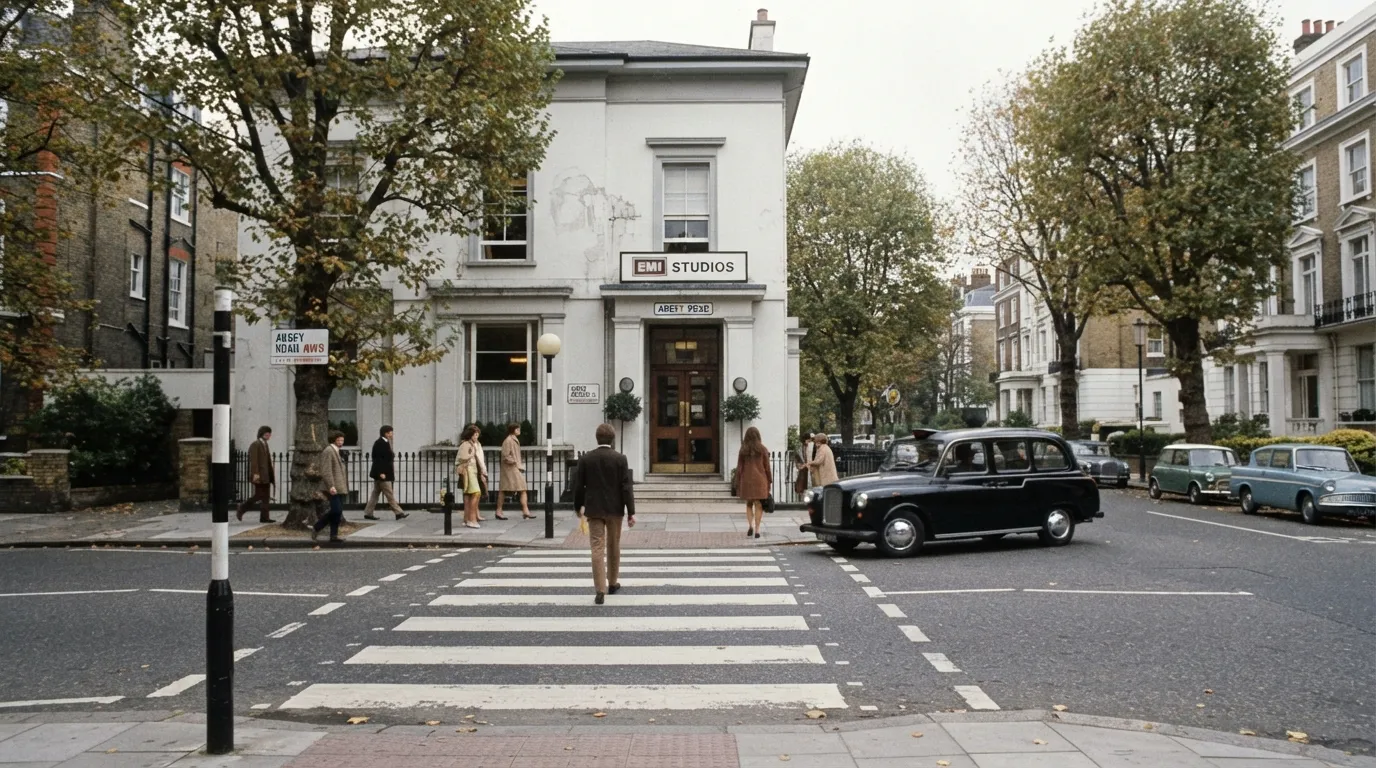
No band has ever quit from a bigger height than The Beatles. They were the most famous group on Earth, with a catalog that changed pop music forever.
They had stopped touring in 1966. In 1969, they made Abbey Road, one of their finest albums, even as the internal tension grew. The famous rooftop concert in January of that year turned out to be their last public performance.
In September 1969, John Lennon privately told the others he was leaving. In April 1970, Paul McCartney publicly announced he was leaving the group, and the breakup became official news.
Let It Be followed in May 1970. The Beatles never reunited, and the world has been wondering ever since what else they had left to give.
CEO-Co-Founder