- 20 Musicians Who Turned Tragedy Into Timeless Hits - October 11, 2026
- What These Classic British and American Novels Say About Society - October 11, 2026
- The Forgotten U.S. Festival That Inspired Woodstock - October 11, 2026
#25 – Bad Company
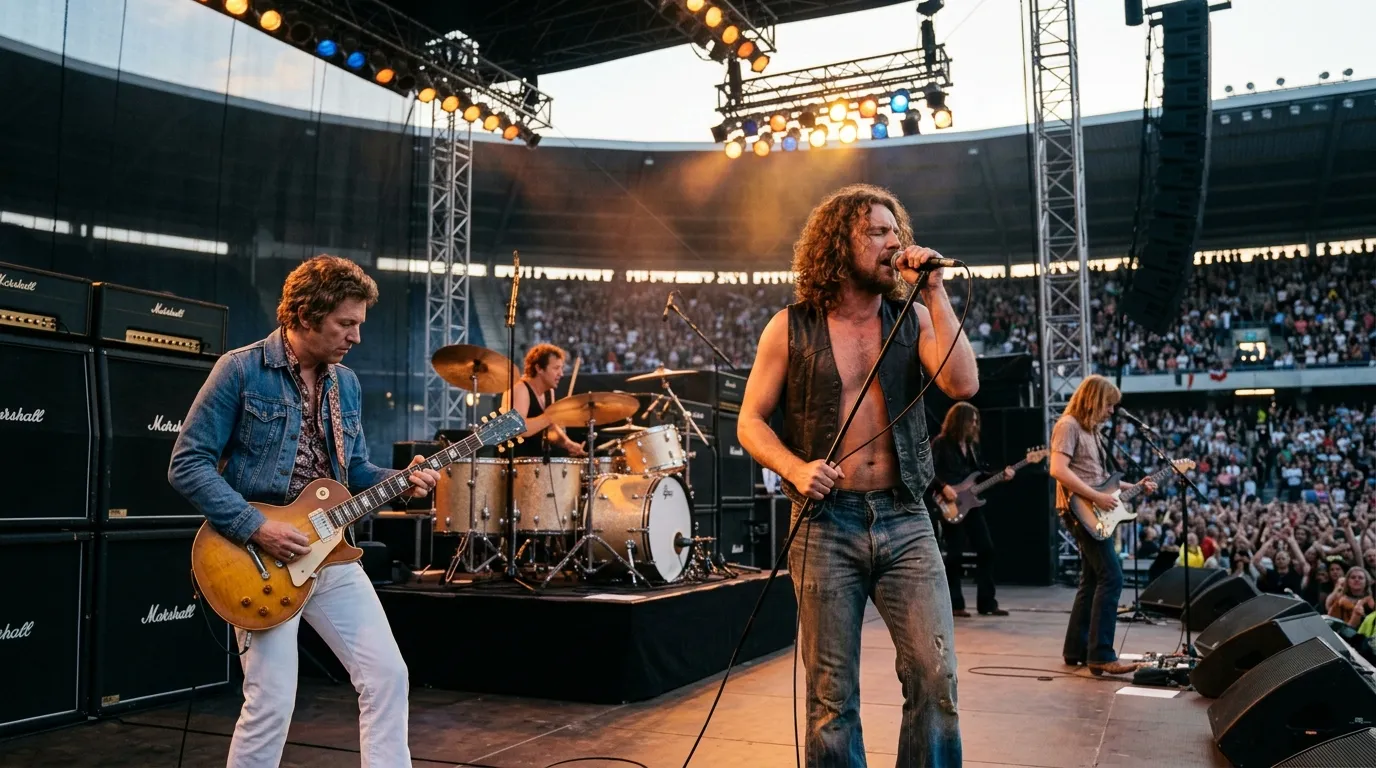
Bad Company formed in 1973 and quickly became one of the biggest draws on the arena circuit. Their self-titled debut and follow-up albums like Straight Shooter produced hits that packed venues across North America and Europe. The band relied on straightforward hard rock and strong songwriting from Paul Rodgers and Mick Ralphs.
Their 1979 album Desolation Angels went platinum, yet internal tensions over touring and creative control grew. By 1982 the original lineup had split, with Rodgers pursuing solo work and the others pursuing separate projects. The split ended a run that included multiple gold and platinum records and consistent stadium-level attendance in their peak years. Many fans still cite their live energy as unmatched in the era.
#24 – Boston
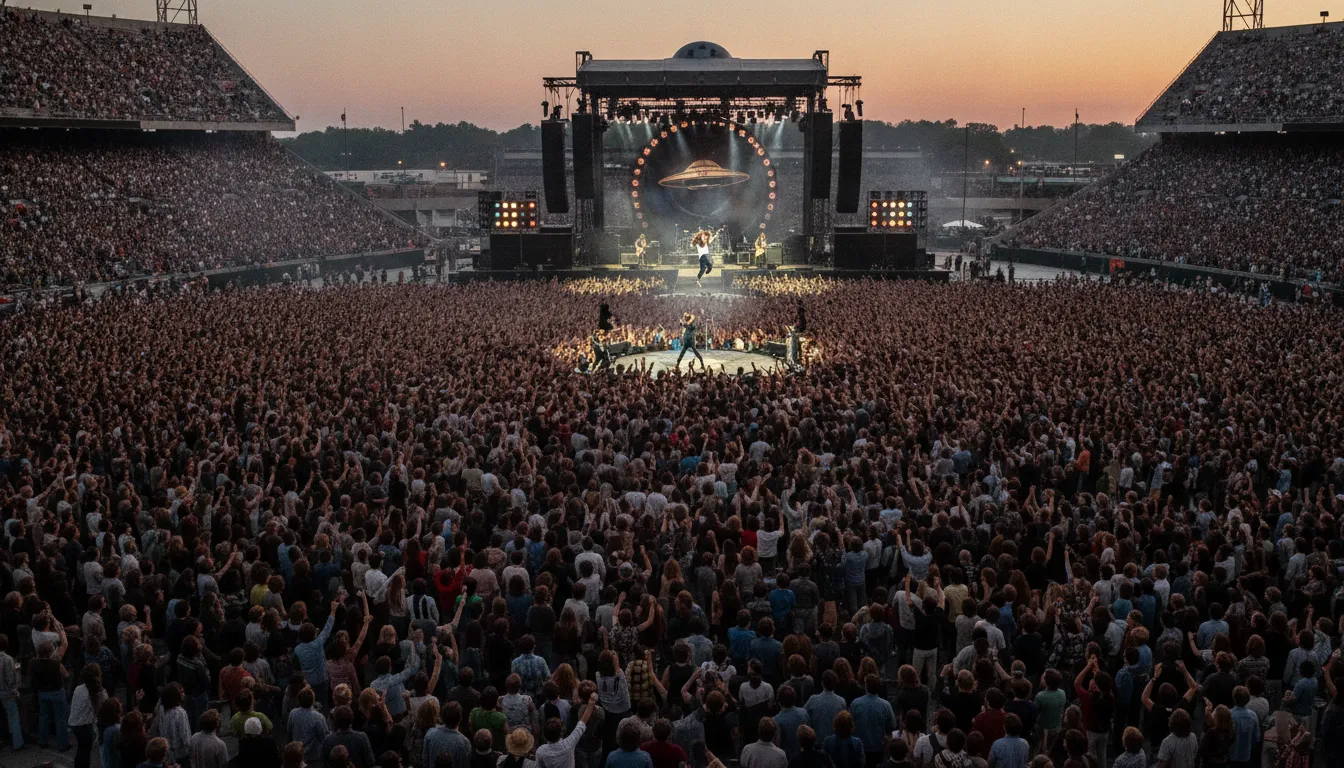
Boston released their debut in 1976 and sold millions with a polished sound built around layered guitars and soaring vocals. Tom Scholz’s home-studio approach created a signature style that filled arenas on the strength of tracks like “More Than a Feeling.” The band toured extensively through the late 1970s, drawing large crowds wherever they played.
The follow-up Don’t Look Back also topped charts, but disputes with their label and management strained relationships. After the 1978 album the group went quiet for years, effectively ending the original configuration’s run. Scholz later revived the name with new members, but the classic lineup that filled stadiums in the 1970s never reunited for new material.
#23 – The Eagles
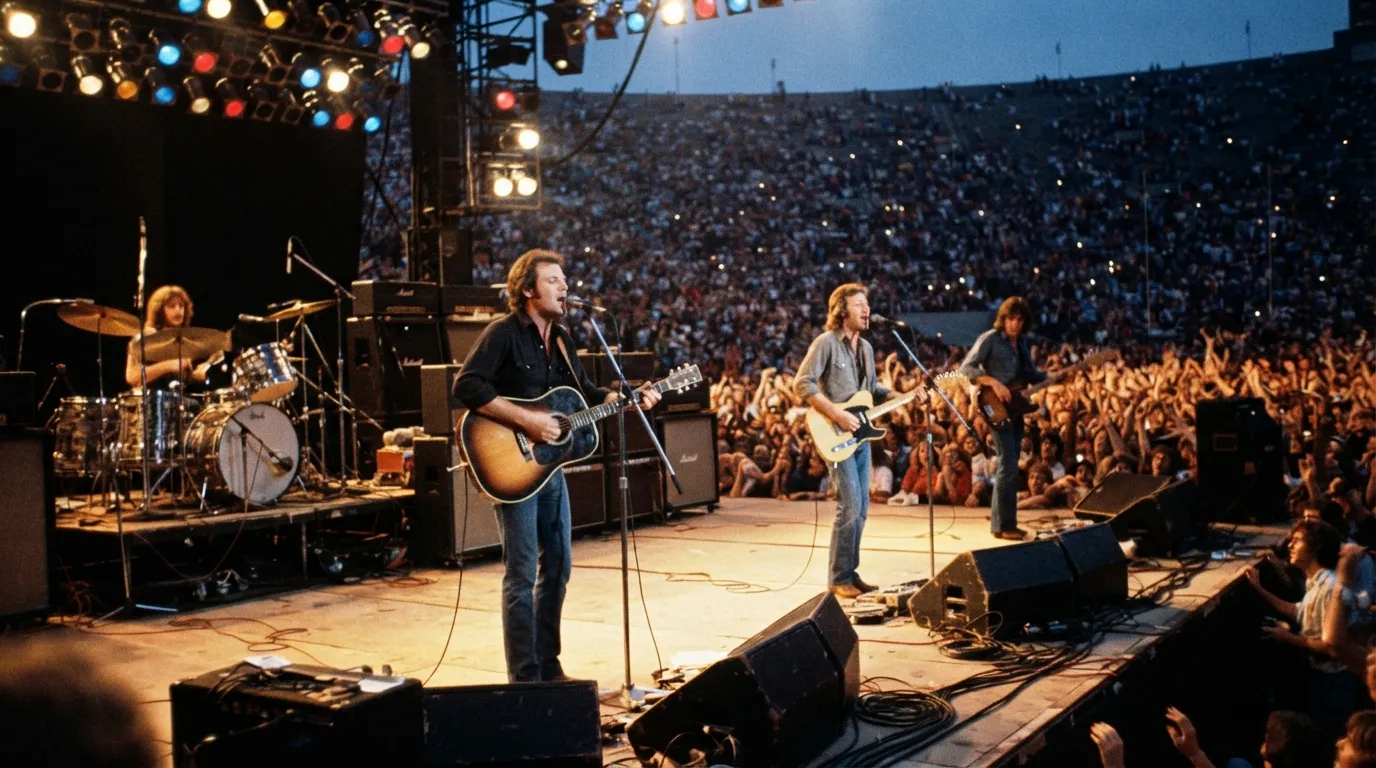
The Eagles rose from country-rock roots in the early 1970s to become one of the decade’s dominant live acts. Albums such as Hotel California and The Long Run produced radio staples that translated into sold-out stadium shows. Their harmonies and songcraft drew fans in massive numbers across multiple tours.
“Hotel California” alone has sold more than 32 million copies worldwide, underscoring their commercial peak. By 1980 personal conflicts and exhaustion led to a breakup announced after a concert in Long Beach. The split lasted fourteen years before a partial reunion, but the original 1970s configuration that dominated arenas ended with that final show.
#22 – ABBA
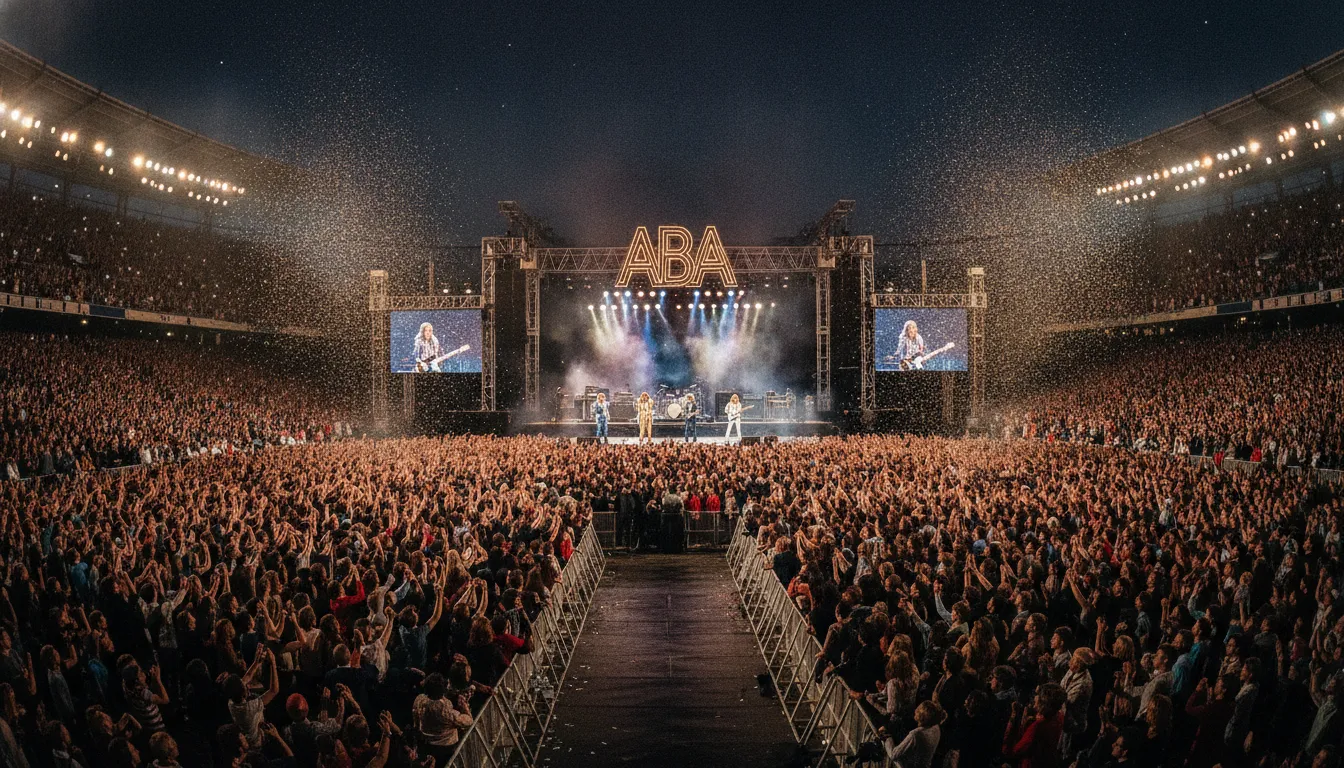
ABBA achieved global stadium-level success in the late 1970s with elaborate productions and catchy pop-rock songs. Their 1979 tour included large venues in Europe and North America, supported by hits from Voulez-Vous and Super Trouper. The Swedish quartet combined studio precision with theatrical live presentations.
Their 1976 album Arrival and subsequent releases dominated charts on multiple continents, yet the members’ marriages dissolved and creative differences surfaced. The group officially disbanded in 1982 after releasing The Visitors. The breakup closed a chapter of sold-out shows that had made them one of the biggest draws of the era.
Fast Facts
- The four members were Agnetha Fältskog, Björn Ulvaeus, Benny Andersson and Anni-Frid Lyngstad.
- They won the Eurovision Song Contest in 1974 with “Waterloo.”
- The Visitors arrived in 1981, closing out the original run.
- The group surprised fans with a new studio album, Voyage, in 2021.
#21 – The Clash
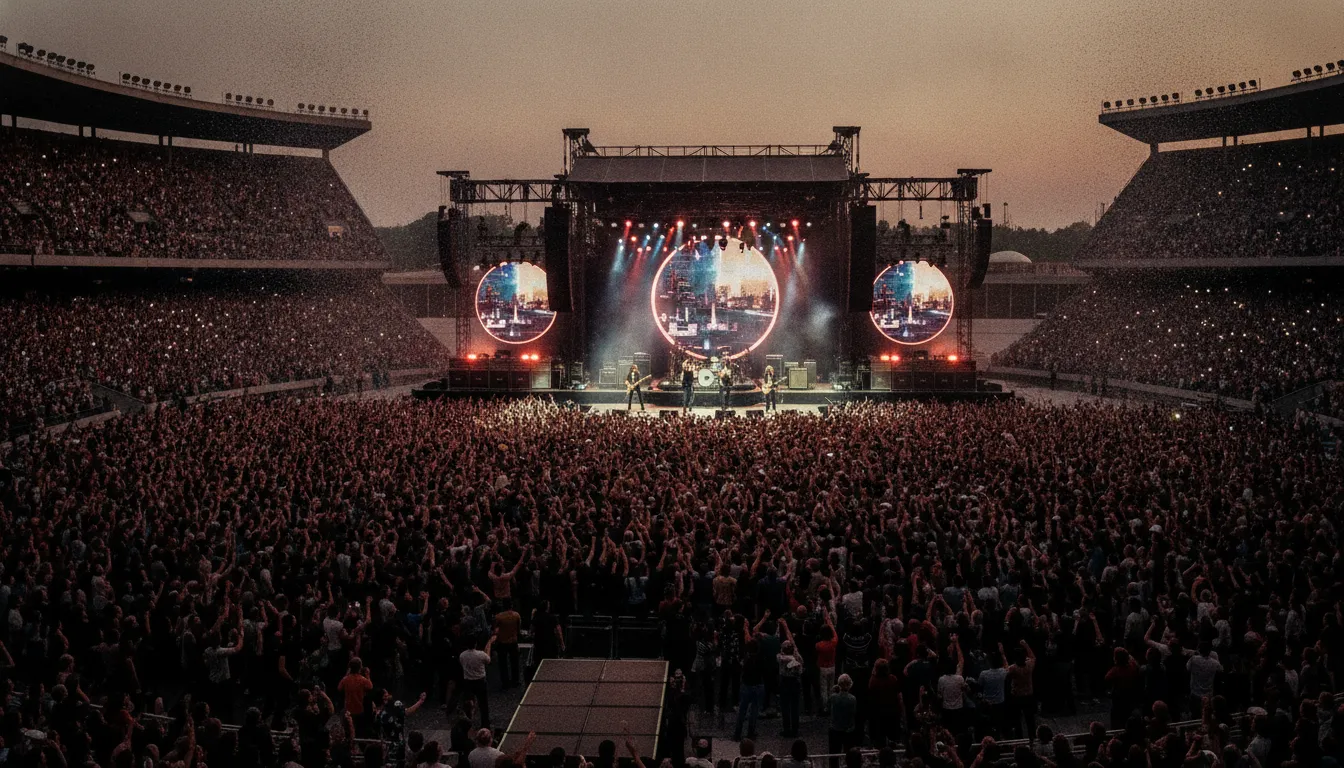
The Clash formed in 1976 and evolved from punk roots into a stadium-filling rock band by the early 1980s. Albums like London Calling and Combat Rock expanded their audience dramatically. Their politically charged songs and energetic performances drew large crowds on major tours.
Combat Rock reached number two on the Billboard chart, proving their commercial reach. Internal disagreements over direction and the departure of key members led to the band’s dissolution in 1986. The split ended the lineup that had transitioned from clubs to arenas during the late 1970s and early 1980s.
#20 – Supertramp
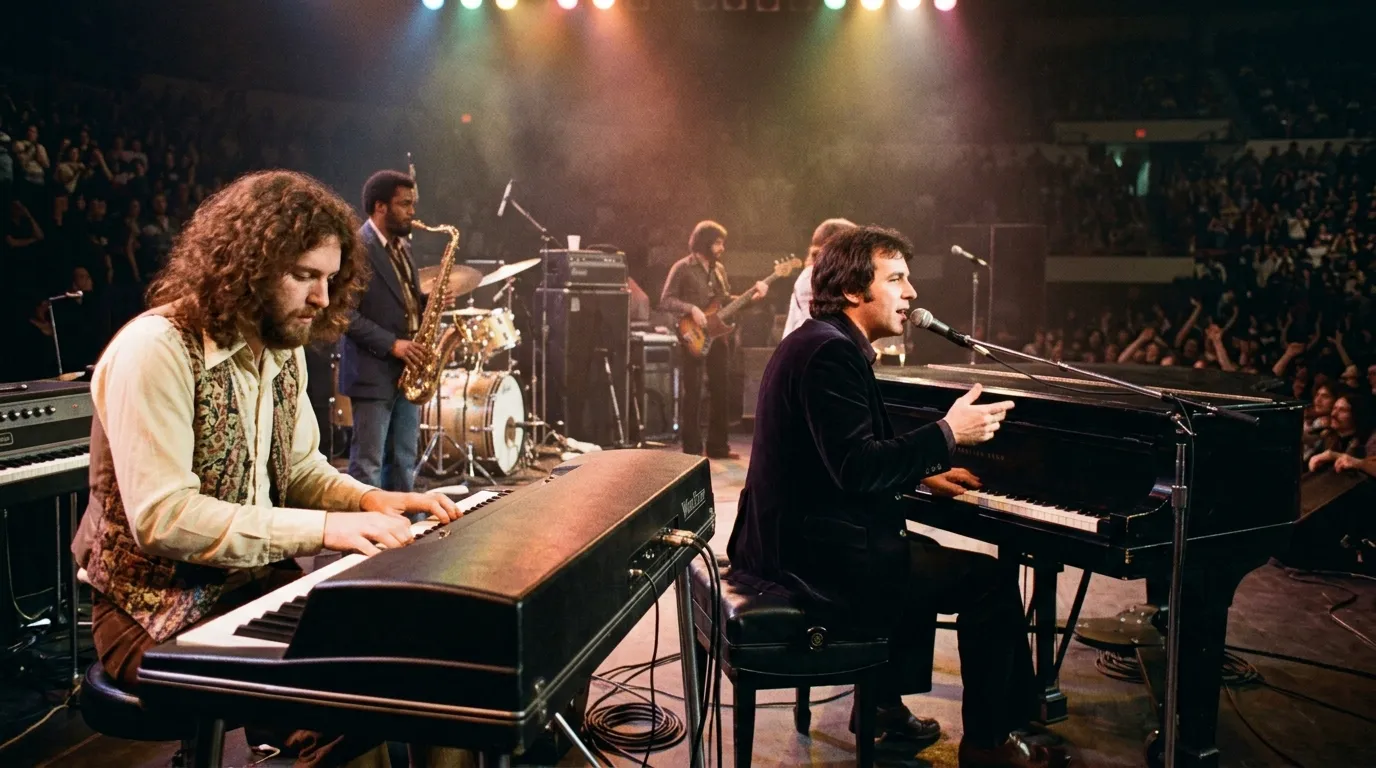
Supertramp blended progressive and pop elements to fill arenas throughout the 1970s. Crime of the Century and Breakfast in America produced hits that supported extensive world tours. The band’s dual keyboard and saxophone sound created a distinctive live experience.
Breakfast in America sold more than four million copies in the United States alone, fueling stadium dates. Tensions between Roger Hodgson and Rick Davies over songwriting and touring eventually caused Hodgson’s departure in 1983. The original creative partnership that powered their 1970s success ended with that split.
#19 – Styx
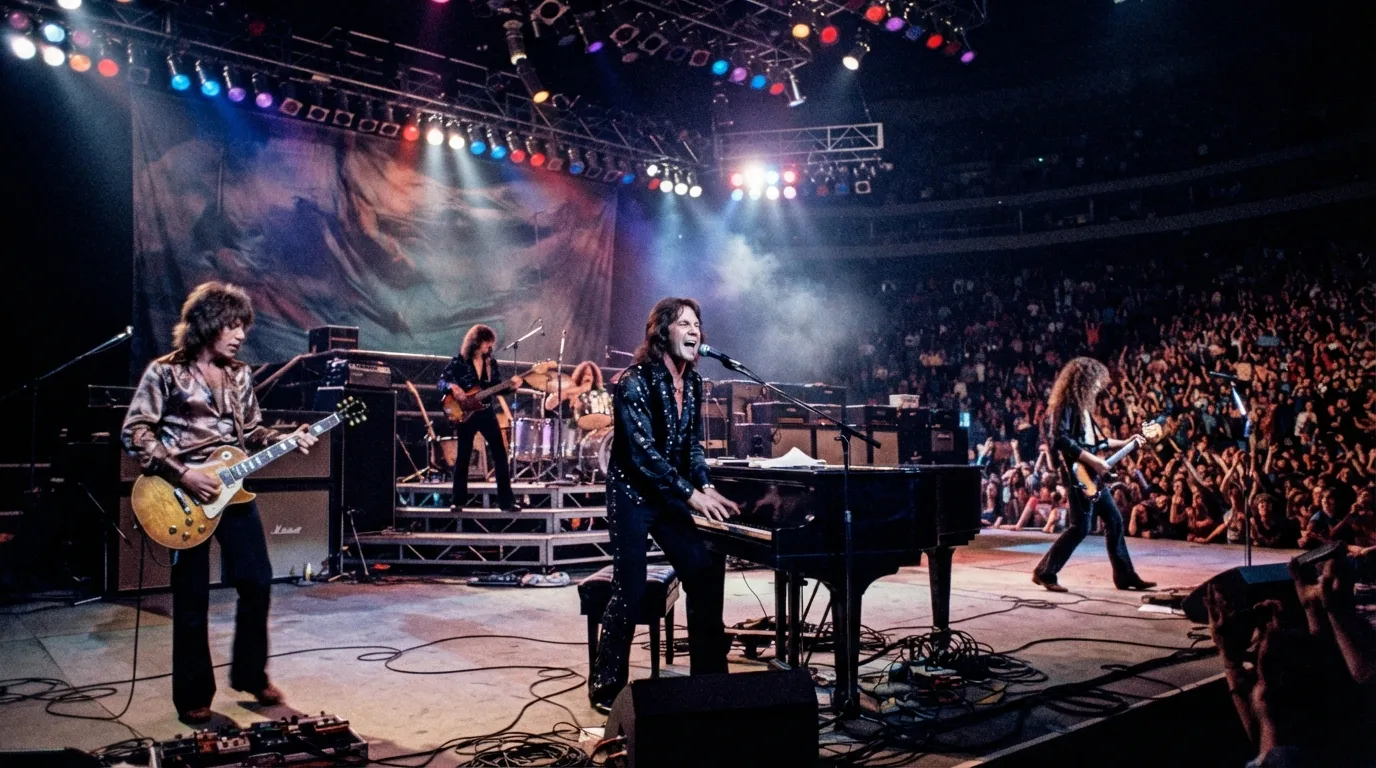
Styx combined theatrical rock with melodic hooks to pack venues in the late 1970s. Albums such as The Grand Illusion and Pieces of Eight yielded radio hits and consistent arena sell-outs. Their ambitious stage productions matched the scale of their growing audiences.
The 1979 album Cornerstone featured the ballad “Babe,” which topped the charts, highlighting their crossover appeal. Creative clashes between Dennis DeYoung and the other members led to a 1980s split in the classic lineup. The group that dominated stadiums during the decade’s peak years fractured over musical direction.
#18 – Journey
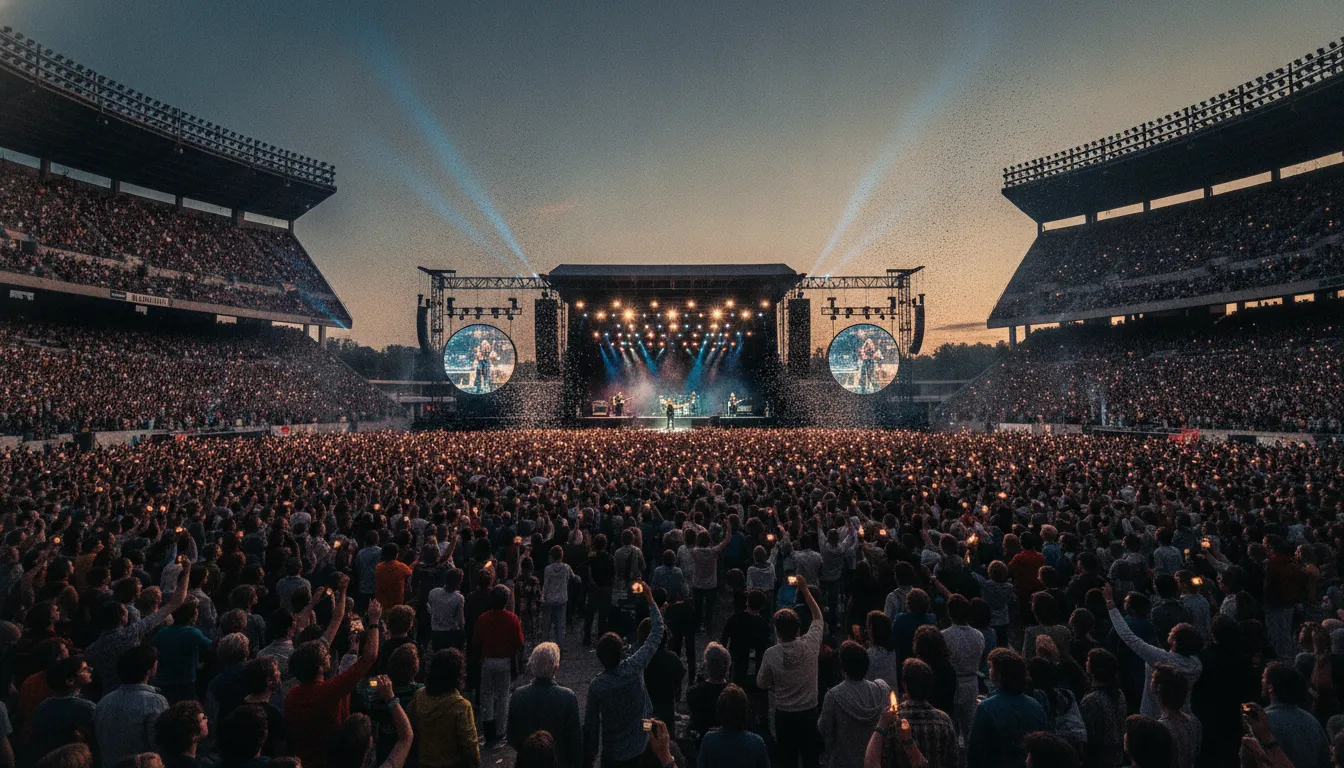
Journey transitioned from jazz-rock fusion to arena rock in the late 1970s, filling stadiums with anthemic songs. Infinity and Evolution introduced Steve Perry’s vocals and produced multiple hits. Their live shows became major events across North America.
“Don’t Stop Believin’” from Escape became one of the decade’s defining tracks, driving further touring success. Internal conflicts and Perry’s departure in the late 1980s ended the classic era. The lineup responsible for their 1970s and early 1980s stadium runs never fully reconvened for new studio work.
#17 – Foreigner
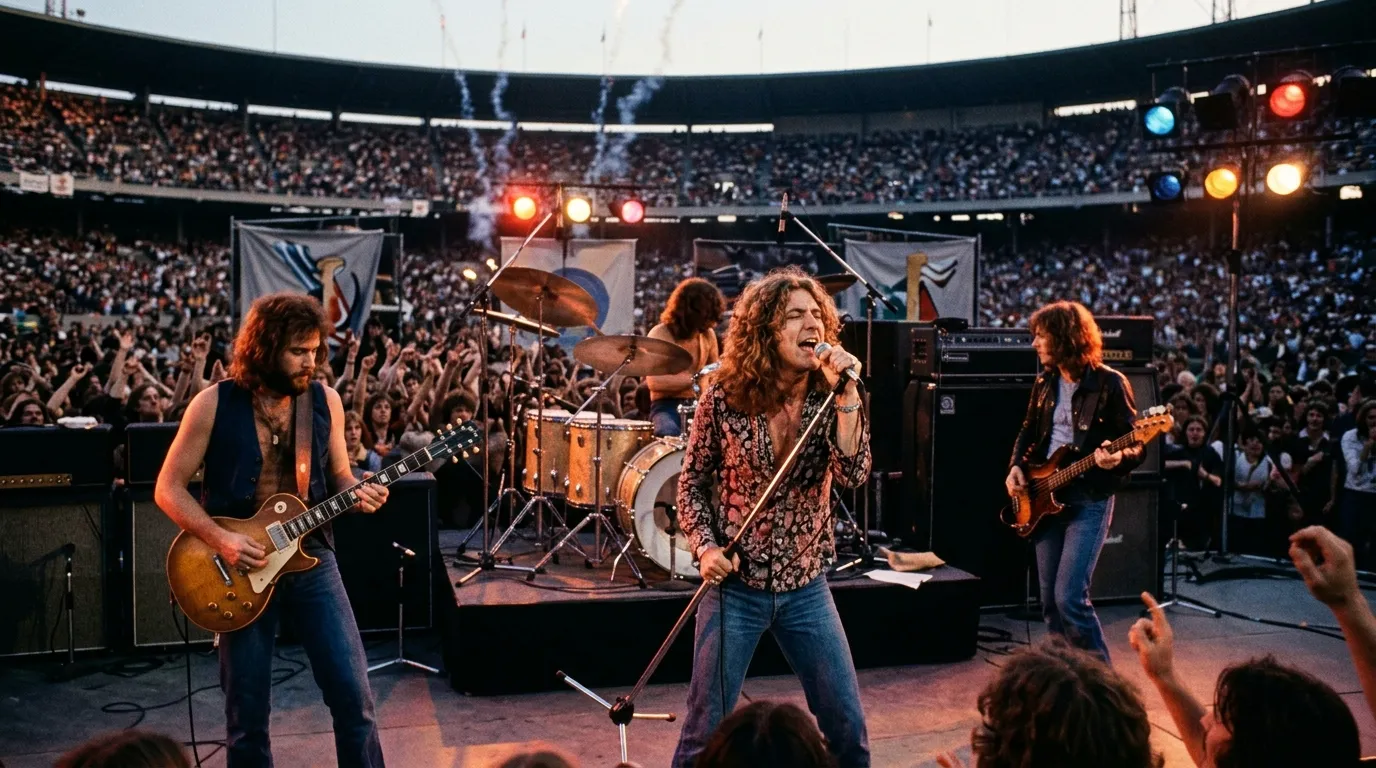
Foreigner formed in 1976 and quickly became a stadium staple with straightforward rock songs. Foreigner and Double Vision delivered hits that supported large-scale tours. Lou Gramm’s vocals and Mick Jones’s songwriting defined their sound.
“I Want to Know What Love Is” later became a massive single, but the band’s 1970s momentum carried them into arenas worldwide. Tensions between Gramm and Jones over creative control led to multiple lineup changes and an eventual split in the original configuration. The core that filled stadiums in their first decade parted ways.
#16 – Toto
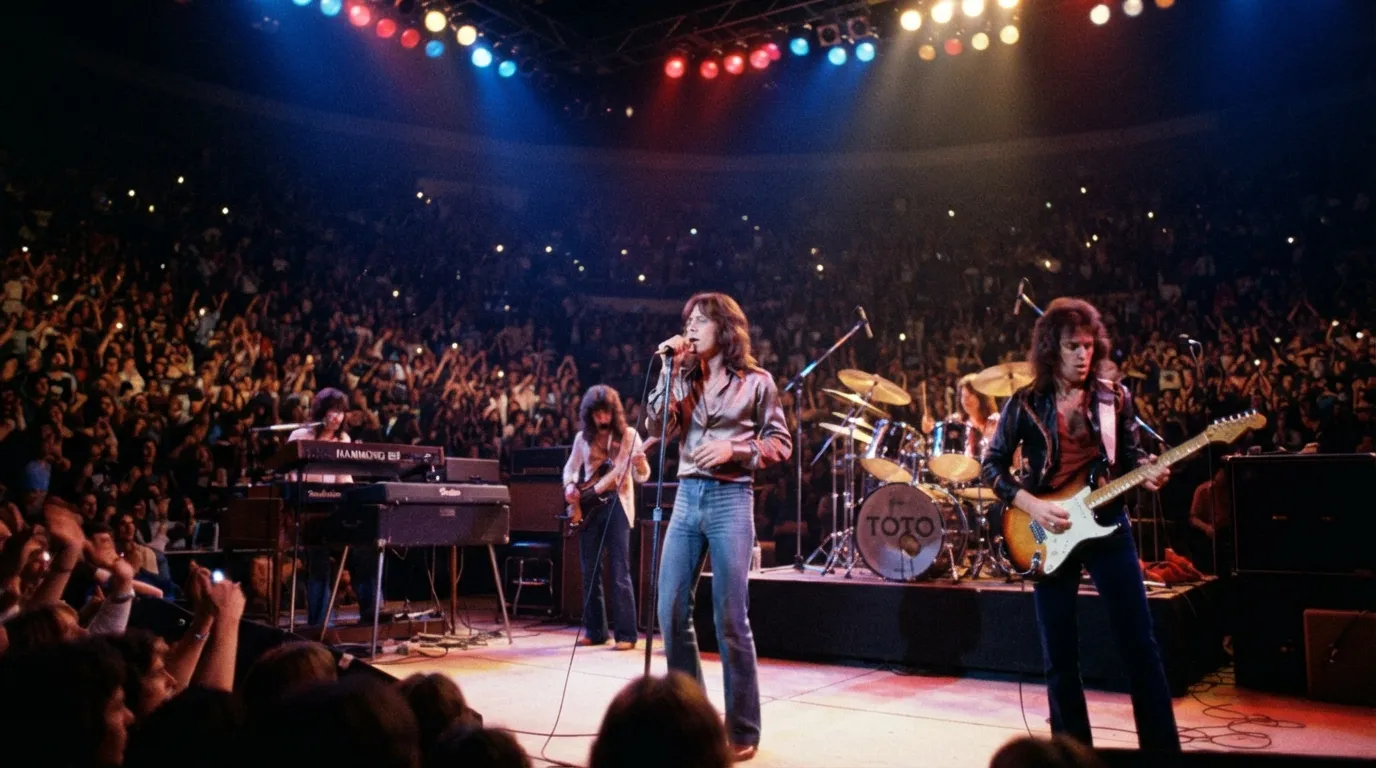
Toto assembled top session musicians and achieved rapid arena success in the late 1970s. Their self-titled debut and Hydra featured polished production and strong songcraft. The band’s technical skill translated into sold-out shows.
“Africa” from Toto IV became a global hit, but the group’s 1970s foundation already supported major tours. Multiple member departures and shifting priorities led to periods of inactivity and lineup changes that effectively ended the original 1970s configuration. The band that filled stadiums early on never returned to that exact lineup.
#15 – REO Speedwagon
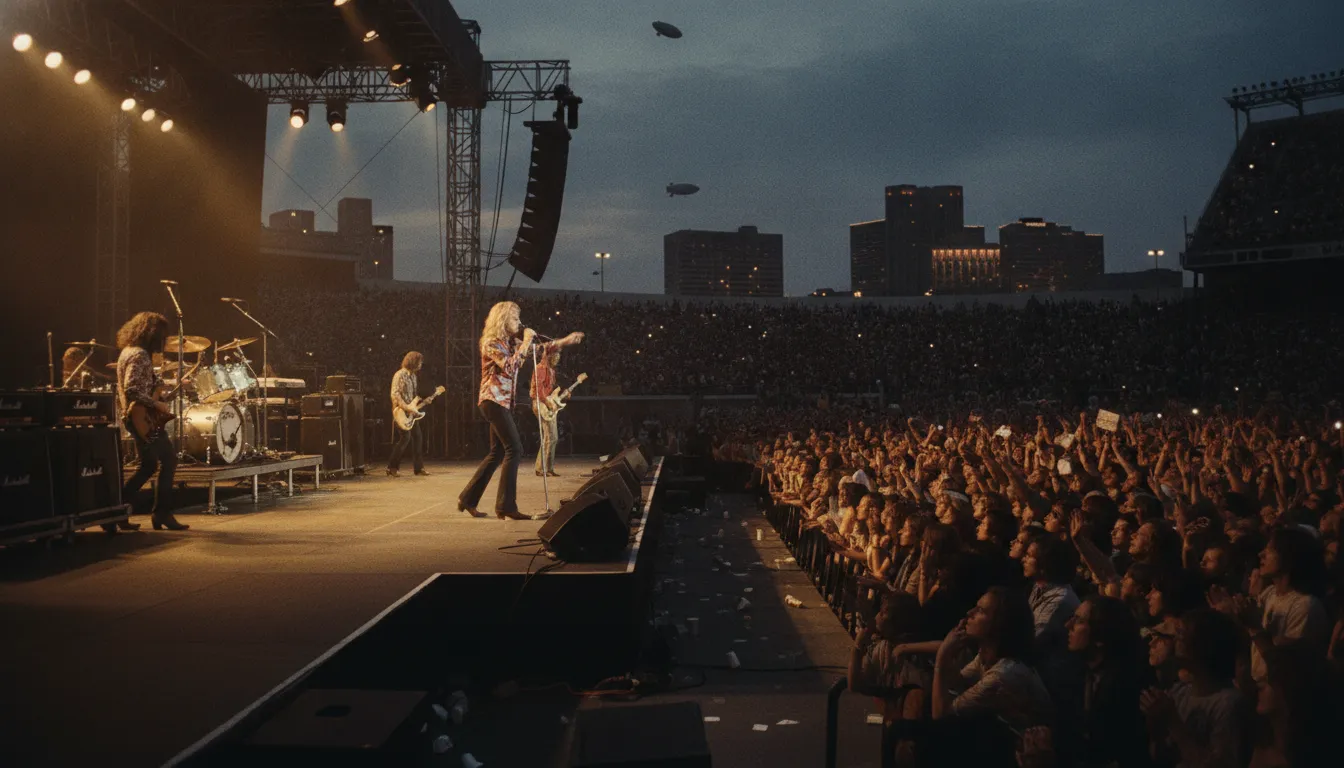
REO Speedwagon built a following through relentless touring in the 1970s before breaking into stadiums. You Can Tune a Piano, but You Can’t Tuna Fish and Hi Infidelity produced hits that filled larger venues. Kevin Cronin’s vocals anchored their melodic rock sound.
Hi Infidelity spent 15 weeks at number one on the Billboard 200, confirming their commercial peak. Internal disputes over management and songwriting contributed to the eventual dissolution of the classic lineup. The group that transitioned from clubs to stadiums in the 1970s split after years of tension.
#14 – Kansas
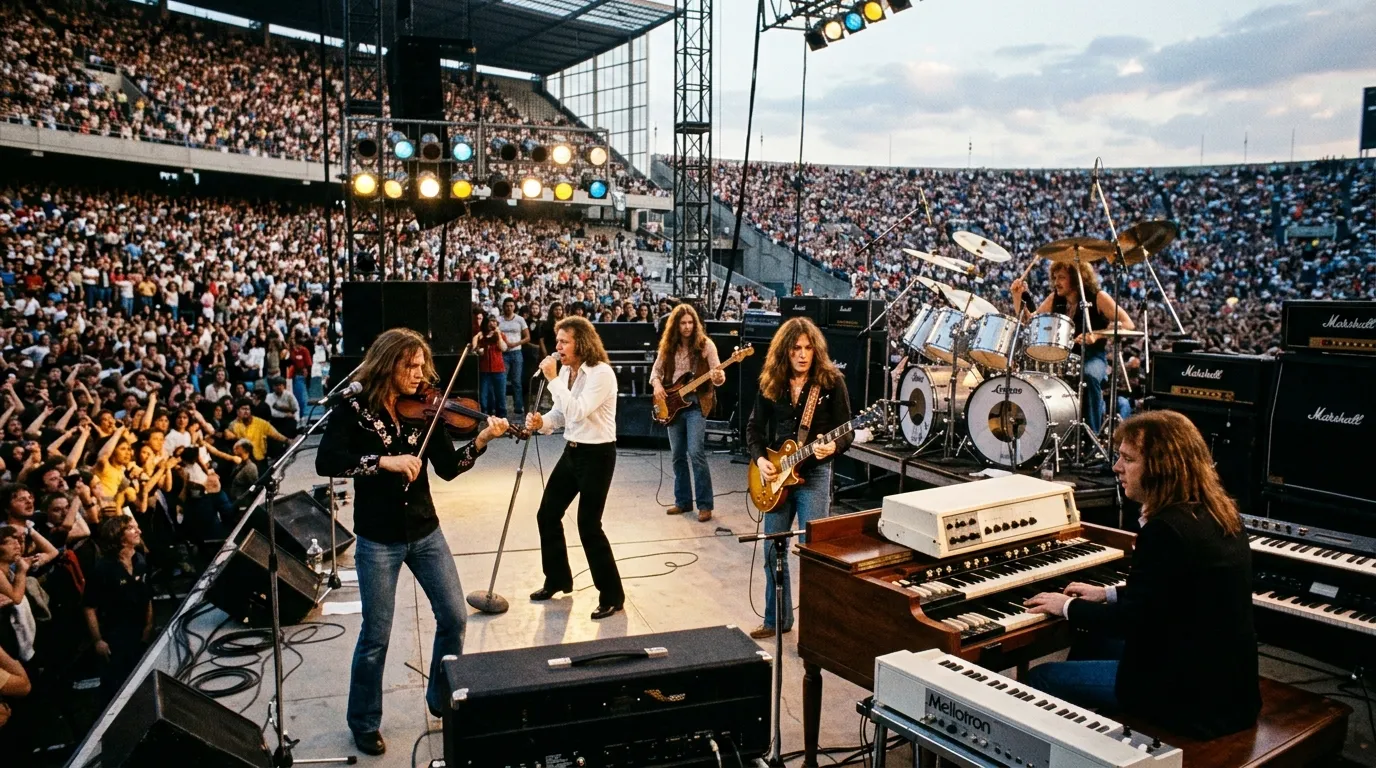
Kansas combined progressive elements with rock to fill arenas in the mid-to-late 1970s. Leftoverture and Point of Know Return yielded hits like “Carry On Wayward Son.” Their violin and keyboard-driven sound stood out on major tours.
Point of Know Return went platinum multiple times, supporting extensive stadium dates. Creative differences and the departure of key members like Kerry Livgren led to the original lineup’s breakup in the early 1980s. The configuration responsible for their 1970s success ended with those exits.
#13 – Heart
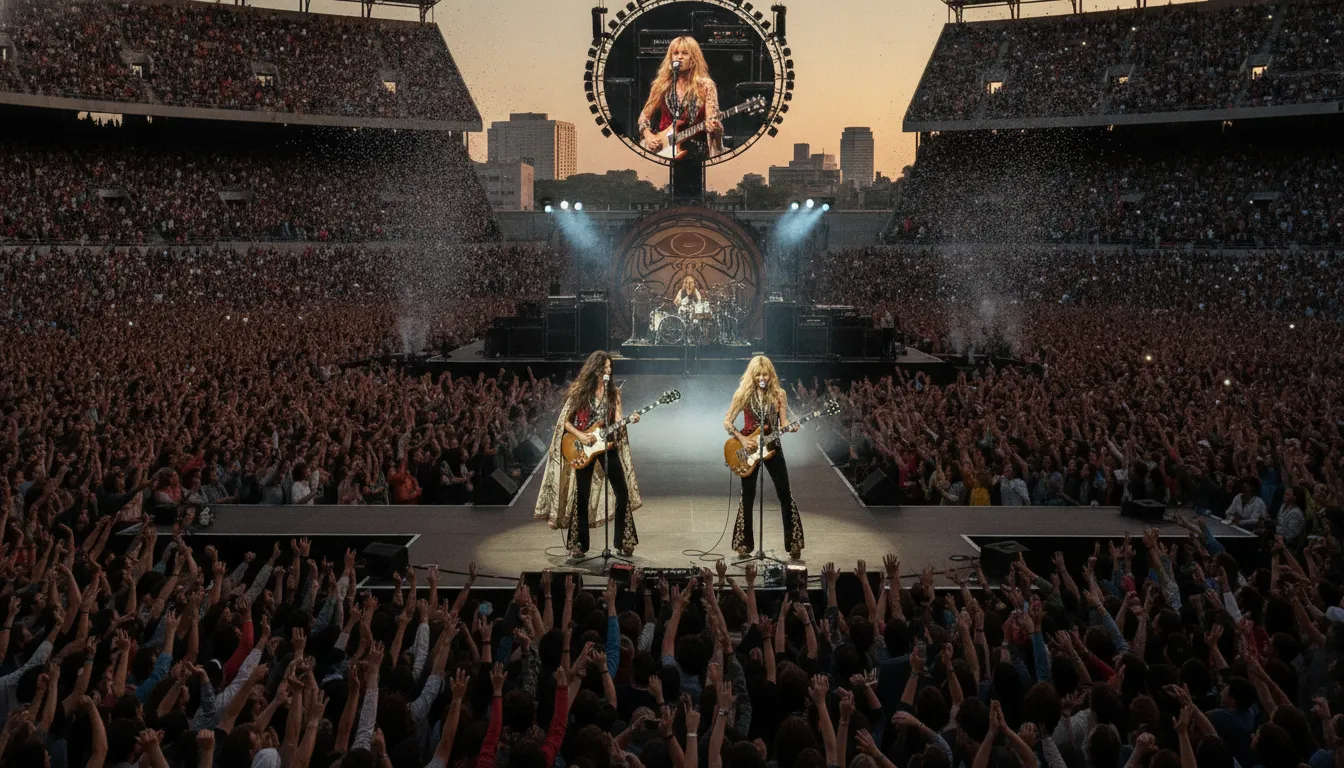
Heart emerged from the Pacific Northwest and filled stadiums with powerful vocals and guitar work. Dreamboat Annie and Little Queen established them as arena draws. Ann and Nancy Wilson’s songwriting drove their commercial rise.
“Barracuda” became a signature live staple that energized large crowds, yet label pressures and personal issues strained the band. The original 1970s lineup experienced a split in momentum before later reunions. The group that dominated 1970s stadium stages fractured under external and internal stresses.
At a Glance
- Home base: Seattle, Washington.
- Core duo: sisters Ann Wilson (vocals) and Nancy Wilson (guitar).
- Breakthrough: Dreamboat Annie, released in 1975.
- “Barracuda” appeared on Little Queen in 1977.
- Honor: inducted into the Rock and Roll Hall of Fame in 2013.
#12 – Cheap Trick
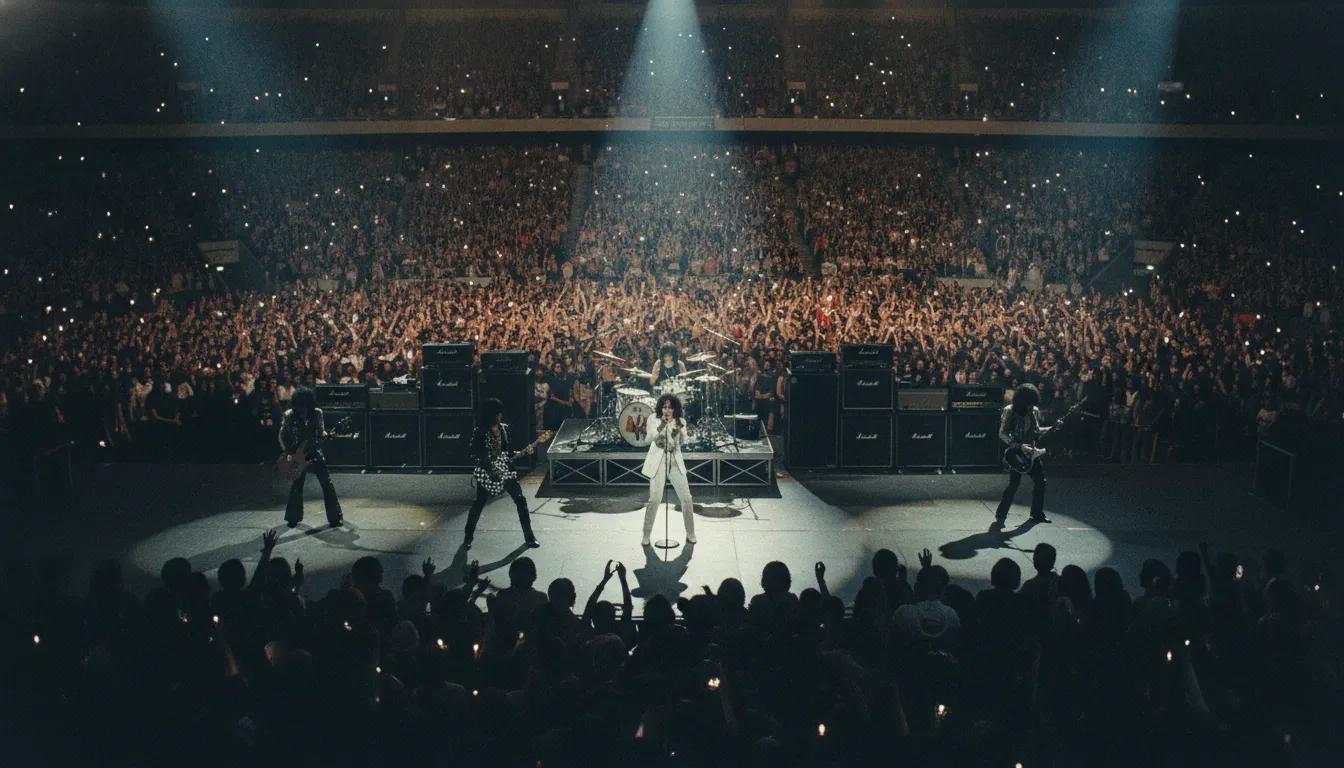
Cheap Trick combined power-pop hooks with theatrical live shows that filled arenas by the late 1970s. In Color and Heaven Tonight built their reputation, while At Budokan captured their stage energy. Their cult following grew into mainstream success.
The live album At Budokan went platinum and introduced them to wider audiences, fueling further tours. Internal conflicts and shifting musical tastes contributed to lineup changes that ended the classic 1970s configuration. The band that packed stadiums during their peak years never fully reassembled that lineup.
#11 – The Cars
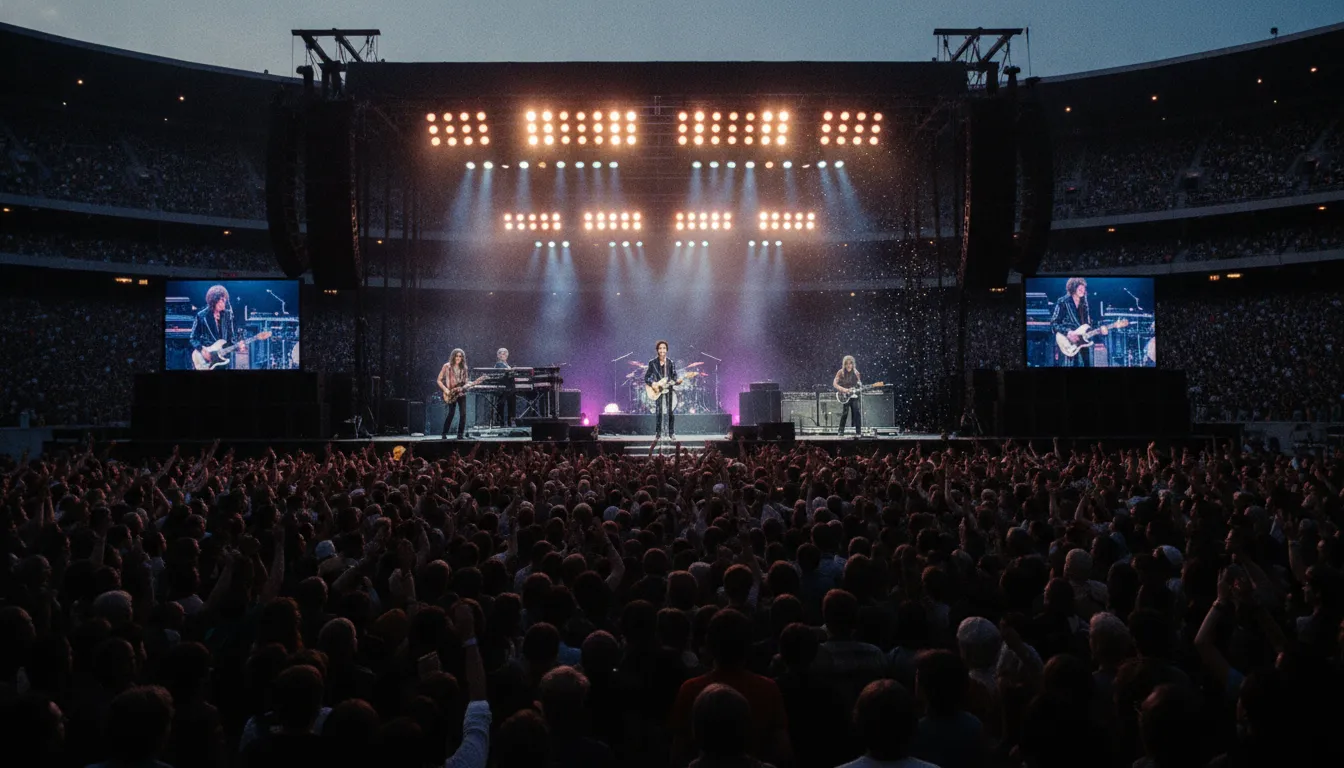
The Cars brought new-wave energy to stadium stages in the late 1970s. Their self-titled debut and Candy-O produced hits that translated into large-venue tours. Ric Ocasek’s songwriting and the band’s sleek sound defined their appeal.
“Just What I Needed” and “My Best Friend’s Girl” became radio staples, supporting arena dates. Creative differences and solo projects led to the band’s dissolution in the late 1980s. The lineup that filled stadiums during their initial run ended with that breakup.
#10 – Blondie
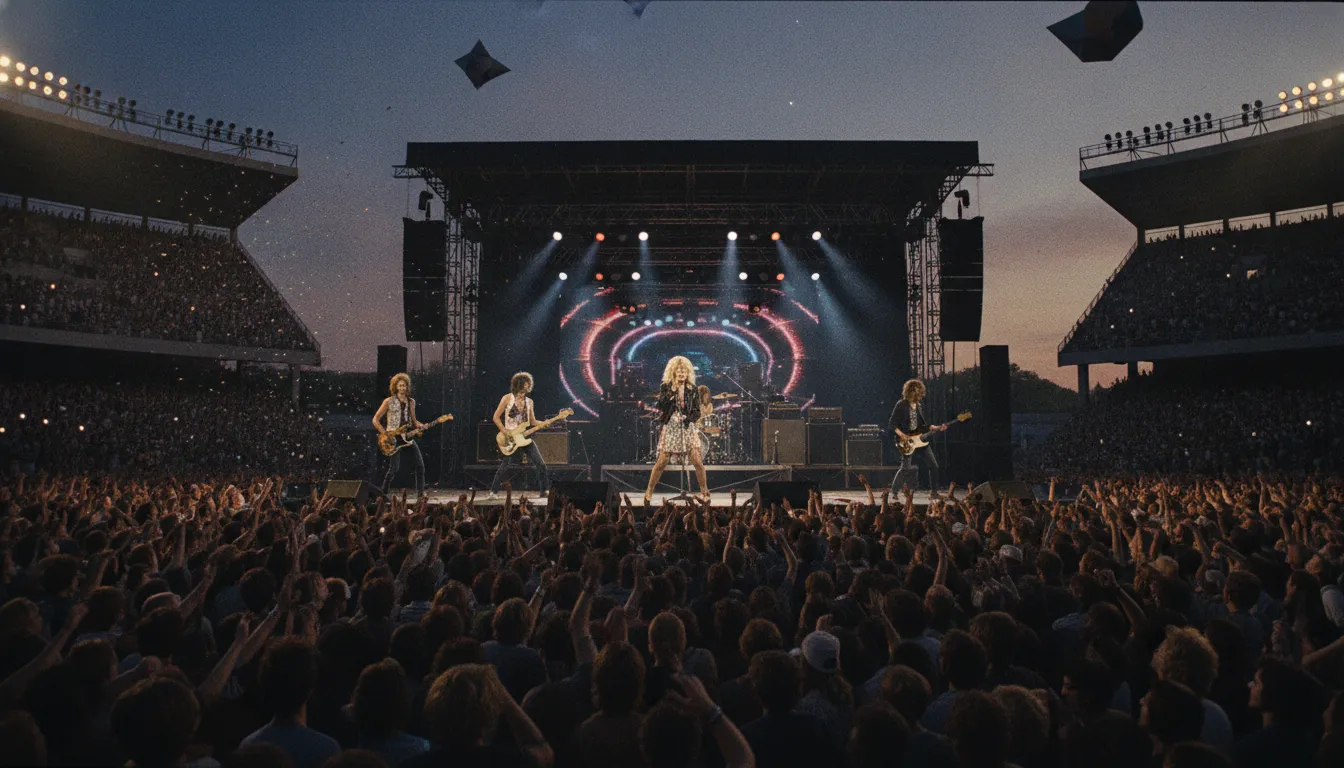
Blondie fused punk, disco, and pop to become a stadium-level act by the end of the 1970s. Parallel Lines and Eat to the Beat delivered hits that drew massive crowds. Debbie Harry’s charisma anchored their live performances.
“Heart of Glass” topped charts worldwide and showcased their genre-blending approach, yet internal tensions over direction surfaced. The band disbanded in 1982 after several successful albums. The configuration responsible for their late-1970s stadium success ended with that split.
#9 – The Pretenders
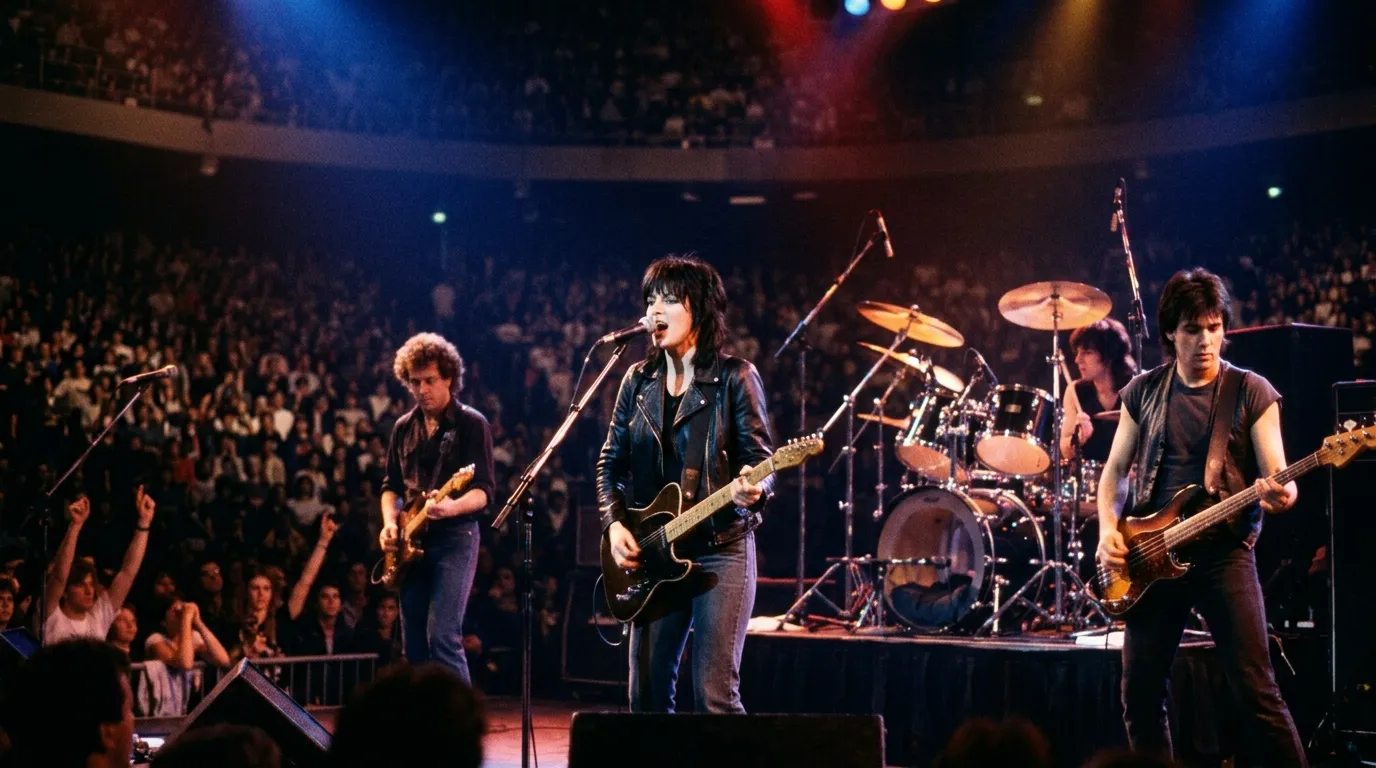
The Pretenders formed in 1978 and quickly moved from clubs to arenas with their distinctive sound. Chrissie Hynde’s songwriting and the band’s punk-inflected rock filled venues on early tours. Their debut album established a strong live reputation.
“Brass in Pocket” became a major hit that boosted their touring profile, but the deaths of two original members and subsequent lineup shifts ended the classic era. The group that filled stadiums in their first years never returned to that exact configuration.
#8 – The Police
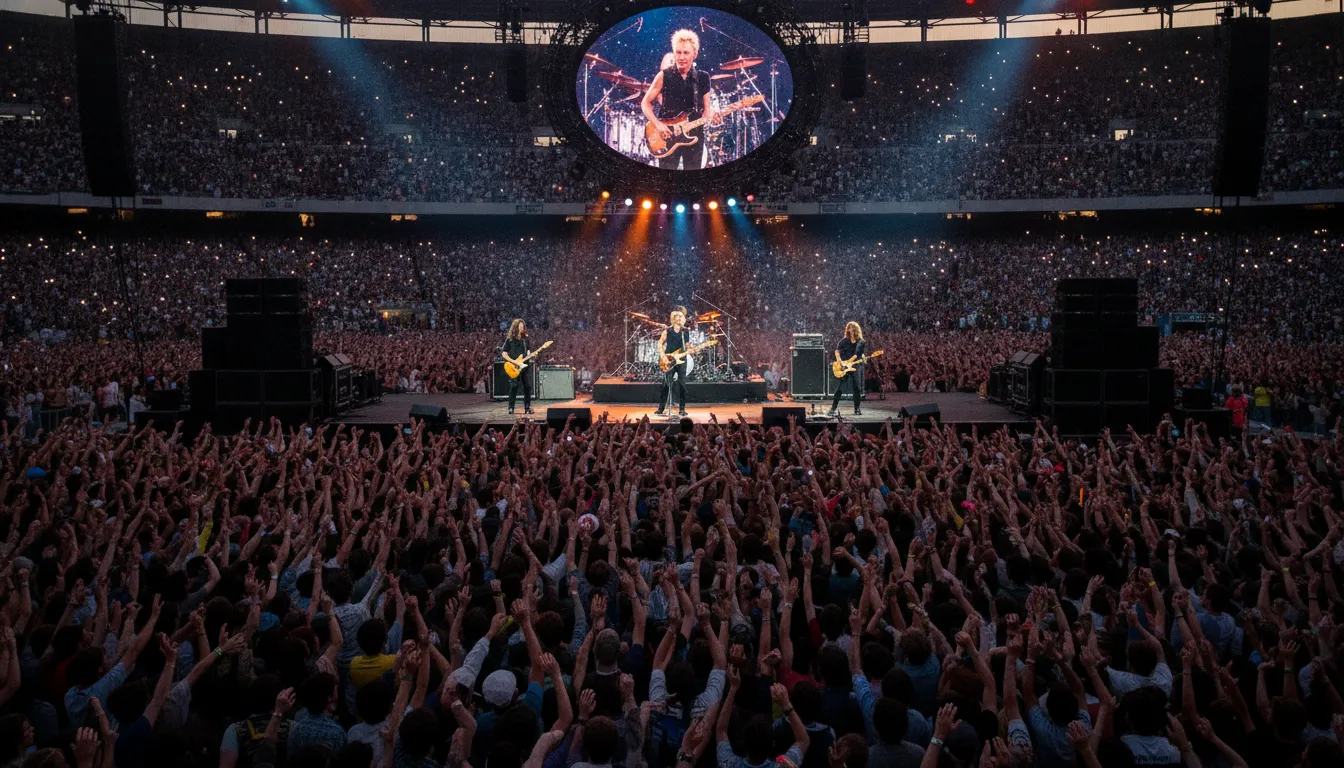
The Police rose from punk roots to stadium status with reggae-infused rock. Outlandos d’Amour and Reggatta de Blanc built momentum, while Synchronicity confirmed their arena dominance. Sting’s songwriting and the trio’s tight performances drew large audiences.
Synchronicity spent 17 weeks at number one, supporting massive tours. Creative differences and Sting’s solo ambitions led to the band’s breakup in 1986. The lineup that filled stadiums throughout the early 1980s ended with that decision.
Worth Knowing
- The trio formed in London in 1977: Sting, Andy Summers and Stewart Copeland.
- Synchronicity arrived in 1983 and included “Every Breath You Take.”
- They were inducted into the Rock and Roll Hall of Fame in 2003.
- A major reunion tour followed in 2007 and 2008.
#7 – Dire Straits
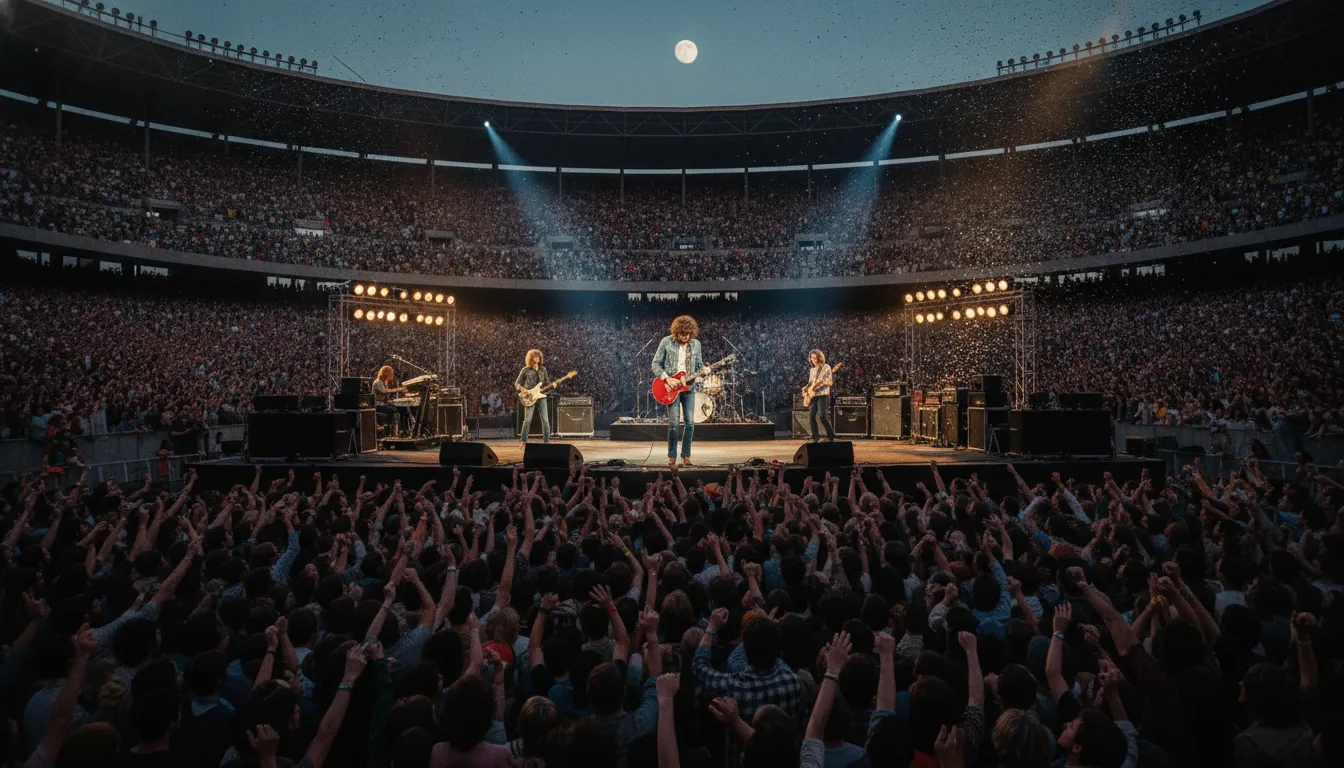
Dire Straits combined bluesy rock with literate lyrics to fill arenas in the late 1970s and beyond. Dire Straits and Making Movies established their reputation. Mark Knopfler’s guitar work and storytelling defined their appeal.
“Sultans of Swing” became a signature track that energized live shows, yet the band’s later success with Brothers in Arms came after the original 1970s momentum. Knopfler’s decision to pursue solo work and film scoring effectively ended the classic lineup. The group that packed stadiums in their early years split after years of touring.
#6 – Talking Heads
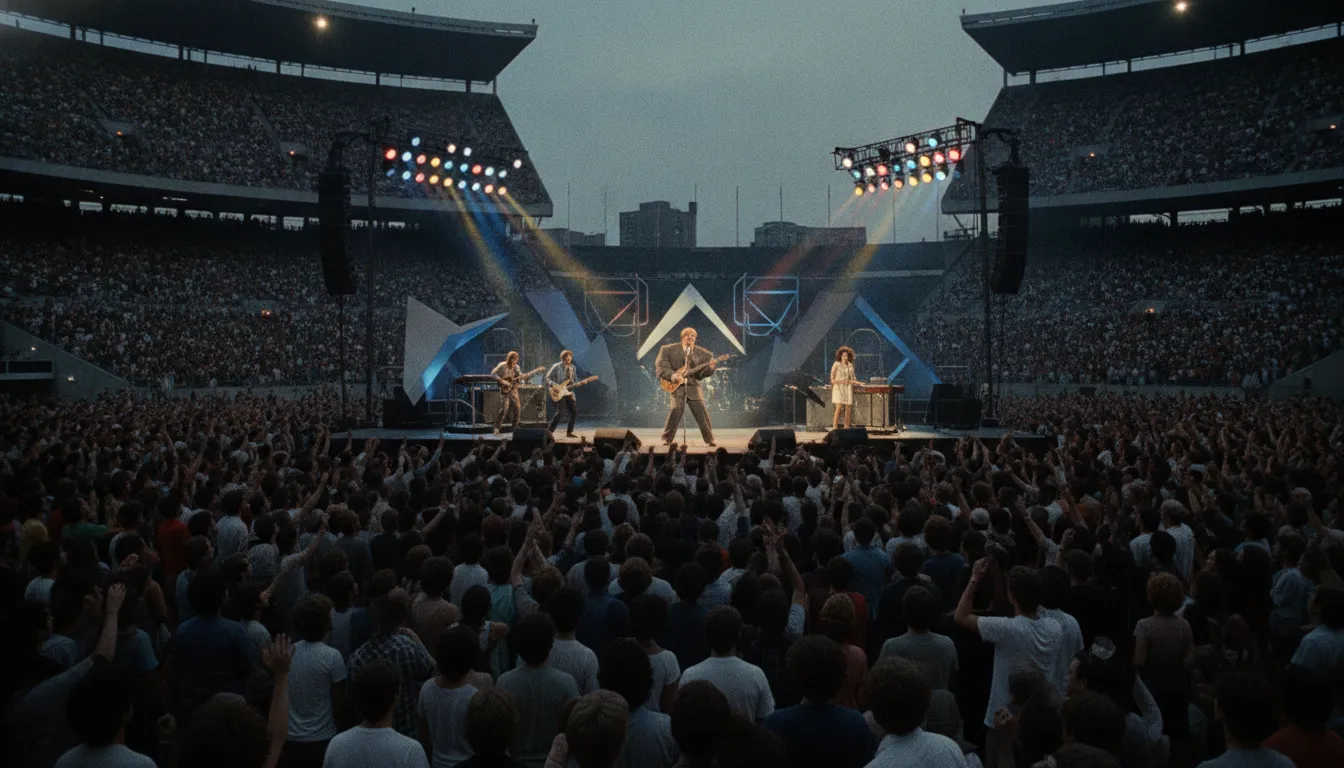
Talking Heads brought art-rock innovation to stadium stages by the early 1980s. Remain in Light and Speaking in Tongues expanded their audience dramatically. David Byrne’s stage presence and the band’s rhythmic complexity drew large crowds.
The concert film Stop Making Sense captured their peak live energy, yet internal creative tensions led to the band’s dissolution in 1991. The lineup responsible for their late-1970s and 1980s stadium runs never reunited for new material.
#5 – The B-52’s
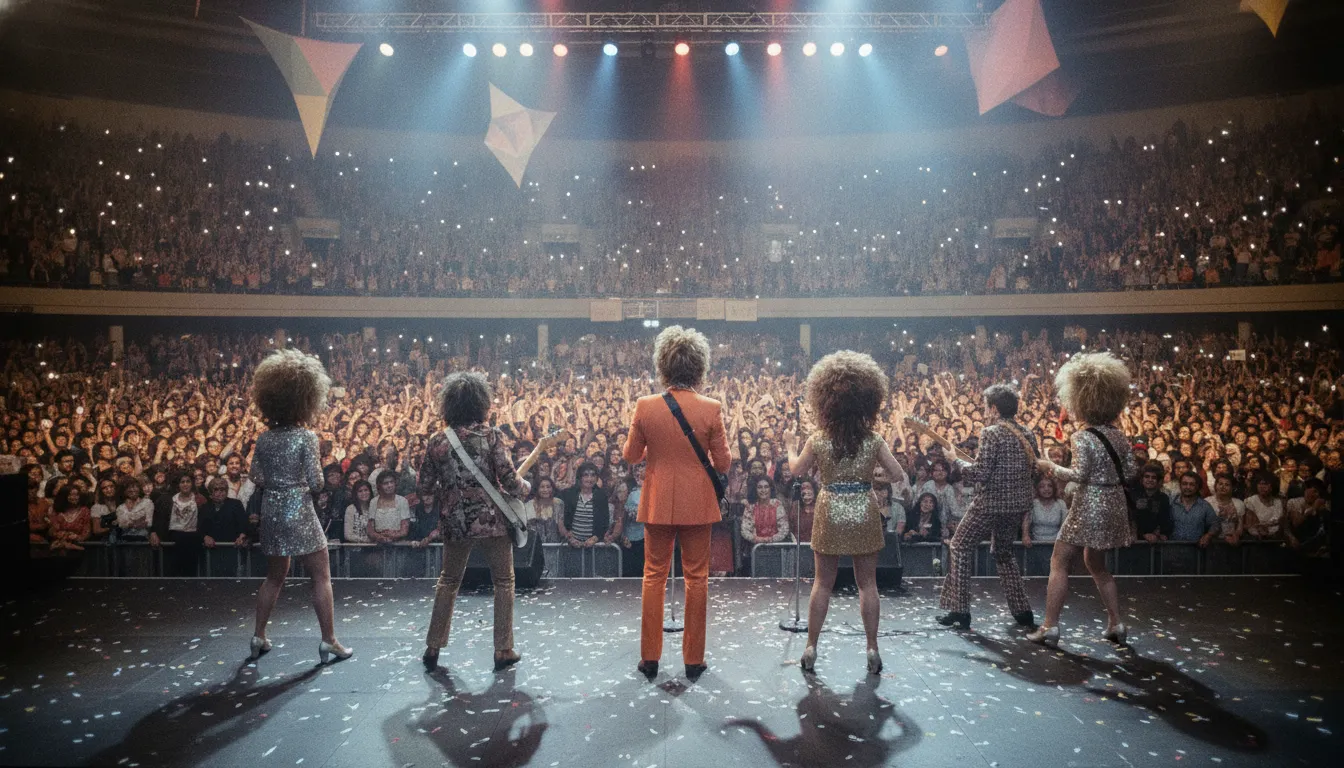
The B-52’s mixed quirky new-wave with danceable energy that filled arenas in the late 1970s and 1980s. Their self-titled debut and Wild Planet produced hits that supported major tours. The band’s distinctive vocals and party atmosphere translated well to large venues.
“Rock Lobster” became an underground hit that grew into a live staple, yet the death of guitarist Ricky Wilson and subsequent changes altered the original dynamic. The group that packed stadiums during their early success experienced a shift that ended the classic configuration.
#4 – Devo
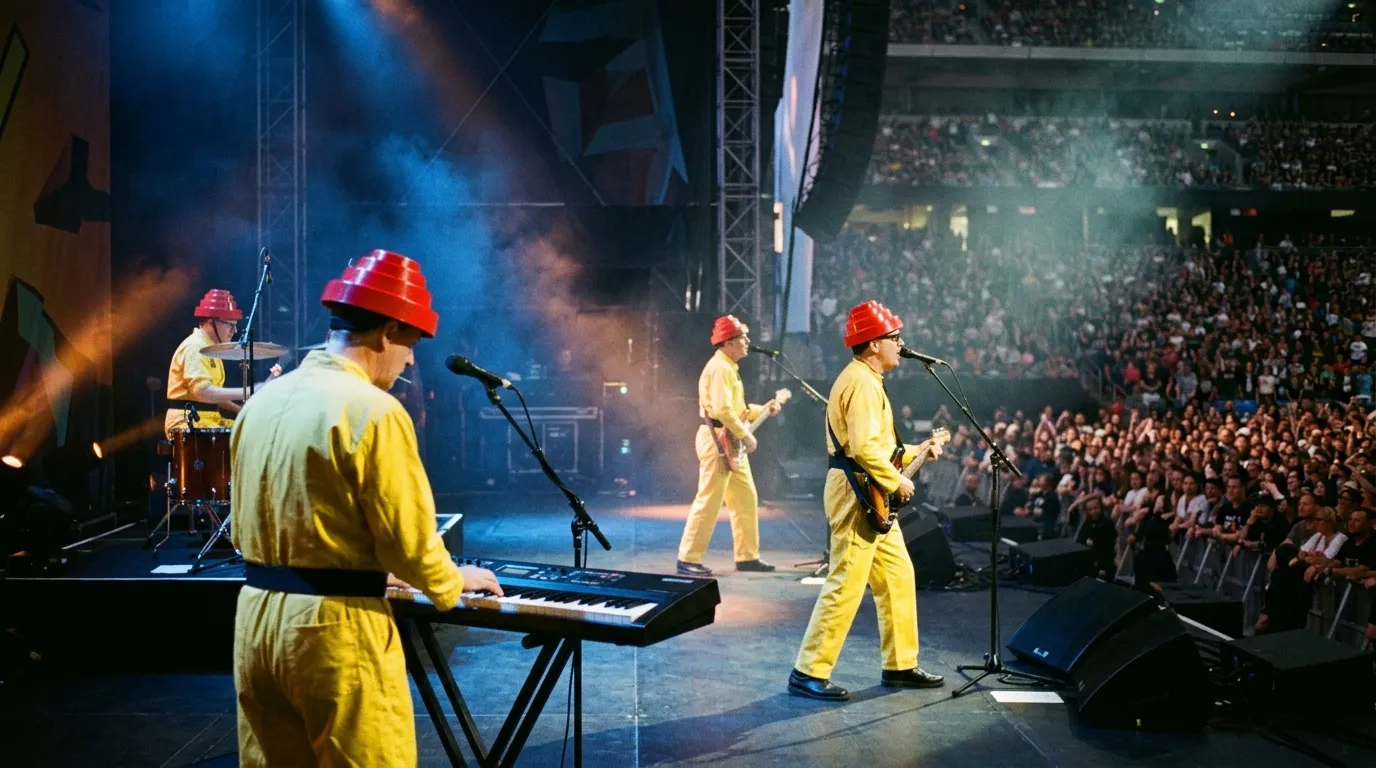
Devo brought satirical new-wave to stadium stages with their robotic image and sharp songs. Q: Are We Not Men? A: We Are Devo! and Freedom of Choice built their following. Their conceptual approach and energetic performances drew dedicated crowds.
“Whip It” became a mainstream hit that boosted their touring profile, yet internal disagreements and shifting musical landscapes led to periods of inactivity. The lineup that filled arenas in their peak years never fully reconvened in the original form.
#3 – The Knack
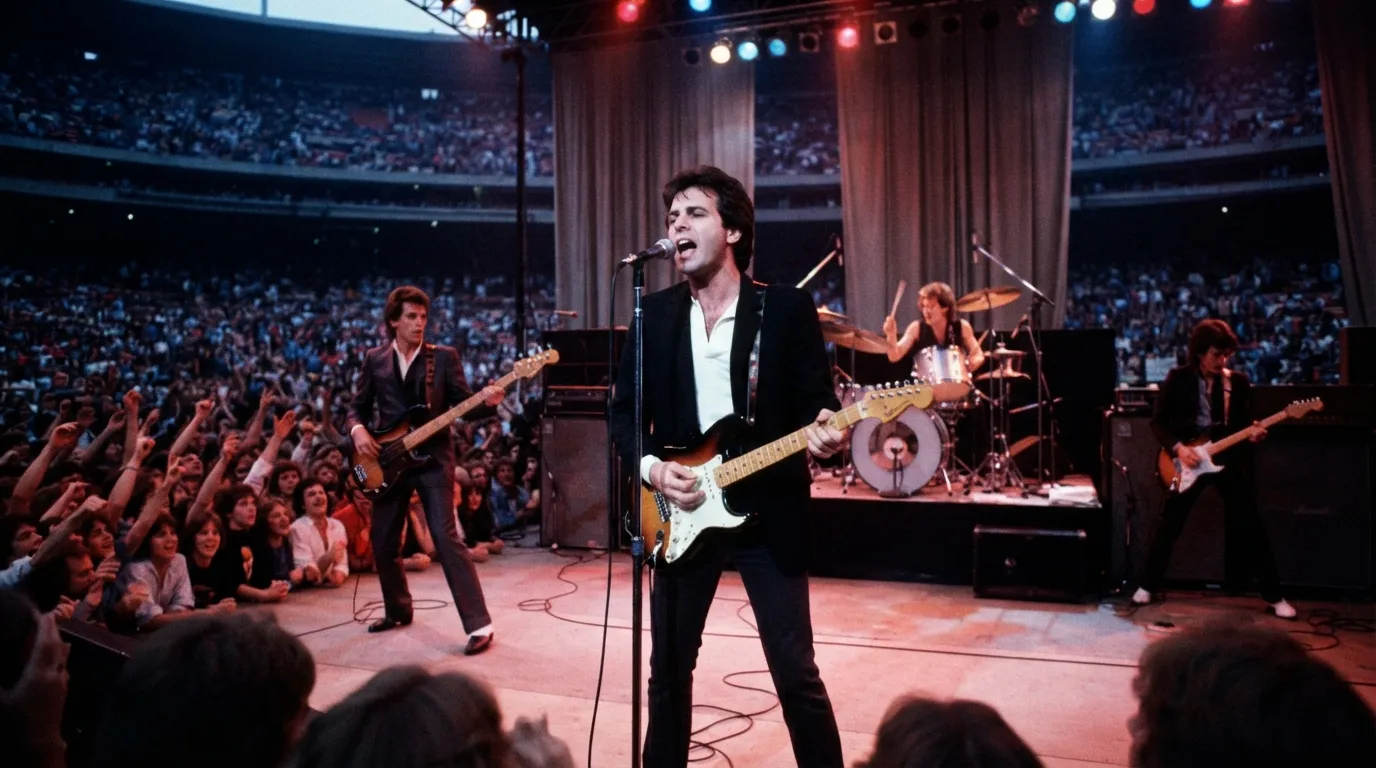
The Knack burst onto the scene in 1979 with power-pop hooks that filled arenas quickly. Their debut Get the Knack produced the massive single “My Sharona.” The band’s retro style and live energy attracted large audiences.
“My Sharona” spent six weeks at number one, confirming their sudden stadium-level draw. Internal conflicts and the pressures of sudden fame led to the band’s breakup by 1981. The configuration responsible for their brief but intense 1970s success ended with that split.
#2 – Squeeze
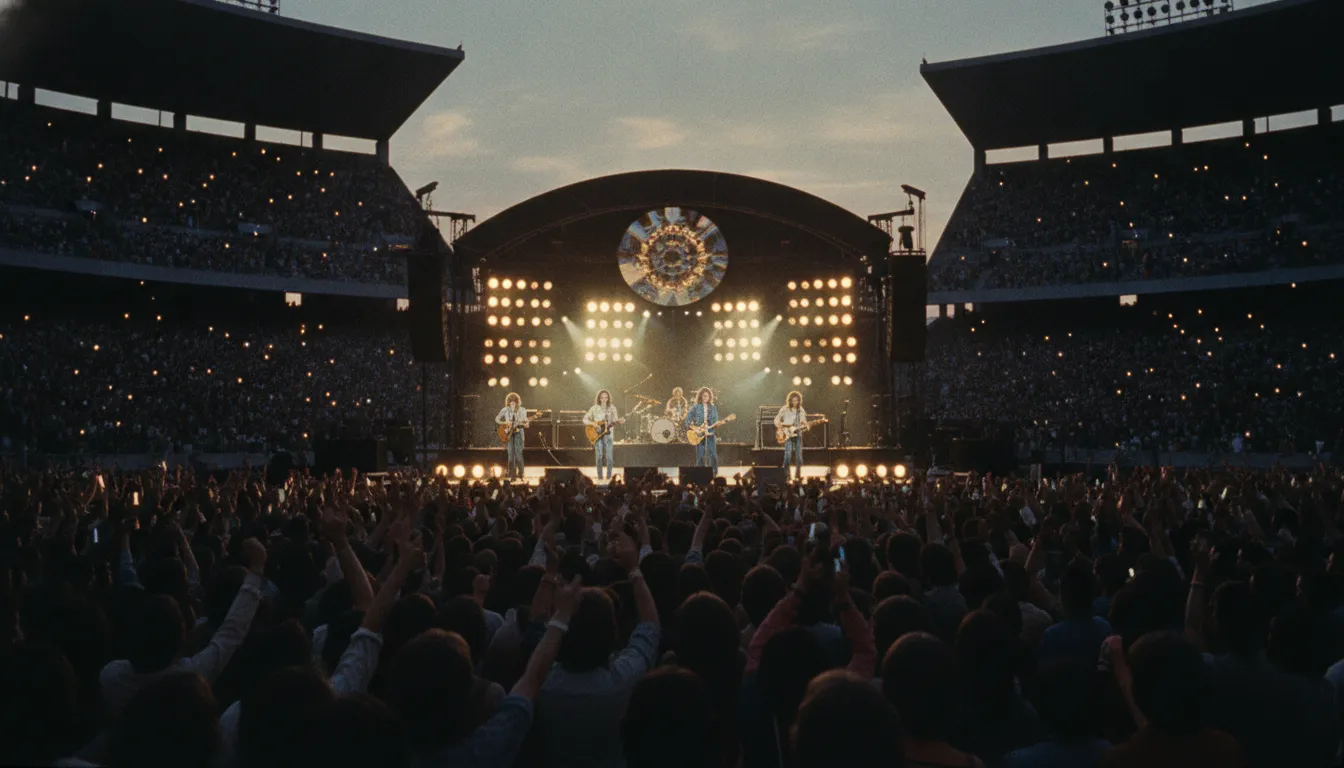
Squeeze crafted smart pop-rock that filled venues throughout the late 1970s and early 1980s. Cool for Cats and Argybargy delivered hits that supported arena tours. Glenn Tilbrook and Chris Difford’s songwriting partnership defined their sound.
“Tempted” became a radio favorite that highlighted their melodic strength, yet creative differences caused the band to split in the mid-1980s. The lineup that packed stadiums during their initial run ended with that breakup before later reunions.
#1 – Led Zeppelin
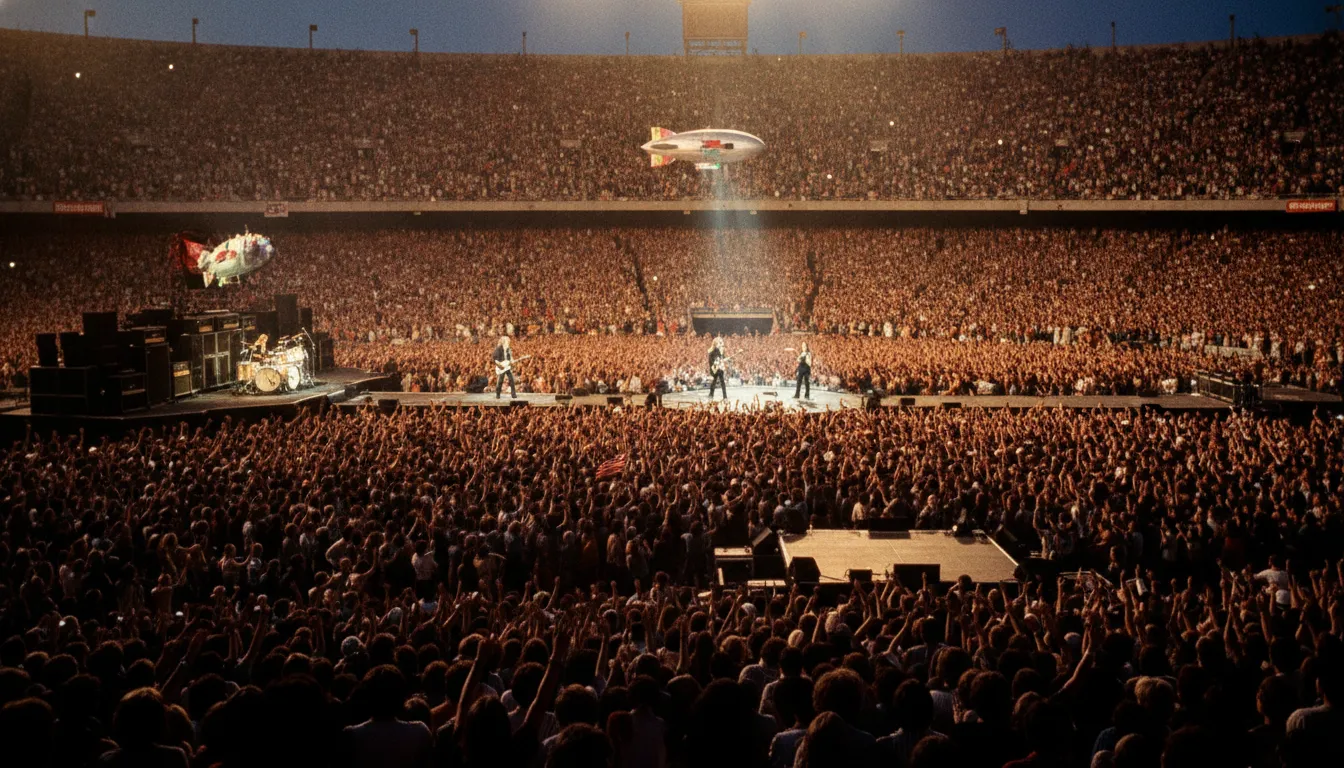
Led Zeppelin dominated stadiums throughout the 1970s with their heavy sound and elaborate productions. Led Zeppelin IV and Physical Graffiti produced anthems that drew massive crowds worldwide. Their live improvisations and volume became legendary.
The band sold over 200 million records worldwide, with many albums achieving multi-platinum status during their active years. John Bonham’s death in 1980 led to the immediate disbandment of the group. The lineup that filled stadiums for an entire decade ended permanently with that loss, marking the close of one of rock’s most influential eras.
Why It Stands Out
- Drummer John Bonham died in September 1980, and the band announced in December that it could not continue.
- Led Zeppelin IV came out in 1971; Physical Graffiti followed in 1975 as a double album.
- The surviving members reunited for a one-off show at London’s O2 Arena on December 10, 2007, with Bonham’s son Jason on drums.
- Unlike many bands on this list, they never carried on under the name with a replacement.
CEO-Co-Founder