
- 20 Musicians Who Turned Tragedy Into Timeless Hits - October 11, 2026
- What These Classic British and American Novels Say About Society - October 11, 2026
- The Forgotten U.S. Festival That Inspired Woodstock - October 11, 2026
#25 – The Paul Lynde Show
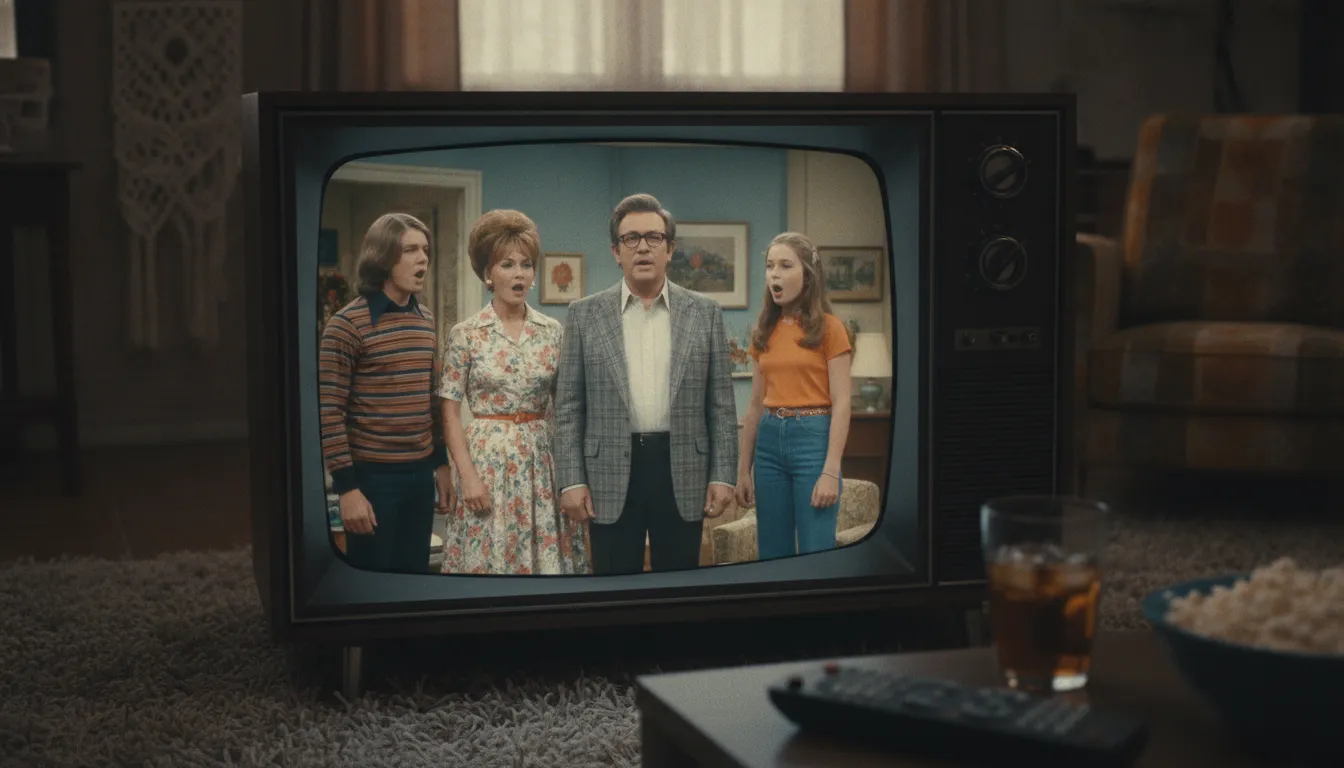
Most viewers recall Paul Lynde from Hollywood Squares, yet his 1972 sitcom stands out as a sharp, short-lived vehicle for his sarcastic style. The series placed the comedian as a cranky father navigating suburban family chaos with biting one-liners. It aired only one season on ABC before cancellation.
Turns out the show captured Lynde’s quick wit in a format that felt like a sarcastic twist on All in the Family. Networks struggled to find the right audience for its adult humor amid shifting tastes. Viewers who caught episodes remember the rapid-fire dialogue and Lynde’s signature delivery. The limited run left fans wanting more of that distinctive voice on weekly television.
#24 – When Things Were Rotten
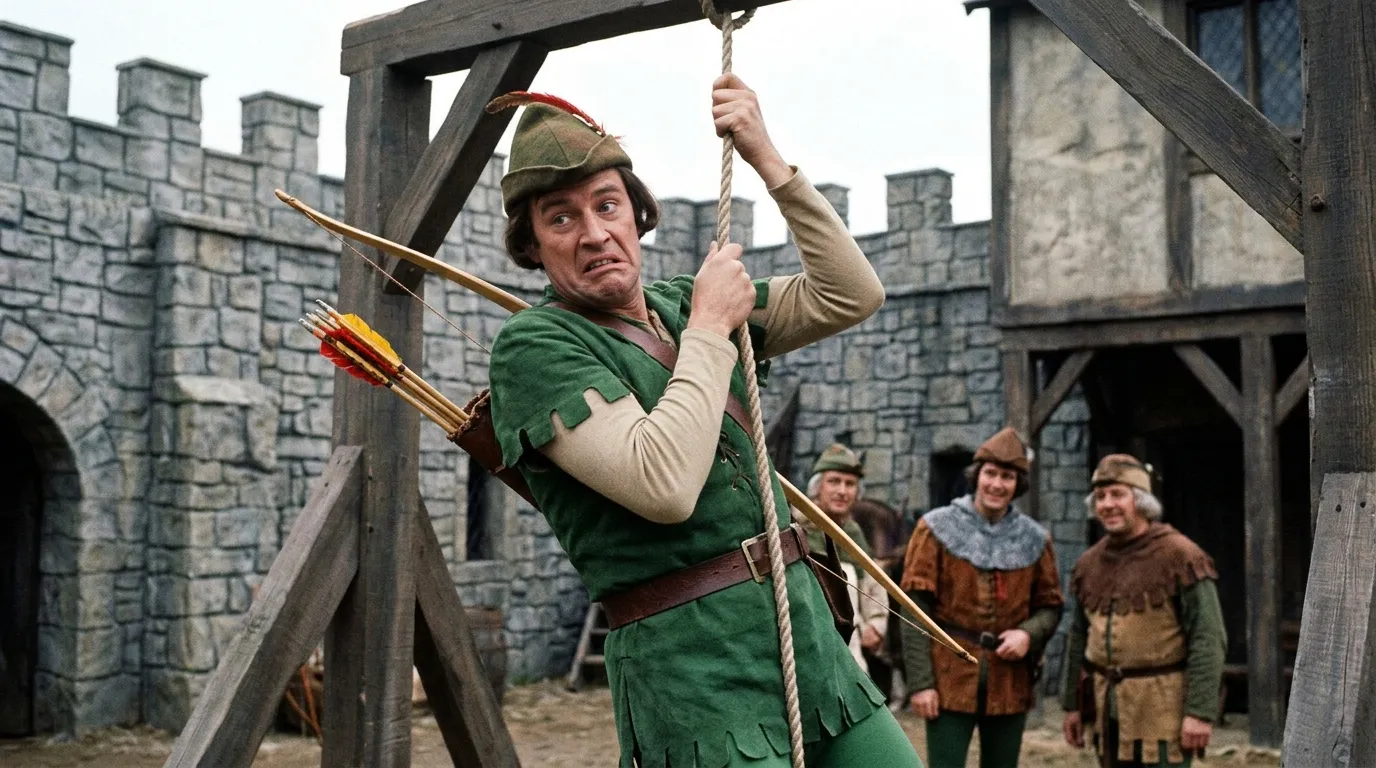
Mel Brooks created this 1975 Robin Hood parody, but audiences largely missed its slapstick potential during the original run. Dick Gautier starred as a bumbling Robin in a cast filled with Brooks regulars delivering irreverent gags. The show lasted just one season on ABC.
Actually the series earned a later cult following for its over-the-top medieval spoofing. Production values stayed modest while jokes landed unevenly against bigger network competition. Fans today appreciate the early Brooks humor that later influenced films. The quick cancellation prevented wider recognition at the time.
#23 – Holmes & Yoyo
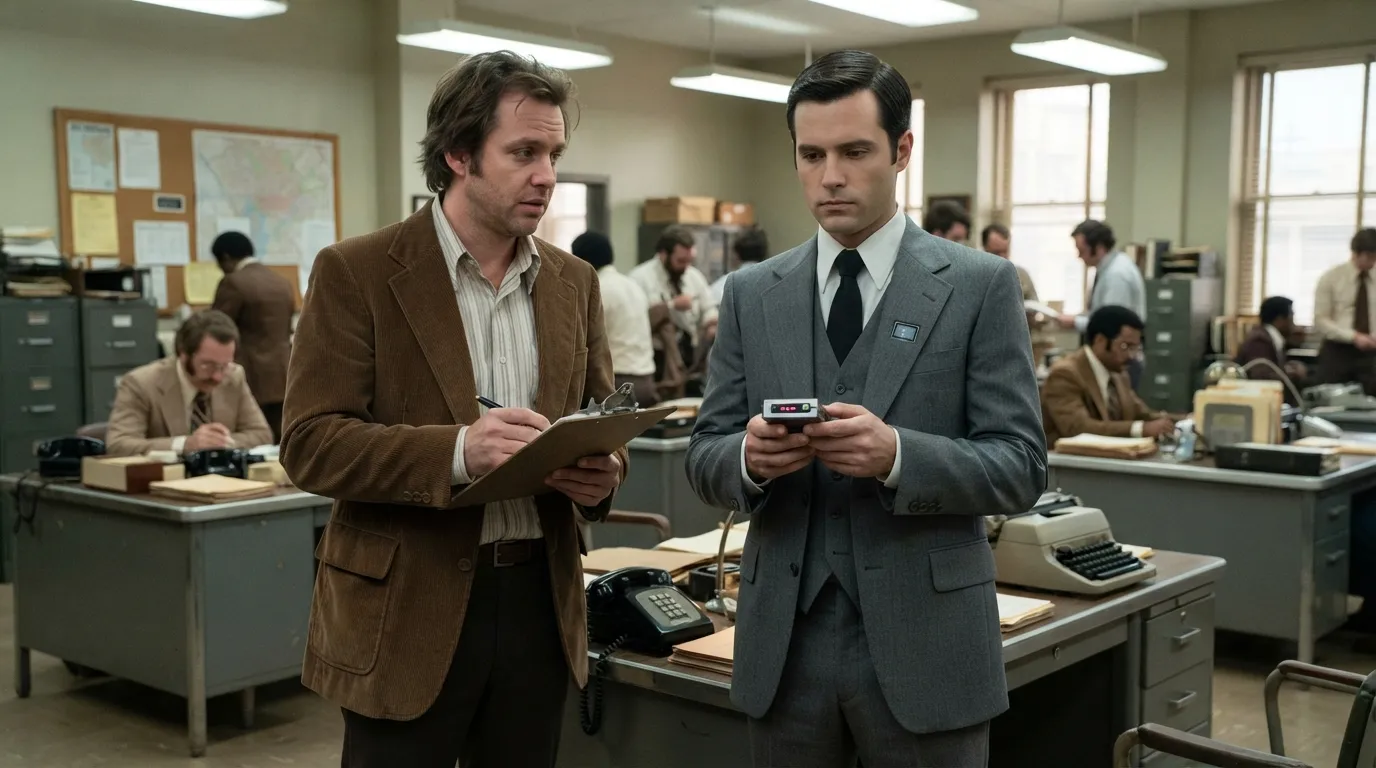
ABC paired a bumbling detective with a high-tech android partner in this 1976-1977 police comedy. The premise mixed procedural elements with sci-fi absurdity that felt ahead of its era. It ran for a single season.
The most surprising fact remains how the android character handled everyday police work with literal mechanical precision. Writers leaned into physical comedy and gadget gags that divided viewers. Ratings never climbed high enough for renewal despite the novel concept. Modern audiences rediscover it as an early example of buddy-cop sci-fi comedy.
#22 – Good Heavens
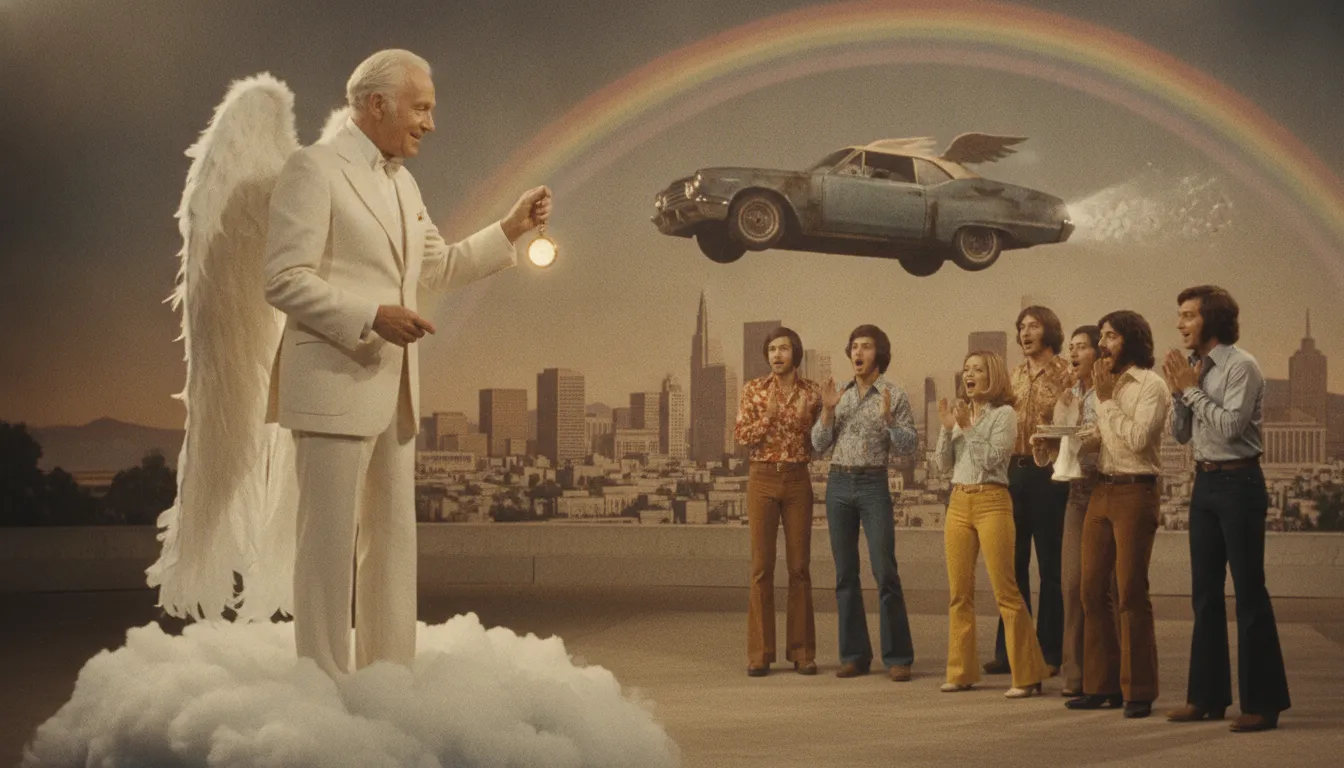
Carl Reiner starred as an angel granting wishes in this 1976 mid-season replacement. The anthology format brought guest stars into whimsical scenarios each week. The series ended after one season on ABC.
Turns out Reiner stepped in to star after the network rejected the original pilot casting. Episodes explored light fantasy with moral twists that appealed to family audiences briefly. Production moved quickly to capitalize on Reiner’s name recognition. The short run left several wish-fulfillment stories untold.
#21 – A Year at the Top
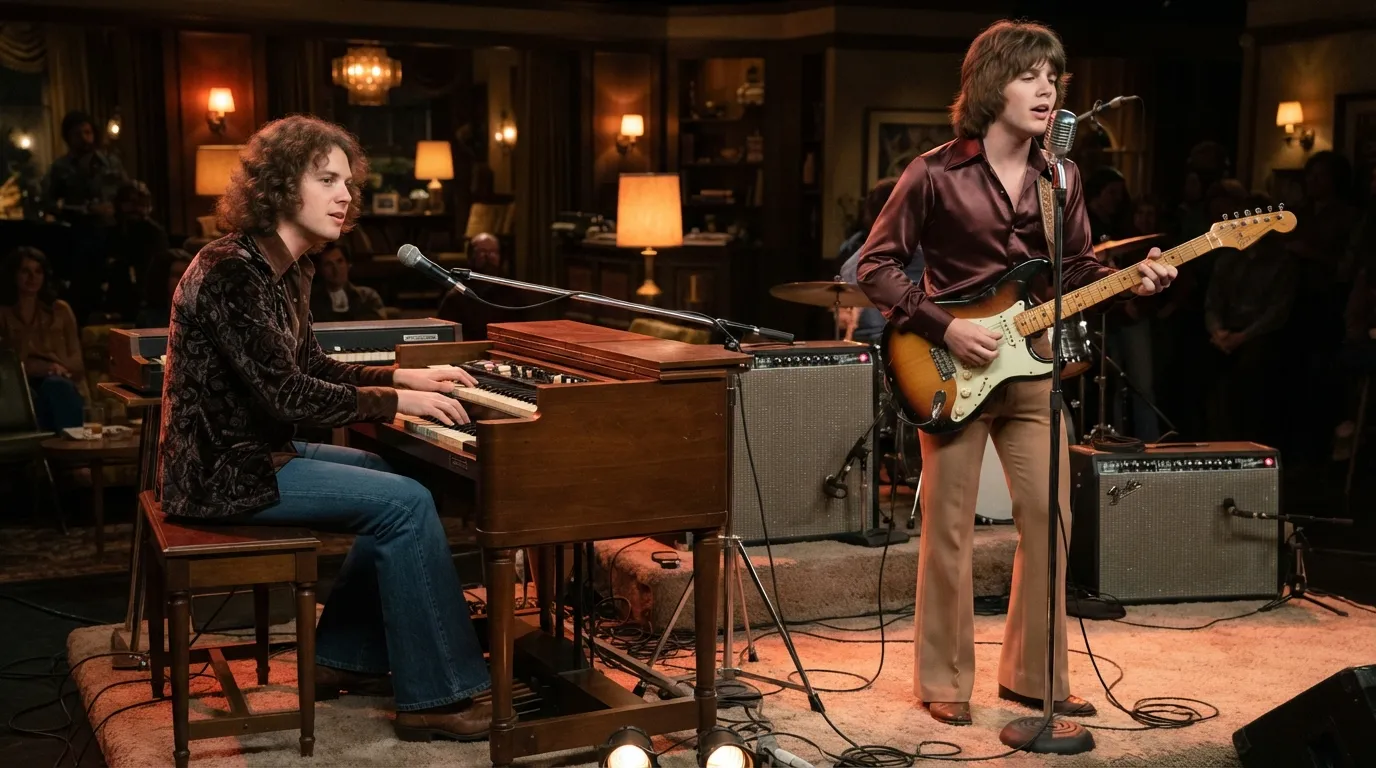
Norman Lear produced this 1977 sitcom about musicians striking a deal with the devil’s son. Greg Evigan and Paul Shaffer led the cast through five aired episodes before CBS pulled the plug. The concept mixed music and supernatural comedy.
Actually the show competed directly against hits like Charlie’s Angels and still drew some early interest. Limited episodes prevented full character development or a proper arc. Music performances offered highlights amid the fantasy premise. Fans of 1970s Lear productions sometimes revisit it for its unique angle.
#20 – Quark
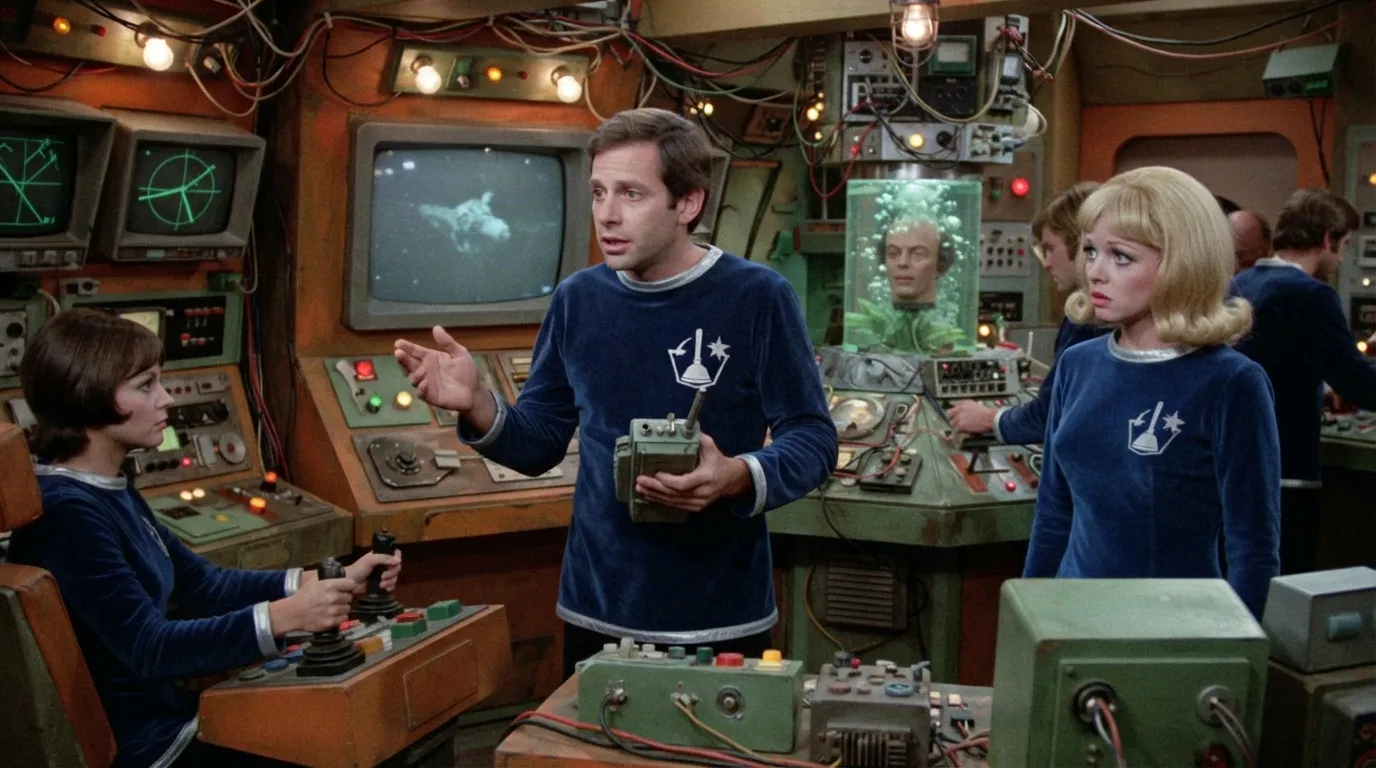
NBC aired this sci-fi parody in 1977-1978 following a sanitation crew in space. The series poked fun at Star Trek and Flash Gordon tropes with a misfit ensemble. Cancellation came after eight episodes.
The boldest element was its progressive themes delivered through broad comedy. Viewers who discovered reruns later formed a dedicated cult audience. Production design leaned into low-budget creativity that enhanced the satire. The brief run still influences later genre parodies.
At a Glance
- Network: NBC
- Run: 1977-1978, eight episodes
- Star: Richard Benjamin as Adam Quark
- Co-creator: Buck Henry
- Premise: a space garbage crew with big-galaxy problems
#19 – Salvage 1
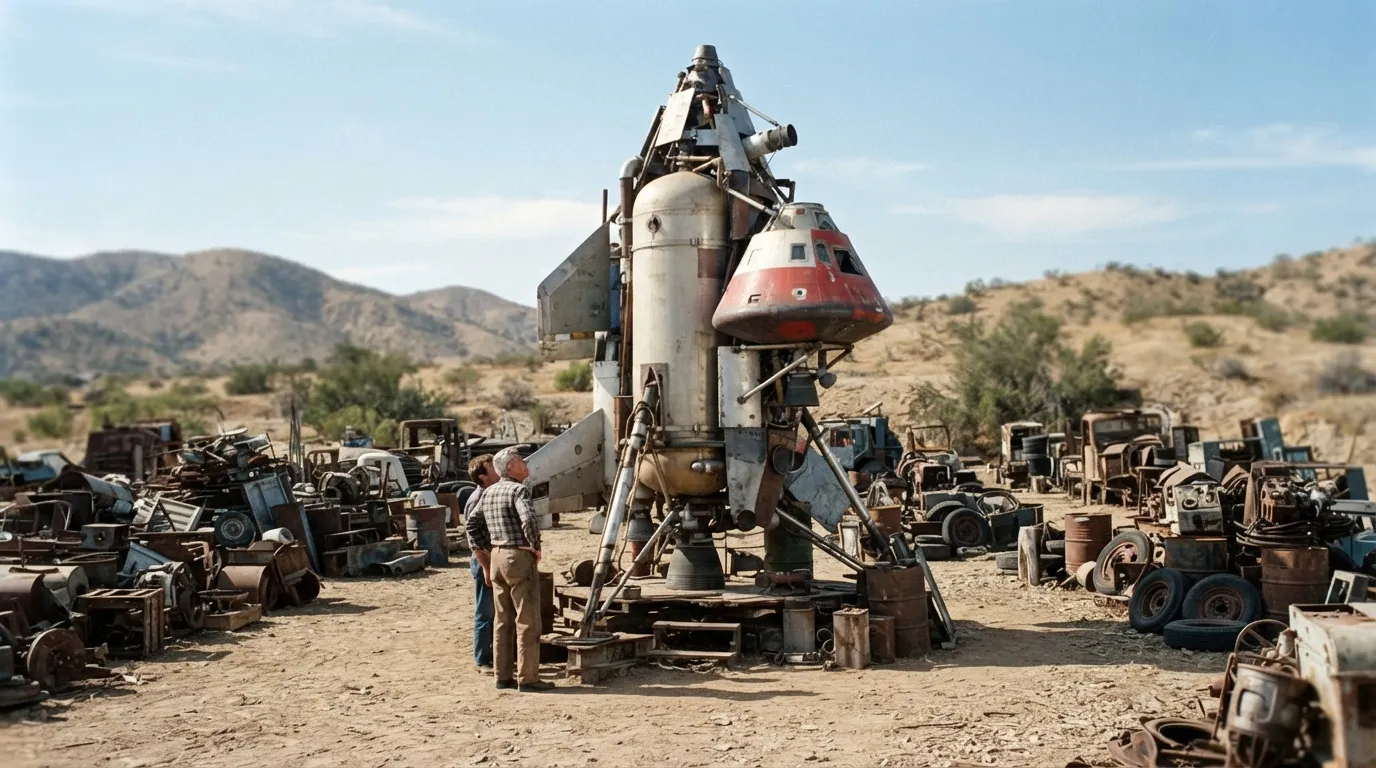
Andy Griffith starred in this 1979 adventure series about a junk dealer building a spaceship. The show mixed action with inventive problem-solving across nearly a full season. ABC ended it after one year.
Most people don’t realize the premise drew from real salvage operations with added sci-fi flair. Episodes featured practical effects and team dynamics that held attention. Ratings started strong but faded against established competition. The concept remains memorable for its optimistic ingenuity.
#18 – Grady
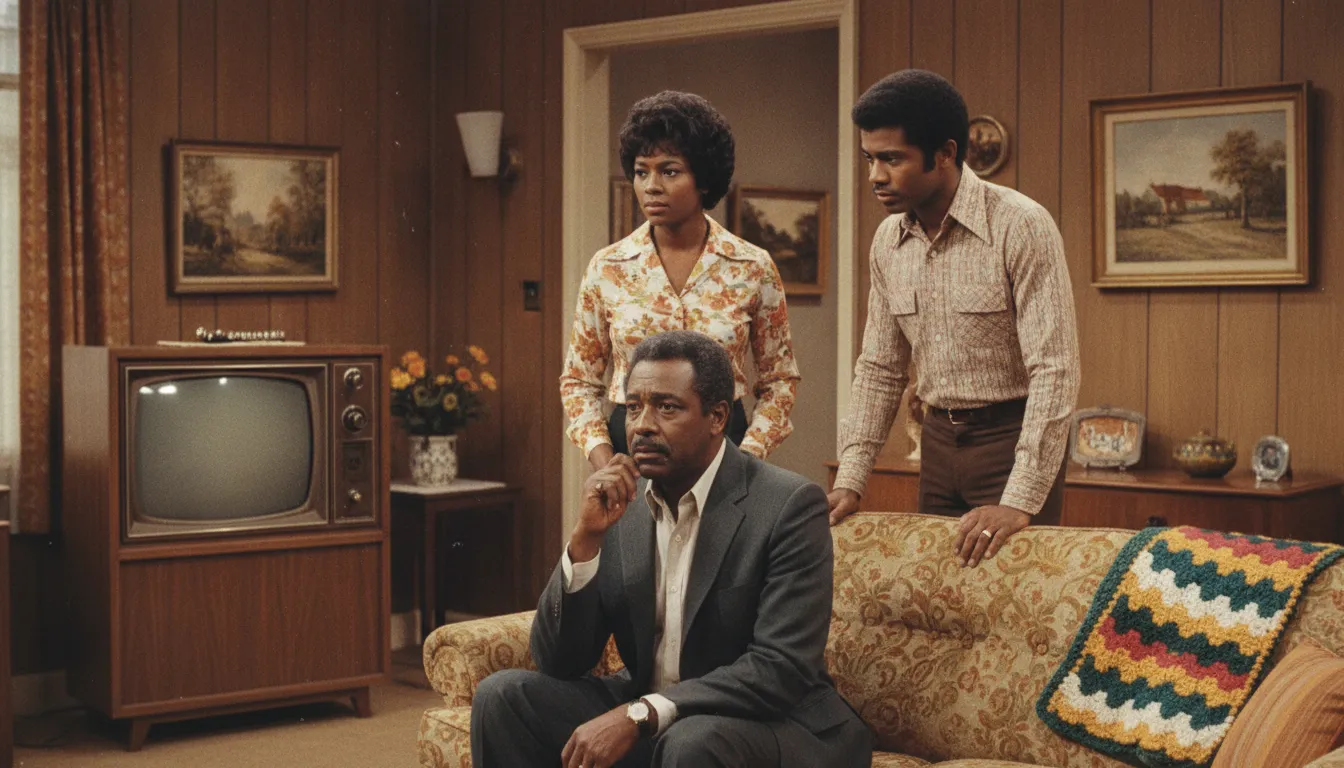
This 1975-1976 Sanford and Son spin-off followed Whitman Mayo’s character moving in with family. The sitcom explored widower life in a new setting. NBC canceled it after one season.
The spin-off struggled with ratings despite the parent show’s popularity. Writers attempted to carry over familiar humor but the new ensemble never clicked broadly. Limited episodes kept storylines contained. Dedicated fans of the original series still seek out these episodes for continuity.
#17 – Hot L Baltimore
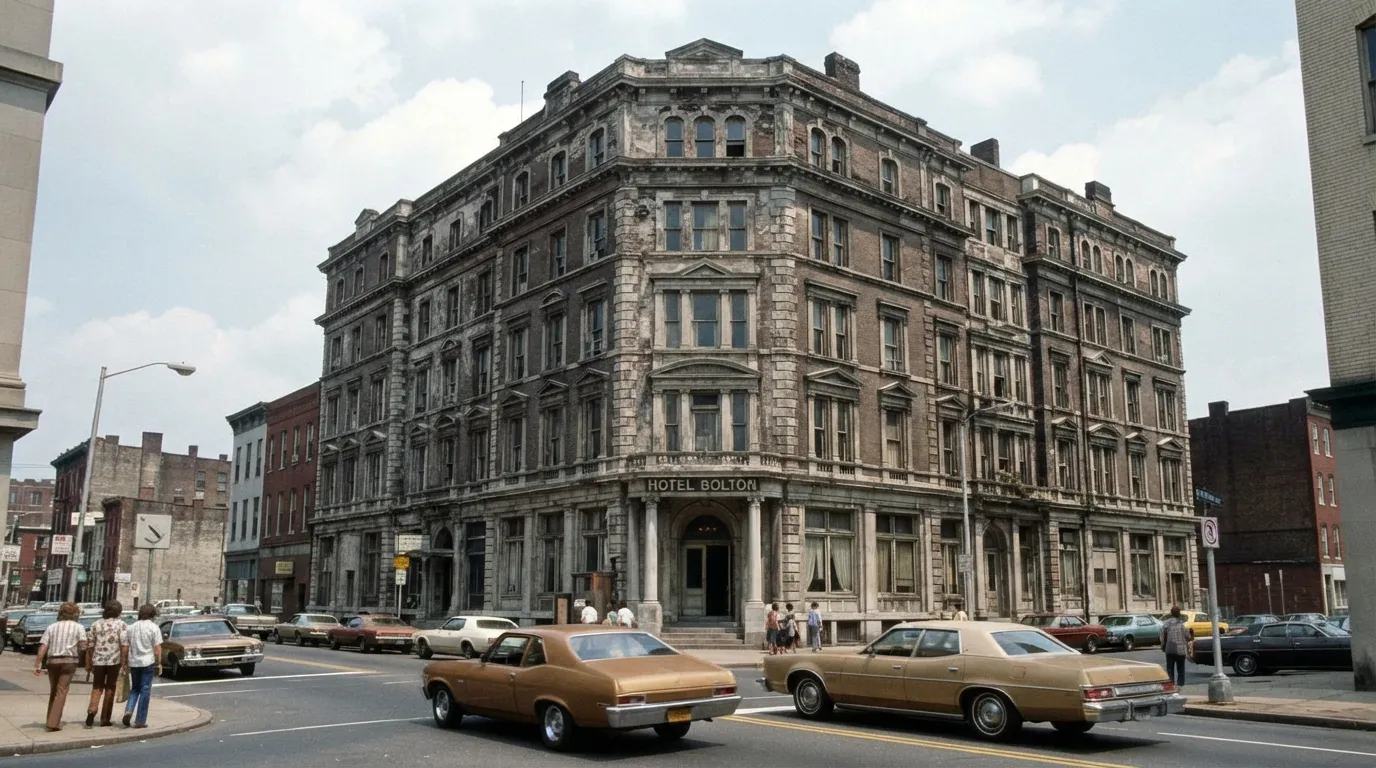
Norman Lear adapted this 1975 ensemble comedy set in a rundown hotel. The series featured eccentric residents and staff in daily interactions. ABC pulled it after one season.
Actually the show tackled social issues through character-driven stories in a single season. Ensemble chemistry provided the main draw amid varied plotlines. Network executives cited inconsistent viewership as the reason for ending. Later viewers appreciate its slice-of-life approach.
#16 – The Magician
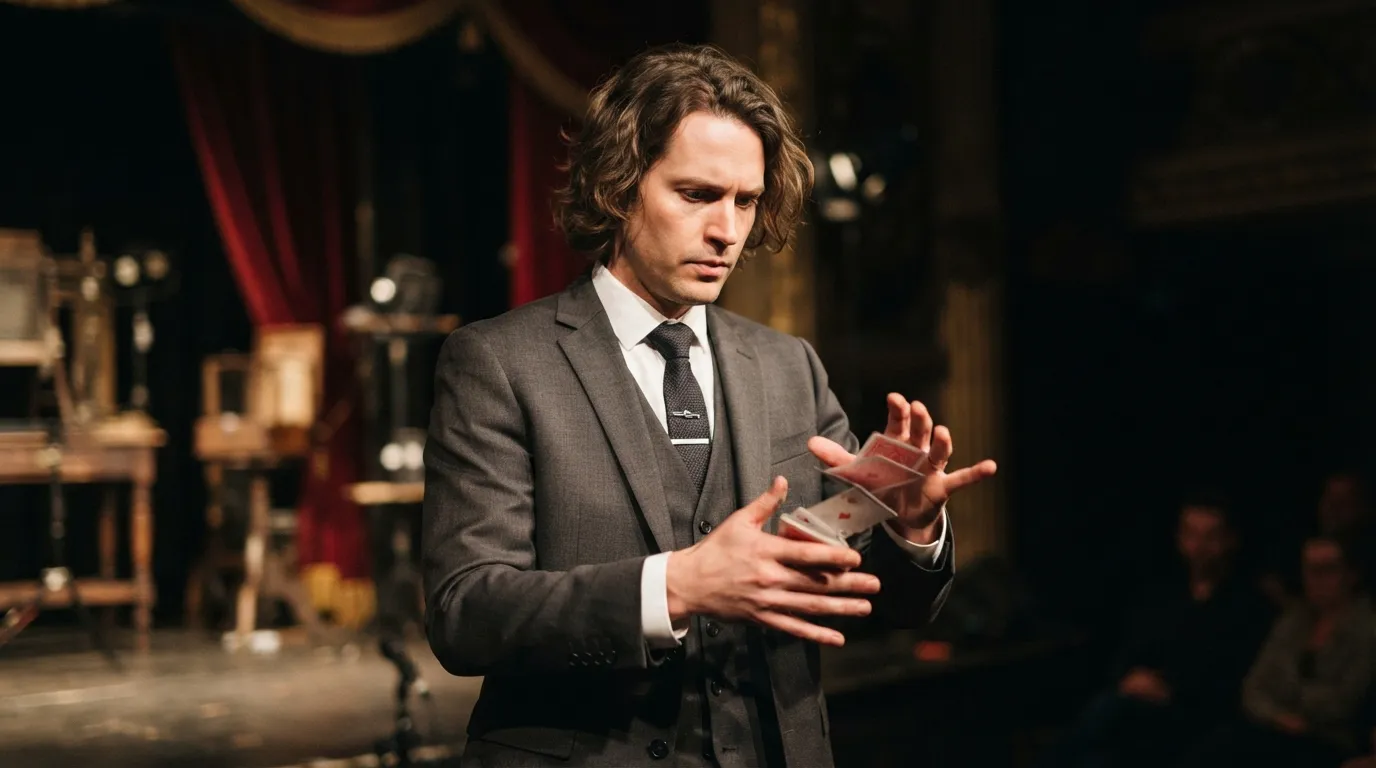
Bill Bixby played a crime-solving magician using real tricks in this 1973-1974 NBC series. Episodes blended mystery with stage illusions performed on camera. The show lasted one season.
The most surprising fact is how Bixby incorporated authentic magic techniques into the plots. Production consulted professional magicians for believable sequences. The unique premise set it apart from standard detective fare. Audiences remember the visual flair even decades later.
#15 – The Young Rebels
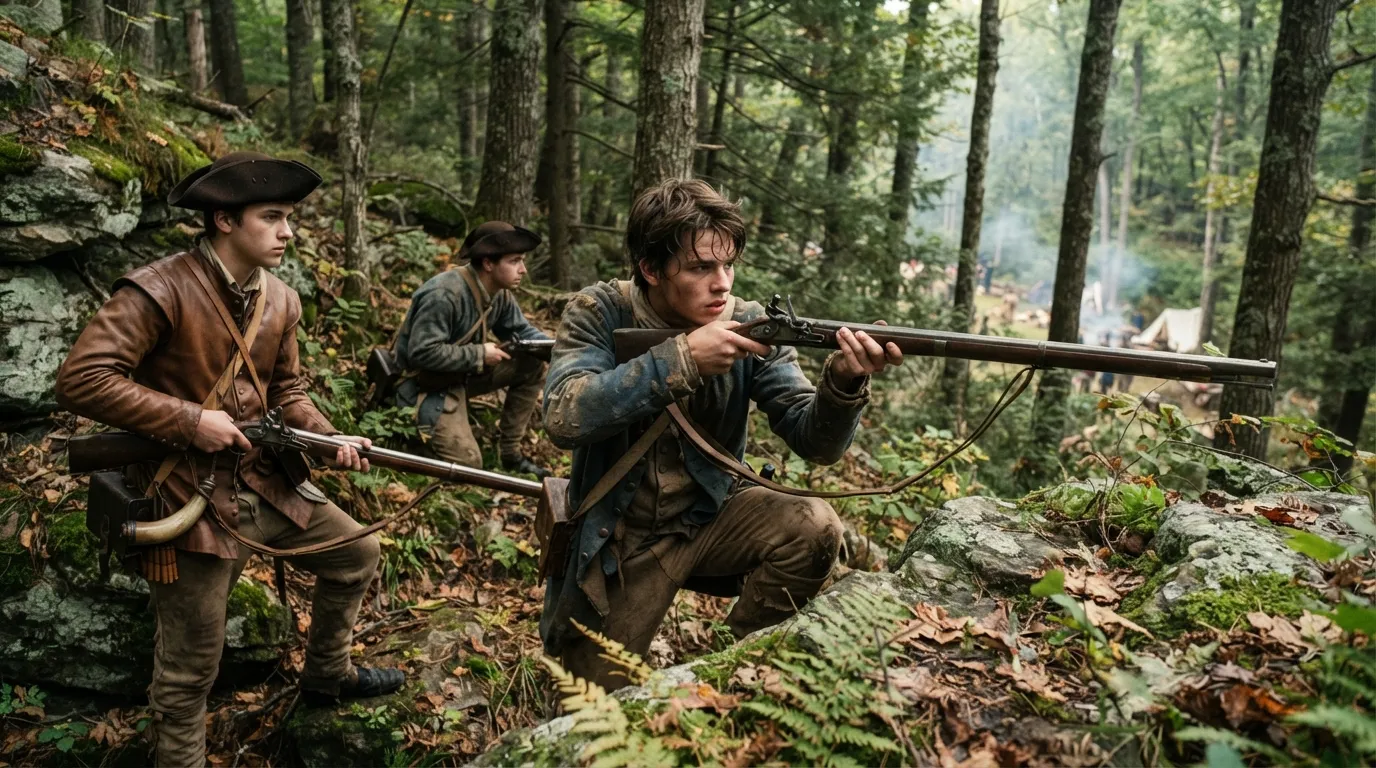
ABC launched this 1970-1971 Revolutionary War drama about young patriots. The series aimed at counterculture youth with guerrilla tactics in 1777. It ended after one season.
Turns out the show tried to blend historical events with 1970s social attitudes. Cast chemistry and action sequences offered appeal but timing hurt reception. Limited episodes focused on specific missions. History buffs occasionally reference it for its period attempt.
#14 – On the Rocks
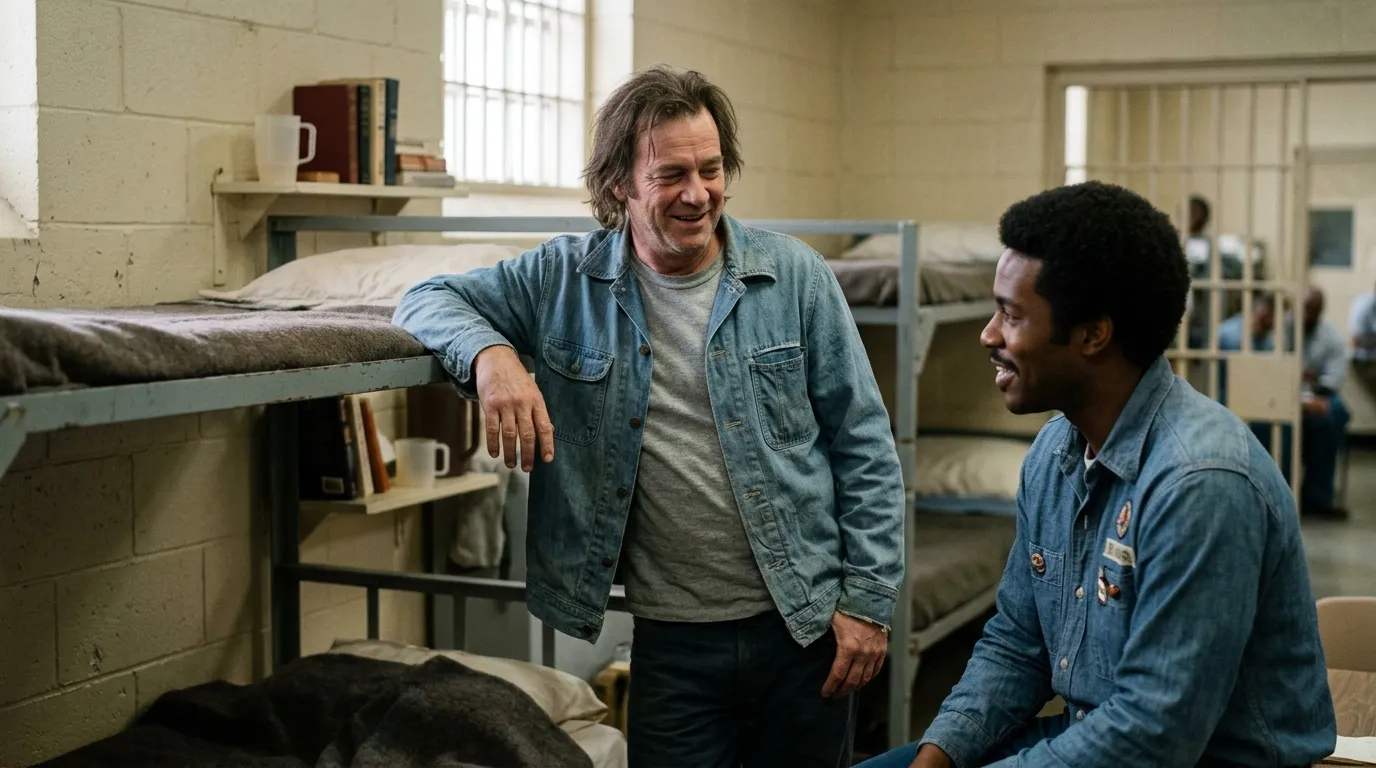
This 1975-1976 ABC sitcom followed prison inmates in a buddy comedy format. The series adapted a British concept for American audiences. Cancellation arrived after one season.
The premise of lighthearted jail life never fully resonated with viewers. Writers leaned on character banter over big plots. The short run left room for only basic story development. Fans of 1970s prison comedies sometimes cite it as a curiosity.
#13 – Mr. T and Tina
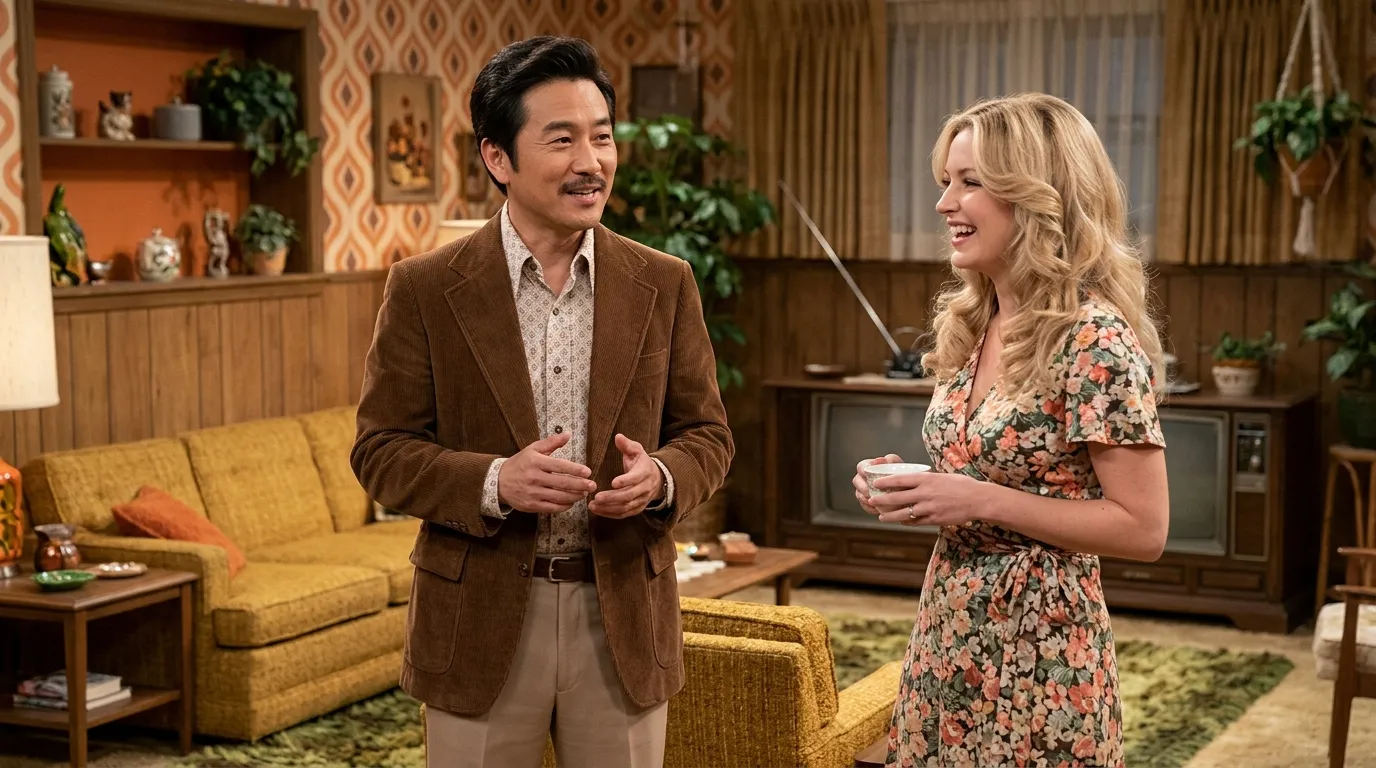
Pat Morita starred in this 1976 ABC sitcom about a Japanese inventor and his American wife. The series mixed cultural humor with family situations. It lasted one season.
Actually stereotypes in the writing contributed to its quick end despite Morita’s later fame. Episodes explored adjustment themes with varying success. The limited episodes prevented deeper exploration. Viewers today note it as an early Morita vehicle.
Quick Compare
- 1976: Mr. T and Tina gives Morita a sitcom lead that lasts one season.
- Mid-1970s: he becomes a familiar face as Arnold on Happy Days.
- 1984: The Karate Kid makes him Mr. Miyagi and earns an Oscar nomination for Best Supporting Actor.
#12 – The Dumplings

This 1976 NBC sitcom centered on a lovable couple running a deli. The warm-hearted stories focused on marriage and daily life. The show aired one season.
The most surprising fact is its gentle tone stood out against edgier 1970s comedies. Character interactions drove the humor without heavy conflict. Production emphasized relatable situations. Niche audiences still recall its comforting vibe.
#11 – Kolchak: The Night Stalker
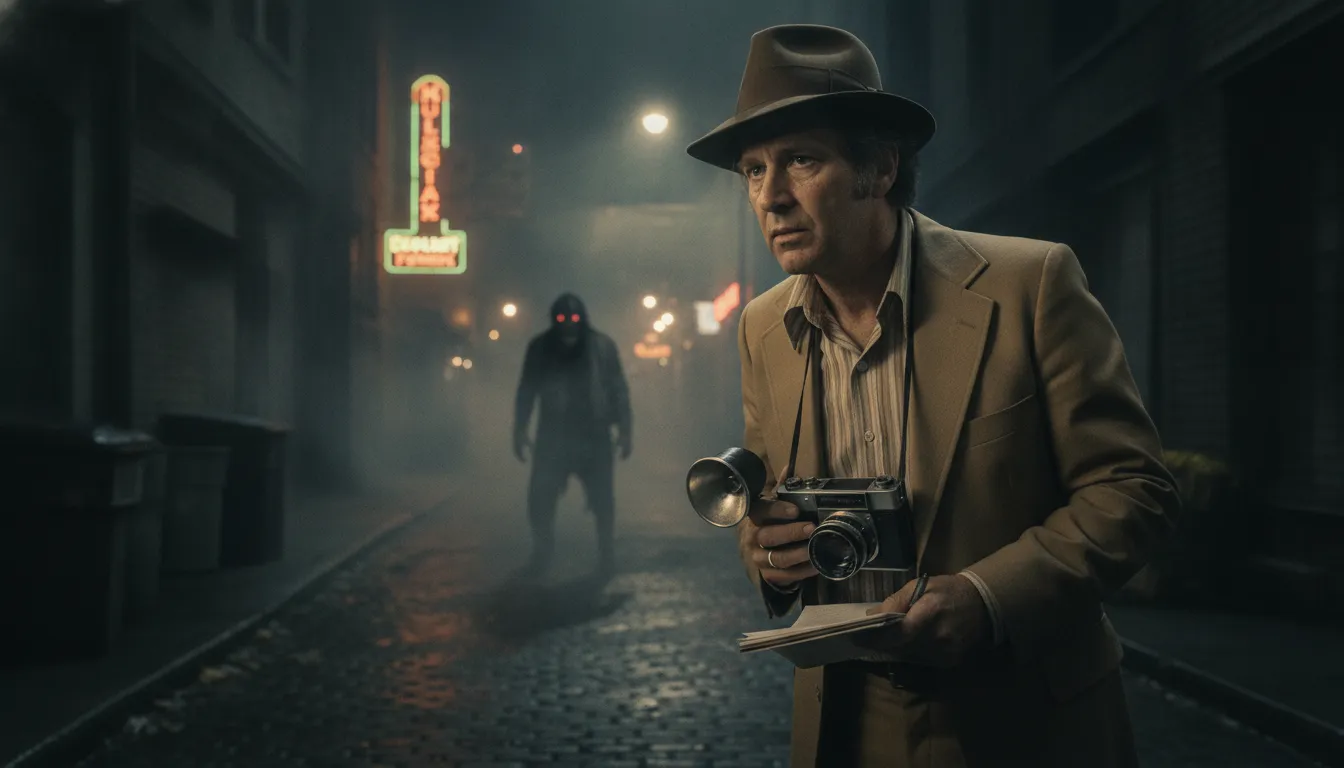
Darren McGavin investigated monsters as reporter Carl Kolchak in this 1974-1975 ABC series. The horror procedural mixed journalism with supernatural cases. It ran one season but gained lasting recognition.
The show directly inspired later series like The X-Files with its monster-of-the-week format. McGavin’s performance anchored the eerie tone amid practical effects. Network concerns over violence limited renewal. Fans continue to celebrate its influence on genre television.
#10 – Battlestar Galactica

The 1978-1979 ABC space opera followed survivors fleeing Cylons after a devastating attack. Lorne Greene and Dirk Benedict led the cast in epic battles. The original series ended after one season.
Actually high production costs and shifting timeslots played major roles in its cancellation. The show sparked early fan campaigns to save it. Visual effects and mythology built a dedicated following. Its legacy launched multiple revivals and spin-offs.
Fast Facts
- Premiere: September 1978 on ABC
- Creator: Glen A. Larson
- Key roles: Lorne Greene as Commander Adama, Richard Hatch as Apollo, Dirk Benedict as Starbuck
- Afterlife: a short-lived sequel, Galactica 1980, then a 2004 reimagining
#9 – The Partners
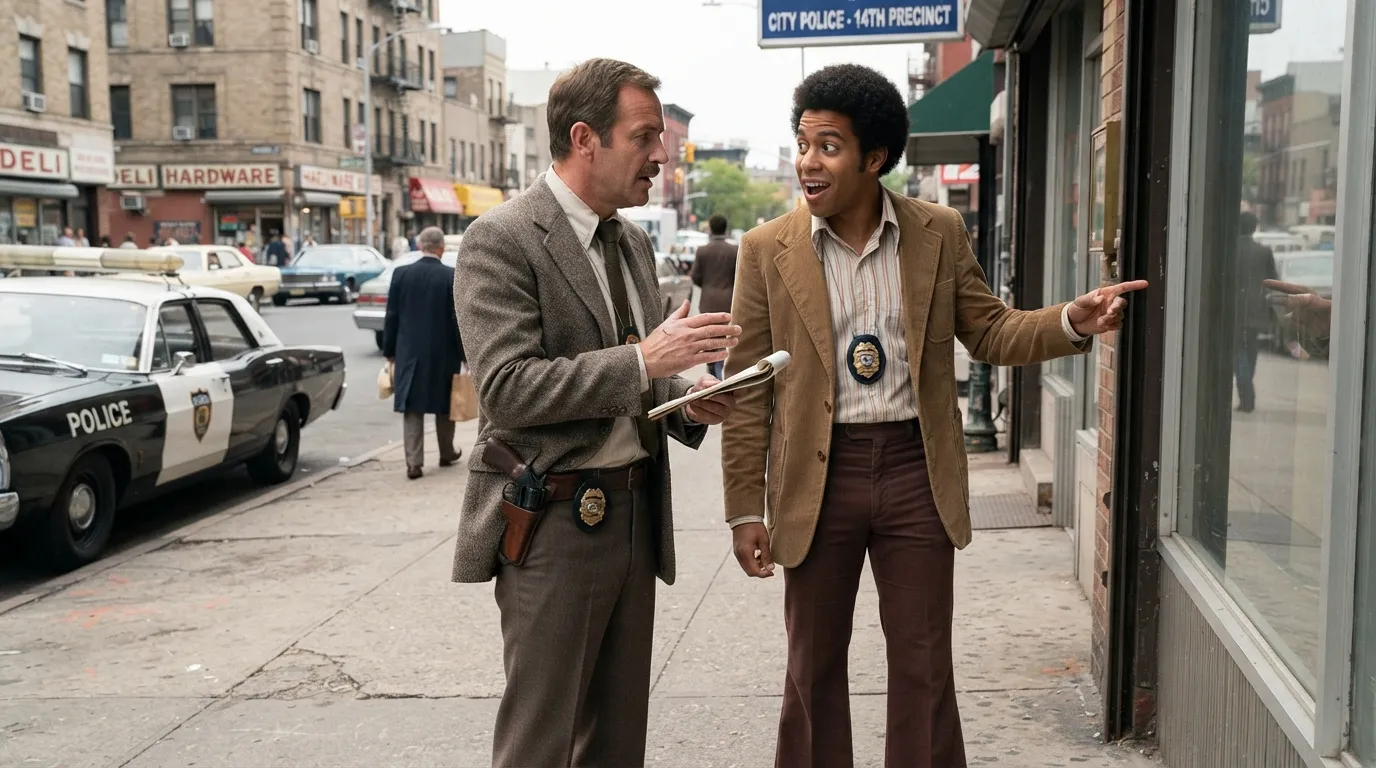
This 1971 NBC police comedy paired an experienced detective with an eager rookie. The buddy dynamic drove episodic cases. The series lasted one season.
The pairing formula appeared in many later shows but started here with mixed results. Writers balanced action and humor across limited episodes. Ratings failed to build momentum. Viewers remember the straightforward partnership premise.
#8 – The Psychiatrist
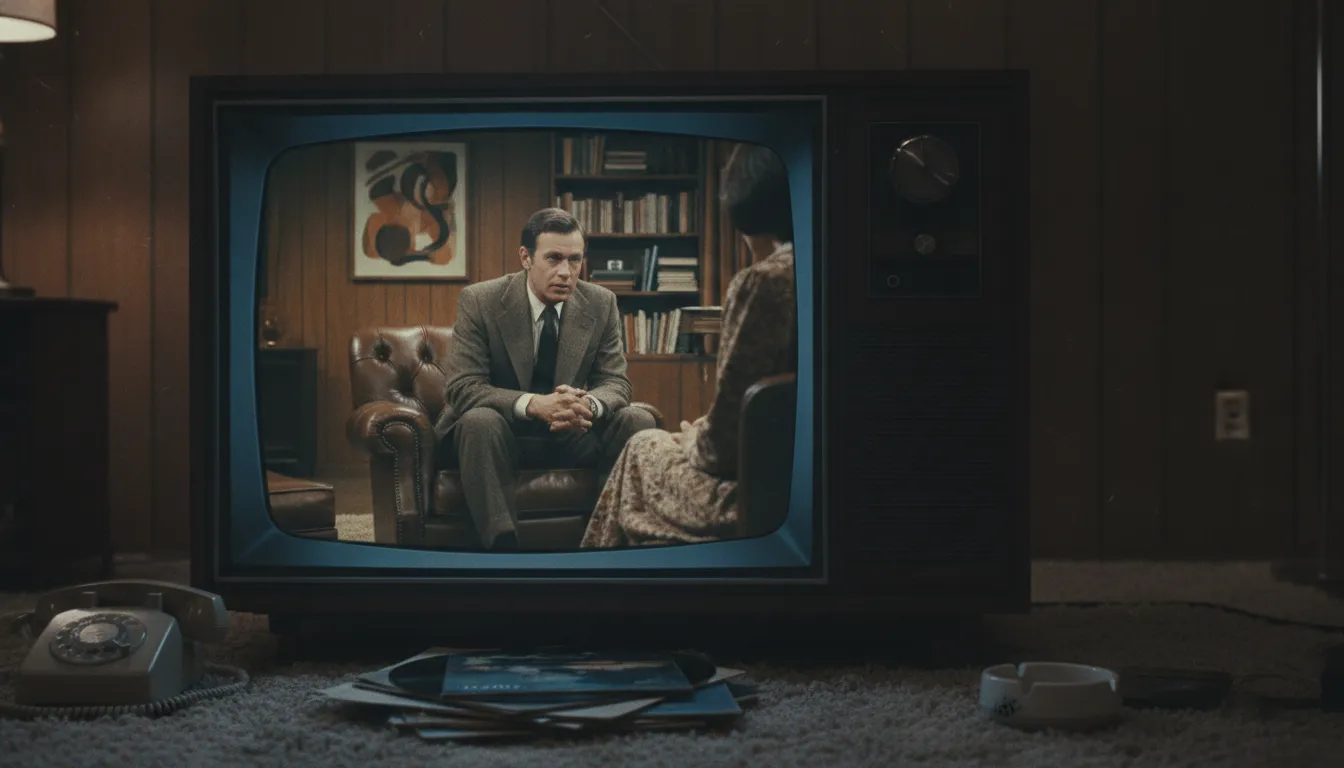
Roy Thinnes played a therapist in this 1971 NBC drama exploring patient stories. The anthology-style episodes delved into mental health themes. Cancellation came after one season.
Turns out the serious tone clashed with audience expectations for lighter fare. Each case offered psychological depth unusual for the era. Production kept stories contained within single episodes. Niche fans appreciate its early attempt at thoughtful drama.
#7 – The Immortal
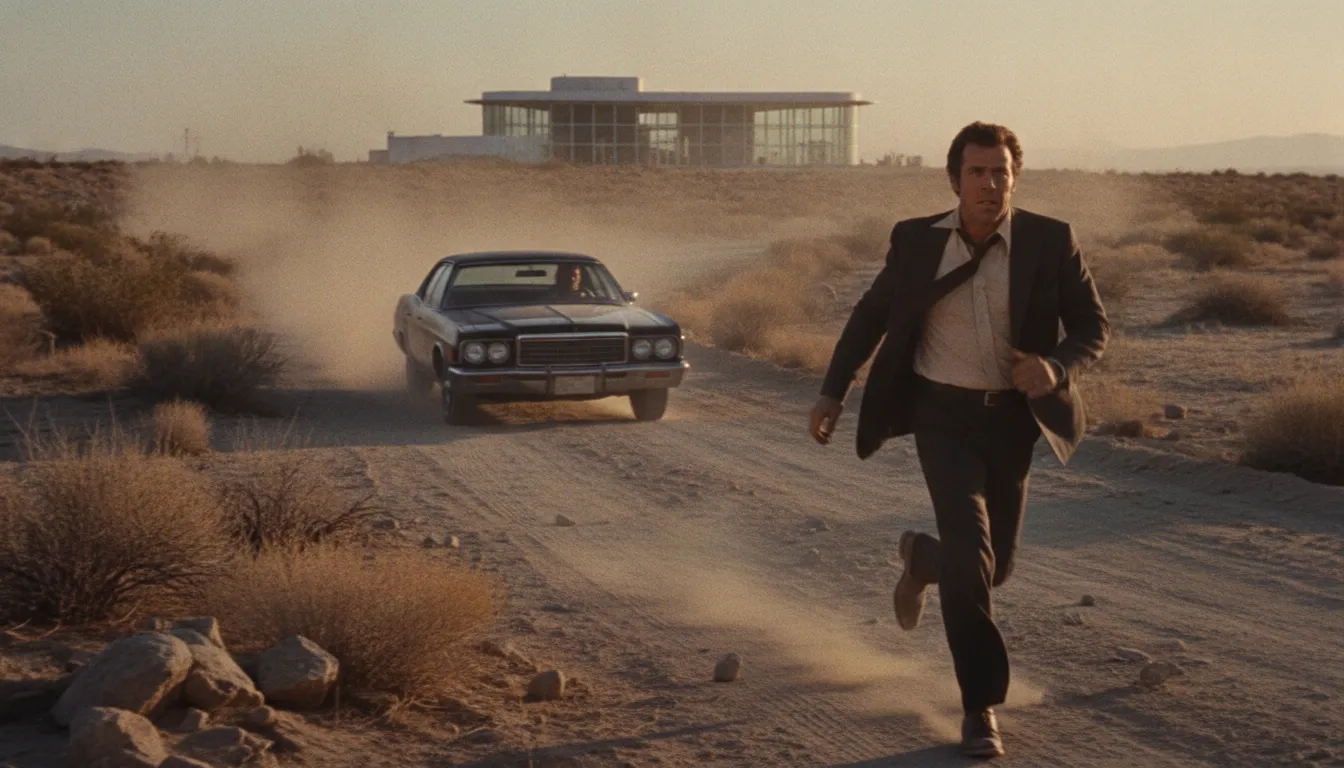
Christopher George starred in this 1970-1971 ABC series about a man with immortal blood. The premise mixed pursuit and medical intrigue. It ended after one season.
The most surprising fact remains how the immortality concept created ongoing chase narratives. Episodes balanced sci-fi elements with personal stakes. Limited run focused on core conflicts. Audiences recall the unique hook even now.
#6 – The Jimmy Stewart Show
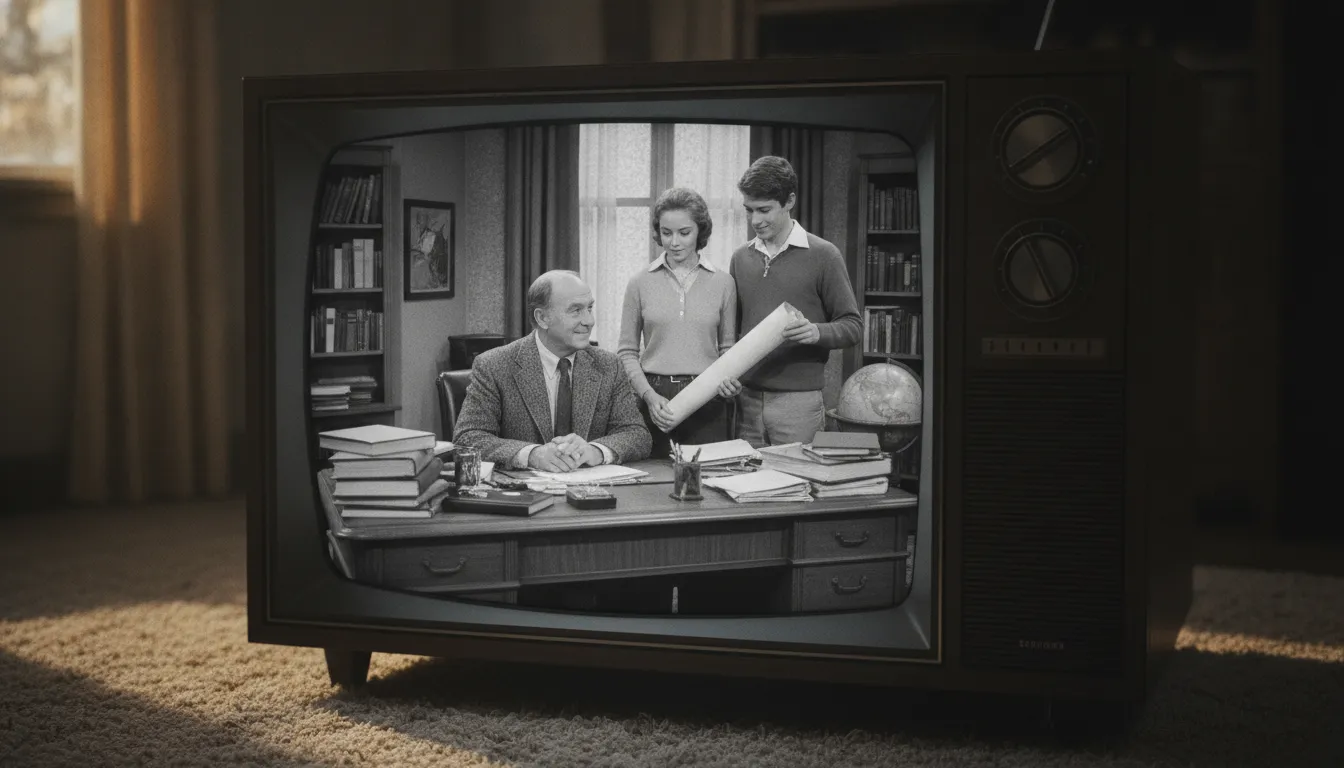
Jimmy Stewart played a professor in this 1971-1972 NBC family sitcom. The series brought his everyman charm to weekly situations. It lasted one season.
Actually Stewart’s film stardom did not translate directly to sitcom success. Writers crafted gentle humor around academic and family life. The short run suited his selective television work. Fans value the rare small-screen appearance.
#5 – The Smith Family
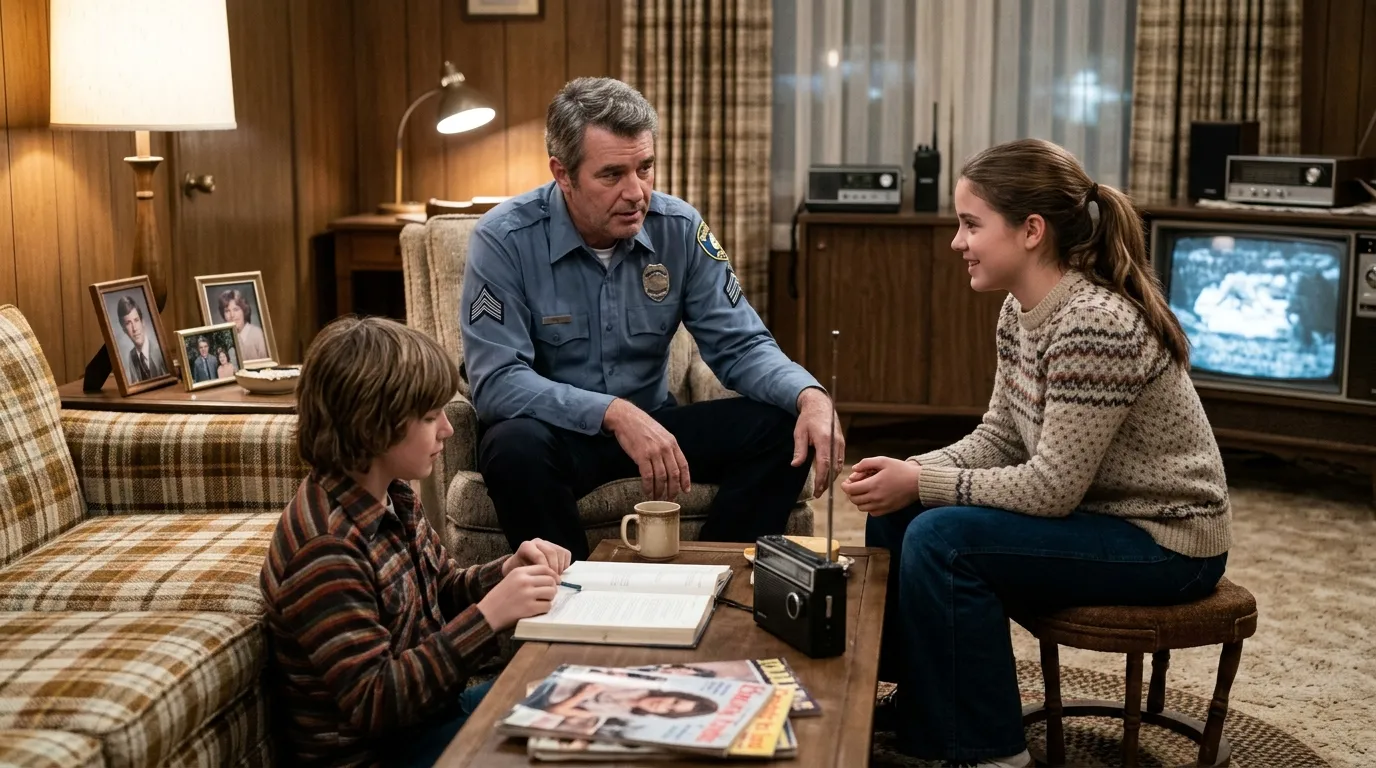
Henry Fonda led this 1971-1972 ABC family drama about police life. Episodes balanced professional cases with home stories. The series ended after one season.
The blend of procedural and domestic elements offered a grounded view of law enforcement. Fonda’s presence elevated the material despite modest ratings. Limited episodes kept focus tight. Viewers remember the realistic family dynamics.
#4 – The New Andy Griffith Show
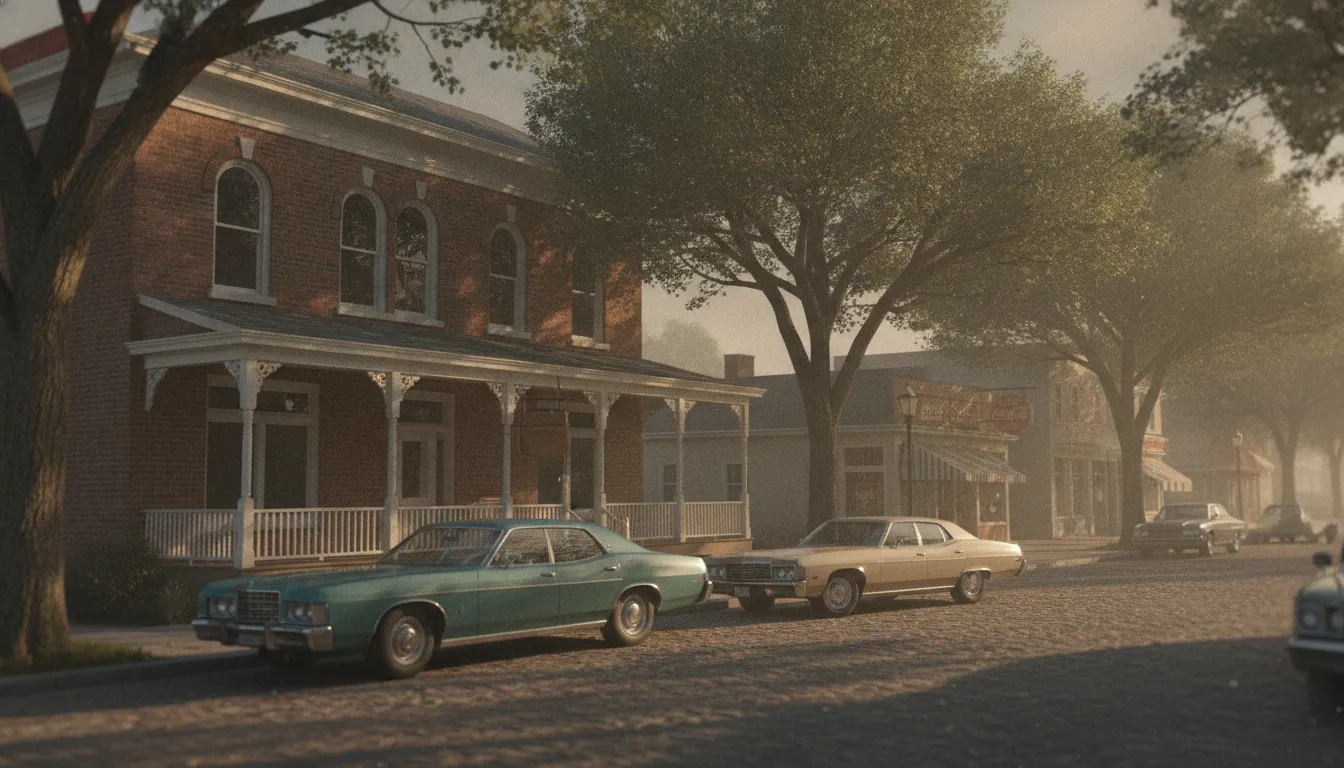
Andy Griffith returned in this 1971 CBS series as a small-town mayor. The format echoed his earlier success with new characters. Cancellation arrived quickly.
Turns out audiences compared it too closely to The Andy Griffith Show and found it lacking. Writers attempted familiar warmth but the spark felt different. The brief run highlighted challenges of revisiting past hits. Dedicated fans still seek the episodes.
Worth Knowing
- The original Andy Griffith Show ran on CBS from 1960 to 1968.
- It logged 249 episodes across eight seasons, a tough standard for any follow-up.
- Griffith found another long-running hit later with Matlock, which ran from 1986 to 1995.
#3 – The Chicago Teddy Bears
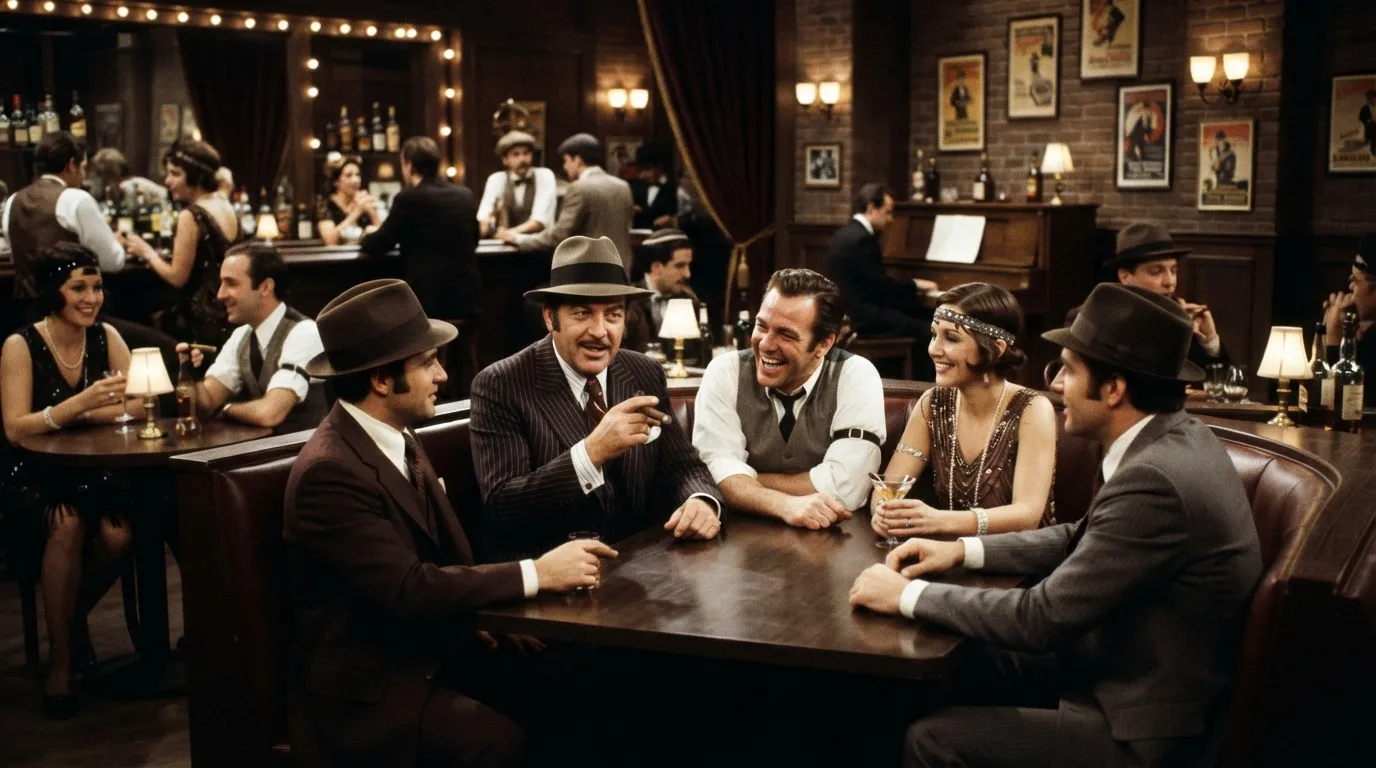
This 1971 CBS sitcom followed 1920s gangsters in a speakeasy setting. The period comedy mixed crime with humor. It lasted one season.
The Prohibition-era premise provided visual and thematic novelty. Cast interactions drove the episodic gags amid limited story arcs. Network timing hurt broader appeal. Viewers recall the distinctive historical angle.
#2 – The Man and the City
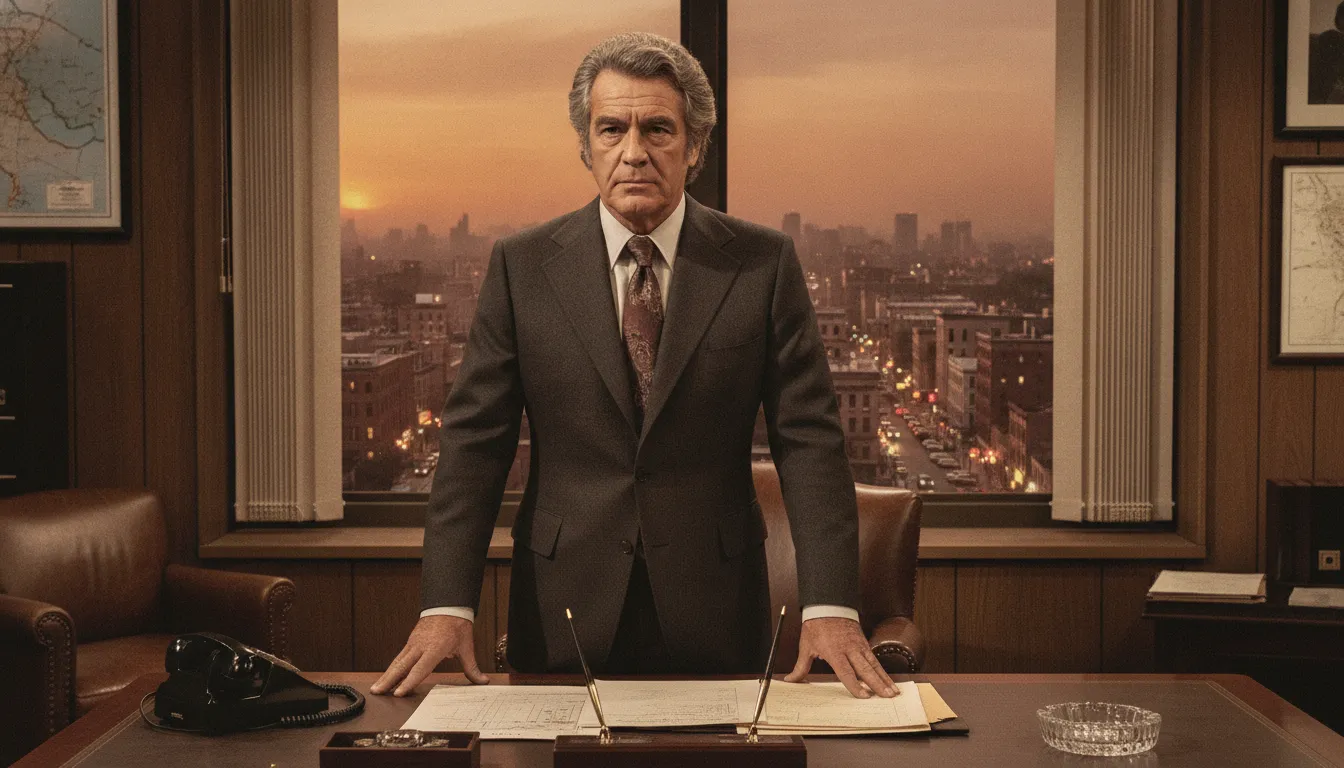
Anthony Quinn starred as a mayor in this 1971-1972 ABC drama. The series explored urban politics and personal life. Cancellation came after one season.
Quinn’s commanding presence anchored stories of city governance. Episodes tackled real issues through character lenses. The short run prevented deeper political arcs. Fans appreciate the star-driven approach.
#1 – Kolchak: The Night Stalker
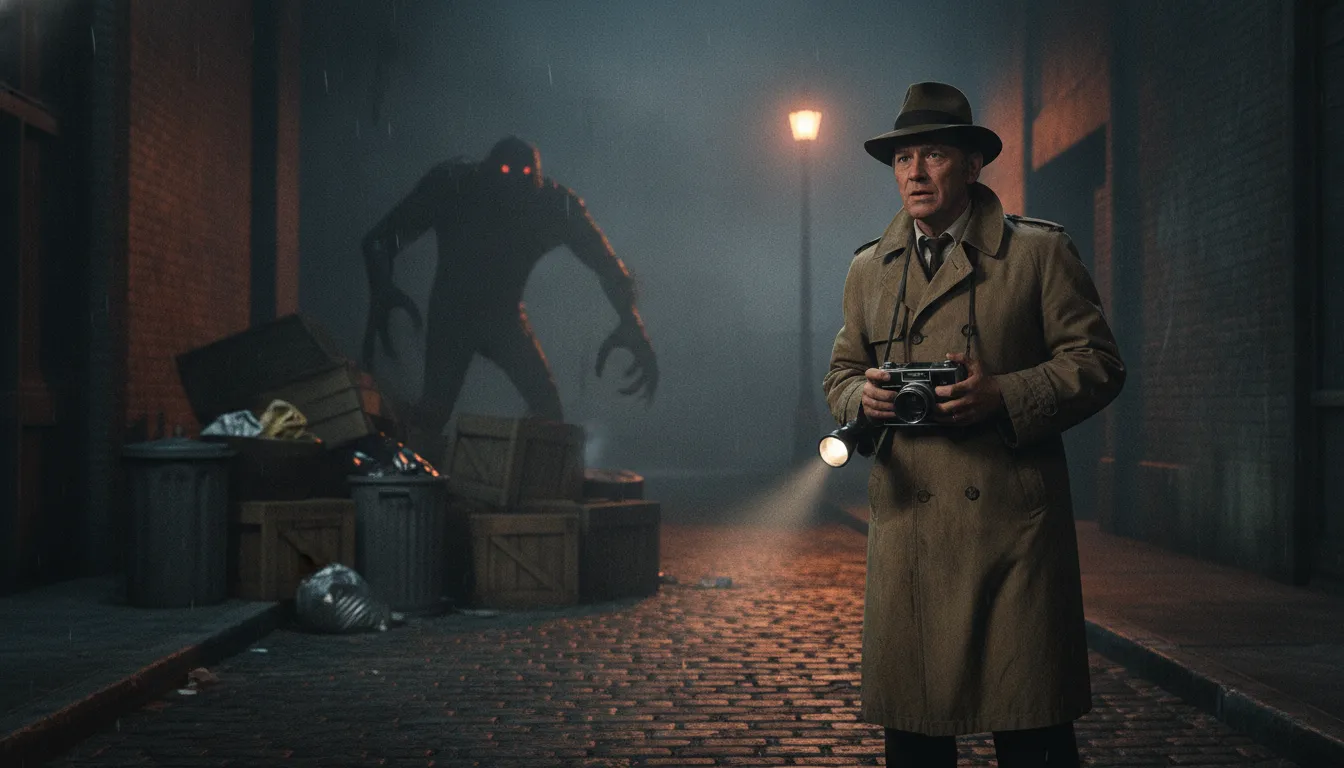
Darren McGavin’s Kolchak returned as the top pick for its enduring cult status and genre impact. The 1974-1975 series combined horror investigation with memorable storytelling. Its single season left a lasting mark.
The most surprising fact is how the show’s influence extended far beyond its brief original run. McGavin’s dogged reporter became a template for later paranormal investigators. Practical monster effects and tense pacing held attention. Audiences still discuss its role in shaping modern supernatural procedurals.
CEO-Co-Founder