


- 20 Empowering Phrases to Whisper to Your Kids and Watch Them Soar - October 12, 2026
- Unlock Family Magic: 4 Easy Dinnertime Rituals to Deepen Connections - October 12, 2026
- Award Show Scandals That Shocked Us - October 12, 2026
#25 – Kyle Cease
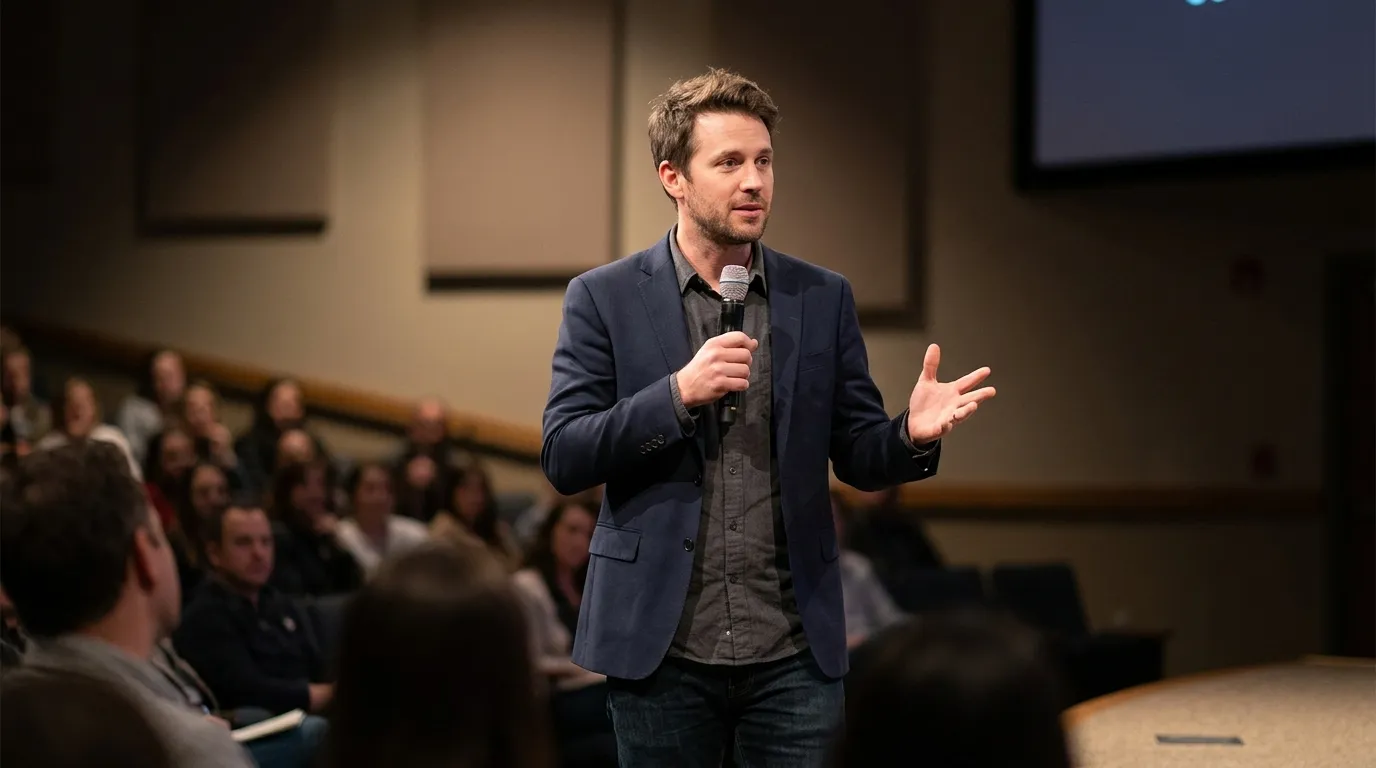
Kyle Cease built momentum fast with a top-ranked Comedy Central special and film roles. He walked away from rising stand-up bookings to pursue motivational speaking and writing. His decision came right as live audiences and network interest peaked.
Cease shifted focus entirely, releasing books and hosting events instead of club dates. Many in the industry noted the timing surprised fans who expected more specials. He cited personal growth and new career paths as the driver. The move allowed him to reach different crowds through seminars rather than punchlines. This choice highlighted how some performers see stand-up as one chapter, not the whole story.
#24 – The Amazing Johnathan
The Amazing Johnathan gained traction through Comedy Central specials and late-night appearances in the 1990s. He stepped back from stand-up amid personal struggles with substances and mental health. His exit occurred while demand for his unique magic-comedy blend was climbing.
Reports from the era show he had steady bookings and growing recognition before the pause. The decision reflected broader challenges many entertainers face under pressure. He later reflected on how the pace affected his well-being. Fans at the time wondered about future returns that never fully materialized in the same format. The case showed the toll rapid success can take on performers.
#23 – Judd Apatow
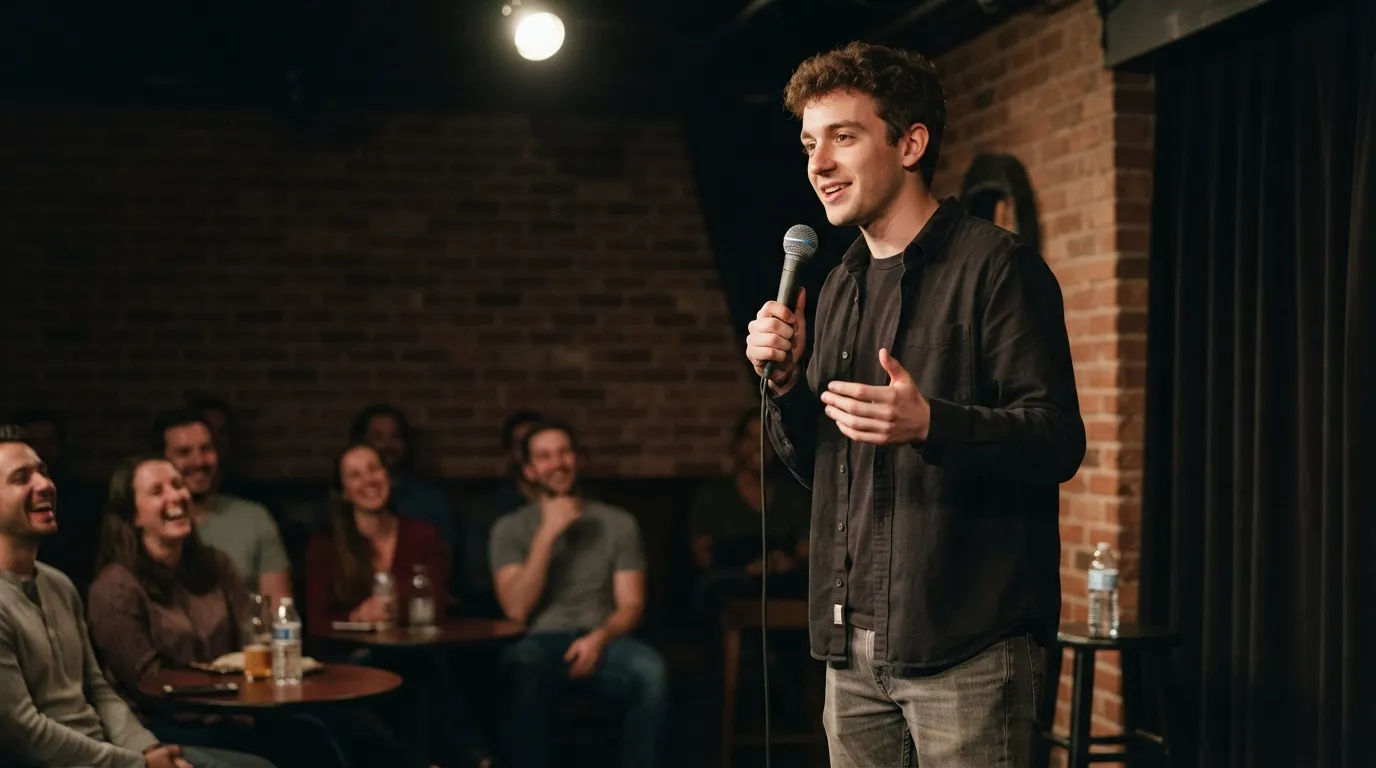
Judd Apatow started stand-up young and performed seriously through his early twenties. He stopped around age 24 to concentrate on writing and producing. The timing aligned with early industry connections that led to bigger opportunities behind the scenes.
Apatow later returned briefly for personal projects but largely left the stage behind during his initial rise. Colleagues noted his early exit freed time for script work that defined later hits. The shift came before widespread fame from films solidified. It illustrated how some comics pivot when other skills open doors. His path demonstrated the value of timing career changes carefully.
#22 – Simon Fanshawe
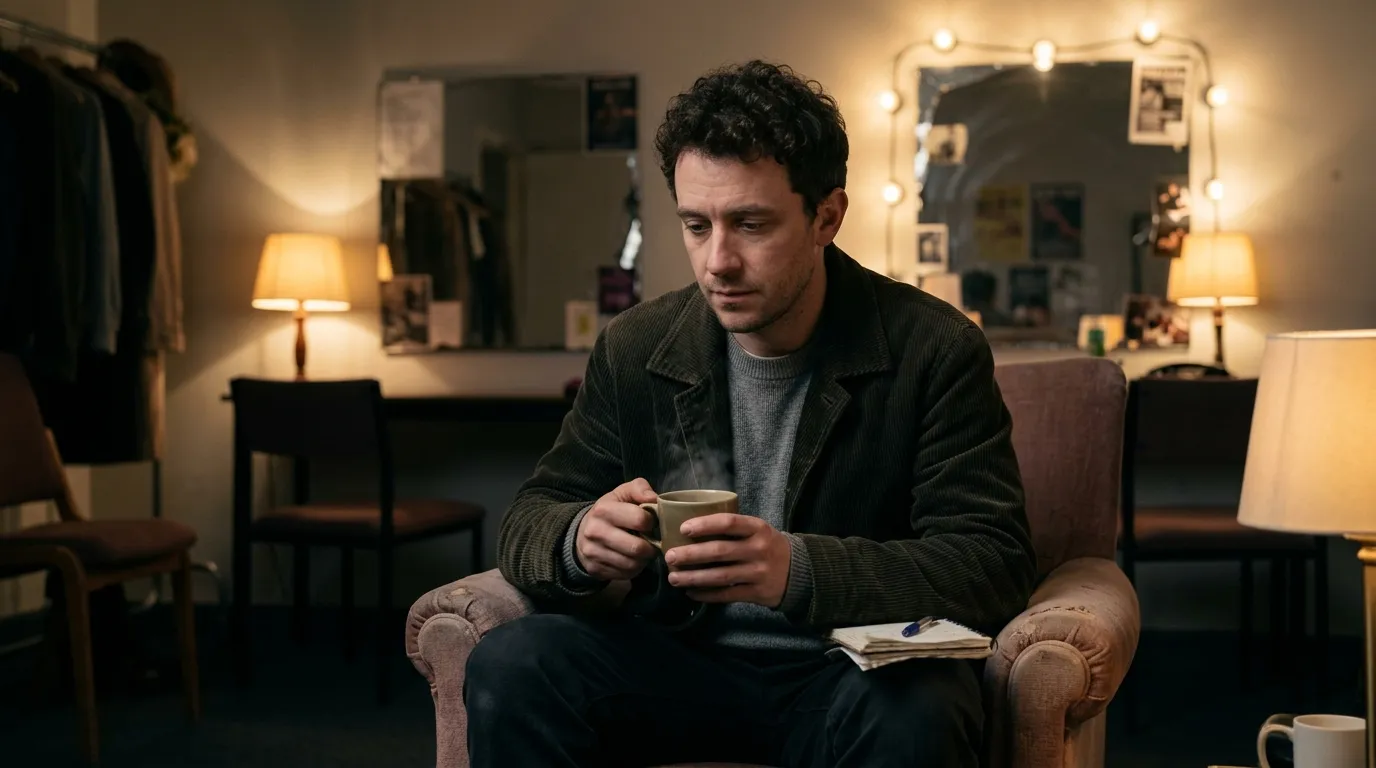
Simon Fanshawe won a major comedy award in 1989 and built a following on the UK circuit. He left stand-up a few years later for writing and broadcasting. The move happened while he was still booking regular gigs and gaining notice.
Fanshawe described feeling disconnected from the lifestyle of constant travel and younger crowds. He chose roles that allowed more control over his schedule and topics. The transition kept him in media but away from nightly sets. Observers at the time saw it as a deliberate step toward sustainability. This example showed how award recognition does not always lock performers into one lane.
#21 – Patrick Marber
Patrick Marber performed stand-up alongside future stars like Jo Brand and Eddie Izzard. He exited the scene to focus on playwriting and directing. His departure came after years on bills but before committing to full-hour shows.
Marber found the upbeat requirement of stage work mismatched his mood on difficult nights. He preferred shorter sets and avoided the extended touring structure. The choice led to acclaimed theater work instead. Industry peers noted the move suited his strengths in scripted formats. It underscored how stand-up demands can push talent toward other creative outlets.
Worth Knowing
- Marber helped shape Alan Partridge alongside Steve Coogan, including the radio show Knowing Me, Knowing You.
- His play Dealing with Clair opened at the Orange Tree Theatre in 1995.
- Closer premiered at the National Theatre in 1997, and Marber wrote the 2004 film version too.
#20 – Emma Thompson
Emma Thompson tried stand-up early in her career before major acting roles. She stepped away, later calling the choice wise in interviews. The pivot occurred while she was still testing live comedy and building stage presence.
Thompson described the format as terrifying and better suited to others. She redirected energy toward acting and screen work that brought wider success. The early exit avoided years of club grinding. Colleagues recalled her quick recognition that live solo performance was not the fit. Her story illustrated early self-assessment in a competitive field.
#19 – Lee Evans
Lee Evans announced retirement from stand-up in 2014 after arena-level success in the UK. He cited family and acting interests as reasons. The timing followed peak touring years with sold-out venues.
Evans had built a large following through physical comedy and character work. He shifted focus to stage acting and personal time. Reports noted the decision surprised some fans expecting continued tours. The move allowed him to control his schedule more tightly. This case showed how even established names can choose family over continued road work.
#18 – Hannah Gadsby
Hannah Gadsby gained international attention with Nanette and then signaled an end to traditional stand-up. The announcement came at the height of critical and audience acclaim for the special.
Gadsby expressed fatigue with the form’s constraints and personal toll. She explored other projects while maintaining some performance elements. The choice sparked discussion about comedy’s limits for certain stories. Observers noted the timing amplified the impact of her work. Her decision highlighted evolving views on what performers owe audiences.
#17 – Lisa Lampanelli

Lisa Lampanelli built a career on roast-style stand-up and specials. She quit in 2018 to pursue life coaching and workshops. The exit followed decades of consistent bookings and a signature persona.
Lampanelli told interviewers she viewed comedy as a connection tool rather than her core identity. She redirected storytelling skills into seminars. The change surprised fans accustomed to her edgy material. Reports showed she felt ready for a different impact. This transition demonstrated how long-term performers can rebrand their skills.
#16 – Ron White
Ron White retired from stand-up after 37 years on the road. The decision came at age 65 while he remained a recognizable name. He described feeling it was simply time to stop touring.
White had maintained steady special releases and live dates into later career stages. The choice allowed focus on other interests in a comfortable personal place. Colleagues respected the straightforward announcement. It reflected a planned wind-down rather than abrupt halt. His example showed retirement can occur on the performer’s own terms.
#15 – Richard Lewis
Richard Lewis retired from stand-up in 2023 after health concerns mounted. The move followed decades of touring and television appearances. The announcement came while he still held strong name recognition from past work.
Lewis cited physical limitations as the deciding factor. He had balanced stand-up with acting roles successfully for years. The retirement closed a long chapter on his terms. Fans noted the health context made the decision understandable. It illustrated how longevity in comedy often meets real-world limits.
#14 – Tim Minchin
Tim Minchin stopped creating new comedy songs and stand-up material after arena tours. The choice followed massive success with orchestral shows. He cited a desire to avoid fame’s downsides like ego inflation and lifestyle traps.
Minchin shifted to other projects while maintaining some public presence. The timing came after years of high-visibility performances. He described ambition driving him toward different creative risks. Observers saw the move as protective of his well-being. This case showed proactive exits from peak visibility.
#13 – Rob Beckett

Rob Beckett announced plans to step back from stand-up touring to prioritize family. The decision followed popular UK television work. It came while he remained one of the busiest comedians on the circuit.
Beckett cited time with children as the priority over continued road dates. He also reduced radio commitments around the same period. The choice reflected a deliberate rebalancing of commitments. Reports noted upcoming shows as a final stretch before the pause. His story highlighted family considerations at career highs.
#12 – Jon Richardson
Jon Richardson signaled a break from stand-up and spotlight activities. The move followed extended hiatus periods. The announcement aligned with a desire for more personal time away from constant visibility.
Richardson had built steady popularity through panel shows and tours. He expressed interest in career changes that reduced public demands. The step back surprised some fans expecting ongoing output. It reflected broader patterns of performers reassessing pace. This example showed how even active names can choose extended pauses.
#11 – Eddie Murphy
Eddie Murphy delivered major stand-up specials in the 1980s before largely stepping away. He focused on film roles after Raw. The shift happened while his live reputation was at its commercial peak.
Murphy cited fatigue with the format and preference for movies in later comments. He avoided full tours for decades afterward. The decision allowed concentration on box-office projects. Industry accounts noted the move surprised some expecting continued specials. His path demonstrated the pull of other mediums at peak fame.
#10 – Dave Chappelle
Dave Chappelle left public stand-up and his show in 2005 after high-profile incidents. The exit occurred amid sold-out shows and widespread cultural impact.
Chappelle later returned in different forms, but the initial departure came at maximum visibility. He described reevaluating priorities after audience interruptions. The timing amplified discussions about fame’s pressures. Reports from the period showed the sudden nature of the break. This case remains a reference point for abrupt high-profile pauses.
At a Glance
- Chappelle’s Show premiered on Comedy Central in January 2003.
- He walked away in 2005 while the third season was still in production.
- He spoke publicly about the break in a 2006 interview with Oprah Winfrey.
- He came back to the spotlight in 2017 with four Netflix specials.
#9 – Steve Harvey
Steve Harvey ended stand-up tours around 2012 while hosting multiple television programs. He pointed to cancel culture concerns and sponsor risks as factors in the choice.
Harvey had built a large catalog of live work before the shift. The decision allowed focus on Family Feud and other shows. He performed a final pay-per-view special that year. Colleagues noted the calculated timing to protect broader career stability. His explanation highlighted external pressures on modern comedy.
#8 – Steve Martin
Steve Martin stopped stand-up in 1981 after arena success with conceptual routines. He felt the act had reached its artistic limit once audiences understood the premise.
Martin explained the repetition felt pointless and moved to acting and writing. The exit came at the height of his comedy record sales and tours. He avoided the stage for decades afterward. The choice preserved the freshness of his earlier work in memory. This remains one of the clearest examples of quitting at peak.
#7 – Bill Maher
Bill Maher announced plans to retire from stand-up after a final special. The decision followed years of weekly hosting and occasional tours. He described the choice as a way to avoid routine in later career stages.
Maher continued other media work while ending live comedy output. The timing came after multiple HBO specials and established routines. He noted the difficulty of starting new projects as one ages. Observers viewed it as a measured wind-down. His case showed planned exits from long-running formats.
#6 – Ellen DeGeneres

Ellen DeGeneres concluded a farewell stand-up tour and stepped back from live comedy. The move followed decades of television dominance and earlier stand-up roots.
She signaled reduced involvement in both stand-up and business ventures. The timing came after high-profile hosting success. Reports noted the surprise for fans expecting continued output. The choice reflected a desire for distance from daily performance demands. It illustrated comprehensive career rebalancing at later stages.
#5 – Jerry Seinfeld
Jerry Seinfeld reduced stand-up commitments after his sitcom ended. He focused on selective projects instead of full tours. The approach came while his name carried enormous residual recognition.
Seinfeld chose lower-volume work that avoided the original grind. He maintained some appearances but never returned to peak touring intensity. The decision suited a preference for control over schedule. Industry notes highlighted the contrast with expectations of constant activity. His model showed selective engagement after major success.
Quick Compare
- Sitcom peak: nine seasons from 1989 to 1998, with a finale watched by roughly 76 million viewers.
- The reset: the 1998 HBO special I’m Telling You for the Last Time closed out his old act.
- The rebuild: the 2002 documentary Comedian follows him writing a new hour from scratch.
#4 – Garry Shandling

Garry Shandling retreated from the spotlight in the late 1990s after influential shows. He preferred meditation, sports, and mentoring over continued stand-up or production.
The shift occurred while his creative impact remained strong. Shandling avoided the constant visibility that defined earlier years. Colleagues respected the low-profile choice. It reflected a deliberate move toward personal balance. This example demonstrated quiet exits from influential positions.
#3 – Whoopi Goldberg
Whoopi Goldberg transitioned from early stand-up and one-woman shows to film and television. The move happened while live performance opportunities were still expanding.
She concentrated on acting roles that offered different creative outlets. The early pivot avoided long-term club circuits. Reports noted her quick recognition of broader opportunities. The choice led to sustained screen work instead. Her path showed early diversification at rising visibility.
Why It Stands Out
- She won the Oscar for Best Supporting Actress for Ghost, honored in 1991.
- She is one of the few performers to complete the EGOT: Emmy, Grammy, Oscar and Tony.
- She has been a co-host on The View since 2007, keeping her talking on live television.
#2 – Billy Crystal
Billy Crystal moved from club stand-up to acting and awards hosting. The transition occurred as film and television roles increased.
He reduced regular club appearances while maintaining a public profile through other formats. The choice reflected preference for scripted and hosted work. Colleagues recalled the natural progression away from nightly sets. It allowed focus on high-profile events. This illustrated a common shift among multi-talented performers.
#1 – Michael Keaton
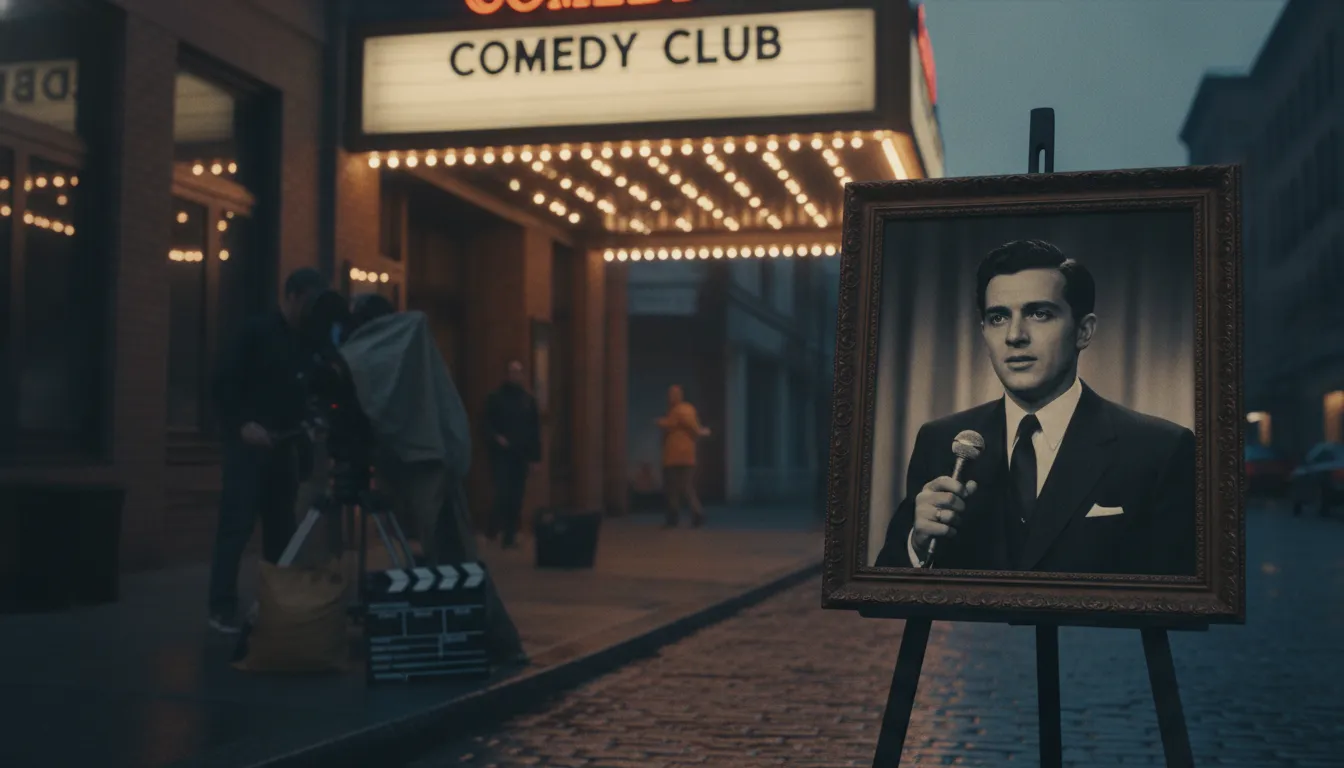
Michael Keaton began with stand-up before committing fully to acting careers. He abandoned live comedy early to pursue film and television opportunities.
The decision came before widespread fame from major roles solidified. Keaton focused on character work that suited his strengths. Reports from his early career noted the deliberate pivot. The move avoided the uncertainties of sustained stand-up. His example capped the list as a foundational case of early redirection.
CEO-Co-Founder
