- 25 Bands and the First Song They Ever Released vs the Song They Are Known For - October 21, 2026
- Most people assume the pilot episode that airs is close to the creators' original vision, but networks routinely demand recasts, plot overhauls, and tone shifts that scrap major elements before a show reaches viewers. Production histories show these changes often saved series from cancellation. Here's what the data actually say. - October 21, 2026
- 25 TV Shows and Their Original Pilot vs What Actually Aired - October 21, 2026
Most people assume the first episode they see is exactly how creators envisioned a series from day one. In reality, networks, test screenings, and creative pivots often force major overhauls between the initial pilot and the version that airs. Recasts, dropped characters, reshot scenes, and tonal shifts happen far more often than viewers realize. Here’s what production records and insider accounts actually say.
#25 – Game of Thrones
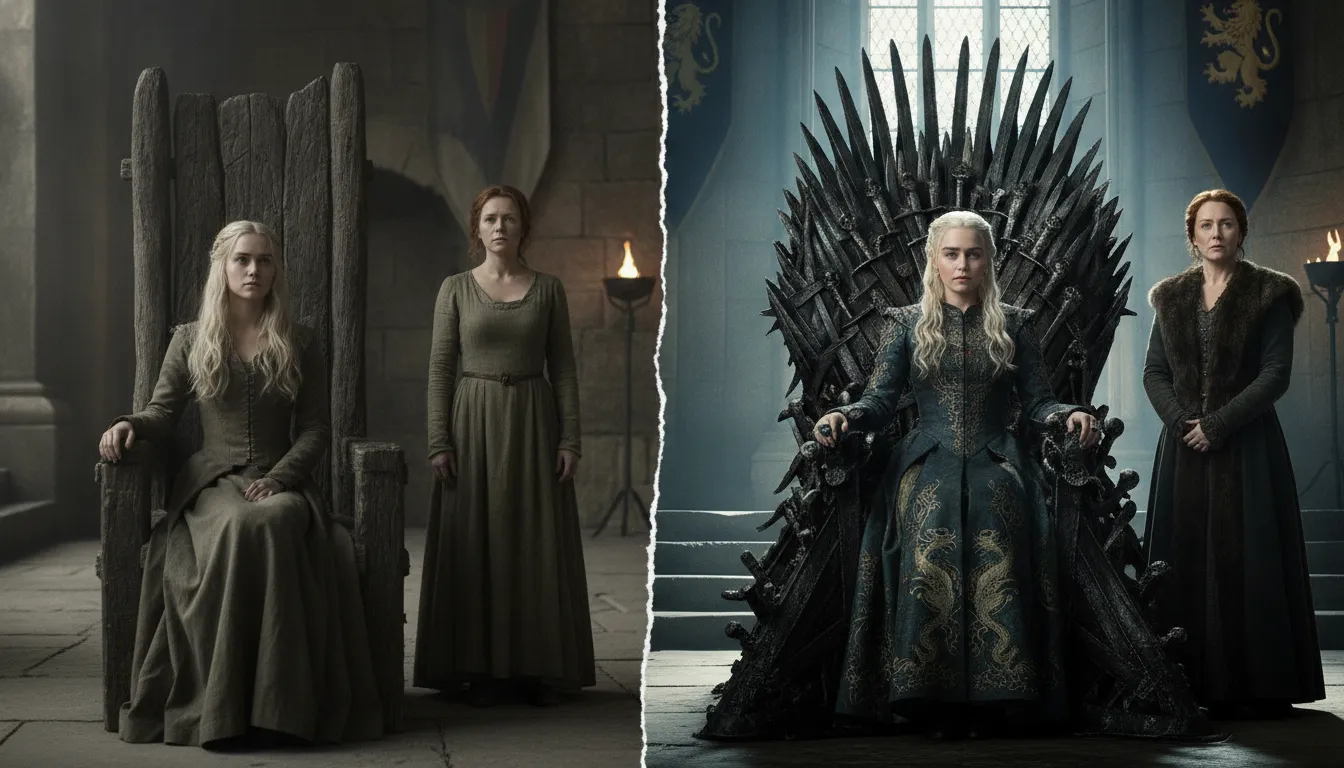
The original 2009 pilot for Game of Thrones looked nothing like the version that premiered in 2011. HBO executives rejected it outright and ordered roughly 90 percent of the episode reshot with new casting and adjustments to key story elements.
Tamzin Merchant played Daenerys Targaryen in the unaired version, while Jennifer Ehle portrayed Catelyn Stark. Both were replaced – Emilia Clarke took over as Daenerys and Michelle Fairley stepped in as Catelyn. The early cut also left the Jaime-Cersei sibling relationship ambiguous and included elements like a George R.R. Martin cameo and different scene sequencing that did not survive.
Fast Facts
- Unaired pilot: shot in 2009; the series premiered in 2011.
- Daenerys Targaryen: Tamzin Merchant, then Emilia Clarke.
- Catelyn Stark: Jennifer Ehle, then Michelle Fairley.
- Reshoot scope: roughly 90 percent of the episode was redone.
The most surprising fact is that the original pilot opened with the Night’s Watch rangers already beyond the Wall, unlike the aired version that begins with their journey north.
Additional changes addressed tone, settings, and clarity around family dynamics. The reshoots fixed pacing and casting chemistry issues that tested poorly.
But that’s nothing compared to what we found about #24…
#24 – The Big Bang Theory
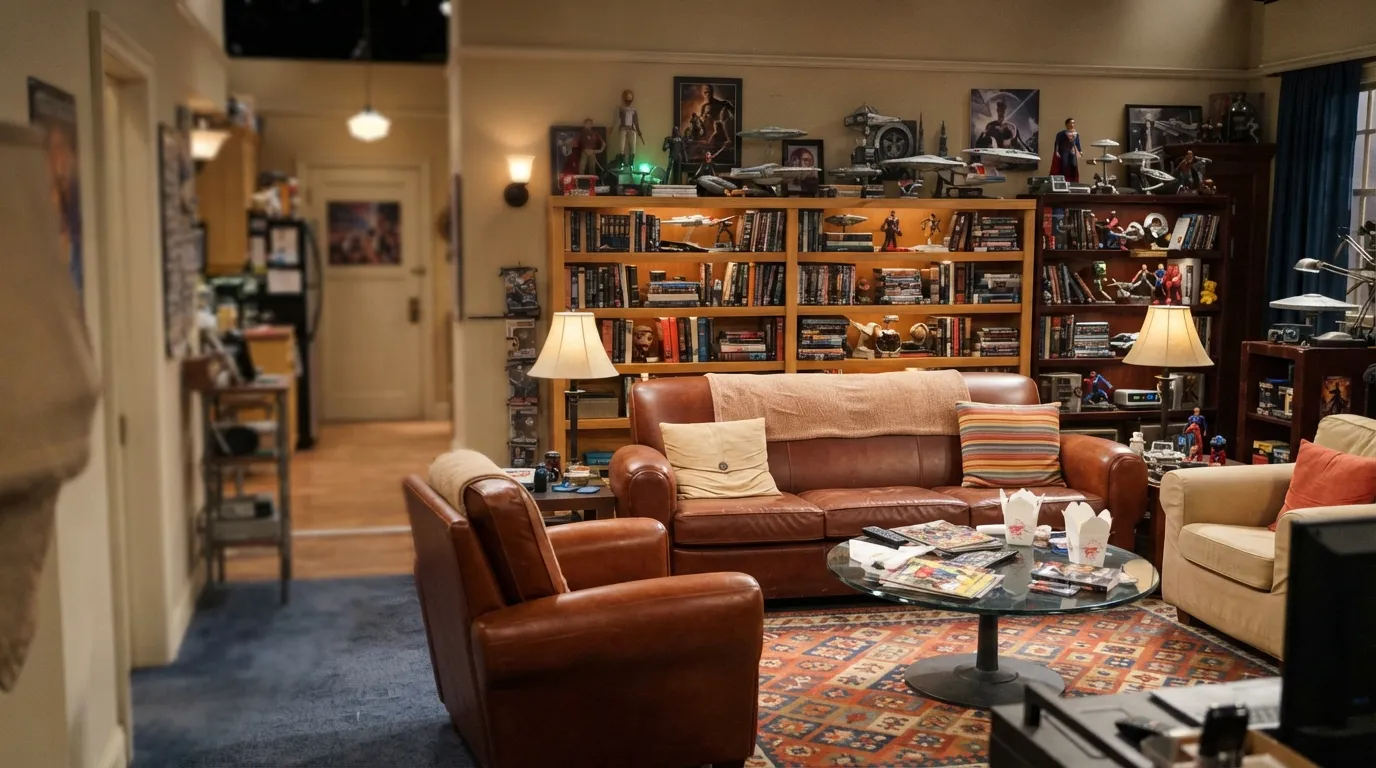
The unaired pilot of The Big Bang Theory featured entirely different supporting characters and a radically altered version of Sheldon Cooper. Katie and Gilda replaced what became Penny, Raj, and Howard, and Sheldon came across as overtly sexual rather than the asexual genius audiences know.
Creators Chuck Lorre and Bill Prady rewrote the script after CBS feedback. They replaced the meaner Katie character with the kinder Penny and toned down Sheldon’s personality. The original pilot lacked the core friend group dynamic that defined the long-running series.
Quick Compare
- Unaired pilot: Katie and Gilda in the supporting roles, with a harder-edged Katie.
- Aired version: Penny, Raj, and Howard, with Penny as the kinder neighbor.
- Sheldon: overtly sexual in the first attempt, then the asexual genius viewers know.
The single most surprising fact is that Sheldon explicitly claimed to have had sex with Gilda at a convention in the unaired version.
This detail vanished completely once the show found its tone. The changes allowed the series to emphasize intellectual humor over crude elements.
But that’s nothing compared to what we found about #23…
#23 – Bob’s Burgers
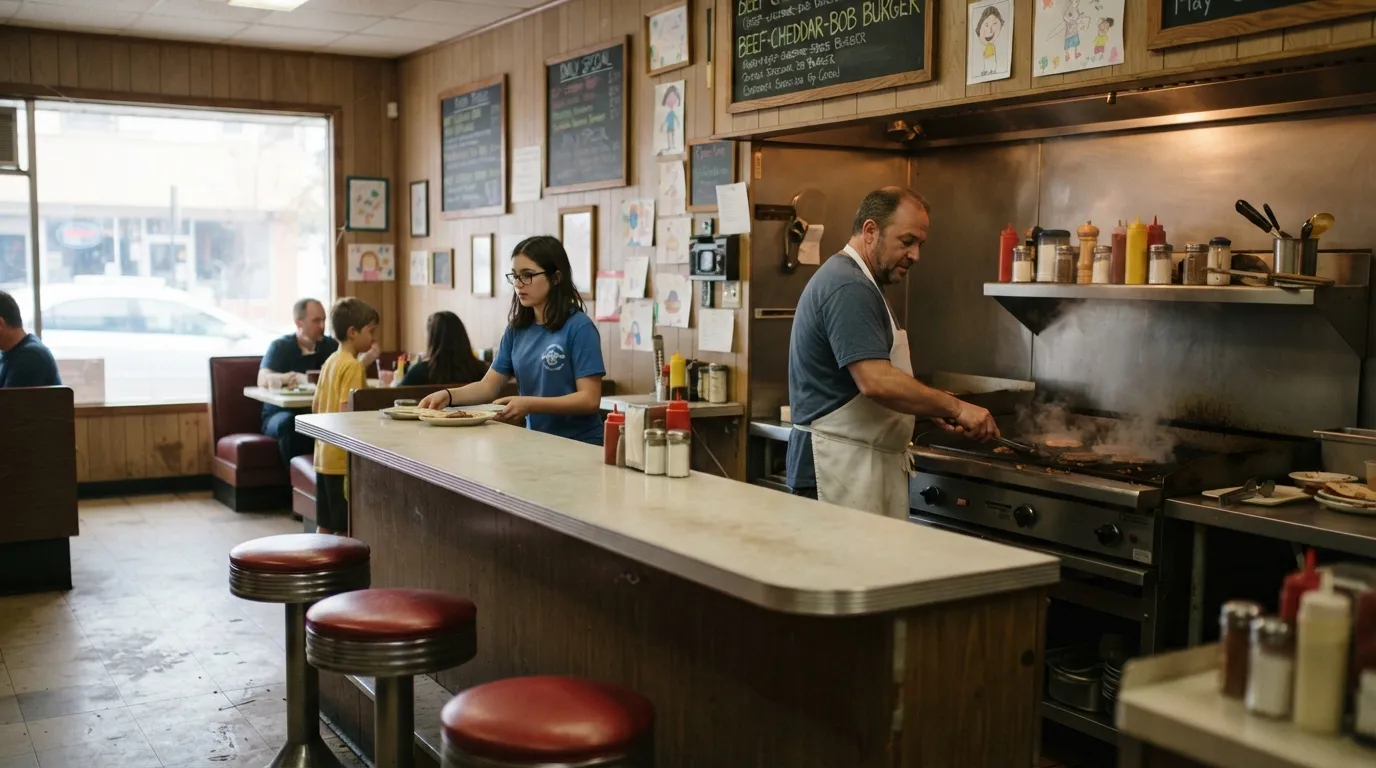
Bob’s Burgers originally featured Tina as a boy named Daniel in the pilot animation. Voice actor Dan Mintz stayed with the role through the gender swap. Writers made the change because Daniel and Gene felt too similar as characters.
The early version also explored a darker family premise during development, though the aired pilot kept the core restaurant setting. Animation style and specific gags received polish between the test version and the Fox premiere.
The most surprising fact is that the gender swap happened specifically to give each child distinct personality space.
This adjustment helped the show establish its long-term ensemble balance right from the start.
But that’s nothing compared to what we found about #22…
#1 – Star Trek: The Original Series
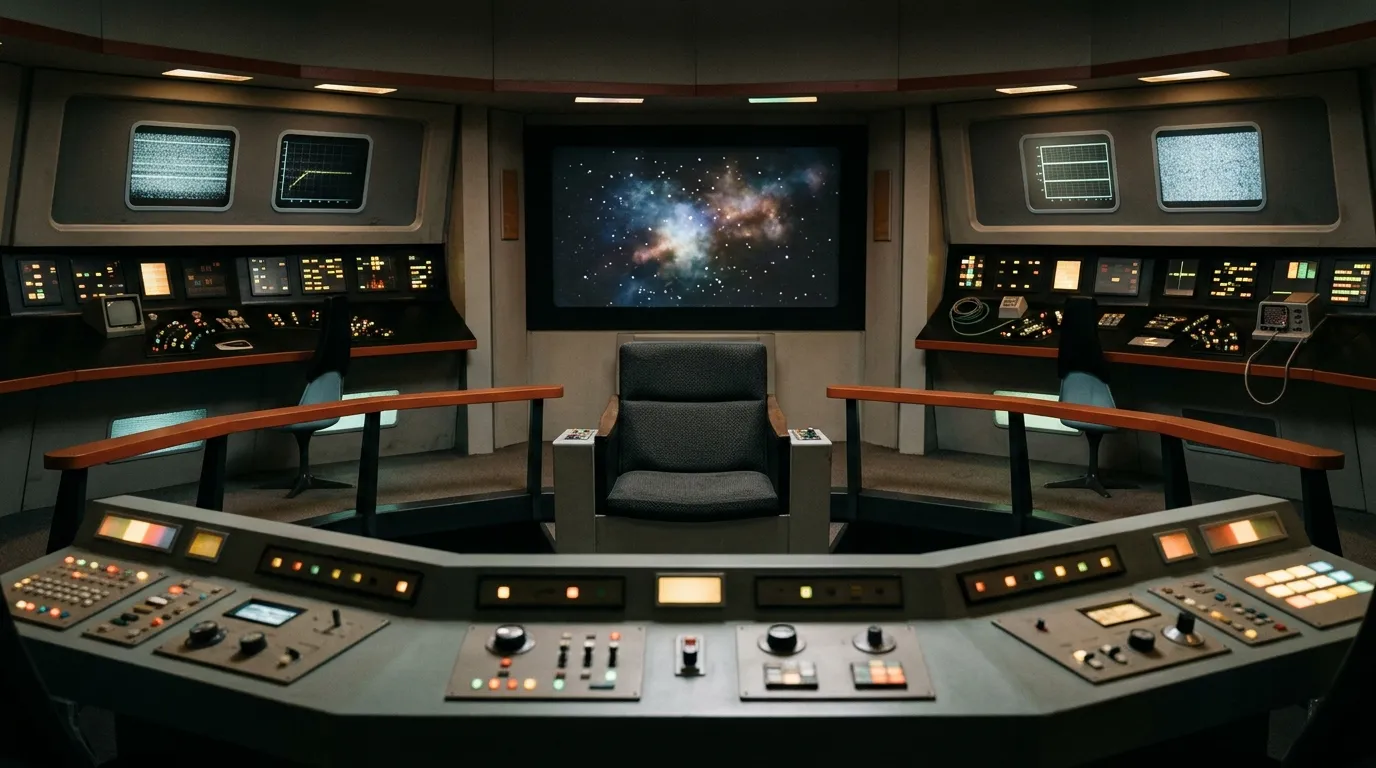
The very first Star Trek pilot, “The Cage,” starred Jeffrey Hunter as Captain Pike with Majel Barrett as Number One and a more contemplative tone. NBC rejected it and ordered a second pilot that introduced William Shatner as Captain Kirk and reconfigured the bridge crew.
Only Leonard Nimoy’s Spock carried over from the original cast. The second pilot shifted toward action-adventure storytelling that better matched network expectations while retaining the core exploration premise.
At a Glance
- First pilot: “The Cage,” with Jeffrey Hunter as Captain Pike.
- Second-in-command: Majel Barrett’s Number One, who was dropped.
- Second pilot: William Shatner arrives as Captain Kirk.
- Constant: Leonard Nimoy’s Spock is the only original cast member kept.
- Series premiere: September 1966 on NBC.
The most surprising fact is that the original pilot’s female second-in-command character was removed entirely in the recast.
This change helped define the final series ensemble that reached air.
But that’s nothing compared to what we found about the biggest overall lesson in these transformations.
The Bottom Line
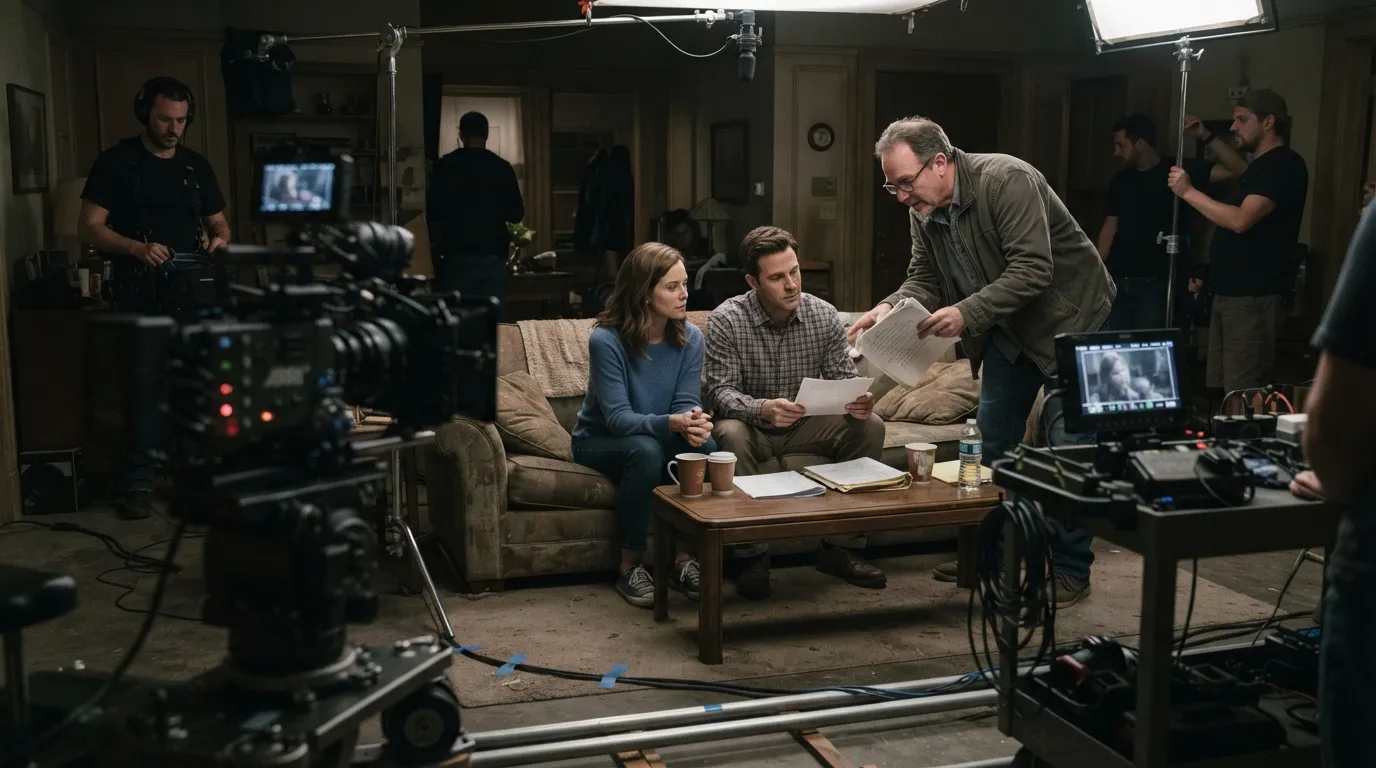
Production records show that pilot overhauls often involve recasts of one or two key roles, dropped supporting characters, and scene reshoots to fix tone or chemistry. The most common fixes address network notes on pacing, clarity, or audience testing. These adjustments frequently determine whether a series survives its first season.
Which of these pilot changes surprised you the most? Drop your thoughts in the comments.
CEO-Co-Founder