
- The Day Nixon Resigned: What America Looked Like in August 1974 - October 8, 2026
- 1975: The Year Punk Was Born in America - October 8, 2026
- 15 Authors Who Used a Pen Name and Outsold Their Real Byline - October 8, 2026
Some of the biggest names on a bookshelf were never written on a birth certificate. The authors in this countdown signed something else, and the invented name ended up larger, louder, and far better known than the real one.
The reasons are stranger than you’d guess: a spy who wasn’t allowed to publish, a college prankster in trouble over gin, a poet dodging his father’s disapproval. And the name waiting at the top has a secret of its own.
#15 – Karen Blixen as Isak Dinesen

Karen Blixen ran a coffee farm in Kenya, watched it fail, and went home to Denmark in 1931. When her big book finally arrived, the cover carried a man’s name: Isak Dinesen.
Seven Gothic Tales appeared in the United States in 1934, written in English instead of her native Danish. Out of Africa followed in 1937 and became the memoir that defined her for readers around the world. The 1985 film, with Meryl Streep as Blixen, introduced it to a whole new crowd.
Even her earliest Danish stories had run under an alias, Osceola. Dinesen was simply the one that stuck.
Here’s the twist. The name carrying her whole literary career wasn’t the one on her passport. Her real name survives mostly on a map: a Nairobi suburb is called Karen, and a museum honoring her stands there. The author became a place, while the pen name kept doing the selling.
#14 – Hector Hugh Munro as Saki
Hector Hugh Munro wrote one serious history book under his own name, The Rise of the Russian Empire, published in 1900. It is the sort of title that quietly gathers dust. Then he started signing short stories with a single word, Saki, and readers have been quoting him ever since.
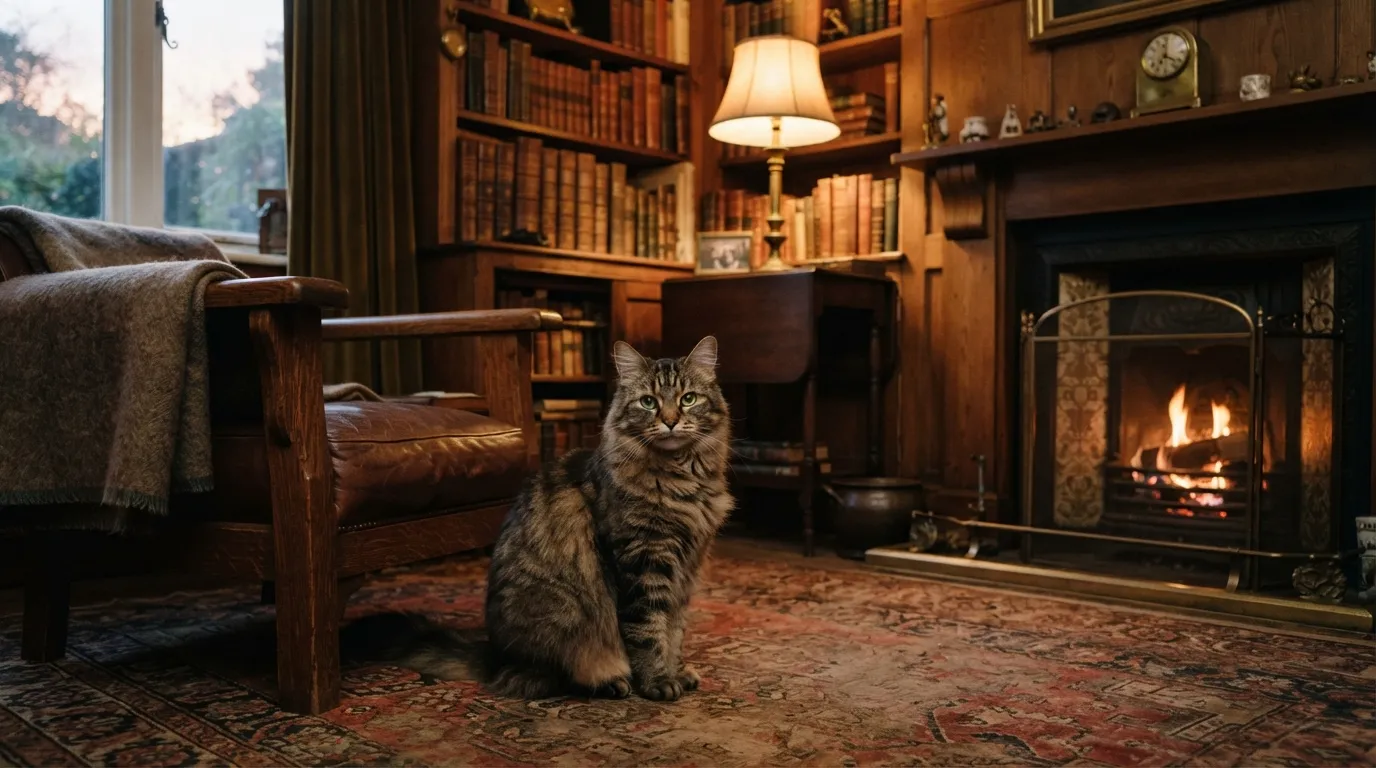
The tales are wicked little gems. In “Tobermory,” a house party learns that a cat has been taught to talk and now knows everyone’s secrets. In “The Open Window,” a teenager’s deadpan ghost story sends a nervous guest bolting from the house.
Munro also worked as a foreign correspondent, but news stories fade with the week. The fiction didn’t. Anthologies keep reprinting those stories, and the name on the page is almost always Saki.
He was killed by a sniper on the Western Front in 1916, at age 45. His career was short. The pen name has outlasted him by more than a century.
#13 – William Sydney Porter as O. Henry
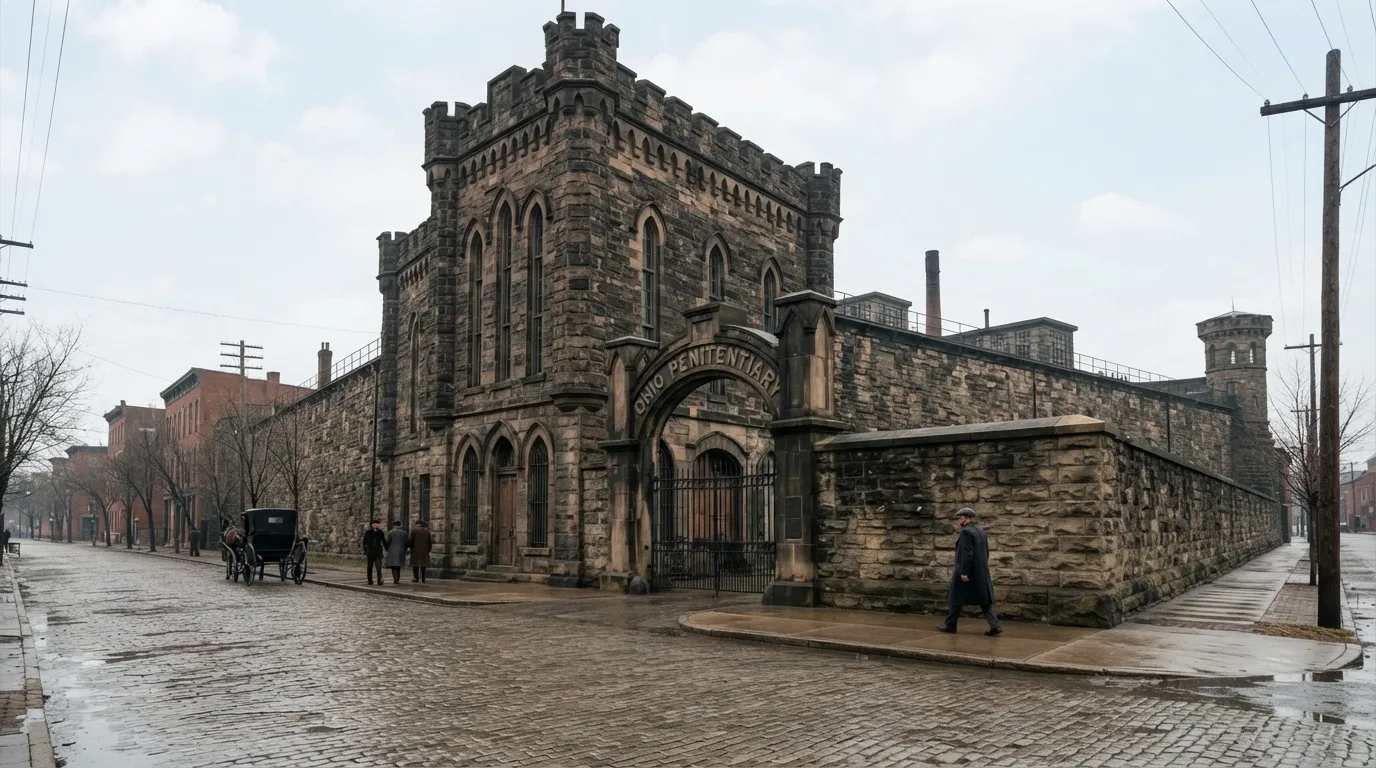
William Sydney Porter was a bank teller in Austin, Texas, when he was charged with embezzlement. He served time in the Ohio Penitentiary, and it was there, around 1899, that stories signed O. Henry began reaching magazines.
Many biographers say the pen name helped keep a prison record out of the spotlight. Whatever the full reason, it worked. By the time Porter settled in New York in 1902, editors were asking for more O. Henry.
His specialty was the sting in the tail, a final turn that makes you rethink everything before it. “The Gift of the Magi,” about a poor young couple and two Christmas presents that cancel each other out, still turns up in classrooms and holiday anthologies.
Porter’s own name faded. The pseudonym became so closely tied to the surprise ending that a major annual short-story prize, the O. Henry Prize, still carries it. The bank teller never got an award named after him.
#12 – Daniel Handler as Lemony Snicket
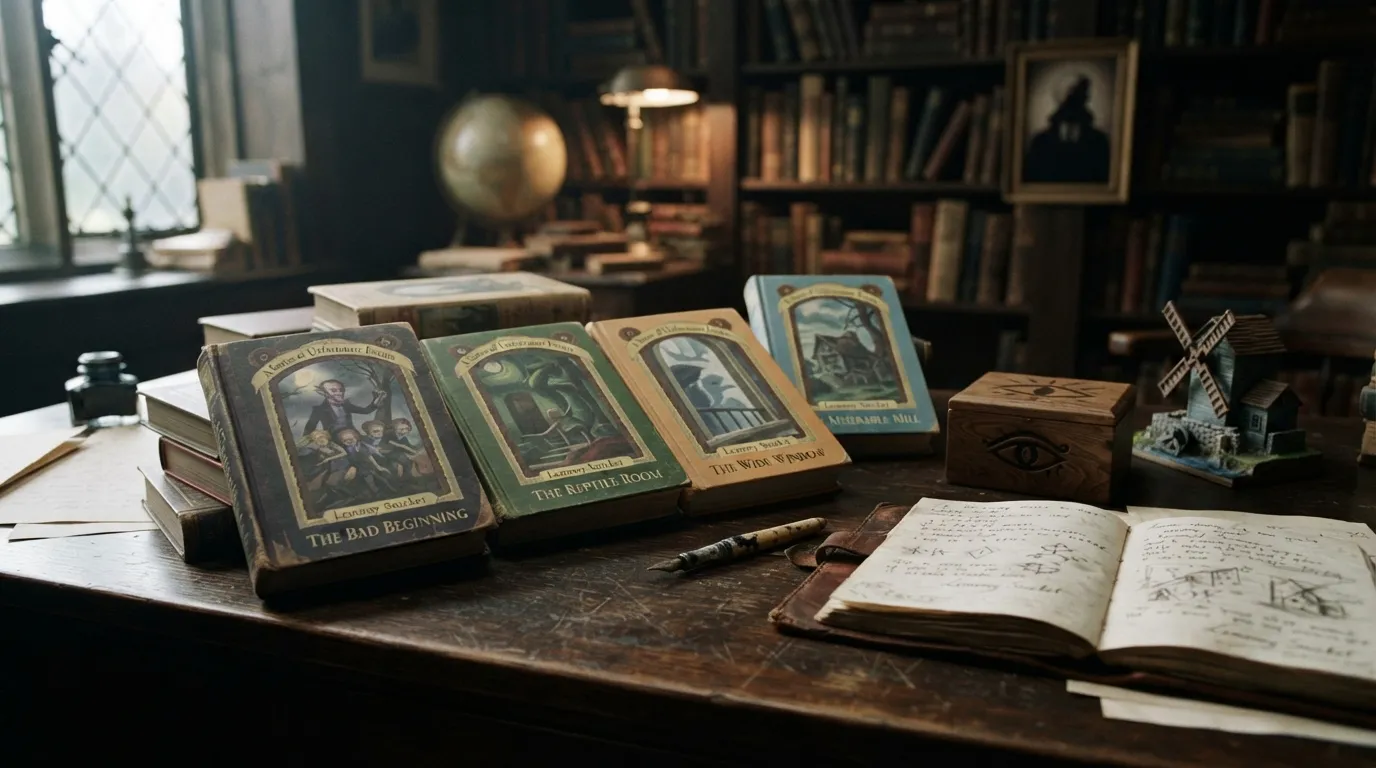
Daniel Handler wrote novels under his own name, including The Basic Eight, a darkly funny story about high school. Then he created a gloomy narrator named Lemony Snicket, who spent a whole series begging readers to put the book down.
A Series of Unfortunate Events followed the Baudelaire orphans, Violet, Klaus, and Sunny, as the villainous Count Olaf chased their inheritance. Handler had found the perfect trick: promise misery, and kids can’t look away.
The books reached the screen twice, and through all of it Snicket was the name fans knew, while Daniel Handler stayed mostly in the background.
Fast Facts
- 1999: The Bad Beginning launches the series
- Thirteen books make up the main run
- 2004: a film arrives starring Jim Carrey
- 2017: Netflix premieres its series version
Handler played along for years, speaking at events as though Snicket were a real and elusive person. The fictional narrator now has the bigger fan base. It is hard to think of a gloomier success story.
#11 – Aurore Dupin as George Sand
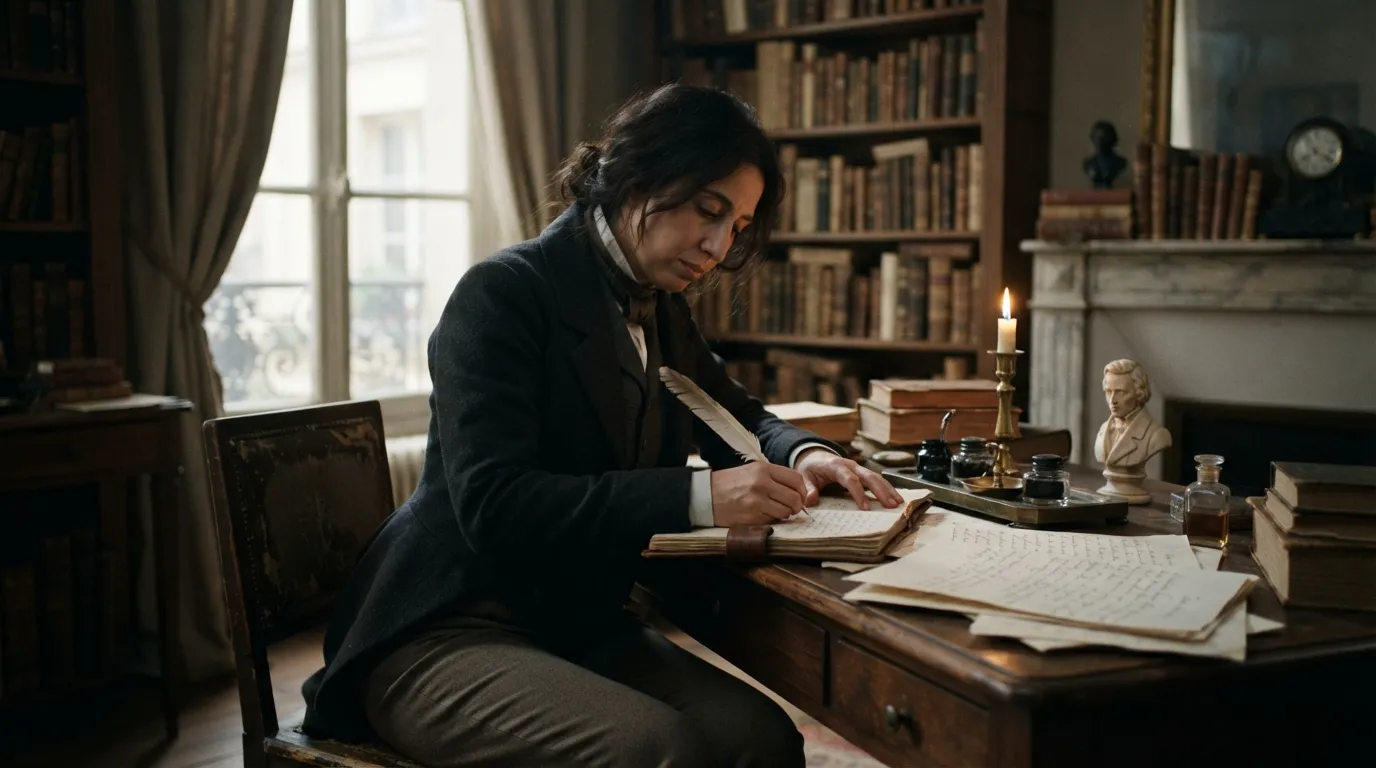
In 1831, Aurore Dupin moved to Paris to chase a writing career. Her first novel, Rose et Blanche, was co-written with Jules Sandeau and signed with a shared name: J. Sand.
For her next book, Indiana, she kept the surname and swapped the first name. George Sand was born, and the novel’s portrait of a woman trapped in a loveless marriage turned her into a literary sensation.
She went on to write dozens of novels and plays, including Consuelo, a sweeping story about an opera singer. She also became as famous for her life as her books, from wearing men’s clothing around Paris to her years with the composer Frédéric Chopin.
The Dupin name stayed on paperwork. Sand became the one that readers, critics, and fellow novelists argued about. Even now, essays about nineteenth-century fiction are far more likely to be about Sand than about the woman who invented her.
#10 – Mary Ann Evans as George Eliot
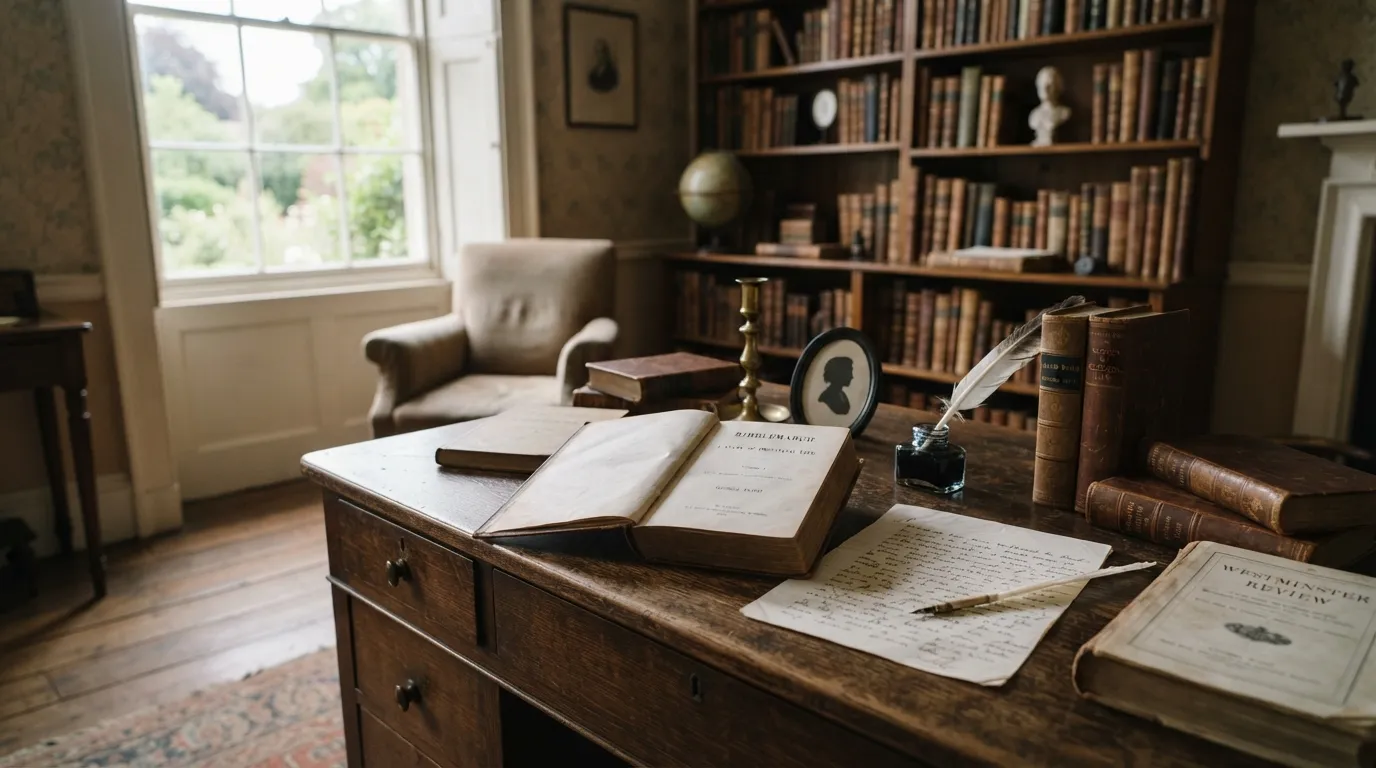
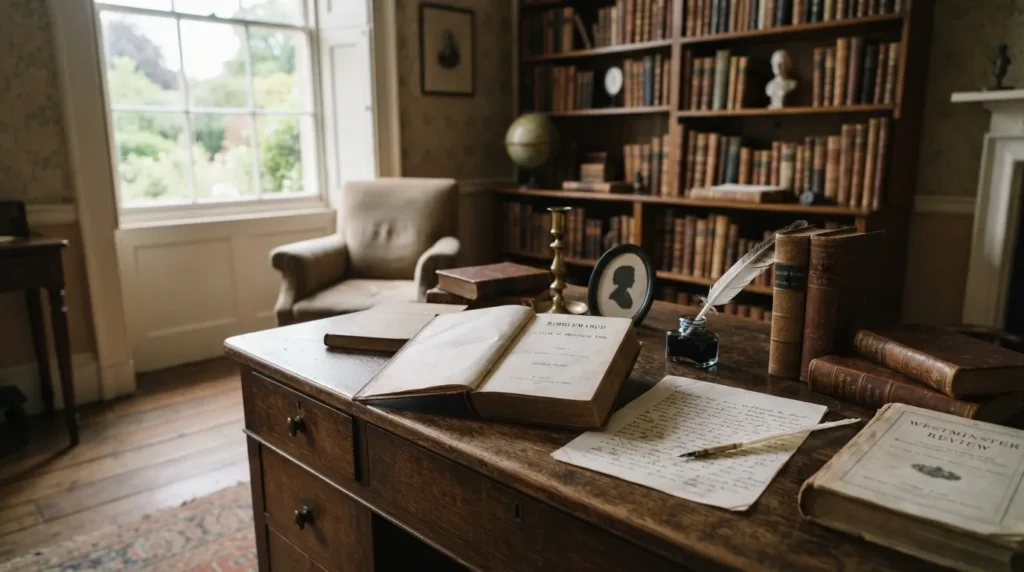
Before she wrote fiction, Mary Ann Evans was already an intellectual force in London. She translated a controversial German study of the life of Jesus and worked at the Westminster Review, a journal read by serious thinkers. Then she turned to novels and chose a man’s name.
Her fiction debuted in 1857 with Scenes of Clerical Life, by George Eliot. Adam Bede, in 1859, was the hit, and the guessing about the author grew so intense that a man named Joseph Liggins was widely believed to be the writer. Evans finally stepped forward.
Middlemarch followed in 1871 and 1872, and Virginia Woolf later praised it as:
…one of the few English novels written for grown-up people.
Virginia Woolf
Evans’s journalism and translations are mostly read by specialists. George Eliot is the one on syllabi, in book clubs, and in screen adaptations.
#9 – Stanley Lieber as Stan Lee
Stanley Martin Lieber was a teenager when he started working at a comics publisher in 1939. As Lee told it, he figured comics were temporary, so he shortened his name to Stan Lee and saved Stanley Lieber for the novels he planned to write someday.
Those novels never became the story. The comics did. Working with artists such as Jack Kirby and Steve Ditko, Lee helped launch the Fantastic Four, the Hulk, Spider-Man, and the X-Men in the early 1960s.
Then Lee turned himself into a character. He chatted with readers in his Bullpen Bulletins columns, signed off with “Excelsior!”, and later popped up in cameos across Marvel movies. Fans felt they knew him personally.
The joke is that the fake name won so completely that Lee eventually made it his legal one. Stanley Lieber, the future novelist, mostly survives as a trivia answer. The side gig became the legacy.
#8 – Neftalí Reyes as Pablo Neruda
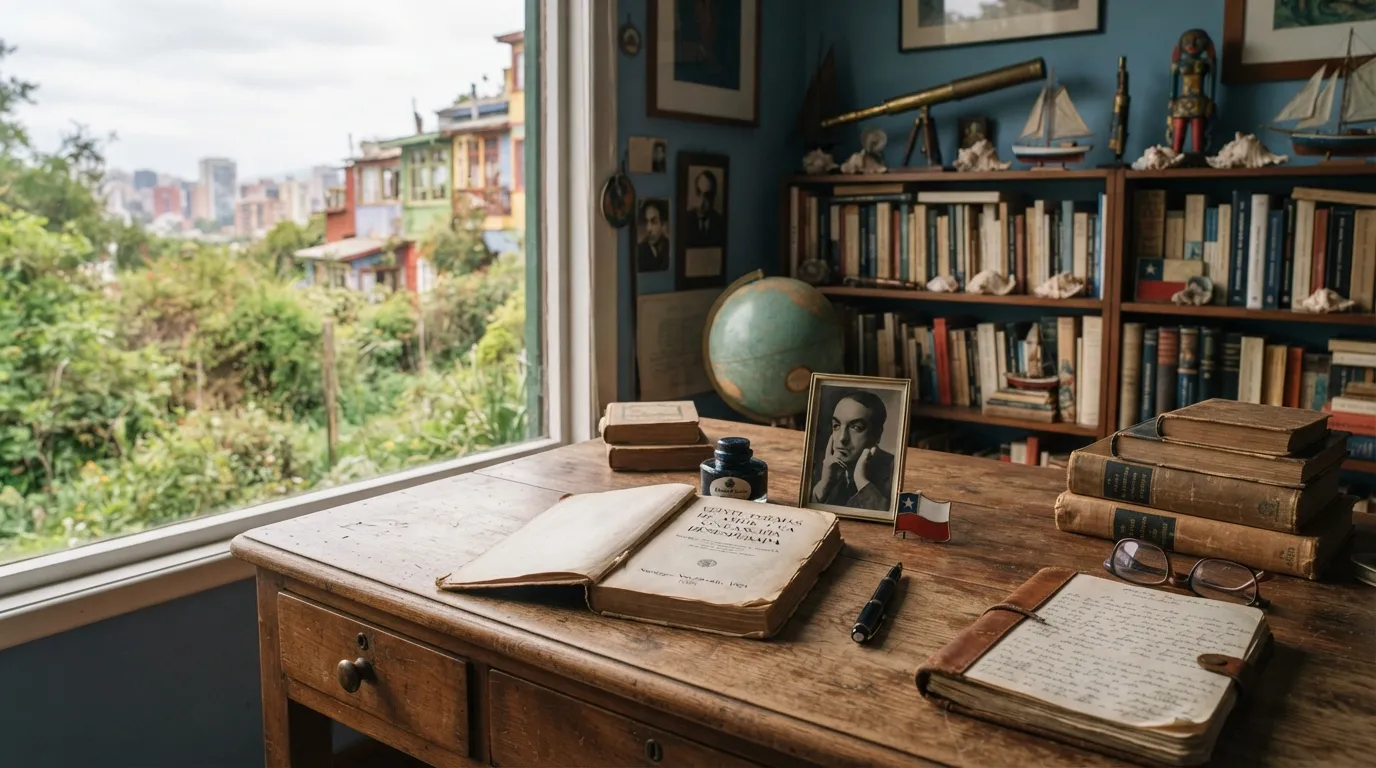
Neftalí Ricardo Reyes Basoalto was a teenage poet in southern Chile, and by many accounts his father did not approve of poetry. So the boy began publishing under a different name: Pablo Neruda.
Where the name came from is still debated. A common account points to the Czech writer Jan Neruda, but the full story is murkier than the legend makes it sound.
Whatever the source, it stuck, and it followed him through diplomatic posts and political exile.
At a Glance
- Born Neftalí Ricardo Reyes Basoalto in Chile
- 1924: Twenty Love Poems and a Song of Despair becomes his breakout
- 1946: the pen name becomes his legal name
- 1971: he wins the Nobel Prize in Literature
The teenager’s disguise had become the only version of the poet the world knew. If the story about his father is true, it may be the most productive disapproval in literary history.
#7 – Alisa Rosenbaum as Ayn Rand
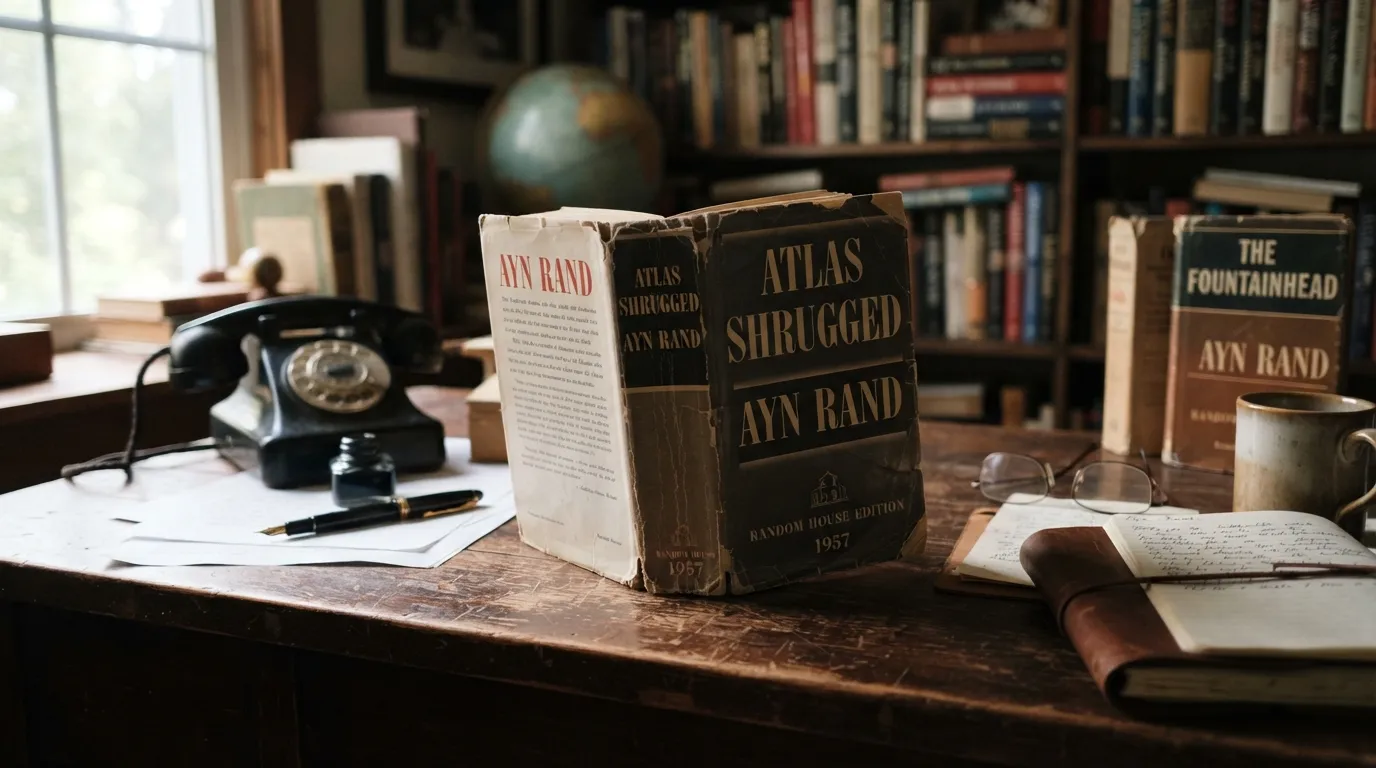
Alisa Rosenbaum grew up in St. Petersburg and left the Soviet Union in 1926 for the United States. She arrived with a new name, Ayn Rand, and big plans to write for the movies and the stage.
She worked in Hollywood and wrote scripts and plays before turning to novels. We the Living came out in 1936, followed by The Fountainhead in 1943 and Atlas Shrugged in 1957.
The Fountainhead was turned down by many publishers before it found a home, and word of mouth helped keep it alive for years. Atlas Shrugged, a thick novel about industrialists and a mysterious strike, turned Rand into a household name.
Love her or loathe her, people argue about Rand under the invented name. Alisa Rosenbaum’s name doesn’t appear on the covers. Decades later, her books still spark fights in classrooms, politics, and online comment sections.
#6 – Charles Dodgson as Lewis Carroll
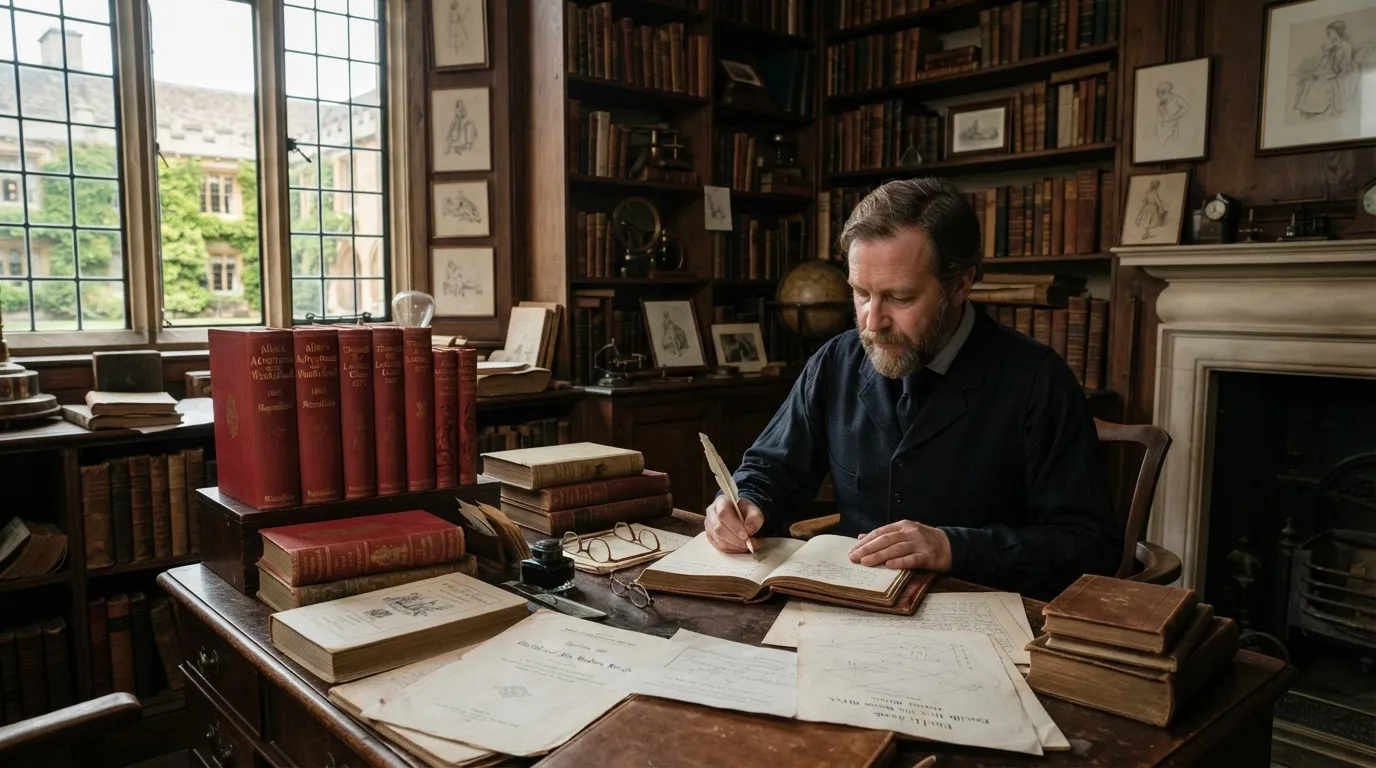
Charles Lutwidge Dodgson taught mathematics at Christ Church, Oxford, and wrote books with titles like Euclid and His Modern Rivals. Under that name, he was a respectable scholar. Under another, he wrote about a girl tumbling down a rabbit hole.
When Alice’s Adventures in Wonderland appeared in 1865, the author was Lewis Carroll. The name was a puzzle in itself: Dodgson turned Charles Lutwidge into Latin, flipped the order, and translated it back into English.
He kept the two lives apart with almost comic stubbornness. He reportedly sent back letters addressed to Lewis Carroll, insisting no such person lived there.
Through the Looking-Glass followed in 1871, and Wonderland has barely left the public imagination since. Dodgson’s logic books mostly stay in university libraries. Carroll’s White Rabbit, Cheshire Cat, and Mad Hatter keep showing up everywhere.
#5 – François-Marie Arouet as Voltaire
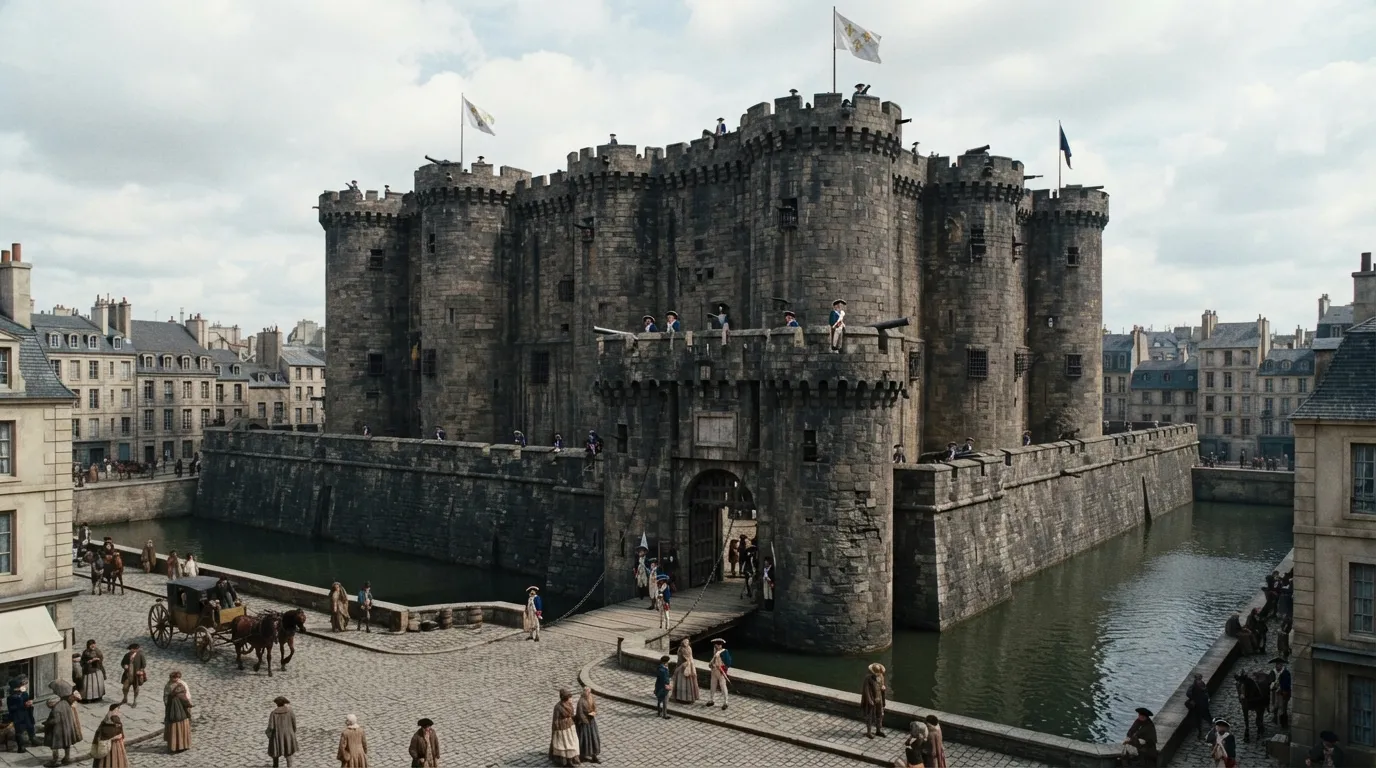
François-Marie Arouet spent nearly a year in the Bastille as a young man after satirical verses about the French regent were blamed on him. Not long after his release in 1718, he staged a new play, Oedipe, under a new name: Voltaire.
The origin is debated, but a popular theory says it is an anagram of a Latinized spelling of Arouet plus the initials for “the younger.”
He became the writer who made power nervous. His 1759 satire Candide mocked blind optimism and was banned in places, and he publicly denied writing it anyway. He spent years dodging authorities, and he used many other pseudonyms along the way.
Candide is a short, vicious adventure story where everything that can go wrong does, and it is still assigned and quoted today. Yet one name stuck. Arouet belongs in biographies. Voltaire became shorthand for sharp wit and free speech.
#4 – David Cornwell as John le Carré
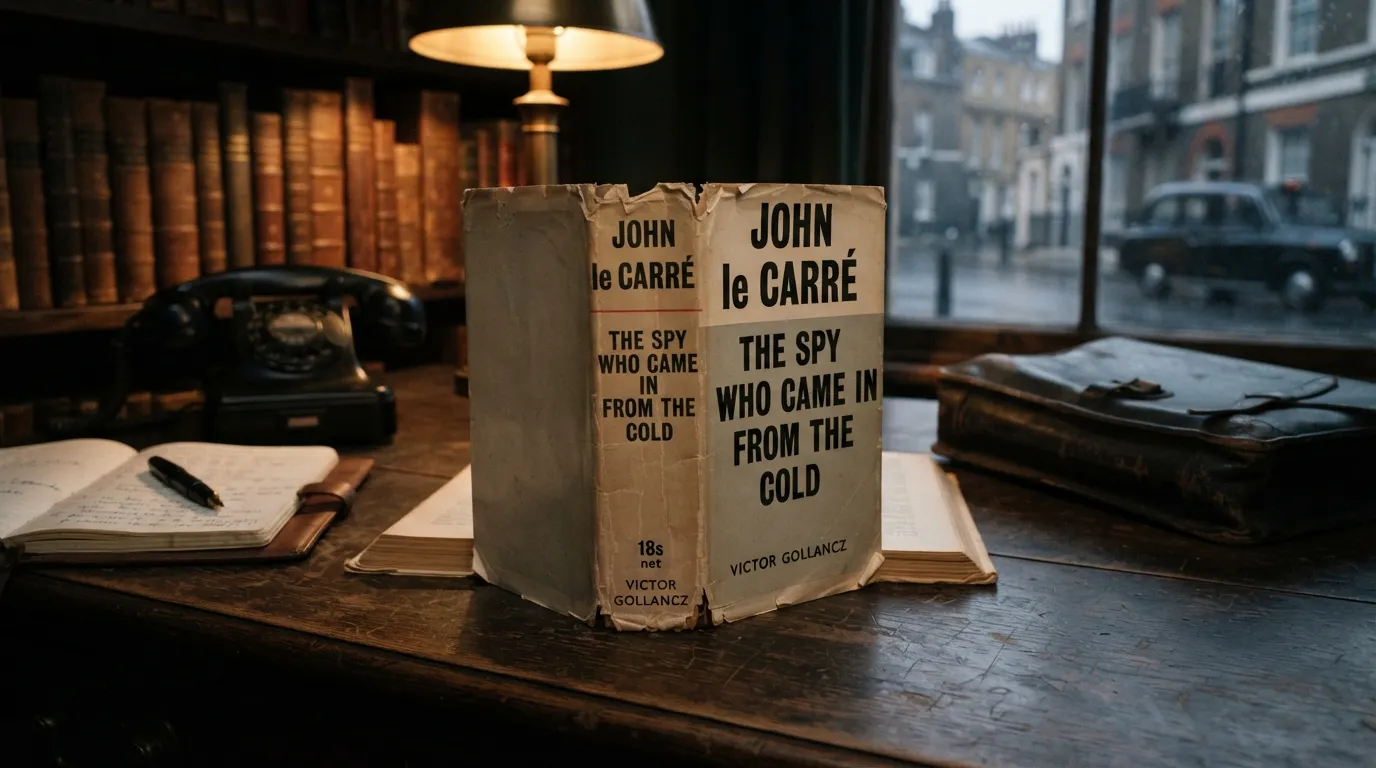
David Cornwell had a problem most novelists never face. In the late 1950s and early 1960s, his work in British intelligence, including time with MI5 and MI6, meant he could not publish under his real name.
So he became John le Carré. His first novels, Call for the Dead and A Murder of Quality, were quieter successes. Then The Spy Who Came in from the Cold arrived in 1963 and turned the pseudonym into a brand of moral fog and weary spies.
Cornwell eventually left intelligence work and kept writing as le Carré for decades, including Tinker Tailor Soldier Spy in 1974. He also told different stories about where the name came from, which suits an author of spy fiction.
That’s the odd thing about the byline. It began as a security measure, and it ended up on some of the most admired spy novels ever published.
#3 – Eric Blair as George Orwell

Eric Arthur Blair reportedly worried that his first book might embarrass his family. Down and Out in Paris and London described his time in poverty, and in 1933 he sent his agent a short list of possible pen names.
Among the options were Kenneth Miles and H. Lewis Allways. The winner was George Orwell, with Orwell borrowed from a river in Suffolk.
Before his writing career, Blair served in the Indian Imperial Police in Burma and washed dishes in Paris, which gave his later books some hard-earned bite. Animal Farm arrived in 1945 and Nineteen Eighty-Four in 1949, shortly before Blair died in January 1950.
Then the pen name did something rare: it became a word.
Why It Stands Out
- “Orwellian” now describes propaganda, surveillance, and language twisted to hide the truth
- Big Brother and doublethink both came from Nineteen Eighty-Four
- Blair’s own surname never turned into an adjective
No one describes a surveillance state as “Blairian.”
#2 – Theodor Geisel as Dr. Seuss
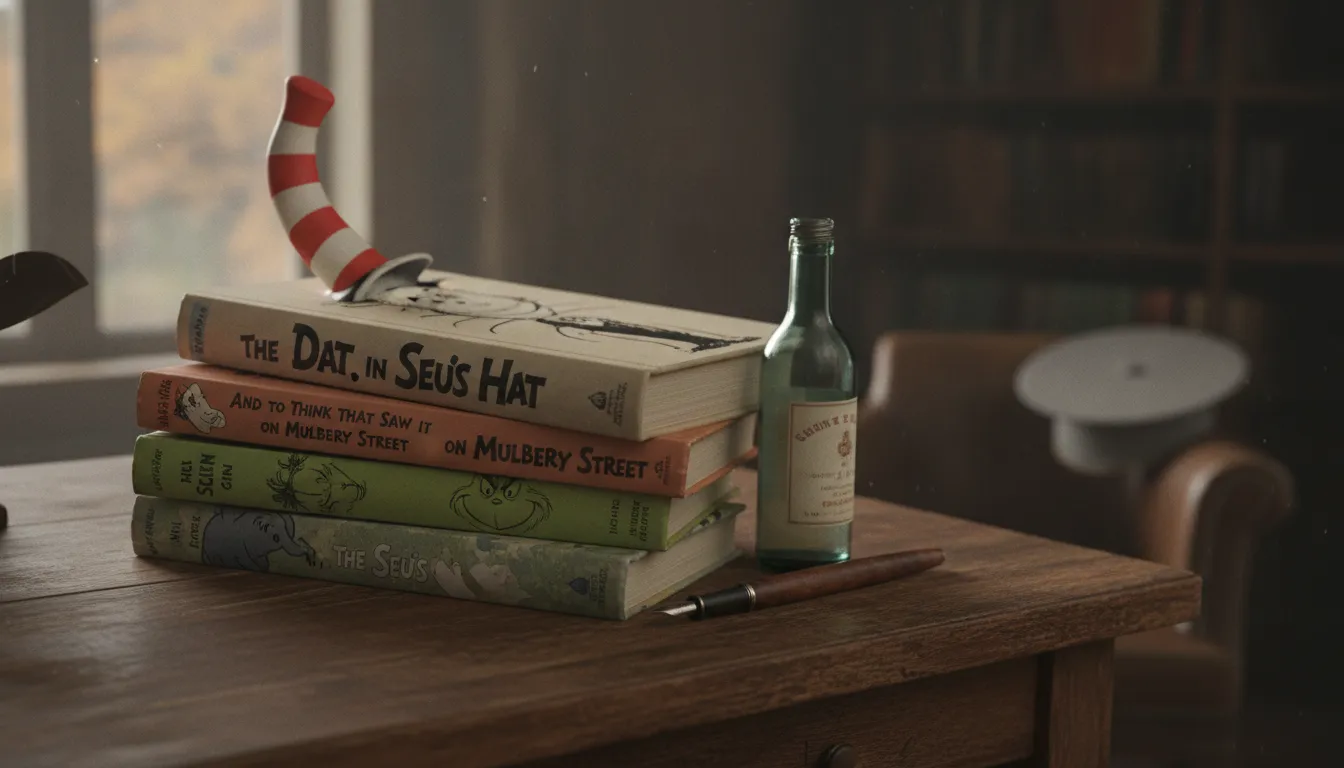
In 1925, Theodor Seuss Geisel was an editor at Dartmouth’s humor magazine when he was caught drinking gin in his dorm room during Prohibition. The punishment: he had to give up extracurricular activities, including his job at the magazine.
Geisel kept sending in drawings and jokes anyway, signing them Seuss, his middle name and his mother’s maiden name. Years later he added Dr., a nod to the Oxford doctorate he never finished.
And to Think That I Saw It on Mulberry Street came out in 1937, and The Cat in the Hat followed in 1957. Horton, the Grinch, and Sam-I-Am now feel like part of childhood itself.
Geisel even played with the reverse trick, publishing some books as Theo. LeSieg, which is Geisel spelled backward. Still, one name did the heavy lifting. The man was Geisel, but the world raised its kids on Seuss.
#1 – Samuel Clemens as Mark Twain
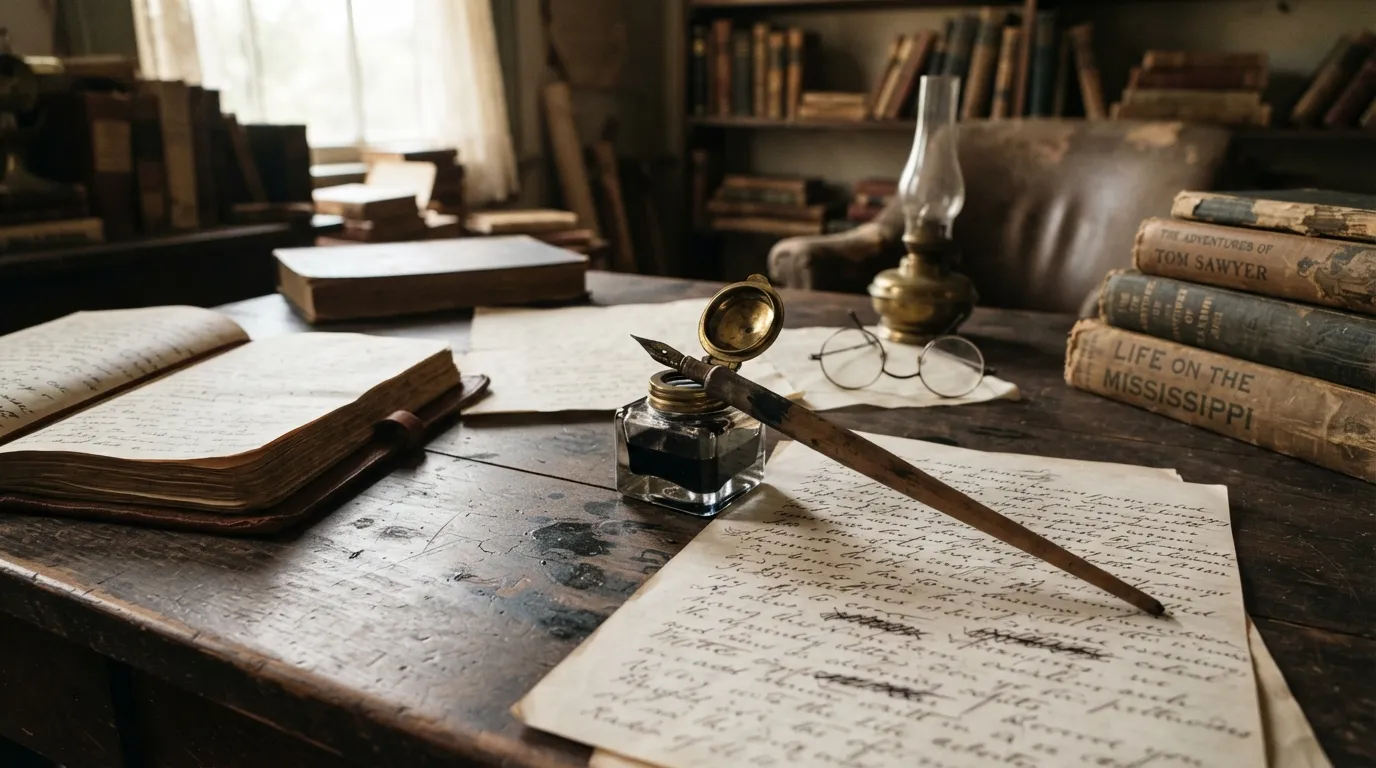
Before Mark Twain was a literary monument, he was Samuel Clemens, a Missouri-raised riverboat pilot turned Nevada newspaperman. In 1863 he signed a Virginia City newspaper piece with a Mississippi River phrase: mark twain.
On the river, the call meant two fathoms of water, deep enough for a steamboat to pass safely. Clemens later wrote that he borrowed the name from an older pilot, Captain Isaiah Sellers, who used it for his own newspaper columns.
The Celebrated Jumping Frog of Calaveras County made him a national name in 1865, and Tom Sawyer and Huckleberry Finn later became fixtures of American literature.
The biggest payoff came in the 1890s. After bad investments and a failing publishing venture left him deeply in debt, Clemens set off on a world lecture tour as Mark Twain and ultimately paid his creditors. The pen name was more than an alias. It was an asset.
Samuel Clemens died in 1910. Mark Twain, somehow, never did.
CEO-Co-Founder