
- 20 Musicians Who Turned Tragedy Into Timeless Hits - October 11, 2026
- What These Classic British and American Novels Say About Society - October 11, 2026
- The Forgotten U.S. Festival That Inspired Woodstock - October 11, 2026
#25 – Kodachrome by Paul Simon (1973)
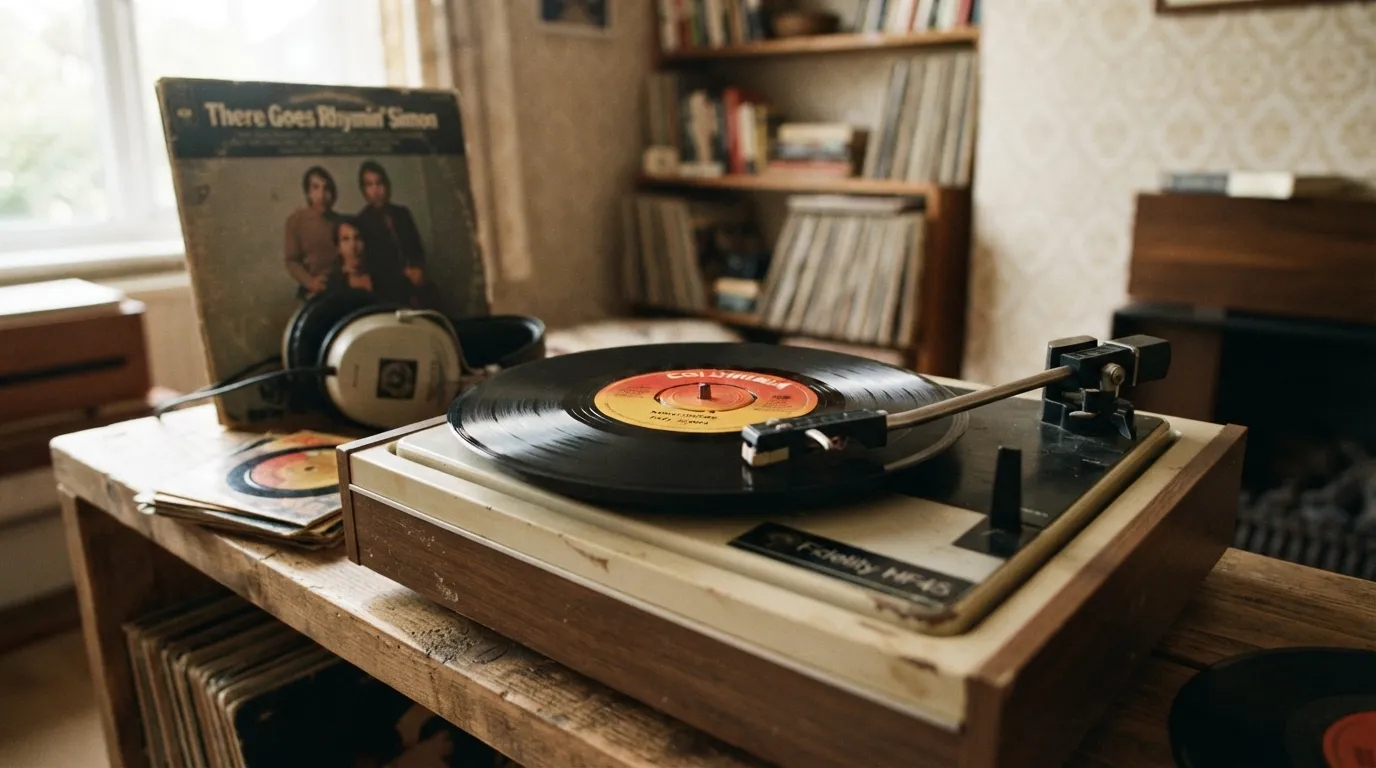
The BBC banned “Kodachrome” because the title referenced a protected Eastman Kodak trademark. Radio stations in Britain refused to play the track to avoid any appearance of commercial endorsement. Paul Simon recorded the song as part of his solo work after leaving Simon & Garfunkel.
Despite the restriction, the single reached the top ten on the Billboard Hot 100 in the United States. American listeners encountered no such trademark issue and embraced the upbeat melody. The controversy stayed limited to one market yet highlighted how minor legal details could sideline a release.
Stations that did air it noted strong listener requests. The song later appeared on Simon’s album There Goes Rhymin’ Simon and became a concert staple. Its chart success showed that a ban in one country rarely stopped global momentum.
#24 – Short People by Randy Newman (1977)
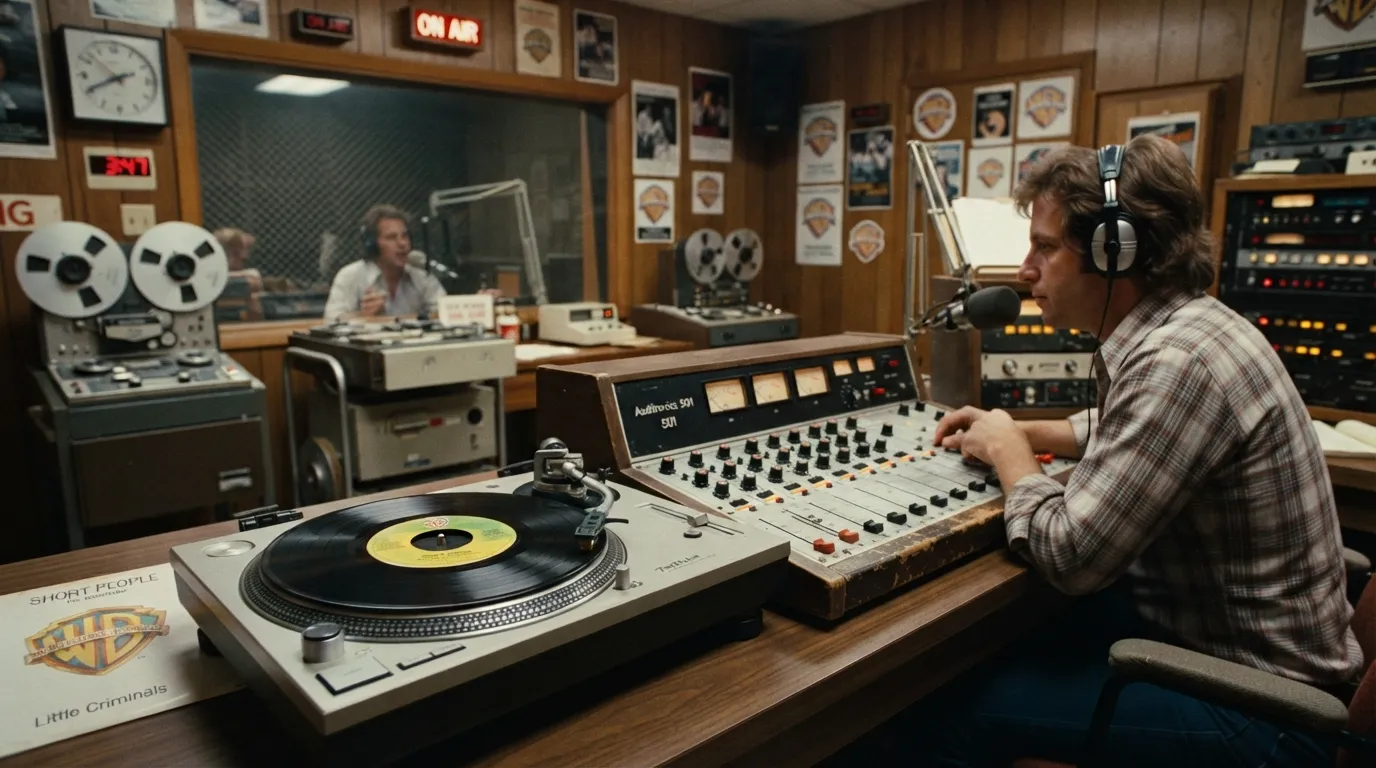
Some U.S. radio stations pulled “Short People” after listeners complained the lyrics mocked height. Newman wrote the track as satire, but the message did not land with every programmer. The single still climbed to number two on the Billboard Hot 100.
Record sales remained steady even where airplay dropped. Newman later explained the song targeted prejudice in general rather than any group. The partial bans created free publicity that kept the track in conversation.
Listeners who heard it on unaffected stations requested it repeatedly. The controversy faded once the song’s ironic tone became clearer through repeated plays. Newman’s album Little Criminals benefited from the extra attention.
#23 – Only Women Bleed by Alice Cooper (1975)
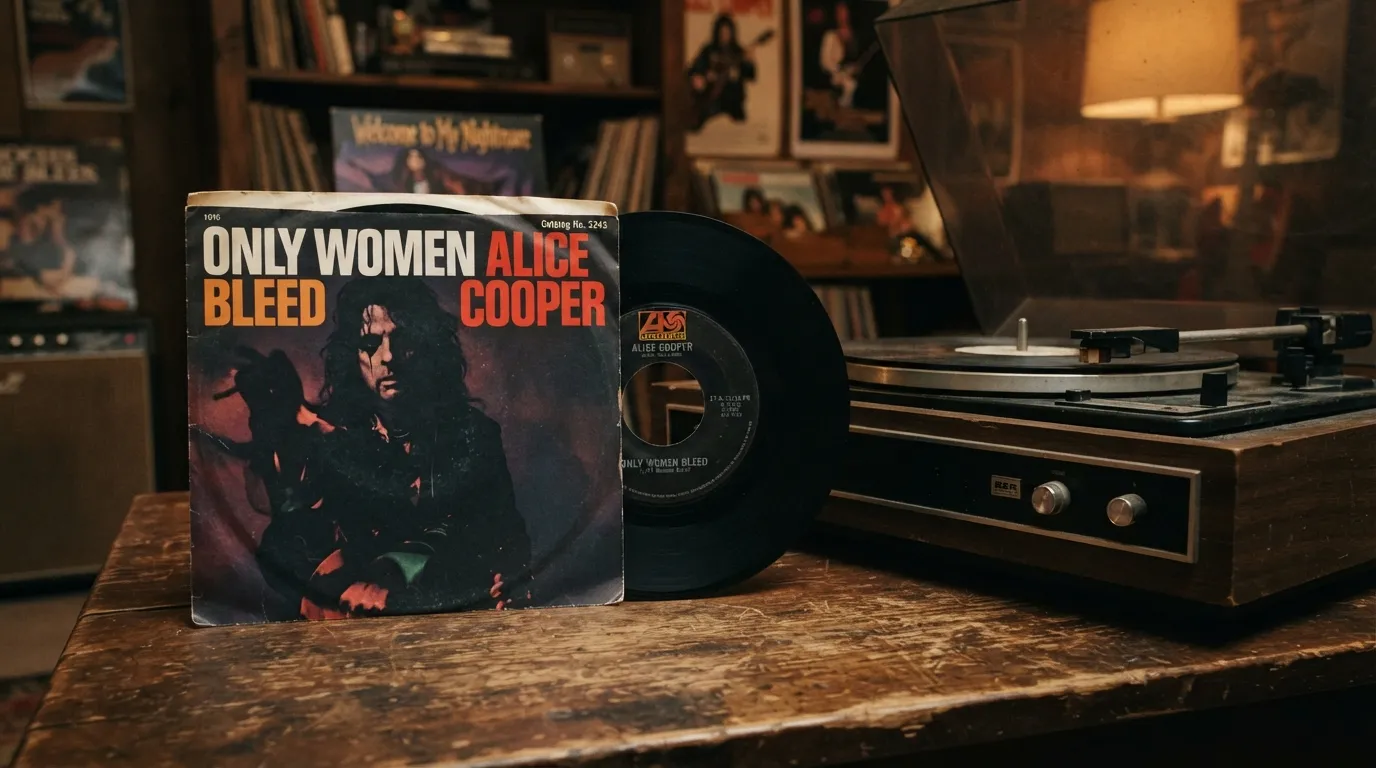
Several U.S. stations hesitated to play “Only Women Bleed” because the title suggested domestic violence. Cooper intended the song as a commentary on abusive relationships. The track reached the top ten on the Billboard Hot 100 anyway.
Programmers who aired it reported no major backlash from audiences. The ballad stood out on Cooper’s Welcome to My Nightmare album. Its slower tempo contrasted with his usual shock-rock style.
Stations that skipped the song still saw listeners buy the single. The partial restrictions did not prevent the track from becoming one of Cooper’s signature ballads. Over time the song gained recognition for its serious subject matter.
#22 – Roxanne by The Police (1978)
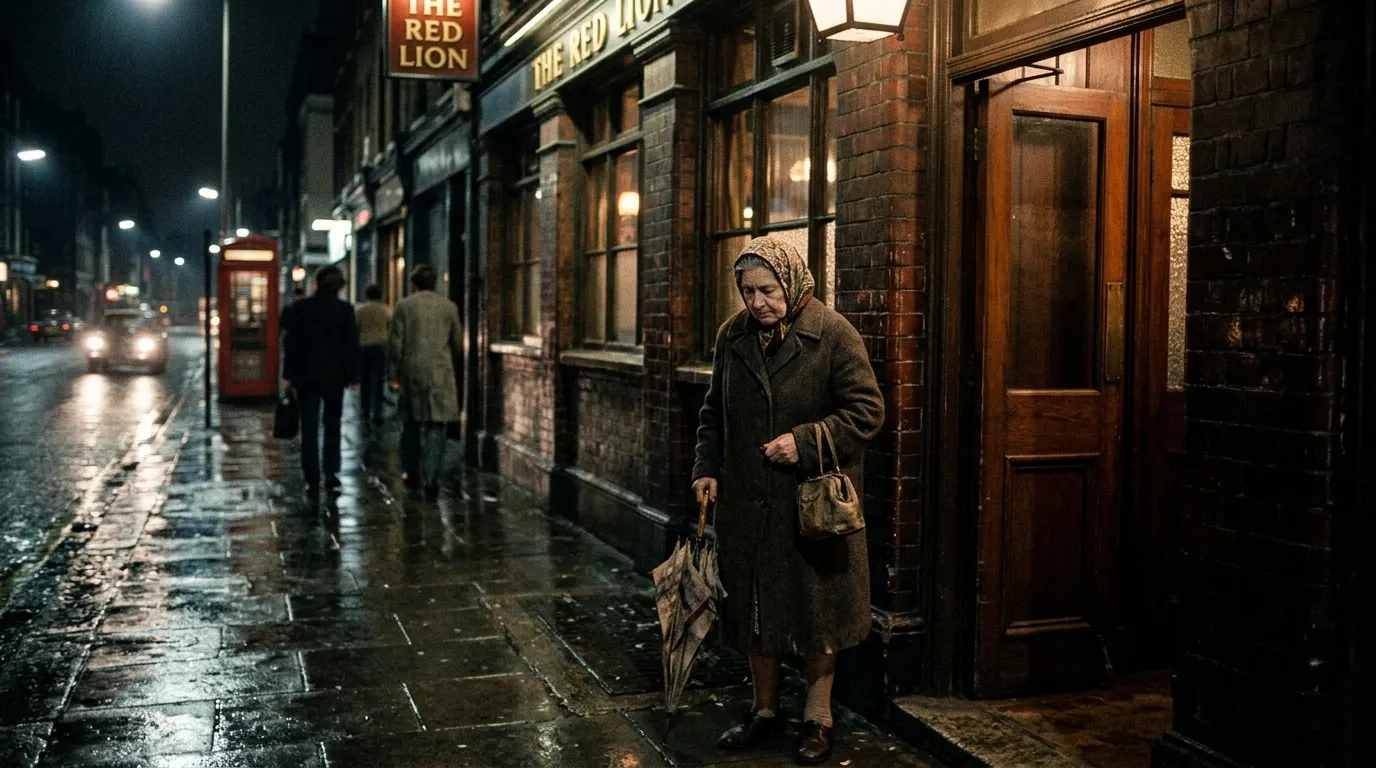
The BBC placed “Roxanne” on a restricted playlist because the lyrics described a relationship with a sex worker. British radio avoided promoting the narrative. The single still charted in the UK top twenty and performed strongly in the United States.
The band’s reggae-infused rock sound helped it stand out. Limited airplay in one market did not halt international momentum. Fans discovered the track through imports and live shows.
The song later anchored the band’s debut album Outlandos d’Amour. Its success proved that suggestive themes could reach listeners through alternative channels.
#21 – I Am Woman by Helen Reddy (1972)
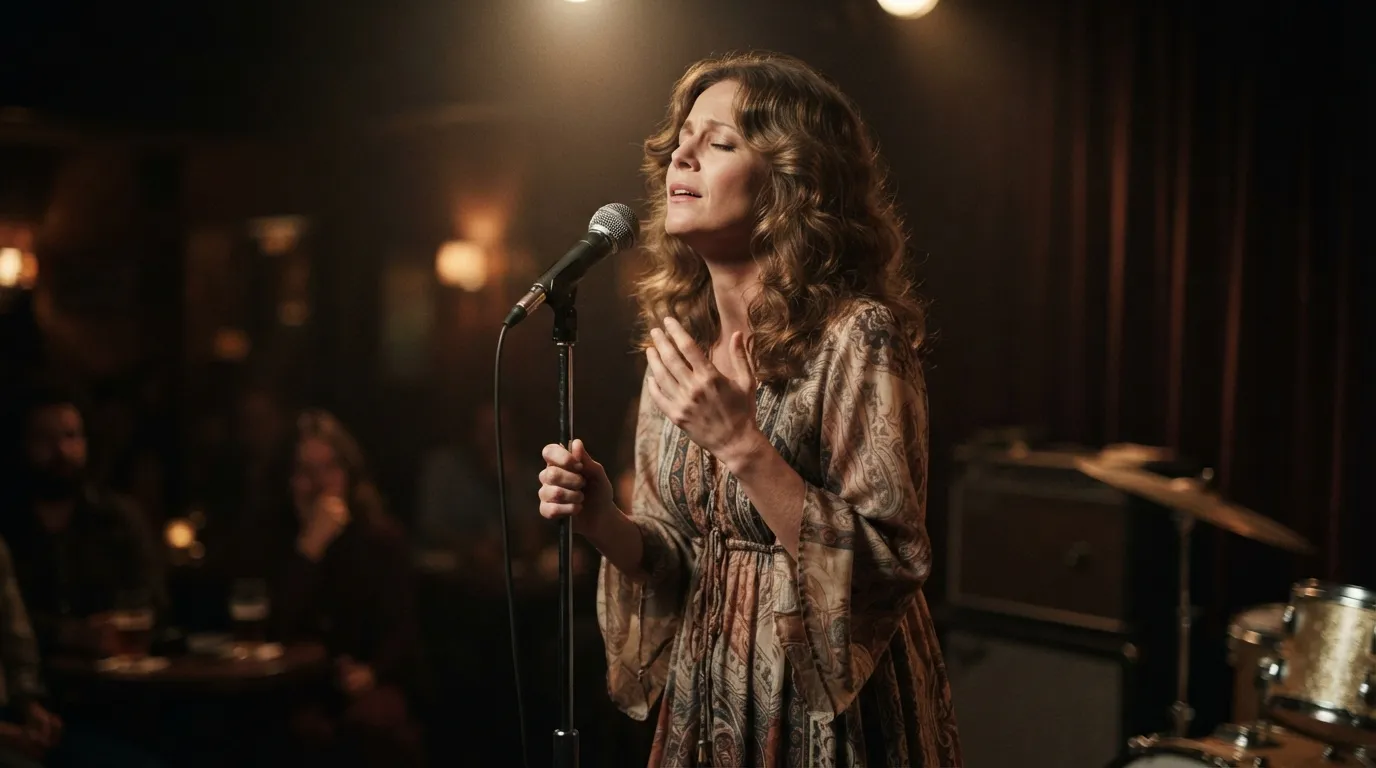
Some programmers resisted “I Am Woman” because the lyrics celebrated female independence. Reddy recorded the track as an anthem for the women’s movement. The single reached number one on the Billboard Hot 100.
Stations that initially skipped it faced listener demand. The song appeared on Reddy’s album I Don’t Know How to Love Him. Its message resonated during a period of social change.
Fast Facts
- Peak position: number one on the Billboard Hot 100, in late 1972
- Co-writer: Ray Burton, who worked with Reddy on the lyrics and music
- Big award: Grammy for Best Pop Vocal Performance, Female, at the 1973 ceremony
- Parent album: I Don’t Know How to Love Him
Sales continued even where airplay remained cautious. Reddy performed the track at major events, increasing its visibility. The partial resistance ultimately amplified its cultural impact.
#20 – War by Edwin Starr (1970)
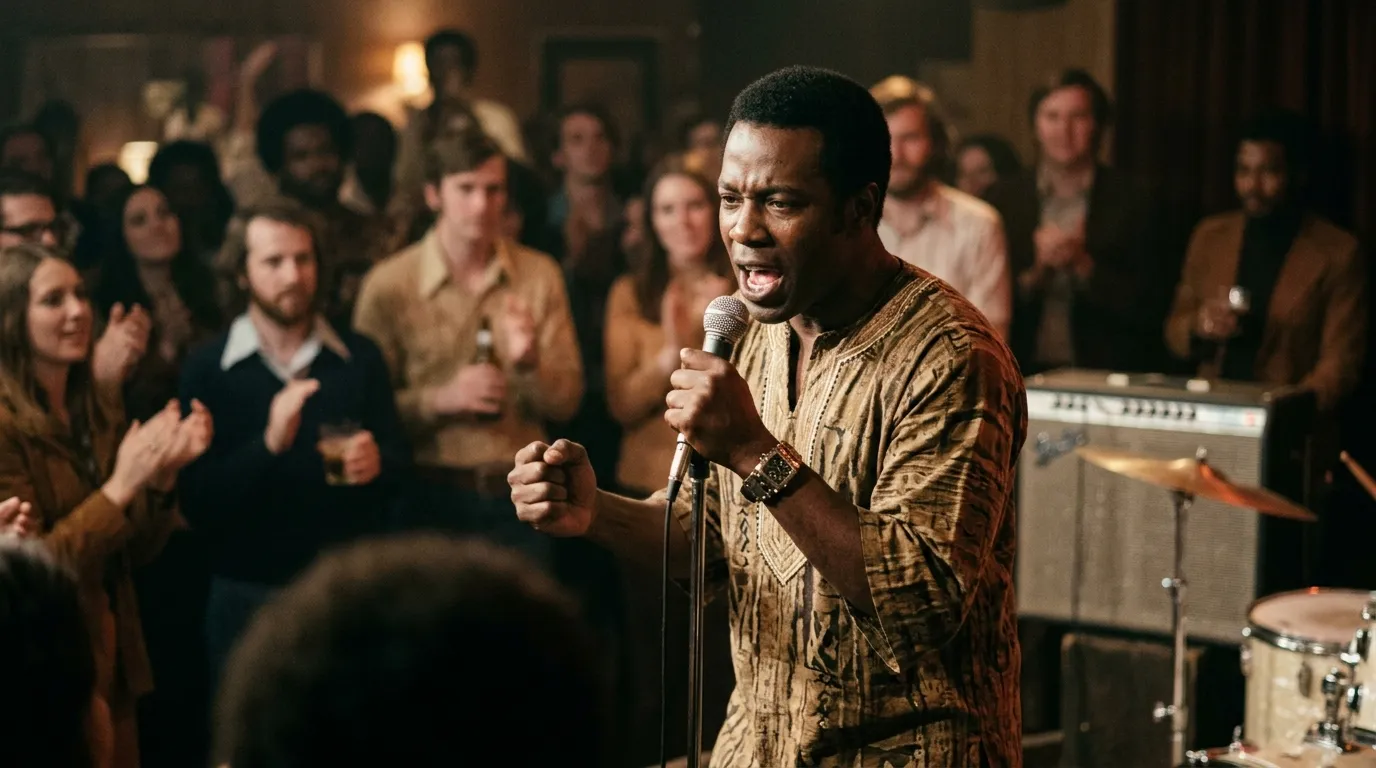
Certain stations questioned “War” for its direct anti-conflict stance during ongoing military involvement. Starr delivered the Motown single with raw energy. The track hit number one on the Billboard Hot 100.
Radio resistance proved short-lived once public sentiment aligned with the lyrics. The song became a staple of protest playlists. Its simple chorus made it easy to sing along.
Starr’s version outsold earlier recordings of the same composition. The controversy helped cement its place in 1970s soul history.
#19 – Give Ireland Back to the Irish by Wings (1972)
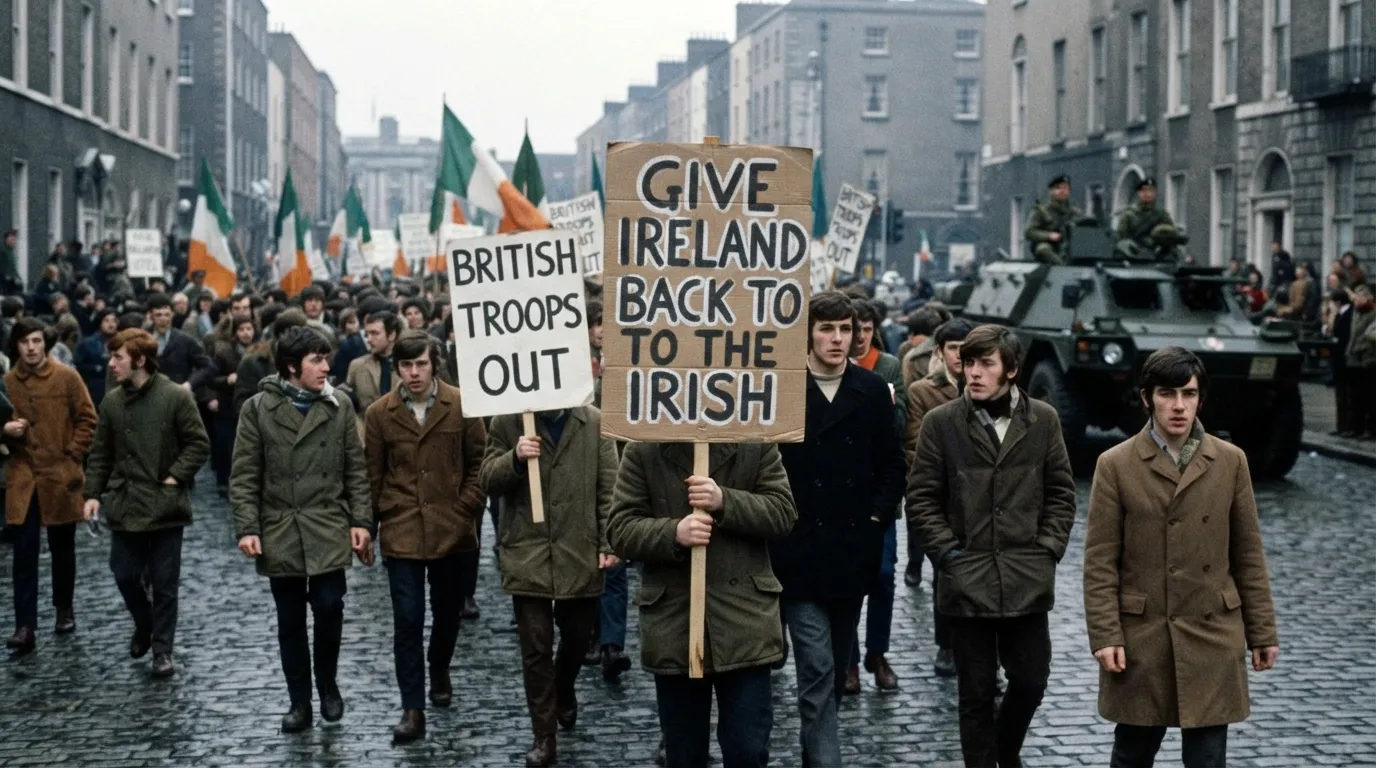
The BBC banned “Give Ireland Back to the Irish” after Bloody Sunday. Paul McCartney wrote the track in response to the events. British radio refused to playlist the single.
It still reached the UK top twenty through import sales and word of mouth. The song appeared on the album Wild Life. McCartney faced criticism for the political statement.
Listeners outside Britain encountered fewer restrictions. The ban highlighted tensions between artists and broadcasters over current events.
#18 – Tonight’s the Night by Rod Stewart (1976)
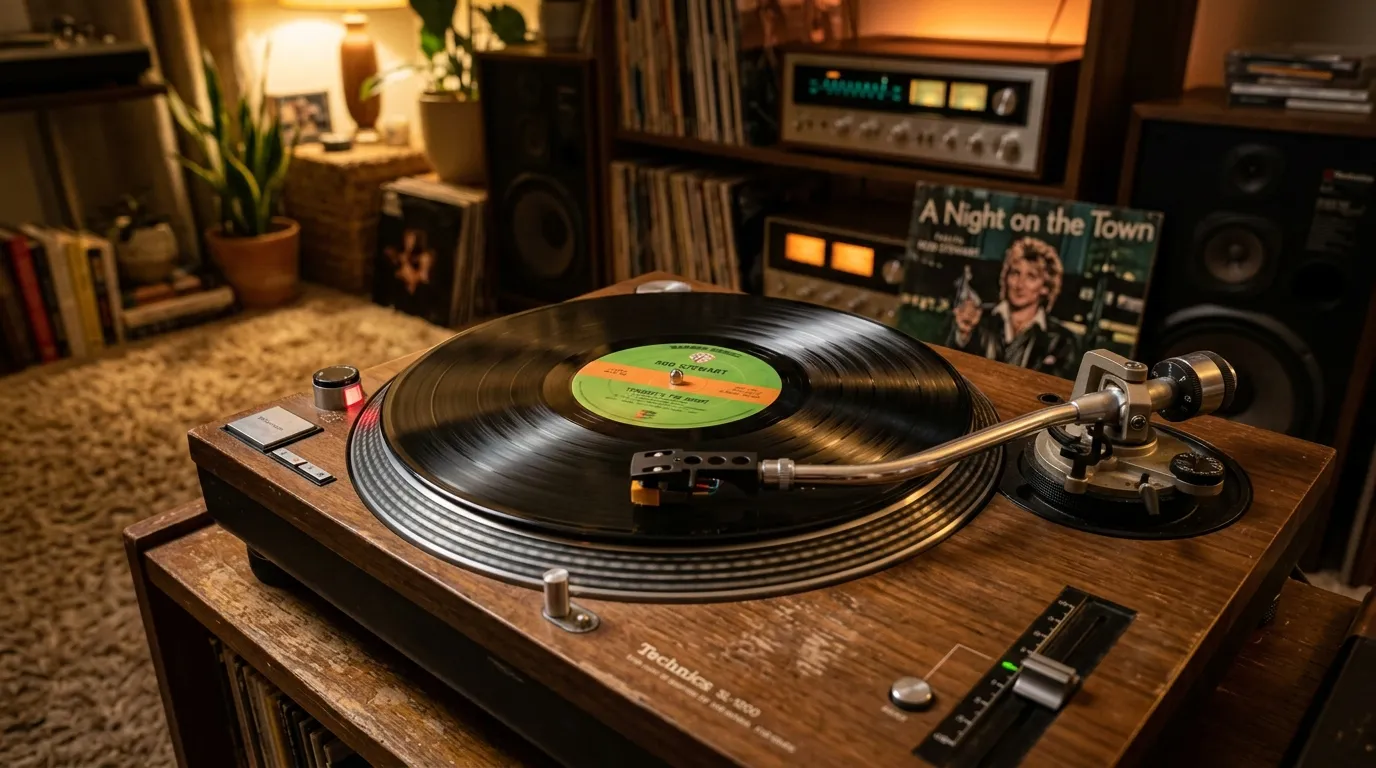
Some stations flagged “Tonight’s the Night” for its suggestive lyrics about seduction. Stewart recorded the track for his album A Night on the Town. The single topped the Billboard Hot 100.
Programmers who hesitated still saw strong sales. The song’s smooth production appealed to a wide audience. Stewart performed it on television, bypassing some radio limits.
The controversy remained minor compared with the track’s commercial performance. It became one of Stewart’s signature hits of the decade.
#17 – Hi, Hi, Hi by Paul McCartney & Wings (1972)

The BBC restricted “Hi, Hi, Hi” over perceived drug references in the lyrics. McCartney wrote the upbeat rocker for the band’s early catalog. The single charted in the UK top ten despite the limitation.
American radio played the track without issue. The song appeared on the album Red Rose Speedway. Fans embraced the energetic performance.
The partial ban created discussion that kept the release in the news. McCartney’s established audience ensured steady sales.
#16 – Brand New Key by Melanie (1971)

A few programmers questioned “Brand New Key” for possible double meanings. Melanie wrote the track about roller skates. The single reached number one on the Billboard Hot 100.
Most stations aired it without hesitation once the innocent intent became clear. The song featured on her album Gather Me. Its folk-pop style contrasted with heavier rock of the era.
Sales remained strong across markets. The brief uncertainty did not derail its chart run.
#15 – My Ding-a-Ling by Chuck Berry (1972)
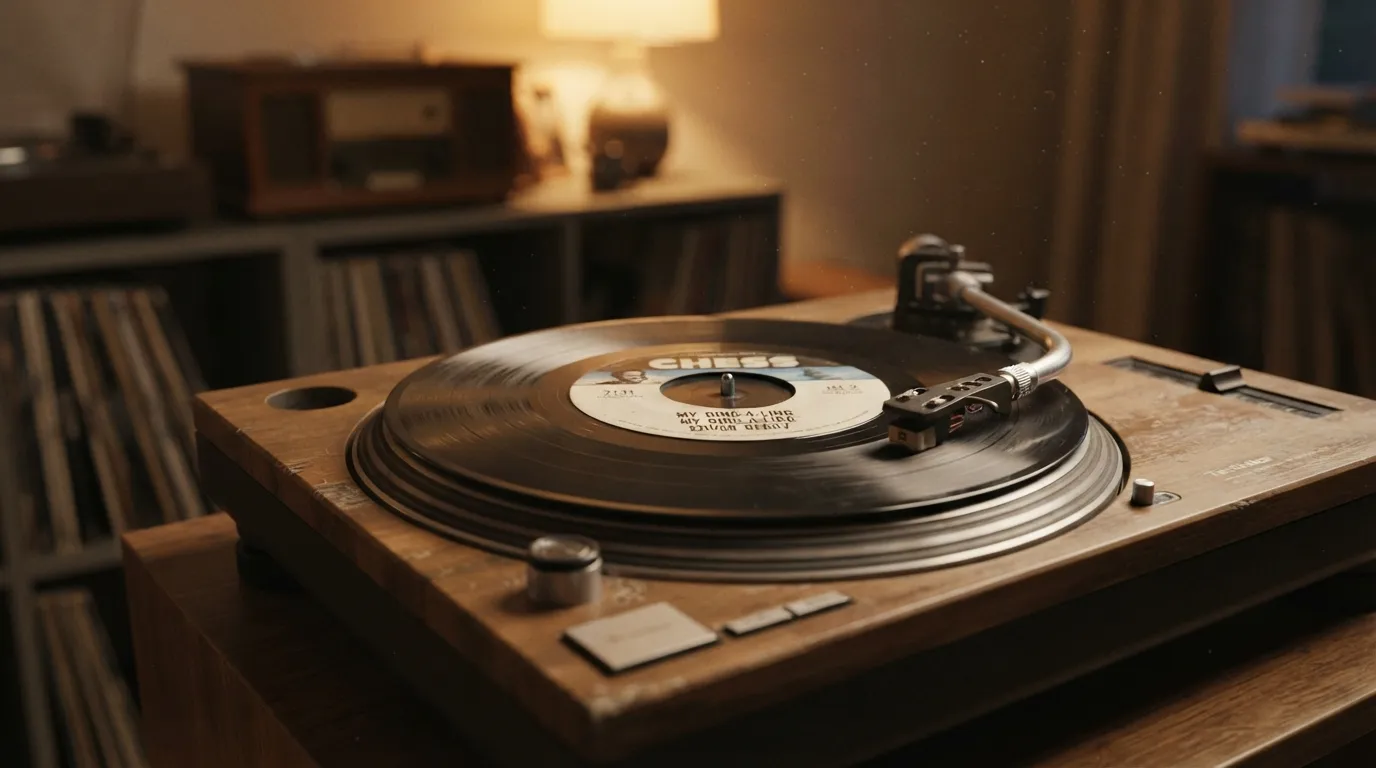
Some groups lobbied against “My Ding-a-Ling” for its playful innuendo. Berry recorded the live version during a concert. The single became his only number-one hit on the Billboard Hot 100.
Radio resistance varied by region. The track appeared on The London Chuck Berry Sessions. Audiences responded to the humorous delivery.
Sales continued even where certain stations edited or skipped the song. Berry’s long career helped the release reach older listeners.
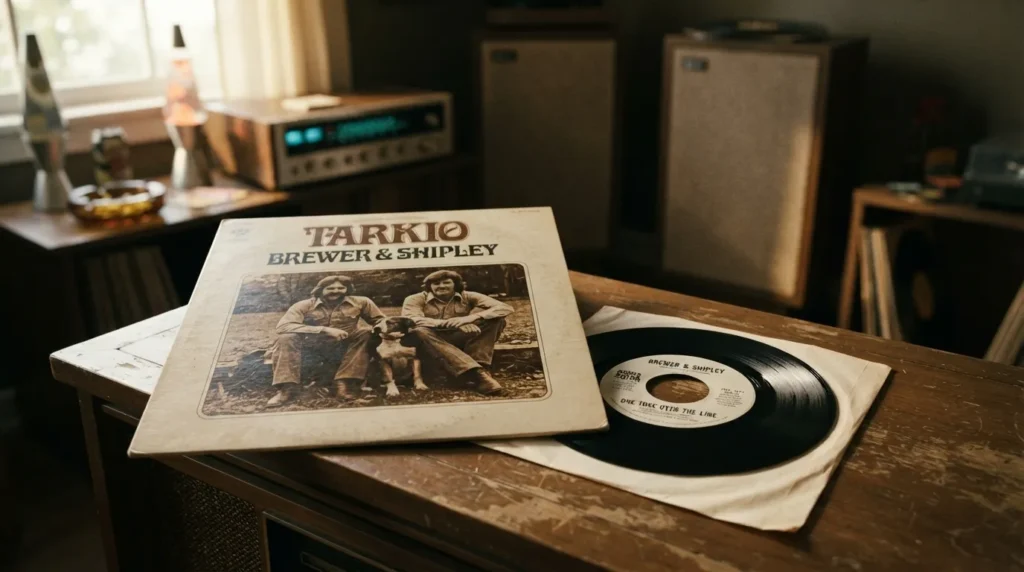
#14 – One Toke Over the Line by Brewer & Shipley (1971)
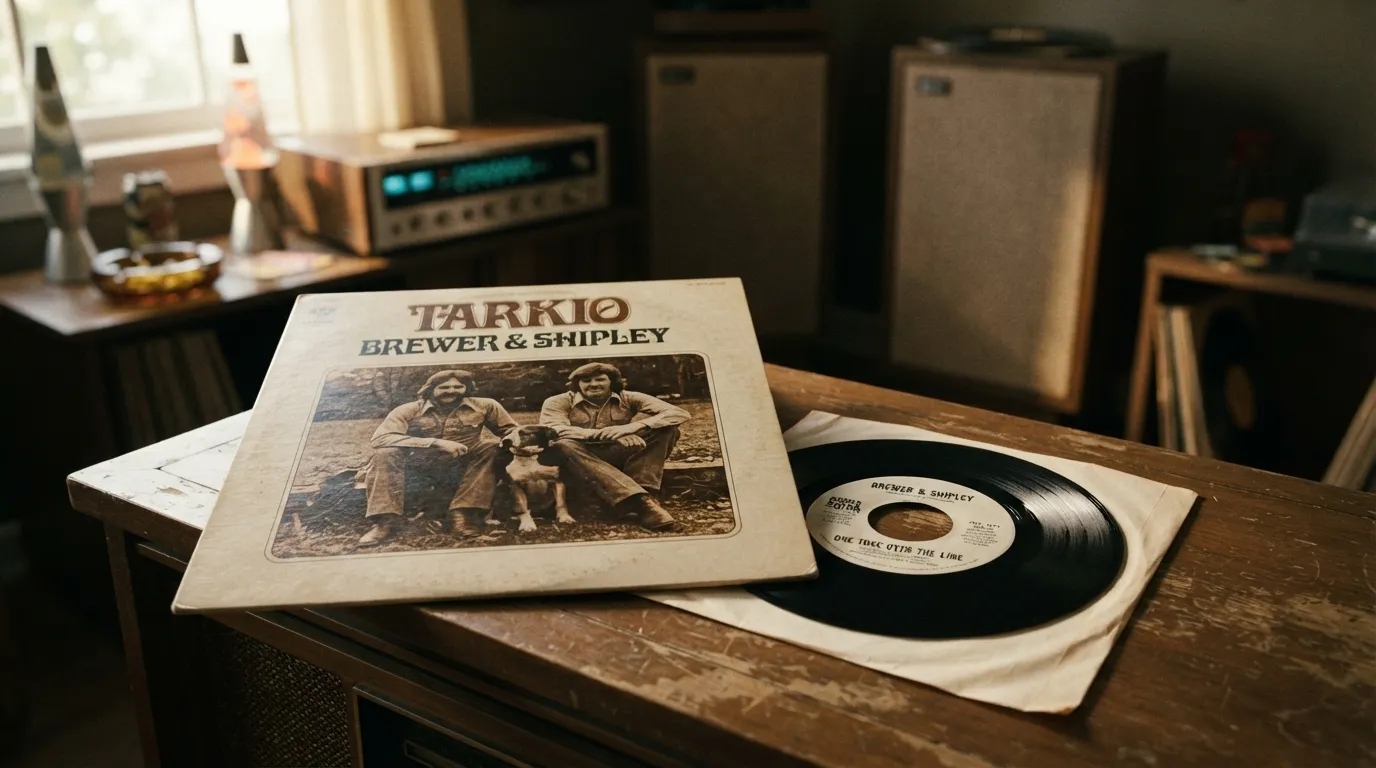
Broadcasters received FCC warnings about songs referencing substance use, affecting “One Toke Over the Line.” The duo wrote the track as a lighthearted folk-rock number. The single reached the Billboard top ten.
Stations that aired it reported positive response. The song appeared on the album Tarkio. Its catchy chorus helped it spread through word of mouth.
Limited airplay in some markets did not prevent national success. The controversy reflected broader regulatory pressure on radio at the time.
#13 – The Jean Genie by David Bowie (1972)
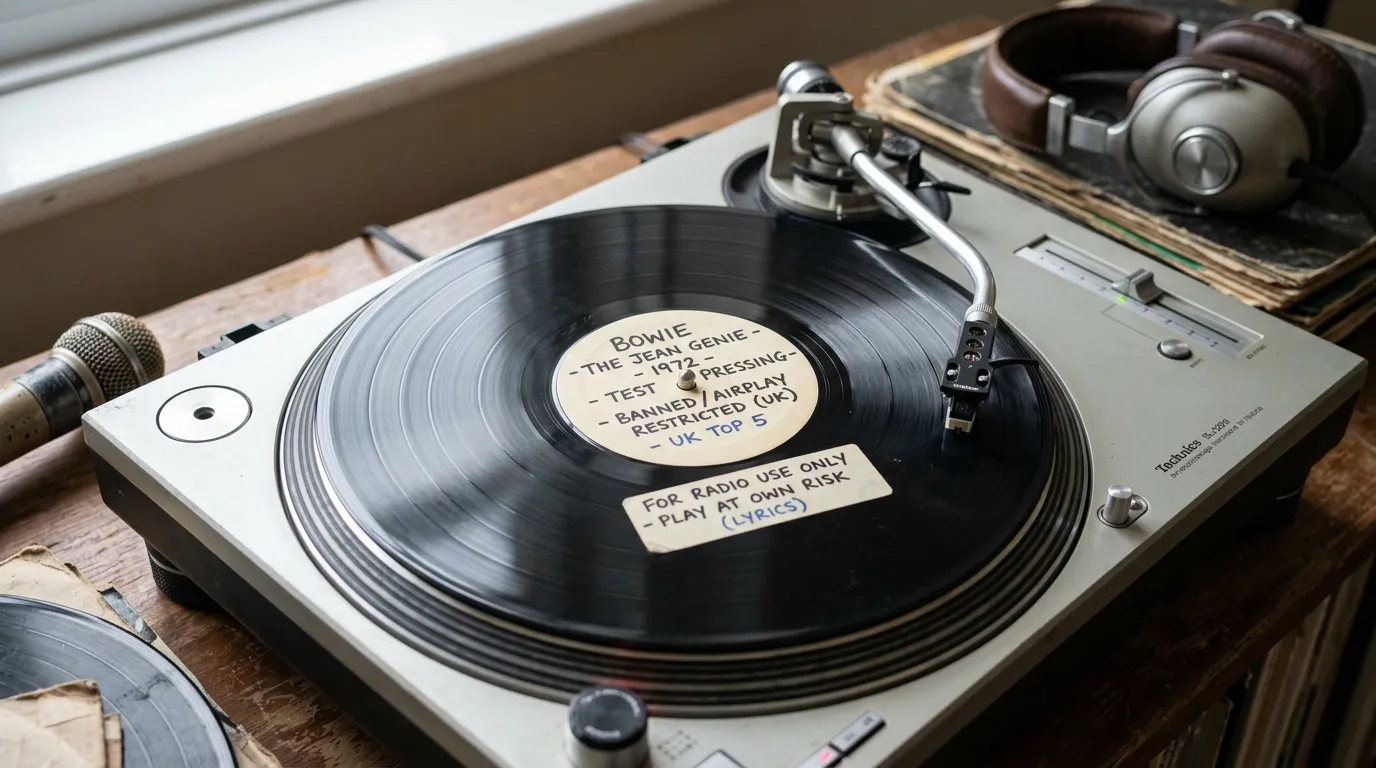
Certain stations gave “The Jean Genie” limited rotation due to its edgy lyrics. Bowie drew inspiration from Iggy Pop and New York scenes. The single charted in the UK top five.
The track anchored the album Aladdin Sane. Bowie’s growing fame helped overcome any hesitation. Live performances increased visibility.
The song’s glam-rock energy appealed to fans seeking something different. Partial restrictions did not slow its momentum.
#12 – Radio Radio by Elvis Costello & The Attractions (1978)
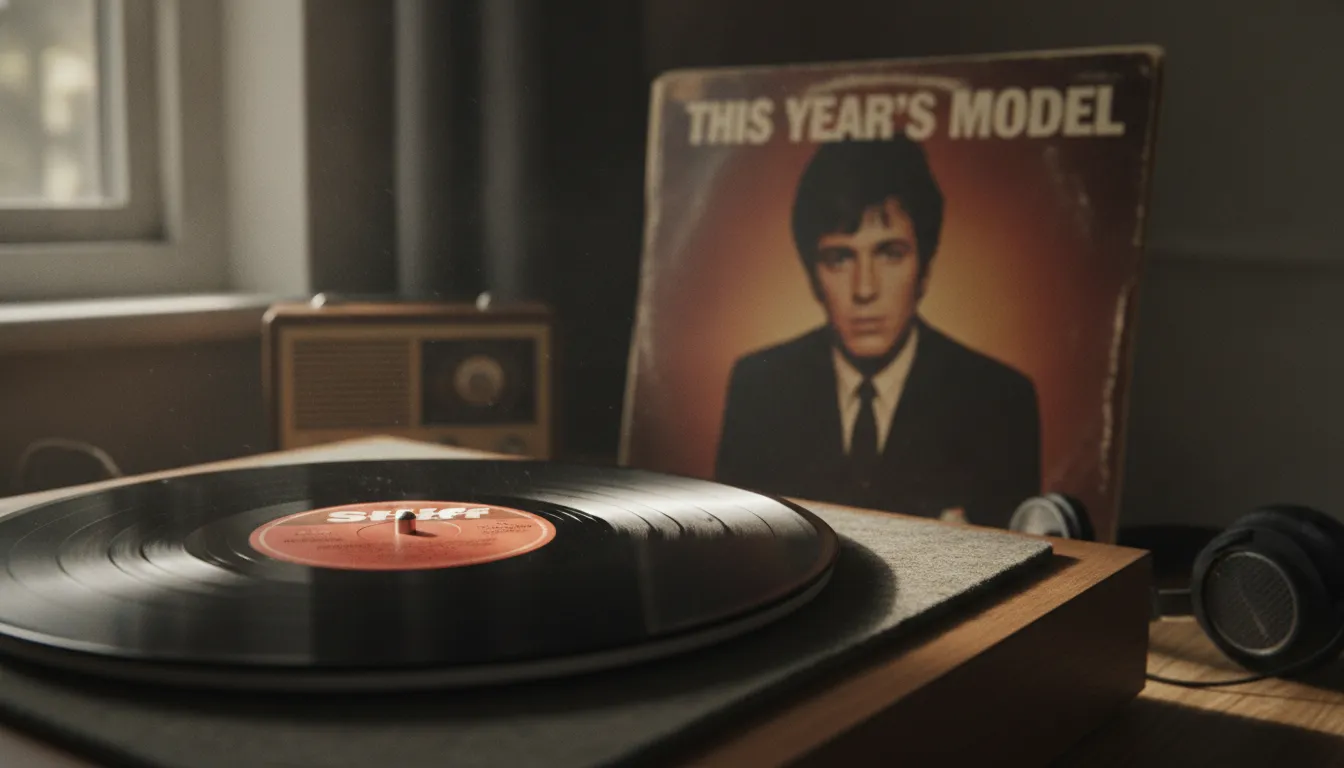
The song criticized the radio industry itself, leading some stations to avoid it. Costello performed the track on Saturday Night Live in a memorable appearance. The single charted in the UK and gained U.S. attention.
Worth Knowing
- The Saturday Night Live moment took place on December 17, 1977
- Costello was a late stand-in for the Sex Pistols on that episode
- He started a different song, stopped the band, and launched into “Radio Radio”
- The parent album, This Year’s Model, arrived in 1978
The album This Year’s Model benefited from the discussion. Costello’s sharp lyrics struck a nerve with listeners. Resistance from programmers created the exact publicity the song addressed.
Fans discovered it through imports and live shows. The track remains a pointed commentary on media control.
#11 – Another Brick in the Wall (Part 2) by Pink Floyd (1979)
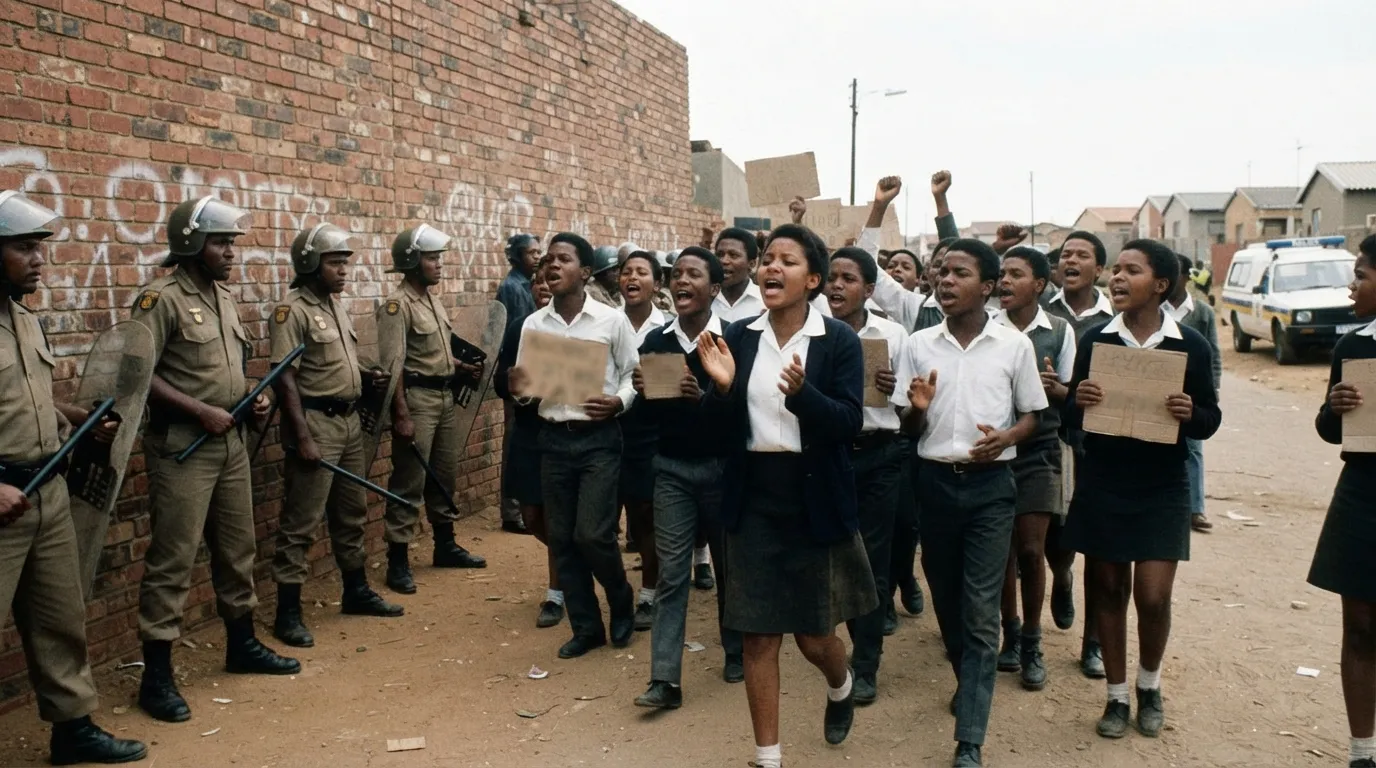
South African authorities banned the track after students used it to protest segregated schools. The song reached number one on the Billboard Hot 100 in the United States. The album The Wall became a massive seller worldwide.
The children’s choir chorus made the message memorable. Limited airplay in one country did not affect global performance.
Pink Floyd’s established audience ensured strong sales. The controversy added to the album’s reputation as a statement piece.
#10 – Brown Sugar by The Rolling Stones (1971)
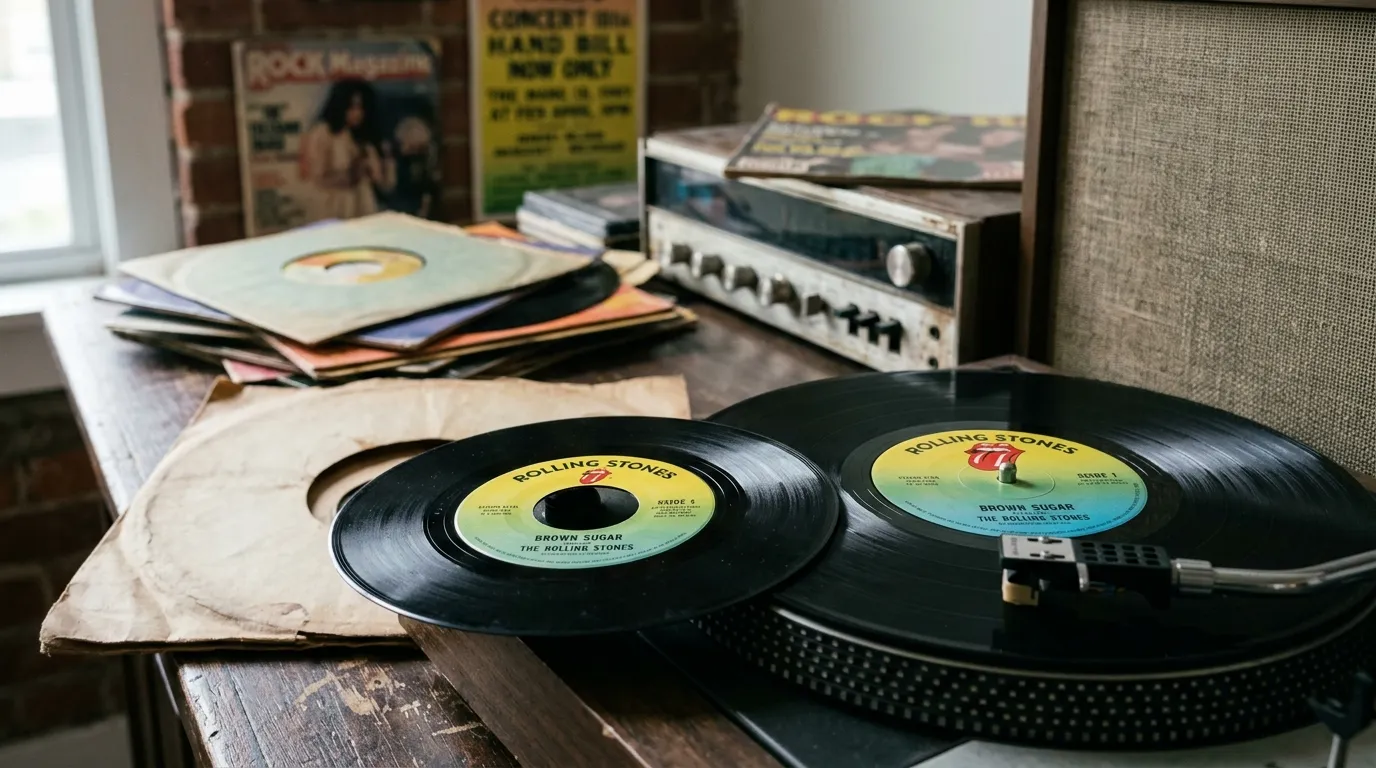
Several U.S. stations pulled “Brown Sugar” over lyrics referencing slavery, sex, and drugs. The Stones recorded the track for the album Sticky Fingers. The single topped the Billboard Hot 100.
Controversy drove curiosity and sales. Mick Jagger later retired the song from some tours. The riff and energy kept it in heavy rotation where allowed.
The track became a stadium favorite despite the initial resistance. Its chart success showed the limits of regional bans.
#9 – Walk on the Wild Side by Lou Reed (1972)
U.S. radio edited “Walk on the Wild Side” for references to transgender experiences and drug use. Reed wrote the track for his album Transformer. The single reached the Billboard top twenty.
The spoken-word style and bass line stood out. Stations that played the edited version still introduced many listeners to the song. Reed’s Velvet Underground background added credibility.
The controversy remained part of the track’s identity. Sales continued through word of mouth and album purchases.
#8 – Imagine by John Lennon (1971)
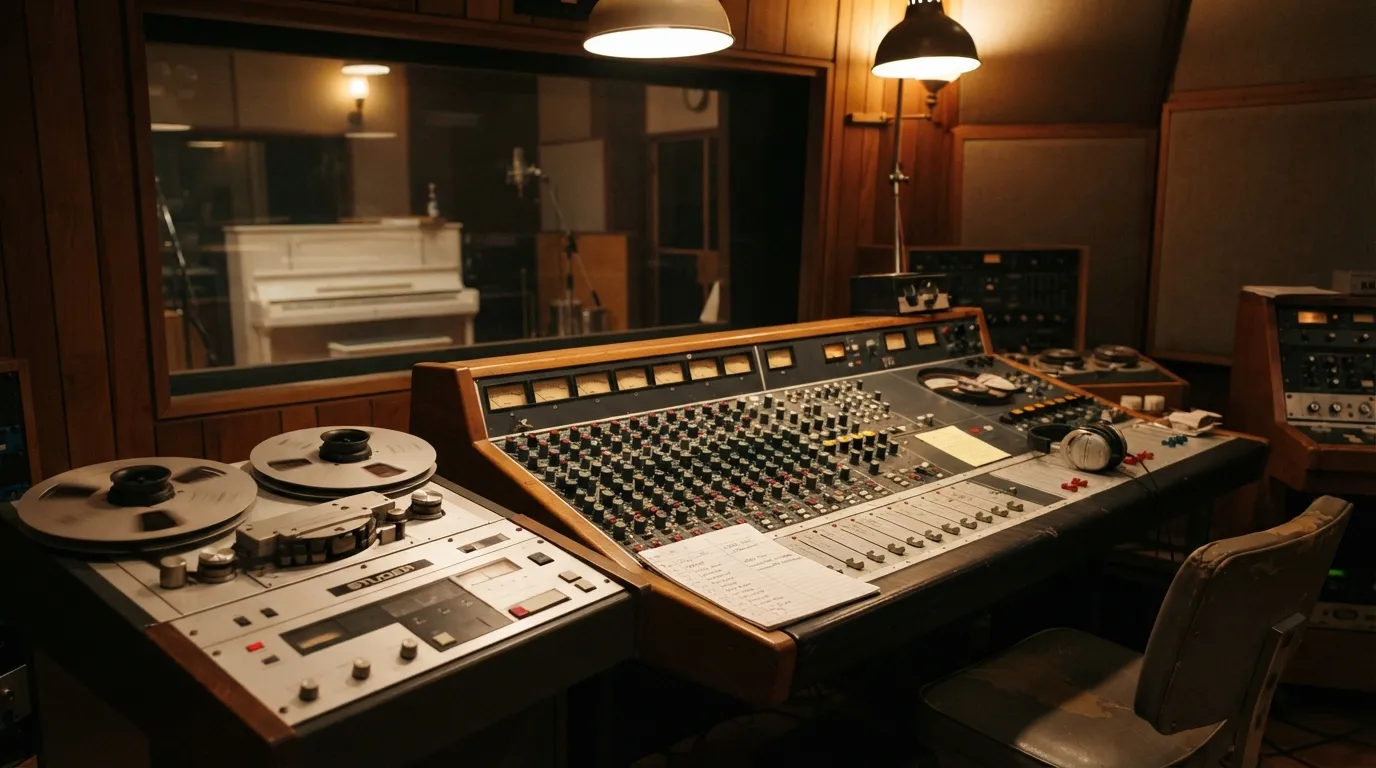
South African state radio banned “Imagine” for its line about no religion. Lennon recorded the track as a solo statement. The single charted highly in multiple countries.
The song appeared on the album Imagine. Its universal message resonated widely. Limited airplay in one market did not stop international adoption.
Lennon’s post-Beatles profile ensured attention. The track later became one of the most performed songs of the era.
#7 – The Pill by Loretta Lynn (1975)
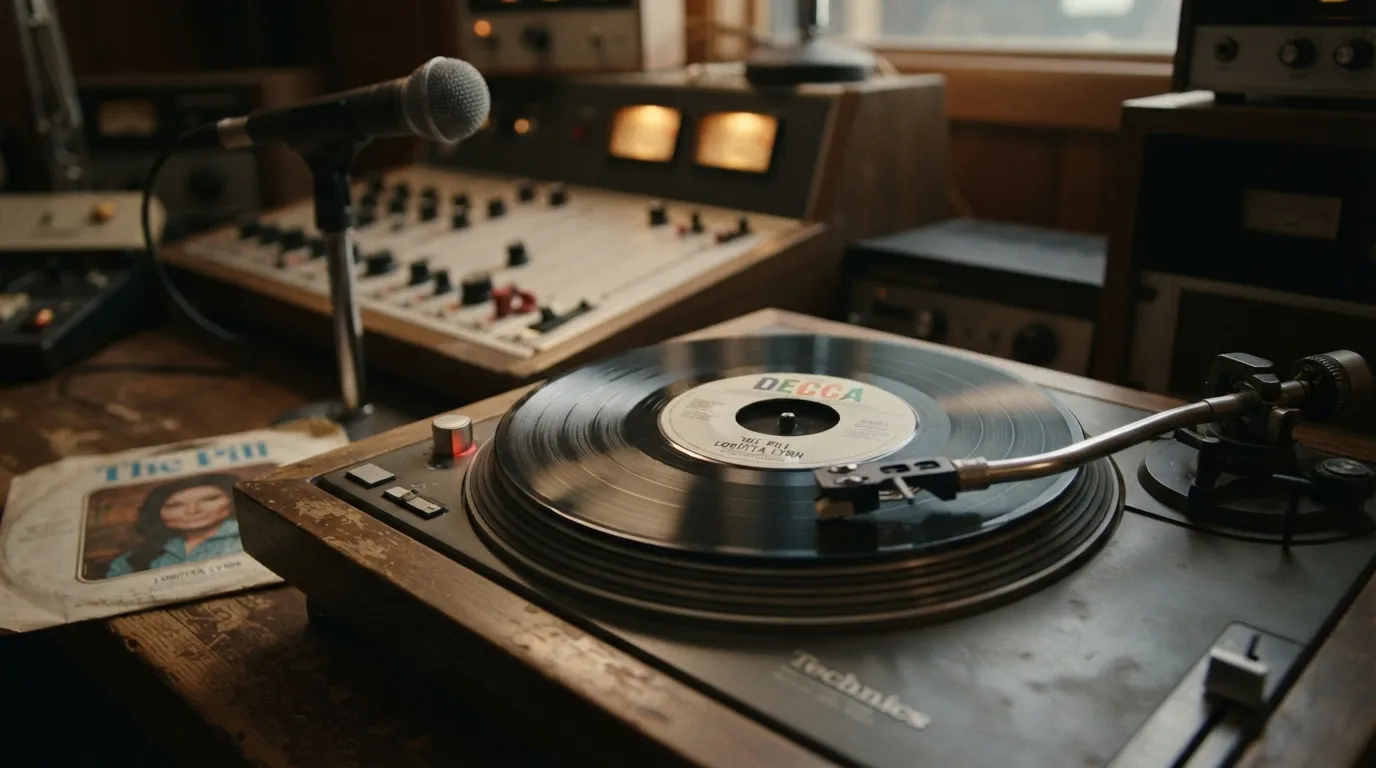
Many country stations refused “The Pill” for its frank discussion of birth control. Lynn wrote the song to highlight women’s autonomy. The single reached number five on the country chart and number seventy on the Hot 100.
At a Glance
- Country chart peak: number five
- Hot 100 peak: number seventy
- Album: Back to the Country
- Backstory: recorded earlier, then released in 1975
Controversy boosted curiosity among listeners. The track appeared on the album Back to the Country. Lynn’s established fan base supported the release.
Some stations eventually added it after public demand. The song marked a bold moment in country music.
#6 – Love to Love You Baby by Donna Summer (1975)
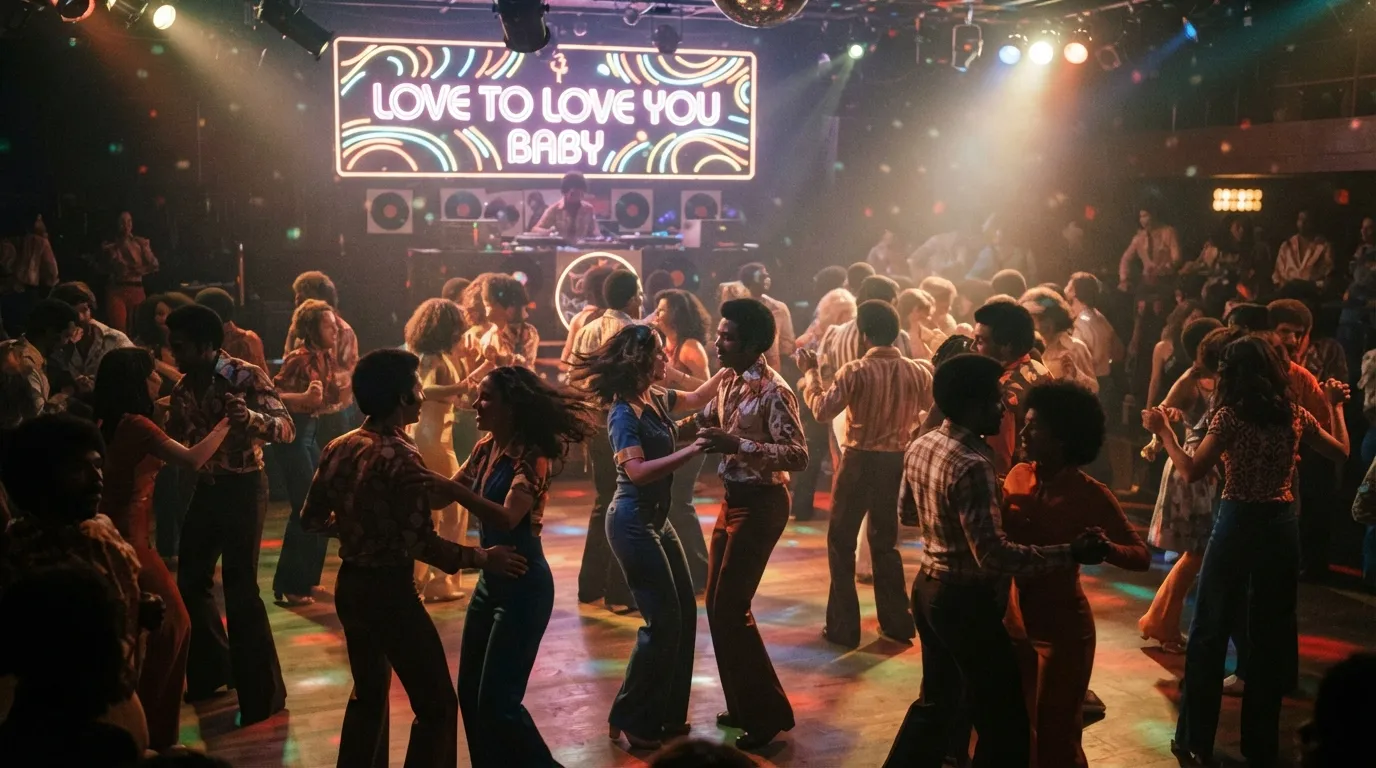
The BBC and some U.S. stations restricted “Love to Love You Baby” for its extended simulated moans. Summer recorded the seventeen-minute version for her album of the same name. A shorter edit reached number two on the Billboard Hot 100.
Club play kept the track alive where radio hesitated. The song helped define the extended disco single format. Summer’s performance style drew both criticism and fans.
Sales remained strong through alternative channels. The controversy became part of the track’s legend.
#5 – Lola by The Kinks (1970)
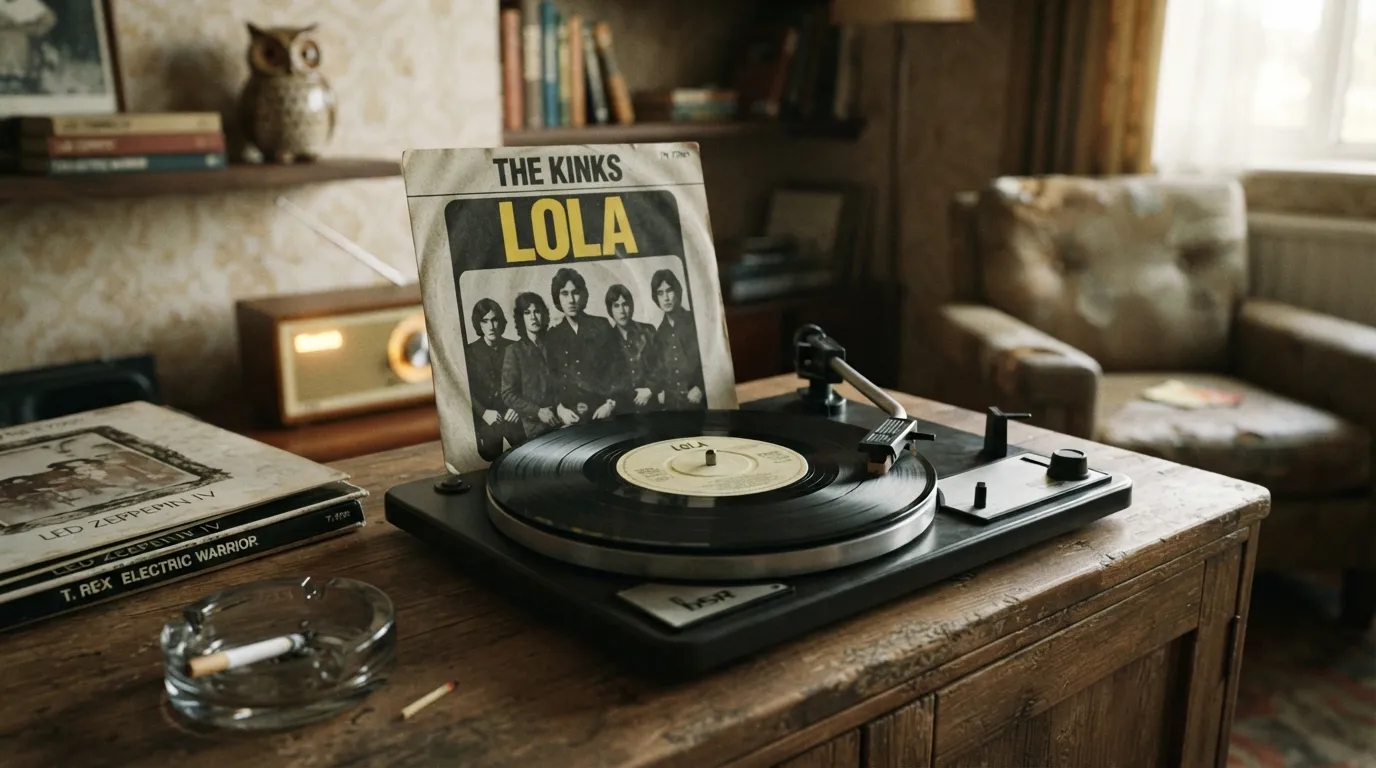
The BBC banned the original “Lola” because it mentioned Coca-Cola by name. Ray Davies re-recorded the line as “cherry cola” for airplay. The single reached number two in the UK.
The gender-bending storyline added further discussion. The track appeared on the album Lola Versus Powerman and the Moneygoround, Part One. American radio faced fewer restrictions.
The song became one of the Kinks’ biggest hits of the decade. Its catchy chorus helped it overcome the initial hurdle.
#4 – God Save the Queen by Sex Pistols (1977)

The BBC and major retailers banned “God Save the Queen” during Queen Elizabeth II’s Silver Jubilee. The band released the track as a direct challenge to the monarchy. The single reached number two on the official UK chart and reportedly outsold the number one in some tallies.
Why It Stands Out
- It landed in the weeks around the Silver Jubilee, in the summer of 1977
- It borrowed the title of the national anthem to make its point
- Its official UK peak was number two, despite the broadcast and retail bans
- Many fans still treat it as the defining punk single
The album Never Mind the Bollocks followed. Punk fans embraced the song as an anthem. Physical attacks on band members increased its notoriety.
The ban turned the release into a symbol of rebellion. Its legacy endures as a defining punk statement.
#3 – Love to Love You Baby by Donna Summer (1975)
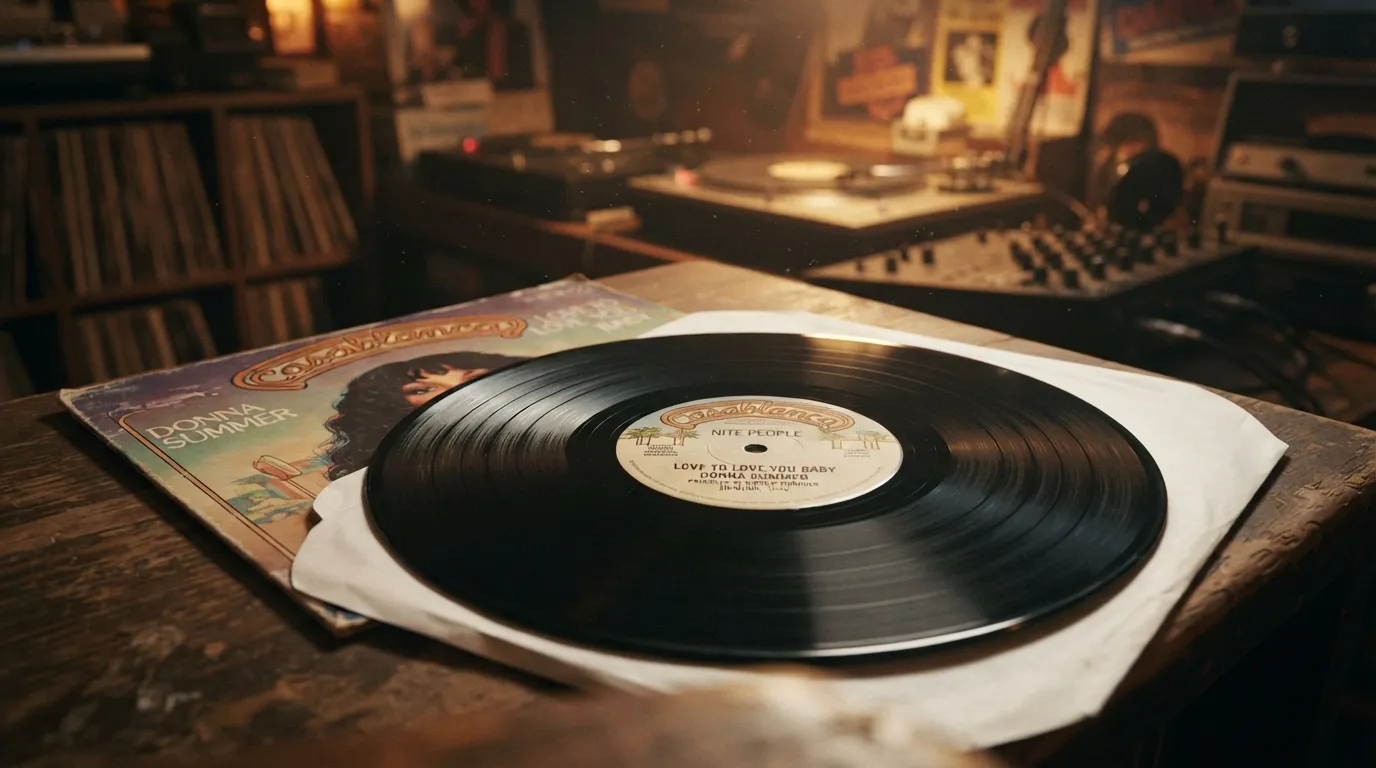
The extended version faced bans for explicit content, yet the edited single became a disco staple. Summer’s performance helped launch her career. The track reached high chart positions in multiple countries.
Club DJs played the full version where radio would not. The song influenced the rise of the twelve-inch single format. Sales through record stores compensated for any airplay gaps.
Summer earned the title Queen of Disco partly because of this release. The controversy highlighted shifting attitudes toward sexuality in music.
#2 – Lola by The Kinks (1970)

The trademark issue forced a lyric change, but the song’s story of fluid identity kept it in the spotlight. The Kinks turned the restriction into an opportunity for wider discussion. The single performed strongly on both sides of the Atlantic.
Live performances reinforced its popularity. The track’s guitar riff and narrative structure made it memorable. Fans appreciated the band’s willingness to address unconventional themes.
The song’s success showed that minor edits rarely derail a strong composition. It remains a classic rock staple decades later.
#1 – God Save the Queen by Sex Pistols (1977)
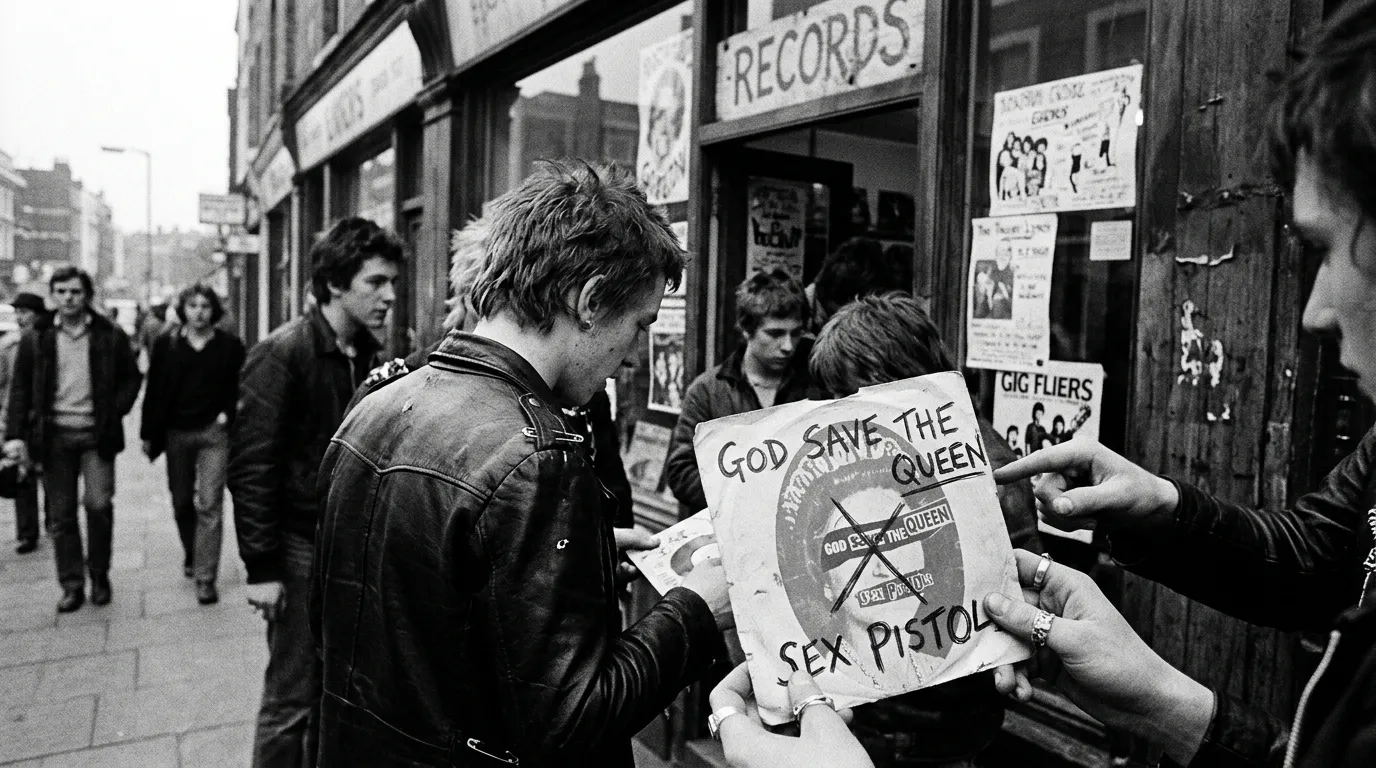
The outright ban by the BBC and retailers during the national celebration created massive publicity. The Sex Pistols turned the restriction into a defining moment for punk. The single’s chart performance, despite official obstacles, cemented its status.
The track captured widespread frustration with authority. Band members faced real-world consequences that only amplified interest. The song’s raw production and lyrics made it impossible to ignore.
Its influence on subsequent generations of musicians remains clear. The release proved that censorship can sometimes accelerate a song’s cultural impact.
CEO-Co-Founder