

- The Forgotten Female Voices of American History - October 15, 2026
- The Assassination of Robert F. Kennedy: A Look Back 57 Years Later - October 15, 2026
- 20 Songs That Reflected America’s Changing Gender Roles - October 15, 2026
Behind every curtain, there’s a rulebook written in other people’s worst days. Some of these rules came from famous disasters, some from near-misses, and a few from stories stagehands still swear by.
We’ll tell you which is which as we count down. The first rule sounds like a rock star’s pettiest demand. The last one involves a theater advertised as fireproof on opening night.
#17 – Van Halen’s Brown M&M Clause
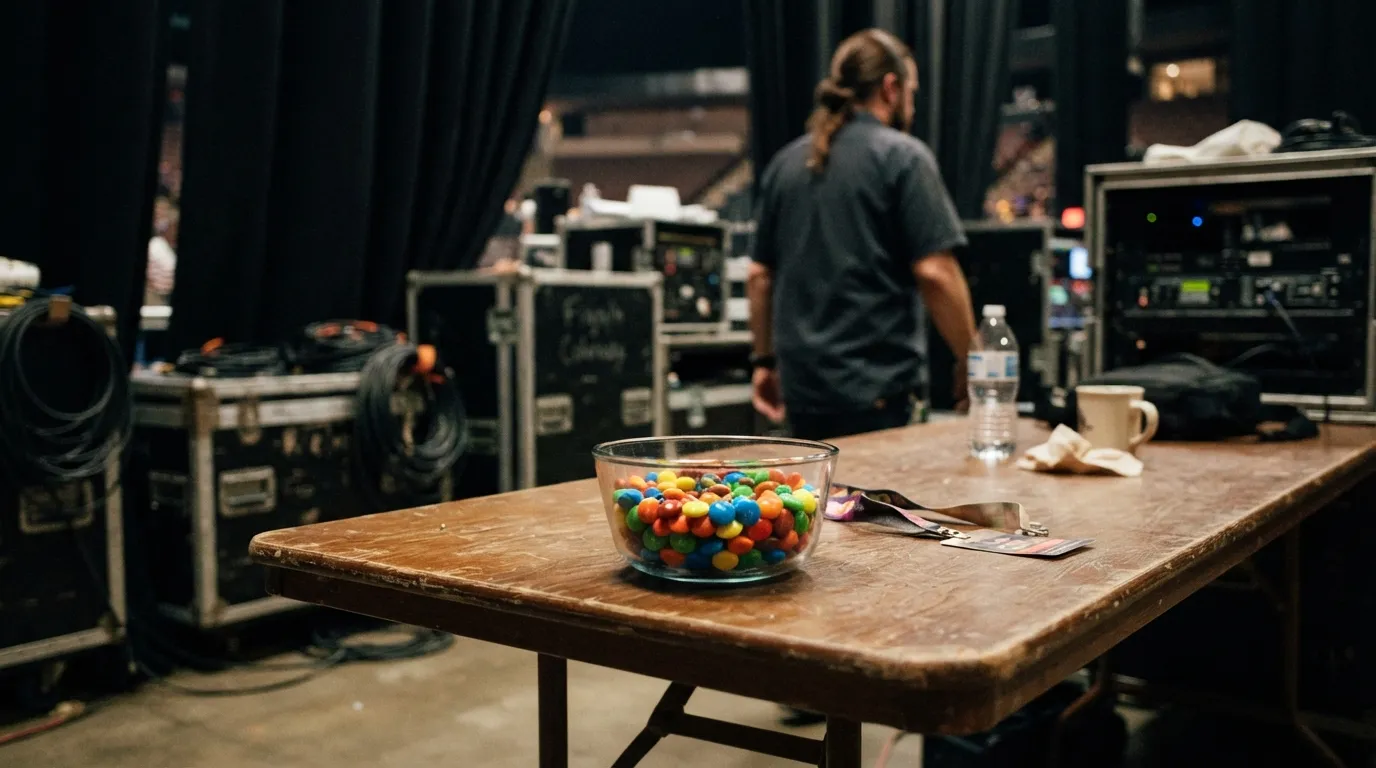
It sounds like the most spoiled demand in rock history. A bowl of M&Ms, every brown one removed, or the band could cancel the show.
David Lee Roth explained in his memoir, Crazy from the Heat, that the clause was a tripwire. Van Halen hauled a huge production into buildings that weren’t built for it, and the rider was packed with technical requirements for power and weight loads. By Roth’s account, a show in Pueblo, Colorado, went wrong when the stage sank into the arena floor and did serious damage.
So the candy line went deep in the contract. If brown M&Ms showed up, the crew knew someone hadn’t read the fine print, and every cable and load rating got a second look.
#16 – The Backstage Whistling Ban
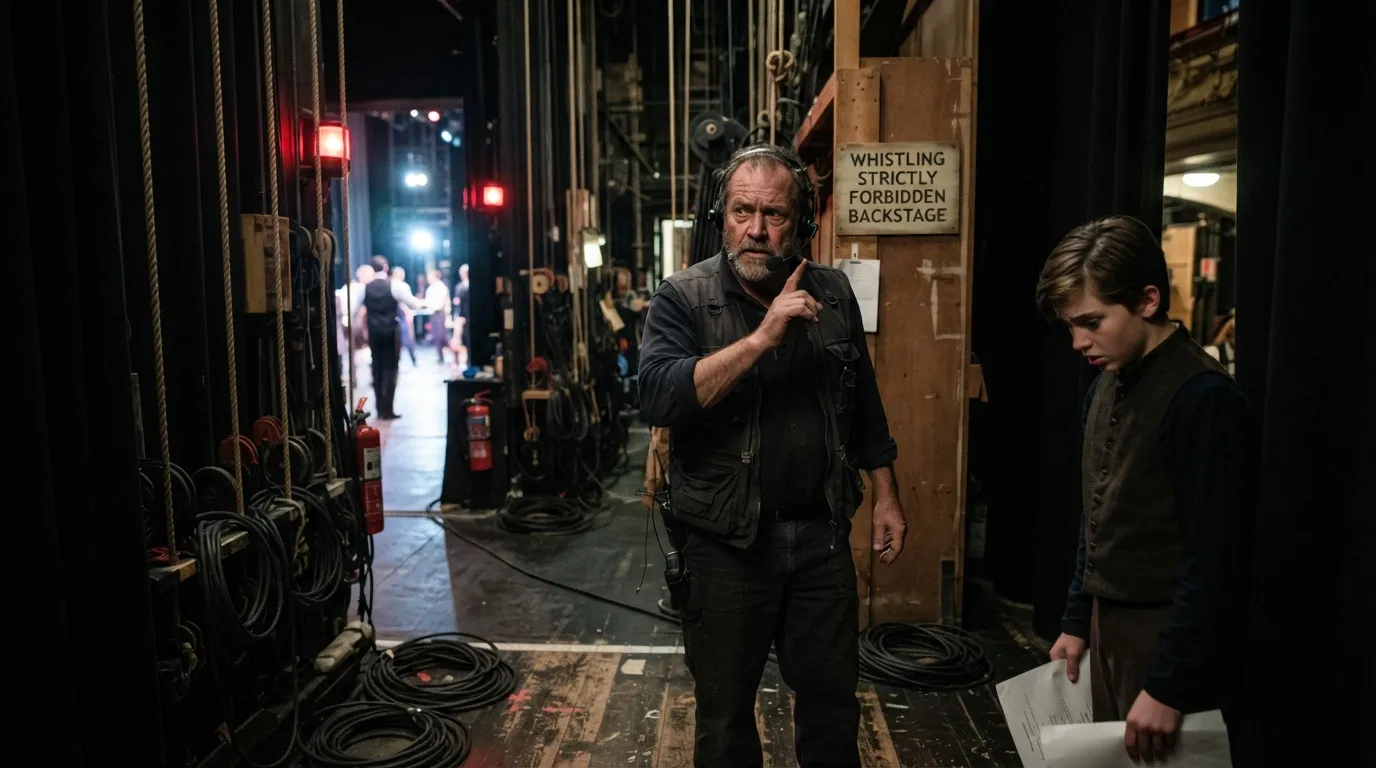
Whistle in the wings of a theater and a stagehand may shoot you a look that could curdle milk.
The lore goes back to when many stagehands were former sailors, hired because they knew rope work. In the dark, crews moving scenery used whistles as signals because they couldn’t always see each other. A careless whistle from a visitor could be mistaken for a cue, and a heavy piece of scenery could come down on someone.
Nobody can point to one dated accident, so call this one theater lore. But the logic still holds in a dark, loud backstage, where an unexpected signal can be dangerous. Headsets and cue lights replaced the whistles, yet the ban outlived them. Nobody wants to be the person who tests it.
#15 – No Peacock Feathers Onstage
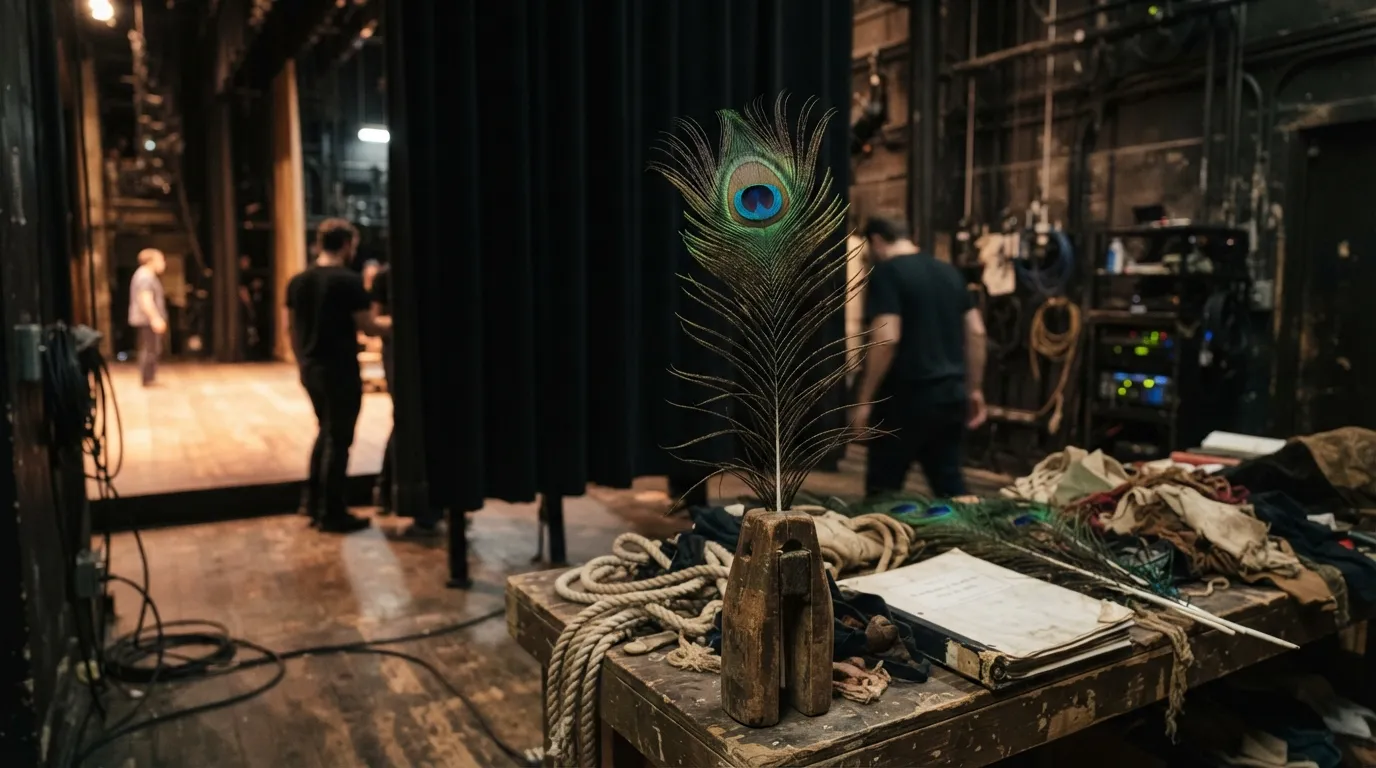
Few things look more theatrical than a peacock feather, and few things are more quietly unwelcome in a theater.
The usual explanation is the “eye” pattern, long linked to the evil eye. Plenty of theater people insist a production with peacock feathers on set or in costume is asking for trouble. Some companies still steer designers away from them.
Here’s the honest twist. No single documented accident explains this rule. It’s pure folklore, and it has lasted for generations anyway. That says something about backstage culture: when the stakes are a live show and a dark stage, people avoid a risk they can’t disprove.
#14 – The Ghost Light
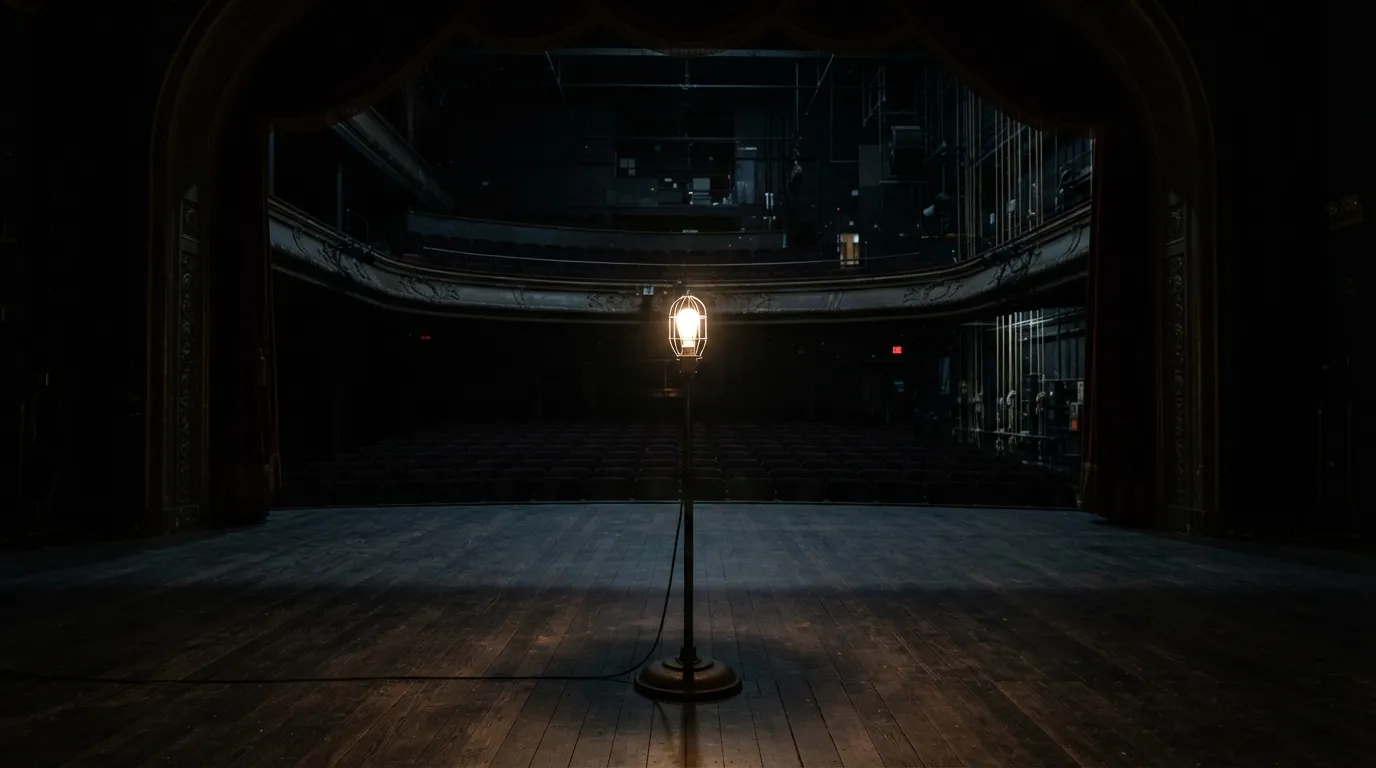
A single bare bulb on a stand, burning center stage in an empty theater. Walk into a dark house and it can feel like a haunting.
The practical reason is simple. Someone crossing a pitch-black stage can step right off the edge and into the orchestra pit, and the light prevents that. One popular origin story says gaslight-era theaters kept a light burning for gas-system reasons, though that story is hard to pin down.
Superstition added a second layer. The light is left on so the resident ghost can perform, or so the theater’s spirits don’t get mischievous. Electric lighting changed the theater, but the ghost light stayed. An unlit stage is one of the most dangerous rooms in the building.
#13 – Never Saying “Macbeth” Inside a Theater
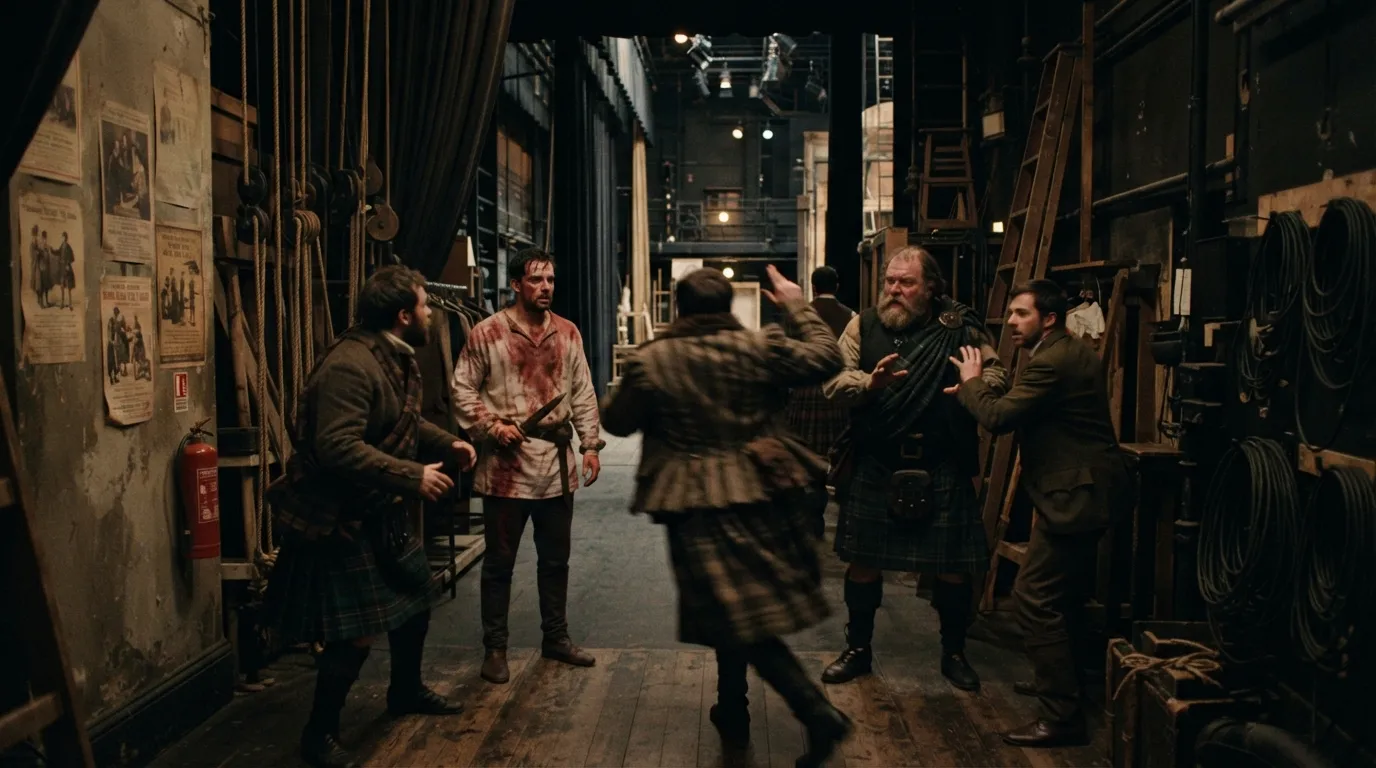
Actors will call it “the Scottish play” and pretend nothing is wrong. Say the real name backstage and some will make you leave the room, spin around, and come back in.
The superstition has some real history behind it. In 1849, rival productions of Macbeth in New York set off the Astor Place Riot, which killed more than 20 people. In 1937, a heavy stage weight reportedly crashed down inches from Laurence Olivier at the Old Vic.
Worth Knowing
- “The Scottish play” is the standard workaround backstage.
- The 1849 Astor Place Riot in New York was tied to rival Macbeth productions.
- The 1937 Old Vic near-miss involving Laurence Olivier is reported, not documented in detail.
- No one has proven a curse. The legend lives on because the stories are good.
The legends of a cursed first performance can’t be proven. But the play is full of sword fights, flickering darkness, and fast scene changes, so mishaps feel believable. The title became the one word nobody wants to be blamed for.
#12 – Spider-Man’s 2010 Fall and Pre-Show Rigging Checks
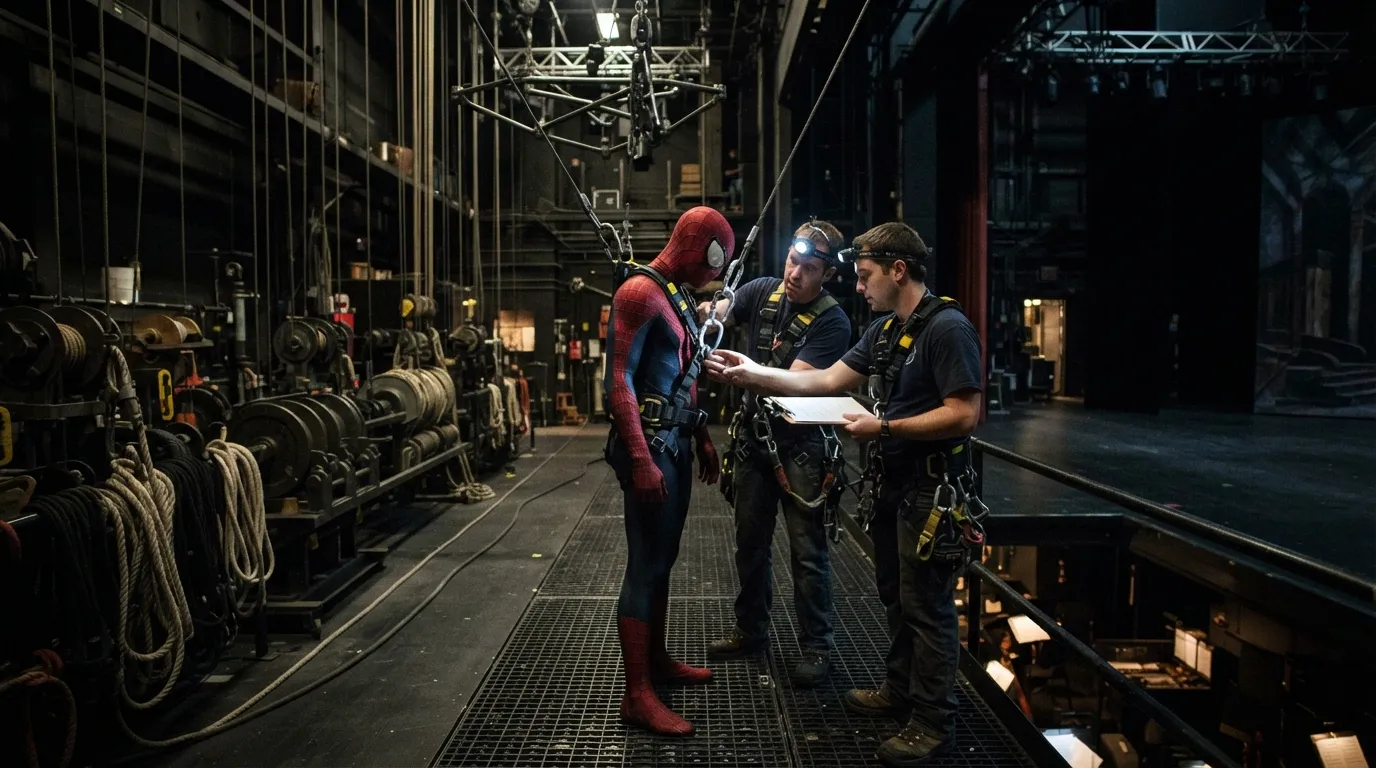
In December 2010, during a preview of Spider-Man: Turn Off the Dark on Broadway, performer Christopher Tierney fell about 30 feet into the pit. Audience members watched it happen.
Reports pointed to a harness connection problem. Tierney survived with serious injuries, and he wasn’t the only performer hurt during that troubled production. Safety regulators investigated, and the show tightened its procedures.
The lesson reached far beyond one musical. Productions that fly performers now treat pre-show harness and rigging checks as non-negotiable, often with sign-offs. The system isn’t glamorous. It exists because one missed connection can send a human being into the orchestra pit.
#11 – Altamont and the End of Biker Gang Security
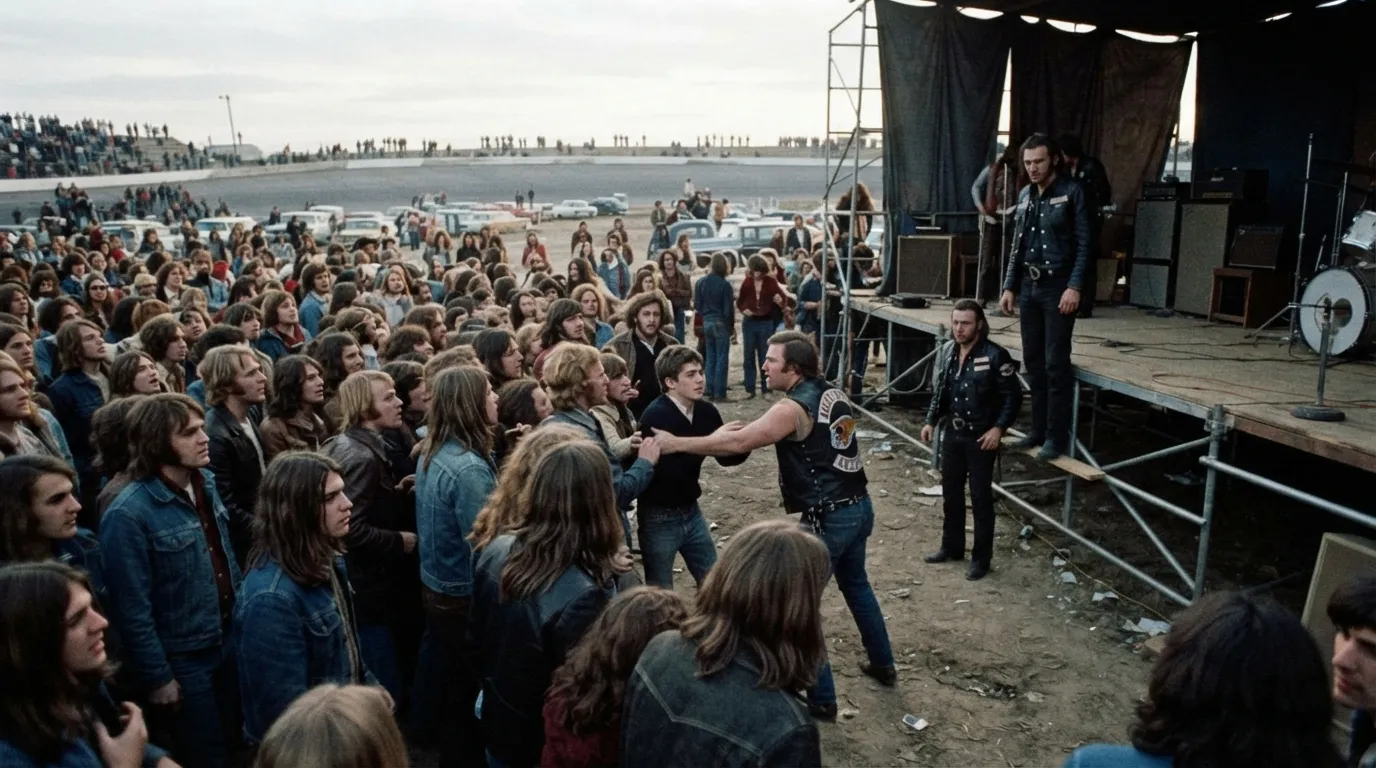
On December 6, 1969, the Rolling Stones headlined a free concert at Altamont Speedway in California. Hells Angels had been brought in to guard the stage, reportedly paid in beer.
The crowd was packed, tension rose all afternoon, and fights broke out near the stage. During the Stones’ set, 18-year-old Meredith Hunter was killed in front of the stage. The day became one of rock’s most infamous nightmares.
The takeaway was blunt. Security for big concerts shouldn’t be improvised, and acts started relying on trained professionals. Altamont hangs over every promoter’s plan for who stands in front of the stage and who is responsible for the crowd.
#10 – Indiana State Fair 2011 and Weather Evacuation Plans
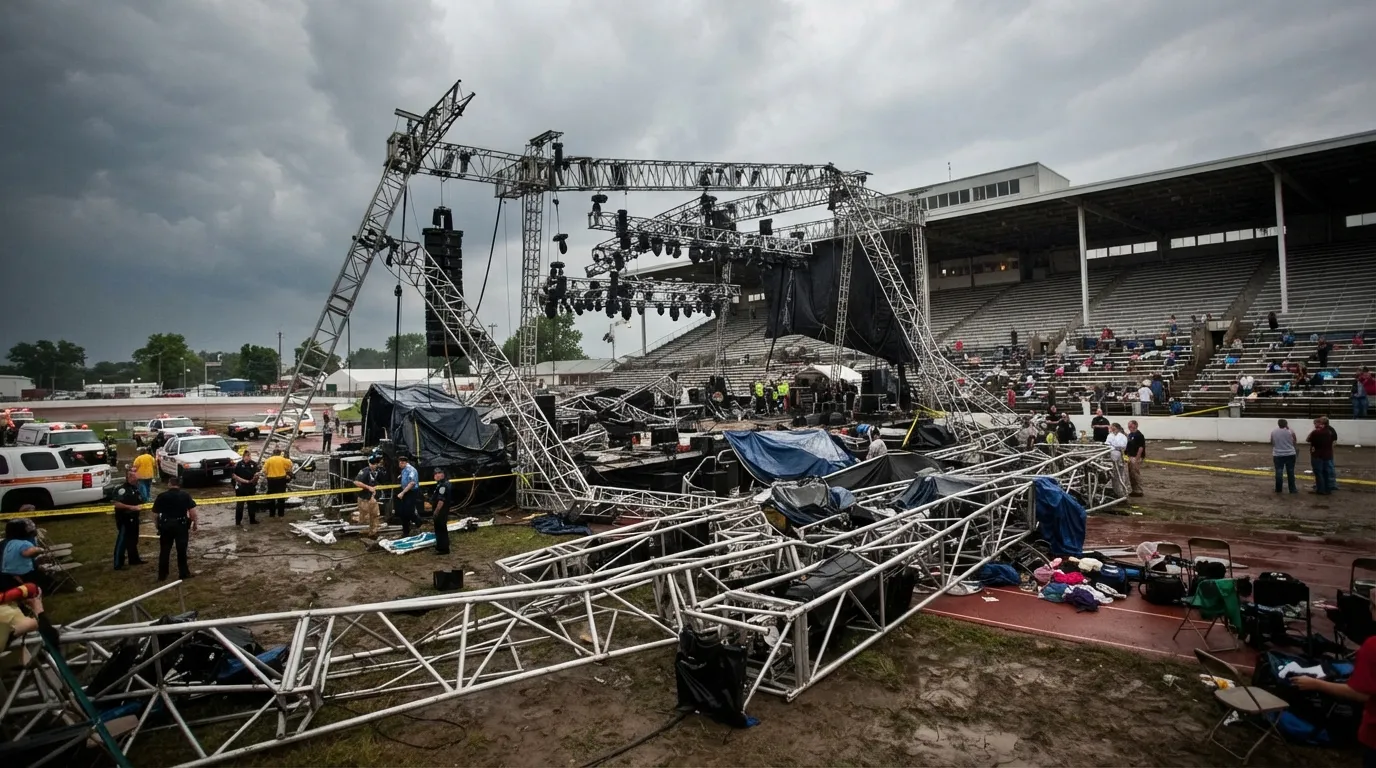
On August 13, 2011, fans were waiting for Sugarland at the Indiana State Fair. A violent gust of wind hit the stage rigging, and it collapsed into the crowd. Seven people died, and dozens more were injured.
Storm warnings had been in the air. The aftermath exposed how little clear planning existed for when to stop a show and clear a crowd.
That shifted how the live-event world thinks about weather. Many outdoor events now keep written severe-weather action plans with defined triggers for stopping the show and moving people. The rule is simple. A forecast isn’t background noise when a stage is hanging over thousands of people.
#9 – Roskilde 2000 and Front-of-Stage Crowd Limits
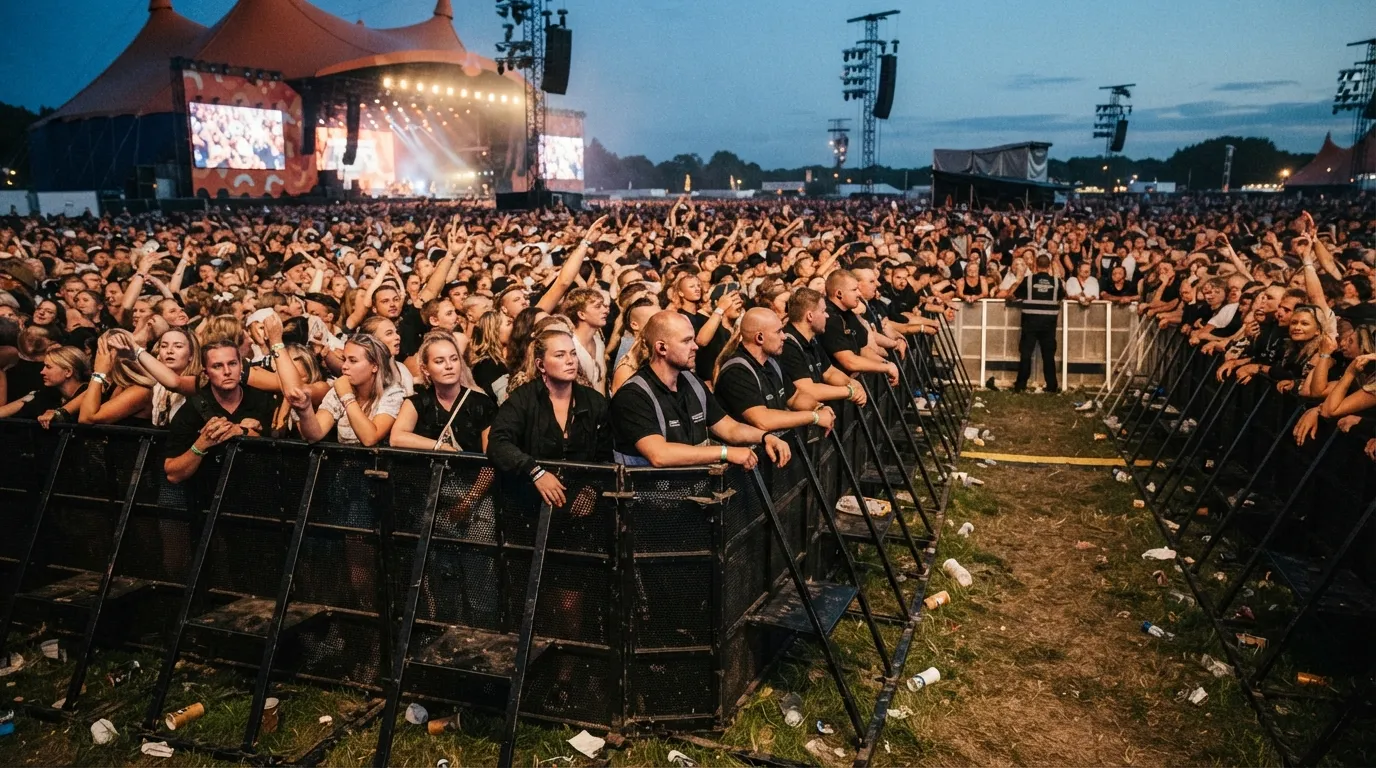
On June 30, 2000, nine men died in a crowd crush during Pearl Jam’s set at Denmark’s Roskilde Festival. The band reportedly urged the crowd to step back as it became clear something was wrong.
At a Glance
- Date: June 30, 2000
- Place: Roskilde Festival, Denmark
- Act on stage: Pearl Jam
- Toll: nine men died
- Lasting focus: crowd density at the front of the stage
It shook the festival world. Roskilde is a huge, beloved festival, and the disaster hit a crowd that had come for the music.
Festival organizers took the lesson on crowd density. Barriers, crowd monitoring, and limits on how tightly people pack in front of the stage became more central to planning. Fans see the barricade and the security pit and think they’re just obstacles. Rules like that exist because people can die in a crowd without ever being in a fight.
#8 – The Twilight Zone Movie Helicopter Crash
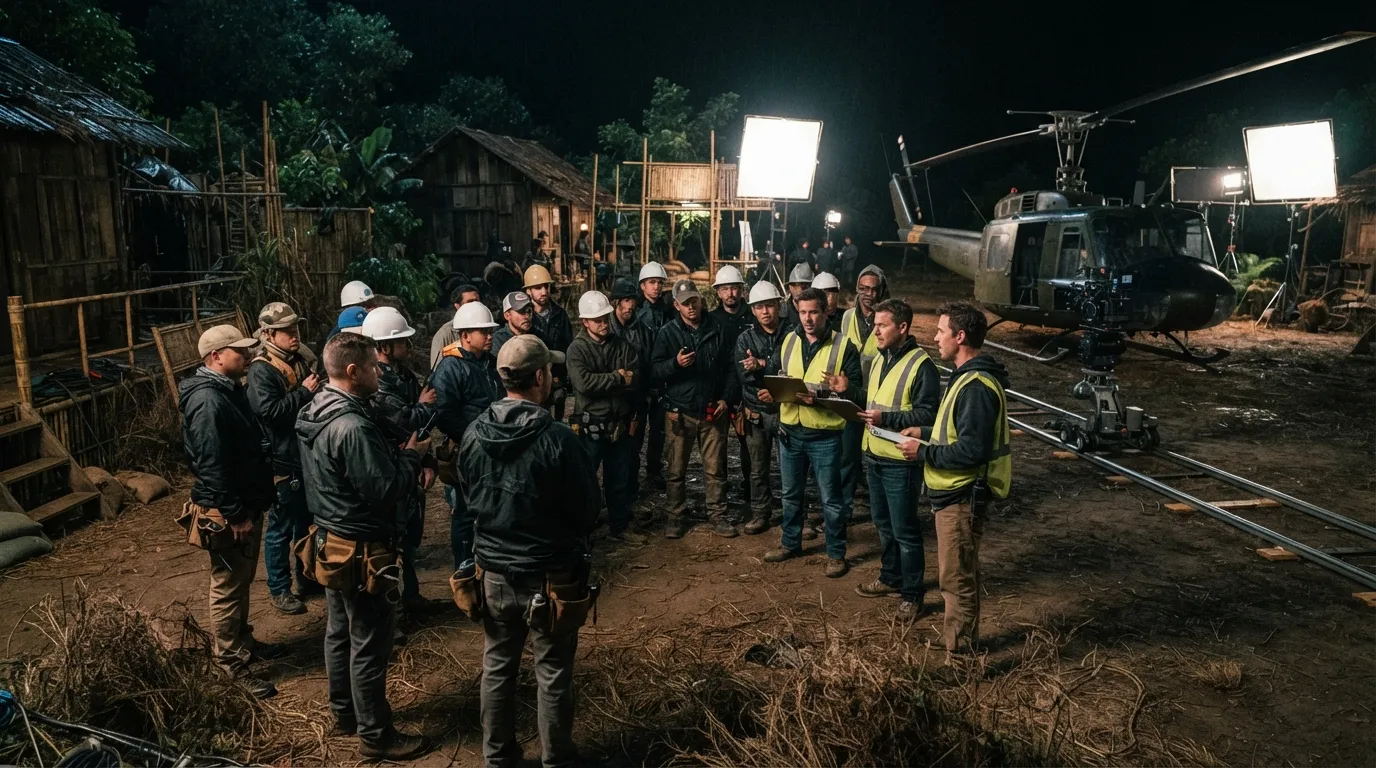
On July 23, 1982, a night shoot for Twilight Zone: The Movie ended in tragedy. A helicopter crashed during an effects scene, killing actor Vic Morrow and child actors Myca Dinh Le, age 7, and Renee Shin-Yi Chen, age 6.
The accident sent shockwaves through Hollywood and put a harsh light on how children were used around dangerous effects.
It helped drive tighter oversight of stunts, special effects, and especially child performers on set. Today’s safety meetings, supervised stunts, and extra caution around kids come partly from that night. The crew standing around waiting for a safety briefing before an explosion is following rules that began with grief.
#7 – Brandon Lee and the “Every Gun Is Real” Rule
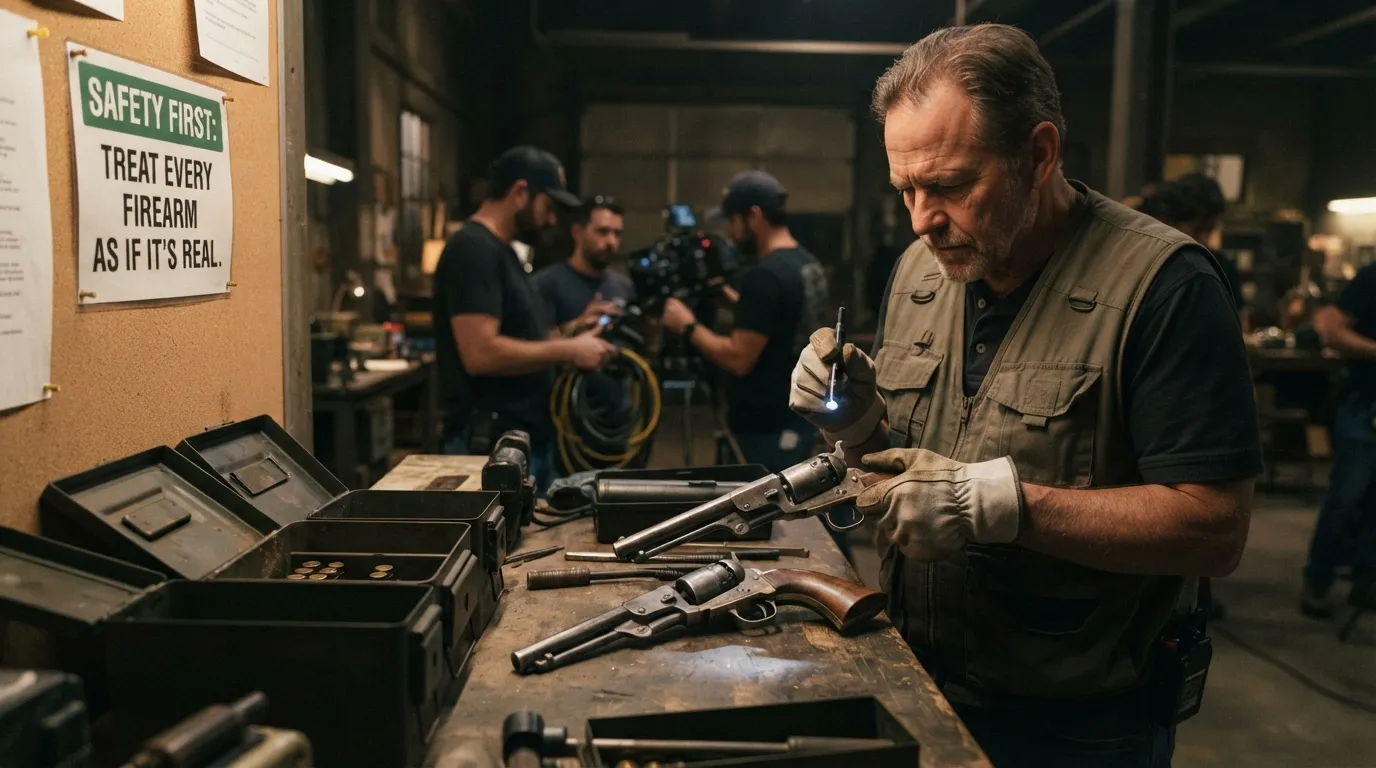
On March 31, 1993, Brandon Lee was filming The Crow in Wilmington, North Carolina. A bullet fragment from an earlier improperly made dummy round had been left lodged in a prop gun’s barrel. When a blank was fired, it propelled the fragment, and Lee died the next day.
He was 28. The death forced the industry to reconsider how casually prop weapons were handled.
The mantra that came out of it is now a set cliché: treat every gun as if it’s real, and check it twice. The 2021 death of cinematographer Halyna Hutchins on the set of Rust showed how deadly it can be when that rule isn’t followed.
#6 – Sarah Jones and Midnight Rider’s “Safety for Sarah”
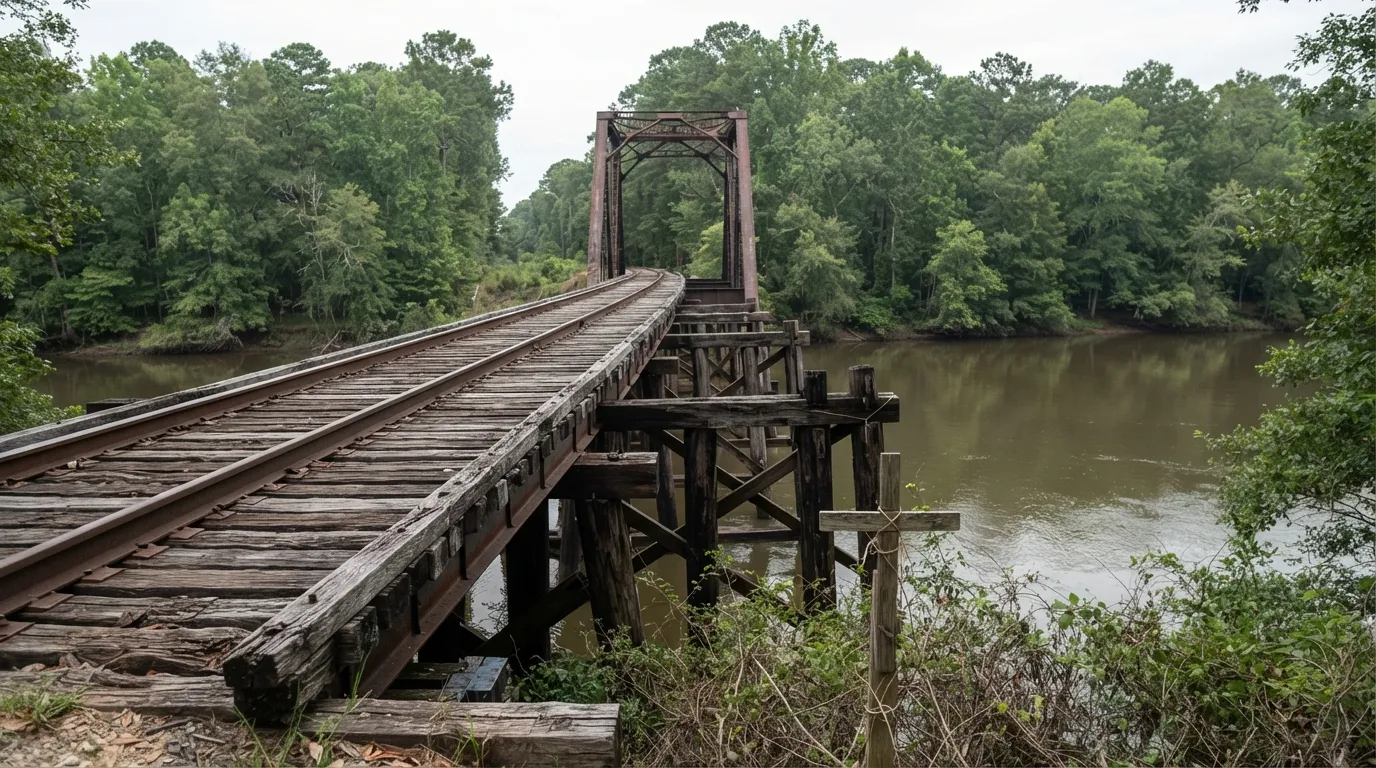
On February 20, 2014, camera assistant Sarah Jones, 27, was killed when a train struck the crew of Midnight Rider on a railroad trestle in Georgia. They had been filming on the tracks.
Crew members didn’t have to be on a train bridge to understand what happened. They’d all been told to just get the shot at some point.
Her death became a rallying cry. The “Safety for Sarah” campaign pushed film crews to speak up about unsafe conditions and not stay quiet to keep a job. Many sets now openly say that nothing is worth the shot, and anyone can call it out. It’s an unwritten rule, and it grew out of a very real loss.
#5 – The Who Concert in Cincinnati and Festival Seating
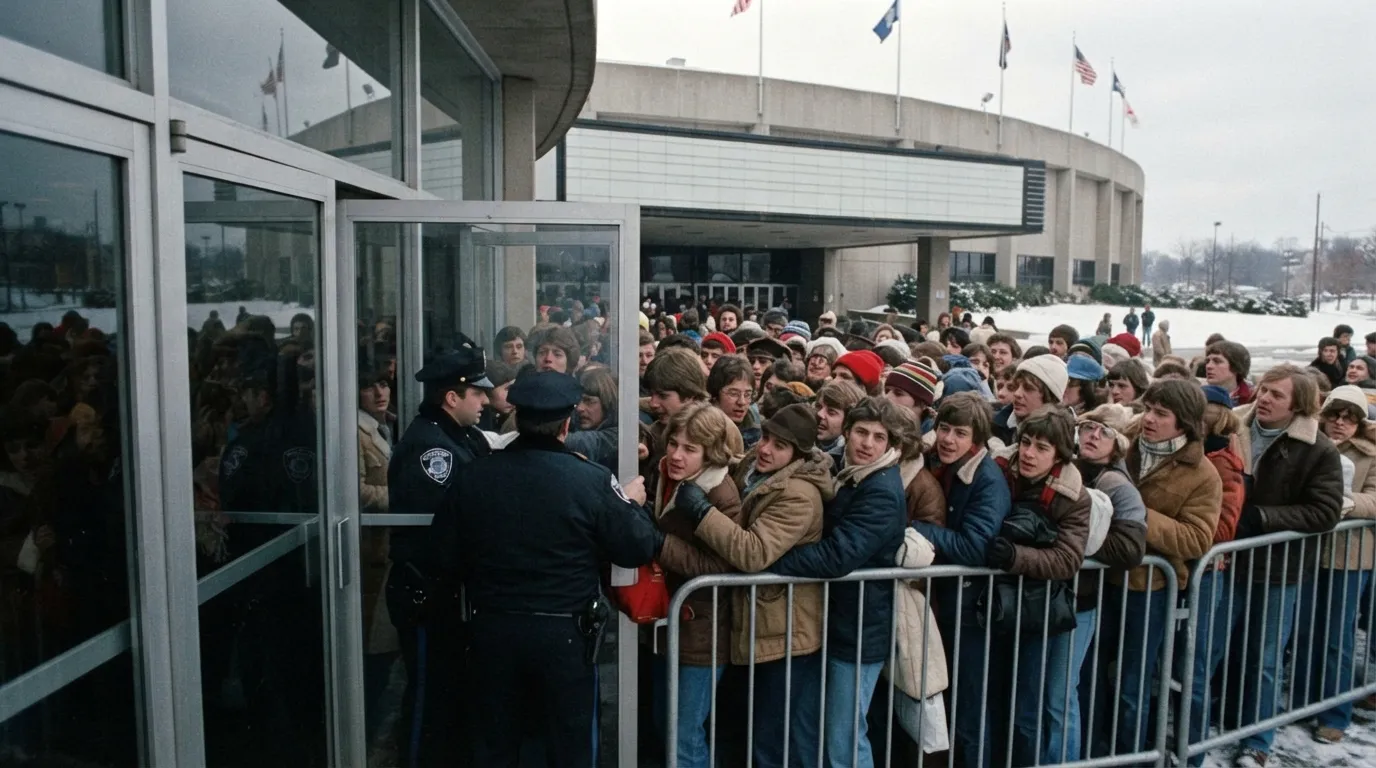
On December 3, 1979, thousands of fans waited outside Riverfront Coliseum in Cincinnati to see The Who. The tickets were general admission, and only a few doors were open.
When the crowd heard the band’s soundcheck, many thought the show was starting. The crowd surged forward. Eleven people died before the band even took the stage.
Fast Facts
- Date: December 3, 1979
- Venue: Riverfront Coliseum, Cincinnati
- Ticketing: general admission, known as festival seating
- Toll: 11 people died
- Result: Cincinnati banned festival seating, and the ban was later relaxed
The city banned festival seating, and others across the country followed with restrictions of their own. Cincinnati eventually relaxed its ban, but the lesson stuck. Promoters now plan entry points, staffing, and crowd flow with that night in mind. The “wait, why can’t I just rush the floor?” question has a heartbreaking answer.
#4 – Cocoanut Grove and Doors That Open Outward
On November 28, 1942, a fire tore through the Cocoanut Grove nightclub in Boston. Nearly 500 people died.
The main entrance was a revolving door that jammed under the crush of panicked guests. Other exits were reportedly locked or hidden, and the club was packed with flammable decor.
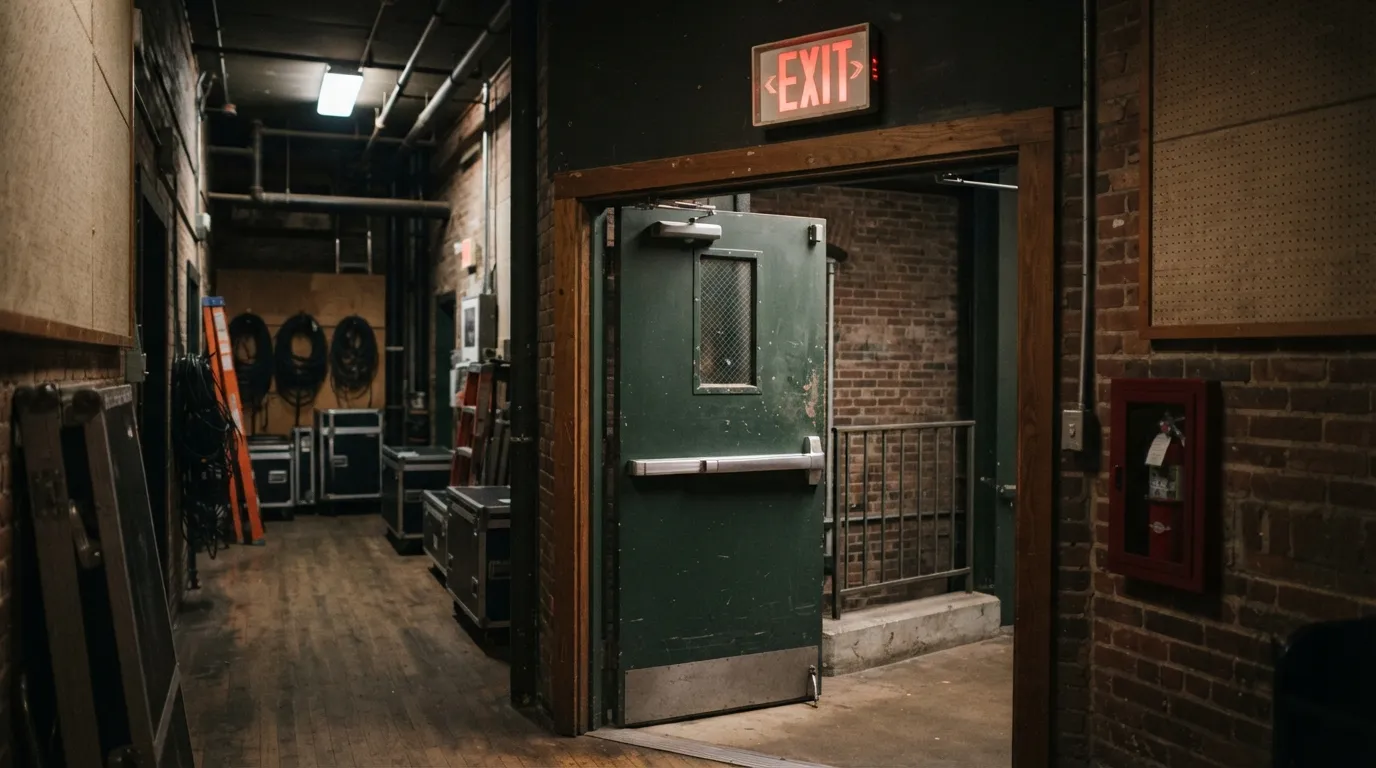
The fire reshaped fire codes across the country. Rules emerged requiring outward-swinging exit doors, clearly marked exits, and limits on flammable decorations in public venues. That glowing red EXIT sign over a door and the swing bar on the exit are descendants of a night when people couldn’t get out.
#3 – The Station Nightclub Fire and Indoor Pyro Rules
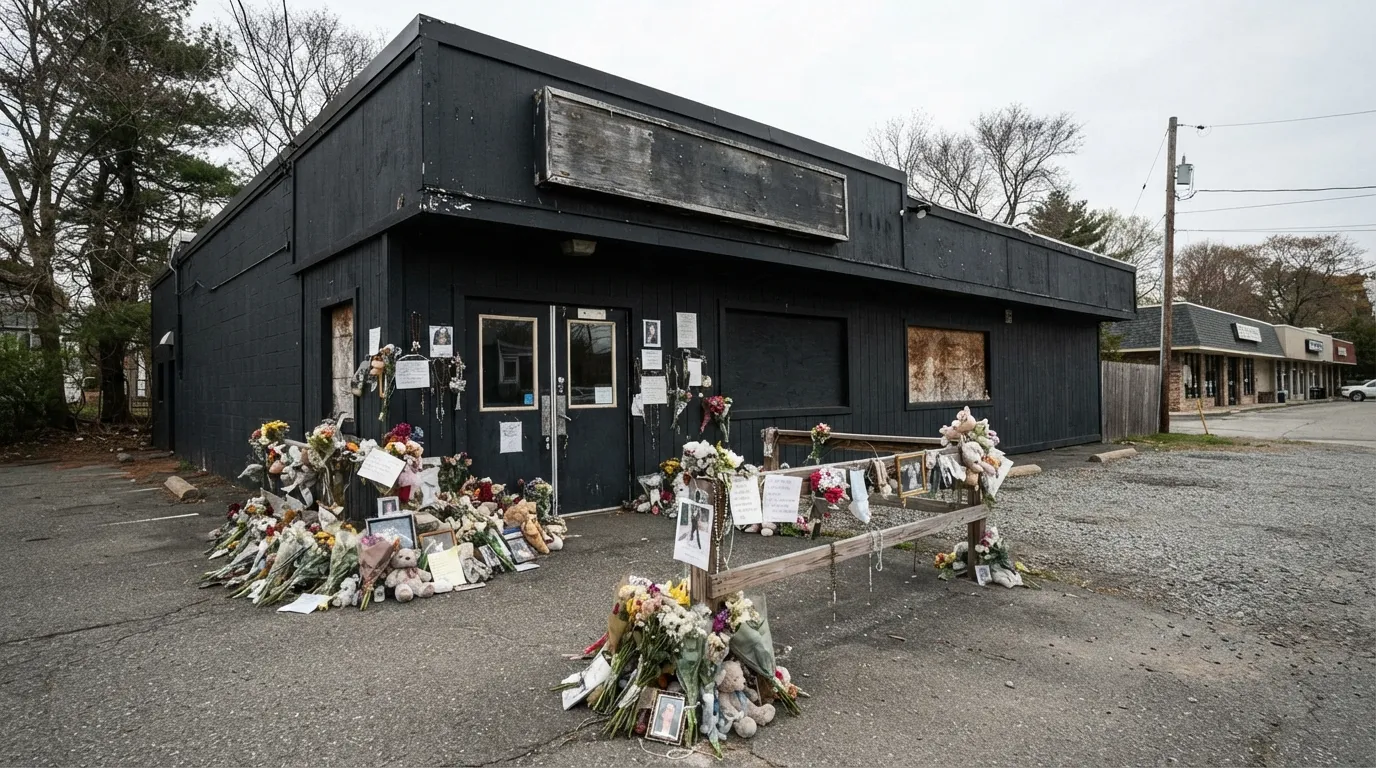
On February 20, 2003, the band Great White’s pyrotechnics ignited flammable foam behind the stage at The Station in West Warwick, Rhode Island. Within minutes the room was an inferno.
One hundred people died, and more than 200 were hurt. Many in the audience didn’t realize it was real until it was too late.
The fire led to tougher fire codes, including sprinkler requirements for many clubs and stricter rules for indoor pyrotechnics. Crews now need proper permits, trained operators, and approval from fire officials. Those pre-show pyro safety checks aren’t red tape. They exist because one spark in a room full of fans proved how fast things can go wrong.
#2 – Victoria Hall in Sunderland and Panic-Proof Exit Doors
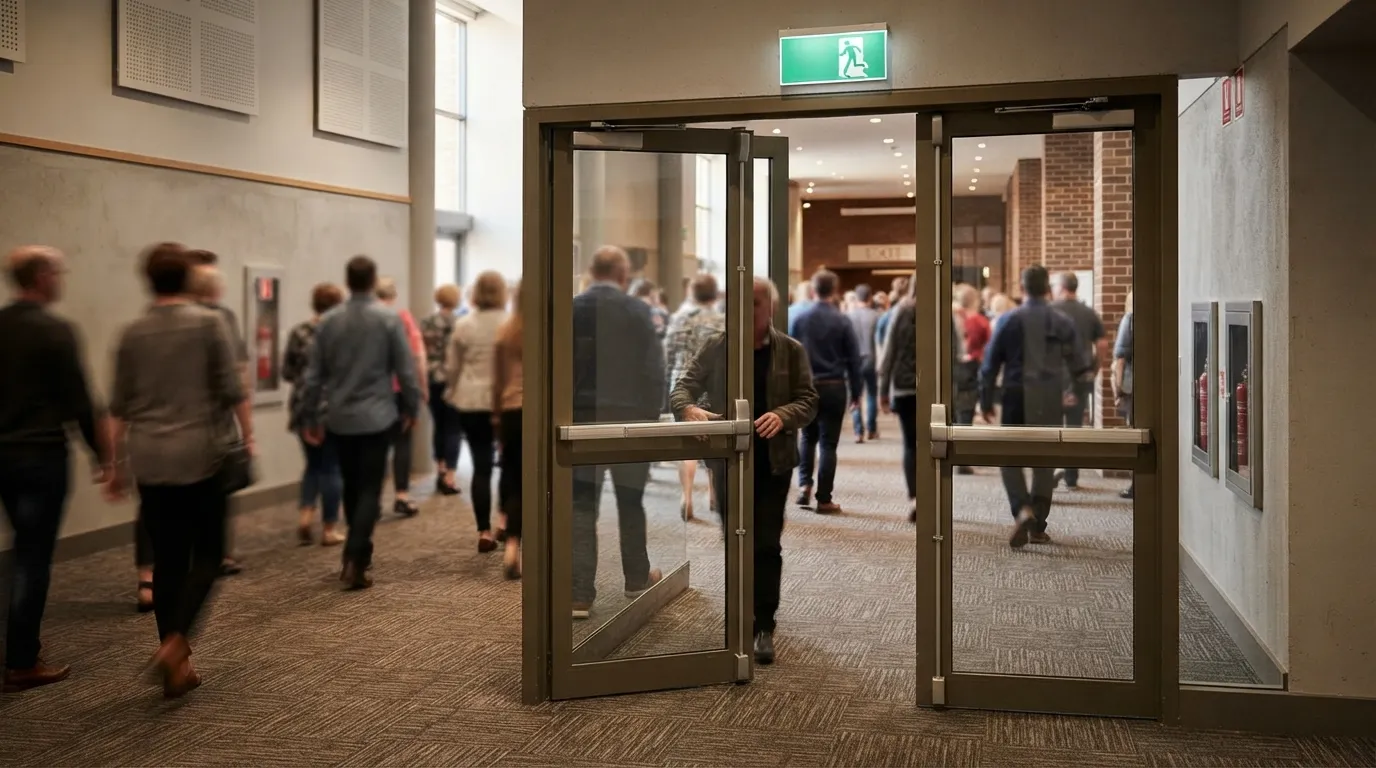
On June 16, 1883, around 1,000 children packed into Victoria Hall in Sunderland, England, for a variety show. When the show ended, prizes were handed out near the stage, and children rushed for the stairs.
At the bottom, a door had been bolted to leave an opening only one child wide, reportedly to control the crowd. The crush was fatal. In all, 183 children died.
The disaster led to rules that exit doors in public halls had to open outward and be easy to open from inside. Inventors soon developed panic bars, the push-bars you’ll find on exit doors today. Every time one swings open without a fuss, it’s quietly honoring those children.
#1 – The Iroquois Theatre Fire and the Fire Curtain Test
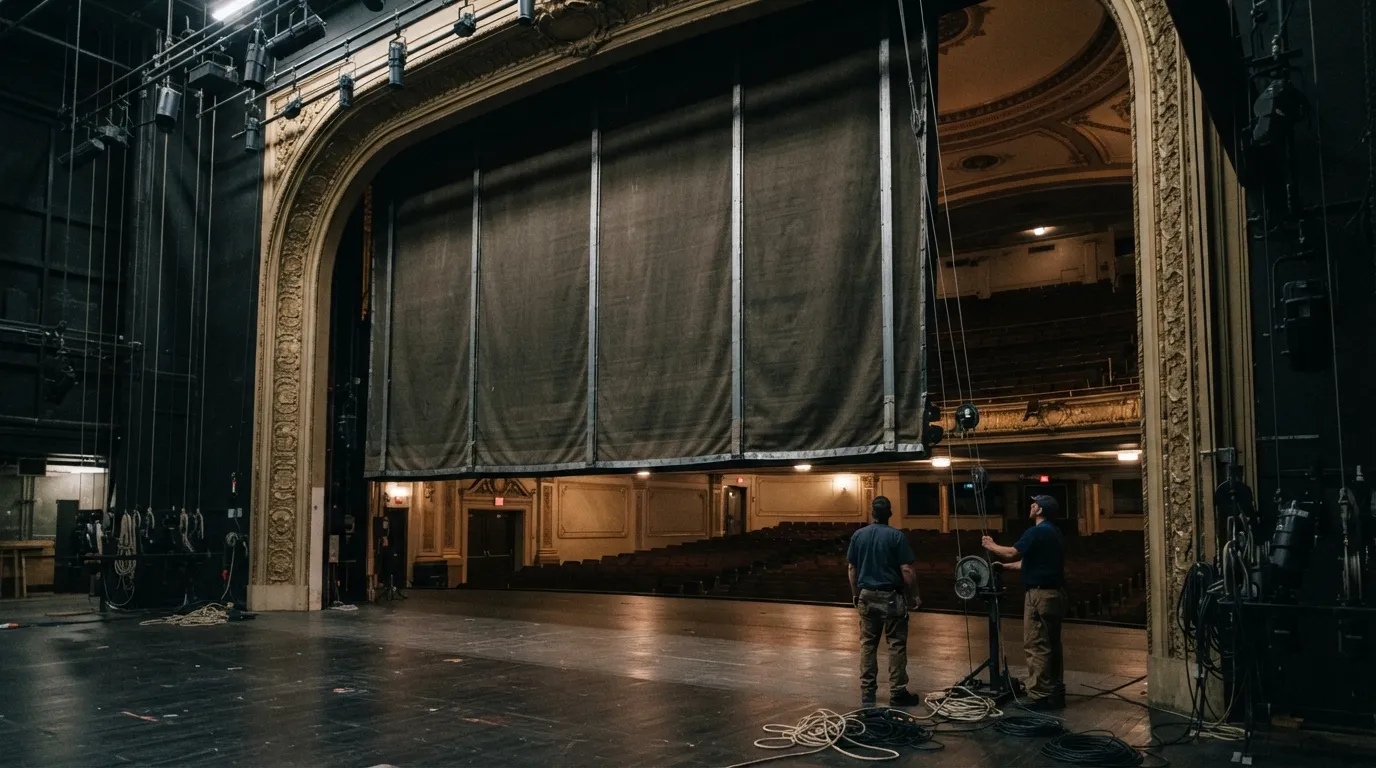
The Iroquois Theatre in Chicago was advertised as “absolutely fireproof,” and it had opened only weeks before. On December 30, 1903, during a matinee of Mr. Bluebeard starring Eddie Foy, a stage light sparked a drape.
The asbestos safety curtain meant to seal the stage snagged halfway down. Fire and smoke rushed into the auditorium, and many exits were hidden or locked. More than 600 people died, many of them women and children.
The disaster changed theater safety. Working fire curtains, outward-opening doors, and better exits became standard expectations. Many theaters with a safety curtain still lower it as part of regular checks. It’s a piece of equipment most audiences never see move, and it exists because one stuck curtain once decided who got out.
Quick Compare
- Victoria Hall, 1883: a bolted door. The fix was outward-opening, easy-to-open exits and, soon after, panic bars.
- Iroquois Theatre, 1903: hidden or locked exits and a stuck curtain. The fix was working fire curtains and better exits.
- Cocoanut Grove, 1942: a jammed revolving door. The fix was outward-swinging exits and clearly marked ways out.
CEO-Co-Founder
