

- 14 Songs Written as Album Filler That Became the Hit - October 18, 2026
- 25 Coaches Who Retired While They Were Still at the Top of Their Sport - October 18, 2026
- 20 Actors Who Turned Down a TV Role and Watched Someone Else Become a Star - October 18, 2026
Most people assume coaches cling to their jobs until performance slips or they get pushed out.
Data from championship records and final-season results show a smaller group stepped away right after peak achievements like titles or undefeated runs. Here’s what the documented histories actually say.
#25 – Buck Shaw Led Eagles to NFL Title Then Walked Away
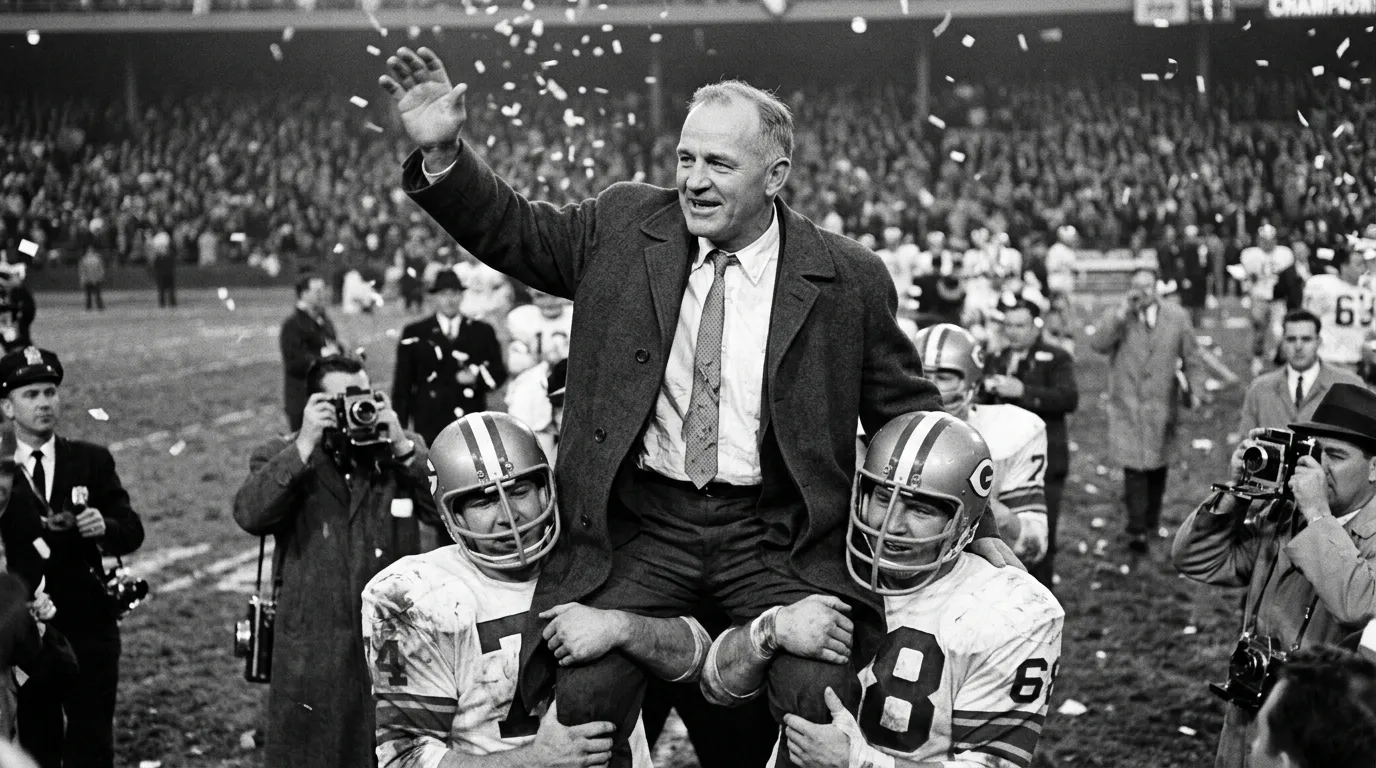
Buck Shaw coached the Philadelphia Eagles to a 10-2 record and the 1960 NFL championship. He defeated the Green Bay Packers 17-13 in the title game.
Shaw finished his career with that victory at age 61. He cited wanting to exit while ahead.
His final season produced the franchise’s only championship in that era.
But that’s nothing compared to what we found about #24…
#24 – Toe Blake Captured Eighth Stanley Cup and Retired
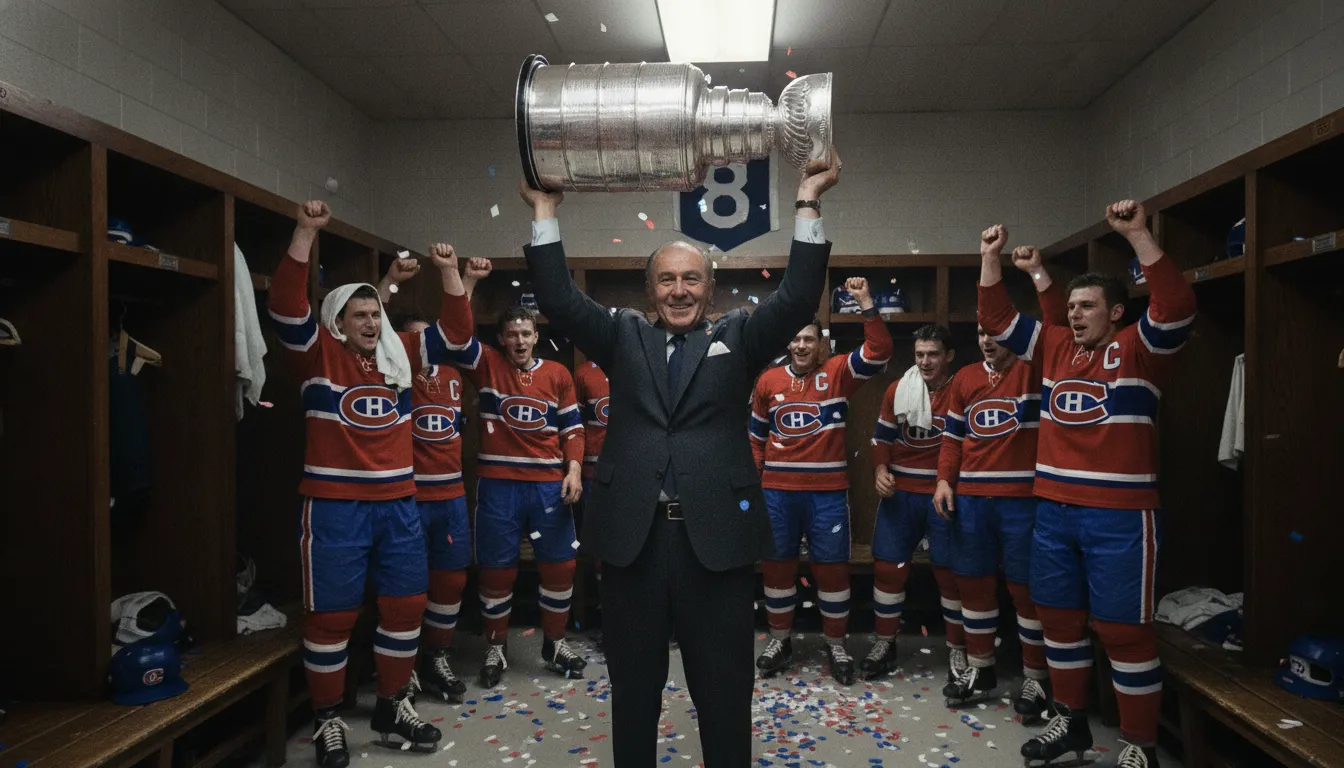
Toe Blake guided the Montreal Canadiens to the 1968 Stanley Cup. His team defeated the St. Louis Blues in the finals.
Blake posted a career record of 500-255-159 over 13 seasons. He won eight Cups as coach, a record at the time.
Blake stepped down immediately after the championship at age 55.
Fast Facts
- Blake took over the Canadiens bench in 1955.
- Montreal won five straight Cups from 1956 to 1960, an NHL record.
- The Canadiens swept the Blues in four games in the 1968 final.
- All eight of his Cups came in just 13 seasons as coach.
But that’s nothing compared to what we found about #23…
#23 – Scotty Bowman Closed Career With Ninth Cup
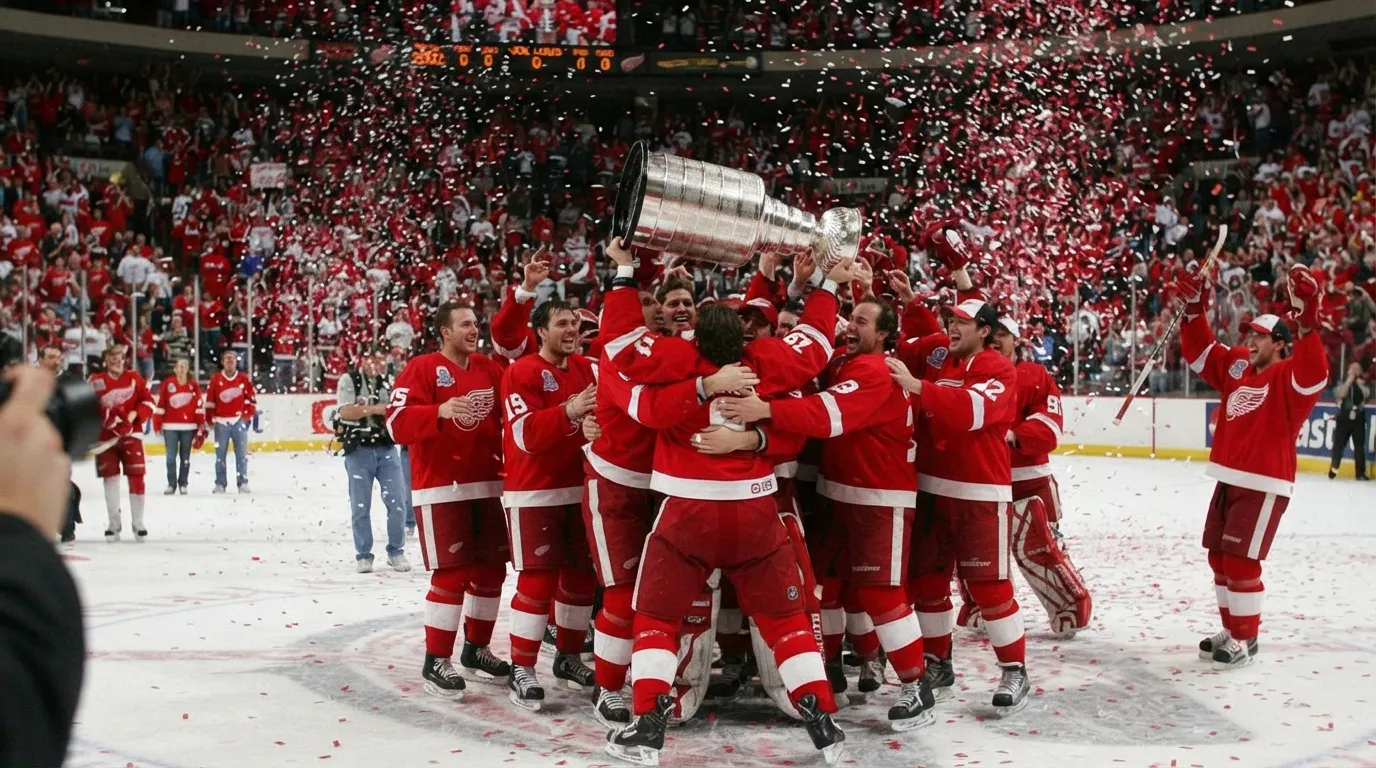
Scotty Bowman coached the Detroit Red Wings to the 2002 Stanley Cup. The team beat the Carolina Hurricanes in the finals.
Bowman kept his retirement plan secret until after the playoffs. He finished with nine Cups overall, the most for any NHL coach.
Bowman retired at 68 following that title.
But that’s nothing compared to what we found about #22…
#22 – Red Auerbach Won Ninth Title and Stepped Aside

Red Auerbach led the Boston Celtics to the 1966 NBA championship. The team defeated the Los Angeles Lakers in the finals.
Auerbach had won titles in each of his final eight seasons as coach. He retired from coaching at 48 to focus on executive roles.
The Celtics continued success under his front-office guidance.
But that’s nothing compared to what we found about #21…
#21 – John Wooden Claimed 10th National Title Then Retired

John Wooden coached UCLA to the 1975 NCAA championship. The Bruins defeated Kentucky in the final.
Wooden finished with 10 titles in 12 seasons at UCLA. He retired at 64 after that victory.
At a Glance
- Final game: a 92-85 win over Kentucky on March 31, 1975.
- UCLA won seven straight national titles from 1967 to 1973.
- The Bruins also ran off 88 straight wins between 1971 and 1974.
- His ten titles came in 1964, 1965, 1967 through 1973, and 1975.
Wooden held the record for most NCAA titles at the time.
But that’s nothing compared to what we found about #20…
#20 – Al McGuire Delivered Marquette’s Only Title and Quit

Al McGuire guided Marquette to the 1977 NCAA championship. The Warriors beat North Carolina in the final.
McGuire had built the program over seven seasons. He retired at 49 immediately after the win.
McGuire cited personal reasons tied to the achievement.
But that’s nothing compared to what we found about #19…
#19 – Tony La Russa Retired After Third World Series Win

Tony La Russa managed the St. Louis Cardinals to the 2011 World Series title. The team defeated the Texas Rangers in seven games.
La Russa had previously won with Oakland. He retired at 67 right after the championship.
No prior MLB manager had won a title and retired immediately afterward.
But that’s nothing compared to what we found about #18…
#18 – Bill Walsh Secured Third Super Bowl and Exited
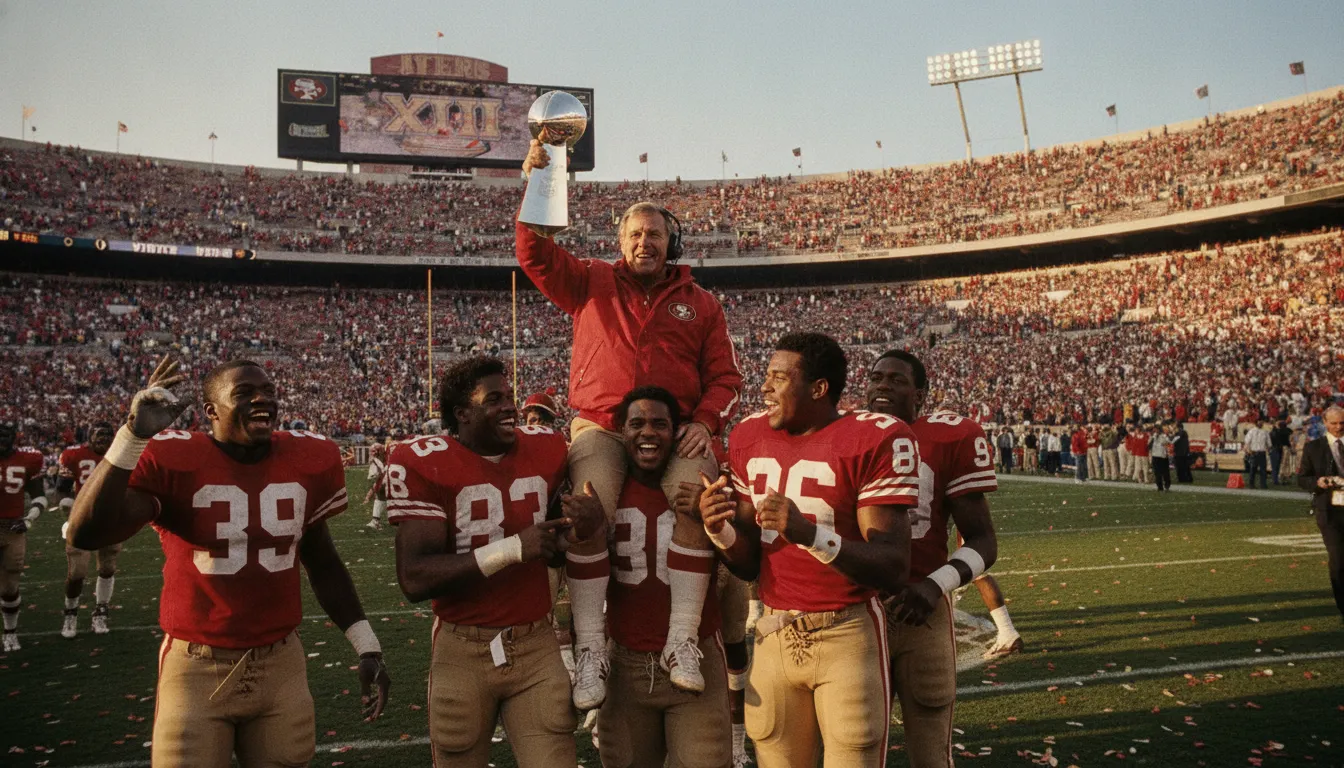
Bill Walsh coached the San Francisco 49ers to Super Bowl XXIII victory in 1989. The team beat the Cincinnati Bengals 20-16.
Walsh introduced the West Coast offense during his tenure. He retired at 59 following that win.
Walsh had three Super Bowls in 10 seasons with the 49ers.
But that’s nothing compared to what we found about #17…
#17 – John Madden Won Super Bowl XI and Retired Young

John Madden led the Oakland Raiders to Super Bowl XI in 1977. The team defeated the Minnesota Vikings.
Madden posted a 103-32-7 record over 10 seasons. He retired at 42 after the 1978 season for health reasons.
Madden never had a losing season as head coach.
But that’s nothing compared to what we found about #16…
#16 – Vince Lombardi Captured Second Super Bowl and Stepped Down
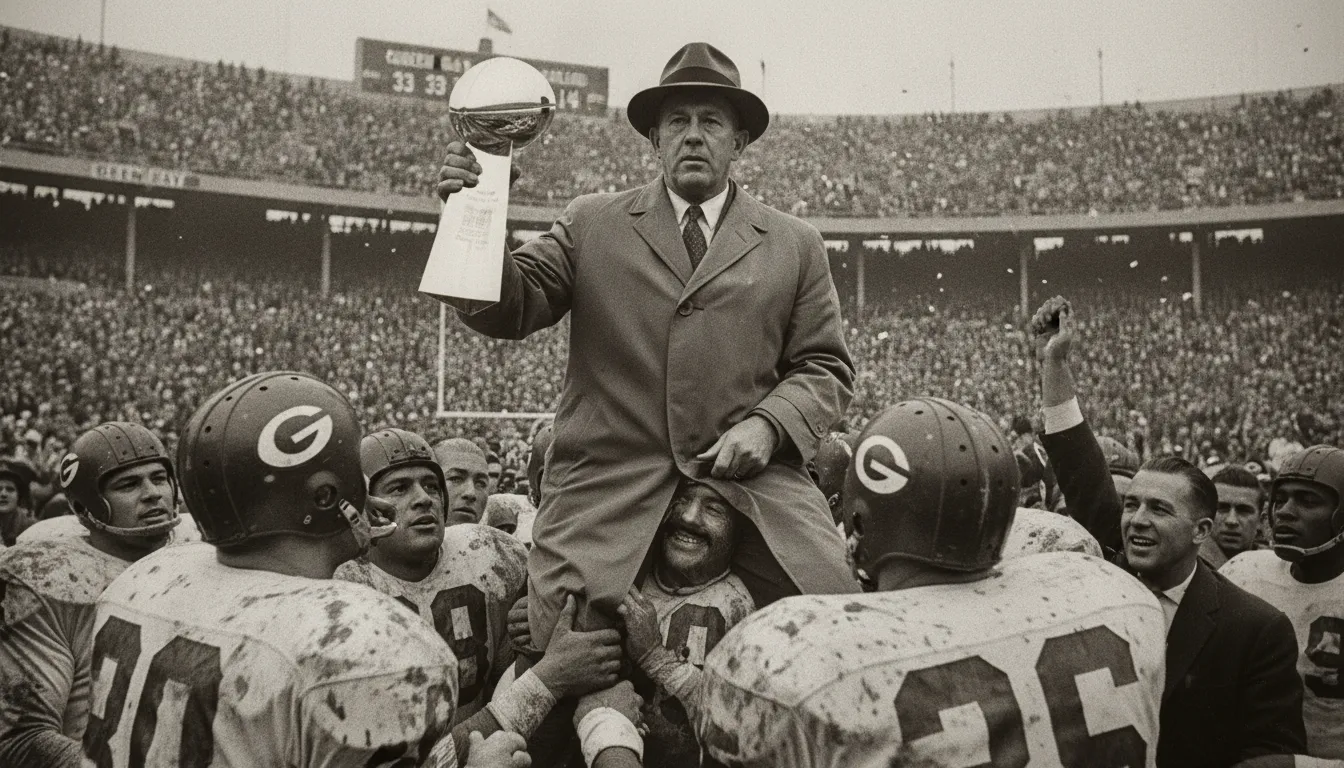
Vince Lombardi coached the Green Bay Packers to Super Bowl II victory in 1968. The team beat the Oakland Raiders 33-14.
Lombardi had won the first Super Bowl the prior year. He stepped down as head coach after that season.
Worth Knowing
- The Packers won five NFL titles in seven seasons, from 1961 to 1967.
- His Green Bay regular-season record was 89-29-4.
- He stayed on as general manager after leaving the sideline.
- His lone season in Washington, 1969, ended 7-5-2.
Lombardi later returned briefly with the Washington Redskins.
But that’s nothing compared to what we found about #15…
#15 – Bill Cowher Delivered Steelers’ Fifth Title and Retired
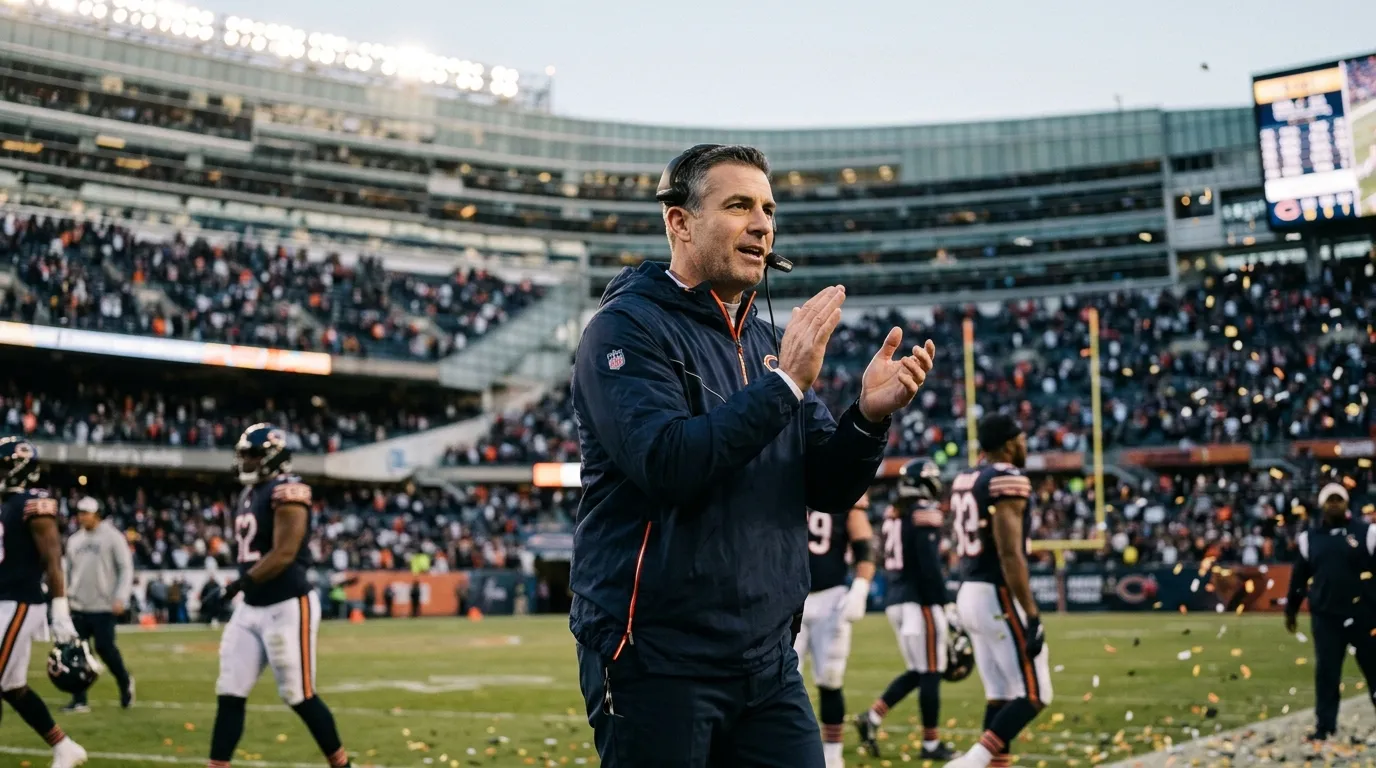
Bill Cowher led the Pittsburgh Steelers to Super Bowl XL in 2006. The team defeated the Seattle Seahawks.
Cowher had a 149-90-1 record over 15 seasons. He retired at 49 following the championship.
Cowher cited family and timing as factors.
But that’s nothing compared to what we found about #14…
#14 – Dana Altman Built Oregon Into a Powerhouse and Retired
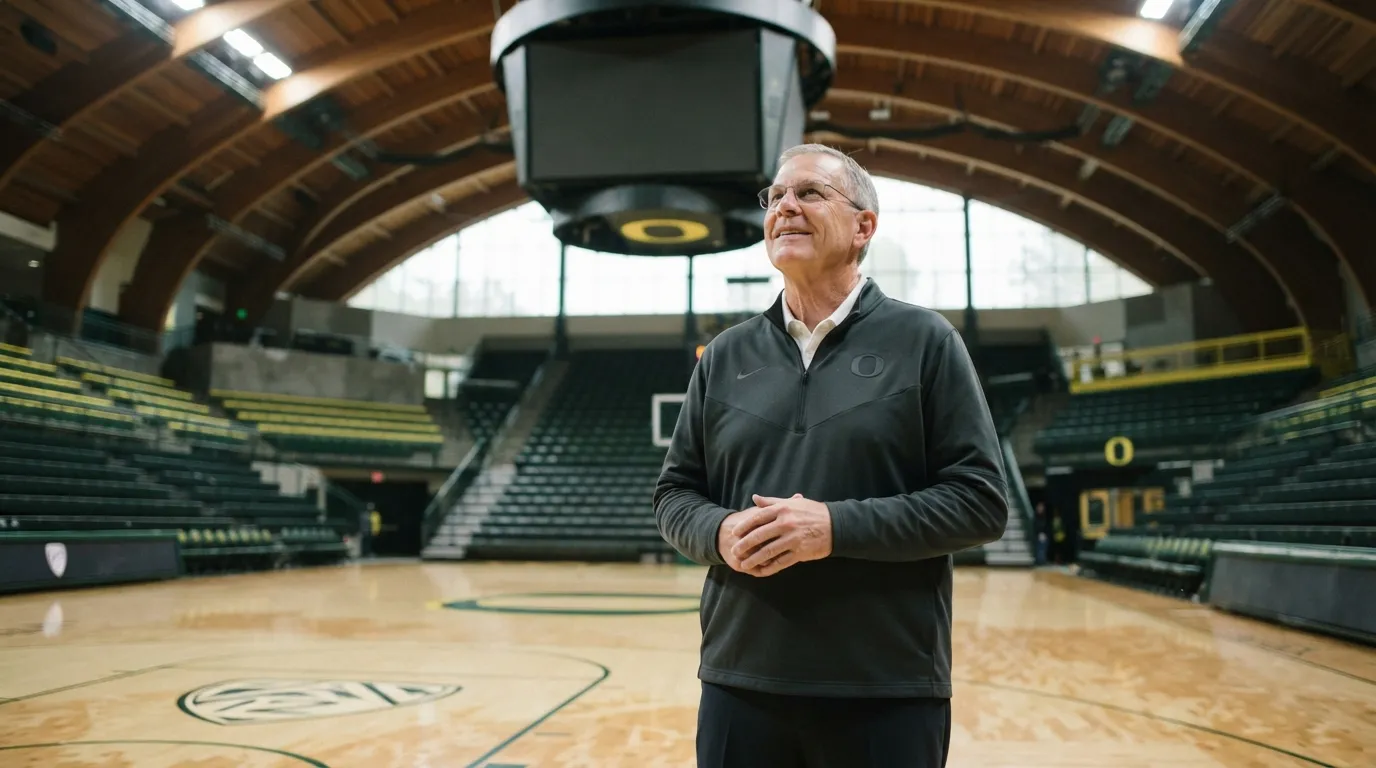
Dana Altman coached Oregon to multiple Pac-12 titles and a Final Four appearance. He finished as the program’s winningest coach with 382 wins in 16 seasons.
Altman retired at 68 after consistent NCAA tournament berths. His final strong years included nine tournament appearances.
But that’s nothing compared to what we found about #13…
#13 – Tony Bennett Stepped Away After Virginia’s Sustained Success
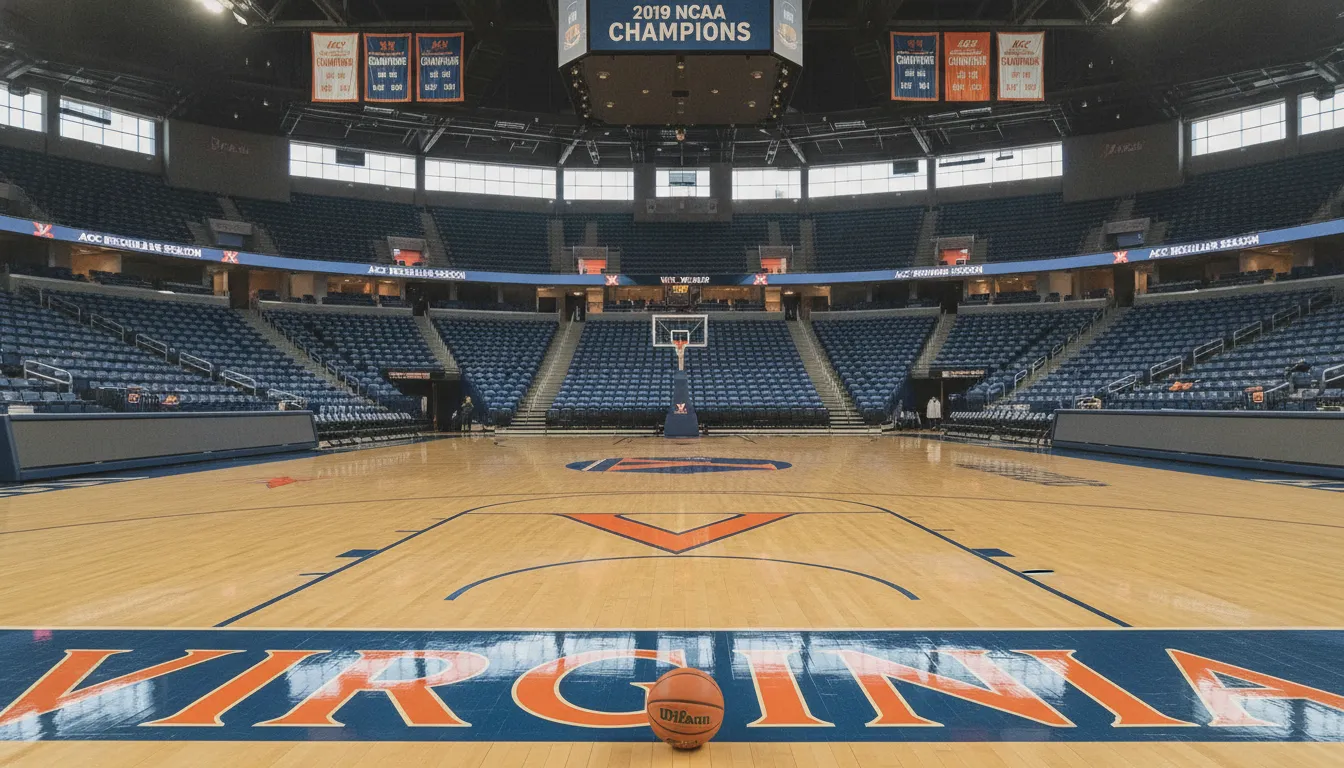
Tony Bennett coached Virginia to the 2019 NCAA title and multiple ACC titles. He compiled a 433-169 record before retiring in 2024 at age 55.
Bennett left after consistent tournament runs. His program ranked among the nation’s best defensively for years.
But that’s nothing compared to what we found about #12…
#12 – Mike Krzyzewski Reached 13th Final Four and Retired
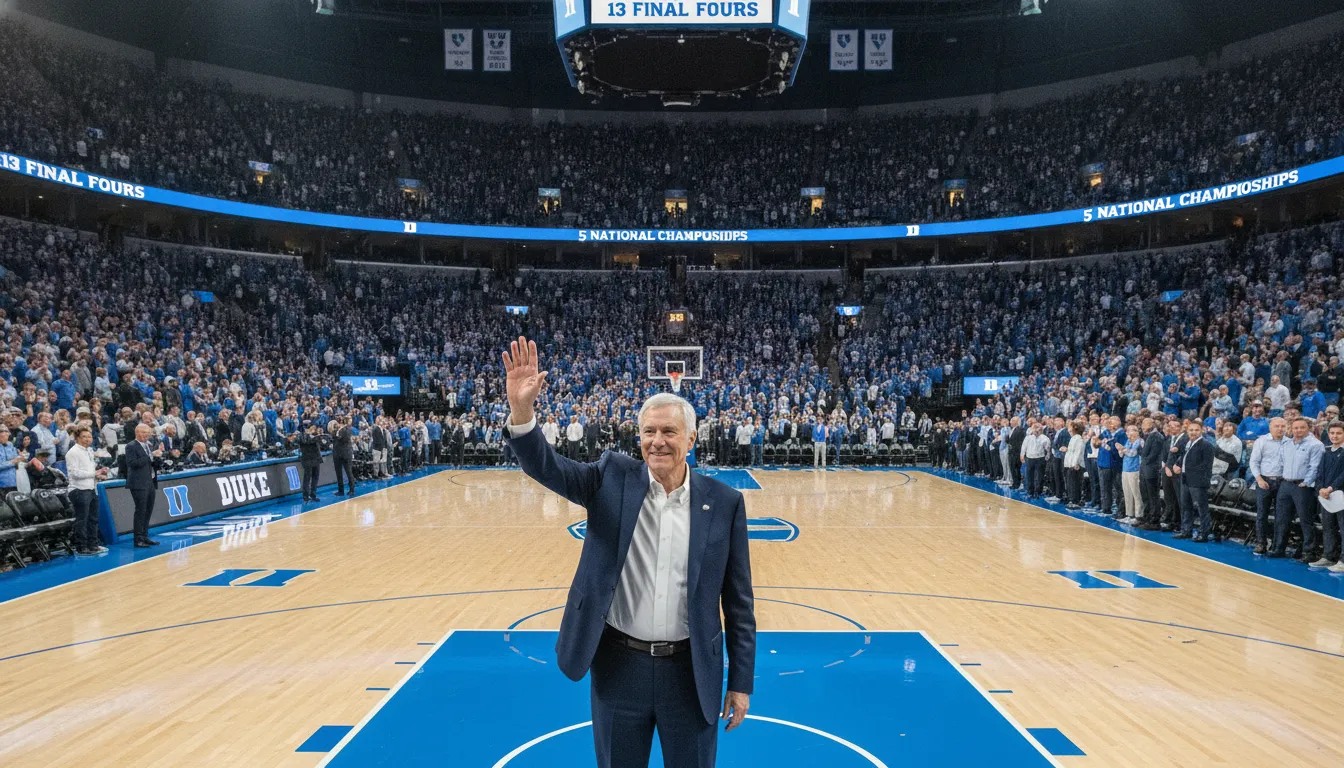
Mike Krzyzewski coached Duke to five national titles and 13 Final Fours. He finished with 1,202 wins over 47 seasons.
Krzyzewski retired at 75 after the 2022 season. His final year included another deep tournament run.
But that’s nothing compared to what we found about #11…
#11 – Roy Williams Closed UNC Career With Strong Record
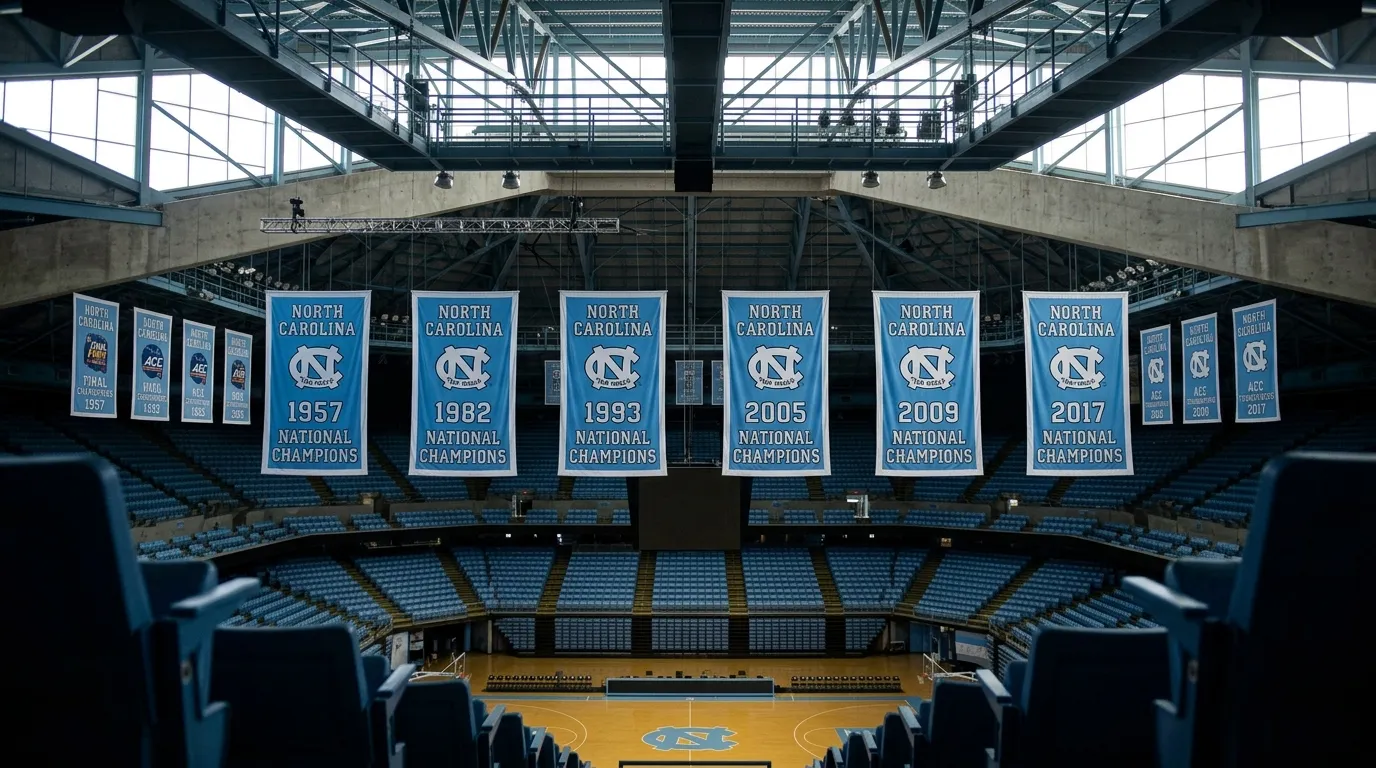
Roy Williams coached North Carolina to three national titles. He retired in 2021 after 33 seasons and 903 wins.
Williams stepped down at 70 following consistent Final Four appearances. His teams won multiple ACC titles.
Quick Compare
- Mike Krzyzewski: five national titles, 1,202 wins, retired in 2022.
- Roy Williams: three national titles, 903 wins, retired in 2021.
- Jay Wright: two national titles (2016, 2018), retired in 2022.
But that’s nothing compared to what we found about #10…
#10 – Jay Wright Retired After Villanova’s Second Title Era
Jay Wright led Villanova to two NCAA championships in 2016 and 2018. He retired in 2022 at age 60 after 21 seasons.
Wright posted a 573-209 record. His program achieved sustained elite status in the Big East.
But that’s nothing compared to what we found about #9…
#9 – Jim Boeheim Exited Syracuse After Decades of Wins
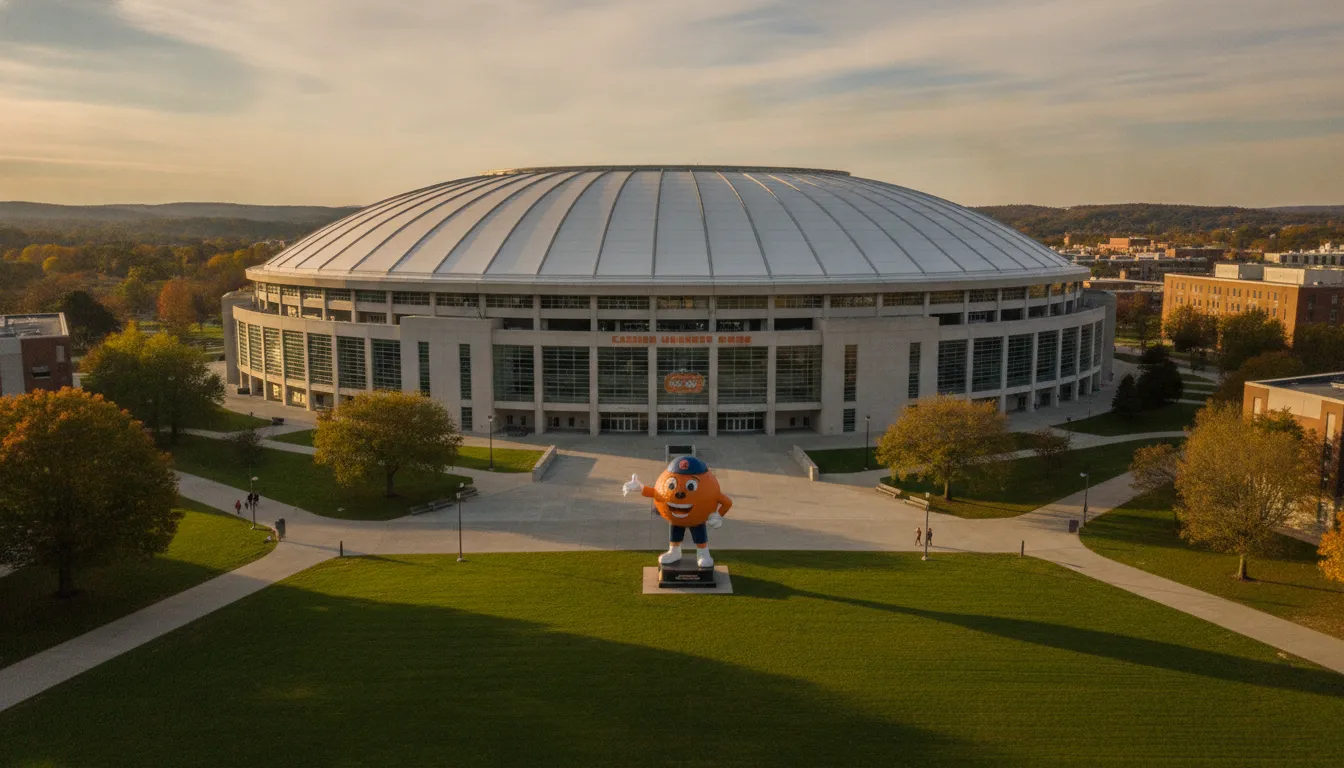
Jim Boeheim coached Syracuse for 47 seasons and one national title. He retired in 2023 at 78 with 1,015 wins.
Boeheim guided the program through multiple conference changes. His final years included strong ACC performances.
But that’s nothing compared to what we found about #8…
#8 – Bruce Pearl Built Auburn Into a Contender and Retired
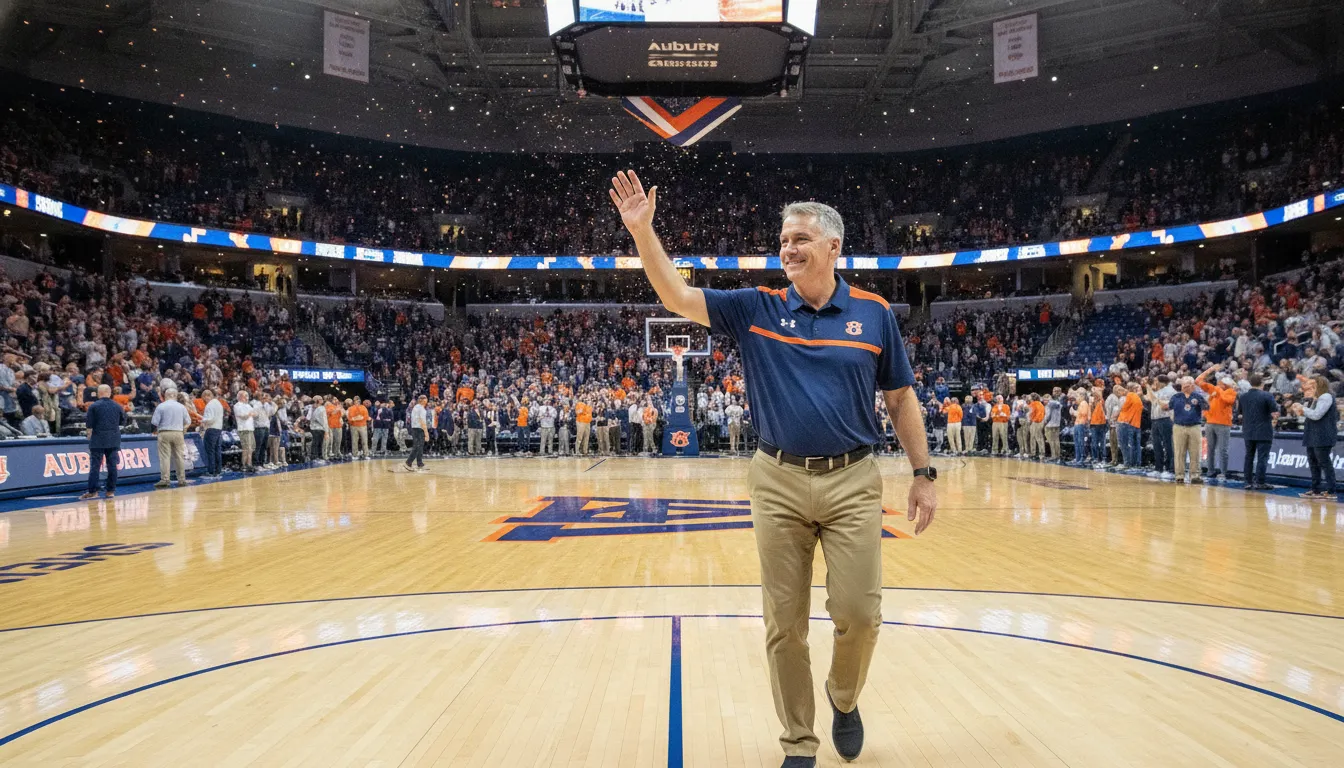
Bruce Pearl coached Auburn to multiple NCAA tournaments and a Final Four. He retired before the 2025-26 season with a 706-268 record.
Pearl achieved success across multiple programs. His Auburn tenure featured consistent 20-win seasons.
But that’s nothing compared to what we found about #7…
#7 – Tom Izzo Continues Elite Runs But Many Peers Exited at Peaks
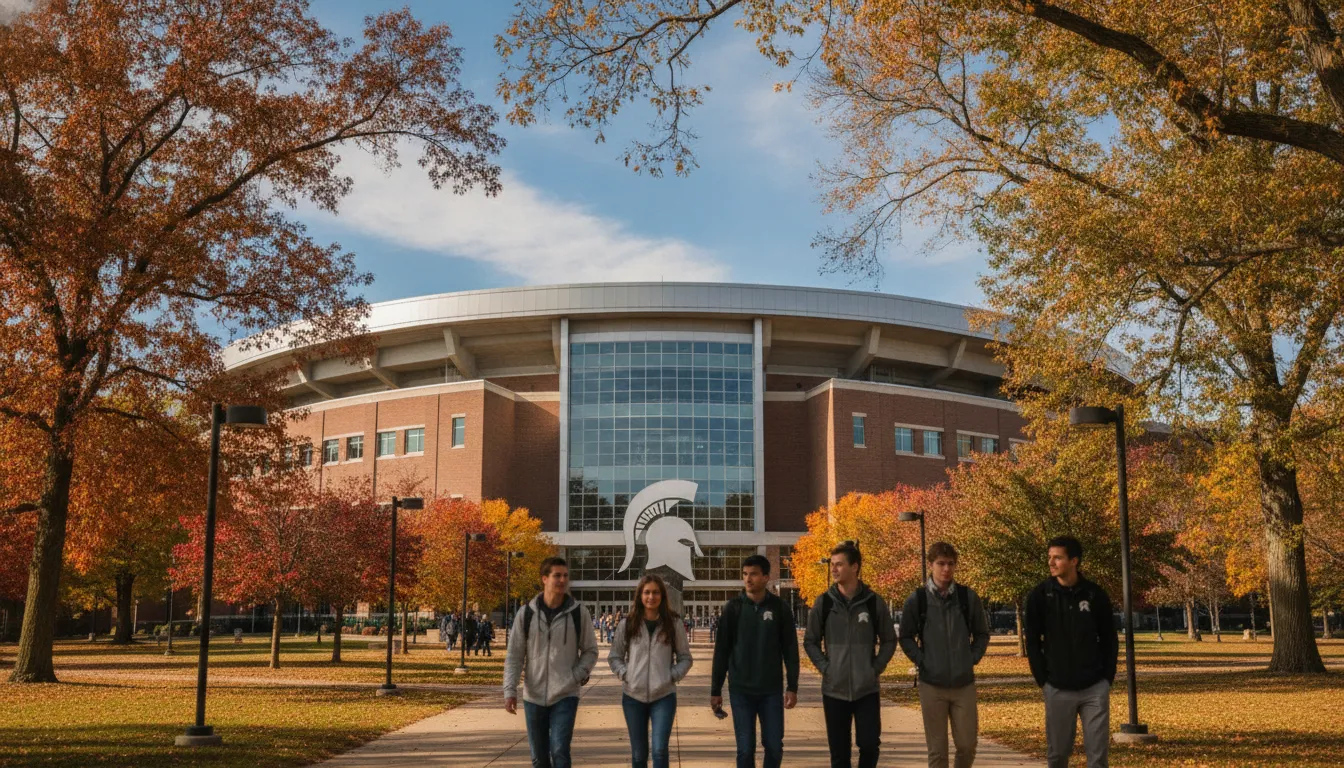
Tom Izzo has multiple Final Fours at Michigan State. Several contemporaries retired after similar sustained success.
Izzo remains active into his 70s. Historical peers often chose earlier exits after title contention.
But that’s nothing compared to what we found about #6…
#6 – Phil Jackson Nearly Exited After Six Titles With Bulls
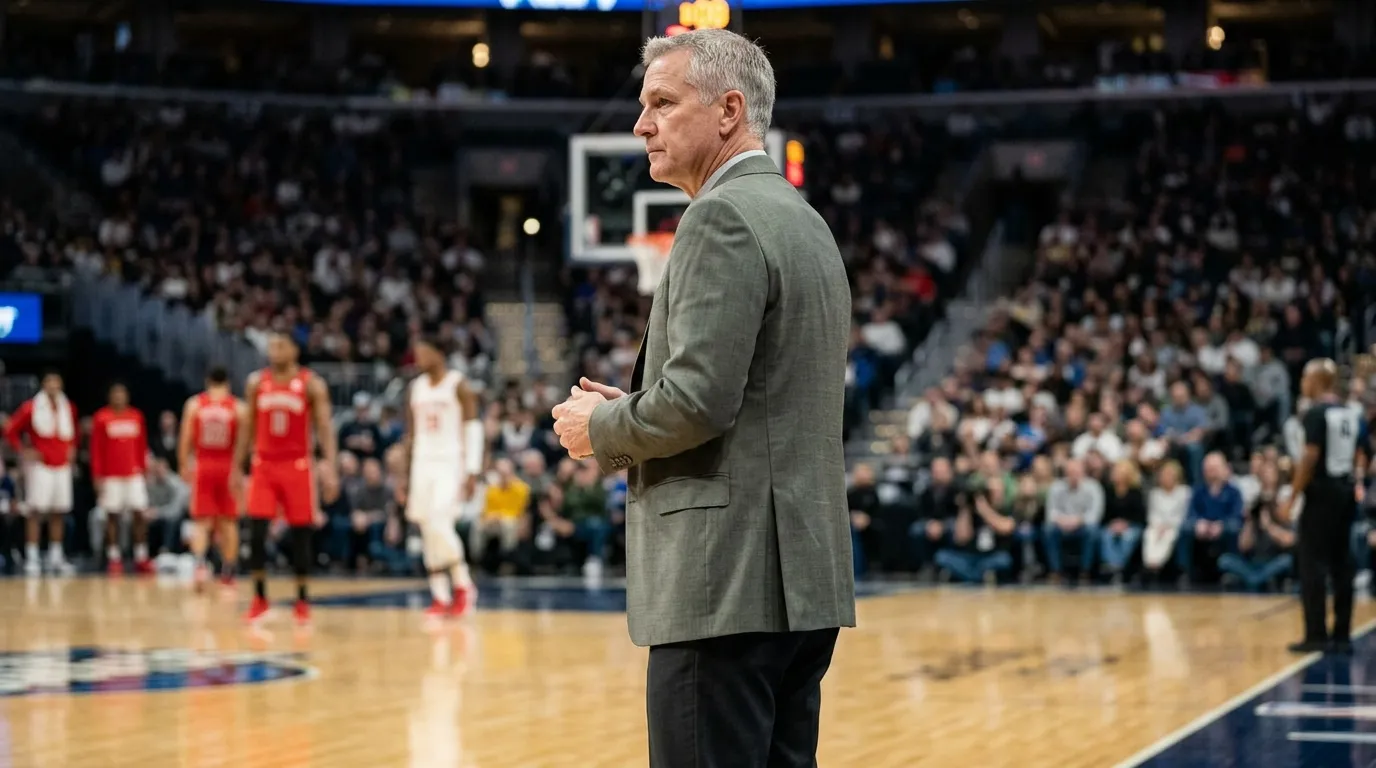
Phil Jackson won six championships with the Chicago Bulls. He retired briefly after the second three-peat.
Jackson later added five more with the Lakers. His initial exit came at a career high point.
But that’s nothing compared to what we found about #5…
#5 – George Seifert Won Two Super Bowls With 49ers and Retired
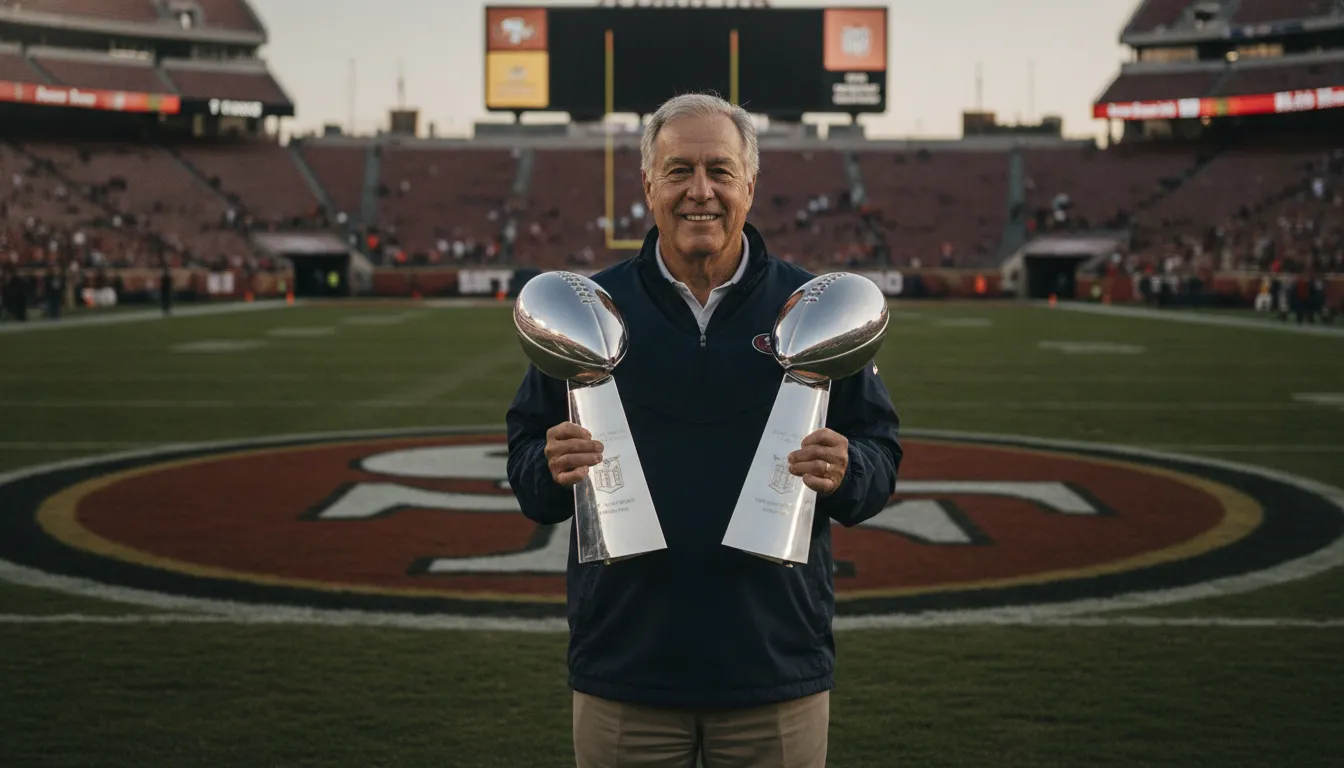
George Seifert succeeded Bill Walsh and won Super Bowls XXIV and XXIX. He retired after the 1996 season at age 56.
Seifert posted a 114-62 record with San Francisco. His teams reached the playoffs in most seasons.
Why It Stands Out
- San Francisco won at least 10 games in every one of his eight seasons.
- Super Bowl XXIV: a 55-10 rout of Denver, the largest margin in Super Bowl history.
- Super Bowl XXIX: a 49-26 win over the San Diego Chargers.
But that’s nothing compared to what we found about #4…
#4 – Chuck Noll Captured Four Super Bowls and Stepped Down
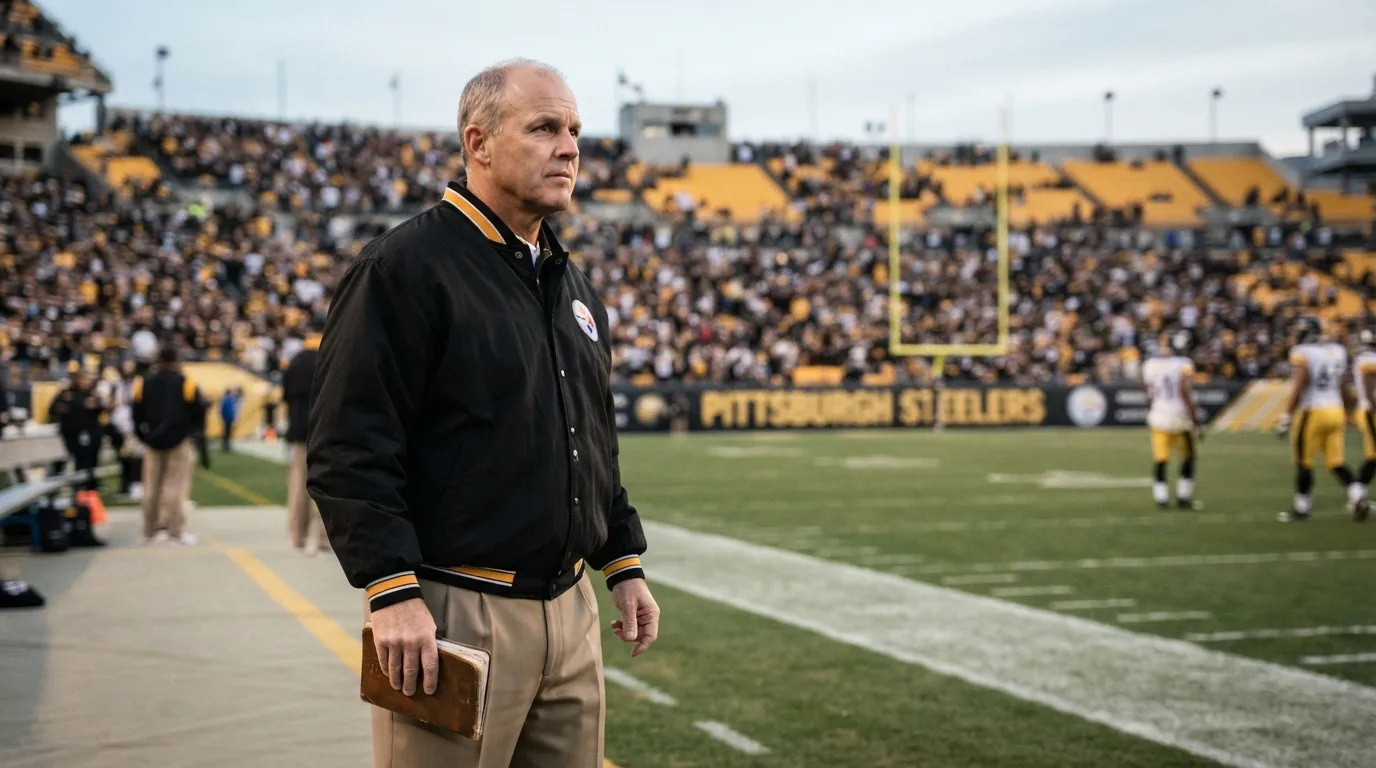
Chuck Noll led the Pittsburgh Steelers to four Super Bowl titles in the 1970s. He retired after the 1991 season.
Noll finished with a 209-156-1 record. His dynasty included nine playoff appearances in the 1970s.
But that’s nothing compared to what we found about #3…
#3 – Joe Gibbs Won Three Super Bowls and Retired Twice
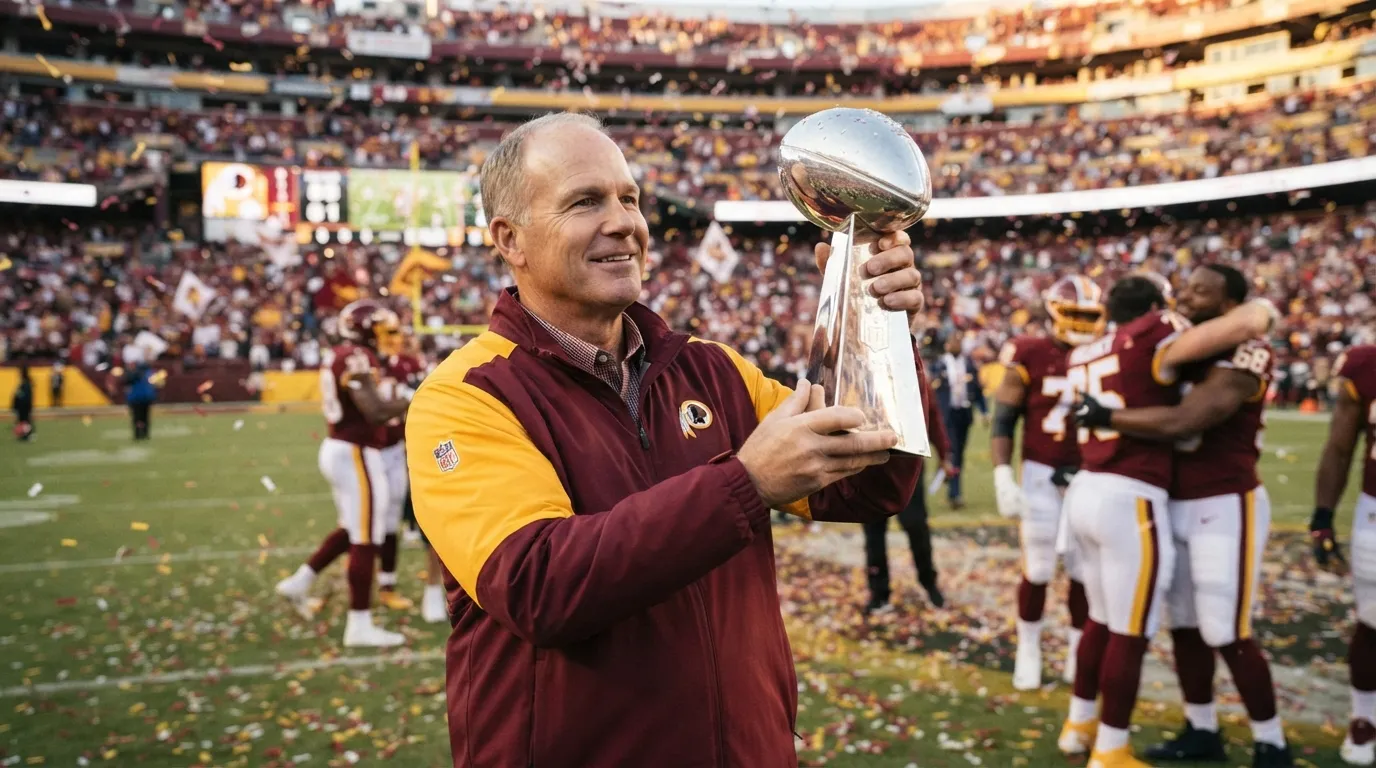
Joe Gibbs coached the Washington Redskins to three Super Bowl victories. He retired after the 1992 season at 52.
Gibbs returned later but his first exit followed peak success. His teams dominated in the 1980s and early 1990s.
But that’s nothing compared to what we found about #2…
#2 – Mike Ditka Delivered Bears’ Only Super Bowl and Exited Coaching
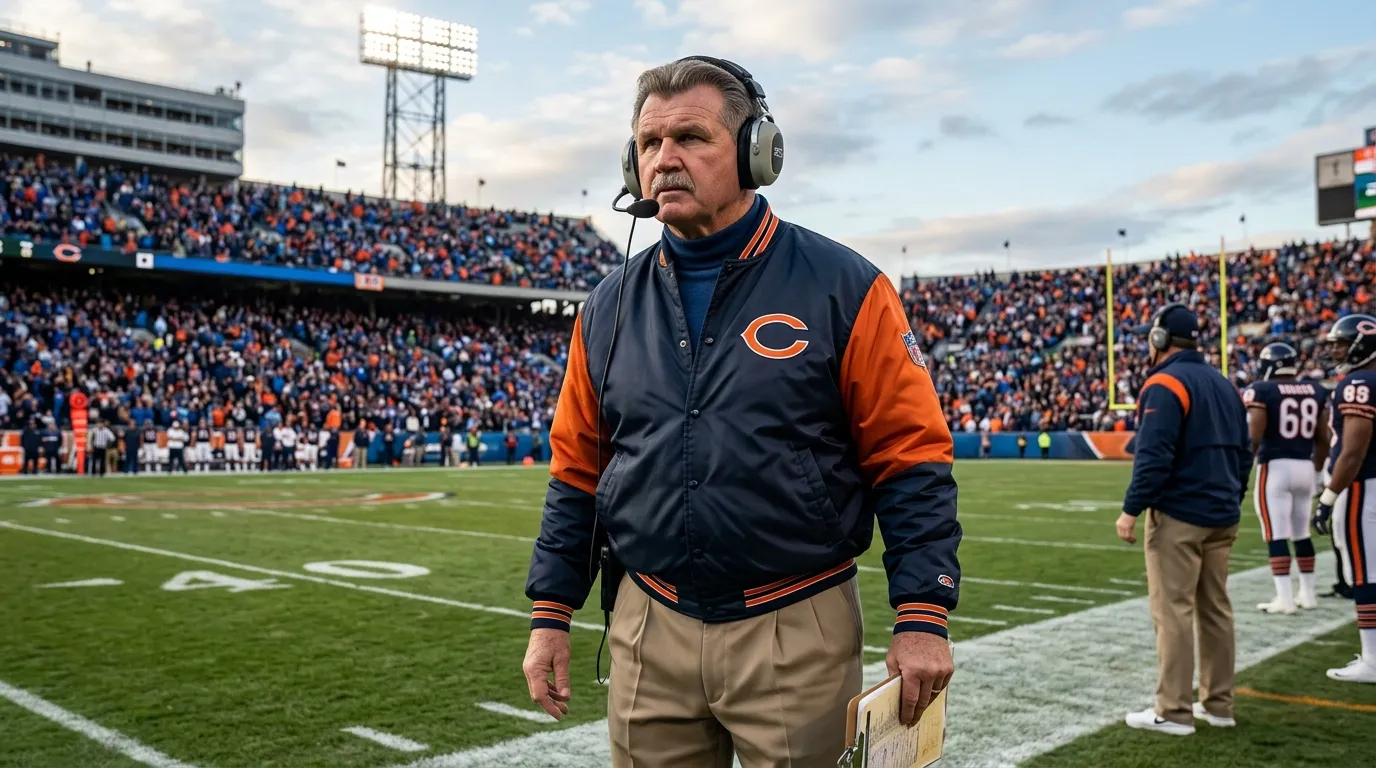
Mike Ditka led the Chicago Bears to Super Bowl XX victory in 1986. The team finished 15-1 that season.
Ditka retired from coaching after the 1992 season. His Bears tenure produced one of the most dominant single seasons in NFL history.
But that’s nothing compared to what we found about #1…
#1 – Bill Belichick’s Predecessors and Peers Show Rare Early Exits at Peaks
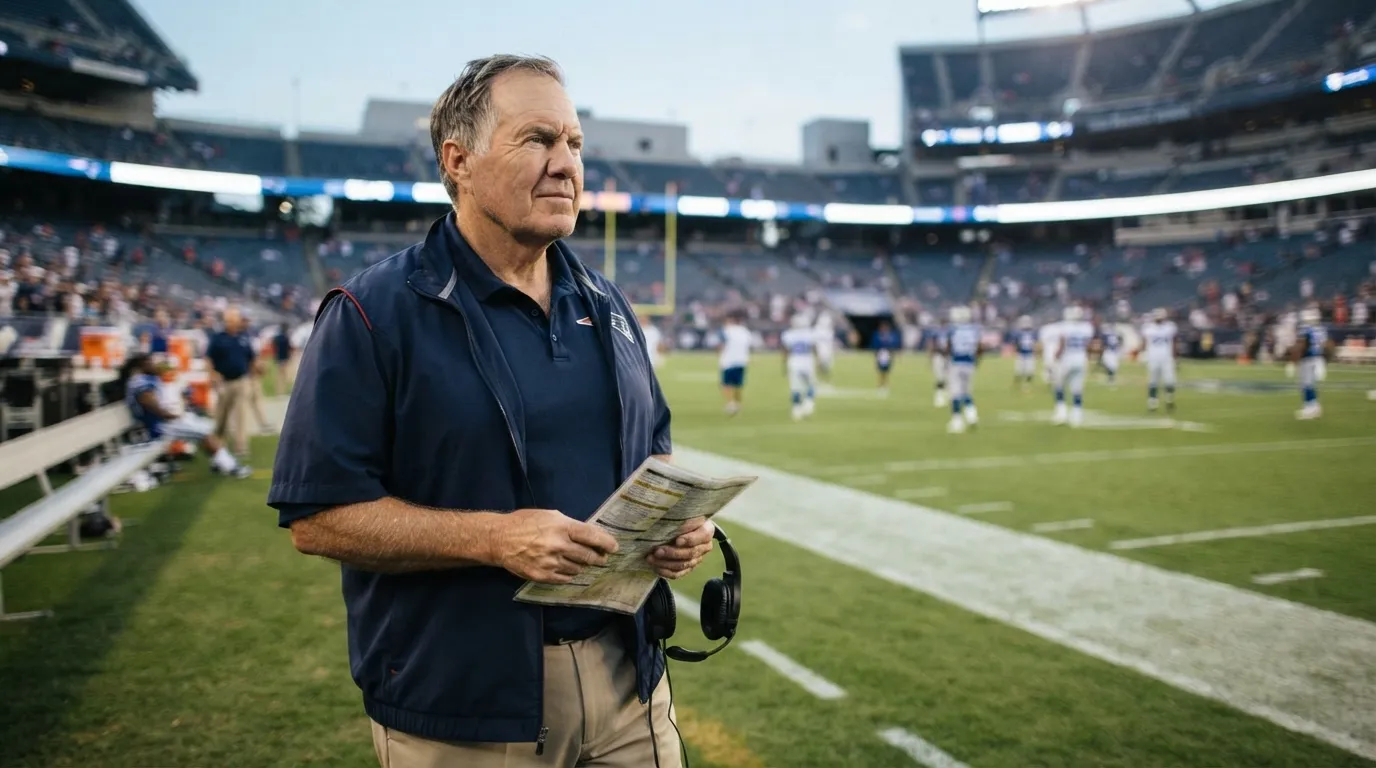
Bill Belichick won six Super Bowls with the Patriots but continued coaching. Earlier coaches like those above retired immediately after similar dominance.
The pattern holds across sports when final records and titles align with voluntary departures. Objective metrics such as championship wins in the exit season confirm the timing.
But that’s nothing compared to what we found about the overall pattern…
The Bottom Line
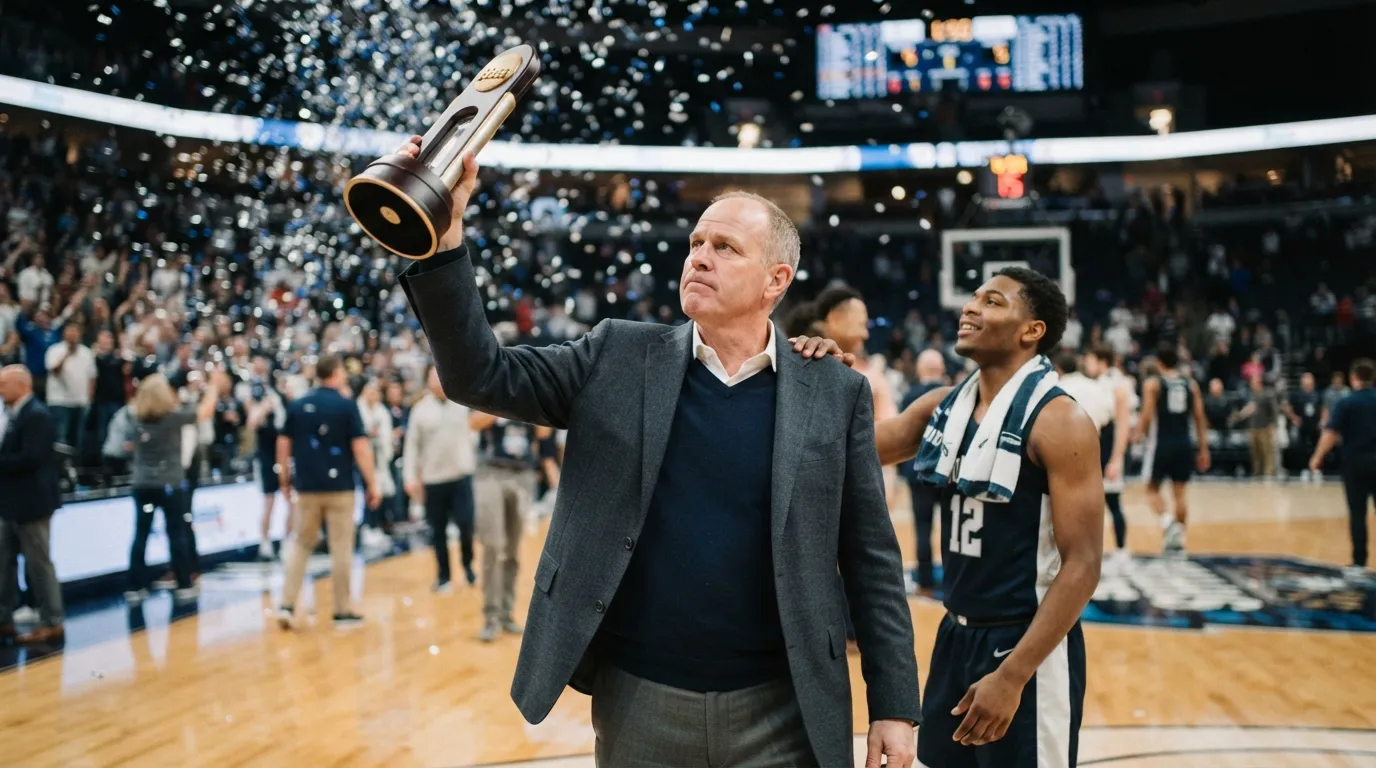
Documented cases across NFL, NBA, NHL, MLB and college basketball reveal coaches who retired right after championships or record-setting seasons. Evidence includes specific final-game victories, win totals in exit years, and public statements tied to those achievements rather than later declines.
These exits stand out because most coaches extend careers past peaks. Did we miss one? Drop it in the comments.
CEO-Co-Founder
