

- 15 Songs That Sparked Generations of Activists - October 23, 2026
- 20 Books That Brought American Myths to Life - October 23, 2026
- The True Origins of America’s Greatest Rock Bands - October 23, 2026
You bought the policy, packed the confidence, and assumed a mishap abroad would be covered, but the fine print has 16 ways to prove you wrong.
Some of these exclusions take one missed deadline or one unchecked box, and the most painful ones are saved for the end.
#16 – Claim Notification Deadlines

Insurers expect prompt notice of an incident, and some policies set a tight window, sometimes 24 to 48 hours. Miss it and they may deny the claim even when the loss is real, because late reports make investigation harder and fraud easier to suspect.
The fix is simple: report by phone or app as soon as it happens, and save the confirmation.
Even a valid medical bill can be rejected over timing alone.
#15 – Undeclared Additional Trips on Annual Policies

Annual multi-trip policies cover only journeys that fit their stated terms, such as trip-length limits or trips you were required to declare. An out-of-scope trip can leave that journey completely uncovered, and insurers compare booking records against the policy when a claim arrives.
Frequent flyers often treat these policies as blanket protection. Read the limits, and notify the insurer before you leave if the trip needs declaring.
Even a short add-on trip can be refused if it falls outside the terms.
#14 – Missed Connections From Insufficient Buffer Time

Many policies exclude missed connections when the layover was shorter than the airline’s minimum connection time. Insurers treat that squeeze as a foreseeable risk you accepted when you booked, and your itinerary becomes the evidence.
Choose connections that meet the published minimum, ideally with room to spare, and keep legs on one ticket where possible.
A too-tight layover can undercut a claim even when the delay itself wasn’t your fault.
#13 – Adventure Activities Not Covered by Your Plan

Many standard policies exclude hazardous activities such as scuba diving, skiing off-piste, or bungee jumping unless you add a sports extension. The insurer prices the policy for ordinary trips, so an injury from an excluded activity can mean the bill is yours.
Check the activities list before booking excursions, and buy the add-on first.
Worth Knowing
- Sports extensions are normally bought before you leave, not after an injury.
- Activity lists can be specific, so a similar-sounding sport may not count.
- Some wordings tie cover to staying on marked routes or using a licensed operator.
- Ask for the activities list in writing before you pay for the excursion.
#12 – Unattended Baggage and Belongings

Theft claims often fail when items were left unattended, such as a bag on a beach towel or a phone on a café table. Insurers say you didn’t take reasonable care, and many policies state it plainly.
Keep valuables on you or locked away, and file a police report quickly when theft happens.
#11 – Valuables Above Single-Item Limits

Policies cap what they pay per item, and cameras, laptops, and jewelry often hit that ceiling fast. The claim isn’t necessarily voided, but you may get a fraction of the cost, and some policies exclude certain valuables from checked luggage entirely.
Check the per-item limit and the valuables clause, and consider a specified-items add-on for expensive gear.
#10 – Missing Receipts and Proof of Loss

Insurers pay on evidence, so a claim without receipts, police reports, or medical records can be denied. They can’t verify what happened or what it cost, and the burden of proof sits with you.
Photograph receipts as you go, and ask for written reports from the airline, hotel, police, or clinic before you leave.
#9 – Canceling Because You Changed Your Mind

Standard cancellation cover pays only for listed reasons, such as illness or a covered emergency. Deciding you’d rather not go, or finding a cheaper trip, is usually excluded, because insurers won’t cover a choice.
If flexibility matters, look for an optional cancel-for-any-reason upgrade, and check its deadlines and reimbursement percentage.
Quick Compare
- Standard cancellation: pays for listed reasons like illness, but not a change of heart.
- Cancel-for-any-reason: opens the door to unlisted reasons, usually with only partial reimbursement.
- Before you buy: check the purchase-timing deadline and the percentage returned.
#8 – Traveling Against Medical Advice or Official Warnings

If a doctor advised you not to travel, or your government had issued a strict warning against going, many policies won’t pay claims linked to that decision. The insurer sees a known risk you chose to accept.
Get written medical clearance when in doubt, and review your destination’s advisories before buying and before departing.
#7 – Buying After the Problem Was Already Known
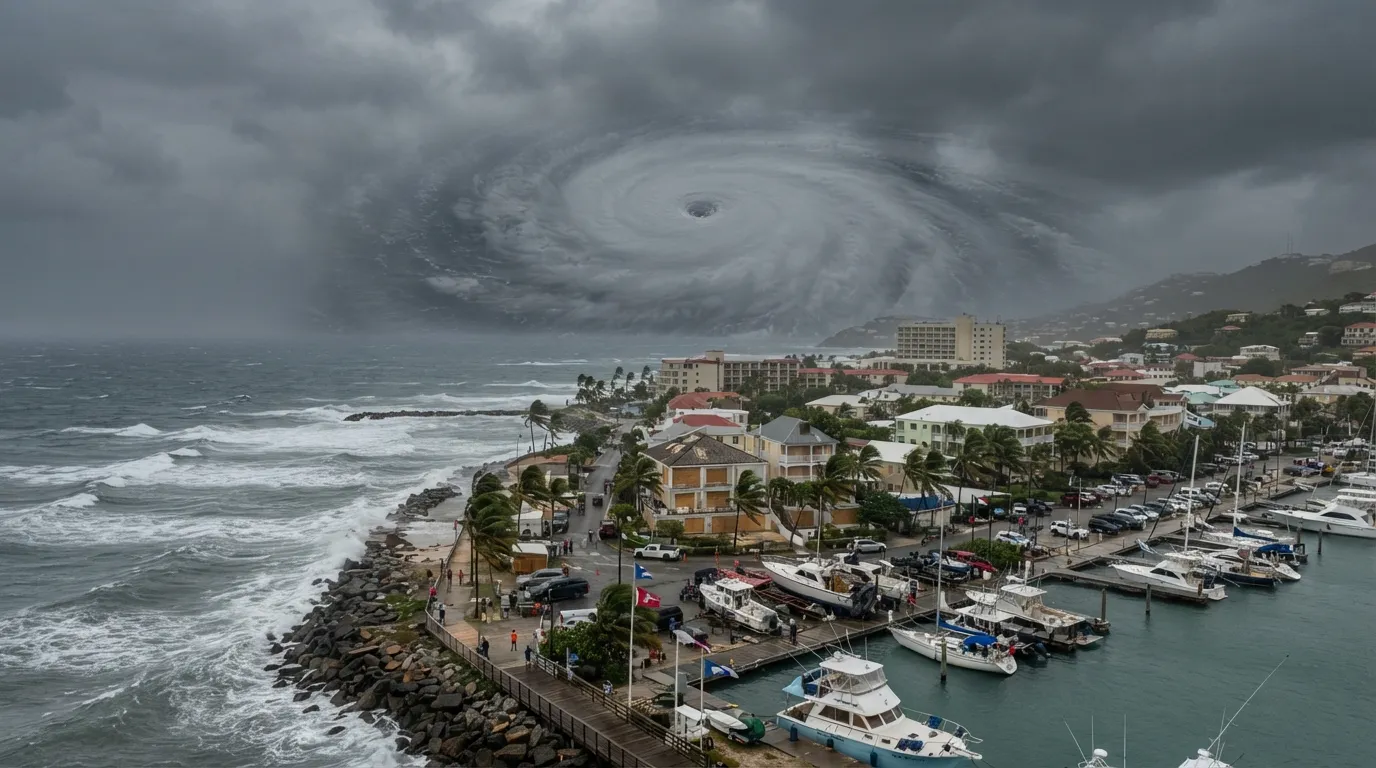
Cover typically excludes events that were already known or foreseeable when you bought the policy, such as a storm that already had a name or a strike already announced. Insurers don’t sell protection against something that has already begun.
Buy your policy soon after booking your trip, long before trouble appears on the horizon.
#6 – War, Terrorism, and Civil Unrest

Many policies exclude losses from war or civil unrest, and some limit terrorism cover. These events can hit huge numbers of people at once, so insurers restrict the risk, though the exact wording varies a lot.
Read the definitions, not just the headline, and check whether your plan includes any terrorism or evacuation cover.
Fast Facts
- Definitions of “war” and “civil unrest” differ from one policy to the next.
- Terrorism cover, where offered, may be limited by location or type of incident.
- Evacuation benefits are sometimes written separately from the main exclusions.
- Events already underway when you buy can trigger the known-event exclusion too.
#5 – Pregnancy Complications and Late-Term Travel

Routine pregnancy is generally not treated as an emergency, and many policies set gestation limits for travel or exclude complications beyond a certain week. A claim linked to those limits can be refused outright.
Check the cutoff week in the wording, and ask the insurer whether a medical certificate or special cover is available.
#4 – Illegal Acts and Reckless Behavior

Injuries or losses connected to breaking the law, or to deliberately putting yourself in danger, are commonly excluded. The policy exists for accidents, not for consequences of an offense you committed.
Know local laws, avoid risky stunts, and remember that a clause about “reckless” behavior can be read broadly after an accident.
#3 – Alcohol-Related Incidents

Many policies exclude or reduce payment when a loss is linked to heavy drinking or drug use, since judgment impairment is treated as a major contributor. A fall from a balcony or a bar-night accident can be refused on that basis.
Moderation is the plain fix. Read the wording, because some insurers define intoxication by evidence rather than by number of drinks.
#2 – Pre-Existing Medical Conditions

Many policies exclude conditions you already had, or limit cover to those that were stable and declared. If a flare-up happens abroad, the insurer may argue it was foreseeable, leaving you with the hospital bill.
Ask for a pre-existing condition waiver or a policy that covers declared conditions, and confirm in writing what counts as stable.
At a Glance
- Pre-existing: a condition you had before the policy started.
- Stable: usually means no change in treatment or medication over a period your wording defines.
- Declared: disclosed to the insurer, sometimes with extra premium or conditions.
- Waiver: an optional route to cover, often with timing rules tied to when you buy.
#1 – Undisclosed Medical History

Leaving out a condition on the application, even one that seems minor, can give an insurer grounds to refuse a claim or cancel the whole policy. They priced the policy on what you told them, and they check records when you claim.
Answer every medical question fully and honestly, keep a copy of what you submitted, and update the insurer if your health changes before departure.
The best trip protection isn’t the cheapest policy or the longest one, it’s the one whose wording you actually read before you needed it.
CEO-Co-Founder