

- 14 Songs Written as Album Filler That Became the Hit - October 18, 2026
- 25 Coaches Who Retired While They Were Still at the Top of Their Sport - October 18, 2026
- 20 Actors Who Turned Down a TV Role and Watched Someone Else Become a Star - October 18, 2026
Airport lounges are sold as calm, private escapes, but the rulebooks tell a messier story. Operators don’t write policies about napkin-wrapped pastries, bag-covered chairs, and shouting matches unless someone keeps doing them.
Some of these habits are just petty. Others end with a manager at the door, or even police. And the one waiting at #1 explains why certain shifts get remembered long after they end.
#20: Walking Out With Lounge Food Wrapped in Napkins
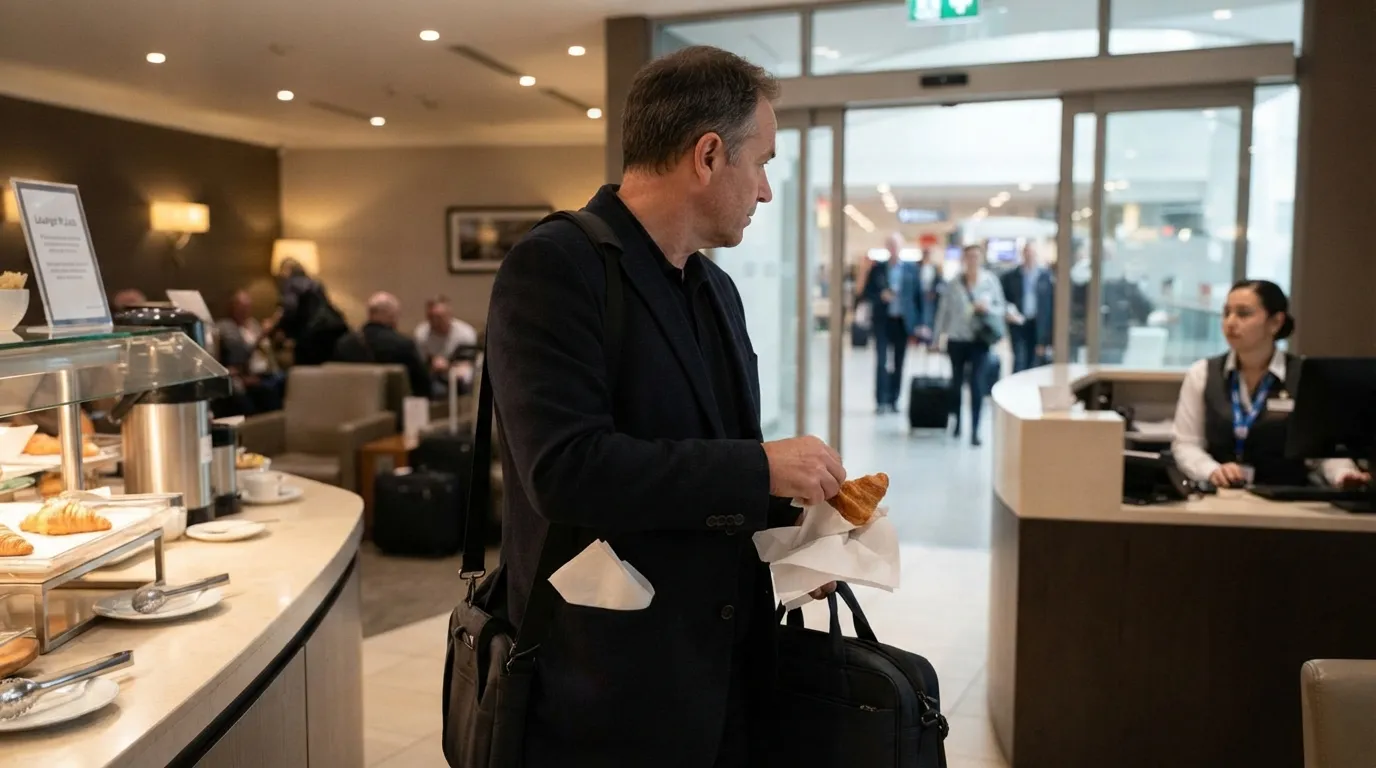
Staff at several independent lounges report guests trying to leave with pastries or drinks tucked away for later. Vienna International Airport’s lounge rules explicitly prohibit taking food or drinks outside the premises.
Similar restrictions appear in Priority Pass partner terms and operator guidelines across Europe and Asia. One Trustpilot review described a guest being stopped on the spot after trying to take a bun.
The logic is simple: small amounts add up when buffets empty fast at peak hours, and hygiene rules apply the moment food leaves the counter.
But the next habit turns a crowded lounge into a game of musical chairs.
#19: Turning Empty Seats Into Bag Parking
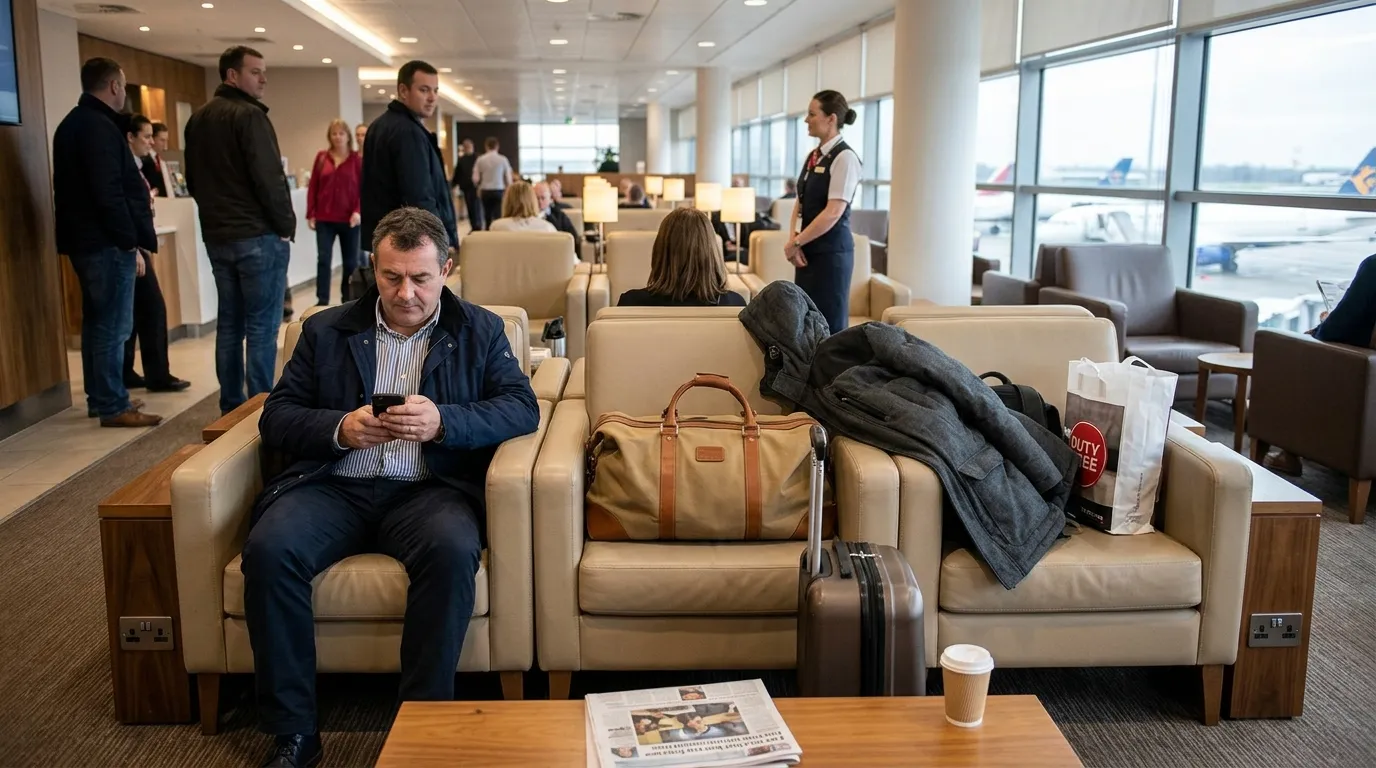
Etiquette guides and lounge policies treat spreading belongings across multiple chairs as a standard complaint when space runs tight. Manchester Airport lounge terms stress shared use of space and reserve the right to step in when capacity is strained.
The scene is familiar: one guest, one jacket, one bag, three chairs, and other travelers standing nearby. It cuts against the quiet comfort lounges advertise.
Staff sometimes have to ask people to consolidate their things so someone else can sit. Posted capacity notices and clear sightlines help them catch it before it becomes an argument.
The next one doesn’t take up space. It takes up everyone’s attention.
#18: Taking Calls on Speaker or Playing Videos Without Headphones
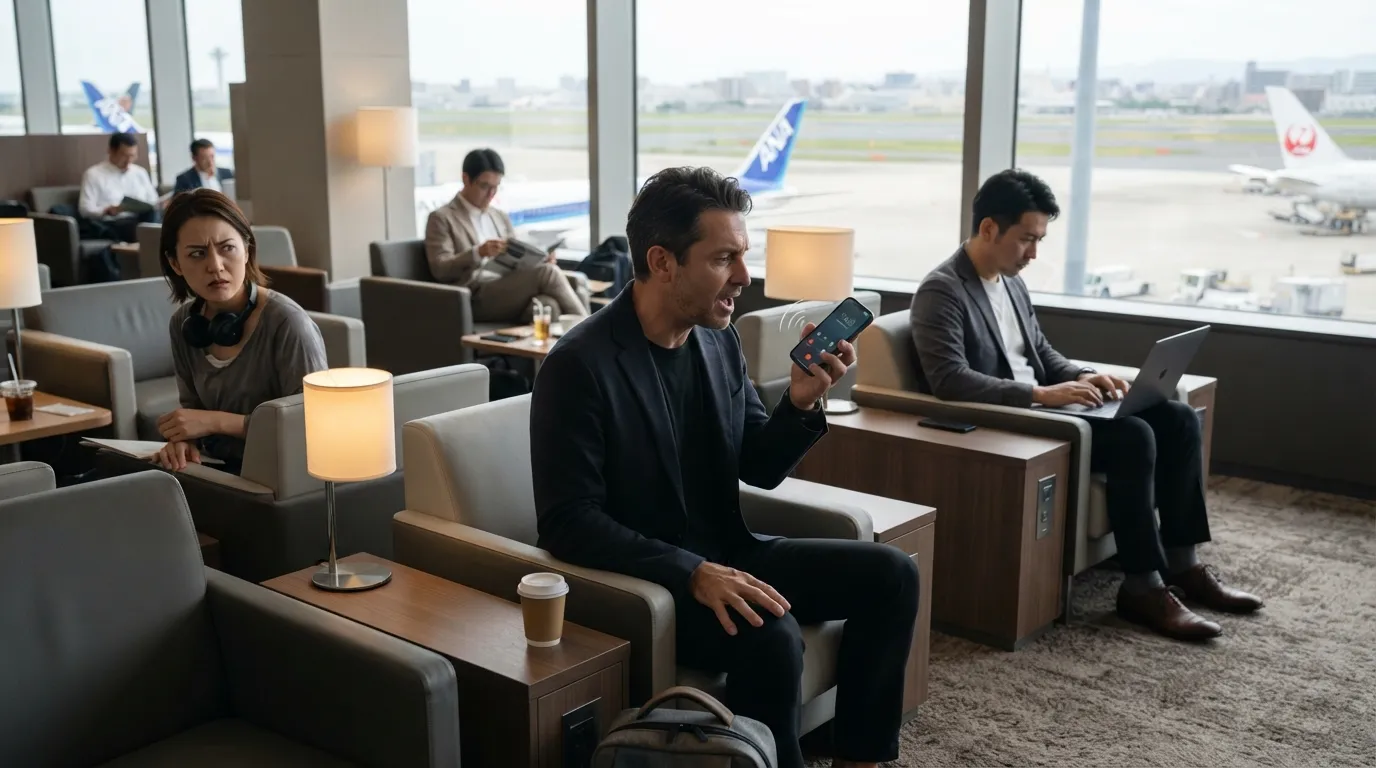
Kansai Airport lounge guidelines specifically ban voice calls and sound-emitting devices outside designated areas. Manchester and other sites warn that disturbing behavior can lead to removal without refund.
Staff describe speakerphone use as a quick way to wreck everyone else’s work or rest. Sound carries in enclosed rooms, but some guests treat the lounge like a private waiting room, especially on long layovers.
It’s irritating, but it’s still milder than what happens when the bar gets involved.
#17: Drinking Until the Lounge Becomes the Party
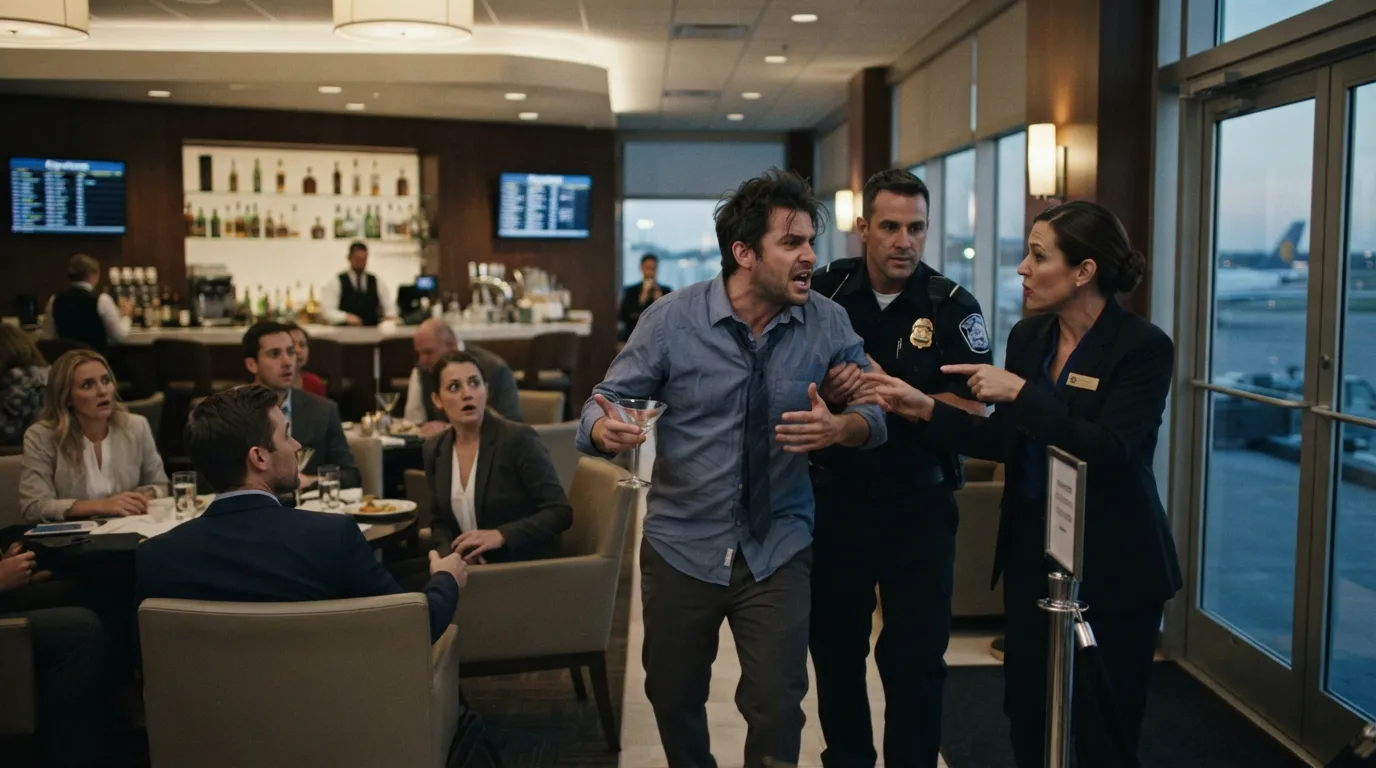
Lounge terms from Vienna, Hamburg, and Priority Pass partners prohibit above-average alcohol consumption and serving minors. LoyaltyLobby accounts and passenger reports describe intoxicated guests turning loud or disruptive in shared spaces.
Staff at several locations have cut off service or asked people to leave. Policies reserve the right to refuse more drinks or entry altogether.
At a Glance
- Vienna, Hamburg, and Priority Pass partner terms all address excessive drinking.
- Serving minors is prohibited under the same policies.
- Operators can refuse another drink or deny entry.
- Repeated violations can lead to access restrictions.
Enforcement varies by location and time of day, but the rules give staff plenty of room to step in.
And the desk has its own flavor of drama, starting with a simple headcount.
#16: Showing Up With More Guests Than the Rules Allow
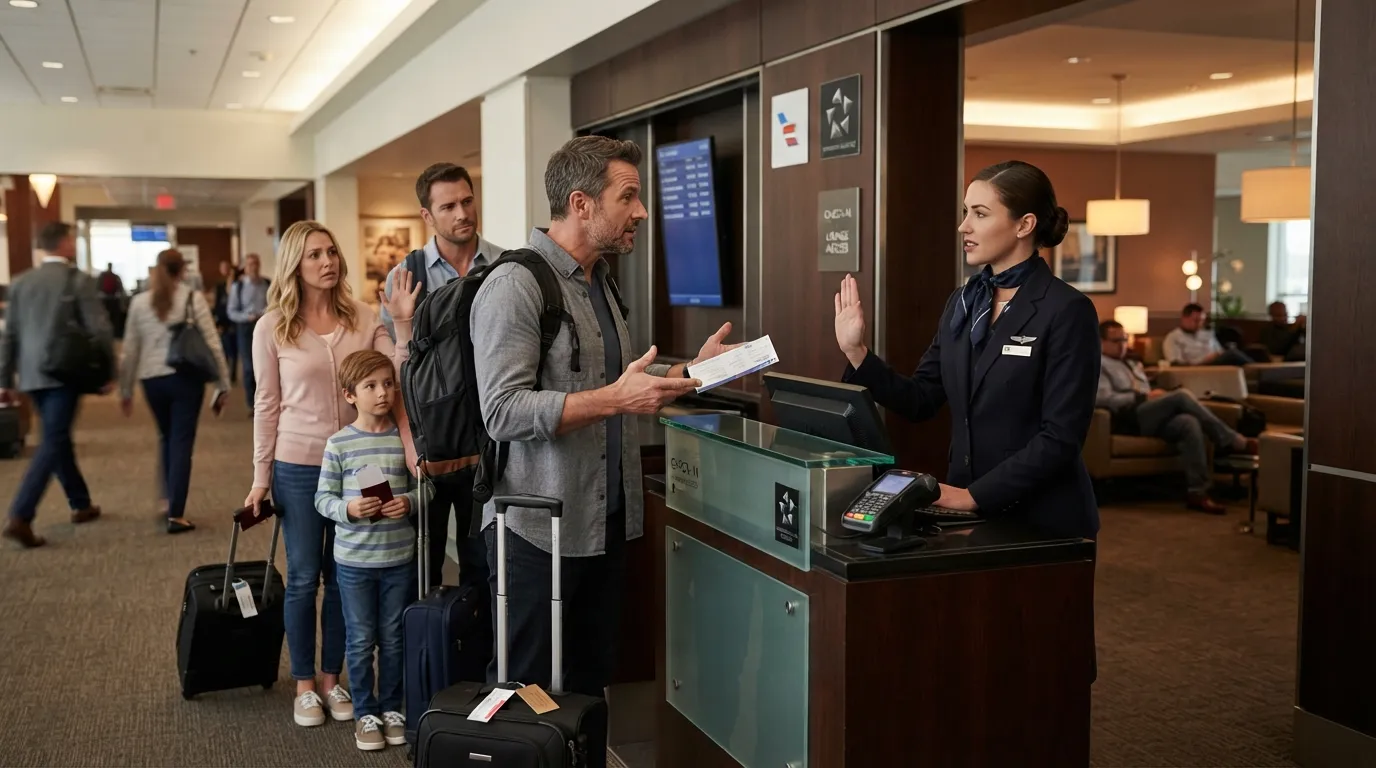
Airline and card issuer policies limit guests, and many require the guest to be on the same itinerary. Delta Sky Club, Star Alliance lounges, and Capital One locations cap guests at one or two depending on status.
Staff accounts describe pushback when travelers try to bring extra people anyway. Several programs have tightened guest rules in recent years, and denials happen at the desk when documentation doesn’t match.
Some lounges also count children above a certain age as full guests, which catches families off guard.
When the answer is no, what happens next is where staff memories are made.
#15: Arguing With the Agent Who Said No
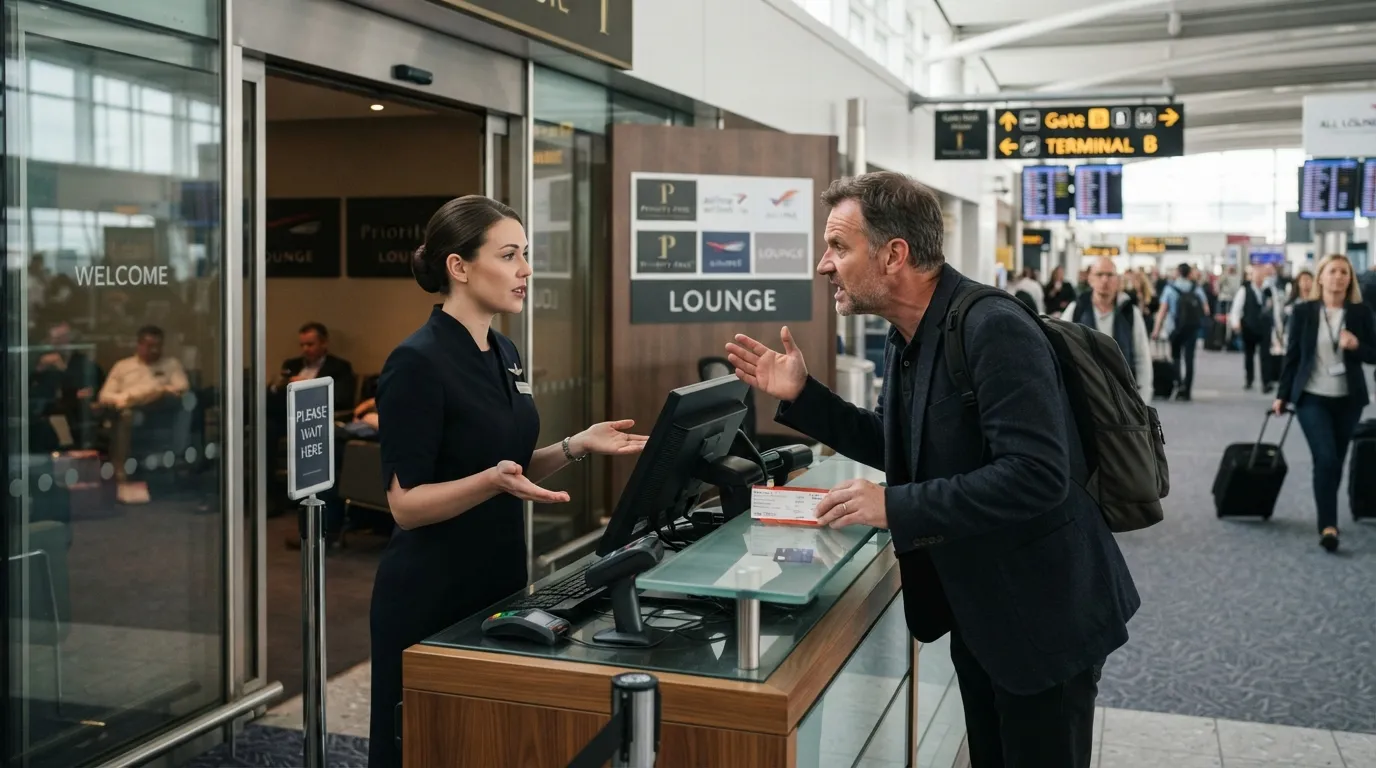
Heathrow staff accounts detail insults and confrontations when access is denied over missing documentation or capacity limits. Manchester’s terms say abuse toward staff will not be tolerated and may involve police.
Priority Pass conditions let lounges refuse entry for non-compliance. Even so, some guests demand exceptions based on status or past visits.
The agent at the desk is enforcing house rules they didn’t write. Calmly asking about the specific rule tends to settle things faster than a debate.
Meanwhile, some guests leave behind a different kind of evidence.
#14: Leaving a Table Looking Like a Departure Gate Disaster
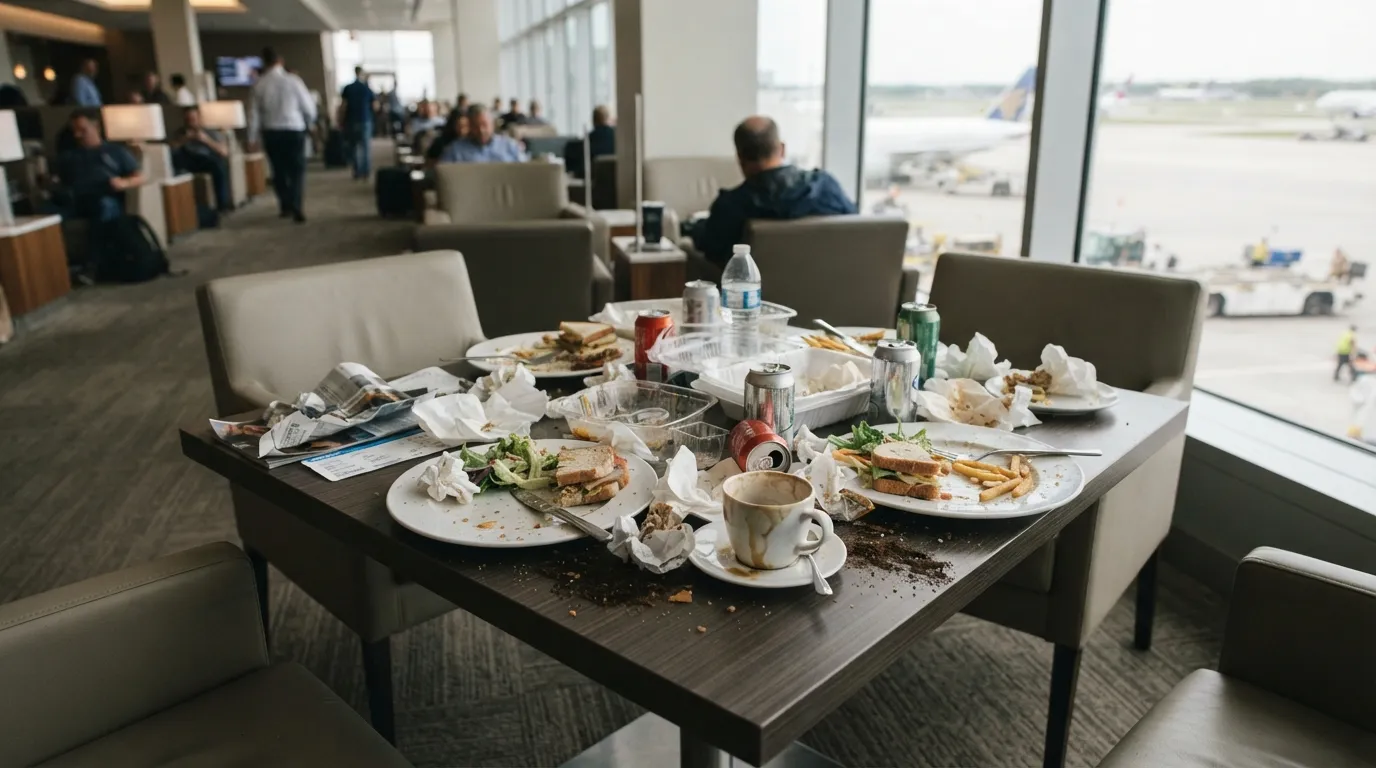
Etiquette resources and operator expectations ask guests to clear their own areas. Policies at several European lounges include conduct clauses covering hygiene and respect for the space.
Every abandoned plate and crumpled napkin becomes extra cleanup on top of regular service. Repeat offenders may receive warnings.
The fix takes about ten seconds: use the bins and return dishes to the designated stations.
Some guests take the opposite approach and clear out the lounge itself.
#13: Pocketing Magazines, Chargers, and Other “Freebies”
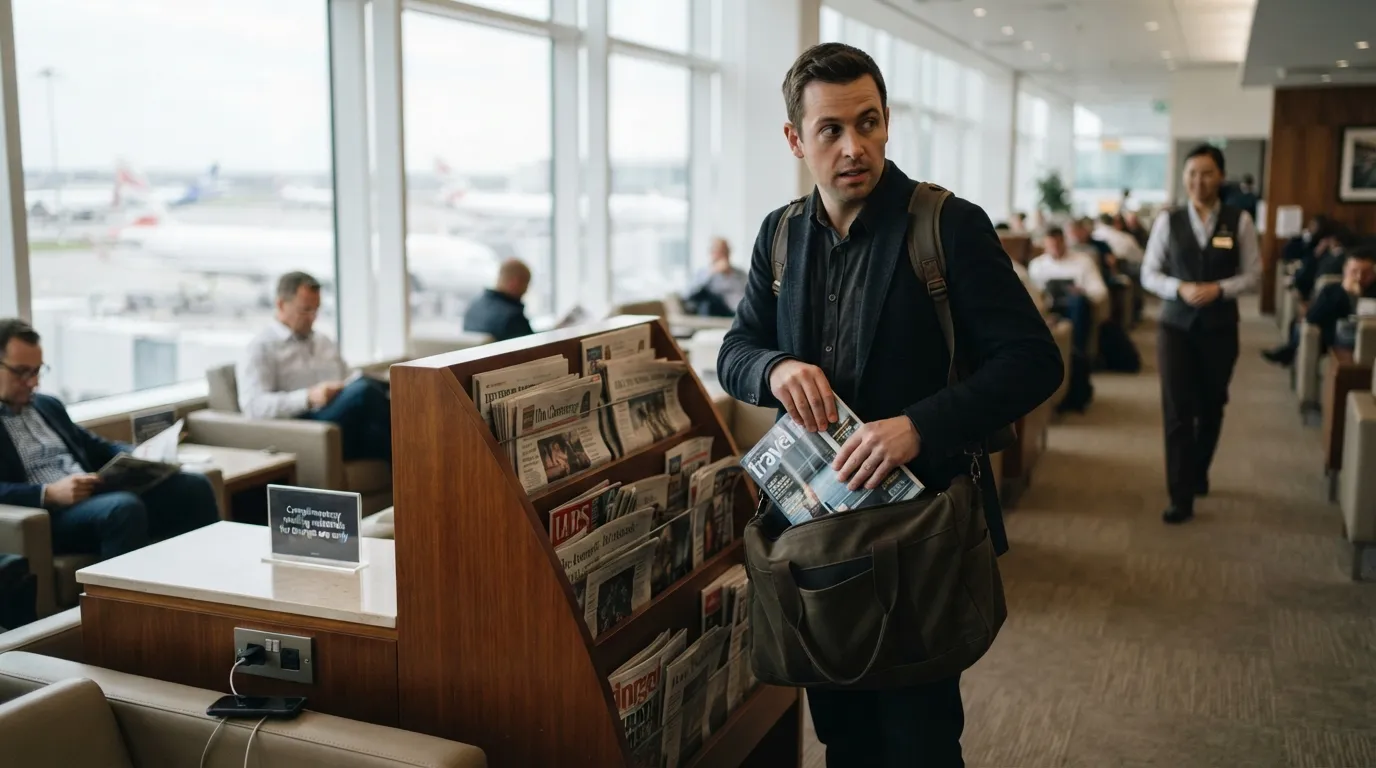
Vienna and similar operators prohibit removing magazines, chargers, and other provided items. These supplies are meant for on-site use only.
Staff notice when small inventory disappears over time. Some guests see complimentary items as take-home perks despite clear signage.
Posted prohibitions and inventory tracking help keep replacement costs manageable. Enforcement happens at the exit or through simple observation.
And if you think those guests are bold, wait until you see how some people try to get in at all.
#12: Gaming the Door With Re-Entry Tricks and Multiple Memberships
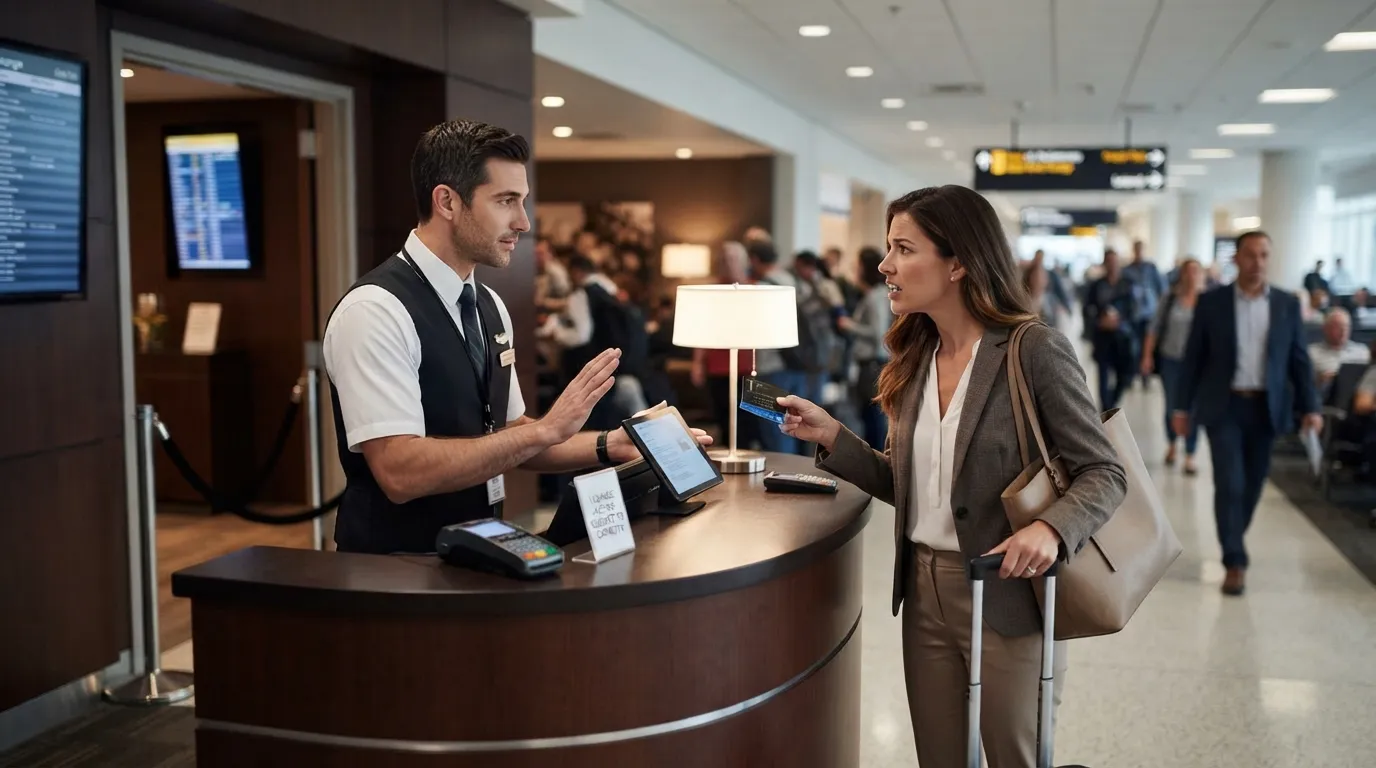
Priority Pass and lounge terms make clear that entry is never guaranteed because of headcount. Staff reports describe guests trying to re-enter shortly after leaving or switching between multiple memberships.
Some locations limit visits per 24-hour period. During irregular operations, early arrivals can pack lounges well beyond normal levels.
Worth Knowing
- A membership card is not a reservation. Capacity decides who gets in.
- Some lounges cap visits within a 24-hour window.
- Flight disruptions can fill a lounge fast, so early arrivals may crowd out later ones.
- Agents apply time and capacity rules at the desk, not in the lounge.
Physical space and staffing levels set the limit, and exceeding it hurts service for everyone inside.
But some guests aren’t gaming the door. They’re pulling out their phones.
#11: Photographing Staff or Fellow Guests Without Permission
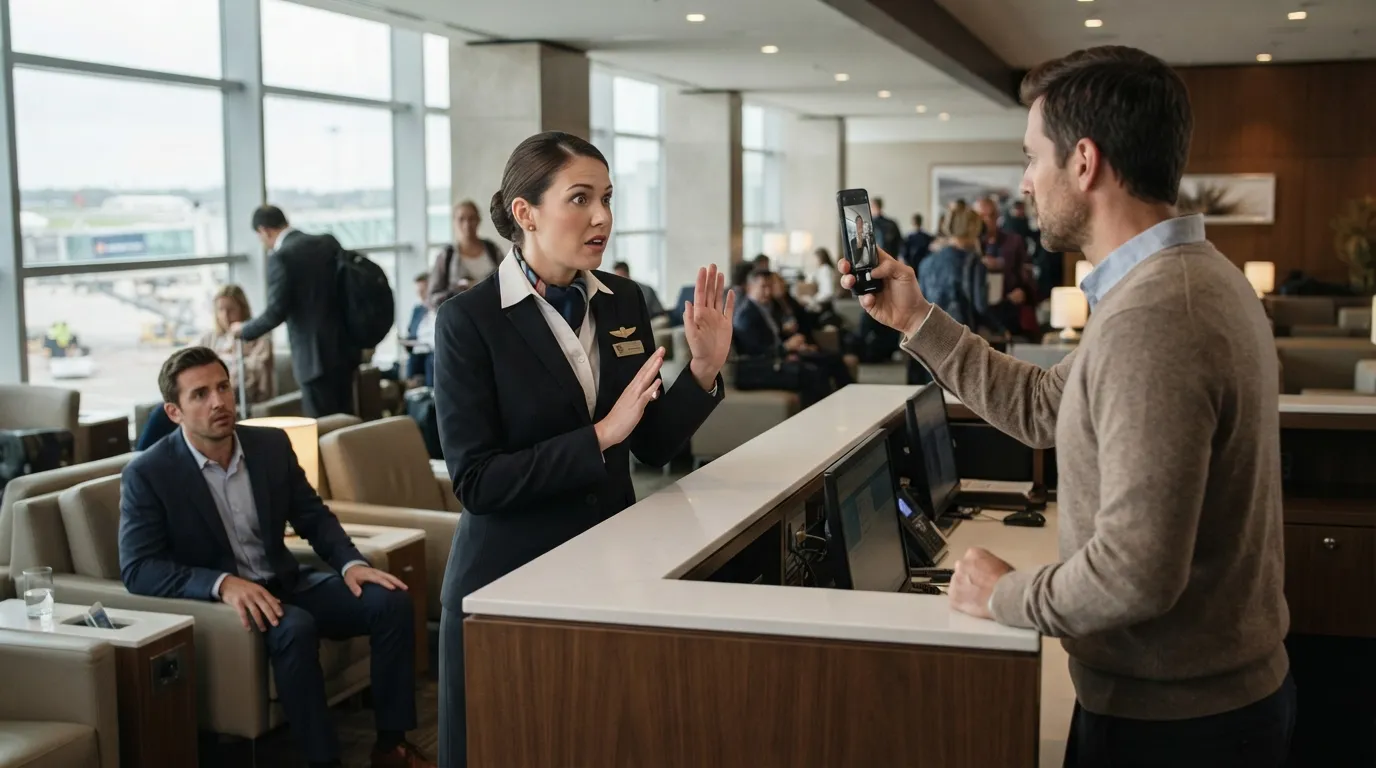
Kansai guidelines explicitly forbid photographing staff name badges or other guests without consent. Reports of a 2025 incident at a Chicago Flagship Lounge describe a guest photographing employees during a dispute.
Staff can easily read that as intimidation. Lounges remain semi-public paid spaces, and privacy policies protect the people in them.
Violations can lead to immediate removal. Quietly keeping a personal record of a real problem is very different from pointing a camera at individuals.
Next up is a buffet move that quietly breaks the rules.
#10: Bringing Your Own Meal to a Lounge Buffet
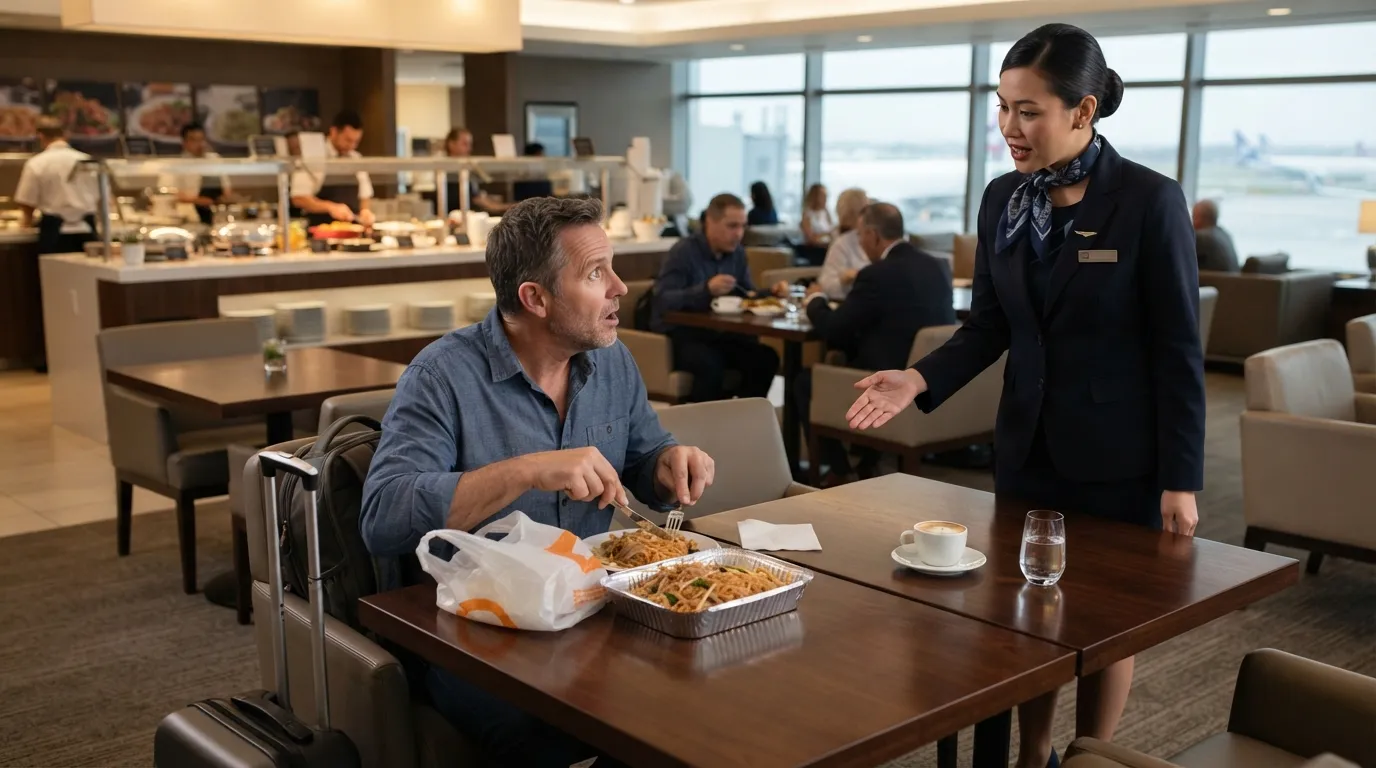
Vienna and Kansai rules prohibit consuming food or beverages brought from outside, citing hygiene. Staff occasionally intercept guests trying to supplement the buffet with takeout.
The policy also supports consistent standards and allergen control. Some guests assume the lounge works like a public terminal seating area, and it doesn’t.
Some locations allow sealed baby food or medical items with prior notice, but general outside meals are barred.
The next violation doesn’t just break a rule. It can break local law.
#9: Lighting Up Where You’re Not Supposed To
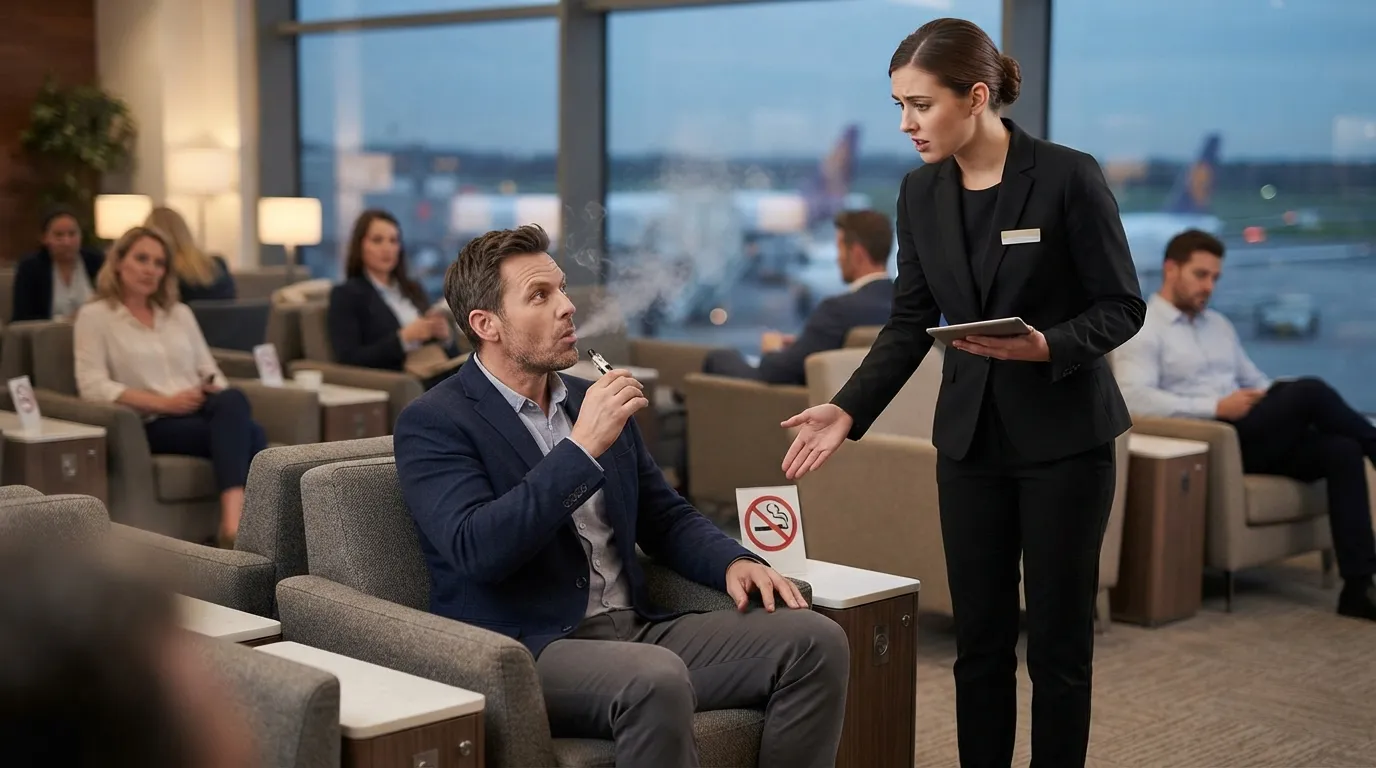
Hamburg and Vienna policies restrict tobacco and vapor products to approved zones. Indoor use can violate both operator rules and local ordinances.
Staff have to address it quickly, because smoke drifts into seating areas where non-smokers are trying to relax. Repeat issues can result in ejection.
Clear signage and ventilation planning exist for exactly this reason.
Next, a battle over a much smaller room: the shower.
#8: Treating the Shower Like a Private Spa
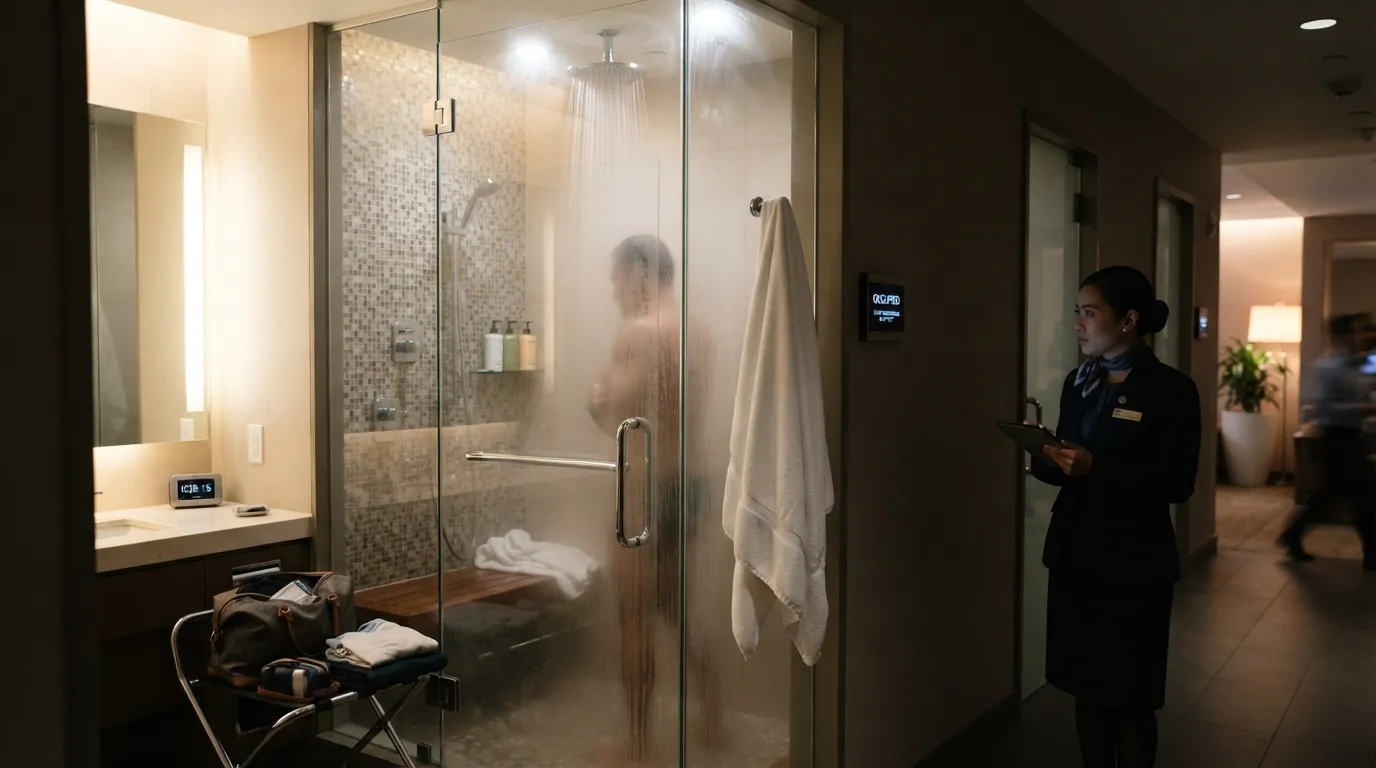
Some etiquette guides suggest keeping showers to about 15 to 20 minutes during peak periods. Staff at busy locations monitor turnover so the line doesn’t back up.
One long session can block every other eligible guest waiting for a turn. Policies allow intervention when someone monopolizes a limited resource.
Fast Facts
- Etiquette guides point to roughly 15 to 20 minutes at busy times.
- Showers are a limited resource, so one long turn stalls the whole line.
- Disruptions make waits longer because everyone wants to freshen up at once.
Checking posted time guidelines or asking about current waits helps.
The next one brings back the noise, with a work-mode twist.
#7: Holding Business Meetings in the Open Lounge
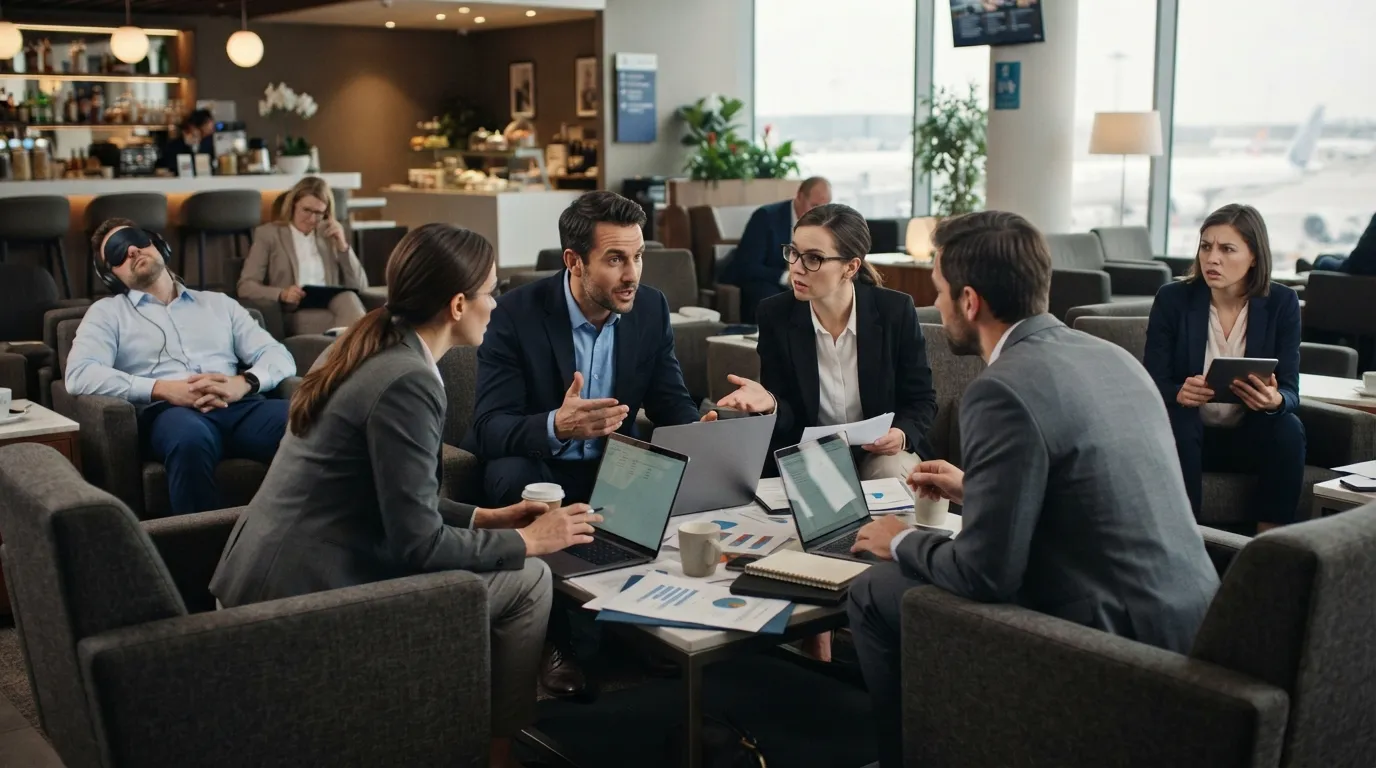
Kansai and Manchester rules restrict activities that disturb the calm environment, including extended voice calls outside booths. Staff report business travelers treating the lounge like an open office.
The space is meant for rest and light work, not presentations. Headphones and booths reduce conflicts, and violations usually trigger reminders.
Deadline pressure can make people forget norms they’d follow anywhere else. That’s no comfort to the person trying to nap two seats away.
And then there’s the move that can get a card flagged.
#6: Trying to Get In on Someone Else’s Membership
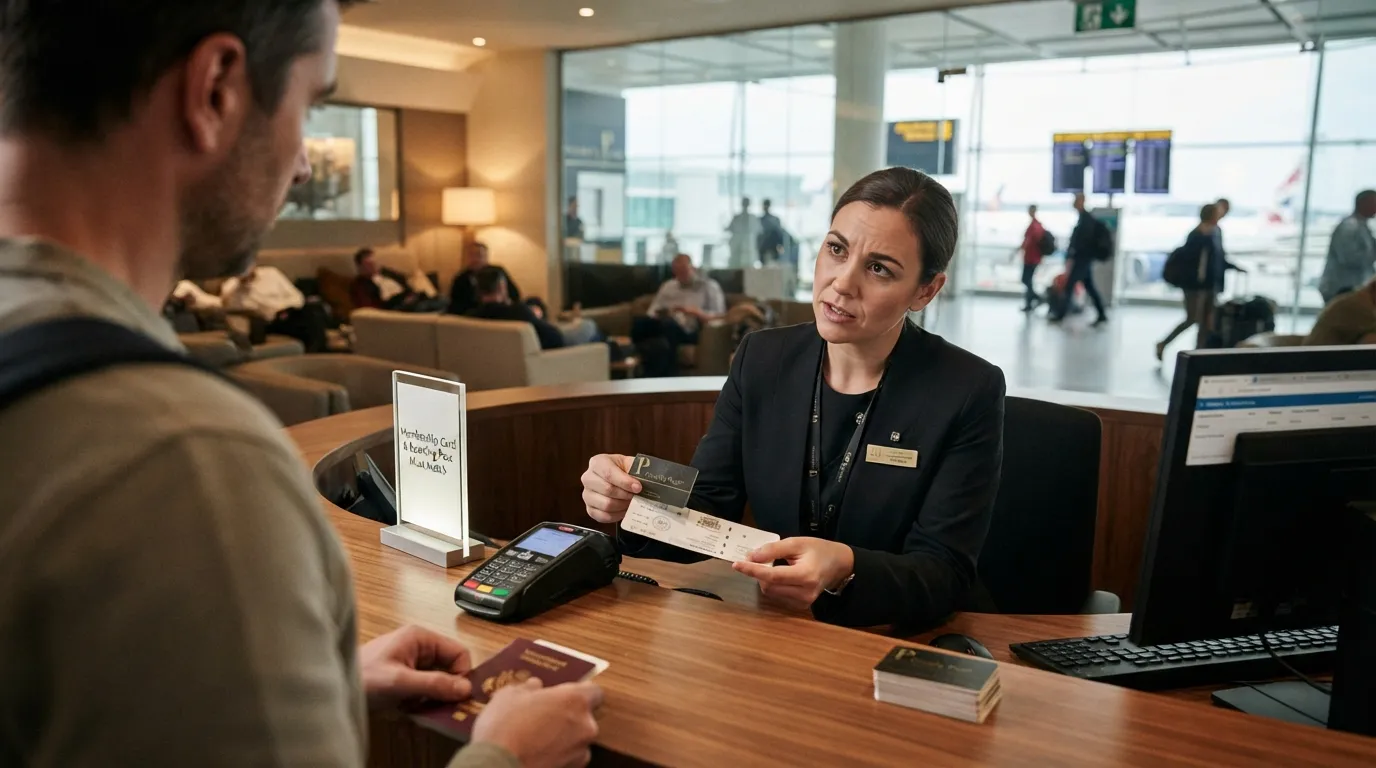
Priority Pass conditions require the cardholder’s name to match boarding pass details in many cases. Staff at Heathrow and other hubs describe attempts to use another person’s access.
That violates the terms and can result in denial at the door. Operators log incidents to prevent repeat abuse.
Name-specific and single-use passes reduce the risk. Several programs now tie access more tightly to the primary member to curb sharing.
The next one is the same trick on a bigger scale.
#5: Rolling in as a Group That Breaks the Cap
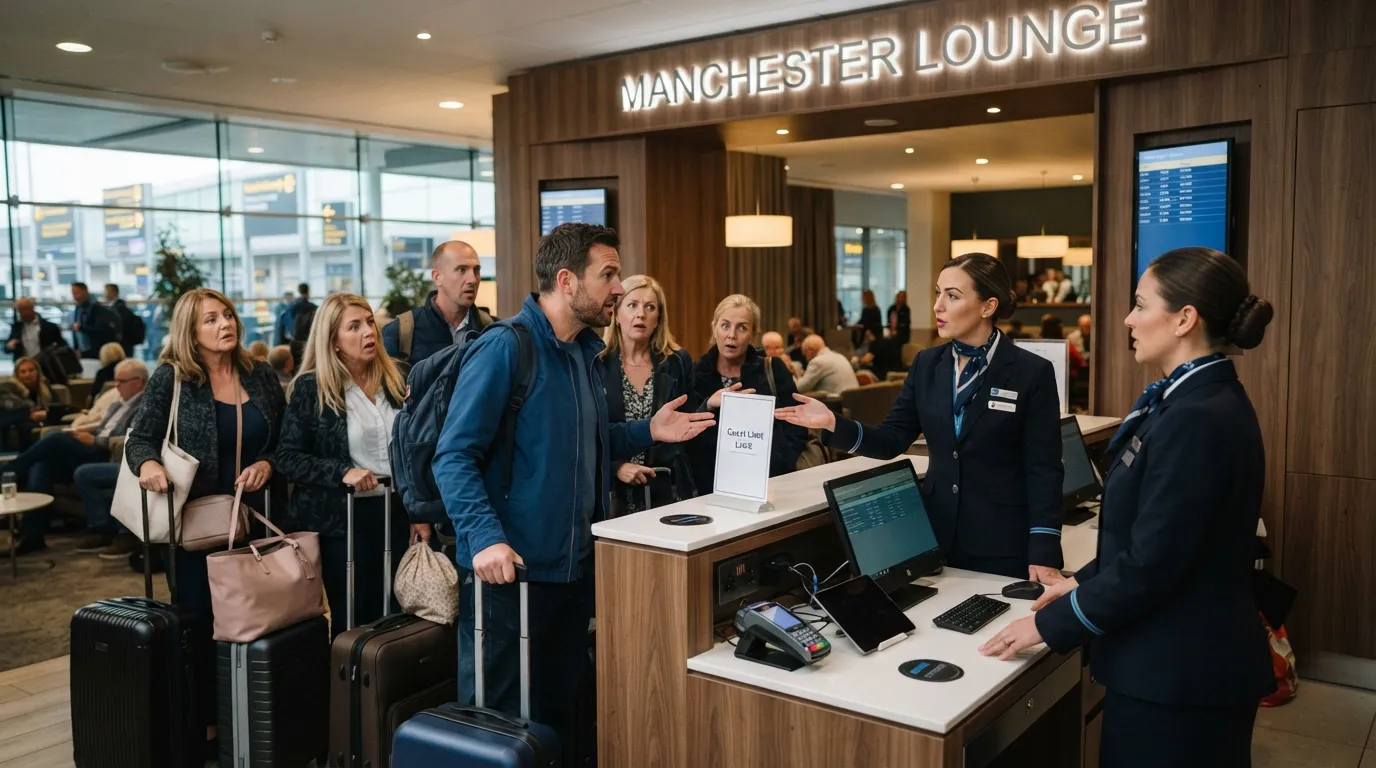
Manchester lounge terms cap groups at four, even with separate bookings. Staff sometimes have to split or deny oversized parties.
The cap preserves seating and service flow for individual travelers. Airline clubs apply similar limits during peak times.
Quick Compare
- Guest allowance: Delta Sky Club, Star Alliance, and Capital One cap guests at one or two, depending on status.
- Group cap: Manchester lounge terms limit groups to four, even across separate bookings.
- Who counts: Some lounges treat older children as full guests.
Confirming group allowances with the specific lounge before arrival can save everyone an awkward moment at the desk.
The next violation has the highest stakes yet, and it involves a bar.
#4: Letting Minors Drink
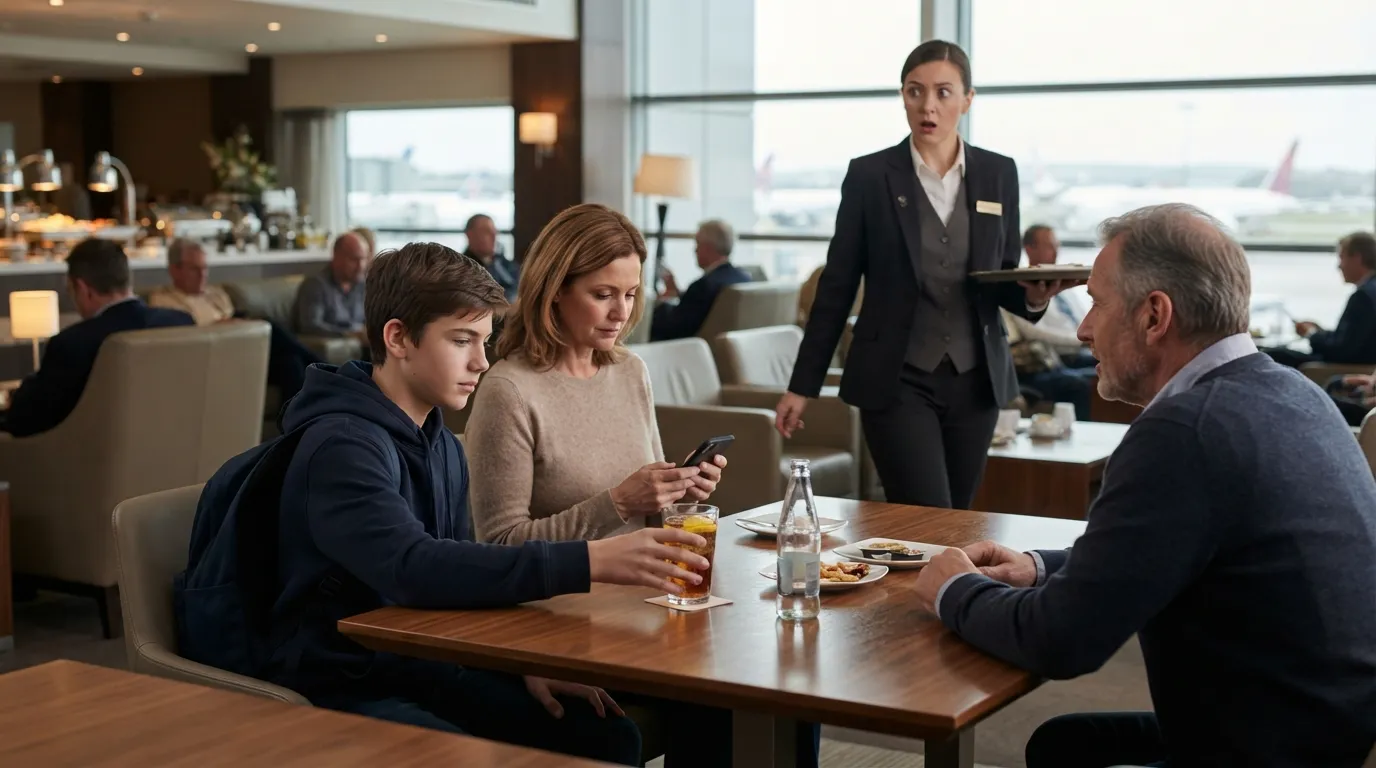
Vienna, Hamburg, and Manchester policies set age limits and require ID checks. Staff are trained to refuse service to underage guests.
Incidents still happen when adults overlook or ignore the rule. Local laws reinforce operator standards, and violations can lead to broader access reviews.
The rules protect the minor and the lounge’s licensing at the same time.
The next item removes any doubt about whether it’s a rules problem.
#3: Helping Themselves to Bottles From Self-Service Areas
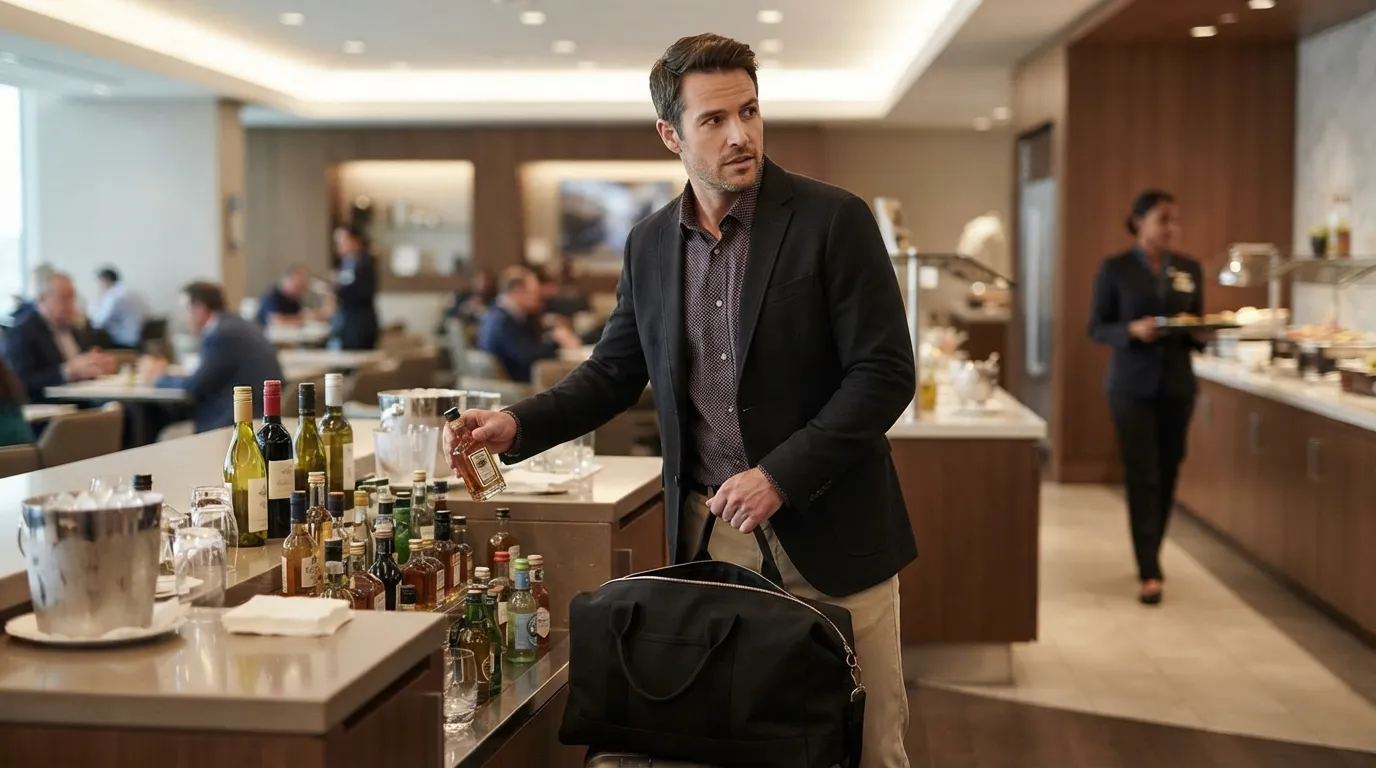
Passenger reports and staff accounts describe guests taking extra bottles or supplies from self-service areas. EVA Air lounge examples and similar cases show staff confronting the behavior.
Policies treat it as theft. Self-service setups rely on guest honesty, and repeated losses prompt tighter monitoring.
Operators generally prefer prevention through visibility and occasional checks over confrontation.
Now for the one that proves a status card can’t buy everything.
#2: Demanding the TV Remote Because of Status
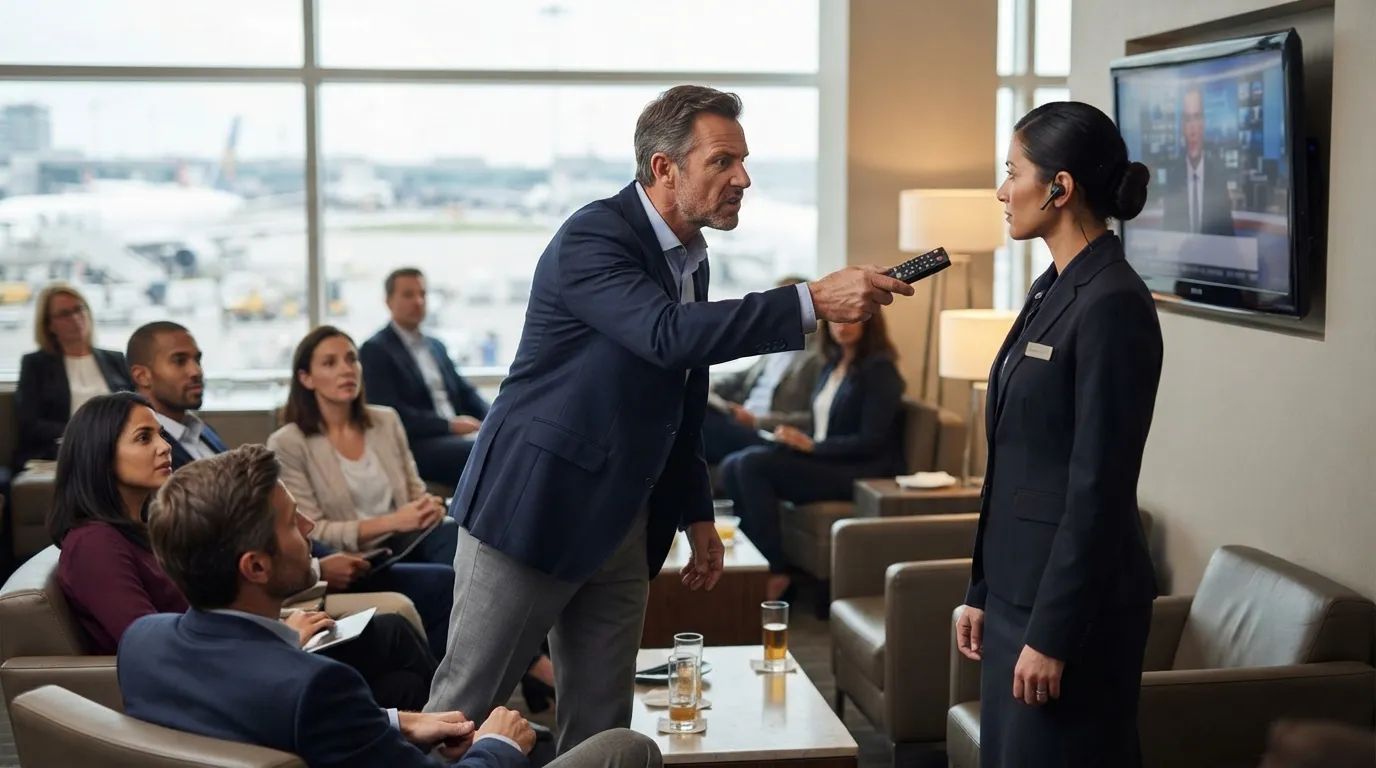
Reports of a 2025 incident at a Chicago Flagship Lounge describe a Concierge Key member grabbing a remote and confronting staff over channel choice. Reports also note that elite status can lead some guests to expect overrides of majority preference.
Staff have to balance service levels with house rules. Similar entitlement claims appear in accounts from other airline clubs.
Managers step in when the behavior turns into disruption. Consistent conduct standards protect the experience for every eligible guest, regardless of tier.
But the behavior staff seem to remember most doesn’t come from a status badge. It comes from what happens after someone hears one word.
#1: Refusing to Accept “No” and Making a Scene
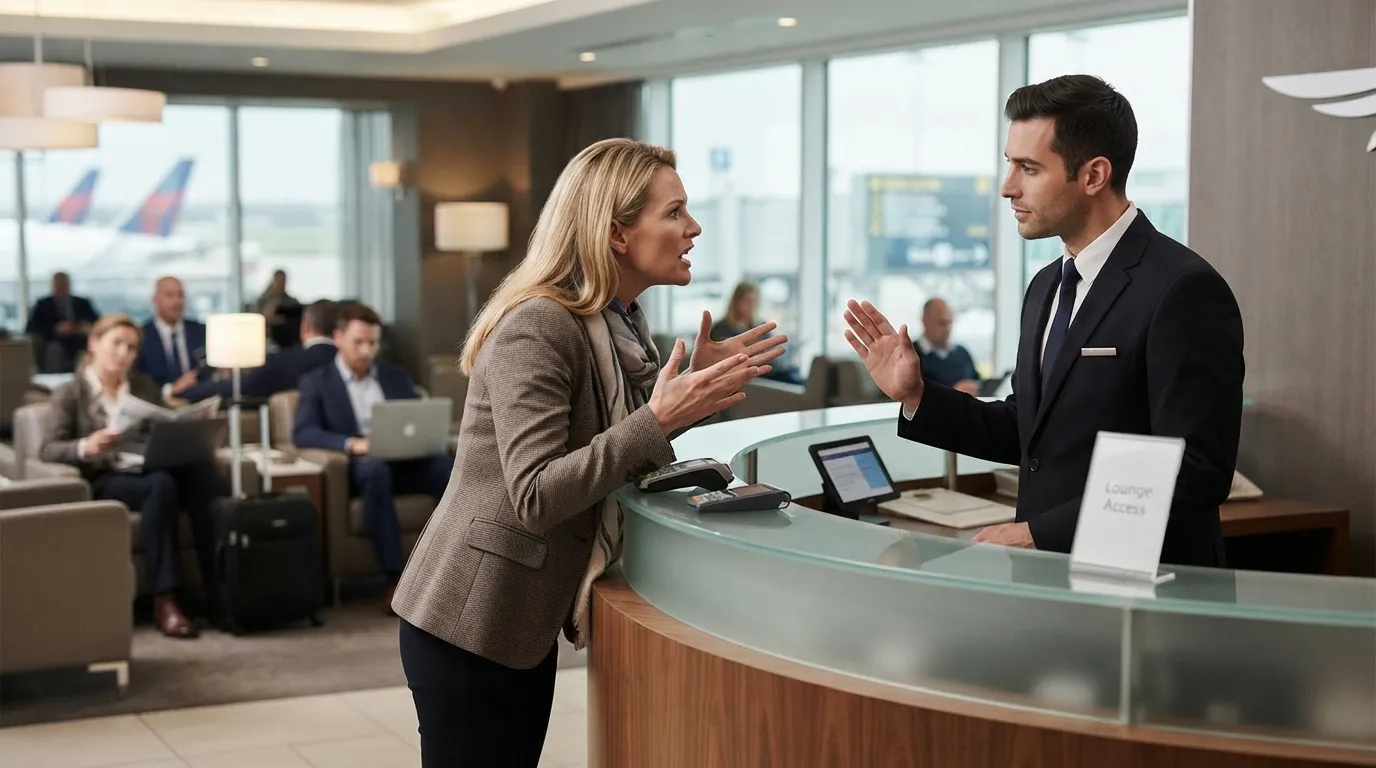
Heathrow and Manchester staff describe guests who reject capacity or policy decisions and escalate to insults or threats. Terms allow removal and, in extreme cases, police involvement.
These incidents stick in employee memory because they affect the entire shift. Documented cases suggest calm acceptance of “no” prevents escalation, and operators track patterns for future access decisions.
Travel stress amplifies everyone’s reactions. But staff treat the lounge as a controlled environment where the rules apply equally.
The pattern across all 20 is hard to miss. Lounge rules exist because someone needed them, and the guests staff remember rarely asked for the most. They’re the ones who wouldn’t hear “no.”
Did we miss one? Drop it in the comments.
CEO-Co-Founder
