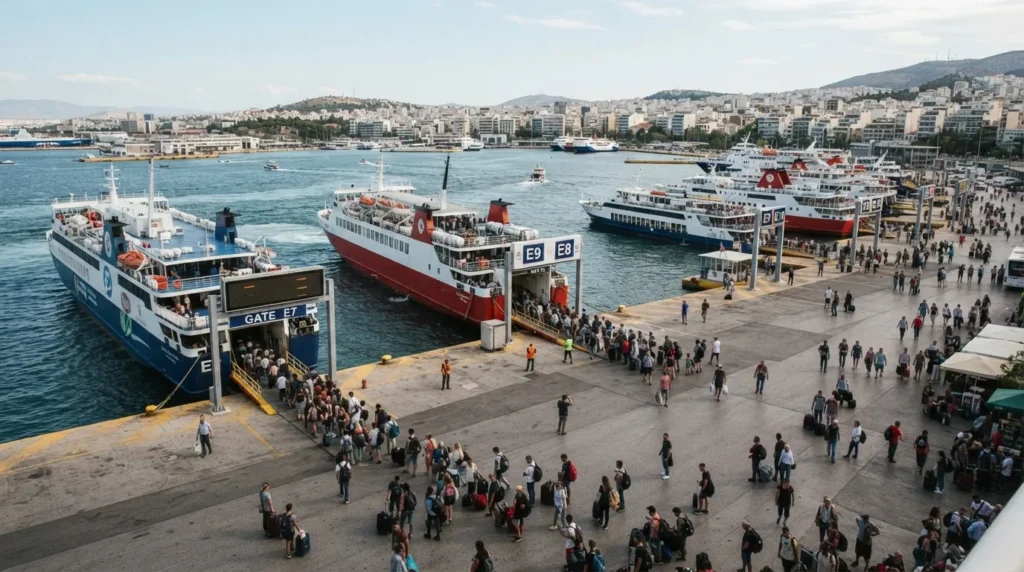

Island hopping looks effortless on a map: pretty harbor, short crossing, next beach. Then a ferry pulls away while your bags are still on the pier, and you find out which rules never made it into the brochure.
These 18 operational facts usually surface only after something goes wrong. None is dramatic alone, but stacked on a tight travel day they decide whether you’re watching sunset from the next island or doing math at a closed ticket window. Start with the one that catches even careful planners.
#18 – Ferry Schedules Change Without Notice

Schedules posted online or at ticket offices can change because of weather or maintenance. Many routes also run seasonal timetables that differ from printed brochures.
Check the operator’s app or website the night before you sail, then confirm the exact departure time at the port desk. That two-minute check beats standing alone at an empty dock.
Shoulder seasons are when operators may consolidate sailings, so the boat you counted on can simply disappear from the timetable.
#17 – Connection Times Are Tight on Popular Routes

Inter-island connections can allow under 60 minutes between arrival and the next departure. Operators rarely hold a ferry for a delayed incoming vessel.
Arrive at your first port early, and book the next available sailing as a backup so one miss doesn’t turn into an overnight stay.
Moving luggage between boats eats into that window, so count it as part of the connection.
#16 – Check-In Closes Before the Boat Leaves

Many operators set a check-in or boarding cutoff ahead of the printed departure time. The ferry can still be sitting at the pier while you’re turned away.
Find the cutoff in your ticket conditions or confirmation email, and plan to arrive by that time, not the sailing time. Build in extra minutes if the terminal is busy or the walk to the pier is long.
#15 – Your Ticket May Be Locked to One Sailing
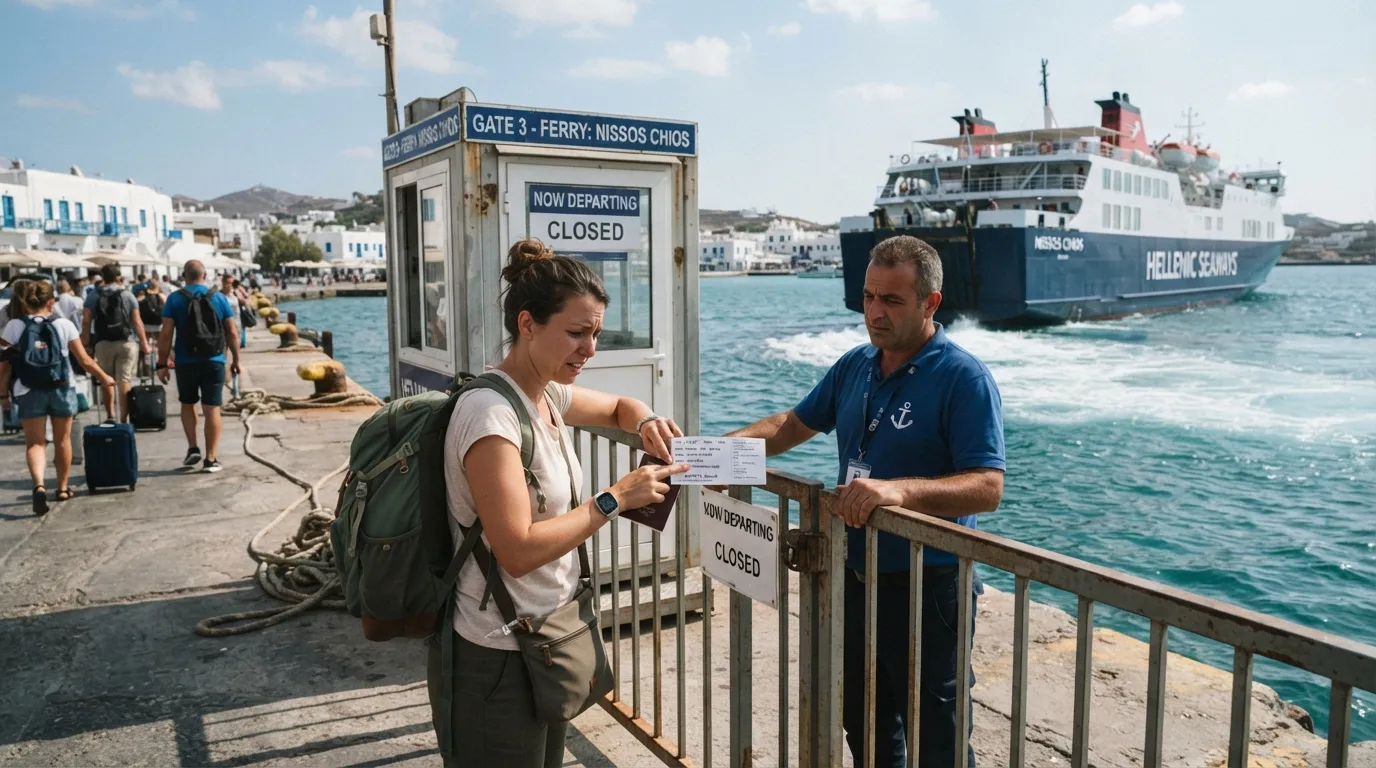
Many tickets are valid only for the date and time you booked. Changing them may cost a fee or fare difference, or may not be allowed at all.
Read the change and refund conditions before you pay, not after you miss the boat. If your plans are loose, look for a more flexible fare type, even if it costs a little more.
#14 – Separate Tickets Mean Separate Risk

When you buy each leg on its own, a delay on the first ferry may not oblige the second operator to wait or rebook you. Each ticket follows its own conditions.
If a single through-ticket exists for your route, compare its terms. If not, leave generous gaps between legs, and avoid stacking an unprotected ferry right before a flight.
Quick Compare
- Through-ticket: one booking, one set of conditions, so check whether it covers a missed connection.
- Separate tickets: each leg has its own rules, and a delay on one may not help you on the next.
- Either way: read the change and refund terms before you pay.
#13 – Luggage Limits Differ by Operator
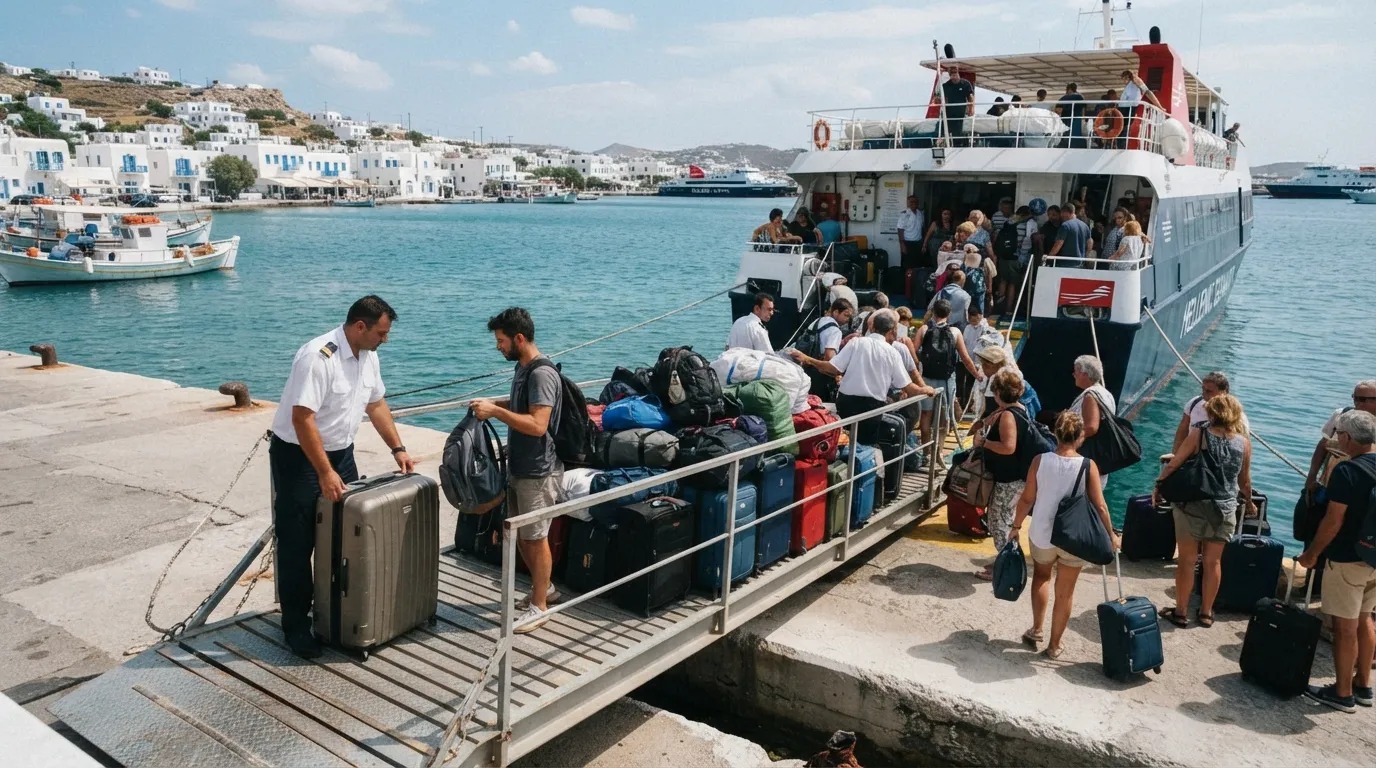
Size, weight, and number-of-bag limits vary between ferry companies and sometimes between vessel types. Oversized items may incur a fee or be refused.
Check each operator’s luggage policy for every leg of the trip, not just the first. Soft-sided bags are easier to stack and carry on crowded gangways, and lighter packing keeps transfers quick.
#12 – The Port Isn’t Always Near the Town

Some ferry terminals sit a real distance from the town center, the airport, or your hotel. The map pin for “harbor” can be misleading.
Look up the operator’s port transfer information before you travel, including how you’ll get there and how long it takes. Then add that time to your plan, especially on days with a tight connection.
#11 – Weather Notices Can Cancel Your Plans
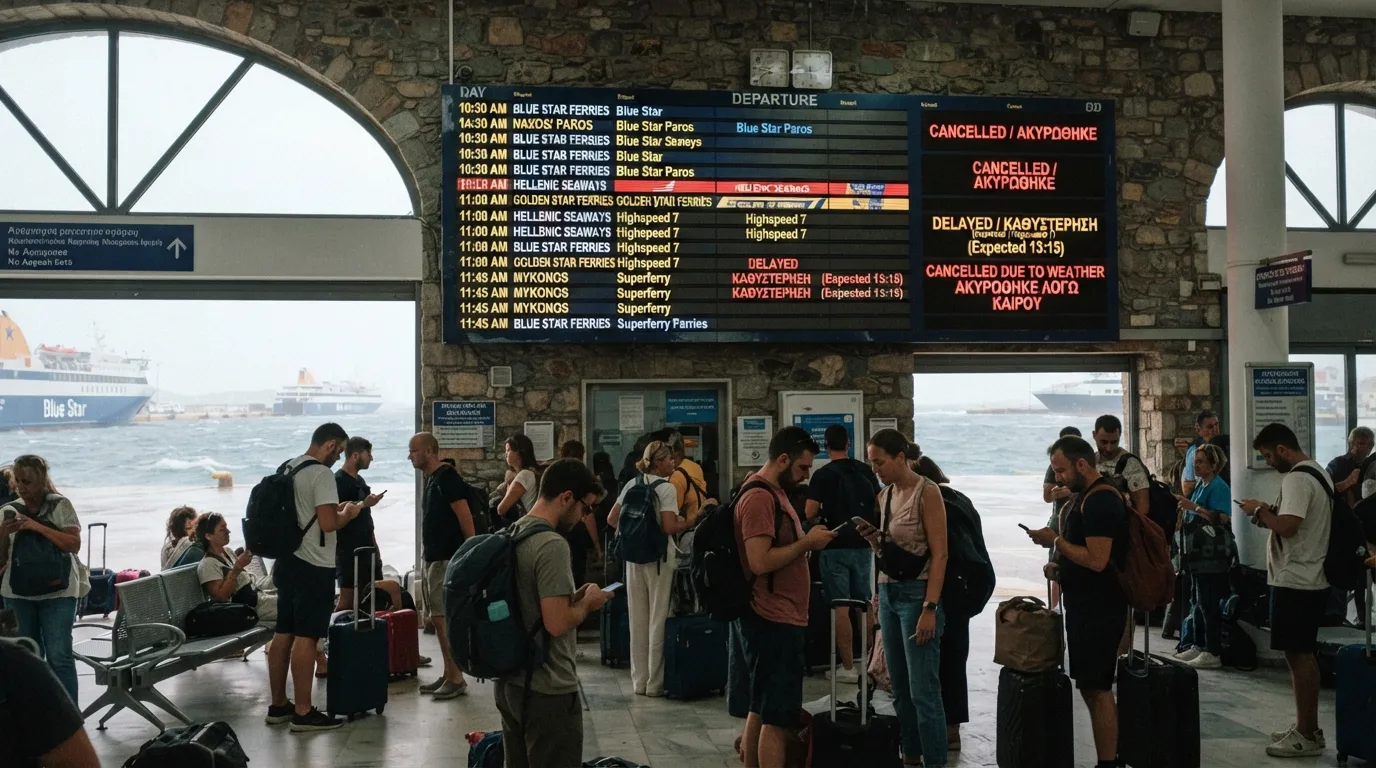
Operators publish weather and disruption notices, and rough seas or strong wind can delay or cancel sailings. A calm morning at your hotel doesn’t guarantee calm water on the route.
Check the operator’s notices the morning you travel and again before leaving for the port. If you can, leave a flexible day at the end of the trip rather than a flight the same afternoon.
At a Glance
- Morning of travel: read the operator’s weather and disruption notices.
- Before leaving for the port: check again, since conditions can shift.
- At the terminal: confirm your sailing on the departure board or at the desk.
- End of trip: keep a buffer day if you have a flight to catch.
#10 – The Last Sailing Is a Hard Stop

On many routes, the last departure of the day is the only thing between you and a night in the wrong port. Miss it, and the next option may be tomorrow.
For important transfers, book an earlier sailing and treat the last one as your emergency backup. If you must take the final boat, choose accommodation with a flexible cancellation policy.
#9 – Boarding Points Can Differ Within the Same Port

Large ports may have several terminals, piers, or gates, and different operators or routes can leave from different ones. Two ferries with similar names can depart from opposite ends of the harbor.
Check your ticket or the operator’s port information for the departure point. On arrival, confirm it at the desk or on the departure board before you settle in.
#8 – Fast and Slow Ferries Are Different Services
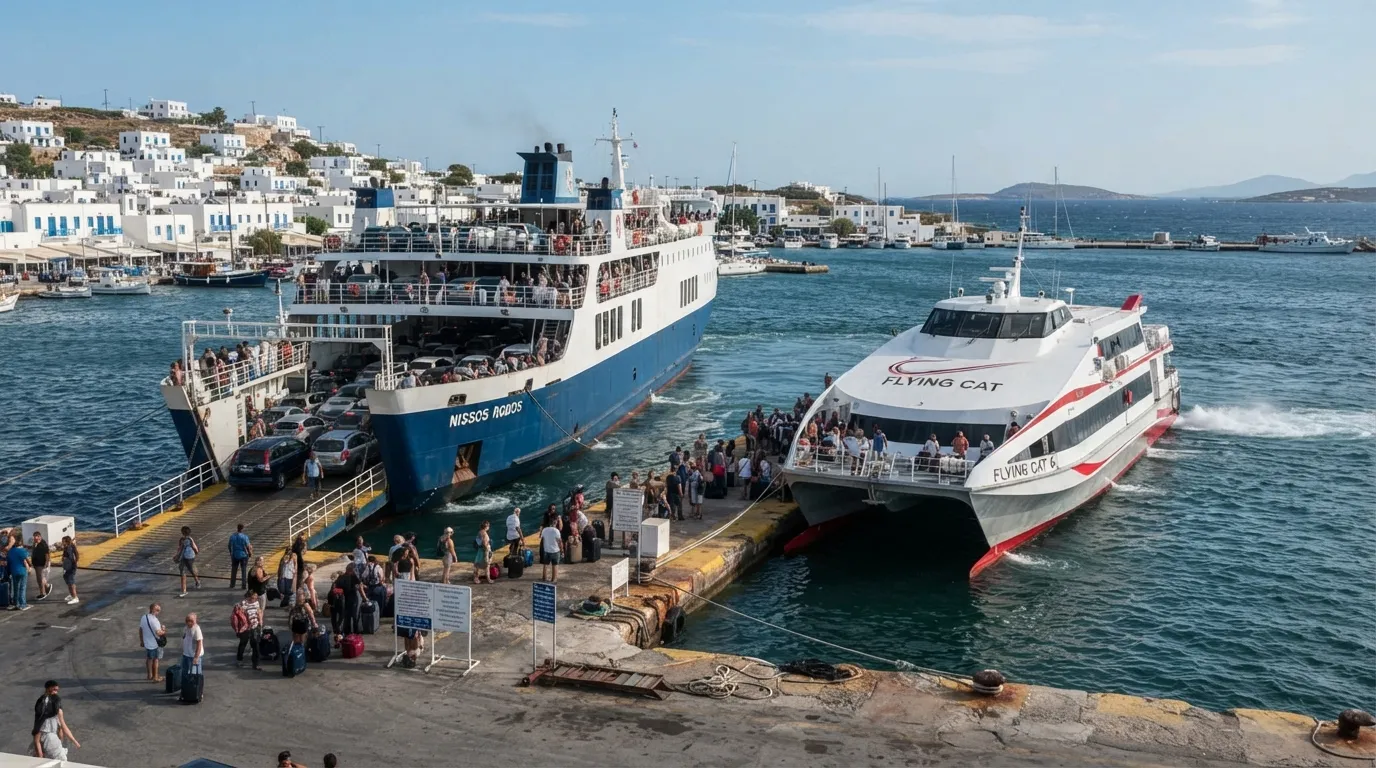
A single route can be served by different vessel types with different departure times, fares, and sometimes different terminals. Booking the wrong one means the wrong boat at the wrong hour.
Check the vessel type, departure time, and terminal on your booking confirmation. If you’re comparing options, make sure you’re looking at the same service on both sides of the comparison.
#7 – A Dead Phone Can Strand a Digital Ticket

Many operators accept e-tickets, but terminals and docks can have weak signal, and phone batteries drain fast on travel days. Some operators may also want to see ID or a printed confirmation.
Save your tickets offline or take screenshots before you leave Wi-Fi. Keep a charger or power bank in your day bag, and consider printing key bookings for the tightest connections.
Worth Knowing
- Weak dock signal can make a ticket app slow to load.
- A screenshot works offline, but check that the barcode is fully visible.
- A power bank in your day bag is easier to reach than one buried in checked luggage.
- Print only the bookings for your tightest connections.
#6 – The Name on the Ticket Needs to Match Your ID

Tickets are often issued in a passenger’s name, and staff may ask for ID at check-in. A misspelling or a different name can turn into a delay at the worst moment.
Carry the ID you used when booking, and compare the spelling on every ticket before you travel. If something’s wrong, contact the operator early rather than at the boarding line.
#5 – Island Transport Doesn’t Always Meet Every Ferry

Buses and taxis on smaller islands may run on limited timetables that aren’t tied to each arrival. A late ferry can land you at a quiet pier with no obvious ride.
Read the island’s transport guidance before you go, and note the last bus or transfer time. For late arrivals, pre-arrange a pickup through your accommodation if that option exists.
#4 – Payment Options Can Be Limited at Small Ports

Smaller ticket offices, island taxis, and local shops may accept only certain payment methods, or have trouble when card networks are down. Not every dock has an ATM nearby.
Carry a modest amount of local cash as a backup, even if you plan to pay by card. Buy tickets online ahead of time when the operator allows it, so a payment hiccup doesn’t cost you a sailing.
#3 – Bikes and Bulky Gear May Need Advance Notice

Bicycles, surfboards, strollers, and other bulky items may have their own rules, fees, or space limits depending on the operator and vessel. Showing up with them unannounced can end badly.
Check the operator’s policy for oversized items before booking. If advance registration is required, do it early, and arrive with enough time to load without rushing.
#2 – Cancellation Help Depends on Your Ticket Terms
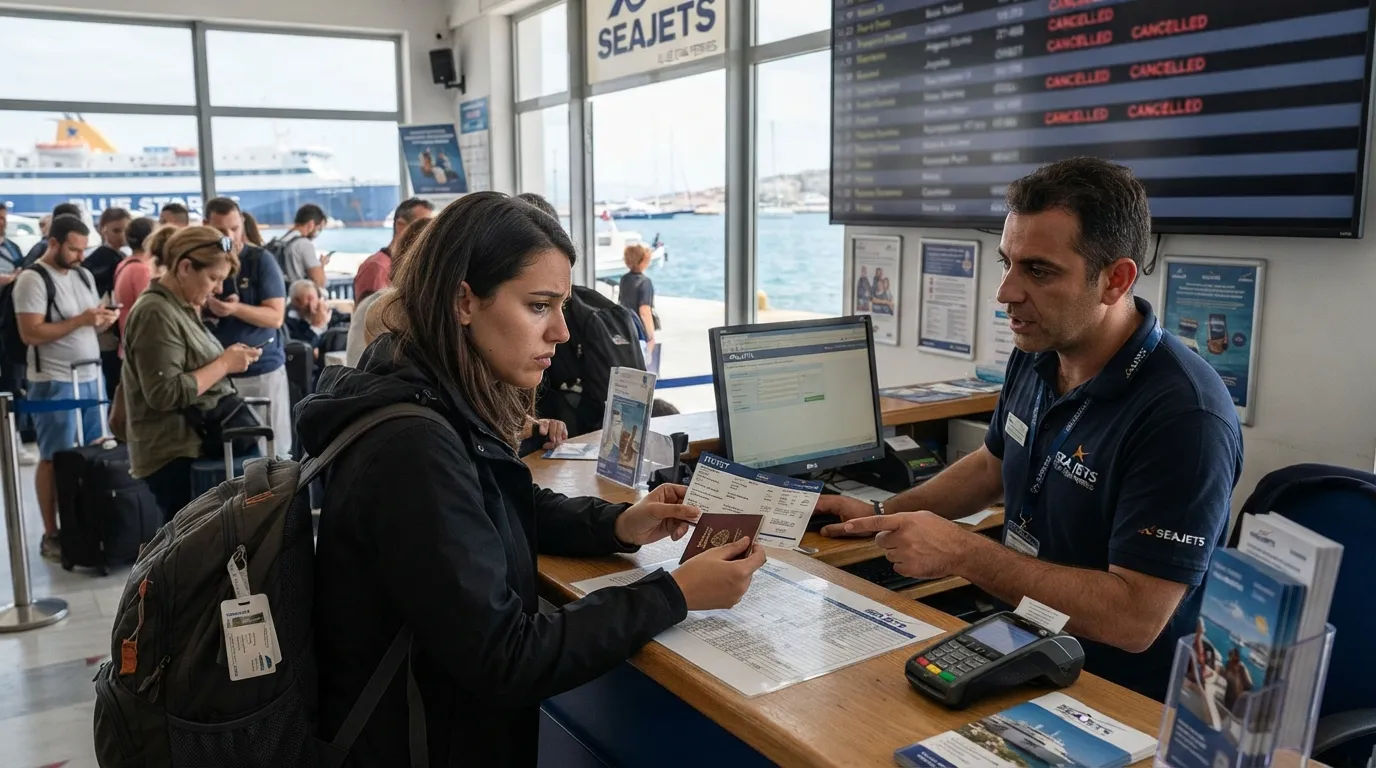
When a sailing is canceled, your options for rebooking or a refund come from the operator’s ticket conditions, and the process and deadlines can vary. Assuming you’ll be sorted automatically is a gamble.
Keep your ticket and booking details handy, and contact the operator or port desk promptly. Save receipts for any extra transport or lodging in case you need to ask about costs later.
Why It Stands Out
- Your ticket conditions, not general assumptions, set your rebooking and refund options.
- Deadlines for claims can differ by operator, so act quickly.
- Receipts for extra transport or lodging give you something concrete to raise later.
#1 – After the Miss, the Port Desk Is Your First Stop

Port or operator staff can see what’s still sailing, and depending on your ticket, they may offer the next departure, standby, or a change. The sooner you ask, the more options you may still have.
Walk straight to the desk with your ticket, ID, and onward plans in hand. A missed ferry is annoying, but a calm, quick question at the right counter often decides how long the delay lasts.
CEO-Co-Founder