

The pitch is irresistible: one pass, every big attraction, no ticket-window math. Then you reach the one place you actually came to see, and the next open time slot is after your flight home.
That’s the moment the fine print starts to matter. Activation windows, blackout dates, and reservation rules are all in the official terms, and the 15 below are the ones that catch people most. A few of them should change when you buy, not just when you go.
#15 – The Activation Clock May Start the Moment You Buy

Many official city-pass programs tie the activation window to purchase rather than first use. Buy weeks ahead for a future trip, and the pass may be expiring before you land.
Most programs require activation within a set number of days after purchase. Read the activation terms before checkout. If your dates aren’t locked in, wait to buy, or pick a pass that starts counting at first scan. Days lost to an early purchase usually don’t come back.
But the next rule is where sold-out signs really start appearing…
#14 – Timed-Entry Attractions Still Need Their Own Reservation

A city tourist pass usually covers admission, but it rarely skips the reservation system at popular sites. You still have to book a specific time slot through the attraction’s own portal.
Pass holders compete for the same limited slots as everyone else. Showing up without a booking can mean being turned away with a valid pass in hand. Reserve every timed-entry attraction the day your dates are firm, before you plan anything else around it.
And that’s before blackout dates enter the picture…
#13 – Blackout Dates Can Quietly Remove Your Best Day

Some attractions exclude certain days from pass admission, such as holidays, special events, or peak weekends. The pass still works elsewhere, so the gap is easy to miss.
Find the blackout or exclusion list in the official terms before choosing travel dates. If your must-see place is blacked out on your best day, move that visit to another day or budget for a regular ticket. Check the list again before you leave.
Worth Knowing
- Blackouts are listed per attraction, so one excluded site doesn’t mean the whole pass is off.
- Holidays, special events, and peak weekends are the usual suspects.
- Check the list twice: once before booking travel, once before you leave.
- Have a regular-ticket budget ready for any must-see that lands on a blocked day.
#12 – Transit Validation Is Not Always Automatic
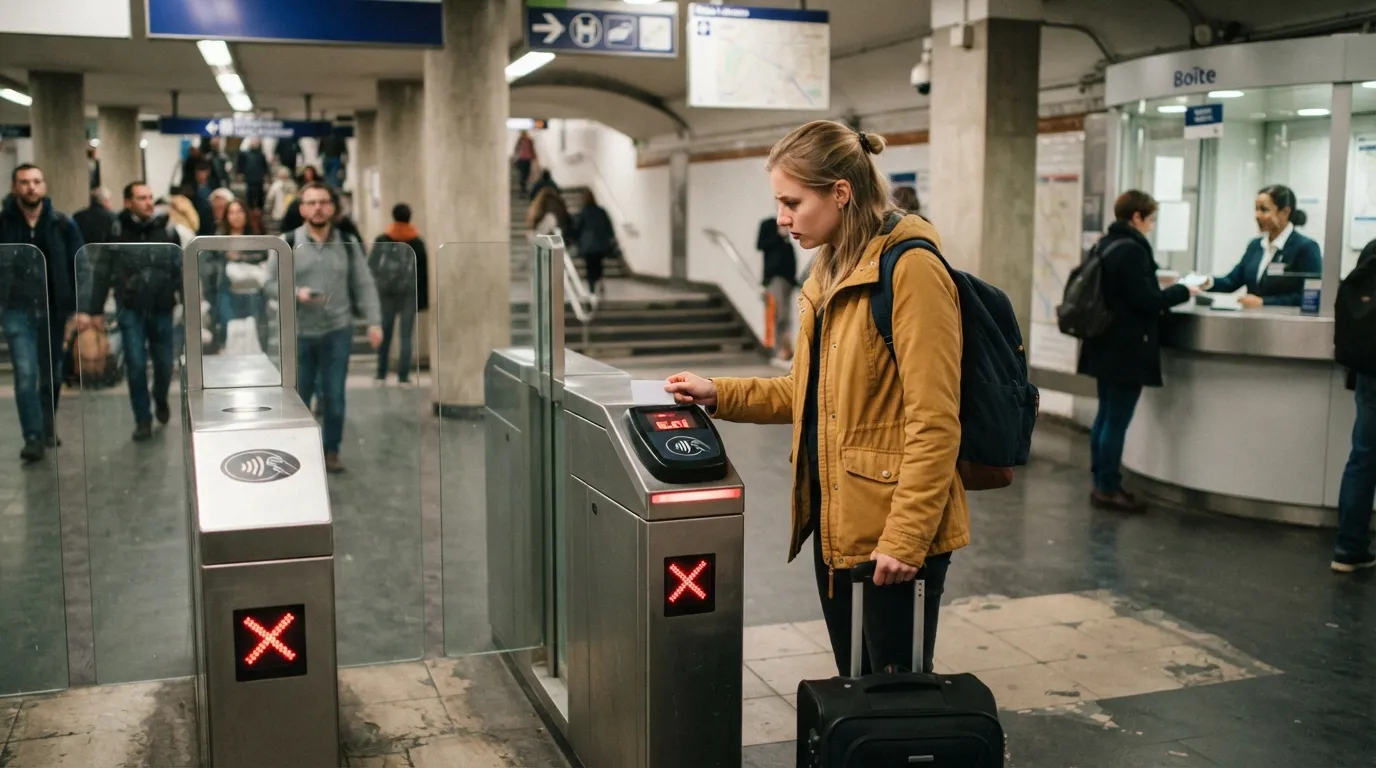
If your pass includes public transit, the ride credit may need to be validated or activated before it works. Some systems want a first tap at a gate or reader, and some want a tap on every trip.
Read how your pass’s transit component starts and ends. Do the first validation at a staffed station if you can, so a problem gets fixed on the spot. Standing at a locked turnstile with a rolling suitcase is a bad time to learn the rule.
#11 – Refund Terms Often Shrink After Purchase or Activation

Many passes are sold with strict refund terms. Some are non-refundable once activated, and some are non-refundable from the moment you pay.
Before buying, look for the official refund and cancellation language, including any difference between an unactivated pass and an activated one. If your trip is uncertain, favor the option with the clearest refund policy, and screenshot the terms you agreed to for later.
#10 – Unused Attractions Rarely Earn You Anything Back

A pass can list many attractions, but the pass price doesn’t shrink when you skip some. Missing a sold-out stop usually means you simply lose that part of the value.
List the attractions you truly want, then compare their individual admission prices with the pass price on the official sites. If the pass only wins when you visit everything, it’s risky. Build the plan around sights you’d happily visit even if one falls through.
#9 – “Two Days” May Mean Calendar Days, Not 48 Hours

Passes that cover a set number of days may count calendar days or consecutive days, not rolling 24-hour periods. Activate in the afternoon, and you might burn most of that first day.
Check how the program defines a day in its terms. If the days must be consecutive, start the pass on a morning when you can reach your first attraction early. Save your slowest, least pass-dependent day for when the pass would otherwise be expired.
Quick Compare
- Calendar-day pass: a first-day activation at 3 p.m. still uses up that whole day.
- Rolling 24-hour pass: the clock runs from first use, so a late start costs you less.
- Consecutive-day pass: you can’t pause it for a rest day, so plan every day.
#8 – A Mobile Pass Is Only as Good as Your Phone

Many passes now live in an app or a digital wallet, and staff scan the code at each entrance. A dead battery or weak signal can turn a prepaid day into a stalled line.
Load the pass before you leave your hotel, and check whether the program offers offline access or a printable option. Carry a portable charger. If the scan fails, ask staff for the official help process rather than buying a second ticket on the spot.
#7 – Most Attractions Allow Only One Entry per Pass

Many passes grant a single admission per attraction, so a return visit isn’t automatically included. Leaving a museum for lunch and planning to come back might not work.
Confirm the re-entry rule for each major stop on the official attraction page. If you want a second look at something, ask about re-entry at the entrance before you step out. Otherwise, treat each visit as one shot and arrive with enough time.
#6 – Special Exhibits and Add-Ons May Cost Extra

General admission and the headline experience are not always the same thing. Special exhibitions, observation upgrades, guided tours, or premium areas may be excluded or require an additional fee.
Read the pass inclusions for the exact wording on what is covered, and look at what you actually want to see at each place. If the thing you came for sits behind an upcharge, price it in before you decide the pass is a bargain.
#5 – “Skip the Line” Does Not Mean No Line

A pass may give you a separate entrance or a shorter queue, but security screening and bag checks still apply. Timed-entry crowds can also back up at the doors.
Read what the program actually promises, since “fast entry” and “no waiting” are different claims. Arrive at the start of your reserved window, not the end, and bring only what you need so bag checks move faster.
Fast Facts
- A separate pass entrance can still lead to security screening.
- “Fast entry” is a different promise from “no waiting.”
- Your reserved window is when you’re meant to arrive, not a loose suggestion.
- Fewer bags usually means a faster check.
#4 – Passes Can Be Tied to a Person, Age Category, or Both

Many passes are sold per traveler, and child, youth, and adult versions can differ in price and rules. A pass may also be non-transferable once purchased or activated.
Check the age definitions and any identification requirements in the terms before buying for a family. Buy the right version for each traveler, and don’t plan to share one pass across a group. Staff at the door can only apply the rules they were given.
#3 – Attractions Keep Their Own Closed Days

Your pass doesn’t change an attraction’s calendar. Many museums and sites close one day a week or shorten hours seasonally, and a pass can’t open a locked door.
Check the official hours for every stop, then build your route around closed days before you reserve anything. Put the hardest-to-book attraction first, and let flexible, walk-in stops fill the gaps. This one habit can save a whole afternoon.
#2 – Missing Your Slot Can Mean Losing the Visit

Timed-entry reservations often have a narrow arrival window, and late arrivals may not be admitted. Changing or canceling a slot can also be limited or impossible, depending on the attraction.
Read the reservation confirmation for arrival, change, and cancellation terms. Build in travel buffers, especially after a morning attraction, and don’t stack reservations back to back. A comfortable gap is cheaper than a lost slot you can’t rebook.
At a Glance
- Arrival: note the exact window on your confirmation.
- Changes: check whether rebooking is allowed at all.
- Cancellations: look for any cutoff before the slot.
- Buffers: leave travel time between back-to-back bookings.
#1 – The Pass Is Not Automatically the Cheaper Choice

The biggest surprise is that a pass can cost more than separate tickets if reservations, blackout dates, or closures cut down how much you use.
Before you buy, total the official prices of the attractions you can realistically book on your dates, then compare that against the pass, including activation and refund terms. If the pass still wins with a buffer for one sold-out stop, it’s a good deal. If not, buy individual tickets and keep your flexibility.
CEO-Co-Founder