
- 15 Banned Books That Became School Staples - October 22, 2026
- 16 Sitcoms That Replaced Their Lead Actor and Stayed on Air - October 22, 2026
- 17 Things Nobody Tells You About Airport Overnight Stays Until the First Delay - October 22, 2026
Most travelers assume an overnight rail pass unlocks the whole trip, but it only covers the ride, while every bed, berth, and sleeper-car perk is a separate paid reservation.
The rules behind that gap, from shared compartments to cancellation terms, are where first-timers get caught, and some only make sense once you’re standing on the platform.
#17 – Shared Compartments Mean You Rarely Travel Alone
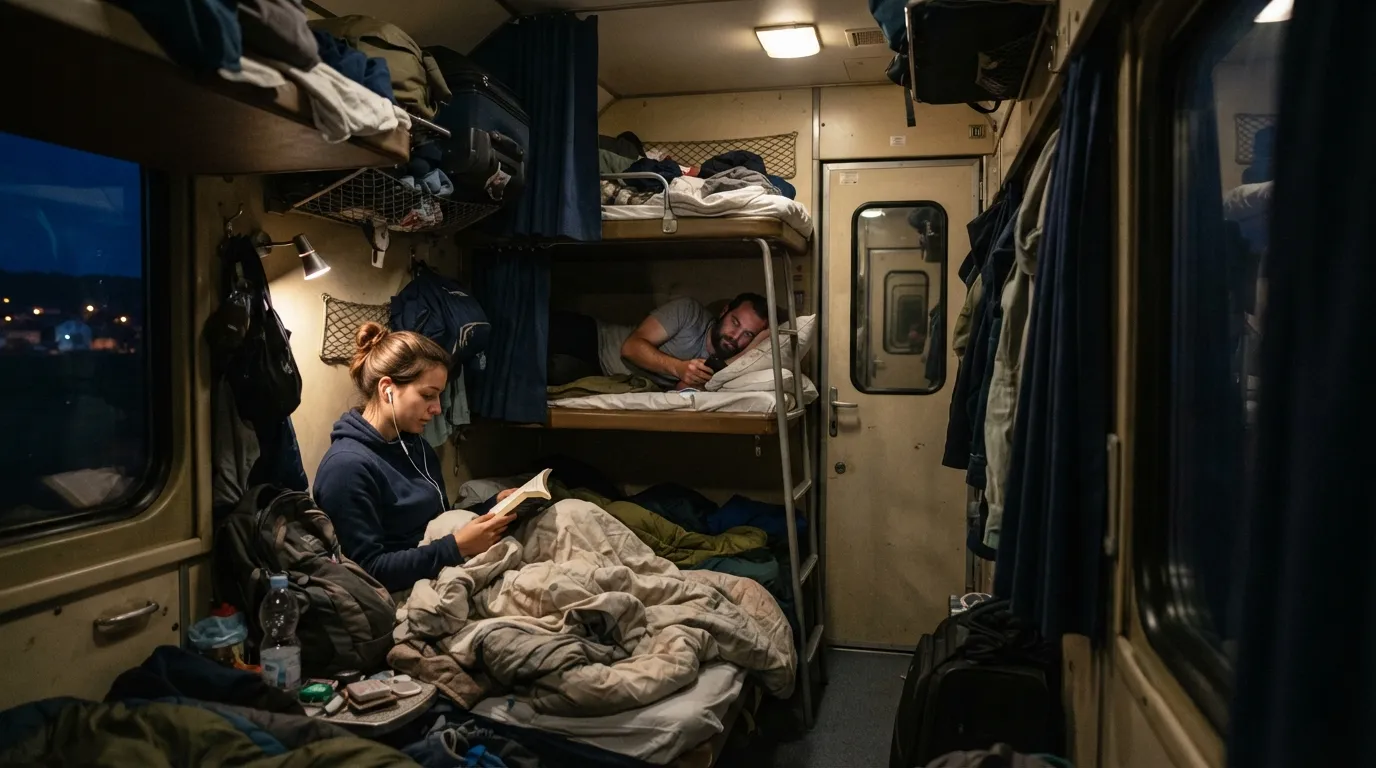
On many night trains, the standard berth is a shared couchette or sleeper. Book the cheapest category and you may be sleeping a few feet from strangers.
Booking systems often default to the lowest-cost option, so many travelers only notice the sharing after they’ve paid. Private cabins exist, but they cost more and must be selected on purpose.
Shared is the default on many services. Private is something you have to choose.
#16 – Reservations Are Mandatory on Every Night Train

A valid pass will not get you a bed. Night trains require an advance reservation for seats, couchettes, and sleepers alike.
Show up without one and staff can refuse boarding, pass or no pass. The pass covers the rail segment, and the sleeping space is a paid extra listed in the operator’s conditions.
On a night train, the reservation is not optional.
#15 – Cancellation Windows Vary Sharply by Operator

Your sleeper refund depends on the railway that runs the train, not the company that sold you the pass. Each operator sets its own refund windows and fare conditions.
In general, cancelling well ahead gives you the best chance of a refund, and last-minute cancellations can return little or nothing. Read the specific terms for your train before you pay.
The pass provider cannot override the operator’s cancellation rules.
#14 – Luggage Space Is Strictly Limited in Sleepers
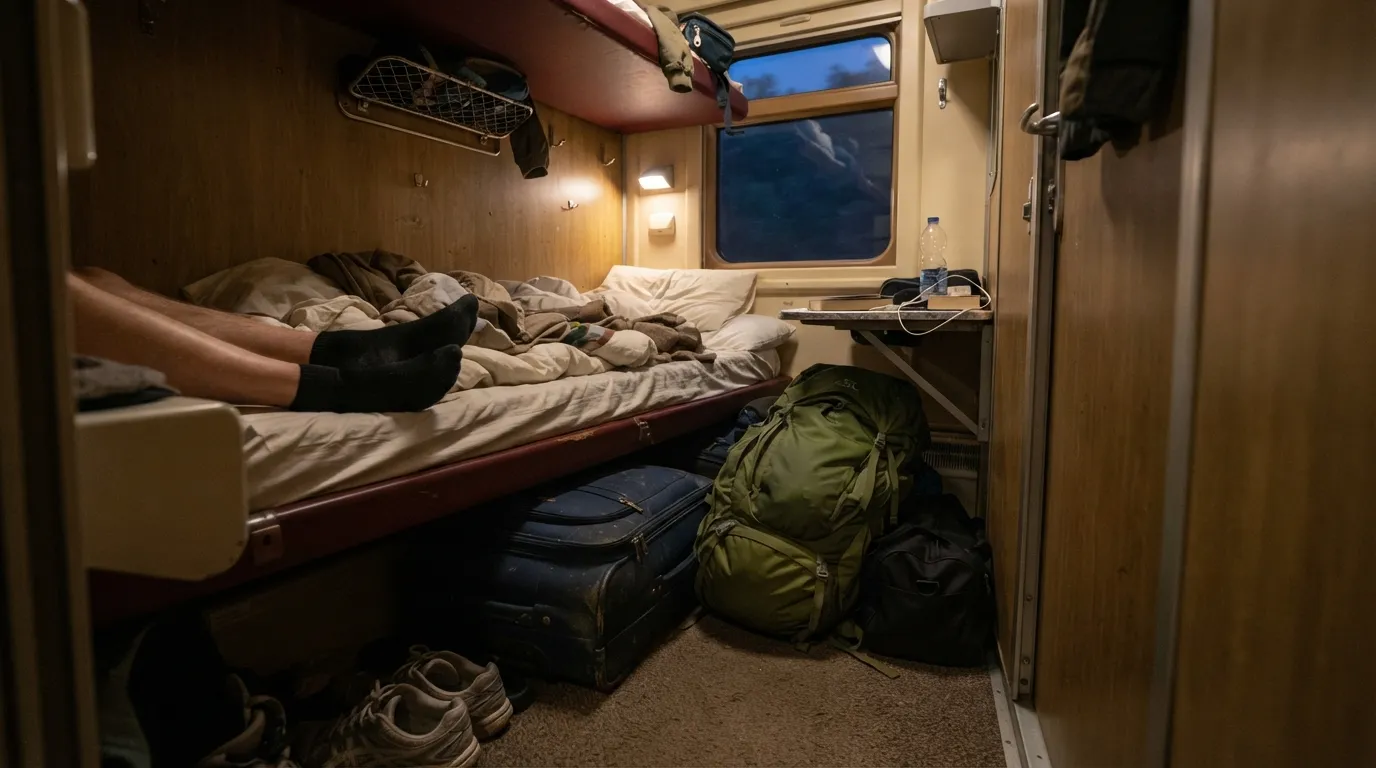
A sleeper compartment is built around beds, not baggage. Most bags end up under a berth or in a narrow overhead space, and you’ll be climbing around them at midnight.
Operators publish size and weight limits, and oversized items can be refused. Allowances don’t stretch just because the trip is overnight, so a packed-out backpack can become a real problem.
Tight storage is built into the design of sleeper cars.
#13 – Breakfast Depends on the Berth You Buy

Waking up to a complimentary breakfast tray is a perk of certain categories, not of the pass. Higher-category sleepers sometimes bundle it, while basic couchettes and seats often don’t.
The operator decides what’s included based on the berth type. Check your reservation confirmation before you board so you don’t wake up hungry with nothing on offer.
Meals follow the accommodation category, not the pass.
Quick Compare
- Reclining seat: breakfast is usually not part of the fare.
- Shared couchette: often no meal, so check the confirmation.
- Standard sleeper: varies by operator and route.
- Deluxe or private cabin: the category most likely to bundle breakfast.
#12 – Shower Access Exists Only in Select Premium Cabins
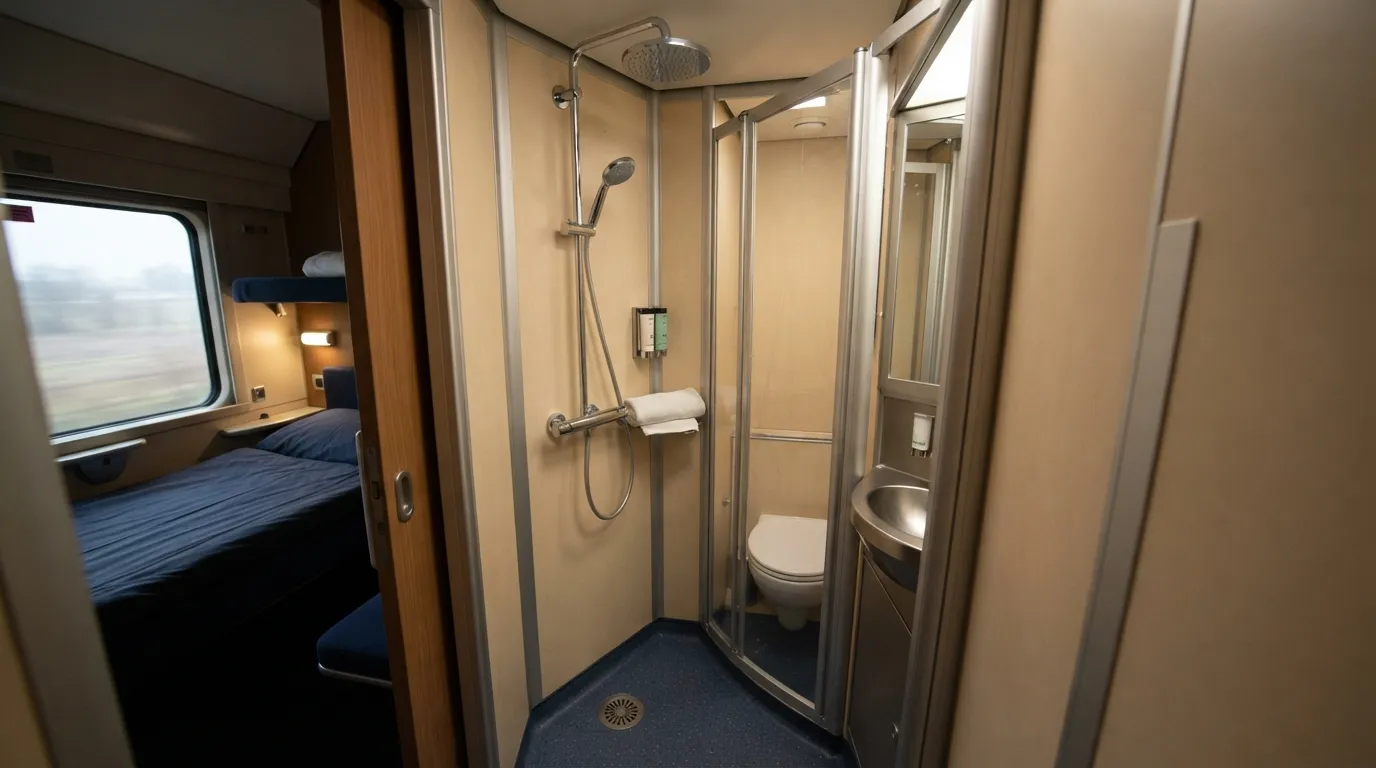
Don’t count on rinsing off before arrival. Basic couchettes and standard sleepers lack private showers on most routes, and only certain deluxe cabins include wash facilities.
Much of the sleeper fleet was built when berth count mattered more than comfort. Travelers who assume a shower is part of the deal often find out only when they compare reservation options.
A shower is a premium feature, reserved for higher-fee cabins.
#11 – Flexi Passes Treat Some Overnight Trips as One Travel Day
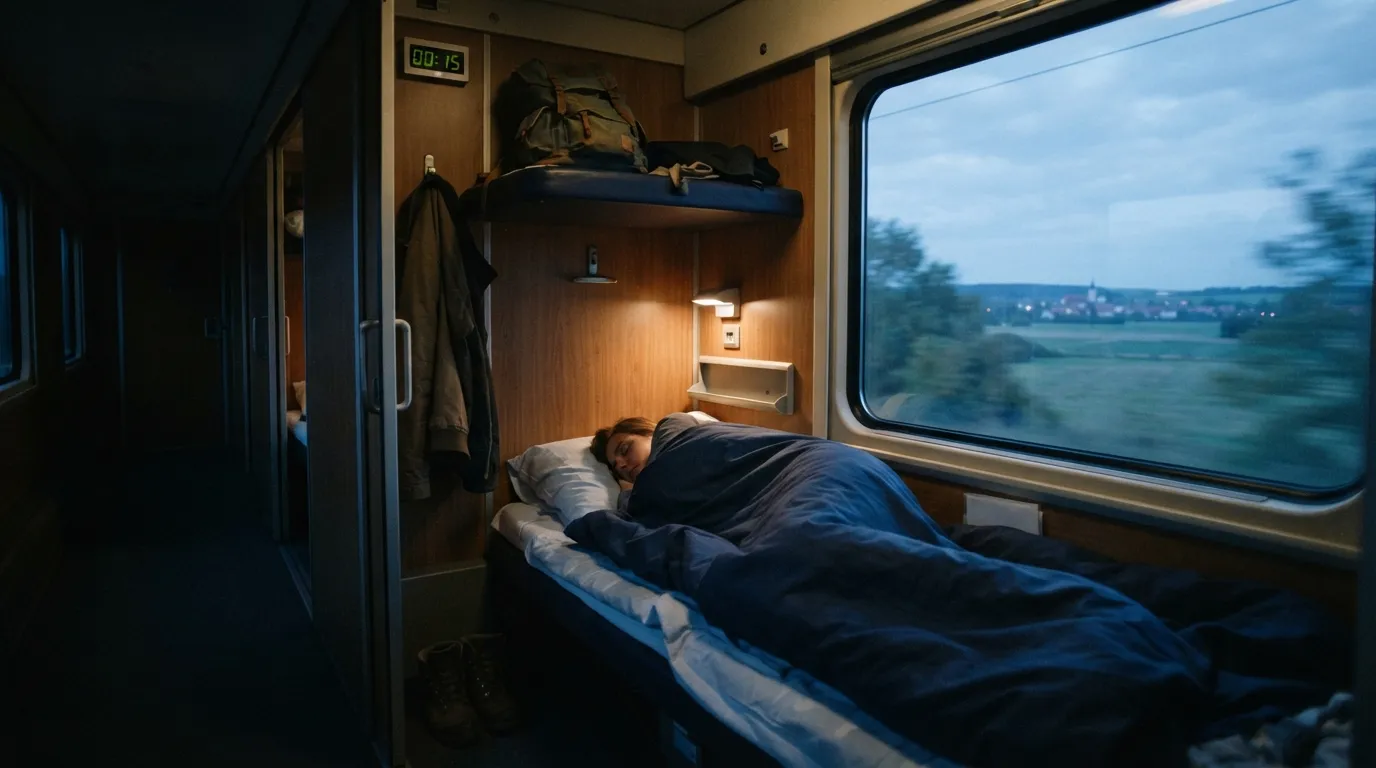
On a flexi-style pass, a long night journey doesn’t have to burn two travel days. Pass conditions include a special rule for direct night trains, so the trip can count as a single day.
The catch is the fine print on changing trains after midnight. Break the journey into legs that straddle midnight and you may use up a second day. Check the exact conditions for your pass.
The single-day rule is built for uninterrupted overnight journeys.
Fast Facts
- A direct night train with no change after midnight uses only its departure day.
- A change of trains after midnight can add a second travel day to your pass.
- Any onward train the morning you arrive starts a new travel day.
- The older “7 p.m. rule” was replaced in January 2019, though some guides still describe it.
#10 – Dynamic Pricing Makes Reservation Costs a Moving Target
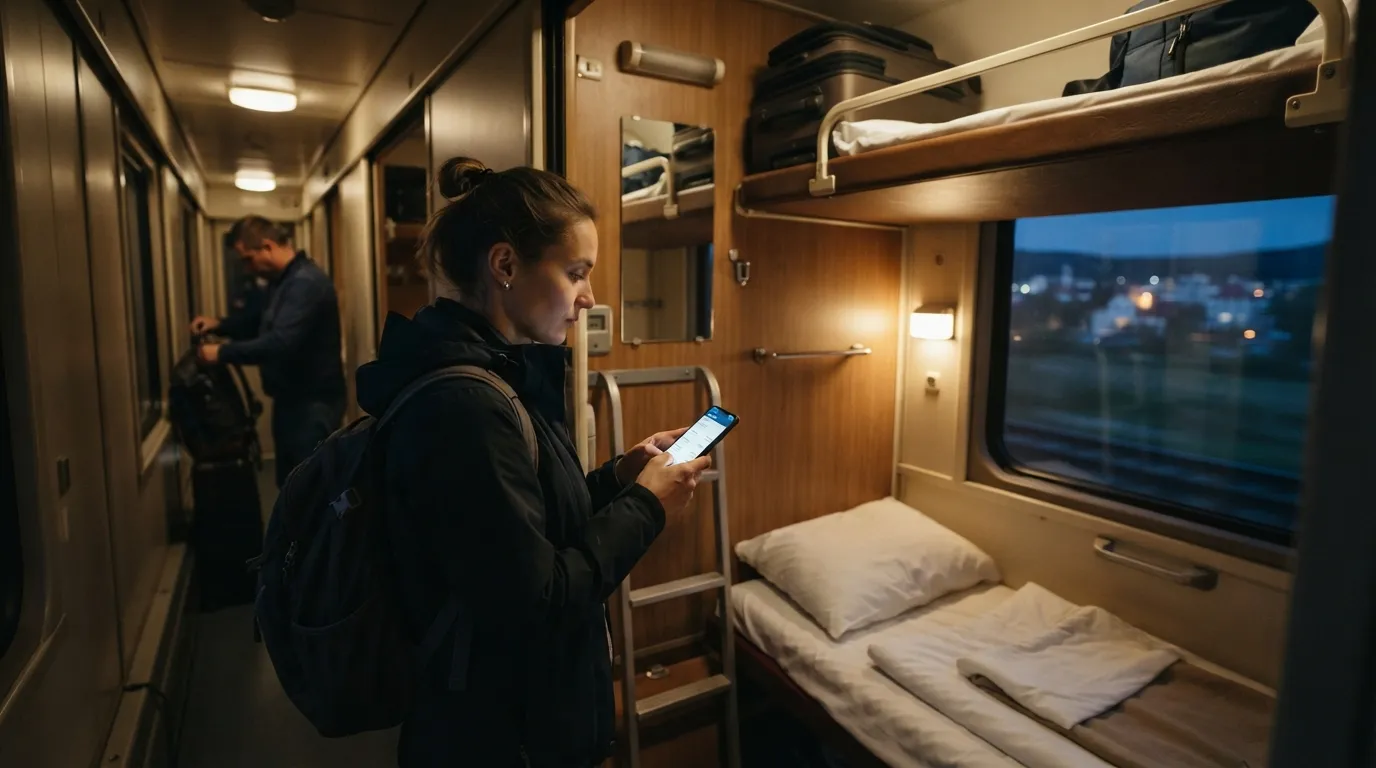
The same bed can cost different amounts depending on the date you book. Fees move with demand, route, and timing, and no fixed price list covers every night train.
Operators adjust prices to manage a limited supply of berths. Wait until close to departure and you may pay more than someone who booked early, and the pass covers none of it.
Reservation prices follow availability, not a static schedule.
#9 – Every Traveler in a Private Cabin Needs Their Own Pass and Reservation

Booking a private compartment doesn’t let one traveler cover everyone inside. Each person needs an individual pass and a matching reservation.
Per-passenger validation is written into the conditions of use, and sharing one reservation across several passes breaks operator rules. Couples and families should make sure every booking points to the same compartment.
Private means exclusive use of the cabin, not an exemption from individual reservations.
#8 – Boarding Requires Both Your Pass and Your Reservation
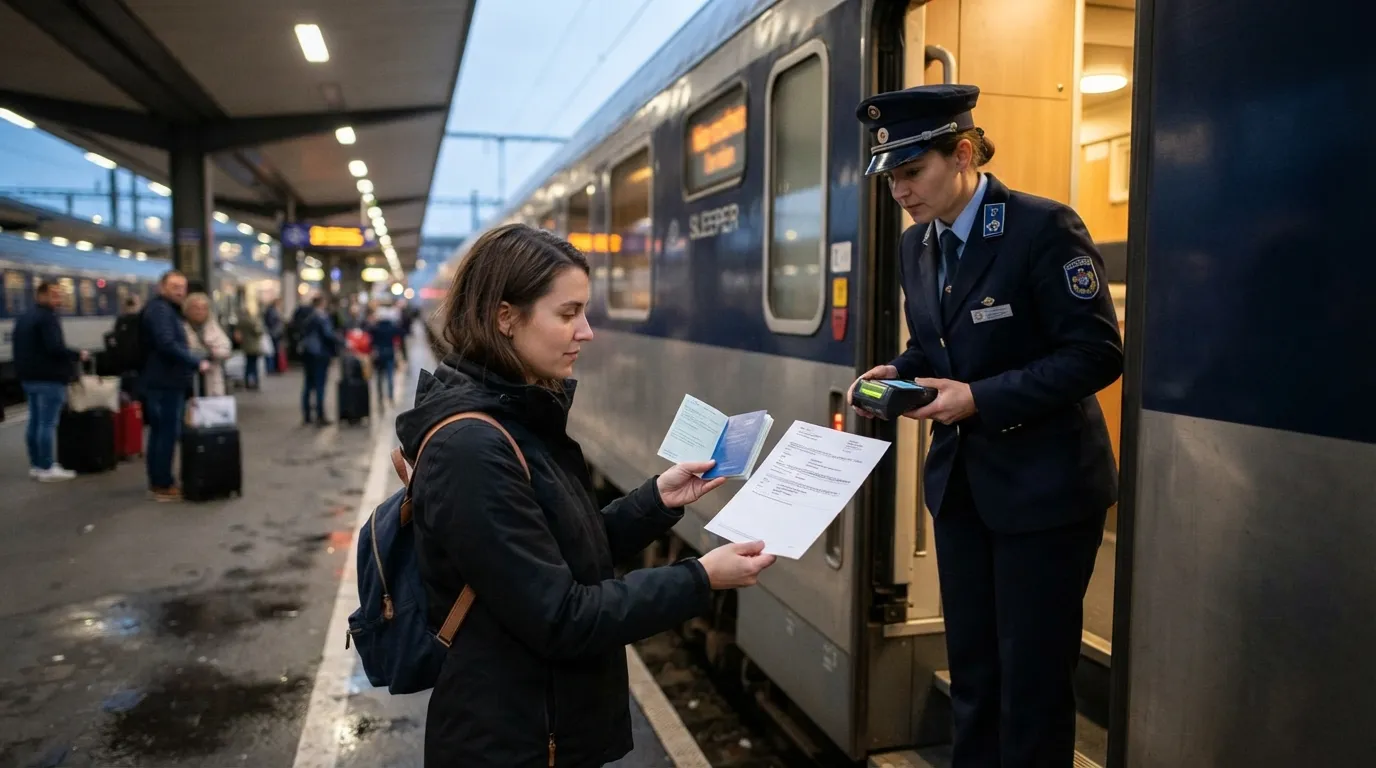
Staff may check for your reservation alongside your rail pass, at the platform or onboard. Missing either document can end your trip before it starts.
Travelers who treat the pass as enough on its own are the ones who get turned away. Confirm that both documents are saved and accessible before you reach the station.
On reserved night trains, you need both documents.
#7 – Extra Supplements Can Hit Certain Cross-Border Routes
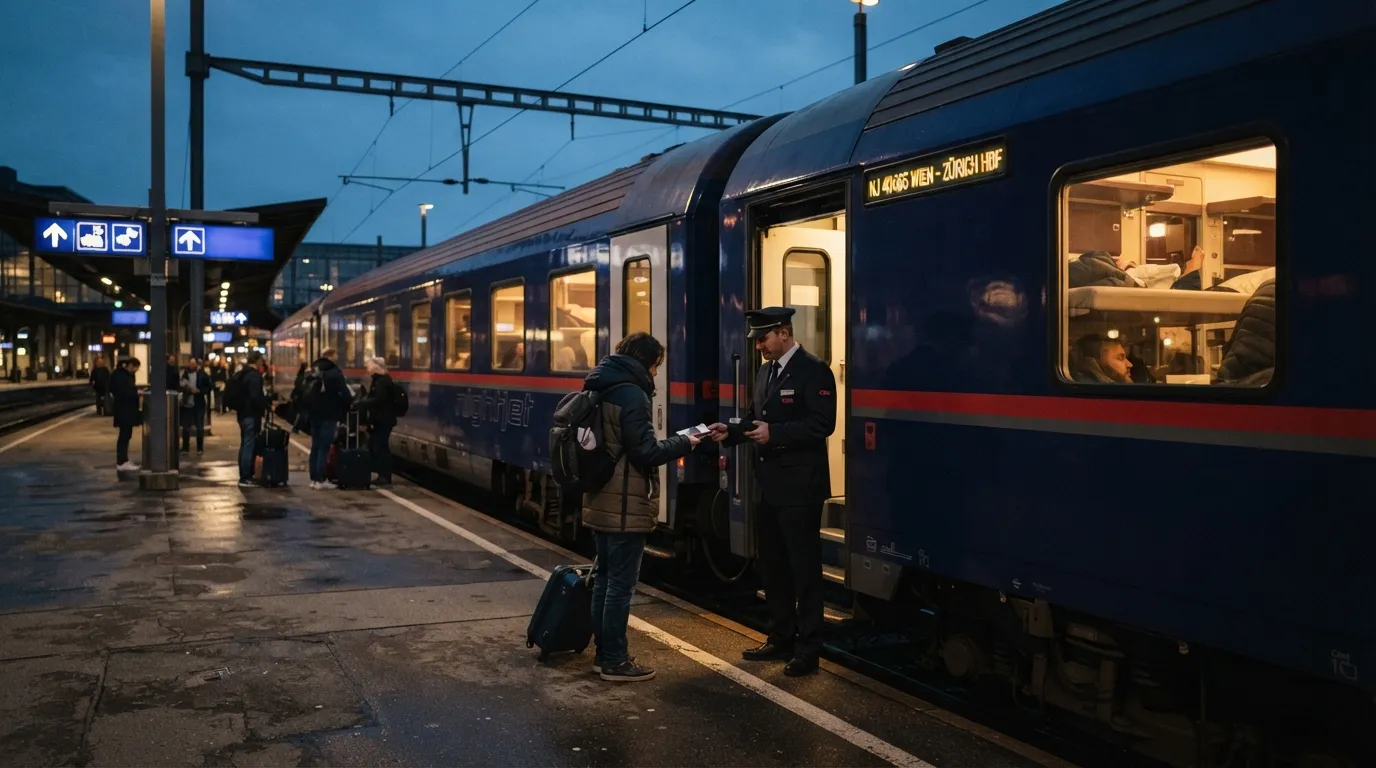
Some international night trains charge a supplement on top of the normal reservation fee. These cover specific services or route segments.
Pass conditions list the services where supplements are mandatory, and you generally need to pay before boarding. The rail planner app or the operator’s site will show which routes trigger the extra cost.
Supplements are separate from the base reservation and vary by route.
Worth Knowing
- Supplements attach to specific trains or route segments, not to the whole pass.
- Add the reservation, any supplement, and the berth fee to see your true cost.
- Check the operator’s page for the exact service before you pay.
- Keep the payment confirmation with your pass for onboard checks.
#6 – Booking Windows Open Months Ahead, and Berths Go Fast
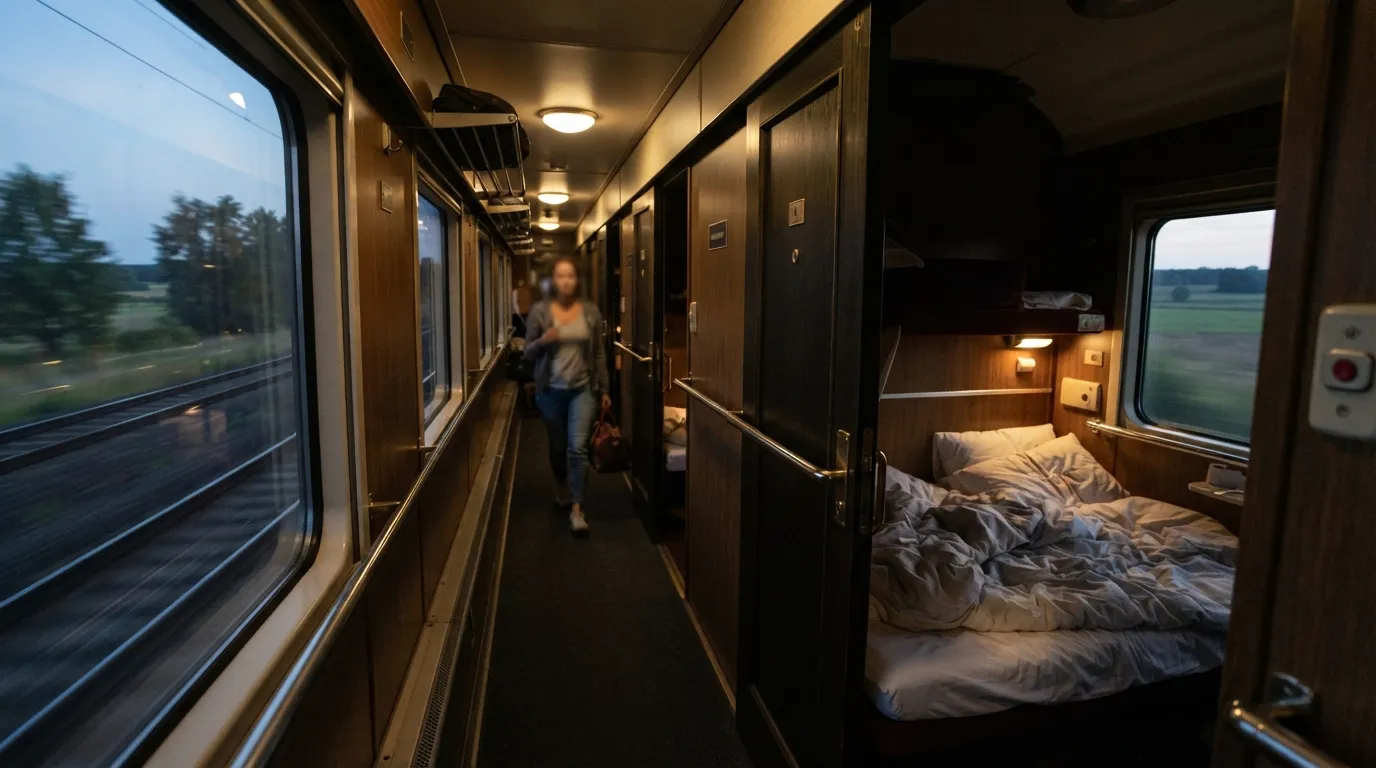
Popular sleeper routes open for reservations well in advance, and the best berths are often gone first. Wait until the last few weeks and you may be left with a seat or nothing at all.
Booking early gives you more choice of accommodation type. The pass itself guarantees nothing about availability.
Berths are finite, which makes planning ahead essential.
#5 – Shared Berths May Be Mixed Unless You Book Women-Only
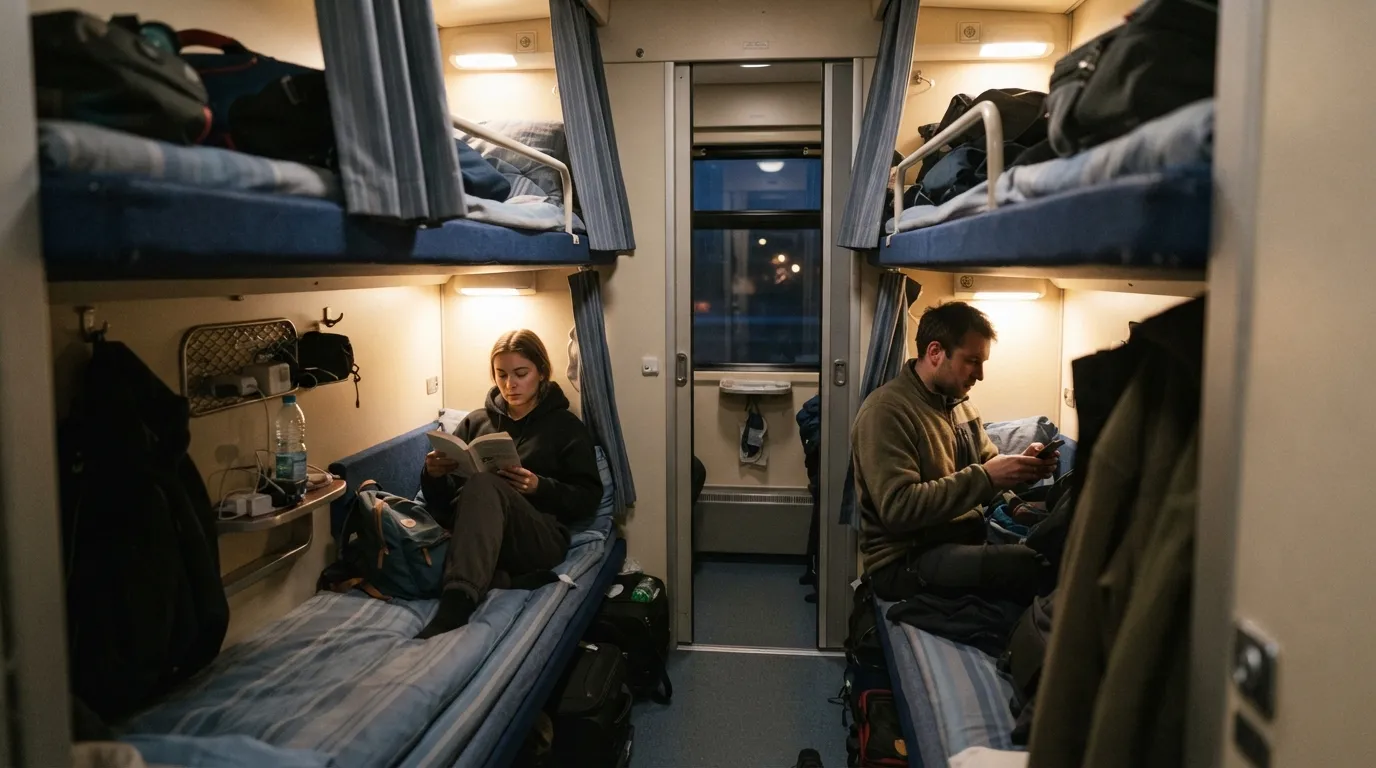
Solo travelers often assume shared compartments are sorted by gender. On many services they aren’t, unless you pick a women-only option.
Some operators offer women-only compartments in couchettes or sleepers, usually as a specific category you have to select. Check the booking options for your train, since the rules differ between operators.
If a women-only compartment matters to you, look for it at booking.
#4 – Seat-Only Options Exist but Offer Minimal Comfort
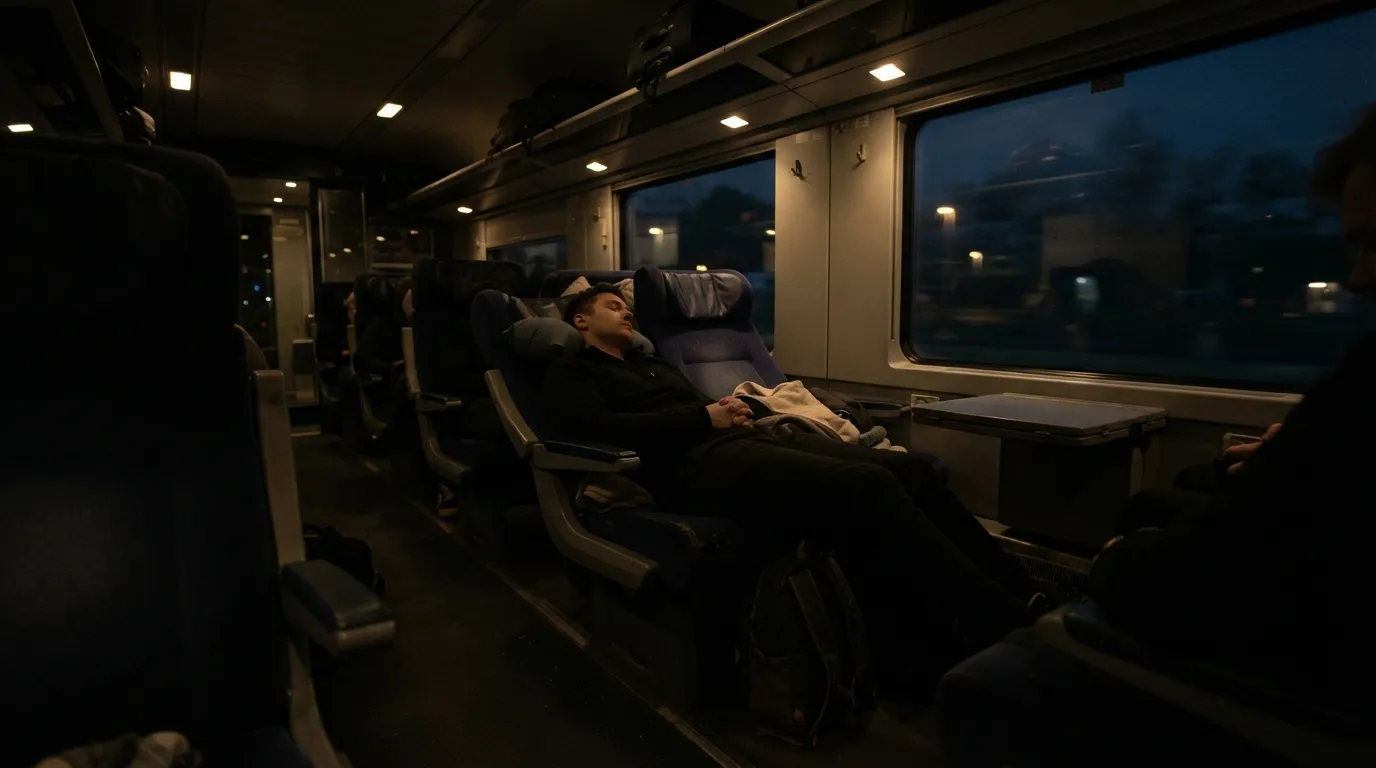
Some night trains sell reclining seats as the cheapest way to travel overnight. They cost less than a berth, but they never turn into a bed.
The option appears on select Nightjet and other services, particularly when sleeper inventory is limited. Even this basic tier still requires a paid reservation, and rest can be hard to come by.
Seats are a cheaper way in, without the sleeping setup of couchettes or cabins.
At a Glance
- Lowest-cost way to ride overnight on many services.
- A paid seat reservation is still required in advance.
- No flat bed, so sleep quality depends on the seat and your neighbors.
- Worth considering when sleeper berths are sold out.
#3 – Onboard Staff Enforce the Rules, Even at 2 A.M.
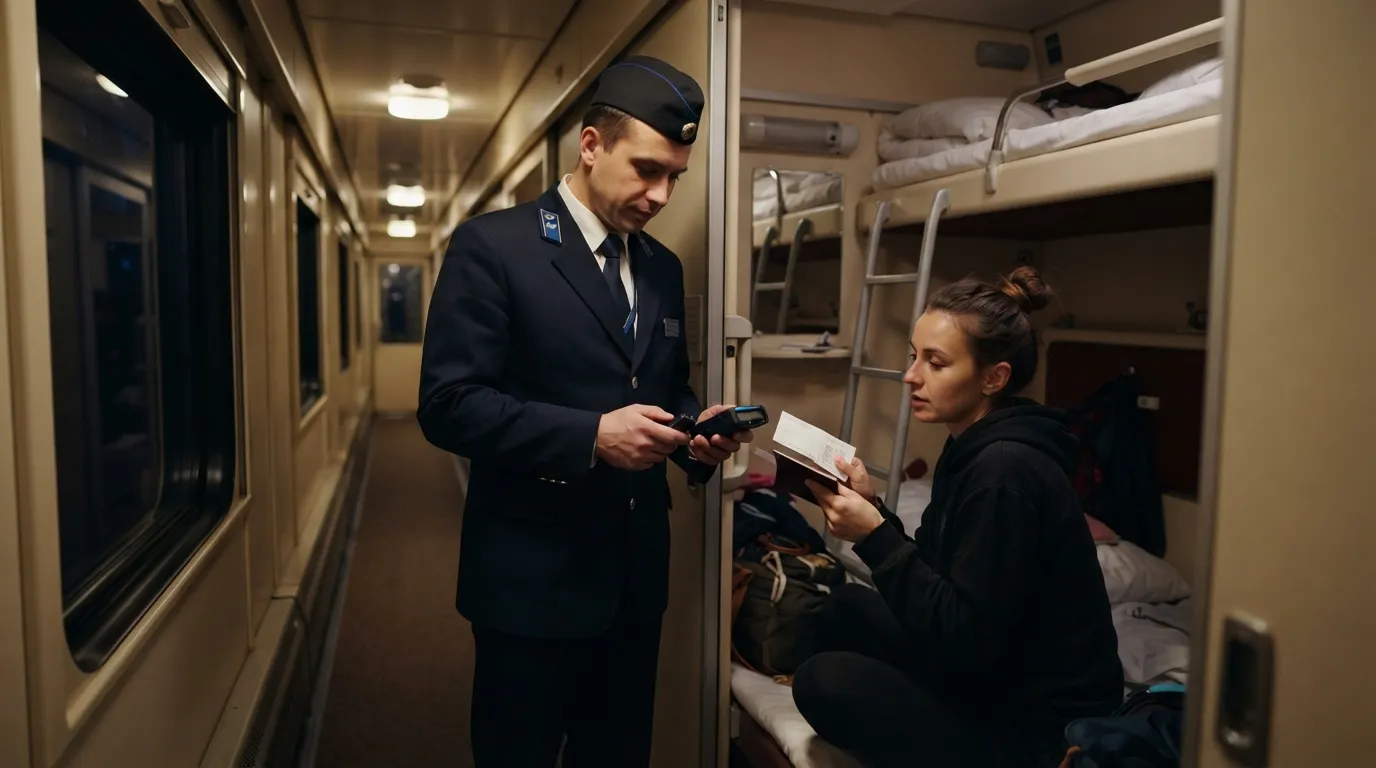
Checks don’t stop once the train leaves the station. Conductors verify reservations and pass validity during the journey.
Non-compliance can mean extra charges or being asked to leave, depending on the operator’s conditions. Keep your documents within reach all night, because a forgotten reservation won’t get you far.
Staff authority comes straight from the carrier’s conditions of carriage.
#2 – Private Compartments Still Cost Money for Every Berth
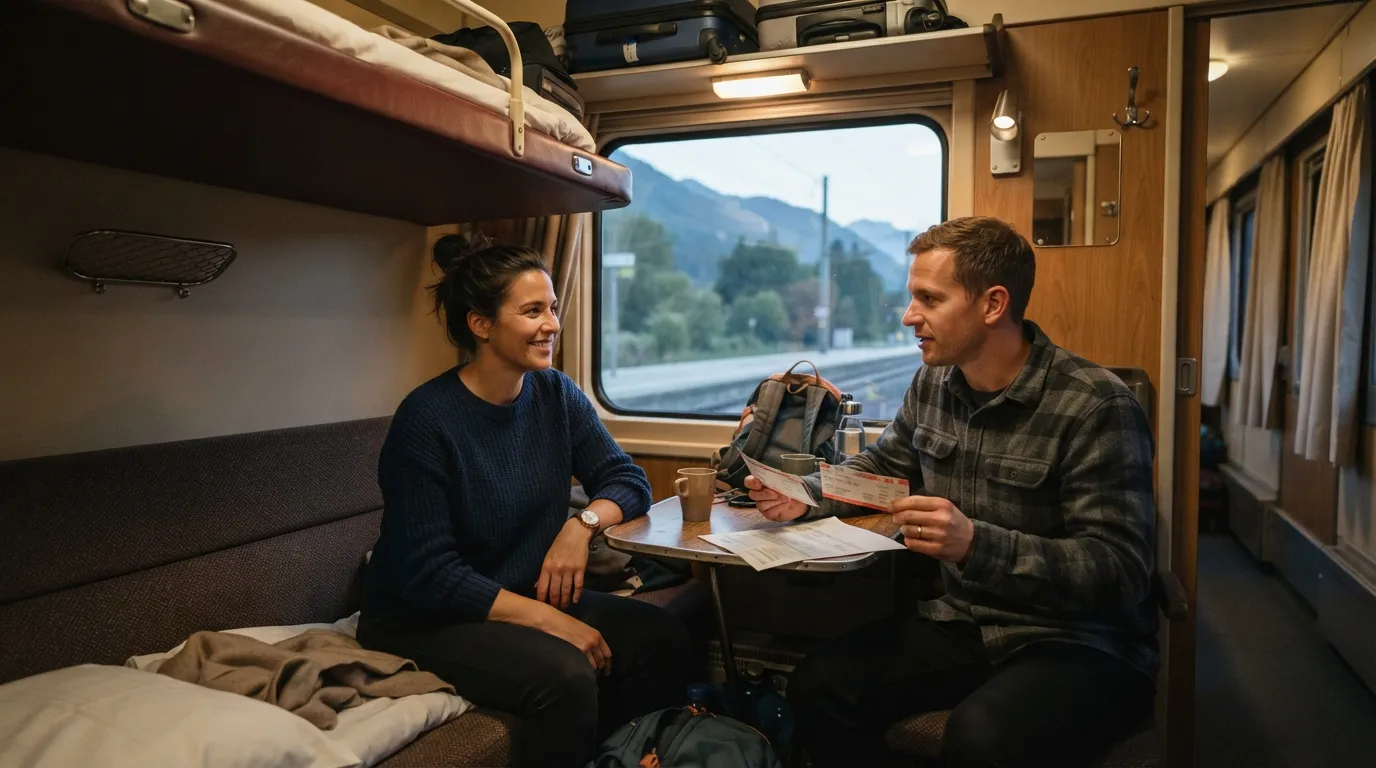
Having a cabin to yourselves doesn’t make it free. Each occupant needs a reservation, and the pass covers none of the accommodation cost.
Operators price by the berth, so there’s no loophole where one booking covers a whole group. Travelers sharing a cabin should coordinate matching reservations well in advance.
Privacy upgrades the experience without changing the per-passenger reservation requirement.
#1 – The Pass Alone Never Guarantees a Sleeping Berth

The most overlooked fact is also the simplest: a rail pass gives you zero automatic access to overnight accommodation. Every sleeper journey starts with a paid reservation.
That separation between journey coverage and berth fees is part of the official conditions of use for both Eurail and Interrail products. Travelers who assume otherwise risk denied boarding or expensive last-minute purchases.
The reservation is the true gatekeeper, not the pass.
The pass covers the rails, and everything else is a separate transaction governed by the operating company.
Sort out the sharing rules, cancellation windows, luggage limits, and amenity differences before you book, and the sleeper becomes the best part of the trip instead of a surprise at the gate.
CEO-Co-Founder