
- 15 Banned Books That Became School Staples - October 22, 2026
- 16 Sitcoms That Replaced Their Lead Actor and Stayed on Air - October 22, 2026
- 17 Things Nobody Tells You About Airport Overnight Stays Until the First Delay - October 22, 2026
Day one feels like a warm welcome, but day two is when a group tour shows you how it really works: who sits where, what is actually included, and how tight the clock runs.
Some of these surprises will save you money, a few will save you a good seat, and the last ones explain why the group starts to feel so different by dinner.
#16 – Coach Seats Quietly Become Owned by Day Two
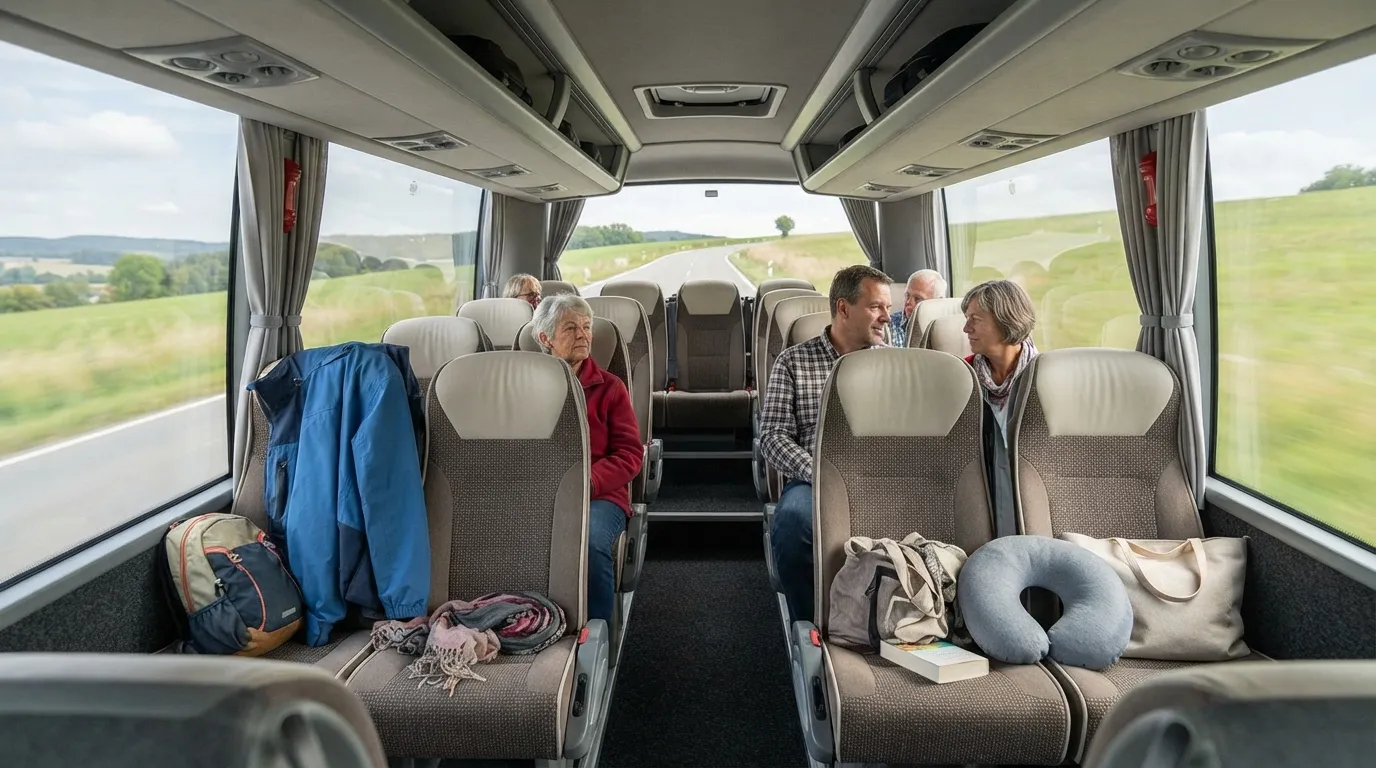
Tour directors often watch passengers claim seats with jackets and bags within the first day. Some tours rotate seats daily and others leave it up to the group, but brochures rarely say which.
Without a rotation, the same people tend to hold the front rows by the second morning. That changes views, motion comfort, and who you end up chatting with. Ask at the welcome meeting what the seating policy is.
#15 – The Tipping Envelope Conversation Arrives Early
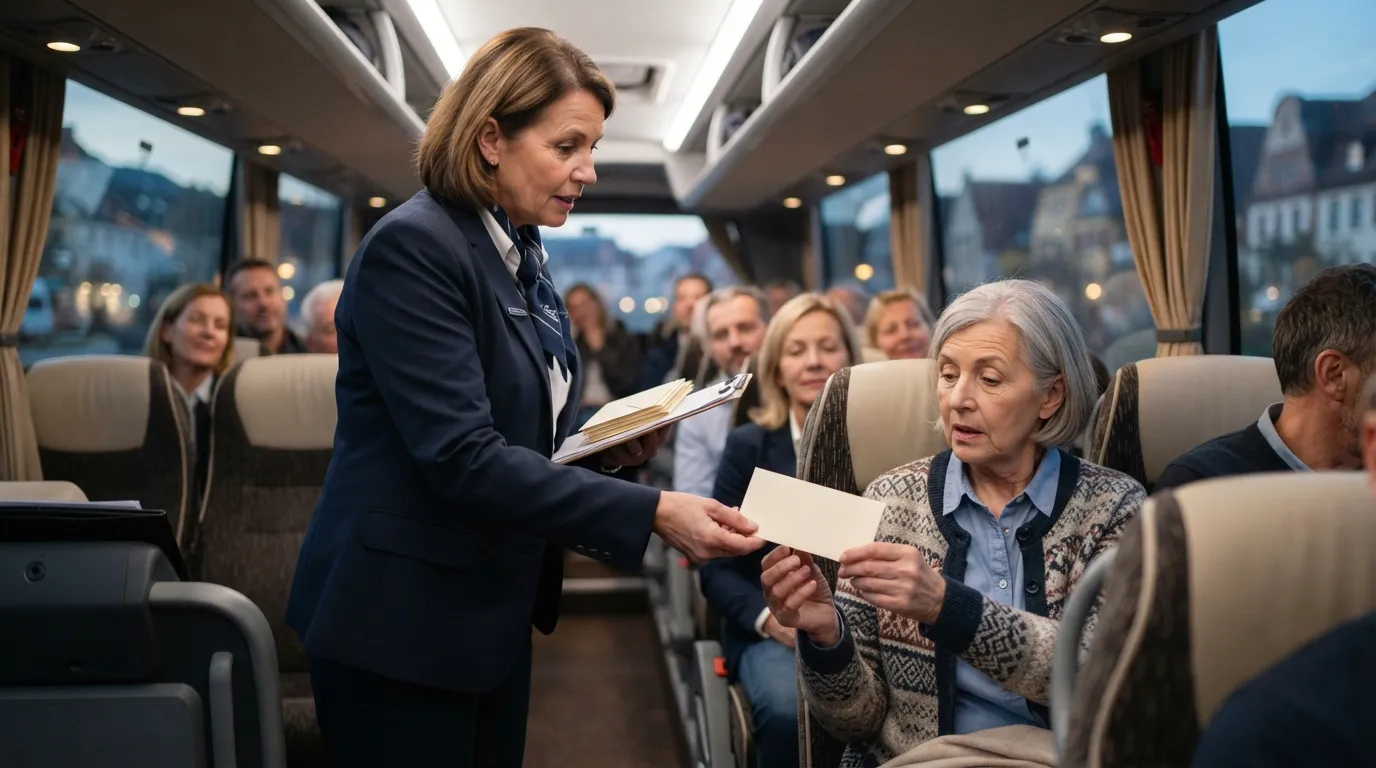
Gratuities for the tour director and motorcoach driver are often not fully covered by the base price. Operators may include hotel porters and restaurant staff in the package, but the two people you see most are usually left to passengers.
By the second evening, the group has typically heard about the envelope. Collection is usually on the final night, yet the heads-up comes early so you can budget. Ask which gratuities are already covered before you start guessing.
Worth Knowing
- Ask whether porter and restaurant tips are bundled into your package.
- The tour director and driver are the two roles most often left to passengers.
- Envelope collection usually happens on the last night, so set aside cash early.
- Check the operator’s own gratuity guidance in your trip documents.
#14 – “Free Time” Comes With a Hidden Clock
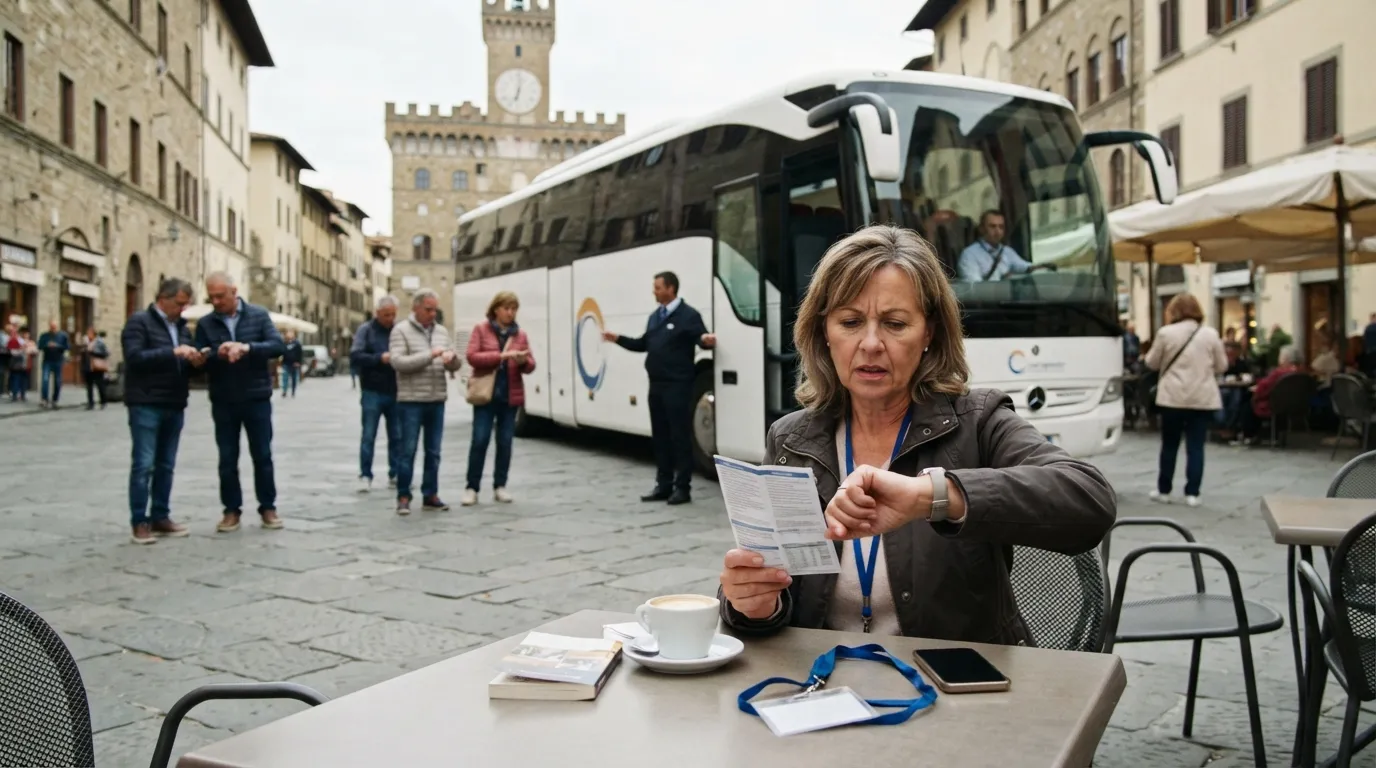
Itineraries list blocks labeled “free time” or “leisure,” yet the group still has to meet the motorcoach at a fixed hour. Day two is when you feel how tightly the schedule governs those windows.
Optional excursions are often offered during these gaps, so the downtime can double as a sales pitch. Your real freedom is whatever fits between now and the return time you were given.
#13 – One Late Passenger Delays the Entire Motorcoach
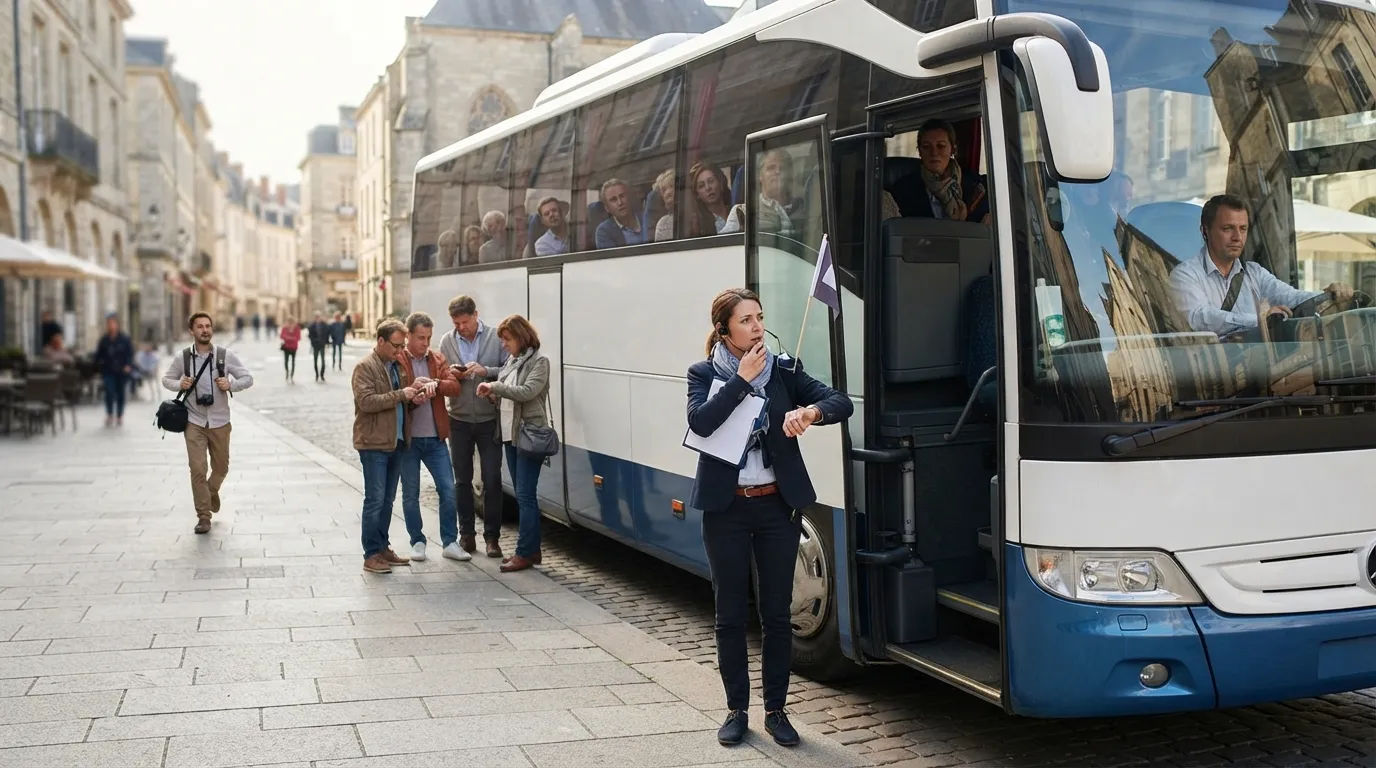
The first delay usually lands on day two. Escorted tours run on tight windows between sites, so one person still boarding after the announced departure pushes everyone back.
The group learns fast. People start drifting to the coach early so they won’t be the reason for the next hold-up. Pre-trip materials rarely mention this quiet pressure, so plan to be at the coach a few minutes ahead of the call time.
#12 – Your Suitcase Disappears Into a Strict Porterage System
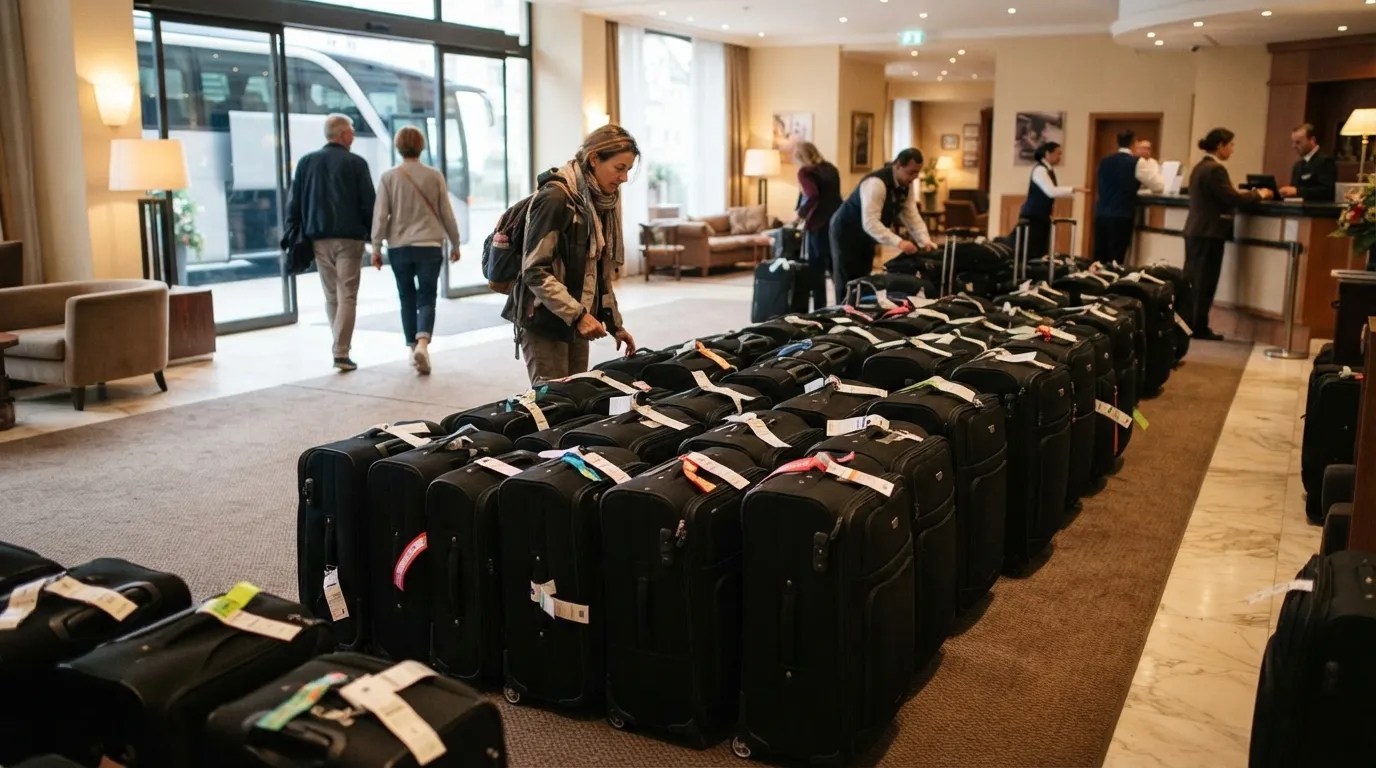
Most packages include porterage for one suitcase per person, and the second morning shows the limits. Bags must be tagged and left in the lobby by a set time, and a row of identical black cases invites mix-ups.
Once the coach leaves, that bag is out of reach until evening. Never pack medication or valuables in it. Keep daily essentials in the carry-on that rides with you.
#11 – Optional Excursions Are Where the Low Base Price Meets Reality
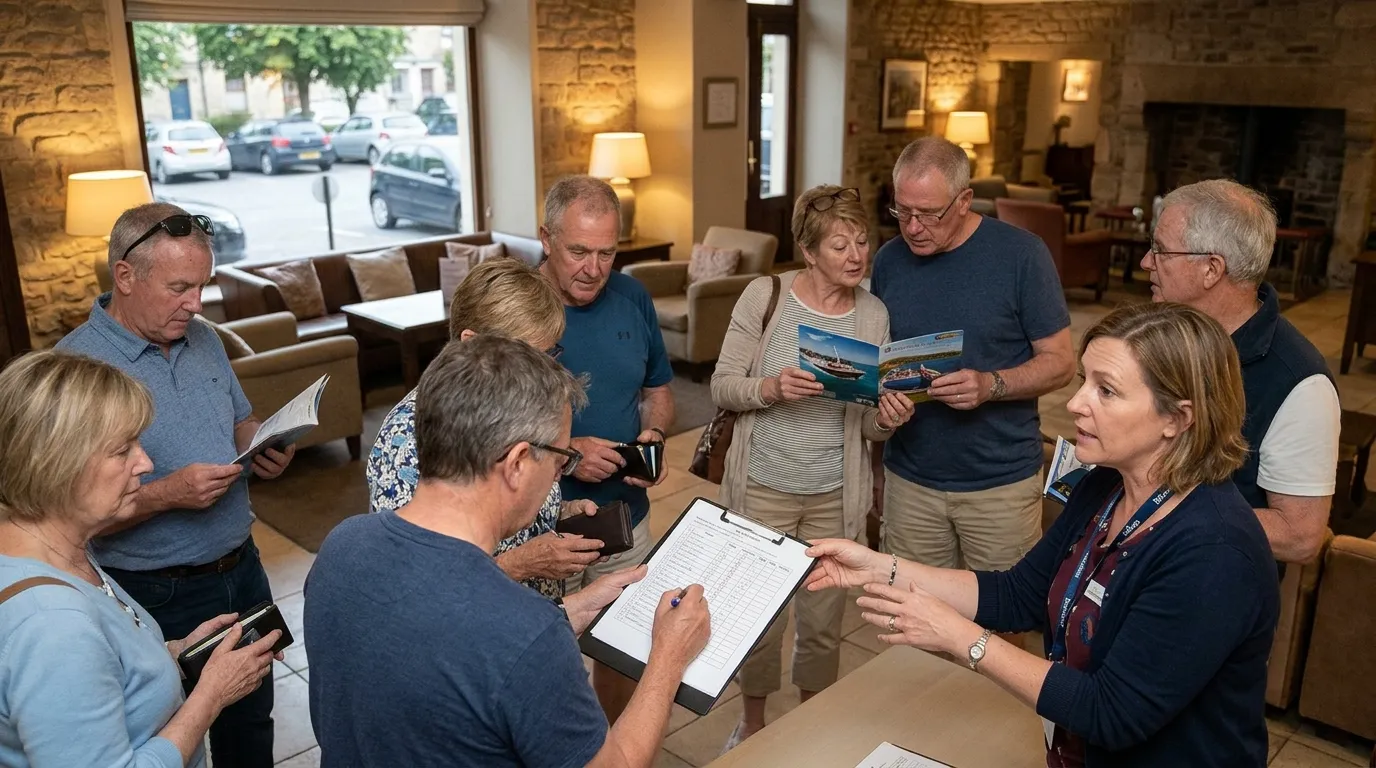
Brochure hero photos often feature activities that turn out to be optional. By the second day, the tour director has usually passed around a sign-up sheet for dinners, boat rides, or special entries with extra charges.
That keeps the advertised price low while the add-ons are left up to you. Travelers who assumed everything was included feel it when the group splits between those who joined and those who stayed at the hotel.
Quick Compare
- Included: The core itinerary, listed in your trip documents.
- Optional: Sign-up extras with their own charge, often pitched on day two.
- Staying behind: Free, but you may miss a headline moment of the trip.
#10 – Group Dining Exposes Every Difference in Taste and Speed
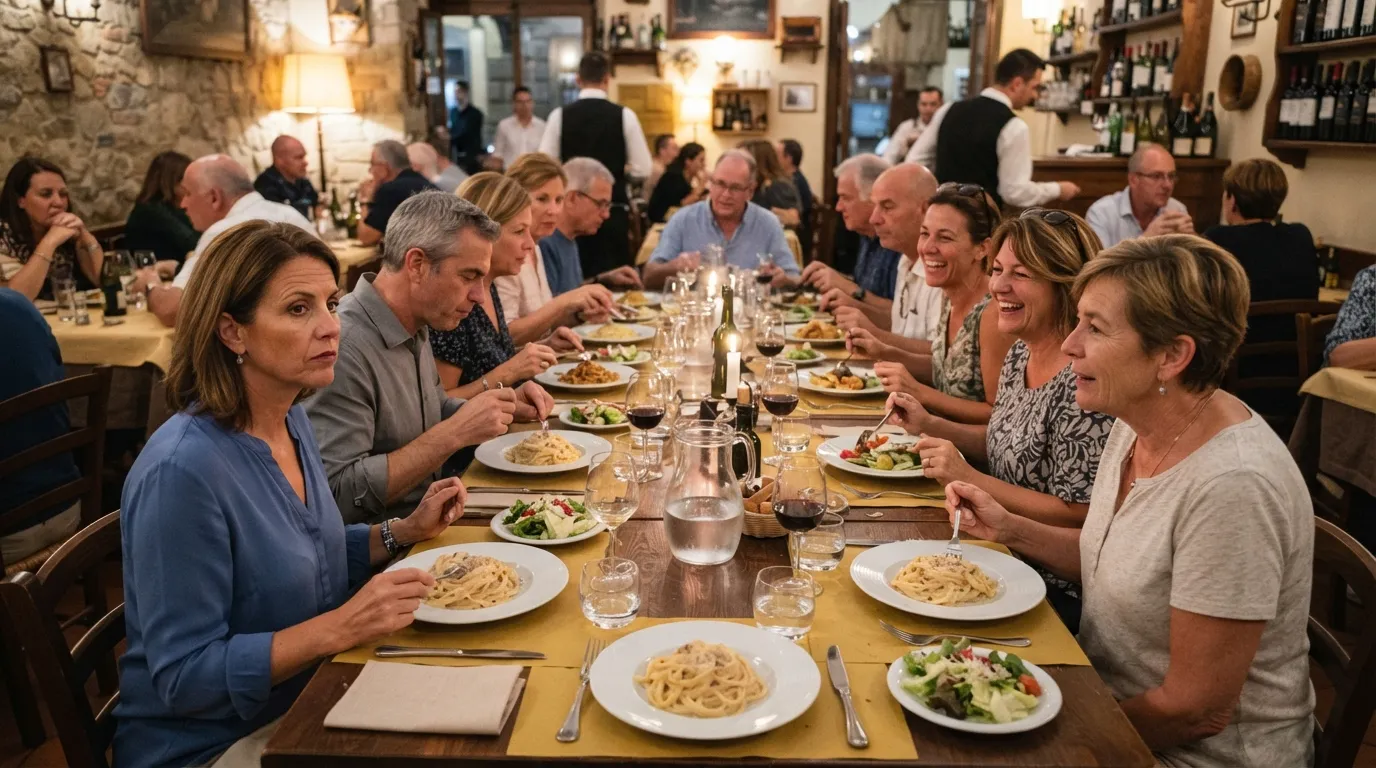
Included meals usually follow a set menu or a venue chosen for the whole group. By the second evening, different appetites show up: some people want something lighter or faster, while others want to linger.
Once a reservation is confirmed, changing restaurants or ordering separately is rarely possible. Ask early about the meal plan and mention any dietary needs before the first group dinner, not at the table.
#9 – One Person’s Pace Becomes the Whole Coach’s Schedule
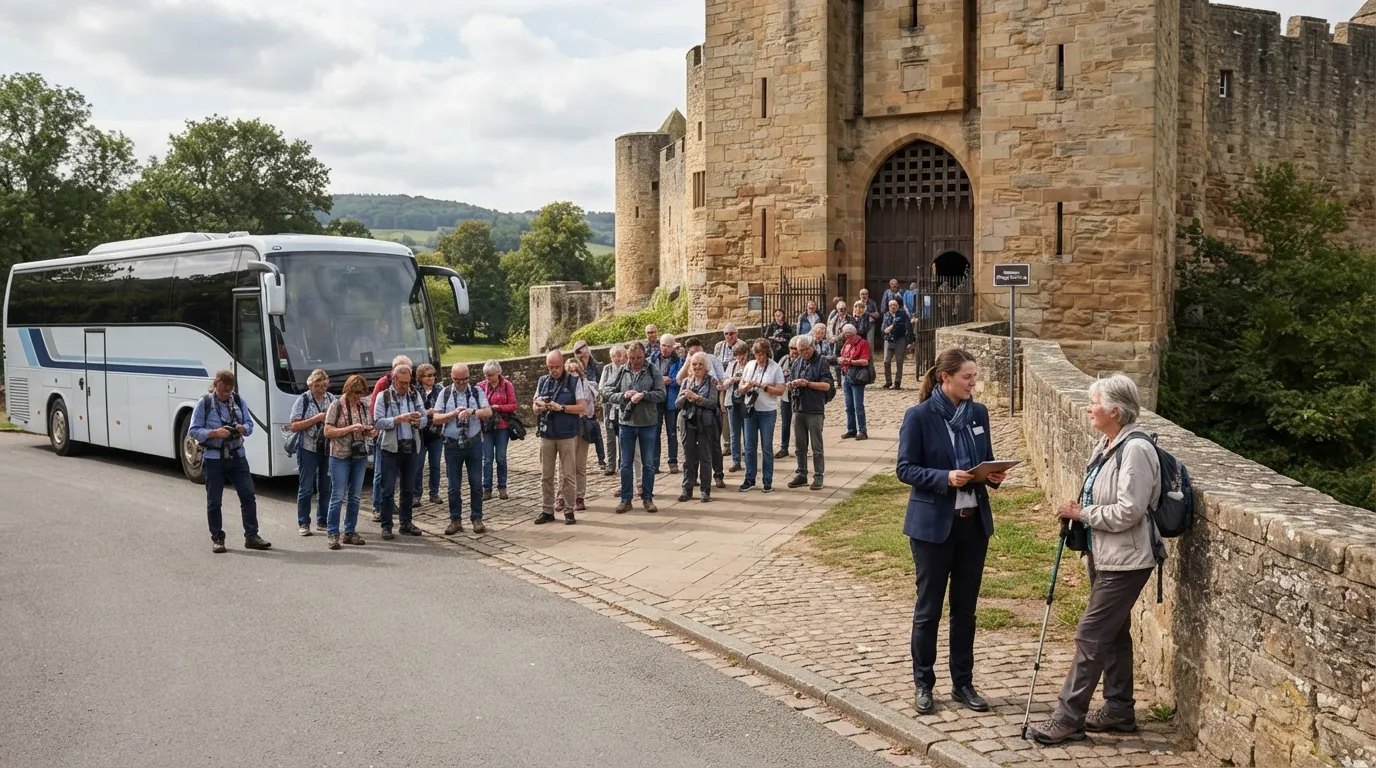
On most tours, someone asks extra questions, needs more rest stops, or simply moves at a different speed. Day two is usually when everyone else notices.
It is rarely about a difficult person. Sites have fixed times, so one traveler’s pace ripples through the whole motorcoach schedule. Tour directors typically handle this privately so nobody feels singled out. It’s also why pre-trip materials stress reasonable fitness, even on “leisurely” tours.
#8 – A “Sightseeing Day” Can Be Mostly Road
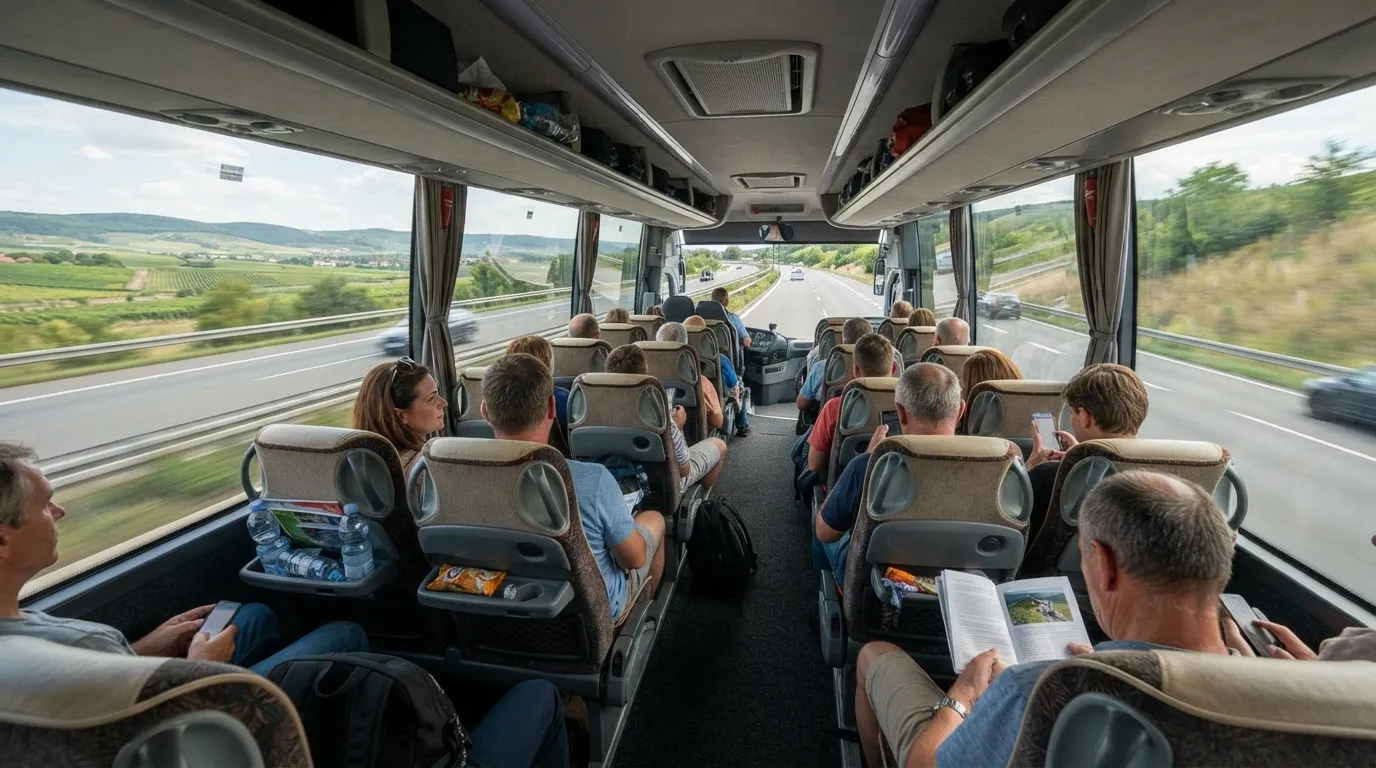
Some days listed as full sightseeing are really long motorcoach transfers with brief photo stops. By the second day, you are already on the road and the true driving time becomes clear.
Read the arrival and departure times, not just the activity list. A relaxed cultural day on paper can hide several hours in transit. Ask the tour director for estimated driving times between sites before you leave.
#7 – Early Birds and Night Owls Collide at the Wake-Up Call

Departure times are set for the whole group, yet personal sleep habits only show after the first night. On the second morning, you see who is ready at the coach and who is still finishing breakfast.
Tour directors set one call time and expect everyone to meet it, and it’s rarely negotiable. Either the group absorbs a delay or the early riser feels rushed. Set your alarm for the call time, not the departure time.
At a Glance
- Call time: When your bags and you should be ready.
- Departure time: When the coach actually rolls out.
- Your move: Work backward from the call time, including breakfast and bag drop.
#6 – Roommate Quirks Surface by the Second Morning
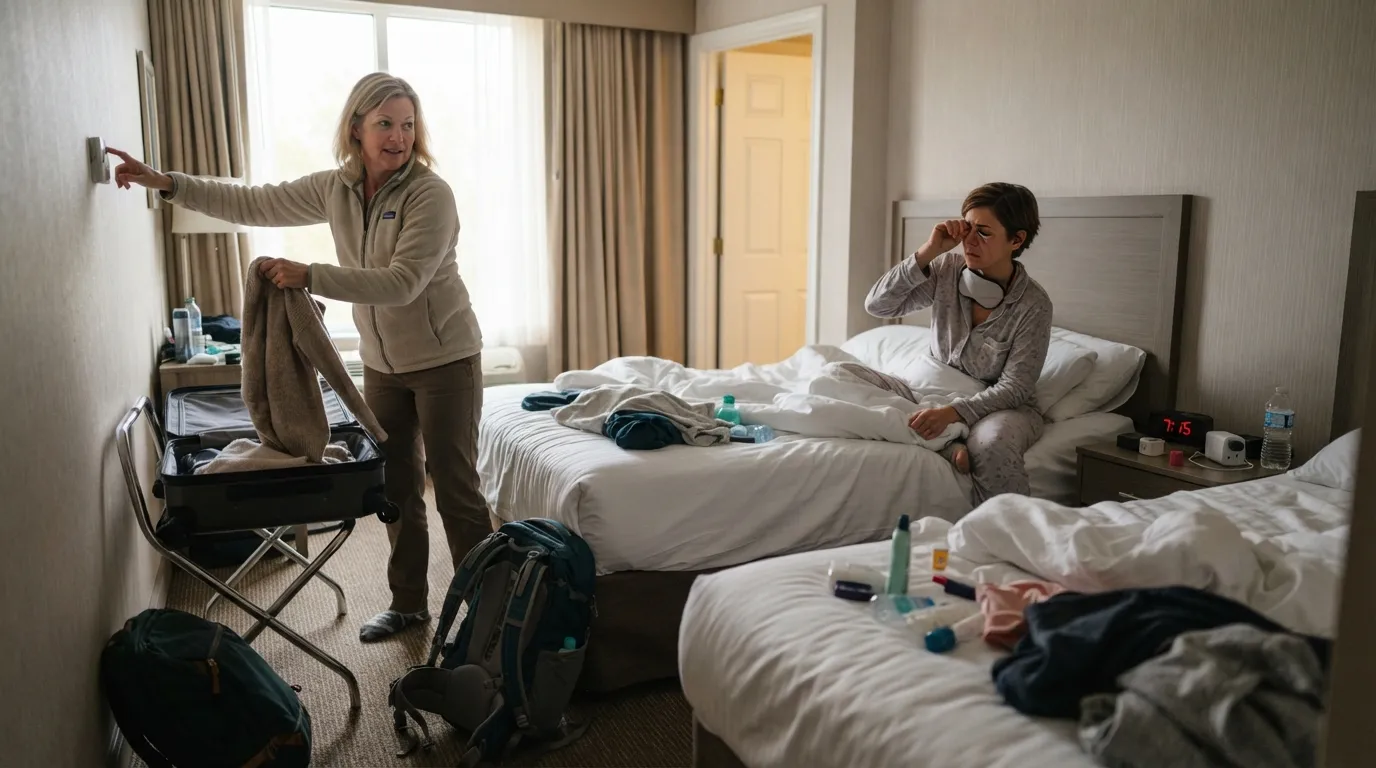
Travelers in twin rooms often discover compatibility issues by day two: snoring, thermostat battles, different bedtimes. Those paying the single supplement may feel the cost difference more once the group dynamic is visible.
Room assignments are typically final after check-in, with limited ability to switch. That’s why pre-trip forms ask about smoking, snoring, and mobility needs. Answer them honestly.
#5 – The Tour Director Is Quietly Reading the Room
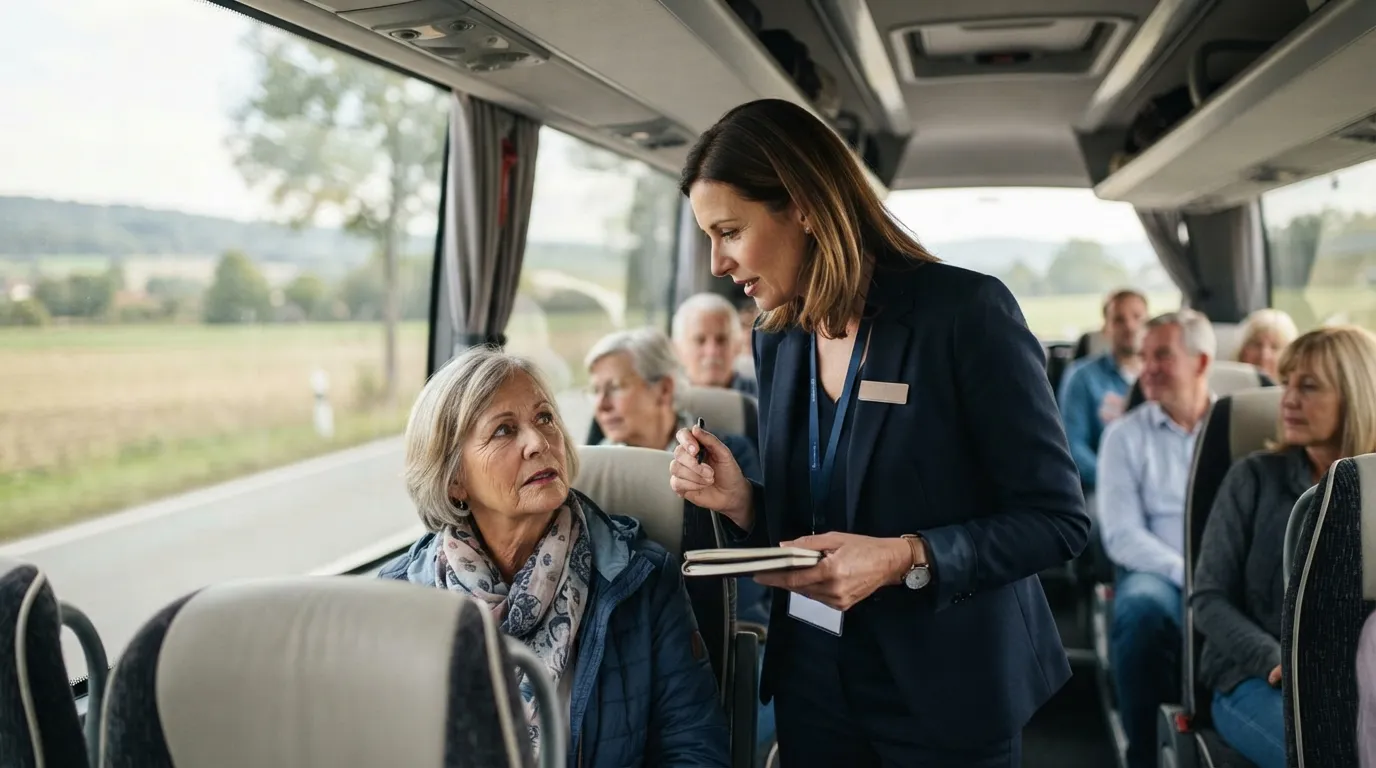
Experienced tour directors tend to size up the group fast: the repeat questioners, the quiet observers, the ones who correct facts mid-talk. By day two, they have already adjusted their commentary to keep things moving.
The part passengers rarely see is the quiet private conversation that redirects a problem without the rest of the coach noticing. It keeps small frictions from growing and is one reason a good guide can lead very different groups well.
#4 – The Group’s Real Pace Finally Shows Itself
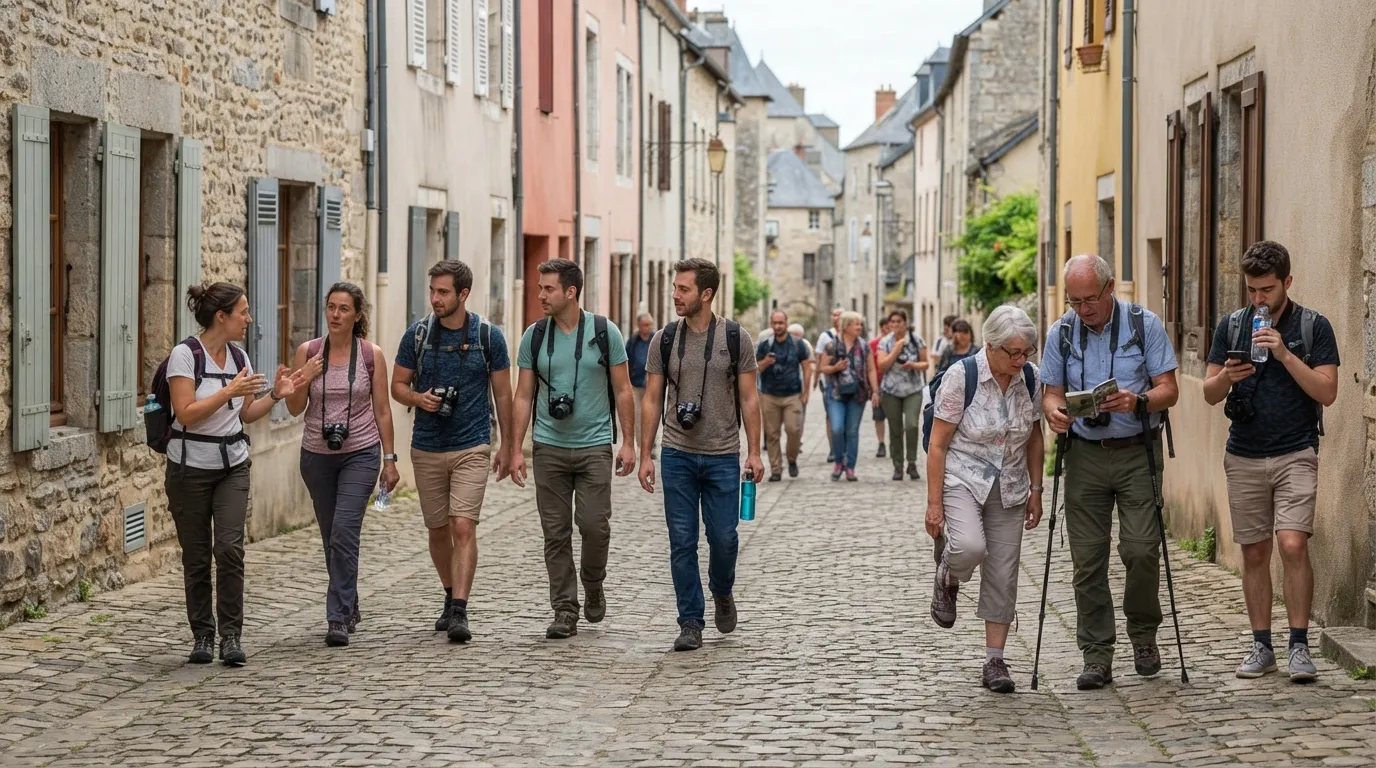
Some travelers expect a steady walking pace with little downtime, while others planned for frequent rests. On day two, the group average settles and people at either extreme notice the gap.
Itineraries are built around an average fitness level stated in the brochure, but individual expectations vary. The result can be quiet frustration or extra stops that weren’t on the plan. Review the daily walking estimates and elevation changes before you book.
#3 – A Side Group Chat Is Probably Already Running
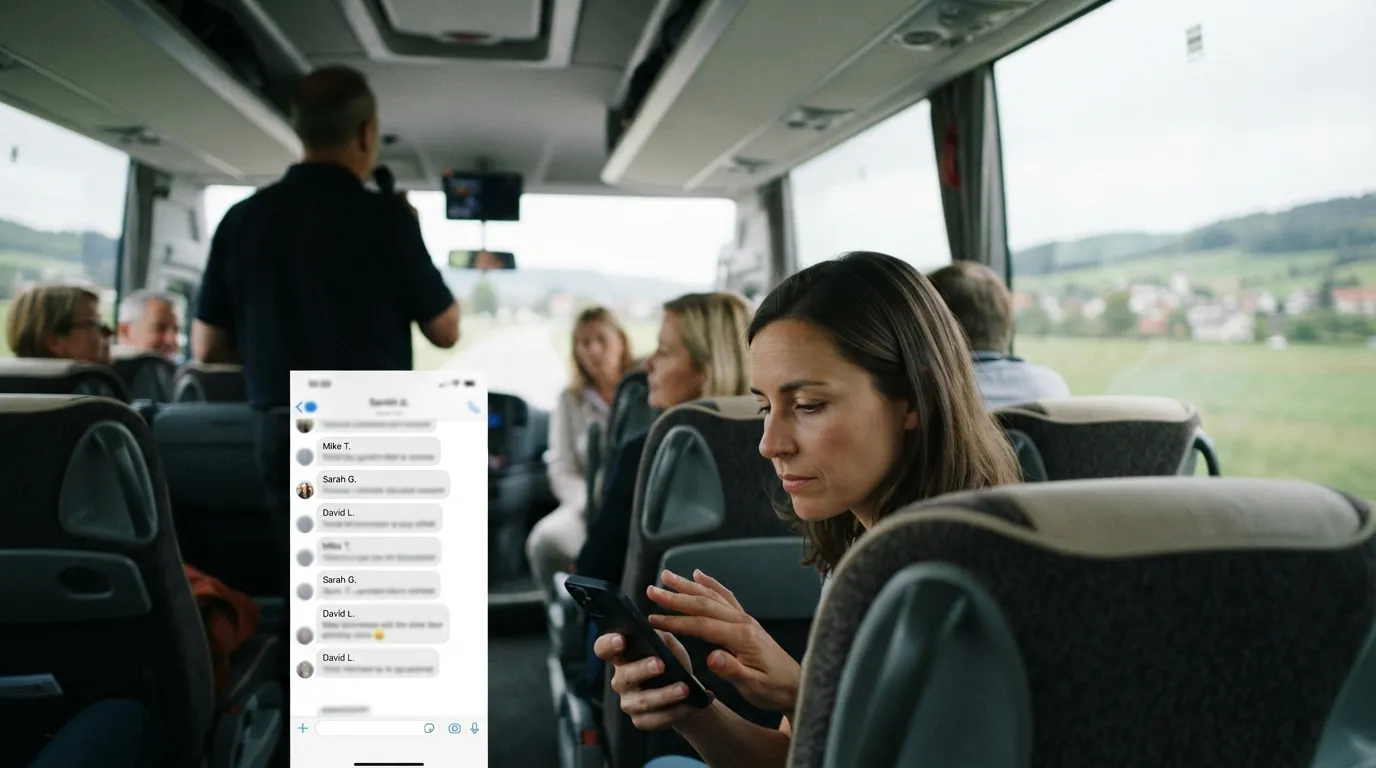
Within the first 48 hours, a few passengers often swap numbers and start a messaging group the tour director isn’t part of. You may notice it on day two through side conversations about complaints or alternative plans.
These chats can spread half-heard information or turn small grumbles into organized resistance to the schedule. Tour directors usually know the dynamic exists but can’t control private conversations. When in doubt, check details with the director, not the chat.
Why It Stands Out
- Half-heard details can travel faster than the official plan.
- Small gripes can harden into group-wide mood swings.
- The tour director’s word is the only source that reflects the real schedule.
- Confirming a detail takes one question at the next stop.
#2 – “Included” Doesn’t Always Mean Everything

Some meals and entries are covered while others require cash or a card on the spot. The second day often brings the first non-included lunch or optional entry fee.
That distinction is easy to miss in the marketing materials. Travelers who skipped the exclusions list find out when the group splits at payment time. Read the “not included” section before you go, and treat it as part of the price.
#1 – The Group Sorts Itself Into Clusters
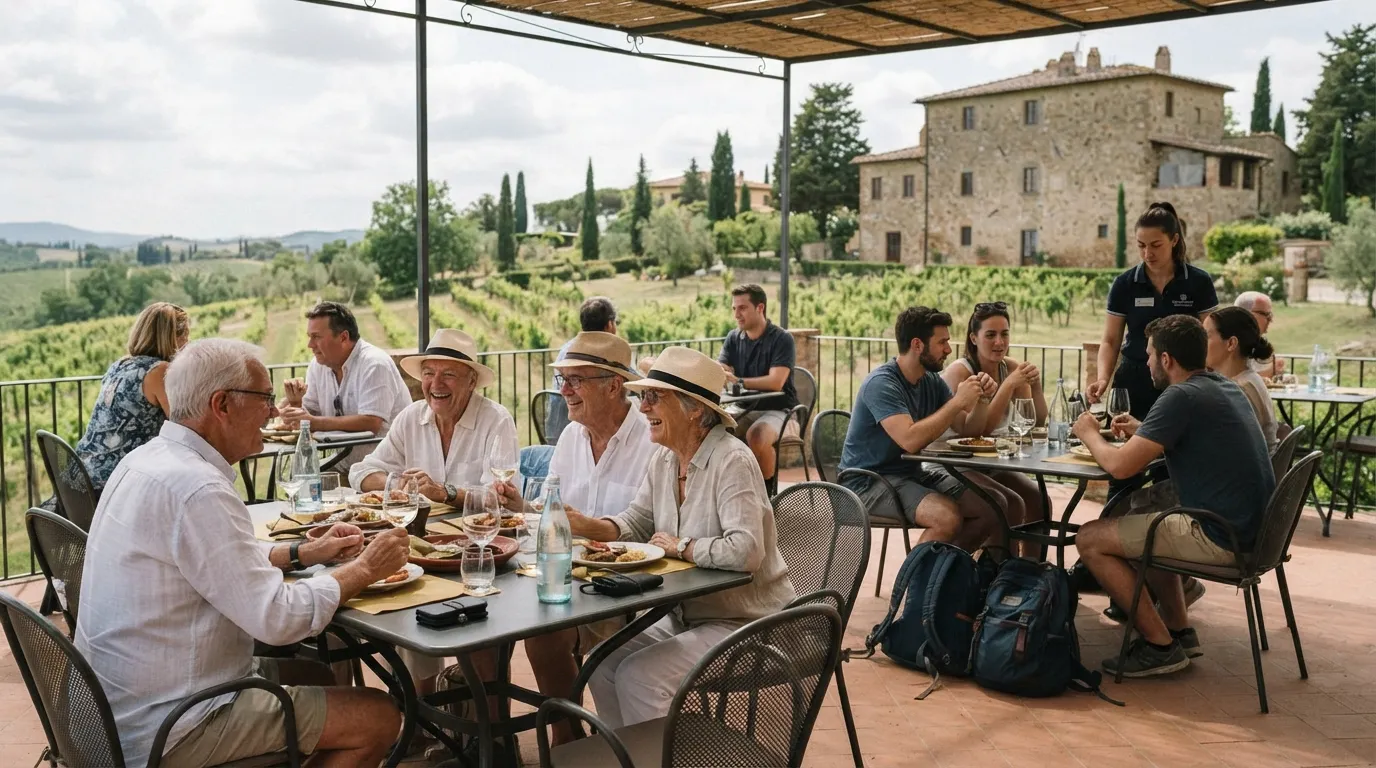
By the end of day two, the tour has often split into smaller clusters based on age, energy level, or shared interests. The polite mixing of day one gives way to the same seat neighbors and the same dinner tables.
This quiet sorting can shape the mood of the whole trip more than any single sight. Tour directors who spot cliques early sometimes introduce seat or meal rotations to keep the larger group connected.
Day two is when a group tour stops being a brochure and becomes a daily routine: seats, envelopes, add-on costs, and pace differences all show up at once.
Read the fine print on porterage, gratuities, and driving times, and say what you need early. The best groups are the ones that accept the fixed schedule and speak up before friction builds. Did something catch you off guard on your own second day? Share it in the comments.
CEO-Co-Founder