
- The Day Nixon Resigned: What America Looked Like in August 1974 - October 8, 2026
- 1975: The Year Punk Was Born in America - October 8, 2026
- 15 Authors Who Used a Pen Name and Outsold Their Real Byline - October 8, 2026
Picture the busiest day of the year on a neighborhood’s main street: packed sidewalks, open doors, and a line out the door of the corner coffee shop. Now picture that same street when the parade turns somewhere else. The stories below show how much a block can lean on a few hours of marching.
Fair warning: not every place on this list lost its parade for good. Some got a rerouted path, some got a threatened move, and one got a canceled year. But the surprising part is who felt it first, from a Georgia jewelry counter to a Bronx ice cream shop to a historic island school.
#12 – Greenwich Village, New York
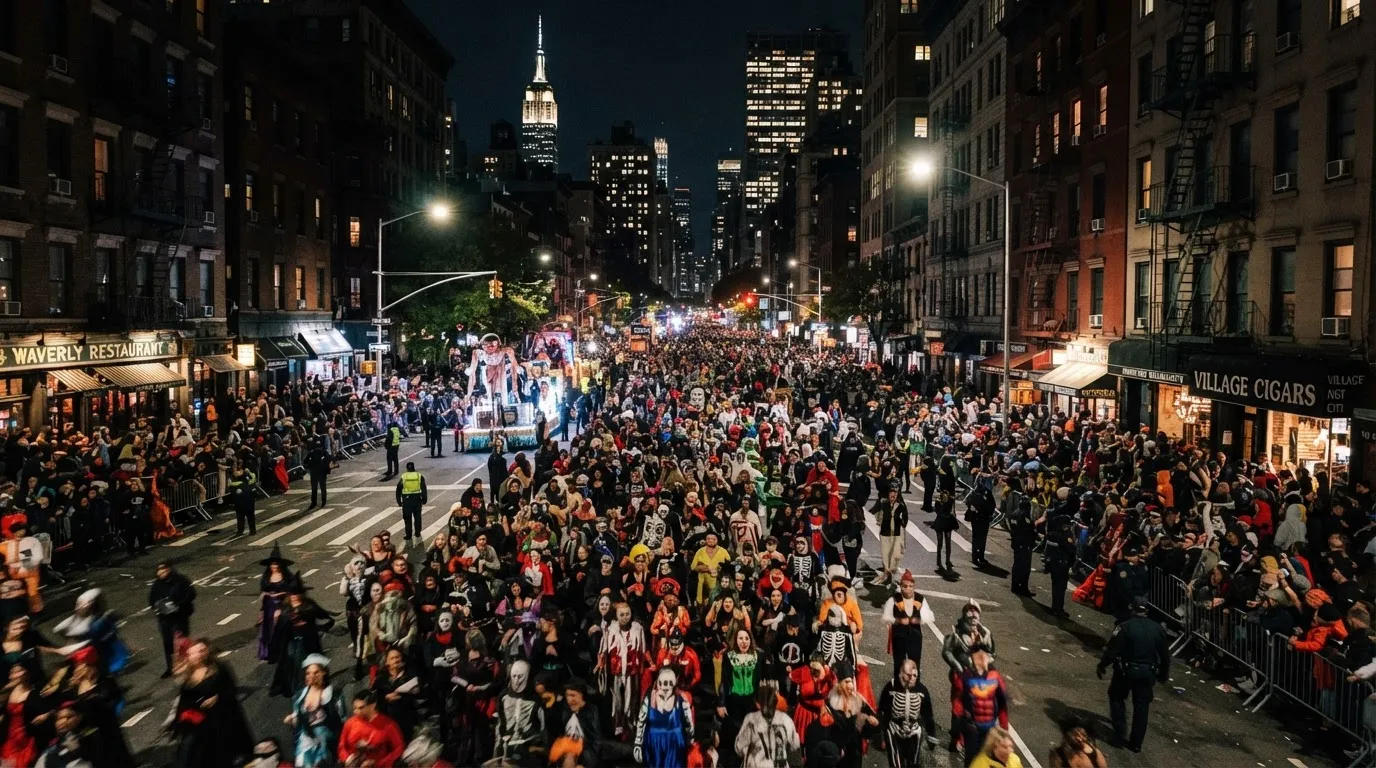
The Village Halloween Parade began in 1974 as a small theatrical gathering. Over the decades it swelled into a televised spectacle drawing over a million people along Sixth Avenue.
Here is the twist: the parade never actually left. But the idea of moving it got serious enough that Community Board 2 chair Ben Green publicly floated a shift to the midtown routes used by other major parades.
The reason was a split-screen reality. Some restaurants saw spikes, while clothing stores and residential streets faced crowds so heavy that early closures followed. Reports from the 1990s noted that convenience outlets benefited while other merchants adjusted their hours just to survive the crush.
Many neighbors described the event as something that had outgrown a residential area. A neighborhood can love its own party and still feel like it is being swallowed by it.
#11 – Kemptown, Brighton, United Kingdom
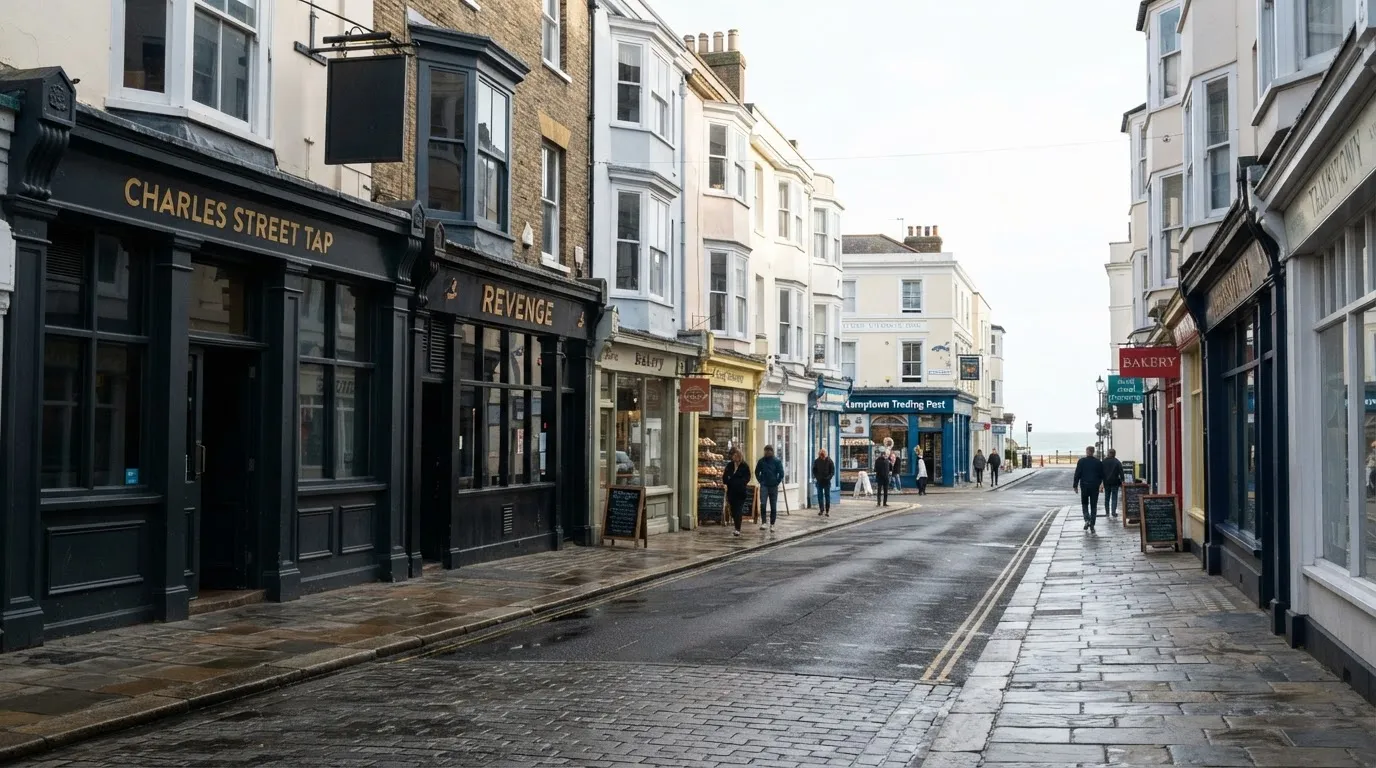
For years, the Pride Street Party filled St James’s Street in Kemptown. Then organizers shifted the main street party to Marine Parade, and the neighborhood felt the difference almost at once.
Local businesses reported a sharp drop in Sunday trade the following year. Hotel surge pricing tied to nearby events also priced out some regular visitors.
Managers at venues such as the Charles Street Tap and Revenge pointed to demographic shifts and lower foot traffic compared with earlier years. Residents described the original area as suddenly quieter, while the new site struggled to recreate the atmosphere people remembered.
At a public meeting, council and Pride officials acknowledged that the experiment had not delivered the results they expected. A review of the format was planned for the following year. Sometimes the party is the street, and you cannot pick it up and carry it.
#10 – Findlay, Ohio
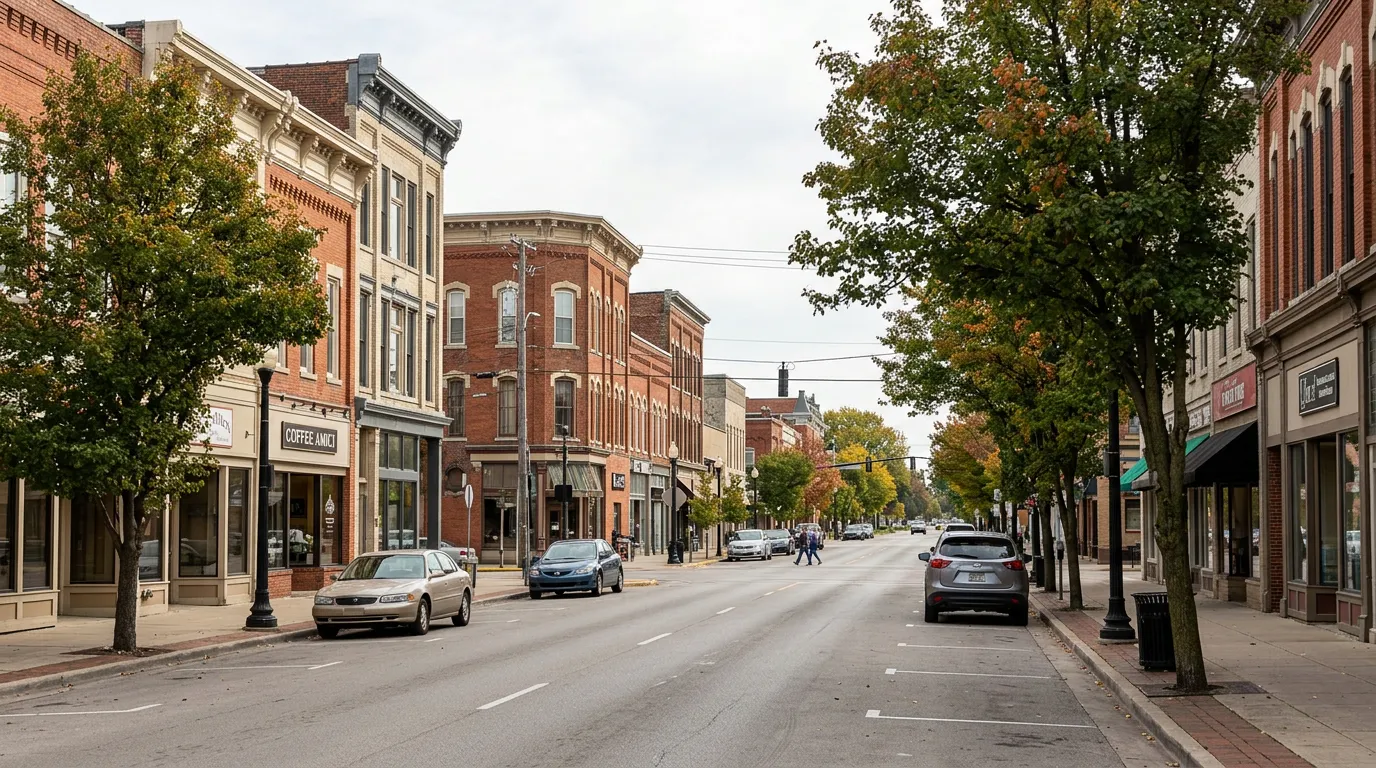
Findlay’s Halloween parade traditionally rolled past downtown shops, the kind of night when kids in costumes and parents in coats wander in for something warm. Then organizers rerouted it to avoid ongoing construction.
Downtown business owners, including the owner of Coffee Amici, said the change erased a key sales night. In a few hours, that night had previously matched a full day’s revenue.
The parade committee cited construction constraints as the reason for the adjustment, and the shift came in the mid-2010s. Merchants noted fewer visitors stopping for hot drinks or snacks once the route bypassed the core commercial strip.
Local reporting captured a quieter worry: the new path cut down on spontaneous stops at independent stores. A parade may be a spectacle, but for a small downtown it is also a dependable crowd walking past the front window.
#9 – Cumming, Georgia
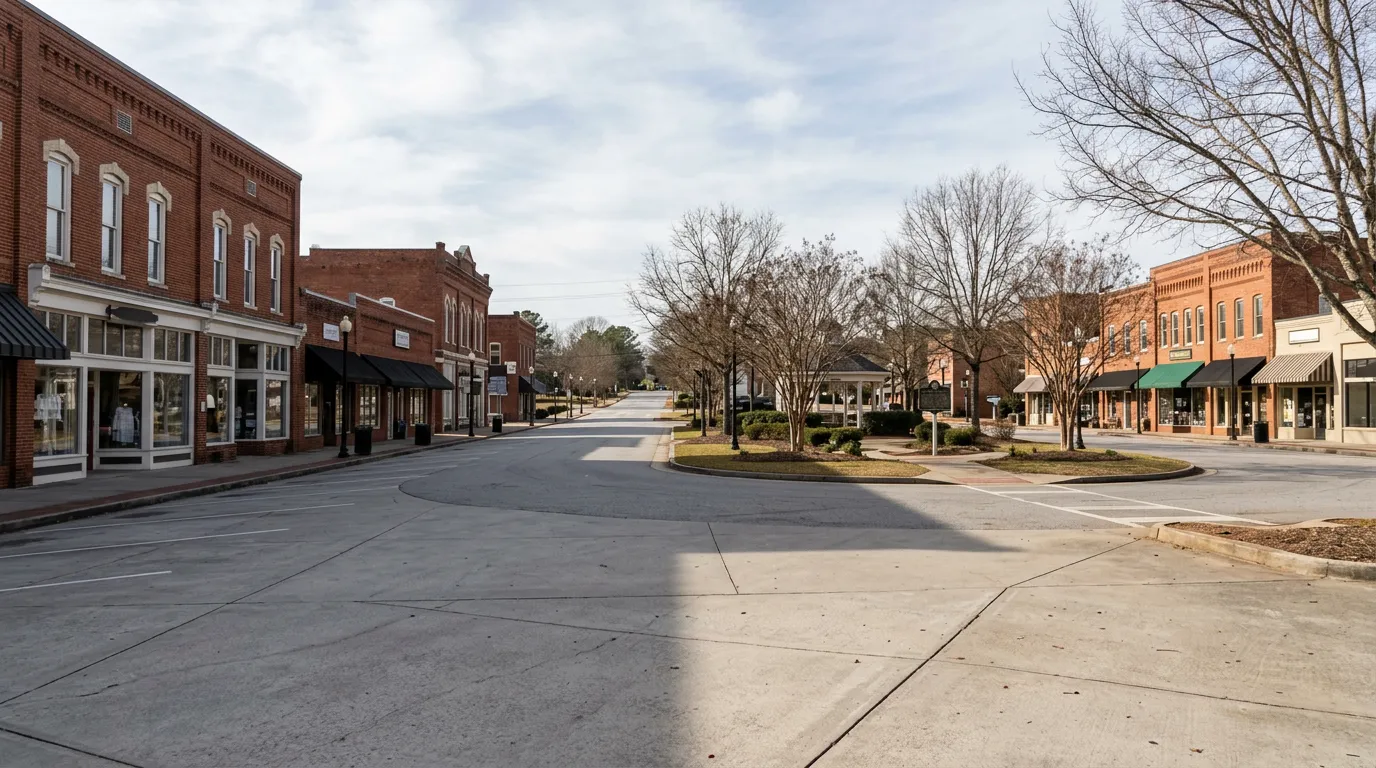
Cumming’s Christmas parade once circled the town square and ended at the fairgrounds. Then planners moved the route to Market Place Boulevard, and the holiday glow did not follow.
Fast Facts
- Old route: around the town square, ending at the fairgrounds
- New route: Market Place Boulevard, around 2012
- Reported hit: one jewelry store’s parade-day sales were roughly halved
- Counterpoint: the chamber of commerce said some open merchants saw gains
Jewelry store owner Lance White reported that sales were roughly halved on parade day compared with surrounding Saturdays. Think about what that means in a season built on gift buying.
Other tenants on the boulevard echoed the drop. They blamed road closures and crowds that were watching the street rather than browsing the storefronts.
County officials later considered whether a different location might better balance traffic and commerce. A parade can be a hit with the crowd and still be a headache for the stores.
#8 – St. Helena Island, South Carolina
The Penn Center Heritage Day Parade on St. Helena Island traditionally started at the historic school and followed Highway 21. After traffic complaints, the route was scaled back to a single lane and a shorter segment.
Longtime residents described the adjustment as shrinking the event’s visibility in its own community. Local organizers noted fewer floats and a sense that the procession no longer fully represented the Gullah Geechee heritage tied to the original path.
The timing mattered. Rising property taxes and new development on nearby islands had already pressured longtime families, and the route compromise followed years of growth in Beaufort County.
Participants said the revised format felt less central to daily neighborhood life. Here, the loss is not measured in cash registers. It is measured in how visible a living culture can remain on its own road.
#7 – Chicago’s Lakeview neighborhood, Illinois
Chicago’s Pride Parade has long been tied to the streets of Lakeview and the Boystown area. It is one of those events a neighborhood seems to wear like a second skin.
Even so, proposals surfaced to relocate portions downtown, along State Street or Columbus Drive. Aldermanic suggestions in 2014 and later commentary pointed to crowd management challenges in a mix of residential and commercial blocks.
Quick Compare
- Lakeview route: deep neighborhood roots, but strain on parking and policing
- Downtown idea: State Street or Columbus Drive, with a promise of easier crowd handling
- City tweaks: adjusted start times and entry numbers to ease the pressure
Business owners along the traditional route described a double edge: revenue from visitors on one side, strain on parking and policing on the other.
The question kept coming back: could a central route handle bigger crowds with less disruption? It is a reminder that a move can be debated for years, and the neighborhood waits to learn whether it stays the stage or becomes the backdrop.
#6 – West Bank neighborhoods, New Orleans, Louisiana
Several West Bank krewes historically rolled their parades on their own side of the Mississippi. Then Super Bowl scheduling forced some routes over to the East Bank.
Krewe captains reported membership drops and higher costs for float transport and storage. One captain estimated losses in the tens of thousands of dollars from reduced participation and venue conflicts.
The temporary relocation also touched the small stuff that makes a parade feel local. Viewing traditions shifted, and small-business tie-ins along the original paths lost their moment.
Residents noticed quieter streets on the days the displaced events would have rolled. The shift occurred in the early 2010s, and organizers described it as disrupting community rhythms tied to specific routes. In New Orleans, where a parade can feel like a family reunion, losing a route is losing a ritual.
#5 – Findlay’s Downtown Square, Ohio
Findlay appears twice on this list because its merchants kept receipts. Earlier parades had reinforced foot traffic through the square, giving small shops a crowd they never had to advertise for.
Then construction-related reroutes stacked on top of earlier concerns about lost sales. Merchants tracked the specific nights when closures limited access.
Why It Stands Out
- Shop owners logged the exact nights closures limited access
- Their records fed public letters to local officials
- Local reporting compared revenue before and after the adjustments
- The pattern repeated across multiple event seasons
That tracking turned into action, and the pattern was hard to wave away. Local coverage kept returning to the same point: consistent routes help sustain small retail clusters. When shop owners start keeping score of parade nights like a calendar of lost income, you know a route change has hit home.
#4 – Graham Avenue corridor, Brooklyn, New York
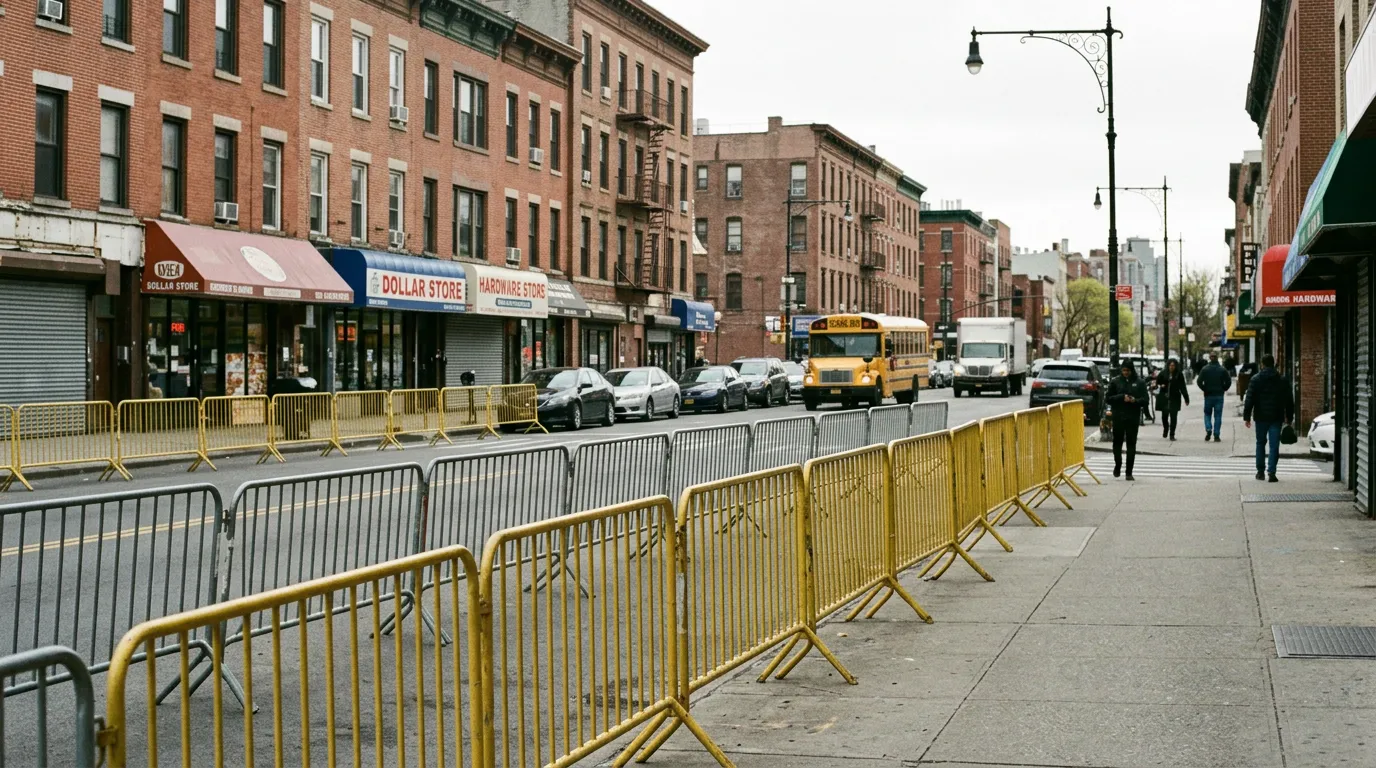
In Williamsburg, several ethnic pride parades have marched along Graham Avenue. Here, the trouble was not the parade itself. It was what stayed behind afterward.
Barricades left in place for days after each event drew complaints from shopkeepers. Owners reported lost parking access and fewer people crossing the street for three days per parade.
One manager calculated thousands of dollars in forgone sales per weekend. The business improvement district advocated for faster removal of the barriers.
Police maintained that events received equal treatment citywide. So the dispute stayed stuck on a plain question of logistics: how long should a street wear its celebration gear after the music stops? For a corridor of small shops, those leftover days can matter as much as the parade day.
#3 – Perkins Road area, Baton Rouge, Louisiana
Nothing moved here, but the parade disappeared for a year, and that tells its own story. Baton Rouge’s St. Patrick’s Day parade ends along the Perkins Road Overpass, a spot that turns into one giant block party.
At a Glance
- The hot spot: the Perkins Road Overpass
- Why it went quiet: the pandemic canceled the parade
- Reported impact: $1.2 million in economic activity missing
- One bar’s estimate: $200,000 in parade-day revenue in normal years
Bar owners described losing parties and catering that previously generated tens of thousands of dollars in a single day. That is a staggering number for one afternoon.
The return of the event restored the crowds but underscored how dependent the area is on that fixed route. Local tourism officials tracked the spending tied to the overpass gathering. A single signature route can funnel an entire season of visitor dollars into a few blocks.
#2 – Morris Park, Bronx, New York
The Columbus Day Parade traditionally passed the Williamsbridge Road merchants of Morris Park. Then budget-driven route cuts removed several blocks from the path.
Community association leaders and store owners said the change eliminated expected crowds at long-standing stops. Carvel and other small businesses noted the loss of a reliable sales spike.
The adjustment formed part of a citywide 25 percent parade budget reduction. In other words, the neighborhood was not singled out. It simply ended up on the wrong side of a spreadsheet.
Residents argued that the shortened route diminished the event’s neighborhood presence. Reporting captured their frustration that established routes had supported local commerce for decades. Sometimes a parade shrinks not because anyone stopped caring, but because a line item did.
#1 – St James’s Street, Brighton, United Kingdom
The most telling aftermath on this list belongs to St James’s Street. After the Pride Street Party relocation, reports of lower foot traffic on event weekends continued.
Venue managers described a demographic shift away from the previous mix of locals and visitors. The original fencing and wristband system had concentrated the activity along the street, and the move scattered it.
Residents and business owners at public meetings called for a reevaluation. Data shared at one meeting showed measurable drops compared with prior years, which turned the grumbling into a record.
The episode left some establishments adjusting their expectations for future seasons. That may be the quietest lesson of all. A signature event does not just fill a street for a weekend. It sets the rhythm of the neighborhood’s year, and when it leaves, the street has to learn a new beat.
CEO-Co-Founder