
- 15 Hotel Breakfast Charges Guests Can Avoid by Checking the Rate Plan - October 24, 2026
- 17 Shoulder Season Travel Rules for Sudden Weather Changes - October 24, 2026
- 18 Hotel Arrival Rules That Prevent Expensive Check-In Problems - October 24, 2026
You can drive hundreds of miles, reach the gate with the car packed and the playlist perfect, and still get turned around by a reservation you never knew existed. That’s the part of a national park trip nobody puts in the photos.
These 15 rules catch people off guard again and again, from timed entry windows to new fees and closed roads. A few decide whether you get in at all, and one of them can change your total cost before you even park.
1. Rocky Mountain’s Daytime Timed Entry Window
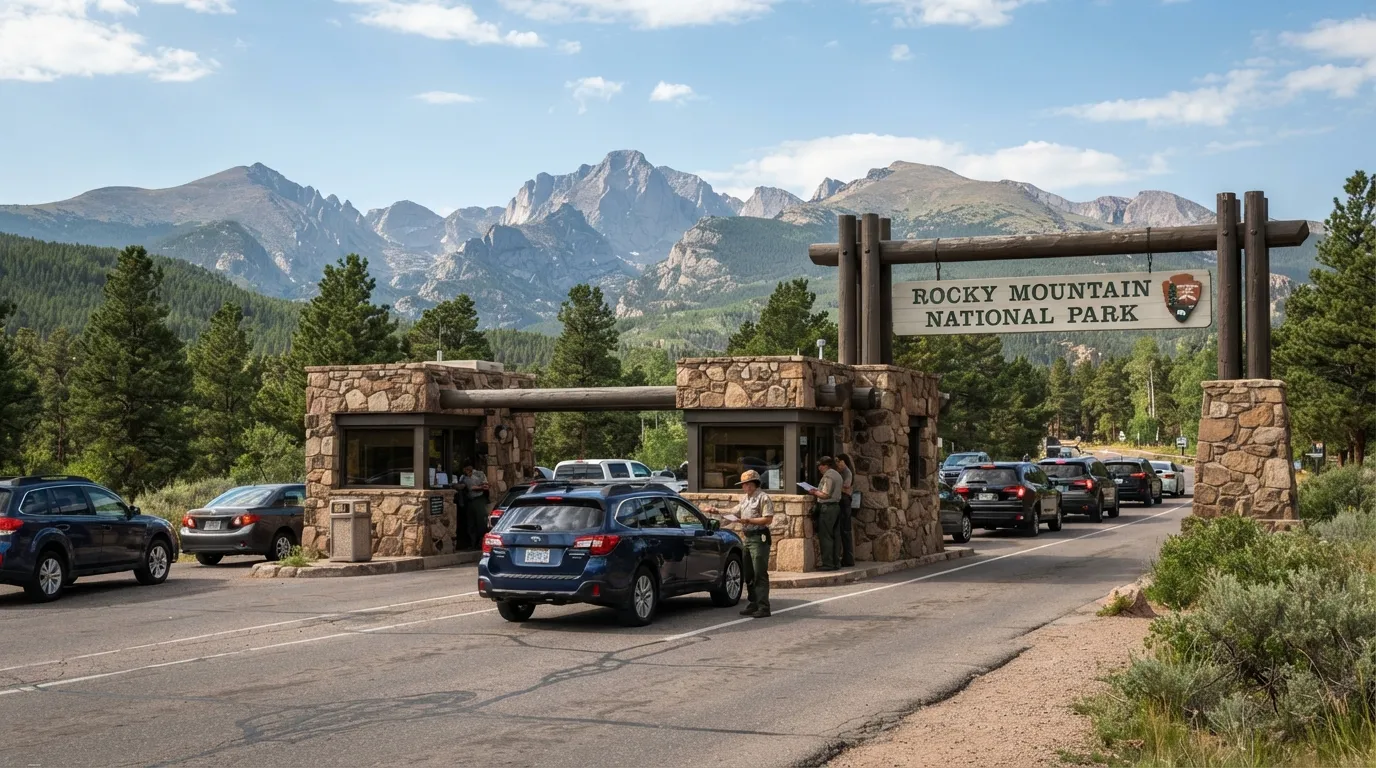
Rocky Mountain National Park requires a timed entry reservation for most daytime visits from May 22 through mid-October 2026. The general permit covers the park outside the Bear Lake corridor between 9 a.m. and 2 p.m.
Book through Recreation.gov in monthly releases starting May 1, or in the day-before batch at 7 p.m. MDT. Show up without one during peak hours and you may be turned away. Check the exact dates, then grab your slot early.
2. The Second Rocky Mountain Permit That Trips People Up
Rocky Mountain has another option, Timed Entry + Bear Lake Road, which covers the popular corridor from 5 a.m. to 6 p.m. through October 18. A $2 processing fee applies per vehicle.
Plenty of visitors book the general permit, then realize their plans include Bear Lake. Confirm your itinerary before you reserve, so the entrance gate isn’t where you learn you picked the wrong one.
Quick Compare
- General permit: covers the park outside the Bear Lake corridor, 9 a.m. to 2 p.m.
- Bear Lake Road permit: covers the popular corridor, 5 a.m. to 6 p.m. through October 18.
- Bear Lake fee: $2 processing fee per vehicle.
- Pick by itinerary: if Bear Lake is on your list, the general permit won’t do.
3. Acadia’s Cadillac Summit Road Reservation
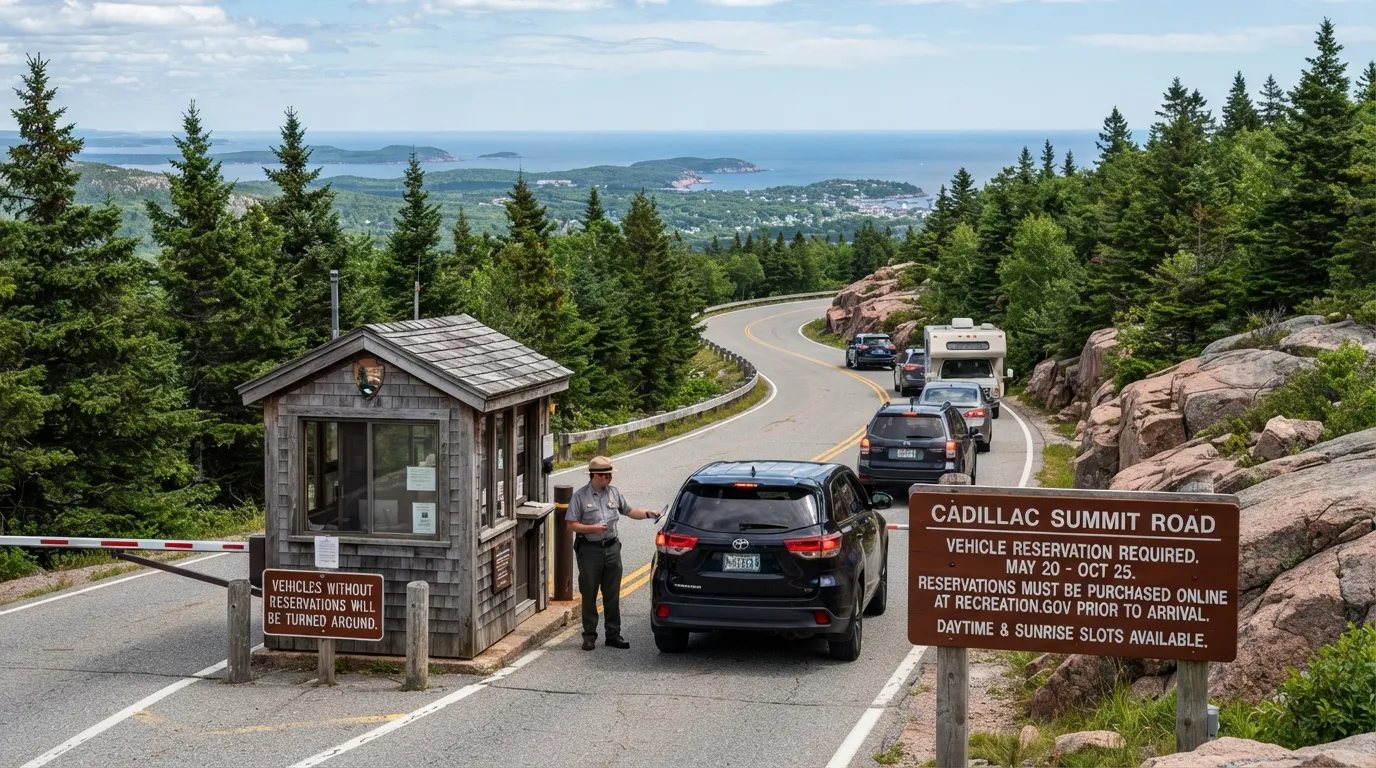
Acadia National Park requires a vehicle reservation for Cadillac Summit Road from May 20 to October 25. Slots are released on Recreation.gov with a $6 fee per vehicle, and sunrise and daytime windows follow different availability rules.
Many drivers head up expecting an open road and find a restricted one. Reserve at least several days ahead, or watch for last-minute releases if your plans shift.
4. Haleakala’s Year-Round Sunrise Reservation
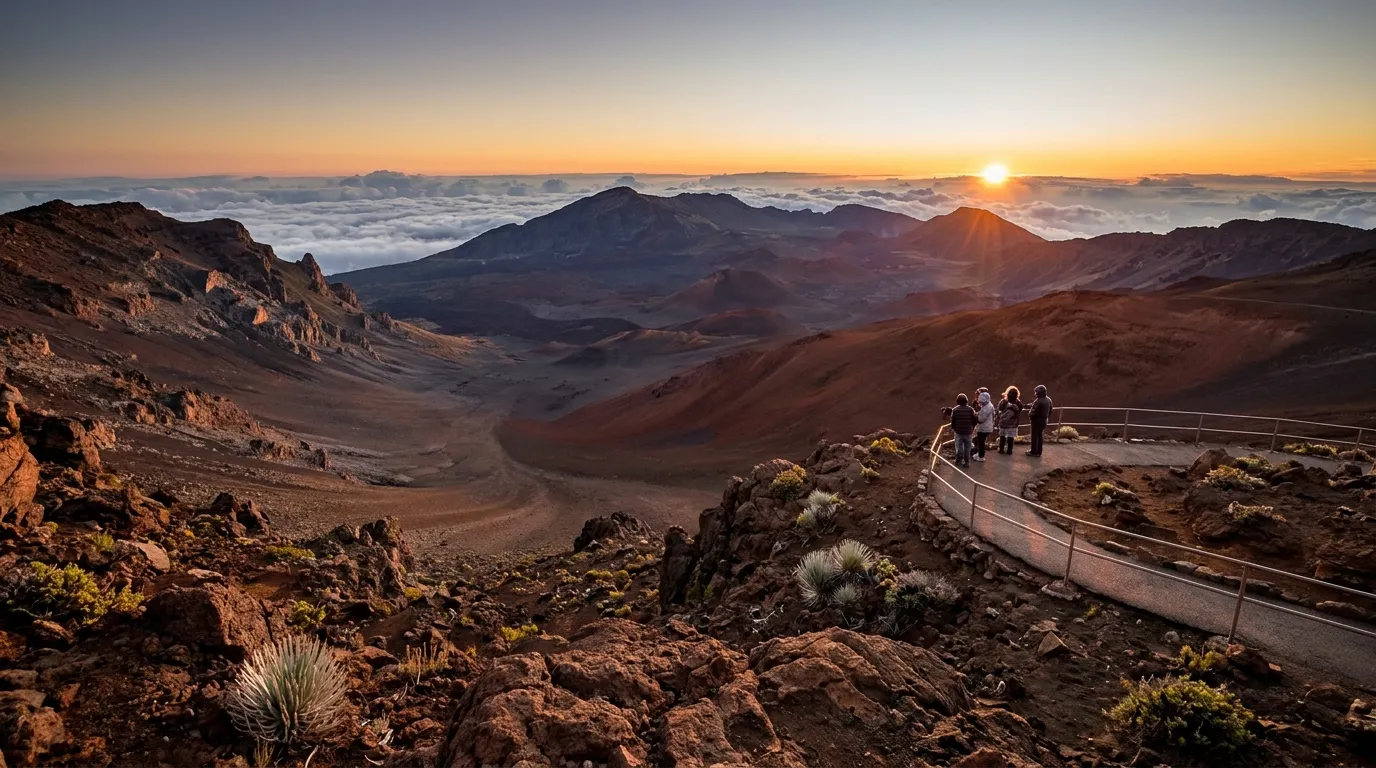
Haleakala National Park requires a sunrise vehicle reservation year-round for the 3 a.m. to 7 a.m. window at the summit. You can book up to 60 days ahead on Recreation.gov for a $1 fee.
After 7 a.m., no sunrise reservation is needed. Sunrise seekers often show up unprepared after that pre-dawn drive and miss the view. Set a calendar reminder for the release time in your own time zone.
5. The Old Rag Permit That Closes the Trail Without It
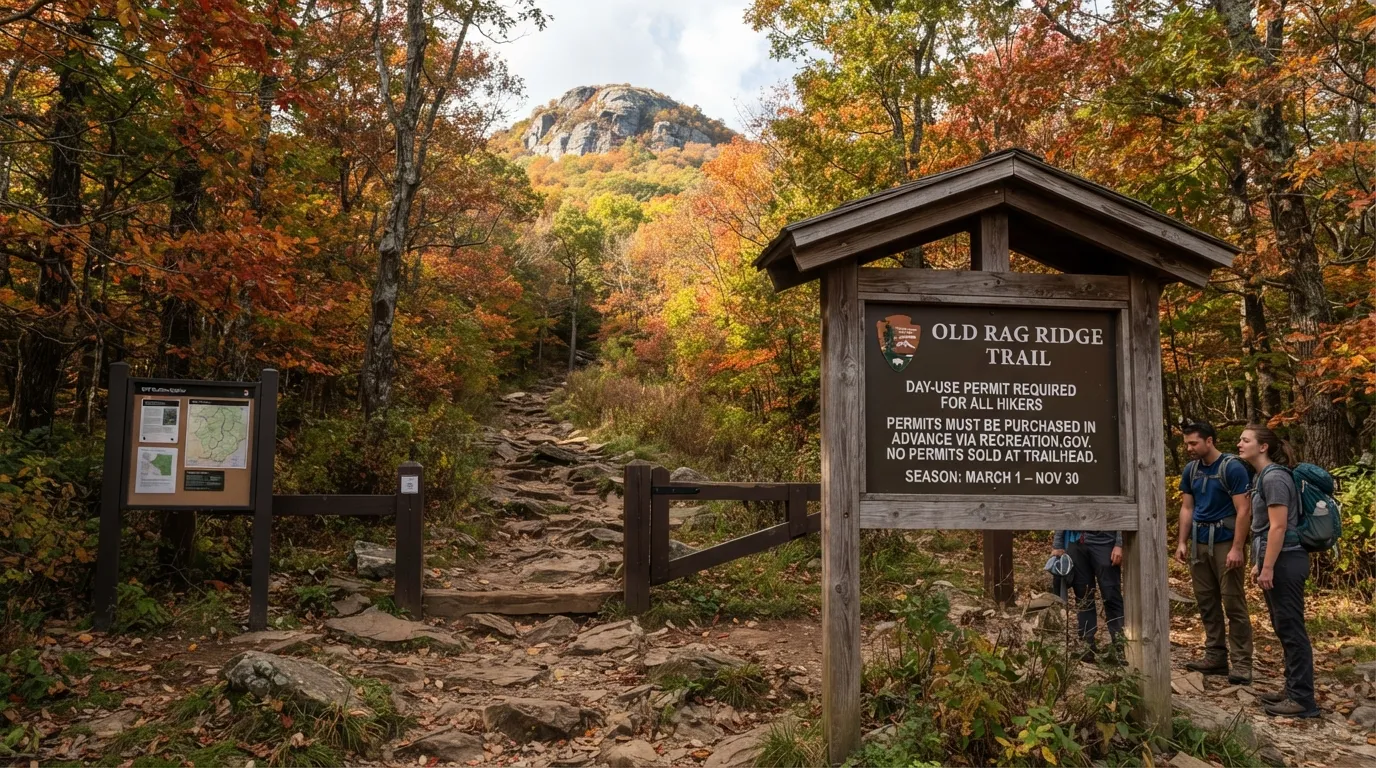
Shenandoah National Park issues day-use permits for Old Rag Mountain hiking from March 1 through November 30. The $2 permit limits daily numbers and is available on Recreation.gov 30 days out, with a smaller batch five days ahead.
Without it, the trail is closed to day hikers. Check the current trail status, and apply early if you’re aiming for peak foliage season.
Fast Facts
- Permit season runs March 1 through November 30.
- The permit costs $2.
- The main release opens 30 days out on Recreation.gov.
- A smaller batch opens five days ahead.
6. Angels Landing’s Lottery Permit
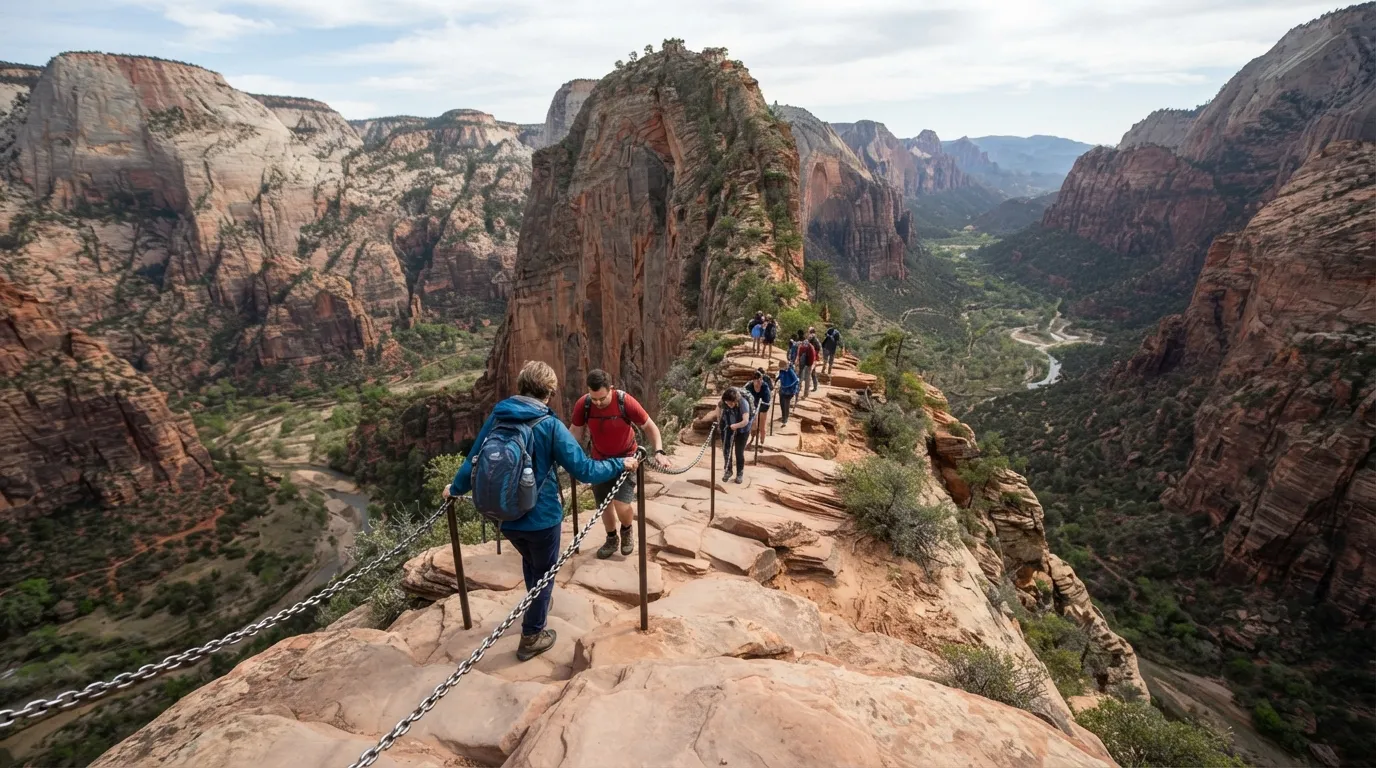
Zion National Park requires a permit for the Angels Landing hike year-round. Applications run through a lottery on Recreation.gov for a small fee, and day-before options exist but fill quickly.
Some hikers reach the chain section without realizing a permit is required at all. Submit your application well before your travel dates to improve your chances.
7. Muir Woods Won’t Let You Just Drive Up
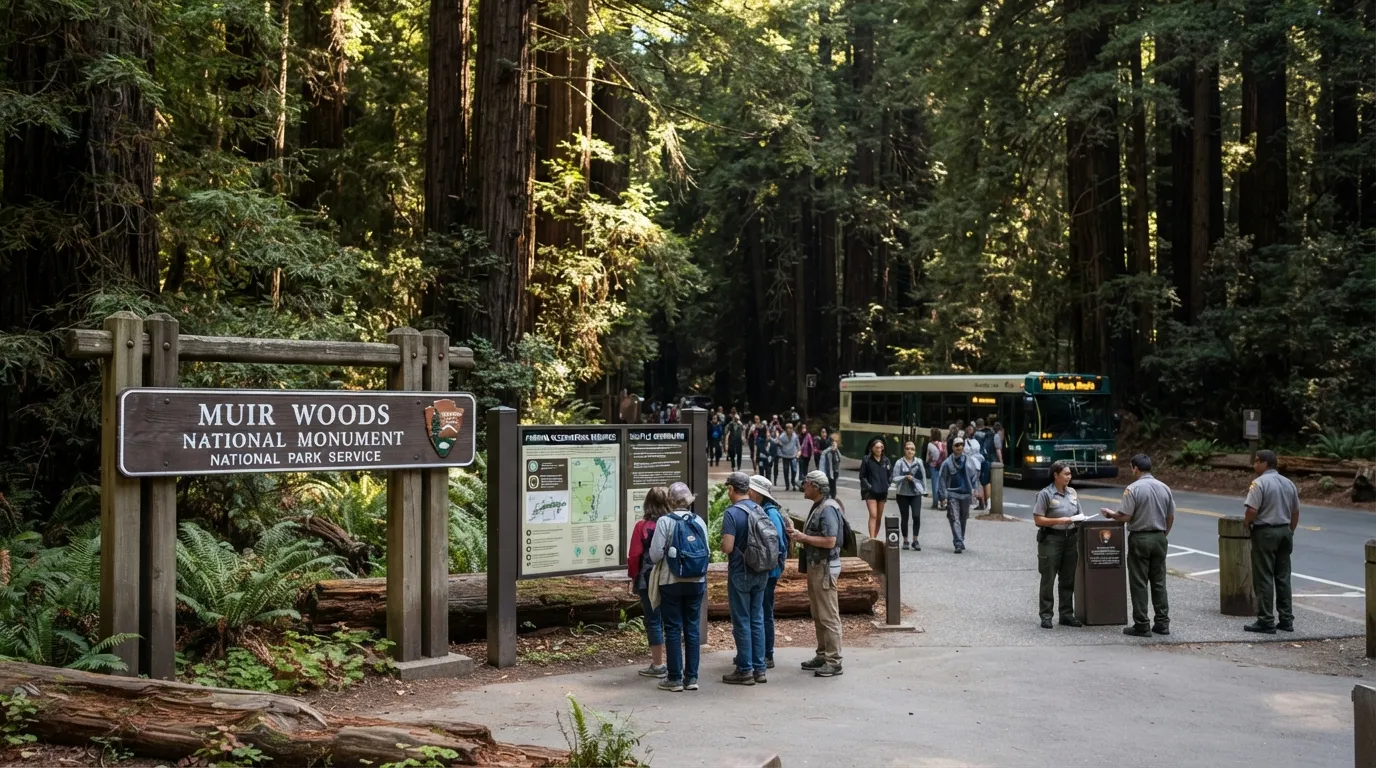
Muir Woods National Monument requires an advance parking or shuttle reservation year-round. You can book through the official site up to 90 days ahead.
Spots are limited, so same-day arrivals are rarely possible. Make sure the reservation matches how you’re actually getting there, then check how the entry fee is handled before you finalize plans.
8. Carlsbad Caverns’ Timed Cave Tickets
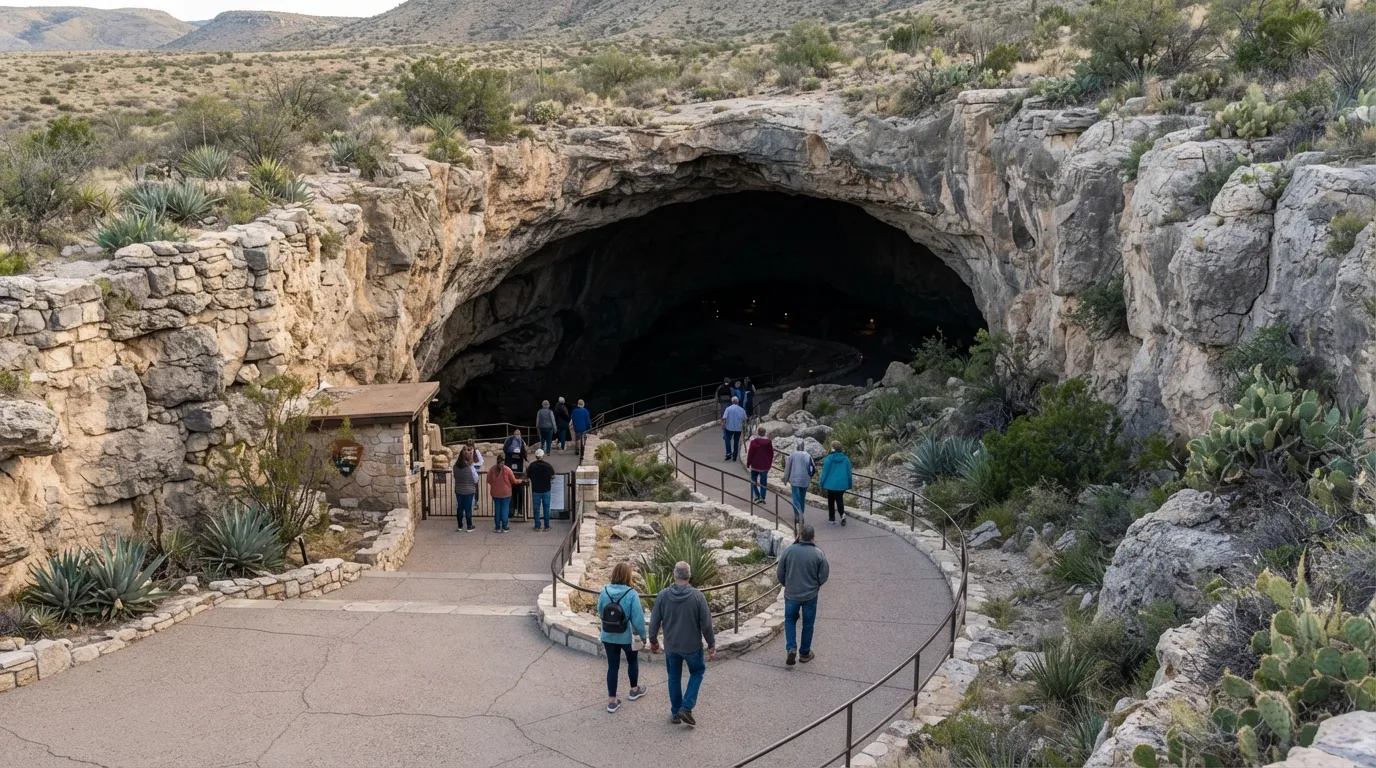
Carlsbad Caverns National Park uses timed entry tickets for descending into the main cavern. Reservations are made on Recreation.gov and are recommended during busy periods.
Tickets include a small reservation fee plus the entrance charge. Walk-up access can mean long waits or no entry at your preferred time. Purchase ahead to lock in the slot you want.
9. The $100 Nonresident Surcharge at Several Major Parks
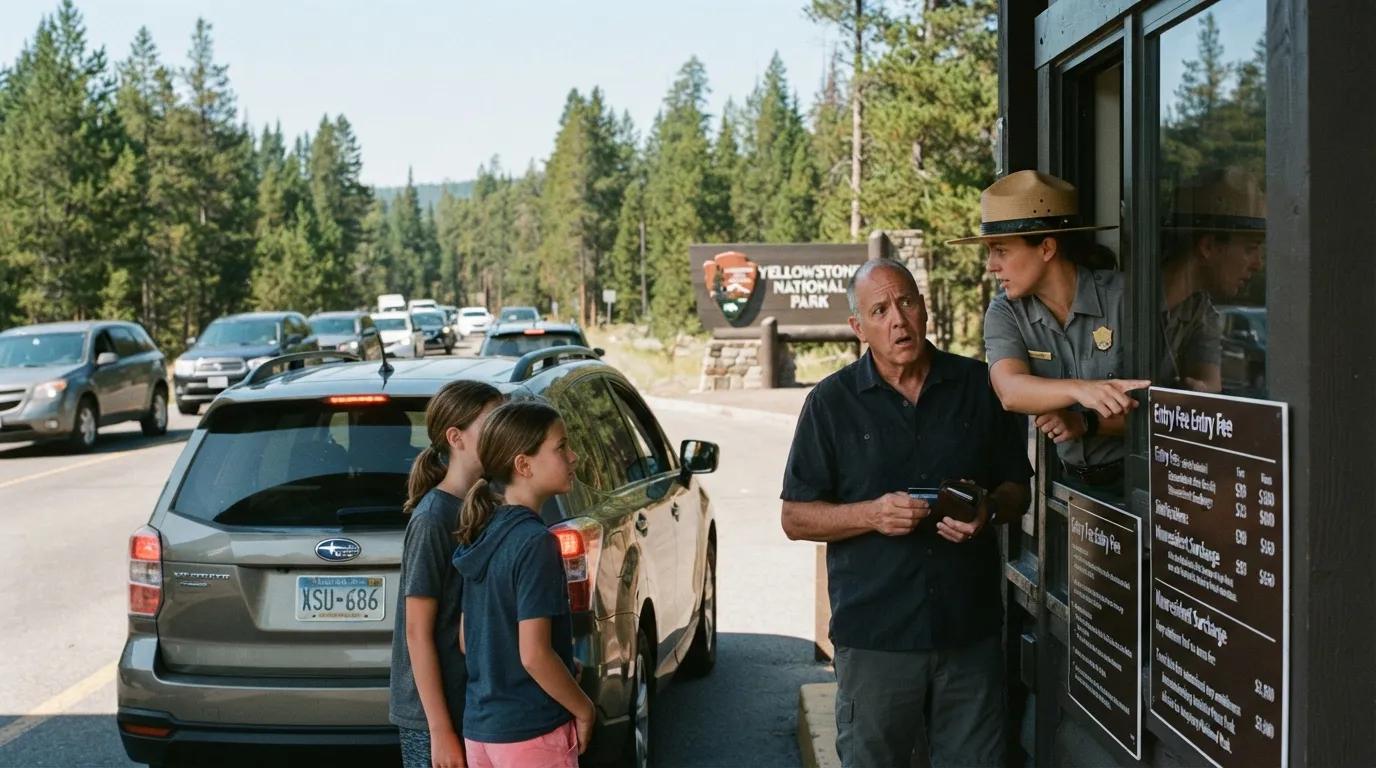
Several major parks now charge nonresidents an additional $100 per person entry fee on top of standard fees, starting in 2026. U.S. residents avoid this surcharge at participating sites.
International visitors often discover the extra cost only at the entrance station. Review the fee schedule on nps.gov before you book flights, and confirm which parks apply it to your trip.
Worth Knowing
- The surcharge is $100 per person, not per vehicle.
- It stacks on top of standard entry fees.
- It applies only at participating parks, so check each one on your route.
- Do the math for your whole group before booking flights.
10. The Digital America the Beautiful Pass
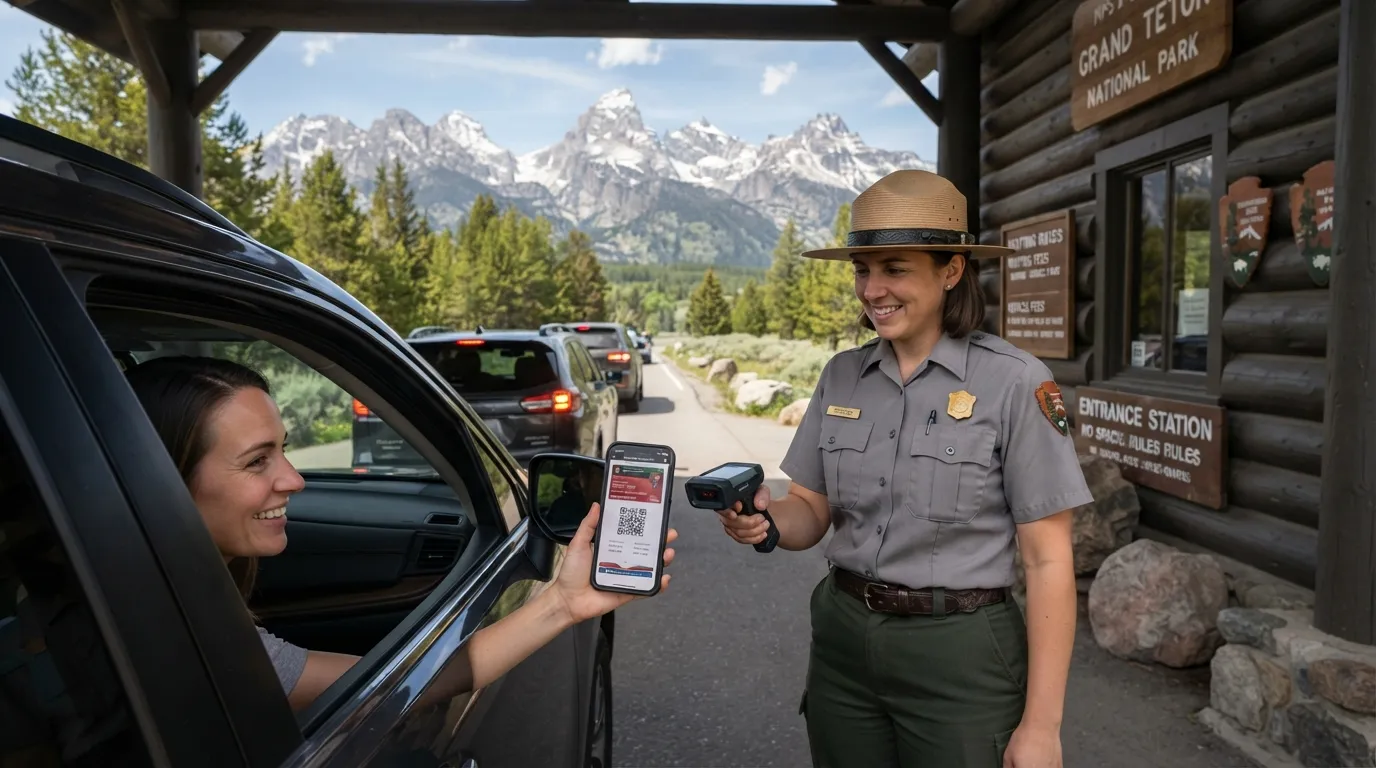
America the Beautiful passes are now available in fully digital format through Recreation.gov. Link the pass to your account so it’s ready at entrance stations. Physical cards remain an option if you prefer them.
Many visitors arrive with outdated paper versions or no pass at all. Download and activate yours in advance to keep the entrance line moving.
11. Free Entrance Days Aren’t Free for Everyone
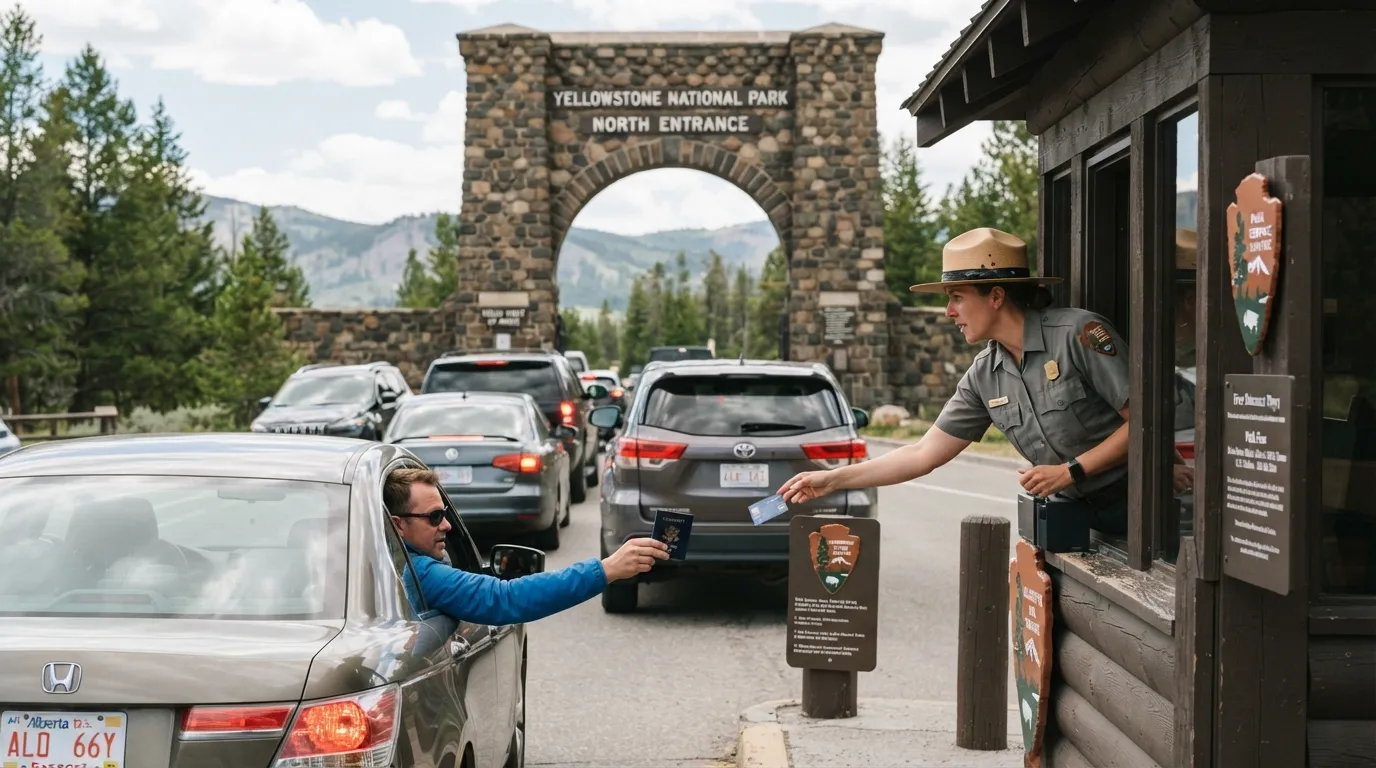
Free entrance days in 2026 apply only to U.S. citizens and residents at fee-charging sites. Nonresidents pay regular fees even on those dates.
Timed entry or reservation fees may still apply separately. Check the official NPS list of dates and your eligibility, and plan around free days only if you qualify, so the surprise charge isn’t yours.
12. The Rolling Booking Windows That Make Dates Vanish
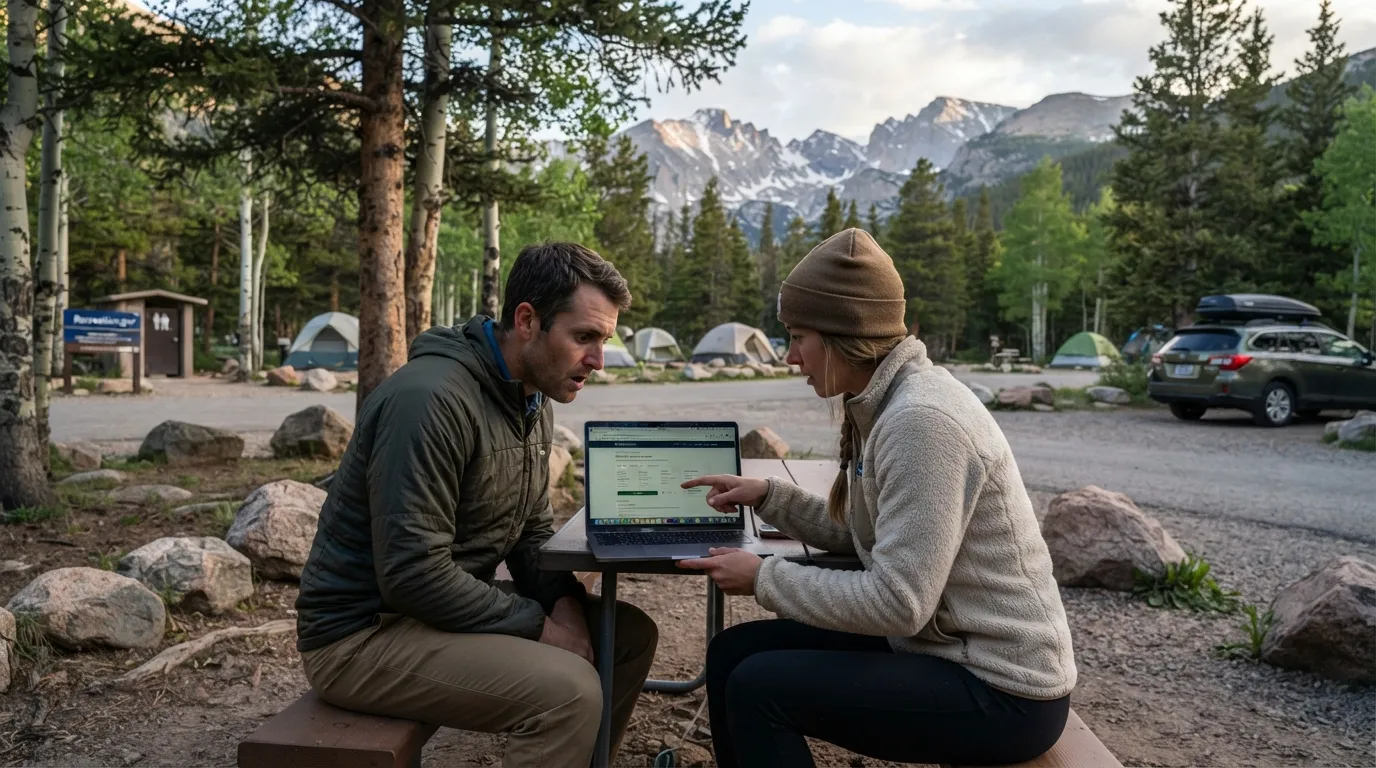
Many national park campgrounds on Recreation.gov open on a rolling six-month window, and the exact daily drop time matters. Popular dates can disappear almost instantly.
Some timed entry permits follow their own schedules, like Rocky Mountain’s monthly and day-before releases. Set alerts for your target month and check each park’s page for its booking calendar.
13. Pet Rules That Can Leave Your Dog Waiting at the Car
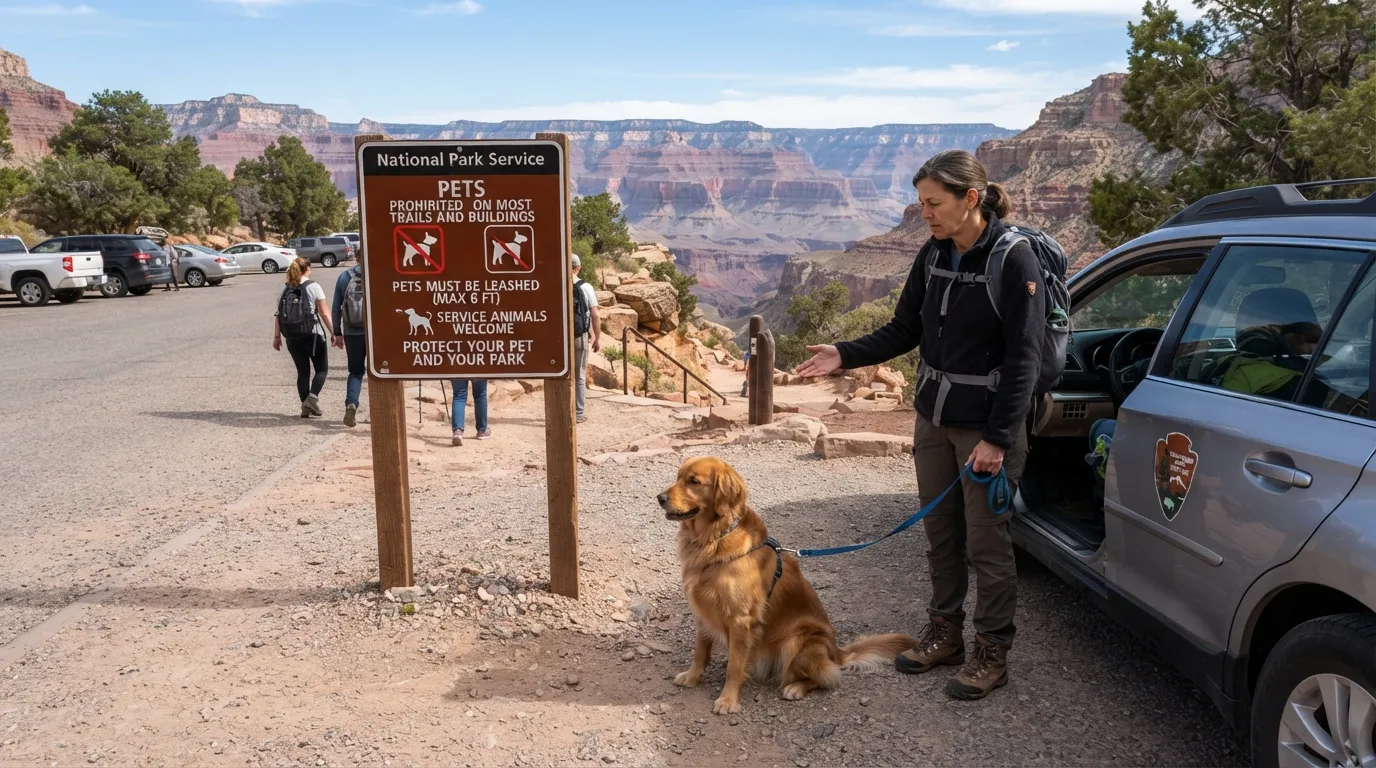
Standard NPS pet rules prohibit pets in most buildings and on certain trails. Where pets are allowed, leashes can be no longer than six feet. Service animals have different access.
Many owners discover the limits only after arriving with their dog. Review the specific park’s pet page on nps.gov and identify approved walking routes ahead of time.
At a Glance
- Buildings: pets are prohibited in most of them.
- Trails: some are off-limits to pets.
- Leash: six feet at most where pets are allowed.
- Service animals: different access rules apply.
14. Entrance Stations That Don’t Take Cash
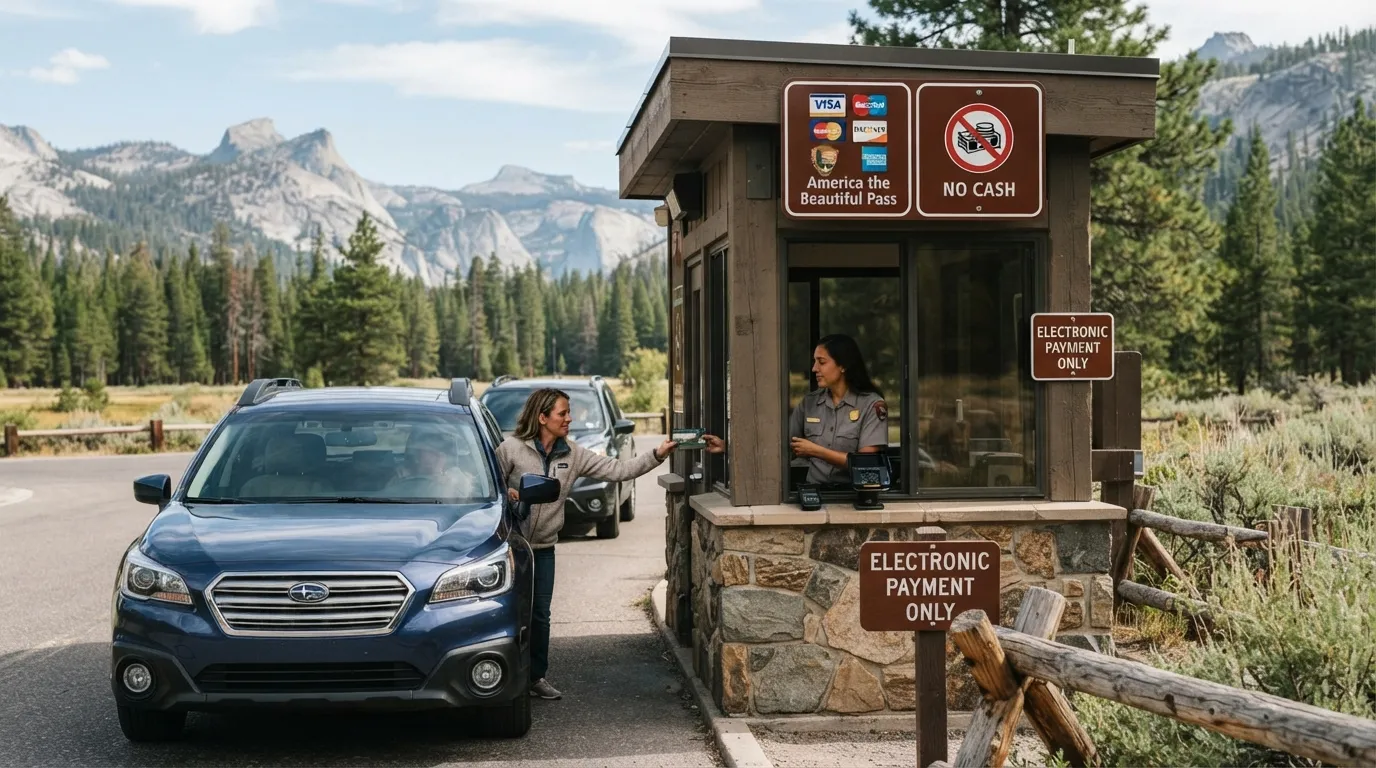
Some entrance stations no longer accept cash and require credit, debit, or a pass. Nearby gateway towns may sell passes, but not always during off hours.
Arriving without a digital or physical pass, or a card, can delay your entry. Confirm accepted payment methods on the park website before you leave.
15. Seasonal Closures and Shuttle Requirements Can Block the Gate
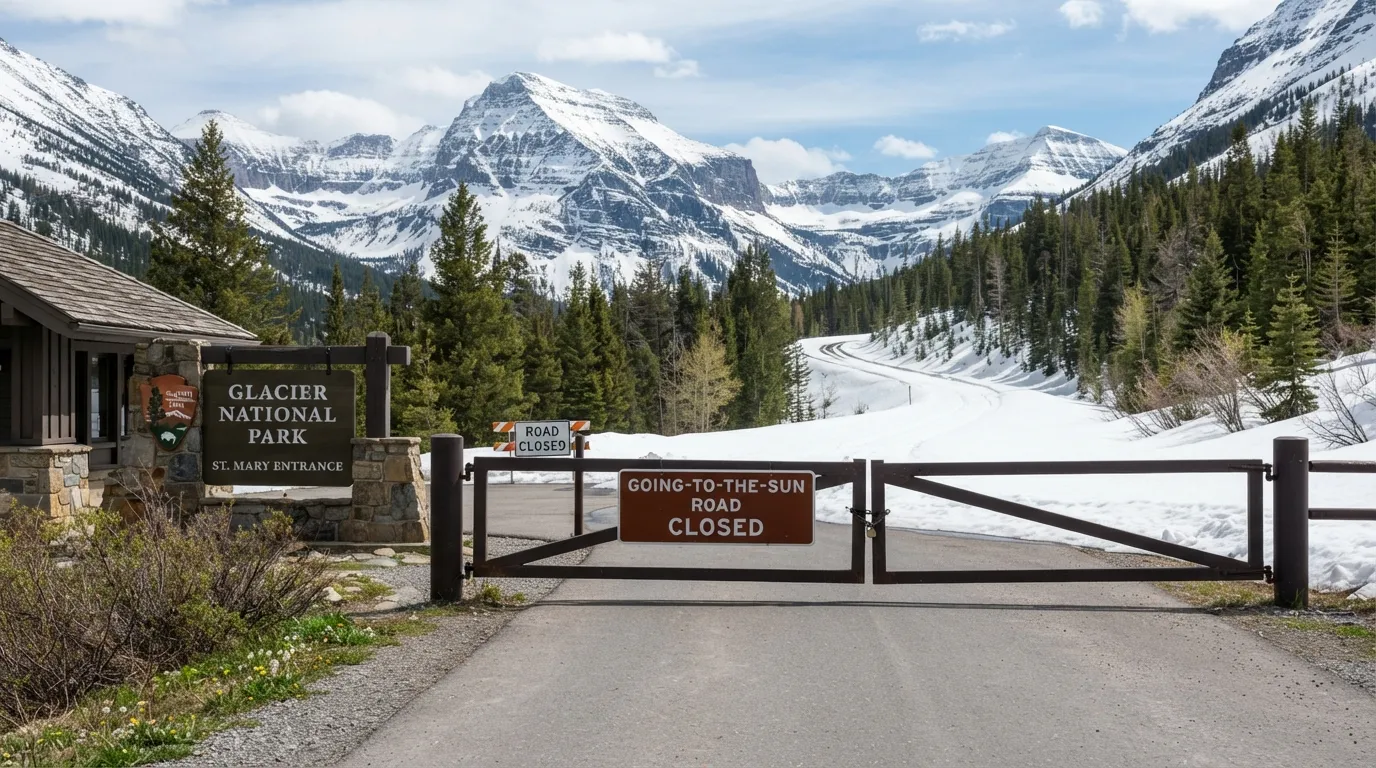
Seasonal road closures and shuttle requirements affect access at parks like Glacier and others, even without full timed entry. Visitors often assume year-round vehicle access.
Check current status on nps.gov alerts before you travel. Build in alternative transport or an adjusted itinerary, so a closed gate changes your plan instead of ending it.
Quick Quiz: Which rule surprised you most? Comment your answer below and tag a friend planning a park trip!
CEO-Co-Founder