

- 15 Songs That Sparked Generations of Activists - October 23, 2026
- 20 Books That Brought American Myths to Life - October 23, 2026
- The True Origins of America’s Greatest Rock Bands - October 23, 2026
You land, you’re tired, and you slide your driver’s license across the counter like it’s a golden ticket. Then the agent asks for a second document, a credit card with enough room on it, and a signature on terms you haven’t read. Rental companies enforce their own rules on top of local law, and those rules often matter more than the law does.
Below are 16 things that tend to surface only once you’re standing at the desk. A couple of them can stop you from driving off at all. A few more don’t show up until weeks after you’re home.
#16 – IDP Rules Hit Harder at the Counter Than on Paper
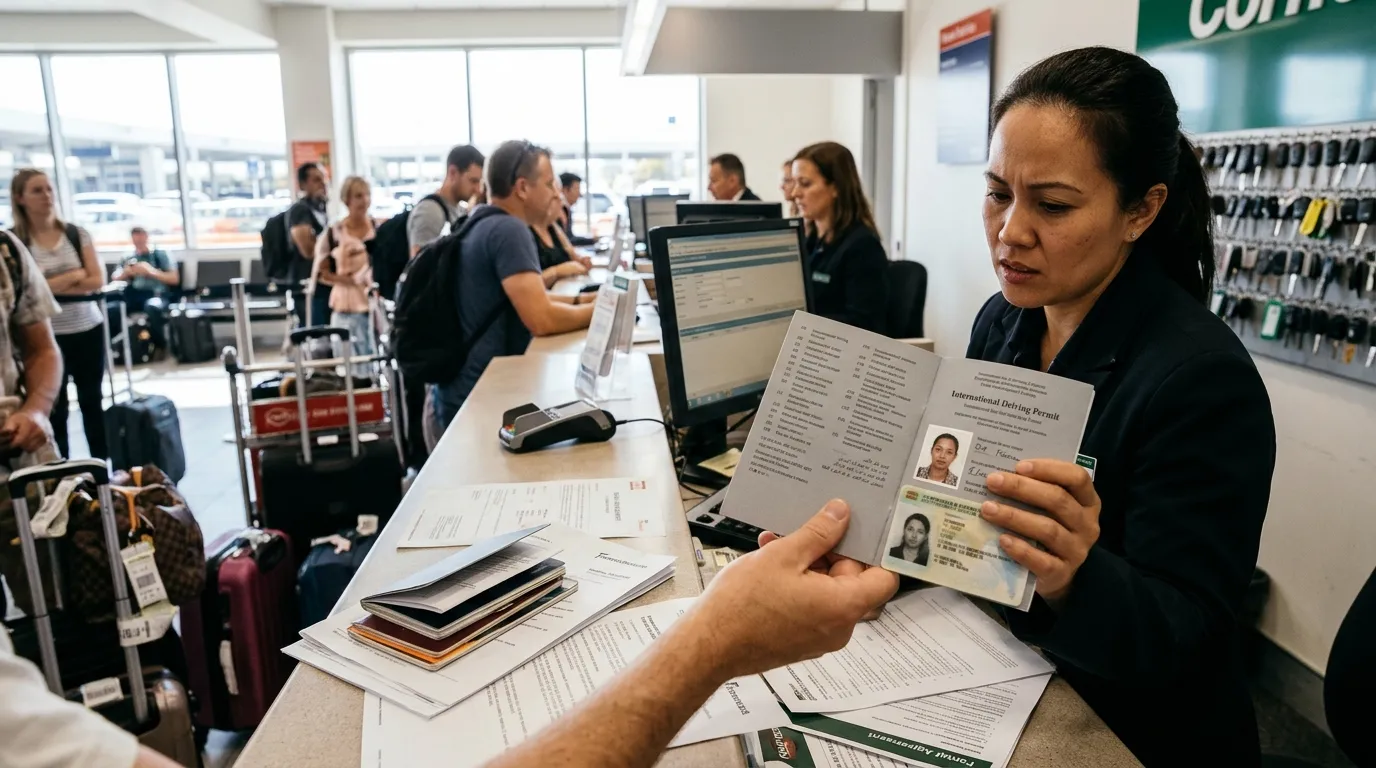
Rental companies frequently demand an International Driving Permit, even where local law doesn’t strictly require one for a short tourist stay. Non-EU license holders run into this in places like Italy, Spain, and Greece. Japan accepts only the 1949 Geneva Convention version.
Many agencies simply refuse to hand over the keys without it, no matter what the police would or wouldn’t enforce. The permit has to come from an authorized issuer in your home country before you fly, and it travels alongside your original license. Desks check it first because it protects their insurance position.
#15 – The Credit Card Hold Freezes Far More Than Expected

At pickup, agencies place a security deposit hold on the main driver’s credit card. Nothing is charged, but the money is blocked. Depending on the country and vehicle, the hold can reach €800–€2,500 or the equivalent.
Debit cards are routinely rejected for this step. The hold shrinks your available credit for the whole trip and releases only after the car is inspected and returned, which can take days or even weeks.
#14 – Excess Remains Your Responsibility Even With Included Cover

The excess, or deductible, is the part you still owe if the car is damaged or stolen. It applies even when basic collision damage waiver is baked into the rental rate. Published terms put it at roughly €800–€2,500, and the deposit hold exists to secure exactly that exposure.
Separate excess waiver products from third parties can reduce or wipe out that liability. They don’t change the supplier’s deposit requirement, though, so the hold can still land on your card.
Quick Compare
- Included cover only: You still carry an excess of roughly €800–€2,500.
- Supplier’s own waiver: Reduces your exposure at the desk and may shrink the blocked funds, if the supplier allows it.
- Third-party waiver: Can cut or erase the liability, but the deposit hold can still land on your card.
#13 – Fuel Policy Choices Determine Final Cost at Return
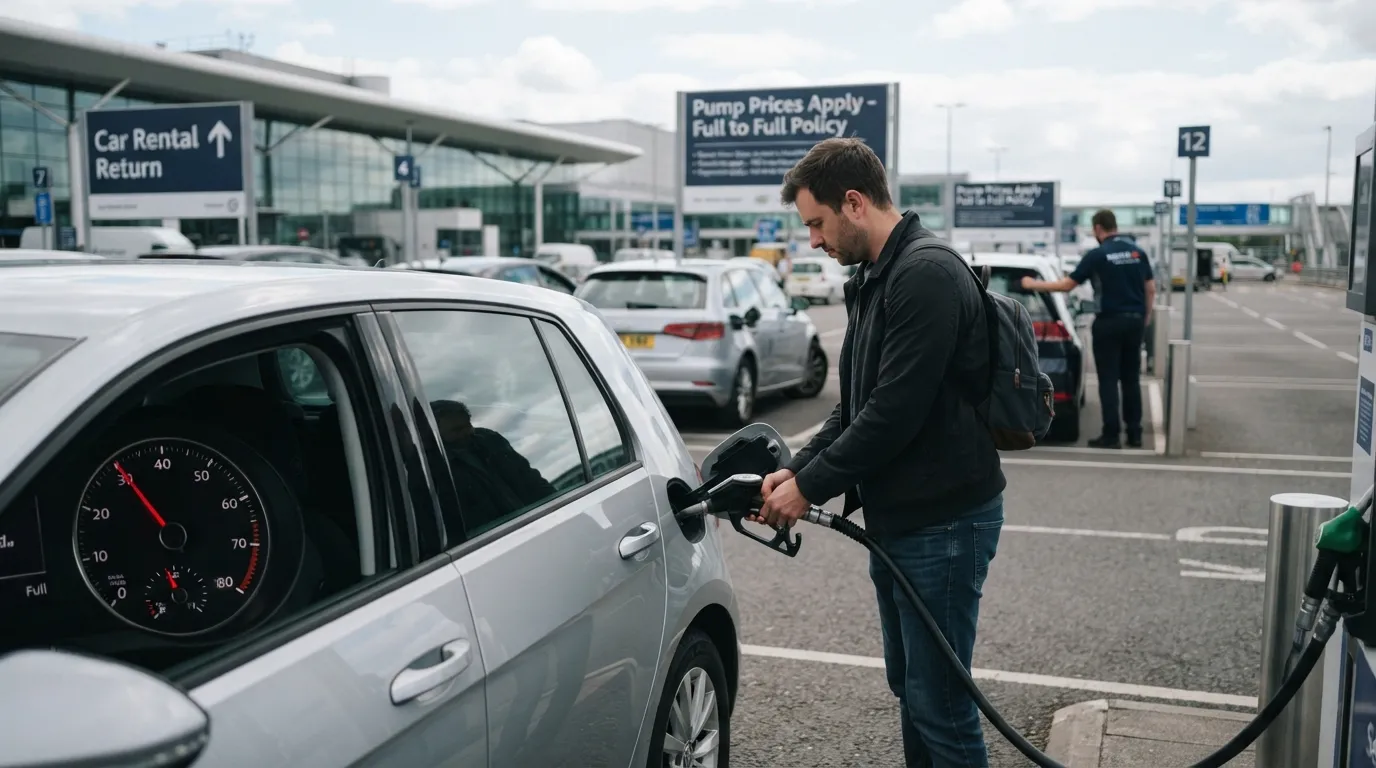
Full-to-full is the most common and usually the cheapest policy. You pick the car up full, return it full, and pay pump prices only for what you burned.
Prepaid and full-to-empty options charge a marked-up tank rate upfront and rarely refund unused fuel. If you skip the top-up before the return lot, expect a service fee plus an inflated per-liter rate. The most expensive fuel on the trip may be the fuel you didn’t buy yourself.
#12 – Cross-Border Permission Must Be Declared in Advance
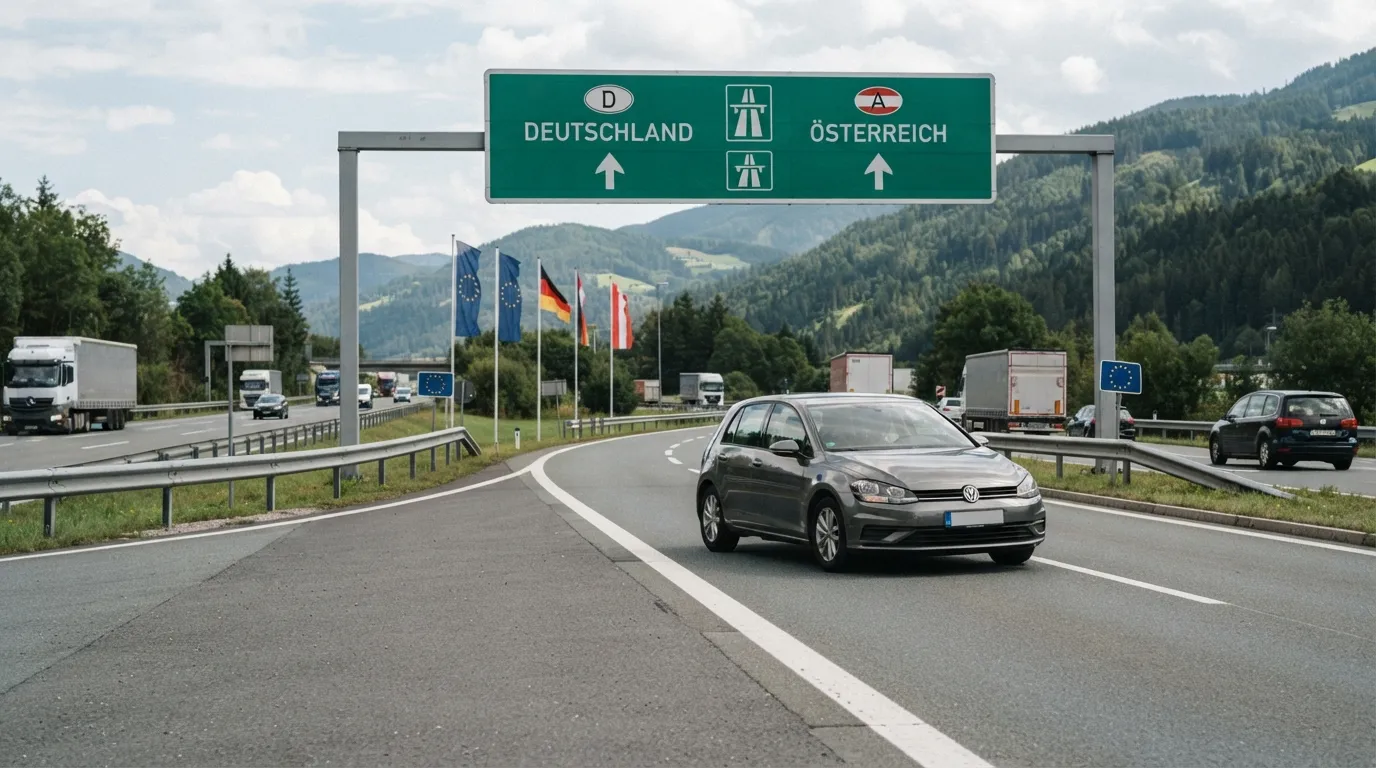
Most suppliers want advance notice if you plan to drive into another country, and some ban certain countries outright, even within Europe. Crossing without permission can void your insurance and breach the contract.
EU rentals often allow neighboring member states for a fee, while non-EU destinations trigger stricter checks. That spontaneous day trip across the border isn’t free of consequences.
#11 – Tolls and Vignettes Add Unbudgeted Layers
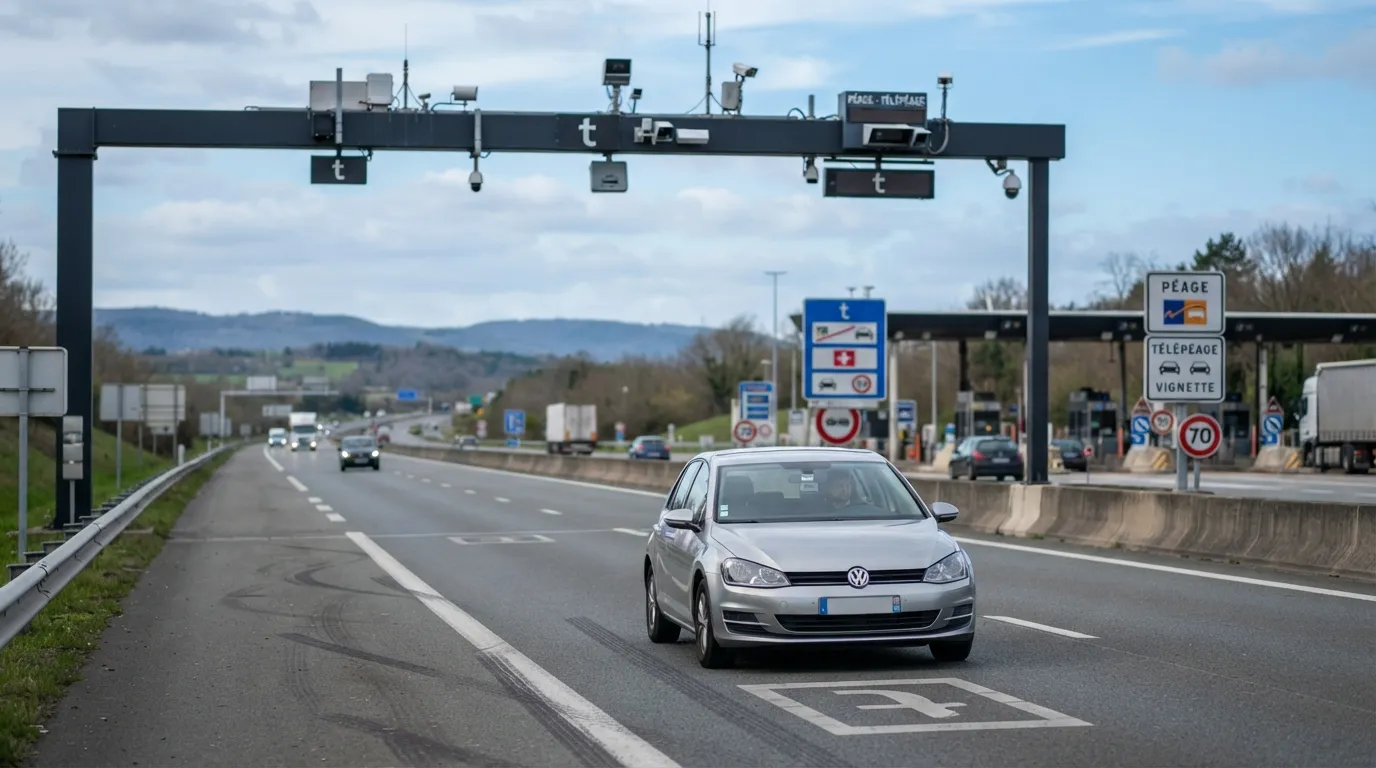
Electronic toll systems in Italy, France, and Portugal bill the rental company. The company then passes the charges to you after return, with administration fees added.
Some countries require a physical vignette for motorways, and you have to buy it before you enter. Skip the correct one and the fine can reach you months later, long after the trip has become a memory.
#10 – Age and License-Held Requirements Vary Widely

The minimum rental age is 21 in many European locations. Drivers under 25 often face daily surcharges of €15–€30 and limits on which vehicle categories they can book.
Some suppliers also require the license to have been held for at least 12 consecutive months. Upper age limits appear in Ireland and Spain for certain groups. You can have a valid license and still be turned away.
Worth Knowing
- Check the minimum age for your exact country and supplier, not just the general rule.
- Look up how long your license must have been held before you book.
- Under 25? Confirm which vehicle categories are open to you.
- Older drivers should check for upper age limits in Ireland and Spain.
#9 – Additional Driver Fees Stack Quickly

Each extra driver typically costs €7–€15 per day. Some suppliers also require the same deposit hold or excess coverage for them. The main driver still has to meet every license and age rule.
These charges can show up at the counter even on prepaid bookings. A cheap rate can climb fast once “just add my partner” enters the conversation.
#8 – One-Way Drop Fees Surprise Multi-Country Plans

Picking up in one city and returning in another, within a country or across borders, often adds €30–€500 depending on distance and supplier. Cross-border one-way drops carry the highest charges.
The road-trip dream of ending somewhere new can cost more than the rental itself. Price the return location explicitly at booking, before you fall in love with the route.
#7 – Mileage Caps Hide in the Fine Print

Many European rentals include unlimited kilometers. Some budget or specialty vehicles don’t, and they cap daily distance with steep per-kilometer overage fees.
On a long itinerary, a daily limit can disappear faster than you’d expect. Check this term before you confirm, not after the first big driving day.
#6 – The Document Checklist at the Counter Is Strict

Expect to present your passport, original license, an IDP where required, and a credit card in the driver’s own name. Some desks also ask to see your booking confirmation.
A name mismatch or an expired document stops the process on the spot. There’s rarely a workaround once you’re standing there.
#5 – Insurance Upsells Target the Tired Traveler

When lines are long and you’re worn out, agents offer optional excess waivers, tire and glass cover, and roadside assistance. These extras often duplicate protection you could have bought cheaper from a specialist provider in advance.
The counter is the most expensive place to make that decision. Jet lag makes “yes, just add it” sound very reasonable.
#4 – The Pre-Drive Inspection Protects You Later
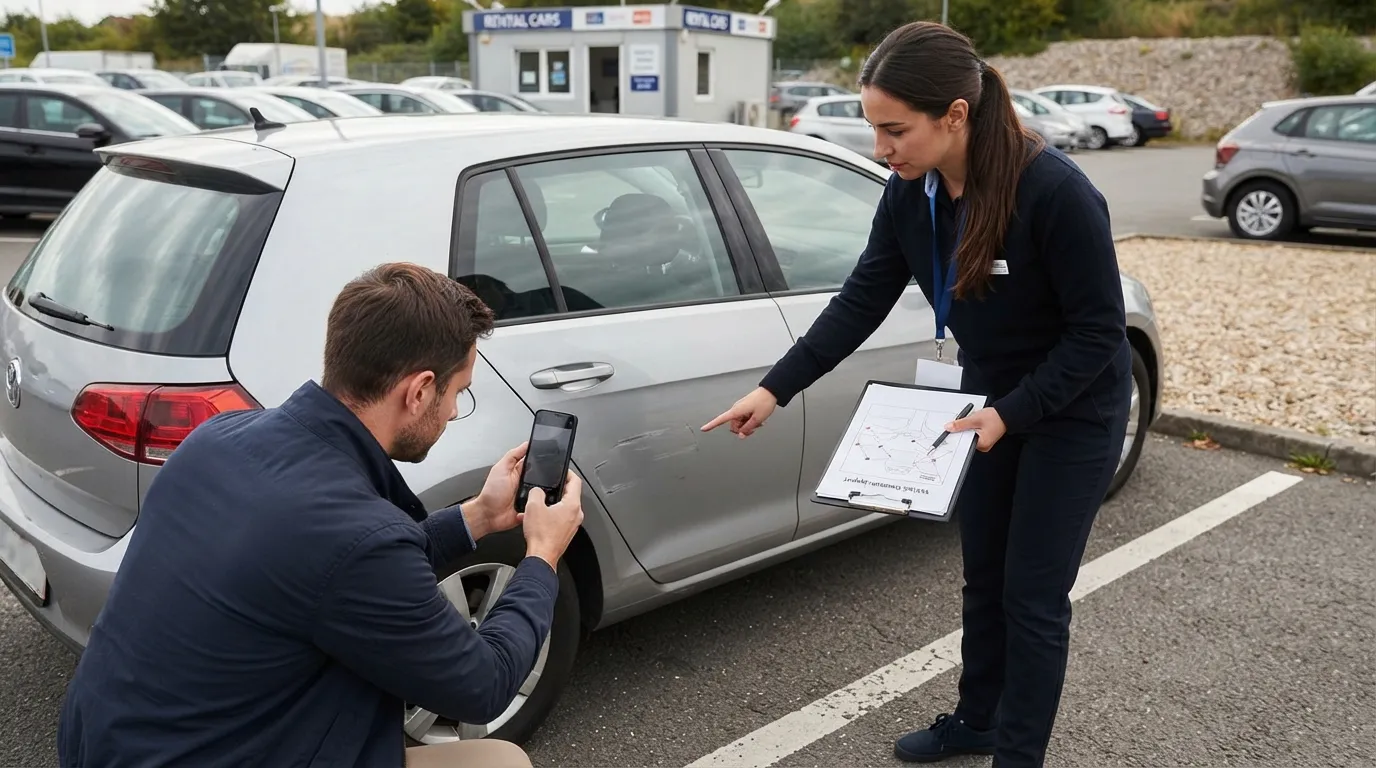
Walk around the vehicle with the agent and photograph every mark before you sign. Return inspections often happen after you’ve dropped the car off and left.
Any new damage noted then can be charged against your deposit. Your photos may be the only proof of what was already there.
At a Glance
- Photograph every side of the car, plus the roof if you can reach it.
- Capture wheels, rims, and the windscreen up close.
- Shoot the interior, fuel gauge, and odometer before leaving the lot.
- Make sure every mark appears on the agent’s damage sheet before you sign.
#3 – Local Road Rules Differ From Home Expectations
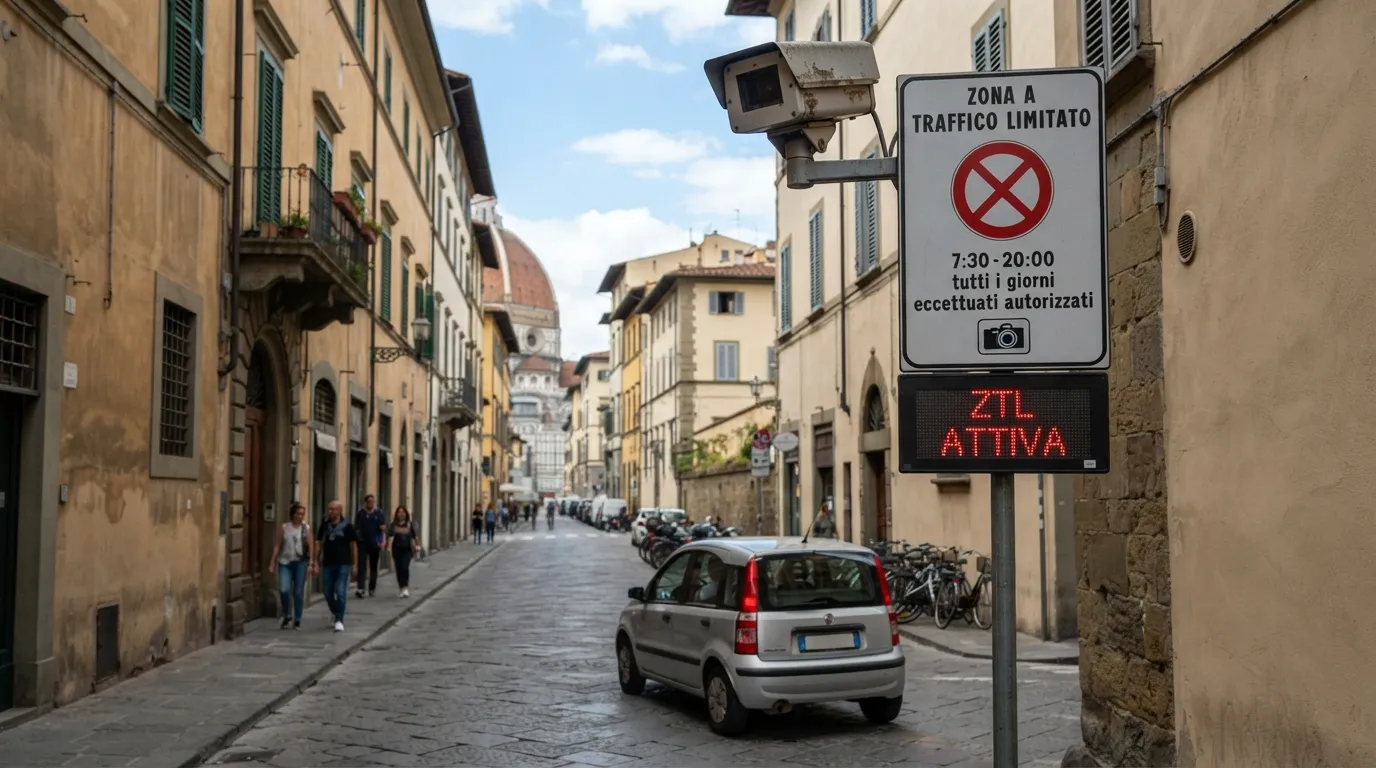
Roundabout priority, speed camera enforcement, and low-emission zones vary by country. In Italian cities, ZTL zones fine drivers who enter without a permit, and the tickets can arrive months later.
You may never realize you broke a rule until the envelope shows up at home.
#2 – Breakdown Coverage Must Match the Rental Contract

Standard supplier roadside assistance may exclude certain roads or require the rental agreement number before anyone will help. That’s a bad time to start digging through paperwork.
Separate travel insurance often offers broader recovery options across borders. Know which one you’re actually relying on before the engine light comes on.
#1 – Post-Rental Charges Arrive Weeks or Months Later

Tolls, fines, and minor damage claims are processed after you return. They can land on your original credit card without prior notice, long after you’ve stopped thinking about the trip.
Keep every receipt and the signed return document. They’re your best tools for contesting a bill that doesn’t look right.
Fast Facts
- Charges can post to the original card weeks or months after the trip.
- Tolls, fines, and minor damage claims are all handled after return.
- Your pickup photos and signed return document are your main evidence.
- Keep your rental agreement and receipts until the card statements are clear.
The rental counter shows what the booking page left out. Deposit holds, excess exposure, fuel policy, and cross-border permissions are enforced through the contract, not just local law. IDP rules, credit card requirements, and post-return billing create the biggest gap between what you expect and what you get.
Always verify the exact terms with your specific supplier for your destination and dates. Did we miss one? Drop it in the comments.
CEO-Co-Founder