
- 15 Songs That Sparked Generations of Activists - October 23, 2026
- 20 Books That Brought American Myths to Life - October 23, 2026
- The True Origins of America’s Greatest Rock Bands - October 23, 2026
You bought the small suitcase, watched a few packing videos, and figured the hard part was over, but the real test is a metal frame waiting at the gate.
Airline limits on paper and bags that actually pass inspection are two different things, and the gap shows up at the worst possible moment.
#17 – Gate Sizers Catch More Bags Than Check-In Scales
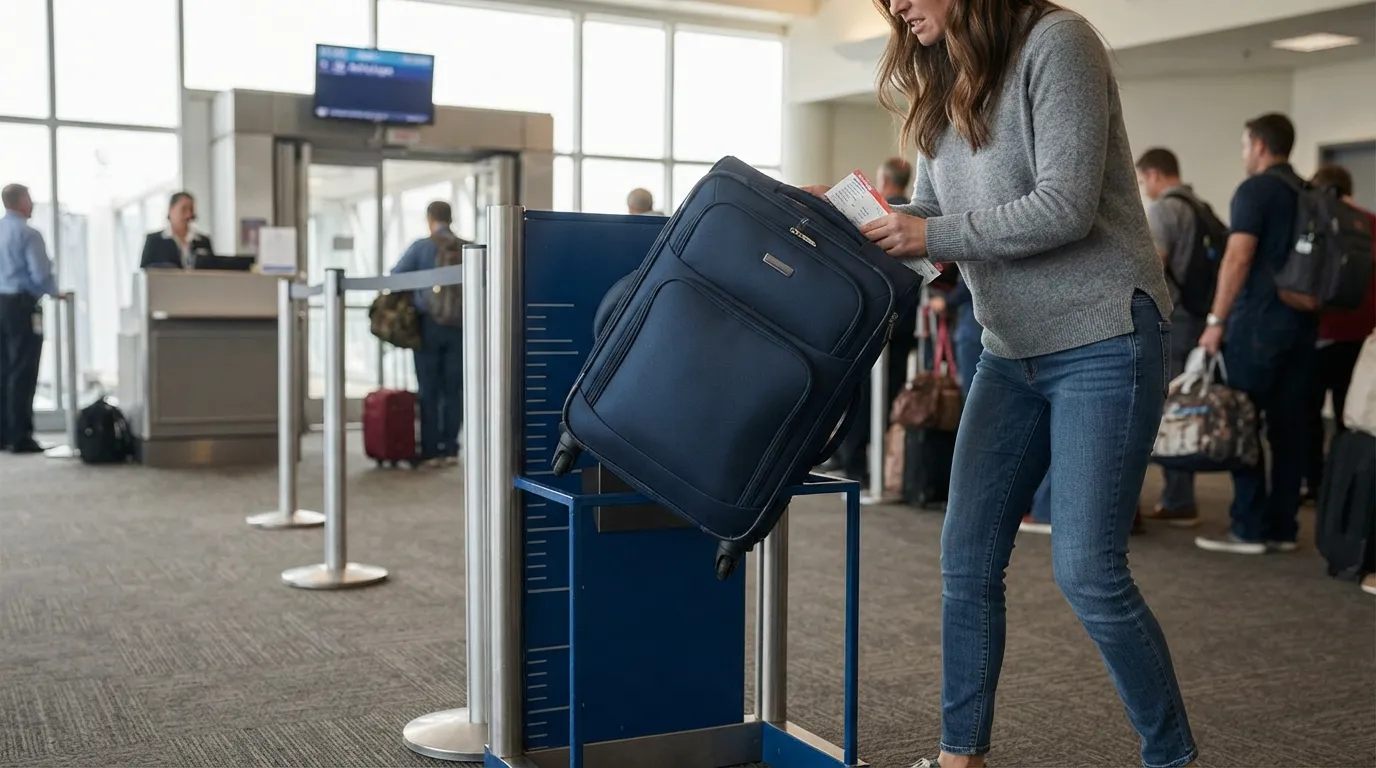
Ryanair can measure bags against a metal frame at boarding. Its free personal item has to fit 40 × 30 × 20 cm, or it gets rejected.
Plenty of travelers pack to the listed size, then find that a bulging pocket, handle, or wheel pushes them over. The bag has to slide under the seat without forcing, and by then you have already paid for the flight. The larger 55 × 40 × 20 cm bag needs the paid Priority option and has a 10 kg limit.
#16 – Weight Checks Happen Selectively at the Gate
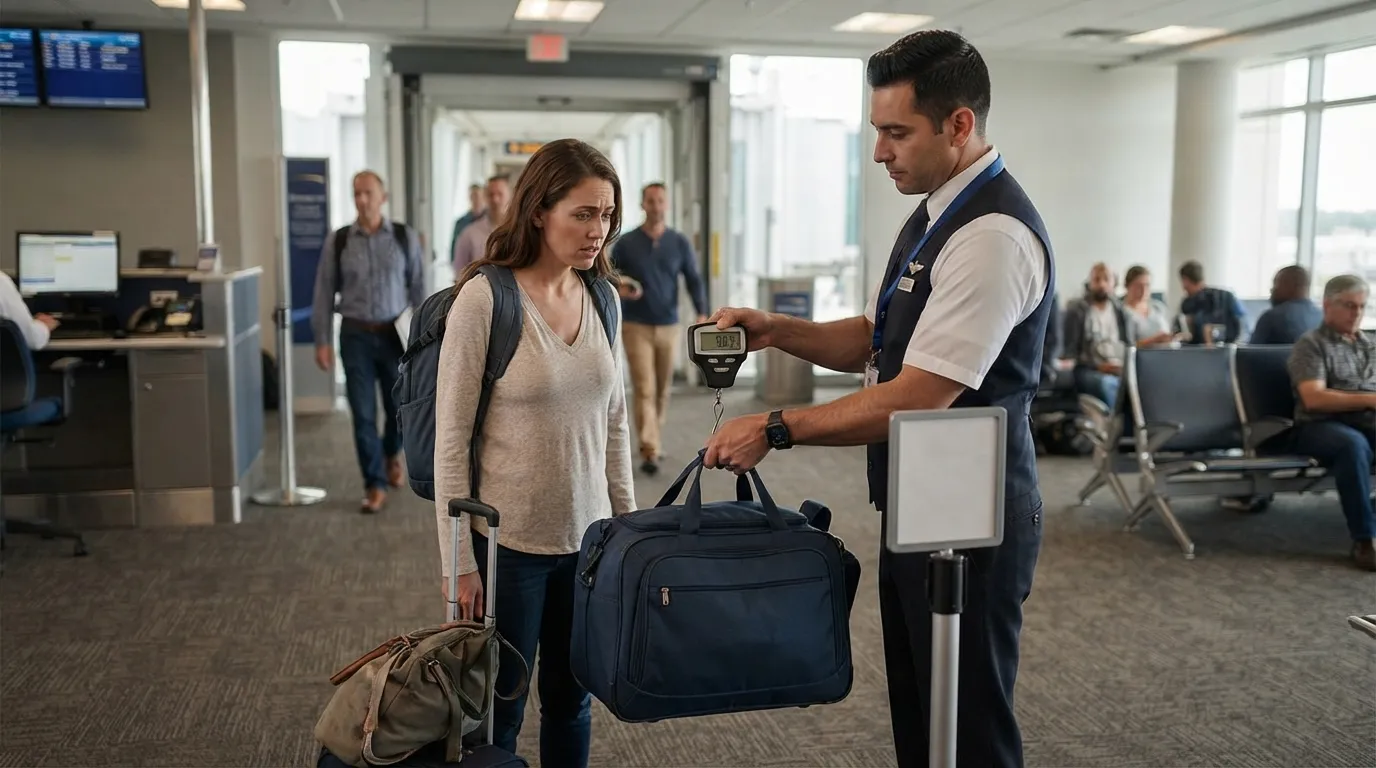
Gate staff rarely weigh every bag. They look for the overstuffed ones, the cases that sit heavy on a shoulder or make a traveler lean.
Ryanair caps its paid larger cabin bag at 10 kg, while easyJet allows up to 15 kg for its larger cabin bag. British Airways publishes no cabin weight limit, but you must be able to lift your bag into the locker yourself. Some passengers sail through while others pay at the gate.
Quick Compare
- Ryanair: paid larger cabin bag capped at 10 kg
- easyJet: larger cabin bag allowed up to 15 kg
- British Airways: no published cabin weight limit, but you must lift it into the locker yourself
#15 – Liquids Rules Differ by Departure Country
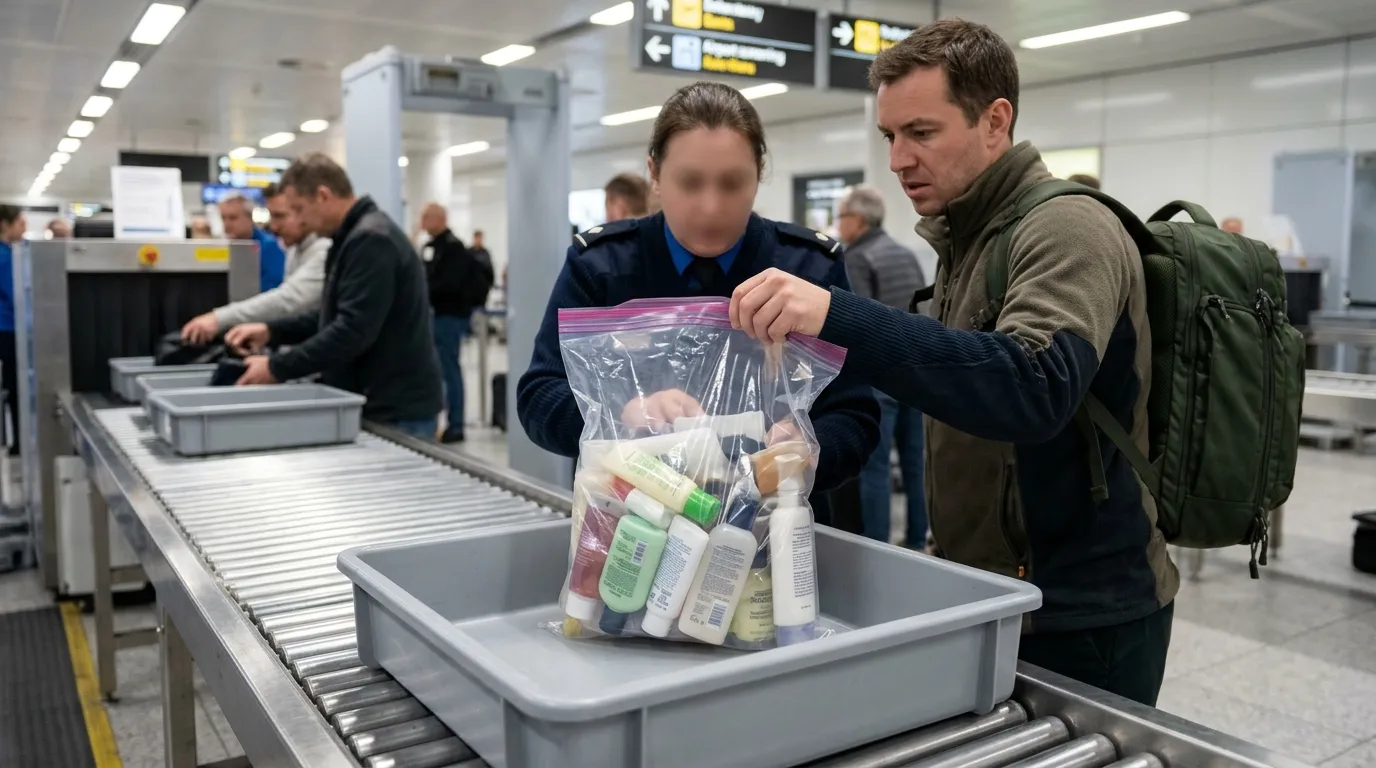
US departures follow TSA’s 3-1-1 rule: containers of 100 ml or less, all fitting in one quart-size bag. European airports use similar 100 ml limits, though how strictly they enforce them can vary.
Duty-free liquids sealed in tamper-evident bags may be allowed on some connecting international itineraries, but the rules depend on the route. Repacking at the checkpoint wastes time and risks losing your favorite bottle.
#14 – Priority Boarding Is Often the Price of the Bigger Bag
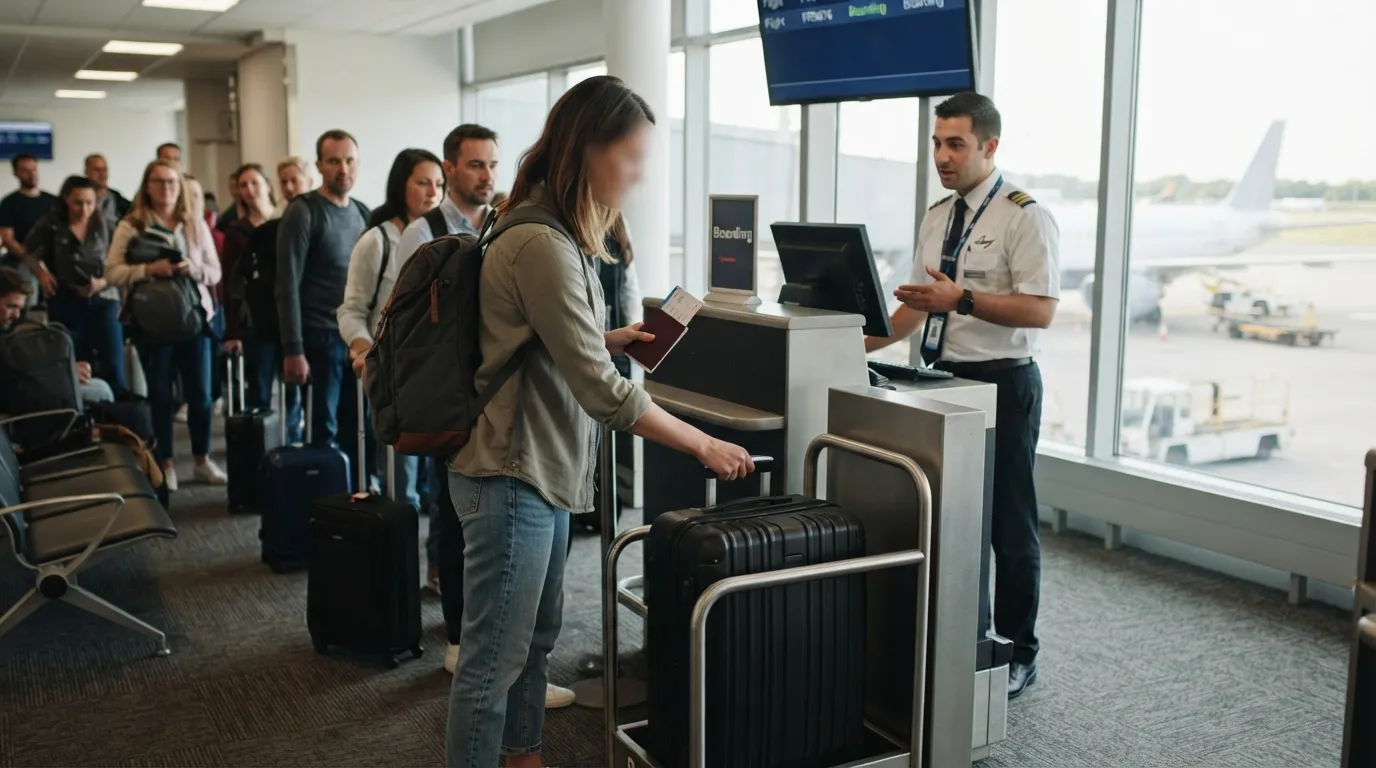
On Ryanair and Wizz Air, the free allowance is the small under-seat bag. The larger 10 kg cabin bag comes with a paid Priority add-on.
Show up at the gate with a full-size cabin case and no Priority, and you may be sent to pay a fee to put it in the hold. That cheap fare can stop being cheap right at the boarding desk.
#13 – Your Fare Type Can Matter More Than Your Airline
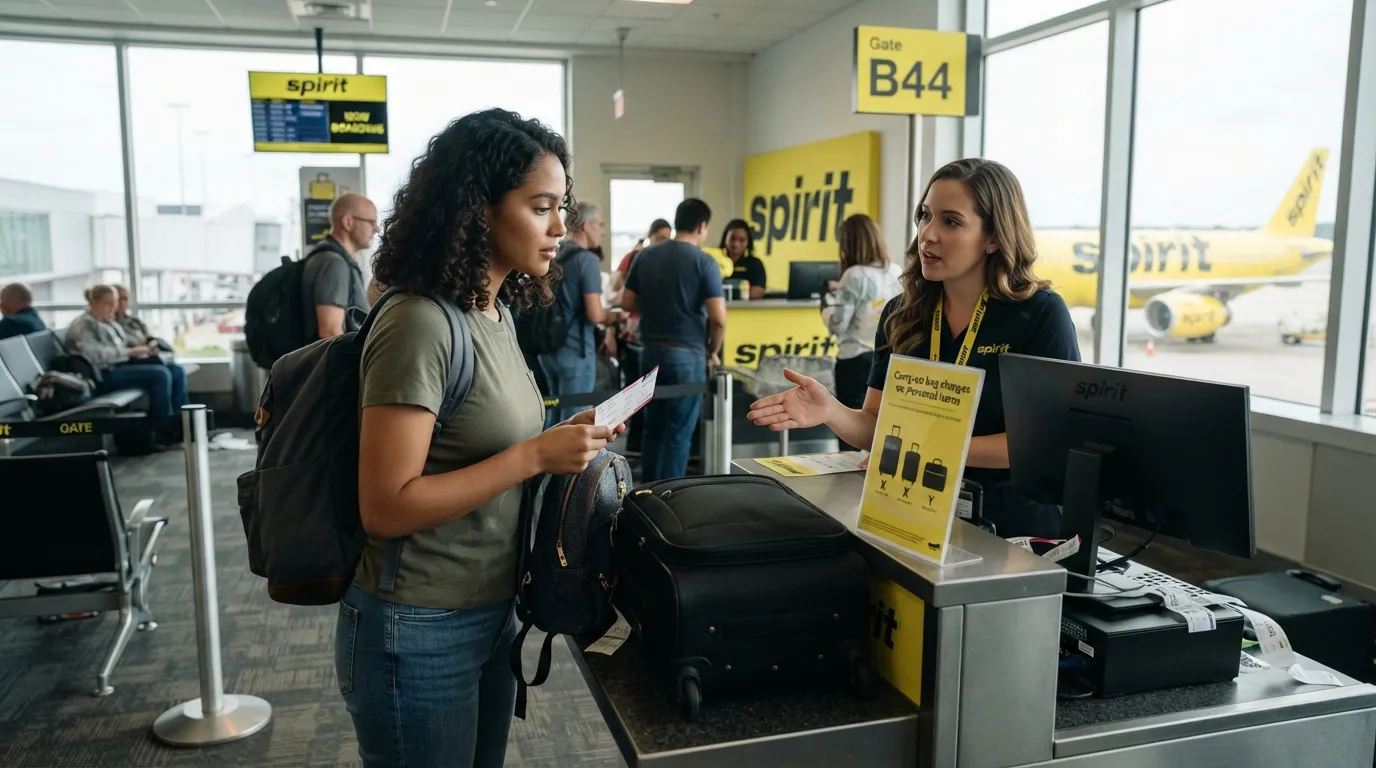
Some budget carriers, including Spirit and Frontier, charge for a regular carry-on and include only a small personal item in the base fare.
That means the same suitcase can be free on one ticket and a surprise charge on another. Before you pack, check what your specific fare includes. The airline’s name alone won’t tell you.
#12 – Inches and Centimeters Don’t Translate Neatly
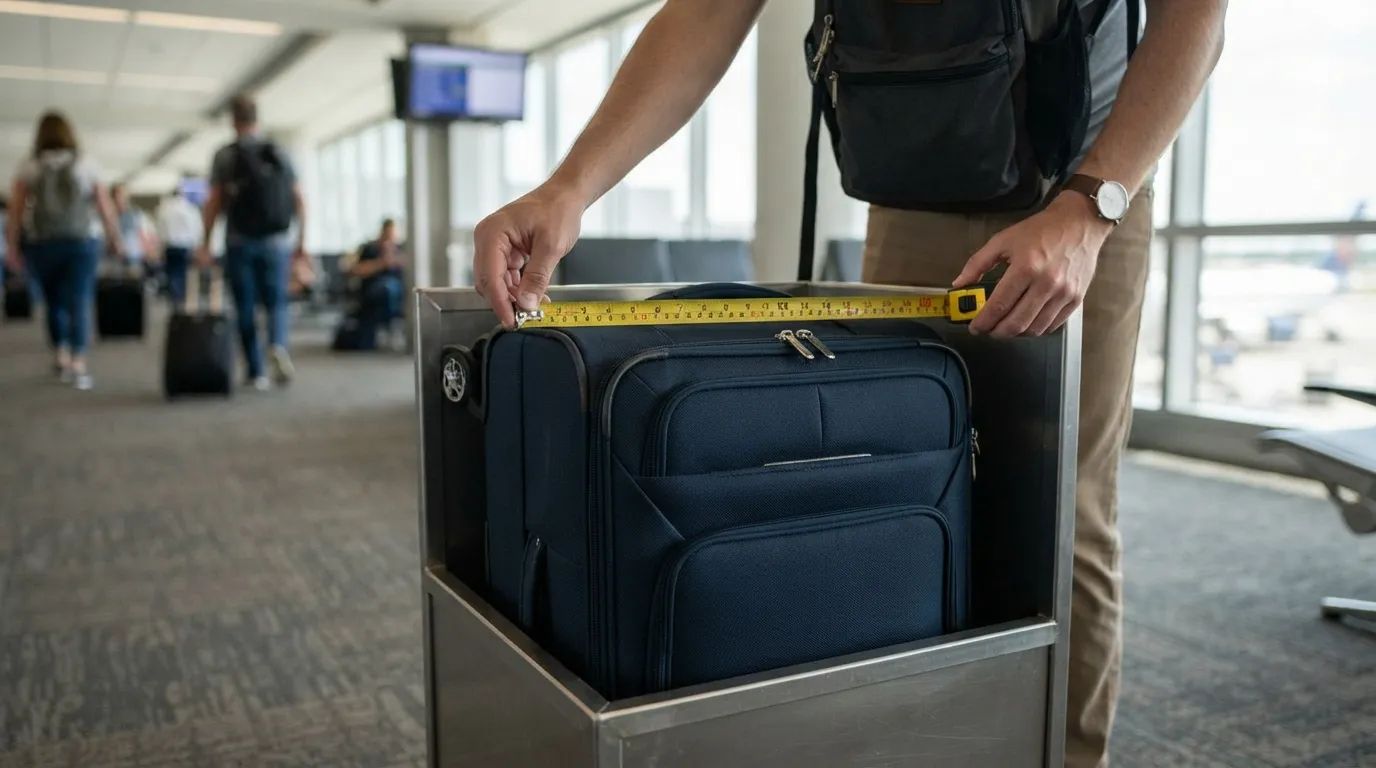
Delta, American, and United all list 22 × 14 × 9 inches for a standard carry-on, and that includes the handles and wheels.
European carriers often list sizes in centimeters, such as 55 × 40 × 20 cm. A bag sold as carry-on-friendly in one market can be a snug fit in another, or fail outright. Measure yours with a tape, wheels and all.
At a Glance
- Delta, American, United: 22 × 14 × 9 inches, handles and wheels included
- Ryanair free personal item: 40 × 30 × 20 cm
- Ryanair larger cabin bag: 55 × 40 × 20 cm, with the paid Priority option
- Your bag: measure the full outside, not the number on the label
#11 – Laundry Is the Real Secret to Packing Light
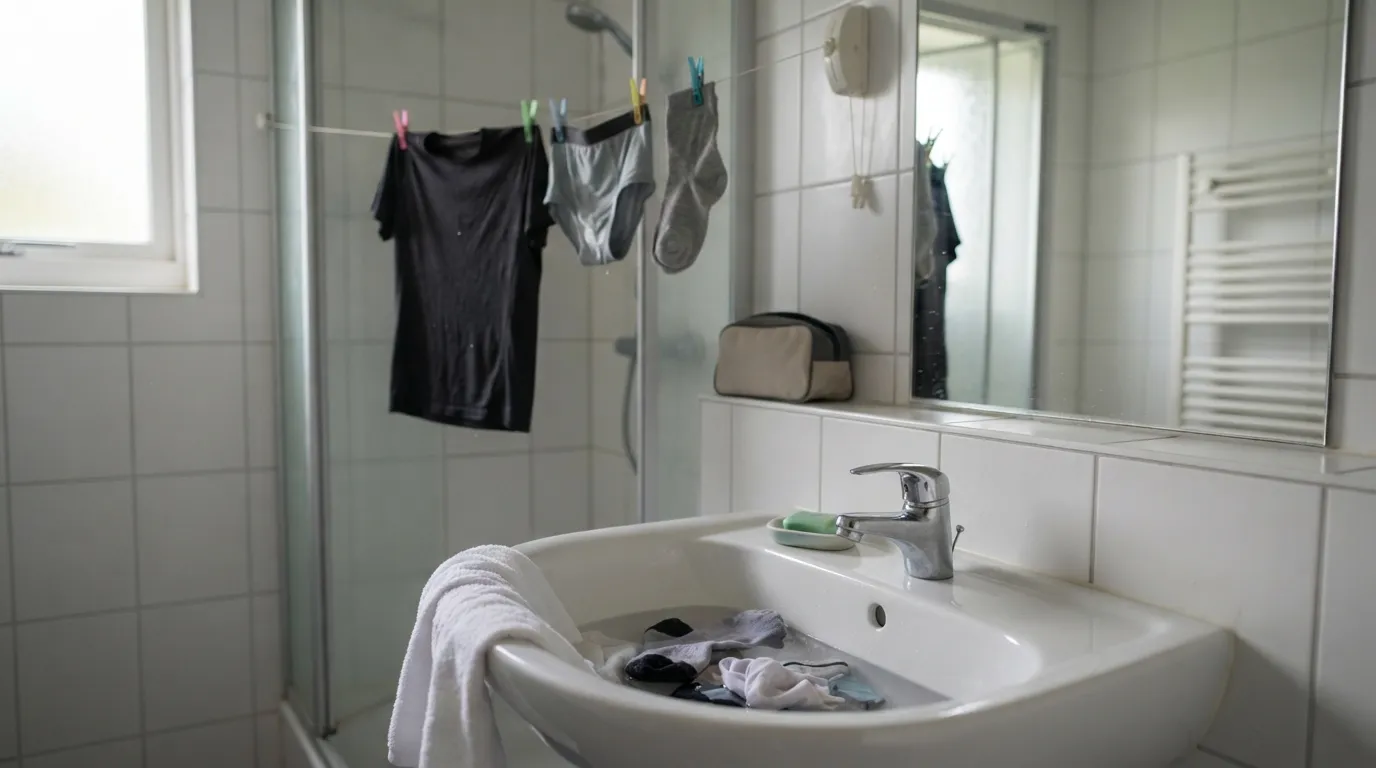
Experienced hand-luggage travelers don’t pack for the whole trip. They pack for about a week and plan to wash.
Rinse underwear and socks in the sink with a little travel soap, wring them in a towel, and hang them overnight. Quick-dry fabrics like synthetics and thin merino save the most space. Choose items that dry by morning and you skip a pile of extra outfits.
#10 – Wear Your Bulkiest Items Through Security
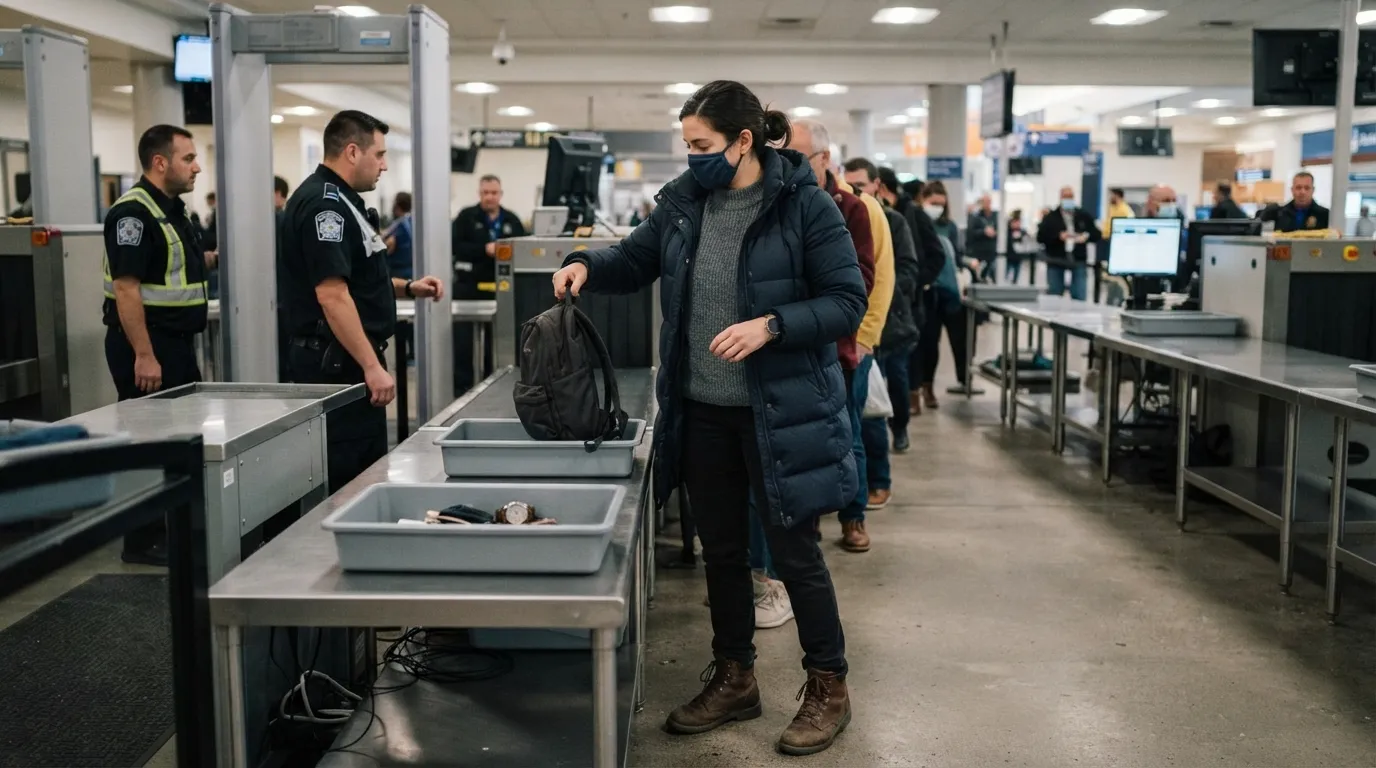
Your heaviest shoes, jacket, and thickest sweater take up the most room in a small case. Put them on your body instead.
Cabin limits apply to your bag, not to what you’re wearing. Stuffing pockets with a few small items works too, but don’t push it, because staff may spot a visibly overloaded jacket. The airport might be chilly anyway.
#9 – What to Leave at Home Matters More Than What to Bring
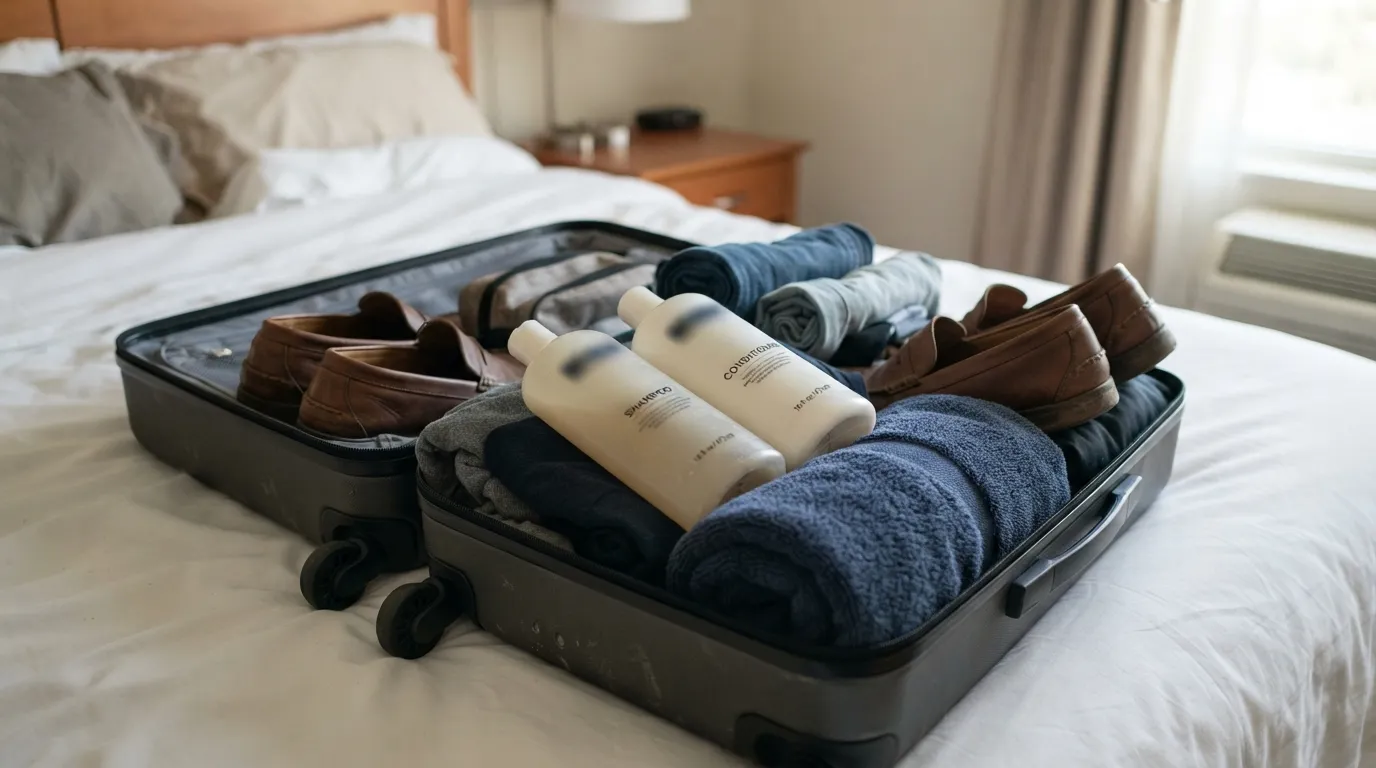
Full-size toiletries, a spare pair of shoes, a bulky towel, and “just in case” outfits are the usual space thieves.
Most hotels supply towels and many have hair dryers. Anything you can buy cheaply at your destination is a candidate to stay home. If you hesitate over an item, it probably isn’t earning its place in the bag.
Worth Knowing
- Towels and hair dryers are often supplied by hotels, so skip them
- Full-size toiletries eat space and run into liquids limits
- Spare shoes are one of the biggest space costs, so wear your bulkiest pair
- Cheap items are easy to replace at your destination
#8 – Power Banks Must Stay With You
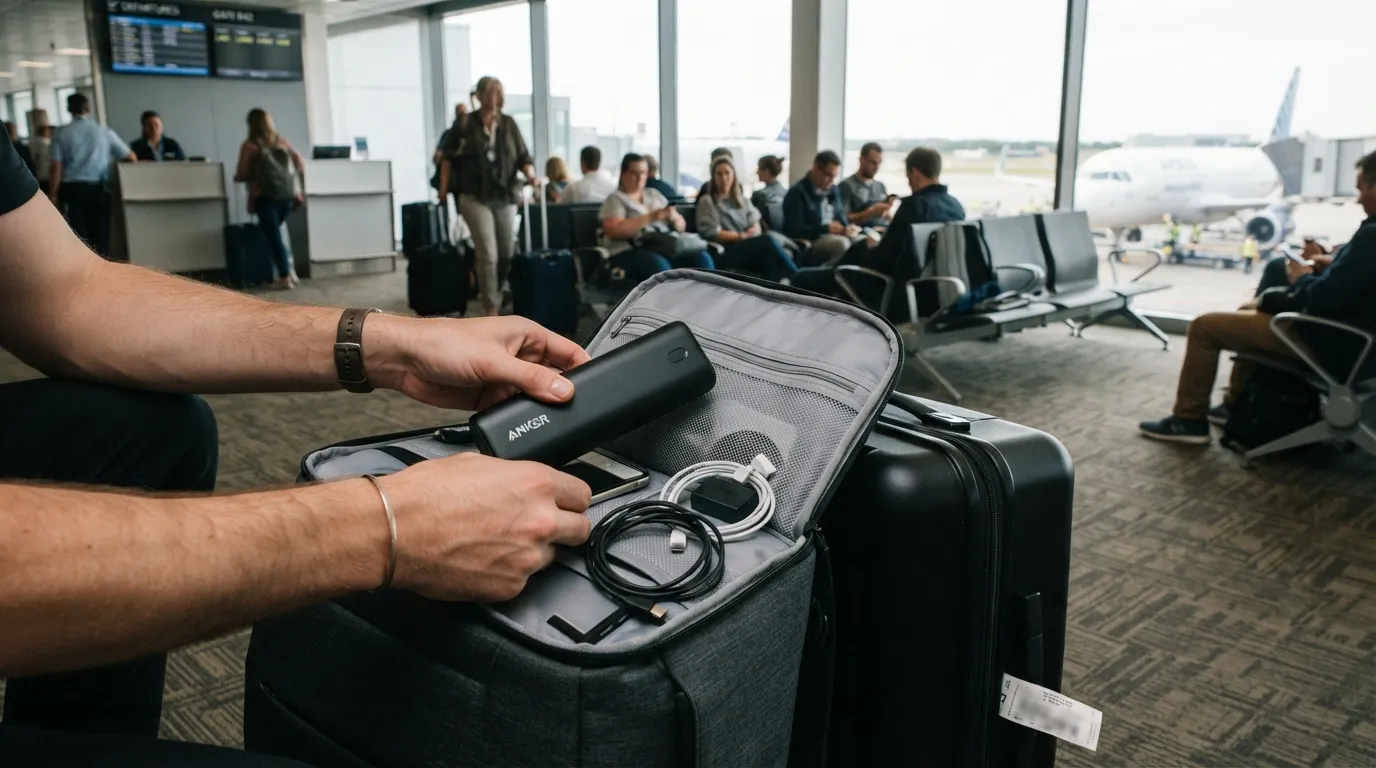
Spare lithium batteries and power banks are meant to travel in the cabin, not in the hold. That’s a safety rule many airlines enforce.
It matters most if your bag gets sent to the hold at the gate on a full flight. Pull out the power bank, phone chargers, and any spare batteries before you hand over the bag.
#7 – Soft Bags Forgive What Hard Cases Won’t
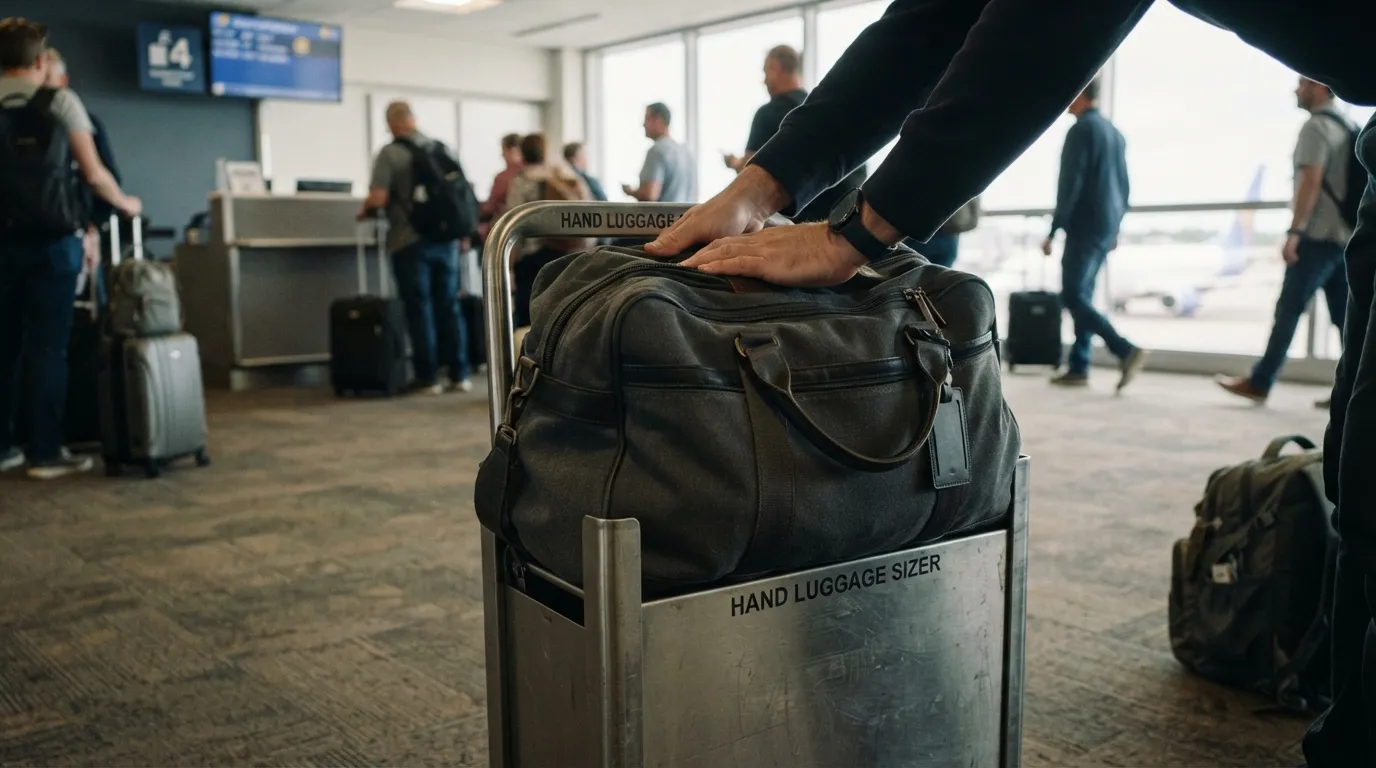
A rigid hard-shell suitcase has no give. If it’s a centimeter too big, a sizer frame will show it immediately.
A soft-sided bag or duffel can often squeeze into the frame, and it tucks under a seat more easily. Overstuffing still defeats the advantage, so don’t let a flexible bag trick you into packing past the limit.
#6 – Full Flights Can Send Your Bag to the Hold Anyway
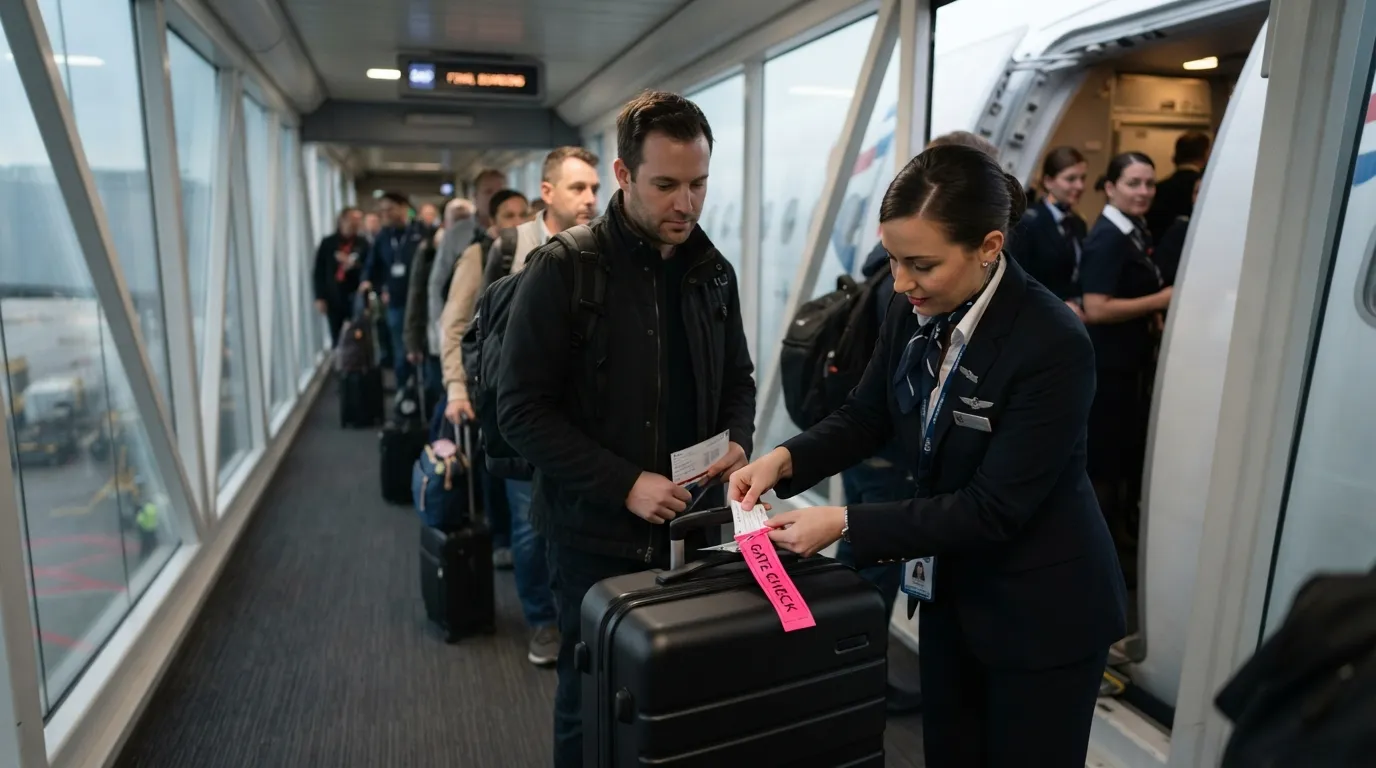
Overhead locker space can run out, especially if you board late. When it does, crew may gate-check cabin bags.
Boarding earlier can help, which is another reason priority boarding gets bought. Keep anything you can’t live without, like medication, documents, valuables, and chargers, in a small bag you can carry on.
#5 – Connecting Flights Follow the Strictest Rules
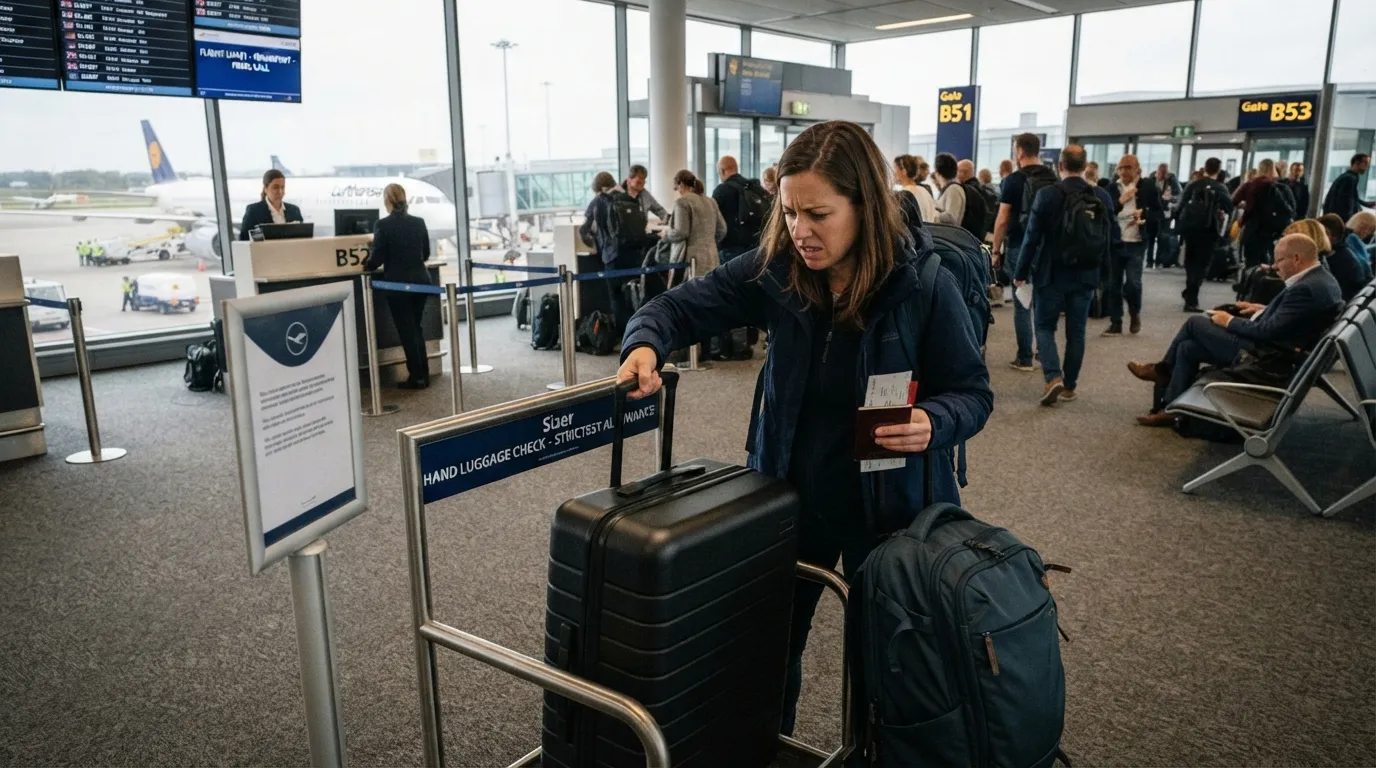
If your trip involves two airlines, the tightest allowance can decide what you may bring for the entire journey. A bag that’s fine on the first leg may be a problem on the second.
Check every carrier on your itinerary before you pack. The surprise usually arrives on the last leg, when you have no time or space left to fix it.
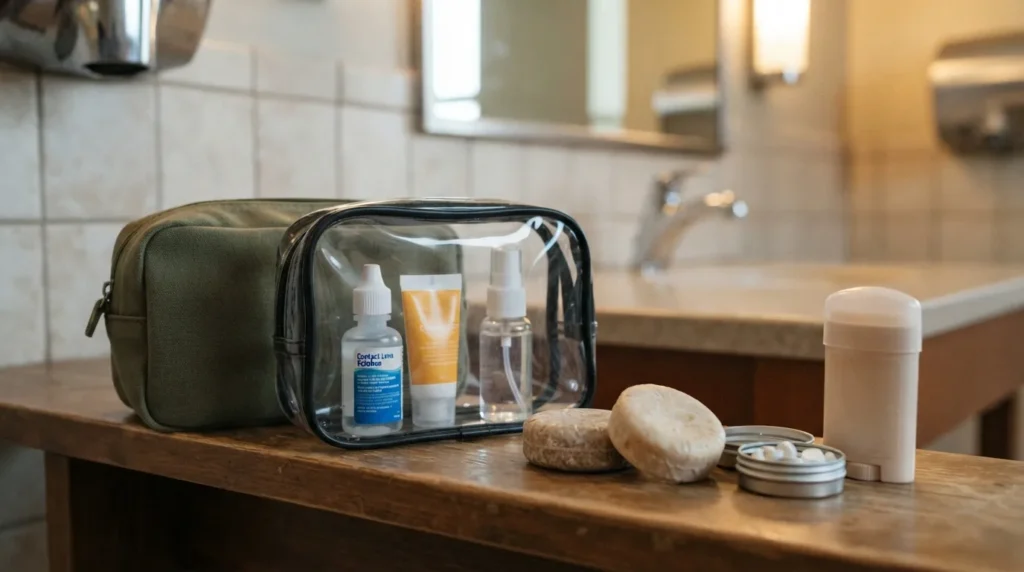
#4 – Solid Toiletries Dodge the Liquids Problem
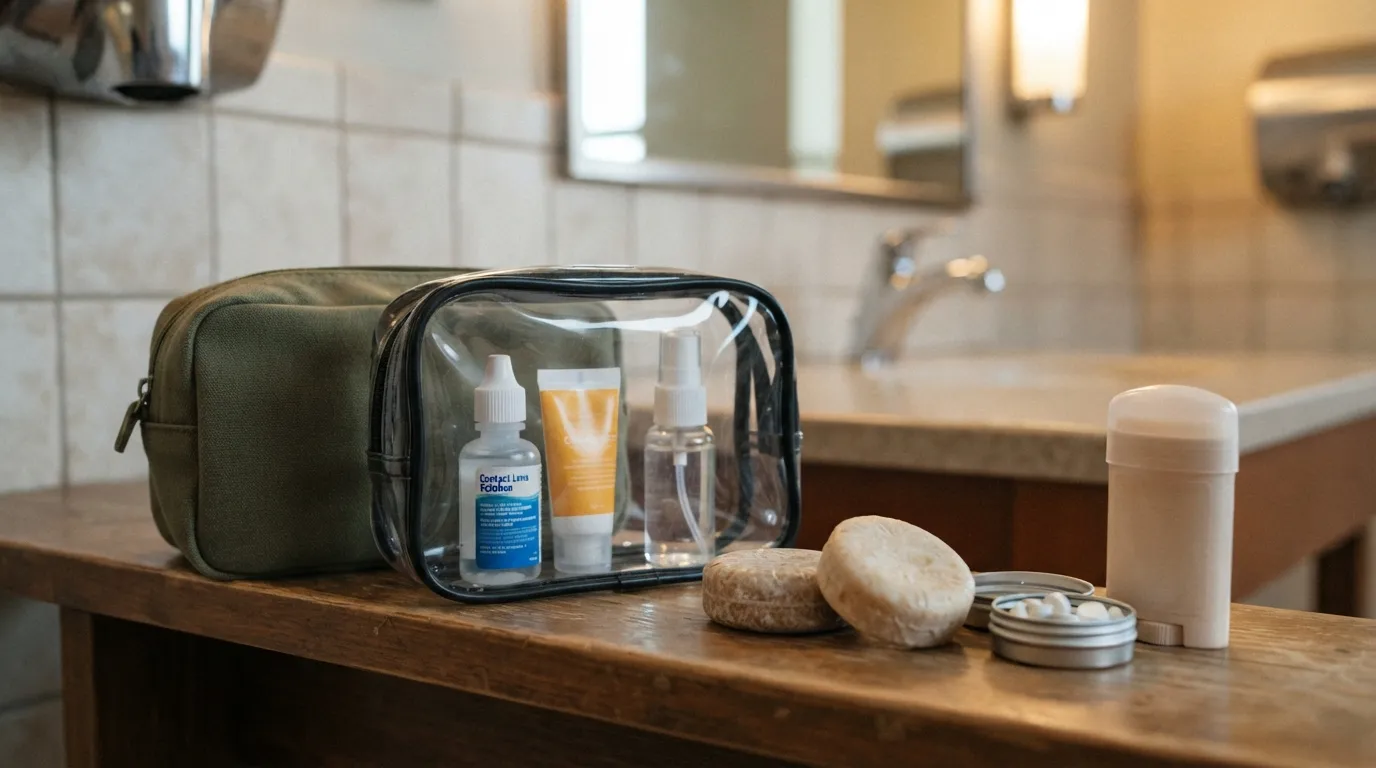
Bar shampoo, solid conditioner, toothpaste tablets, and stick deodorant stay out of the liquids rules entirely, because they aren’t liquids, gels, or aerosols.
You free up your clear bag for items that have no solid substitute, like contact lens solution or sunscreen. Fewer bottles also means fewer ways for something to leak across your clothes.
Why It Stands Out
- Solid products skip the 100 ml container rule entirely
- Your clear bag stays free for contact lens solution and sunscreen
- Fewer bottles means fewer leaks on your clothes
- Less to repack at the checkpoint
#3 – Some Airlines Let You Bring Two Bags
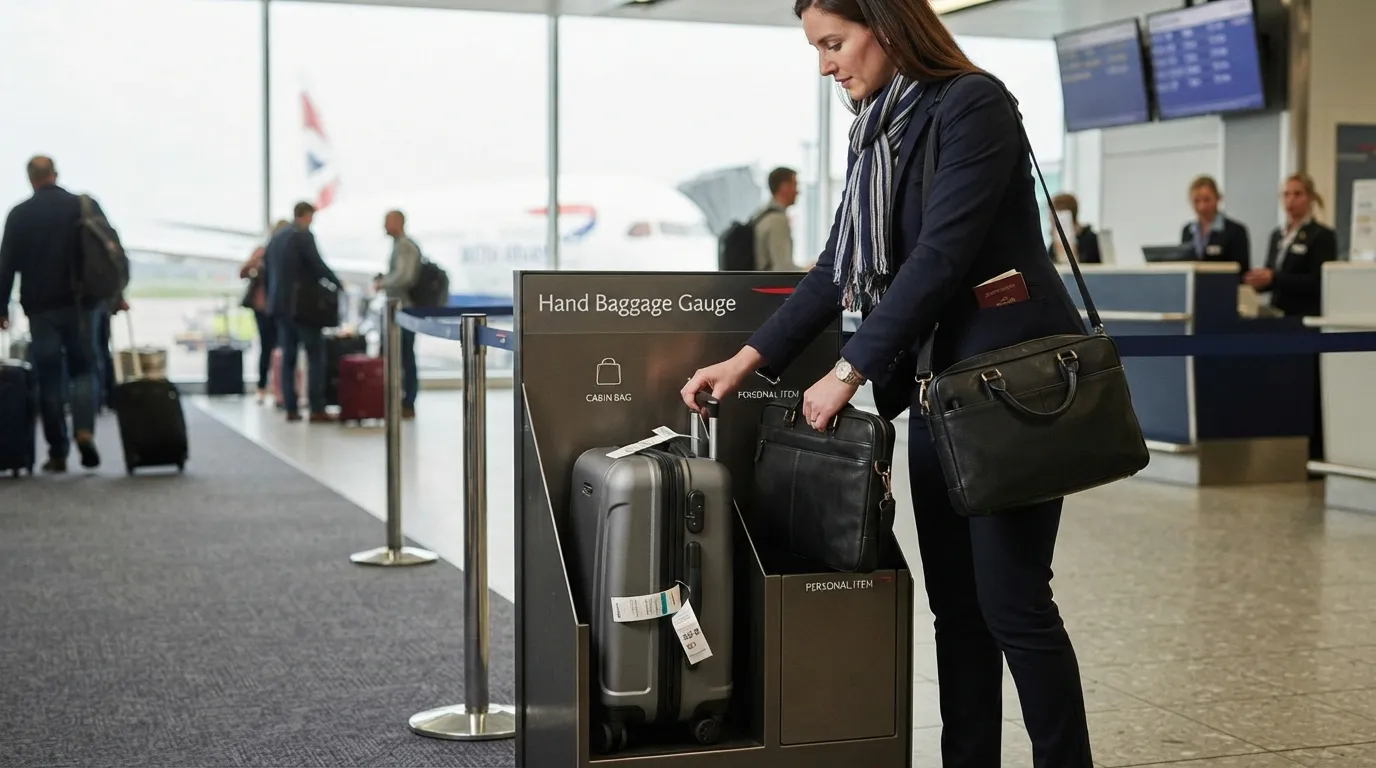
British Airways allows one cabin bag plus a smaller personal item, and the two have separate size limits. Many carriers follow a similar two-bag model.
Budget carriers often don’t. Packing a laptop bag and a carry-on assumes allowances that your ticket may not include, so confirm before you leave the house.
#2 – Pack to About 80 Percent Full
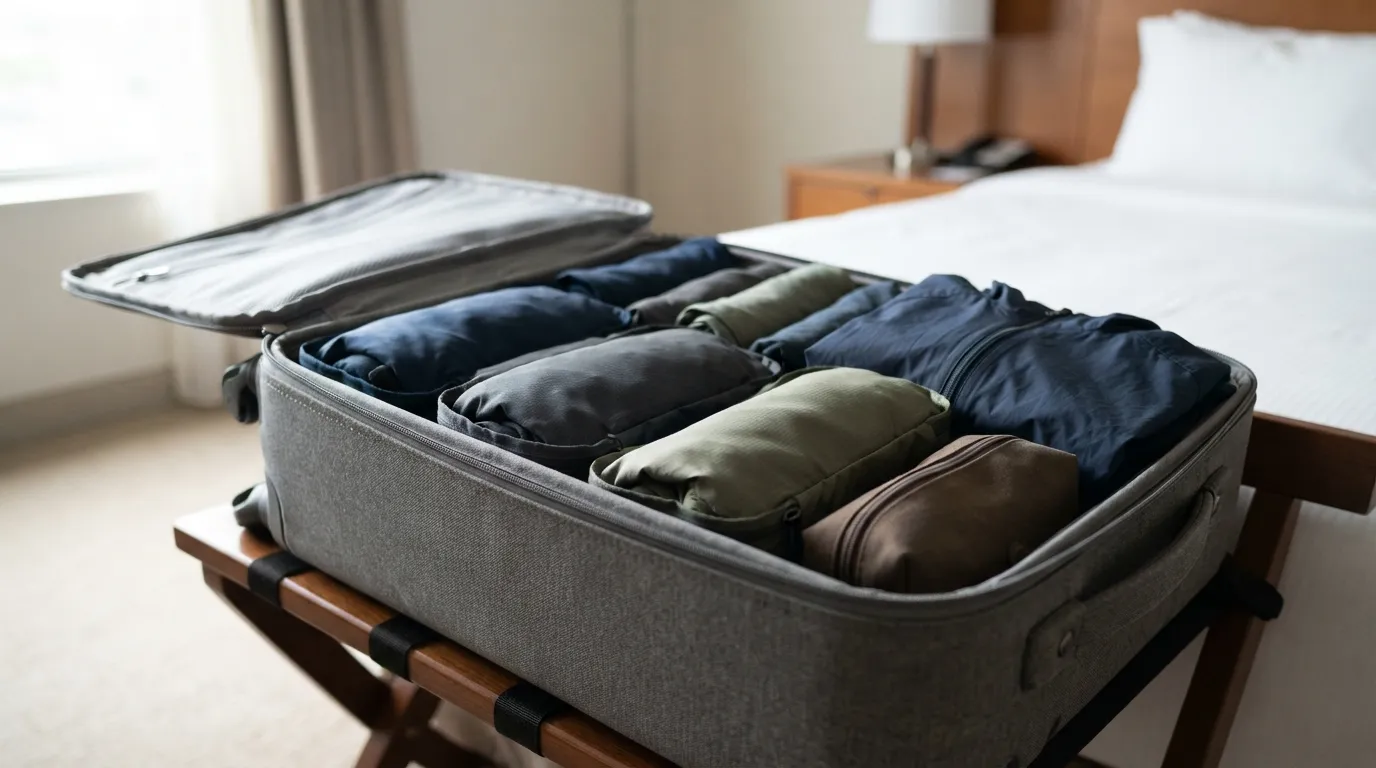
A bag stuffed to the zipper looks heavier, bulges past the frame, and attracts attention at the gate.
Leave a little slack. Packing cubes help, but they can also encourage you to cram more in. Souvenirs, a jacket, or a bought snack need space too, and that margin keeps the return trip from becoming a squeeze.
#1 – Rehearse the Whole Thing at Home
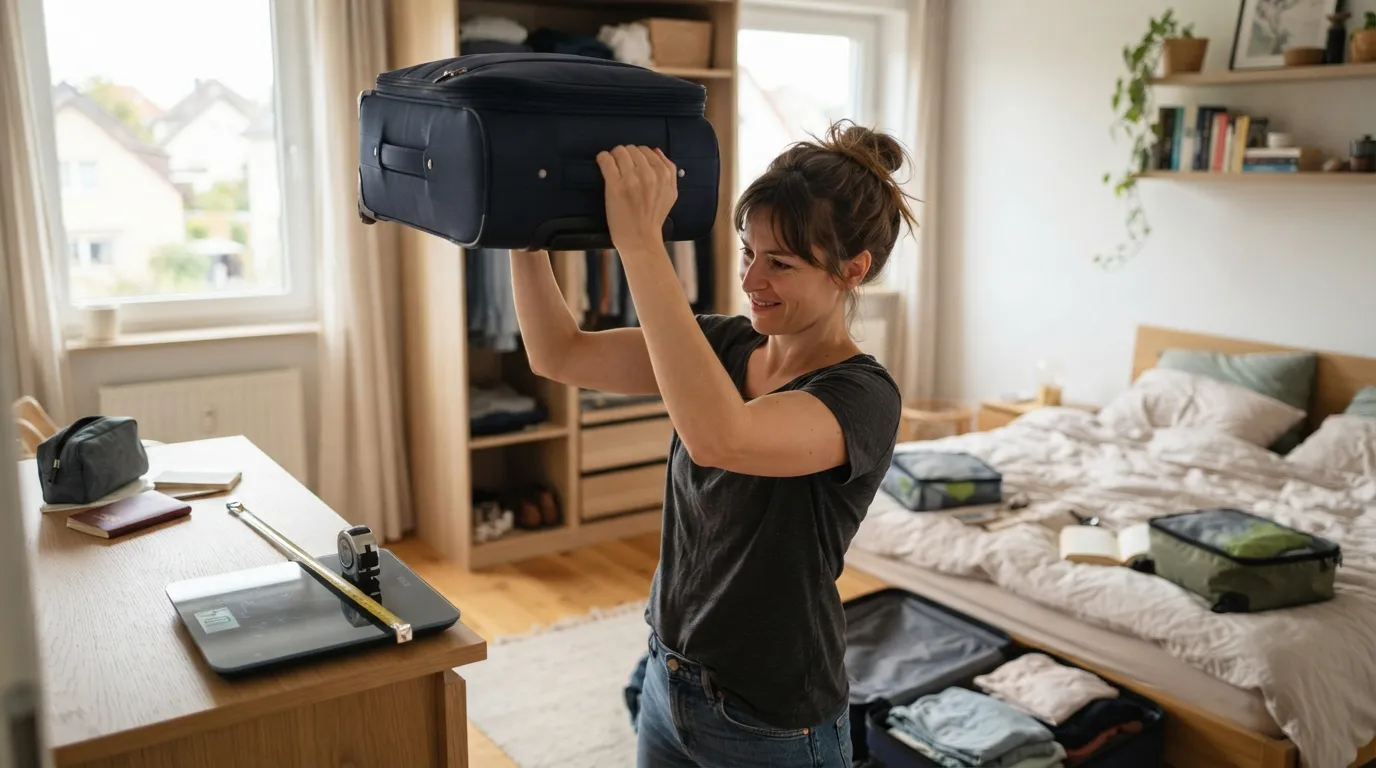
Pack the bag a few days early. Measure it with a tape, weigh it on a bathroom scale, and lift it above your head the way you would at the locker.
Limits change, so check your airline’s current page before you go. If the bag passes at home, it’s far more likely to pass at the gate, where there’s no time to unpack and rethink.
CEO-Co-Founder