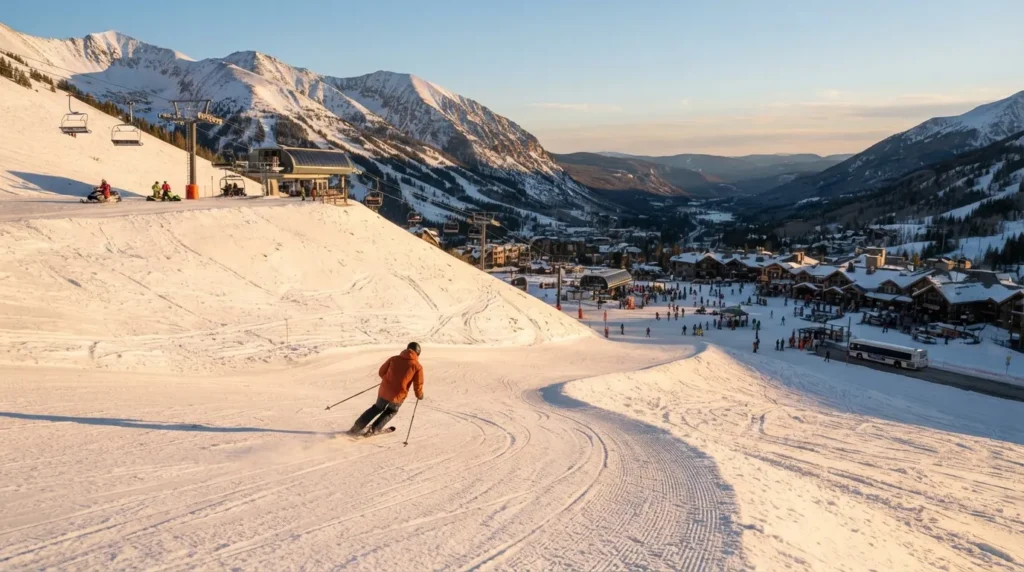

You booked the tickets, packed the layers, and figured the hard part was over. Then the last chair stops turning, and your easy ski day turns into a scramble. These are the 16 end-of-day rules that quietly decide whether your evening goes smoothly or ends in a long, clunky walk in ski boots.
None of this makes the glossy brochures. Resort operations shift with snow, staffing, and crowds, and one detail waiting at #1 shapes everything that happens after your final run.
#16 – Lift Operating Windows Shift Daily
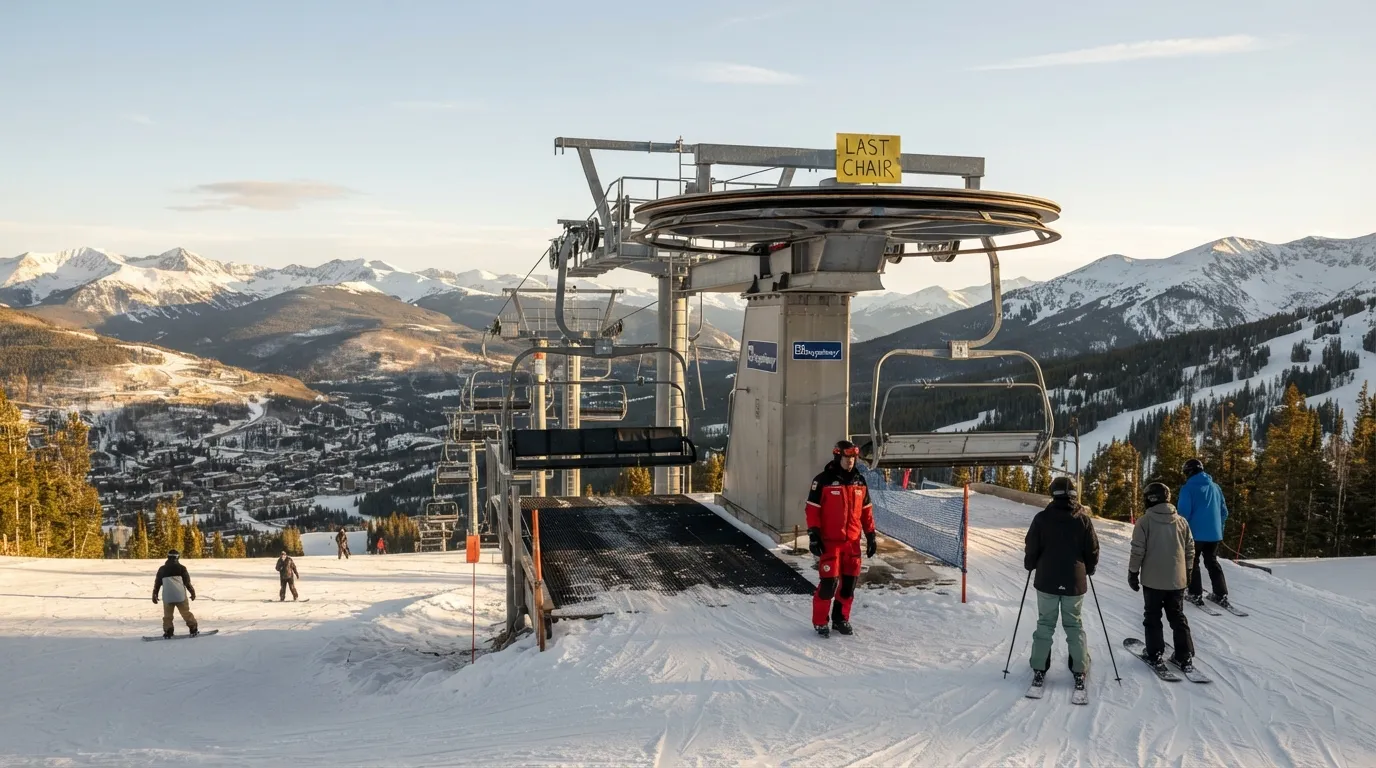
Posted lift hours are closer to a starting point than a promise. Actual start and stop times can change with snow conditions and staffing.
Many resorts open the first chairs between 8:30 and 9:00 a.m. and close lifts in stages through the afternoon. The last lift often stops between 3:30 and 4:00 p.m. on weekdays, and some areas shut earlier to leave time for a safe descent.
Check the resort app or base lodge board each morning, not yesterday’s schedule. Trails can also close while lifts keep running to limited terrain.
Next up: a step that can leave you stuck at the gate.
#15 – Season Pass Activation Requires On-Site Steps
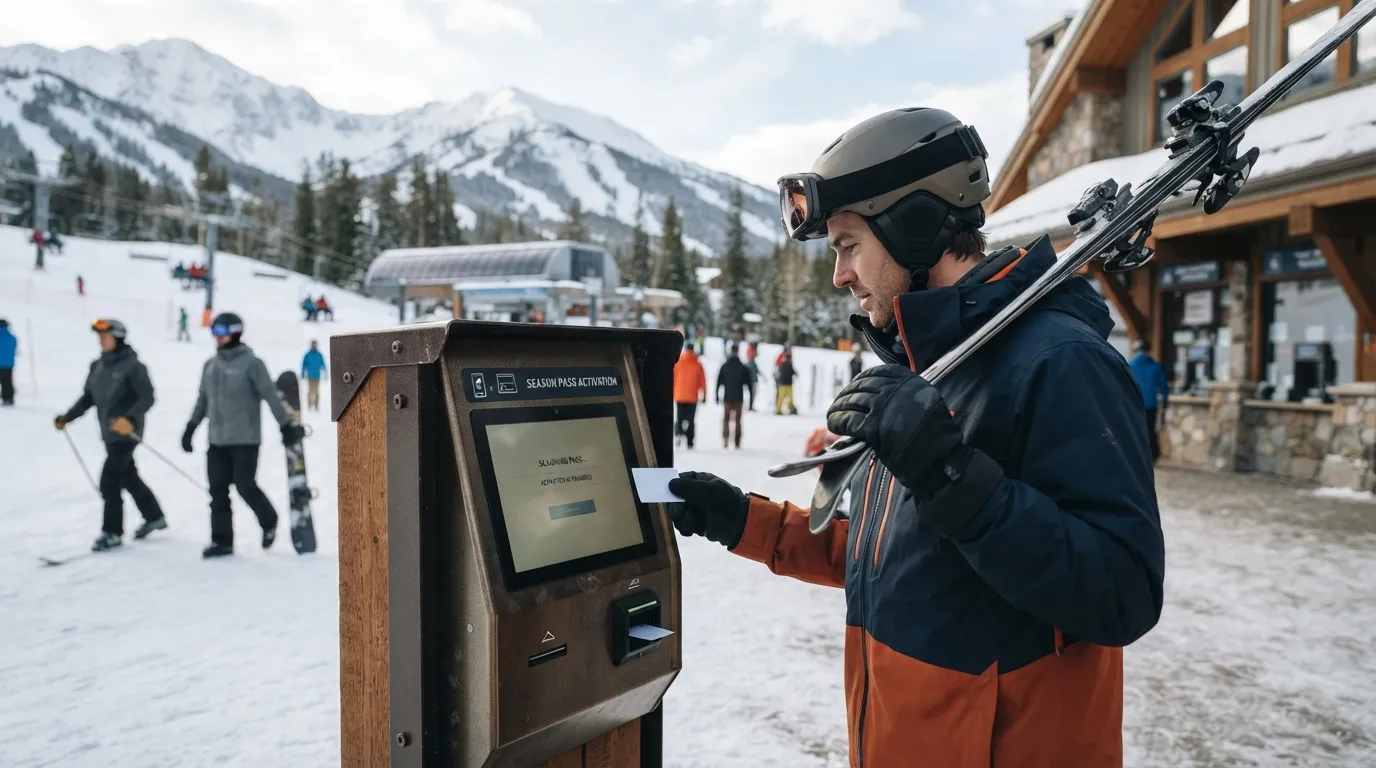
You bought the pass online months ago, so it should just work. At many resorts it won’t, because it has to be activated at a ticket window or kiosk before first use.
Activation links the pass to your photo and account in the resort system. Without it, the scanner at the lift gate rejects your card.
Some properties let you activate the evening before opening day, while others require it on the day of your first visit. Bring the confirmation email and a government-issued ID.
Next: the deadline that can make a good day cost extra.
#14 – Rental Returns Follow Strict Cutoff Times
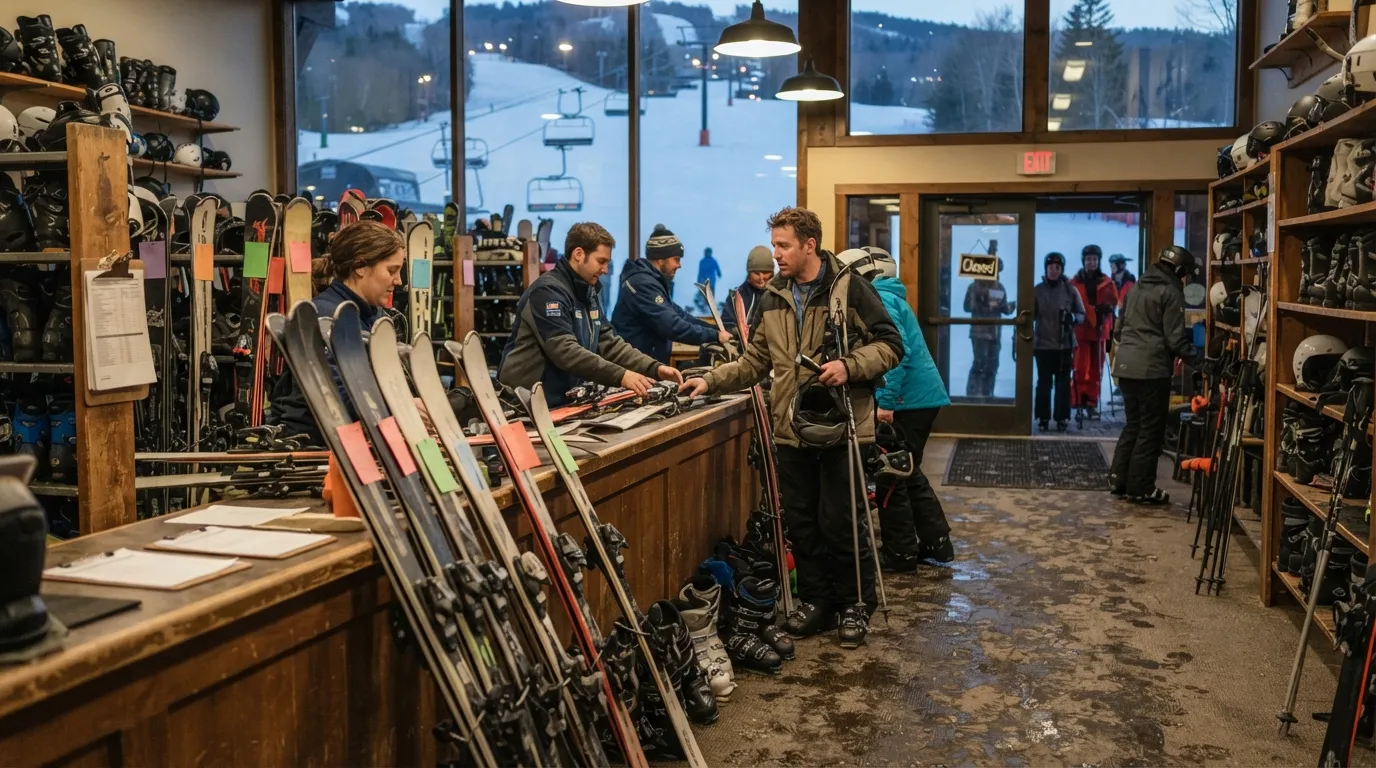
Rental shops don’t stay open until the last skier wanders in. Return deadlines are typically 30 to 60 minutes before closing, so staff can inspect and store the gear overnight.
Late returns can trigger extra day charges or limit future rentals at that shop. At pickup, inspect skis, boots, and poles for existing damage and note it on the form.
Return everything to the same location where you rented it.
Next: the storage scramble nobody warns you about.
#13 – Locker Availability Changes by Time of Day
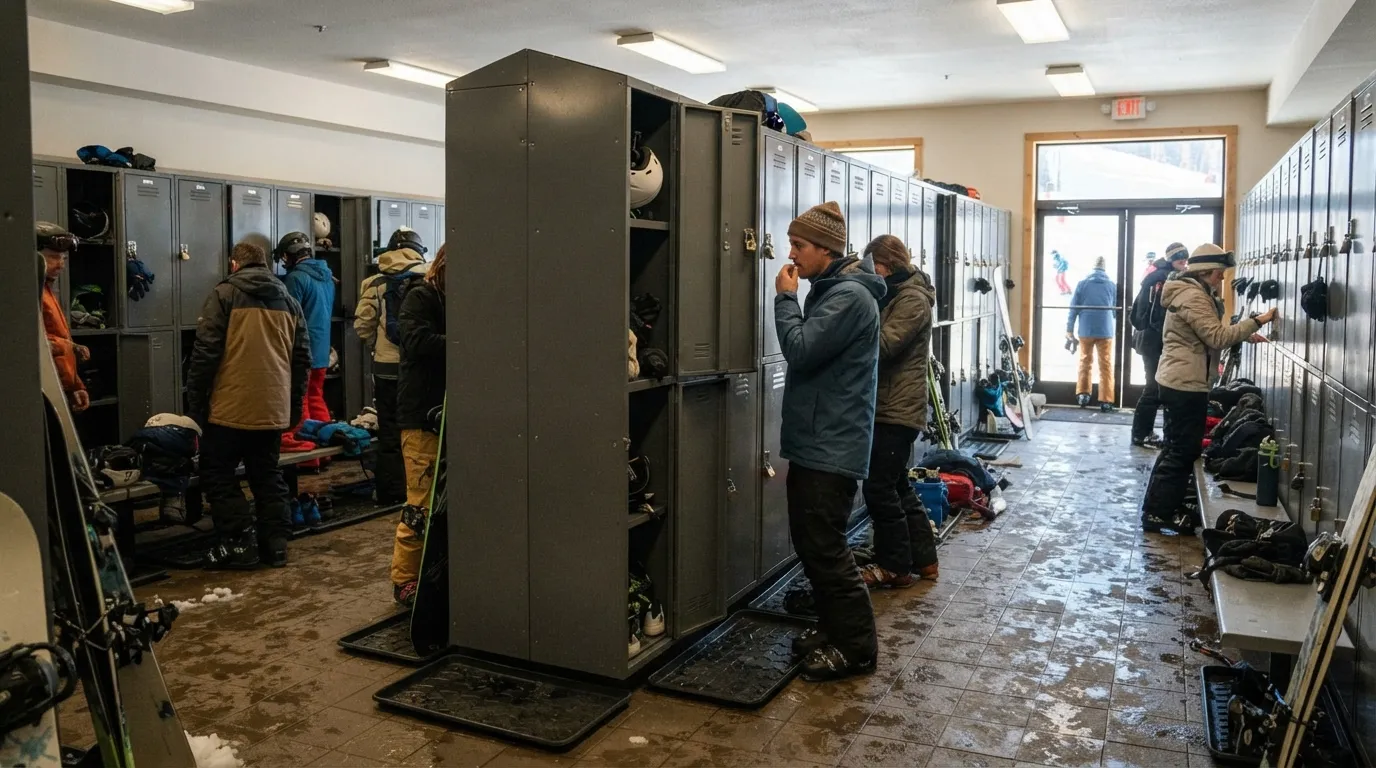
On weekends and holidays, base area lockers can vanish before the lifts even open. Many resorts offer only day-use lockers that must be emptied by a set hour.
Overnight storage usually means separate arrangements or a membership program. Arrive early, or reserve through the resort website when that’s an option.
Some villages also have off-site locker facilities with shuttle access.
Next: the bus that doesn’t stop where you think it does.
#12 – Shuttle Routes Serve Specific Lodging Clusters
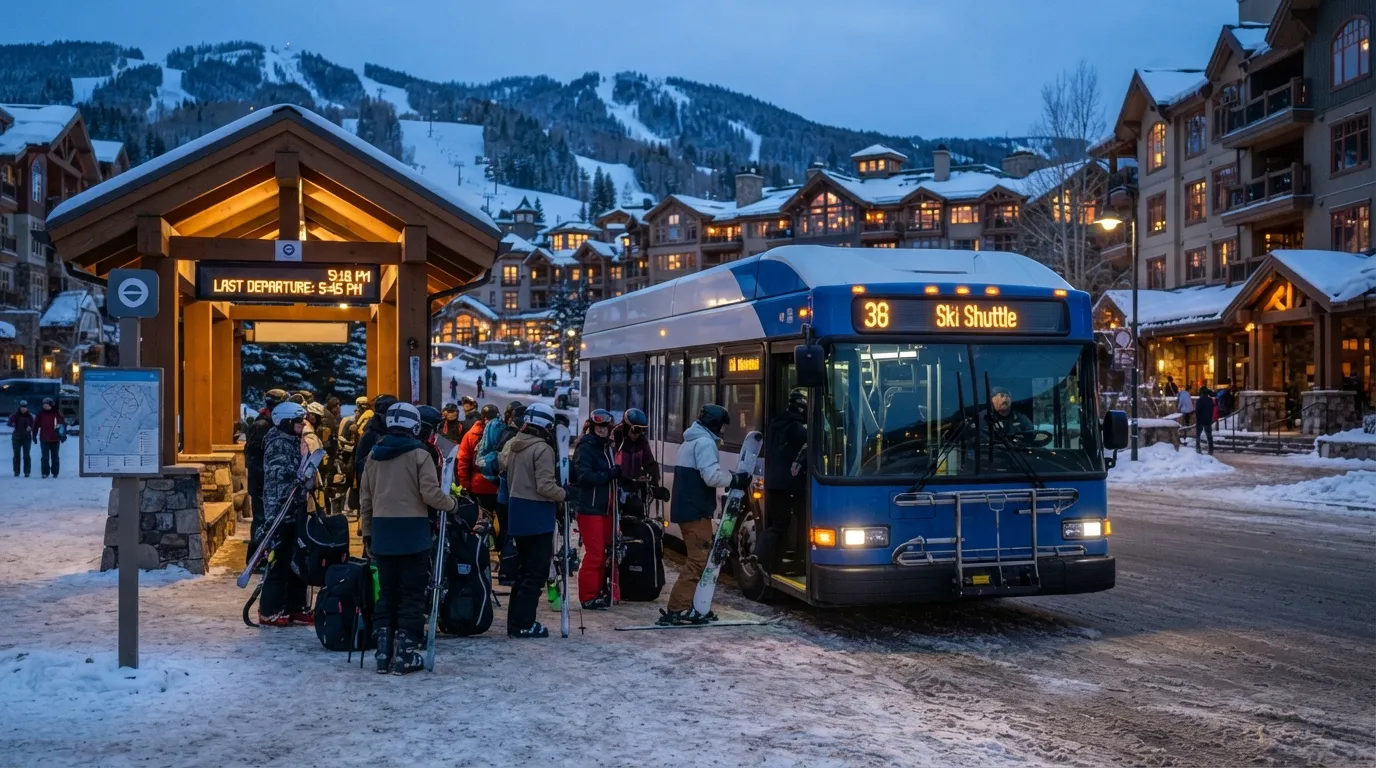
Resort shuttles, free or paid, follow fixed routes. They stop only at designated lodging properties and parking lots, and not every hotel sits on a direct line.
Schedules also tighten after 5 p.m., right when everyone is trying to get back. Confirm your lodging’s stop number and the last departure time before you head out.
At a Glance
- Shuttles run fixed routes, whether free or paid.
- Stops cover designated lodging and parking lots only.
- Evening schedules tighten after 5 p.m.
- Know your stop number and the last departure time.
Drivers generally stick to the route, so don’t count on an unscheduled pickup.
Next: the board that knows what your trail map doesn’t.
#11 – Trail Closures Post on Digital Boards First
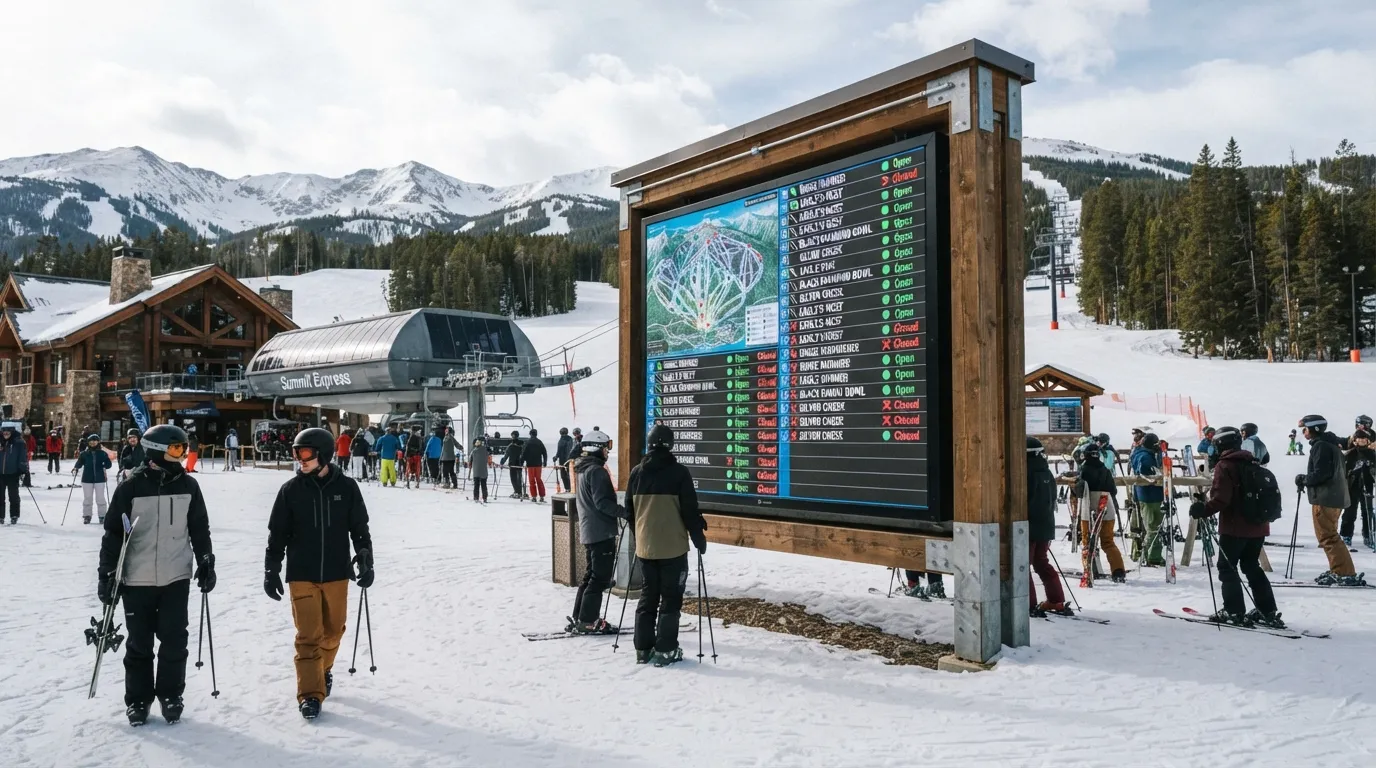
That printed trail map in your pocket may already be out of date. Trail status updates show up first on electronic boards at lift bases and in the mobile app.
Closures often come from grooming cycles or avalanche control, not just weather. Scan the board each morning and again after lunch, because a closed trail may reopen later the same day once the work finishes.
Next: the pause that keeps you on the mountain with nowhere to go.
#10 – Weather Holds Pause Lifts Without Full Closure
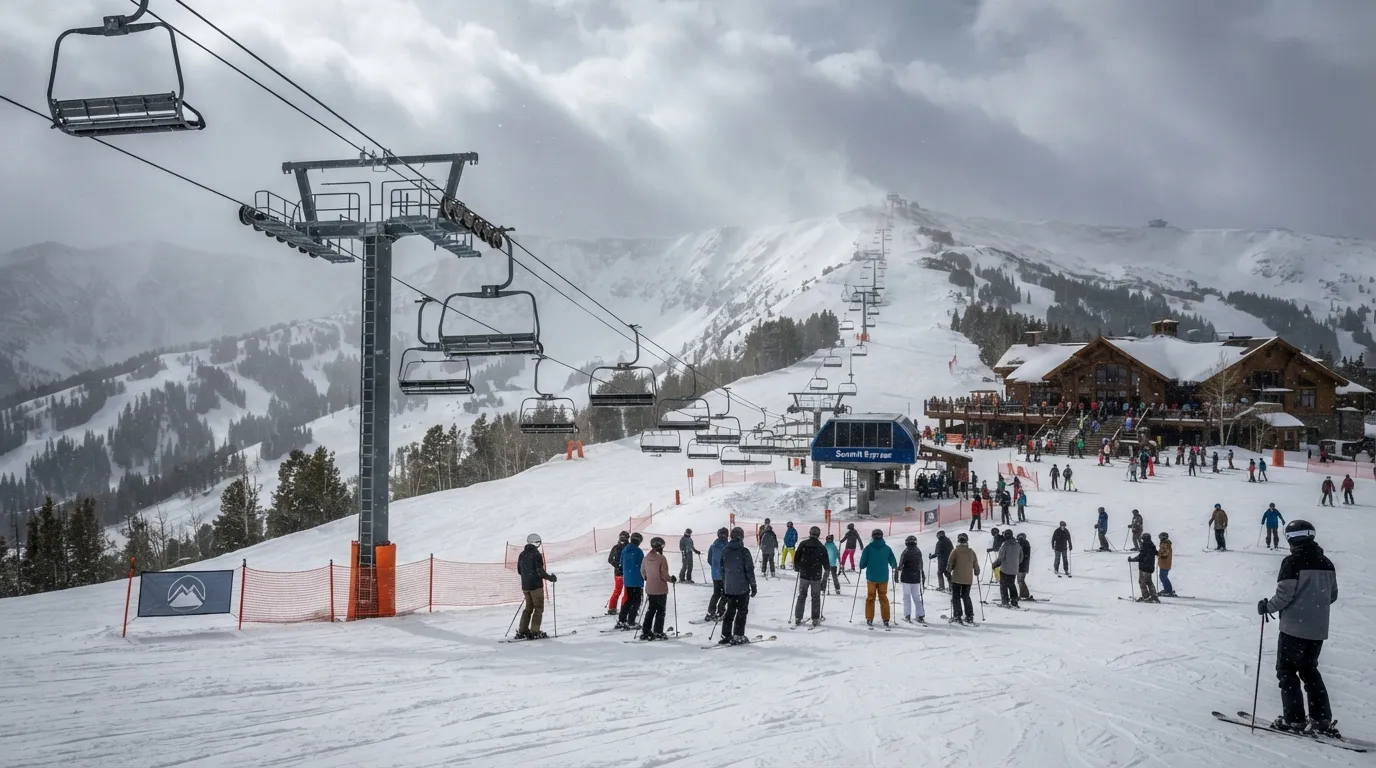
High winds or lightning can freeze the lifts for 30 minutes to several hours while crews assess conditions. The resort isn’t closed, but you can’t get to new terrain until the chairs start up again.
Stay near a lodge or mid-mountain facility during a hold. Announcements come through the speakers and the app.
Next: the lesson spot you thought you could grab at the last minute.
#9 – Group Lessons Fill by Age and Ability Cutoffs
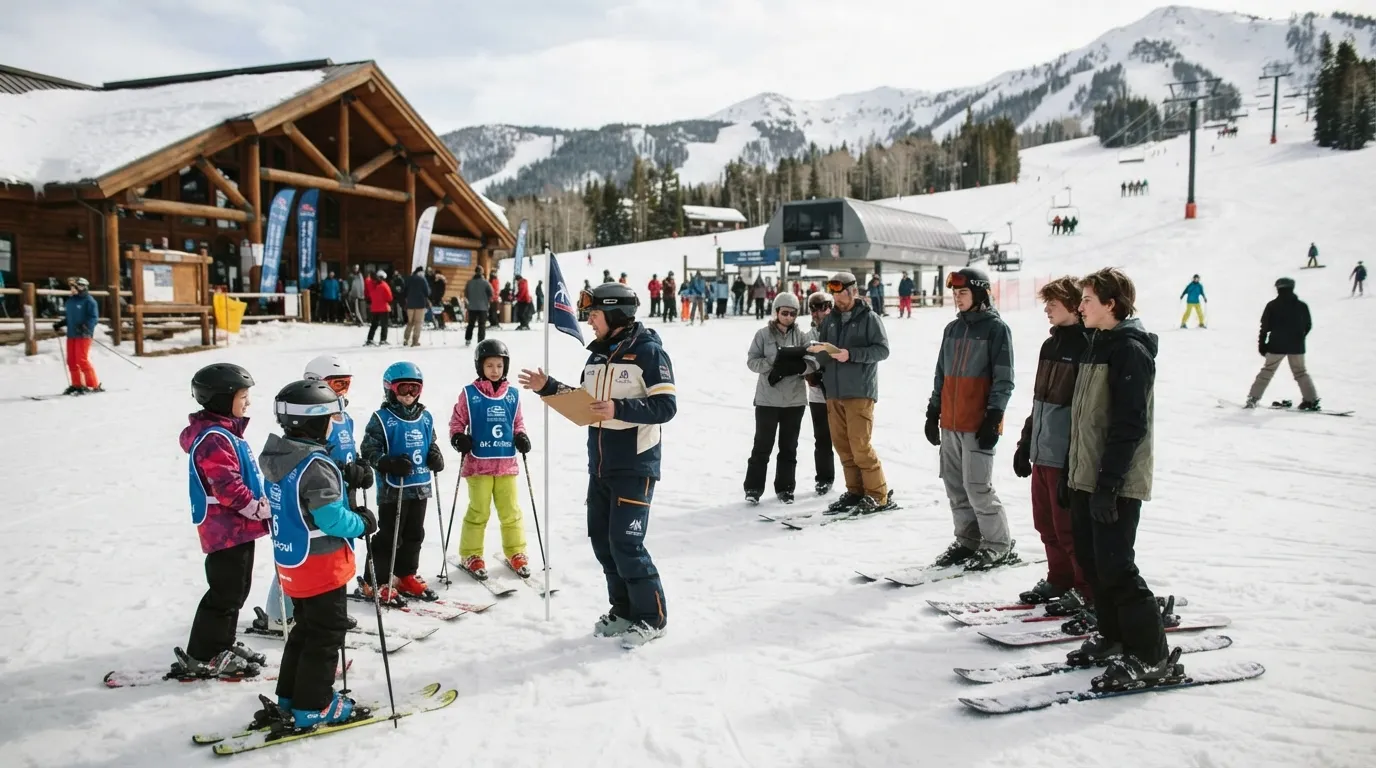
Lesson desks place people in groups by self-reported skill level and age bracket. Registration closes once a group is full.
Fast Facts
- Groups are set by self-reported skill level and age bracket.
- Registration closes when a group fills.
- Arrive at the meeting area 15 minutes early.
- Have your lift ticket purchased before you show up.
Walk-up spots are limited and often unavailable during peak weeks. Late arrivals may be reassigned or rescheduled.
Next: the loop that decides how you get home.
#8 – Village Transport Runs on Fixed Loops
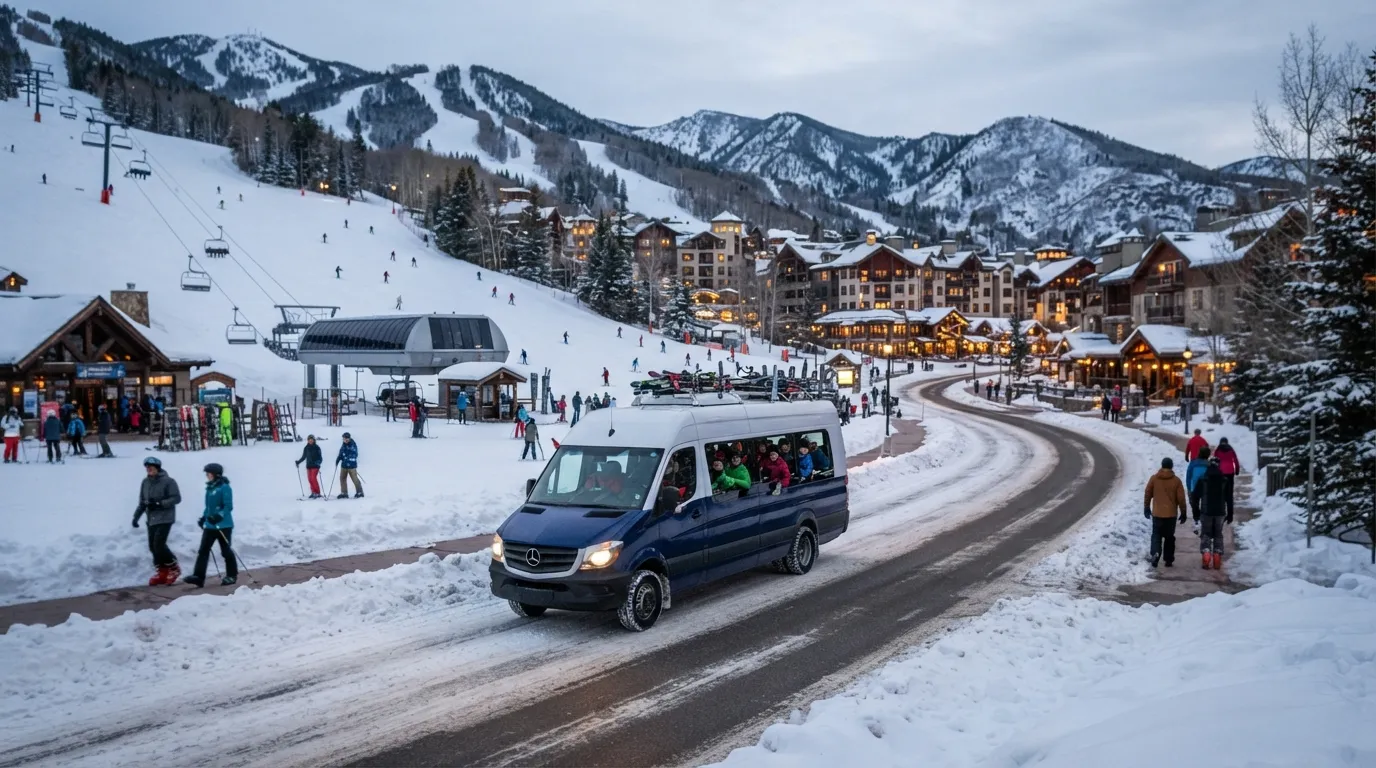
Many resorts run small buses or gondolas between the ski base and the village center at set intervals. These services stop at the last lift closing time plus a short buffer.
Plan your return trip before your final run, unless you enjoy long walks in ski boots. Some loops keep going later for dining access only.
Next: the parking rule that can follow you back to the car.
#7 – Parking Lots Have Time-Limited Zones
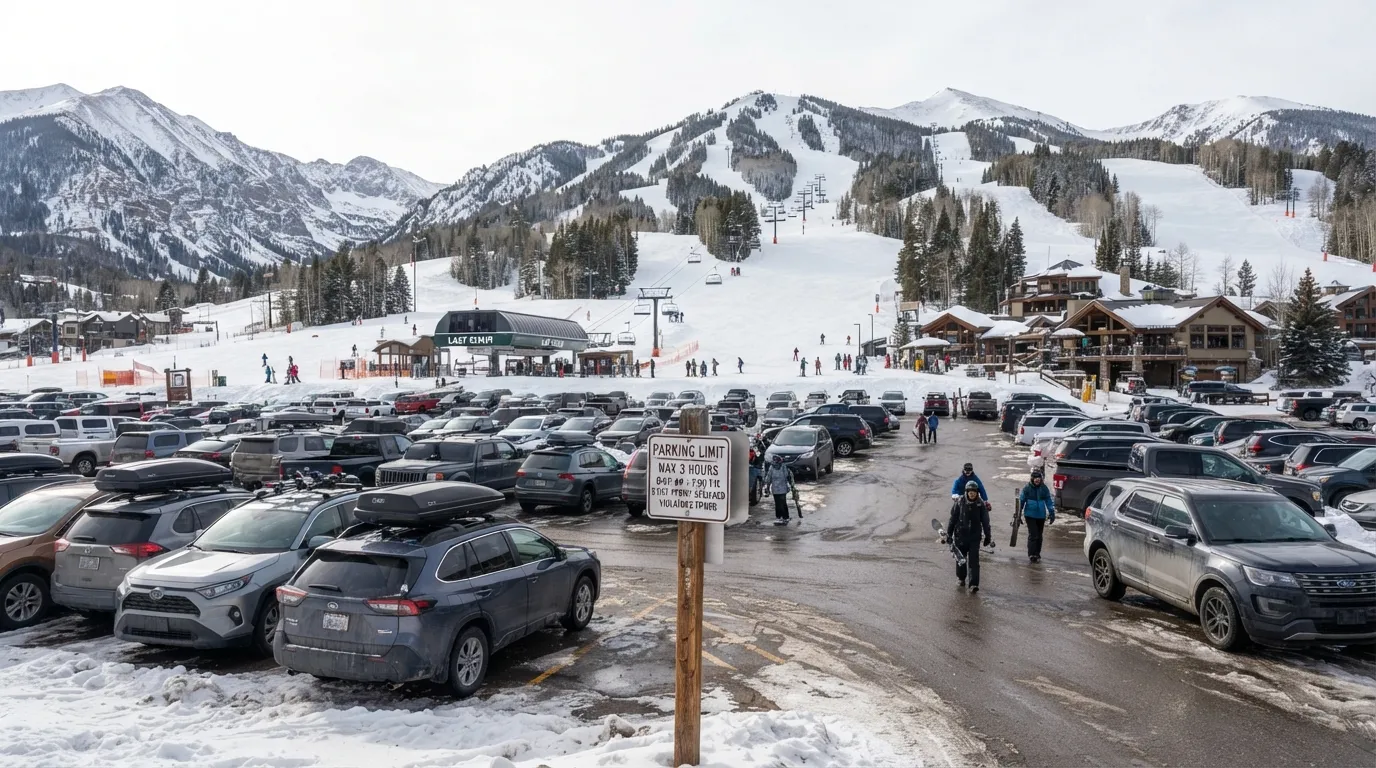
The lots closest to the base often enforce maximum stay limits or require a permit on your dashboard. Overflow lots sit farther away and may charge separate fees.
On busy days, arrive before 8 a.m. to get a closer spot. If you’re staying multiple days, check the signs for overnight rules.
Next: the kitchen that goes quiet before the lifts do.
#6 – On-Mountain Dining Windows Close Early
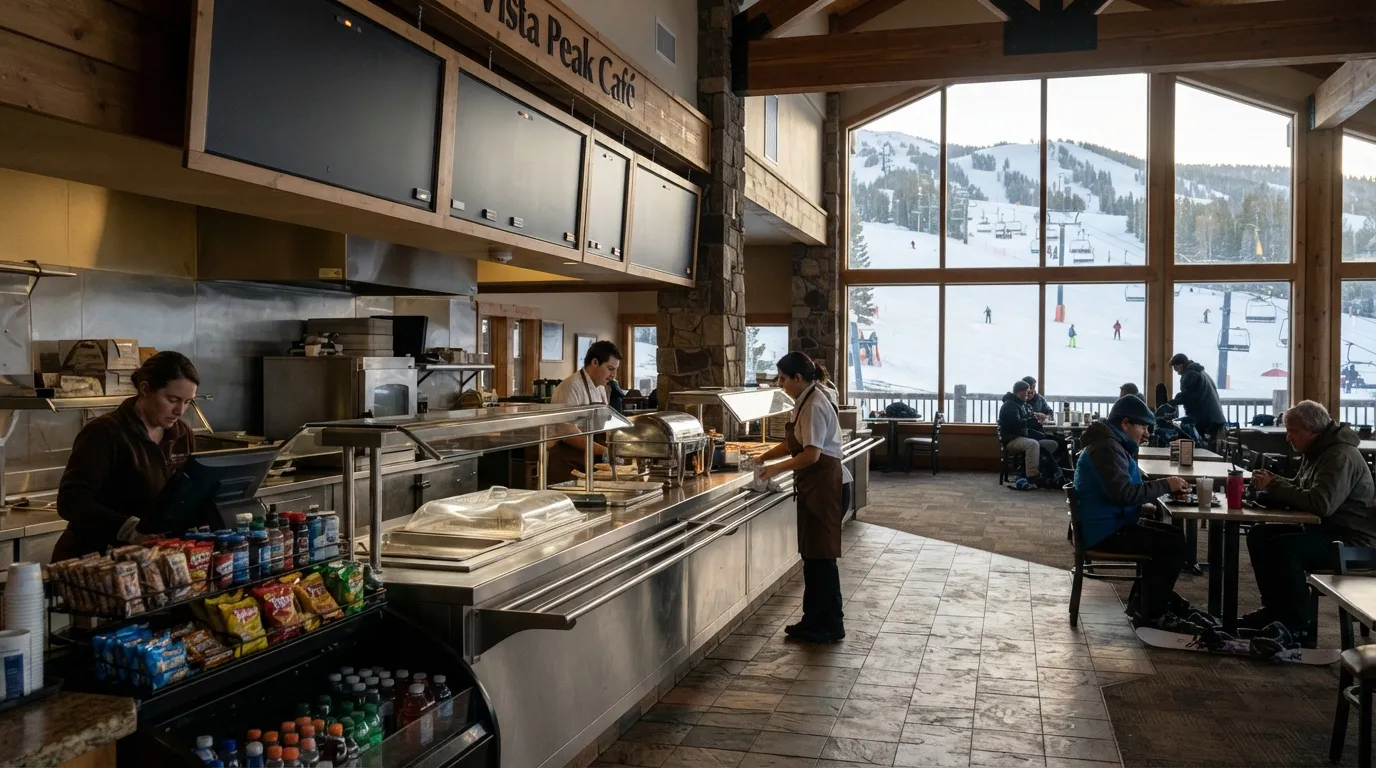
Mid-mountain cafeterias and quick-service spots often stop serving hot food 30 to 60 minutes before the lifts close, so staff can get down the mountain. Grab-and-go items may stay available longer.
Pack a snack, or eat at the base before heading up for your final runs. Some après options exist only at the village level.
Next: the fight for a table the minute the lifts stop.
#5 – Après Venues Prioritize Table Turnover
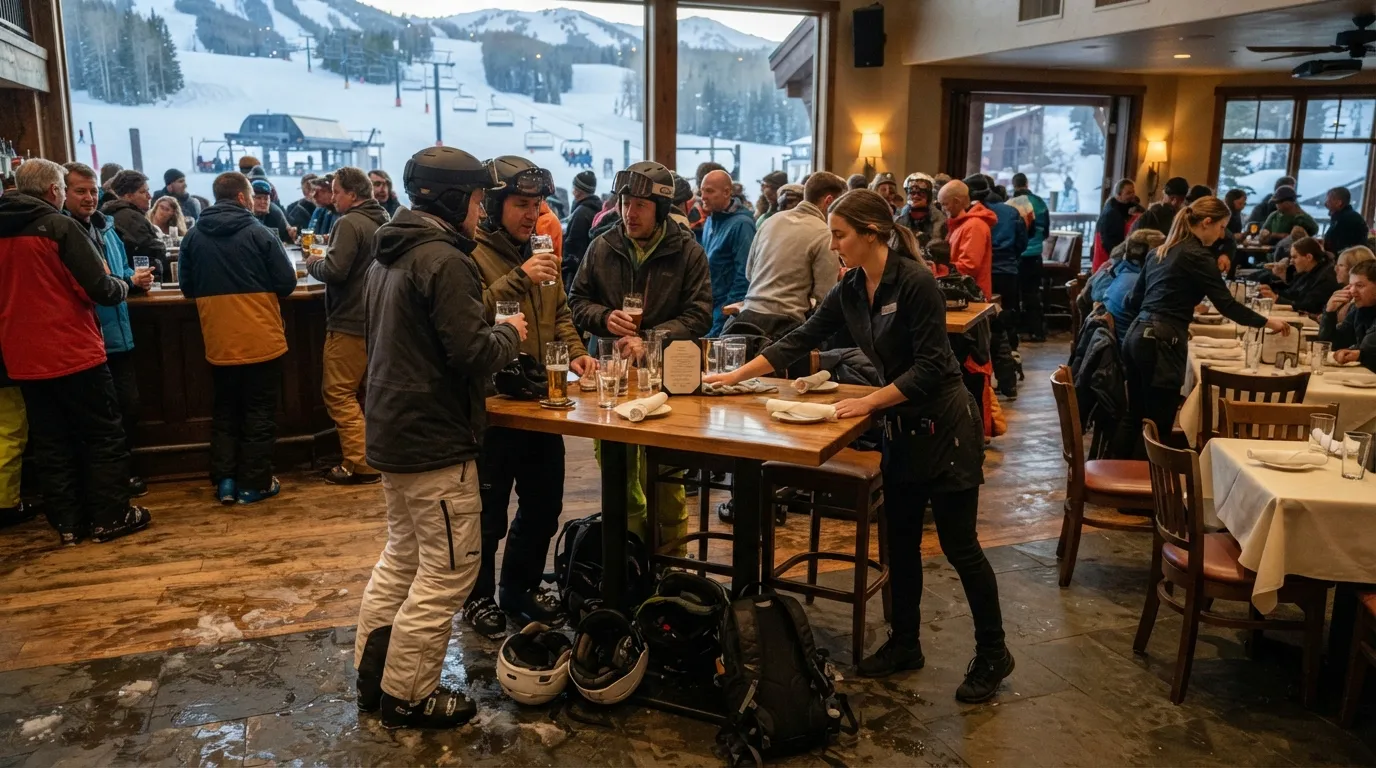
After 5 p.m., bars and restaurants near the base start clearing tables fast to make room for dinner reservations. Once the lifts stop, standing room fills up quickly.
If you want a seat, head over right after your last run. Many spots shift to full dinner service within an hour of closing.
Next: the gear that can’t just stay put.
#4 – Overnight Equipment Storage Needs Advance Notice
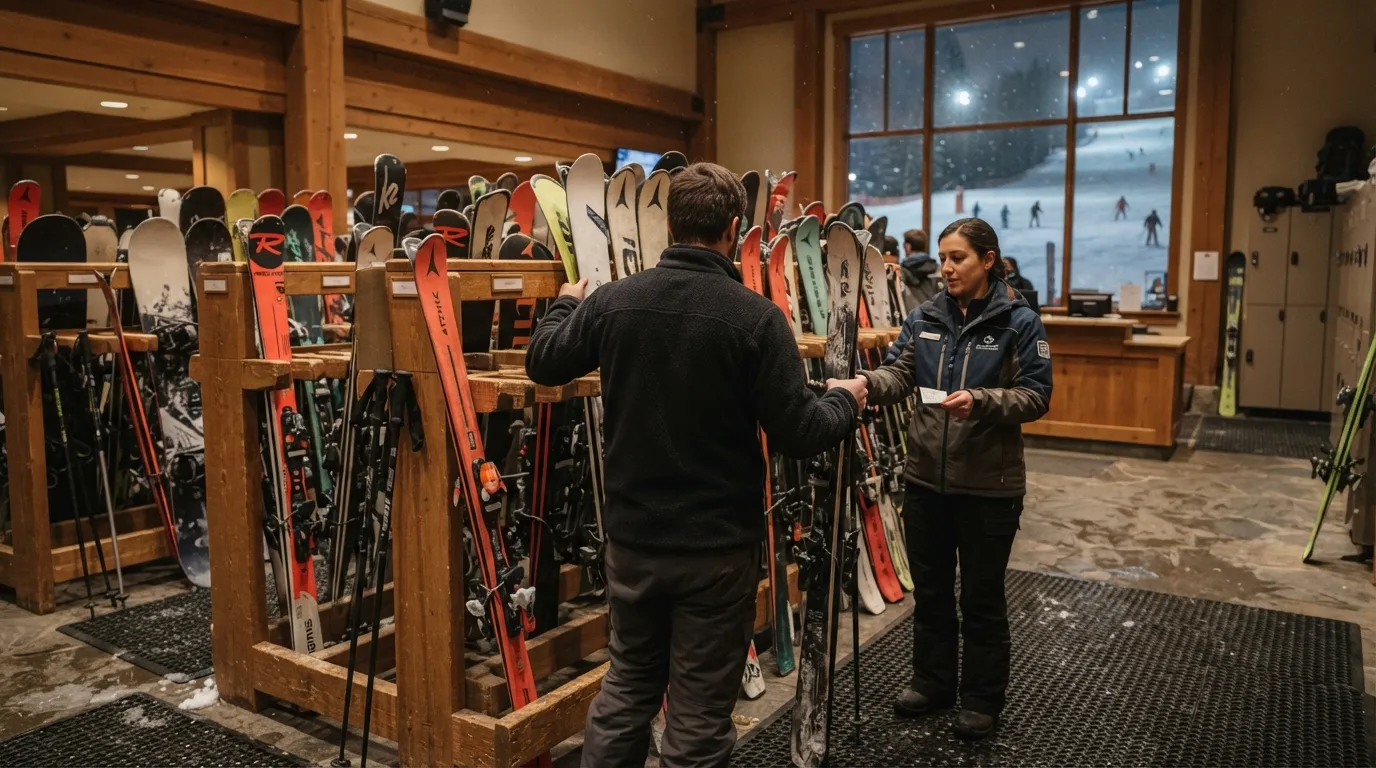
Some rental shops and base facilities will store your skis between multi-day visits. That usually means signing a waiver and paying a small fee in advance.
Worth Knowing
- Not every location offers overnight storage.
- Confirm at rental pickup instead of assuming.
- Expect a waiver and a small advance fee.
- Bring a lock if you use a public rack.
Next: the discount that can disappear at the ticket window.
#3 – Buddy Tickets Require Same-Day Validation
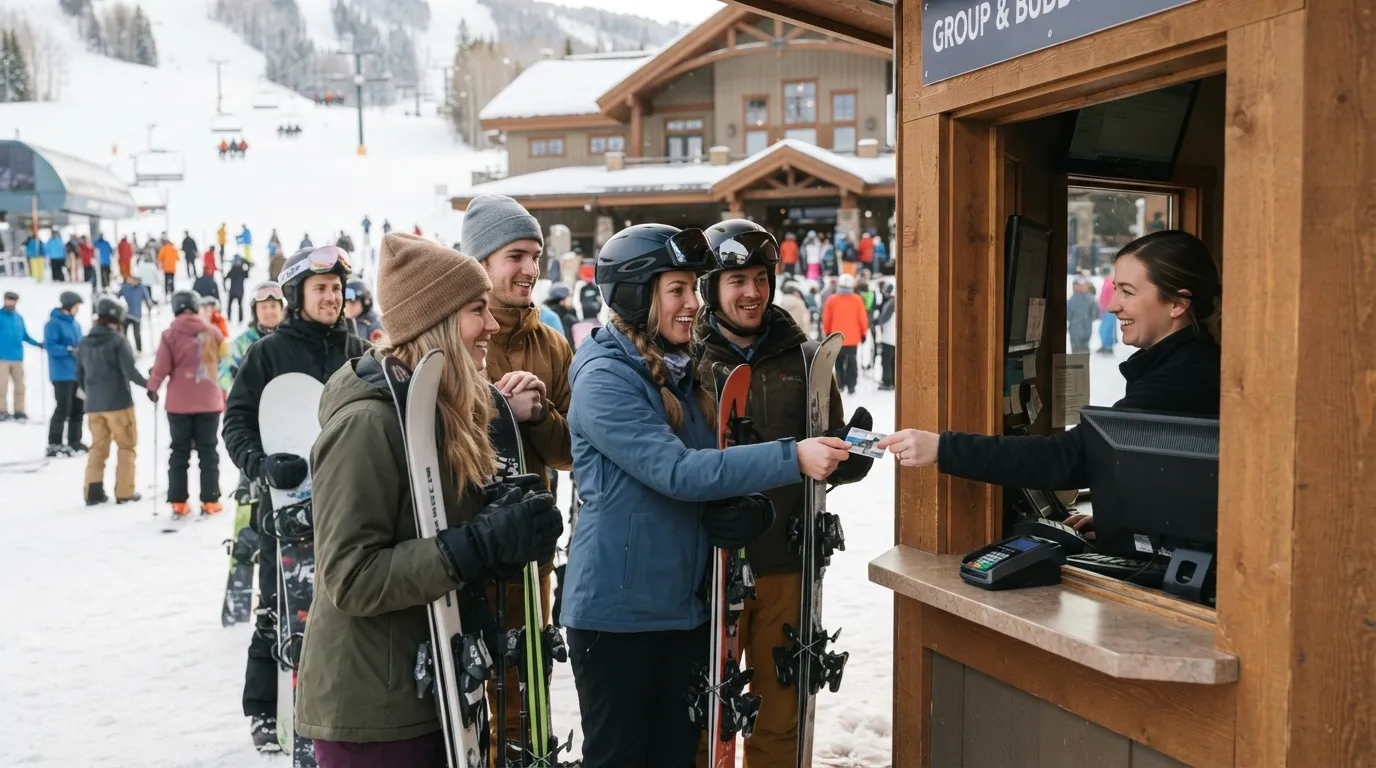
Some resorts sell discounted buddy or group tickets that must be validated together at the same window on the day of use. Validating separately can void the discount.
Keep your group together when you activate passes. One missing member can hold up the whole party.
Next: the walk back that catches people off guard.
#2 – Base Village Walkways Have Snow Removal Schedules
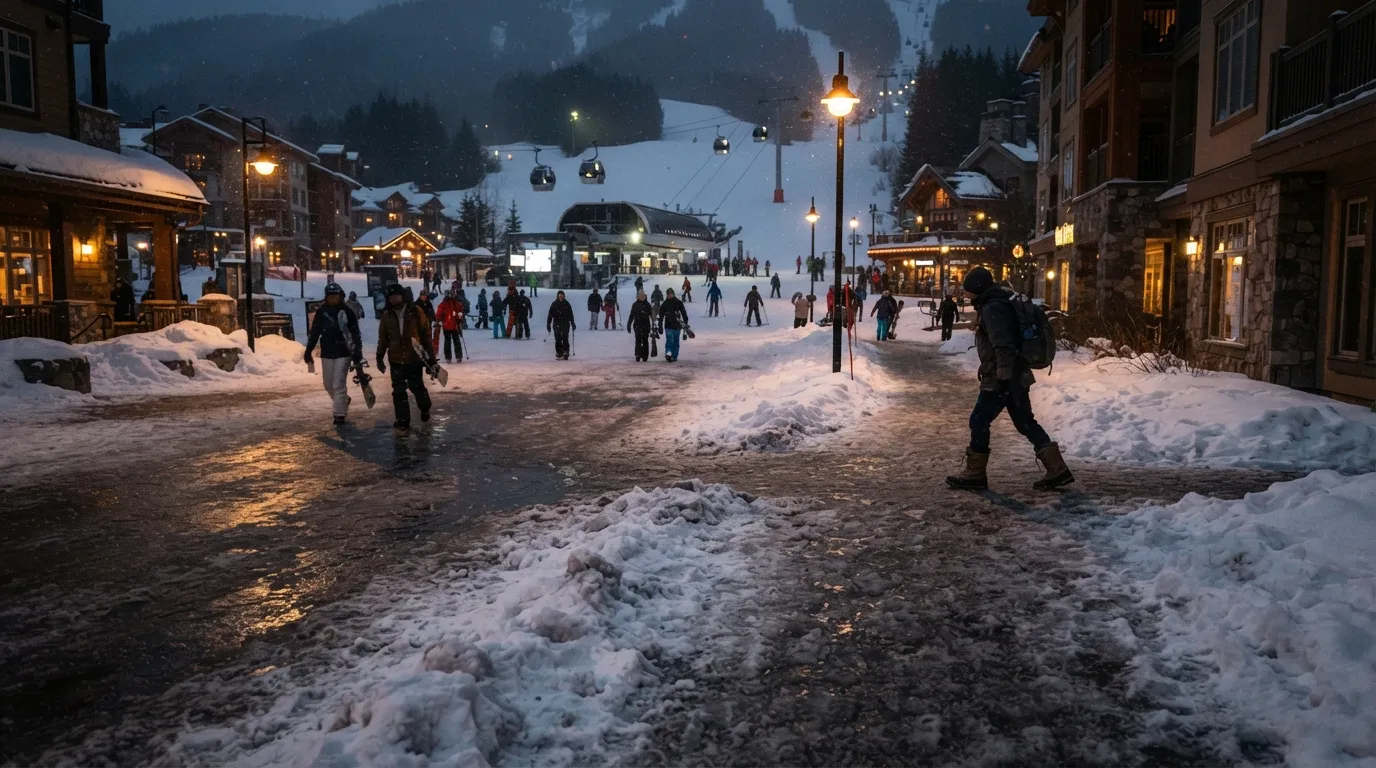
Resorts clear the main pedestrian paths on a rotating schedule, and lift access comes first. Side paths to some lodging may stay icy until later in the evening.
After dark, wear boots with good tread when moving between village locations. A small flashlight helps on poorly lit stretches.
And now, the detail that ties it all together.
#1 – Final Descent Timing Affects Everything Downstream
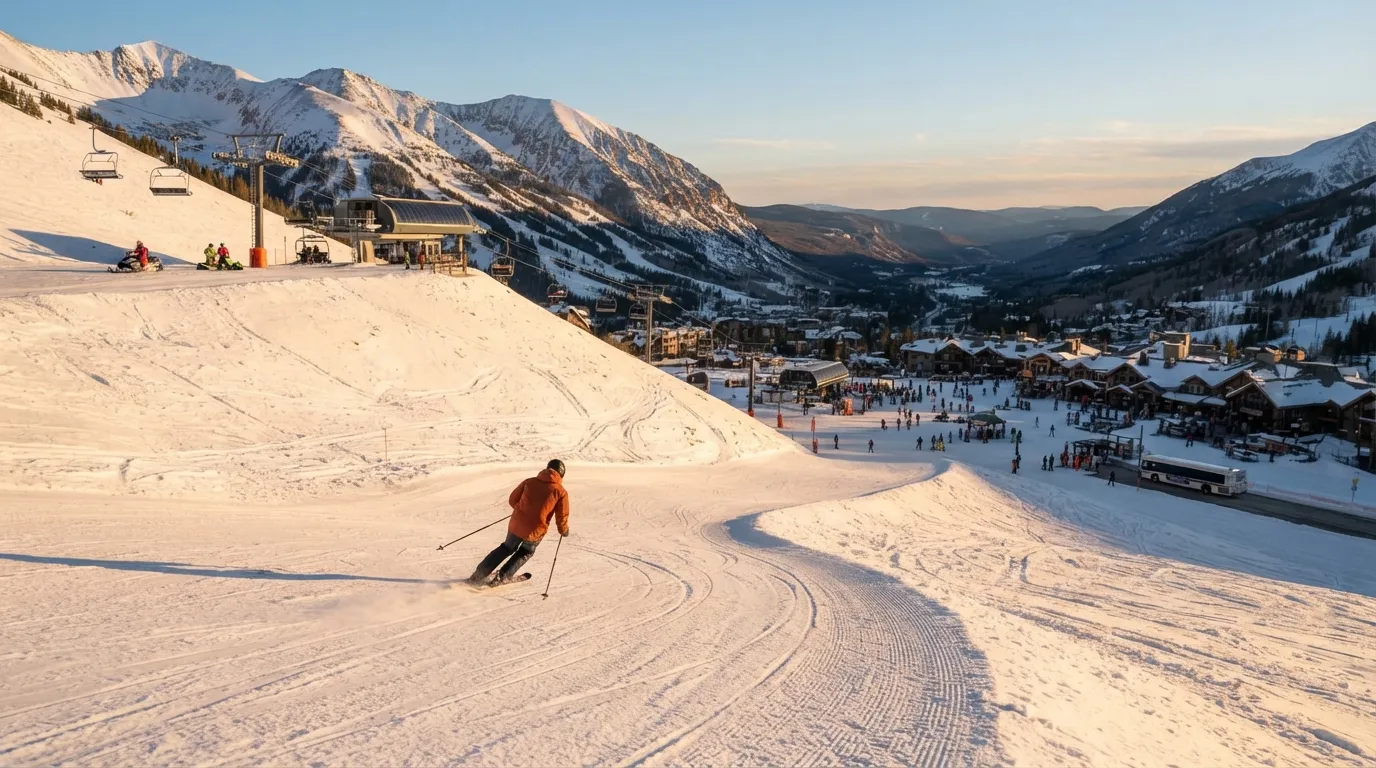
The most overlooked detail of all is the timing of your last run. Plan to finish it 20 to 30 minutes before official lift closure.
That buffer covers variable snow, crowded cat tracks, and the time it takes to reach the base before shuttles and village services wind down. Rush the final descent, and you raise the odds of missing a transport connection or a rental return window.
Quick Compare
- Finish 20 to 30 minutes early: time for variable snow, crowded cat tracks, and a calm trip to the base.
- Squeeze in one more run: a higher chance of missing a shuttle or a rental return window.
Resorts build their operations around that cushion, yet few guests plan for it. Most skiers are chasing one more run, but everything after the last lift depends on reaching the base with time to spare.
Ski resorts run on precise daily cutoffs for lifts, rentals, shuttles, and storage, and you only notice them once the mountain shuts down. Plan around those windows, and the end of your day feels a lot better. Did we miss one? Drop it in the comments.
CEO-Co-Founder