- 25 Bands and the First Song They Ever Released vs the Song They Are Known For - October 21, 2026
- Most people assume the pilot episode that airs is close to the creators' original vision, but networks routinely demand recasts, plot overhauls, and tone shifts that scrap major elements before a show reaches viewers. Production histories show these changes often saved series from cancellation. Here's what the data actually say. - October 21, 2026
- 25 TV Shows and Their Original Pilot vs What Actually Aired - October 21, 2026
Day one feels like a party. Day two still feels like an adventure. Then the third sea day arrives, the horizon looks exactly like it did yesterday, and you realize a transatlantic crossing runs on rules the brochure never mentioned.
Most people picture endless blue water and not much else. The real surprise is how much the schedule, the crowd, and the bill change when there is no port to escape to. Some of the sixteen points below are practical, and a few could change what you book.
#16 – Six to Nine Sea Days in a Row, and Sometimes More
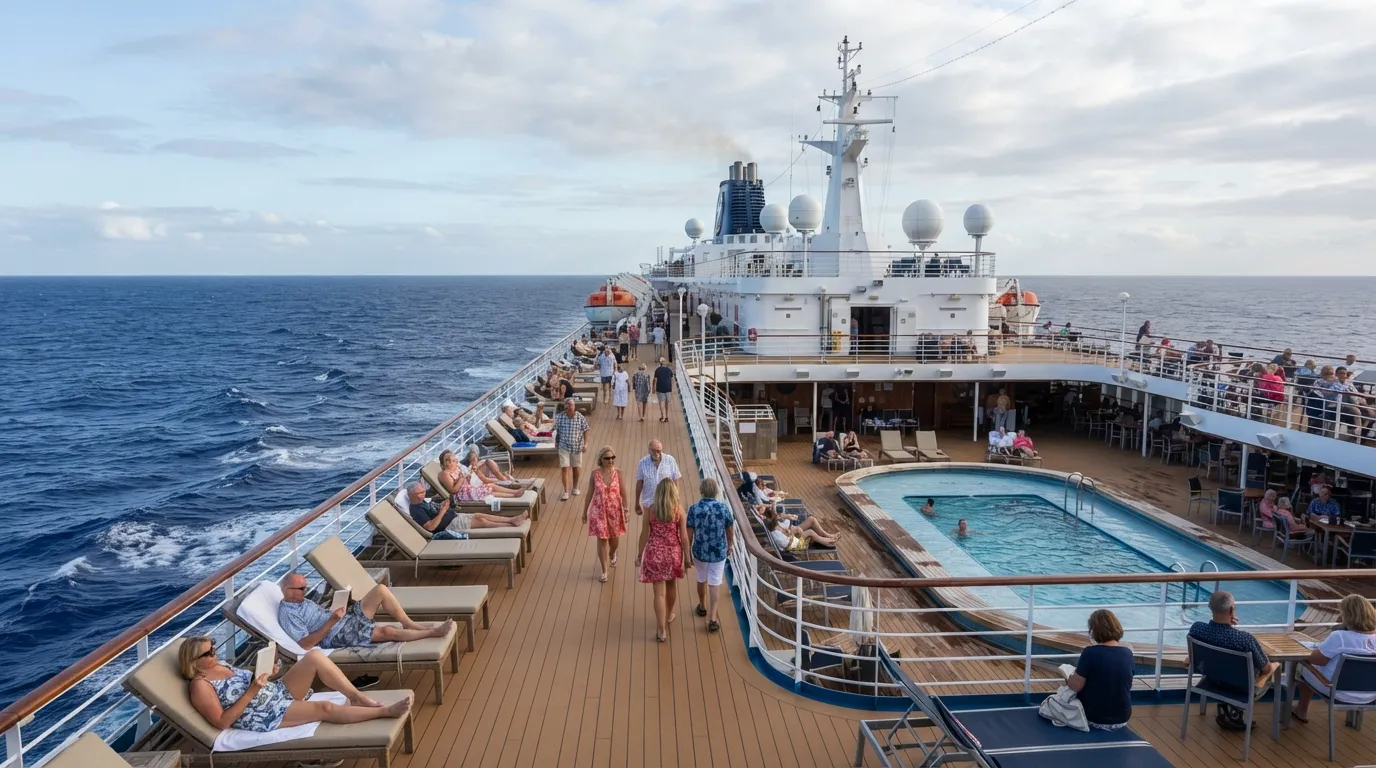
Repositioning transatlantic sailings routinely run six to nine straight sea days with no port calls. Some itineraries stretch to ten or eleven.
That turns the ship from transportation into the whole destination. Lectures, fitness classes, and live shows run at full strength because no shore excursions are competing for attention.
The mood shifts around day four. The excitement of departure fades, and the rhythm of meals, activities, and rest settles in like a floating resort. Many lines add guest speakers and workshops to these crossings to keep the long stretches interesting.
At a Glance
- Typical run: six to nine consecutive sea days
- Longer itineraries: ten or eleven days without a port
- Onboard programming: lectures, classes, and shows at full strength
- Turning point: the routine settles in around day four
#15 – You Can Pack for Summer and Land in Sweater Weather
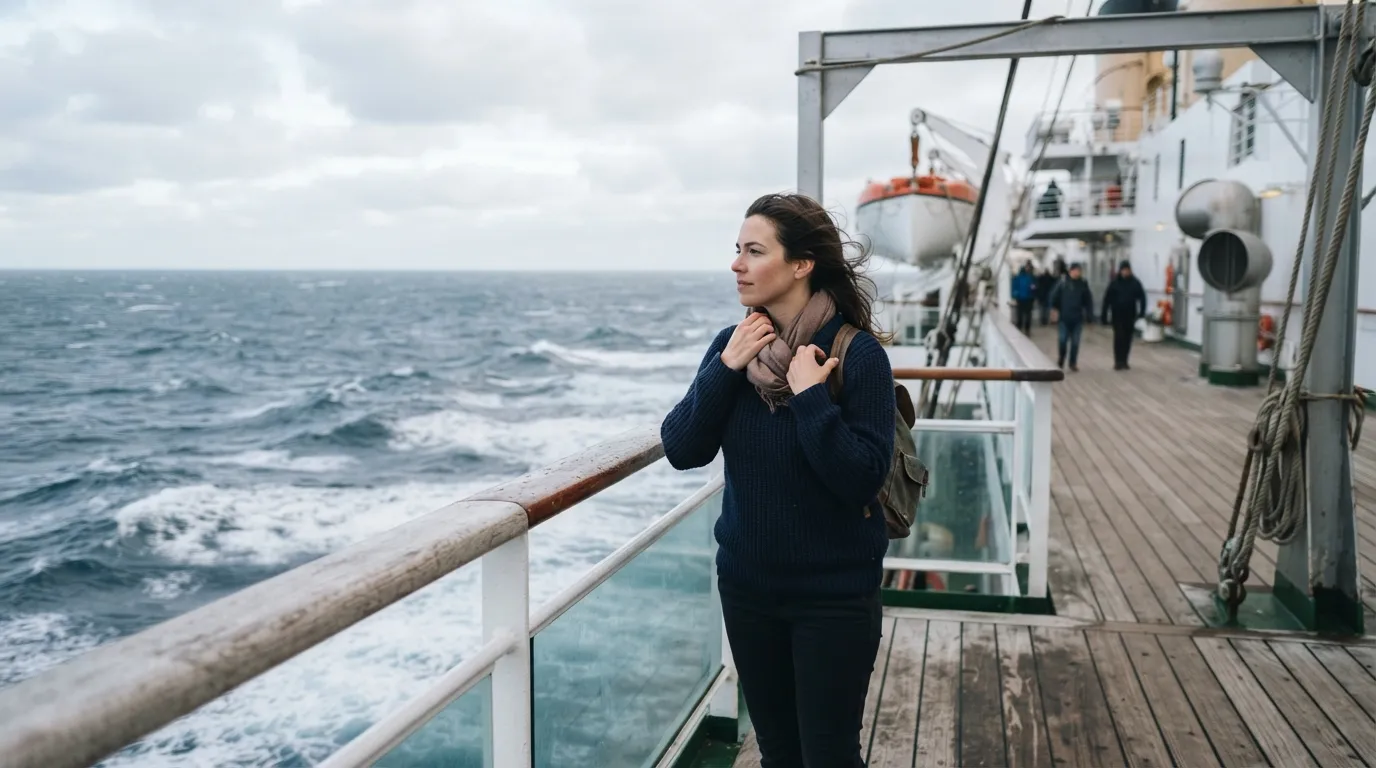
A transatlantic route crosses several climate zones in one voyage, moving from tropical warmth through mild mid-ocean air into cooler arrival conditions. Spring eastbound sailings often start hot and finish cool. Fall westbound trips tend to run the other way.
Deck temperatures can drop noticeably once the ship leaves the Gulf Stream or the trade winds behind. Routes vary too. Some lines favor more northerly paths for speed, others dip south for steadier conditions, and captains adjust as forecasts change.
#14 – No Two Crossings Feel the Same, Even on the Same Ship
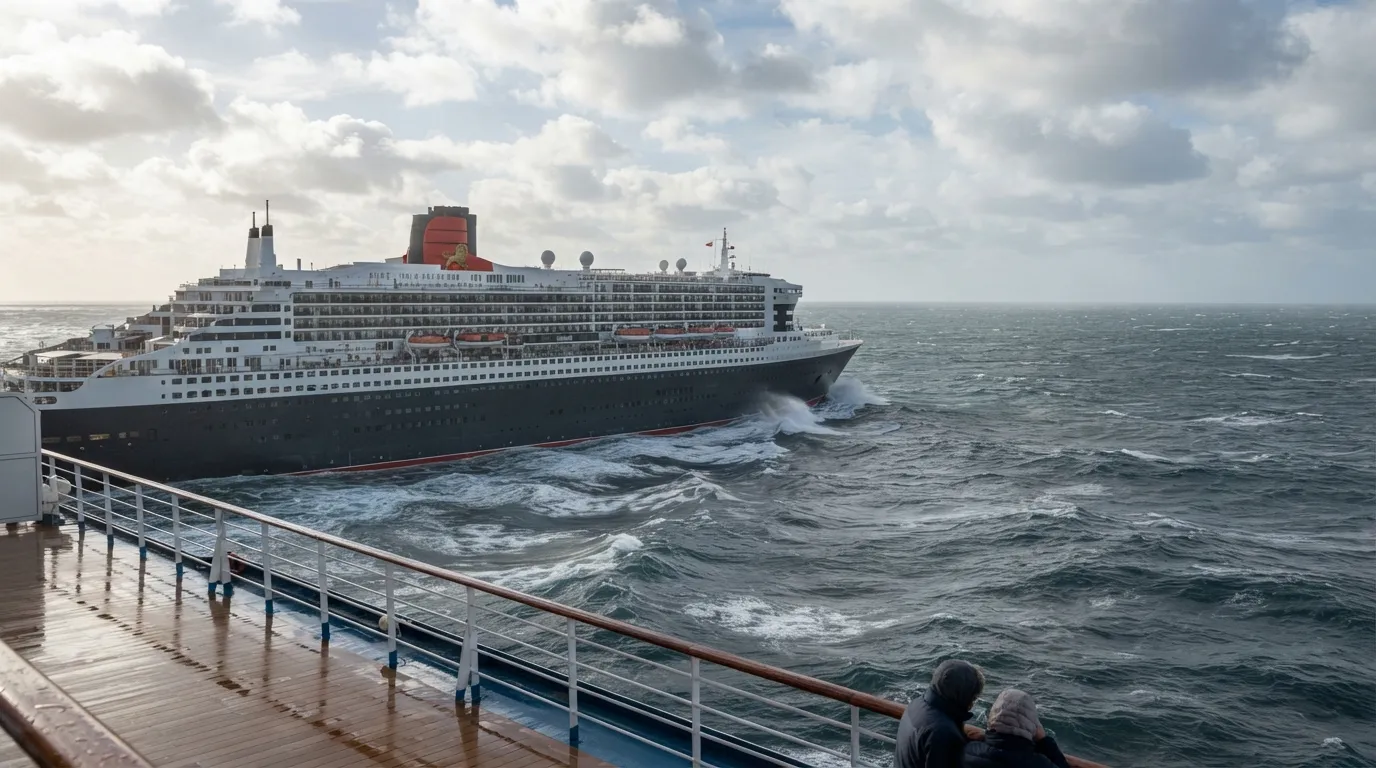
Even on the same ship and line, the path and sea conditions shift with the season and passing weather systems. Fall crossings sometimes meet stronger swells than spring ones. Spring voyages can see more variable winds near departure.
Repeat passengers notice these differences quickly once the third sea day arrives. Captains use routing tools to balance speed, comfort, and fuel, and they occasionally alter course around a system.
That flexibility keeps most crossings manageable. It also means advance forecasts stay approximate until the ship is actually under way.
#13 – Your Cabin Choice Looks Very Different by Day Four
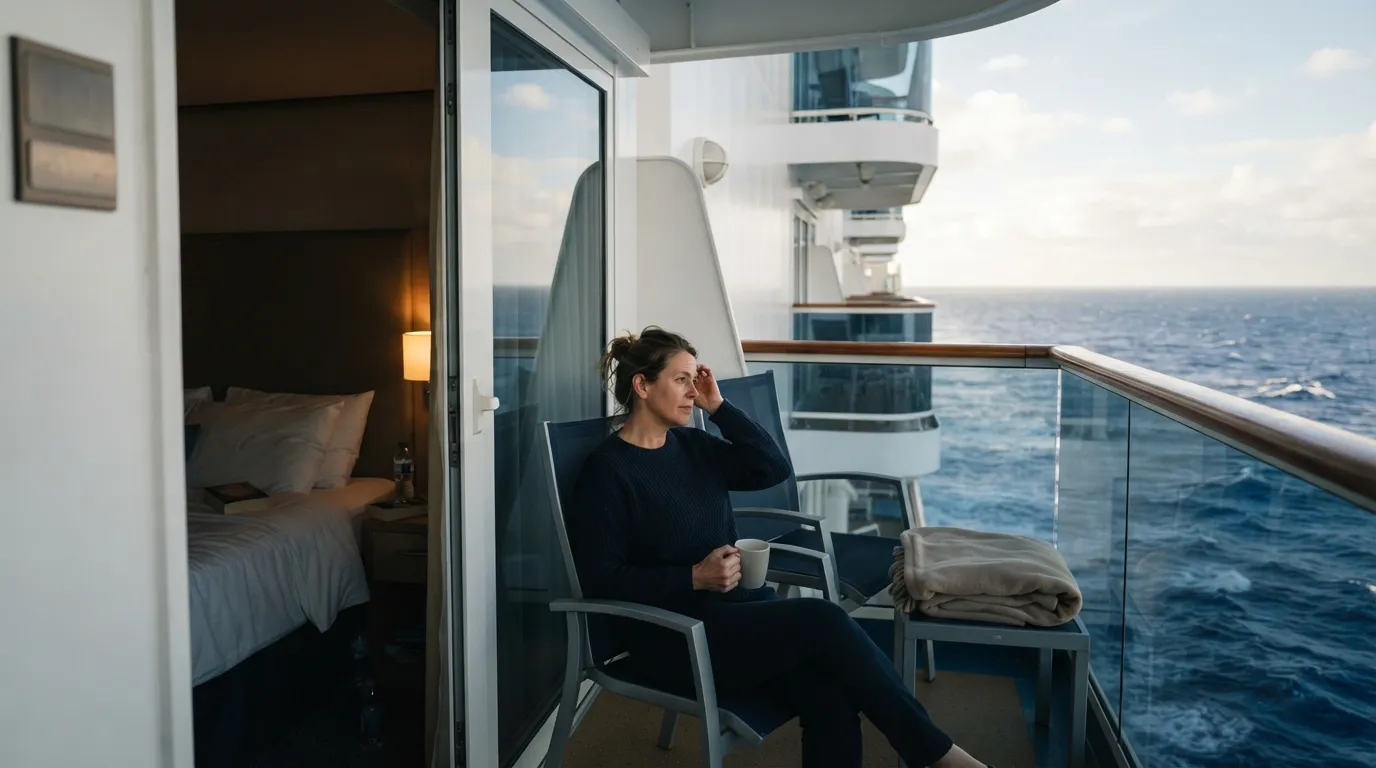
A balcony earns its price on long sea stretches. It gives you private fresh air and an ocean view without a hunt for deck space. Midship cabins on lower decks reduce motion for anyone sensitive to movement.
Side of the ship matters too. On westbound voyages, the port side faces south and tends to catch more sun.
Interior cabins stay popular with budget travelers, but many repeat passengers say the lack of natural light becomes noticeable by day four or five. Suites and oceanview cabins can also feel more attainable on these longer itineraries, since the cost is spread across more nights.
#12 – The Fare Is Low, but the Onboard Spending Isn’t
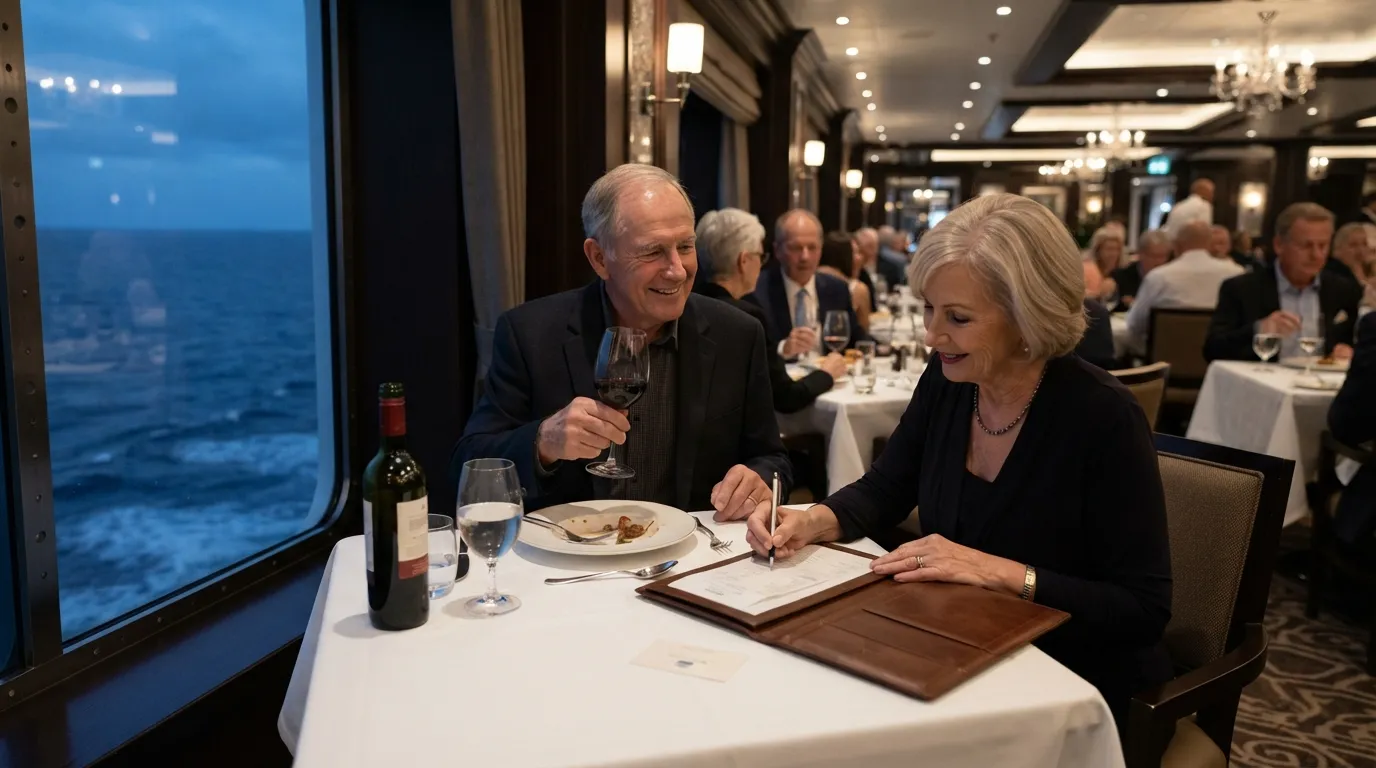
Fares often land between $700 and $1,500 per person for interior cabins on repositioning crossings. Per-night rates are frequently lower than peak-season Caribbean sailings.
Then the ports vanish, and the spending moves onboard. Drinks, specialty dining, and activities absorb the money you would normally spend ashore.
Gratuities and Wi-Fi remain separate line items on many lines. Budget for them before booking, because by the third sea day you will be using ship facilities almost constantly.
Worth Knowing
- Gratuities and Wi-Fi are billed separately on many lines
- Drinks, specialty dining, and activities replace shore-day spending
- Laundry and formal-wear rentals are small extras that add up on a long crossing
- Motion remedies are stocked onboard, but they are another charge if you wait to buy them
#11 – The Wi-Fi Works, but the Internet Feels Different Out There
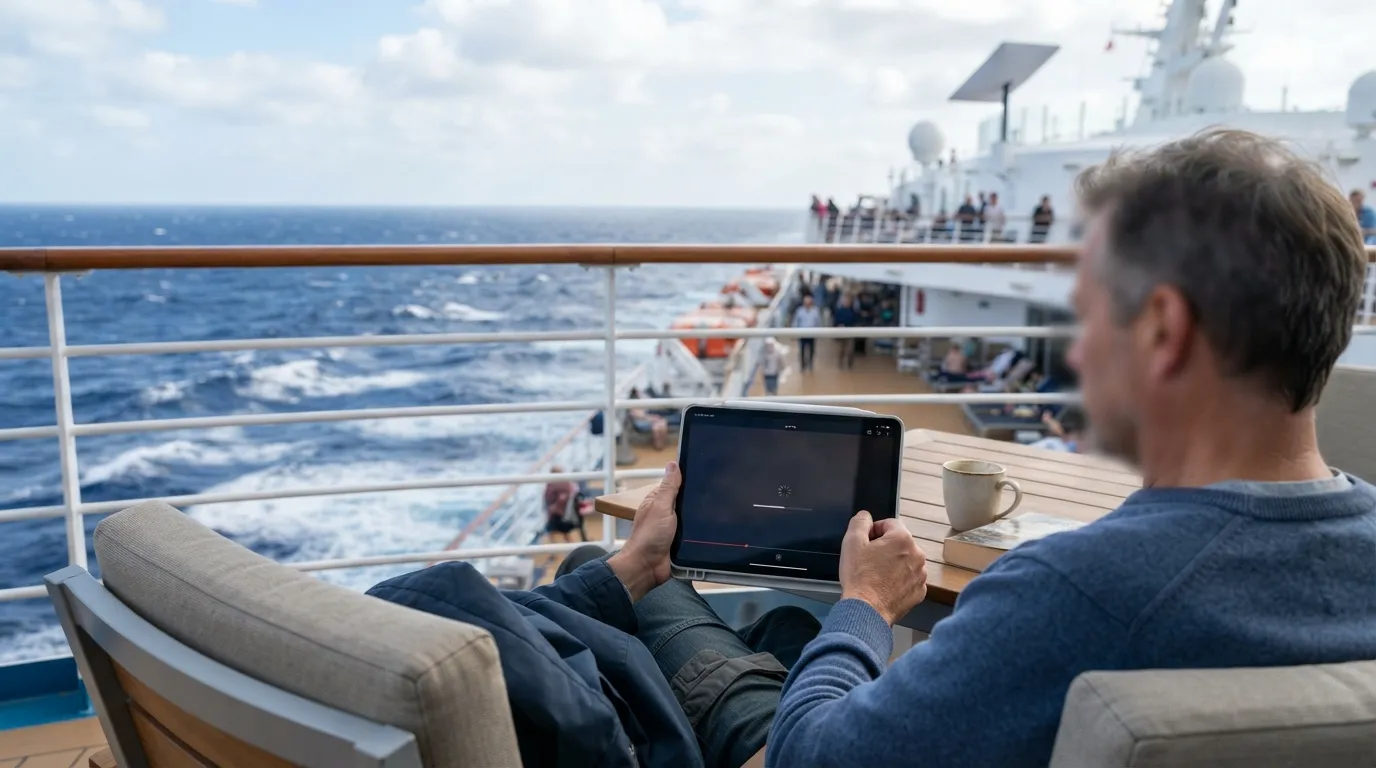
Modern ships keep Wi-Fi running across the Atlantic, and some use Starlink for steadier performance than older satellite systems. Speeds support streaming and browsing for most users, though some lines cap the number of devices.
The more subtle effect is the clock. Time zone shifts, often five or six hours in total, happen gradually and can throw off app-based services and geo-restricted content.
Eastbound crossings move clocks forward and shorten some days. Westbound gains create extra evening hours.
#10 – Laundry Becomes a Real Question When There’s No Shore Day
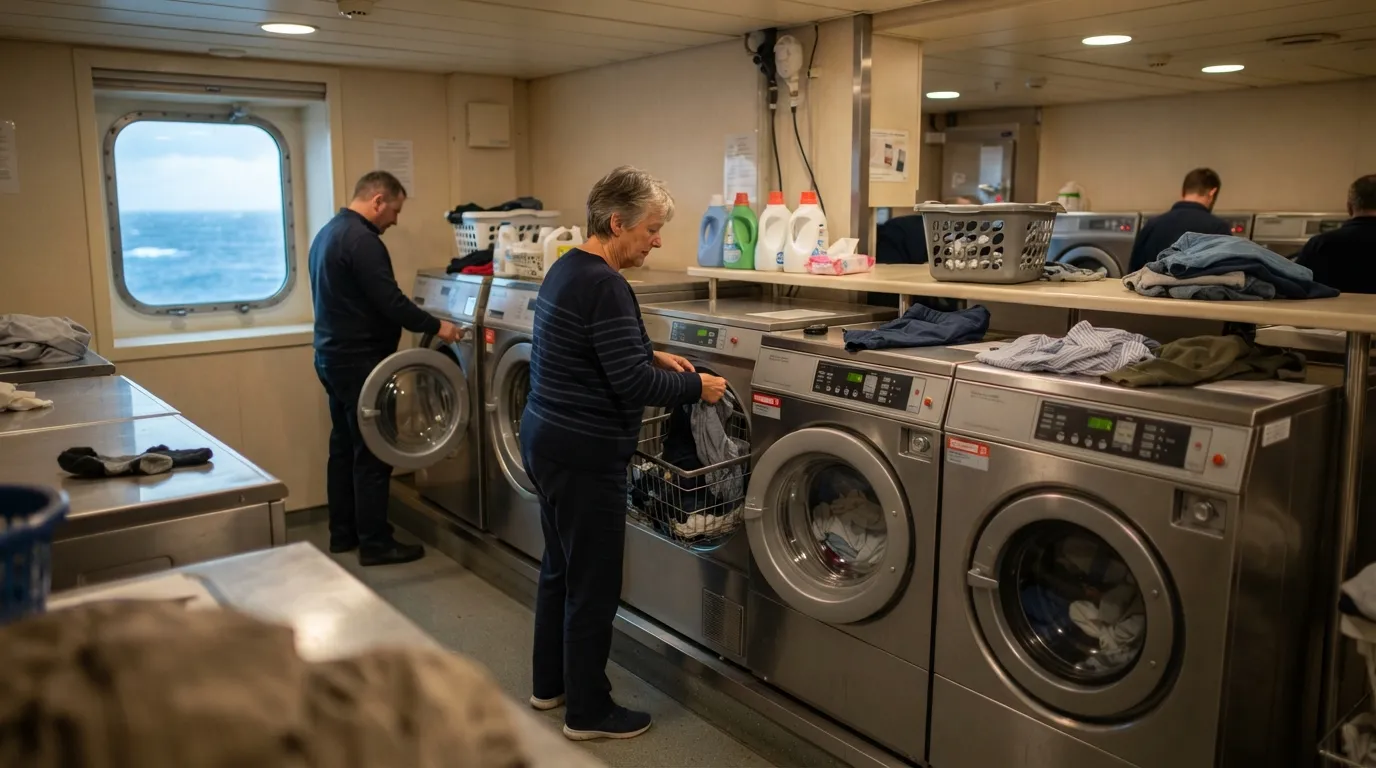
Most ships offer paid laundry service, and some provide in-cabin lines or self-service machines. What you lose is the shore day, when you could wash clothes or buy a replacement for the shirt you spilled on.
On a 12- to 16-night crossing, you either pack more changes of clothes or budget for several laundry loads.
Formal wear adds a wrinkle. Evening outfits cannot be refreshed at a local shop mid-voyage. Lines that rent tuxedos or gowns help, but plan ahead before the sea days pile up.
#9 – You Don’t Know Your Seasickness Limit Until You’re Out There
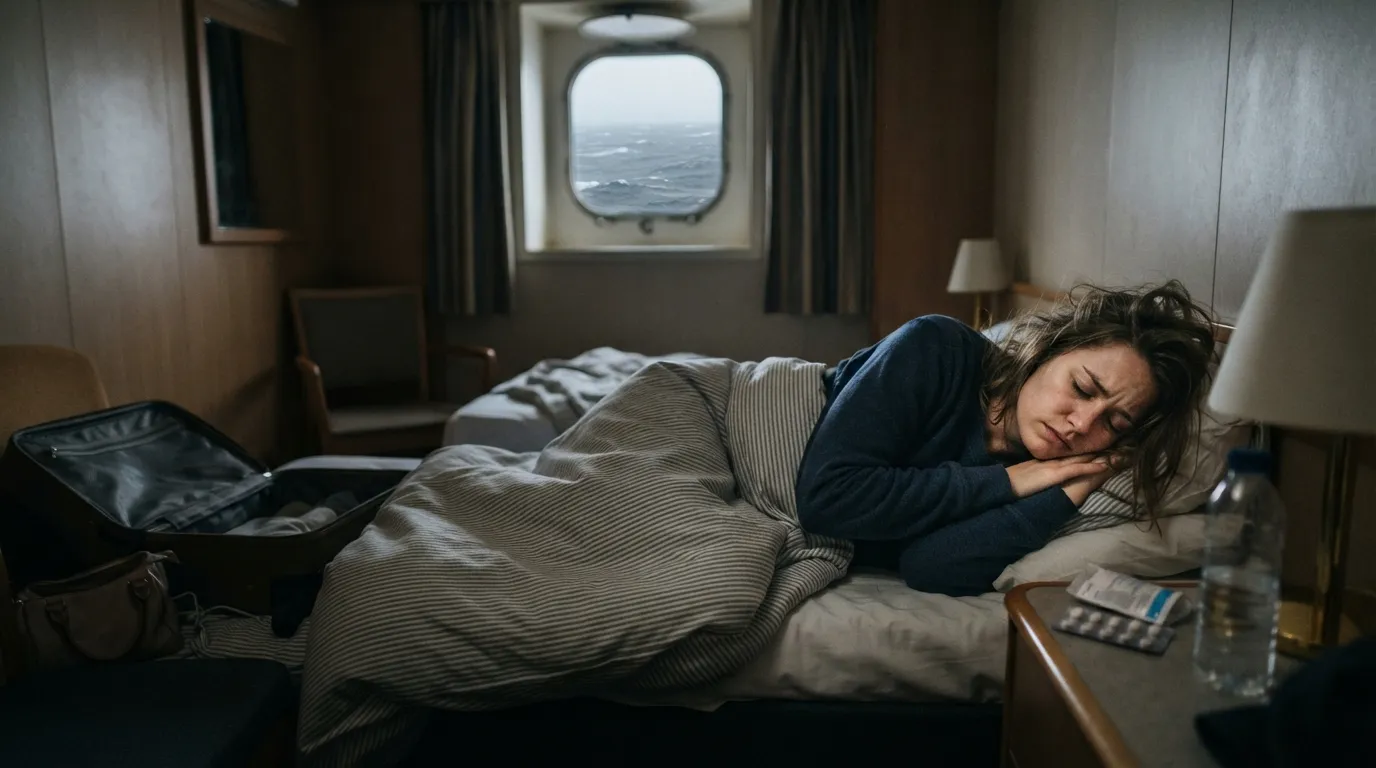
Typical North Atlantic swells run three to eight feet on most crossings. That produces a gentle rocking that stabilizers usually tame. Swells above ten feet are less common but remain possible, especially in shoulder seasons.
Even experienced cruisers say the open-ocean feel differs from enclosed seas. Midship lower-deck cabins and motion remedies start to look smart once you feel the real motion on day three.
Lines stock remedies onboard. Still, bringing your own means you will not be heading to the medical center at your most miserable moment.
#8 – Formal Nights Can Multiply on Longer Crossings
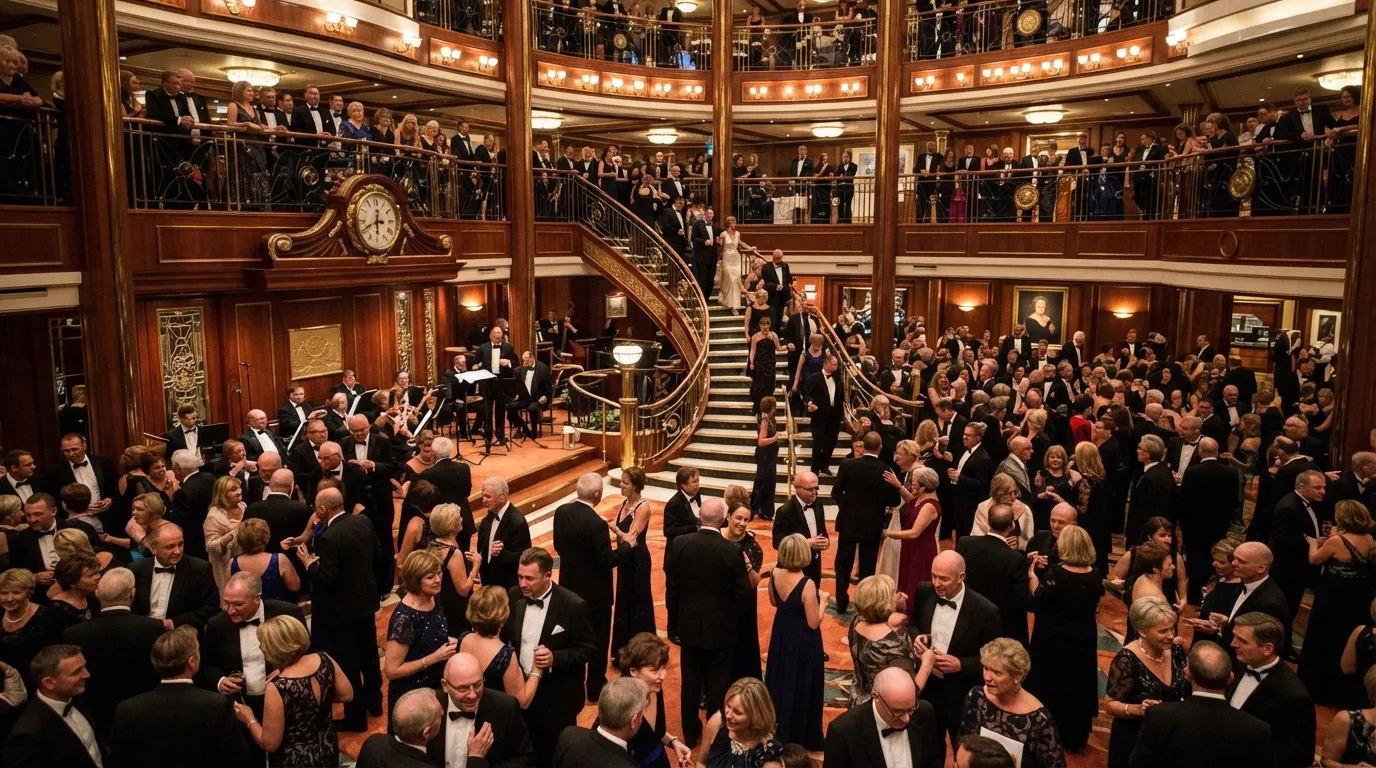
Extended repositioning voyages commonly schedule multiple formal or gala evenings, because the sea-day count leaves room for more dress-code events.
Cunard’s Queen Mary 2 crossings emphasize black-tie traditions. Mainstream lines vary the number based on itinerary length.
Under-packers often discover the gap only after the first formal night has passed. Some ships offer rentals or sell accessories onboard, but the selection is narrower than on land. Check the specific sailing’s dress code before you leave home.
Quick Compare
- Cunard’s Queen Mary 2: black-tie traditions are part of the crossing
- Mainstream lines: the number of formal nights varies with itinerary length
- Rentals and accessories: offered on some ships, with a narrower selection than at home
#7 – The Ship Docks Far From Your Car, So Getting Home Is Its Own Project
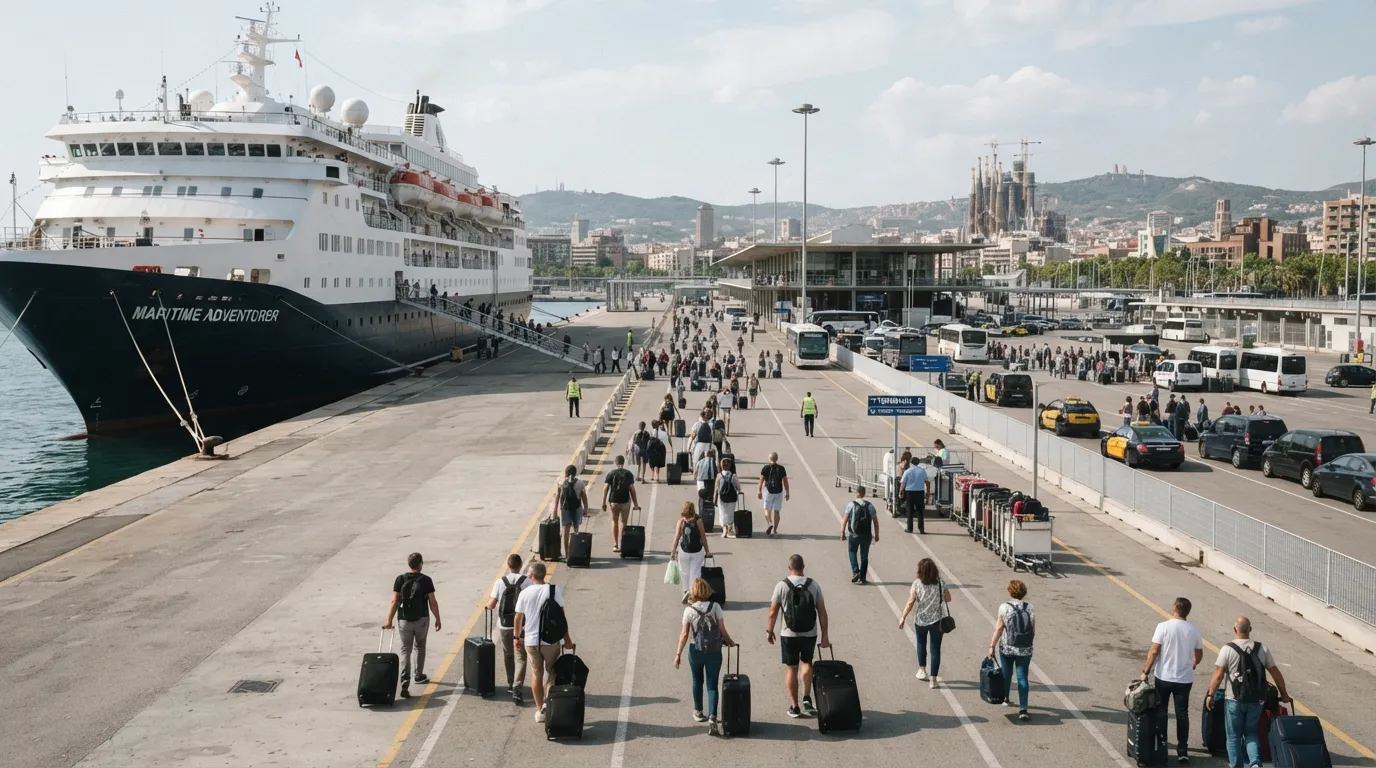
One-way repositioning sailings end at a different port from where they began. You have to arrange one-way flights and transfers on your own.
Baggage handling and customs follow standard cruise protocols, but they arrive after many consecutive sea days, when the shipboard routine feels most settled. Lines send arrival information well in advance.
The one-way nature still means no round-trip convenience, so book return transport early. Passengers who treat the crossing as the main trip rather than just transport tend to report smoother logistics.
#6 – The Daily Schedule Gets Packed With Lectures, Demos, and Speakers
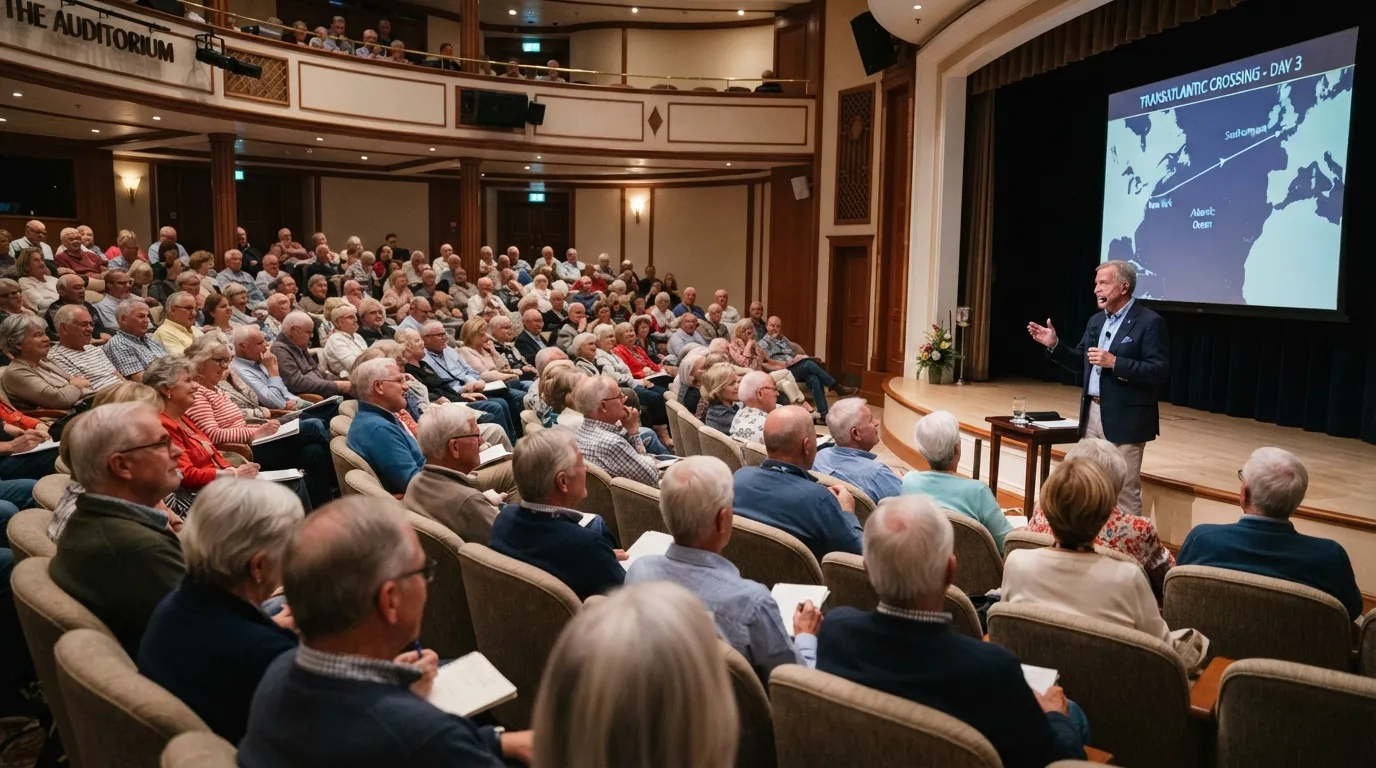
With fewer ports, lines add more lectures, cooking demonstrations, destination seminars, and guest speakers. Sessions often run multiple times a day and draw an experienced cruising crowd that values the content.
The third sea day is often when passengers stop treating these as filler and start sampling the full range.
The slower pace allows repeat attendance and deeper dives than shorter cruises can offer. Some lines even theme certain crossings around a specific interest.
#5 – The Crowd Skews Toward Seasoned Cruisers
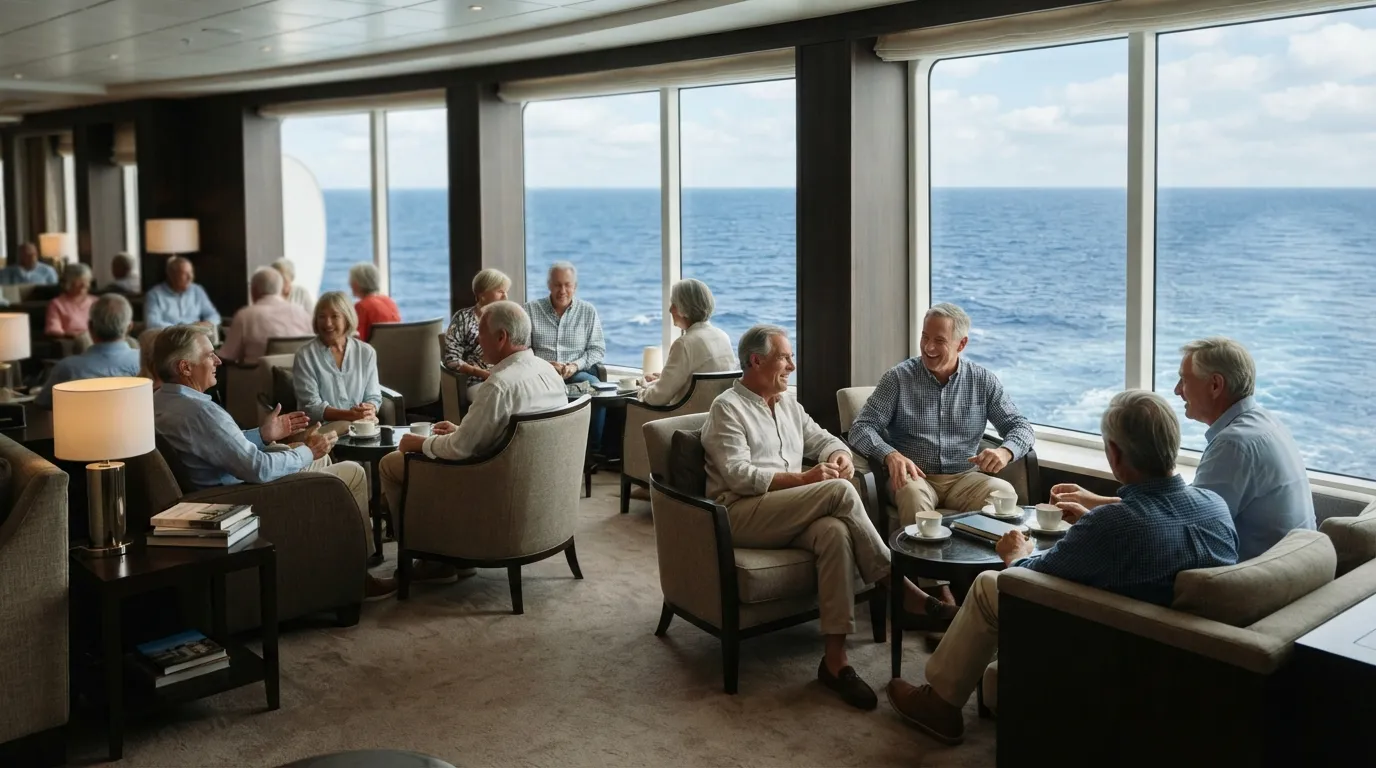
Transatlantic repositioning sailings draw fewer first-timers and families than Caribbean or Mediterranean routes. The atmosphere gets quieter and more adult as the early excitement settles.
Lounge and dinner conversations lean toward shared travel stories rather than vacation checklists. By the third sea day, with no port-day rush, the public spaces feel noticeably less crowded.
Some passengers love the calm. Others miss the energy of mixed-age groups.
#4 – Your Body Clock Gets Nudged One Hour at a Time
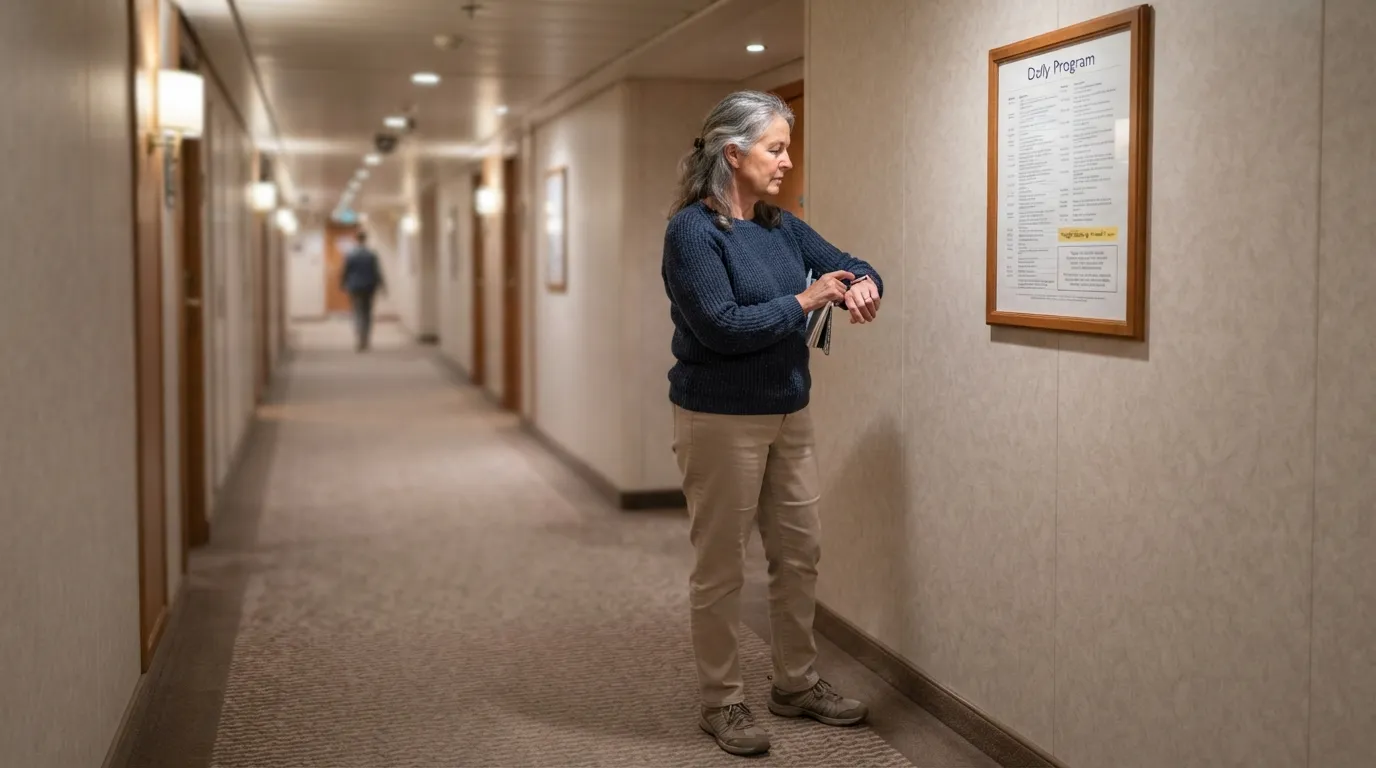
A crossing typically involves five to six one-hour clock changes spread across the voyage. Eastbound moves clocks forward and compresses evenings. Westbound gains create longer days.
The gradual pace avoids jet-lag-style shock, but it still disrupts sleep and meal timing once several changes stack up.
Fast Facts
- Typical count: five to six one-hour changes per crossing
- Eastbound: clocks move forward and evenings feel shorter
- Westbound: you gain time and days run longer
- Where to look: the daily program lists when each change happens
The effect becomes tangible after the third sea day, when the cumulative shift catches up with you. Checking the daily program for the change schedule helps your routine adapt more smoothly.
#3 – A 20-to-30-Degree Swing Means One Suitcase, Two Climates
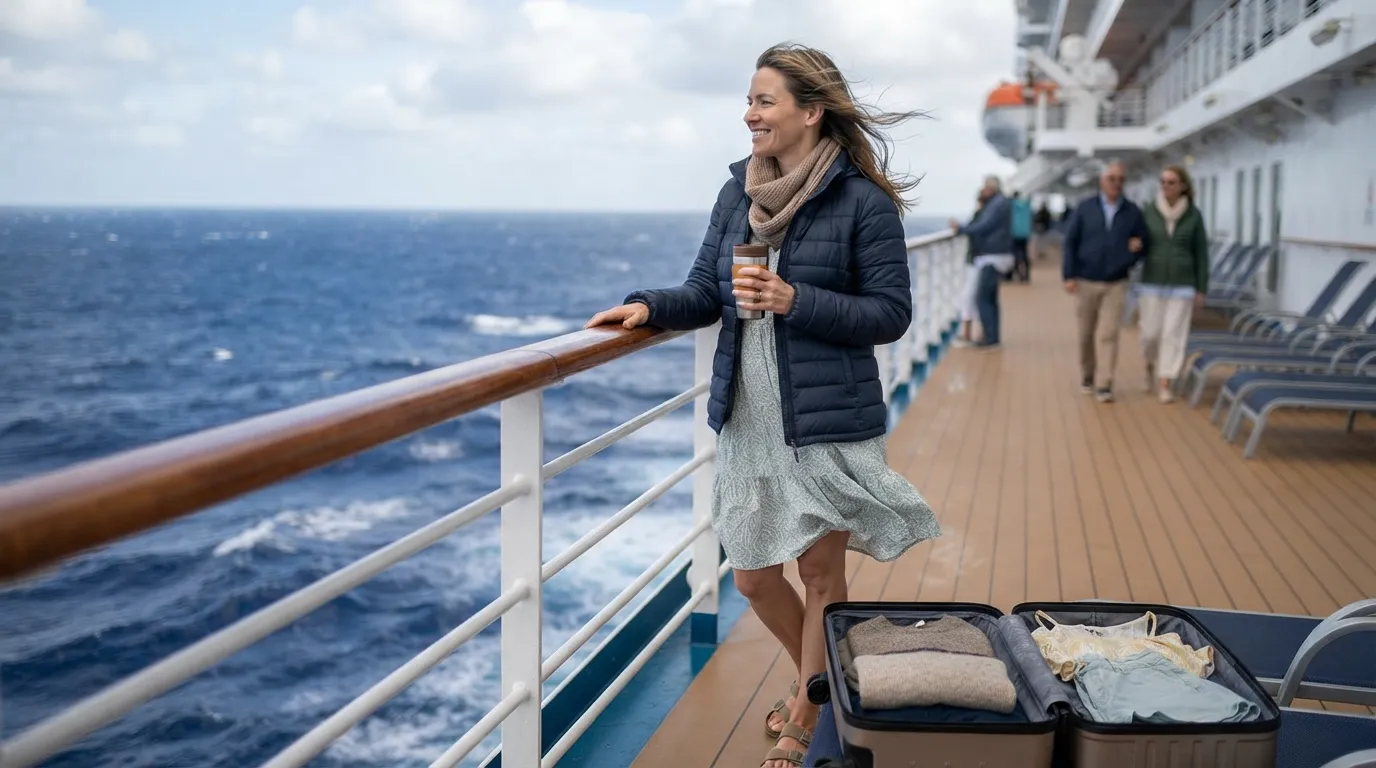
Temperature swings from departure to arrival often exceed 20 to 30 degrees. That calls for warm jackets and lighter resort wear in the same suitcase. Wind on open decks adds a chill even on mild days.
Packing only for the starting or ending climate leaves you under- or over-dressed by mid-crossing.
Layers beat single heavy pieces because indoor spaces stay climate-controlled. The third sea day usually shows whether your wardrobe covers the whole range.
#2 – Drink Packages and Specialty Dining Suddenly Make Sense
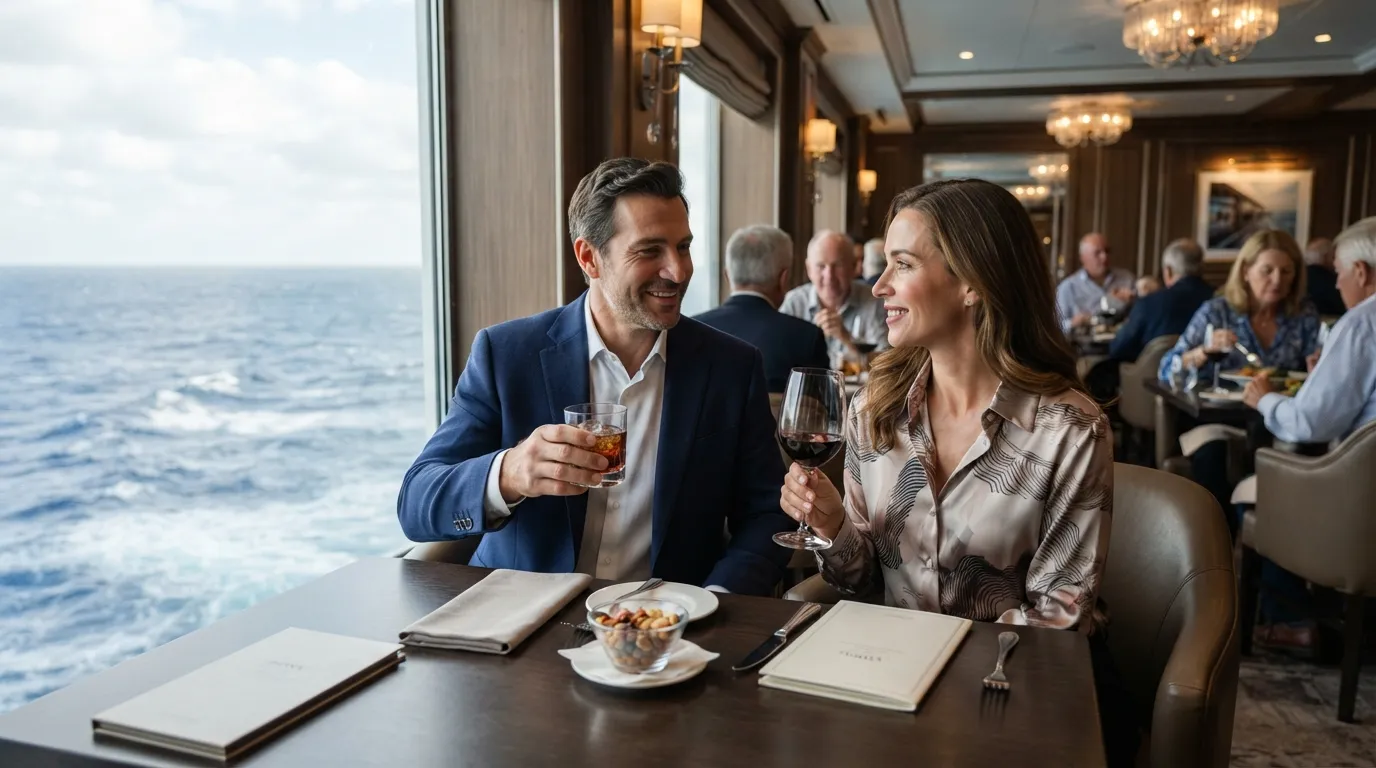
When port stops are few, beverage and dining spending concentrates onboard. That can make unlimited drink packages and specialty restaurant reservations more economical than on port-heavy sailings.
Passengers who normally skip these add-ons often reconsider once sea days dominate the calendar. The per-day cost spreads across more onboard time, which improves the return.
Lines tend to promote these add-ons more heavily on repositioning voyages for exactly that reason. Buying early can lock in pricing before your own pattern becomes clear.
#1 – The Ship Itself Becomes the Destination
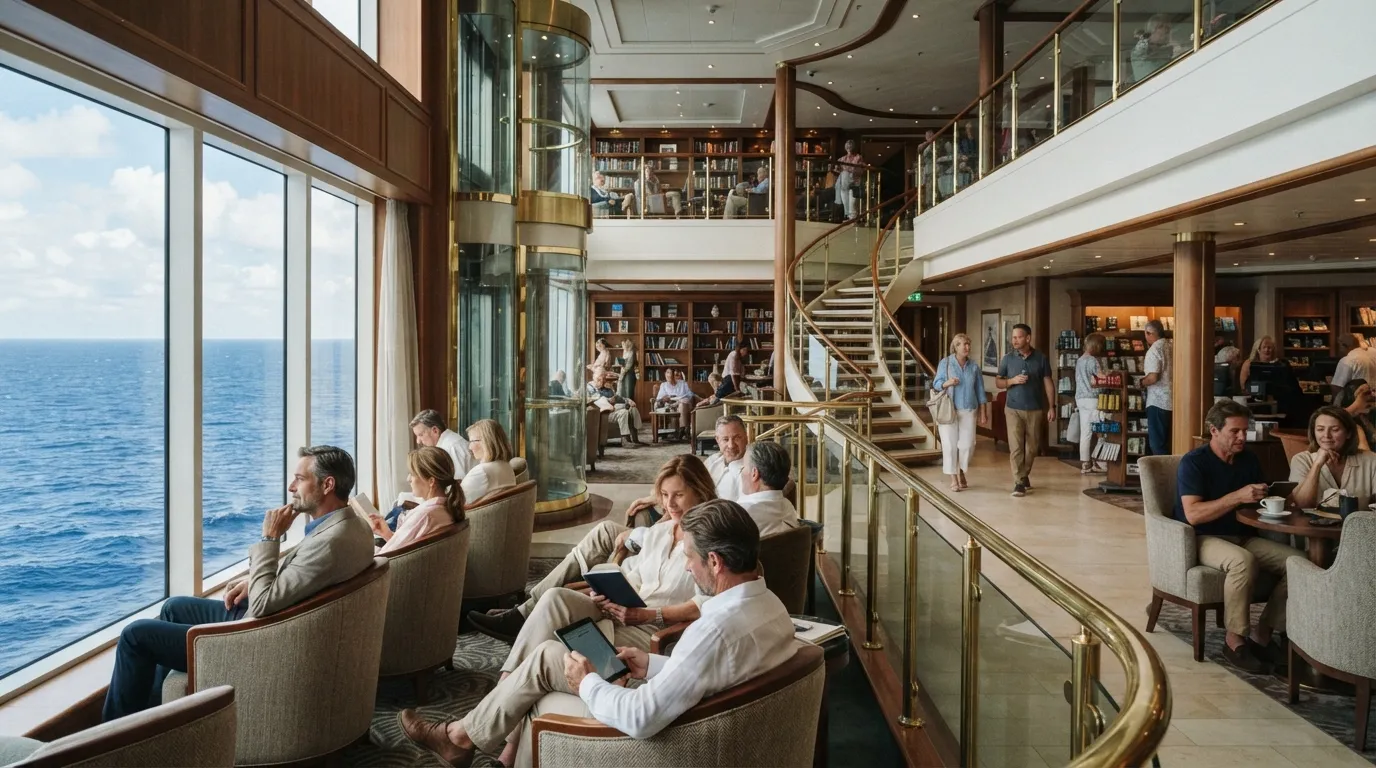
After several consecutive sea days, the vessel’s layout, amenities, and social spaces move from background to center stage. Balconies, libraries, theaters, and lounges get more use than on any port-heavy itinerary.
Passengers who treat the crossing as a floating resort rather than transport report the highest satisfaction once the pattern settles. The realization tends to land around the third sea day, and it shapes the rest of the voyage.
That is the thread running through all sixteen points. Six to eleven sea days, shifting weather, concentrated onboard spending, and one-way logistics all make more sense once you stop waiting for the next port. The crossing itself is the trip, and the travelers who plan for that are the ones who enjoy it.
CEO-Co-Founder