
- 15 Hotel Breakfast Charges Guests Can Avoid by Checking the Rate Plan - October 24, 2026
- 17 Shoulder Season Travel Rules for Sudden Weather Changes - October 24, 2026
- 18 Hotel Arrival Rules That Prevent Expensive Check-In Problems - October 24, 2026
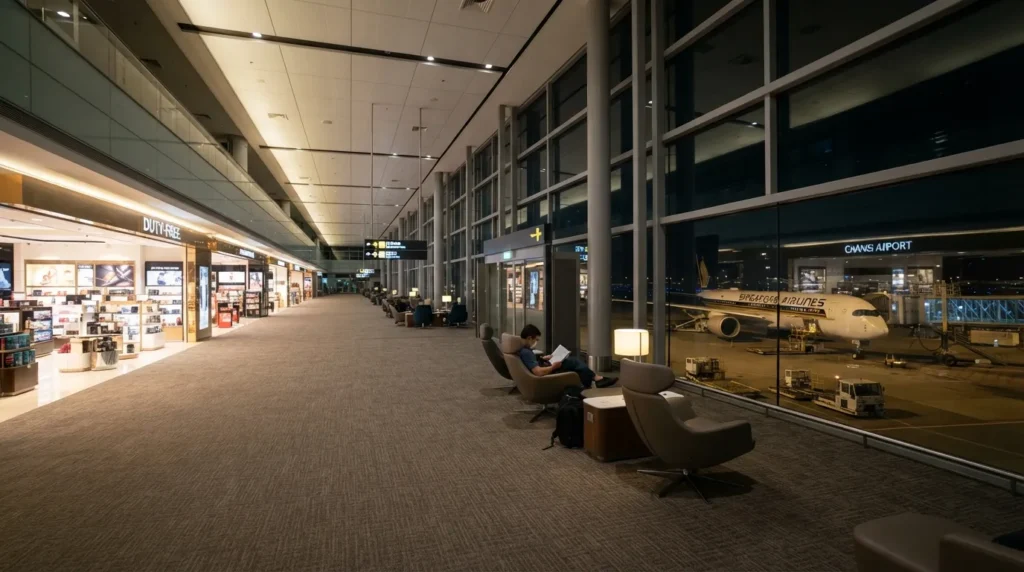
That “24-hour airport” label can fall apart fast once the final flight leaves, and the rules for terminals, security lanes, lounges, and even your checked bag may shift with it.
The catch is that the switch-off time depends on the airport, the terminal, and sometimes the person working the desk, so the biggest surprises are still ahead.
#17 – A “24-Hour” Terminal Can Still Lock You Out of the Gates
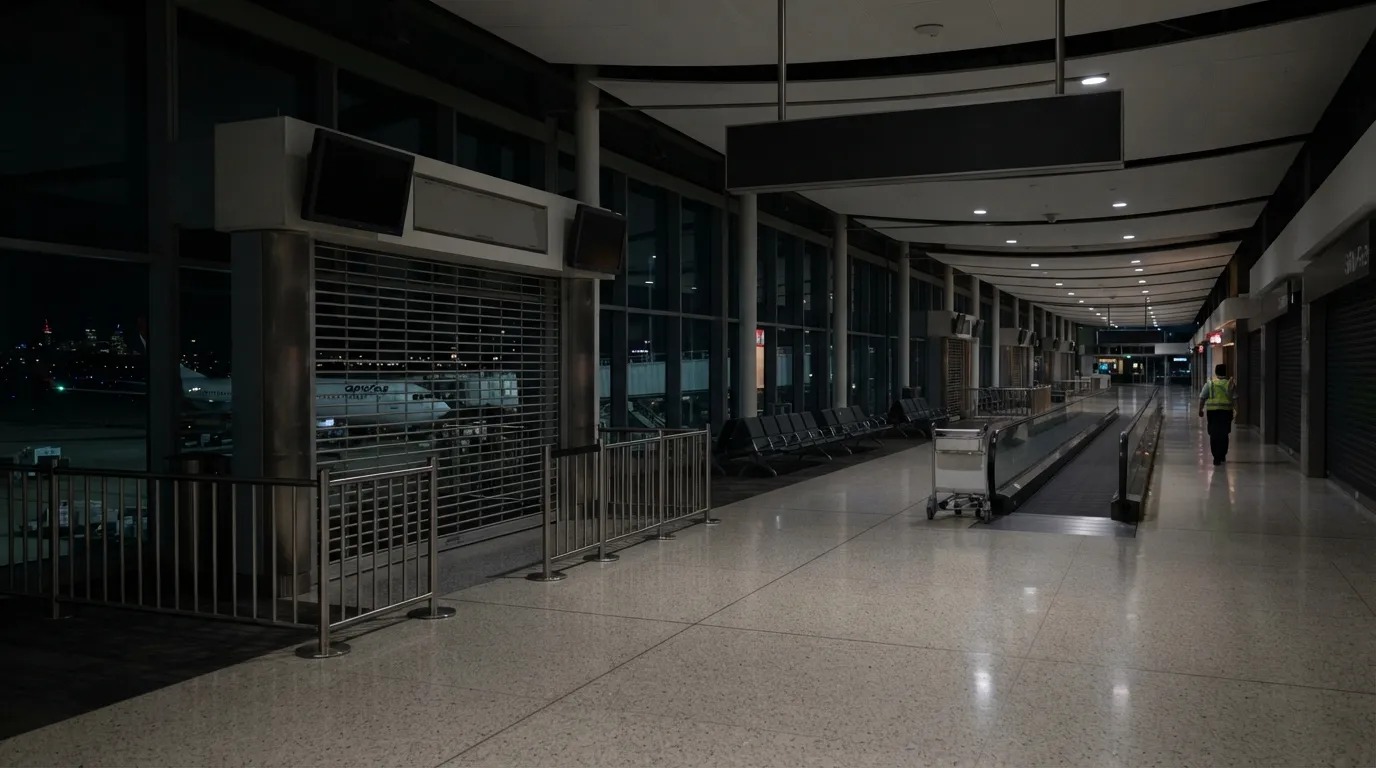
Many airports stay open as buildings but restrict movement once the last scheduled flight leaves. Sydney’s T1 international terminal closes from 11 p.m. to 2:30 a.m. for security, while its domestic terminals close from 11 p.m. to 4 a.m.
Some U.S. airports limit late-night entry to ticketed travelers or people with legitimate business. A 24-hour label does not guarantee overnight gate access.
#16 – Security Checkpoints Shut Down on Fixed Schedules
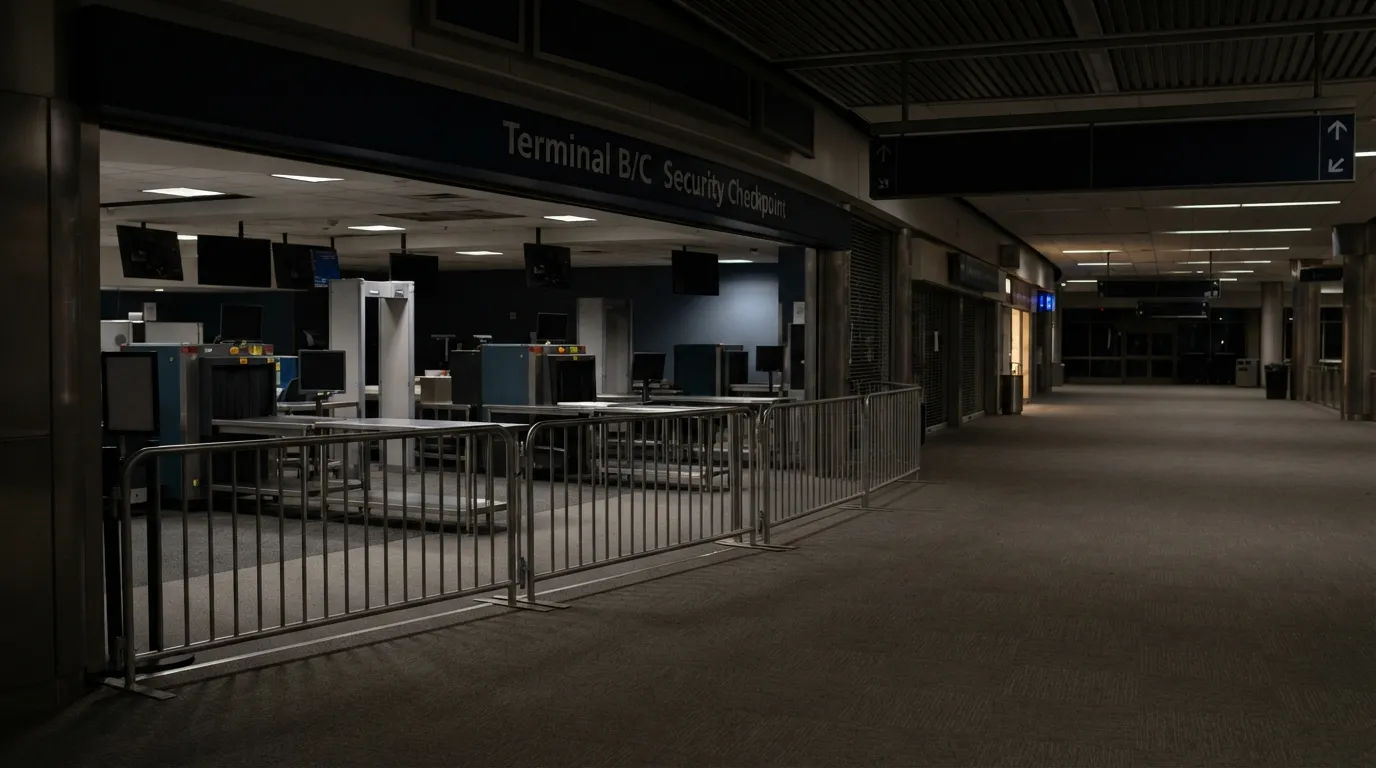
Philadelphia International has posted a last checkpoint closing of 10:45 p.m., with screening resuming around 3 a.m. Arrive after that and you wait landside until morning.
San Francisco lists different hours by checkpoint, and some end as early as 11 p.m. or midnight. Even big hubs do not run screening lanes nonstop.
#15 – Some Airside Transit Zones Get Cleared Overnight
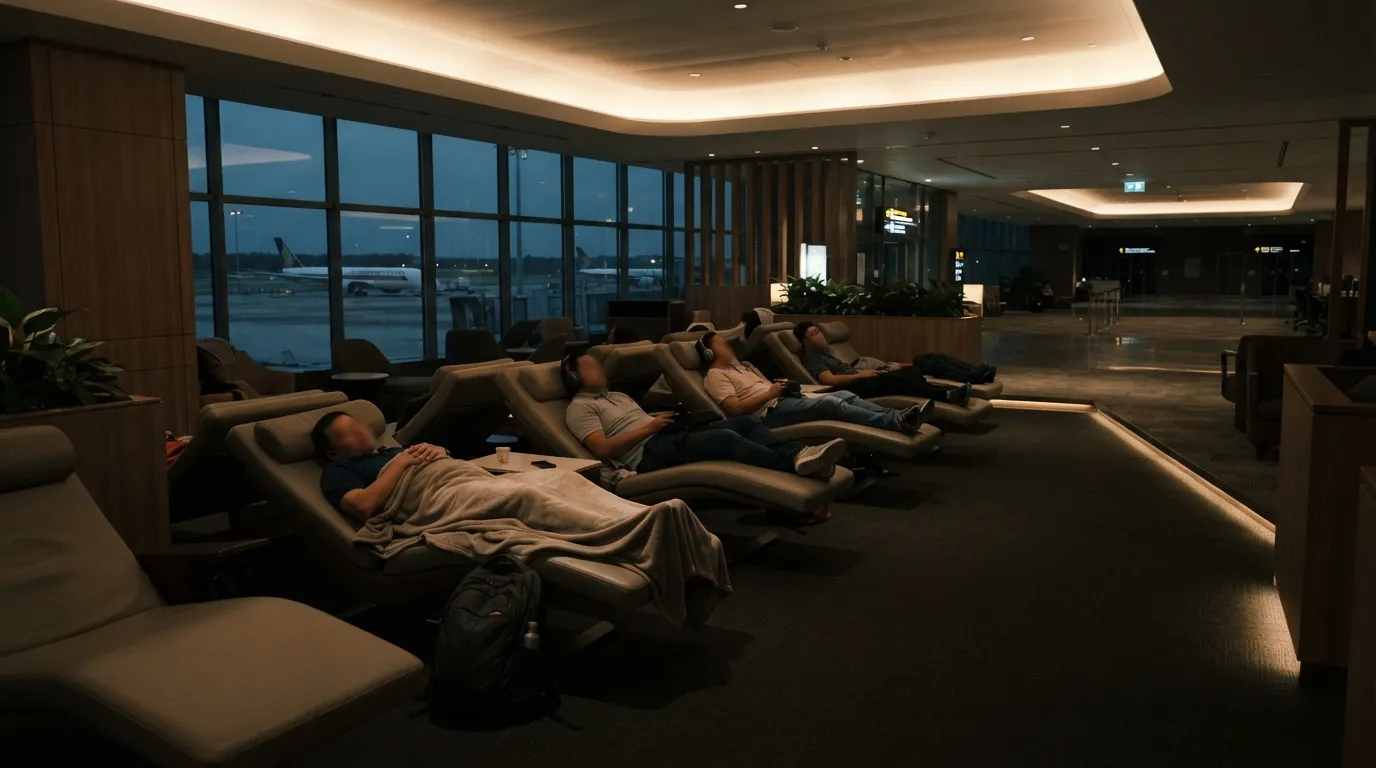
Narita closes most upper floors and its transit zone from midnight to 5 a.m., so passengers who cannot depart earlier may have to clear immigration. Heathrow has, in some reported cases, directed overnight passengers out of the secure area toward hotels.
Singapore Changi goes the other way, with free 24-hour snooze lounges in its transit areas for passengers holding boarding passes.
Quick Compare
- Narita: transit zone and most upper floors close from midnight to 5 a.m.
- Heathrow: some overnight passengers have reportedly been sent out of the secure area.
- Changi: free 24-hour snooze lounges for boarding-pass holders in transit areas.
#14 – Lounge Doors Close Earlier Than You’d Expect
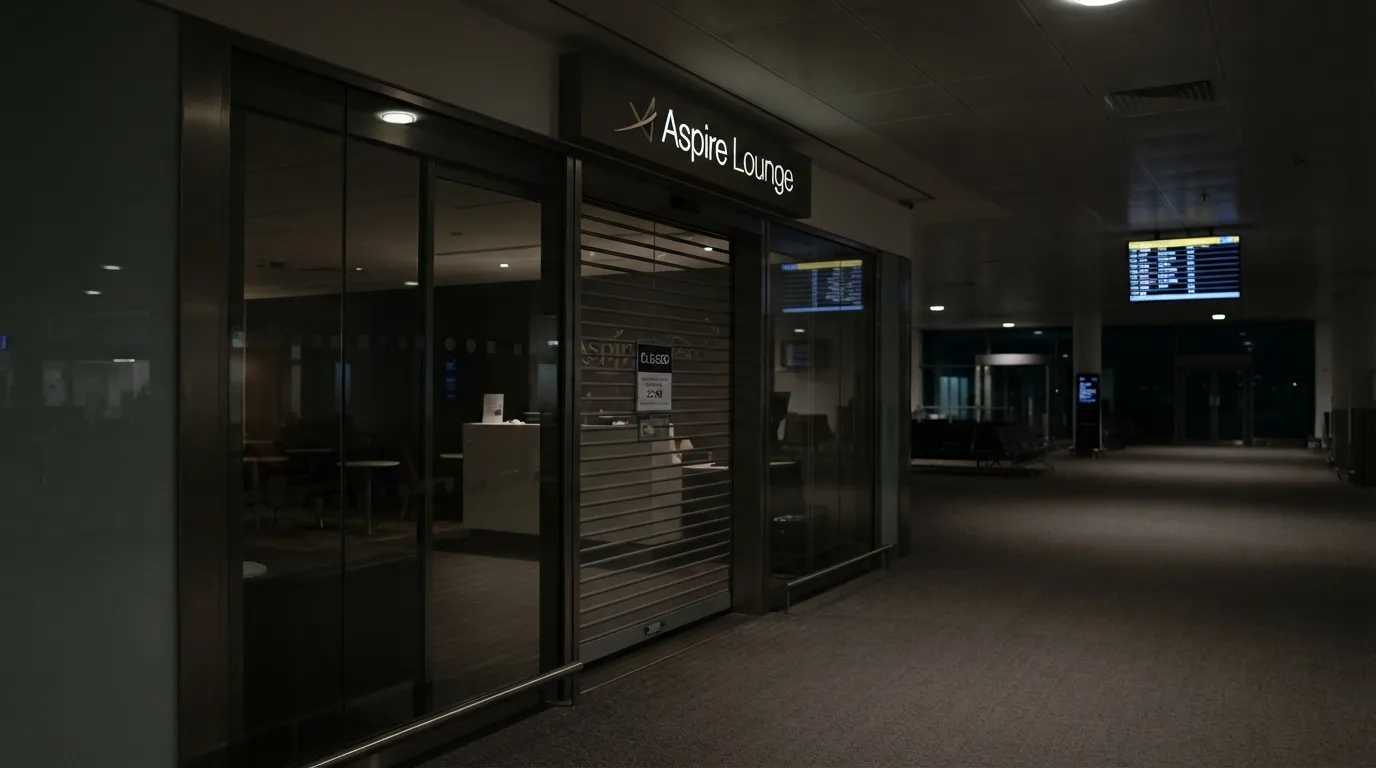
Lounge access usually requires a same-day boarding pass, and many networks admit guests only within about three hours of departure. Connecting passengers need proof of an onward flight.
After the day’s last departures, entry is typically denied. Policies differ by operator, and some Priority Pass locations are more flexible than airline-run lounges. Paying or holding a membership does not override closing hours.
#13 – Your Checked Bag May or May Not Follow the Plan
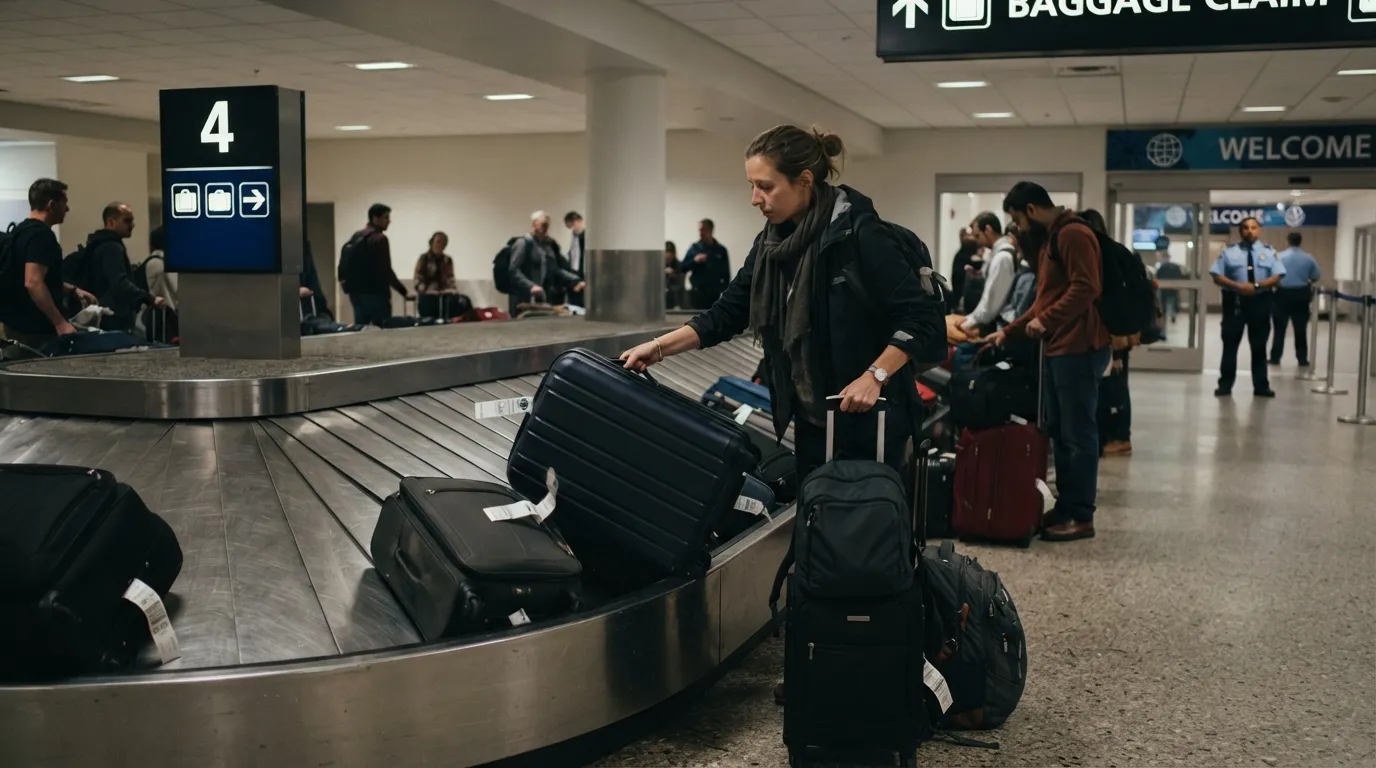
Bags checked through to your final destination usually stay in the baggage system during a layover, with no effort from you. But if an overnight connection means re-checking or changing terminals, you may need to claim and re-drop them after clearing immigration.
Domestic U.S. layovers rarely trigger this. International ones often do.
#12 – The Same Layover Can Mean Totally Different Border Rules
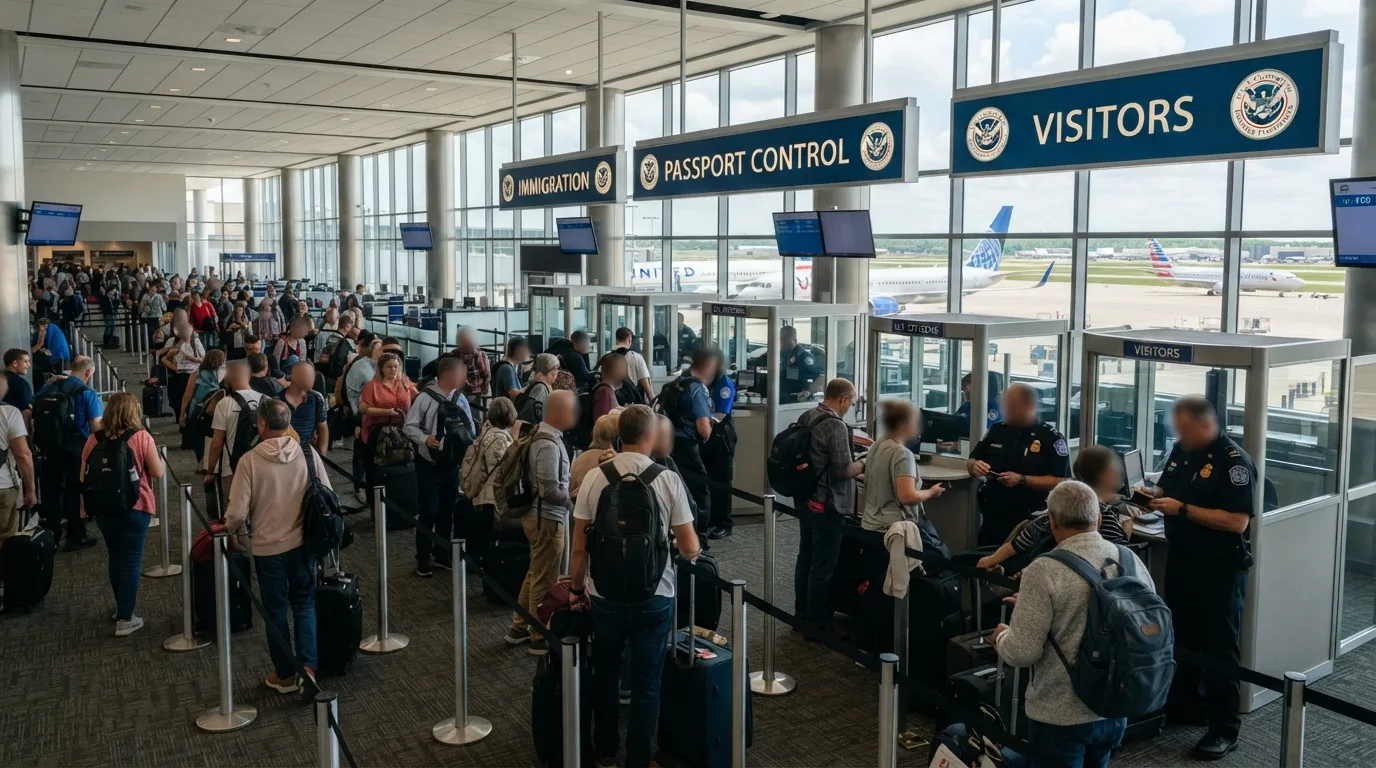
Some countries offer sterile transit zones where you can wait airside without entry formalities. Others, including the United States, generally require arriving international passengers to clear border control before connecting, even if they never plan to leave the terminal.
In the Schengen area, time spent outside during a layover can count toward the 90-in-180 day allowance. UK transit rules vary by nationality and whether a transit visa applies.
At a Glance
- Sterile transit zones: offered by some countries, with no entry formalities while you stay airside.
- United States: arriving international passengers generally clear border control before connecting.
- Schengen area: time spent outside can count toward the 90-in-180 day allowance.
- United Kingdom: transit rules depend on nationality and whether a transit visa applies.
#11 – Landside Often Stays Open When Airside Goes Dark
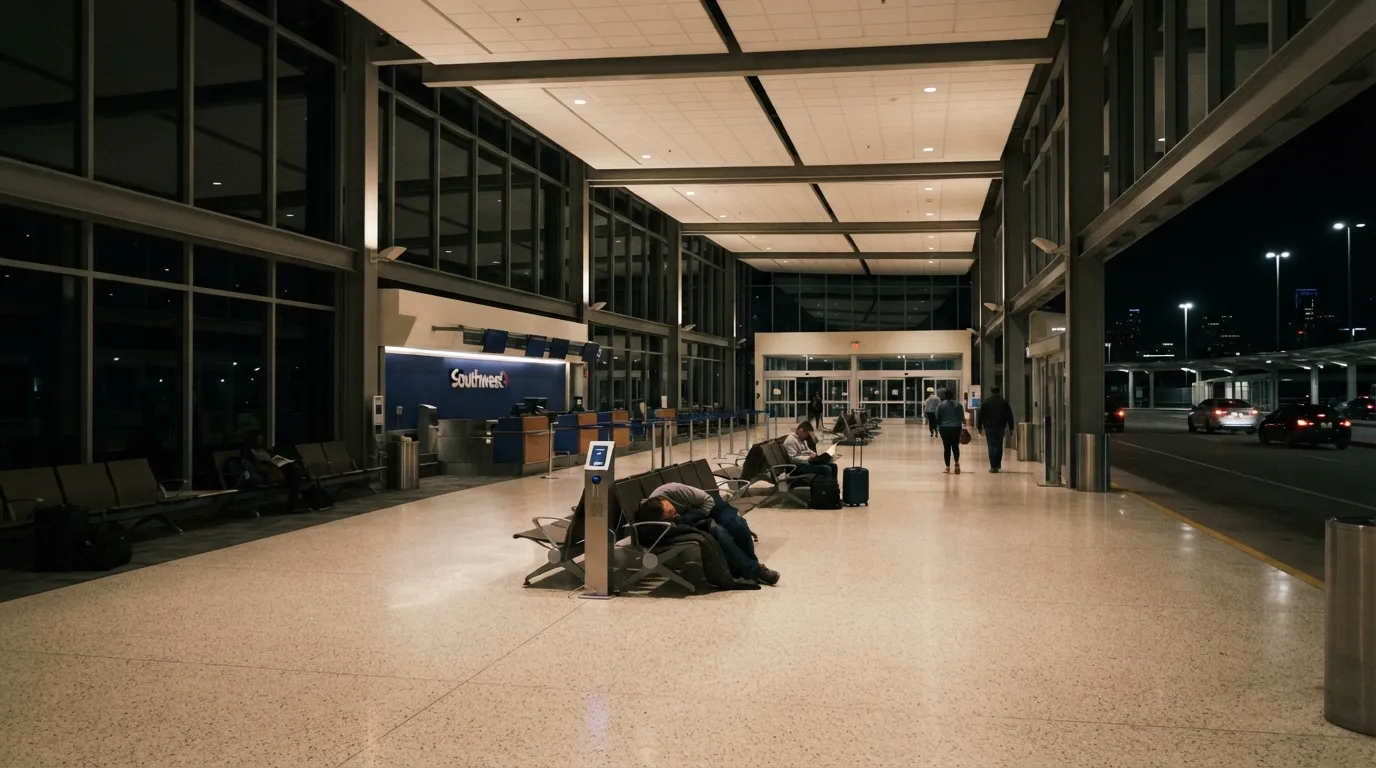
Many terminals keep arrivals halls or check-in areas open around the clock even after the gates close. Dallas Love Field’s public landside concourse stays open continuously, while its airside area shuts after the final flight.
Austin’s terminal stays open too, though overnight security can mean moving landside. At some “24-hour” airports, landside is the only place to sleep.
#10 – Step Outside, and You Start Security All Over
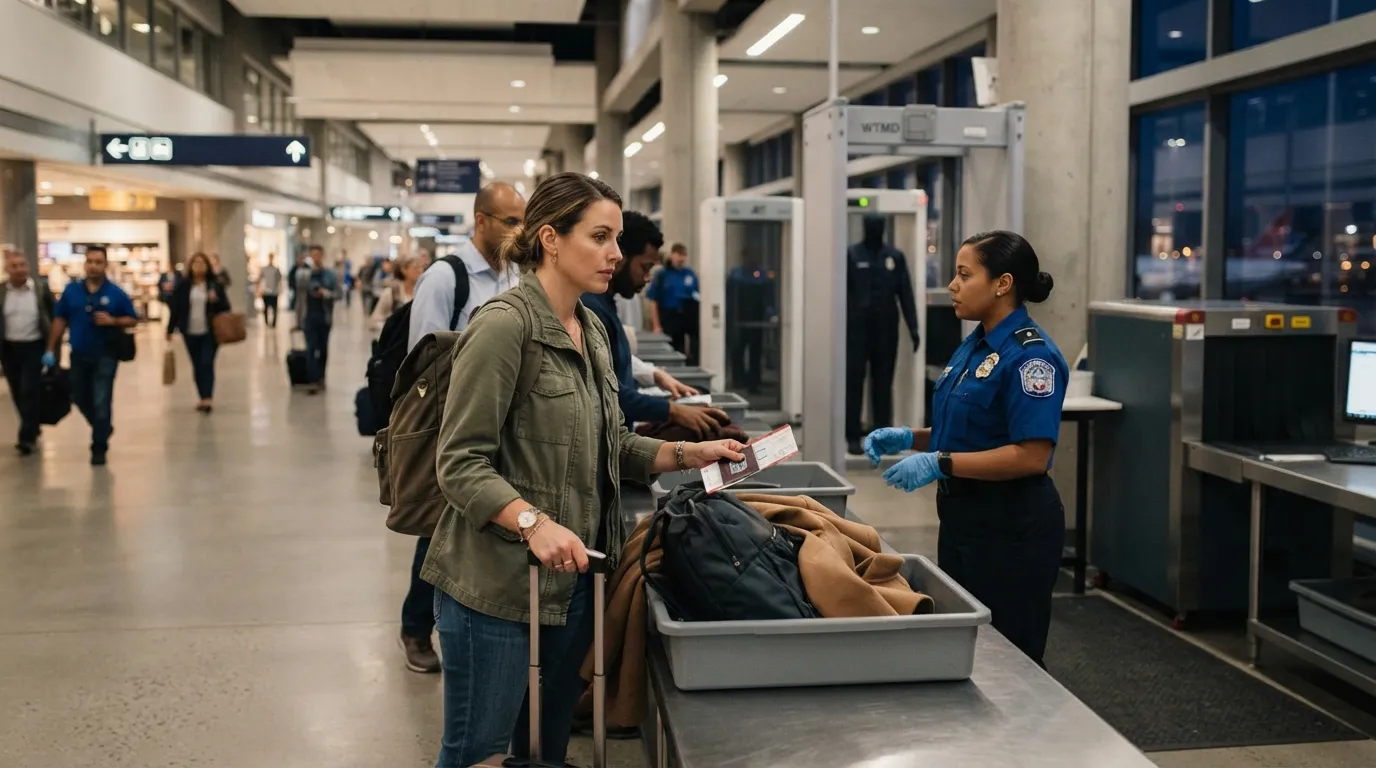
Leaving the sterile area for any reason, including a hotel stay, generally means full screening when you come back. In many cases that applies even on domestic connections.
International layovers almost always trigger a second screening. Don’t count on an exception for a quick trip out during a long wait.
#9 – Hotel Vouchers Hinge on Why the Flight Stopped
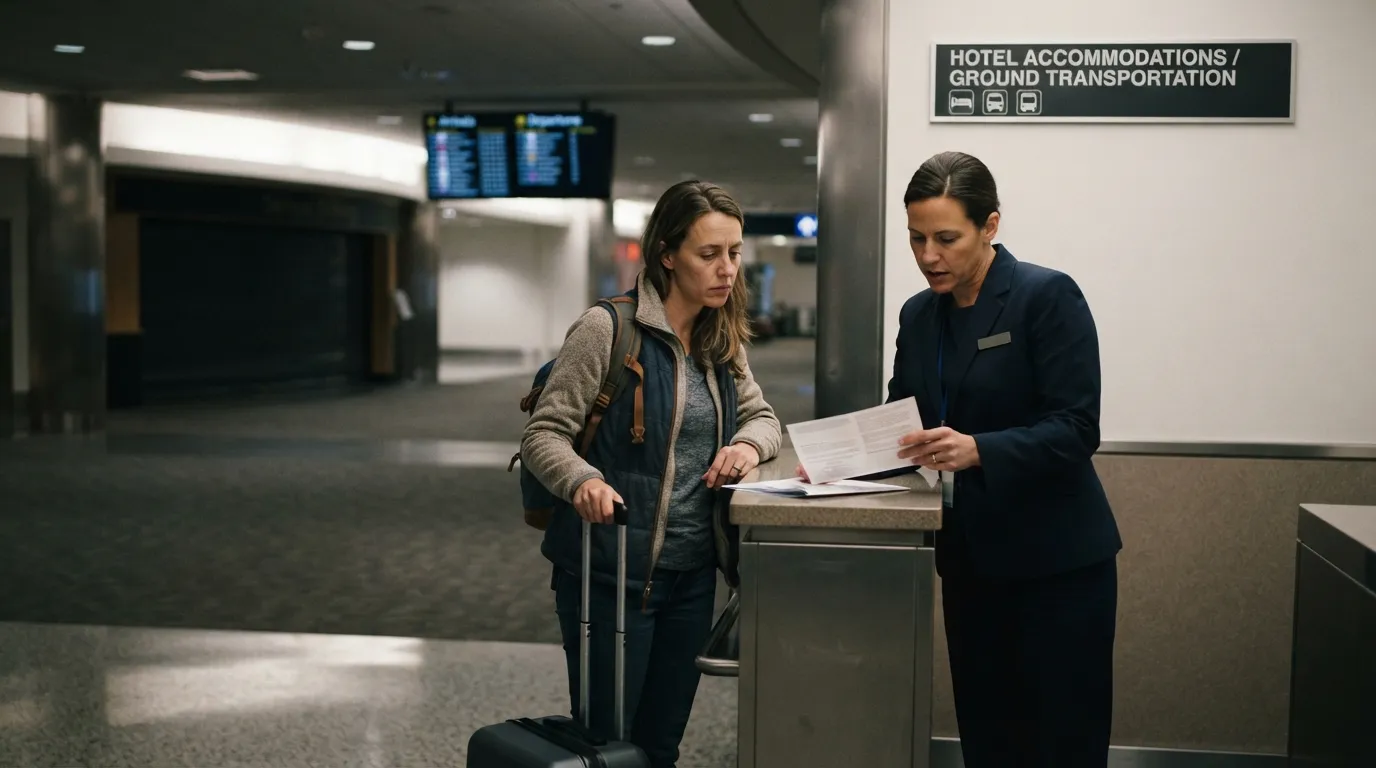
Many major U.S. airlines have committed to providing hotel rooms when an overnight delay or cancellation is within their control, though commitments vary by carrier. Weather and other uncontrollable events often leave passengers paying their own way.
International rules such as EU261 and UK261 can require care in covered cases regardless of cause. Eligibility often comes down to how the airline classifies the delay.
Fast Facts
- Airline-controlled delays are the most likely to trigger a hotel offer in the U.S.
- Weather and other outside events often leave you covering your own room.
- Commitments differ from one carrier to the next.
- EU261 and UK261 can require care in covered cases, whatever the cause.
#8 – Free Places to Sleep Are Rarer Than You’d Think
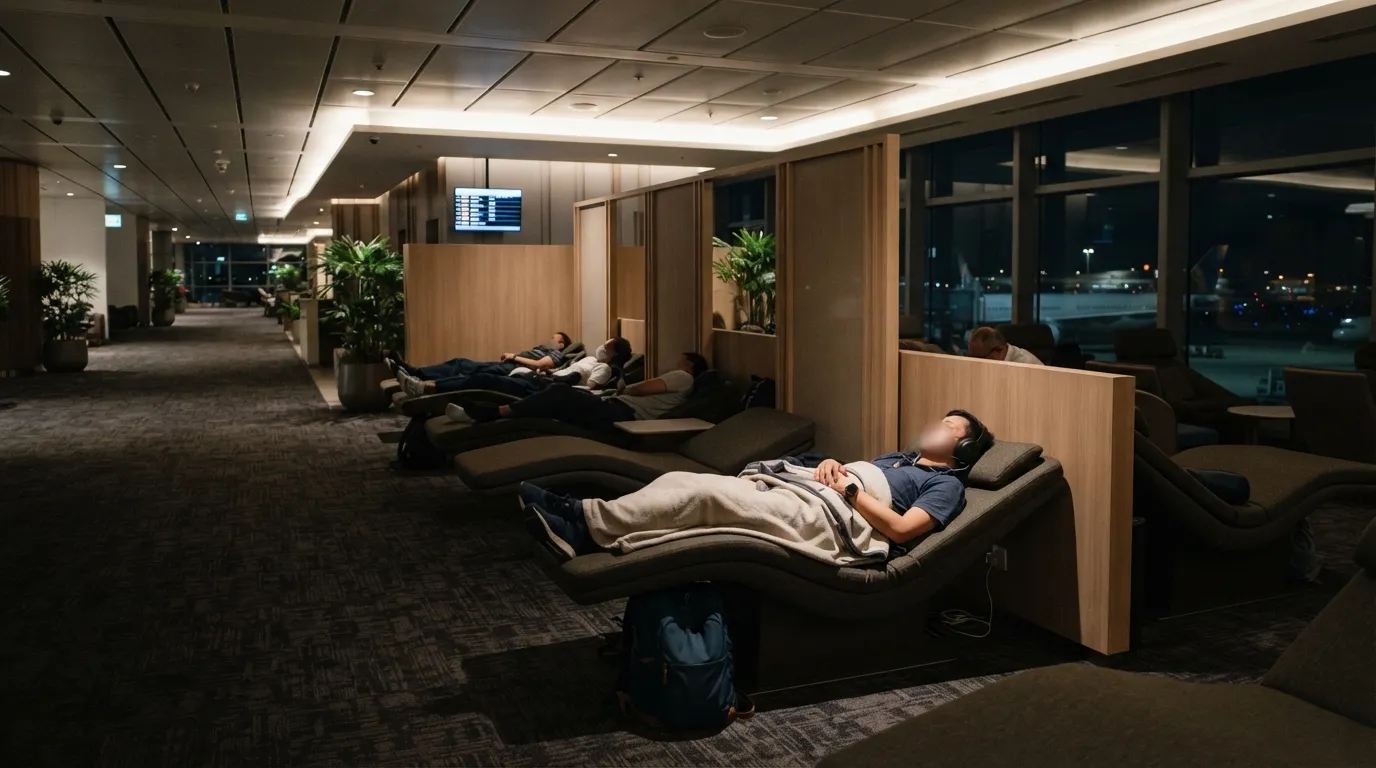
Singapore Changi offers free 24-hour snooze lounges in its transit areas. Elsewhere, sleep pods and short-stay cabins are typically paid, often landside, and sometimes need advance booking.
Most airports offer only standard seating with no dedicated overnight facilities. Free sleeping zones remain rare outside a handful of Asian hubs.
#7 – Some Smaller Airports Simply Lock the Doors
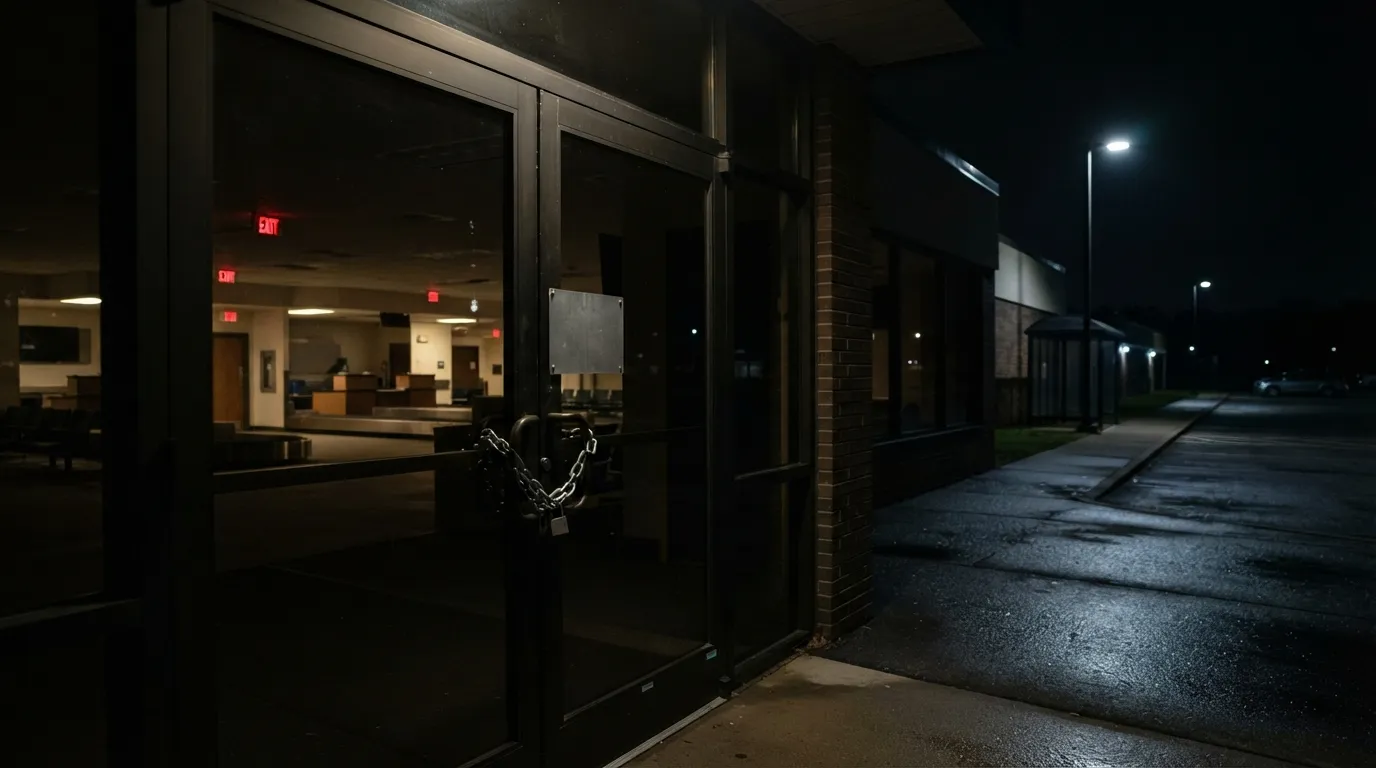
Certain airports lock up after the last arrival and ask everyone to leave until morning operations resume. Larger hubs more often tolerate ticketed passengers in public areas.
But size alone is a poor predictor. Policies are posted on each airport’s own website rather than standardized, so check before you count on a bench.
#6 – Even When You Can Sleep, the Airport Doesn’t
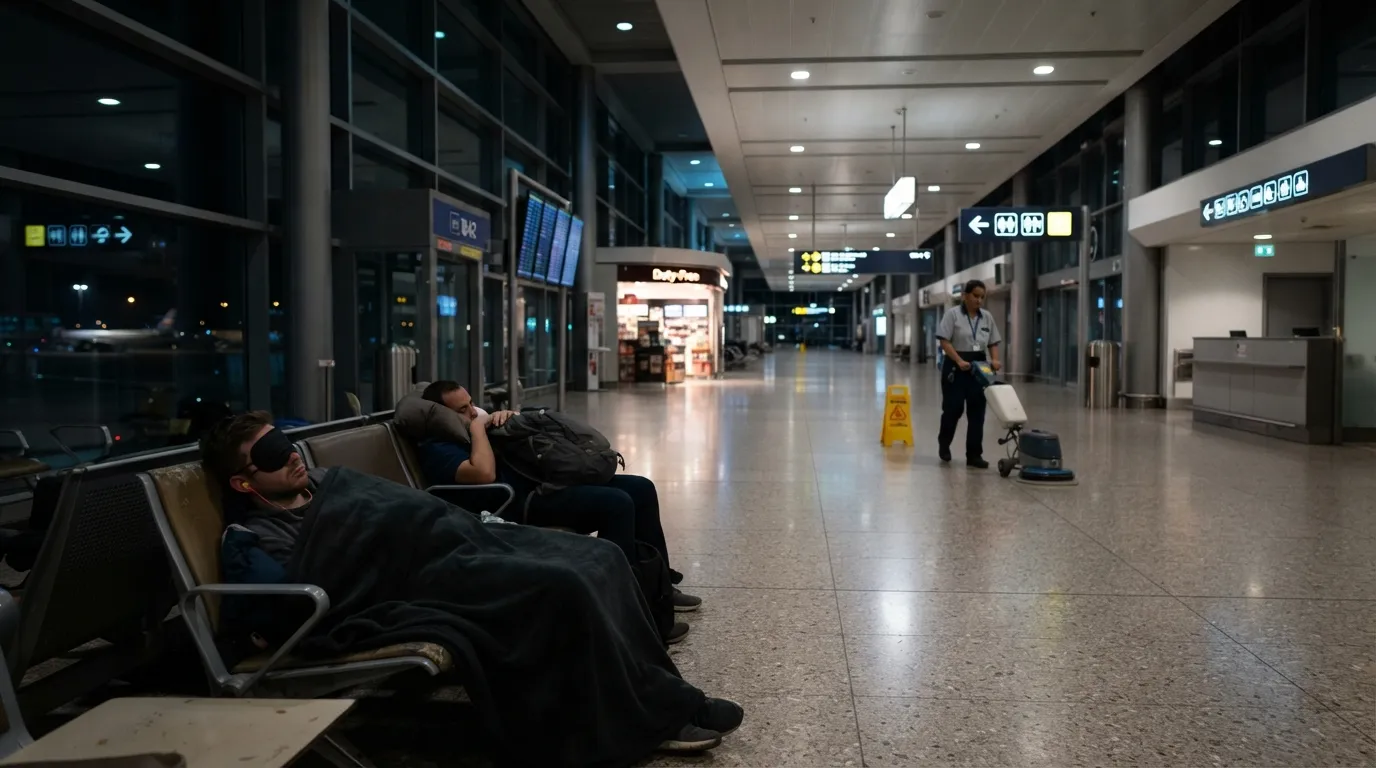
Where overnight stays are tolerated, announcements and cleaning crews usually keep running on reduced but active schedules. Bright lighting often stays on in many areas.
Travelers commonly pack earplugs and an eye mask for a reason. A tolerant terminal is not necessarily a quiet one.
#5 – Visitor Passes Expire Long Before the Overnight Hours
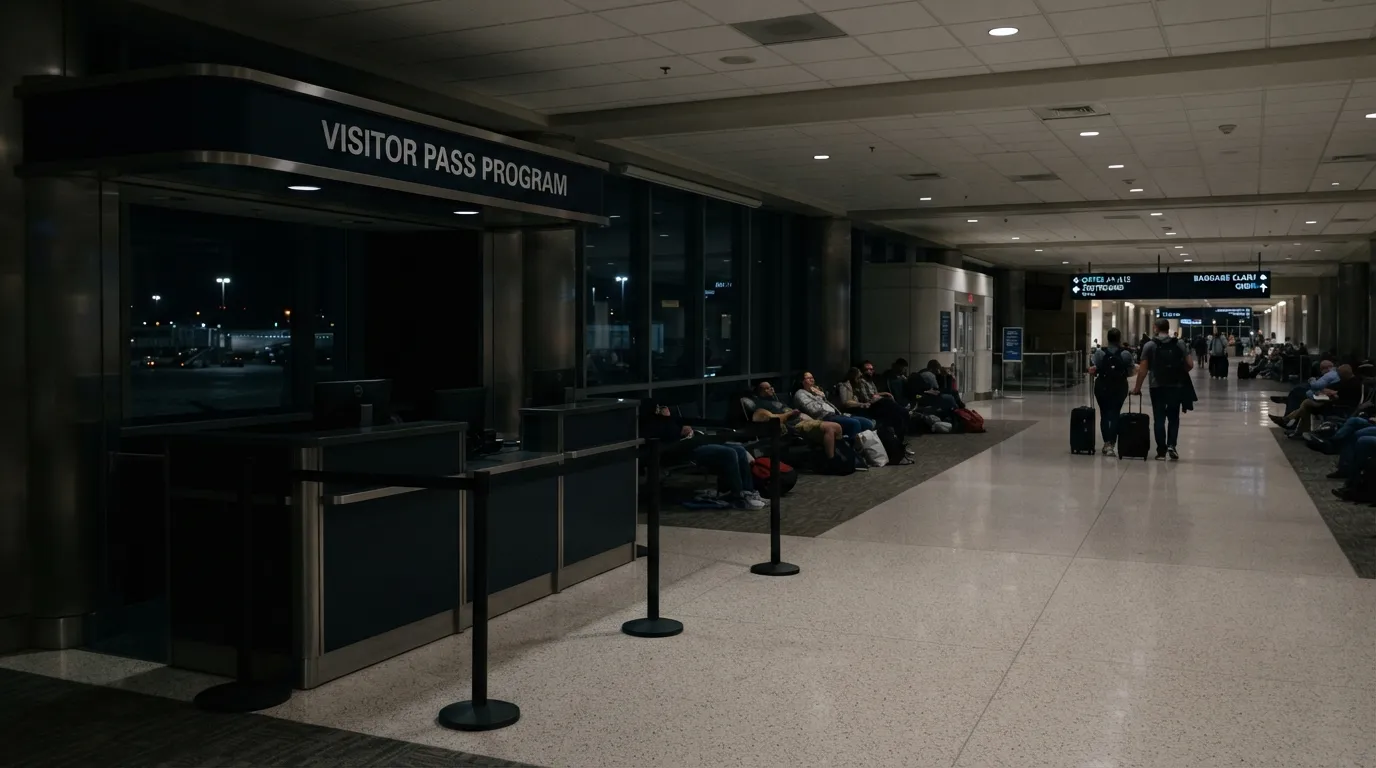
Some U.S. airports offer destination passes to non-travelers, but with tight windows. One example runs from 5 a.m. to 10 p.m., with last entry at 9 p.m.
Those passes don’t cover overnight layovers. Ticketed passengers follow separate overnight rules, so a visitor program won’t rescue a long wait.
#4 – The Airport Hotel Keeps Its Own Clock
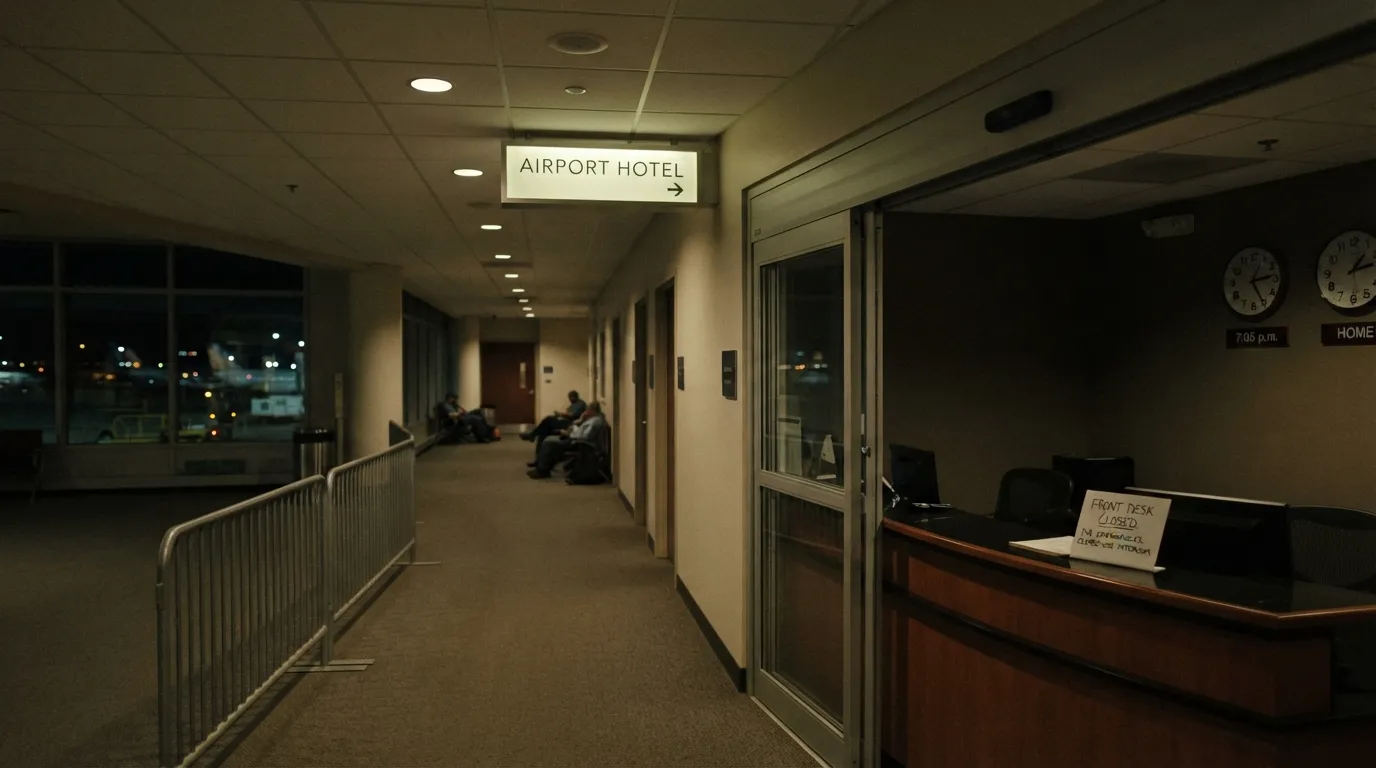
Airside or connected hotels may close check-in or shuttle services after certain hours, even when the terminal is still accessible. Landside hotels require full immigration clearance first.
Confirm operating hours in advance. Being close to the terminal does not mean a front desk is awake at 2 a.m.
Worth Knowing
- Ask whether the front desk staffs late arrivals.
- Check when shuttle service stops, not just when it starts.
- Find out if the hotel is airside or landside, since landside means clearing immigration first.
- Remember that leaving the sterile area usually means screening again.
#3 – Luggage Storage Depends on Where You’re Standing
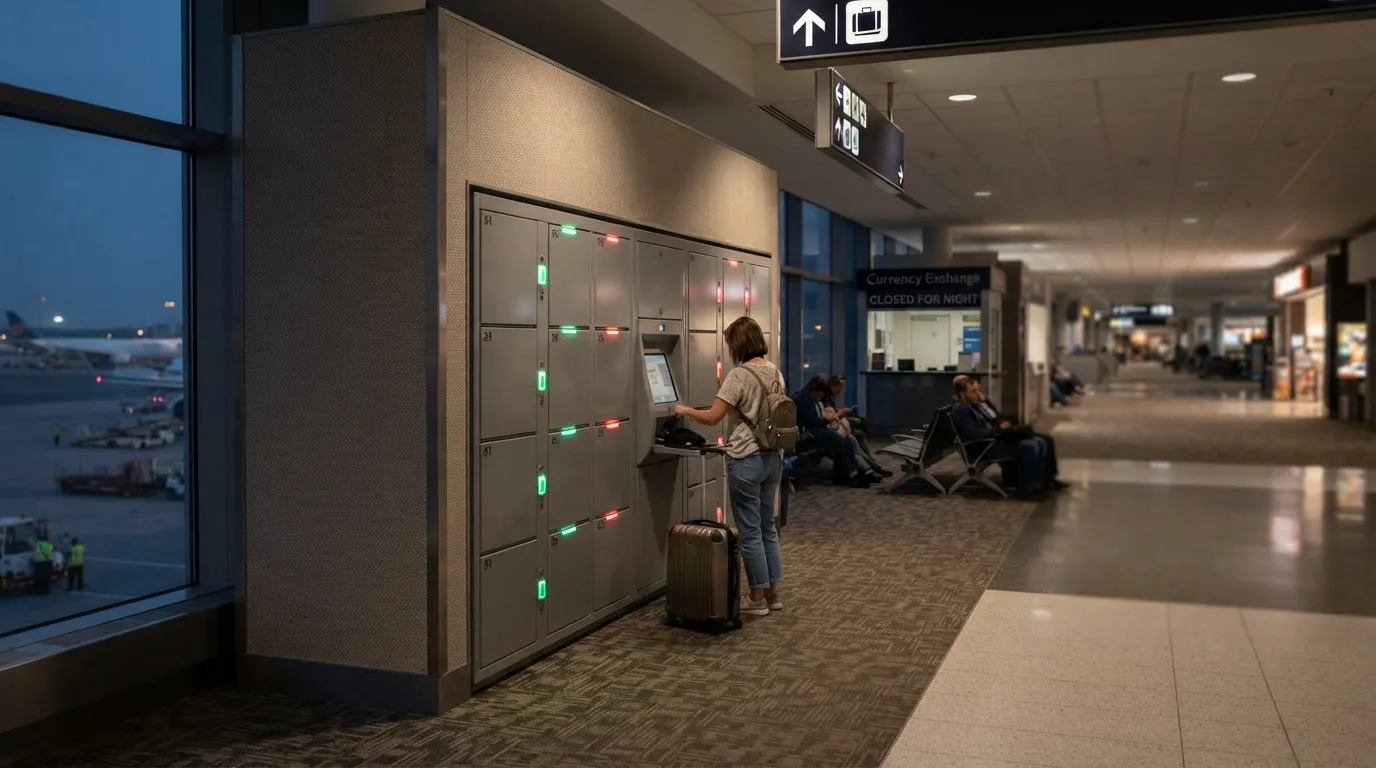
Some airports provide paid lockers or storage in public areas, while others limit them to ticketed passengers during overnight periods. Policies can differ between terminals in the same city.
Bags already checked into the system usually can’t be reached until your next flight. Storage is not uniform across an airport complex.
#2 – The Person on Duty May Matter More Than the Rulebook
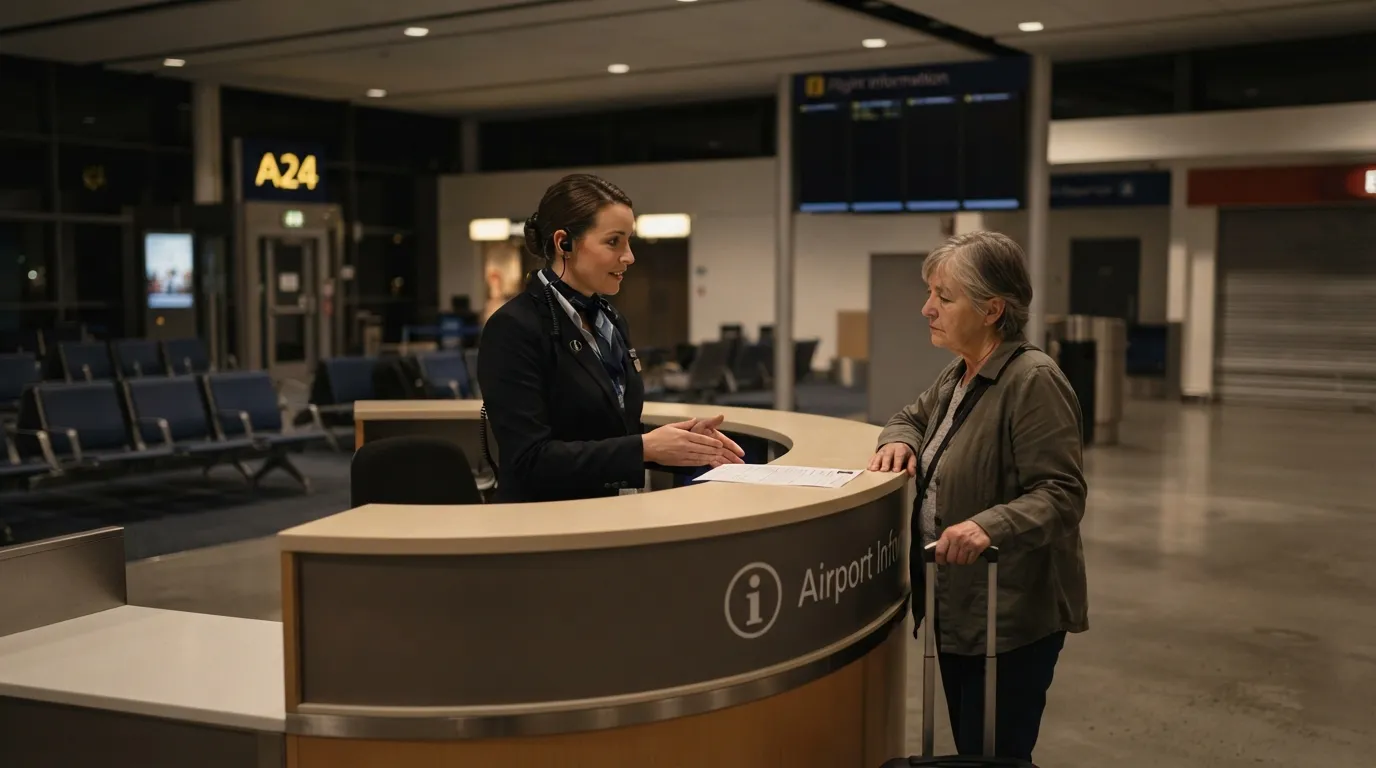
Overnight, airport staff often take a “common sense” approach, especially with vulnerable passengers or unusual circumstances. Written rules may allow you to stay while on-site enforcement varies.
Check the airport website and ask an information desk. The final call can rest with the duty staff rather than a fixed timetable.
#1 – The Real Rule Is Your Exact Airport and Terminal
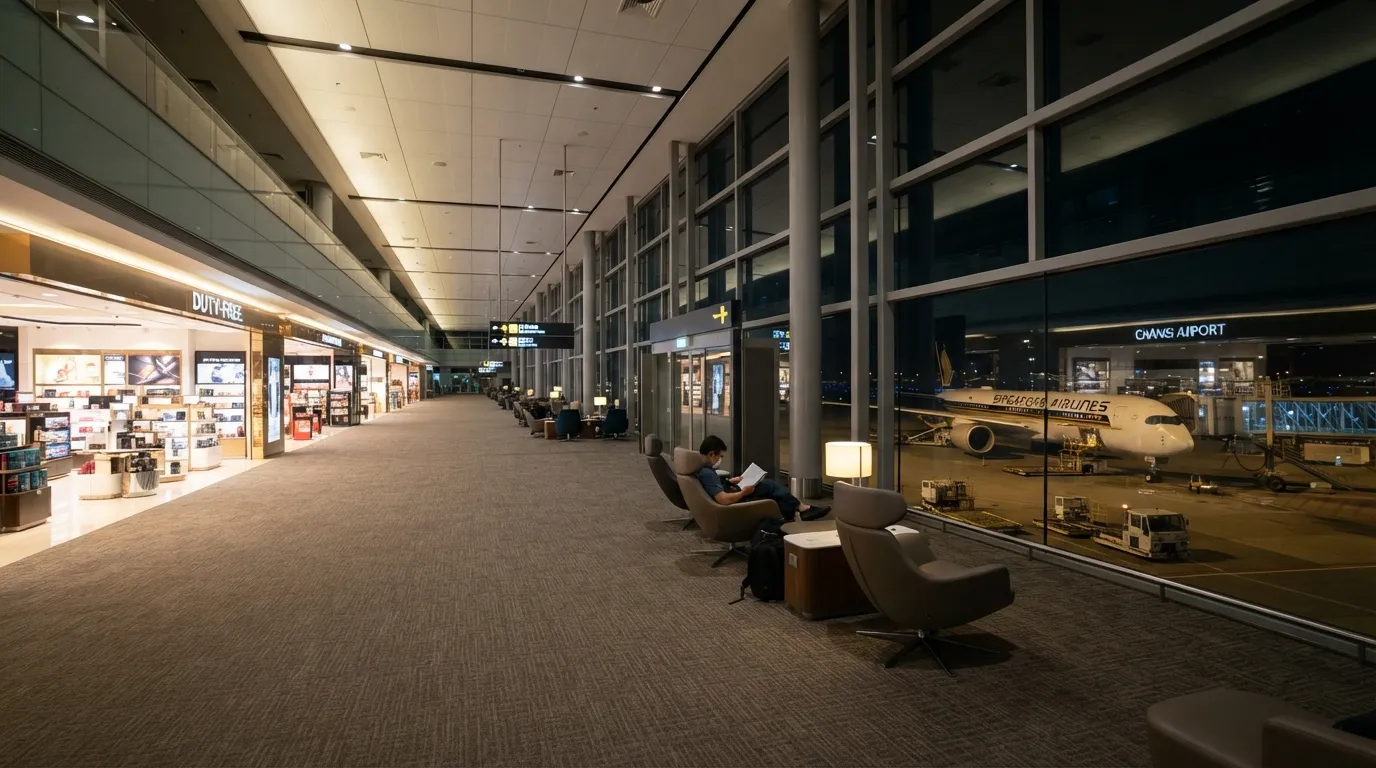
No single rule applies everywhere. Sydney closes terminals on published schedules, Philadelphia shuts checkpoints at set times, Changi keeps transit lounges open continuously, and some U.S. hubs now require proof of travel or business.
Verify the exact facility on your itinerary rather than assuming consistency. Even neighboring terminals at the same airport can follow different overnight protocols.
The layover that looks easy on your ticket can turn into a very different night once the last departure clears. Closures, security hours, border rules, and bag handling all depend on the airport, the terminal, and sometimes the staff on shift.
Before you land, confirm the details for the precise airport and terminal on your itinerary. Did we miss one? Drop it in the comments.
CEO-Co-Founder