
- How Pirates Secretly Built Modern Democracy - October 30, 2026
- 17 TV Roles Written as One-Off Guest Spots That Became Fan Favorites - October 30, 2026
- 18 Things Nobody Tells You About Overnight Trains in Europe Until Lights Out - October 30, 2026
A world cruise looks like one seamless fantasy until the paperwork, the laundry, and the ship’s clock start making demands of their own.
These are the 17 quiet details that decide whether the trip feels effortless or exhausting, and the first one hits your wallet before you even book.
#17 – Booking One Leg Can Change the Price Math

Everyone assumes the full world cruise is the smart buy. But many lines also sell segments, like Asia to Europe or an Americas circuit, and the per-night numbers can look very different.
Compare the full-voyage fare and the segment fare per night, then add flights and hotels between legs. Sales windows differ by operator, so ask the line early.
Next up is a rule that can stop you at the gangway.
#16 – Your Passport Can Expire Before the Cruise Does
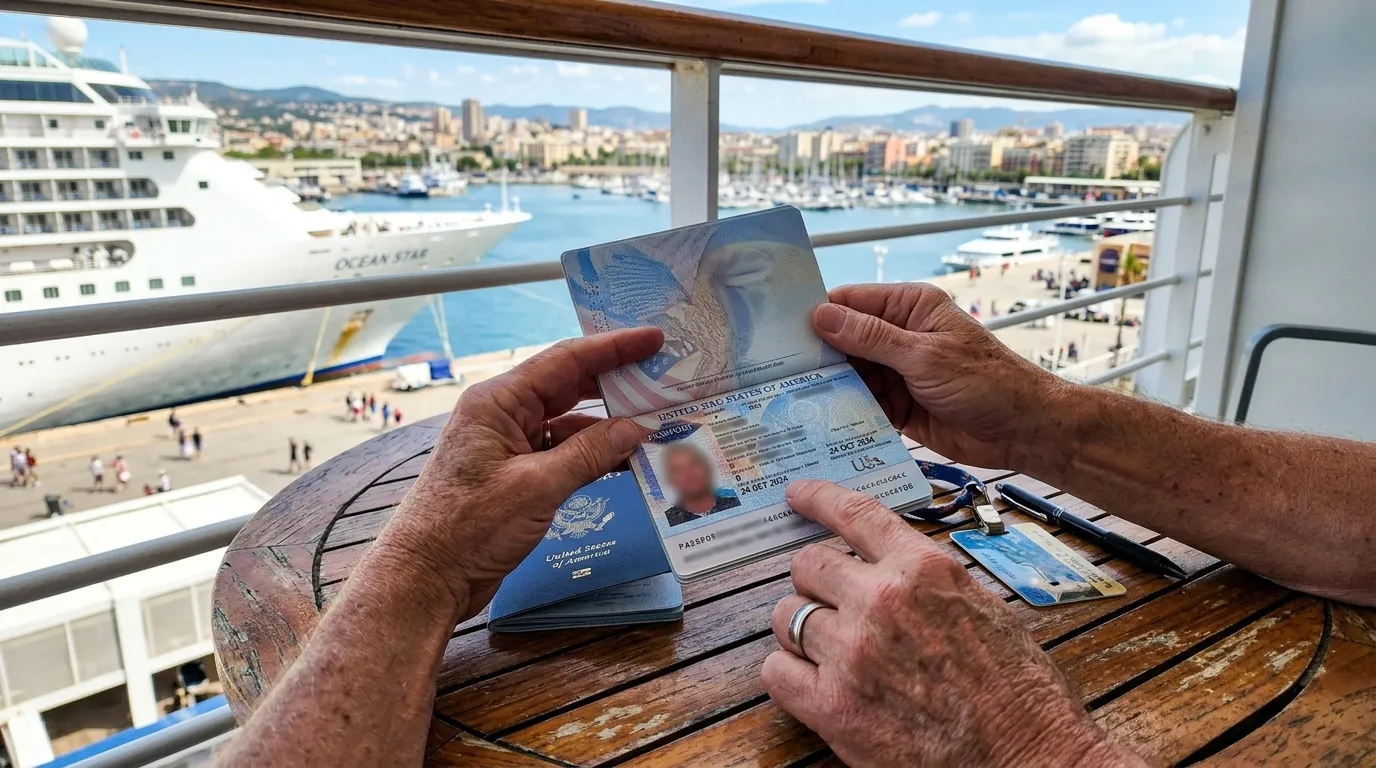
Many countries require a passport to be valid for six months beyond the date you leave, and cruise packets often repeat that rule. A passport that looks fine today may not be fine for your final port.
Check validity against your last disembarkation date, not your sailing date. Also confirm you have enough blank pages for multiple entry stamps.
Fast Facts
- Measure validity from your final port, not your embarkation day.
- Count blank pages against the number of countries on your route.
- Keep a copy of your passport photo page apart from the original.
- Confirm each country’s entry rules with official government sources.
Even a perfect passport won’t get you ashore everywhere, as the next item shows.
#15 – “Visas Included” Rarely Means Every Port
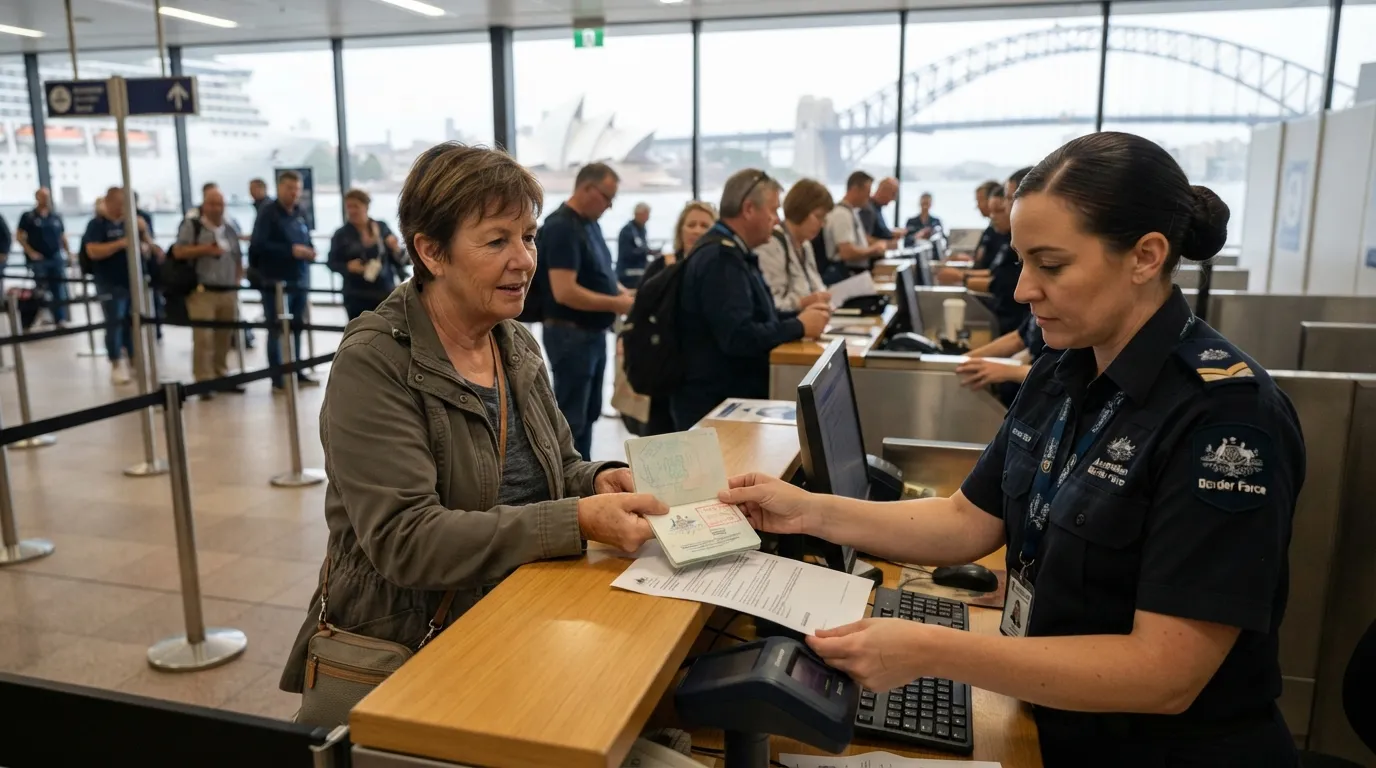
Some luxury lines handle visas for most ports, while mainstream operators leave several to you. Even lines with a handled list can carve out exceptions, such as Holland America’s notes on Australia and New Zealand.
Never assume the cruise line covers every stop on the route. Read the visa guidance the line sends before sailing, and confirm anything unclear with the official embassy.
Independent shore plans can add requirements the ship never arranged, and the body has its own border to cross next.
#14 – Your Body Clock Lags Behind the Ship’s Clock
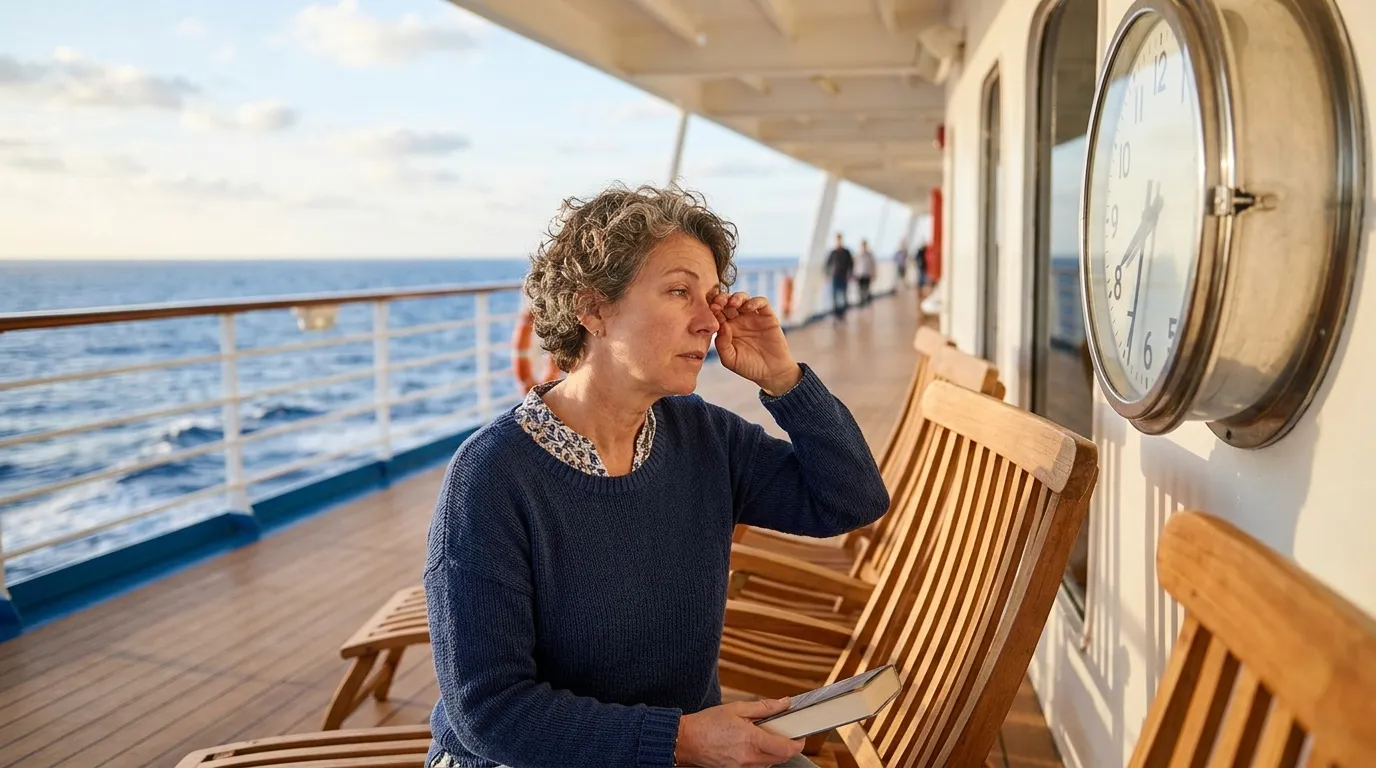
The ship can change its clocks overnight, but your sleep cycle won’t follow so politely. Crossing many time zones in one voyage is rougher on rest than a short itinerary.
Keep meal times steady and ease into new schedules before you plan an early tour. Watch how the first sea days feel before booking a 6 a.m. excursion.
Next comes the chore that quietly shapes your whole wardrobe.
#13 – Laundry Is Either a Perk or a Line Item

Laundry policy varies widely by operator. Some lines include it, some charge per bag or per piece, and some offer self-service launderettes.
Read your line’s laundry terms before deciding how much to pack. On a months-long voyage, that choice can mean the difference between one suitcase and three.
At a Glance
- Included service: you can pack lighter and rewear more.
- Pay per bag or piece: costs grow, so favor quick-dry basics.
- Self-service launderette: it saves money but costs you time on sea days.
And what you pack matters even more when you can’t just run to a pharmacy.
#12 – Your Medications Need a Longer Runway Than the Trip
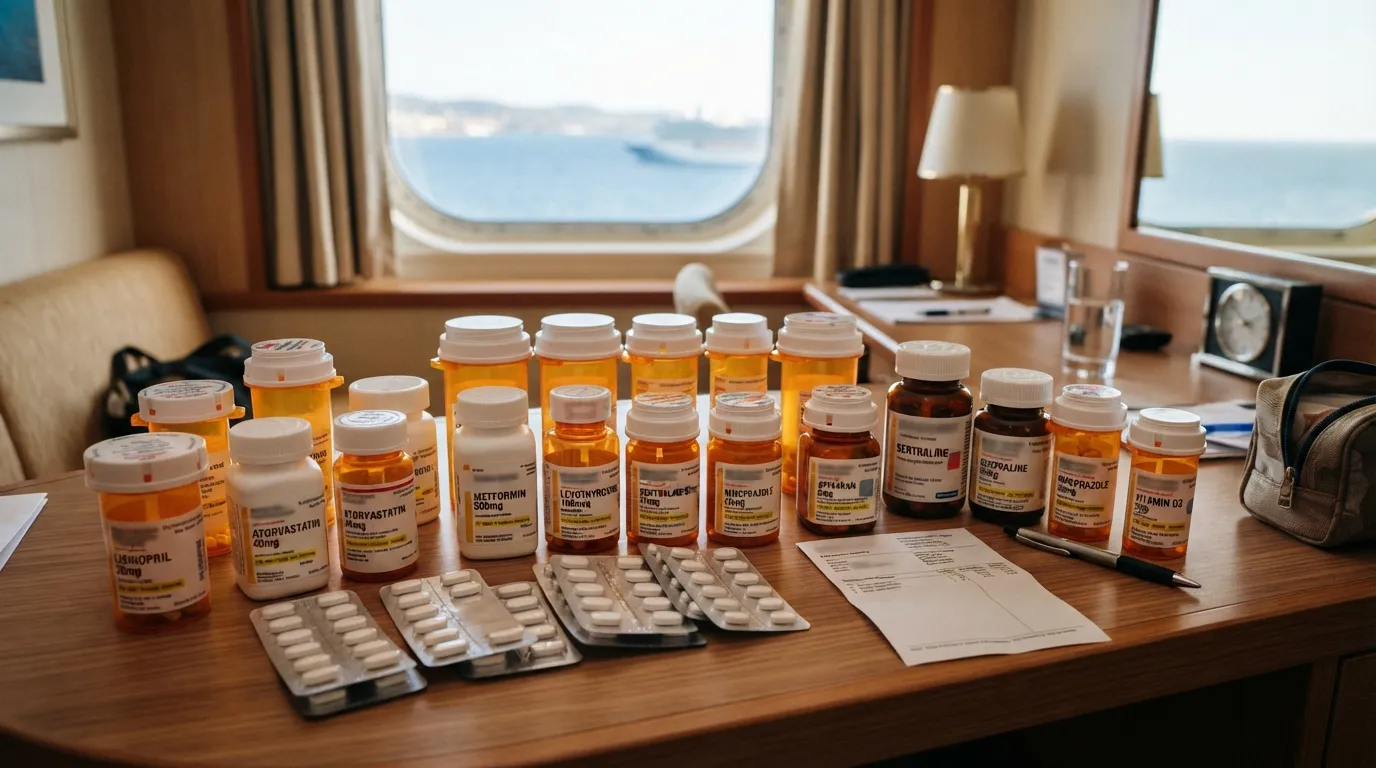
Ship shops stock basics, but not necessarily your brand or prescription. Some countries also restrict certain medications.
Bring a full supply plus extra, in original packaging, with a copy of each prescription. Check destination rules for anything controlled before you leave home.
Because when something goes wrong at sea, the ship’s medical center is where you’ll end up.
#11 – The Ship’s Medical Center Is Not a Hospital

Cruise ships carry a medical team that can handle routine and urgent care. But their equipment and capacity have limits, and visits are generally billed.
Review your operator’s medical guidance, especially if you have a chronic condition. Ask what the facility can and cannot treat.
The limits of that clinic make the next question much bigger.
#10 – Insurance Is Really About Getting Off the Ship

If a serious problem needs hospital care, the ship may have to arrange treatment in the next port or beyond. That can mean large bills far from home.
Look for travel insurance that covers medical treatment and evacuation for the full length of your voyage. Confirm that long itineraries and pre-existing conditions are addressed in the policy.
Worth Knowing
- Check that the policy’s trip-length limit covers your whole voyage.
- Look for both emergency medical and evacuation coverage.
- Read the pre-existing condition terms before you buy.
- Keep the insurer’s emergency number somewhere you can reach offline.
Then there’s the problem nobody schedules for: the sea itself.
#9 – Seasickness Is Easier to Prevent Than to Fix

Even seasoned travelers can feel queasy in rough water, and a world cruise includes long open-ocean stretches. Waiting until you feel awful is the hardest way to handle it.
Talk to your doctor before sailing about options, and test any remedy at home first. Many remedies work best when started before symptoms appear.
One more choice, made months earlier, can help too.
#8 – Cabin Location Can Quietly Change Your Voyage

On most ships, cabins near the middle and on lower decks feel less motion than those at the far ends or on high decks. That matters when the sea turns lively.
If you’re motion-sensitive, weigh cabin position as heavily as the view. A balcony is lovely until the ship is rolling.
Ashore, the biggest rule is a deadline that won’t wait.
#7 – The All-Aboard Time Is Not a Suggestion

Ships sail on a schedule, and the all-aboard time is posted in the daily program. It’s usually set ahead of the actual departure, so don’t count on those extra minutes.
Set an alarm and return early, especially in ports with heavy traffic or long transfers. If you miss the ship, getting to the next port is your responsibility.
Sometimes the delay comes before you even touch land.
#6 – Some Ports Mean a Boat Ride Before the Port

Where the ship can’t dock, passengers go ashore by tender, a small boat shuttle. It adds waiting time and can be affected by weather and sea conditions.
Check the daily program for tender ports and build in extra time both ways. If mobility is a concern, ask guest services how tendering works.
Once you’re ashore, you’ll face one big decision about who is responsible for your day.
#5 – Ship Excursions and Independent Days Come With Different Safety Nets
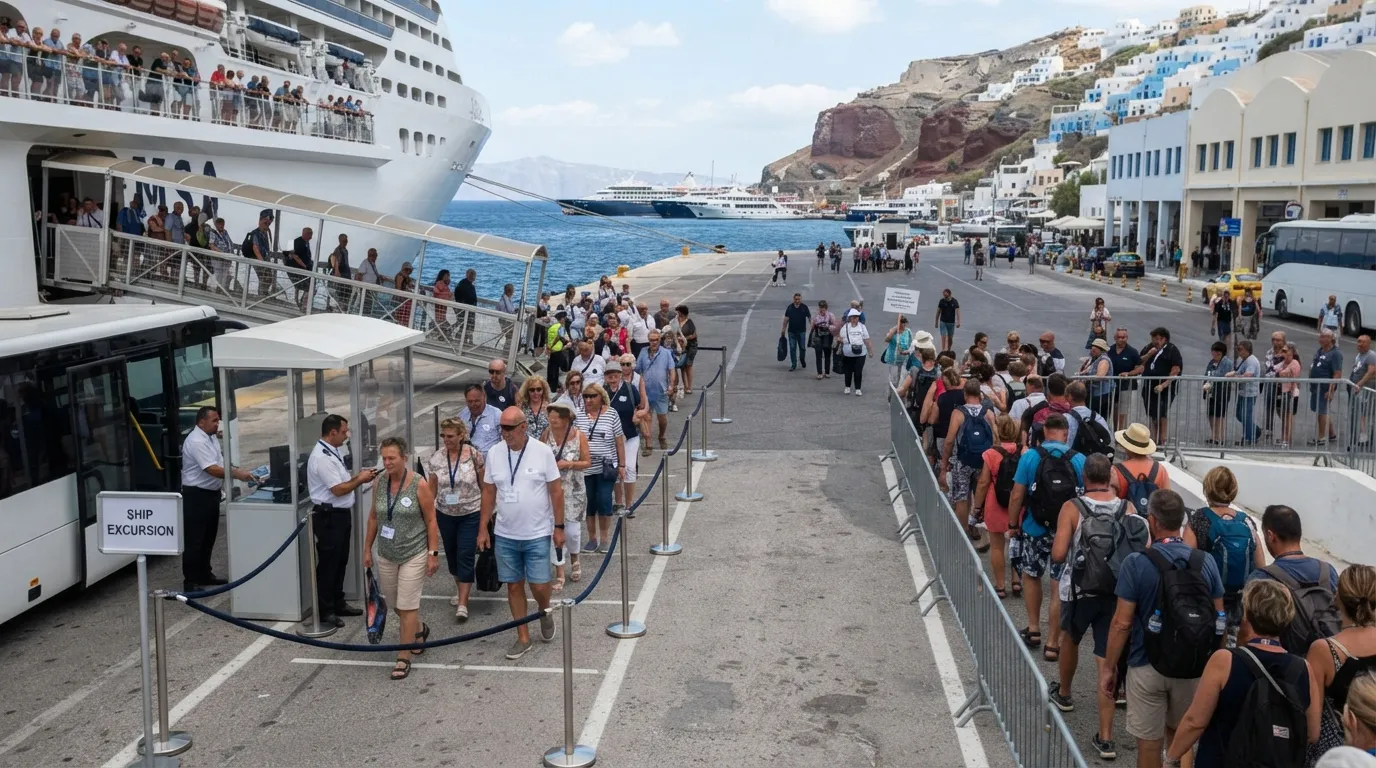
Excursions booked through the cruise line are generally coordinated around the ship’s departure. Independent tours may be cheaper or more flexible, but timing is on you.
Choose the option that fits your risk tolerance, and always leave a generous buffer to get back. Remember that independent plans may also need visas the line doesn’t arrange.
Quick Compare
- Ship excursion: built around the ship’s schedule, with less flexibility.
- Independent tour: often more flexible, but you own the timing and any visa questions.
- Self-guided day: the most freedom, and the biggest need for a return buffer.
Getting back on is not always as simple as waving a card, either.
#4 – Getting Back Aboard Can Involve Paperwork
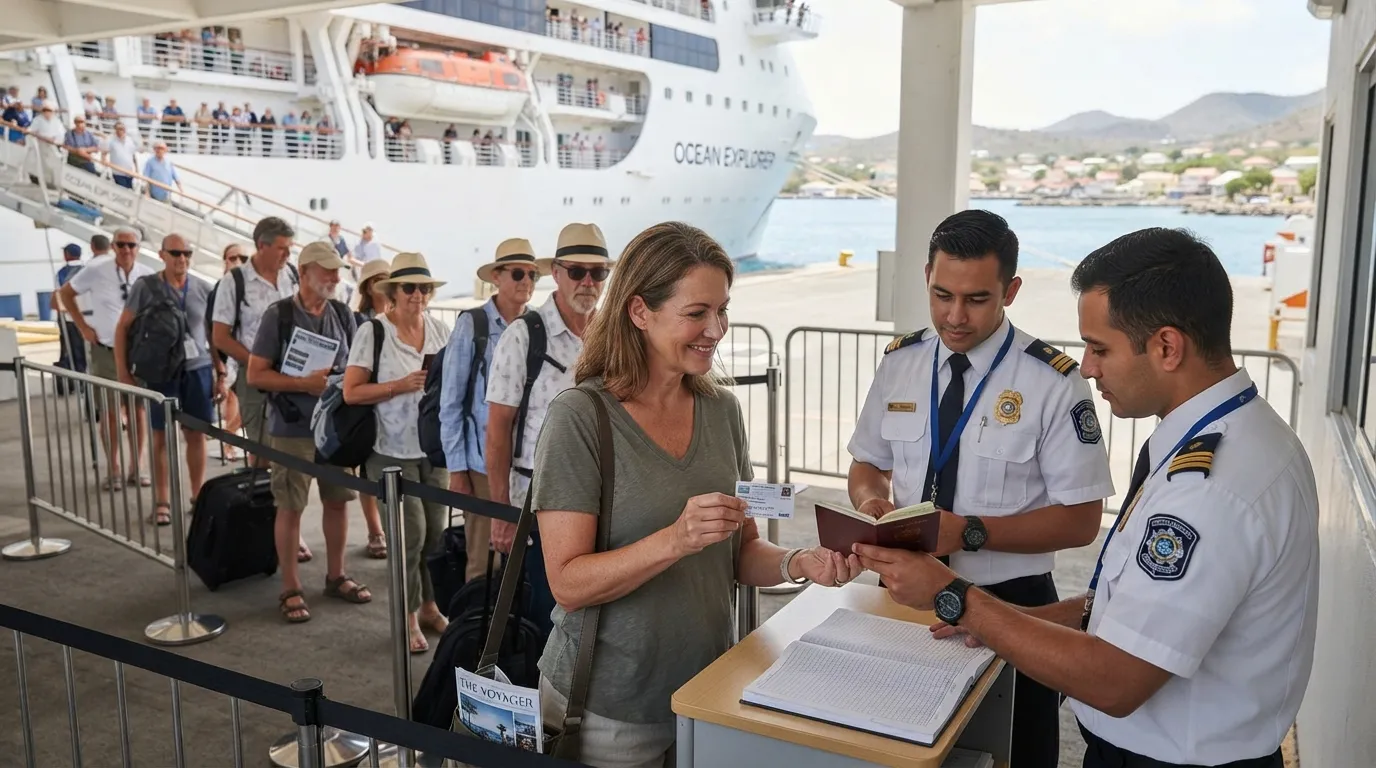
Beyond your ship card, some ports require identification checks or immigration clearance. At certain stops the ship may hold passports, and the daily program explains what to carry.
Follow the written instructions for each port, and keep your ID and ship card handy. A paper or digital copy of your passport can be a helpful backup.
The next surprise is quieter and shows up on your bill.
#3 – Onboard Spending and Internet Run on Ship Rules

Most spending happens on a ship account, so small purchases add up quickly. Internet at sea relies on satellite service, which can be slower and priced differently than at home.
Check your line’s internet packages and review your account regularly. Download what you need before sailing.
The climate is the next thing that doesn’t stay put.
#2 – One Voyage Can Mean Several Different Seasons

A world cruise can take you through heat, humidity, wind, and cooler weather in a single trip. Evenings onboard may also have dress expectations that your port wardrobe doesn’t cover.
Pack in layers, and match your wardrobe to your line’s dress guidance and laundry policy. Skip the overpacking, since laundry options may fill in the gaps.
The final item is the one that makes the other sixteen easier to enjoy.
#1 – Sea Days Are the Secret Weapon

Port after port sounds exciting until fatigue sets in. Sea days give you time to rest, handle paperwork, do laundry, and recover from time-zone shifts.
Plan breathing room between big port days instead of filling every stop. The best world cruisers treat rest as part of the itinerary.
Most of what surprises people on a world cruise isn’t the ocean. It’s the logistics: paperwork, medicine, laundry, deadlines, and fatigue.
Sort those out early, and the first port call feels like the start of an adventure instead of a scramble.
CEO-Co-Founder